Arabs & Arabian Records Aggregator. Chronicler. Milestones of the 25 Countries of the Arabic Speaking World (official / co-official). AGCC. MENA. Global. Ist's to Top 10's. Records. Read & Enjoy./ www.arabianrecords.org
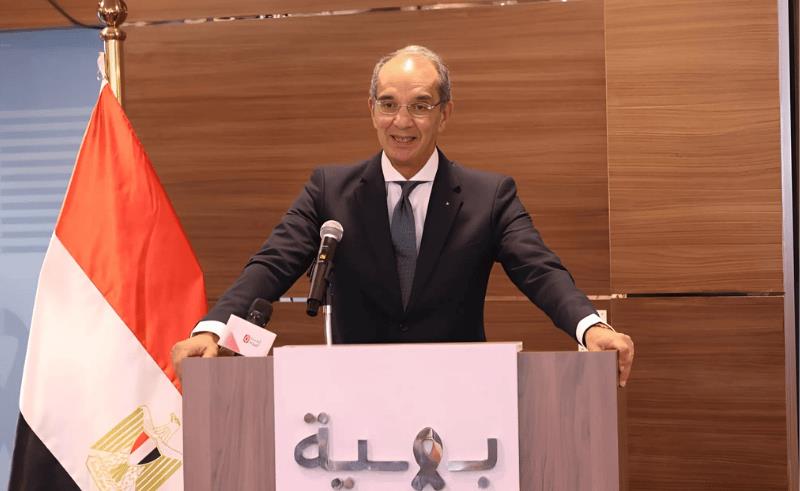
The Center for Applied Innovation and Baheya Foundation have launched the first AI-powered breast cancer detection system in Egypt and the Middle East, now operational at Baheya hospitals.
The Center for Applied Innovation and the Baheya Foundation have launched the first locally developed AI system for the early detection of breast cancer in Egypt and the Middle East. The system debuted this August at Baheya Hospital in Sheikh Zayed, where it is already assisting doctors in analysing mammogram images.
The technology can scan and identify abnormalities in seconds, classifying them as malignant or benign. It is powered by a database of over 60,000 mammogram images, categorised by type, location, shape, density, and diagnostic confidence. The AI engine has already achieved an accuracy rate of 90%, according to the Ministry of Communications and Information Technology.
The system is currently in use at Baheya’s Haram and Sheikh Zayed branches, with plans to expand across more hospitals nationwide as development continues.
Four-vessel project off Mexico’s west coast opens a new LNG corridor, boosting global energy security, and setting new industry standards.
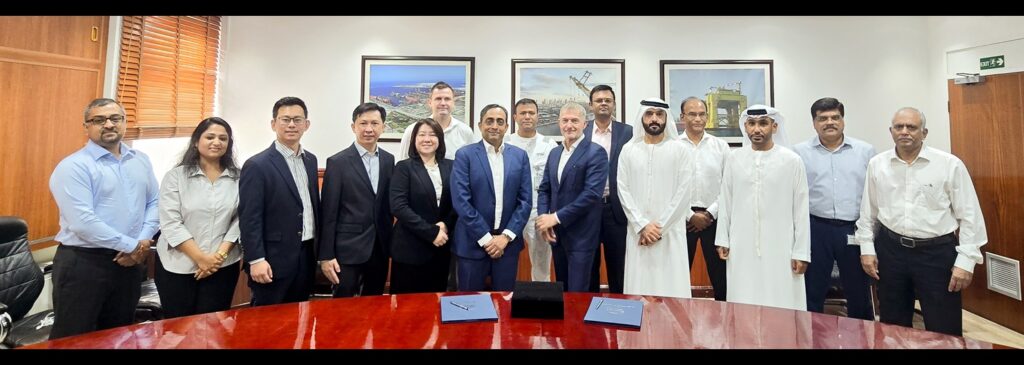
The breakthrough project includes the conversion of two LNG carriers into Floating Storage Units (FSUs) and the construction of two newbuild FLNG barges at Drydocks World’s yard in Dubai. Once operational in the second half of 2028, the four-vessel facility will provide more than 4.2 million tonnes per annum (MTPA) of liquefaction capacity, surpassing any existing floating LNG development worldwide.
AMIGO LNG is a joint venture between Texas-based Epcilon LNG LLC and Singapore-based LNG Alliance Pte Ltd.
Located off Guaymas, Sonora on Mexico’s west coast and supplied with natural gas from the US Permian Basin, the facility will expand Mexico’s role in global energy supply by enabling direct LNG exports to meet growing demand in Asia and Latin America. Its strategic location shortens shipping distances to Asia compared with US Gulf terminals, cutting costs and emissions while opening a new LNG corridor at a critical time for global energy security.
Capt. Rado Antolovic, PhD, CEO, Drydocks World, said: “This contract represents a major milestone for Drydocks World and Dubai. With our expertise in complex offshore conversions and large-scale new builds, we are setting new global benchmarks for floating LNG solutions. At the same time, this project reinforces Dubai’s position as a hub for advanced maritime engineering that powers global trade and the energy transition.
The EPC project will be executed using a modular build strategy, enabling precision fabrication, seamless system integration and pre-commissioning in a controlled environment. This approach ensures rigorous quality assurance, shorter delivery schedules, reduced environmental impact, and reliable long-term performance.
Dr. Muthu Chezhian, CEO of LNG Alliance Pte Ltd. , said: “By partnering with Drydocks World on the world’s largest FLNG facility, we are securing best-in-class quality, exceptional production capacity, and reliable long-term performance of this critical asset. We are also harnessing the key advantages of FLNG solutions — from faster project schedules to rigorous testing and seamless pre-commissioning in a controlled fabrication yard environment, as well as the substantial environmental benefits this approach delivers.”
Drydocks World has completed more than 10 major LNG and FSRU conversion projects.
Sheikh Mohammed congratulates Belkaid on her made exceptional contributions to immunology.
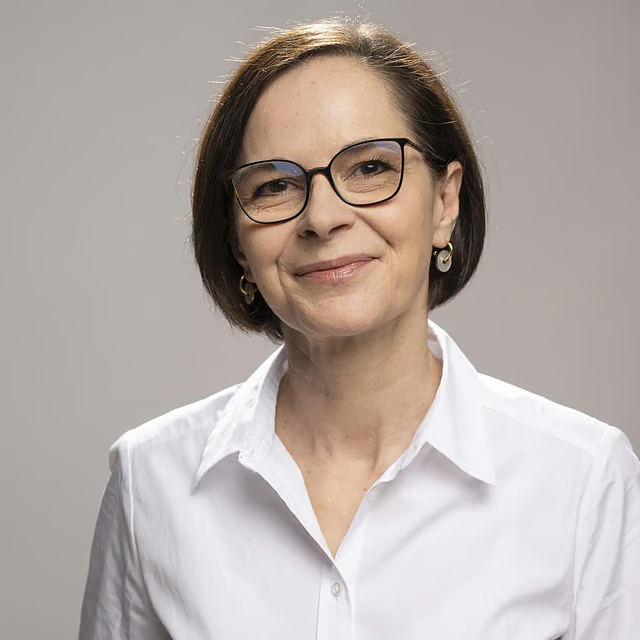
His Highness Sheikh Mohammed bin Rashid Al Maktoum, Vice President and Prime Minister of the UAE and Ruler of Dubai, has congratulated Algerian Professor Yasmine Belkaid on winning the ‘Great Arab Minds’ Award in Medicine for 2024.
In a post shared on his X account, Sheikh Mohammed wrote: “Today, we congratulate the winner of the ‘Great Arab Minds’ Award in the category of medicine for the year 2024, Algerian Professor Yasmine President of the Pasteur Institute in France. She has made exceptional contributions to immunology and to studies on the role of microbes in boosting immunity and preventing diseases. Professor Yasmine Belkaid has published more than 220 scientific papers in the fields of infection and immunology.”
نبارك اليوم للفائزة بجائزة نوابغ العرب عن فئة الطب لعام 2024، البروفيسورة ياسمين بلقايد من الجزائر ، رئيسة معهد باستور في فرنسا… قدمت إسهامات استثنائية في علم المناعة، ودراسات مرتبطة بدور الميكروبات في تعزيز المناعة والوقاية من الأمراض… نشرت البروفيسورة ياسمين بلقايد أكثر من… pic.twitter.com/Q4lQeZ9d4x
The Great Arab Minds initiative honours exceptional Arab individuals whose remarkable achievements have helped drive progress and enrich knowledge both within the Arab world and globally.
Heralded as the ‘Arab Nobel Prize’ for its singular efforts to recognise Arabs who have made extraordinary contributions to humanity, the initiative aims to reignite the Arab world’s remarkable spirit of scientific enquiry and leadership in such quests throughout history.
Under the patronage of Sheikh Mohammed bin Rashid, the UAE recently launched the second edition of the Great Arab Minds initiative.
The awards’ six categories encompass medicine, engineering and technology, economics, natural sciences, architecture and design, and literature and arts.
source/content: gulfnews.com (headline edited)
______________
Algerian Professor Yasmine Belkaid named ‘Great Arab Minds’ winner in medicine
Fair was organized by the Muslim World League in cooperation with the Royal Commission for Makkah City and Holy Sites
Prince Saud bin Mishaal toured the diverse pavilions and exhibitions, which offer visitors an educational experience on the life of Prophet Muhammad and Islamic civilization
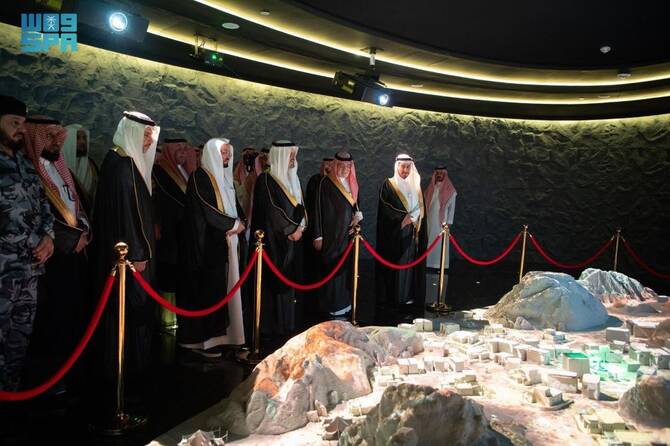
Makkah Deputy Gov. Prince Saud bin Mishaal bin Abdulaziz recently inaugurated the International Fair and Museum of the Prophet’s Biography and Islamic Civilization at the city’s Clock Towers.
The fair was organized by the Muslim World League in cooperation with the Royal Commission for Makkah City and Holy Sites, the Saudi Press Agency reported.
Prince Saud toured the diverse pavilions and exhibitions, which offer visitors an educational experience on the life of Prophet Muhammad and Islamic civilization, using advanced visual and digital technologies.
The fair features a pavilion titled “The Prophet as if You Were with Him,” depicting scenes from Makkah, Madinah, and the migration route.
It includes a panoramic display of the prophet’s chamber, pavilion on prophetic medicine, and presentation of his daily routine.
Prince Saud was also briefed on the accompanying digital platform, which includes a library and encyclopedias translated into major world languages.
He also visited the permanent exhibition showcasing the Kingdom’s efforts to serve the Two Holy Mosques, Qur’an, and Sunnah.
source/content: arabnews.com (headline edited)
______________
Makkah Deputy Gov. Prince Saud bin Mishaal bin Abdulaziz inaugurated the International Fair and Museum of the Prophet’s Biography and Islamic Civilization at the city’s Clock Towers. (SPA)
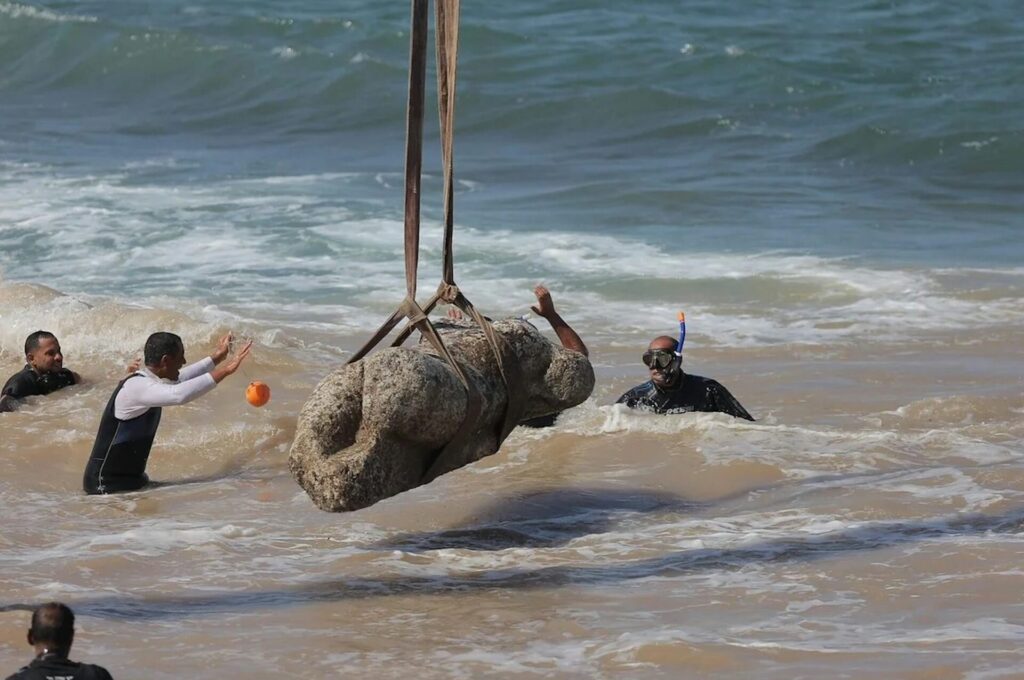
This year has seen a number of artefacts recovered from the Mediterranean Sea off the coast of Egypt. The area has attracted interest for some time due to ongoing searches for the tomb of Cleopatra VII and Alexander the Great. But the new finds add to our knowledge of the ancient city of Canopus, one of several settlements that have largely been lost to the sea.
The discovery of buildings and an ancient dock is particularly crucial for our understanding of this principal port – one of the most important for the economy of Egypt before the foundation of Alexandria in the 4th century BC.
The Nile Delta is where the river flows into the Mediterranean Sea, and the twin cities of Canopus and Thonis-Heracleion were situated on opposite banks. Canopus was on the western side, at the mouth of the westernmost branch of the Nile. Recovering artefacts from the mouth of the Nile is difficult because much of the material not only lies on the seabed, but is submerged under clay and silt.
The preservation of archaeological material underwater is variable. Metal objects do not fare well, but stone is more durable. Organic materials such as wood can last surprisingly well due to the lack of oxygen in waterlogged places, although they become very vulnerable when removed, so rapid protection is essential.
The recent discoveries include the remnants of an ancient harbour and a merchant ship, shedding light on shipbuilding techniques and economic activity.
Statues continue to emerge, building on what we already know of sculptural practices, religion and politics. They offer clues as to the physical appearance of the ancient city.
One of these statues is a huge quartz sphinx holding the cartouches of Pharaoh Ramesses II (carved oval tablets bearing his name). While it is not yet determined how or when that sphinx was brought to Canopus, it emphasises the antiquity of the site. A white marble statue of a Roman nobleman further confirms the city’s status as multicultural and extremely wealthy.
Where Greece and Egypt meet
The foundation date of Canopus is unknown, but the site had been settled for centuries before the Greeks. It was first mentioned in writing in the 6th century BC, in a poem by Solon.
Expanded over time, in a location perfect for trade and military activity in the Mediterranean, Canopus became a key part of the success of the Greek rulers of Egypt. It served the Ptolemaic dynasty well for several centuries before eventually becoming part of the Roman empire around 30BC. However, the coastal position meant that settlements in that area were vulnerable to environmental stresses and earthquakes and rising sea levels eventually submerged them by the 8th century AD.
A large proportion of the western suburbs of Canopus are today underneath the modern Egyptian coastal town of Abu Qir, while the eastern suburbs are underwater.
For ancient people, Canopus was a place of pilgrimage. Countless people travelled to the sanctuaries of the Egyptian gods Osiris and Serapis there to take part in the Mysteries of Osiris. The annual religious festival reenacting the god’s murder, dismemberment and resurrection dated back to the earliest days of ancient Egypt.
The modern site of Abu Qir was also a place of importance to early Christianity, as religious changes took hold across the world.
A sunken city and its treasures
Underwater excavation in the Alexandria area has continued for decades, most notably by French archaeologist Franck Goddio and his team. They work under the auspices of the European Institute for Underwater in collaboration with the Egyptian Ministry of Tourism and Antiquities.
Many initial finds were made during the team’s work in the 1990s-2010s. The British Museum showcased some 200 of its artefacts in their Sunken Cities: Egypt’s Lost Worlds exhibition in 2016. Highlights included a 5.4 metre tall granite statue of Hapy, the personification of the Nile (on loan from the Maritime Museum , Alexandria ) and a massive statue of the Apis bull (from the Graeco-Roman Museum, Alexandria). It showed that Greek rule did not mean the end of Egypt; rather, it was refashioned with a new image.
A sculpted figure of the posthumously deified Arsinoe II, daughter of Ptolemy I, as the Egyptian goddess Isis was also found. It is an intriguing combination of the timelessness of ancient Egyptian statuary, overlaid with the Greek aesthetic, wearing garments rendered in stone so fine they seem transparent.
There is much more to be found beneath the waves, but the strict criteria applied to these underwater excavations mean that most objects will remain there, at least for now, with plans being developed for the world’s first underwater museum.
The targeted nature of the excavations is part of a quest to highlight and celebrate the work being done around underwater heritage. As climate change pushes sea levels ever higher, the need for protection for archaeological sites like Canopus only becomes more pressing.
The groundbreaking invention aims to aid those with immune deficiencies and provide treatment for chronic infections in intensive care units where antibiotics are ineffective.
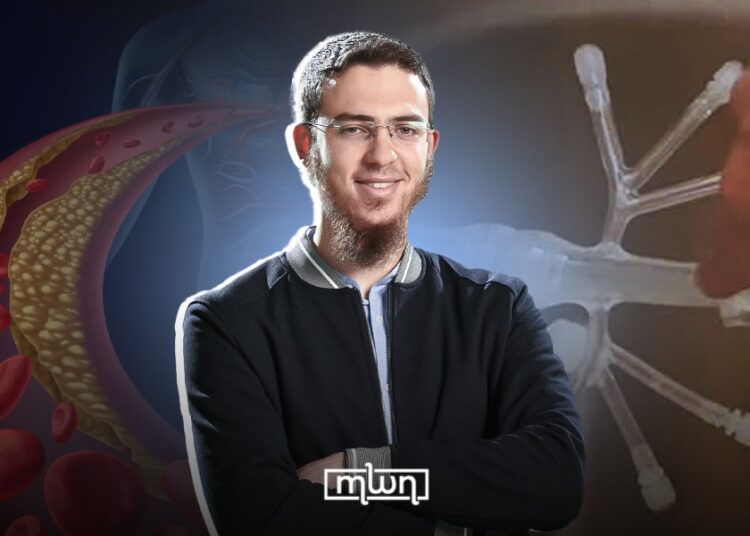
Youssef El Azouzi, a Moroccan neurologist, has announced the successful development of the world’s first device capable of filtering blood from within blood vessels.
The revolutionary invention can direct inflammatory cells and certain white blood cells, potentially helping millions of people suffering from immune deficiencies and improving organ transplant success rates.
In a Facebook post, El Azouzi explained that his device “will contribute to treating tens of millions of people suffering from immune deficiencies and chronic infections in intensive care units where antibiotics are ineffective.” He added that it would “help in organ transplantation without fear of new organ rejection.”
The invention works by redirecting inflammatory cells flowing in the blood away from vessels that nourish newly transplanted organs, preventing rejection.
This mechanism was successfully tested on a 75-kilogram pig in an American laboratory, where the device demonstrated its ability to direct immune cells from the left leg to the right leg without any negative effects on the animal.
“The experiment showed that the device was able to direct immune cells from the left leg to the right leg,” El Azouzi explained in a video documenting his journey to America to register the invention. “This is the first device that controls cell direction from within the vessel itself.”
The scientific experiment involved injecting both thighs of the pig to induce inflammation before placing the device. The device’s role was to direct inflammation-causing cells to only one side, concentrating them there compared to the other side. This would demonstrate the device’s actual control over the pathways of white blood cells flowing in the blood.
El Azouzi revealed that the project cost approximately $250,000 as of March, not including effort and time. “All these resources were provided by benefactors, with no contribution from any public institution or organization,” he noted.
The Moroccan doctor is no stranger to innovation. In 2019, he won the title of best inventor in the Arab world in the 11th season of “Stars of Science” competition in Qatar. His winning invention then was a stent that regulates blood flow for heart patients, offering a potential low-cost alternative to current solutions like heart pumps.
Born in 1991, El Azouzi studied at the American School in Rabat before attending Oxford University for three years. He later moved to Boston University and eventually studied medicine in English at Turkish universities. He is the son of Mustapha El Azouzi, a Moroccan neurosurgeon.
He currently serves as CEO of Aorto Medical Company in the US, where he has been developing this latest invention through three years of hard work, design, and manufacturing.
This Moroccan invention marks a major breakthrough in modern medicine, potentially offering an effective tool for addressing immune deficiency problems and chronic inflammations, while improving the success of organ transplantation procedures.
Youssef El Azouzi, a Moroccan neurologist, has announced the successful development of the world’s first device capable of filtering blood from within blood vessels.
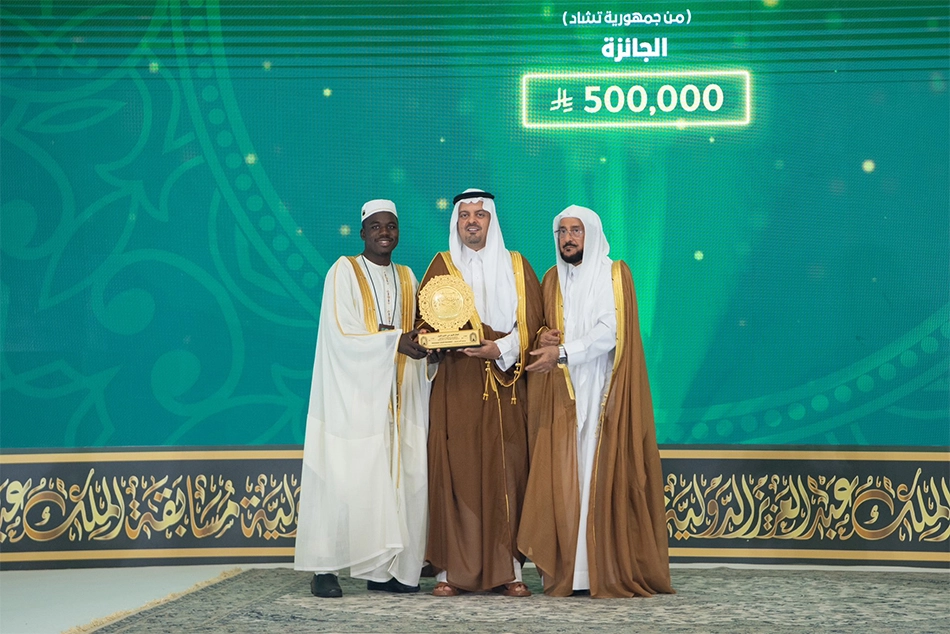
Chaad National, Mohammad Adam Mohamed has won the top prize at the 45th Edition of the King Abdulaziz International Holy Quran Competition or 2025 Makkah Quran Contest for Memorization, Recital and Explanation held at the Grand Mosque.
Makkah Quran Contest 2025: Chaad National, Mohammad Adam Mohamed has won the top prize at the 45th Edition of the King Abdulaziz International Holy Quran Competition or 2025 Makkah Quran Contest for Memorization, Recital and Explanation held at the Grand Mosque.
At a glittering ceremony held at Makkah Grand Mosque after Isha prayers Wednesday August 20, 2025, the Chaad national was awarded a cash prize of 500,000 Saudi Riyals or SAR 0.5 million prize.
The prize distribution ceremony was attended by all Imams of Masjid al Haram Makkah along with Deputy Governor of the Makkah Region Prince Saud bin Mishal bin Abdulaziz.
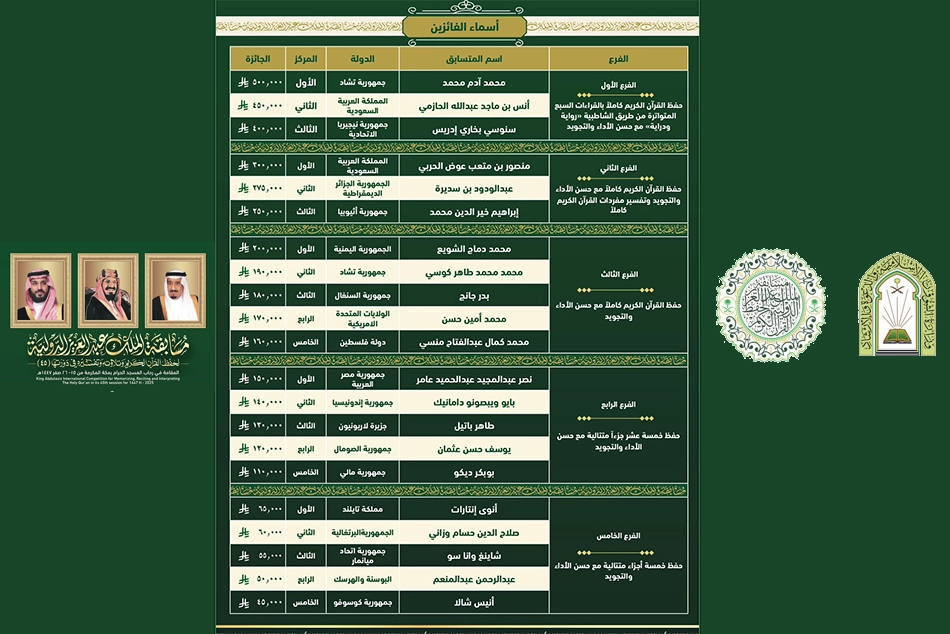
45th King Abdulaziz International Holy Quran Competition – List of Winners
The Makkah Quran contest 2025 was held in five categories. The winners of the first and most coveted category are as follows,
Mohammed Adam Muhamed (Chaad): Prize Money SAR 500,000
Anas bin Majid Abdulla Al Hazmi (Saudi Arabia): Prize Money SAR 450,000
Sanusi Bukhari Idrees (Nigeria): Prize Money SAR 400,000
5 categories
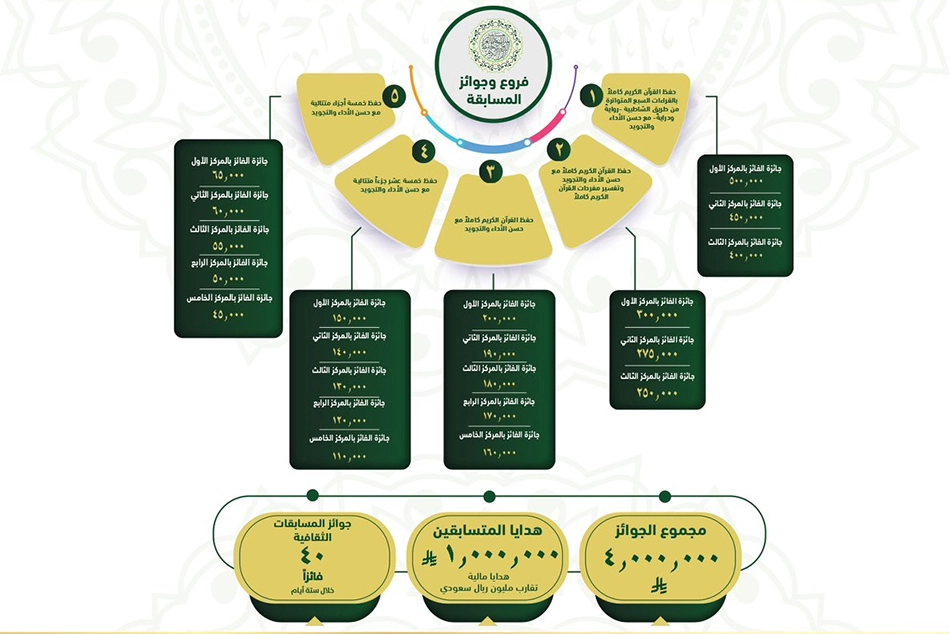
The competition was divided into five categories:
Memorization of the entire Holy Qur’an, with accurate recitation and intonation following the seven rules of recitation
Memorization of the Qur’an along with interpretation of its terms
Memorization of 15 juz (parts) of the Qur’an with proper recitation and intonation
Memorization of five juz with correct recitation and intonation
A category for shorter lengths of memorization with corresponding recitation and intonation requirements.
Other winners
The total value of the competition’s prizes is around SR4 million ($1.07 million), in addition to SR1 million that will be apportioned out to all participants.
Mansoor bin Mutab Awad Al Harbi of Saudi Arabia won the top prize of SAR 300,000 in the second category. Mohamed Damaj Al Shuway’i of Yemen won the top prize of SAR 200,000 in the 3rd category.
Eyptian Nasr Abdel Majeed Abdul Hameed Amir won the top prize of SAR 150,000 in the 4th category. The top prize money SAR65,000 for the 5th category was conferred on Anwa Intarat of Thailand.
The 2025 Quran Competition brought together 179 contestants from 128 countries, the largest number since its inception. In 2024, a total of 174 contenders representing 123 countries participated in the 44th edition of the contest held in 5 categories.
Makkah Qurant Contest 2025 Final Round
The final rounds of the 2025 King Abdulaziz International Competition for Memorizing, Reciting, and Interpreting Holy Quran began last Saturday August 09th, 2025
The final round of the Quran contest continued till Thursday August 14, 2025 when a total of 27 contestants recited Quran as per the contest competition guidelines.
The 27 contestants were from Mauritania, the Philippines, Japan, Guinea-Bissau, France, the United States of America, New Zealand, South Africa, Barbados, Ivory Coast, Cameroon, Guinea, Germany, Zambia, Guyana, Comoros, Uzbekistan, Kyrgyzstan, Finland, Rwanda, Bangladesh, and Myanmar.
As part of the competition package, the participants visited different historical places of religeous and architectural importance. The participants on Saturday August 16 left for visit to The Prophet (PBUH) Mosque in Madinah.
Electronic Judging System
The highlight of the 2025 Quran Contest which ran through six days was electronic judging system. Since its introduction in 2019, the electronic platform has replaced traditional paper-based methods, increasing accuracy and transparency.
The Ministry of Islamic Affairs, Dawah and Guidance said it enhanced and upgraded the electronic judging system for the 45th King Abdulaziz International Competition for Memorizing, Reciting, and Interpreting the Holy Quran held this year.
The enhanced system is designed to improve the efficiency and fairness of the final rounds, bolster transparency, and support the ministry’s digital transformation efforts in line with Saudi Vision 2030.
Watch: Winners Reaction
source: youtube.com
The latest improvements to the system include faster and more accurate scoring, with results calculated more precisely and linked to a real-time electronic control panel for instant monitoring by the judging committee.
An electronic question bank is now used to draw questions from a comprehensive digital repository covering all five branches of the competition, ensuring diversity and fairness. The system also features automated processes that track verse sequences, sort and rank contestants, and issue results instantly, while documenting and analyzing competition data in real time.
The 44th edition of the King Abdulaziz International Competition for Memorization, Recitation, and Interpretation of Holy Quran was also held with the same schedule. Saudi National, Saad bin Ibrahim bin Hamd had won the top prize of the 2024 Makkah Quran Contest.
The new facility is located at the Torch and was granted the certificate upon its opening.
Another bar was raised in fitness in Doha as The Torch Doha’s gym was granted the highest indoor facility of its kind upon its opening on Wednesday.
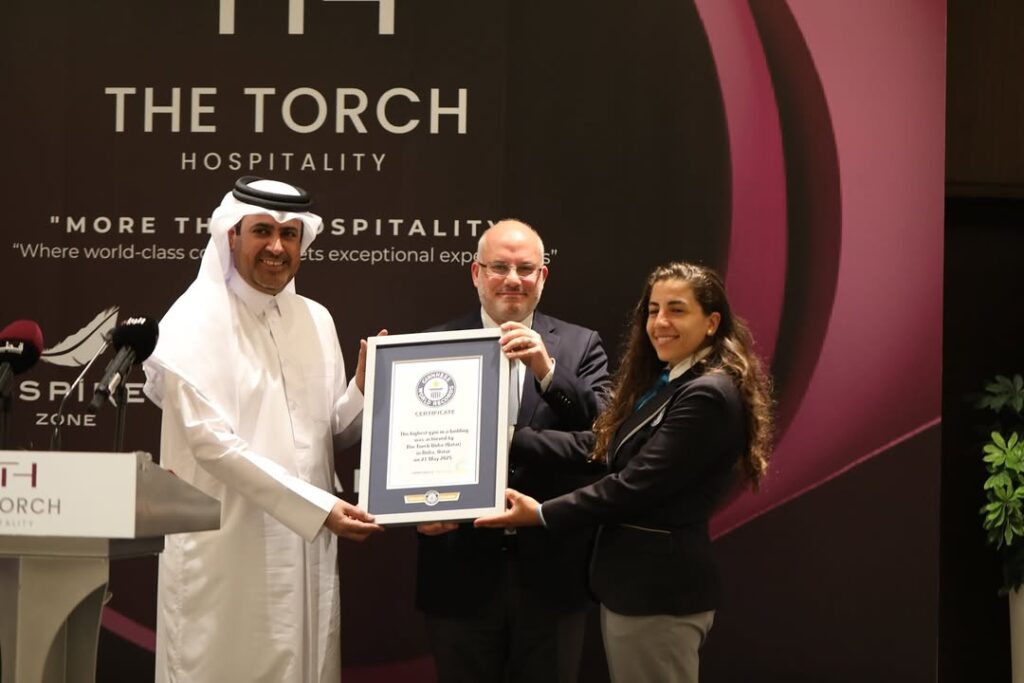
“Congratulations, you are now officially amazing,” Kanzy El-Defrawy, official adjudicator of the premier record-keeping organisation Guinness World Records, said, declaring the feat.
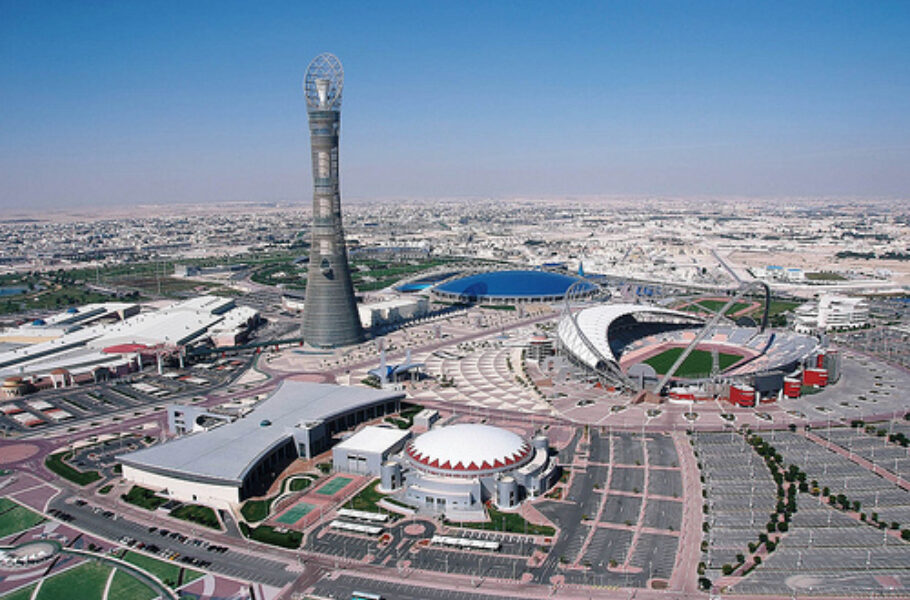
The gym is located on the 50th floor in the iconic Torch building, 247 metres above the ground.
The official record certificate was handed by El-Defrawy to Abdulla Nasser Al-Naimi, the acting CEO of the Aspire Zone Foundation, and Wael Al-Sharif, the Torch Doha’s Area General Manager.
“This record is a new record title, so there is no previous or current record holder for this title,” El-Defrawy said, adding that all the standard criteria to keep and verify a record were met.
The new gym is a part of The Torch Club, a members-only fitness sanctuary, which “blends cutting-edge technology with Qatari hospitality” while offering culturally attuned wellness services, according to a statement.
Located on the 50th and 51st floors, it offers a panoramic view of Doha, as well as the Aspire Zone facilities, most notably the Khalifa International Stadium and the Aspire Dome.
It is another feat for the iconic building, which also features the world’s largest external 360-degree screen, installed in time ahead of the FIFA World Cup 2022.
Situated at 300m high, the Torch Doha is modelled after an Olympic torch and was constructed in time for the 15th Asian Games in 2006, which the Qatari capital hosted.
It served as a colossal torch throughout the games and was later turned into a full-fledged hotel, with facilities such as a rotating restaurant at the top.
The indoor gym will, hence, add to The Torch Hospitality’s “ever-expanding array of diverse experiences” by offering advanced Technogym services, the statement added.
source/content: dohanews.co (headline edited)
____________
The Aspire Zone and the Torch. (Photo/ Aspire Zone)
The record certificate was handed to the officials at the press conference. (Photo/ The Torch Doha)
‘From Ocean to Gulf: Heritage Music of the Arab World’ is a series by Ahram Online, in partnership with the AMAR Foundation (Foundation for Arab Music Archiving and Research). In this article, we present the music of the city of Tunis from the dawn of the 20th century till the years of independence.
Many Tunisians rightly endorse this multi-cultural identity. Its variations are reflected across Tunisia’s different regions, echoing the visionary observations of the great Arab historian Ibn Khaldoun (1332–1406), himself born in the country centuries ago.
This multilayered landscape of cultural expressions is associated with social and religious practices and at different instances combines music, dances and classical and colloquial poetry.
Furthermore, it is geographically configured by the plains, the Atlas mountains, and the Mediterranean sea, and forms a continuity beyond political borders with Libya to the southeast, Algeria to the west, and sub-Saharan Africa to the south.
‘A living mosaic’
To Tunisian singer Ghalia Ben Ali, Tunisian music is a living mosaic shaped by centuries of cultural blending and conquests, yet always anchored in the people’s voices.
“I was inspired by the Amazigh music of South Tunisia, for it’s alive. When I was young, helping my mother do house chores, we used to sing. Young girls would create new wedding songs or songs about our daily lives; there were no newspapers or films to talk about this, “she said.
Moufadhel Adhoum, a Tunisian composer and oud player, showcases the diverse music of Tunis City, as well as the North, Mid, and South of Tunisia:
Ma’luf music is of Andalusian origins. As for Mezwed music, itincorporates a bagpipe-type instrument that shares the same name as the genre, accompanied by a darbuka or similar percussion instruments. However, El Kef Governorate, in northwestern Tunisia, bordering Algeria, has its own repertoire of songs inspired by the region’s customs and traditions, as well as the slopes of the Atlas range.
In the South, El Forja music consists of songs associated with weddings and occasions, whereas Stambeli represents an African dimension of Tunisian spiritual music. As for the Sufi practices, they include El-Ziyara music, chants that accompany visits to Shrines.
However, Shaabi music is a blend of Berber (Amazigh), Arabic, and African, influenced by the region’s natural setting, the desert and camel rhythms. It expresses sentiments about love and historic events. Instrumental genres are also present in Tunisia and feature instruments such as oud, rababa, and nai.
Crossroads
Tunisia has consistently been positioned at the “crossroads of the Islamic and European worlds” throughout various historical periods, as noted by historian Kenneth J. Perkins.
In the latter part of the 19th century, these dynamics paved the way for the interaction of the dominant political, economic and military forces at that time, namely Ottoman rule and European powers.
Under the leadership of the Husainid dynasty (1705-1957), Western-inspired reforms based on the Ottoman Tanzimat were introduced during the Ottoman administration.
Additionally, cultural connections were enhanced with countries such as France, Great Britain, and Italy, alongside other Ottoman states and the Maghreb on a different level.
Colonial cultural dominance
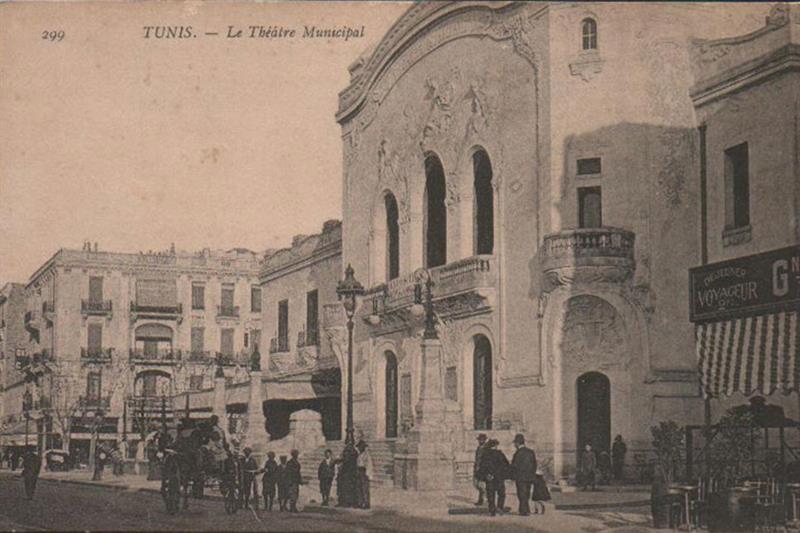
In 1837, a military music academy was founded in Bardo, west of Tunis city, which was succeeded by a symphonic orchestra in 1872.
Communities from these nations living in Tunisia introduced their cultures.
They initiated a significant cultural shift in local music practices, shaped by these nations’ various traditions, which later gained another layer with the establishment of a French protectorate over Tunisia in 1881.
New legislation was implemented to restrict traditional musical traditions among Tunisians, favouring and prioritising the European communities in Tunisia, according to researcher Alla El Kahla.
Francophone culture became a defining force in Tunisian society, with the capital developing into a cosmopolitan centre that saw the establishment of key institutions, including the National Archives (1874), the National Library (1885), and a network of museums across the country.
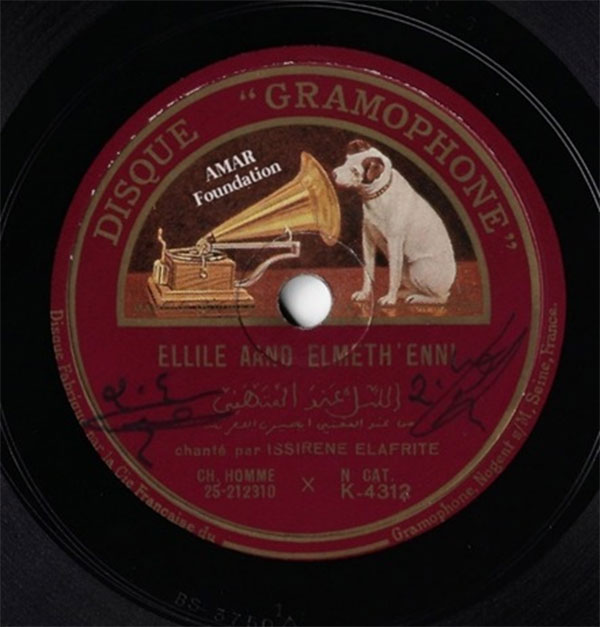
Simultaneously, traditional regional arts faced scrutiny regarding their worth, societal standing, and performance settings, as noted by the researcher Ruth Davis. Meanwhile, commercial recording began in Tunisia in 1904, coinciding with its development in Europe, where European brands dominated the market ahead of local or Arab brand names such as Baidaphon.
The foreign brands consisted of Pathé (France), Gramophone (England) through its French brand Zonophone, and Odéon’s French subsidiary (Germany). More about these record companies is available through AMAR’s podcasts and Bernard Moussali’s book, Le Congrès du Caire de 1932 (edited by J. Lambert: chap IV). Local record labels followed in 1930, such as Bembarophone.
A music school rooted in European traditions was founded in 1897, which subsequently became the Conservatoire National de Tunis after the nation gained independence in 1956. The musical life witnessed the emergence of orchestras and venues such as café halls and theatres that hosted European musicians, dancers, and actors performing mainly for foreign audiences. These performances eventually attracted Tunisian artists and audiences to music and theatre.
The Egyptian influence
The emergence of theatre groups from Egypt, including the Egyptian Comedy (Al-Comedia Al-Masryia), the Egyptian Troupe (Al-JawqAl-Maṣri) directed by Suleiman El-Qardahi, and Ibrahim Higazi’s troupe (1908 and 1909), came a few years later. Additionally, the Salama Higazi troupe introduced musical theatre to the Tunisian theatre scene in 1913.
These initial encounters sparked the foundational growth of Tunisian theatre. They brought the Arabic language and themes drawn from Arab history and heritage to established spaces that European traditions of music, opera, and theatre had previously dominated. Cultural exchanges from Egypt to Tunisia included screenings of early Egyptian cinema and visits by rising stars such as the Naguib Rihani Troupe (1933), followed two years later by a solo tour from his collaborator Badia Masabni with leading vocalist Nadra.
Other prominent figures, including George Abiad, Zaki Talimat, and Youssef Wehbe, also performed in Tunisia, as documented by Dr. Sayyid Ali Ismael in his study of Tunisian-Egyptian theatrical ties (1889–1962).
The author of the study traces these encounters back to the 1889 Paris Expo, when troupes from Egypt, Tunisia, Algeria, and Morocco shared the stage within the curated “Cairo Street” venue and presented their folk arts. The credit goes to these international expos for the oldest recordings of Tunisian music, notably the 1900 Paris Expo.
It was not long before a Tunisian-Egyptian troupe (Sodq Al-Ekhaa) was created in 1909, subsequently substituted by two Tunisian troupes, Literary Pride (Al-Shahama Al-Adabiyya) and Literary Arts (Al-Adāb), respectively in 1910 and 1911.
Other troupes followed their track across the country. While Al-Adāb expressed opposition to France, Al-Shahama Al-Adabiyya put forth no political agenda. One of the pioneering female names in theatre and music was Habiba Msika (1903-1930), who rapidly rose to stardom in theatres and café halls. Musicians integrated Western and Egyptian elements and practices, with the socio-cultural and political centrality of Egypt at that time.
Egyptian reference points sustained until different perceptions of authenticity grew in succeeding decades, as indicated by the researcher Salvatore Morra, who worked closely on the concepts of authenticity and modernisation in Tunisia.
Revival initiatives looked critically at possible local and regional relevant contexts of Tunisian heritage and identity beyond Egyptian aesthetic idioms and Western influences. Furthermore, the scholar Anas Ghrab points out three mechanisms that significantly transformed the musical aesthetics of traditional Tunisian art music. These include a rise in the number of musicians, the implementation of notation, and the incorporation of new instruments.
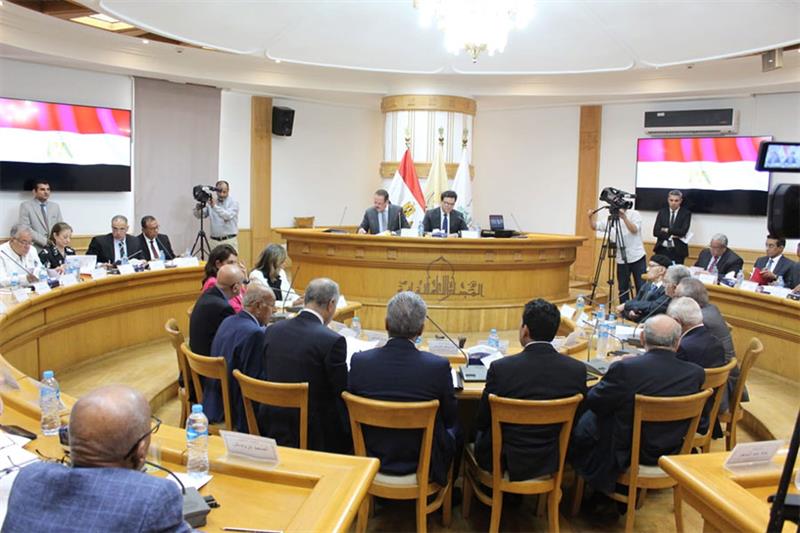
The Supreme Council of Culture (SCC), headed by Minister of Culture Ahmed Fouad Hano, has officially revealed the recipients of the 2025 State Awards.
The announcement, made via an official statement on the Ministry of Culture’s Facebook page on Tuesday, follows a comprehensive voting process that recognised individuals for their profound impact on Egypt’s cultural and intellectual spheres.
The distinguished awards include the Nile Award, the State Appreciation Award, the Excellence Award, and the Encouragement Award.
The selection process involved a meeting attended by leading intellectuals, academics, heads of cultural institutions, and representatives from professional unions.
Nile Award
The prestigious Nile Awards were granted to:
Arts category: Architect Dr. Saleh Lamai
Literature category: Dr. Ahmed Darwish
Social Sciences category: Dr. Ahmed Zayed
Nile Award for Arab Creators: Palestinian artist Suleiman Anis Mansour
Appreciation Award
The State Appreciation Awards were granted to:
Arts category: Theatre director Shaker Abdel Latif, visual artist Abdel Wahab Abdel Mohsen, and cinematographer Samir Farag.
Literature category: Poet Ahmed El-Shahawi, critic and writer Dr. Khayri Douma, and writer Fatma El-Maadoul.
Social Sciences category: University professors Dr. Anas Gaafar, Dr. Mohamed Sameh Amr, Dr. Mona Haggag, and Dr. Nevine Massad.
Literature category: Poet Masoud Shoman and Dr. Khaled Abou El-Leil.
Social Sciences category: Dr. Samah Fawzy, Dr. Atiya El-Tantawy, and Dr. Nahla Imam.
Encouragement Award
When it comes to the 2025 Encouragement Awards, 32 creatives were honoured across arts, literature, social sciences, and legal/economic studies.
Arts Category (8 prizes; 6 awarded, 2 withheld)
Piano Performance: Naghamaya Safwat for her rendition of Shostakovich’s Piano Concerto No. 2 with the Cairo Symphony Orchestra.
Film Script: Mahmoud Zein for Wala Azaa’ Lil Sayedat.
Children’s Book Illustration: Heidi Fawzy for Ta’aqqal… Ya Marah.
Theatrical Scenography: Nehad El-Sayed for Shatat.
Digital Media & Architecture: Mostafa Salem for an awareness series on heritage preservation.
Painting: Dr. Islam El-Reihany for The Music of the Body.
Withheld: Prizes for “E-marketing for handicrafts” and “Fiber Art”.
Literature (8 prizes)
Historical Novel: Doaa Gamal El-Bady for Crows That Don’t Eat the Dead.
Short Story Collection: Ahmed Yasser Fathy for A Very Lonely City.
Classical Poetry: Mohamed Refai for The Cry of a Coin.
Colloquial Poetry: Ibrahim Abou Samra for Balta Shi’r.
Computational Linguistics: Marwa Mostafa Amin for Functions of the Electronic Dictionary.
Narrative Criticism: Aly Kotb for Singing and Music in the Literature of Naguib Mahfouz.
Translation (Turkish-Arabic): Sousana Sayed Mohamed for A Strange Woman by Leyla Erbil.
Translation (Arabic to Asian/African languages): Shared by Dina Mohamed Bayoumi (Suspense and Horror Between China and Egypt) and Mohamed Abdelrahman Farag (Al-Mukhtasar Al-Shafi fi Al-Iman Al-Kafi).
Social Sciences
History, Archaeology & Heritage (shared):
Dr. Ahmed Ma’arouf for Walls with Gates: Political Borders in Islamic Historical Heritage.
Dr. Sherif Imam for Saad Zaghloul in Gramsci’s Mirror.
Geography & Environment: Dr. Shaimaa Mohamed Wehba for research on water pollution and income inequality in Egypt.
Philosophy & Anthropology: Irene Samir Hakim for The Many Faces of Female Genital Mutilation.
Educational Sciences: Dr. Mohamed Abdel Khaleq for Dimensions of Global Education in Stoic Philosophy.
Media: Student team (Ramaj Osman, Gharib Reda, Farah Abdelkarim, etc.) for the film Hayy Falasteen, directed by Martina Wagdy.
Administrative Sciences: Dr. Islam Abdel Bari for Decoding Buy Now, Pay Later in Egypt.
Documentation & Publishing: Dr. Alaa Jaafar Al-Sadiq for research on local journal indexing.
Digital Culture: Dr. Ahmed Magdy for How AI Has Changed the Film Industry.
Legal and Economic Sciences (6 prizes awarded, 2 withheld)
Inflation in the Egyptian Economy: Dr. Gehan Abdel Salam Mahmoud for Tackling Inflation amid Global Crises.
Climate Change: Dr. Ahmed Mohamed Okasha for Climate Change and Economic Sustainability.
Russian–Ukrainian War & International Relations: Shared by Dr. Raghda El-Beheiry, Dr. Adnan Moussa, and Mr. Mahmoud Kassem.
Geopolitical Shifts: Ahmed Abdel Fattah Askar for Strategic Transformations in the Horn of Africa (2020–2024).
Right to Privacy: Dr. Mohamed Mesbah El-Naghy for Constitutional Guarantees for Genetic Privacy.
Cultural Diversity Management: Dr. Mahmoud Hussein Abou Seif for The Principle of Non-Refoulement in European Human Rights Law.
Withheld: Prizes for “Personal Data Protection under Cyber Law” and “Citizenship Through Investment”.
Minister Hano emphasised that these awards represent one of the highest forms of recognition granted by the Egyptian state, describing them as the culmination of long and distinguished careers marked by creativity and dedication.
Hano reaffirmed the state’s continued commitment to supporting intellectuals and creators who contribute to strengthening Egypt’s cultural identity and promoting values of diversity, openness, and awareness, the statement pointed out.