Month: January 2026
EGYPT’s Suez Canal sees maiden transit of one of world’s largest container ships
Egypt’s Suez Canal Authority (SCA) said on Thursday that the giant container ship CMA CGM SEINE, one of the world’s largest container vessels, transited the canal for the first time as part of the northbound convoy, carrying a gross tonnage of about 250,000 tons.
The vessel, operated by the French shipping line CMA CGM, crossed the canal during its maiden voyage, sailing from Morocco to Malaysia, according to an SCA statement.
SCA Chairman Ossama Rabiee said the return of the world’s largest and most modern container ships to the canal reflects confidence in its readiness and global standing as a key artery for East–West trade.
Delivered in 2025, CMA CGM SEINE operates on the FAL3 service linking Europe with the Far East. The ship is 399 metres long, 61.3 metres wide, has a draught of 40 feet, and can carry up to 23,876 containers.
Rabiee said the authority took all necessary measures to ensure the vessel’s safe passage , including assigning senior SCA pilots, deploying escort tugboats, and maintaining real-time monitoring from the main traffic control centre and pilotage stations along the canal.
In line with SCA protocol for first-time transits, senior pilots boarded the ship to welcome its crew and present a commemorative gift to the vessel’s master.
Rabiee added that the authority has recently upgraded its maritime and navigational services and introduced new offerings to meet customer needs, while maintaining the highest safety standards for ultra-large vessels and special-dimension marine units.
He noted that CMA CGM has increased the number of its container ships with a net tonnage exceeding 130,000 tons transiting the canal, reaching 15 vessels since December, out of a total of 38 ships that have crossed since May, benefiting from the authority’s flexible pricing policies.
Navigation through the Suez Canal has gradually resumed in recent months as several major shipping lines reassessed their routes following prolonged disruptions to global trade lanes, particularly in the Red Sea and Bab Al-Mandab.
The SCA responded by maintaining uninterrupted canal operations, enhancing navigational safety measures, and expanding pilotage and escort services for ultra-large container ships.
It also introduced flexible pricing and incentive policies to encourage shipping lines to restore regular transits through the canal.
Earlier this month, the SCA reported a marked recovery in canal activity, with revenues rising by 18.5 percent in the first half of fiscal year (FY) 2025/2026, reflecting a gradual return of shipping traffic as security conditions in the Red Sea improved.
SCA Chairman Ossama Rabiee said the gains were accompanied by a 5.8 percent increase in the number of transiting vessels and a 16 percent rise in net tonnage year on year, citing greater stability in the Bab Al-Mandeb Strait and surrounding waters.
Global shipping had been heavily disrupted since October 2023, when many major carriers diverted vessels away from the canal amid attacks on commercial shipping in the Red Sea linked to the war in Gaza, a shift that resulted in sharp revenue losses for the authority estimated at $7 billion.
source/content: english.ahram.org.eg (headline edited)
____________________

_________
EGYPT
DUBAI, U.A.E : Macron congratulates Mohammed Ben Sulayem on reelection as FIA’s president
French president gives assurance of his determination to continue strengthening historic partnership.
Mohammed Ben Sulayem, the president of the Federation Internationale de l’Automobile, also known as the FIA, has been congratulated on his reelection to the post by French President Emmanuel Macron, who also gave an assurance of his determination to continue strengthening the historic partnership between France and the FIA.
In a letter to Ben Sulayem, Macron said: “I would like to extend my warmest congratulations on your reelection as president of the Federation Internationale de l’Automobile (FIA), following the vote held in Tashkent, Uzbekistan, on Dec. 12.
“In this regard, and further to our recent meeting at the Elysee Palace alongside other representatives of the automotive world, please be assured of my determination to continue strengthening the historic partnership between France and the FIA.
“Wishing you every success in this new term of office, please accept … the assurance of my highest regards.”
The meeting at the Elysee Palace in November highlighted shared priorities of the FIA and France across motorsport, road safety, mobility, and the protection of young people online.
France holds a unique place in the federation’s history with the FIA’s headquarters situated in Paris, and this was further highlighted during the meeting as the FIA confirmed the renewal of its commitment to France as one of its key centres of excellence.
Speaking at length, the leaders celebrated France’s pivotal role in global motorsport, from historic events such as the Paris–Rouen Trial in 1894 to the 24 Hours of Le Mans, which continues to attract thousands of spectators and generates significant impact, supporting over 1,000 full-time jobs and contributing about $190 million to the French economy.
Macron and Ben Sulayem also discussed France’s representation in the FIA Formula One Championship, the French talent competing across the FIA World Championships, the contributions of French manufacturers and promoters in shaping international motorsport, and support for the facilitation of visas for global FIA delegates attending meetings in Paris.
Macron and Ben Sulayem were joined by Yann de Pontbriand — president of the Automobile Club de France, one of the FIA’s original members and the world’s first automobile club, which was founded in 1895 — and Pierre Gosselin, president of the Federation Francaise du Sport Automobile.
The parties discussed the central role clubs play alongside the FIA in promoting safe and responsible mobility and motorsport, alongside France’s historic contribution to the sectors.
Macron and Ben Sulayem exchanged views on initiatives to make mobility safer, more affordable, and more sustainable, such as the newly launched FIA Driver Safety Index, a first-of-its-kind global benchmark developed to measure and compare driver risk using cutting-edge AI technology.
Protecting young drivers and promoting respect online was another key topic. The leaders discussed the FIA’s United Against Online Abuse campaign, which aligns closely with France’s policies on social media safety for children.
source/content: arabnews.com (headline edited)
________________
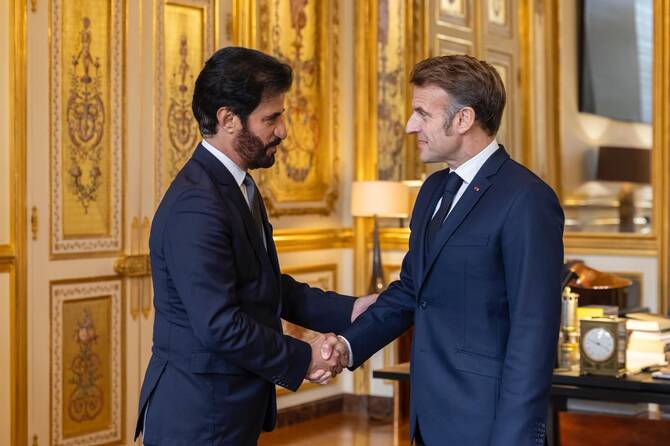
Mohammed Ben Sulayem and French President Emmanuel Macron. (Supplied)
___________________________________
UNITED ARAB EMIRATES (U.A.E)
KUWAIT : Arab League honors Kuwaiti Professor Sheikha Saeedan for excellence in document preservation
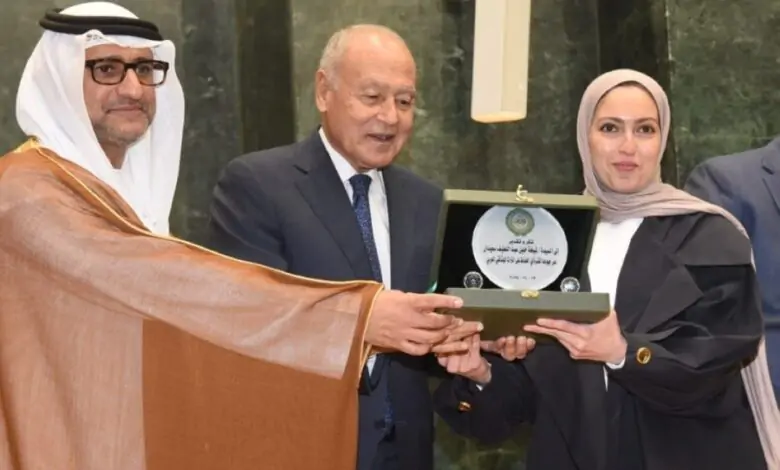
The General Secretariat of the League of Arab States honored Professor Sheikha Saeedan, head of the Department of Restoration and Preservation of Historical Documents at the Kuwait Center for Research and Studies, as the Best Specialist and Technician among Arab archival institutions.
The recognition took place during the 2025 Arab Document Day celebration, organized by the League in cooperation with the Arab Regional Branch of the International Archives Council, under the theme “The League of Arab States: Eighty Years of Joint Arab Action.”
The center stated that Saeedan, who holds a degree in chemistry, was recognized for her exceptional expertise and dedication in preserving millions of official and private documents that form part of Kuwait’s national memory and cultural heritage. Her contributions have extended beyond the center to institutions such as the Kuwait National Library and the Al-Babtain Library, where she has provided valuable technical support and consultation.
The ceremony was attended by Arab League Secretary-General Ahmed Aboul Gheit and Dr. Abdullah Al-Ali, President of the Arab Regional Branch of the International Council on Archives.
Established by Amiri Decree No. 178 of 1992, the Kuwait Center for Research and Studies is dedicated to documenting Kuwait’s history, preserving its archives, and publishing studies locally and internationally.
Its mission also includes collecting and analyzing documents related to the Iraqi invasion of Kuwait, monitoring media coverage of Kuwait’s affairs, and raising public awareness through research publications, exhibitions, and academic initiatives.
source/content: timeskuwait.com (headline edited)
_____________
___________
KUWAIT
LEBANON : Arab mountaineer Nelly Attar on breaking records and breaking barriers
Nelly Attar has made history by becoming the first Lebanese person to summit the five tallest mountains on Earth, including Everest and the notoriously deadly K2. She has completed over 40 climbs across five continents. A two-time Guinness World Record holder, extreme sports athlete, and former psychotherapist, Nelly blends athletic grit with a community-driven mission: to get people moving, especially across the Middle East.
From founding Saudi Arabia’s first dance studio to training for high-altitude ascents in desert heat, Nelly’s journey is as much about resilience and purpose as it is about summits. Cosmopolitan Middle East sits down with her to reflect on the climbs that changed her, the lessons learned at the edge of endurance, and her vision for making movement and adventure more accessible to all.
CosmoME: What first drew you to mountaineering?
Nelly: My dad took me on my first multi day hike when I was 17. I was going to university soon, so I was moving countries, and we were living in Kenya at the time. Mount Kenya is the second highest peak in Africa. We didn’t know what it was gonna entail. We actually didn’t summit the mountain. My dad got hypothermia, but there was something about the climb or the hike, and just being in nature for two or three days that I was like, this is just amazing. I want to do this when I’m older. I also want to do sports because I was raised in Saudi, and we didn’t really have access to outdoor sports.
CosmoME: Did you feel a calling towards the mountains?
Nelly: No, I felt a pull. A calling is more gentle. It sits at the back of your mind; a pull may feel like swimming against the current, but you can’t let go of the pull. I think I don’t want to do this anymore. It has very high risk and opportunity costs. But then, I feel this same pull, and then I find myself up in the mountain area.
CosmoME: Could you share some details about the mountains you have climbed?
Nelly: When I was 25, I had the summer off, so I went to Mount Kilimanjaro. I fell in love with hiking and climbing. K2 is the second most dangerous. It’s a lot steeper, so avalanches do happen, but not that severe as Annapurna. There is a 33% chance you won’t come back from that mountain. I went to clean up a lot of the waste and we cleaned up about 400 KGs of waste. Annapurna has a very high risk of avalanche. So no matter where you are on the mountain, you’re constantly hearing avalanches break out around you. It’s because of the angle of the mountain, where it sits in a position where just a bit of snow accumulates, and then it slides off. Apart from the altitude, you also have this added layer of constantly being so scared. We don’t know if we’re going to die up there; it just feels like a Russian roulette.
CosmoME: How do you navigate making high pressure decisions in extreme conditions?
Nelly: We were 500 meters away from the summit of Annapurna after being there for one month, and we turned around. I made the call because I was with the team of eight men and most of the guys were from the production team. We got to a point where there was little rope left, not enough for all of us. I was like, if we all made it up together to this point, it doesn’t make sense for three of us to continue and the five to turn around. We either all turn around together, or we all climb up together. It would be another four or five hours to the summit with little or no rope. So if anyone slips, they will slip to their death. And if you’re in doubt, if there’s this much risk on a mountain, you turn around. Climbing is considered the noble art of retreat. You have to know when to turn around. If you want to stay in this game, you have to know when to turn around. My whole team made it down alive and this is what counts.
CosmoME: Which was harder—training your body for extreme altitudes or training your mind to endure the isolation and risk?
Nelly: When you’re training your body, you train your mind. I don’t see them as individuals. I train even when it’s 40 degrees with a heavy pack and that’s a lot of mental training. That discipline and mind/body go hand in hand. The times that I want to give up and I don’t give up is when I train my mind to grow stronger. I always try remind myself that I have so much within me.
CosmoME: Does climbing bring you closer to a sense of God, nature, or something beyond yourself?
Nelly: I think it always makes me feel stronger to God, because it’s almost like I’m stripped away from civilisation. No comfortable beds or showers. I’m left with connecting with my family every now and then through a satellite device, but then it’s just Allah. There’s so much uncertainty. We don’t know what the day is gonna look like. We don’t know who from the team might get hurt. We don’t know who’s not going to come back. I don’t even know if I will come back. God forbid. What keeps me calm is feeling that God is always with me. God is always protecting us. God always chooses what’s best for us. And if we don’t get the summit, that’s God protecting us. If we get to summit, God made that accessible to us. During the times that I’m really really scared, the only thing that gives me calm or peace is thinking: we’re in the safety of Allah. It’s like a mantra I keep repeating. And honestly, it keeps me so calm.
My dad took me on my first hike and he passed away almost five years ago. Climbing connects me to him. When I’m on a mountain, my grief is amplified. I have days on a mountain where I wake up and I start crying uncontrollably.
CosmoME: How does it feel to carry your country’s name on summits?
Nelly: I was born and raised in Saudi, but I started to feel more and more connected to Lebanon when I started to make history around these climbs. Beyond Lebanon, I feel very proud of my Arab heritage. I’ve always been happy about my identity, but I think even more so now, because I have this responsibility to show what Arab woman can do anything. When I started to see how people responded and starting to see how it inspired Arab woman and Muslim woman, I want to continue. I want to pave the way for other Arab women in sports.
CosmoME: What would you like to say to Arab girls and to our readers?
Nelly: I want people to see that if I can, they can too. I’ve done things that were unconventional, creating a job, a career, and a life that are so different from the standard. I managed to excel in it and inspire others. I never imagined I’d make it onto the cover of a magazine for climbing K2. Most people here don’t even know what K2 is. But you have to believe in your dream so strongly that others start to believe in it too. Then it’s no longer just your dream—it becomes everyone’s success.
If I can do this in a career as niche as mountaineering, a sport dominated by men and barely recognized in our region, then they can too. I hope I inspire girls to take the unconventional road, to follow the path that makes sense to them. They will face challenges, resistance from others, and doubt from themselves. But those obstacles will make them stronger. The ups and downs are what make the journey meaningful. When you persevere, lean into your gifts, and live your purpose, that’s when you make the greatest contribution to the world.
CosmoME: Could you share more about the business side of mountaineering?
Nelly: Initially, it was all self-funded. But as it started to take up more of my time and energy, I thought—why not turn this into a job? I was already creating content, so whenever I worked with brands, I’d try to merge it with my climbs. Instead of doing a standard campaign here, I’d say, ‘Why not make it unique and create the campaign up there?’
Over the years, through sponsorships, I’ve partnered with a range of brands—from apparel companies to climbing operators to even medication brands. After a decade, the variety is wide, but sponsorships are what make this possible. Sometimes, it’s still my own savings. Even now, I pay for some climbs myself, funding them through other work and setting money aside for the mountains.
CosmoME: Mountaineering has long been a male-dominated space. What challenges did you face as a woman in that world?
Nelly: I was often the least technically experienced climber on the team. I didn’t grow up with snow, and I didn’t have a climbing background. There was a lot to catch up on. Gear was another challenge. Being petite, I could never find equipment that fit—everything from summit suits to sleeping bags would swallow me whole.
Thankfully, as more women have joined the sport, more brands have started catering to women’s sizes. Now, I don’t see my size or the fact that I’m an Arab woman as a challenge. It’s my strength. I love it when people are surprised and say ‘Oh, you’re a climber?’ and I get to let my performance speak for itself. Training in the extreme heat back home has given me an edge.
CosmoME: What is recovery like? How does coming back to everyday life feel after climbing?
Nelly: It usually takes me two weeks (sometimes a month) to feel like myself again after a climb. My nervous system, my sleep, my training… everything needs time to reset before my body feels strong again. I ease my way back into everything. I don’t like to stop training entirely, but I’m gentle with myself and very aware I’m still recovering.
Even my concentration takes a hit. That first week, I find it hard to focus at work, so I give myself that two-week buffer to slowly re-engage. Psychologically, there’s often a dip too. After so much adrenaline and constant movement in nature with my team, coming back to the noise and overstimulation of the city can feel jarring. That adjustment period, both physically and mentally, is part of the process.
CosmoME: You’ve made history. What is next for you?
Nelly: I’d love to keep climbing, but there’s so much more to life than just summits. For me, sports have always been about community—that’s why I started in the first place. It feels good to be back, training with friends and moving alongside others.
Over the next six months, my focus is on enabling as many people as possible to get active. My background is in therapy, and when I began, sports weren’t widely accessible to women in Saudi. Creating spaces for women to move together changed my life, and I saw firsthand how it transformed theirs. I want to return to that mission.
I have a few adventurous trips planned across the region, coaching sessions, speaking engagements, and an initiative in the works aimed at making movement more accessible to everyone. That’s my goal for now. Then, maybe in six or seven months, I’ll be ready to climb again.
source/content: cosmopolitanme.com (cosmopolitan middle east). (headline edited)
_____________

_____________
LEBANON
EGYPTIAN-BRITISH : New book documents Magdi Yacoub’s humanitarian and scientific journey
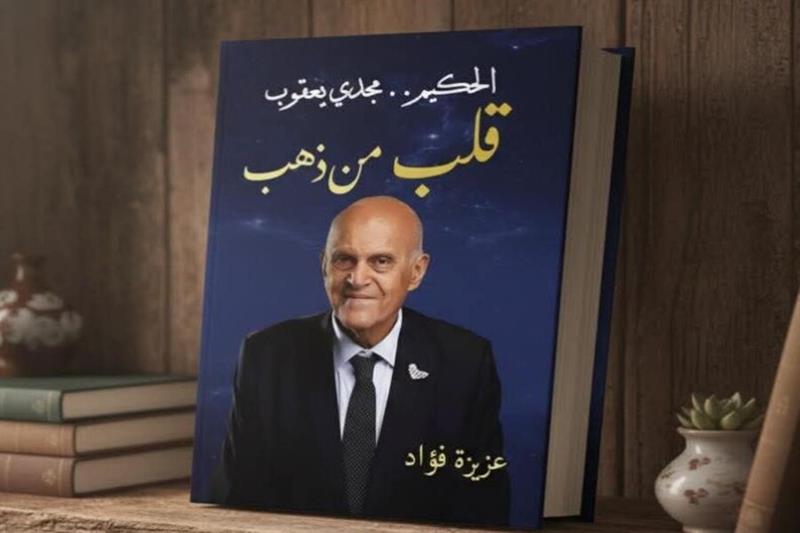
A new book documents the humanitarian and scientific career of world-renowned heart surgeon Magdi Yacoub, highlighting previously untold aspects of his life, philosophy, and medical legacy.
Titled Al-Hakim Magdi Yacoub: A Heart of Gold, the book is written by Aziza Fouad, managing editor of Nisf El-Dunia and El-Beit magazine. It traces the life and work of Yacoub, one of the world’s leading pioneers of heart surgery, focusing on both his professional achievements and his deeply rooted human values.
The book reveals key milestones in the life of the “King of Hearts,” many of which are published for the first time. It explores his philosophy of medicine and life, shedding light on the humane dimensions that shaped his thinking, culture, and career. It also highlights his sense of humour behind the seriousness of his scientific and medical journey, a side of Yacoub that remains largely unknown to many.
Spanning 260 pages, the book covers Yacoub’s upbringing in Egypt and his later move to Britain. It includes testimonies from colleagues and writers who accompanied his career, as well as behind-the-scenes accounts and exclusive interviews conducted with him for Al-Ahram newspaper and Nisf El-Dunia magazine. These materials document his research, surgeries, and scientific innovations, many of which continue to have a lasting impact on modern medicine.
The book also highlights Yacoub’s pioneering achievements in heart and lung transplantation and paediatric heart surgery. It documents his leading role in establishing Chain of Hope and the Magdi Yacoub Heart Foundation in Aswan, which has become a global medical centre providing free treatment while contributing to the training of new generations of doctors.
The book is being showcased at the Cairo International Book Fair (CIBF) and marks Fouad’s first book.
In her introduction, Fouad writes: “Magdi Yacoub was a real source of inspiration to generations of doctors in Egypt and around the world. I never saw him as merely a world-class surgeon, but as a rare human model who taught me that sincere giving is the essence of medicine, and that when science blends with compassion, miracles happen. This book is a message of gratitude to a man who left his mark on hearts before leaving his imprint on the history of medicine — a role model that time rarely offers.”
source/content: english.ahram.org.eg (headline edited)
_______________
____________________
BRITISH / EGYPT
OMAN : Pioneering Biotech of a 3D-bioprinted wound dressing, breakthrough clinches Oman’s Top Science Prize 2025
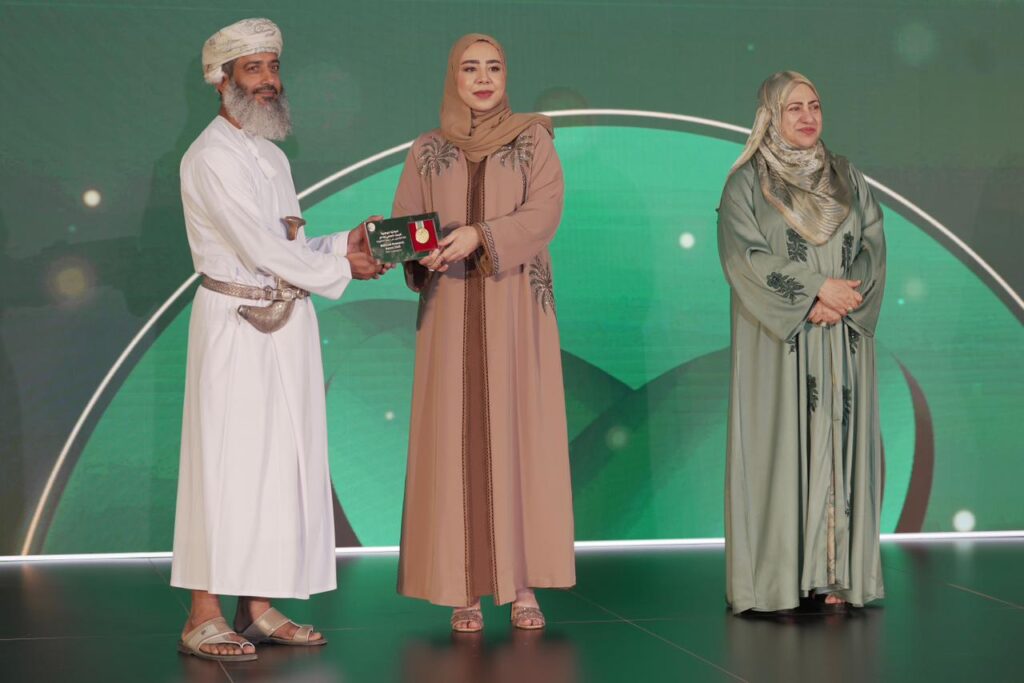
A landmark research project on the development of a 3D-bioprinted wound dressing in the health sector has secured first place in the 2025 National Award for Scientific Research, presented during the Annual Researchers Forum under the theme “Research Published… Visions Realized.”
The pioneering study was led by Dr. Sulaiman bin Ali Al Hashmi, Head of the Stem Cell and Regenerative Medicine Laboratory at the Natural and Medical Sciences Research Center, University of Nizwa. Recognized as one of the most distinguished scientific works of the year, it has garnered widespread acclaim for its significant contributions to regenerative medicine and the treatment of chronic wounds.
In a statement to the Oman News Agency (ONA), Dr. Al Hashmi said the research concept emerged from a long-term scientific investigation into stem cells and tissue engineering, combined with close observation of clinical challenges related to chronic wounds—particularly those resulting from diabetic complications, given the rising number of cases in the Sultanate of Oman and the associated healthcare challenges.
He explained that the study addresses a key gap in traditional wound care, which often focuses on covering the injury without actively stimulating tissue regeneration. By applying 3D bioprinting within a regenerative medicine framework, the team developed an advanced bioactive dressing that provides a dynamic, healing-conducive environment for more effective and sustainable recovery.
He pointed out that the dressing—fabricated from carboxymethyl chitosan and loaded with the drug Tacrolimus—represents a paradigm shift in wound management. It goes beyond mere protection to actively modulate inflammation, promote tissue renewal, and enable controlled drug release, thereby improving therapeutic efficiency and outcomes.
Dr. Al Hashmi noted that results from both laboratory studies and animal models have shown promising indicators of accelerated wound closure and reduced inflammation. He emphasized, however, that the treatment remains experimental and has not yet entered human trials, with safety studies and clinical testing still required in the coming phases.
Among the key challenges faced during the project were the technical complexities of developing a biocompatible, 3D-printable biomaterial and limitations in the specialized infrastructure needed to transition from lab research to clinical application. These hurdles, he added, ultimately strengthened the team’s research methodology and fostered a culture of innovation and collaboration.
He stressed that specialized research laboratories are essential pillars for building a competitive national research ecosystem. Work within the Stem Cell and Regenerative Medicine Laboratory is founded on interdisciplinary expertise, with every achievement regarded as the product of shared effort and collective vision.
He affirmed that the laboratory places high priority on nurturing young Omani talent—both men and women—as a vital human investment to ensure the sustainability of scientific inquiry. Future plans include attracting more early-career researchers and expanding local and international research partnerships.
Looking ahead, Dr. Al Hashmi said his research will focus on deepening work in regenerative medicine and stem cell science, refining current therapeutic models, and building strong national research teams capable of delivering tangible scientific impact.
In closing, he described the award as both an inspiration and a responsibility, reaffirming that the ultimate aim of scientific research is to serve humanity and enhance quality of life. This achievement, he noted, is a step forward in a broader journey to translate laboratory discoveries into practical treatments that benefit patients and serve the nation.
source/content: omannews.gov.om (headline edited)
_______________
________
OMAN
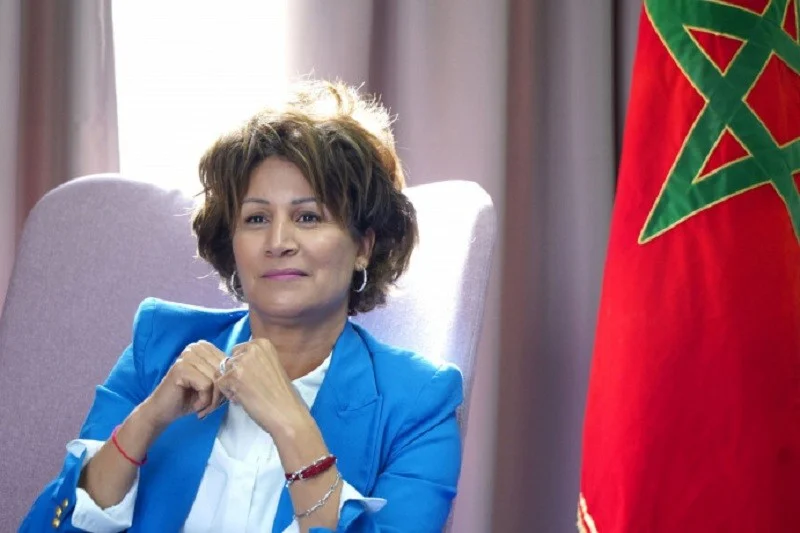
MOROCCAN Nezha Bidouane Secures New Term on International Sport for All Board
Nezha Bidouane has been granted a new four-year term on the governing board of the International Sport for All Federation (FISPT) following elections held during the organization’s general congress in central Italy.
The Moroccan sports official, who serves as President of the Royal Moroccan Federation for Sport for All, retained her seat as delegates from dozens of countries convened on January 24 and 25 to determine the federation’s future leadership.
Bidouane’s renewed mandate reinforces Morocco’s representation within global sports governance at a time when the country continues to expand its engagement on the international sports stage. Her role reflects sustained efforts to promote wider access to sport, emphasizing community participation and inclusivity beyond elite-level competition.
A former world-class athlete, Bidouane built a distinguished career in athletics, securing multiple international titles in the 400-meter hurdles and earning a bronze medal at the 2000 Sydney Olympic Games. She has since transitioned into sports administration, where she remains actively involved in advancing inclusive and developmental sporting initiatives worldwide.
source/content: thegulfobserver.com (headline edited)
_______________
______________
MOROCCO
Abu Dhabi, U.A.E : Emirati CEO of GSU recognised as pioneer of Arab–African cooperation
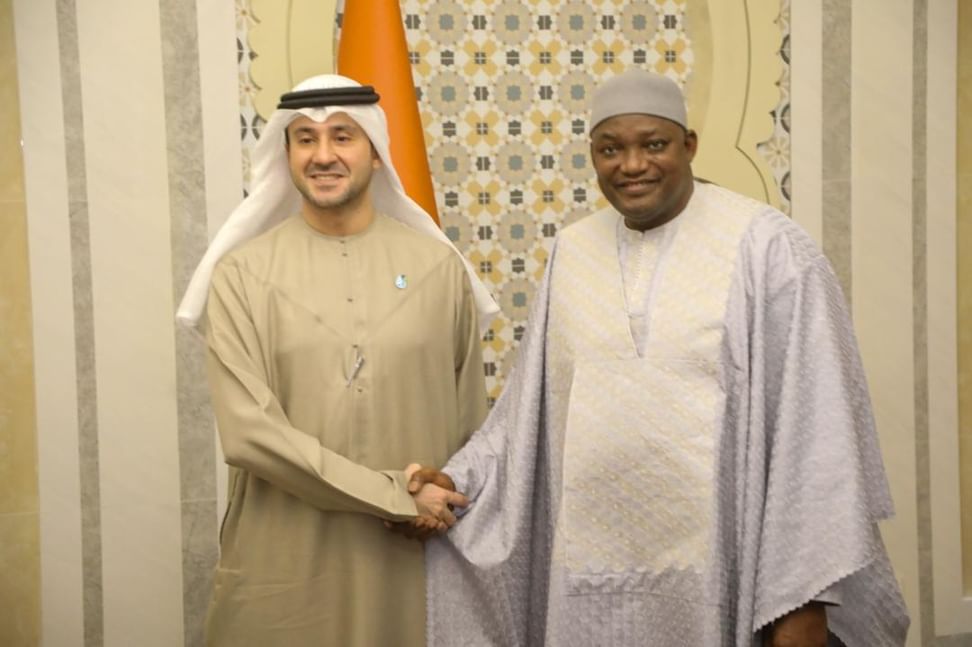
The African media organisation Financial Afrik, during the current edition of its annual conference hosted by the Gambian capital Banjul, selected Ali Alshimmari, Managing Director and CEO of the UAE-based company Global South Utilities, as a pioneer of Arab–African cooperation, as part of a list of 100 influential African figures in the fields of economy, investment, and development, in recognition of his role in supporting sustainable energy projects and promoting long-term investment across the African continent.
President Adama Barrow of The Gambia received Alshimmari and expressed his appreciation for the UAE’s support and investments in the continent.
This recognition marks the second of its kind that Alshimmari has received within a few months. In September, he was awarded the Officer of the National Order of Chad by Chadian President Mahamat Idriss Déby Itno, one of the country’s highest honors, making him the first foreign company CEO to receive this distinction from the Chadian president. The award recognised Alshimmari’s commitment to delivering the Noor Chad Solar Power Plant in record time.
Alshimmari has emerged as one of the UAE’s prominent young executives in the renewable energy sector. He previously held senior positions at Abu Dhabi National Energy Company (TAQA) and Masdar, and worked on cross-border renewable energy projects, before assuming leadership of Global South Utilities, a subsidiary of Resources Investment Group in Abu Dhabi.
Following the award ceremony, Alshimmari said, “In Africa, energy is neither a luxury nor a technical issue. When electricity reaches an African village, it is not just lighting, but life in motion. Schools operate, clinics remain open, and the economy moves. This is the Africa we are working for.”
Alshimmari recently stated during the Global South Utilities Forum, hosted as part of Abu Dhabi Sustainability Week, that, “In the Global South, sustainability is not a vision of the future-it is the price of delay, paid today,” adding that, “While much of the world debates sustainability in the Global South, the UAE is busy building it.”
The company is currently implementing several renewable energy projects in a number of African countries, including Madagascar, the Central African Republic, the Comoros Islands, and Chad, contributing to improving local production capacity and supporting economic stability.
Global South Utilities aims to reach a production capacity of 750 megawatts by 2027, having so far financed projects with a total capacity of nearly 400 megawatts, including projects implemented within the African continent.
source/content: wam.ae (headline edited)
_____________
___________________________________
UNITED ARAB EMIRATES (U.A.E.)
SAUDI ARABIA wins Arab awards in medicine, nursing at health ministers’ meet
Saudi Arabia won several Arab awards in medicine and nursing during the 63rd session of the Council of Arab Health Ministers, held recently in Tripoli, Libya, highlighting the Kingdom’s growing prominence in regional health excellence and the strength of its national health workforce.
The achievements reflect the rapid development of Saudi Arabia’s health sector and the high caliber of its medical and nursing professionals, who continue to contribute to innovation, enhanced health preparedness and the delivery of sustainable healthcare — in line with the objectives of the Health Sector Transformation Program under Saudi Vision 2030, said a statement issued on Thursday by the Saudi Ministry of Health.
As part of the Arab Doctors Award 2025 by the General Secretariat of the Arab League’s Social Affairs Sector, Dr. Ahmed bin Salem Bahammam, director of the Prince Naif Center for Health Research, received the award for excellence in scientific research and innovation.
Dr. Zuhair bin Yousef Al-Hlais, senior consultant in cardiac surgery at King Faisal Specialist Hospital, was honored with the award for excellence, leadership and professional medical impact.
For nursing, a Saudi team comprising Dr. Manal Saeed Banassr, Iman Mohammed Al-Shammari, Abdulrahman Abdullah Abu Khadaah, Jawharah Fahad Al-Harbi and Reem Mohammed Al-Humaidan won first place in the clinical practice category of the “Outstanding Work in Nursing and Midwifery” award for their project, the INS Model.
The innovative scheme focuses on strengthening surge capacity in intensive care units during disasters by enhancing nursing workforce readiness and increasing ICU capacity in times of crisis.
The model was developed during the COVID-19 pandemic.
In addition, Dr. Badriah Awad Al-Shehri, chief nursing executive at King Saud Medical City, jointly won the “Outstanding Work in Nursing and Midwifery” award with Egypt for the Nethathon Project, which aims to advance nursing education and training, enhance workforce competencies and improve the quality of health education outcomes.
The awards highlight Saudi Arabia’s leadership in medical innovation and professional excellence across the Arab region.
source/content: arabnews.com (headline edited)
______________
Saudi Arabia wins Arab awards in medicine and nursing at Arab Health Ministers’ Meet 2025. (Supplied)
___________________
SAUDI ARABIA