Arabs & Arabian Records Aggregator. Chronicler. Milestones of the 25 Countries of the Arabic Speaking World (official / co-official). AGCC. MENA. Global. Ist's to Top 10's. Records. Read & Enjoy./ www.arabianrecords.org
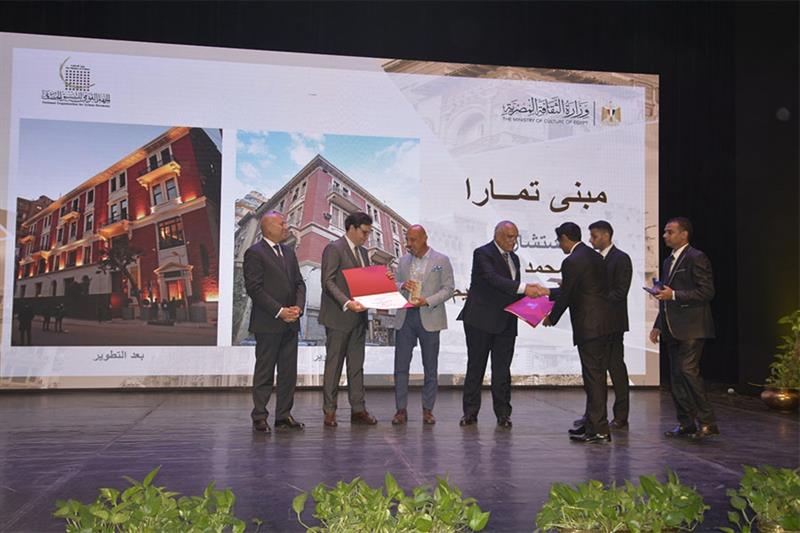
Egyptian Minister of Culture Ahmed Hanno announced Wednesday that Tamara-Haus has won the 2025 Best Practice Award for Preserving Architectural Heritage.
The award, launched by the National Organization for Urban Harmony (NOUH) , was announced during a ceremony held at the Small Hall of the Cairo Opera House.
The event was attended by Cairo Governor Ibrahim Saber, NOUH CEO Mohamed Abou Seada, and former Minister of Culture Emad Abu Ghazi.
The ceremony also featured the opening of a photo exhibition showcasing the competing projects.
Tamara-Haus, built in 1910 in downtown Cairo, is a New Renaissance-style building owned by Al Ismailia Company.
It has been fully renovated and repurposed as a creative art space, hosting design studios and cultural events.
Architect Karim Al Shafai, CEO of Al Ismailia, and architect Mohamed Hassan, head of design of the project, received the award.
The event also honoured several local conservation projects, presenting certificates of recognition to initiatives such as the conservation of the Civil Protection building in Alexandria Governorate, the Dokki Police Station building in Cairo, and a residential building at 78 Beiram El-Tonsy Street in the Saida Zeinab district.
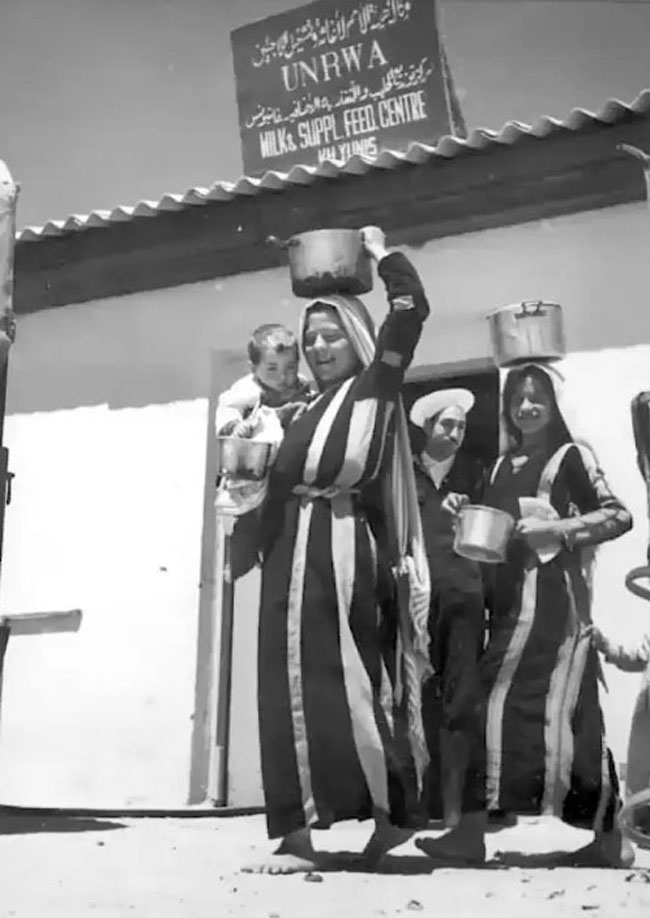
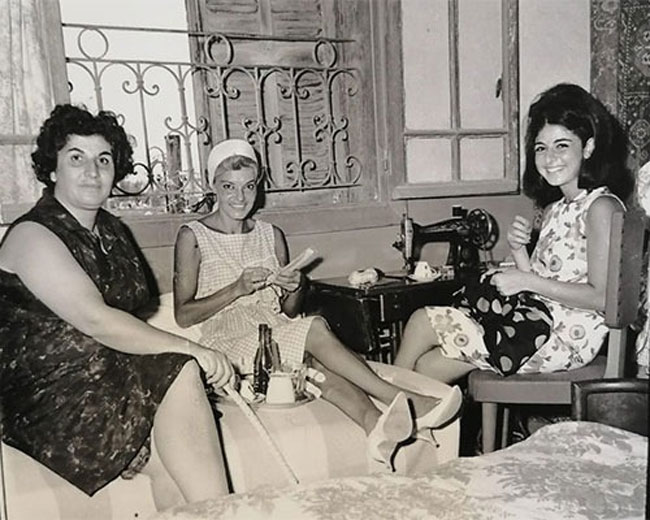
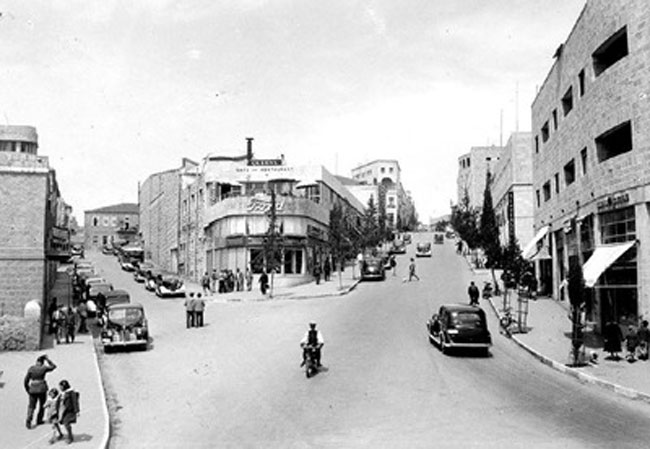
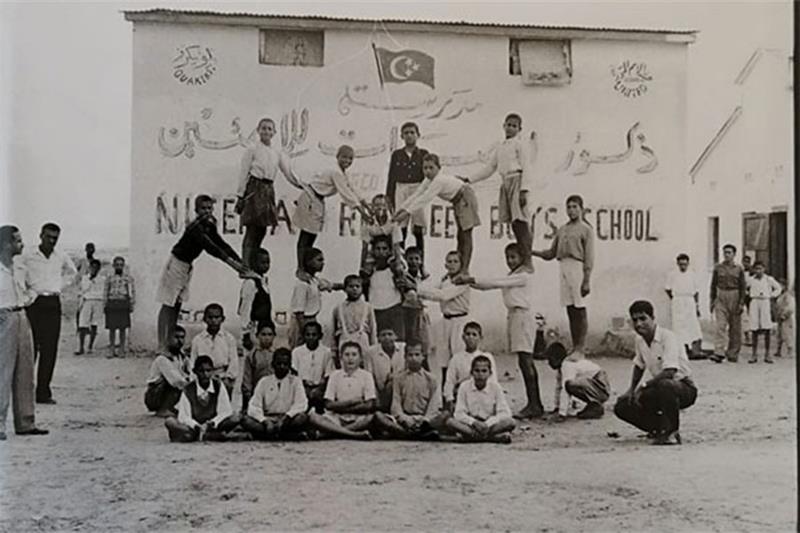
As 7 October marks two years of Palestinian resistance and resilience, Ahram Online revisits Gaza’s past with rare photographs taken before the creation of Israel.
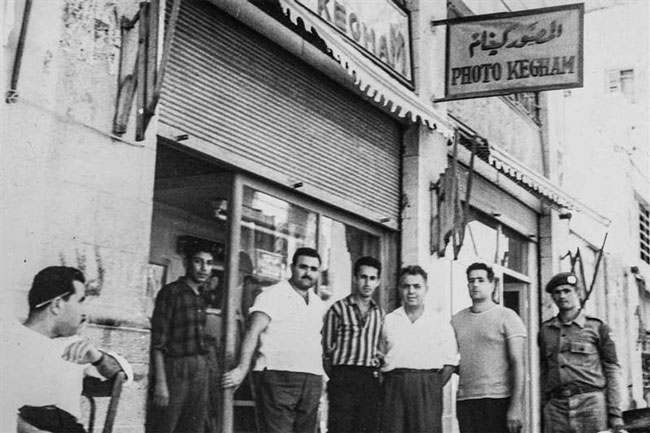
Photos from gaza by Kegham Djeghalian
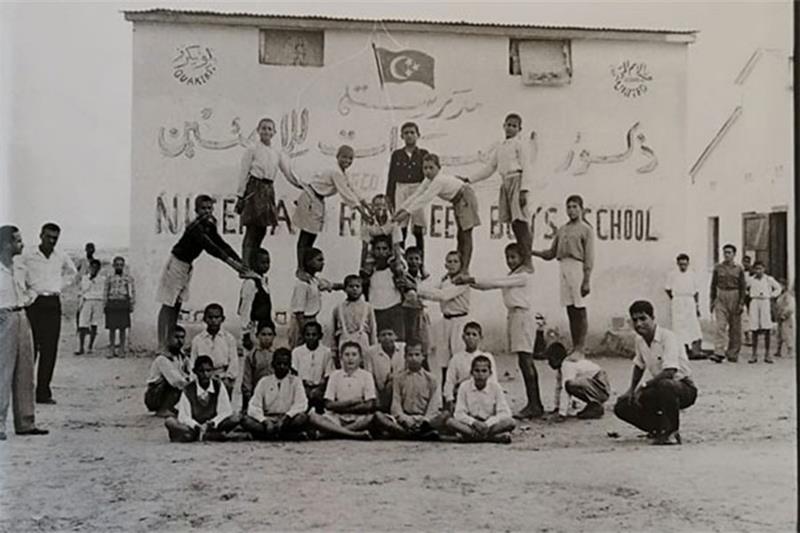
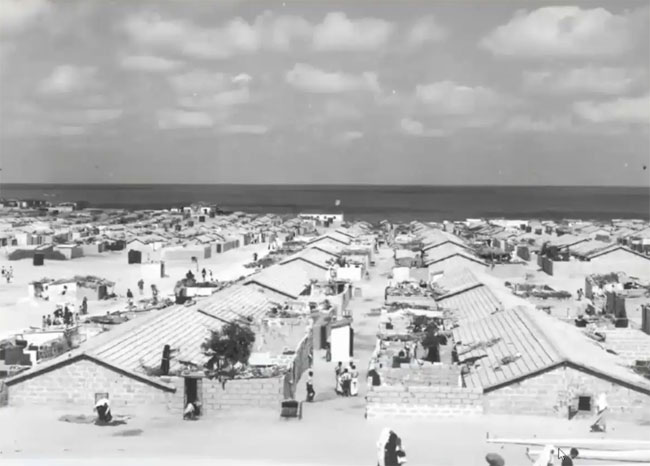
In 1948, 75 percent of the primary population of Gaza was refugees. Deir El-Balah and Khan Younis were originally refugee camps, established in 1948, for the displaced people of Palestine.
The first Israeli soldier to come into Gaza, 1956.
Gaza Mon Amour
In 2024, two exhibitions in Cairo honoured Gaza’s first photographer, Kegham Djeghalian (1910s–1981), an Armenian genocide survivor who settled in Palestine.
In 1944, Djeghalian opened Gaza’s first photography studio, Photo Kegham.
The exhibitions were curated by his grandson, art director, visual artist, and fashion stylist Kegham Djeghalian, who sought to map out Kegham’s professional practice and socio-political engagement, reconnect with the intangible cultural heritage of Gaza, and rewrite a collective visual and oral historiography that safeguards the oral and visual narratives of the city for generations to come.
Kegham was very popular in Gaza and was affectionately known to Gazans as “Abu Bishara,” which means “good news” in Arabic.
They took him into their homes, making him “The Mohktar,” the wise man or the sage of the town whom you ask to settle disputes.
He photographed weddings, joy, sadness, summertime, iconic figures, trivial times, and everything as if he were safeguarding Gaza’s memories of all kinds and forms.
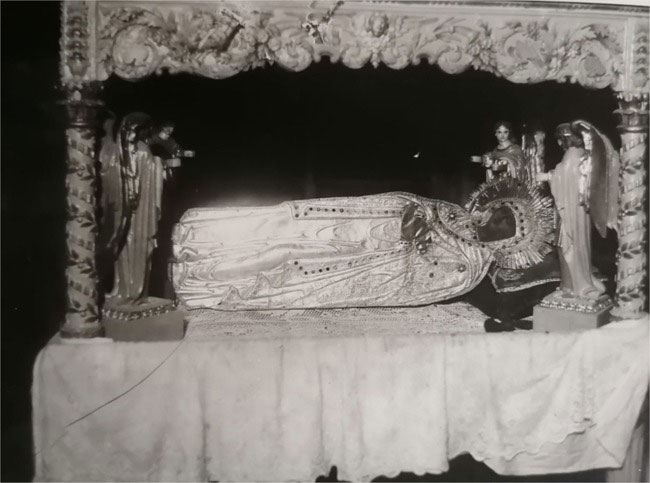
Tomb of the Virgin Mary.
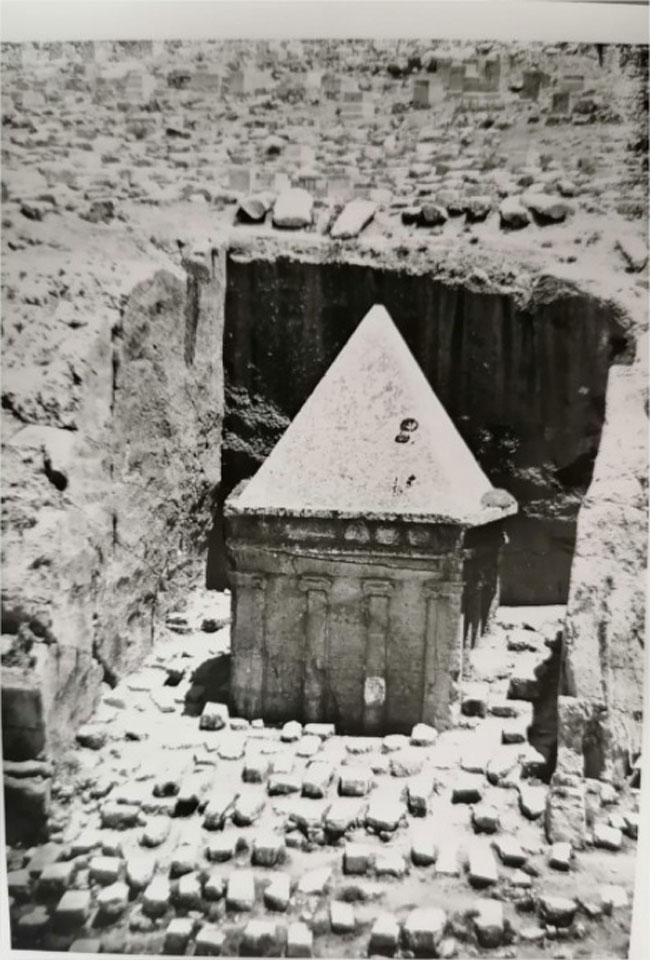
The Tomb of Prophet Zakaria.
Temple, dome, church
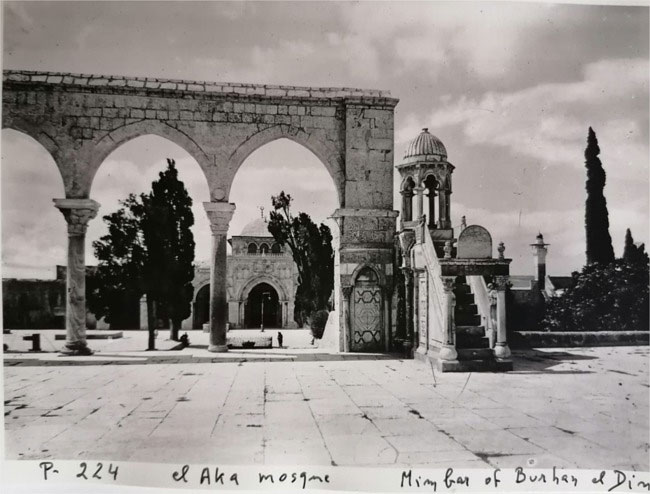
Among the highlights is a rare photo collection by renowned photographers Lehnert and Landrock, who began their work in 1924.
Around 1925, they captured Jerusalem’s most iconic landmarks: the Temple Mount, Dome of the Rock, and Church of the Nativity.
The Temple Mount, in the Old City of Jerusalem, is sacred in both Judaism and Islam. It is believed to be the place where Abraham prepared to sacrifice his son.
For Muslims, it is the third-holiest site after Mecca and Medina, where the Prophet Muhammad is believed to have ascended to heaven.
For Christians, Palestine holds profound significance as it is home to the Church of the Nativity, where Jesus is believed to have been born. It also has the site of his crucifixion and the tomb of the Virgin Mary.
In 691 AD, Caliph Abd Al-Malik built the Dome of the Rock on the Temple Mount. It remains the oldest surviving Islamic monument.
It was constructed at the very site where Muslims believe Prophet Muhammad ascended to heaven.
Through the lens of young Dutchman
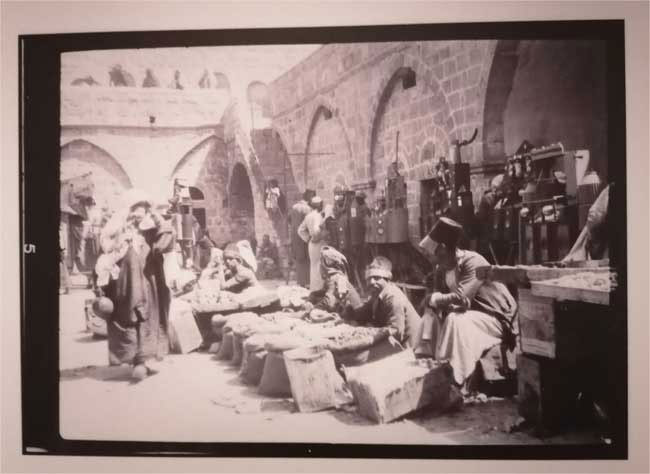
A rare photo collection of British Mandate-era Palestine, dating back to 1921, was on display at the Netherlands-Flemish Institute in Cairo.
Dubbed The Young Dutchman and His Camera by both Falestin and Haaretz newspapers, the collection of photos by Frank Schotlen (1881-1942) highlights a significant phase of Palestinian history.
It shows the impact of modernity on Palestinian society in the wake of World War I.
Among the most significant changes were the flourishing of cafes that served as cultural hubs, the modernization of school systems, and the growing importance of local newspapers, such as Falastine.
The photos also depict annual celebrations held by Palestinians to honour prophets, including Moses, Rubin, Samuel, and Al-Khedr.
77 faces from Palestinian history
In 2017, Palestinian Artist Ahmed Dari curated a photo exhibition at the premises of the United Nations’ headquarters in Geneva to mark the International Day of Solidarity with Palestine.
The photos included portraits taken by well-known 19th-century photographers such as Felix Bonfils, who arrived in Palestine in 1880 and focused on Nazareth and Bethlehem, and French photographer Dumas.
The collection also featured works from Jerome and Jean Tharaud, as well as researcher Sarah Graham-Brown.