ARAB WOMEN IN ENGINEERING : Celebrating Women in Engineering in the Arab World

For National Arab American Heritage Month, SWE recognizes some of the Arab women engineers making their mark in the industry.

National Arab American Heritage Month was first recognized at the federal level in the U.S. in April 2021, though celebrations recognizing the Arab community and their contributions in the United States were observed in previous years. 

Here at the Society of Women Engineers, we are excited to celebrate some of the amazing Arab women engineers from around the world who are paving the way for others to pursue a future in STEM and thrive in their careers. 
Diana Alsindy

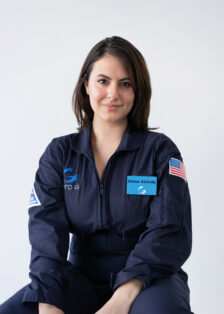
Diana Alsindy is a propulsion engineering manager at Blue Origin where she leads a team of engineers building the next rocket to the moon. She is also the founder of The Arabian Stargazer, a bilingual educational platform that promotes science and space in the Middle East and North Africa (MENA) region. Diana is an Iraqi refugee who fled the Iraq war in 2004 with her family and now calls Los Angeles home. She frequently hosts lectures and seminars with schools that do not have access to engineering resources and aspires to continue paving the way to space and advocate for others to look up. Diana earned a bachelor’s degree in chemical engineering with a focus in mechanical and aerospace engineering from University of California San Diego. Hear her speak as a panel member on From the Classroom to the Cosmos: How Educators Can Help Girls Succeed in Space available in the Advance Learning Center.
Alshaima Abduallah Alshayeb

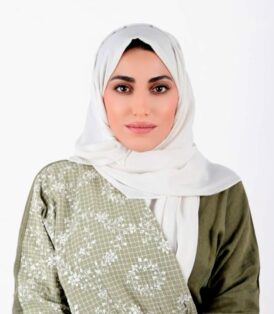
Alshaima Abduallah Alshayeb is the founder and chairperson of the Saudi Women Engineers Society (SWES) and the first Saudi engineer specializing in structural engineering. She earned her bachelor’s and master’s degrees in civil engineering from the University of Technology Sydney and is the first engineer to hold a Certified Mostadam Accredited Professional license, a groundbreaking sustainable framework she led development on, which focuses on green building practices aligned with Saudi Arabia’s Vision 2030 goals. She is an advisor with the Saudi Association of Sustainability Professionals and founder of the Urban Heritage Association, presenting at World ESG Summit and Global Project Management Forum and promoting diversity and women in engineering. Under her leadership, SWES has forged partnerships with organizations such as Bechtel and Saudi Arabia Parsons Corporation to promote opportunities for Saudi women in engineering fields.   
Dr. Habiba Alsafar

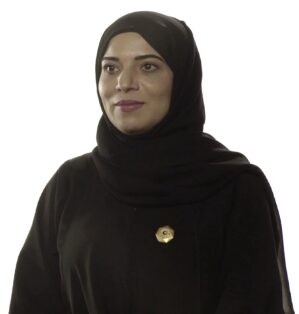
Dr. Habiba Alsafar is dean of the College of Medicine and Health Sciences and professor of genomics at Khalifa University, one of the United Arab Emirates top universities for STEM education. She earned a BS in biochemistry at San Diego State University, an MS in biomedical engineering from the University of Liverpool in the United Kingdom, and Ph.D. in medical and forensics science from the University of Western Australia. She is credited with establishing the Emirates Family Registry — the first study of its kind in the Middle East — which was instrumental in discovering diabetes risk factors unique to the area’s Bedouin population. She is the recipient of the UAE’s First Honor Model award and the International L’Oréal-UNESCO Fellowship for Women in Science, as well as the International L’Oréal-UNESCO Rising Talents award in recognition of her trailblazing work in genetics.
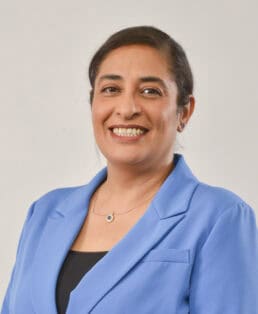
Dr. Chiraz Ennaceur

Dr. Chiraz Ennaceur is the CEO and co-founder of Cambridge-headquartered CorrosionRADAR Ltd, a technology startup in the predictive corrosion monitoring and assets management space. The organization has received recognition for its groundbreaking Predictive Corrosion Under Insulation Monitoring System, and Dr. Ennaceur received the 2024 Women in Excellence Achievement Award from the International Maintenance, Reliability, and Asset Management conference (MAINTCON) in recognition of her outstanding contributions and leadership in her field. Born in Tunisia, Dr. Ennaceur completed her schooling there, earning a civil engineering degree at Ecole National d’Ingénieurs de Gabès (National Engineering School of Gabes), where she was only one of two girls in a class of 20 students, and then a Ph.D. in mechanical engineering at the University of Technology of Compiègne in France.  
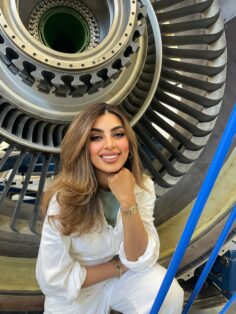
Marwa Al Mamari

The first aerospace engineer in the history of the United Arab Emirates, Marwa Al Mamari is pursuing a Ph.D. studying artificial intelligence in aviation at Coventry University, where she also earned a Master of Science in aviation safety and a Bachelor of Applied Science in aerospace engineering. She has previously worked with the UAE General Civil Aviation Authority, specializing in accident prevention and safety recommendations. This mother of two is also an adjunct lecturer in engineering at New York University Abu Dhabi. In 2024, she was honored as an Emirati Woman Achiever, an award recognizing visionary Emirati women leading entrepreneurship and innovation in the UAE. She has spoken at TEDx and other events globally on changing the narratives, the power of STEM, and women’s empowerment in shaping the future. 
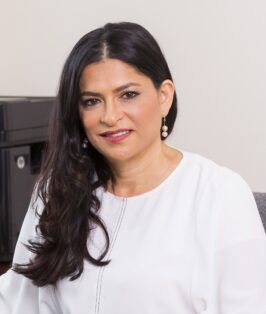
Dr. Raida Al-Alawi

As the president of the Bahrain Society of Engineers, Dr. Raida Al-Alawi is the first woman to lead the organization in its 50+ year history and the first Bahraini woman to earn a Ph.D. in engineering. Her professional experience includes serving as dean of Student Affairs at Manama’s Ahlia University, and as associate professor in the department of electrical and electronics engineering at the University of Bahrain, where she also chaired the department of computer engineering. Dr. Al-Alawi is a Fellow of both the Institution of Engineering and Technology and the Academy of Engineering and Technology of the Developing World, and senior member of the Institute of Electrical and Electronics Engineers and the International Association of Engineers. She holds a Ph.D. in Computational Intelligence from Brunel University London, an MSc in Computer Engineering from King’s College London, and a BSc in Electrical Engineering from Kuwait University.

source/content: alltogether.swe.org (headline edited)

_____________
_________

ARAB
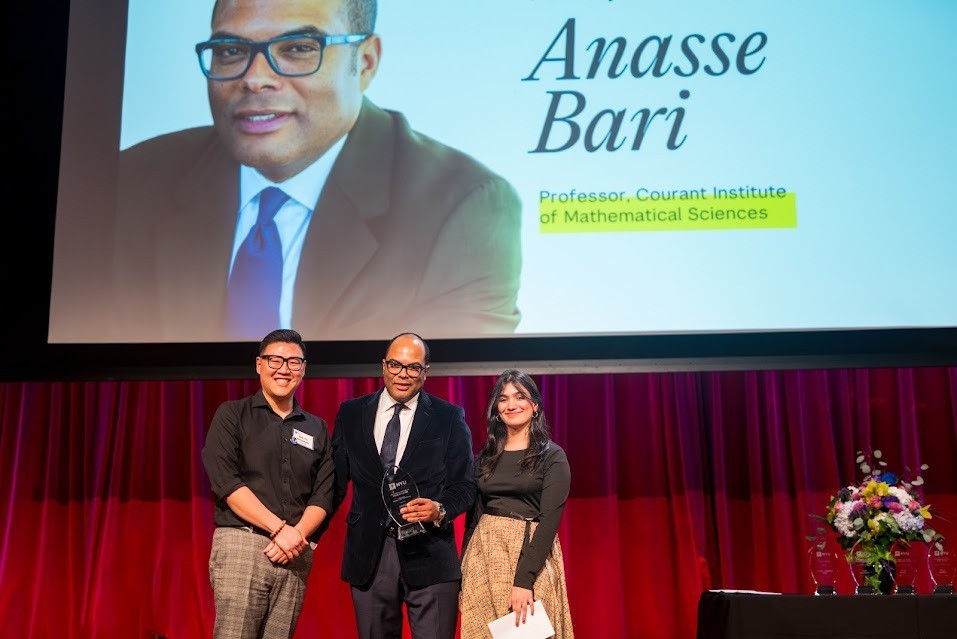
MOROCCAN Professor Anasse Bari Wins NYU’s Martin Luther King Faculty Award

Moroccan professor Anasse Bari has received the Dr. Martin Luther King. Jr. Faculty Award for 2025 at New York University (NYU).

The award recognizes faculty members whose work demonstrates leadership and commitment to justice and fairness, all values that the American civil rights icon Martin Luther King Jr. promoted.

Speaking to Morocco World News, Bari expressed his pride in receiving the award. “I dedicate this award to my fellow Moroccans,” he said.

According to NYU’s website, the award is given to professors whose research and work contribute to positive social change.

“The Dr. Martin Luther King, Jr. Faculty Award recognizes outstanding faculty who exemplify the spirit of Dr. Martin Luther King, Jr.’s scholarship, life, and justice work and who promote the principles and ethos of Dr. King’s extensive global contributions in their research, teaching, leadership, and/or community-building efforts,” the university said.

It added that the process of selecting the faculty awardees involves significant student involvement. This includes students taking part in various stages such as award development, nomination, selection, and recognition.

This means that students play a role in identifying and honoring faculty members who have made a meaningful impact within the classroom, on student research, co-curricular activities, and broader community engagement.

Professor Bari, who leads NYU’s Predictive Analytics and AI Research Lab, has been involved in developing AI tools for healthcare, climate change, misinformation, and pandemic preparedness. 

Professor Anasse Bari and his AI researcher at NYU, Sana Sajjad (right) and Dr. Hua-Yu Sebastian Cherng, NTU’s Vice Dean of Research and Equity (left)

During an award ceremony on Wednesday, Bari said this recognition highlights the importance of working to serve communities while holding onto values of fairness and justice.  

The Moroccan professor teaches over 700 students annually, with focus on ethical AI and mentoring research projects that apply AI to solve social issues.

“Every day in my classroom, I encourage my students to use the skills they have learned at New York University to serve the world,” Bari said, noting that his students are finding “new ways” to use AI and data science to improve the world.

He explained that his students are using AI to combat misinformation, create automated tutoring tools, assist doctors in pandemic prevention, develop cleaner energy sources, and build “ethical, fair, and privacy-preserving” AI solutions.

“The remarkable work of our NYU students embodies the spirit of service and justice that Dr. King envisioned. This award gives me the opportunity to express my gratitude to my students—not only for their incredible contributions but also for the lessons they have taught me,” Professor Bari concluded.

source/content: moroccoworldnews.com (headline edited)

_________

_____________

MOROCCO

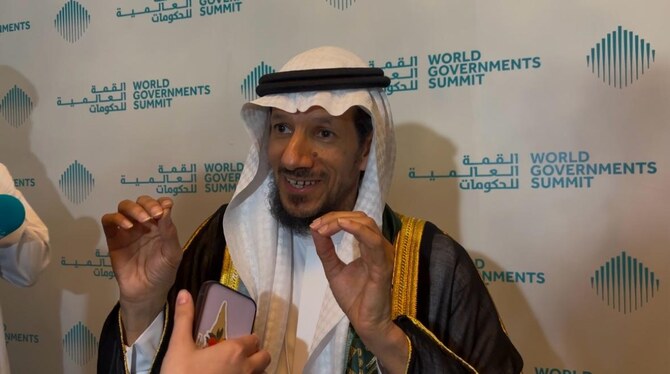
SAUDI teacher Mansour Al-Mansour wins Gems Education Global Teacher Prize at World Governments Summit

 Saudi teacher Mansour Al-Mansour was awarded the Gems Education Global Teacher Prize at the World Governments Summit in Dubai on Thursday.

Al-Mansour received the award at the end of the summit, an annual event that draws leaders from across the globe.

An educator known for his charity work and instructing prisoners, Al-Mansour won the prize of $1 million.

Al-Mansour is also an author and is known for work in his community, including a program that helps ensure people have access to air conditioning maintenance during Saudi Arabia’s scorching summer months.

The prize is awarded by the Varkey Foundation, whose founder, Sunny Varkey, established the for-profit GEMS Education company that runs dozens of schools in Egypt, Qatar and the UAE.

– With inputs from AP

source/content: arabnews.com (headline edited)

__________

Mansour Al-Mansour received the award at the end of the World Governments Summit in Dubai (AN)

__________________

SAUDI ARABIA

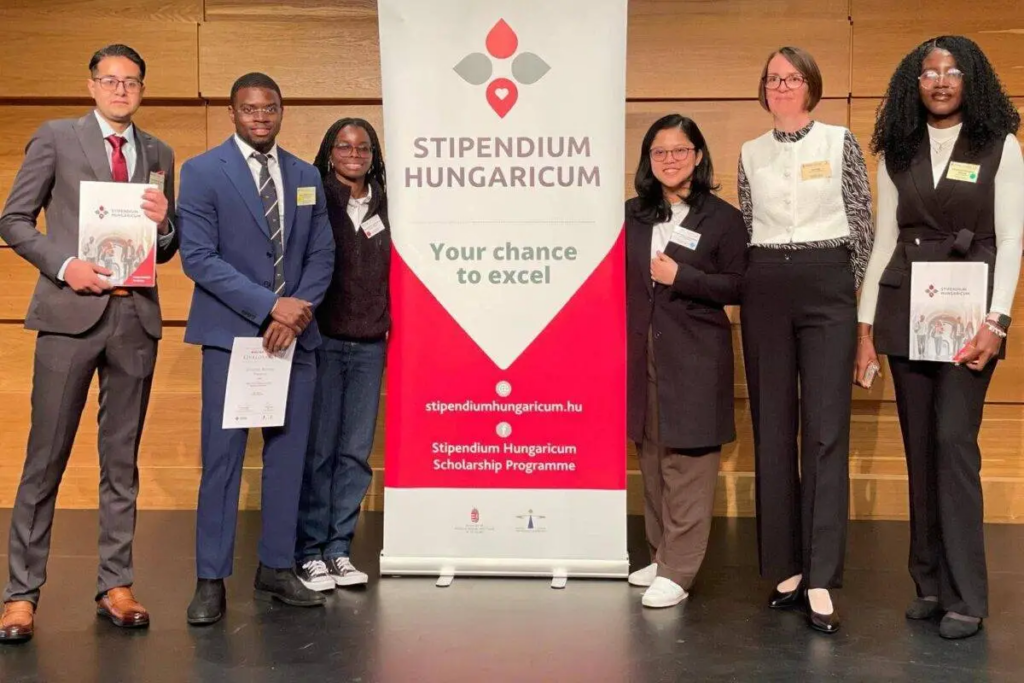
PALESTINIAN Student Omar Abu Samhoud Wins Prestigious Hungarian Award

A Palestinian student has received the Stipendium Hungaricum Award for Excellence in the Hungarian Language, a prestigious award granted annually to the top scholarship students in Hungary. Omar Abu Samhoud studies computer science at Nyíregyháza University.

The award in recognition of outstanding academic achievement and proficiency in the Hungarian language, marks a remarkable milestone for the young student, who has overcome immense challenges to excel in a foreign land. He said that his motivation stemmed from a deep desire to alleviate the burdens on his family in Gaza and bring them some joy amid the current dire circumstances.

“My family is still in Gaza, enduring unimaginable hardships every day,” said Abu Samhoud. “I didn’t want to be an extra burden on them. Instead, I wanted to give them something to be proud of, something that brings them happiness, even from afar. This award is for them.”

The dire situation in Gaza, marked by extreme uncertainty, has weighed heavily on Abu Samhoud and many other students in similar circumstances.

However, it has also been the driving force behind their relentless pursuit of excellence, serving as an inspiration to others.

The awards ceremony, held in Budapest, was attended by representatives from the Hungarian Ministry of Foreign Affairs and Trade, including Deputy State Secretary Miklós Lengyel.

Abu Samhoud was also celebrated by the Embassy of the State of Palestine in the Hungarian capital. Ambassador Dr Fadi Elhusseini congratulated him and presented him with a special gift in recognition of his achievement.

“We are extremely proud of him. His family is proud of him. His homeland is proud of him,” said Elhusseini. “This achievement will serve as a motivation for others and a reminder that success always follows those who persevere. Omar Abu Samhoud embodies the resilience and determination of the great Palestinian people and the steadfastness of the youth in rising above all hardships.”

source/content: middleeastmonitor.com (headline edited)

_______________

Palestinian student from Gaza Omar Abu Samhoud (far L) receives the Stipendium Hungaricum Award for Excellence in the Hungarian Language, a prestigious award granted annually to the top scholarship students in Hungary.

_____________

PALESTINE

SAUDI ARABIA : Makkah hosts 10th international military Qur’an contest

179 participants from 32 Islamic countries to compete, promote moderate Islamic values.

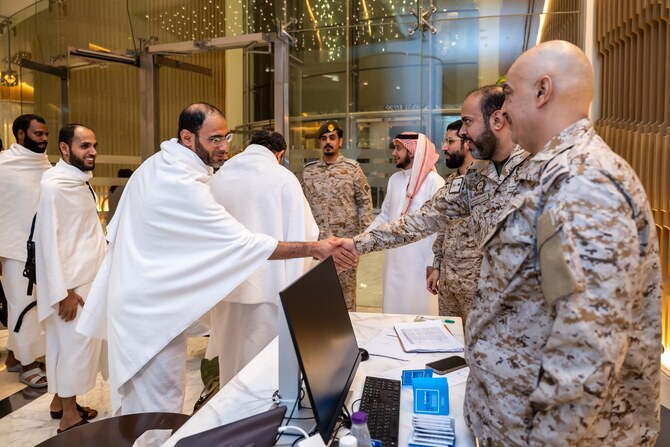
The 10th International Military Qur’an Memorization Competition launched on Saturday in Makkah, attracting 179 participants from 32 countries.

Organized by the General Administration of Religious Affairs of the Armed Forces under the patronage of Defense Minister Prince Khalid bin Salman, the event promotes the significance of the Qur’an, encourages its memorization, and highlights Saudi Arabia’s role in serving Islam’s holy book and as the custodian of Islam’s holiest sites.

The competition features six categories: full Qur’an memorization; 20-part, 10-part, five-part, and three-part memorization; and a special category for recitation and tajweed (proper pronunciation).

Parallel activities include a Qur’anic forum for religious affairs directors and imams, showcasing Saudi Arabia’s efforts in Qur’an printing, translation, and distribution.

The forum also discusses the Qur’an’s moral values, the Kingdom’s contributions through its ministries, and the impact of tajweed on understanding the Qur’an.

Additionally, the General Administration of Religious Affairs offers training programs for religious affairs personnel across the armed forces, focusing on Qur’anic teaching methods and enhancing the skills of instructors and competition judges.

Maj. Gen. Mesfer Al-Issa, director of the General Administration of Religious Affairs and competition supervisor, described the event as a significant initiative to honor the Qur’an.

Al-Issa emphasized the Kingdom’s commitment to hosting this event, reflecting the leadership’s dedication to serving the Qur’an.

In an interview with Arab News, he highlighted the event’s profound impact on participants, especially as it takes place in the holy cities of Makkah and Madinah.

Al-Issa said that the Qur’an guides soldiers, shaping their character and values, and encouraging psychological, behavioral, and spiritual stability.

Soldiers grounded in the Qur’an and Sunnah are more balanced and resilient, contributing to the development of morally and spiritually strong armed forces, he said.

The 14-day event will include 10 days in Makkah before moving to Madinah for four days, where participants will visit the Prophet’s Mosque and other Islamic landmarks.

Judges, including imams from the Two Holy Mosques and Qur’anic scholars, use an advanced electronic evaluation system called “Insaf” (Fairness) for transparent scoring.

Contestants receive immediate feedback on memorization, pronunciation, tajweed, and error rates.

Al-Issa said that soldiers are selected through year-long national competitions to identify top military memorizers.

The competition also serves as a platform for military personnel from Islamic nations to promote moderate Islamic values and a proper understanding of the Qur’an through scientific forums.

Al-Issa said that the competition strengthens the Qur’an’s role in Islamic armed forces, supporting efforts to memorize, recite, and reflect on its teachings.

This helps build a generation of soldiers rooted in Islamic knowledge and guided by noble values, he added.

source/content: arabnews.com (headline edited)

______________

Contestants arrive to participate in the 10th International Military Qur’an Memorization Competition in Makkah.

_________________

SAUDI ARABIA

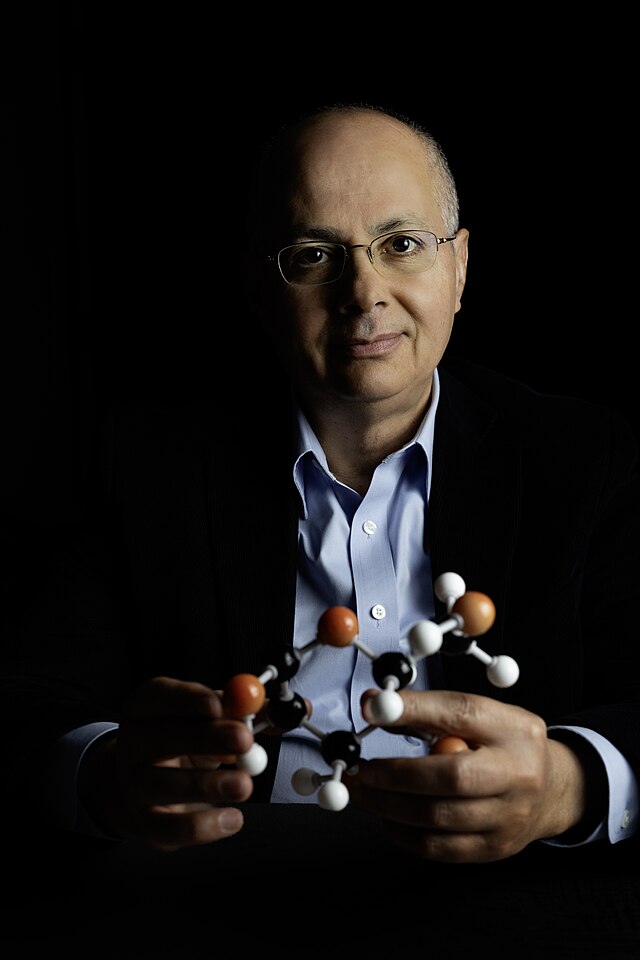
JORDANIAN Academic Omar Yaghi wins ‘2024 Arab Genius Minds Award’

 Jordanian academic Omar Yaghi, a chemistry professor at the University of California, Berkeley, has been awarded the 2024 Arab Genius Minds Award in the Natural Sciences category for his pioneering work in reticular chemistry.

Yaghi is celebrated for his transformative innovations in designing and synthesising metal-organic frameworks (MOFs) and covalent organic frameworks (COFs), the Jordan News Agency, Petra, reported. 

These frameworks address critical global challenges in energy storage, water harvesting, and environmental sustainability.

His research portfolio includes over 300 peer-reviewed papers, which have collectively garnered more than 250,000 citations, underscoring the “far-reaching” impact of his work.

Since 2012, Yaghi has held the James and Neeltje Tretter Chair in Chemistry at UC Berkeley. 

His contributions to reticular chemistry have “revolutionised” the ability to assemble molecular building blocks into highly porous structures with applications in gas storage, catalysis, and drug delivery, among others, yielding significant economic and environmental advancements.

The Arab Genius Minds Award, launched by Sheikh Mohammed Bin Rashid Al Maktoum, Vice President and Prime Minister of the UAE and Ruler of Dubai, honours achievements by Arab scientists and innovators across six key categories essential for the region’s developmental and cultural progress.

source/content: jordantimes.com (headline edited)

__________

pix: source: wikipedia

_________

JORDAN

ARAB / QATAR : 4th Arab Mathematics Olympiad 2024 begins in Doha

The Fourth Arab Mathematics Olympiad 2024 kicked off Sunday in Doha.

The Olympiad, which will conclude on November 14, is organised by the Ministry of Education and Higher Education in Qatar, in partnership with the Arab League Educational, Cultural, and Scientific Organization (ALECSO) and the Qatar National Commission for Education, Culture, and Science.

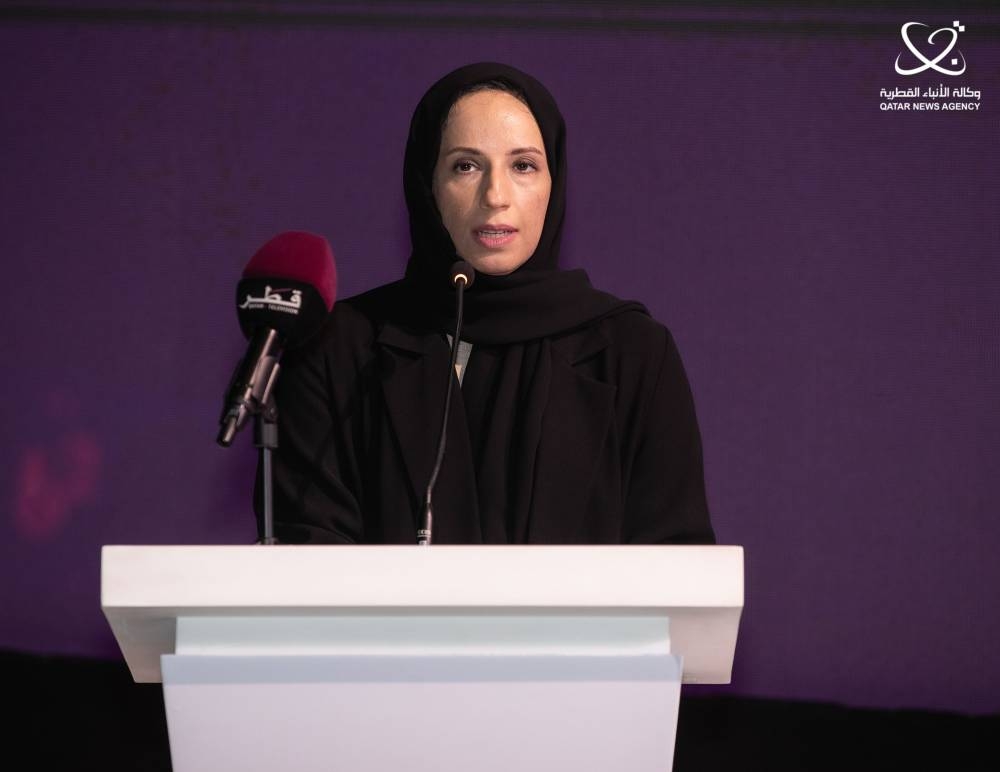
HE Buthaina bint Ali Al Jabr Al Nuaimi, the Minister of Education and Higher Education, Chairperson of the Qatar National Commission for Education, Culture and Science, said that organizing the Fourth Arab Mathematics Olympiad falls under the umbrella of ALECSO and aims to enhance communication between Arab students, develop the spirit of excellence, creativity, talent and self-confidence, pay attention to the sciences of mathematics and develop its curricula and improving its teaching methods.

She noted in her opening speech that mathematics is one of the basic sciences on which many applied sciences depend, it’s based on thinking, setting hypotheses, and mathematical proofs, stressing that working on developing curricula to improve the quality of education and develop students’ skills has become an urgent need to keep pace with current developments and modern life, in a world characterized by rapid development and technological progress.

She explained that the Arab Mathematics Olympiad comes to crystallize the interest of Arab countries in developing the performance of their students in modern sciences as a basic requirement for sustainable development.

source/content: qatar-tribune.com (headline edited)

_____________

HE Buthaina bint Ali Al Jabr Al Nuaimi, the Minister of Education and Higher Education, Chairperson of the Qatar National Commission for Education, Culture and Science

__________________

ARAB / QATAR

SAUDI ARABIA / FRANCE: ‘Arabic Language Month – October 07th, Paris, France. Experts highlight historical role of Arabic language as bridge between cultures.

Arabic and French experts this week underlined the importance of learning languages to enhance intellectual and cultural communication.

At an event in France to mark Arabic Language Month, they noted how, without the Arabic language, the world would not have been able to access a significant portion of the intellectual heritage of Greek philosophers, as well as mathematics and sciences from ancient times.

Hamdi Al-Adawi, professor of linguistics at Imam Muhammad bin Saud Islamic University, described the role of language in expressing a person’s inner thoughts and feelings, and described the historical interplay between Arabic and French.

“The Arabic language has played a vital role towards affirming the role of Islam in enhancing communication between different civilizations, blending civilizations, and fostering the exchange of cultures,” he told Arab News.

Al-Adawi noted that the convergence of certain words, concepts and meanings between languages is key to accepting other cultures and coexisting peacefully with them.

He also said that there are many shared terms among languages, which encourages leveraging these similarities to understand the commonalities between these languages and their cultural connotation.

Al-Adawi concluded that the cultural exchange between the Arabic and French languages is tangible and well documented.

Some examples include the Belgian orientalist Henri Lammens, who identified more than 700 Arabic words in his French-language writings in the early 20th century, and the French writer Pierre Giraud who acknowledged the influence of Arabic on the French language, providing a list of 280 Arabic words that were used in French during different periods.

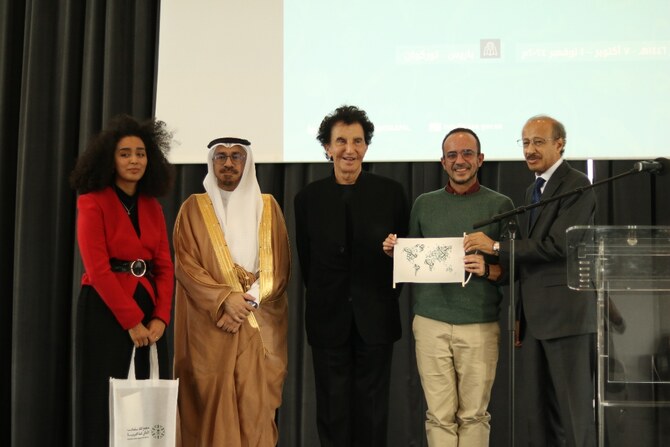
Jack Lang, the secretary-general of the Arab World Institute, said that “the Arabic language is music, and it is a global language.” He noted that it ranks fifth among the most spoken languages in the world.

“We cannot ignore the fact that the Arabic language has served as a bridge for communication between peoples. Without the Arabic language, we would not have been able to access a significant portion of Greek philosophers, nor mathematics and sciences from ancient times,” he said.

Lang, who is a former French minister of education, highlighted the efforts being made by Saudi Arabia to preserve the Arabic language, saying that the Kingdom was “moving towards exerting a considerable cultural effort.”

He added that he currently observes “large cultural events happening throughout Saudi Arabia.”

He also praised Saudi Arabia’s role in assisting other countries in their commitment to the Arabic language through the Arab World Institute, which is based in Paris.

Lang noted the intention to establish a House of the Arabic Language in France, in collaboration with King Salman Global Academy for Arabic Language.

KSGAAL launched Arabic Language Month in France on Oct. 7, in collaboration with the Arab World Institute.

Events included a seminar, a panel discussion and a scientific competition focused on the art of diction, with participation from several contestants.

Abdullah Al-Washmi, secretary-general of KSGAAL, said that the academy is active in various fields to promote the Arabic language, locally and globally.

The academy launched the Arabic Language Month program in France, which aimed to display KSGAAL activities related to teaching Arabic to non-native speakers and to highlight the Kingdom’s efforts in serving the Arabic language and its sciences worldwide.

Additionally, the academy is working to offer training programs to enhance teachers’ competencies and improve Arabic language learning outcomes for students, in line with the objectives of the Human Capability Development Program, one of the initiatives under the Kingdom’s Vision 2030.

The inauguration ceremony was attended by interested individuals and intellectuals, led by the Kingdom’s ambassador to France, Fahad Al-Ruwaili.

KSGAAL will continue the activities of Arabic Language Month in France on Nov. 1, featuring tours in several French cities in collaboration with French and international educational institutions.

source/content: arabnews.com (headline edited)

__________

The Arabic Language Month in France featured several linguistic competitions. The awards were presented by Fahad Al-Ruwaili, Saudi Ambassador to France, Jack Lang, Secretary-General of the Arab Institute in France, and Abdullah Al-Washmi, Secretary-General of King Salman Global Academy for Arabic Language (from the right: the first, the third and fourth respectively)

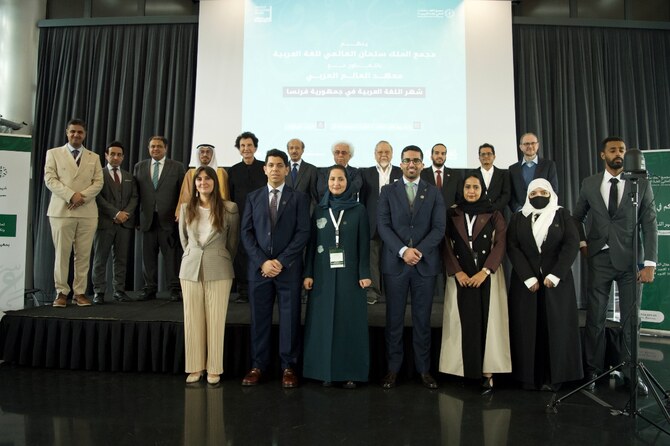
A group photo of the participants in the Arabic Language Month in France, which commenced on Monday, shows the Saudi ambassador in the second row from the left, sixth from the group

_________________

SAUDI ARABIA

ALGERIA : M’Sila University Professors Among the Top Scientists Worldwide

This remarkable achievement underscores the university’s leadership in scientific research, affirming its pivotal role in Algeria’s innovation landscape and commitment to academic excellence. The recognition of these five esteemed scholars not only highlights their individual contributions but also elevates M’Sila University as a beacon of scientific advancement on the global stage.

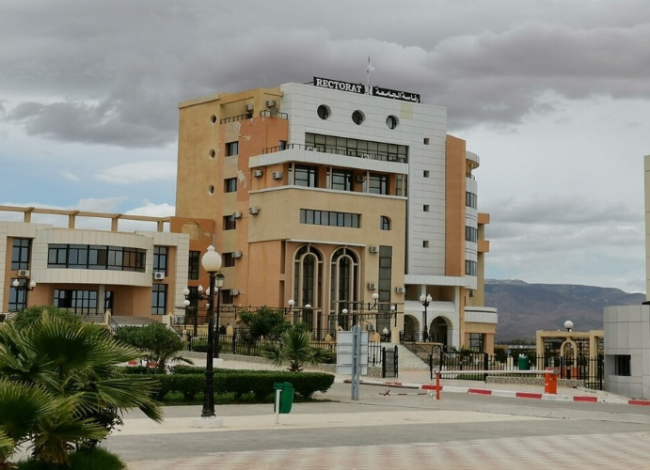
Five distinguished professors from Mohamed Boudiaf University in M’Sila have earned recognition in the 2024 Stanford University ranking of the top 2% of scientists worldwide. This prestigious classification highlights their contributions to research and places them among a total of 68 Algerian researchers honored in this global assessment.

M’Sila University stands out as the leading Algerian institution, boasting the highest number of researchers included in this elite ranking. This achievement underscores the university’s commitment to advancing scientific research and fostering academic excellence, positioning it as a vital contributor to Algeria’s development and innovation landscape.

Professor Amar Boudellaa, the university director, emphasized the significance of this accomplishment as a reflection of the institution’s dedication to scientific inquiry. He affirmed the university’s ongoing support for researchers, inventors, and start-up founders, aligning with the vision outlined by the Minister of Higher Education.

The five notable researchers recognized in this ranking are:

Professor Bouarissa Nadir (Natural Sciences/Physics)

Professors Berri Saadi and Maireche Abdelmadjid (Faculty of Sciences)

Professor Chouder Aissa (Electrical Engineering, Faculty of Technology)

Hocini Abdesselam (Electronics, Faculty of Technology)

Since its inception in 1885, Stanford University has published the Top 2% Scientist ranking annually since 2020, based on comprehensive studies conducted by its researchers. This accolade not only celebrates individual achievements but also enhances the reputation of M’Sila University as a hub for scientific advancement in Algeria.

source/content: dzair.tube.dz (headline edited)

__________

_____________

ALGERIA

ARABS – HISTORY : Arabs migrated from central region to establish kingdoms in Iraq, Levant, Egypt, says Saudi historian Prof. Suleiman Al-Theeb

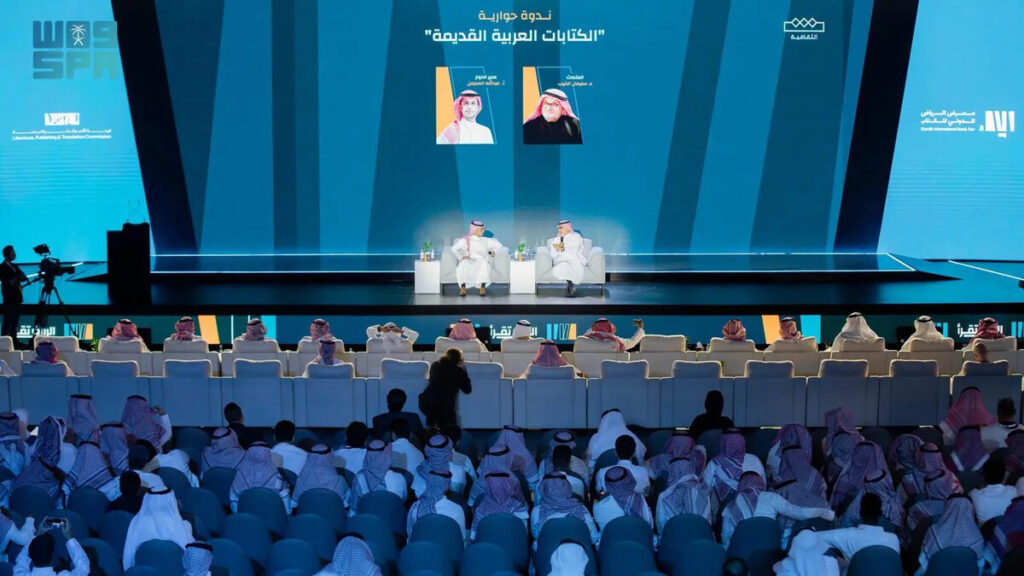
Dr. Suleiman Al-Theeb presents research at Riyadh International Book Fair

Kingdom’s literature commission organized the event from Sept. 26-Oct. 5

Only a group of tribes later described as Arabs inhabited the area now known as the Arabian Peninsula in antiquity and modern times, and other ethnicities lived there temporarily, a leading Saudi Arabia historian has said.

Dr. Suleiman Al-Theeb, who is a professor of ancient Arabic inscriptions at King Saud University, presented some of his research during a panel discussion titled “Ancient Arabic Writings” at the Riyadh International Book Fair.

The panelists focused on the deep-rooted cultural heritage of the Kingdom and the Arabian Peninsula, the Saudi Press Agency reported on Sunday.

The fair was organized by the Kingdom’s Literature, Publishing and Translation Commission between Sept. 26 and Oct. 5.

During the discussions, Al-Theeb talked about the meanings of ancient Arab inscriptions, and writings in the Arabic script.

He said the term “Arab” was first used to describe a group of tribes during the Assyrian era, in the 8th and 9th centuries B.C.E.

He added that migrations from the Arabian Peninsula began from the central region, moving northward to Mesopotamia, Greater Syria, and Egypt, where immigrants settled and established kingdoms.

Al-Theeb said the oldest known Arab inscription, found in the city of Lachish in Palestine, is Thamudic and dates to 1300 B.C.E.

“Initially, it was believed to be Phoenician and dated to 1509 B.C.E., but it was later confirmed to combine South Arabian script and Thamudic letters,” he said.

Al-Theeb has written extensively about civilizations dating back thousands of years in the Arabian Peninsula.

He is a writer, historian, researcher and an expert in archaeology and ancient languages of the region, and spoke extensively about his work at the fair.

source/content: arabnews.com (headline edited)

______________

Prof. Suleiman Al-Theeb said the term “Arab” was first used to describe a group of tribes during the Assyrian era, in the 8th and 9th centuries BCE.  (SPA)

_________________________________

SAUDI ARABIA / ARAB WORLD