Arabs & Arabian Records Aggregator. Chronicler. Milestones of the 25 Countries of the Arabic Speaking World (official / co-official). AGCC. MENA. Global. Ist's to Top 10's. Records. Read & Enjoy./ www.arabianrecords.org
The power plant is a major step in the country’s ambitions to achieve the Net Zero 2060 target.
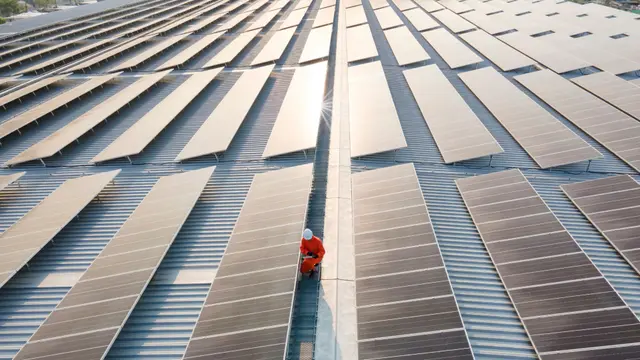
Bahrain-based industrial giant Foulath Holding has partnered with Yellow Door Energy, a leading sustainable energy developer in the Middle East and Africa, to launch a record-breaking 123 megawatt-peak (MWp) solar project.
The project marks the construction of the world’s largest single-site rooftop solar power plant, signaling a crucial step in Bahrain’s pursuit to achieve its Net Zero 2060 target.
Developed under a Power Purchase Agreement (PPA), 77,000 solar panels will be installed across a newly built 262,000-square-meter stockyard shed, capable of generating a total rooftop capacity of 50 MWp.
The announcement was made at the Four Seasons Hotel in Bahrain Bay on November 2, during the third edition of the premium investment forum Gateway Gulf.
It was hosted by the Bahrain Economic Development Board, with global investors, business leaders, policymakers, and government officials from multiple regions in attendance.
A transformative step towards clean energy vision
As a small island nation, Bahrain faces unique constraints in developing large-scale solar farms on the ground. Rooftop installations provide a space-efficient and scalable solution to harness clean energy without compromising valuable land resources.
In total, the site will consist of ten rooftop and four on-ground photovoltaic systems, producing an estimated 200 million kilowatt-hours (kWh) of clean electricity in its first year.
The overall initiative of the project is to reduce carbon emissions by 90,000 metric tons annually.
“Today, the island nation of Bahrain stands at the forefront of sustainable global innovation. We are incredibly proud of this transformative project – marking the largest rooftop solar plant in the world,” said Noor bint Ali Alkhulaif, Minister of Sustainable Development.
“This milestone not only strengthens our position as a regional leader in clean energy, but embodies our dedication to build a resilience, sustainable future in line with our national vision of elevating Bahrain’s international competitiveness,” she continued.
A $250M commitment to sustainability
For Foulath Holding, the project represents the continuation of a long-term environmental strategy.
Meshary Al-Judaimi, Chairman of Foulath Holding, revealed that the company has already invested approximately $250 million in sustainability projects over recent years.
“Over the past several years, Foulath has invested approximately $250 million in various sustainability projects,” he said.
“These investments are a testament to our commitment to responsible operations, environmental stewardship, and protecting the health and well-being of our community, thereby ensuring industrial development goes hand-in-hand with environmental care. The solar project serves as a continuation of that commitment,” Al-Judaimi added further.
Powering a sustainable industrial future
The solar plant project will be developed in partnership with Yellow Door Energy, known for its large-scale renewable infrastructure in the region.
“I think this project proves how cost-competitive, clean energy can drive forward industry and set a new global benchmark for decarbonizing steel production,” said Sherif ElKholy , Managing Director at Actis and Chairman of Yellow Door Energy.
“As a leading investor in sustainable infrastructure and majority shareholder of Yellow Door Energy, we are proud to witness this signing and look forward to seeing this transformative project come to life,” he continued, emphasizing the significance of the partnership.
With over 189,900 high-efficiency solar panels spanning 707,000 square meters, this initiative will power a new chapter in Bahrain’s energy transition.
The Council of the International Civil Aviation Organization (ICAO) elected Engineer Saeed Mohammed Al Suwaidi, the UAE’s Permanent Representative to the ICAO, as Vice-President of the Council.
A press release issued today by the General Civil Aviation Authority (GCAA) stated that the election of the UAE’s representative confirms the UAE’s leading position in the international civil aviation sector and reflects the great confidence it enjoys from member states on the ICAO Council, as well as the appreciation for its prominent role in supporting ICAO’s efforts aimed at enhancing the safety, security, and sustainability of the global aviation sector.
His Excellency Saif Mohammed Al Suwaidi, Director General of the GCAA, said that the election of the UAE’s representative to this high-profile position reflects the international appreciation of the country’s contributions to the development of civil aviation policies. It also underscores the UAE’s commitment to enhancing its active participation within the ICAO Council and contributing more strongly to the formulation of decisions affecting the global aviation sector, reflecting its ambitious vision for international cooperation and leadership in this field.
For his part, Engineer Saeed Mohammed Al Suwaidi, the UAE’s representative to ICAO, expressed his pride in this international assignment, stressing that his election represents a significant responsibility and an opportunity to continue strengthening the UAE’s presence within the organization and support international efforts aimed at developing the civil aviation sector according to the highest standards of efficiency and sustainability.
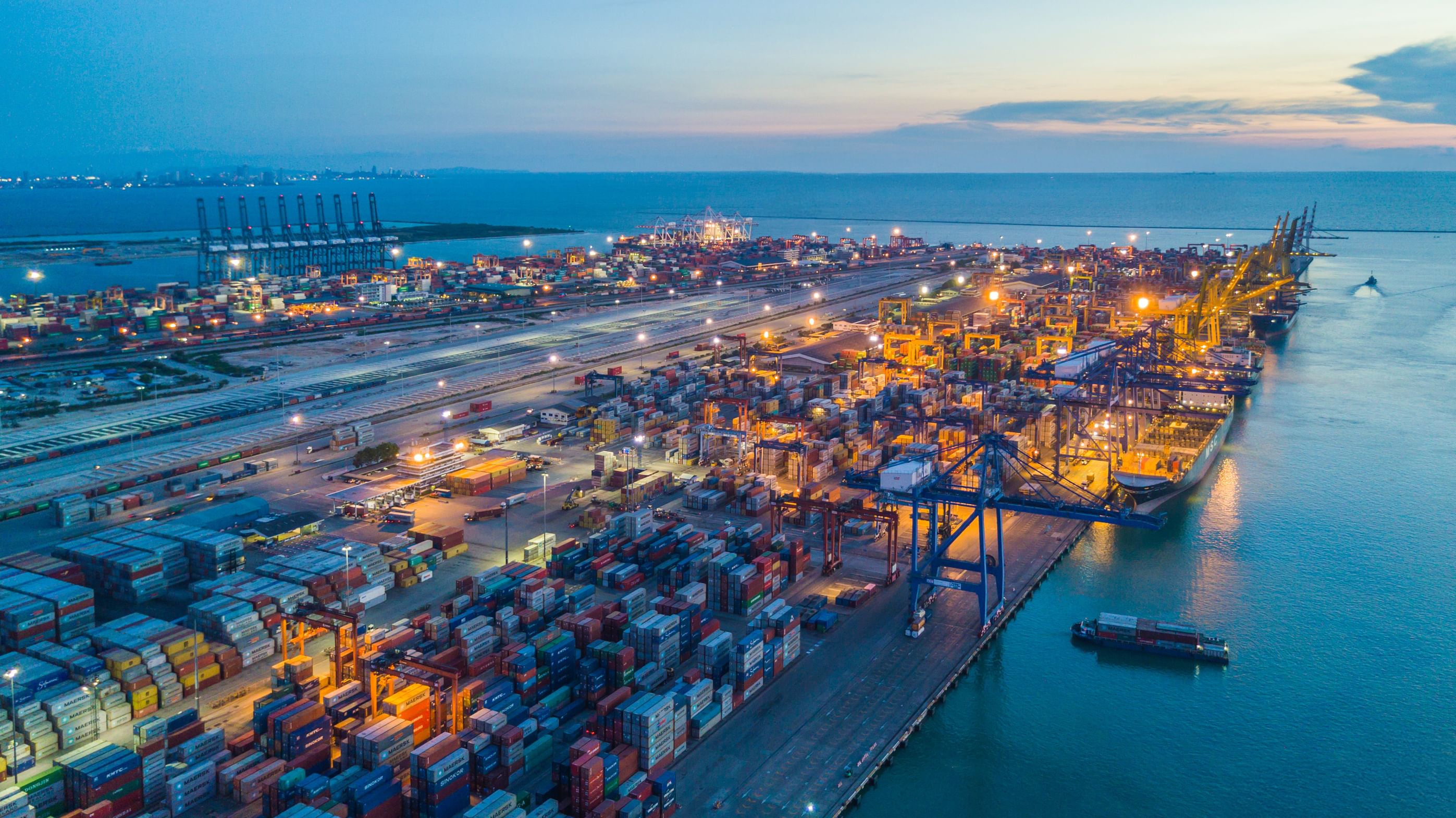
Dubai has reinforced its status as a leading global maritime hub, earning the title of “the crown jewel of the Middle East’s maritime sector,” according to the 2025 International Shipping Centre Development Index report, issued by Xinhua News Agency in collaboration with the Baltic Exchange. The report ranks Dubai among the top five global shipping centres and first in the Arab region.
Sheikh Dr. Saeed bin Ahmed bin Khalifa Al Maktoum, CEO of the Dubai Maritime Authority, part of the Ports, Customs, and Free Zone Corporation, hailed the achievement stating: “Dubai’s ranking as fifth globally and first in the Arab world in the 2025 International Shipping Centre Development Index reflects the vision of our leadership, as well as the effective coordination between strategic partners and maritime sector companies in the emirate.
We remain committed to continuous development, delivering world-class services, adopting global maritime best practices, implementing innovative solutions, updating regulations, and fostering a thriving maritime business environment to position Dubai as an innovative and sustainable global centre for shipping and logistics.”
The report highlights Dubai’s comprehensive maritime ecosystem, offering navigation services, shipbuilding and repair, and capacity to handle the increasing number of vessels. It also emphasised the Dubai Maritime Transport Plan 2030, aligned with the Dubai Economic Agenda D33, which aims to expand maritime transport usage, enhance the network of marine transportation, and develop Dubai Maritime City.
The report specifically praised Jebel Ali Port for its strategic role as a regional shipping hub, underpinned by continuous investment in infrastructure and services. In 2024, the port handled 15.5 million twenty-foot equivalent units (TEUs), the highest since 2015, accounting for 18% of the total 88.3 million TEUs managed by DP World, the port operator.
On sustainability, the report highlighted Jebel Ali Port’s initiatives to reduce emissions, including the provision of biofuel for ships, installation of 50,000 m² of solar panels for renewable energy, and the use of electric vehicles for container handling—contributing to an annual reduction of 2,000 tons of CO₂ emissions.
Captain Ibrahim Al Blooshi, Executive Director of Dubai Ports Authority, commented: “We take pride in this achievement, which underscores Dubai’s strong position as a global maritime hub. Jebel Ali Port, operated by DP World under the Ports, Customs, and Free Zone Corporation, continues to excel at both regional and international levels.
Dubai Ports Authority is committed to proactive measures to enhance the maritime sector’s contribution to the strategic objectives of the Dubai Economic Agenda D33, through its three ports—Jebel Ali, Port Rashid, and Hamriyah—despite global economic challenges and market fluctuations. We are dedicated to preserving the emirate’s marine environment and ensuring the highest operational safety standards in the maritime sector.”
EDGE, the world’s leading advanced technology and defence group, and 4iG Aerospace, the leading ICT, space and defence industries group in Hungary and the Western Balkans, have signed three Memoranda of Understanding (MoUs) to establish significant and wide-ranging industrial cooperation between the UAE and Hungary.
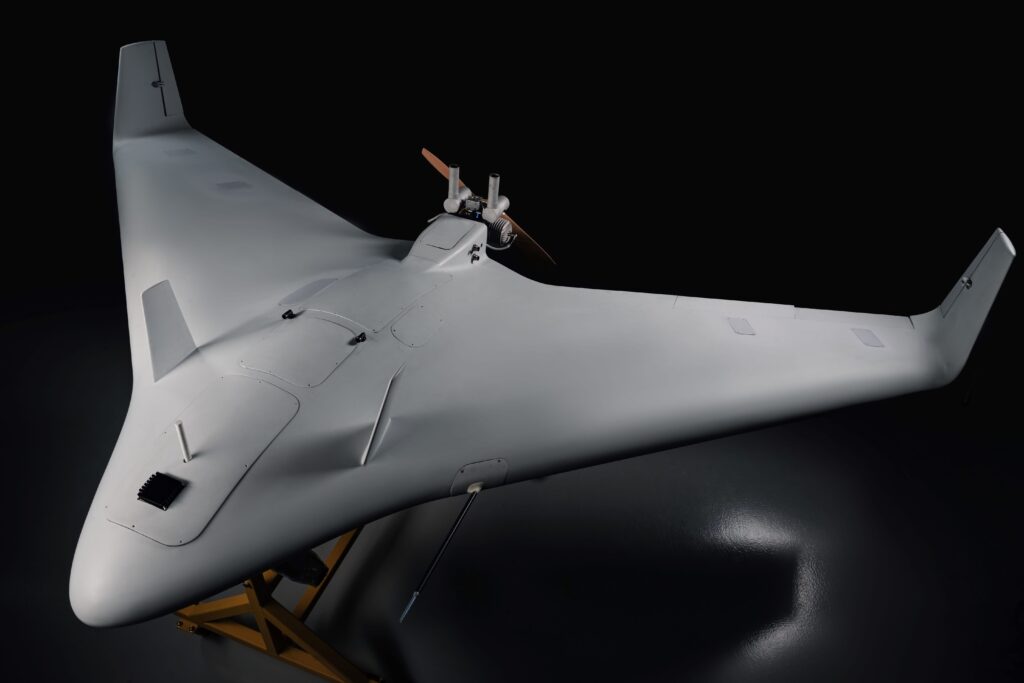
During a state visit by an official UAE delegation to Hungary, EDGE and 4iG signed three memoranda of understanding (MoUs) aimed at enabling a broad technology partnership for the joint development and marketing of advanced defense systems, including EDGE’s Skyknight air defense missile system, Shadow 25 and Shadow 50 cruise munitions, and Vega and Orion autonomous air traffic control solutions.
Hamad Al Marar, Managing Director and CEO of EDGE Group, said: “Our goal, through strengthening partnerships with partners like 4iG, is to help countries develop and adopt advanced sovereign defense technology and industrial capabilities. The global security landscape calls for renewal programs to leverage the latest autonomous technologies and counter rapidly evolving airborne threats. This collaboration enhances EDGE Group’s ability to continue delivering competitive, NATO-compliant, and export-ready solutions, in support of Hungary’s national objectives and as a gateway to deeper engagement across Europe and NATO member states.
For his part, 4iG CEO Istvan Šarhigyi said: “The agreements signed today represent a significant achievement in 4iG’s international efforts in the defense sector. By partnering with one of the world’s fastest-growing defense technology companies, we can develop systems with strong potential for success in European and African markets on a mutually beneficial basis. EDGE Group’s trust and openness provide Hungary with the opportunity to transform into a strategic player in the global defense innovation ecosystem.
Under the first agreement, the two companies will establish a broad technology partnership to jointly develop and explore cross-market opportunities for next-generation autonomous aerial systems (AAAS), counter-AAAS solutions, and space technologies in Central and Eastern Europe and Africa.
The agreement also covers the possibility of establishing a joint venture. The second agreement focuses on the potential development and production of the Sky Knight domestically deployable air defense missile system and the Shadow high-precision cruise munition series in Hungary.
The third and final agreement aims to provide EDGE’s Vega autonomous air traffic management and Orion drone swarm management systems to the European market, with the potential for joint development of air traffic control solutions. The MoU also includes an evaluation of the possibility of establishing a joint venture as a European development and sales center for the Vega and Orion systems.
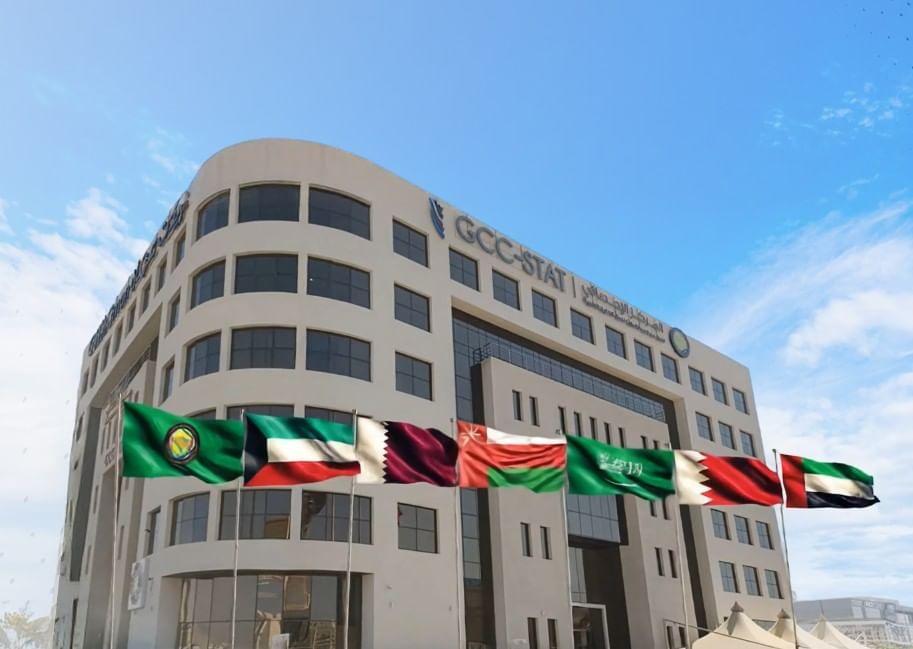
The estimated budget expenditures of the Gulf Cooperation Council (GCC) countries for the current year 2025 amounted to USD 542.1 billion, while the estimated government revenues reached USD 487.8 billion, while the estimated deficit reached USD 54.3 billion, according to data issued by the GCC-Stat.
The GCC-Stat indicated that government revenues in the GCC countries are directly affected by the movement of global oil prices, as oil revenues constitute the largest proportion of financial resources. Countries follow a conservative approach in calculating the break-even oil price to estimate their general budgets to avoid international economic fluctuations and fluctuations in global oil prices.
Government revenues are expected to remain relatively stable, with oil prices remaining at moderate to high levels.
Most GCC countries have projected an increase in their spending in 2025 compared to their 2024 estimates. Increased spending is a determinant of growth in the GCC economies in general, directed toward completing infrastructure projects and stimulating growth in certain economic sectors, with the aim of implementing strategic development plans. Meanwhile, GCC countries plan to finance budget deficits through drawing on reserves and domestic and foreign borrowing.
The UAE maintained its position as the top destination for deals in the Middle East and North Africa (MENA) region during the first quarter of 2025, with a total of 63 deals worth $20.3 billion.
The UAE remains the preferred destination for foreign direct investment (FDI) in the region by 2025, accounting for 53% of the total number of incoming deals and 99% of their total value. Austria was the leading investor, accounting for 94% of the total value of incoming deals, driven primarily by a major deal in the chemicals sector.
This was stated in a report issued by Ernst & Young (EY) on “Mergers and Acquisitions in the Middle East and North Africa”, which indicated that the region recorded an increase in deal activity during the first quarter of 2025, with 225 deals compared to 172 deals in the same period last year, representing a 31% increase in the number of deals year-on-year. The total value of announced deals in the first quarter of this year also increased by 66% to reach US$46 billion, compared to US$27.6 billion in the first quarter of 2024.
role in deal volume and value, with 117 deals recorded, representing 52% of the total number of deals, valued at USD 37.3 billion, or 81% of the total value of announced deals. The first quarter of 2025 saw the highest cross-border deal activity, both in terms of volume and value, compared to the same period in the past five years, as companies increasingly sought to grow and diversify outside their home markets.
“We saw a steady flow of M&A deals in 2025, and the MENA region will continue to experience strong deal flow for the remainder of 2025,” said Brad Watson, MENA Leader, EY-Parthenon. “This strong deal flow is driven by regulatory reforms, policy shifts, and a positive macroeconomic outlook, including easing interest rates and improved investor confidence.”
contributed 48% of the total number of deals in the first quarter of 2025. This growth in local M&A deals is in line with the International Monetary Fund’s forecast of 3.6% GDP growth for the Middle East and North Africa region this year, supported by the strong momentum of M&A activity around the world. Companies are re-aligning their strategies to better meet the needs of diversification, digital transformation, and the integration of emerging technologies.
He stressed that the UAE maintained its position as the top destination in the Middle East and North Africa region in the first quarter of 2025, recording 63 deals worth a total of USD 20.3 billion. Kuwait ranked second in terms of deal revenue, with USD 2.3 billion, driven by two major deals in the diversified industrial products and energy and utilities sectors.
During the first three months of 2025, Canada attracted the highest value of outbound deals from Middle Eastern and North African investors, at US$6.4 billion, while the United States remained the preferred target destination in terms of the number of deals.
number of deals in the first quarter of 2025, while the value of deals increased significantly to USD 8.7 billion, compared to USD 1.69 billion in the first quarter of 2024.
The technology sector led local mergers and acquisitions (M&A) activity in the Middle East and North Africa (MENA) region during the first quarter of 2025, contributing 37% of the total value of local deals and 27% of the total number of deals.
Inter-regional deals involving the UAE, Kuwait, and Saudi Arabia accounted for 83% of the total value of local deals and 56% of the total number, highlighting the strong activity of cross-regional mergers and acquisitions, particularly in the technology, industrial, and real estate sectors.
foreign direct investment (FDI) during the first few months of 2025, with the number of inbound deals increasing by 21% and their value rising to USD 17.6 billion, compared to USD 2.5 billion in the first quarter of 2024.
The report indicated a 63% increase in the number of deals issued during the first three months of 2025 compared to the first quarter of 2024, reaching USD 19.7 billion, contributing 43% of the total deal value. The UAE and Saudi Arabia topped the list of deals issued from the Middle East and North Africa region, accounting for 77% of the total number of deals and 94% of their total value.
Anil Menon, MENA M&A and Capital Markets Leader, EY-Parthenon, said: “The MENA deal market has remained resilient, and the MENA deal pipeline for the rest of 2025 is promising and strong, with increased activity expected in the consumer, technology, and energy sectors. Artificial intelligence will drive fundamental value shifts, as we see significant capital allocation in technology.”
The pact interweaves water security, renewable energy mastery, and industrial sovereignty – binding Morocco’s future with a 1,400 km electricity superhighway, four desalination jewels, and 25,000 employment opportunities in a $14 billion choreography.
The largest private investment in Morocco’s modern history has just been inscribed in the country’s economic annals. Yesterday, the country sealed an extraordinary $14 billion accord with the United Arab Emirates – an injection of unprecedented scale that promises to permanently alter the country’s water and energy equation, while fundamentally reshaping its infrastructure landscape for generations to come.
The ceremonial ink still fresh, the agreement binds Morocco’s government and the National Office of Electricity and Drinking Water (ONEE) with a consortium of financial titans: the Mohammed VI Investment Fund, TAQA Morocco (the local subsidiary of Abu Dhabi’s energy colossus), and Nareva (the energy arm of the royal holding Al Mada).
At MAD 130 billion ($14 billion), this collaboration transcends mere commercial arrangement – it heralds a profound reengineering of critical national infrastructure by 2030.
Central to this ambitious blueprint stands a colossal 1,400-kilometer high-voltage transmission corridor stretching from Western Sahara to Casablanca, complemented by a network of sophisticated seawater desalination facilities.
These projects emerge as the culmination of meticulous diplomatic chess moves, coming just five months after King Mohammed VI’s private visit to Abu Dhabi and 18 months following his official state visit to the Emirati capital, where the groundwork for this Moroccan-Emirati renaissance was carefully laid.
Desert kingdoms understand water’s value. The consortium’s hydric strategy unfolds with architectural precision: a vast network connecting the Sebou and Oum Rabia river basins, engineered to channel 800 million cubic meters annually across thirsty territories.
The first phase of water transfer between the Sebou and Bouregreg basins became operational in August 2023, successfully diverting approximately 350 million cubic meters to the Sidi Mohammed Ben Abdellah dam, critical for supplying drinking water to the Rabat region.
Four jewels in this water crown will rise across Morocco’s map. In Tanger, a 50-million-cubic-meter annual capacity station will quench the industrial thirst of this burgeoning port hub.
Nador’s installation, six times more ambitious at 300 million cubic meters, will transform the eastern region’s hydric calculus. The agricultural heartland of Souss will benefit from Tiznit’s 350-million-cubic-meter facility – the largest of the quartet. Completing this hydraulic network, either Tan-Tan or Guelmim will host a 100-million-cubic-meter operation to serve the arid southern frontier.
These cutting-edge desalination facilities, engineered to operate exclusively on renewable energy, will collectively produce 900 million cubic meters annually.
Notably, they will maintain competitive pricing at or below MAD 4.50 per cubic meter (excluding tax), aligning with national benchmark rates established for ongoing desalination initiatives – all without requiring public subsidies.
The electric heartbeat: Energy sovereignty reimagined
The consortium’s energy infrastructure vision is anchored by a groundbreaking high-voltage direct current (HVDC) transmission network spanning 1,400 kilometers between Morocco’s southern territories and its central economic hub.
This sophisticated “electricity highway” will connect Dakhla to Casablanca with a 3,000 megawatt capacity, dramatically strengthening energy distribution capabilities while catalyzing economic and industrial development throughout the corridor.
This transmission masterpiece will be fed by 1,200 megawatts of fresh renewable capacity, predominantly harvested from the sun-drenched southern provinces. The geographic strategy is to harness the natural abundance of Morocco’s desert regions, translate it into clean energy, and deliver it to industrial centers at competitive rates.
Complementing these renewable ambitions, the Tahaddart complex will undergo a renaissance. This gas-fired installation will see its capacity quadrupled through new combined-cycle units, elevating total output to 1,500 megawatts. This expansion offers crucial ballast to a grid increasingly danced upon by the variable rhythms of wind energy.
The human dividend, capital choreography, and implementation cadence
Beyond pipes and pylons lies perhaps the most valuable yield: people. This grand design promises to spawn over 25,000 employment opportunities through construction and operation, with 10,000 permanent positions taking root after commissioning.
The consortium envisions not merely infrastructure but ecosystem – a fertile soil where technology transfer blooms and local industrial expertise in desalination and renewable energy flourishes. From this terrain will grow new educational pathways and technical specializations, training the standard-bearers of Morocco’s water and energy future.
The financial architecture of this mammoth endeavor will be orchestrated by the consortium, drawing capital from domestic and international financial wellsprings. The urgency is palpable; the project’s partners have pledged to assemble elite technical minds to ensure methodical implementation through 2030.
As with all ventures of this magnitude, regulatory gauntlets must be run, particularly regarding concentration operations. Each project component will be governed by bespoke development agreements between ONEE and the consortium. The first such accord, focusing on Tahaddart’s expansion, has already materialized.
The architects of the alliance
This historic partnership harmonizes complementary strengths. Nareva, Morocco’s private electricity champion, brings 3,200 megawatts of installed capacity producing over 15 terawatt-hours annually. As Africa’s wind energy pioneer, it operates eleven parks totaling 1,810 megawatts alongside the thermal goliath of Safi (1,386 megawatts).
With extensive expertise in electrical transmission infrastructure (exceeding 300 kilometers of high-voltage lines) and advanced water engineering, Nareva currently leads the innovative Amensouss project and is constructing the world’s first exclusively renewable-powered desalination facility in Dakhla.
TAQA Morocco, publicly traded on the Casablanca Stock Exchange since 2013, delivers 34% of Morocco’s national electricity requirements despite representing only 17% of installed capacity.
With a strategic focus on desalination, renewable energy development, low-carbon solutions, and infrastructure networks, the company actively advances national energy transition objectives and water security initiatives.
Its parent organization, Abu Dhabi National Energy Company PJSC (TAQA), operates as a diversified energy and utilities powerhouse with operations spanning 25 countries worldwide.
A diplomatic masterpiece
These accords signal the diplomatic renaissance between Morocco and the Emirates after a period of relative ambiguity. They physically manifest the vision sketched during King Mohammed VI’s December 2023 meeting with Sheikh Mohamed bin Zayed Al Nahyan – a blueprint for collaboration in strategically vital domains.
This official visit established a “renewed partnership” between the Maghreb and Gulf country with announcements of strengthened collaboration in strategic domains including energy and infrastructure development.
The sovereign’s subsequent private voyage proved equally fertile, brokering peace between telecommunications titans Maroc Telecom and Inwi, ending a decade-long legal skirmish and birthing a joint venture to develop 5G infrastructure for international events including the 2025 Africa Cup of Nations and the 2030 World Cup.
For fifteen years, Morocco has methodically invested in renewable energy, which now covers 38% of its electricity needs, with aspirations to reach 52% by 2030. Simultaneously confronting chronic water scarcity, the kingdom has embraced desalination as salvation. This Emirati partnership accelerates both these vital transitions, binding two desert nations in a quest for resource security and sustainable prosperity.
The Gulf Cooperation Council (GCC) Foreign Trade Report for 2023, issued by the Statistical Centre for the Cooperation Council for the Arab Countries of the Gulf (GCC-Stat), highlighted the region’s significant position in global trade.
The GCC ranked sixth globally in the volume of trade in goods index, accounting for 3.4 percent of the total global trade in goods. The region’s trade volume reached $1.5 trillion in 2023, reflecting a 4.0 percent decrease compared to 2022.
The GCC also ranked third globally in the merchandise trade balance index in 2023, with a value of $163.7 billion, compared to $381.3 billion recorded in 2022, which marked a decrease of 57.1 percent.
In commodity exports, the GCC ranked fifth worldwide, contributing 3.1 percent of the global total with exports valued at $0.8 trillion in 2023, down 14.5 percent from 2022. Conversely, the region ranked ninth in total merchandise imports, accounting for 2.7 percent of global imports at a value of $0.7 trillion in 2023, reflecting a 13.4 percent increase from the previous year.
The report further detailed that GCC trade in goods (excluding intra-trade) decreased by 4.0 percent, amounting to $1,482.4 billion in 2023, compared to $1,482.4 billion in 2023.
Commodity exports fell from $962.6 billion in 2022 to $823.1 billion in 2023—a decline of $139.5 billion or 14.5 percent. However, commodity imports rose to $659.3 billion in 2023, up from $581.3 billion in 2022, an increase of $78.0 billion or 13.4 percent.
Oil exports of the GCC countries decreased by 20.5 percent in 2023 to reach $525.5 billion, compared to $661.1 billion in 2022.
As for the main trading partners, the GCC-Stat explained that China ranked first on the list of main trading partners in the commodity trade volume index in 2023. The value of the commodity trade volume amounted to $297.9 billion, surpassing its closest competitor, India, which ranked second with a value of $150.4 billion, with a difference of $147.6 billion.
China is also the GCC Countries’ most important trading partner. It ranked first in terms of the commodity exports index by importing 19.2 percent of the total Gulf commodity exports to global markets in 2023, at a value of $158.3 billion compared to $190.4 billion in 2022, with a decrease of 16.8 percent.
China also ranked first among the GCC countries’ main trading partners in the 2023 Total Merchandise Imports Index. It exported 21.2 percent of the GCC’s total merchandise imports in 2023, with a value of $139.6 billion compared to $126.0 billion in 2022, recording an increase of 10.8 percent over the previous year.
The 1 Billion Followers Summit, the world’s first and largest event dedicated to shaping the content creator economy, organised by the UAE Government Media Office, will convene over 125 prominent CEOs from major global firms, as it returns for its third edition, organised by the UAE Government Media Office and hosted in the UAE from 11 to 13 January 2025 at Dubai’s Emirates Towers, DIFC and the Museum of the Future, under the theme “Content for Good.”
These CEOs will join a prestigious lineup of content creators and influencers from around the world, sharing their expertise during panels, interactive discussions, workshops and roundtables. These sessions will explore the latest trends in business, economy, investment, and content creation, empowering aspiring talents and fostering innovation within the industry.
The list of speakers at the third edition of the 1 Billion Followers Summit include Maye Musk, mother of Elon Musk, the world’s richest man. A 76-year-old millionaire and model, Musk’s career began in 1969 as a Miss South Africa finalist. She became a prominent model, representing numerous major brands, and continues to work today. Despite her busy schedule, she earned two degrees in dietetics and nutritional science and founded her own nutrition company.
Musk, who enjoys an active social media presence with over 3.35 million followers, will share her parenting journey at the 1 Billion Followers Summit, discussing how she raised three children, including Elon, and the parenting style that contributed to his success.
Leading Egyptian businessman and global entrepreneur Naguib Sawiris, who has over 10.6 million social media followers, will share his insights at the Summit. He leads global companies in various sectors, including mining, real estate, financial services, telecom, investment, and media. Naguib Sawiris is the owner of Orascom Telecom, launched the first mobile network in North Korea in 2008 and founded ONTV network. He also owns 88% of EuroNews shares, and is the founder of Egypt’s El Gouna Film Festival.
Andre Le Masurier, Senior Director and Global Head of brand and Creative at Skyscanner, will share his experience of over 20 years in brand vision, marketing and product design, as he held leadership roles in leading companies and contributed award-winning work that spanned major brands.
Andrew Graham, Head of Digital Corporate Advisory & Partnerships at the Creative Artists Agency (CAA), will share his experience in cultivating and monetizing digital-native talent, and his work in developing digital strategies for A-list celebrities.
Ben Relles, who leads Content Strategy at the Office of entrepreneur and LinkedIn Co-founder Reid Hoffman, will address the topic of AI and its utilization in social media content creation.
Cayman Rojas, Community Manager at LinkedIn, will discuss how he works with, and supports prominent voices on the platform. He works closely with influencers with an outsized impact on the community, from CEOs and content creators to musicians, actors, and celebrities.
Joining the speakers lineup is Chris Williams, who founded and leads Pocket Watch, a studio specializing in kids and family entertainment through digital-first content and lifestyle products. Williams will share his experience of 20 years in developing online video content.
Emma Harman, President, EMEA at Whalar Group, will share her experience of over 25 years blending entertainment, music, and social marketing, and applying this experience in brand-talent collaborations. Harman will also highlight the importance of impactful content and supporting the Creator growth Economy.
Grigory Lavrov, VP Marketing, Local Brands & Franchise Management in CEE & MENAT at Warner Bros. Discovery, is also speaking at the Summit. In addition to his publishing experience, Lavrov oversees brands like TLC, DMAX, and Fatafeat.
Kate Ward & Zach Honarvar will share their experience as Founders of Creator Now, a platform that aims to build a film school reimagined for creators to help the next generation turn their creative passions into a full-time career.
The list includes Lewis Crosbie, Co-founder and CEO of Komi, which is a software platform and “one-stop-shop” for creators, bringing features found on Shopify, Patreon, and Linktree into one place to help creators engage with their fans around the world.
Paul Bakaus, Executive Vice President of Product and Creator Tools at Spotter, will showcase the platform’s efforts in empowering content creators everywhere to accelerate their workflow and unlock their creative potential.
Also joining the lineup of prominent speakers at the Summit are Brittany Brown, Director of Digital Communications & Strategy at NASA, sharing insights into impactful visual storytelling; Aliana Miller, Director of Influencer Marketing at Roblox, discussing strategies for building authentic creator relationships and achieving record-breaking results; Elise Swopes, Sr. Adobe Express Evangelist & Community, offering her perspective on mobile creativity and the intersection of art and technology; Sherry Wong, CEO at Roster, focusing on building strong support teams for creators; Ahad Khan, CEO at Kajabi, sharing insights into scaling online businesses using creator-focused platforms; and Jonathan Chanti, President of Talent at Viral Nation & CGO of Viral Nation Group, who will share insights into leveraging data-driven strategies and emerging technologies for influencer collaborations and brand growth.
Jouf Gov. Prince Faisal bin Nawaf bin Abdulaziz has praised the country’s leaders and the Ministry of Environment, Water and Agriculture for supporting the region’s record-breaking developmental and economic initiatives.
Prince Faisal made the comments during a ceremony marking the region’s achievements, the Saudi Press Agency reported on Monday.
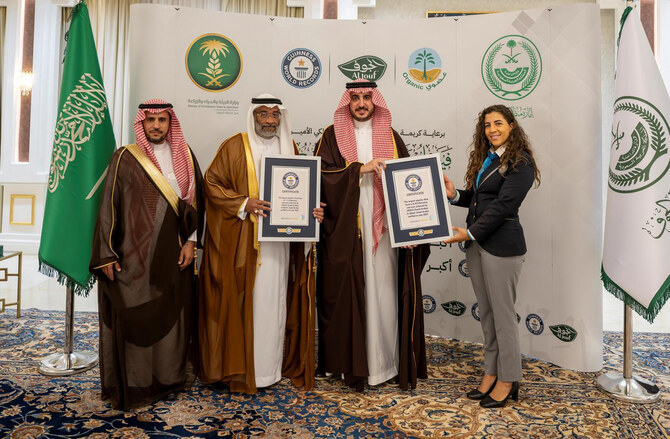
Two certificates were presented by Guinness World Records representative Kenzi Al-Dafrawi to Mazen Badawood, CEO of the Al-Jouf Agricultural Development Co.
The certificates honored the company for having the world’s largest and most modern organic olive farm, the SPA reported.
The event was attended by Abdulaziz Al-Rujai, director general of the ministry in the Jouf region.
Prince Faisal said: “We take pride in the national accomplishments that the Kingdom’s Vision 2023 has realized in promoting self-sufficiency and achieving food security.”
Badawood thanked Prince Faisal for his dedication to serving the people of the region.
He said Jouf’s agricultural, environmental and water purification projects provide a model for others to follow.
The awarding of the two certificates coincided with Organic Food Day, celebrated on Nov. 11, which the Kingdom marked with a series of events across the country.
Organic Food Day is aimed at encouraging people to make healthy dietary choices and embodies efforts to achieve sustainable food security, in line with the objectives of the Kingdom’s Vision 2030 plan.
The ministry aims to encourage farmers to adopt organic farming practices, educate consumers, as well as promote resource sustainability and local production.
As a part of the celebrations, Riyadh is hosting the Saudi International Exhibition for Organic Products from Nov. 11 to 13 to support the local community, and position the nation as a leading hub in this growing sector.
source/content: arabnews.com (headline edited)
____________
Two certificates were presented by Guinness World Records representative Kenzi Al-Dafrawi to Mazen Badawood, CEO of the Al-Jouf Agricultural Development Co.