Arabs & Arabian Records Aggregator. Chronicler. Milestones of the 25 Countries of the Arabic Speaking World (official / co-official). AGCC. MENA. Global. Ist's to Top 10's. Records. Read & Enjoy./ www.arabianrecords.org
Arabs are known for having had numerous contributions to civilizations—notably in the fields of Mathematics (Arabs invented Algebra), Astronomy (Al-Biruni discussed the earth’s rotation centuries before it was confirmed by Galileo), and Medicine (Al Razi was one of the first to diagnose diseases like smallpox and measles).
But Arab achievements didn’t end in the Golden Age and have continuously evolved to modern fields, so we’re here to round up some of the lesser-known greatest modern achievements by Arabs..
Noor Ouarzazte
Morocco is turning the Sahara Desert into the largest concentrated power complex in the world. The project is currently in progress, due to be complete before the end of 2018.
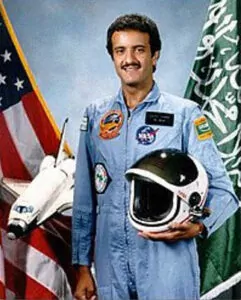
Arabs in Space
Sultan bin Salman Al Saud became the first Arab in space in 1985 – he was also the first royal astronaut ever. Syrian-born Mohammed Ahmed Faris followed in Al Saud’s footsteps in 1987.
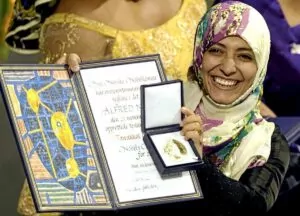
Nobel Peace Prize Winners
Photo credit ODD ANDERSEN/AFP/Getty Images
The Tunisian national dialogue quartet was awarded the Nobel Peace Prize in 2015 for their role in building a democratic state in Tunisia following the Arab Spring.
Yemeni journalist and activist Tawakkol Abdel-Salam Karman preceded the Tunisian National Dialogue Quartet in 2011 as Nobel laureate—she became the first ever Yemini and Arab Woman to win the Peace Prize, as well as the second youngest ever.
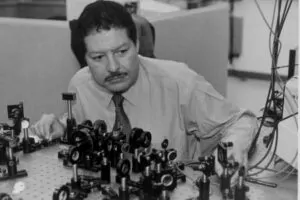
The ‘Father of Femtochemistry”
Femtochemistry is probably something too difficult for most of us to understand—but according to Wikipedia it’s “an area of chemistry that studies chemical reactions on extremely short timescales”. Ahmed Hassan Zewail, and Egyptian-American scientist, is known for pioneering a laser technique that allowed for easier analysis of chemical reactions. He even won a Nobel prize for his work in 1999.
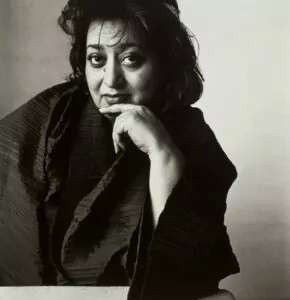
Pritzker Architecture Prize Winners
The late Iraqi-British architect Zaha Hadid was an internationally-acclaimed architect, renowned for her sci-fi creations. Having built some of the world’s most innovative spaces. In 2004, she became the first ever woman to win the prestigious Pritzker Architecture Prize—the most prestigious award in architecture.
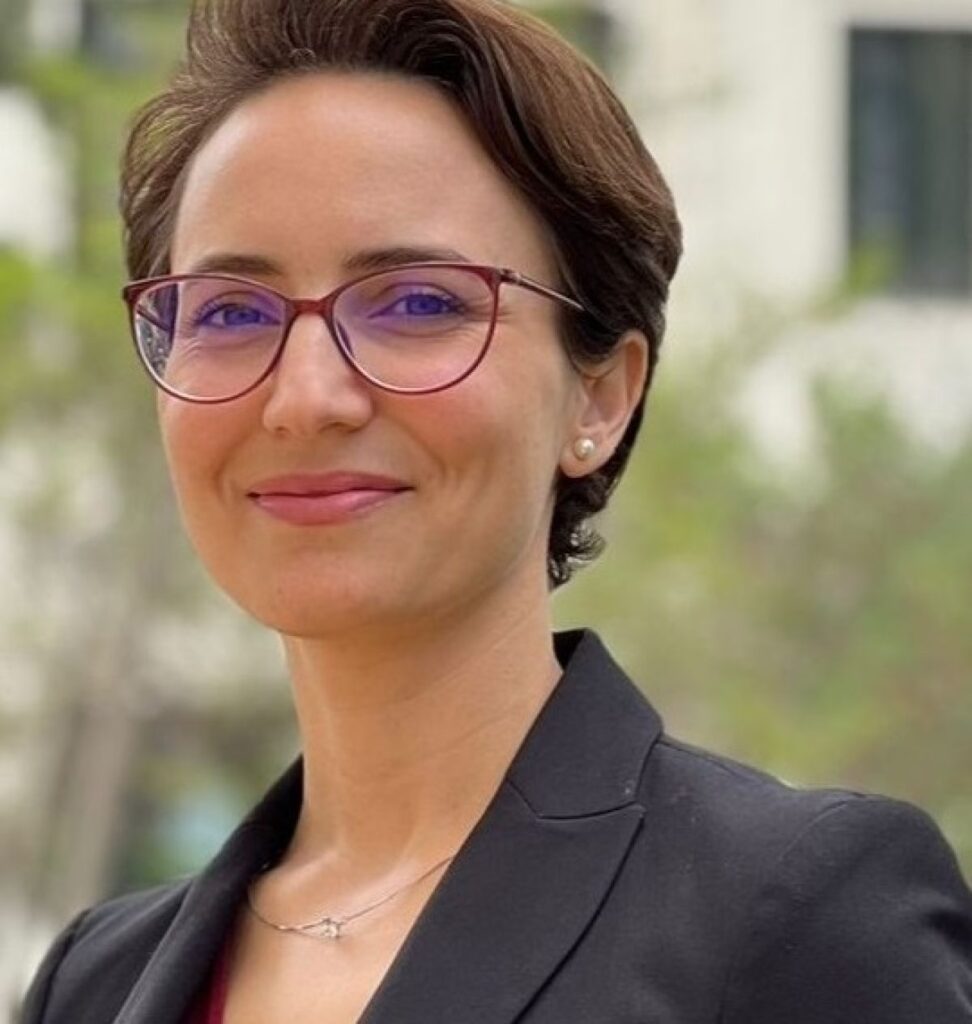
Tunisian scientist Emna Harigua receives national recognition for her AI-powered drug discovery platform.
Tunisian researcher Emna Harigua has been honoured with Tunisia’s 2025 Best Female Scientific Achievement Prize for her innovative drug discovery work powered by artificial intelligence (AI).
In recognition of women’s essential contributions to science and innovation, Harigua, who holds a doctorate in biomathematics, bioinformatics and computational biology, was awarded the prestigious prize by Tunisia’s Ministry of Family, Women, Children and Seniors as part of the celebrations for the country’s National Women’s Day, observed on August 13. Her achievements include leading research in AI-powered drug discovery through a national node in the Global South AI for Pandemic and Epidemic Preparedness and Response Network, a global initiative supported by IDRC and the United Kingdom’s Foreign, Commonwealth and Development Office.
Harigua, a scientist at the Institut Pasteur de Tunis, Tunisia, and principal investigator of the BIND project (Bioinformatics and Artificial Intelligence for Infectious Diseases), is leading an AI-powered platform that accelerates research against some of the world’s most persistent infectious agents that pose health risks.
Her research targets neglected tropical diseases such as leishmaniasis and malaria, combining bioinformatics, AI and experimental validation to shorten the drug discovery timeline and reduce costs. The BIND project has already identified nine novel anti-Leishmania drug candidates, with three now in pre-clinical validation. In addition, the team launched CidalsDB, an open-access AI platform for drug identification, marking a step forward in global efforts toward open science and collaborative health research.
“This award is not just a personal milestone — it’s a recognition of the potential of African-led science to tackle global health challenges,” said Harigua.
Beyond her lab, Harigua is a strong advocate for building Africa’s capacity in computer-aided drug discovery and ensuring that cutting-edge technologies serve the health needs of African communities. Her work — presented recently at the International Science Council during a workshop held in Nairobi, Kenya, on the impact of emerging technologies on science systems — underscores a vision where innovation, collaboration and inclusion drive the future of medical research.
source/contents; idrc.crdi.ca (Intl Develop Research Centre, Canada) – (headline edited)
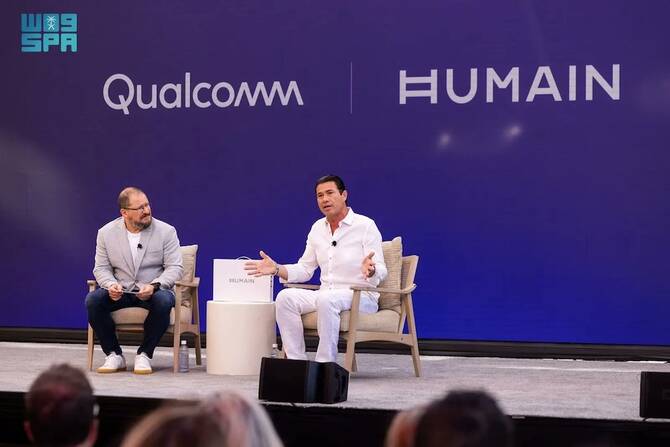
HUMAIN, a Public Investment Fund company has announced the launch of its Horizon Pro PC, billed as “a groundbreaking laptop designed to revolutionize agentic artificial intelligence personal computing.” Agentic AI systems can act independently and with initiative with limited, or no, human oversight.
The launch was announced by HUMAIN CEO Tareq Amin during the Snapdragon Summit in Maui, Hawaii.
According to a press release, the Snapdragon processor family at the core of the HUMAIN Horizon Pro deliver “leading AI performance and a powerful CPU so that the PC can operate up to 100 times faster than human thought.”
It added that the company’s upcoming proprietary HUMAIN ONE operating system “enables users to manage enterprise workflows, communications, and AI applications from a unified, adaptive interface designed to anticipate needs and accelerate decision-making.” It added that the new PC “offers zero-latency wake time, over 18 hours of battery life, a 40-percent reduction in power consumption compared to competing systems, and advanced thermal architecture for sustained, high-performance use across demanding environments.”
HUMAIN’s AI integrates the Arabic-first large language model “ALLaM” and “operates locally for maximum speed and data privacy, with the flexibility of hybrid AI to tap into the cloud when complex processing or broader insights are required, offering enterprise users the ideal blend of performance, control, and scale,” according to the company.
Amin said: “The HUMAIN Horizon Pro represents a paradigm shift in agentic AI personal computing, especially for enterprise environments where AI actively collaborates with users, both locally and in the cloud, to boost productivity.”
Amin also announced that HUMAIN will give away 500 of its PCs to students as part of its launch initiative to “help unlock new potential for learning, creativity, and future leadership in AI-driven fields.”
source/content: arabnews.com (headline edited)
_____________
HUMAIN launched its Horizon Pro PC, a groundbreaking laptop designed to revolutionize agentic AI personal computing. The announcement was made by HUMAIN CEO Tareq Amin during the Snapdragon Summit in Maui, Hawaii. (SPA)
The Safety Wings drone can detect individuals in distress in water, swiftly navigate to their location, and drop inflatable life buoys.
Three Moroccan students from the Faculty of Sciences and Technologies (FST) in Settat have won a gold medal at the Innovation Week (IWA 2025) for their groundbreaking project, Safety Wings.
A drone that saves lives at sea
The winning project introduces a drone designed to revolutionize aquatic rescue operations.
The Safety Wings drone can detect individuals in distress in water, rapidly fly to their position, and deploy inflatable life buoys.
In contrast to existing buoys that sell for around $300 and are typically disposable, the Moroccan designers developed a reusable model that costs under $20. The only recurring expense is replacing compressed air cartridges.
Through the combination of reusability and affordability, the project provides an essential loophole in global rescue missions. The project is an affordable and scalable solution for impoverished communities with fewer resources but frequent aquatic emergency cases.
From Morocco to the world stage
Salah Bouhlal, Moad Es-Sraoui, Mohamed Kerroum, and Aziz Hraiba (supervisor) developed Safety Wings during their days as FST Settat students.
Their success at IWA 2025 places Morocco on the international innovation map and also shows how youthful scientists can convert pressing humanitarian needs into practical technological solutions.
OFEED, the organizer of the Innovation Week, describes the event as both a premier platform for showcasing and fostering cost-effective innovation and a “global community that believes ideas can become impact when courage meets collaboration.”
Innovation with human impact
Safety Wings is one component of a greater movement toward harnessing new technology for the public good. With their provision of life-saving gear, the Moroccan students seek to leave a positive impact on global standards of safety in aquatic environments, from seaside public beaches to remote fishing villages.
In addition to the Safety Wings team, other Moroccan innovators also figured among the winners of IWA 2025. Their projects spanned diverse fields. This collective achievement reinforced Morocco’s reputation as a hub of creativity and problem-solving on the international stage.
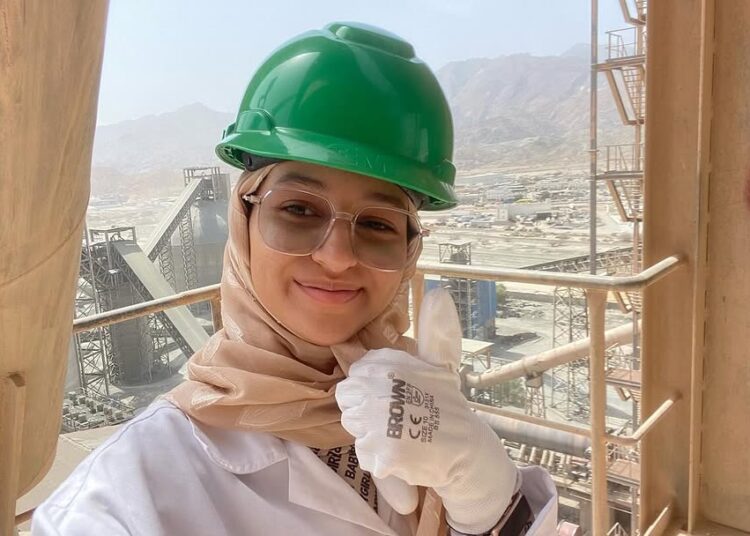
Dr. Andilyat Mohamed is a dedicated Comorian scientist who has been actively engaged in plant ecology, specifically in phytogeography, since 2007, accumulating 16 years of experience in Comorian plant formations. She expanded her focus to marine and coastal ecosystems in 2012, concentrating on mangrove algae and seagrass. As a university professor, she delivers lectures and practical work in applied plant ecology and general botany, using special mangrove field trips to demonstrate the theory and practice of different types and their roles to students at the Faculty of Science.
In 2010, Dr. Mohamed established the National Herbarium at the University of the Comoros, where 98% of the staff are women. She also initiated the Comoros mangrove house in partnership with a local village women’s association called “JEUNE FILLE DE DOMOIBOINI .” As the national focal point for the Comoros in the WIOMN network on mangroves in WIOMSA, she authored the first publication of the 23 localities hosting mangroves on the island of Ngazidja as part of her doctoral thesis.
Currently, Andilyat is concentrating on the restoration and assessment of blue carbon in the mangroves of the Comoros, searching for a specific algorithm corresponding to the particular characteristics of amphibious Comorian ecosystems dominated by a recent lava flow substrate as part of her Habilitation to Supervise Research (HDR).
Tell us, what led you to pursue a career in marine/ocean science?
What pushed me to pursue a marine career was the fact that I read the bibliography of an official document printed in 2002 that said there were 5 mangrove sites on the island of Ngazidja. However, when I supervised a master’s student in 2012, we worked on 7 sites, and I knew that there were others. In 2016, I used remote sensing to find out for the first time that the island has mangroves in 23 localities and that the ecosystems had been reduced and divided into several sites by lava flows. Since then, I’ve been working closely with the islands’ conservationists.
As a marine/ocean professional, what critical lessons have you learned? Share your insights and experience with others who aspire to become experts in this field.
Mangroves are more capricious than humans, they are mute but shout loudly in the silence by releasing CO2 when under anthropic pressure or by trapping carbon when conserving and protecting the site.
In celebration of International Women’s Day theme “Invest in Women, accelerate progress”, what progress do you envision for women in the Western Indian Ocean region?
Comorian women are fortunate to be among the few countries where inheritance is matrimonial. This gives them authority and independence in social activities. It is with this vision that I am working with my team to ensure the survival of the mangroves of the Comoros. I started by joining forces with the Jeune Fille Association.
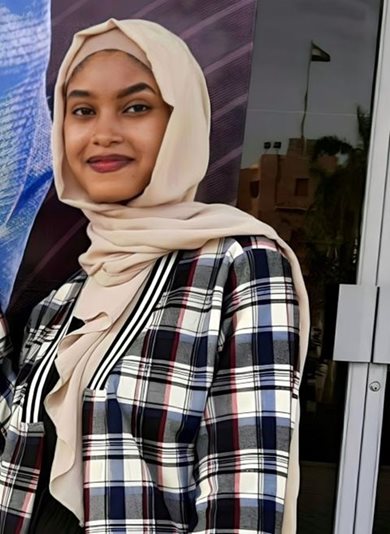
Sara Albagir Abdalla Mohammed is many things—a student, a scientist, an ASM Young Ambassador—but, above all, she is unstoppable. Amid ongoing socio-political upheaval and conflict in her home of Sudan, she is determined to advance her own microbiology journey and ensure others can do the same.
“The challenges I’ve faced have ultimately shaped me into a more resilient and adaptable microbiologist,” Albagir Abdalla Mohammed said. “These experiences have strengthened my commitment to making science accessible to those in resource-limited settings and finding innovative ways to promote scientific development, even in the face of adversity.”
Her penchant for tackling scientific challenges predates her academic activities. As a child, Albagir Aballa Mohammed wanted to find treatments for “untreatable” diseases, though it was during her high school biology classes—where she learned about the intricate complexities of the human body—that her interest in health sciences blossomed. She took that interest and ran with it, going on to pursue a degree in medical laboratory sciences at the University of Khartoum.
Albagir Abdalla Mohammed began her college career by diving head-first into disciplines ranging from hematology to clinical chemistry, though medical microbiology and immunology really drew her in. “I became particularly interested in how such tiny beings [i.e., microbes] could have massive impacts on global health systems. This contrast between the micro and the macro fueled my desire to understand how microbiology could contribute to solving some of the world’s most pressing problems,” she shared. Her experience training in laboratories at Ibn Sina Specialized Hospital—one of Sudan’s largest hospitals for liver diseases, including those caused by microbes like hepatitis B virus—solidified her decision to specialize in medical microbiology.
But, as certain as Albagir Abdalla Mohammed was about her chosen educational path, external circumstances have made the road difficult to navigate. The Sudanese December Revolution shut down the education system in Sudan for almost 2 years; the COVID-19 pandemic tacked on another year. Then, in April 2023, as Albagir Abdalla Mohammed neared the end of earning her degree, conflict broke out in her home of Khartoum, Sudan’s capital. The conflict has displaced over 10 million people, with Albagir Abdalla Mohammed—who was forced to relocate to a rural area—among them.
“Over the past year and a half, I’ve faced ongoing disruption, displacement and uncertainty,” she shared. “This was an especially difficult time, as I was so close to completing my education and reaching my long-awaited goal of graduation. My academic journey, originally planned to take 4 years, [has] stretched into over 6 due to these repeated interruptions.”
Yet, for each obstacle thrown in her path, Albagir Abdalla Mohammed has found ways to continue her scientific development. “I refused to let my educational journey come to a complete halt. I have continued learning, even under challenging conditions with poor internet connectivity in the rural area I’m in,” she said, noting that she has completed various online programs and specializations in public health, epidemiology and data analytics.
What’s striking about Albagir Abdalla Mohammed is that she is not just concerned about her own scientific advancement. She is also invested in the future of countless scientists facing similar circumstances. When universities in war-affected regions of Sudan closed, she watched as her peers lost hope and disengaged from their academic paths. For Albagir Abdalla Mohammed, this was a call to action. “I was determined to keep microbiology alive in Sudan, even amid these challenges.”
Fueled by this determination, she founded MicroGen, an online initiative aimed at empowering early-career microbiologists in Sudan through career guidance, professional development and capacity-building opportunities. Now with a community of 5,000 students and professionals from over 50 Sudanese universities and institutions, MicroGen has hosted informational sessions about various microbiology career paths, highlighting connections between the diverse scientists, disciplines and roles spanning the microbial sciences.
Such interconnectivity has been foundational to Albagir Abdalla Mohammed’s efforts. She considers a strong network of peers and collaborators instrumental for navigating obstacles and creating new opportunities, and credits the ASM Young Ambassador program, with its vast global community of scientists, with helping her build that network. As Young Ambassador to Sudan (an appointment she considers one of the most pivotal moments of her career), Albagir Abdalla Mohammed has focused on leveraging her platform to “increase the engagement of Sudanese microbiologists within ASM and promote its mission of advancing the microbial sciences.”
To say she has been successful in this mission is an understatement. A free online Bioinformatics Workshop she organized in the summer of 2024 attracted a whopping 1,144 participants—over 700 from Sudan and the rest from 32 other countries—and resulted in 865 new ASM members. Albagir Abdalla Mohammed designed the workshop to meet the needs of Sudanese microbiologists who are unable to conduct lab-based research. “By focusing on in silico research, participants were empowered to use computational tools to simulate biological processes, analyze large datasets and conduct meaningful research without the need for fully equipped laboratories,” she said.
Feedback from the event, where participants learned everything from how to analyze microbial genomes, to the ins and outs of bioinformatic data interpretation, was overwhelmingly positive. One participant from Sudan wrote that the workshop was “comprehensive and nicely delivered, even with the war running in the background,” adding that they no longer “feel really stuck, nor [that] the world is steps ahead of me.”
For her part, Albagir Abdalla Mohammed learned that “with the right approach, it is possible to sustain research momentum even in the most difficult circumstances, and that the scientific spirit of curiosity and perseverance can thrive in adversity.”
In many ways, she embodies this spirit of curiosity and perseverance. This is evident not just from her work with MicroGen and the ASM Young Ambassador program, but also from other endeavors. Case in point: Albagir Abdalla Mohammed was behind the effort that led to a collaboration between the non-profit organizations HealthGoes Global and Partners for World Health . The partnership resulted in the shipment of over $340,000 worth of essential medical supplies to aid Sudan’s overwrought health care system. She was also recently appointed a Champion for the Microbiological Society in the U.K. and is currently organizing Sudan’s first national symposium on antimicrobial resistance (AMR), aimed at fostering collaboration among Sudanese microbiologists and health care professionals to address the AMR crisis.
The throughline here? Albagir Abdalla Mohammed is a force, a passionate science advocate. She may be early in her career, but that hasn’t stopped her from taking on leadership roles to enact change. She encourages other future and early-career scientists to adopt a similar outlook.
“Never underestimate your abilities and know that leadership isn’t confined to titles or seniority; it’s about how you contribute, collaborate and support others, regardless of your career stage,” she said. “Often, early-career scientists feel they need to wait for a certain level of experience or recognition before stepping into leadership roles, but that’s not the case. Leadership comes from taking initiative, sharing your ideas and offering guidance—even as a student or young professional.”
Still, while showing initiative as a young scientist is crucial for advancement, Albagir Abdalla Mohammed acknowledged barriers that can slow forward motion. She pointed specifically to the limited number of mentorship and training opportunities for undergraduates like her, as many are geared toward graduate students and advanced professionals. Investments in these advanced scientists is imperative, she noted, but such focus means young scientists at formative stages of their development can get left behind. This is felt strongly in countries like Sudan, where political instability and conflict can extend an undergraduate degree to 6-8 years.
“These delays hinder access to mentorship and resources, and the lack of available opportunities further reinforces these existing barriers, leaving talented students behind and limiting their ability to participate in the global scientific community,” Albagir Abdalla Mohammed explained. “Addressing this gap is essential to fostering a truly inclusive STEM field. Empowering undergraduates, particularly those from underrepresented regions, will not only cultivate diverse talent, but also enrich the global scientific dialogue with fresh perspectives and ideas,” all of which are paramount for propelling science forward to solve big problems.
To that end, Albagir Abdalla Mohammed, who is Sudanese, Muslim, identifies as African and speaks Arabic as her native language, considers diversity in all its forms the cornerstone of innovation. She advised scientists at every career stage to view their background as an asset, not a limitation, highlighting that all the pieces that make her who she is have inspired her work. “My faith emphasizes the values of compassion, community and social responsibility, motivating me to uplift marginalized voices and create inclusive spaces where everyone has the opportunity to contribute and thrive,” she shared.
It doesn’t take much to see that Albagir Abdalla Mohammed is a bright light—and the future of microbiology is brighter because of her. Wherever her path takes her next, one thing is certain: she won’t give up. And she encourages other young scientists not to give up either. “The journey in science will likely present challenges, including systemic barriers, limited resources or unexpected disruptions. In those moments, persistence and resilience are key. Let the obstacles you face shape you into a stronger, more adaptable version of yourself.”
The initiative aims to strengthen the global presence of Arab youth leaders and connect them with investors and decision-makers.
Moroccan young innovator Bouthaina Boujarda has been selected for the fourth edition of the “Arab Youth Pioneers” initiative, which started on Sunday in Abu Dhabi. The initiative celebrates young people across the Arab world who have achieved remarkable accomplishments in various fields.
The young Moroccan woman, known for inventing a water-powered car, is participating in the “Industries and Innovation” track.
“Being selected as part of the fourth edition of Arab Youth Pioneers is a tremendous honor. I feel a great sense of responsibility toward all Arab youth,” Boujarda said.
For her, being among this “elite” group is not only a recognition, but also a “mission … to promote the Arabic language and the achievements of Arabs around the world, and to empower them to become leaders on a global scale.”
Boujarda spoke of how significant every moment is when she feels that she is making a real impact or when a colleague tells her she is capable of creating change. “These are the moments that fill me with pride, moments when I feel that I have genuinely contributed to Arab society,” she stated.
The young innovator hopes that her achievements are not just for herself and that she is not just a name that passes by and is forgotten. “I hope that I can truly be one of the prominent figures who leave a lasting impact on future generations.”
In addition to the Industries and Innovation track, the initiative features nine other specialized tracks, including Community Service, Scientific Research, Space and Technology, Medicine and Health Sciences, Sustainability and Environment, Entrepreneurship, Education, Engineering, and Media and Digital Citizenship. A total of 40 young pioneers from 13 Arab countries are participating.
The event runs until September 19 and is organized by the Arab Youth Center in partnership with the Abu Dhabi Youth Business Council, with the support of the Anwar Gargash Diplomatic Academy and the Emirates Foundation, along with leading entrepreneurs and strategic partners.
The initiative aims to strengthen the global presence of Arab youth leaders and connect them with investors and decision-makers to provide more opportunities for funding, mentorship, and idea development. It also seeks to expand cooperation between the public and private sectors to support and develop youth-led projects.
UAE Minister of State for Youth Affairs and Vice President of the Arab Youth Center, Sultan Al Neyadi, said the initiative is an exceptional platform to help young people turn their ideas into impactful achievements that contribute to the development of their communities.
Sheikh Mohammed congratulates Belkaid on her made exceptional contributions to immunology.
His Highness Sheikh Mohammed bin Rashid Al Maktoum, Vice President and Prime Minister of the UAE and Ruler of Dubai, has congratulated Algerian Professor Yasmine Belkaid on winning the ‘Great Arab Minds’ Award in Medicine for 2024.
In a post shared on his X account, Sheikh Mohammed wrote: “Today, we congratulate the winner of the ‘Great Arab Minds’ Award in the category of medicine for the year 2024, Algerian Professor Yasmine President of the Pasteur Institute in France. She has made exceptional contributions to immunology and to studies on the role of microbes in boosting immunity and preventing diseases. Professor Yasmine Belkaid has published more than 220 scientific papers in the fields of infection and immunology.”
نبارك اليوم للفائزة بجائزة نوابغ العرب عن فئة الطب لعام 2024، البروفيسورة ياسمين بلقايد من الجزائر ، رئيسة معهد باستور في فرنسا… قدمت إسهامات استثنائية في علم المناعة، ودراسات مرتبطة بدور الميكروبات في تعزيز المناعة والوقاية من الأمراض… نشرت البروفيسورة ياسمين بلقايد أكثر من… pic.twitter.com/Q4lQeZ9d4x
The Great Arab Minds initiative honours exceptional Arab individuals whose remarkable achievements have helped drive progress and enrich knowledge both within the Arab world and globally.
Heralded as the ‘Arab Nobel Prize’ for its singular efforts to recognise Arabs who have made extraordinary contributions to humanity, the initiative aims to reignite the Arab world’s remarkable spirit of scientific enquiry and leadership in such quests throughout history.
Under the patronage of Sheikh Mohammed bin Rashid, the UAE recently launched the second edition of the Great Arab Minds initiative.
The awards’ six categories encompass medicine, engineering and technology, economics, natural sciences, architecture and design, and literature and arts.
source/content: gulfnews.com (headline edited)
______________
Algerian Professor Yasmine Belkaid named ‘Great Arab Minds’ winner in medicine
The groundbreaking invention aims to aid those with immune deficiencies and provide treatment for chronic infections in intensive care units where antibiotics are ineffective.
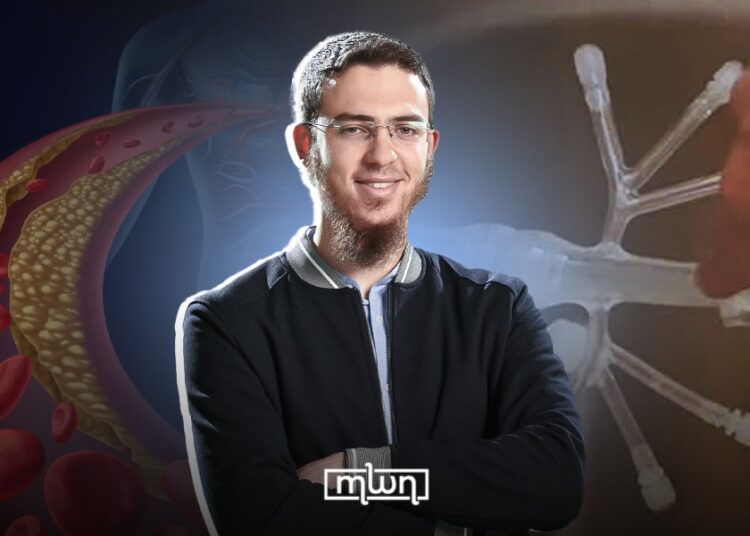
Youssef El Azouzi, a Moroccan neurologist, has announced the successful development of the world’s first device capable of filtering blood from within blood vessels.
The revolutionary invention can direct inflammatory cells and certain white blood cells, potentially helping millions of people suffering from immune deficiencies and improving organ transplant success rates.
In a Facebook post, El Azouzi explained that his device “will contribute to treating tens of millions of people suffering from immune deficiencies and chronic infections in intensive care units where antibiotics are ineffective.” He added that it would “help in organ transplantation without fear of new organ rejection.”
The invention works by redirecting inflammatory cells flowing in the blood away from vessels that nourish newly transplanted organs, preventing rejection.
This mechanism was successfully tested on a 75-kilogram pig in an American laboratory, where the device demonstrated its ability to direct immune cells from the left leg to the right leg without any negative effects on the animal.
“The experiment showed that the device was able to direct immune cells from the left leg to the right leg,” El Azouzi explained in a video documenting his journey to America to register the invention. “This is the first device that controls cell direction from within the vessel itself.”
The scientific experiment involved injecting both thighs of the pig to induce inflammation before placing the device. The device’s role was to direct inflammation-causing cells to only one side, concentrating them there compared to the other side. This would demonstrate the device’s actual control over the pathways of white blood cells flowing in the blood.
El Azouzi revealed that the project cost approximately $250,000 as of March, not including effort and time. “All these resources were provided by benefactors, with no contribution from any public institution or organization,” he noted.
The Moroccan doctor is no stranger to innovation. In 2019, he won the title of best inventor in the Arab world in the 11th season of “Stars of Science” competition in Qatar. His winning invention then was a stent that regulates blood flow for heart patients, offering a potential low-cost alternative to current solutions like heart pumps.
Born in 1991, El Azouzi studied at the American School in Rabat before attending Oxford University for three years. He later moved to Boston University and eventually studied medicine in English at Turkish universities. He is the son of Mustapha El Azouzi, a Moroccan neurosurgeon.
He currently serves as CEO of Aorto Medical Company in the US, where he has been developing this latest invention through three years of hard work, design, and manufacturing.
This Moroccan invention marks a major breakthrough in modern medicine, potentially offering an effective tool for addressing immune deficiency problems and chronic inflammations, while improving the success of organ transplantation procedures.
Youssef El Azouzi, a Moroccan neurologist, has announced the successful development of the world’s first device capable of filtering blood from within blood vessels.
An innovative team from the Oman Dental College has successfully developed a dental filling using Omani Portland cement reinforced with carbon nanoplates, creating the first material that combines exceptional strength with complete biocompatibility for dental tissues. This breakthrough opens new horizons in global dental treatments.
Malak Khalifa Al Harthy, a member of the research team “Pulp49,” told Oman News Agency (ONA) that the innovation stemmed from observing how traditional fillings often lack a balance between “strength” and “biocompatibility.” This prompted the team to develop a new composite that achieves this challenging balance.
She explained that the composite is a dental filling made by integrating Omani cement with graphene sheets, resulting in a material with high mechanical efficiency and significant biocompatibility. This has led to clear and rapid restoration of surrounding dental tissues.
The development of the composite took approximately five years of research and experimentation, undergoing initial cell-level testing followed by animal trials in collaboration with the Mounted Police Command. It is now in the second phase of human trials, with preliminary results showing highly promising indicators.
Regarding the expected benefits of this composite in dentistry, she noted that it provides a cost-effective solution while enhancing the longevity and efficiency of dental treatments. This represents a major advancement in dental materials, offering improved outcomes for both patients and dentists.
Among its key advantages is high biocompatibility, as the integration of carbon nanoplates enhances the material’s positive interaction with biological tissues while reinforcing its mechanical properties. This makes it particularly suitable for complex and challenging dental applications.
Additionally, the composite supports tissue regeneration by mimicking an ideal environment for the rebuilding cells in surrounding dental tissues. This effect is attributed to the synergistic interaction between the carbon nanoplates’ properties and the calcium ion-based reaction of Portland cement with physiological body fluids.
The composite also exhibits superior sealing capabilities, with the increased volume and unique properties of the nanoplates enhancing its ability to fill gaps and voids, making it ideal for applications requiring tight seals or water resistance.
The innovation has been officially recognized, securing a patent in the Sultanate of Oman and international registration. The team is currently finalizing the last stages of development after receiving essential support from the Ministry of Higher Education, Research, and Innovation, paving the way for its introduction to local and eventually global markets.
Addressing the challenges faced during the project, she explained that the team encountered difficulties in achieving the ideal composition, requiring multiple rounds of testing, experimentation, and model adjustments before finalizing the approved formula.
She emphasized the substantial support received, with the Oman Dental College providing necessary resources and the ROP Mounted Police contributing to trials. She also acknowledged the direct support of Dr. Abu Bakr Qateeshat, Head of Graduate Studies, Research, and Development at the college, and Dr. Aida Al-Wahaibi, as well as the encouragement from family, which served as a major motivator in achieving this milestone.
Regarding her selection to represent Oman at the International Invention, Innovation, and Technology Exhibition (ITEX) in Malaysia in 2025, she described it as an opportunity to showcase Omani youth’s capabilities and their role in delivering innovative solutions that elevate Oman’s global standing, while also facilitating knowledge exchange with innovators worldwide.
In closing, Malak Khalifa Al-Harthy affirmed that Omani youth are capable of remarkable achievements when they believe in their ideas and channel their creativity toward serving society—especially when innovation is genuine, addresses real needs, and contributes to the nation’s progress. -ONA