Arabs & Arabian Records Aggregator. Chronicler. Milestones of the 25 Countries of the Arabic Speaking World (official / co-official). AGCC. MENA. Global. Ist's to Top 10's. Records. Read & Enjoy./ www.arabianrecords.org
The United Arab Emirates University announced that it has obtained a new patent from the United States Patent and Trademark Office in the field of environmental science and renewable energy, which is the invention of a carbon nitride graphite compound supported by date syrup.
This patent represents an important step in the development of photocatalytic technologies for converting water into hydrogen using light, which represents a significant advance in sustainable energy technology.
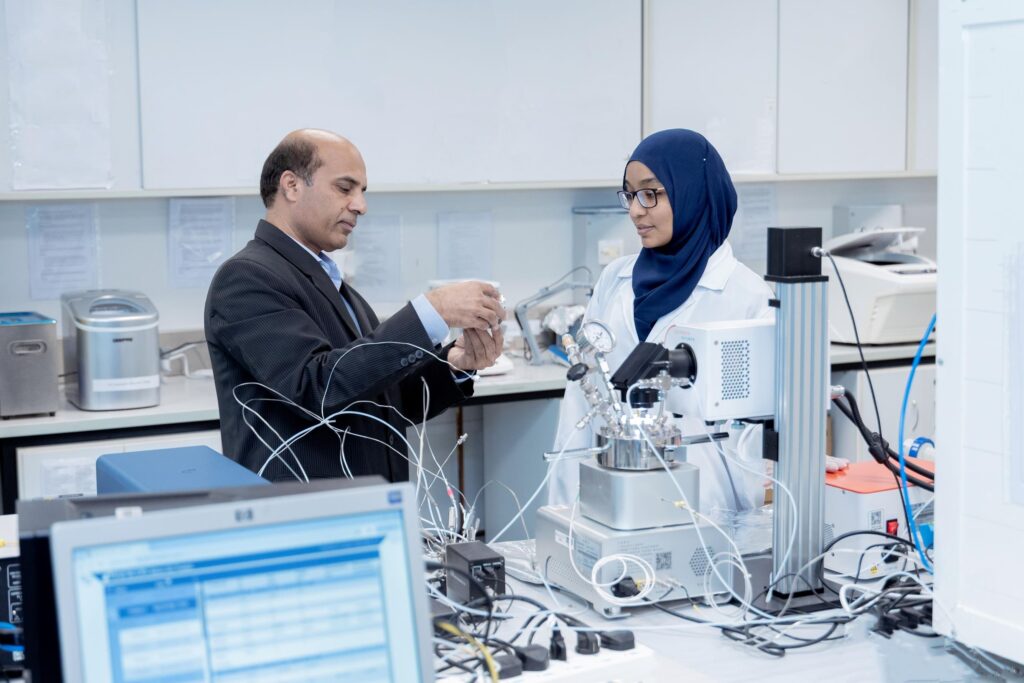
The innovative compound, developed by a team of researchers at the United Arab Emirates University, including PhD student Malath Sulaiman, under the supervision of Dr. Mohammed Taher, Associate Professor in the Department of Chemical and Petroleum Engineering, uses date syrup as an aid to accelerate the photocatalytic process. The compound is manufactured by mixing carbon nitride graphite with date syrup at high temperatures, which improves the efficiency of converting water into hydrogen.
Dr. Mohammed Taher, the project’s principal investigator, explained: “We are proud of this invention, which reflects the United Arab Emirates University’s commitment to innovation in the field of renewable energy. By combining date syrup with carbon nitride graphite, we were able to develop an effective material that can greatly enhance the photocatalytic process, helping to address the challenges of climate change and reduce dependence on fossil fuels.”
This discovery is the result of ongoing efforts by researchers at the United Arab Emirates University, who are working on developing innovative solutions to environmental and energy challenges. Initial studies have confirmed that the new compound is capable of generating hydrogen with high efficiency, opening up new and wide-ranging applications in the field of clean energy and green hydrogen production, and represents a promising step towards enhancing the UAE’s position in the renewable energy sector globally.
After three years of research during and after the Covid-19 pandemic, the Kuwaiti researchers Ammar Bahman and Nasser Al-Sayegh have come up with an invention that could help reduce energy consumption in power plants.
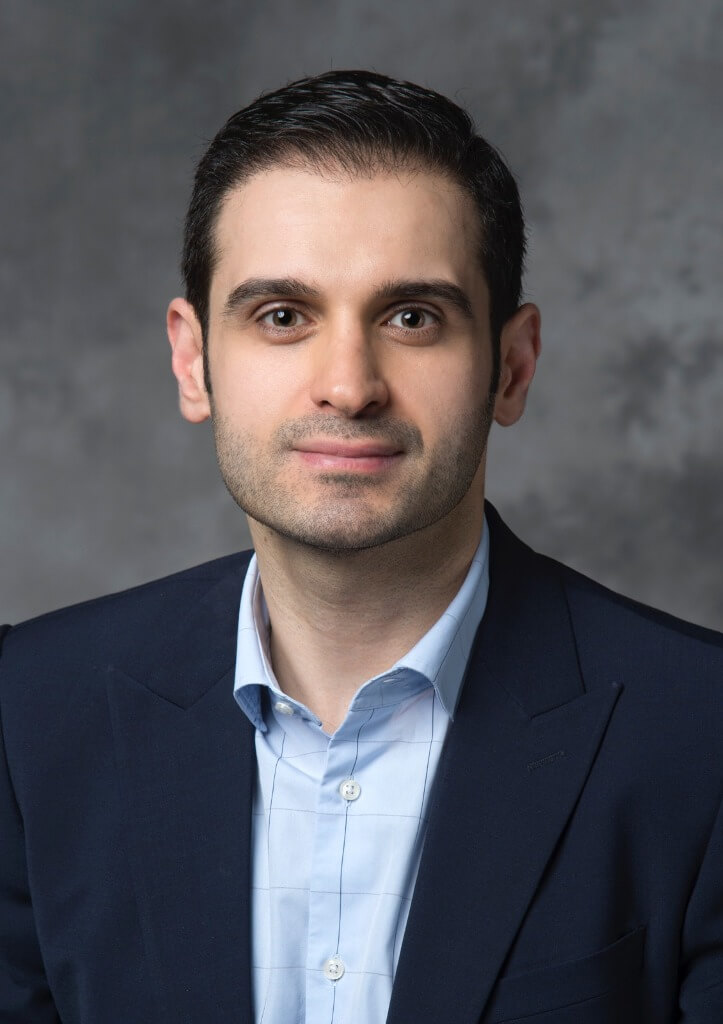
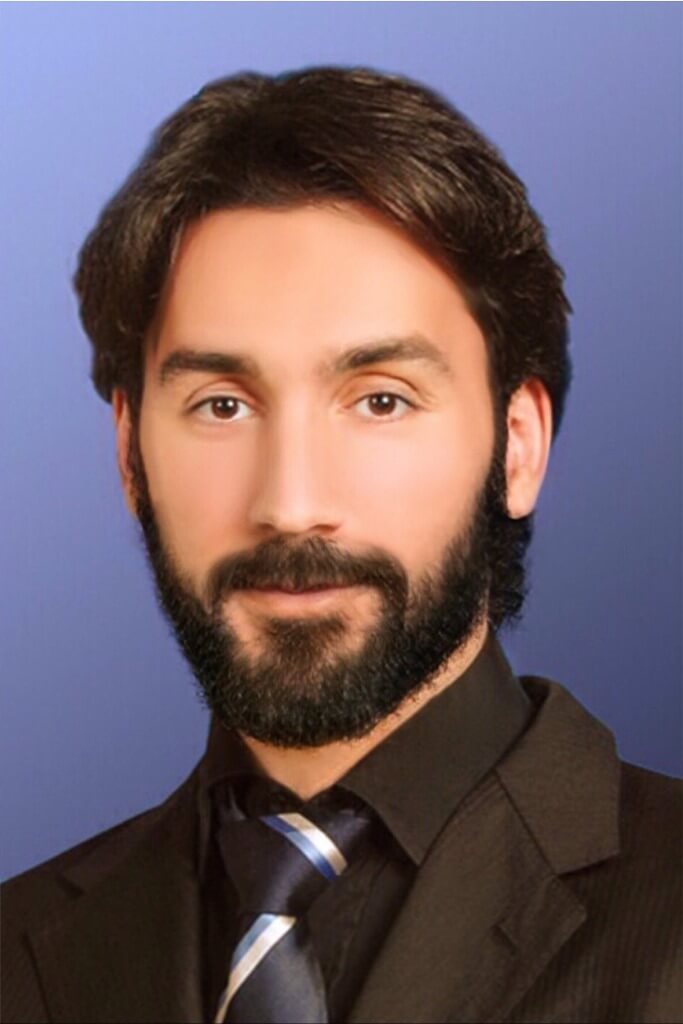
Bahman is an assistant professor in the department of mechanical engineering at Kuwait University, and Al-Sayegh is an associate research scientist at the Kuwait Institute for Scientific Research.
Their idea, which has been registered with the U.S. Patent Office, revolves around the creation of a device that can calculate the physical state of nanoparticles dispersed in advanced thermal fluids called nanofluids.
The significance of Bayman and Al-Sayegh’s invention lies in contributing directly to the improvement of thermal systems used in Kuwait for power generation and water desalination. The invention will allow scientists to test the qualities of a nanofluid before offering it as an alternative to the conventional fluids currently used.
The researchers used virtual Internet meetings to continue working together throughout the Covid-19 curfews in Kuwait, moving through stages of clarifying the problem, discussing solutions, describing and illustrating their idea, and sending off the patent for examination.
Practical Benefit of the Invention
Bahman, who obtained a Ph.D. in mechanical engineering from Purdue University in the United States four years ago, told Al-Fanar Media that his work on this invention came from a desire to find solutions to common problems between different disciplines.
He explained that the invention is based on the scientific and practical benefit of using nanofluids to improve the efficiency of the cooling processes, because nanofluids have higher thermal properties than traditional liquids. Bahman said the invention offers a solution to a problem facing nanofluids, which is that the suspended nanoparticles are prone to settle under the liquid over time. This means that these liquids eventually lose their advanced thermal properties.
The new invention calculates the percentage of a nanofluid that has lost its thermal properties, and the time it takes for the nanofluid to complete the precipitation process. Such calculations are vital to the research and industrial sector, Bahman said, because they allow scientists, companies, and decision-makers to know the sustainability of energy-generation and conservation devices when used with nanofluids.
Al-Sayegh said the real benefit of the invention would be seen at power plants and water desalination plants, because they depend on heat transfer. The patent will allow specific nanofluids to be introduced to increase the plants’ efficiency by reducing the fuel used, thus saving electrical energy consumption, he told Al-Fanar Media.
Al-Sayegh said creating a device capable of characterising the physical state of particles suspended in nanofluids would revolutionise Kuwait’s thermal systems systems in terms of operational efficiency and fuel consumption challenges.
Research Environment in the Arab World
With the Patent Office at Kuwait University, Bahman plans to employ research results in the country’s industrial sector.
He wants to establish an energy centre affiliated with Kuwait University to conduct scientific and experimental research, offer consultations to the public and private sectors, and provide training opportunities for students, technicians, and specialist engineers.
He believes that to encourage innovation, researchers need an appropriate research environment and access to knowledge and human resources.
Bahman also thinks scientific criticism should be included in school curricula, along with the presentation of scientific problems to encourage innovative solutions. This could be achieved through joint scientific programmes with international universities and student exchange programmes, he said.
Current conditions in the Arab world “do not stimulate scientific research,” Bahman said. “The research process requires great focus, effort and time from the researcher, as well as a stable environment for those conducting scientific research. This can only be achieved when there is abundant financial support.”
Al-Sayegh added that he and Bahman were trying to establish a company to market their inventions, and turn them into practical products that serve a large number of people.
source/content: al-fanarmedia.org (for text -headline edited), (pixs: ovpr.ku.edu.kw)