Arabs & Arabian Records Aggregator. Chronicler. Milestones of the 25 Countries of the Arabic Speaking World (official / co-official). AGCC. MENA. Global. Ist's to Top 10's. Records. Read & Enjoy./ www.arabianrecords.org
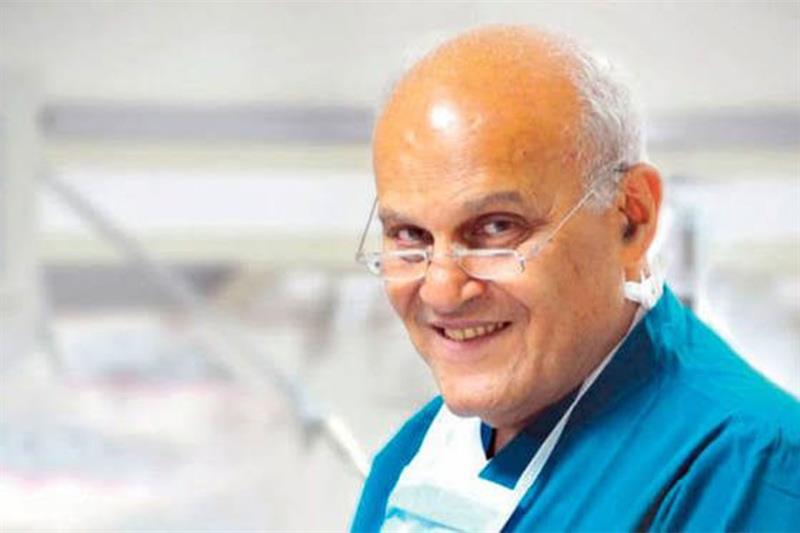
Making history again! Egyptian heart surgeon Sir Magdi Yacoub innovates valves that grow naturally in body.
This pioneering innovation envisions the development of biological heart valves that can grow and be accommodated naturally within the human body. This opens the door to a new era in heart disease treatment.
The prospect of heart valves naturally expanding within the body, a concept once confined to science fiction, is now on the brink of realization, thanks to the remarkable discovery spearheaded by renowned heart surgeon Professor Sir Magdi Yacoub.
While the initial study documenting this breakthrough was unveiled in Nature in 2023, recent media coverage has underscored its practical implications.
Esteemed publications like The Times have pinpointed this cutting-edge innovation’s profound impact on biomedical science and medical engineering. They have recognized it as a monumental leap in the realm of healthcare.
On Monday, Dr. Yacoub discussed the latest developments in this field with Egyptian talk show host Amr Adib.
He explained how his team has engineered temporary heart valve scaffolds composed of surgically implanted fibres into the body.
These scaffolds gradually disintegrate over time, leaving behind a living, fully functional valve crafted from the patient’s tissues, a testament to the marvels of modern medical ingenuity.
After weeks of speculation, Marmoush agrees to a deal with the Premier League champions that runs until 2029.
Manchester City have announced the signing of Eintracht Frankfurt forward Omar Marmoush for a reported initial fee of about $72.6m.
“The 25-year-old Egyptian striker has completed a move to the Etihad Stadium on a four-and-a-half-year deal, meaning he will remain at the Club until the summer of 2029,” City said in a statement on Thursday.
“This is a day I will never forget,” Marmoush said after signing up with the English Premier League champions.
“To sign for Manchester City – one of the best teams in the world – is an amazing feeling. I am delighted, my family are so proud, and we are all very happy to be here in Manchester.
“With Pep, his technical staff and the world-class facilities here, players have everything they need to improve. That was really enticing for me when I had the chance to come here.”
Marmoush is City’s third signing of the January transfer window following the arrivals of defenders Abdukodir Khusanov and Vitor Reis.
The former Bundesliga star’s contract is understood to include a potential further $5m in add-ons.
Born in Cairo in 1999, Marmoush stood out early in the academy of club Wadi Degla in the Egyptian Premier League. At just 17, he was promoted to the first team and joined Wolfsburg’s reserves a year later.
At Wolfsburg, Marmoush initially struggled for consistency and game time, resulting in loans to St Pauli and Stuttgart.
The striker moved to Frankfurt on a free transfer before the 2023-2024 season and scored 12 goals in 29 league games.
Marmoush’s development has drawn inevitable comparisons to his compatriot Mohamed Salah, but the Liverpool superstar warned against such correlations.
“Omar has great potential and is an important player for his team and the national team currently, but I hope we stay away from the idea of comparisons because it will put him under pressure,” Salah said in November.
“Do not compare him to me. Do not say the ‘new Mohamed Salah’. Let him live his career. Comparing a player at the beginning of his career with another who has achieved a lot over many years does not help him.”
City’s director of football Txiki Begiristain said Marmoush was an “accomplished and exciting forward”.
“He’s had an outstanding season, and every time we have watched him, he has influenced matches,” he said.
“He has all the attributes a top-class attacker requires. He has outstanding pace and awareness, and he is exceptional in front of goal. He can also play a number of different positions, which is a really valuable asset.”
His arrival at the Etihad Stadium comes during a frustrating season for City.
City, champions for the past four seasons, are currently fifth in the Premier League, 12 points behind leaders Liverpool having played a game more.
Defeat at Paris Saint-Germain on Wednesday has also left Pep Guardiola’s side in danger of missing out on the Champions League knockout stages.
source/content: aljazeera.com/sports (Al Jazeera and News Agencies) / (headline edited)
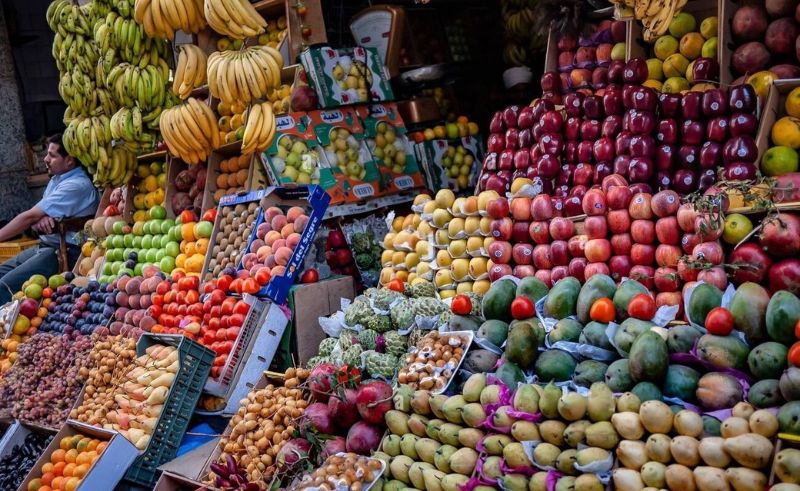
Egypt’s fresh produce exports to Europe reach 917,000 tonnes, growing 7% in the last season, second only to the Netherlands.
Egypt has ranked as Europe’s second-largest exporter of fresh vegetables and fruits for the latest export season from September 2023 to August 2024, shipping 917,000 tonnes with a 7% year-on-year growth, according to EU data.
Citrus led the way, with 500,000 tonnes exported, an 8% increase from the previous season. Sweet potatoes followed with 117,000 tonnes, onions at 94,600 tonnes and grapes at 58,000 tonnes.
Potatoes saw a strong performance, exceeding 400,000 tonnes last season, capitalising on production issues in key European nations.
Meanwhile, Egyptian onion exports dropped to 92,000 tonnes in 2024, down from 135,000 tonnes in 2023, due to a six-month export ban from October 2023 to April 2024.
Other notable exports include carrots, lemons, garlic, beans, mangoes, peppers, strawberries and watermelons.
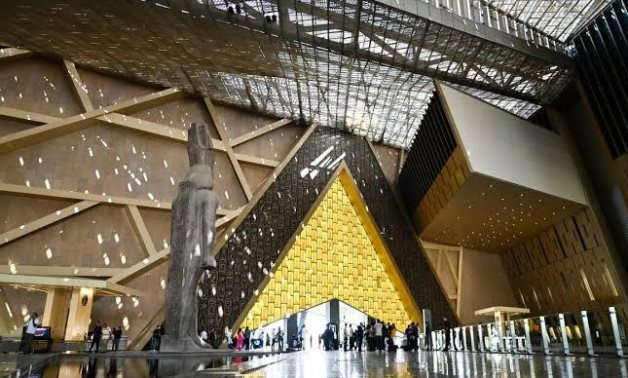
The British magazine The Telegraph published its annual list titled “Travel’s 50 Biggest Winners and Losers in 2024.” Topping the list of winners was the Grand Egyptian Museum.
The British magazine wrote that the Grand Egyptian Museum has finally opened on a trial basis for visitors. It spans an area of 490,000 square meters and, once fully operational, will house over 100,000 artifacts, with the most notable being the complete collection of items discovered in Tutankhamun’s tomb.
The list also included other places, such as the UAE and Notre Dame Cathedral following its reopening.
The Grand Egyptian Museum (GEM) project continues to achieve international milestones, winning the 2024 Project of the Year Award for users of FIDIC (International Federation of Consulting Engineers).
The award was presented during the 6th Annual FIDIC Contract Users Awards ceremony held in London.
GEM is the first Egyptian project that win this prestigious award.
Egypt’s Minister of Tourism and Antiquities, Sherif Fathy, highlighted President Abdel Fattah El-Sisi’s unwavering support for the Grand Egyptian Museum, recognizing its importance as one of the most significant cultural and heritage projects in Egypt and globally.
President Sisi has consistently followed every stage of its implementation, ensuring the removal of obstacles to deliver a museum that reflects the grandeur and legacy of ancient Egyptian civilization.
The minister emphasized that this remarkable achievement would not have been possible without the President’s ongoing support and interest.
The President’s chairmanship of the museum’s Board of Trustees further demonstrates his commitment to developing the museum as a global hub for heritage and culture.
The Minister also praised this award, which is the second international recognition for GEM this month.
Last week, the museum won the Prix Versailles, ranking among the seven most beautiful museums in the world for 2024.
He expressed his gratitude to everyone who contributed to the completion of this monumental project over the years, and to the extensive efforts of all state agencies and entities that helped elevate the museum to its prestigious global status.
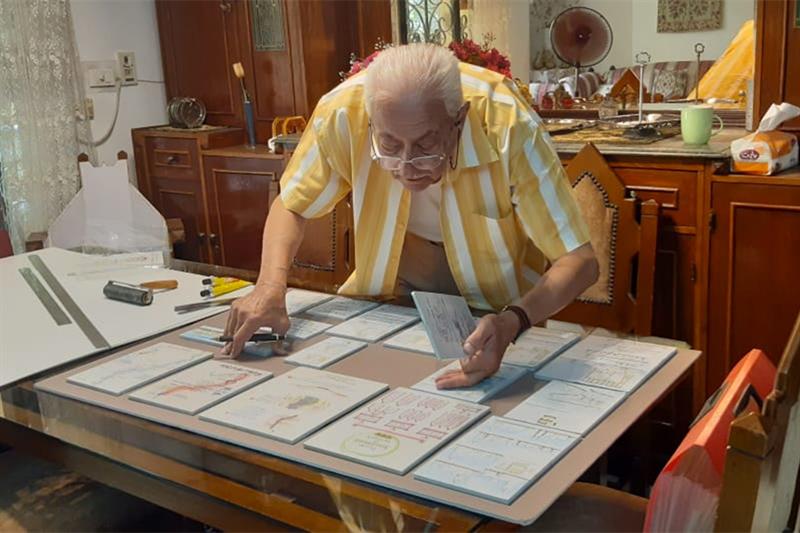
As he submitted the final maquettes (small-scale models) of Egypt’s folk architecture to the soon-to-open Museum of Folk Arts, Ahram Online spoke to the master himself about the merits and grace of architecture.
To Professor Essam Safi El-Din, architecture is an authentic musical note that resonates with the human touch of the people who conceptualised, built and lived in the building.
Known as the Architect and Tutor who, for over 55 years taught, designed and founded the house of Egyptian Architect and The museum of Folk Arts, Essam Safi El-Din has always believed in the philosophy and grace of popular architecture.
From Shubra Tramway to El-Refaai and Sultan Hassan
“In the 1980s, I designed the pedestrian passage between Sultan Hassan and El-Refaai Mosque, which was originally the tracks of the tramway. So my sketches were inspired by my daily tram ride from Shubra where I lived as a child in 1947 to the Citadel. I copied the same pattern that the tram took from narrow streets that end up in a vast square and the pedestrian area captured the grace and serenity of the architectural gems of the two heritage mosques,” he told Ahram Online.
On revisiting the tramway voyages with open eyes, Safi El-Dien realised that his eyes captured the human wisdom and truth in the details of the buildings that ran by him as the tramway moved across various districts of Cairo.
Handmade Architecture
A child to a renowned architect, Safi El-Din has always been fascinated by designing houses. Making his own handmade maquettes was his passion since childhood. “Since I was seven-years-old I was charmed by architecture and my prize for doing my homework was that I would go to my father’s architecture office and draw with him. My eyes started to watch the buildings and ask who built it and why,” he remembered. This passion was manifested into Egypt’s oldest mockup and design architecture in Egypt and the Arab World.
Passion for Old Buildings
Describing his favorite work spot in his home, Safi El-Din revealed to Ahram Online his relationship with the radio. “Wherever I work, I have two radios to choose from, one set to a music programme and the other to the Quran channel,” he noted
“I was always enchanted by the old architecture because of its beautiful art effects, motifs and language. There is a human and visual dialogue between me and the building because I feel the presence of the head of builders, the builders, and the inhabitants of such building. Old architecture is close to me for it fits the human scale with all its space, physiological and emotional needs,” he explained, describing how buildings can promote serenity and induce better mood for humans.
“You see, architecture is still music, and an architect has to be an artist who has a taste in music,” he explained.
Inspiring Architects
“The architects that have inspired me at an early age are Said Karim whose sketches were the first drawings I have seen in my Dad’s office. I was very fond of Hassan Fathy and Ramsis Wissa Wassef because they have this great sense of belonging to the local building techniques as a mission and a cause,” he added. His passion to safeguard the valuable knowledge in architecture and the grace of local architecture was passed on to all the students he taught and mentored in college throughout the course of over 55 years of academic world. However his keenness to pass on such knowledge to the public made him go the extra mile.
The House of Egyptian Architecture and The National Folk Museum
In the early 1980s, he wanted to document all types of Egyptian architecture under one roof. The Ministry of Culture granted him the current House of Egyptian Architecture. The charming Ottoman-style house that belonged to Hassan Fathy – the father of modern architecture in Egypt – was once the studio of Orientalist artists and has since become a cultural hub, and a museum of local architecture.
Safi El-Din’s maquettes portraying the unique identity of Egyptian architecture were the foundation of The National Folk Art Museum that held its soft opening a few months ago.
Located at the High Institute for Folk Arts in the Haram district, Giza, the official opening date for the museum has not yet been announced.
“The National Folk Art Museum is different from any museum of history because it is not focused just on the historic facts, it is more focused on the cultural value of such items in that era. The value of architecture and its types and how it is comforting. Folk arts as well as folk architecture, reveal the indigenous roots of culture, conduct, the skills of craftsmanship and handicrafts, ” he added.
Essam Safi El-Din’s name resonates with success and authenticity. There is a library dedicated to his works at the British University in Cairo, and he is currently working on a book on his eternal dialogue between architecture and art.
Gems of Wisdom
The most important thing that I have learned is that the value of history is not about knowing the facts, it’s about contextualizing such facts. He stated that his motto in life is a verse from the Quran stating that God will reward all your efforts.
“A person needs to know what his/her mission in life is; why is he here? We need to teach architectural criticism as a subject not a mere cross cutting theme. We need to know the impact of architects on social life and the environment.”
The study of light has led to promising alternative energy sources and lifesaving medical advances in diagnostics technology and treatments.
These transformative technologies were developed through centuries of fundamental research on the properties of light, including pioneering work such as Ibn Al-Haytham’s seminal Kitab al-Manazir (Book of Optics), published in 1015.
As the world celebrates the International Day of Light on 16 May, various Arab physicists have left an indelible mark on the Arab world’s understanding and utilization of this fundamental phenomenon.
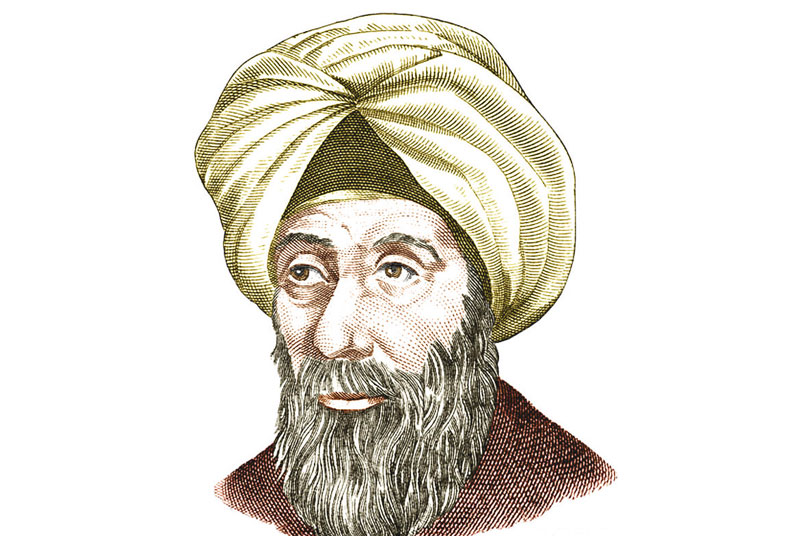
Ibn Al-Haytham (965-1040 CE)
Considered the father of modern optics, Ibn Al-Haytham’s groundbreaking work, Kitab al-Manazir, laid the foundation for our understanding of the behavior of light, including the principles of reflection, refraction, and the workings of the human eye. His experimental approach and rejection of the prevailing theories of his time were revolutionary, and his work influenced generations of scientists who followed in his footsteps.
Photo Source: VH Magazine
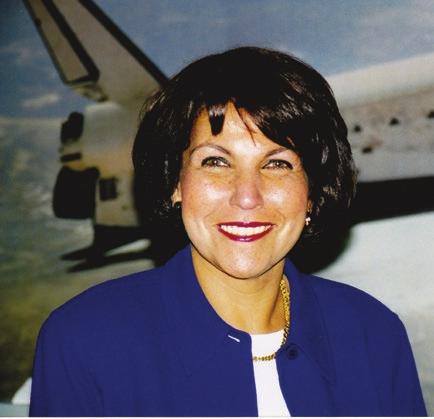
Maha Ashour-Abdalla
A pioneering Egyptian-American plasma physicist, Ashour-Abdalla’s research has advanced our understanding of the complex dynamics of the Earth’s magnetosphere, with applications in space weather forecasting and protection of satellites from cosmic radiation. Her work has been instrumental in developing models to predict and mitigate the impacts of solar storms on technological infrastructure.
Photo Source: UCLA
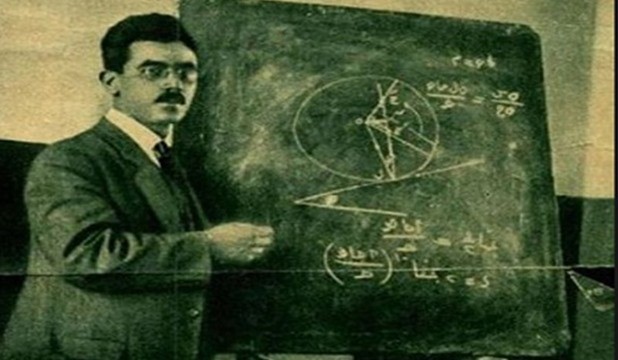
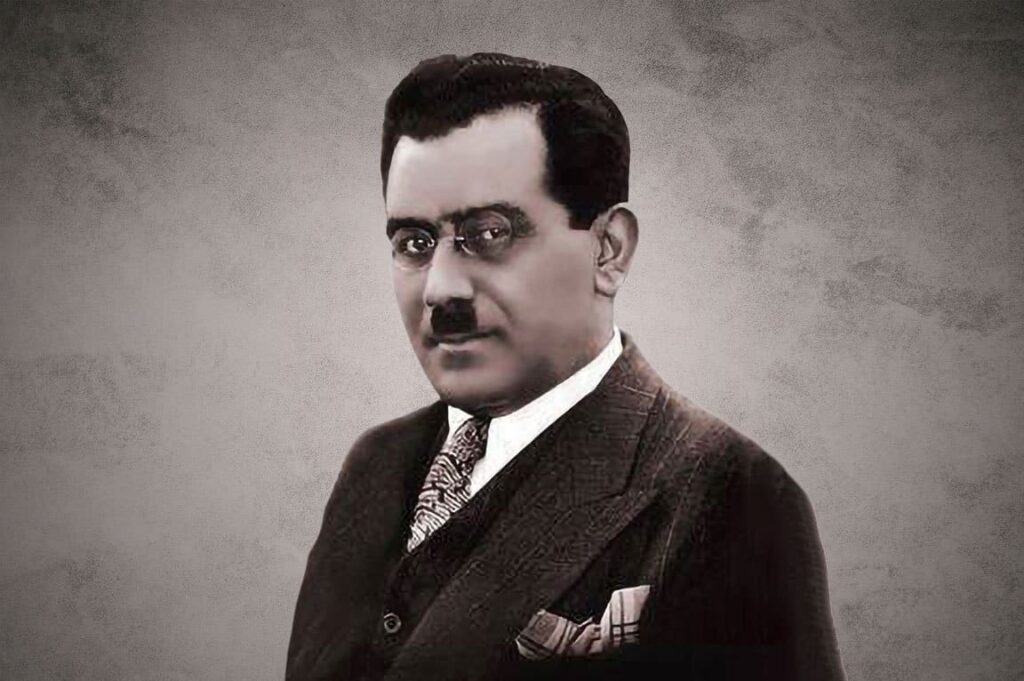
Ali Moustafa Mosharafa (1898-1950)
This Egyptian physicist made significant contributions to the development of quantum mechanics, building on the work of pioneers like Niels Bohr and Werner Heisenberg. His research helped bridge the gap between classical and quantum physics, laying the groundwork for our modern understanding of the subatomic world. Mosharafa’s work has had lasting implications in fields such as materials science, cryptography, and quantum computing.
Photo Source: Academic Dictionaries
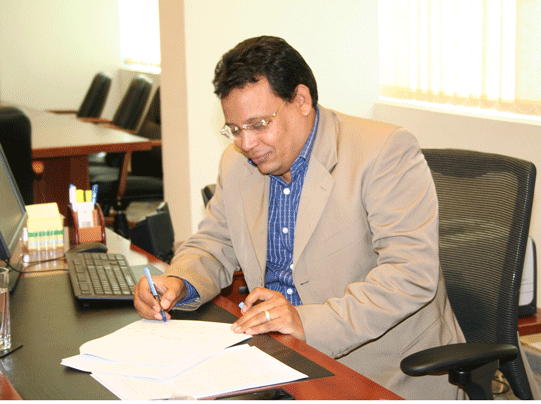
Shaaban Khalil
An Egyptian theoretical physicist, Khalil is a renowned expert in particle physics and cosmology. His work on the unification of fundamental forces has had a lasting impact on our understanding of the cosmos. Khalil’s research, which combined elements of quantum mechanics, general relativity, and high-energy physics, has helped shape the nature of the fundamental forces that govern it.
Photo Source: Zewail City
These Arab scientists, among others, have not only expanded the Arab world’s knowledge of light and its applications but have also paved the way for future generations to harness the power of this fundamental phenomenon to address global challenges and push the boundaries of scientific discovery.
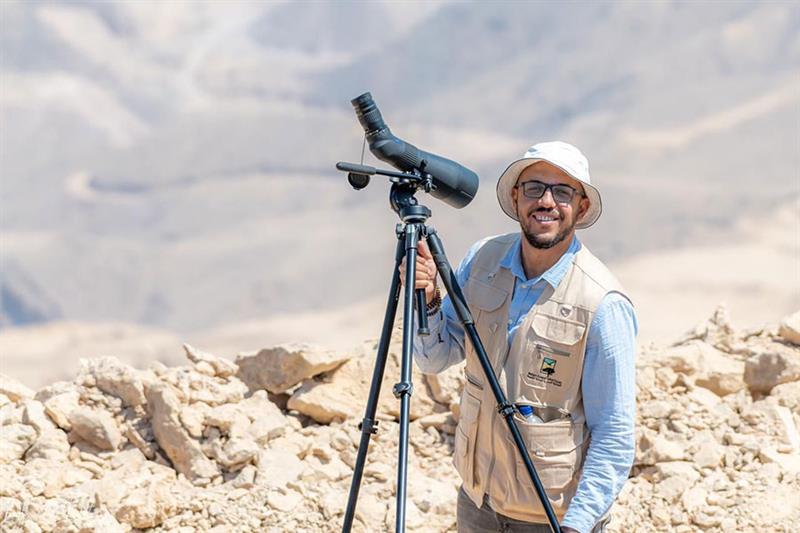
Khaled Noby, CEO of Nature Conservation Egypt (NCE), was selected as an impact maker for the COP29 Global Communications Campaign. This nomination recognizes NCE’s pioneering work in safeguarding biodiversity in Egypt.
NCE announced that Noby was selected on 19 November as one of the 50 impact makers in a global communications campaign launched by Nigar Arpadarai, the UN Climate Change High-Level Champion for COP29.
The Impact Makers campaign seeks to amplify the voices of leaders significantly impacting how to address the climate crisis. Through his leadership, Noby has played a crucial role in shaping Egypt’s dialogue around nature conservation and renewable energy. His nomination is part of a more significant effort to ensure that global climate strategies include biodiversity conservation as a fundamental element of the transition to renewable energy.
NCE is dedicated to integrating biodiversity conservation into the renewable energy sector. It aims to balance the country’s growing energy needs with the urgent necessity of protecting its rich and diverse wildlife and biodiversity.
NCE is witnessing the ambitious expansion in renewable energy production in Egypt, driven by the growing domestic demand and the need to cut climate change emissions from fossil fuels. However, this transition to renewable energy production negatively impacts habitats and wildlife. Renewable energy infrastructure has been reported to cause significant fatalities in various wildlife forms, particularly migratory birds.
While most conservation efforts have focused on mitigating the impacts within wind farms, NCE has been paying attention to another significant threat that needs to be adequately acknowledged: bird collisions with overhead transmission lines (OHTLs).
Moreover, NCE has effectively advocated adding local biodiversity loss to national and international agendas. Nonmigratory wildlife faces equally severe threats from poorly planned renewable energy infrastructure, yet the lack of data on local species often diverts conservation efforts towards migratory wildlife. NCE has led a successful national effort to translocate the threatened native reptile, the Egyptian spiny-tailed lizard (Uromastyx aegyptia), in collaboration with the Regional Centre for Renewable Energy and Energy Efficiency (RCREEE) and SafeSoar. Thirteen individuals of this endangered lizard species were safely translocated from the AMUNET Wind Farm site before construction, exemplifying effective conservation action.
“I am truly humbled to be recognized as an Impact Maker by the High-Level Champions team. This honour belongs equally to my dedicated colleagues at NCE, whose unwavering commitment to nature conservation in Egypt inspires me every day. This is a celebration of our collective efforts — I’m simply privileged to represent such a sincere and hardworking team,” said Noby.
“This recognition of Khaled Noby is very well deserved and reflects his commitment and dedication to advancing the conservation of nature in Egypt; it also represents the collective effort of the NCE team and their success, under the stewardship of Khaled, in becoming a leader in the conservation field in the Middle East and North Africa. Congratulations to Khaled, NCE, and Egypt for this recognition,” said Sherif Baha El Din, NCE board chairman.
Noby’s inclusion in the campaign places a spotlight on Egypt’s unique position at the intersection of biodiversity conservation and sustainable development, highlighting how the country can serve as a model for other regions facing similar challenges.
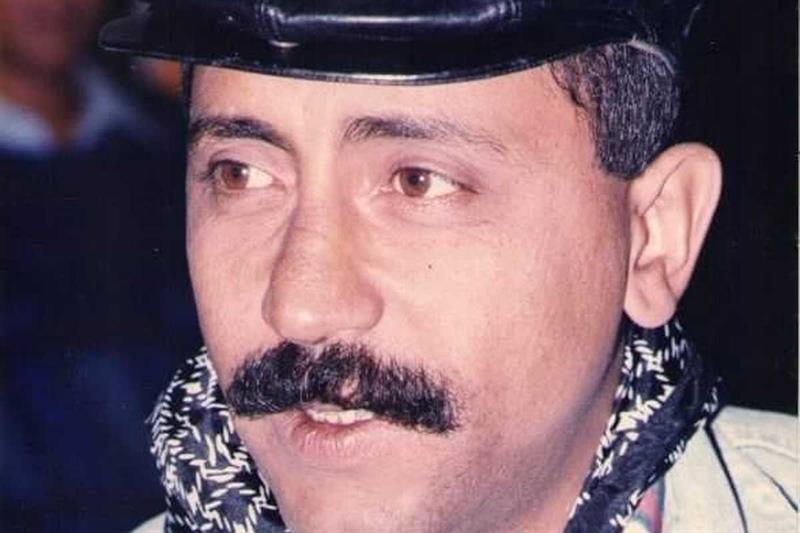
Egypt bids farewell to the guard of Semsemya, Zakaria Ibrahim.
For the past 44 years, Zakaria Ibrahim or “El-Rayes” (meaning the chief) had played and safeguarded the heritage music of his hometown Port Said through the Port Said Folk Heritage Troupe, which he established in 1980.
In an interview with Ahram Online, Ibrahim previously said that his initial approach relied on the sounds of the Semsemya musical instrument. Five years later, he reintroduced the ancient Tanboura instrument, a larger predecessor and origin of the Semsemya, dating back to ancient Egyptians. Consequently, he rebranded his ensemble as Al-Tanboura.
“We the Bamboteya, no one is like us, merchant boatmen in the canal” the troupe sang about the Semsemya’s affiliation with the history of trade on the Port Said marina. Small boats, called ManBoats, moored offshore, and sold goods to passing vessels, using sign language in trading. This language is the foundation of the heritage dance affiliated with Semsemya.
To safeguard and revive heritage music, beyond Semsemya, Ibrahim co-founded the Mastaba Centre for Egyptian Folk Music in 2000. Documenting and archiving traditional Egyptian songs, music, and musical instruments, as well as the voices and history of Egyptian music were among the centre’s main goals.
He also established El-Damma theatre in Abdeen district, Cairo, where heritage troupes played for years on a weekly basis. El Damma means coming closer, and it was a social ritual in Port Said where people would come together and sing their heritage songs and play the Semsemya.
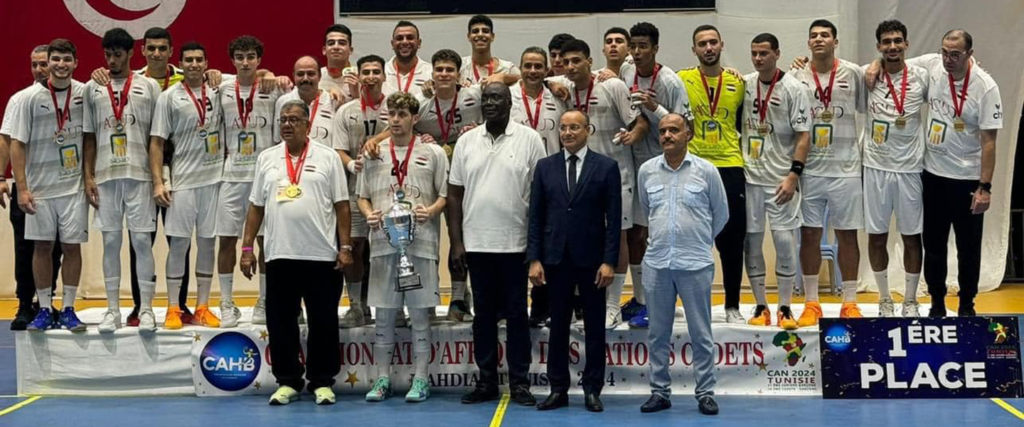
For the eighth time in history and for the third consecutive time, Egypt secured the title at the CAHB African Men’s Youth Handball Championship, displaying a flawless performance in Mahdia, Tunisia, taking six wins in six matches to secure yet another gold medal, the eighth in 10 editions of the competition.
The eight participating teams at the 2024 CAHB African Men’s Youth Handball Championship were divided into two groups of four teams each, with all teams progressing to the quarter-finals, but Egypt and hosts Tunisia taking three wins in three matches in the preliminary round.
Egypt clearly outplayed their opponents in their group, taking wins against Guinea (46:22), Burundi (66:15) and Algeria (42:22) to secure the first place, being followed by Guinea, Algeria and Burundi in the final standings.
In the other group, hosts Tunisia took wins against Libya (30:17), Kenya (44:16) and Morocco (26:17), to set up a path towards a final against Egypt, with Morocco, Libya and Kenya finishing second, third and fourth respectively.
The reigning champions, the big favourites to take another gold medal, had no issues against Kenya in the quarter-finals, 55:14, while Tunisia also easily disposed of Burundi, 48:27, to progress to the semi-finals.
The closest match in the quarter-finals was the one between Morocco and Algeria, with Morocco taking a 25:20 win, while Guinea dominated Libya, 34:22, as the top two sides in each group went into the semi-finals.
The semi-finals saw the two big favourites take control again, with Egypt sealing their fifth double-digits win in a row, this time against Morocco, 40:15, while Tunisia slowly followed suit, setting up the final against Egypt, with a 31:22 over Guinea.
However, in the last act of the competition, Egypt did not have an easy mission. After the first half, the hosts had a 16:15 lead, which morphed into a two-goal lead after 35 minutes, 19:17. But in the next 25 minutes, Egypt doubled the number of goals scored, adding another 17, to cruise to yet another win.
With their sixth win in the competition, 34:29, Egypt, the future hosts of thr 2025 IHF Men’s Youth World Championship, secured the eighth title in 10 editions of the CAHB African Men’s Youth Handball Championship, delivering a pitch perfect performance, to consolidate their status as a powerhouse of the continent, as Tunisia secured the fifth silver medal in the continental competition at this age category.
The bronze medal was sealed by Guinea, with a 20:11 win over Morocco, their maiden medal in the history of the competition, after their best performance was the fifth place in 2018.
2024 CAHB African Men’s Youth Handball Championship – final standings
Earlier this year, Africans Column, a platform dedicated to celebrating African excellence in art, architecture, and design, released its prestigious list of the 50 Influential African Women Architects. Among the honourees were four remarkable Egyptian women whose contributions transformed the architectural landscape and redefined the role of women in this field. These women have reached extraordinary professional heights while maintaining their private lives and family commitments, making them inspiring role models for future generations of architects.
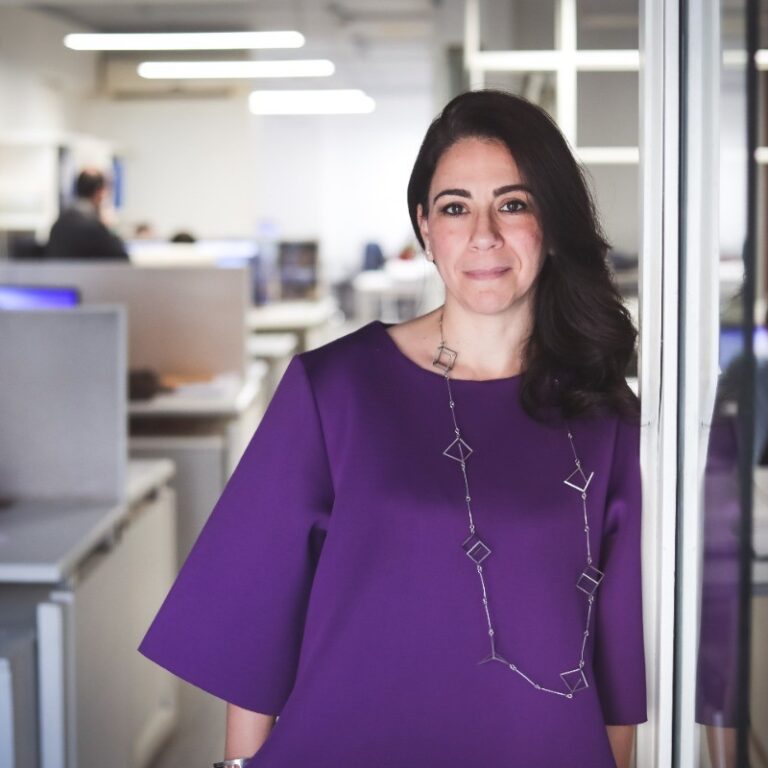
Magda Mostafa, an architect and Principal of StudioTM, is also a Professor of Design at the American University in Cairo (AUC). She is internationally recognised for her pioneering work in autism-inclusive design, particularly through developing the ASPECTSS™ design guidelines. This framework, the first research-based model for designing spaces for individuals with autism, has significantly impacted architectural projects across five continents.
Mostafa’s achievements have earned her prestigious awards, including the UIA International Research Award in 2014 and a second award in 2023. Her work was also showcased at the Venice Architecture Biennales in 2021 and 2023. In addition to her architectural practice, Mostafa co-directs the UNESCO-UIA education commission, where she helps shape global architectural education policies.
May Al-Ibrashy: Preserving Egypt’s Architectural Heritage
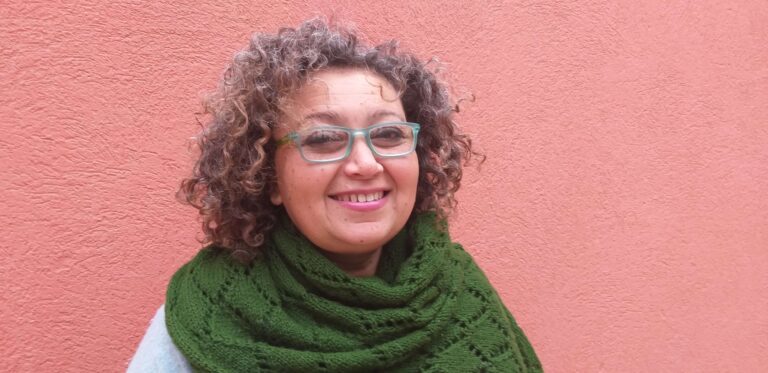
May Al-Ibrashy is a conservation architect with nearly 30 years of experience and also an Architectural Engineer Professor at AUC. She is the founder and chair of the Built Environment Collective, an NGO dedicated to preserving Egypt’s architectural and cultural heritage. Her work in Historic Cairo, specifically restoring the Shrine of al-Imam al-Shafi’i, has earned her recognition from organisations such as the US Embassy in Cairo and The Barakat Trust.
Al-Ibrashy’s dedication to heritage conservation is both professional and personal. She believes in the power of architecture to connect people with their history and works closely with local communities to ensure they are integral to any preservation project. Her initiatives, such as the Athar Lina Initiative, demonstrate her commitment to participatory conservation that benefits both the community and the built environment.
Sarah El Battouty: Championing Green Architecture and Sustainability
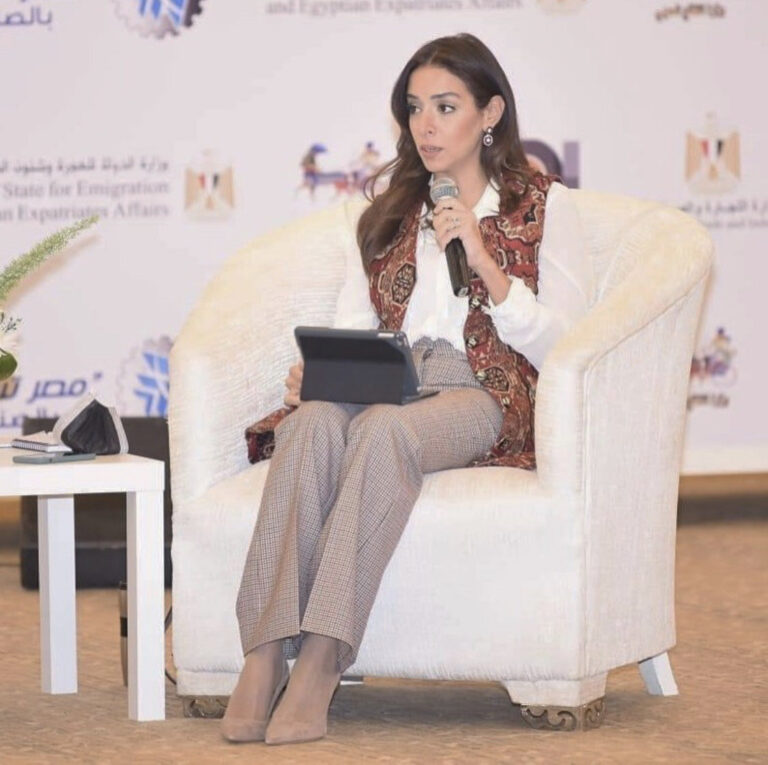
Sarah El Battouty founded ECOnsult, which has led the way in green building and sustainable development for over 18 years. Her innovative approach to architecture has earned her international recognition, with projects in Egypt, Italy, and China. As a senior advisor to the Egyptian president on sustainable community development, El Battouty has played a key role in shaping Egypt’s environmental policies, including energy and water conservation initiatives and the Paris Climate Agreement.
El Battouty’s influence extends beyond architecture. She is a Global Ambassador for the UN Climate Change Campaigns and the first Egyptian to be recognised as a UN Sustainable Development Leader. Her work promoting sustainability has also earned her recognition as a Green Entrepreneur by Bloomberg Good Business.
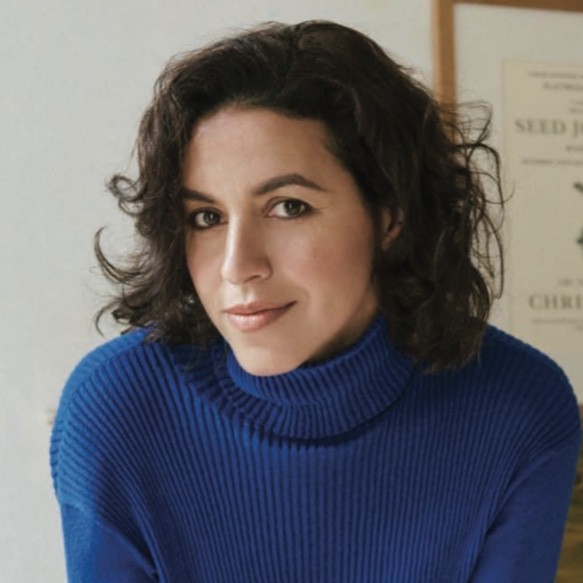
Shahira Fahmy, founder of Shahira Fahmy Architects, established her practice in Cairo in 2005. Since then, her firm has gained international acclaim, winning awards in cities such as London, Chicago, Switzerland, Istanbul, and Dubai. Her work spans architecture, urbanism, product design, and art. Her work has also been featured in prominent publications like The New York Times, The Architects’ Journal, and The Architectural Review.
Fahmy’s impact extends beyond her work in architecture. She is a visiting professor at Columbia Graduate School of Architecture, Planning, and Preservation and has been a guest critic and speaker at prestigious institutions like Harvard, Yale, and MIT.