QATAR : BOMA – the Desert Owl – takes flight as official mascot of FIFA U-17 World Cup Qatar 2025

Mascot pays tribute to legendary coach Velibor “Bora” Milutinović for his role in advancing football in Qatar and beyond

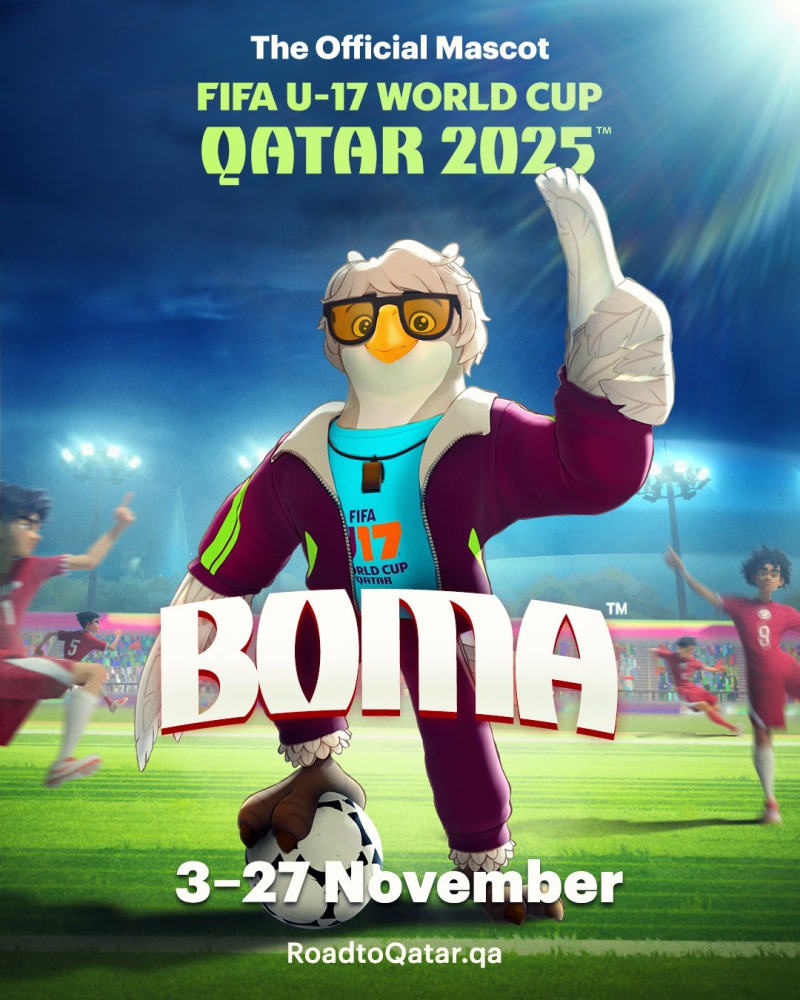
Doha, Qatar: The Local Organising Committee (LOC) for the FIFA U-17 World Cup Qatar 2025 and FIFA today unveiled BOMA – the Desert Owl as the official tournament mascot – a character inspired by the legendary Serbian coach Velibor “Bora” Milutinović, the only manager in football history to lead five different national teams in five consecutive FIFA World Cup™ tournaments.

The name “Boma,” is derived from the Arabic word for owl – regarded as a symbol of wisdom, vision, and mentorship, and is a playful nod to Bora, whose career as both coach and talent scout has profoundly influenced football development in Qatar and across the world.

For a tournament that celebrates the emergence of new talent, BOMA embodies the pivotal role of a football scout – one who sees potential where others may not and helps young players spread their wings on the global stage.

Known affectionately as Coach Bora, Milutinović guided Mexico, Costa Rica, the United States, Nigeria, and China at five successive World Cups between 1986 and 2002 – a unique achievement unmatched in football history. He went on to coach Al Sadd SC of the Qatar Stars League in 2004,leading them to win the Amir Cup in the same year, and contributed to the country’s football development programmes, making him a fitting inspiration for this tournament’smascot.

Speaking to the LOC, Bora highlights the passion he holds for nurturing future footballers and the importance of the upcoming FIFA U-17 World Cup Qatar 2025 in celebrating tomorrow’s stars.

“When it comes to discovering young talent, my greatest satisfaction as a coach has always been to promote emerging players – to show them that they must have the right attitude, believe in their dreams, and aim for the national team,” said Coach Bora. “I really like the idea behind the mascot and want to thank everyone who came up with it.” he added.

The FIFA U-17 World Cup Qatar 2025 marks a historic milestone as the first edition to feature 48 national teams, underscoring the tournament’s growing global reach.

“The World Cup is something truly special. When you’re young, you dream of playing at the highest level – and the U-17 team is the first step on that journey. It’s very important for young players to face the best in the world and see where they stand,” said Coach Bora.

“The team that scores more goals will win – it is as simple as that. But with young players, the outcome of matches often depends on inspiration, talent, and spirit. Most importantly, I hope everyone enjoys this World Cup. Enjoying the game is what truly matters, especially at the U-17 level, because that experience helps you grow both as a person and as an athlete,” he added.

The FIFA U-17 World Cup Qatar 2025, taking place at the state-of-the-art Competition Complex at Aspire Zone, will see as many as eight matches a day, for a total of 104 matches. The final will take place on November 27, 7pm local time, at Khalifa International Stadium.

“Aspire Zone is incredible – it has some of the best facilities in the world. The U-17 World Cup will be played on perfect pitches, in perfect conditions. Qatar has a distinguished track record in hosting major events, and I’m sure we’ll see high-quality football once again. I still remember the 2022 World Cup in Qatar – it was unforgettable,” said Coach Bora.

Fans can purchase tickets at: www.roadtoqatar.qa. Tickets are available as a Day Pass, which will enable fans to attend multiple matches a day as well as cultural and entertainment activities taking place around matches, in what will be an electrifying football festival-like atmosphere.

Fans can also purchase a Prime Pass, which will enable them to reserve seats for high demand matches. Supporters of the Qatar national team can avail the Follow My Team ticket, which will enable them to attend all matches of the Qatari U-17 team during the group stage.

All tickets will be digital and will include wheelchair accessible seating options for disabled fans.

The FIFA U-17 World Cup Qatar 2025 is the first of five consecutive editions that Qatar will be hosting. As the first FIFA World Cup to feature 48 teams, this will be the biggest-ever edition of the youth tournament that saw the likes of Gianluigi Buffon, Luis Figo, Xavi Hernandez, Eden Hazard, Andres Iniesta, Neymar, Ronaldinho, Son Heung-min and Francesco Totti appear on the world stage for the first time.

Qatar’s spectacular line-up of mega-sporting events will kick off with the FIFA U-17 World Cup Qatar 2025 from November 3-27, followed by the FIFA Arab Cup Qatar 2025 from December 1-18. In addition, the country is also set to host the second edition of the FIFA Intercontinental Cup 2025, which will take place on December 10, 13 and 17.

source/content: thepeninsulaqatar.com (headline edited)

___________
___________

QATAR
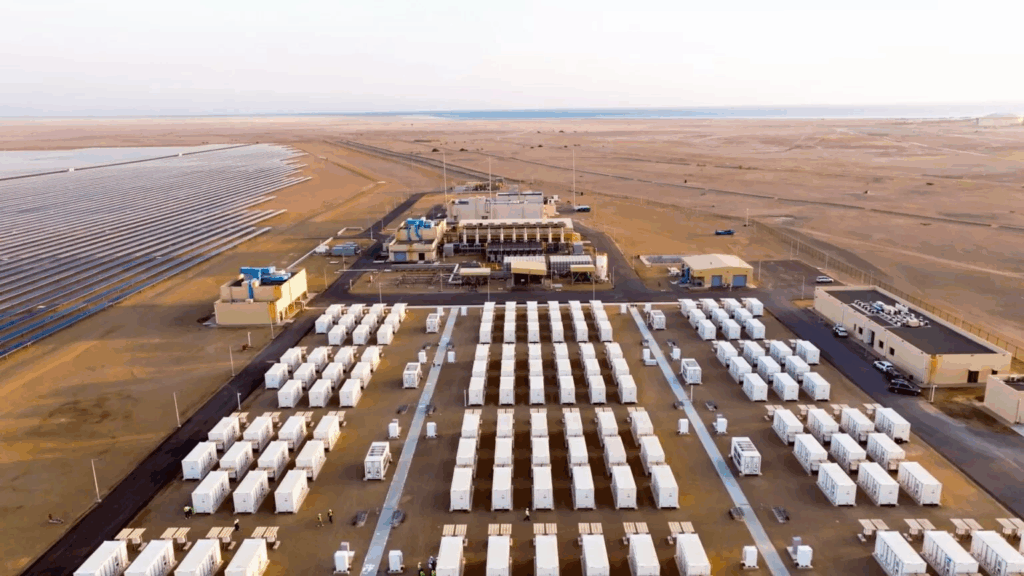
SAUDI ARABIA : A Look into the World’s Largest BESS Project in Saudi Arabia

 Saudi Arabia is making advances in its BESS projects as it launches one of Middle East’s largest BESS deployments, a 4GWh BESS project. The nation’s battery storage drive comes as HiTHIUM is commissioned with a 4 GWh BESS project in a joint venture between the Saudi Electricity Company and Alfanar.

The systems, to be installed in Tabuk and Hail, will deploy HiTHIUM’s 1175 Ah long-duration technology in climate-resilient containerized units, being commissioned in 2026. This follows on the back of the earlier commissioning of the 500 MW / 2 GWh Bisha BESS, the globe’s largest single-phase grid-tied project, and a record 12.5 GWh transaction with BYD, which puts Saudi Arabia at the center of the world’s biggest in-development grid-scale storage pipeline.

By the year’s end, the Kingdom should surpass 11 GWh of operational storage and place itself among the top five utility-scale BESS leaders as it targets Vision 2030 renewable ambitions. The impact and influence of BESS projects around the world cannot be overstated, with Saudi Arabia taking the lead. Other countries such as Finland are determined to catch up as they launched the world’s largest sand battery , a monumental achievement.

The Middle East is making effort in various energy projects other than the world’s largest BESS project in Saudi Arabia. The UAE has broken ground on the world’s largest solar and BESS project,  first of its kind. Moreover, it will be capable of delivering round-the-clock baseload renewable energy. Masdar in collaboration with EWEC (Emirates Water and Electricity Company) is developing the $6 billion project. Moreover, it will deliver up to 1 gigawatt (GW) of baseload power 24 hours a day, seven days a week. The ceremony was witnessed by Sheikh Theyab bin Mohamed bin Zayed Al Nahyan, Deputy Chairman of the Presidential Court for Development and Fallen Heroes’ Affairs.

August 11, 2024: The implementation of the world’s largest battery energy system (BESS) project progresses as Saudi Arabia begins qualification tenders. A Saudi Arabian entity that has been tasked with procuring electricity generation projects has commenced the process. Saudi Power Procurement Company (SPPC) is licensed as the sole buyer of electrical energy. The government is soliciting bids to develop four battery energy storage system (BESS) projects. Furthermore, it is expected that each will have a 500MW output and 2,000MWh in storage capacity. The contract, which entails 15-year terms, will be awarded on a build-own-operate (BOO) model. It also entails the aspect of bidders holding 100% equity in special purpose vehicle (SPV) companies set up for the development and operation of projects. The SPPC, administered by the Saudi Ministry of Energy, aligns with the National Renewable Energy Program (NREP). Once completed, the BESS project is expected to be the world’s largest.

Project Factsheet

Location: Saudi Arabia

Capacity: 8GWh of storage capacity

Significance: World’s largest BESS Project

Main Company Involved: Saudi Power Procurement Company

Project duration: 15 years

Prequalified Bidders

The Saudi Power Procurement Company (SPPC) has released a list of 33 prequalified bidders for its 8GWh BESS project. The tender, structured as a build-own-operate model, attracted significant energy companies, both local and international. These include Masdar, ACWA Power, EDF, TotalEnergies, and Jinko Power, among others. The list also included prominent companies from nations such as South Korea, Japan, and China. Leading the pack were Samsung, the China Energy Overseas Investment Company, China Power Engineering, and China Southern Power Grid International. Of the 33 prequalified bidders, 21 applied, aiming to provide management and technological services. The remaining 12 applied solely for asset management roles for the BESS project.

The projects mark the first phase of Saudi Arabia’s ambitious battery storage program. It is designed to support its 50% renewable energy goal by 2030. Each 500 MW facility will operate for four hours, providing 2,000 MWh of total power capacity, said the SPPC. In early November, the state-owned limited liability company called for qualification for battery storage procurement. The company has so far contracted several gigawatts of solar PV and wind in competitive solicitation over the past years. Other technologies, such as Combined Cycle Gas Turbine (CCGT) and Water Infrastructure, have also had deals inked. Successful candidates will be granted 15-year Storage Service contracts with SPPC for respective projects they develop, featuring an output and storage capacity of 500 MW/2,000 MWh at various locations in the country. In addition, the bidders will have 100% equity in projects developed by SPV companies.

The State of Affairs Regarding the World’s Largest BESS Project in Saudi Arabia

The world’s largest BESS project in Saudi Arabia is one that has received accolades from the state government. Under Saudi Arabia’s Vision 2030 policy roadmap, the country aims to have a 50% share of renewable energy in its grid. According to energy minister, Prince Abulaziz bin Abdullah Al Saud, the government is prepared to incur the needed costs. Speaking in 2021, the Saudi government expects to spend $293 billion on power and energy projects by then. The biggest share of this revenue is expected to be spent on transmission upgrades and renewable energy.

Furthermore, investment is expected to be placed in the distribution network. SPPC noted earlier this week that the newly launched BESS procurement project will help the nation reach its 50% goal. The company also noted that the current tenders represent the first batches of solicitations. The locations of the four BESS facilities have already been decided. Two will be in Makkah province, one in Qassim province, and the other in Hail province. They have also been termed as independent storage projects (ISPs) by SPPC. Qualified bidders have been issued until midday, 25 November 2024, to submit their proposals for the BESS project.

source/content: constructionreviewonline.com (headline edited)

_______________

The Saudi Power Procurement Company (SPPC) has released a list of 33 prequalified bidders for its 8GWh BESS project.

_________________

SAUDI ARABIA

ARABIC DEBATES : Students from 18 nations take part in ’03rd Asian Arabic Debating Championship 2025 ‘, Seeb-Oman

The third edition of the Asian Arabic Debating Championship began on Tuesday at Arab Open University in Seeb.

The opening ceremony was held under the patronage of H E Mohammed bin Saeed al Balushi, Undersecretary in the Ministry of Information, in the presence of H E Basil bin Ahmed al Rawas, Undersecretary for Sports and Youth in the Ministry of Culture, Sports and Youth (MCSY). 

The event has been organised by MCSY, Oman Debate Center and Qatar Debate Center. The championship aims to promote dialogue among young people and enhance the presence of the Arabic language in international platforms.

A total of 145 students from 40 educational institutions from 18 Asian countries are taking part. Organisers said the competition encourages logical reasoning, respect for differing views and persuasion skills within a multicultural environment. The championship will run till November 1.

Hilal bin Saif al Siyabi, Director General of the Youth Affairs at MCSY, said Oman takes pride in hosting the tournament, which reflects the country’s growing role in intellectual and cultural activities.

He said this edition includes competitive debate rounds, workshops, cultural site visits in Muscat, and an Omani cultural evening to provide a complete cultural and social experience for participants.

Reem al Musallam, Director of QatarDebate Center, said debates demonstrate that the strength of words lies in logic and that dialogue builds understanding.

Oman is hosting the event for the second consecutive year, following the success of the 2024 edition.

Organisers stated that the championship reinforces the country’s commitment to supporting educational and cultural initiatives that develop youth skills and encourage informed discussion on current issues.

source/content: muscatdaily.com (headline edited0

_________

_________

OMAN

MOROCCO Is An Arab Country : Language, Culture, and the Living Fabric of Identity

Arab identity, in both historical and anthropological terms, has never been solely about genealogy.

Morocco is, in fact, an Arab country. While this assertion may appear self-evident, it has become a subject of debate in contemporary discourse. Some voices insist that Morocco’s identity lies exclusively in its Amazigh or North African roots, rejecting its place within the Arab cultural sphere. Yet, such claims overlook the complex processes through which cultural affiliations are formed, internalized, and lived. Moroccan Arab identity is neither imposed nor superficial; it is a deeply ingrained civilizational reality that is experienced, performed, and transmitted across generations.

Arab identity, in both historical and anthropological terms, has never been solely about genealogy. It is a cultural and civilizational framework, a shared language, religion, and set of symbolic practices, that transcends bloodlines and geography. The Arab Islamic expansion of the 7th-century introduced Arabic and Islam to what is known now as the Arab World, setting in motion a centuries long process of cultural integration. This integration was not a simple imposition, but a dynamic interaction between incoming and indigenous traditions, producing a distinctly Moroccan expression of Arabness. It is a process in which the Arab and the local coexist, interact, and mutually shape each other.

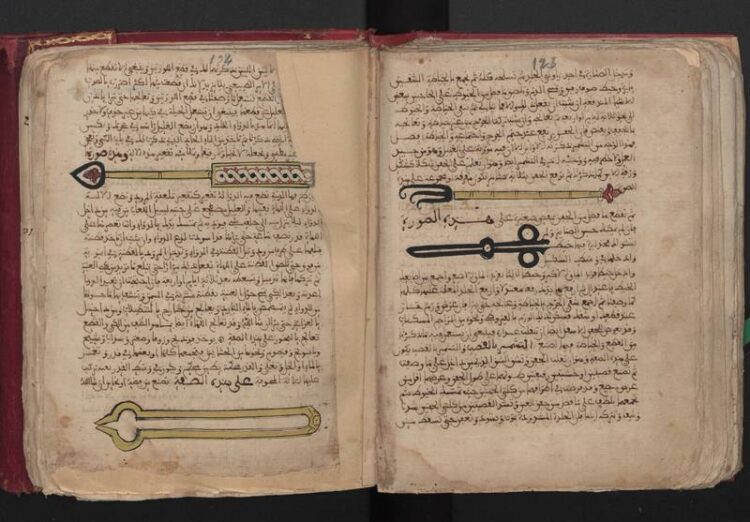
[First Illustration of surgical instruments in history] from Al-Zahrāwī, Al-Taṣrīf liman ‘aǧiza ‘an al-Ta’līf, 30th volume (Surgery). Bibliothèque Nationale du Royaume du Maroc (BNRM), as reproduced on the Islamic Studies Library Blog, McGill University

Morocco is, in fact, an Arab country. While this assertion may appear self-evident, it has become a subject of debate in contemporary discourse. Some voices insist that Morocco’s identity lies exclusively in its Amazigh or North African roots, rejecting its place within the Arab cultural sphere. Yet, such claims overlook the complex processes through which cultural affiliations are formed, internalized, and lived. Moroccan Arab identity is neither imposed nor superficial; it is a deeply ingrained civilizational reality that is experienced, performed, and transmitted across generations.

Language lies at the heart of this Arab identity. Classical Arabic became the medium of religious practice, scholarship, and literary expression, while Moroccan Darija evolved as a vernacular rooted in Arabic but enriched over centuries through interaction with Amazigh and Andalusi traditions, as well as later European influences. Computational linguistic analysis by Mrini and Bond (2018) found that approximately 42% of Moroccan Darija’s lexicon shares at least 60% similarity with Standard Arabic, while only about 3% aligns with French and 2% with Spanish. This demonstrates that, although Darija incorporates foreign and Amazigh influences, its core lexical foundation remains predominantly Arabic (Mrini & Bond, 2018, Putting Figures on Influences on Moroccan Darija from Arabic, French and Spanish Using the WordNet). This linguistic presence is more than practical; it is existential. Arabic provides the conceptual framework through which Moroccans think, communicate, and participate in a shared cultural universe. Anthropologists have long argued that language is the “house of being”, and in Morocco, Arabic offers that house, the structure within which Moroccan society organizes its collective life.

Yet Morocco’s Arab identity is not reductive. Its population is ancestrally diverse, encompassing Amazigh, Arab, sub-Saharan, Andalusi, and Mediterranean lineages. Rather than contradicting Arab identity, this diversity illustrates the inclusive, integrative nature of Arab culture, which historically has absorbed and harmonized a multitude of peoples and traditions. Being Arab in Morocco is thus defined not by ethnicity but by cultural practice, speaking Arabic, engaging with Islamic religious life, and participating in the intellectual and spiritual traditions of the Arab world. This identity is lived and internalized, a product of historical continuity and daily enactment.

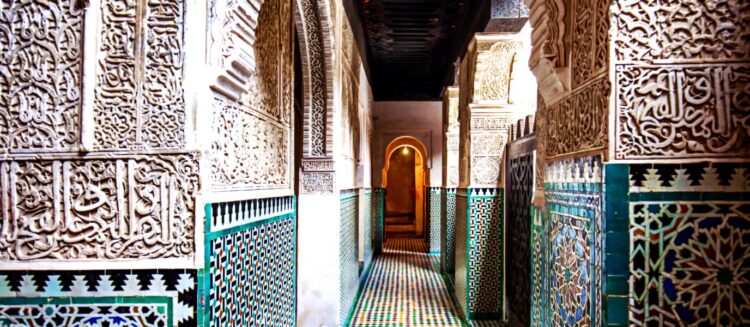
Medersa Bou Inania in Fez

Moroccan Arabness is dynamic and regionally inflected, expressed through a mosaic of Arabic dialects that embody the country’s historical and cultural layering. The pre-Hilali urban dialects, such as Fassi, Meknassi, and Rbati Arabic, spoken in the historic cities of Fez, Meknès, and Rabat-Salé, preserve many features of early Andalusian and Classical Arabic, including the conservative pronunciation of qāf as /q/ and more formal morphosyntactic patterns. In contrast, the Jebli dialect of northern Morocco, prevalent in Tetouan, Chefchaouen, and the Rif region, blends Andalusian, Amazigh, and Spanish influences, producing softer phonetics and a Mediterranean lexicon. The Hilali or ‘Aroubi (Bedouin) varieties, dominant across the Atlantic plains, Chaouia, and Souss, descend from Arab tribal migrations and underpin the speech of rapidly urbanized centers such as Casablanca and Settat. Further south, the Marrakchi dialect represents a transitional form combining urban and Bedouin traits, while Judeo-Moroccan Arabic, historically spoken in Jewish communities in Fez, Essaouira, and Sefrou, incorporates elements from Hebrew and Spanish (Haketía). In the southeast, around Errachidia and the Tafilalet region, daily speech follows Hilali Bedouin patterns, but the area also preserves a rare, literary form of Filali Arabic used in Melhoun poetry and song, reflecting a deep historical connection to Classical Arabic and regional artistic expression. Further south and toward the Sahara, Hassani Arabic, a Bedouin variety influenced by Maghrebi and Saharan linguistic currents, illustrates the continued interplay of migration, trade, and cultural exchange in shaping Moroccan Arabic. Collectively, these dialects illustrate how Moroccan Arabic varies across geography and social history, forming a linguistically plural yet distinctly Arab national identity. These variations reflect the adaptability of the language and, by extension, the adaptability of Arab identity itself. Moroccan Arabness, therefore, is neither monolithic nor static; it evolves through time while maintaining continuity with a broader Arab cultural framework.

Describing Morocco as an Arab country is to acknowledge the primacy of this linguistic, religious, and cultural fabric. Arabic is not merely an official language; it is the deep structure of Moroccan society, shaping poetry, moral discourse, social interaction, and ritual life. Arab identity in Morocco is lived in the streets of Casablanca and Fez, in the rhythms of daily prayer, and in the idioms and expressions of everyday conversation. It is experienced through shared cultural symbols and practices that bind Moroccan society to the larger Arab world while remaining distinctively local.

Recognizing Morocco as an Arab country does not erase its rich cultural diversity; rather, it highlights the central role that Arab language, culture, and religion play in the nation’s historical and contemporary identity. Moroccan Arabness is a living, evolving phenomenon, formed through centuries of interaction, internalized through daily life, and transmitted through language, ritual, and social practice. It reflects a society that is at once rooted in its local context and deeply connected to the broader Arab civilization.

In conclusion, Morocco’s Arab identity is a complex, multidimensional reality, grounded in linguistic, religious, and cultural practices. It is the result of historical processes, dynamic interactions, and the continuous enactment of shared meanings. To affirm that Morocco is an Arab country is not to deny its diversity but to recognize the living fabric of its identity, a fabric woven from Arabic language, Islamic faith, and the symbolic systems.

source/content: moroccoworldnews.com (headline edited) / Hajar Lmortaji

_______________

Hajar Lmortaji

_______________

MOROCCO


SAUDI ARABIA : The King Salman Global Academy for the Arabic Language (KSGAAL) announces names of 2025 award winners for serving Arabic language

There will be a ceremony honoring the winners held under the patronage of His Highness Prince Badr bin Abdullah bin Farhan, minister of culture

The King Salman Global Academy for the Arabic Language announced the names of the winners of its awards celebrating efforts to serve the language.

Mahmoud Al-Batal won an award for his work in teaching Arabic in the US, which included carrying out in-depth research into linguistics, much of which has been published in peer-reviewed studies.

The Saudi-based Manahij International Foundation received an award recognizing its development of educational materials and curricula for early years language learning and Arabic for non-native speakers.

Manahij was also highlighted for developing training packages for teachers, and praised for its “originality, methodology and innovation” in the field, the Saudi Press Agency reported.

Algerian Ahmed Khorssi was recognized with an award for his contributions to the language by developing more than 30 computer programs including tools for correcting pronunciation.

He has published more than 15 studies in peer-reviewed journals and international conferences.

King Abdulaziz City for Science and Technology won an award for developing systems including an audio database, an automatic speech recognition system in local dialects, and other advanced tools.

Ramzi Mounir Baalbaki, from Lebanon, won an award that recognized his academic career that has spanned four decades

Baalbaki has authored 12 books and more than 80 research papers in Arabic and English in peer-reviewed scientific journals.

Saad Abdel Aziz Maslouh, from Egypt, received an award recognizing a lifetime of academic achievements including the publication of 33 books and 29 research papers.

The Arabic Education Training Center for Gulf States, in the UAE, was awarded for developing evaluation tools and other educational content.

Mazen Abdulqader Mohammed Al-Mubarak, from Syria, won an award for his extensive scholarly work including the well-known book “Towards Linguistic Awareness.”

The National Coalition for Arabic Language in Morocco also received an award for promoting linguistic awareness in Moroccan society through lectures, seminars and intellectual forums.

There will be a ceremony honoring the winners held under the patronage of His Highness Prince Badr bin Abdullah bin Farhan, minister of culture and chairman of the board of trustees of the academy, next Sunday in Riyadh.

source/content: arabnews.com (headline edited)

_____________

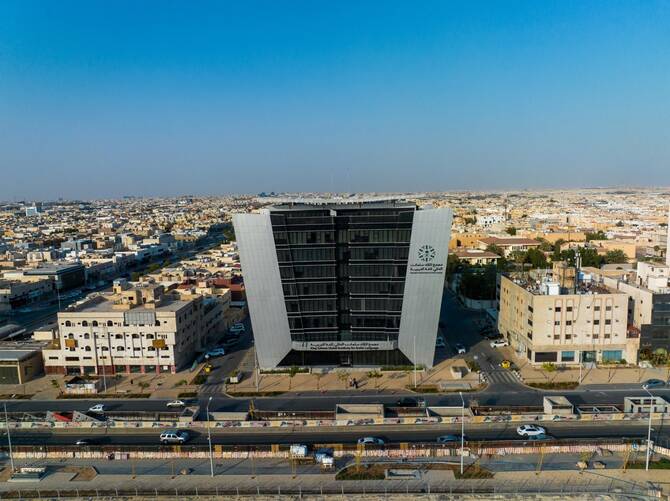
The King Salman Global Academy for the Arabic Language’s headquarters in Riyadh. (OIC)

______________________________________________________________

ALGERIA / EGYPT / LEBANON/ MOROCCO / SAUDI ARABIA / SYRIA / UAE

SOMALIA : Ahmed Ismail Hussein, The “King Of Oud,” Has Died Of The Coronavirus – April 2020

“All of my friends who have met him still love him. He has made a huge impact on them just from that one day they saw him.”

Ahmed Ismail Hussein was known as the “King of Oud” because he was the master of the 11- or 13-stringed instrument.

Born in the late 1920s in Somalia, Hussein began playing the oud professionally in the ’40s after falling in love with it in his teens. He was instrumental in making qaraami — singing or speaking while playing the oud or drums — one of the most popular genres of music in Somalia.

In February this year, after a career spanning more than seven decades, Hussein retired. He was considered a founder of modern Somali music. A concert was held in his honor in London. — Hussein moved to the UK in 1974 — with artists whom he handpicked.

Despite his retirement, Hussein, who also went by the name “Hudeydi,” had no intention of slowing down entirely; he had plans to travel to Turkey and Djibouti.

But then he fell ill. Earlier this month, he was taken to Charing Cross Hospital in London. His condition deteriorated, and on April 8 he died from the coronavirus, a week before what would have been his 92nd birthday.

Nadifa Mohamed, a British author, said she spoke to Hussein a few days before his death, when he didn’t even seem to have symptoms. “I think the decline was quite quick from him developing symptoms to him being quite ill in hospital. It was quite shocking,” she told BuzzFeed News.

Despite his age, Hussein was otherwise a fit and healthy person, Mohamed said. “Everyone was like, ‘He was 92 he had a good life’ — but nothing. There was no warning,” she said. “It wasn’t as if he was sick.”

Mohamed said she had been friends with Hussein since 2012, when they met at the annual Hargeisa International Book Fair in Somaliland, a disputed territory that neighbors Somalia. More so than his musical genius, his sense of humor is what really stood out for Mohamed. “He was funny,” she said. “I think that’s the first thing I noticed.” (His nickname was Hudeydi, but he told the BBC in 2003 that he was also known as “‘the King’ because of my hot rhythms. I was always into rock ‘n’ roll and Elvis Presley”)

“Having a friend who is 50 years older than you is unusual, but I think his sense of humor was so young and easy to engage with,” Mohamed said. “And he was very warm. You could turn up to his door. You could bring whoever you wanted. He would feed you. He would make tea or coffee for you, tell you stories. He was very accepting of people, which was very unusual.”

Hussein, she said, had a charm that would make everyone love him from the moment they met him. “It’s the way that I could turn up with a friend to play an instrument or something else, and he’d give me a big hug as he opened the door and he would go to my friend — whoever it may be — and do the same.

Usually when grieving, Somalis tend to visit the home of the deceased’s next of kin for days to offer their condolences and pray. But this is currently impossible during the lockdowns in place across the world.

After Hussein’s death, tributes poured in from Somalis around the world. On the day of his burial, people held absentee funeral prayers .

In a statement, the Kayd Somali Arts and Culture organization said Hussein’s “iconic legacy lives on through his music and in the memories of all of those of us who adored him and continue to do so.”

source/content: buzzfeed.com (headline edited)

_______________


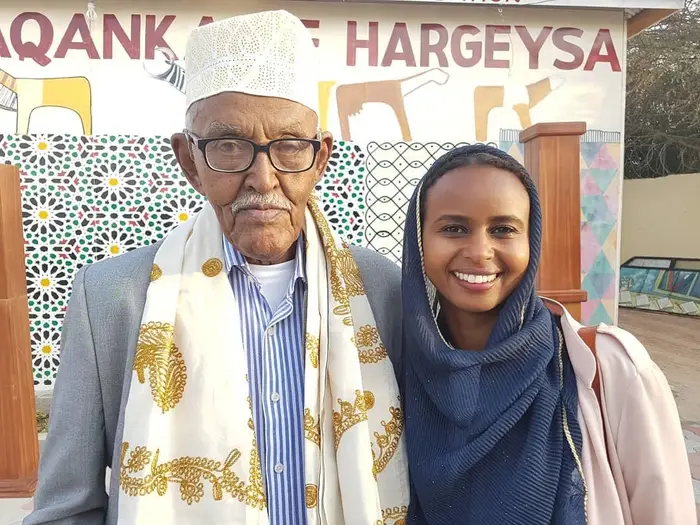
Ahmed Ismail Hussein (left) and Nadifa Mohamed (right), a friend. / Courtesy of Nadifa Mohamed

_________________

SOMALIA / U.K

SAUDI ARABIA : Lighting up Arab skies: Saudi innovator Reyam Alahmadi launches Astrophile to bring space science home

Astrophile magazine reimagines how science could speak to readers across the Arab world

It reminds young Saudis and Arabs that science is not foreign, but is part of their own story

Saudi science communicator Reyam Alahmadi is bringing the cosmos closer to home. At just 25, the Madinah-born innovator has launched Astrophile, the Kingdom’s first Arabic astronomy magazine, to make space science accessible, accurate, and part of everyday conversation across the Arab world. 

“What began as a personal fascination with the cosmos evolved into a full-fledged movement to revive Arab contributions to astronomy, and to give today’s generation the tools and language to rediscover them,” she told Arab News.

“The Arab world truly needed something like Astrophile. There wasn’t a single comprehensive Arabic astronomy platform, which left a huge gap in accurate knowledge. That gap led to misconceptions about space, and that’s what we wanted to fix.”

When Astrophile launched, the magazine did not simply translate international astronomy news, but also reimagined how science could speak to readers across the Arab world. 

Through storytelling, visual design, and educational offerings, Alahmadi built a brand that feels both modern and deeply cultural. Every article blends cosmic wonder with accessible language, transforming scientific terms into relatable concepts. 

“I believe the wonder of space belongs to everyone,” she said. “So I share what I learn in the simplest way possible, not with overwhelming numbers or formulas, but through storytelling and curiosity. My goal is to make readers feel the beauty of the universe, not the heaviness of its equations.”

In a region where complex STEM subjects often feel distant, Alahmadi’s approach bridges the emotional and intellectual, transforming astronomy into a shared cultural experience. 

For Alahmadi, Astrophile is more than a publication, it is a revival. She sees it as part of a wider effort to reclaim the Arab world’s historic leadership in astronomy, from scholars who once mapped the stars to modern-day dreamers shaping the space economy. 

“Astronomy, chemistry, and physics, many of these sciences were born from Arab minds,” she said. “Reviving that heritage isn’t nostalgia; it’s responsibility. We’re continuing what our ancestors began, adapting their legacy to today’s society.” 

By publishing in both Arabic and English, Astrophile bridges global and regional audiences. It reminds young Saudis and Arabs that science is not foreign, but is part of their own story.

Her vision, she said, is to “restore curiosity as a national habit.”

Behind Astrophile’s elegant visuals and clean scientific precision lies a deeper challenge: language itself. 

“One of the hardest parts is translation,” Alahmadi said. “Some technical terms, especially about rockets or engineering, simply don’t exist in Arabic. It can be frustrating, but also exciting; it gives us space to innovate linguistically.”

As well as science writing, each issue of the magazine also involves linguistic invention, as her team refines and localizes terminology to suit Arabic readers without losing scientific accuracy. 

“In a way, it feels like exploration on two fronts,” she said. “We explore space, and at the same time, we explore our language.”

That approach has given Astrophile a distinctive voice: poetic, informed, and proudly Saudi, blending design aesthetics with factual clarity. 

In just a few years, Astrophile has evolved from a passion project into a respected reference point for young science enthusiasts, teachers, and even regional media outlets seeking verified space updates in Arabic.

Under Alahmadi’s leadership, the magazine has tackled global milestones such as the James Webb Space Telescope, the Artemis lunar missions, and Saudi Arabia’s astronaut program, translating these topics into stories that resonate with Arab identity and vision.

Her message is consistent: Science is not distant, it is personal. 

“My vision is for Astrophile to become the leading reference for every Arabic-speaking space enthusiast,” she said. “I want it to inspire a generation who see space as part of their world, not beyond it.” 

Alahmadi’s blend of scientific precision and cultural sensitivity has positioned her as a voice for both innovation and inclusion, proving that women in Saudi Arabia are not only joining, but also shaping global scientific conversations. 

Her journey also reflects a broader transformation within the Kingdom, where young women are leading initiatives that merge research, creativity, and public engagement. 

As part of the new wave of Saudi science communicators, Alahmadi represents the next phase of Vision 2030’s knowledge economy, where education and innovation converge to build cultural and intellectual self-reliance. 

“Vision 2030 gave people like me permission to dream bigger,” she said. “It showed us that the Saudi youth can lead global conversations, not just follow them.”

Through her work, Alahmadi has made the cosmos feel closer, in both words and ownership. She believes every child who reads Astrophile could become the next scientist, engineer, or astronaut to carry Saudi Arabia’s ambitions beyond Earth. 

Looking ahead, she plans to expand Astrophile into a regional science communication hub, combining digital platforms, educational workshops, and multimedia storytelling.

Her long-term goal is simple, yet profound: to make Arabic the language of discovery again.

“Science belongs to everyone,” she said. “But when we tell it in our own language, we don’t just understand it, we own it.” 

As the night sky continues to inspire humankind, young innovators such as Alahmadi are proving that Saudi Arabia’s brightest stars are not just above, but right here, building the future.

source/content: arabnews.com (headline edited)

______________

_________________

SAUDI ARABIA

SAUDI ARABIA : King Faisal Specialist Hospital performs world’s first robotic intracranial tumor resection surgery

Achievement reflects ‘our growing role in shaping the future of global medicine,’ CEO Dr. Majid Al-Fayyad says

Procedure involved removing a 4.5-centimeter brain tumor with robotic arms from a 68-year-old man who had been experiencing severe headaches

In a historic leap for robotic medicine, the King Faisal Specialist Hospital and Research Centre in Riyadh has performed the world’s first robotic intracranial tumor resection.

This groundbreaking achievement sets a new global standard in neurosurgical precision and recovery.

The procedure involved removing a 4.5-centimeter brain tumor with robotic arms from a 68-year-old man who had been experiencing severe headaches and loss of concentration.

Remarkably, the patient was discharged fully conscious within 24 hours — a recovery time nearly four times faster than that of traditional brain surgeries.

Dr. Homoud Al-Dahash, KFSHRC consultant for skull base tumors and lead surgeon, stated that the robotic system provided exceptional precision and control, which enabled surgeons to navigate critical neurovascular structures with a high level of safety.

“The patient’s same-day discharge, fully conscious and without complications, represents a new benchmark for neurosurgical innovation,” he added.

Guided by a 3D optical system, the one-hour surgery enabled surgeons to operate with a clear, magnified view of the brain.

Advanced image-guided navigation technology ensured precise tumor removal while protecting vital areas of the brain.

KFSHRC CEO Dr. Majid Al-Fayyadh linked the milestone to the hospital’s ongoing transformation journey.

“This achievement reflects KFSHRC’s growing role in shaping the future of global medicine,” he said.

“It aligns perfectly with our vision, where innovation and patient-centered care define the future of healthcare.”

Before the advent of robotic neurosurgery, similar procedures required manual removal under a surgical microscope, where precision depended heavily on human steadiness and visual clarity.

Robotic systems now provide enhanced instrument stability, tremor elimination, and superior visualization — redefining global standards of safety and precision in neurosurgical care.

This landmark procedure adds to KFSHRC’s expanding portfolio of robotic surgical breakthroughs.

The institution previously performed the world’s first robotic heart transplant and robotic liver transplant, earning international acclaim and solidifying its standing among the world’s leading centers for robotic and minimally invasive surgery.

KFSHRC has been ranked first in the Middle East and North Africa and 15th globally among the world’s top 250 academic medical centers for 2025.

It was also recognized as the most valuable healthcare brand in the Middle East by Brand Finance 2024 and listed among Newsweek’s World’s Best Hospitals 2025, Best Smart Hospitals 2025, and Best Specialized Hospitals 2026.

These accolades reaffirm its position as a global leader in innovation-driven patient care.

source/content: arabnews.com (headline edited)

___________

King Faisal Specialist Hospital and Research Centre in Riyadh has performed the world’s first robotic intracranial tumor resection. (SPA

__________________

SAUDI ARABIA

SUDAN / AMERICAN : Our Black History: The UW’s Andrew Brimmer was a trailblazer and an ‘economic genius’

While researching connections between African Americans and the Sudan, University of Washington history professor came upon a name from the school’s past: Andrew Brimmer.

Born in Louisiana in the 1920s, Brimmer made his way to the Pacific Northwest when he joined the U.S. Navy during World War II and came to Bremerton, Washington. From there, he earned two degrees from the UW, where he studied economics before moving on to Harvard Business School.

Then, in 1966, Brimmer’s phone rang.

“I got a call in my office from [William] Marvin Watson who’s [President Lyndon B.] Johnson’s appointment secretary who said ‘the boss wants to see you,’ Brimmer recalled, according to The History Makers. “And I went over to the White House.”

Johnson was about to appoint him to the board of governors for the Federal Reserve, a powerful position that helps set the country’s economic policy. He would become the first African American in that role.

Brimmer’s trailblazing career in public service — and a connection to the Sudan — is something that’s fascinated Tounsel, who heads the African Studies Program at UW.

“As an African American, I asked myself, ‘Well, you know, whose shoulders am I standing on? You know, whose kind of genealogy am I a part of?’ I can’t be the only African American ever, right, who’s been interested in modern Sudan and has traveled to the Sudan? And so that really kind of sparked my interest,” Tounsel said.

“Historically, the Sudan has always had a really important role in African American pride.,” Tounsel continued.

“There was an ancient civilization just south of Egypt called Kush. And people like historian Michael Gomez have talked about the fact that Kush represented this example, of a kind of, pre-transatlantic slave trade example of African glory. The whole ‘We come from kings and queens’ narrative. But it’s one thing for ancient Sudan to have such a prominent place in kind of African American thought, but what about modern Sudan?”

Sudan won its independence from Great Britain and Egypt in 1956. Brimmer was subsequently invited to join a U.S. delegation to travel to the Sudan to explore the idea of building the country’s first post-colonial national bank.

As part of his research, Tounsel got a chance to page through Brimmer’s diary, in which Brimmer describes how many of the Sudanese were taken aback when they met him. Here was someone who looked like them, Brimmer wrote, but came from such a different place.

“You’ve got this, you know, Black man from Jim Crow, Louisiana, engaging with these, you know, formerly colonized, but now newly independent Sudanese citizens,” Tounsel said. “And so I just think that those moments in the archive where he’s talking about that are just so rich.”

Calling Brimmer a “kind of economic genius,” Tounsel described him as a civil servant who entered into and navigated corridors of power.

“Throughout his career, he was really keen on exploring Black economics, in particular,” said Tounsel, reflecting on Brimmer’s contributions as a member of the Reserve’s Board of Governors.

“He was not what, you know, Cornel West has called, kind of, ‘a Black face in a high place’…who is good for the optics, but is not really thinking about how one can use their power and influence in that role to help those disenfranchised people who look like them.”

Brimmer lived to be 86 years old before he died in 2012.

Tounsel profiled Brimmer in his latest book, Bounds of Blackness: African Americans, Sudan, and the Politics of Solidarity, which is due out later this year.

source/content: knkx.org /NPR – Emil Moffat, Freddie Monares (headline edited)

____________

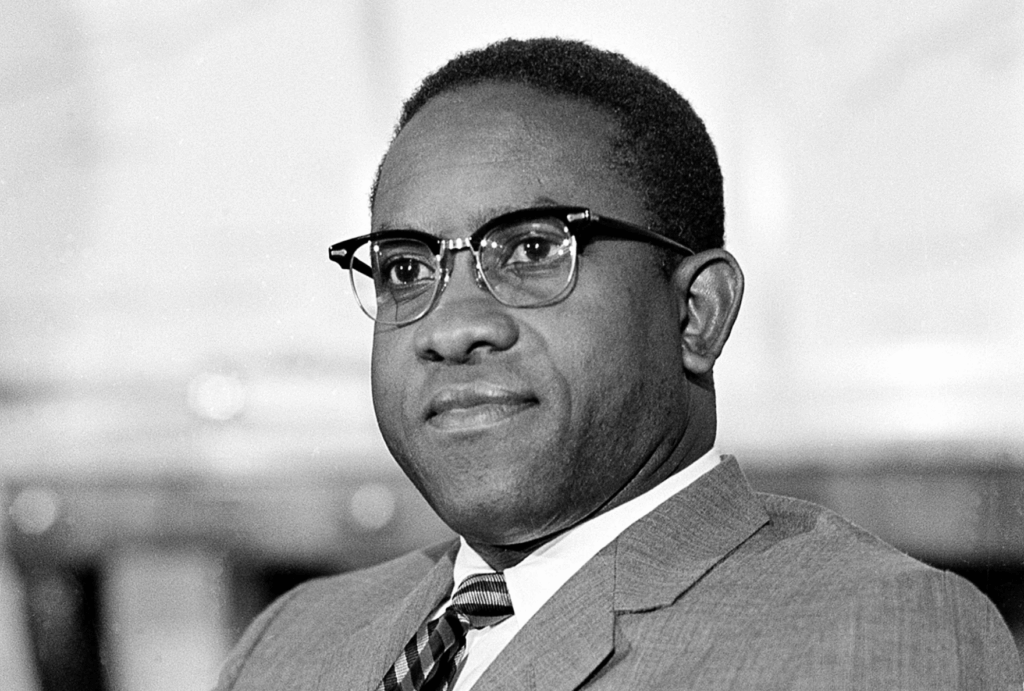
Dr. Andrew F. Brimmer, Harvard graduate and the only Black member of the Board of Governors of the Federal Reserve System, is shown in New York City in 1970.

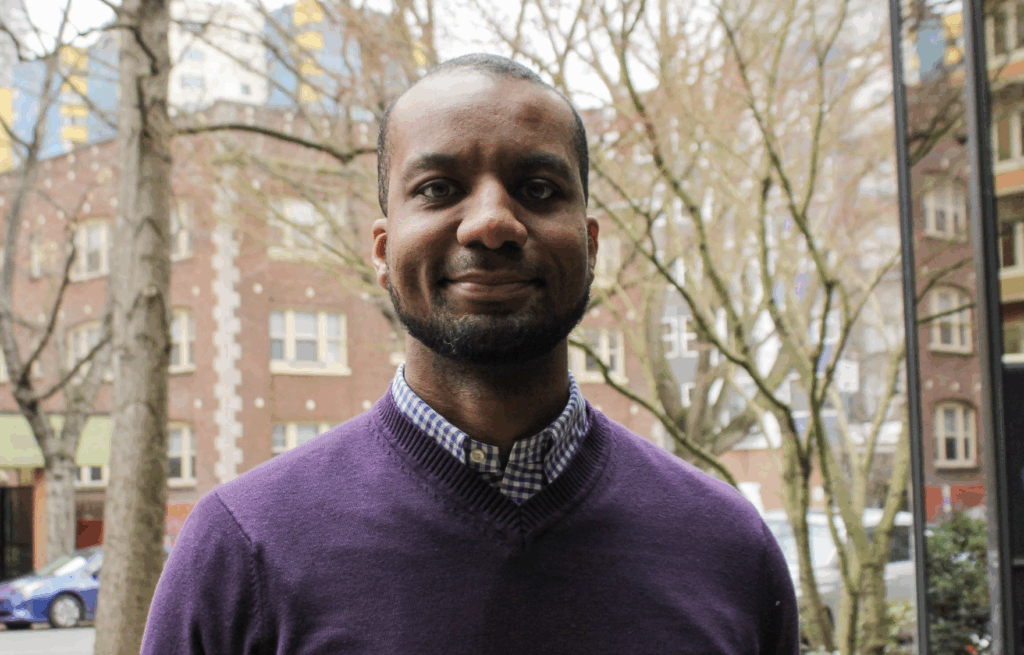
Emil Moffatt / KNKXUW History Professor Christopher Tounsel has written extensively on the connection between African-Americans and Sudan

__________________________

AMERICAN / SUDANESE

EGYPTIAN scientists pioneer low-cost COVID-19 treatment: Study

Amid the global race to find effective COVID-19 treatments, an Egyptian research team has achieved a breakthrough that could reshape how middle- and low-income countries combat the virus.

The study, titled EVERST, was published on 20 October in Scientific Reports, a leading international journal under the Nature group.

According to the study, Egyptian scientists reported promising results in treating moderate COVID-19 pneumonia with safe, locally available, and affordable drugs.

The research, led by Professor Dr Mohamed Abdelsalam El-Gohary, brought together a multidisciplinary team of doctors and scientists from Egyptian and international institutions.

Over two years, the team evaluated the safety and effectiveness of four treatment regimens combining repurposed antiviral drugs — Sofosbuvir/Daclatasvir, Sofosbuvir/Ledipasvir, Ivermectin, and Hydroxychloroquine — in 310 Egyptian patients with moderate COVID-19 infections.

“Our goal was to find a practical, homegrown solution that saves lives without overburdening healthcare systems,” Professor El-Gohary told Ahram Online. “Egypt produces these medications locally, which means they are accessible and affordable for millions.”

The findings showed that two specific combinations —Sofosbuvir/Daclatasvir with Ivermectin and Sofosbuvir/Ledipasvir with Hydroxychloroquine —helped patients recover faster, shortened hospital stays, and provided remarkable protection of lung tissues on CT scans.

Patients treated with these regimens returned home significantly earlier than those who received standard care.


“This reduction in hospitalization time has major implications,” El-Gohary explained. “It not only improves patient recovery but also reduces pressure on hospitals and public health budgets, a critical factor during pandemics.”

The new combination regimen also showed improved CT scan results for pneumonia, a crucial step in preventing post-COVID complications, a growing concern worldwide.

Equally important, the study confirmed that the new treatment combinations were safe and well tolerated, with no major side effects compared with existing protocols. The only factor linked to higher mortality was advanced age.

The EVERST study, which underwent extensive international peer review before publication, reinforces Egypt’s growing role in global medical research and innovation. It also highlights the potential of repurposing affordable antiviral drugs to address emerging diseases.

source/content: english.ahram.org.eg (headline edited)

__________________

Dr Mohamed Abdelsalam El Gohary

__________

EGYPT