Arabs & Arabian Records Aggregator. Chronicler. Milestones of the 25 Countries of the Arabic Speaking World (official / co-official). AGCC. MENA. Global. Ist's to Top 10's. Records. Read & Enjoy./ www.arabianrecords.org
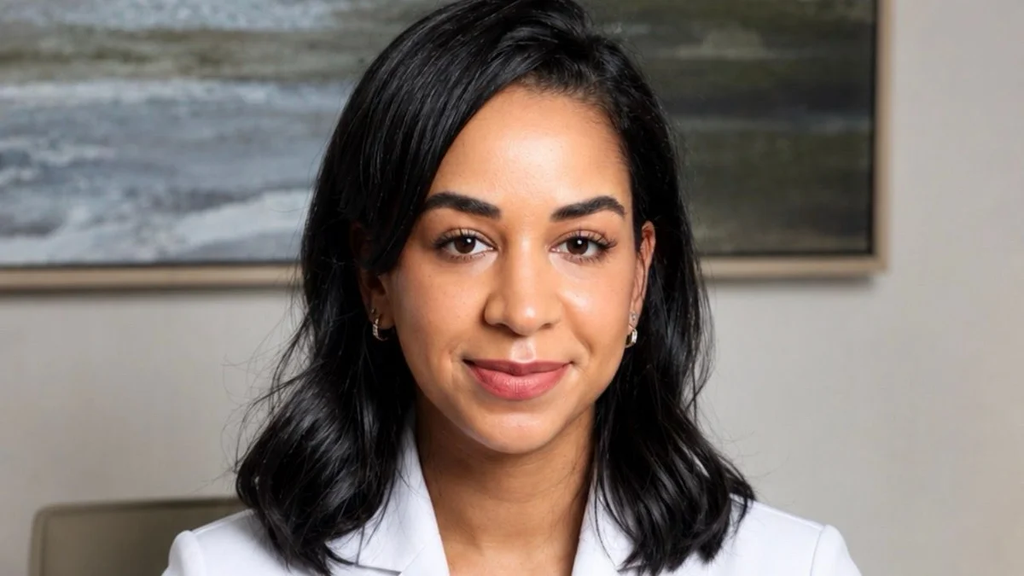
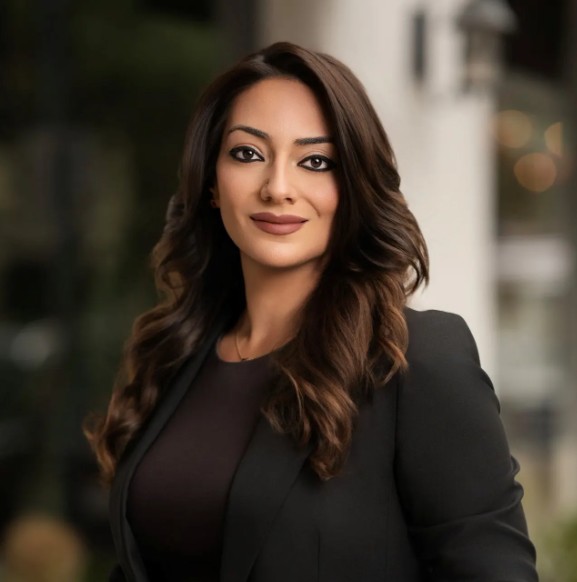
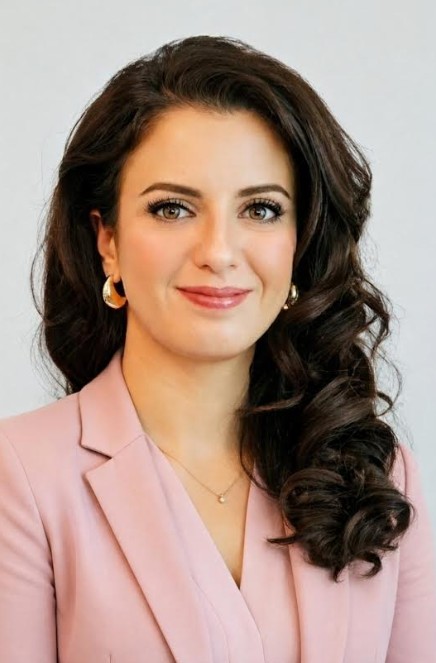
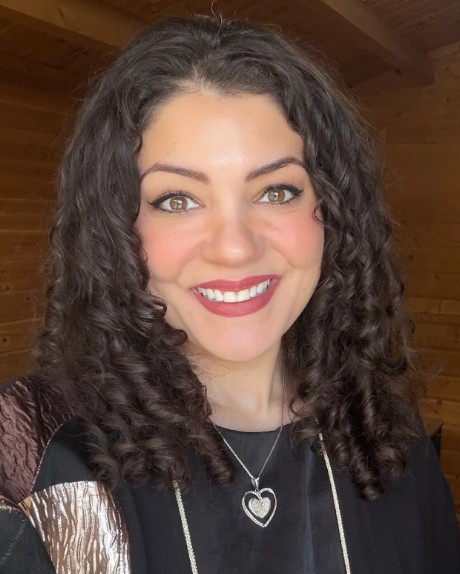
Dr. Lama Alsharif uses short videos and live sessions to provide accessible, evidence-based information on subjects women may hesitate to discuss.
With more than 700,000 followers on TikTok, Saudi obstetrician and gynecologist Dr. Lama Alsharif is using social media to tackle gaps in women’s health education and challenge misconceptions that can prevent patients from seeking care.
Alsharif first recognized the scale of the problem during her residency at a government hospital, where she worked in clinics, emergency departments, labor rooms and operating theaters. She repeatedly encountered women who had access to medical care but lacked reliable information about their own bodies.
“I realized that I simply could not give every woman the amount of time and education she deserved within a clinical setting,” she told Arab News.
After moving into private practice, Alsharif began looking for other ways to reach women and turned to social media.
“While many people viewed it primarily as a platform for entertainment, I believed it could also be one of the most powerful tools for public health education,” she said.
A 2026 study led by researchers at Imam Abdulrahman Bin Faisal University in Dammam found that about 60 percent of Saudi respondents relied on at least one social media platform for medical information. The researchers also warned of the risk of misinformation on those platforms.
Alsharif seeks to address that gap through short, evidence-based videos and live question-and-answer sessions.
“What surprised and motivated me was how eager women were to learn when information was presented in a simple, respectful and accessible way,” she said.
Among the most common misconceptions Alsharif encounters are beliefs that menstrual blood is impure, that an episiotomy is necessary during every vaginal delivery and that pain during intercourse is an unavoidable part of being a woman.
“These misconceptions are not harmless,” she said. “They can prevent women from recognizing symptoms that deserve medical attention and can delay diagnosis and treatment for years.”
Alsharif has treated women who endured severe pelvic pain or painful intercourse for more than a decade because they believed their symptoms were normal.
“When they eventually learned that their symptoms could be evaluated and treated, it completely changed their perspective,” she said. “That is why I believe medical education should not simply tell women what is normal, it should also teach them to recognize what is not normal.”
Making clinical information accessible is among the greatest challenges of her work.
“My goal is to take a complex medical concept and translate it into simple, relatable language without compromising its scientific accuracy,” she said. “I never want simplification to become misinformation.”
For Alsharif, the value of her platform is measured less by follower numbers than by whether the information prompts women to seek appropriate care.
“For me, the most meaningful measure of success is the message from a woman who tells me that one of my videos encouraged her to see a doctor, helped her recognize that a symptom was not normal, or gave her the confidence to ask a question she had been too embarrassed to ask before,” she said.
Alsharif also delivers free online lectures through a nonprofit women’s health organization and is developing an application to guide women through puberty, pregnancy, postpartum recovery, and menopause.
“My vision is to create a trusted, evidence-based resource that women can access whenever they need it, while always recognizing that digital education should complement — not replace — professional medical care,” she said. “AI can be a useful tool, but it should never replace critical thinking, clinical judgment or evidence-based practice.”
Discussing menstruation, sexual health and pelvic pain can present additional challenges in a conservative society. Alsharif said she approaches these subjects through culturally sensitive communication.
“For me, breaking the stigma does not mean abandoning cultural values,” she said. “It means creating a respectful space where women can access accurate medical information and feel comfortable seeking the care they deserve.”
She also sees women’s health education as having an impact beyond individual patients.
“Women often become the source of health information for their families, friends and children. When one woman learns something important about her health, that knowledge can be passed on to the people around her and to future generations.”
Alsharif is among a growing number of Saudi female physicians taking on public-facing educational roles.
“(We) have a unique opportunity, because we can combine medical expertise with an understanding of our community, culture, and the questions women may sometimes hesitate to ask,” she said. “I believe we will see more Saudi female doctors becoming educators, researchers, entrepreneurs and voices in digital health.”
Ultimately, she hopes her work will help women take a more active role in decisions about their health.
“My goal is not simply to educate women about diseases,” she said. “It is to help create a generation of women who understand their bodies, recognize when something is wrong, seek care without shame, and feel confident that their voices matter.”
source/content: arabnews.com (headline edited)
___________
Dr. Lama Alsharif, consultant obstetrician and gynecologist, began looking for other ways to reach women and turned to social media. (Supplied)
The Arab America Foundation announced today the awardees of its 40 Under 40 initiative — Class of 2026. Forty Arab Americans from various fields and disciplines were announced.
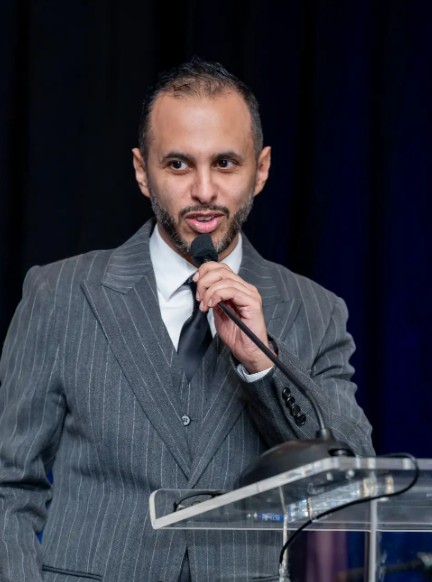
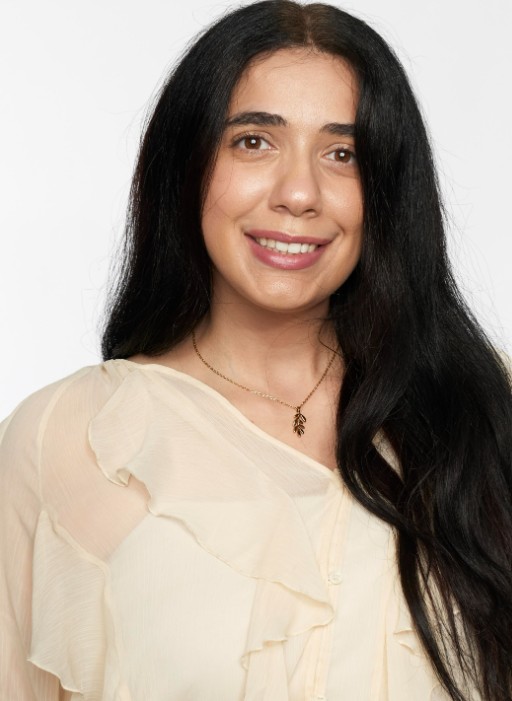
The awardees are: Amr Abozaid, Noura Abualeinan, Abed Adawi, Dana Ahmad, Karam Ahmad, Tamer Akel, Zahraa Al Adeeb, Yasmin Al Ameen, Nour Al Ghraowi, Sophia Alawi, Ameer Armaly, Christeen Badie, Aida Bakhos, Mostapha Bojeh, Dana Dargos, Kassem Doghman, Ali Fadlallah, Leith Fakhouri, Carlton French, Hind Habbach, Amine Hachem, Zeinab Hachem, Ken Haddad, Mohammad Hadi, Ahmad Haidar-Ahmad, Ranya Hasan, Mohammad Hirzallah, Marwa Janini, Michael Kahwajy-Hyland, Rammy Korkor, Michel Mansour, Hannah Mesouani, Tarek Sabry Mohamed, Zeyad Musmar, Yara Ourfali, George Qadado, Rammy Salem, Sally Shahin, Omar Shajrah, and Amanne Sharif.
40 Under 40 is a celebration of accomplished young Arab Americans. The program showcases Arab American professionals in a wide range of fields, including education, law, public service, politics, nonprofit work, business, entrepreneurship, engineering, medicine, the arts, entertainment, writing, and media. These young professionals have outstanding achievements both in the workplace and in their communities.
“The 2026 class of 40 Under 40 represents the talent, vision, and leadership shaping the future of Arab America. From business and education to technology and the arts, these outstanding young professionals are making meaningful contributions in their communities and beyond. Their achievements reflect the strength, resilience, and promise of the next generation of Arab American leaders,” said Warren David, co-founder of the Arab America Foundation and president of Arab America.
All awardees are 30-40 years old, excel in their respective industries, and actively promote their heritage and culture to empower their communities and make a positive difference. The competition is open annually to all professionals who live and/or work in the United States and are of Arab descent.
The Arab America Foundation and its board are grateful for the leadership of the initiative’s coordinators, Nabelah Ghareeb and Elias J. Khalil, as well as the prestigious panel of judges.
The 40 Under 40, Class of 2026
Amr Abozaid
Amr Abozaid is an Arab American community leader and advocate focused on strengthening the position of immigrant-owned businesses in New York. As Director of Small Business Services at the Yemeni American Merchants Association (YAMA), he works at the intersection of community needs and institutional systems, ensuring that underserved merchants are not excluded from opportunity, protection, and representation. With a background in political science and media, Abozaid brings both policy awareness and narrative clarity to his work. He has played a visible role in elevating Arab American voices in public spaces, engaging with government stakeholders, and shaping conversations around economic equity, public safety, and immigrant inclusion. His leadership reflects a broader commitment to building long-term structures that empower Arab American communities, moving beyond short-term support toward sustained presence, influence, and access.
Noura Abualeinan
Noura Abualeinan is a Palestinian-Lebanese first-generation American committed to serving and advocating for marginalized communities. Born and raised in the South, she felt deeply isolated and recognized the need for a safe space for individuals in her community to learn and build, which prompted her to create one of the first grassroots Palestinian organizations in South Carolina in 2021. She has organized educational events focused on the Palestinian struggle and local food drives for her communities at home. She has been involved in several Palestinian, Syrian, and Sudanese refugee families’ lives, assisting with food insecurity and clothing needs and facilitating access to medical care. Professionally, she has been committed to working with patients with mental health and substance use concerns, constantly advocating for their needs through raising community awareness around harm reduction and connecting her patients with local resources for transportation, treatment, housing, and food banks.
Abed Adawi
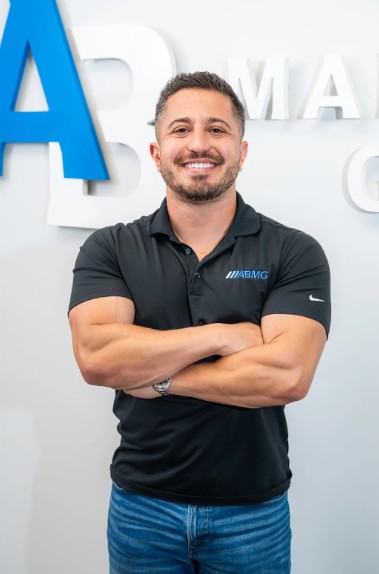
Abed Adawi’s father comes from a Lebanese refugee camp in Palestine, and his mother from Uzbekistan. He makes an impact in his community by providing opportunities for those who want to build a career in marketing. Adawi is the Founder and CEO of AB Marketing Group, a marketing and business development firm dedicated to helping organizations grow through strategic branding, digital marketing, community engagement, and innovative outreach. Under his leadership, AB Marketing Group has worked with businesses, nonprofits, and community organizations to strengthen their visibility, expand their audiences, and achieve measurable results. Adawi is recognized for his entrepreneurial vision, commitment to relationship-building, and passion for supporting business growth and community development.
Dana Ahmad
Dana Ahmad is a Florida-based trial attorney whose reputation is built on results, courtroom advocacy, and an unwavering commitment to her clients. Having worked with some of the nation’s top personal injury law firms, her trial experience speaks for itself- grounded in strategic preparation, persuasive advocacy, and a relentless pursuit of justice leading to multi-million dollar settlements and verdicts. Beyond the courtroom, Dana is a leading voice in advancing Arab American visibility and unity. As co-founder of Yallah Sawwa, a rapidly growing national platform that brings Arab Americans through cultural programming and community- driven events, she has created meaningful spaces that foster connection, identity, and belonging. Her commitment to advocacy began early, when she represented Lebanon in the Miss Arab USA Pageant, and later earned recognition from the Lebanese American Chamber of Commerce for her advocacy and leadership. Through both her legal work and community impact, Dana is redefining representation, bridging cultures, amplifying voices, and creating lasting spaces for Arab Americans to thrive.
Karam Ahmad
Karam Ahmad is the Managing Director of Partnerships and Development at the Colorado Health Institute, where he leads strategic partnerships, business development, and multimillion-dollar growth strategies that strengthen communities and systems across Colorado and nationally. As an Iraqi-American policy leader, Karam is committed to advancing well-being for communities most impacted by systemic inequities. He is the founder of Acclimate Colorado, a model advancing climate and health equity through policy, data, and impact evaluation across sectors. His work has engaged thousands of stakeholders and influenced millions of dollars in policy and investment decisions. He advises state agencies and major local, national, and regional philanthropies, including Delta Dental of Colorado Foundation, Colorado Gives Foundation, Milbank Memorial Fund, The Denver Foundation, and Robert Wood Johnson Foundation. He is a Denver Business Journal 40 Under 40 honoree and serves on the Board of Directors of the Denver Downtown Islamic Center, supporting leadership and fundraising for a growing community resource center.
Tamer Akel
Tamer is a dedicated Speech-Language Pathologist Assistant (SLPA) and community leader, proudly hailing from Jerusalem, Palestine. He holds a Bachelor’s degree in Audiology and Speech Therapy from Birzeit University and is currently pursuing a Master’s degree in Speech-Language Pathology at Nova Southeastern University, where he is a member of the Phi Kappa Phi Honor Society. He works full-time at a private pediatric clinic in Port St. Lucie, Florida. His role involves providing crucial therapy and assessments for children with speech and language delays. Additionally, he draws on his background as a former professional soccer player to coach a competitive youth soccer team. He is deeply committed to giving back to my community and founded a local community group to organize events, foster connections, and host fundraisers. Looking ahead, he intends to leverage my clinical expertise and leadership experience to expand access to therapeutic services, build supportive networks, and continue empowering his community.
Zahraa AlAdeeb
Zahraa AlAdeeb is an Iraqi-American healthcare professional, nonprofit leader, and passionate community advocate based in Northeast Ohio. Born and raised in Kuwait, Zahraa moved to the USA in 2014 and has dedicated her life to service, leadership, and uplifting others. She has worked in nursing since 2008, specializing in gastroenterology. Zahraa holds a Master’s degree in Nursing, is certified as a Gastroenterology Registered Nurse, and is currently completing a post-graduate certification in leadership. Her work reflects a deep commitment to compassionate care, health equity, and the empowerment of underserved communities. Driven by her passion for culture and community, Zahraa founded and serves as executive director of Al Bait Al Iraqi, an initiative dedicated to uplifting Iraqi-Americans, preserving cultural heritage, and bridging generations. Through advocacy, volunteerism, and cultural engagement, she works to elevate Arab voices, highlight Arab contributions in Northeast Ohio, and strengthen the Arab American community’s visibility, unity, and presence.
Yasmin Al Ameen
Yasmin Al Ameen is a senior associate at Foley Hoag’s International Litigation and Arbitration Department, where she represents sovereign States and State-owned entities before the world’s principal dispute resolution bodies. Notably, she stands among the youngest advocates to have pleaded before the International Court of Justice. Her practice focuses on public international law litigation, investment treaty arbitration, and international commercial arbitration. She also frequently advises governments on public international law and human rights matters. She currently co-chairs Foley Hoag’s Arab, Middle Eastern, or Muslim Affinity Group and the Minorities in International Law Interest Group at the American Society of International Law. Al Ameen is a laureate of the prestigious Concours Général des Lycées and a recipient of the Bourse d’études du Gouvernement Français, a full scholarship awarded by the French Government for academic excellence.
Nour Al Ghraowi
Nour Al Ghraowi is a Syrian poet, writer, activist, and educator born and raised in Damascus and based in Brooklyn, New York. She received a BA in English Literature at The University of Texas at Austin and an MFA in poetry at Texas State University. She is a storyteller at Karam Foundation, the co-founder and Creative Director at Lucent Creative House, a 2023 Define American Fellow, and a 2024 Pushcart Prize nominee. Her poetry and essays have appeared in Poetry Magazine, Dame Magazine, Mizna Literary Journal, Porter House Review, World Literature Today, The Slow Factory, and others. Nour serves on the Board of Directors for the Radius of Arab American Writers (RAWI), where she helps guide the organization’s strategic vision to support Arab American writers. Her debut poetry collection, “there are bodies here,” was published in 2025 by Fine Editions. Nour writes in the hope of changing the Western view of the Middle East and the Arabic language, which is often viewed as inimical. She also writes about Social Justice, migrant identity, and what it means to be an immigrant in an unwelcome place. Finally, she writes about feminism and what it means to be a feminist Middle Eastern woman.
Sophia Alawi
Sophia Alawi is a Moroccan-Italian American actress, writer, singer-songwriter, and creator dedicated to amplifying MENA voices in entertainment. A Magna Cum Laude graduate of Rider University’s BFA Musical Theatre program, she has trained at Stella Adler, The Barrow Group, and T. Schreiber Studio in New York City. Sophia is the recipient of a San Francisco Bay Area Theatre Critics Circle Award for Groundhog Day: The Musical and was named one of the Houston Chronicle’s “Five Standout Performances” for Spring Awakening. Her theater credits include We Live in Cairo (New York Theatre Workshop), Evita, Twelfth Night, and In the Heights, and her television credits include Law & Order: SVU. Sophia is the creator of the web series Meet Amal, selected for the Cannes Diversity Virtual Showcase, and is currently developing her short film Lioness while producing her debut album of original music.
Ameer Armaly
Ameer Armaly is a blind Palestinian-American software engineer and oud player. He obtained a PhD in computer science from the University of Notre Dame, receiving the National Science Foundation’s prestigious Graduate Research Fellowship for his work improving programming accessibility for the blind. He spent six years at Google making Android a competitor to iOS in terms of accessibility for the blind. He is completing a Master’s degree in Engineering Management from CU Boulder. His musical career was shaped by years of studying the oud under Simon and Najib Shaheen. Since moving to New York in 2023, he has been producing and leading concerts at such venues as Symphony Space, programming both popular and forgotten selections. At the same time, he teaches privately, lectures, and produces talent-development concerts to help musicians of any heritage learn the subtle nuances of playing Arabic music at its best.
Christeen Badie
Christeen Badie, MSW, LCSWA, LGSW, PMP, is Egyptian, an immigrant, a social worker, clinician, consultant, and founder of The Holistic Living Co. For 14 years, she has dedicated her career to advancing human rights, advocating for immigrant communities, and improving mental health, human services, and public health services for communities that have long been overlooked. Growing up Arab in the Southeast, Christeen experienced firsthand the weight of oppression, discrimination, and the search for belonging that shapes so many lives, and that experience became the foundation of her life’s work. She bridges clinical practice, organizational consulting, education, and advocacy to serve SWANA (South West Asian and North African, including Arabs, North Africans, and Gulf communities) and immigrant populations with care that is culturally grounded and unapologetically human. A former senior consultant at Deloitte and a 2026 NC National Association of Social Workers featured speaker, Christeen is proof that lived experience, when channeled with purpose, becomes the most powerful credential of all.
Aida Bakhos
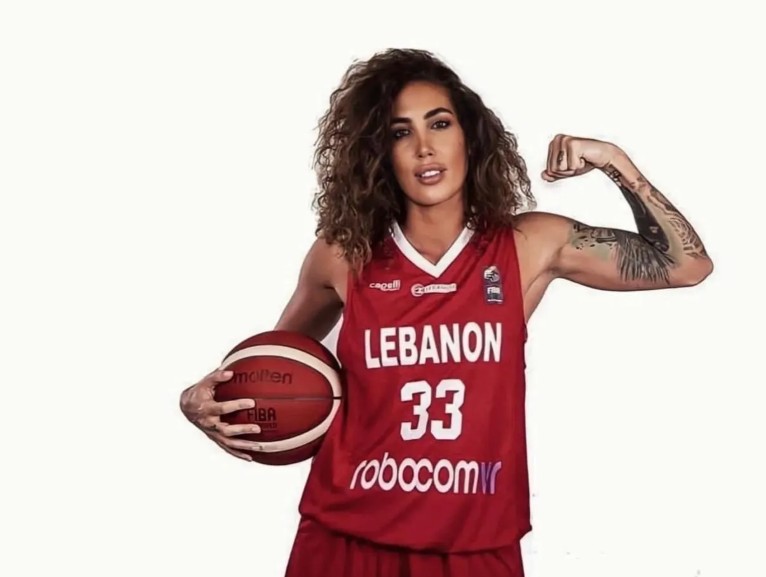
Aida Bakhos is a Lebanese professional basketball player and former member of the Lebanon Women’s National Basketball Team. Born on March 21, 1986, she has represented Lebanon in international competition, including the 2017 FIBA Women’s Asia Cup Division B. A talented forward, Bakhos has competed at both the collegiate and professional levels. She attended Lamar University in Texas, where she played collegiate basketball through 2008. Her professional career includes stints with Homenetmen Antelias and Al Riyadi in Lebanon, as well as SG Bergische Löwen in Germany. Bakhos is recognized for her athleticism, leadership, and dedication to advancing women’s basketball.
Mostapha Bojeh
Mostapha is a dedicated professional known for his resilience, discipline, and commitment to growth. With a strong background in high-pressure environments, he has developed a reputation for staying composed and effective when it matters most. His experiences have shaped a mindset centered on responsibility, adaptability, and service to others. He maintains an active lifestyle, valuing physical fitness and mental strength as key components of personal development. Outside of his professional work, Mostapha enjoys exploring creative outlets and new experiences, finding balance between structure and self-expression. Driven by a desire to continuously improve, he approaches life with focus and determination. He is also an advocate for mental health awareness, emphasizing the importance of strength not only in action but in mindset. Through his actions and outlook, Mostapha aims to inspire consistency, growth, and purpose in both his personal and professional life.
Dana Dargos (Darghous)
Dana Dargos is an award-winning Lebanese American author, poet, storyteller, activist, public speaker, and multidisciplinary writer from the San Francisco Bay Area. She is the author of Einstein in the Attic, which earned ten literary honors, including the Nautilus Book Award, Independent Press Award, Literary Titan Award, and Firebird Book Award. Through fiction, poetry, essays, journalism, content creation, and digital storytelling, Dana explores themes of identity, exile, belonging, healing, mental health, empowerment, social justice, and the Lebanese experience. Her work is known for challenging stigma, combating stereotypes and misinformation, and amplifying overlooked perspectives. Deeply involved in the Arab American community, Dana uses writing, media, and advocacy to amplify Arab voices, preserve cultural identity, support humanitarian initiatives, and raise awareness about Lebanon and Palestine. She has spoken at universities, libraries, literary events, international conferences, podcasts, and community initiatives, and was honored by the International Union of Arab Intellectuals for her contributions to literature, advocacy, and community engagement
Kassem Doghman
Kassem Doghman is a Lebanese American journalist, educator, and community leader based in Michigan. With more than 15 years of international media experience, he has built a distinguished career as a television host, news anchor, reporter, and producer, working with leading media organizations including NBN TV in Lebanon and Al Mashhad TV in Dubai, where he provided live coverage of the 2024 U.S. Presidential Election for audiences across the Arab world. Alongside his media career, Kassem serves as an Adjunct Arabic Instructor at Henry Ford College and as a multilingual educator in Michigan public schools. He holds Standard Michigan Teaching Certificates in English as a Second Language (ESL PK-12) and Arabic (PK-12). Dedicated to public service, he actively volunteers with the City of Dearborn Language Access Committee, helping expand civic engagement and language accessibility for diverse communities. His work bridges education, media, and community empowerment across the Arab American community
Dr. Ali Fadlallah
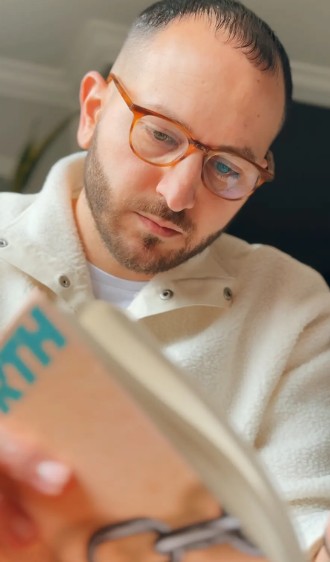
Dr. Ali Imad Fadlallah is an author, professor, and founder of The Essay Doc, a boutique admissions practice serving applicants to selective colleges and graduate programs. His clients earn admission to top institutions at rates that far exceed national averages, including Ivy League universities, medical and dental schools, PA and JD programs, and leading residency and fellowship programs. Dr. Ali teaches at Henry Ford College and has previously taught at High Tech High Graduate School of Education, Emory University (where he earned his MBA), and Harvard University, where he completed his doctorate on a fully funded scholarship. Dr. Ali published the two-time Amazon best-selling book, March Forth: From the Prison of Minds, which he co-authored with his late father, a former principal known for his revolutionary work in Dearborn Public Schools. He lives in Dearborn, MI, with his wife and daughter and is currently at work on his second book.
Leith Fakhouri
Leith Fakhouri is a driven professional with a unique blend of experience in real estate and information technology. As a Realtor, he specializes in helping clients navigate buying, selling, and leasing while also guiding them through renovations by connecting them with trusted contractors and overseeing project progress. Alongside his real estate career, Leith works as an IT Technician, where he focuses on troubleshooting, system support, and improving operational efficiency. He holds a CAPM certification and is actively working toward transitioning into project management, combining his technical background with strong organizational and leadership skills. Deeply rooted in the community, Leith is also involved with the Jordanian American Community Association (JACA), serving as the Vice President and contributing to initiatives that strengthen and elevate the local community.
Carlton French
Carlton French is a 31-year-old Palestinian American born and raised in Atlanta, Georgia. His mother is Palestinian from Jerusalem and immigrated to the United States in 1970 after the War of 1967 at age 8. His father is American from Tifton, Georgia. In May 2025, at age 30, Carlton founded Atlanta Arab Americans after realizing many Arab Americans in their 20s and 30s around Atlanta lacked a welcoming place to connect with their heritage and one another. What began with six Arab Americans has grown to 800+ members in one year, with 100+ events, 25+ business partnerships, and hundreds of friendships formed. Professionally, Carlton is a Manager in Deloitte’s Microsoft Technology Practice. He also serves as a volunteer leader with the Young Adults Ministry at Passion City Church in Atlanta and as founder and host of The Single Man Podcast, which explores the intersection of dating and faith.
Hind Habbach
Hind Habbach is a strategic tech transactions and commercial counsel at Axiom Law, advising enterprise clients such as Western Union. She leverages a robust in-house track record at Moloco, Inc., and Zynga, Inc., following a decade-long career in commercial real estate finance. An attorney of Moroccan heritage raised in Boston, Hind holds dual BA degrees in Government and English from Suffolk University and a Juris Doctor from New England Law | Boston. She is admitted to practice in New Jersey and the District of Columbia. A trailblazer in governance, she made history as Suffolk University’s first Arab American Board Trustee. Driven by a deep commitment to community, Hind established scholarships at Revere High School and Suffolk University to support students from underrepresented communities pursuing global studies. She has served as a Board Member of the Pan-African Institute of Municipal Development, is a Founding Member of Playbook Ltd., Bahrain — a MENA-based women’s professional network — and is a nominee of Diversity On Board, which curates accomplished Arab and North African women for board appointments.
Amine Hachem
Amine Hachem is a Lebanese American operatic and crossover tenor, producer, and founder of Clairemine Opus Inc., based in New York. Praised by BroadwayWorld for “pushing the boundaries of operatic music by integrating it with unconventional sounds from around the world,” he has performed at Carnegie Hall, Lincoln Center, the Kennedy Center, the United Nations, and leading venues across North America, Europe, and the Middle East. In 2025, Hachem served as Executive Producer, Artistic Director, and lead tenor in the Arabic opera Antar & Abla in Abu Dhabi, a landmark production praised as a major step forward for Arabic opera. Through his artistic and producing work, Hachem advocates for cultural dialogue, artistic innovation, and the global visibility of Arab storytelling. He is currently developing new Arabic operatic and symphonic works for international audiences.
Zeinab Hachem
Zeinab A. Hachem, Ph.D. (she/her/هي) is a Lebanese American Postdoctoral Research Fellow at the University of Michigan. A Dearborn, MI native, Zeinab’s lived experience navigating her Lebanese identity in the U.S. inspired her dedication to studying racial and ethnic identity development. She serves in national leadership roles as Executive Committee Secretary and 2026 Conference Co-Chair of AMENA-Psy, and 2026 APA Division 45 Convention Program Co-Chair.
Zeinab’s grant-funded scholarship comprises two lines of inquiry: employing a strengths-based approach to uncover how marginalized identities foster resilience against identity-based stressors, and investigating pathways to dismantle inequities in schools, organizations, and policy settings. A pioneer in her field, she is leading the first-of-its-kind experimental research parsing anti-Arab racism from Islamophobia to provide the empirical foundation for meaningful policy reform. A CONREPA LDI fellow and social justice advocate, Zeinab translates her findings through public scholarship to directly confront bias and empower Arab and MENA communities.
Ken Haddad
Ken Haddad is the Digital & Creative Director for the Mayor’s Office of Communications in the City of Detroit, where he leads digital strategy and creative storytelling for the administration. Prior to joining city government, Haddad spent more than a decade at WDIV-TV Local 4, helping shape one of the Midwest’s leading local news operations through audience-first journalism, digital innovation, and community engagement. Throughout his career, he has focused on making complex civic issues more accessible and helping organizations better connect with the communities they serve. His work has earned multiple regional Edward R. Murrow Awards and Local Media Association honors. A lifelong Metro Detroiter, Haddad is passionate about public service, local journalism, civic storytelling, and building digital experiences that strengthen trust, participation, and connection across Detroit communities.
Mohammad Hadi
Mohammad Hadi is the Associate Director for Trade at the National U.S. – Arab Chamber of Commerce (NUSACC), America’s #1 commercial gateway to the Middle East and North Africa (MENA) region. Currently celebrating its 50th anniversary, the Chamber is widely regarded as the voice of American business in the 22 countries of the Arab world and the premier portal to the United States for Arab commercial enterprises. NUSACC is funded by its more than 50,000 stakeholders and is the only business entity in the USA officially recognized by the League of Arab States and the Union of Arab Chambers. NUSACC has been privileged to receive the coveted E Star Award for Export Excellence, conferred by the President of the United States. NUSACC is the only Chamber of its kind to receive this award – not once, but twice – in the 60-year history of this honor. Mohammad has held his role since 2022, focusing on advancing strategic trade initiatives and fostering cross-sector business development. He holds an MBA in Finance and a Bachelor’s degree in Conflict Analysis and Resolution, blending strong financial expertise with a deep understanding of negotiation, risk, and stakeholder management. Previously, Mohammad worked at Mission Essential Personnel as an Assistant Project Manager, where he supported complex projects and operational coordination efforts. He has also served as an Entrepreneurship Leader and Business Development Director for Project Health, where he led organizational growth strategies, partnerships, and innovation-driven programs. With a background spanning finance, conflict resolution, entrepreneurship, and trade, Mohammad brings a multidisciplinary, results-driven approach to leadership and development.
The University of Benghazi, which was closed for the past eleven years due to the Libyan war, officially reopened all its faculties and facilities on September 4, 2026 in a ceremony breaking three Guinness World Records.
The University of Benghazi, which was closed for the past eleven years due to the Libyan war, officially reopened all its faculties and facilities on September 4, 2026 in a ceremony breaking three Guinness World Records.
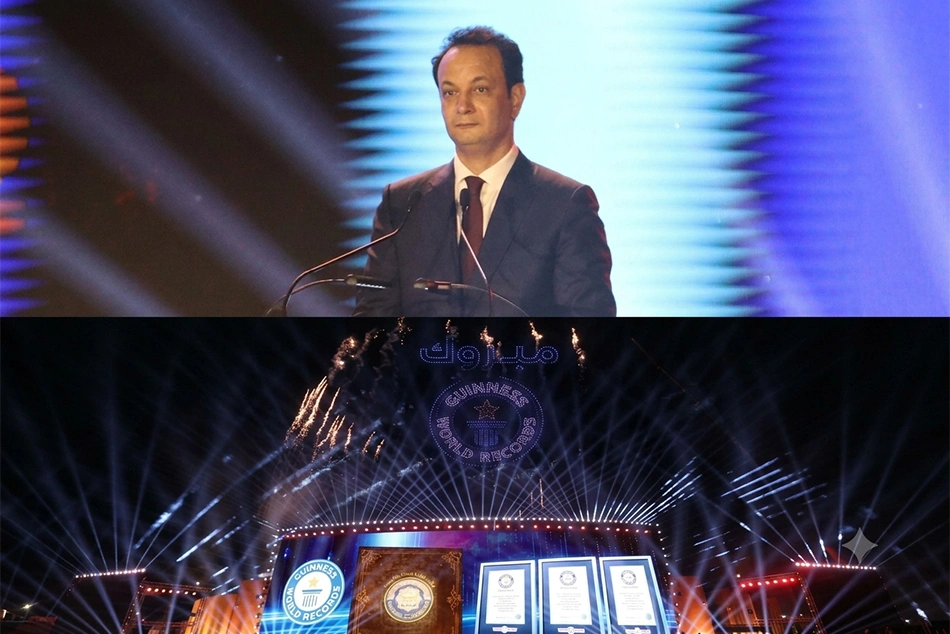
The inauguration event featured 3D mapping, advanced visual effects and an aerial drone performance that achieved three Guinness World Records – an eagle formation, a quill writing “University of Benghazi” across the sky and the formation of a peace symbol, the university said in a statement.
The University of Benghazi, Libya’s oldest, came to life following a comprehensive reconstruction and rehabilitation project implemented by the Libyan Development and Reconstruction Fund, headed by its Director General, Engineer Belqasim Khalifa Haftar.
Prominent Libyan figures, ambassadors, international delegations and approximately 240 foreign guests attended the opening ceremony led by Field Marshal Khalifa Haftar and Engineer Belqasim Khalifa Haftar.
Engineer Belqasim personally followed the project’s finest details. What began as a personal dream, evolved into one of the Fund’s most prominent educational initiatives. In an exceptional achievement, an integrated university city was rebuilt in just three years, providing a modern academic environment designed to serve current and future generations.
“Mother of Libyan Universities”
Known as the “Mother of Libyan Universities”, the University of Benghazi is among the country’s oldest and largest academic institutions, with nearly 100,000 students.
Over the decades, it has provided free education and graduated generations of scientists, academics, experts and officials who have contributed to building Libya’s institutions.
The reopening of the university marked a historic milestone for higher education in Libya, restoring life to the university’s main campus after more than eleven years of closure due to the extensive destruction it sustained during the Libyan Armed Forces’ war against terrorist groups.
The project covered the Faculties of Engineering, Arts, Law, Science and Languages, alongside the central library, academic and administrative buildings, laboratories, service facilities, student residences, infrastructure and internal roads.
The Libyan Development and Reconstruction Fund has also sent more than 1,000 university students abroad to continue their studies, combining physical reconstruction with investment in human capital.
The achievement forms part of more than 2,300 development projects being implemented across eastern and southern Libya. These include the rehabilitation of universities and educational institutions in Kufra, Al Bayda, Derna, Al Marj, Ajdabiya, Sirte, Brak al-Shati and Murzuq, alongside approximately 250 schools.
“The reopening is therefore far more than the return of an educational institution: it restores one of Libya’s most prominent scientific and historic landmarks to the heart of national life”, Benghazi University said in a statement.
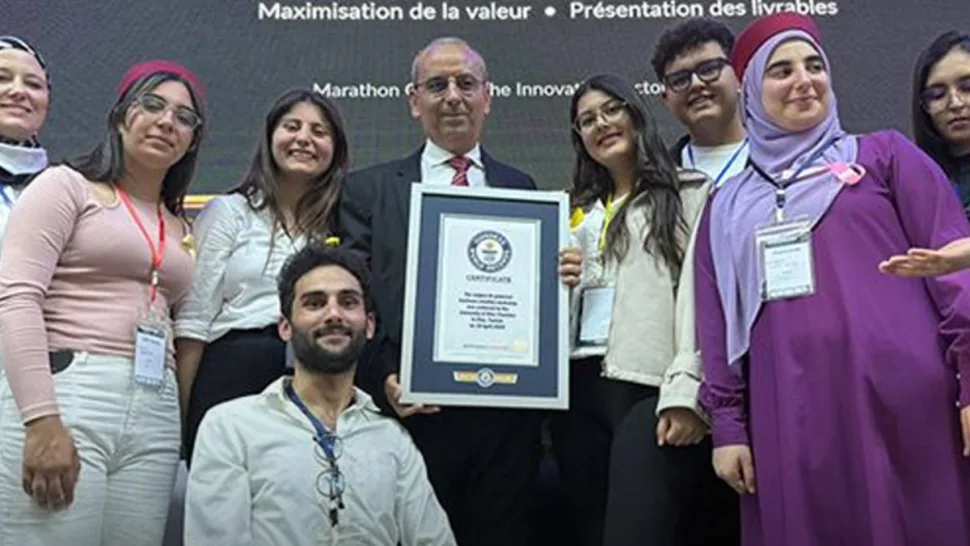
Three hundred students from Tunisia’s University of Sfax have set a Guinness World Record by building a complete AI-powered startup in less than three hours, demonstrating how artificial intelligence is compressing timelines that would traditionally take weeks or months.
The achievement took place during a scientific forum titled “Artificial Intelligence at the Heart of Value Creation,” which brought together students from four institutions in Sfax, including the Faculty of Economic Sciences and Management and the Higher Institute of Business Administration.
Participants were divided into specialized teams replicating real-world startup structures, covering technology, finance, human resources and marketing. Working under official Guinness World Records guidelines and coordinated by 40 student leaders, the groups collectively produced 42 professional deliverables, building the foundations of a legally structured, fully operational platform within the allotted timeframe.
The broader event spanned approximately five hours, beginning with intensive training sessions on AI tools before transitioning into the high-pressure execution phase. Organizers noted that participants had to quickly absorb new tools and immediately apply them in a real-world simulation — a challenge that underscored how AI is reshaping productivity at scale.
Academic leaders described the milestone as a powerful signal of Tunisia’s potential to compete globally, particularly in fields driven by artificial intelligence and digital innovation. The initiative also reflects a broader shift in university education toward hands-on, outcome-driven experiences that mirror real startup environments.
The University of Sfax, established in 1986, is one of Tunisia’s leading public institutions and plays a central role in research and talent development across business, engineering and the sciences.
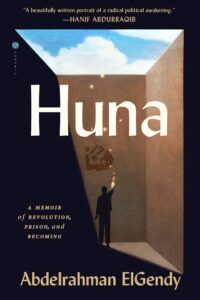
Abdelrahman ElGendy on the Way Language Can Build a Relationship Between Author and Reader.
I wrote my memoir, Huna, in English, which is to say I wrote it inside a contradiction. Huna is a memoir of the Egyptian revolution, six years of political imprisonment in Egypt, and my US exile. It enters English already burdened by the ways such stories are often received in this language: the Arab prison memoir as a torture spectacle for a detached reader on the other side of the world, where suffering can be safely consumed, at worst, as evidence of the Other’s barbarity, and, at best, as a well-intentioned exercise in goodwill empathy with the unfortunate Other “over there.” It’s a genre that often recalls what the Palestinian poet Fady Joudah described to me recently as a “parody of the self,” the self made to perform a recognizable, palatable version of its wound, even in dissent, in order to be legible.
That tension of writing Huna in English sharpened during the past years of genocide in Gaza. English was not only the language used to lubricate the killing, euphemize it, and authorize it; it was right there, stamped onto the missiles and rockets genociding Palestinian kin. It became impossible to write on as though this tension had not permeated my every line.
Western publishing tends to carry this pressure toward legibility: a bit of translation here, another italicization there, a footnote, perhaps, a handrail before the assumed target reader enters the foreign room. I’m not resistant to explanation, per se, on the contrary: it can indeed be craft, care, part of what a writer owes a reader. But in the particular political tension of this story, in this language, moving through this literary marketplace, uncritical explanation can also demand a steep price from one’s dignity. How transparent must a world make itself before the assumed reader deems it worthy of encounter?
This is what the duality of the ‘anbara’s language and content reaches toward: an invitation toward, more than anything, a mode of relation between author and reader.
So, while writing Huna, the question was no longer only why I had chosen English, but what English demanded from the book in return. I have written elsewhere that “when I reach for Arabic, I reach for radical love; when I reach for English, I reach for currency.” Currency as circulation, political reach, the ability to name. Also, the ability to build transnational solidarity across the very borders crushing our bodies. The craft problem, then, was how to write, imperfectly, a dignified work of literature in the currency of English without allowing English to become its sovereign.
I found it helpful to think alongside Édouard Glissant’s concept of the “right to opacity”: that a text need not submit to transparency before intimacy can begin. Why equate the sense of welcome into a text with mastery and conquest of the writer, rather than view opacity as an invitation into another kind of relation?
And so, sometimes I elaborated when elaboration felt like care. Sometimes I let meaning gather through rhythm, gesture, context when the demand for explanation enacted violence. And sometimes I left things untouched, inaccessible to the non-Arabic-speaking reader. But the most critical place where I worked through that tension is the very structure of the book.
Huna is organized in the form of an ‘anbara, an old Egyptian prison call-and-response tradition through which prisoners speak across cells, answering one another through the naddara, the small meshed opening in a cell door. The ‘anbara prison poem begins when a prisoner presses their lips againt a naddara and holler عنبر، كله يسمع, calling at the cell block for ears and tongues, for even the steel that made up the building, to abandon all else and grant the caller undivided attention. Then comes a ten-line poem. Most political prisoners adopt the late Egyptian socialist poet Ahmed Fouad Negm’s ten-line version of the ‘anbara opening, crafted during his eighteen years as a political prisoner himself from the fifties to the eighties.
I’d come to love ‘anbaras, how they carved out space for celebration, mourning: to announce a comrade’s release, ease a father’s sorrow over his distant newlywed daughter, narrate a story, or toast a reduced sentence—a communal holding of sorts.
Huna takes the holler and the ten opening lines of Negm’s ‘anbara as its structural frame. Each becomes an Arabic section header, untranslated, rendered as a lettering artwork by the Lebanese Arabic type designer Kristyan Sarkis.
If the reader does not know Arabic, they would encounter those headers that frame the book only as shape, weight, curves. The text is held together by something they cannot access, and so some may experience these foreign inscriptions as alienating. That discomfort is precisely where I wish for the reading to begin.
And because opacity is not refusal for refusal’s sake, I did not want it to become another parody, with English cleanly standing for empire and Arabic for resistance. However beloved Arabic is to me, I know enough to understand that languages do not fit neatly inside the political allegiances we assign them. Arabic has been the language of our prison poems, yes, but also our jailers; English has been the language of empire and one of the languages through which empire’s subjects have spoken back at it and reached toward one another.
The text is about relation; the text is relation. I do not have to become fully knowable to you in order for us to meet; you do not have to share my language to answer the call.
The ‘anbara makes sure the division is not Arabic insiders on one side and English outsiders on the other. An Arabic reader may understand every word of Negm’s ‘anbara and refuse its call, stand politically with the state that locked us up. Arabic gives them semantic access, but denies them political intimacy. A non-Arabic-speaking reader may understand none of those words and still feel called into what they enact and summon. This is what the duality of the ‘anbara’s language and content reaches toward: an invitation toward, more than anything, a mode of relation between author and reader.
The ‘anbara, then, also intervenes at the level of hierarchy. There is often an assumed dynamic in which a reader enters a text from the marginalized Other to offer empathy to the writer-victim. But in prison, the ‘anbara passes from the lips stuck to one meshed cell door naddara opening to the ears pressed against another. And if Huna itself is now an ‘anbara, a holler sent to my people behind bars, then the reader, too, can only receive such a ‘anbara by approaching the naddara of their own prison cell. The hierarchy is unsettled: the reader-empathizer becomes a prison mate; the writer-victim becomes a theorizer, the one issuing the call. The book’s structure then pushes the reader to confront the fact that nobody reads or listens unpositioned. What is the prison cell you occupy but have been blind to? Are you my accomplice or my jailer? Can you be honest about what cell door, what naddara mesh, you encounter me through?
In Huna, then I tried to take seriously what Sheira El-Malik, close-reading Glissant herself, posits when she says: “there is no distinction between literature and the worlds in which it is produced, or with methods or modes of study of that world; they all are of the world and they produce worlds.” I think of Huna’s craft, then, as a prefigurative literary microcosm for the world I wish to build, the world inside which I wish to make art and be in solidarity. The text is about relation; the text is relation. I do not have to become fully knowable to you in order for us to meet; you do not have to share my language to answer the call.
So, dear reader, hop to your cell door, press your ear to the meshed wire of your own naddara—listen in.
Abdelrahman ElGendy
Abdelrahman ElGendy is an author and translator from Cairo. A winner of the Samir Kassir Press Freedom Award, he holds an MFA in Nonfiction Writing from the University of Pittsburgh, and his work appears in publications including The Washington Post, Foreign Policy, The Nation, and Guernica. His poetry and prose translations from Arabic appear in Ploughshares, Poetry Northwest, Literary Hub, Words Without Borders, and elsewhere. ElGendy’s work has received awards or fellowships from the Elizabeth George Foundation, the Heinz Foundation, the de Groot Foundation, Virginia Center for Creative Arts, and the Arab American National Museum. Huna is his debut memoir.
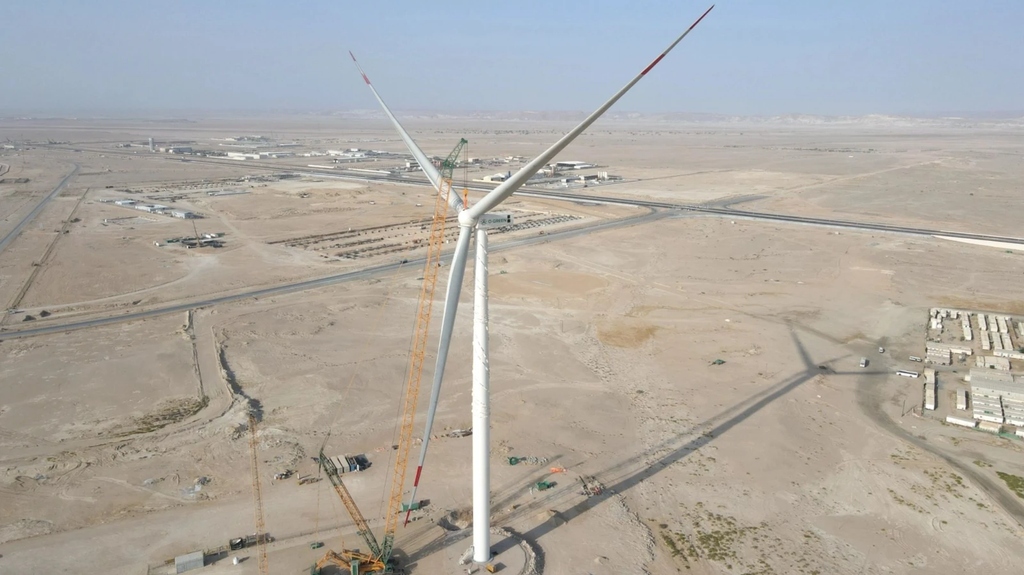
O-Green has installed a 9.6 MW wind turbine in Duqm, Oman, enhancing the region’s renewable energy capabilities.
The turbine features a 115-meter tower and blades nearly 100 meters long, providing clean electricity to local industries.
A 9.6-megawatt wind turbine has been installed in Duqm, Oman — the largest onshore unit of its kind outside of China.
The turbine is located near the OQ8 refinery and has blades nearly 100 meters long with a 115-meter tower, clean-energy company O-Green has said.
It will supply electricity to Duqm’s industrial ecosystem, including the nearby Mawarid Turbine manufacturing facility.
The project comes as Oman seeks to expand renewable energy as part of its target to reach net-zero emissions by 2050.
The Ministry of Energy and Minerals estimates the country’s greenhouse-gas emissions at about 94 million tonnes of carbon dioxide equivalent in 2024, with emissions potentially rising to 127 million tonnes by 2050 without intervention.
Oman’s updated net-zero strategy targets a 33 percent reduction in emissions from the 2024 baseline. Renewable energy is expected to account for 60 percent to 70 percent of energy production by 2040, rising to as much as 100 percent by 2050.
“Omani contractors and specialists have been directly involved throughout the project, from engineering and site works through construction and the complex transportation and installation of the tower sections and blades,” the company said.
It added that the turbine was engineered specifically to withstand the Gulf’s demanding operating conditions, ensuring reliable and sustainable performance over the long term.
O-Green said the project “represents the next stage of Oman’s energy transition: building renewable energy infrastructure while localizing the technology and industrial capability behind it.”
Building a wind-turbine industry
The installation follows usufruct agreements signed in January between the Public Authority for Special Economic Zones and Free Zones, or OPAZ, and Mawarid Turbine to establish a wind-turbine manufacturing and assembly plant in the Special Economic Zone at Duqm, or SEZAD.
The agreements also covered the installation of six wind turbines to generate clean power for the facility, according to Oman News Agency, or ONA
Three plots were allocated for the project — one for the manufacturing and assembly plant, one for a single wind turbine and another for five turbines.
The factory is planned to have annual production capacity of 800 to 1,000 MW, with the first phase requiring investment of about 70 million Omani rials ($182 million).
The initial phase will focus on turbine components and blades, while a second phase is expected to add tower manufacturing and other parts of the renewable-energy supply chain.
The project is also intended to localize wind-turbine manufacturing and build national capabilities in the sector, according to OPAZ.
source/content: arabnews.com (headline edited)
____________
The turbine has blades nearly 100 meters long with a 115-meter tower (O-Green/Linkedin)
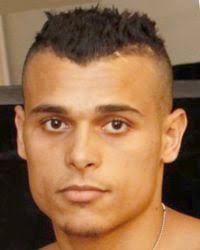
The Libyan champion boxer, Malik Zinad, also known as The Trigger, won the fight that was held in the Belgian capital, Brussels, against his French counterpart Mickael Diallo, on the belt of the Word Boxing Association (WBA) continental organisation.
The Trigger achieved his 21st consecutive victory, by defeating Diallo in the tenth round of the match. The Trigger’s victory came by the number of points, to be crowned with the “belt of legends.”
In his professional career before this meeting, Zinad fought 20 fights and won 16 by knockout. He achieved four fights by collecting points, and he has not lost any fight so far, achieving several belts, the most important of which are the World Boxing Union (WBU) and WIF, and by this match he was crowned with the WBA belt.
Zinad has held the World Boxing Council (WBC) Mediterranean light heavyweight title since August 2021.
Zinad was born on the 19th of November 1993 in Tripoli, Libya. His father, a former boxer himself, began training him in the sport when he was five, though they practiced in the basement of their home due to Moammar Gaddafi’s ban on boxing.
However, Zinad left his country in 2013 due to the unrest following Gaddafi’s death, eventually settling in the island nation of Malta after his father encouraged him to follow his dreams.
Zinad made his professional debut on the 30th of October 2015, defeating Bogoljub Borišev via second-round technical knockout (TKO) in Attard, Malta.
After signing former world champion Donny Lalonde as his manager, he captured the vacant World Boxing Federation (WBF) International light heavyweight title in his sixth fight, stopping Attila Palko on the 24th of September 2016.
He defended the belt three months later, knocking out Beka Aduashvili in the German town of Bielefeld to retain. Zinad won the BBO light heavyweight title on the 25th of March 2017, stopping Bosnian journeyman Aleksandar Kuvac in just over a minute. He then upset Jermaine Asare two months later, knocking him out in the first round of their fight at the Motorpoint Arena in Cardiff.
Zinad made his London debut on the 12th of October 2019, dominating Michal Gazdik in two rounds at York Hall.
After compiling a 16–0 record, Zinad beat Russian prospect Timur Nikarkhoev in Brussels on the 28th of March 2021 to collect the vacant IBO Inter-Continental light heavyweight title. In his next fight that August, he scored a third-round TKO over Almir Škrijelj for the vacant WBC Mediterranean light heavyweight title.
More than 60 inscriptions and two historic wells survive in the valley.
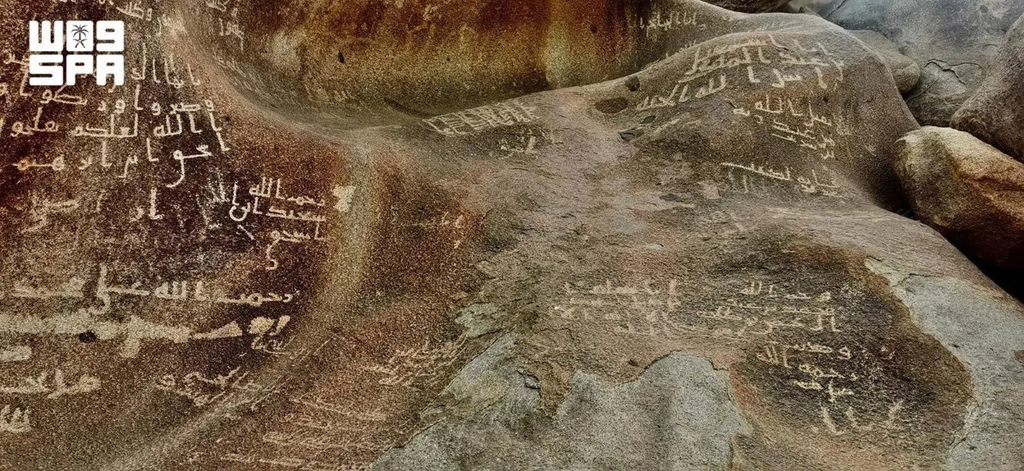
More than 60 early Islamic inscriptions and two historic wells in Wadi Al-Usaylah, northeast of Makkah, are providing archaeologists with a record of early Arabic writing and the pilgrimage routes used by caravans traveling to the holy city.
The six-kilometer-long, two-kilometer-wide valley was historically an important passage for travelers and pilgrim caravans arriving from Iraq and surrounding regions, according to a report by the Saudi Press Agency, or SPA.
The inscriptions, carved into mountain rock faces, date to the seventh and eighth centuries — corresponding to the first and second centuries of the Islamic calendar. They include references to figures from the early Islamic period and offer scholars tangible evidence of changes in the form, structure and aesthetic development of early Arabic script.
Water was also essential to sustaining travelers crossing the arid landscape. Successive Islamic rulers established water infrastructure along the route, with two of the valley’s four original historic wells still surviving near the inscribed rock faces. Some of the wells are believed to date to the Abbasid Caliphate.
The Royal Commission for Makkah City and Holy Sites is carrying out a comprehensive preservation program along the corridor to protect the inscriptions and wells from erosion. The effort forms part of wider initiatives under Saudi Vision 2030 to preserve the Kingdom’s archaeological heritage while developing sustainable cultural destinations, SPA reported.
The Wadi Al-Usaylah findings add to a growing body of archaeological evidence documenting the development of writing and human settlement across Saudi Arabia.
In a July 2026 report, SPA said the King Salman bin Abdulaziz Royal Reserve contains thousands of archaeological inscriptions and rock carvings, including Thamudic and Nabataean writings as well as depictions of animals, hunting scenes and aspects of daily life. More than 400 archaeological and historical sites have been documented across the reserve, with some remains dating as far back as 8,000 BC.
Najran provides another extensive record of the evolution of writing in the Arabian Peninsula. In a September 2024 report, SPA described the UNESCO-listed Hima Cultural Area as a vast outdoor museum containing rock carvings and inscriptions in Ancient South Arabian, Thamudic and Islamic scripts.
Archaeological surveys in Najran have documented inscriptions from different periods, including tribal markings and writings in Thamudic, Sabaean, Himyarite and early Islamic scripts. The accompanying rock art depicts people, camels, horses, ibexes, hunting scenes and battles, offering clues to ancient communities and their material culture, SPA reported.
The continuity and development of Arabic writing are also illustrated by a bilingual inscription discovered and documented in 2024 in Alqan village in the Tabuk Region. According to an SPA report, the inscription dates to the fifth century AD and contains two lines in Thamudic script and one in early Arabic.
The Heritage Commission said the Tabuk discovery provided evidence that Thamudic writing continued to be used alongside early Arabic during the fifth century. It also offered new insights into the coexistence of the two writing traditions and the development of Arabic letter forms.
Together, such discoveries underscore the archaeological value of Saudi Arabia’s mountains, valleys and desert landscapes as repositories of written history. They also highlight the importance of systematic documentation and preservation to protect inscriptions and other remains from erosion and other threats while making them accessible for scientific research and cultural tourism.
For Wadi Al-Usaylah, the combination of early Islamic inscriptions and surviving water infrastructure provides a particularly important glimpse into the networks that connected travelers and pilgrims with Makkah during the formative centuries of Islam.
source/content: arabnews.com (headline edited)
_______________
The inscriptions, carved into mountain rock faces, date to the seventh and eighth centuries — corresponding to the first and second centuries of the Islamic calendar. (SPA)
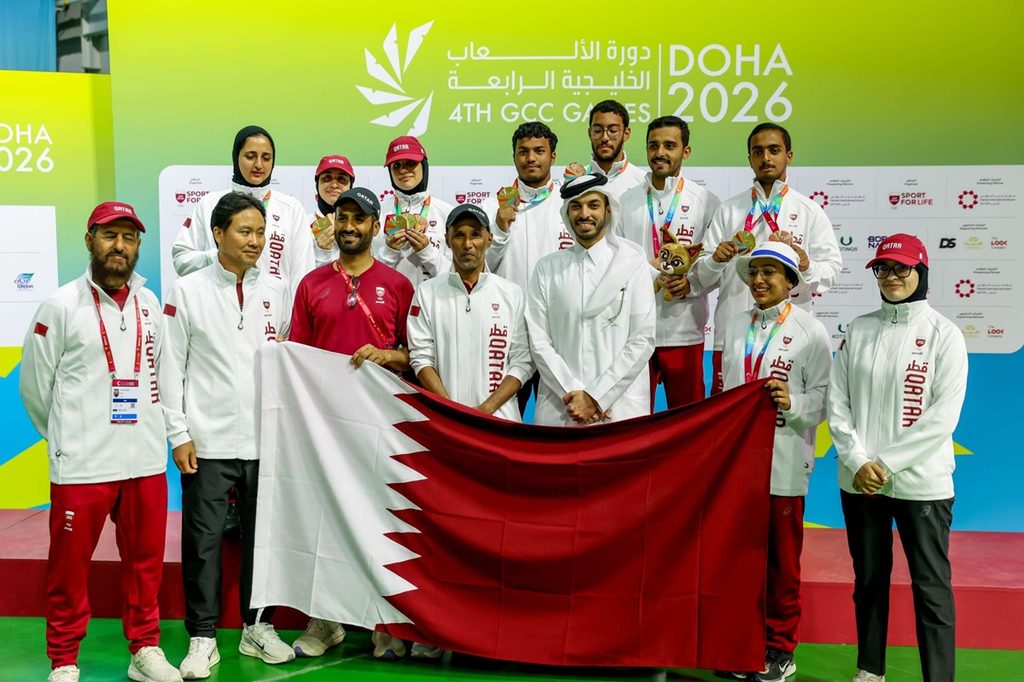
The 4th GCC Games Doha 2026 concluded on a high note after 12 days of competition, with Qatar finishing top of the medal table.
Qatar topped the medal table with a record 134 medals — 48 gold, 50 silver and 36 bronze — the country’s best-ever performance at the Gulf Games.
The achievement crowned a successful 4th GCC Games Doha 2026, which concluded on Friday, 22 May, marked by strong regional participation and high organisational standards.
Mohammed bin Yousef Al Mana, First Vice-President of the Qatar Olympic Committee, described the event as “an outstanding success on both organisational and sporting levels.”
He said the Games reflected the strong ties between Gulf nations under the slogan “One Gulf, One Heart”, adding that they helped strengthen unity and friendship among young people across the region.
Al Mana also noted that Qatar had once again demonstrated its ability to host major international sporting events to the highest standards, citing its advanced infrastructure and extensive organisational experience.
Al Mana credited the support of Sheikh Joaan bin Hamad Al-Thani, President of the Qatar Olympic Committee and the Olympic Council of Asia, for contributing to the success of the event.
He also thanked participating delegations, organisers, volunteers and supporters for delivering what he described as a memorable edition of the regional event.
Meanwhile, Sheikh Khalifa bin Khalid Al Thani, Director General of the Organising Committee, said the Games represented “an exceptional Gulf sporting event that reflected the remarkable development achieved by sport across the GCC countries”.
He highlighted the role of collective teamwork and continuous coordination among all organising committees, alongside strong cooperation from participating delegations.
“We were committed from the beginning of the preparations to delivering an exceptional edition that reflects Qatar’s organisational capabilities and extensive expertise in hosting major sporting events. We succeeded in achieving this objective through professional organisation, world-class sports facilities, and outstanding competitive atmospheres,” Sheikh Khalifa said.
He added that the Games showcased emerging Gulf talent and reinforced core sporting values, noting: “What we witnessed in terms of sportsmanship and fair competition among the athletes reflects the true values of Gulf sport and confirms the deep brotherly relations that unite the peoples of the GCC countries”.
Sheikh Khalifa also praised the efforts of organisers, volunteers and supporting entities, as well as the strong public turnout and media coverage, reaffirming Qatar’s commitment to advancing Gulf sport and supporting athletes in future regional and international competitions.
47 artists over 8 days for film, music, talks, workshops
Building a vital ecosystem, says founder Line Kouwatli
Art Week Syria opens its first edition in Damascus on Friday, bringing together around 47 Syrian artists across generations at Massar Rose for eight days of exhibitions, film, music, talks and workshops.
The multidisciplinary platform runs until Sept. 18 and spans painting, sculpture, photography, digital art, installation and mixed media, offering an overview of artistic practice connected to the Syrian Arab Republic and its wider cultural landscape, organizers said.
It was founded by Line Kouwatli, who said the aim was to build “a serious and lasting platform and ecosystem for Syrian art.”
“There is an extraordinary depth of artistic practice connected to Syria, across generations and across geographies,” she said, adding that the intention was to open conversations between artists, collectors, institutions and audiences domestically and internationally.
The edition includes a photography exhibition curated by French-Syrian photographer Ammar Abd Rabbo, featuring Syrian photographers who documented the country’s recent history.
Massar Rose, on the banks of the Barada River, was chosen for its unfinished contemporary architecture, which organizers described as a setting rooted in Damascus while engaging with the conditions of current artistic production.
An invitation-only opening ceremony takes place on Friday at 7 p.m., followed by a private preview on Saturday for collectors, cultural professionals and invited guests, with selected works available for acquisition.
Exhibitions open to the public from Sept. 13 to 18, with talks, screenings and workshops running throughout the week.
source/content: arabnews.com (headlines edited)
_____________
Art Week Syria opens its first edition in Damascus on Friday. (Supplied)