Arabs & Arabian Records Aggregator. Chronicler. Milestones of the 25 Countries of the Arabic Speaking World (official / co-official). AGCC. MENA. Global. Ist's to Top 10's. Records. Read & Enjoy./ www.arabianrecords.org
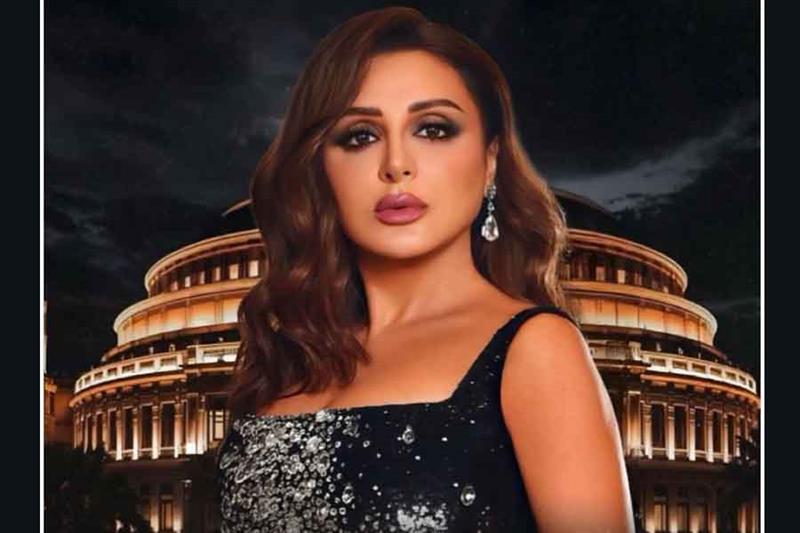
Egyptian star Angham will perform at London’s Royal Albert Hall on 23 September, marking a significant cultural milestone as the first Egyptian female artist to grace the iconic stage.
Angham’s performance on this stage comes 58 years after the legendary Egyptian singer and musician Abdel Halim Hafez performed on it in 1967 and received one of the greatest ovations of his career.
The September performance will celebrate Angham’s extraordinary career, spanning over three decades.
Throughout her long artistic journey, Angham has become one of the most influential voices in the Arab world, captivating audiences across the Middle East and North Africa.
“With her powerful vocals, emotional depth, and rich discography, Angham continues to inspire generations and break new grounds in Arabic music as the true enduring voice of Egypt,” read a press release.
Her legacy
Angham was born in 1972 to a family of artists. Her father, Mohamed Ali Soliman, was a composer, violinist, and singer. Her mother was the renowned artist Magda Abdel-Haleem.
She started her career alongside her father in the late 1980s before graduating from the Cairo Conservatory and embarking on her independent path.
Angham has released over 25 albums, including Fil Rokn El Baeed El Hady (In The Far Distant Corner, 1987), Awal Gawab (First Letter, 1988), Shokran (Thank You, 1989), Shayfak (I See You, 1992), Betheb Meen (Who Do You Love?, 1997), Bahibbik Wahashteeny (Loving You, I Miss You, 2005), Mahaddesh Yehasebni (Do not Judge Me, 2010), Ahlam Bareaa (Innocent Dreams, 2015), Rah Tezkerny (You Will Remember Me, 2018), Hala Khassa Geddan (Very Special Case, 2019), and Mazh (What?, 2020).
The star performs extensively in Egypt and across the Arab world.
Royal Albert Hall
London’s Royal Albert Hall, one of the world’s most iconic concert venues, was opened in 1871 by Queen Victoria and named in memory of her husband, Prince Albert.
The hall is renowned for hosting a wide range of events, from classical concerts and opera to rock performances, sporting events, and the annual BBC Proms.
Among the top names that have graced the stage of this hall are Adele, The Beatles, Eric Clapton, Luciano Pavarotti, Diana Ross, cellist Yo-Yo Ma, pianists Lang Lang and Martha Argerich, and world-renowned orchestras conducted by Herbert von Karajan and Sir Simon Rattle.
The hall has also hosted high-profile events, such as Cirque du Soleil.
Its distinctive circular architecture and domed roof make it a landmark of Victorian design and a centrepiece of British cultural life.
Presale tickets for Angham’s concert will start from Wednesday, 30 April, followed by general sale on Friday, 2 May.
The New Arab sat down with Yemeni documentary photographer and storyteller Thana Faroq to discuss intentional photography, craft, and nurturing intimate narratives of displacement and resilience.
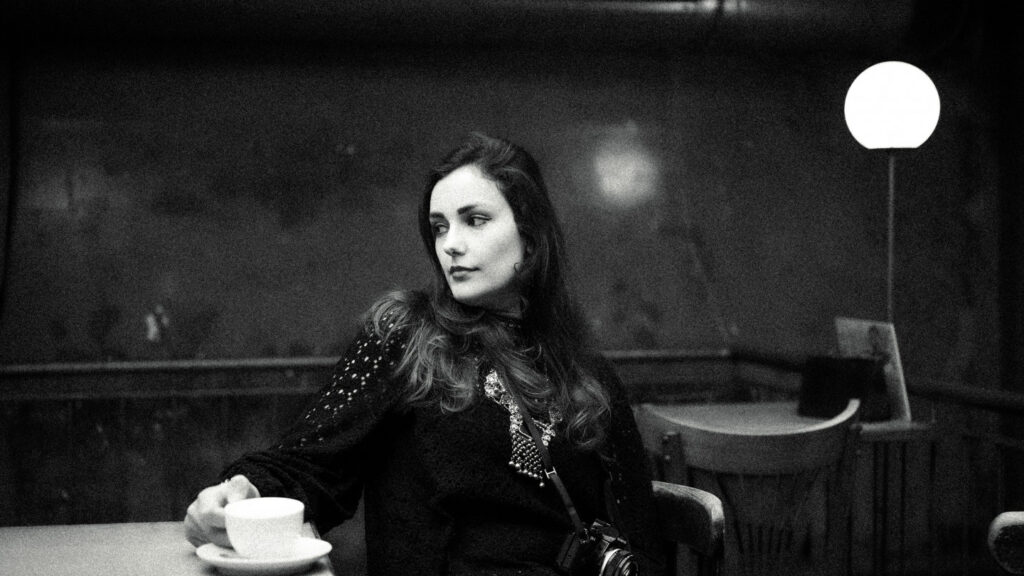
Thana Faroq is a Yemeni photographer and educator based in the Netherlands. Her photography projects, which have been supported by the Arab Documentary Fund and the Magnum Foundation among others, blend text, physicality, emotional density, and visual storytelling, to explore immigrant lives and the complexities of belonging and trauma.
The New Arab interviewed Thana Faroq on the occasion of her new book, How Shall We Greet the Sun, which follows a group of displaced young women including Faroq herself, as they negotiate their multilayered presence in the Netherlands.
“My work is mainly driven by current events and broader themes, such as intergenerational trauma and memory resilience in relation to migration and refugees”
The New Arab: You’ve completed several series and projects, including your new photo book, How Shall We Greet The Sun. How do your various projects communicate with one another?
Thana Faroq: At the core of all my work, including How Shall We Greet The Sun, lies an exploration of women’s resilience, adaptability, and the quest for belonging. These themes are the threads weaving my projects together, creating a continuous dialogue.
A consistent focus in my projects has been on the aftermath of pivotal events, particularly in migration. I’m drawn to understanding and portraying the lingering effects, the changes, and the adaptations that individuals and communities undergo in their post-disaster homes.
My projects often converse with each other, providing different facets of a broader narrative about migration, displacement, and the aftermath of these transformative events.
It is essential to explore these events not only in terms of their immediate impact but also in the ripples they create over time. How does our survival, resilience, loss, and search for identity and belonging look like? While my earlier works might have explored the immediacy of events, more recent ones, like How Shall We Greet The Sun, dive deeper into the lasting, often nuanced, emotions and memories that remain.
Do you feel that your work has evolved in terms of craft, technique, and vision? I saw that you have incorporated more poetry and written text recently.
Certainly. I spent my formative years in Yemen and from the age of seventeen, my educational journey took me across the globe, in Canada, the US, and the UK, which significantly broadened my perspectives.
It’s also crucial to acknowledge the life-altering events I’ve encountered: the war in Yemen, the subsequent move from my homeland, and the pursuit of asylum in the Netherlands. These profound experiences have shaped my life and continue to influence my understanding of the world.
This, in turn, has expanded my artistic vision. I’ve become more intentional about the themes I choose to explore and the stories I wish to tell.
Over the years, I’ve continually sought to refine my craft, exploring new techniques, tools, and mediums, especially sound and moving images. I love writing and it has become part of my creative journey and output.
I can’t label my written explorations as ‘poetry’ in the traditional sense, but I do have a deep affinity for playing with words, treating them as visual elements in their own right. I don’t view them merely as ‘texts’ but as visual companions to my images.
When paired with my visuals, these words offer an additional narrative layer, adding complexity and depth to the story I’m telling.
How do you approach storytelling in your work? Stories have a beginning, a middle, and an end, but using real-life subjects means that this linear, theoretical approach might prove restrictive.
I agree with you and I don’t personally stick to the classical structure of storytelling. All my stories are rooted in real-life experiences which means I will have to challenge this conventional approach of storytelling.
I ask myself very often: does a linear progression truly capture the essence of this experience, or is a non-linear narrative more authentic? And so my starting point might differ, I might start in the middle of a story with an emotional state that sets the tone for the narrative. My approach focuses on deep research and understanding. I immerse myself in the subject matter.
This helps me understand the nuances, the emotions, and the various perspectives that exist. Though all my projects exist in a final outlet (for example, a book) the creative process is never linear. I have a lot of responsibility to stay true to the essence of my subject’s experiences and sometimes this means breaking away from traditional structures or inventing new ones.
Also, storytelling isn’t just about the narrative; it extends beyond the mere sequence of events or plot points that make up a story. It’s about conveying experiences, emotions, and messages. For me, it’s about the use of texts, imagery, and symbolism to evoke feelings and provoke thought.
Though photography is my main medium, I include sensory elements, such as sounds and texts which can elevate the story and make it more immersive, especially in installation settings. This multilayer experience is powerful. I’m deeply intentional in my approach.
Before capturing or selecting an image, I reflect on its purpose: ‘What story am I conveying? How does this differentiate from the masses? What emotions or messages am I trying to evoke? This reflection ensures that my work carries depth and isn’t merely a fleeting visual in an endless scroll.
Are you looking for that person’s specific story in your photos or rather how they symbolise something bigger, larger than their own selves?
My work is mainly driven by current events and broader themes, such as intergenerationl trauma and memory resilience in relation to migration and refugees.
Every individual is a microcosm of the larger society they inhabit, and their stories, while personal, often resonate with universal themes. I work to make my images evoke shared experiences or emotions for a wider audience and, to a certain extent, the individual here becomes a symbol of something larger while ensuring that the individual’s story doesn’t get lost in symbolism.
Narratives that illustrate their character, resilience, culture, family ties, and personal history can help dismantle stereotypes and build a deeper understanding. This also means providing contextual cues within the composition. I write a lot during the process and these texts allow the viewers to draw connections between the personal and the universal.
“Photography, as I see it, is a shared endeavour from the research phase to execution. I prefer to refer to those I photograph as ‘collaborators’ involved every step of the way, valuing their insights and feedback. This often paves the way for deeper intimacy”
How do you nurture trust and intimacy with your subjects? Is there a story you chose not to tell?
My personal background plays a crucial role. As a woman refugee myself who has experienced the impacts of war and trauma first-hand, I share a common ground.
When I interact with my subjects, I approach them not just as a photographer, but as someone who has walked a mile in similar shoes. I don’t shy away from sharing my personal journey when appropriate, as I find that this openness can lead to mutual trust and safety.
Photography, as I see it, is a shared endeavour from the research phase to execution. I prefer to refer to those I photograph as ‘collaborators’ involved every step of the way, valuing their insights and feedback.
This often paves the way for deeper intimacy. Open communication and transparency are also pivotal. I make it a priority to be clear about how the photographs will be utilised, whether as an exhibition, a book, or any other medium, which helps bolster trust and comfort.
I approach each shoot with sensitivity, recognising and respecting the emotions and vulnerabilities of my collaborators. This journey of empathy, trust, and intimacy is complex and requires time, honesty, and sincerity.
There have been instances where I’ve chosen not to share certain stories out of respect for the privacy of those photographed.
For instance, in my recent book How Shall We Greet the Sun, there are many emotional transitions that migrant women undergo as they settle in a new place. Discussing these transitions isn’t always easy. I only choose to reveal such narratives when my collaborators are ready and confident to share them with the world.
For the young generation of aspiring artists in Yemen and elsewhere, could you share what helped launch your career and any advice you may have for others who can’t rely on institutional support and backing?
In my journey as an artist and photographer, I’ve come to understand a few key truths that I believe have been instrumental in shaping my career, especially in places like Yemen where institutional support might be sparse.
While talent is a gift, discipline and hard work are choices. Talent might get you started, but discipline will carry you through. It’s crucial to stay true to your artistic vision.
Instead of creating what you think others might want to see, focus on what you passionately believe needs to exist in the world. Also, the art world and photography, like any other field, constantly evolve.
Stay open-minded and eager to learn from others, peers, mentors, friends, and family… every interaction can offer a fresh perspective that can enrich your work.
Farah Abdessamad is a New York City-based essayist/critic, from France and Tunisia / Follow her on Twitter:@farashstlouis
Born at the start of Somalia’s civil war, Maryan Ali Mohamed dreamt of one day performing live on stage.
She spent hours impersonating musicians on TV and always hoped to master an instrument.
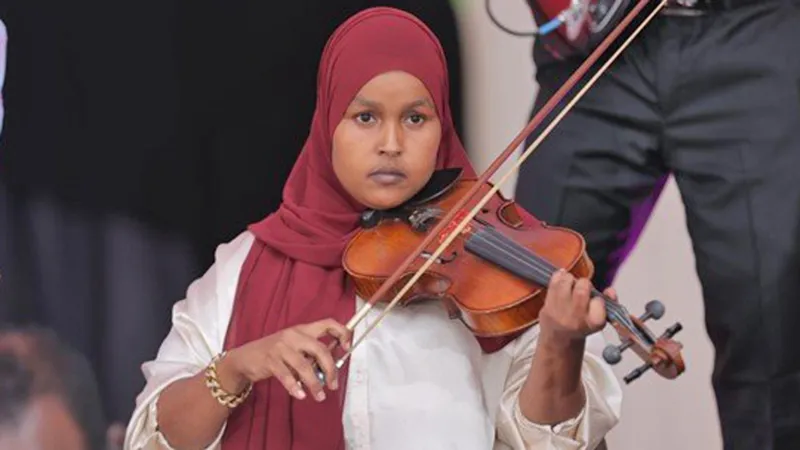
In 2019, she picked up her first violin. Now, the 33-year-old is one of 40 musicians forming a Somali orchestra.
The East African country does not have an official national orchestra, but for the first time, an ensemble of musicians were brought together for a series of televised performances.
Men and women dressed in suits and satin were recorded harmoniously playing trumpets, drums and ouds – a traditional string instrument.
“I’ve never seen anything like it,” said Fadumo Hussien, a 70-year-old grandmother watching from her living room on the outskirts of the capital, Mogadishu.
“I remember bands playing growing up, but nothing like this,” she told the BBC.
The performances, organised by Mogadishu-based production company Astaan TV, aim to revive Somali music.
“We brought this orchestra together and gave them a space to rehearse,” said Mohamed Abdiwali, one of the event organisers.
“Now they can play classical Somali music,” he said.
The carefully crafted shows are then aired online and across local TV.
“The younger generation needs to start hearing our history,” he explained.
“Historically, we’ve had bands in Somalia, with a limited number of instruments,” explained Jama Musse Jama, director of the Hargeisa Cultural Centre.
Orchestras, with their larger size and classical focus, often have a greater emphasis on collaboration and synchronicity.
“You work together in harmony and build music in harmony,” said Dr Jama, noting the sounds of the Egyptian and Sudanese orchestras.
“It’s all about coming together,” he added.
Musicians were handpicked from across the country for this project, including both seasoned instrumentalists and emerging talents, like Ms Mohamed.
“I usually play on my own, or with just a few other people, but nothing on this scale,” she told the BBC.
The mother-of-two began violin lessons just a few years ago as part of a community programme in Mogadishu. She now practises using YouTube videos.
“I am so grateful to be here,” she said smiling.
Since the outbreak of civil war in 1991, Somalia has grappled with political instability and conflict. That’s had a knock-on effect on cultural institutions.
“Somali music hasn’t had a home for years,” said Dr Jama.
The National Theatre in Mogadishu, which opened its doors in 1967, was once a cultural melting pot for the city.
Spectators would gather inside the grand hall located in central Mogadishu to watch plays, musical performances and film festivals.
It quickly became the beating heart of the creative community.
“Beyond a physical building, musicians and artists must be encouraged to come together, share ideas and produce something tangible,” explained Dr Jama.
During the civil war it was fought over by rival militias and its roof even collapsed after being hit by mortars.
Across Somalia, cultural institutions and exports are now being revived, marked by the return of cinemas, art exhibitions and Somali TV shows.
The National Theatre reopened again in 2020 and now hosts a variety of events, including this year’s Mogadishu Book Fair.
In Somaliland’s capital Hargeisa, live music nights featuring traditional Somali music and food are on the rise, which Dr Jama says is vital for sharing the country’s rich culture through the generations.
“Somali music is not well archived,” he told the BBC.
“We don’t have musical notations, we perform and it dies there and remains only in the memory of the singer,” he said.
“That’s why a televised orchestra performance is so special,” he added.
“By documenting this, we’re creating something tangible that the next generation can see, understand and appreciate.
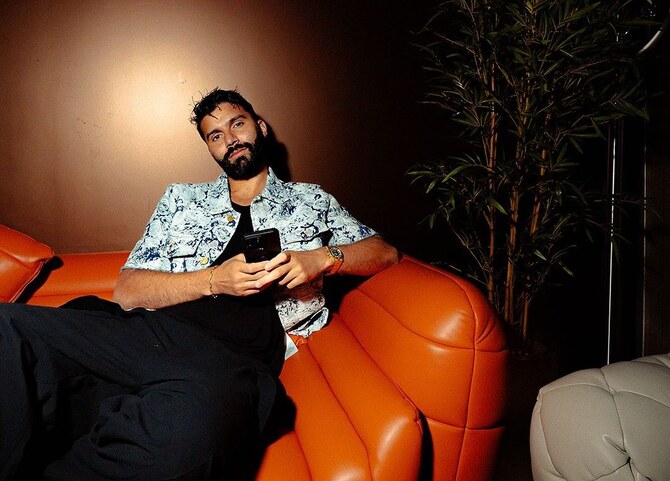
Dutch Moroccan DJ and record producer R3hab plans to return to Saudi Arabia before the end of the year, he told Arab News, hot on the heels of a busy six-month period during which he has hit the decks in Finland, China, Spain and beyond.
The DJ, who took to the stage at the E-Sports World Cup in Riyadh alongside Wiz Khalifa this summer, said in an interview with Arab News. “I’ve been to Riyadh many times, the energy of the city is unique. I really love performing in Saudi Arabia, the crowd energy is something else,” he said.
Asked if his Saudi fans will get to see him again soon, R3hab said: “All I can say is I’ll be back in Saudi before the end of the year and I can’t wait to play all the unreleased music I’ve been working on in the last months.”
R3hab’s love story with the Kingdom does not end there. He shot a music video for his track “Run Till Dark” at the historic city of AlUla.
“The ‘Run Till Dark’ shoot was exceptional. AlUla has so much history and we shot in some amazing locations. One that I won’t forget is Gharameel — this is a stunning desert reserve with beautiful natural stone pillars unlike anywhere else in the world. We were lucky to be the first film featuring this incredible site,” he said.
Last month, R3hab released two singles, each a collaborative effort.
On his track “Gozalo” with Deorro, he said: “It’s been 10 years since Deorro and I produced our hit ‘Flashlight.’ We thought it’s time to get in the studio together again and combine his Latin influence with my energetic vision.”
And on his more recent release, “All Night,” a collaboration with Sophie and the Giants, he praised the artist’s vocal talent and shed light on the track’s pop influences.
“Sophie’s voice stands out and I wanted to work with her on a record since I heard ‘Hypnotized.’ ‘All Night’ is a party anthem to keep us all dancing towards the end of the summer, it has a retro influence with a dance-pop touch.”
The second half of the year has been as busy as the first for the jet-setting producer with appearances at Dreambeach Festival (Spain), WKND Festival (Finland), Unseen Festival (Thailand), Smukfest (Denmark), Ministry of Sound (UK), Mysteryland (The Netherlands), EDC China and the Mega DJ Festival (South Korea).
“Touring can get very intense, so I take special care to recover, exercise and eat well on tour. The motivation is simple — the people. Connecting with the crowd every time I go on stage is a very rewarding feeling and my main drive,” he said.
source/content: arabnews.com (headline edited)
_____________
R3hab is a Dutch Moroccan DJ and record producer. (Instagram)
The King Salman Global Academy for Arabic Language (KSGAAL), in collaboration with the Equestrian Authority, has launched an Arabic glossary of equestrian terms. This resource targets enthusiasts and individuals interested in equestrianism and horses from diverse backgrounds, aligning with the academy’s strategic goals to develop specialized glossaries that support the objectives of the Human Capability Development Program, a key component of Saudi Vision 2030.
KSGAAL Secretary-General Dr. Abdullah bin Saleh Al-Washmi emphasized the academy’s strategic role as Saudi Arabia’s primary Arabic language reference, highlighting their glossary development efforts in serving key sectors. He pointed out the significant cultural importance of equestrianism in the Kingdom, leading to the glossary’s development. It includes terms for competitions, participation, horse descriptions (physical, conformational, aesthetic), Arabian breed distinctions, colors, and ages.
By launching this glossary, the academy aims to support academic research in Arabic language and history through rich equestrian terminology, enrich Arabic content on horses and equestrianism, and strengthen its collaboration with the Equestrian Authority for continuous glossary updates that address new developments.
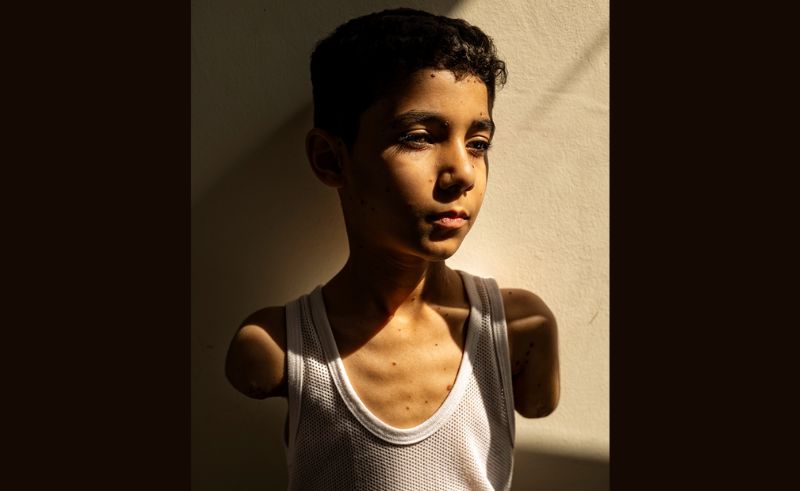
The award-winning image captures nine-year-old Mahmoud Ajjour, who lost both arms in an Israeli attack on Gaza, and is now learning to adapt to life in Qatar.
A photograph of nine-year-old Mahmoud Ajjour, a Palestinian child injured in an Israeli airstrike on Gaza City in March 2024, has been named World Press Photo of the Year by the World Press Photo Foundation. The image, taken by Palestinian photojournalist Samar Abu Elouf for The New York Times, offers a harrowing glimpse into the long-term impact of genocide on Palestinian children.
The photograph shows Mahmoud in a clinical setting in Doha, Qatar, where he was evacuated for medical care after losing one arm and suffering severe injuries to the other during an Israeli airstrike. The explosion struck after Mahmoud reportedly turned back to urge others to flee. Since undergoing treatment, he has begun to learn how to use his feet for basic tasks such as writing, playing games on his phone, and opening doors. He still requires support for daily activities such as eating and dressing. His aspiration, the photo caption notes, is simple: to receive prosthetic arms and live as any other child would.
The World Press Photo jury praised the image for its emotional weight and clarity, describing it as “a portrait that speaks to the long-term cost of war, the silences that perpetuate violence, and the role of journalism in exposing these realities.” The jury highlighted how the photo doesn’t flinch from documenting the physical toll of conflict while also humanising the statistics that often dominate war reporting.
The broader context of the photograph adds to its urgency. According to the United Nations Relief and Works Agency (UNRWA), by the end of 2024, Gaza had more child amputees per capita than any other place in the world. The World Health Organization (WHO) reported that by March 2025, over 7,000 injured Palestinians had been evacuated from Gaza for medical treatment, while more than 11,000 critically wounded individuals remained in the Strip, awaiting transfer. Qatar, which has developed its healthcare system in recent years, played a central role in facilitating these evacuations, alongside Egypt, Jordan, and Turkey.
The winning photo forms part of the annual World Press Photo Contest, which celebrates outstanding photojournalism and documentary photography from around the globe. Two other Arab photojournalists were recognised during the World Press Photo Contest: Palestinian photojournalist Ali Jadallah was recognized for his stark documentation of the aftermath of Israel’s invasion of Gaza, while Sudanese photographer, Mosab Abushama offers a jarring juxtaposition of violence and celebration with his photo of a groom at his wedding with a rifle in the background.
The celebrated vocalist started her singing career in the 1970s, contributing to Morocco’s musical heritage.
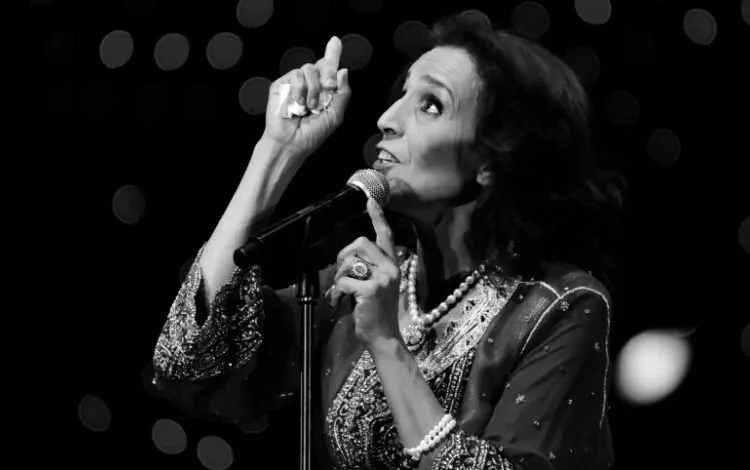
Renowned Moroccan singer Naima Samih died early Saturday morning at the age of 71 following a prolonged period of illness.
The deceased left behind a significant legacy in Moroccan musical culture.
Born in Casablanca in 1954, Samih earned a prestigious position and popularity in Morocco and the Arab world because of her sweet voice and delicate sensibility.
While Moroccans mourn the death of the iconic singer, fellow Moroccan artists have paid tribute to the musical icon.
Latifa Raafat wrote on her Facebook, “We share in mourning the departure of the lady of Moroccan music, the dear one who will never be forgotten, Lalla Naima Samih.
The celebrated vocalist started her singing career in the 1970s, contributing to the musical heritage of the country.
Samih’s true breakthrough came through talent discovery programs broadcast on Moroccan radio and television. Her first appearance was on “Lucky Thursday” (Khamis Al-Hazz), followed by her participation in the competition program “Talents” (Mawahib).
The artist’s journey to becoming a musical icon wasn’t without obstacles. Her father was initially reluctant to allow her to enter the world of singing, as was common for most fathers during that era.
He only consented after the intervention of influential media figures. But he insisted that his daughter should only perform modern songs and be selective in choosing quality poets and composers.
The young artist quickly rose to prominence in Morocco’s music scene, establishing herself as a leading figure alongside Abdelhadi Belkhayat and Abdelouahab Doukkali.
Through her musical and poetic choices, Samih developed a unique identity that resonated with modern song audiences in Morocco.
She collaborated with composers known for their dedication to incorporating traditional Moroccan rhythms into modern templates (including Abdelkader Rachdi, Abdelkader Wahbi, and Ahmed Alaoui), as well as with prominent zajal poets who adapted local dialects to achieve sophisticated expressiveness (such as Ahmed Tayeb Alj and Ali Haddani).
Among the late artist’s most important musical works were the songs “Jari Ya Jari” (My Neighbor, Oh My Neighbor), “Yak A Jarhi” (Oh My Wound), and “Amri Lillah” (My Life is for God).
These beloved classics helped establish her as a pillar of Moroccan musical heritage and left a stamp in the souls of her era’s Moroccans.
In the early 1970s, Samih married Moroccan cycling champion Mustafa Belkayed. The couple had one son named Shams.
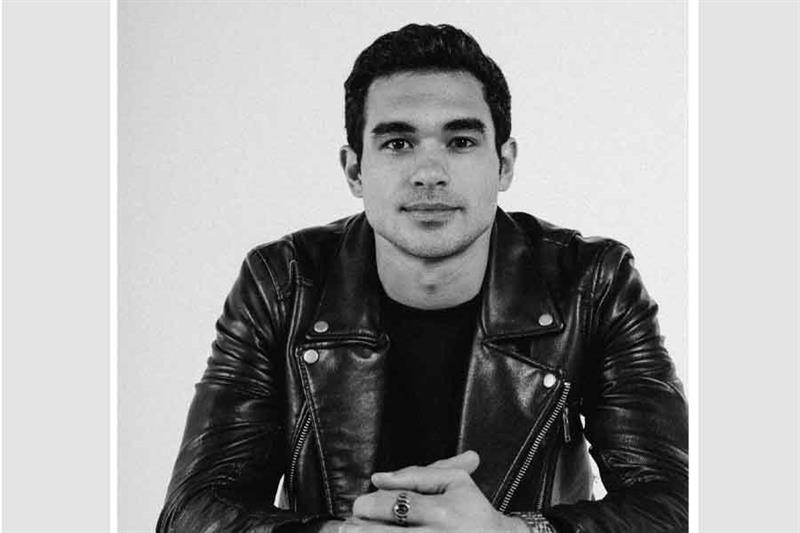
Egyptian actor Youssef Omar will join the cast of the British-Chinese production Shashou, set in Hong Kong.
Youssef Omar is a rising Egyptian actor known for his versatile roles in film and TV series, including, most recently in Ramadan, TV series A Woman’s Youth (Shabab Emraa, 2025), where he co-starred opposite Ghada Abdel Razek.
He gained widespread recognition with his breakthrough in the 2018 drama Rahim (dir. Mohamed Salama) and has since starred in popular series like Sittat Bayt Al-Maadi (Women’s Maadi House, 2021), where he played Timo El-Badry (Timo), acting alongside Mira El-Helbawi, Tara Emad, and Enjy Kiwan.
Both series were directed by Mohamed Salama, with the latter catapulting Omar to fame.
Youssef has also successfully transitioned to the silver screen in high-grossing movies such as Awlad Hareem Kareem (2023) and El-Hareefa (2024), starring Nour Ehab, Khaled El-Zahaby, and Bayoumi Fouad.
In 2024, Omar starred in Meen Yasadaq (Who Would Believe?), a film directed by Zena Ashraf Abdel Baky. The film was screened during the 45th Cairo International Film Festival, further solidifying Omar’s status as an up-and-coming talent to watch out for.
Produced and directed by UK producer, screenwriter, and filmmaker Bizhan Tong, Shashou offers Omar his first international role.
Alaa Karkouti and Maher Diab, co-founders of MAD Solutions, which distributes the film in the MENA region, described the film as a thriller that is “an Arab spin on the packaging strategy that Hollywood has long deployed.”
Shashou is set in the shady world of ex-special forces, where outcasts Kelly Frost, Rachel Chan, and Inferno unite to stop a billionaire’s plot to destabilize Hong Kong.
Festival president Hussein Fahmy announced the appointment during the Berlin International Film Festival.
The Cairo International Film Festival has named Mohamed Tarek as its new artistic director, following his tenure as deputy artistic director. Festival president Hussein Fahmy announced the appointment during the Berlin International Film Festival.
Since its inception in 1976, the Cairo International Film Festival has been a cornerstone of the region’s cinematic landscape, held annually at the Cairo Opera House.
Tarek’s career spans film programming, festival consultancy, and jury roles at major international festivals. A graduate of the Locarno Industry Academy in Beirut and the Durban Talents programme, he has worked with CIFF, Dublin International Film Festival, El Gouna Film Festival, and Manassat Film Festival. His expertise also extends to projects with El Nahda Association, MedFest Egypt, and the Goethe Institute Cairo.
After exploring the Iraqi keffiyeh in their first collection, Suez spotlights a forgotten art in ‘Common Thread’.
Three thousand years ago, the art of khayamiya lined the streets of Egypt. Translating to “tent-making,” this ancient hand-stitching practice was once used to fashion tents for royalty, aristocracy, and the wealthy. Today, the practice nears extinction; the only image the word “khayamiya” evokes in our minds is one of cheap printed Ramadan-themed tablecloths. Only 18 khayamiya artisans remain on Egypt’s Khayamiya Street in Bab Al Khalq. Their work is now far from central to the city’s fabric.
Returning the forgotten khayamiya to the spotlight, the London-based Egyptian-Iraqi label Suez is reviving the art in its new collection, “Common Thread.”
“Khayamiya has been something I’d been wanting to incorporate for some time now—since we last spoke,” Suez founder Serag El Meleigy tells Scene Styled. “I think it was the perfect next step for Suez; me being half Egyptian and spending a lot of time in Egypt also made it that much more special.”
As a pursuit, Suez is archival. The label seeks to immortalize crafts that were once popular but have been lost on the road to modernity. Suez, observing that our attire has become synonymous with that of the colonizer, rejects homogeneity and sifts through millennia of historical archives to return culture to our costumes.
“We utilized the khayamiya in two forms: first in its true hand-stitched form, and secondly in a printed form—both of which we purchased from the artisans on Khayamiya Street,” shares El Meleigy. “The first khayamiya blanket I bought was back in 2023, so my ideas have been brewing with the khayamiya for some time now.”
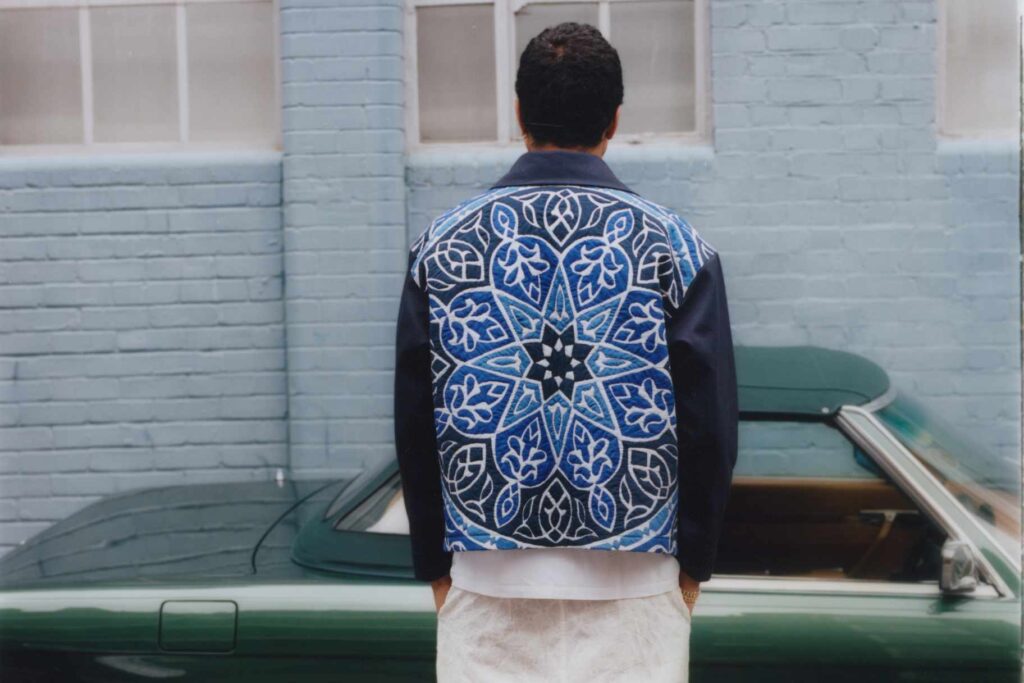
Shortly after his first purchase, El Meleigy returned to Khayamiya Street for more. This is when “Common Thread” was born. The two blankets, both created by the same khayamiya artist, Esaam Ali, were fashioned into two beautiful single-piece collared jackets in two colorways—red and blue.
In respect to the amount of work, skill, and creativity poured into their making, whether as the original khayamiya blanket by Ali or the jacket itself by El Meleigy, the khayamiya jackets are special pieces. Surely, they could be dressed down, but something about the fabric, the common thread that holds them, demands a more prestigious welcoming of the pieces.
“The 1-of-1 khayamiya jackets are obviously statement pieces. We’ve seen them worn for a live recording performance, and we’ve had people say they’d save theirs for big events. I love the idea of these 1-of-1 jackets evolving into some form of suit for big occasions—but the Egyptian version.
Besides participating in the cultural evolution of our occasion wear, Suez’s “Common Thread” weaves the khayamiya practice into daily casual wear.
“The meander garments made way for the incorporation of ‘loud patterns’ in subtle ways—they are made for every occasion,” explains El Meleigy. “The elastic waist of the pieces gives them the benefit of comfort, but the straight-leg structure creates an illusion of formality that can be dressed up or down.”
“I heard one girl wore her keffiyeh meander trousers, from our previous collection, to a wedding, and someone else wore the full keffiyeh set at her dad’s MBE receival ceremony at a royal palace.”
To El Meleigy, “Common Thread” is an exciting pursuit, one he is consistently looking for ways to make even more tailored. In the future, he hopes to work more directly with khayamiya artisans, involving their work directly in garment-making, and potentially seeing them embroider on clothes, rather than refashioning their blankets. Before we know it, the art of khayamiya will be back on hoodies, tracksuits, shorts, and more.