MAURITANIA : In Mauritania, meet Aziza Sidi Bouna, the Engineer Fighting Climate Change with Animal Waste

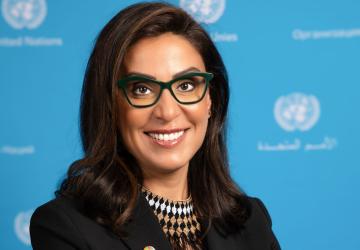
“Contributing to mitigating climate change” is the great challenge that Aziza Sidi Bouna, a 32-year-old Mauritanian renewable energy engineer, has set for herself. To achieve this, she has developed an innovative solution: producing biogas from animal, plant, and domestic waste. She is a pioneer in her field and is determined to revolutionize this sector in Mauritania. In 2019, she launched SBGAZ, a start-up specialized in valorizing agricultural and livestock by-products.

Regularly, she roams the markets of Nouakchott, the capital, in search of this precious raw material. “Until today, cow dung, excrement from certain ruminants like camels, were undervalued in my country. I wanted to change that,” explains this dynamic entrepreneur. “You can find the raw material everywhere: on the farm, in the village, at the slaughterhouse, and of course, at home. It is an almost inexhaustible source,” she adds. In fact, in Mauritania, livestock production is one of the pillars of the national economy. It represents more than 15% of GDP, which is thousands of tons of animal waste per year. It is more than enough to produce huge quantities of biogas.

A Source of Clean Energy

Once collected, livestock manure is placed in a biodigester, a natural solution for recycling organic waste, which allows for the production of a combustible gas, biogas, and also a highly effective fertilizer, digestate. “Production lasts between 15 and 45 days, depending on the season,” explains Aziza Sidi Bouna.

“Our biogas has the advantage of being carbon neutral. We don’t use any fossil energy to extract the gas. It’s called methanization, and it’s 100% carbon natural.”

Aziza Sidi Bouna, Founder and CEO of SB-GAZ

“We started designing several biodigester prototypes in 2019,” she continues. “The resulting biogas is a clean energy that can be produced cheaply. It’s much less expensive than propane gas traditionally used for cooking.” And to demonstrate this, the engineer highlights an irrefutable argument: with one kilogram of cow dung, according to her, one can produce gas for one to two hours of gentle cooking.

But that’s not all. Aziza Sidi Bouna’s biodigesters also transform organic waste and excrement into biological fertilizer, which is excellent for increasing agricultural yields. And she affirms, “Out of 100 kilograms of organic waste digested by the machine, we recover 10 kilograms of manure that is as good as or even more effective than chemical fertilizer.”

It Runs in the Family

Aziza Sidi Bouna is not alone in her ambitious project. Her right-hand man and the technical director of SBGAZ is none other than her father, Ahmed Sidi Bouna. As a rural economics engineer, he is particularly proud of his daughter, whom he has always supported, especially in a country where women are often confined to domestic work. Together, they aim to popularize biodigesters throughout society. Thanks to funding from the International Committee of the Red Cross, they have installed several biodigesters in the Mbera refugee camp, providing relief for families in their daily struggles. In Bassikounou, in the southeast of the country, SBGAZ’s first industrial biodigester is up and running, and “almost daily, more than 200 households come to fill their biogas bottles,” says Aziza. “With a USD150,000 grant from the United Nations Development Programme (UNDP), I hope to achieve my dream of providing a clean and accessible source of energy to all Mauritanian and Sahelian households in the future,” she adds.

An Alternative to Fossil Fuels

This dream is within reach and, if realized, would have a tangible impact. In fact, the widespread use of biodigesters in Mauritanian households would reduce dependence on fossil fuels such as oil or coal, which are imported mainly from abroad. This would also reduce the emissions of fossil fuels that contribute to climate change. “With my project, I want to contribute to reducing greenhouse gas emissions for the future of our children and our planet. This is the challenge of our century, and it is my responsibility as an entrepreneur,” says Aziza.

Protecting the environment by producing green energy is thus Aziza Sidi Bouna’s promise, and she hopes to create hundreds of new jobs through the development of this new sector. The young woman already employs five workers aged 28 to 45, including two women, “and many more in the future,” she says confidently. Aziza believes in the future, not just for herself but for all her country’s youth. She wants her journey to serve as an example for all the young people in Mauritania and beyond. “I want to change the mindset of the youth here, in the Sahel, and even in Africa. We, young people, have the power to make a difference,” concludes Aziza Sidi Bouna.

source/content: undp.org (headline edited)

_______________
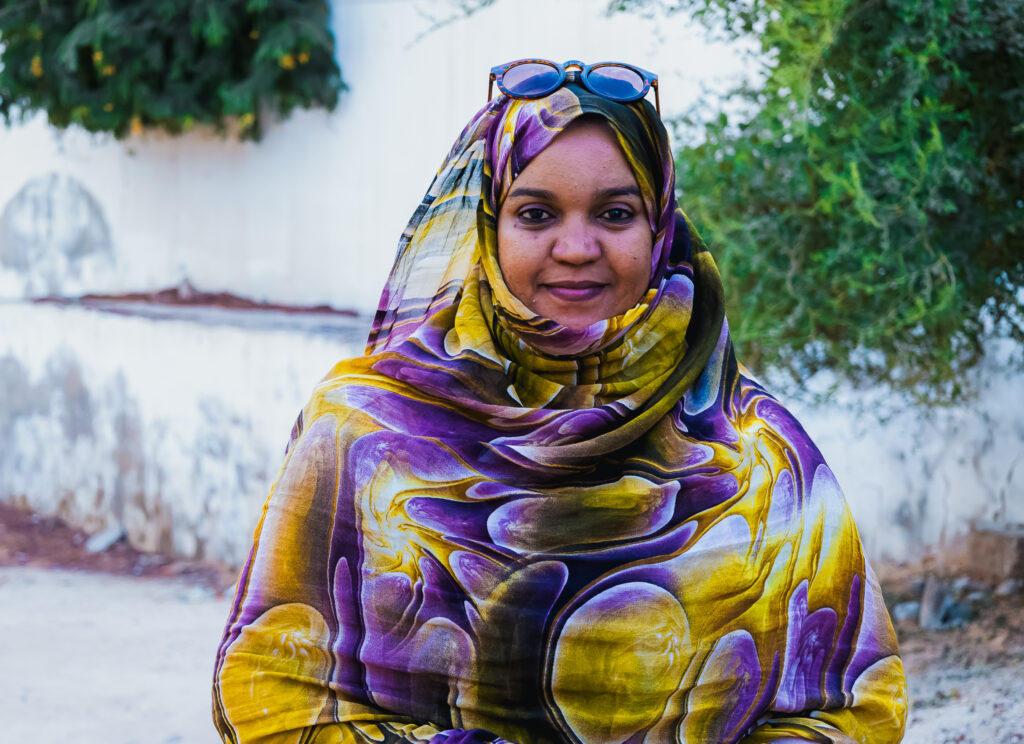
Photo: UNDP WACA

__________________

MAURITANIA
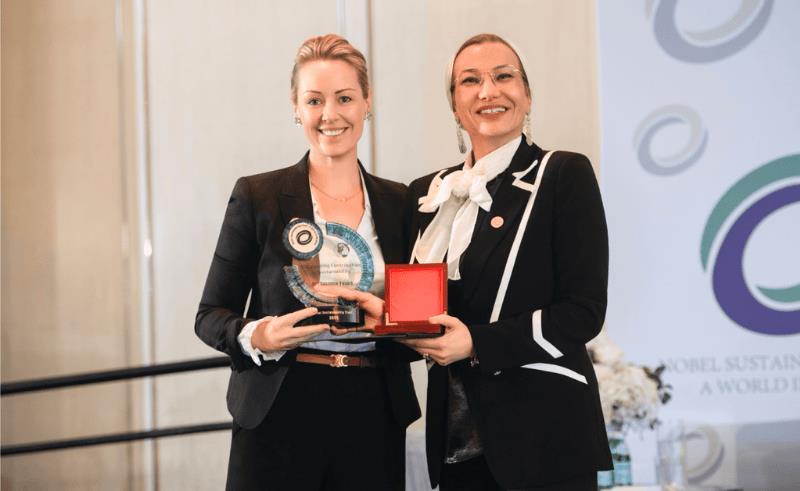
EGYPT : Dr. Yasmine Fouad Receives 2025 Nobel Sustainability Medal

Her tenure as Minister of Environment included a modern waste management system, the issuance of the region’s first sovereign green bond, work across protected areas, and nearly 20,000 green jobs.

The Nobel Sustainability Trust has selected Dr. Yasmine Fouad to receive the 2025 Nobel Sustainability Medal, an announcement that comes as she concludes her role as Egypt’s Minister of Environment and takes up the position of Executive Secretary of the United Nations Convention to Combat Desertification (UNCCD). Over 26 years, Fouad’s work has moved across environmental policy, climate diplomacy, and sustainable development, from early research on ecological resilience to convening communities, scientists, and policymakers. That human-centred lens has taken her to countries facing climate impacts, meeting pastoralist communities navigating drought, women rebuilding livelihoods after environmental shocks, and youth calling for climate justice. In Egypt, her tenure as minister included a modern waste management system, the issuance of the region’s first sovereign green bond, work across protected areas, and nearly 20,000 green jobs. During COP27 in Sharm El-Sheikh, she put adaptation and resilience at the centre of negotiations, bringing the needs of vulnerable communities into the room. The medal reflects values present in her work — resilience, collaboration, and belief in people’s role in shaping their future — and places attention on the Arab region and Africa within the sustainability conversation. As climate pressures intensify — from water scarcity to land degradation and drought — Fouad often frames sustainability as a human agenda focused on dignity, safety, and livelihoods, with an eye on what future generations will inherit. In her acceptance message, she dedicated the medal “to the women who rebuild their communities, the young people who refuse to inherit despair, the workers who turn scarcity into innovation, and the families who choose hope every day.

source/content: cairoscene.com (headline edited)

____________

_________

EGYPT

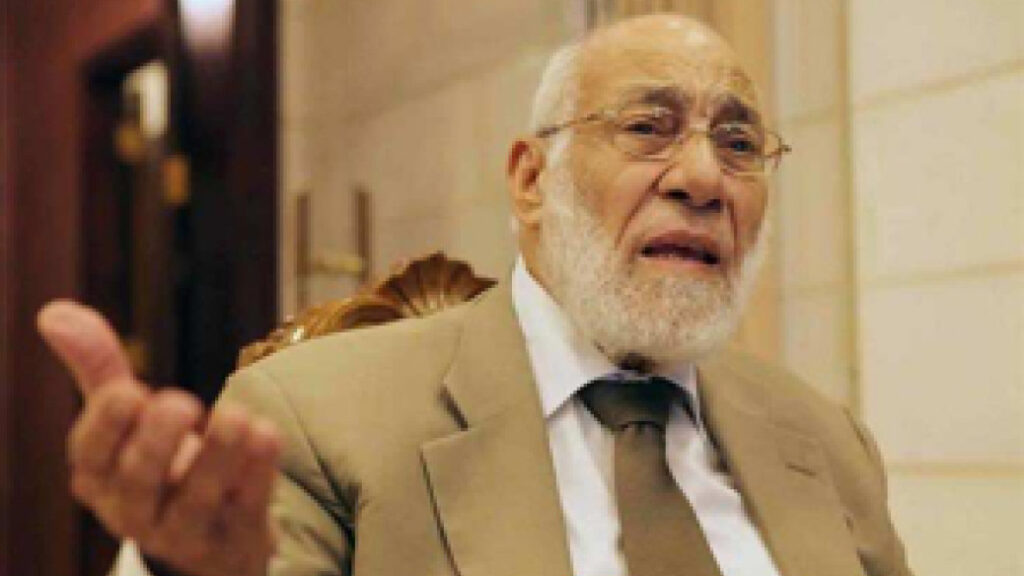
EGYPTIAN Islamic scholar and geologist Zaghloul El-Naggar dies aged 92

Egyptian Islamic scholar and geologist Zaghloul El-Naggar, a leading figure in the field of scientific interpretation of the Qur’an, has died at the age of 92.

El-Naggar passed away in Amman, Jordan, after a battle with illness, according to statements released on his official social media accounts on Sunday.

His funeral prayer will be held on Monday at Abu Aisha Mosque in Amman, followed by burial at Umm Al-Qutain Cemetery.

Born on 17 November 1933 in the village of Mashal in Egypt’s Gharbia Governorate, El-Naggar showed an early passion for science.

He graduated with honours in geology from Cairo University in 1955, earning the Mustafa Baraka Award in Earth Sciences. He obtained a PhD from the University of Wales in 1963 and became a full professor in 1972.

El-Naggar’s career spanned decades of teaching and research at universities in Egypt, the UK, Saudi Arabia, Qatar, Yemen, Jordan, and the United States.

He chaired the geology department at Qatar University, taught at King Fahd University of Petroleum and Minerals, and served as a visiting professor at UCLA.

He also directed Al-Ahqaf University in Yemen and later taught at the World Islamic Sciences and Education University in Jordan.

He became one of the Arab world’s most recognised voices on the relationship between science and faith, authoring numerous books and delivering hundreds of lectures on what came to be known as the “scientific miracles of the Qur’an and Sunnah”.

His popular TV programme Ayat Bayyinat (“Clear Verses”) aired across Arab channels, exploring Quranic descriptions of natural phenomena.

El-Naggar was a member of the International Commission on Scientific Signs in the Qur’an and Sunnah and was honoured several times for his contributions to promoting scientific understanding within an Islamic framework.

source/content: newarab.com (headline edited)

______________

El-Naggar passed away in Amman, Jordan, after a battle with illness [Al-Araby Al-Jadeed]

__________

EGYPT

IRAQ-KURDISTAN : First Gene/Seed Bank in Kurdistan Region to Preserve Iraq’s Agricultural Heritage

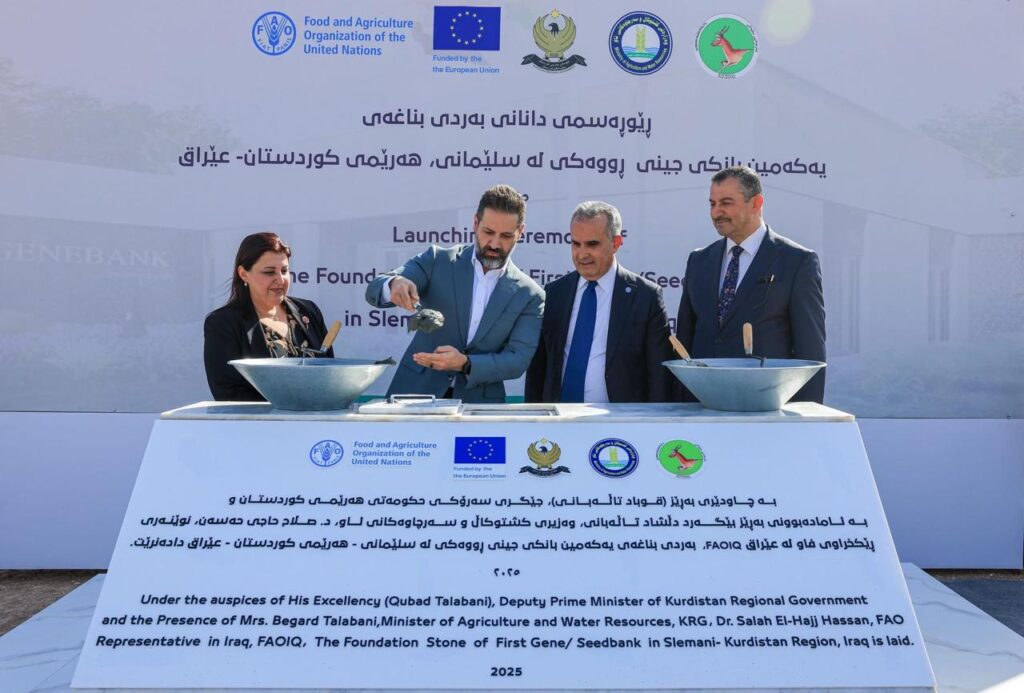
Under the auspices of H.E. Mr. Qubad Talabani, Deputy Prime Minister of the Kurdistan Regional Government, Iraq marked a major step toward safeguarding its agricultural heritage and enhancing its food security with the laying of the foundation stone for the first-ever Gene/Seed Bank in the Region.

The facility, located in Hawari Shar Park in Sulaymaniyah, is funded by the European Union (EU) and implemented by the Food and Agriculture Organization of the United Nations (FAO), in collaboration with the Federal and Regional Governments as part of the  “Restoration and Strengthening the Resilience of Agri-Food Systems in Iraq” project. The facility will enable the preservation of plant genetic diversity, enhance food security, and build resilience against climate change.

The event was inaugurated by H.E. Deputy Prime Minister of the Kurdistan Regional Government, Mr. Qubad Talabani; H.E. Minister of Agriculture and Water Resources, Ms. Begard Talabani; the Governor of Sulaymaniyah, Dr. Haval Abubakir; the Mayor of Sulaymaniyah, Ms. Leyla Omar Ali; the FAO Representative in Iraq, Mr. Salah El Hajj Hassan; along with a number of senior representatives from  academic and agricultural institutions.

H.E. Mr Qubad Talabani, Deputy Prime Minister, emphasised the importance of this initiative, saying: ‘The gene bank is an investment for the future; it protects our past and secures our future.’

The Gene/Seed bank is a strategic facility for conserving Iraq’s rich plant genetic diversity, which includes over 3,500 plant species originating from the ancient civilizations that once flourished in Iraq—the cradle of civilization. These species hold scientific, historical, and human value across the region and globally. The facility will enable the conservation of rare plant genetic resources, including wild varieties of grains, vegetables, and indigenous crops. It will also strengthen Iraq’s capacity to conserve seeds and make use of valuable genetic traits—such as drought tolerance—from wild species to support the development of more climate-resilient crops.

In her remarks, H.E. Minister Begard Talabani stated: “This initiative represents a strategic milestone in the journey of developing the agricultural sector by protecting plant diversity and supporting scientific research. It will enable farmers to benefit from our historical plant heritage and will allow us to preserve our agricultural legacy for future generations.”

FAO Representative in Iraq, Mr. Salah El Hajj Hassan, expressed his sincere appreciation to FAO’s national partners in the federal government and the Kurdistan Regional Government for their close collaboration and support. He also acknowledged and thanked the European Union for funding this initiative under the scope of the  “Restoration and Strengthening the Resilience of Agri-Food Systems in Iraq,” project,  which also reflects the follow-up to the recommendations resulting from  the FAO Director-General visit to Iraq and his meetings with senior officials. He added that this facility represents a center for scientific innovation in research and resilience-building. It enables the preservation of Iraq’s historical, environmental and agricultural heritage, ensures that future generations can benefit from it, and stands as a testament to FAO’s commitment to transforming Iraq’s agricultural legacy into a powerful tool for sustainable development.”

The gene bank will house modern storage vaults, laboratories, research and training facilities, and seed data documentation and conservation areas. Future expansion is anticipated to include a field gene bank, a tissue culture laboratory, and a cryobank.

The initiative directly contributes to the Sustainable Development Goals (SDGs), particularly SDG 2: Zero Hunger and SDG 13: Climate Action, by investing in biodiversity conservation and climate-resilient agriculture.

source/content: fao.org – FAO of the UN (headline edited)

______________

______________________

IRAQ / KURDISTAN

UNITED ARAB EMIRATES University registers a patent for an innovative graphite compound extracted from date syrup

The United Arab Emirates University announced that it has obtained a new patent from the United States Patent and Trademark Office in the field of environmental science and renewable energy, which is the invention of a carbon nitride graphite compound supported by date syrup.

This patent represents an important step in the development of photocatalytic technologies for converting water into hydrogen using light, which represents a significant advance in sustainable energy technology.

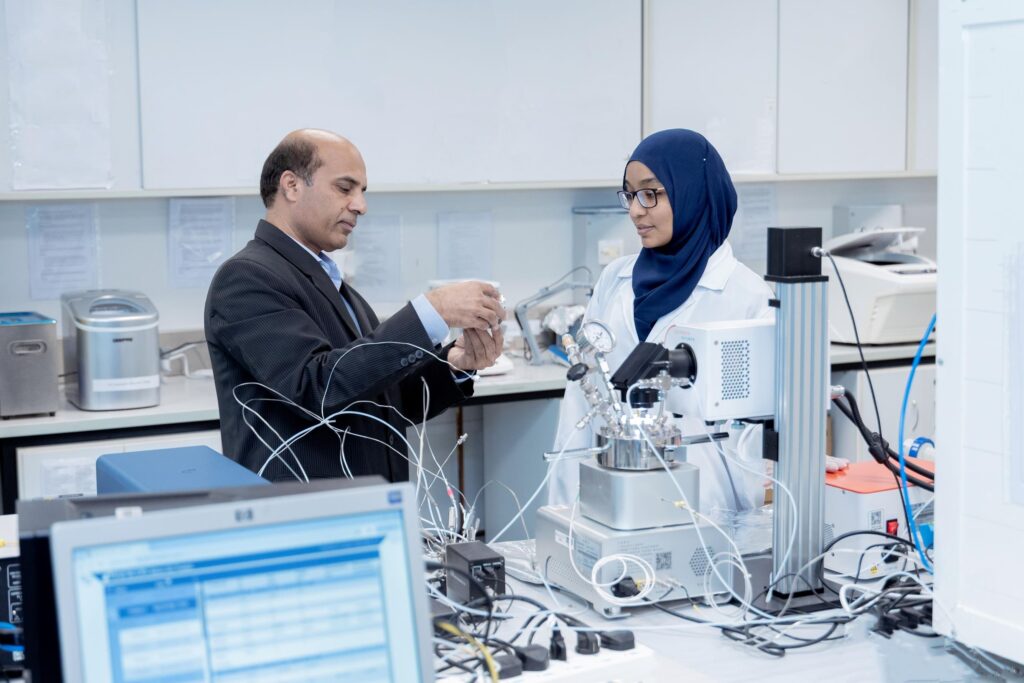
The innovative compound, developed by a team of researchers at the United Arab Emirates University, including PhD student Malath Sulaiman, under the supervision of Dr. Mohammed Taher, Associate Professor in the Department of Chemical and Petroleum Engineering, uses date syrup as an aid to accelerate the photocatalytic process. The compound is manufactured by mixing carbon nitride graphite with date syrup at high temperatures, which improves the efficiency of converting water into hydrogen.

Dr. Mohammed Taher, the project’s principal investigator, explained: “We are proud of this invention, which reflects the United Arab Emirates University’s commitment to innovation in the field of renewable energy. By combining date syrup with carbon nitride graphite, we were able to develop an effective material that can greatly enhance the photocatalytic process, helping to address the challenges of climate change and reduce dependence on fossil fuels.”

This discovery is the result of ongoing efforts by researchers at the United Arab Emirates University, who are working on developing innovative solutions to environmental and energy challenges. Initial studies have confirmed that the new compound is capable of generating hydrogen with high efficiency, opening up new and wide-ranging applications in the field of clean energy and green hydrogen production, and represents a promising step towards enhancing the UAE’s position in the renewable energy sector globally. 

source/content: wam.ae (headline edited)

_____________

__________________________________

UNITED ARAB EMIRATES (U.A.E)

LIBYAN teen scientist Halima Al-Khazali wins bronze for natural antibiotic discovery​​​​​​​​​​​​​​​​

A young Libyan scientist has secured a bronze medal at the International Festival of Science and Technology (I-FEST) 2025 in Tunisia after developing a patented natural antibiotic.

Halima Al-Khazali, 18, from Bayda, claimed third place among 800 international competitors for her invention of an antibiotic derived from wormwood and other herbs. Her achievement adds to Libya’s growing reputation in scientific innovation.

The breakthrough came after five months of rigorous research into a traditional Libyan remedy for dental infections, culminating in Al-Khazali obtaining a patent for her discovery.

This latest success follows her previous gold medal at the Bosnia and Herzegovina Science Olympiad (BOSEPO) 2025, where she finished first among 300 participants.

Al-Khazali’s accomplishments highlight both her exceptional scientific talent and Libya’s potential contributions to global scientific research, making her an inspirational figure for young people across Libya and the broader Arab world.

source/content: libyanexpress.com (headline edited)

____________

Libyan teenager wins bronze medal at Tunisia science festival for natural antibiotic

__________

LIBYA

BAHRAIN : World’s largest rooftop solar plant set to shine with over 189,000 panels

The power plant is a major step in the country’s ambitions to achieve the Net Zero 2060 target.

Bahrain-based industrial giant Foulath Holding has partnered with Yellow Door Energy, a leading sustainable energy developer in the Middle East and Africa, to launch a record-breaking 123 megawatt-peak (MWp) solar project.

The project marks the construction of the world’s largest single-site rooftop solar power plant, signaling a crucial step in Bahrain’s pursuit to achieve its Net Zero 2060 target.

Developed under a Power Purchase Agreement (PPA), 77,000 solar panels will be installed across a newly built 262,000-square-meter stockyard shed, capable of generating a total rooftop capacity of 50 MWp.

The announcement was made at the Four Seasons Hotel in Bahrain Bay on November 2, during the third edition of the premium investment forum Gateway Gulf.

It was hosted by the Bahrain Economic Development Board, with global investors, business leaders, policymakers, and government officials from multiple regions in attendance.

A transformative step towards clean energy vision

As a small island nation, Bahrain faces unique constraints in developing large-scale solar farms on the ground. Rooftop installations provide a space-efficient and scalable solution to harness clean energy without compromising valuable land resources.

In total, the site will consist of ten rooftop and four on-ground photovoltaic systems, producing an estimated 200 million kilowatt-hours (kWh) of clean electricity in its first year.

The overall initiative of the project is to reduce carbon emissions by 90,000 metric tons annually.

“Today, the island nation of Bahrain stands at the forefront of sustainable global innovation. We are incredibly proud of this transformative project – marking the largest rooftop solar plant in the world,” said Noor bint Ali Alkhulaif, Minister of Sustainable Development.

“This milestone not only strengthens our position as a regional leader in clean energy, but embodies our dedication to build a resilience, sustainable future in line with our national vision of elevating Bahrain’s international competitiveness,” she continued.

A $250M commitment to sustainability

For Foulath Holding, the project represents the continuation of a long-term environmental strategy.

Meshary Al-Judaimi, Chairman of Foulath Holding, revealed that the company has already invested approximately $250 million in sustainability projects over recent years.

“Over the past several years, Foulath has invested approximately $250 million in various sustainability projects,” he said.

“These investments are a testament to our commitment to responsible operations, environmental stewardship, and protecting the health and well-being of our community, thereby ensuring industrial development goes hand-in-hand with environmental care. The solar project serves as a continuation of that commitment,” Al-Judaimi added further.

Powering a sustainable industrial future

The solar plant project will be developed in partnership with Yellow Door Energy, known for its large-scale renewable infrastructure in the region.

“I think this project proves how cost-competitive, clean energy can drive forward industry and set a new global benchmark for decarbonizing steel production,” said Sherif ElKholy , Managing Director at Actis and Chairman of Yellow Door Energy.


“As a leading investor in sustainable infrastructure and majority shareholder of Yellow Door Energy, we are proud to witness this signing and look forward to seeing this transformative project come to life,” he continued, emphasizing the significance of the partnership.

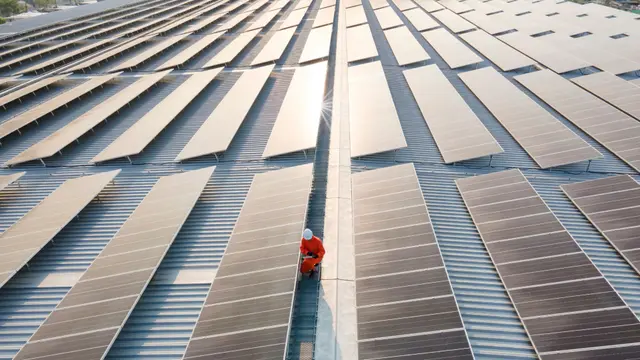
With over 189,900 high-efficiency solar panels spanning 707,000 square meters, this initiative will power a new chapter in Bahrain’s energy transition.

source/content: interestingengineering.com (headline edited)

_________________

Engineers holding tablet standing at solar panels roof – stock photo. / Getty Images

______________

BAHRAIN

SAUDI ARABIA : A Look into the World’s Largest BESS Project in Saudi Arabia

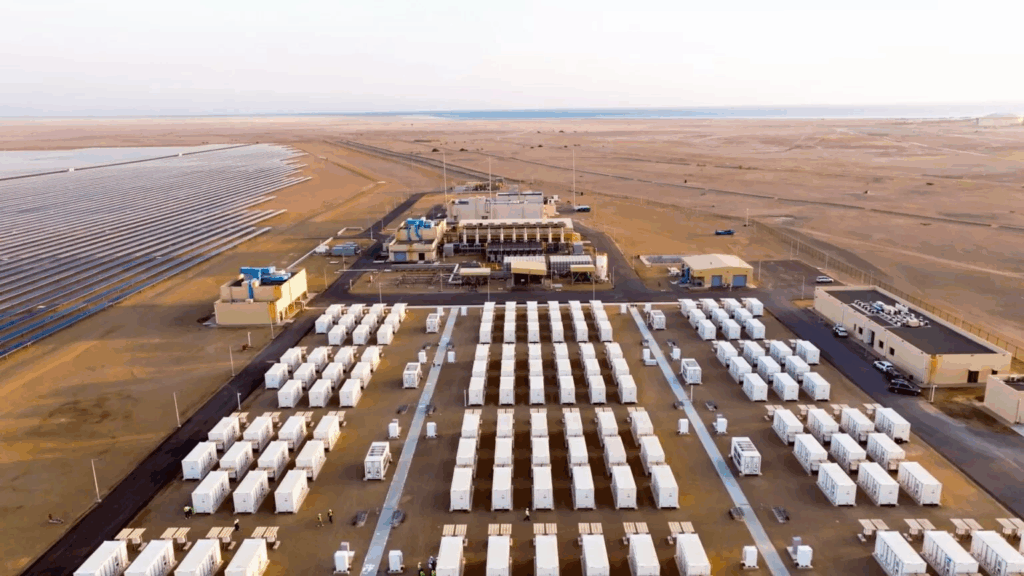
 Saudi Arabia is making advances in its BESS projects as it launches one of Middle East’s largest BESS deployments, a 4GWh BESS project. The nation’s battery storage drive comes as HiTHIUM is commissioned with a 4 GWh BESS project in a joint venture between the Saudi Electricity Company and Alfanar.

The systems, to be installed in Tabuk and Hail, will deploy HiTHIUM’s 1175 Ah long-duration technology in climate-resilient containerized units, being commissioned in 2026. This follows on the back of the earlier commissioning of the 500 MW / 2 GWh Bisha BESS, the globe’s largest single-phase grid-tied project, and a record 12.5 GWh transaction with BYD, which puts Saudi Arabia at the center of the world’s biggest in-development grid-scale storage pipeline.

By the year’s end, the Kingdom should surpass 11 GWh of operational storage and place itself among the top five utility-scale BESS leaders as it targets Vision 2030 renewable ambitions. The impact and influence of BESS projects around the world cannot be overstated, with Saudi Arabia taking the lead. Other countries such as Finland are determined to catch up as they launched the world’s largest sand battery , a monumental achievement.

The Middle East is making effort in various energy projects other than the world’s largest BESS project in Saudi Arabia. The UAE has broken ground on the world’s largest solar and BESS project,  first of its kind. Moreover, it will be capable of delivering round-the-clock baseload renewable energy. Masdar in collaboration with EWEC (Emirates Water and Electricity Company) is developing the $6 billion project. Moreover, it will deliver up to 1 gigawatt (GW) of baseload power 24 hours a day, seven days a week. The ceremony was witnessed by Sheikh Theyab bin Mohamed bin Zayed Al Nahyan, Deputy Chairman of the Presidential Court for Development and Fallen Heroes’ Affairs.

August 11, 2024: The implementation of the world’s largest battery energy system (BESS) project progresses as Saudi Arabia begins qualification tenders. A Saudi Arabian entity that has been tasked with procuring electricity generation projects has commenced the process. Saudi Power Procurement Company (SPPC) is licensed as the sole buyer of electrical energy. The government is soliciting bids to develop four battery energy storage system (BESS) projects. Furthermore, it is expected that each will have a 500MW output and 2,000MWh in storage capacity. The contract, which entails 15-year terms, will be awarded on a build-own-operate (BOO) model. It also entails the aspect of bidders holding 100% equity in special purpose vehicle (SPV) companies set up for the development and operation of projects. The SPPC, administered by the Saudi Ministry of Energy, aligns with the National Renewable Energy Program (NREP). Once completed, the BESS project is expected to be the world’s largest.

Project Factsheet

Location: Saudi Arabia

Capacity: 8GWh of storage capacity

Significance: World’s largest BESS Project

Main Company Involved: Saudi Power Procurement Company

Project duration: 15 years

Prequalified Bidders

The Saudi Power Procurement Company (SPPC) has released a list of 33 prequalified bidders for its 8GWh BESS project. The tender, structured as a build-own-operate model, attracted significant energy companies, both local and international. These include Masdar, ACWA Power, EDF, TotalEnergies, and Jinko Power, among others. The list also included prominent companies from nations such as South Korea, Japan, and China. Leading the pack were Samsung, the China Energy Overseas Investment Company, China Power Engineering, and China Southern Power Grid International. Of the 33 prequalified bidders, 21 applied, aiming to provide management and technological services. The remaining 12 applied solely for asset management roles for the BESS project.

The projects mark the first phase of Saudi Arabia’s ambitious battery storage program. It is designed to support its 50% renewable energy goal by 2030. Each 500 MW facility will operate for four hours, providing 2,000 MWh of total power capacity, said the SPPC. In early November, the state-owned limited liability company called for qualification for battery storage procurement. The company has so far contracted several gigawatts of solar PV and wind in competitive solicitation over the past years. Other technologies, such as Combined Cycle Gas Turbine (CCGT) and Water Infrastructure, have also had deals inked. Successful candidates will be granted 15-year Storage Service contracts with SPPC for respective projects they develop, featuring an output and storage capacity of 500 MW/2,000 MWh at various locations in the country. In addition, the bidders will have 100% equity in projects developed by SPV companies.

The State of Affairs Regarding the World’s Largest BESS Project in Saudi Arabia

The world’s largest BESS project in Saudi Arabia is one that has received accolades from the state government. Under Saudi Arabia’s Vision 2030 policy roadmap, the country aims to have a 50% share of renewable energy in its grid. According to energy minister, Prince Abulaziz bin Abdullah Al Saud, the government is prepared to incur the needed costs. Speaking in 2021, the Saudi government expects to spend $293 billion on power and energy projects by then. The biggest share of this revenue is expected to be spent on transmission upgrades and renewable energy.

Furthermore, investment is expected to be placed in the distribution network. SPPC noted earlier this week that the newly launched BESS procurement project will help the nation reach its 50% goal. The company also noted that the current tenders represent the first batches of solicitations. The locations of the four BESS facilities have already been decided. Two will be in Makkah province, one in Qassim province, and the other in Hail province. They have also been termed as independent storage projects (ISPs) by SPPC. Qualified bidders have been issued until midday, 25 November 2024, to submit their proposals for the BESS project.

source/content: constructionreviewonline.com (headline edited)

_______________

The Saudi Power Procurement Company (SPPC) has released a list of 33 prequalified bidders for its 8GWh BESS project.

_________________

SAUDI ARABIA

JORDAN : Secretary-General appoints Rana Taha of Jordan United Nations Resident Coordinator in Tunisia

United Nations Secretary-General António Guterres appointed Rana Taha of Jordan as the United Nations Resident Coordinator in Tunisia, with the host Government’s approval, effective 19 June 2025. 

Ms. Taha has over 20 years of diverse experience working for United Nations agencies, funds and programmes, and UN peacekeeping and special political missions. Prior to her appointment as Resident Coordinator in Tunisia she served as a Team Leader and the senior Peace and Development Advisor for the United Nations in Kenya.

From 2015 to 2019, she held several positions in the Departments of Political and Peacebuilding Affairs (DPPA) and Peace Operations (DPO) at UN headquarters, where she managed the Middle East/North Africa Regional Programme for Peacekeeping and Special Political Missions.

Ms. Taha served in UN missions in Lebanon (UNIFIL, UNSCOL) and Sudan (UNMIS and UNAMID), including as a Special Assistant and Advisor to successive representatives of the Secretary General from 2007 to 2015. 

From 2003 to 2007, she served as the representative for Interpeace and the Programme Manager at the United Nations Office for Project Services (UNOPS) in the Occupied Palestinian Territories. 

Earlier in her career, she was a research fellow at the United Nations Institute for Disarmament Research in Switzerland from 2001 to 2002. 

She holds a master’s degree in International Relations and Public Policy from McMaster University and a master’s degree in sociology from the University of Jordan. Ms. Taha is married with one son.

source/content: unsdg.un.org / UN Sustainable Development Group (UNSDG) – (headline edited)

___________

Caption: Secretary-General António Guterres has appointed Rana Taha of Jordan as the United Nations Resident Coordinator in Tunisia / Photo: © UN

____________

JORDAN

TUNISIA : From waste to wealth: How this Tunisian startup is turning olive residue into clean energy

Entrepreneur Yassine Khelifi is hoping to redirect agricultural waste into alternative energy sources to help ease the burden in Tunisia.

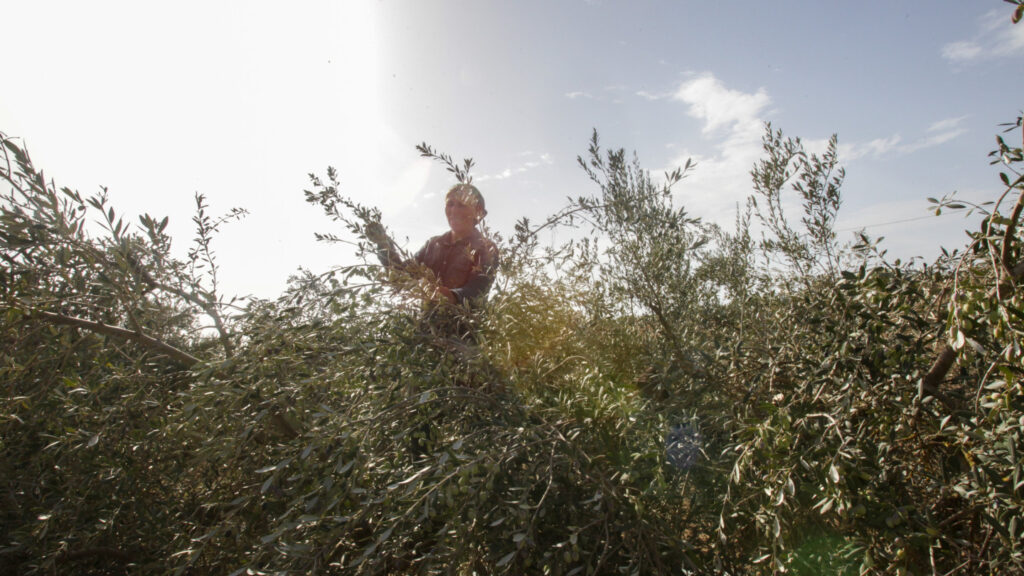
In a northern Tunisian olive grove, Yassine Khelifi’s small workshop hums as a large machine turns olive waste into a valuable energy source in a country heavily reliant on imported fuel.

Holding a handful of compacted olive residue — a thick paste left over from oil extraction — Khelifi said: “This is what we need today. How can we turn something worthless into wealth?”

For generations, rural households in Tunisia have burned olive waste for cooking and heating or used it as animal feed.

The International Olive Council estimated Tunisia will be the world’s third-largest olive oil producer in 2024-2025, with an expected yield of 340,000 tonnes. The waste generated by the oil extraction is staggering.

Khelifi, an engineer who grew up in a family of farmers, founded Bioheat in 2022 to tackle the issue. He recalled watching workers in olive mills use the olive residue as fuel.

“I always wondered how this material could burn for so long without going out,” he said. “That’s when I asked myself: ‘Why not turn it into energy?'”

Beyond profit, Khelifi hopes his startup helps “reduce the use of firewood as the country faces deforestation and climate change”.

Employees transport truckloads of olive waste at his workshop, stacking it high before feeding it into the processing machines.

The material is then compacted into cylindrical briquettes and left to dry for a month under the sun and in greenhouses before being packaged and sold.

The soul of olives 

Khelifi began developing his idea in 2018 after he travelled across Europe searching for a machine to turn the olive paste into long-burning fuel.

Unable to find the right technology, he returned to Tunisia and spent four years experimenting with various motors and mechanical parts.

By 2021, he had developed a machine that produced briquettes with just eight percent moisture.

He said this amount significantly reduces carbon emissions compared to firewood, which requires months of drying and often retains more than double the amount of moisture.

Bioheat found a market among Tunisian restaurants, guesthouses, and schools in underdeveloped regions, where winter temperatures at times drop below freezing.

But the majority of its production — about 60 percent — is set for exports to France and Canada, Khelifi said.

The company now employs 10 people and is targeting production of 600 tonnes of briquettes in 2025, he added.

Selim Sahli, 40, who runs a guesthouse, said he replaced traditional firewood with Khelifi’s briquettes for heating and cooking.

“It’s an eco-friendly and cost-effective alternative,” he said. “It’s clean, easy to use, and has reduced my heating costs by a third.”

Mohamed Harrar, the owner of a pizza shop on the outskirts of Tunis, praised the briquettes for reducing smoke emissions, which he said previously irritated his neighbours.

“Besides, this waste carries the soul of Tunisian olives and gives the pizza a special flavour,” he added.

‘Protect the environment’ 

Given Tunisia’s significant olive oil production, waste byproducts pose both a challenge and an opportunity.

Noureddine Nasr, an agricultural and rural development expert, said around 600,000 tonnes of olive waste is produced annually.

“Harnessing this waste can protect the environment, create jobs, and generate wealth,” he said.

Nasr believes repurposing olive waste could also help alleviate Tunisia’s heavy dependence on imported fuel.

The country imports more than 60 percent of its energy needs, a reliance that widens its trade deficit and strains government subsidies, according to a 2023 World Bank report.

Fuel and gas shortages are common during winter, particularly in Tunisia’s northwestern provinces, where households struggle to keep warm.

Redirecting agricultural waste into alternative energy sources could ease this burden.

Yet for entrepreneurs like Khelifi, launching a startup in Tunisia is fraught with challenges.

“The biggest hurdle was funding,” he said, lamenting high-interest bank loans. “It felt like walking on a road full of potholes.”

But now his goal is “to leave my mark as a key player in Tunisia’s transition to clean energy”, he added. “And hopefully, the world’s, too.”

Climate-induced droughts drying up MENA’s olive oil production

A report on climate change by the World Meteorological Organization had found that “the warming has been more rapid in Africa than the global average,” adding that “increased temperature has contributed to a 34% reduction in agricultural productivity growth in Africa since 1961,” a greater drop “than any other region in the world.”

In an ominous note, the report also observed that “the warming trend for North Africa, around 0.41 °C/decade between 1991 and 2021, was higher than the warming trend for all the other African sub-regions.”

Heat waves pose a serious risk to the production of olive oil in North Africa, which accounts for much of the world’s supply. According top provisional data from the IOC, Morocco produced 160,000 metric tons of olive oil between October 1, 2020, and September 30, 2021, making that country the world’s fifth-biggest producer.

Tunisia, the world’s sixth-largest producer during that period, recorded 140,000 metric tons. Algeria and Egypt together had 100,000 metric tons.

With climate change becoming a more persistent aspect of everyday life, the consequences for olive oil look set to grow worse.

The Tunisian National Observatory for Agriculture predicts that Tunisia’s production of olive oil may drop 35 percent from its 1981-2010 average by 2050 and 70 percent from that average by the turn of the century. Production in Algeria, Egypt, Libya, and Morocco seems unlikely to fare much better in the face of global warming.​​​​​​​

source/content: newarab.com (headline edited)

___________

_____________

TUNISIA