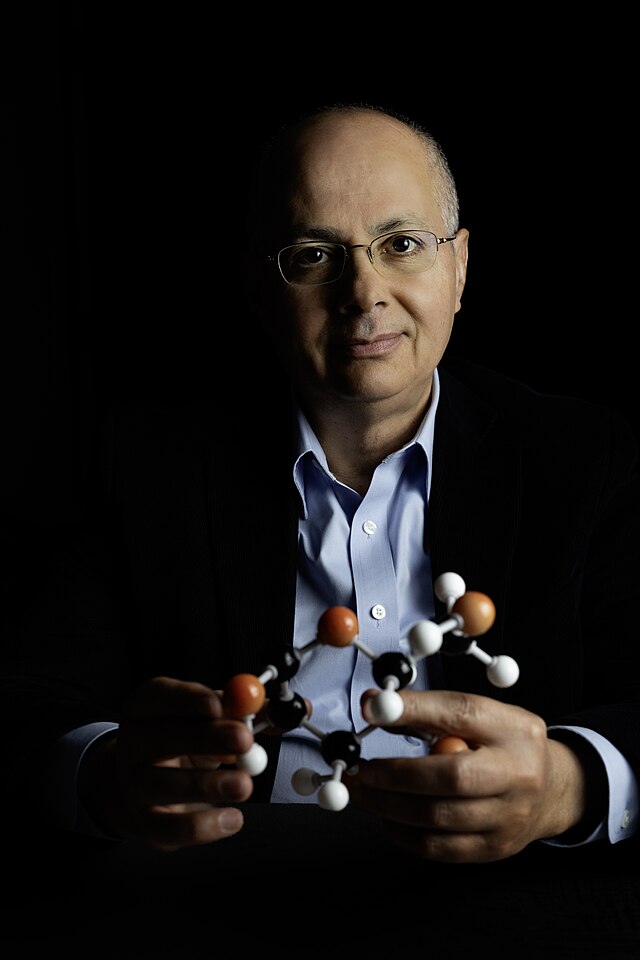
MAURITANIA : Sidi Ould Tah: Africa’s new ‘super banker’

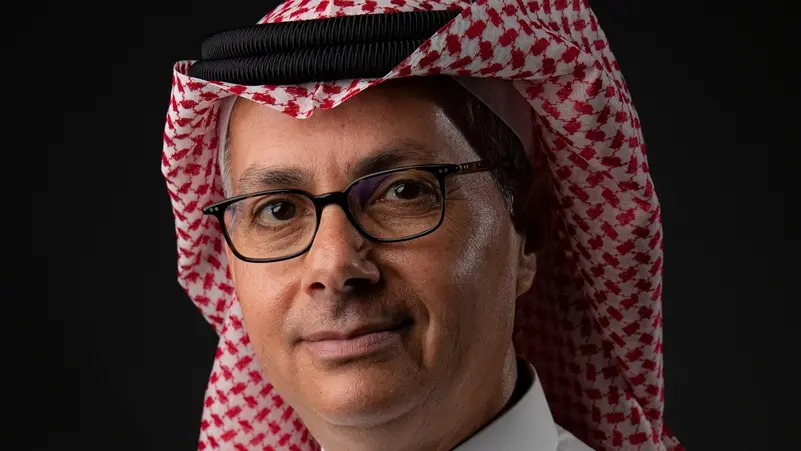
Sidi Ould Tah is the first Mauritanian to become president of the African Development Bank (AfDB) and will need all his international experience to tackle the challenges facing the institution.

The 60-year-old economist was the last to declare his candidacy for the post and ran a whirlwind campaign during which he highlighted his 10 years as head of the Arab Bank for Economic Development in Africa (BADEA).

He claimed to have transformed it from an institution “unknown to rating agencies” to one of the highest-rated development organisations in Africa.

“I have demonstrated my transformative leadership style that has elevated the bank to the level of a leading player in the African development landscape,” he said in his application statement to the AfDB.

A discreet man who speaks sparingly, his style will be a clear contrast with his flamboyant predecessor, Nigeria’s Akinwumi Adesina.

Tah’s programme is based on four main points: strengthening regional financial institutions; asserting Africa’s financial independence in global markets; leveraging demographic dynamics as a development tool; and building resilient infrastructure to climate change.

His entourage is touting his ability to replicate his successes at the BADEA at a larger institution like the AfDB, which has $318 billion in capital.

“The AfDB has to abandon traditional bureaucratic models for a more fluid approach based on results,” he said.

– African legitimacy –

Tah, who was Mauritania’s economy minister from 2008 to 2015, is calling for a “break with the approaches of the past”, in a world where the “challenges and opportunities of Africa have taken a new dimension”.

The new AfDB president speaks French, English, Arabic and Wolof, which is spoken in several west African countries.

He managed the impressive feat of rallying diplomatically diverse supporters behind his candidacy, from Sahel countries such as Mali to France.

His score of more than 72 percent among African voters gives him continental legitimacy. His entourage claimed before the vote he had support from the very first round from all African regions.

US President Donald Trump’s administration has vowed to suspend $500 million in aid to the AfDB, but Tah has argued other financial backers such as Gulf countries could step in.

On environmental questions, he intends to promote Africa’s natural resources to move towards a “viable energy transition, reconciling economic and environmental imperatives”.

“Even though Africa is a minimal contributor to global CO2 emissions, it bears the full brunt of the effects of climate change,” he said.

“It is therefore imperative to integrate sustainable practices and to harness renewable energy in development projects.”

Tah holds a master’s degree in economics from the University of Nouakchott in his native Mauritania and a doctorate from the University of Nice in France.

source/content: digitaljournal.com / Pierre Donadieu (headline edited)

_____________

Sidi Ould Tah is the first Mauritanian to serve as African Development Bank president – Copyright AFP/File SAUL LOEB

__________________

MAURITANIA
IRAQ-KURDISTAN : First Gene/Seed Bank in Kurdistan Region to Preserve Iraq’s Agricultural Heritage

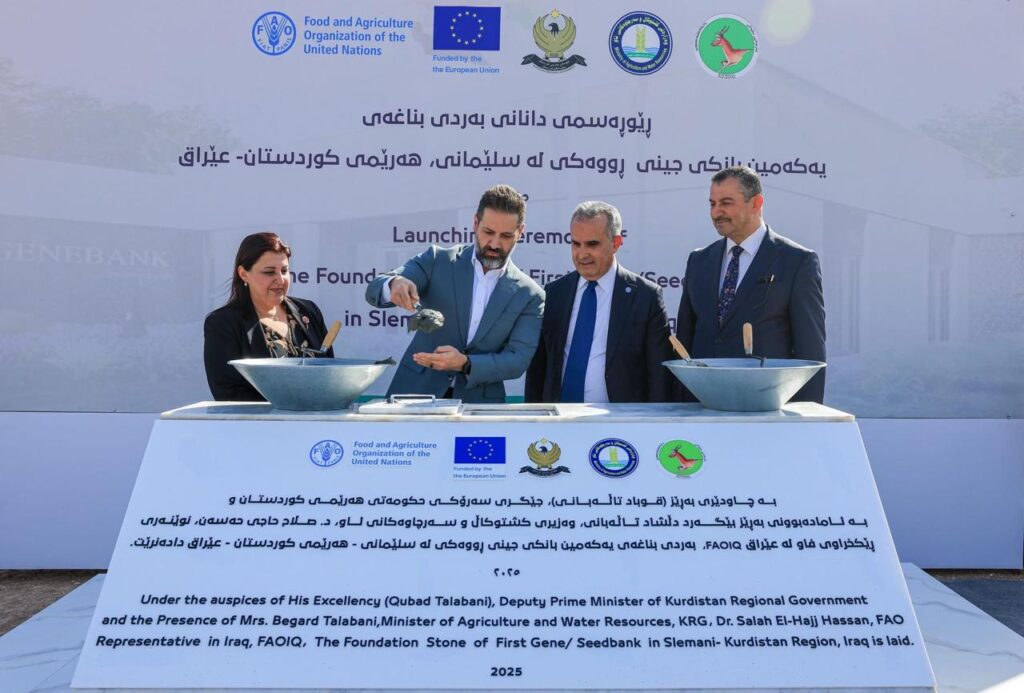
Under the auspices of H.E. Mr. Qubad Talabani, Deputy Prime Minister of the Kurdistan Regional Government, Iraq marked a major step toward safeguarding its agricultural heritage and enhancing its food security with the laying of the foundation stone for the first-ever Gene/Seed Bank in the Region.

The facility, located in Hawari Shar Park in Sulaymaniyah, is funded by the European Union (EU) and implemented by the Food and Agriculture Organization of the United Nations (FAO), in collaboration with the Federal and Regional Governments as part of the  “Restoration and Strengthening the Resilience of Agri-Food Systems in Iraq” project. The facility will enable the preservation of plant genetic diversity, enhance food security, and build resilience against climate change.

The event was inaugurated by H.E. Deputy Prime Minister of the Kurdistan Regional Government, Mr. Qubad Talabani; H.E. Minister of Agriculture and Water Resources, Ms. Begard Talabani; the Governor of Sulaymaniyah, Dr. Haval Abubakir; the Mayor of Sulaymaniyah, Ms. Leyla Omar Ali; the FAO Representative in Iraq, Mr. Salah El Hajj Hassan; along with a number of senior representatives from  academic and agricultural institutions.

H.E. Mr Qubad Talabani, Deputy Prime Minister, emphasised the importance of this initiative, saying: ‘The gene bank is an investment for the future; it protects our past and secures our future.’

The Gene/Seed bank is a strategic facility for conserving Iraq’s rich plant genetic diversity, which includes over 3,500 plant species originating from the ancient civilizations that once flourished in Iraq—the cradle of civilization. These species hold scientific, historical, and human value across the region and globally. The facility will enable the conservation of rare plant genetic resources, including wild varieties of grains, vegetables, and indigenous crops. It will also strengthen Iraq’s capacity to conserve seeds and make use of valuable genetic traits—such as drought tolerance—from wild species to support the development of more climate-resilient crops.

In her remarks, H.E. Minister Begard Talabani stated: “This initiative represents a strategic milestone in the journey of developing the agricultural sector by protecting plant diversity and supporting scientific research. It will enable farmers to benefit from our historical plant heritage and will allow us to preserve our agricultural legacy for future generations.”

FAO Representative in Iraq, Mr. Salah El Hajj Hassan, expressed his sincere appreciation to FAO’s national partners in the federal government and the Kurdistan Regional Government for their close collaboration and support. He also acknowledged and thanked the European Union for funding this initiative under the scope of the  “Restoration and Strengthening the Resilience of Agri-Food Systems in Iraq,” project,  which also reflects the follow-up to the recommendations resulting from  the FAO Director-General visit to Iraq and his meetings with senior officials. He added that this facility represents a center for scientific innovation in research and resilience-building. It enables the preservation of Iraq’s historical, environmental and agricultural heritage, ensures that future generations can benefit from it, and stands as a testament to FAO’s commitment to transforming Iraq’s agricultural legacy into a powerful tool for sustainable development.”

The gene bank will house modern storage vaults, laboratories, research and training facilities, and seed data documentation and conservation areas. Future expansion is anticipated to include a field gene bank, a tissue culture laboratory, and a cryobank.

The initiative directly contributes to the Sustainable Development Goals (SDGs), particularly SDG 2: Zero Hunger and SDG 13: Climate Action, by investing in biodiversity conservation and climate-resilient agriculture.

source/content: fao.org – FAO of the UN (headline edited)

______________

______________________

IRAQ / KURDISTAN

SYRIAN-AMERICAN : Who is Zohran Mamdani’s Syrian-American wife Rama Duwaji?

While the world is hailing New York mayor-elect Zohran Mamdani for his win, his artist wife, Rama Duwaji is now also in the spotlight.

With Zohran Mamdani making history on 4 November after being elected New York’s first Indian-American and Muslim mayor, attention has turned to his wife, First Lady Rama Duwaji.

Duwaji was born in Houston, Texas, in the US but her parents are originally from Damascus, Syria, and she spent most of her childhood in Dubai after relocating there. She returned to the US in 2016.

Dubbed a “modern-day Princess Diana”, the 28-year-old works as an illustrator and animator in Brooklyn, New York, graduating from Virginia Commonwealth University in 2019 with a Bachelor of Arts in Communications, then moving to New York City in 2021 to pursue a career in art.

Her work has been featured by Spotify, The New YorkerThe Washington Post, the BBC, Apple, and the Tate Modern in London.

After meeting on dating app Hinge in 2021, while the now-mayor was a member of the state assembly, Duwaji and Mamdani tied the knot in a private Muslim religious ceremony in 2024, followed by a civil ceremony in New York City Hall the following year.

While the illustrator has kept a low profile, reportedly turning down interviews and mostly sharing her work across social media, she paid tribute to Mamdani on Instagram after winning the primary in July.

Mamdani has previously praised his wife as “an incredible artist who deserves to be known on her own terms”.

Pro-Palestine art

Along with Arabic culture and feminist themes, Duwaji frequently uses her art to speak out about current events and politics, including Israel’s war on Gaza and immigration issues, such as the heavy-handed activities of ICE, which has been conducting mass deportation raids in the US since Trump’s appointment.

In May, Duwaji created an animation of a young Palestinian girl holding a large empty pot with the words “not a hunger crisis”, followed by a transition into drawings of several people also holding empty vessels with texts reading “it is deliberate starvation”.

“As I was making this, Israel has been bombing Gaza nonstop with consecutive airstrikes. Keep your eyes on Gaza and support”, the artist said in the caption.

Duwaji had also created an illustration in support of pro-Palestinian activist Mahmoud Khalil, who was detained by ICE over his activism. She called it “an attack on freedom of speech, and sets a scary f**king precedent for anyone who speaks up for what’s right”.

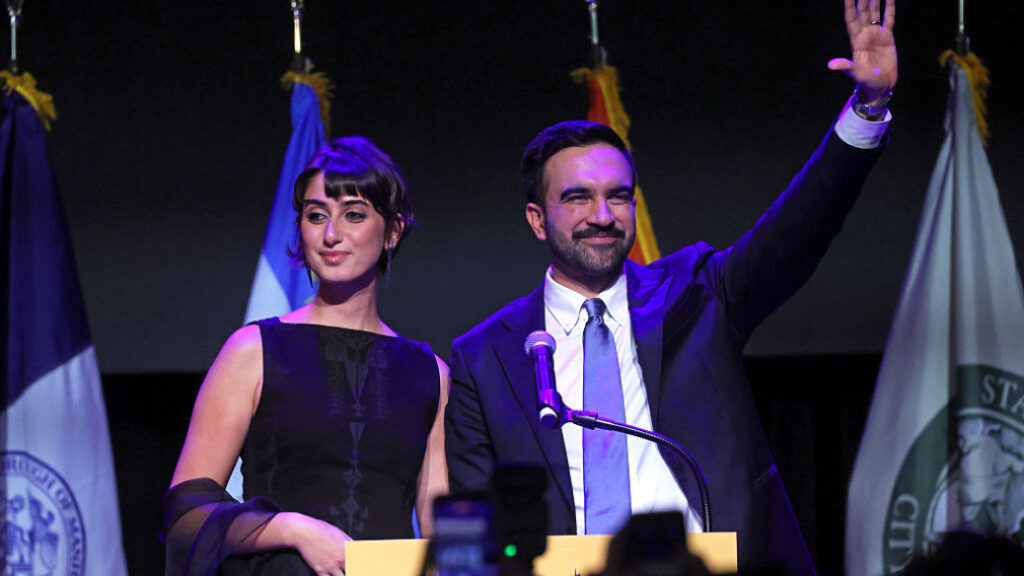
Following her husband’s win, the artist wore a black top made by Palestinian-Jordanian designer Zeid Hijazi on stage as he delivered his winning speech. Hijazi’s designs fuse ancient folklore with Arab futurism.

MAGA supporters were also quick to target Duwaji after she publicly mourned the death of Palestinian influencer Saleh al-Jafarawi, who was accused of “celebrating” the 7 October attacks.

Mandani has been quick to defend his wife against “right-wing trolls”, who are “trying to make this race – which should be about [the people] – about her”.

Attacks by right-wingers 

Like her partner, Duwaji has also been subjected to attacks from American right-wing personalities and the media, particularly the New York Post, which described the illustrator as “aloof”, claiming she “quietly steered” her husband’s campaign from behind the scenes.

MAGA supporters were also quick to target the artist after publicly mourning the death of Palestinian influencer Saleh al-Jafarawi, who was accused of “celebrating” the 7 October attacks.

Mandani has been quick to defend his wife against “right-wing trolls”, who are “trying to make this race – which should be about [the people] – about her”.

source/content: newarab.com (headline edited)

______________

_______________________

AMERICAN / SYRIAN

SAUDI-AMERICAN citizen Omar Yaghi among winners of 2025 Nobel Prize in Chemistry

Saudi-American citizen Omar Yaghi, along with scientists Susumu Kitagawa and Richard Robson, has won the 2025 Nobel Prize in Chemistry “for the development of metal–organic frameworks”, the award-giving body said on Wednesday.

Born in Jordan to Palestinian parents, Yaghi was granted Saudi citizenship in 2021 through a royal approval that had been issued to grant Saudi citizenship to several prominent specialists from different fields.

The move was in line with the objectives of Saudi Vision 2030, including encouraging talented individuals to relocate to the Kingdom, localizing foreign investment, and “creating an appropriate social and investment environment,” according to a statement carried by the Saudi Press Agency at the time.

The more than a century-old prize is awarded by the Royal Swedish Academy of Sciences and the winners share 11 million Swedish crowns ($1.2 million), as well as the fame of winning arguably the world’s most prestigious science award.

“Through the development of metal-organic frameworks, the laureates have provided chemists with new opportunities for solving some of the challenges we face,” the award-giving body said in a statement.

The Chemistry Nobel was the third prize announced in this year’s crop of awards, in keeping with tradition, following those for medicine and physics announced earlier this week.

Established in the will of Swedish inventor and businessman Alfred Nobel, the prizes for achievements in science, literature and peace have been awarded since 1901, with a few interruptions mostly due to the world wars.

Nobel was himself a chemist and his developments in that field helped underpin the wealth he amassed from his invention of dynamite in the 19th century. The economics prize is a later addition funded by the Swedish central bank.

Sometimes overshadowed by more famous laureates in the fields of physics, literature and peace, the chemistry awards have still recognized many influential discoveries such as nuclear fission, DNA sequencing techniques, and yeast.

Last year’s chemistry award went to US scientists David Baker and John Jumper and Briton Demis Hassabis for work on decoding the structure of proteins and creating new ones, yielding advances in areas such as drug development.

($1 = 9.3436 Swedish crowns)

With Reuters

source/content: english.alarabiya.net (headline edited)

___________

Saudi-American citizen Omar Yaghi, along with scientists Susumu Kitagawa and Richard Robson, has won the 2025 Nobel Prize in Chemistry “for the development of metal–organic frameworks”, the award-giving body said on Wednesday. (X @SPAregions)

____________________________________________________

AMERICAN / SAUDI ARABIA / JORDAN / PALESTINE

ARAB : The Arab World’s Greatest Modern Achievements

The Golden Age never really ended

Arabs are known for having had numerous contributions to civilizations—notably in the fields of Mathematics (Arabs invented Algebra), Astronomy (Al-Biruni discussed the earth’s rotation centuries before it was confirmed by Galileo), and Medicine (Al Razi was one of the first to diagnose diseases like smallpox and measles).  

But Arab achievements didn’t end in the Golden Age and have continuously evolved to modern fields, so we’re here to round up some of the lesser-known greatest modern achievements by Arabs..

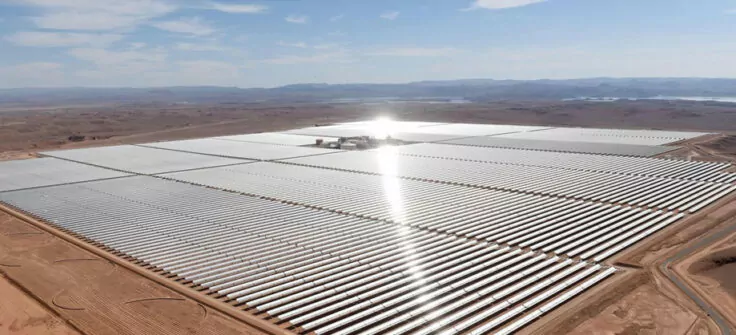
Noor Ouarzazte

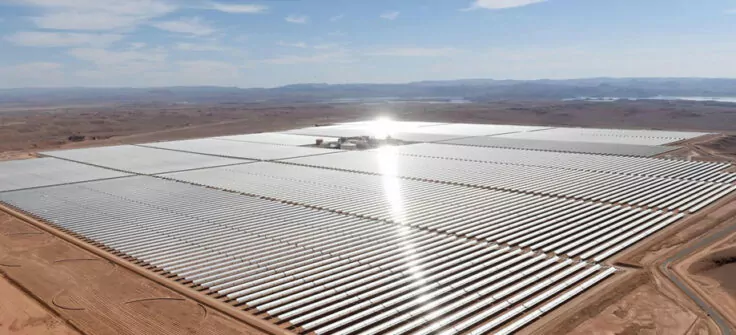
Morocco is turning the Sahara Desert into the largest concentrated power complex in the world. The project is currently in progress, due to be complete before the end of 2018.

Arabs in Space

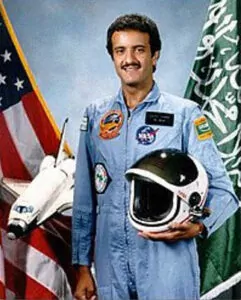
Sultan bin Salman Al Saud became the first Arab in space in 1985 – he was also the first royal astronaut ever. Syrian-born Mohammed Ahmed Faris followed in Al Saud’s footsteps in 1987.

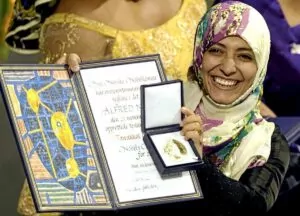
Nobel Peace Prize Winners

Photo credit ODD ANDERSEN/AFP/Getty Images

The Tunisian national dialogue quartet was awarded the Nobel Peace Prize in 2015 for their role in building a democratic state in Tunisia following the Arab Spring.

Yemeni journalist and activist Tawakkol Abdel-Salam Karman preceded the Tunisian National Dialogue Quartet in 2011 as Nobel laureate—she became the first ever Yemini and Arab Woman to win the Peace Prize, as well as the second youngest ever.

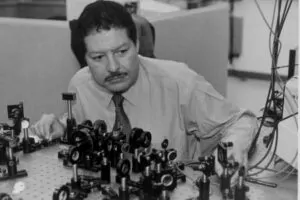
The ‘Father of Femtochemistry”

Femtochemistry is probably something too difficult for most of us to understand—but according to Wikipedia it’s “an area of chemistry that studies chemical reactions on extremely short timescales”. Ahmed Hassan Zewail, and Egyptian-American scientist, is known for pioneering a laser technique that allowed for easier analysis of chemical reactions. He even won a Nobel prize for his work in 1999.

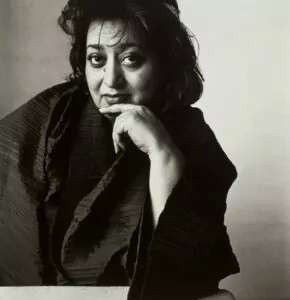
Pritzker Architecture Prize Winners

The late Iraqi-British architect Zaha Hadid was an internationally-acclaimed architect, renowned for her sci-fi creations. Having built some of the world’s most innovative spaces. In 2004, she became the first ever woman to win the prestigious Pritzker Architecture Prize—the most prestigious award in architecture.

source/content: mille.com (headline edited) / Olfa Farha

______________

__________

ARABS

DUBAI – U.A.E : Dubai ranks among world’s top five, leads Arab World in Shipping Centre Development Index 2025

Dubai has reinforced its status as a leading global maritime hub, earning the title of “the crown jewel of the Middle East’s maritime sector,” according to the 2025 International Shipping Centre Development Index report, issued by Xinhua News Agency in collaboration with the Baltic Exchange. The report ranks Dubai among the top five global shipping centres and first in the Arab region.

Sheikh Dr. Saeed bin Ahmed bin Khalifa Al Maktoum, CEO of the Dubai Maritime Authority, part of the Ports, Customs, and Free Zone Corporation, hailed the achievement stating: “Dubai’s ranking as fifth globally and first in the Arab world in the 2025 International Shipping Centre Development Index reflects the vision of our leadership, as well as the effective coordination between strategic partners and maritime sector companies in the emirate.

We remain committed to continuous development, delivering world-class services, adopting global maritime best practices, implementing innovative solutions, updating regulations, and fostering a thriving maritime business environment to position Dubai as an innovative and sustainable global centre for shipping and logistics.”

The report highlights Dubai’s comprehensive maritime ecosystem, offering navigation services, shipbuilding and repair, and capacity to handle the increasing number of vessels. It also emphasised the Dubai Maritime Transport Plan 2030, aligned with the Dubai Economic Agenda D33, which aims to expand maritime transport usage, enhance the network of marine transportation, and develop Dubai Maritime City.

The report specifically praised Jebel Ali Port for its strategic role as a regional shipping hub, underpinned by continuous investment in infrastructure and services. In 2024, the port handled 15.5 million twenty-foot equivalent units (TEUs), the highest since 2015, accounting for 18% of the total 88.3 million TEUs managed by DP World, the port operator.

On sustainability, the report highlighted Jebel Ali Port’s initiatives to reduce emissions, including the provision of biofuel for ships, installation of 50,000 m² of solar panels for renewable energy, and the use of electric vehicles for container handling—contributing to an annual reduction of 2,000 tons of CO₂ emissions.

Captain Ibrahim Al Blooshi, Executive Director of Dubai Ports Authority, commented: “We take pride in this achievement, which underscores Dubai’s strong position as a global maritime hub. Jebel Ali Port, operated by DP World under the Ports, Customs, and Free Zone Corporation, continues to excel at both regional and international levels.

Dubai Ports Authority is committed to proactive measures to enhance the maritime sector’s contribution to the strategic objectives of the Dubai Economic Agenda D33, through its three ports—Jebel Ali, Port Rashid, and Hamriyah—despite global economic challenges and market fluctuations. We are dedicated to preserving the emirate’s marine environment and ensuring the highest operational safety standards in the maritime sector.”

source/content: wam.ae (headline edited)

_______________

________________

DUBAI, U.A.E.

ISLAMIC WORLD : 2nd ‘Building Bridges Between Islamic Schools of Thought’ conference concludes in Makkah

Participants from more than 90 countries discuss development of comprehensive Islamic identity

1,800-page ‘Encyclopedia of Islamic Intellectual Harmony’ prepared by 60 scholars

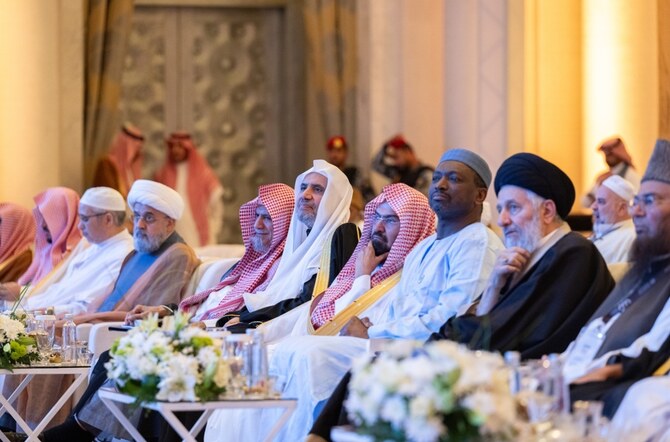
The second “Building Bridges Between Islamic Schools of Thought” international conference concluded in Makkah early on Saturday, with participants from more than 90 countries adopting the “Encyclopedia of Islamic Intellectual Harmony.”


Held under the patronage of King Salman bin Abdulaziz, the two-day conference gathered senior muftis, scholars, and thinkers who also approved the strategic and executive plan for the document “Building Bridges between Islamic Sects,” a media statement said on Saturday.

The conference was organized by the Muslim World League and held under the theme “Towards an Effective Islamic Alliance.”

The high-level session dedicated to the recitation of the conference’s final statement, which was issued at dawn on Saturday, was attended by the Secretary-General of the Muslim World League, and Chairman of the Muslim Scholars Association, Sheikh Dr. Mohamed bin Abdul Karim Al-Issa; Member of the Council of Experts for Leadership in Iran, Sheikh Ahmed Mobalghi; Adviser at the Royal Court in Saudi Arabia, Imam and Preacher of the Grand Mosque, Sheikh Dr. Saleh bin Abdullah bin Hamid; Head of Religious Affairs at the Grand Mosque and the Prophet’s Mosque, Imam and Preacher of the Grand Mosque, Sheikh Dr. Abdulrahman Al-Sudais; Secretary-General of the International Islamic Fiqh Academy of the Organization of Islamic Cooperation, Dr. Mustafa Qutb Sano; Member of the Council of Senior Scholars in Saudi Arabia, Dr. Youssef bin Mohamed bin Saeed; and the Mufti of Sidon in Lebanon, Sheikh Mohamed Osseiran.

The attendees witnessed the launch of the “Encyclopedia of Islamic Intellectual Harmony,” which was supervised by the Intellectual Protection Center at the Saudi Ministry of Defense, and was prepared by 60 scholars over about 1,800 pages.

The encyclopedia was refereed by the General Secretariat of the Council of Senior Scholars in Saudi Arabia, the Islamic Fiqh Academy, and the Supreme Council of the Muslim World League to be a roadmap for relations between Muslim sects.

Participants also decided in the final statement to consider the “Document on Building Bridges between Islamic Schools of Thought” with its 28 articles as the basis and starting point for the path of joint Islamic action “scientifically” and “intellectually,” with a view to strengthening brotherhood and solidarity among the peoples of Muslim nations.

The attendees further extended their sincere thanks to the leadership of the Kingdom for the great services they are providing to Islam and Muslims.

They also affirmed their pride in the comprehensive Islamic identity, and their supportive stance toward the steadfastness of the Palestinian people on their land, and their rejection of displacement and destruction projects.

The conference witnessed several sessions addressing developments in Palestine, Sudan, and Syria, as well as issues concerning Muslim minorities around the world.

source/content: arabnews.com (headline edited)

____________

____________________________________

SAUDI ARABIA / ISLAMIC WORLD


EGYPTIAN-AMERICAN : Freeze-frame: U of A researchers led by Physicist Prof. Mohammed Hassan develop World’s Fastest Microscope that can see electrons in motion

Imagine owning a camera so powerful it can take freeze-frame photographs of a moving electron – an object traveling so fast it could circle the Earth many times in a matter of a second. Researchers at the University of Arizona have developed the world’s fastest electron microscope that can do just that.

They believe their work will lead to groundbreaking advancements in physics, chemistry, bioengineering, materials sciences and more.

“When you get the latest version of a smartphone, it comes with a better camera,” said Mohammed Hassan, associate professor of physics and optical sciences. “This transmission electron microscope is like a very powerful camera in the latest version of smart phones; it allows us to take pictures of things we were not able to see before – like electrons. With this microscope, we hope the scientific community can understand the quantum physics behind how an electron behaves and how an electron moves.”

Hassan led a team of researchers in the departments of physics and optical sciences that published the research article “Attosecond electron microscopy and diffraction” in the Science Advances journal. Hassan worked alongside Nikolay Golubev, assistant professor of physics; Dandan Hui, co-lead author and former research associate in optics and physics who now works at the Xi’an Institute of Optics and Precision Mechanics, Chinese Academy of Sciences; Husain Alqattan, co-lead author, U of A alumnus and assistant professor of physics at Kuwait University; and Mohamed Sennary, a graduate student studying optics and physics.

A transmission electron microscope is a tool used by scientists and researchers to magnify objects up to millions of times their actual size in order to see details too small for a traditional light microscope to detect. Instead of using visible light, a transmission electron microscope directs beams of electrons through whatever sample is being studied. The interaction between the electrons and the sample is captured by lenses and detected by a camera sensor in order to generate detailed images of the sample.

Ultrafast electron microscopes using these principles were first developed in the 2000’s and use a laser to generate pulsed beams of electrons. This technique greatly increases a microscope’s temporal resolution – its ability to measure and observe changes in a sample over time. In these ultrafast microscopes, instead of relying on the speed of a camera’s shutter to dictate image quality, the resolution of a transmission electron microscope is determined by the duration of electron pulses.

The faster the pulse, the better the image.

Ultrafast electron microscopes previously operated by emitting a train of electron pulses at speeds of a few attoseconds. An attosecond is one quintillionth of a second. Pulses at these speeds create a series of images, like frames in a movie – but scientists were still missing the reactions and changes in an electron that takes place in between those frames as it evolves in real time. In order to see an electron frozen in place, U of A researchers, for the first time, generated a single attosecond electron pulse, which is as fast as electrons moves, thereby enhancing the microscope’s temporal resolution, like a high-speed camera capturing movements that would otherwise be invisible.

Hassan and his colleagues based their work on the Nobel Prize-winning accomplishments of Pierre Agostini, Ferenc Krausz and Anne L’Huilliere, who won the Novel Prize in Physics in 2023 after generating the first extreme ultraviolet radiation pulse so short it could be measured in attoseconds.

Using that work as a steppingstone, U of A researchers developed a microscope in which a powerful laser is split and converted into two parts – a very fast electron pulse and two ultra-short light pulses. The first light pulse, known as the pump pulse, feeds energy into a sample and causes electrons to move or undergo other rapid changes. The second light pulse, also called the “optical gating pulse” acts like a gate by creating a brief window of time in which the gated, single attosecond electron pulse is generated. The speed of the gating pulse therefore dictates the resolution of the image. By carefully synchronizing the two pulses, researchers control when the electron pulses probe the sample to observe ultrafast processes at the atomic level.

“The improvement of the temporal resolution inside of electron microscopes has been long anticipated and the focus of many research groups – because we all want to see the electron motion,” Hassan said. “These movements happen in attoseconds. But now, for the first time, we are able to attain attosecond temporal resolution with our electron transmission microscope – and we coined it ‘attomicroscopy.’ For the first time, we can see pieces of the electron in motion.”

source/content: eurekaalert.org / University of Arizona / (headline edited)

_________

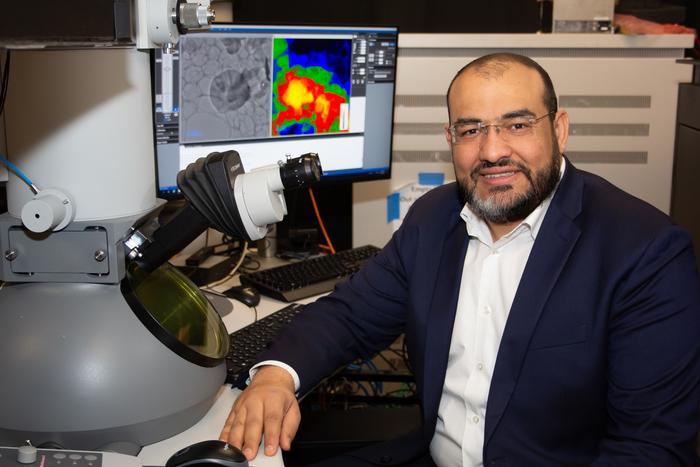
Mohammed Hassan, associate professor of physics and optical sciences, let a group of researchers in developing the first transmission electron microscope powerful enough to capture images of electrons in motion.

___________________________

AMERICAN / EGYPTIAN

EGYPTIAN-BRITISH : Making history again! Egyptian heart surgeon Sir Magdi Yacoub innovates valves that grow naturally in body

Making history again! Egyptian heart surgeon Sir Magdi Yacoub innovates valves that grow naturally in body.

This pioneering innovation envisions the development of biological heart valves that can grow and be accommodated naturally within the human body. This opens the door to a new era in heart disease treatment. 

The prospect of heart valves naturally expanding within the body, a concept once confined to science fiction, is now on the brink of realization, thanks to the remarkable discovery spearheaded by renowned heart surgeon Professor Sir Magdi Yacoub.

While the initial study documenting this breakthrough was unveiled in Nature in 2023, recent media coverage has underscored its practical implications.

Esteemed publications like The Times have pinpointed this cutting-edge innovation’s profound impact on biomedical science and medical engineering. They have recognized it as a monumental leap in the realm of healthcare.

On Monday, Dr. Yacoub discussed the latest developments in this field with Egyptian talk show host Amr Adib.

He explained how his team has engineered temporary heart valve scaffolds composed of surgically implanted fibres into the body.

These scaffolds gradually disintegrate over time, leaving behind a living, fully functional valve crafted from the patient’s tissues, a testament to the marvels of modern medical ingenuity.

source/content: english.ahram.org.eg (headline edited)

______________

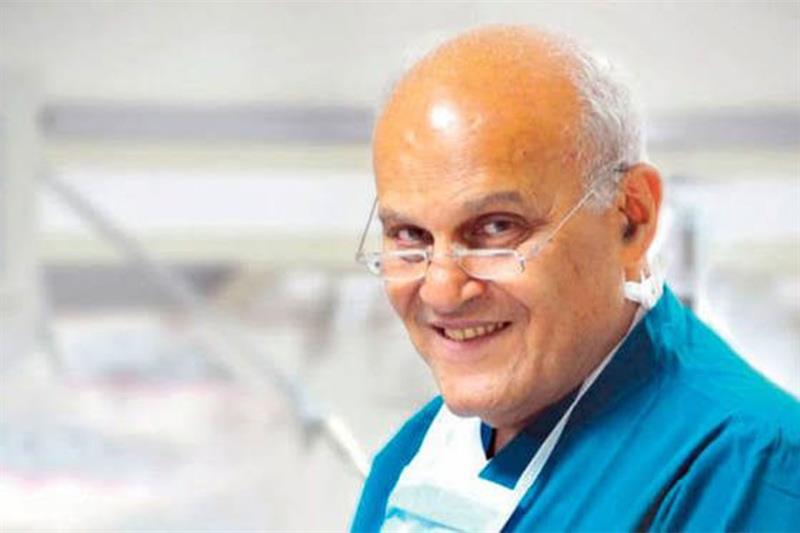
Sir Magdi Yacoub

_____________________________

EGYPT / UNITED KINGDOM

JORDANIAN Academic Omar Yaghi wins ‘2024 Arab Genius Minds Award’

 Jordanian academic Omar Yaghi, a chemistry professor at the University of California, Berkeley, has been awarded the 2024 Arab Genius Minds Award in the Natural Sciences category for his pioneering work in reticular chemistry.

Yaghi is celebrated for his transformative innovations in designing and synthesising metal-organic frameworks (MOFs) and covalent organic frameworks (COFs), the Jordan News Agency, Petra, reported. 

These frameworks address critical global challenges in energy storage, water harvesting, and environmental sustainability.

His research portfolio includes over 300 peer-reviewed papers, which have collectively garnered more than 250,000 citations, underscoring the “far-reaching” impact of his work.

Since 2012, Yaghi has held the James and Neeltje Tretter Chair in Chemistry at UC Berkeley. 

His contributions to reticular chemistry have “revolutionised” the ability to assemble molecular building blocks into highly porous structures with applications in gas storage, catalysis, and drug delivery, among others, yielding significant economic and environmental advancements.

The Arab Genius Minds Award, launched by Sheikh Mohammed Bin Rashid Al Maktoum, Vice President and Prime Minister of the UAE and Ruler of Dubai, honours achievements by Arab scientists and innovators across six key categories essential for the region’s developmental and cultural progress.

source/content: jordantimes.com (headline edited)

__________

pix: source: wikipedia

_________

JORDAN