Arabs & Arabian Records Aggregator. Chronicler. Milestones of the 25 Countries of the Arabic Speaking World (official / co-official). AGCC. MENA. Global. Ist's to Top 10's. Records. Read & Enjoy./ www.arabianrecords.org
Category: Non-Resident / PAO (Persons of Arab Origin / Descent)
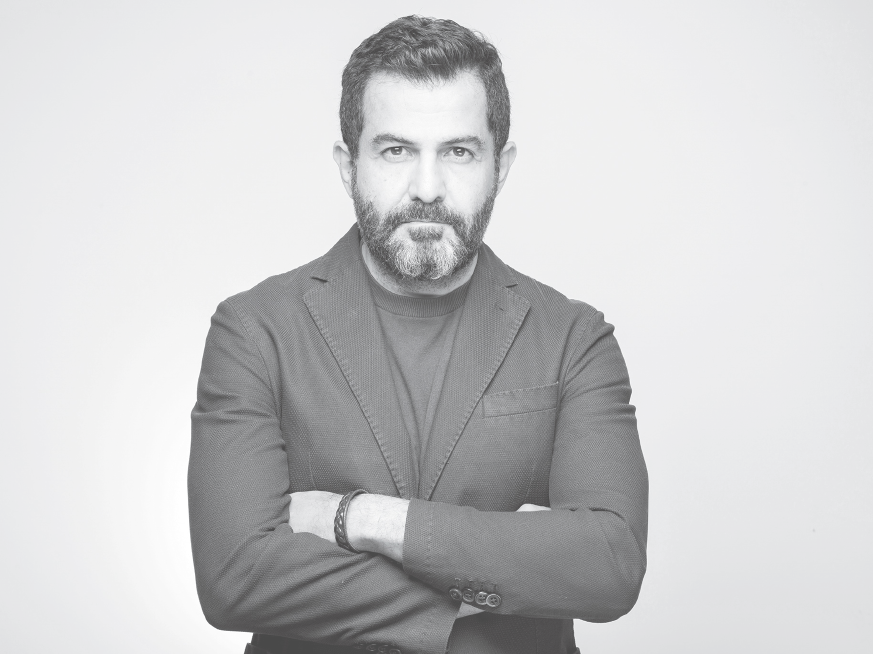
Hamse Warfa presently serving as Deputy Commissioner for Workforce Development, in the Minnesota Department of Employment and Economic Development (MEED) is leaving for a position in the Biden administration.
As a senior advisor in the U.S. State Department, Hamse will play a role in promoting democracy abroad and addressing refugee resettlement.
Hamse first came to the U.S. from Somalia when he was a teenager in 1994. He studied political science and organizational management, and built a career in both the public and private sector.
In 2014, he published his autobiography, America Here I Come: A Somali Refugee’s Quest for Hope.
As a Bush Fellow in 2016, Hamse founded BanQu, a blockchain service to provide access to credit and bank services for refugees. He also founded a consulting group to address poverty and economic opportunities for marginalized people.
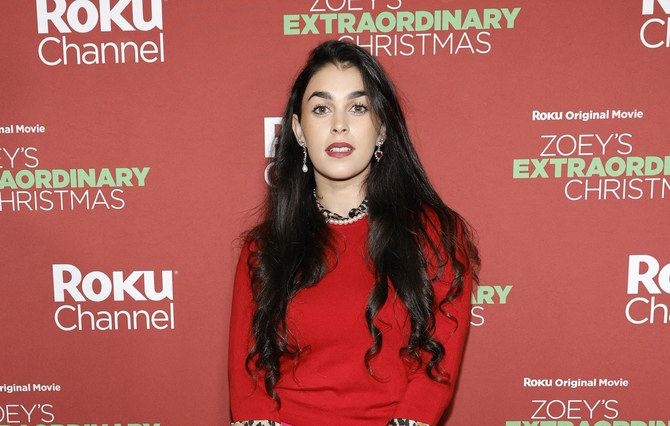
Natasha Karam (aka) Natacha Karam. Film Actress. Hollywood Actress.
Born in Saudi Arabia to a Lebanese father and a Northern Irish mother, actress Natacha Karam is making a name for herself in Hollywood as a character on “9-1-1 Lone Star,” the latest series created by multiple Emmy and Golden Globe winning writer Ryan Murphy.
Born in Jeddah, Karam grew up between Saudi Arabia, Jordan, Bahrain and Dubai, where she began acting.
After moving to Los Angeles, her television career kicked off with small acting stints on “Homeland” and “Silent Witness,” before she was cast as Sergeant Jasmine “Jaz” Khan in the military action drama series “The Brave,” which ran for one season.
The 27-year-old acts alongside the likes of “Lord of the Rings” actress Liv Tyler and “Aladdin” star Mena Massoud, who plays her fiancé.
source/content: arabnews.com
___________
The drama follows the heroics and personal lives of firefighters and other emergency responders. (AFP) / arabnews.com
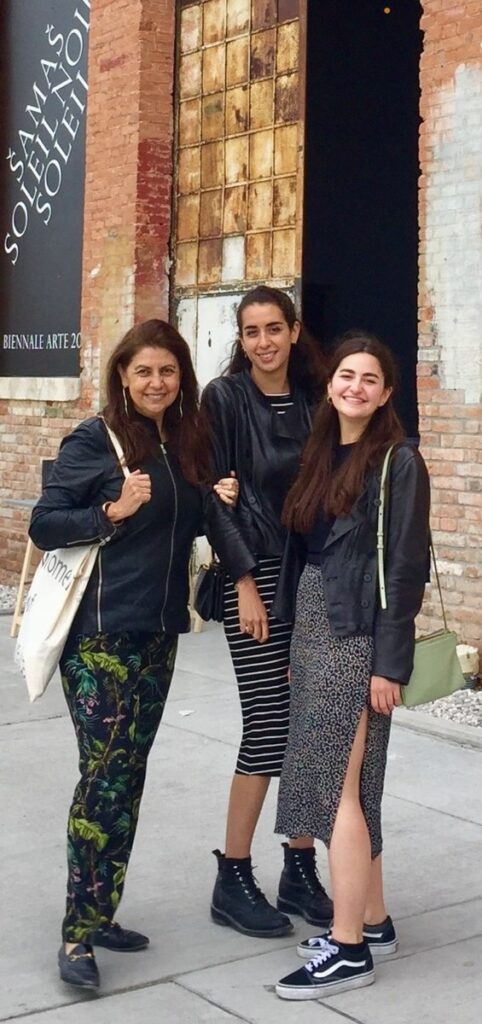
Amal Soliman and Logaina El Kattan’s beverage company Nuba.
Egyptian mother and daughter emigrated to Canada 10 years ago, and they took with them one of their most cherished memories of home — special herbal drinks from the Middle East.
From brewing hibiscus and other infused drinks to share with their new neighbours in Toronto, Amal Soliman and Logaina El Kattan are now taking their beverage operation, Nuba, to the next level.after winning C$75,000 in backing from business reality-TV show Dragon’s Den.
Ms El Kattan, a graduate of the University of Toronto’s business school, is now in the process of acquiring a master’s degree in business administration from Duke University in the US.
Despite all their success, Ms El Kattan does not think they have scratched the surface of what she and her mother have envisioned for Nuba.
source/content: thenational.ae
____________________
Egyptian-Canadian entrepreneurs Amal Soliman, left, and Logaina El Kattan present their hibiscus tea to the ‘Dragons’ Den’ judges. Photo: supplied
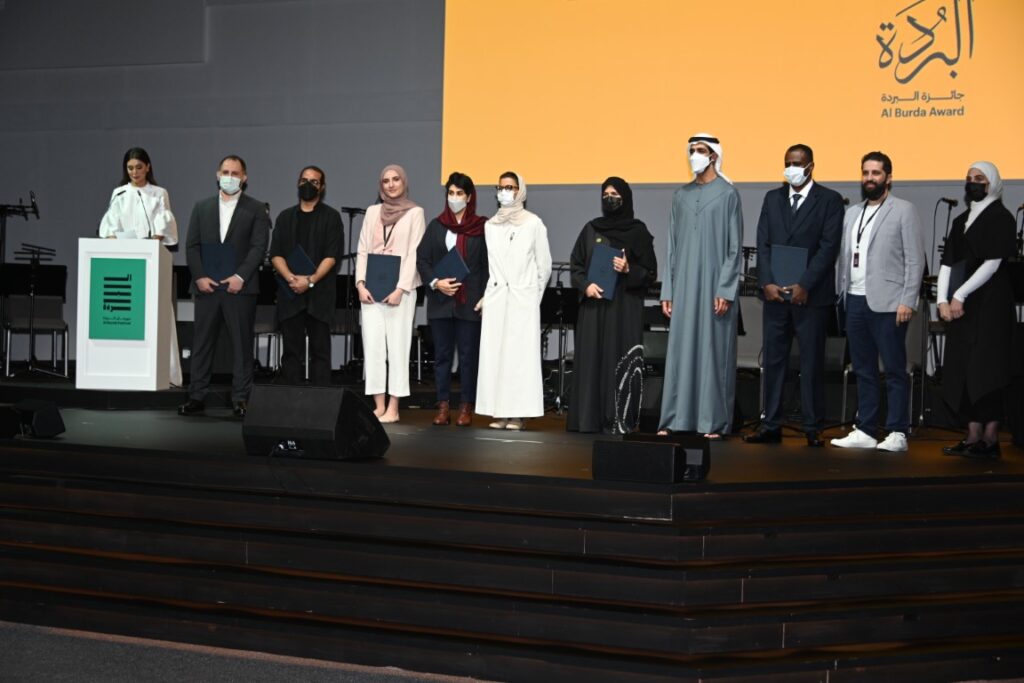
The Ministry of Culture and Youth announced the 30 winners of the 16th edition of the Al Burda Award at a gala evening held on 19th December, 2021, at the Dubai Exhibition Centre, Expo 2020 Dubai.
The awards were in six categories: Classical Poetry, Nabati Poetry, Classical Calligraphy, Modern Calligraphy, Ornamentation and Typography.
Sheikh Shakhbout bin Nahyan bin Mubarak Al Nahyan, Minister of State, attended the awards ceremony and honoured the 30 winners and took memorial photos with them. Alongside was Noura bint Mohammed Al Kaabi, Minister of Culture and Youth.
The current edition awarded Egyptian poet, Heba Alfeky, the first prize in Classical Poetry, with the second position in the same category secured by her compatriot Diyaa Alkilany. Lamis Al Rahabi and Bahija Masri Idlbi from Syria won the third and fourth prize, respectively, in the Classical Poetry category.
Abdulaziz bin Hamed Mohammed Al-Omairi from Oman won first place in Nabati Poetry, followed by Mohammad Hamdan Alanezah from Jordan in second place. Ali Alqarni from Saudi Arabia and Muzna Rabia Albrieki from Oman took the third and fourth places,respective.
Egypt’s Mohamed Gaber Abouelella was placed first in Classical Calligraphy, followed by Meryem Nuruzi Halilani of Turkey, who secured the second place. Noman Tayseer Rajab from Syria, Ahmad Ali Namazi Reihanloo from Iran and Mahfod Thunnun from Iraq won third, fourth and fifth positions respectively in the Classical Calligraphy category.
The Modern Calligraphy category had four awards, with Mahsa Javad Davachi, from Iran, winning first prize and Dhia Al-Jazaeri from Canada coming second. Third and fourth prizes were taken by Iran’s Babak Mohammad Ali Hejazi and Masoud Asghar Mohebbifar, respectively.
Mihriban Beyza Kaya, from Turkey, won first prize in Ornamentation, while the second, third, fourth and fifth positions went to Iranian compatriots Masoumeh Ahmad Moradi, Afsaneh Khademreza Mahdavi, Asgar Ahmad Moradi, and Zaynab Ibrahim Shahi.
Eight winners were announced in the Typography category, namely Syrian national Duaa Abzeed, Jamal Eldin Elsamani Mohammed from Sudan, Tarek Samir Alsawwa, from Syria, Reza Babajani, from Iran, Bita Amel, from Iran, Lama Kadri, from Lebanon, Asia Alsheshani, from Jordan and Fatima Abdulla Alketbi, from the UAE.
The awards evening hosted several standout performances from a cross-section of genres, with artists including Watar Orchestra from Iraq, Dubai Chamber Choir and Sheikh Mahmoud Eltohamy from Egypt, the latter with a piece titled “Anin”. Noumoucounda Cissoko from Senegal delivered a musical recital titled “Mandi Strings”, while Lebanese singer Jahida Wahba presented several songs from her catalogue.
The closing performance was an Emirati Malid delivered by Rashid Al Nuaimi and Saif Fathel.
The Al Burda Award is a global platform that reflects the diversity of creative expression throughout the Islamic world and seeks to revitalise the Islamic cultural and artistic movement. The award was launched by the Ministry of Culture and Youth in AH 1425/2004 under the patronage of Sheikh Abdullah bin Zayed to commemorate the birthday of Prophet Mohammed (PBUH).
The Moroccan-German woman won a seat in the Cologne 1 region under the banner of the Social Democratic Party.
Abdi is the first Moroccan woman to successfully be elected to Germany’s legislative body. Born in Tetouan, Abdi moved to Germany to attend the Adolf Reichwein Comprehensive School in Ludenscheid.
During this time, Abdi also joined the SPD in 2008, at the age of 22.
source/content: moroccoworldnews.com
_______________
Sanae Abdi was elected to represent the Cologne I constituency after Sunday’s elections. Photo Credit: Sanae Abdi / pix: moroccoworldnews.com
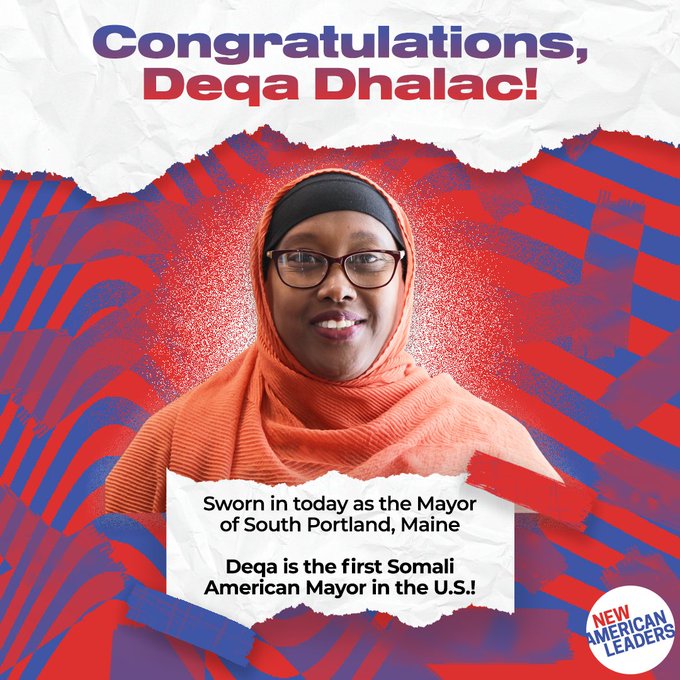
Deha Dhalac. Community Activist. Community Leader.
South Portland’s other city councilors, who are all White, elected her in a unanimous vote. The 4th largest city in Maine, is the whitest state in the country and South Portland is 90% White.
In 2018, she ran against a local business owner and won, making history as the first African American and first Muslim elected to the council.
In 2020, she ran unopposed for a second term. The city council selects from among its members who will be mayor, and in November, her colleagues unanimously supported her nomination.
Education / Community Work highlights:
Master’s Degree in Development Policy and Practice, University of New Hampshire
Master’s Degree in Social Work, University of New England
Past Program Manager for The Center for Grieving Children
Former South Portland Schools Community Builder for the Opportunity Alliance
Somali Community Center of Maine
Board president of the Maine Immigrant Rights Coalition
Board member of the Maine Women’s Fund
Family Engagement and Cultural Responsiveness Specialist with the Maine Department of Education
South Portland City Council, District 5 Representative
____________
pix: Twitter / @NewAmericanLd , New American Leaders
Nayla Audi. Daughters Yasmine Audi and Julie Audi.
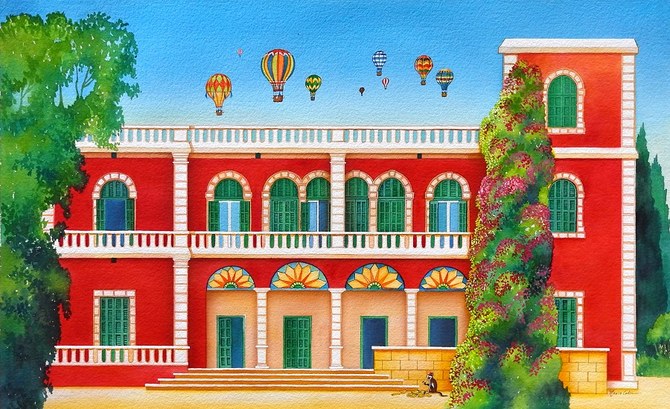
Twenty-four years ago, Nayla Audi published her only book: “The Houses of Beirut.” It was created for children — an oversized book in the shape of a house — but at Dubai Design Week last month, adults, too, were opening the ‘doors’ of its cover to reveal the old-school watercolors (created by Audi’s friend, the painter Flavia Codsi) within.
The book’s current revival was made possible by Audi’s two daughters, Yasmine and Julie, who published a new edition in the wake of the Beirut Port explosion last year, having found a copy of the book — a nostalgic memento of their childhood — that had survived the damage inflicted on their family home in the city’s Gemmayze neighborhood.
“It really affected us personally,” Julie, who lives in London, told Arab News. “We thought we needed to do everything we can to preserve this book — to re-edit and try our best for these houses to stay. We grew up taking all these things for granted. But now, with a bit of maturity and age, we also realize that it’s important for us to continue what our mom started.”
The original version of the book, published in both English and French, was, Julie said, popular among the Lebanese.
The original version of the book, published in both English and French, was, Julie said, popular among the Lebanese. (Supplied) / arabnews.com
Many of those heritage houses, some of which were built over a century ago, were seriously affected by the explosion and the sisters have stipulated that all proceeds from the sale of the book will be donated to the Beirut Heritage Initiative, launched in 2020 to restore badly damaged historical buildings.
For the reprinting of the hand-bound book, the sisters kept the story as it was, (although they printed the English version only) and even turned to the same family-run printing press — Anis, established in the late 1950s — that published it in the first place. Like many businesses in Beirut, Anis was practically destroyed, so getting things off the ground has been a struggle.
Both Julie and Yasmine were born in the US, but feel a strong attachment to Lebanon. They flew to Beirut after the explosion and that experience reinforced their belief in the necessity of chronicling the city’s architectural traditions.
source/content: arabnews.com
__________
Nayla, Yasmine and Julie Audi. (Supplied) / arabnews.com
Born in 1966, Obeidi is an Iraqi-Canadian artist, who graduated from the Academy of Fine Arts in Baghdad in 1990.
He left Iraq in 1991 and obtained a diploma in New Media from Ryerson University, Toronto in 1998.
He also obtained another diploma in Film Production from HIF Film Academy, Los Angeles and received his MFA from the University of Guelph, Ontario in 1998.
Architect of Fire Station Artist in Residency – Doha, Qatar and Nabu Museum, Lebanon.
Obeidi works in a variety of mediums and his artworks have been exhibited widely around the world.
Prominent pathologist Doctor Sherif Zaki, founder and chief of the Infectious Disease Pathology Branch in the Coordinating Centre for Infectious Diseases in Atlanta, Georgia, passed away on 21 November, 2021.
Dr. Zaki was renowned for cracking medical mysteries by finding signatures of pathogens in diseased cells.
Through the application of classic and new technologies, Dr. Zaki and his team have made significant contributions to advancing the understanding of the pathogenesis and epidemiology of emerging infectious diseases.
Moreover, for his leadership, scientific contributions and commitment to Centre for Disease Control’s (CDC) public health mission, Dr. Zaki has been widely recognised and awarded, including receiving the US Health and Human Services Secretary’s Awards for Distinguished Service – the department’s highest honour – nine times.
Dr. Zaki and his staff were the first to identify the Hanta virus, later called the Sin Nombre virus, that caused the deaths of several people in the Navajo nation in the Southwest in 1993.
He also helped discover the Zika virus in the brain tissue of babies stricken with the mosquito-borne virus in Brazil, proving that it could be transmitted during pregnancy.
Dr. Zaki also helped identify the mechanisms that made Ebola and SARS so contagious and lethal.
Sherif Ramzy Zaki was born 24 November 1955, in Alexandria, Egypt.
He spent the first six years of his life in Chapel Hill, North Carolina, where his father was attending graduate school.
Dr. Zaki received his medical degree from Alexandria University in 1978, before earning a master’s degree at his alma mater in pathology.
He earned a doctorate in experimental pathology from Emory University in Atlanta in 1989.
Dr. Zaki’s data on Scopus database showed that Zaki had published in the neighborhood of 400 scientific papers and had an advanced “H score” of 102 thus placing his impact on the field way above the 35-70 range for Noble Prize hopefuls.