Arabs & Arabian Records Aggregator. Chronicler. Milestones of the 25 Countries of the Arabic Speaking World (official / co-official). AGCC. MENA. Global. Ist's to Top 10's. Records. Read & Enjoy./ www.arabianrecords.org
Abu Dhabi’s newest cultural landmark earns global recognition from TIME in 2026.
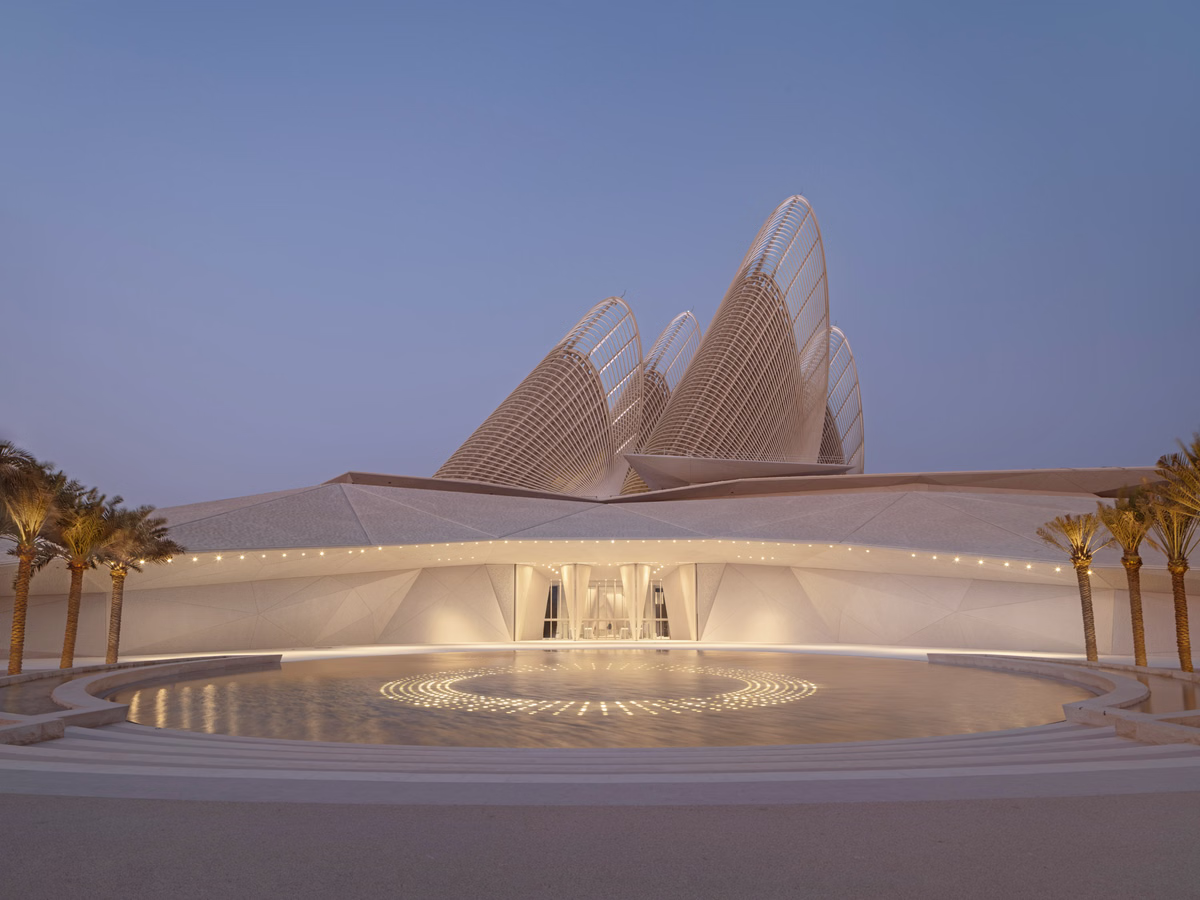
Abu Dhabi has added another standout to its cultural scene. The Zayed National Museum has been named one of TIME’s World’s Greatest Places for 2026, placing it among 100 destinations that offer something truly special for visitors.
Nestled within the growing Saadiyat Cultural District, the museum has quickly become a place people are curious about. It opened its doors in December 2025 and has since drawn attention for both its design and what it represents.
Rather than feeling like a traditional museum, it leans more towards a calm, reflective space where you can spend a few hours moving through stories of the UAE’s past.
Even before stepping inside, the building itself makes an impression. Designed by Norman Foster, the structure is inspired by the wings of a falcon in flight. The shape is striking but not over the top, and it ties back neatly to Emirati heritage.
Inside, the journey stretches back around 300,000 years, tracing human life in the region long before the country we know today. At the heart of it all is the story of Sheikh Zayed bin Sultan Al Nahyan, whose life and values shape much of what you see. The galleries are not overwhelming, which makes it easy to take your time and actually absorb what is on display.
Some pieces naturally draw more attention than others. The Abu Dhabi Pearl, believed to be one of the oldest natural pearls ever discovered, is one of those quiet highlights.
Another is the Blue Qur’an, known for its deep colour and fine detail, offering a glimpse into the artistic traditions of the Islamic world.
One of the more unexpected features is a full-scale reconstruction of an ancient Magan boat. It gives a sense of how people in this region once travelled and traded, long before modern borders existed. It is the kind of exhibit that makes history feel more real and less distant.
Places are selected through nominations from TIME’s international network of correspondents and contributors, as well as an open application process.
With several major institutions now based in the same district, it is becoming a place where visitors can easily spend a full day, or even more, exploring art, history and ideas.
For residents, it is another reason to take a closer look at what is on their doorstep. For travellers, it adds one more stop to an already evolving map of must see places in the region.
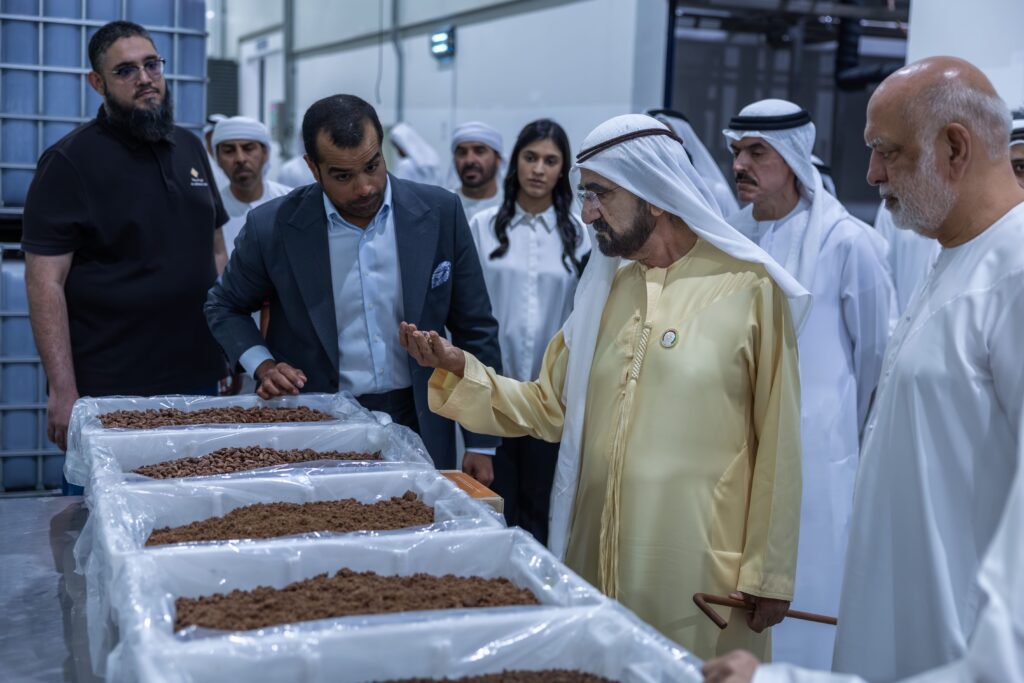
His Highness Sheikh Mohammed bin Rashid Al Maktoum, Vice President, Prime Minister and Ruler of Dubai, visited Al Barakah Dates Factory, the world’s largest privately-owned dates factory located in Dubai Industrial City.
The facility spans over 800,000 square feet, with an annual production capacity of 100,000 tonnes, one of the market leaders for packaging and processing dates in the world.
During the visit, H.H. Sheikh Mohammed said that the UAE continues to strengthen its position as a global hub for advanced food industries through innovation, stronger production chains, and boosting the competitiveness of national products. He noted that the dates industry is a successful example of turning the country’s agricultural heritage into a modern, high-value-added sector that supports the economy and enhances food security.
H.H. Sheikh Mohammed said that the UAE continues to invest in key sectors that impact people’s lives, especially the food sector, and is developing its national industries to be more globally competitive through advanced technologies, higher production efficiency, and expanded access to international markets.
H.H. Sheikh Mohammed added that the dates industry is part of the UAE’s identity and heritage, and its development reflects a vision of turning resources into sustainable opportunities.
He also said humanitarian initiatives in the sector, including efforts to combat malnutrition, reflect the UAE’s commitment to improving lives and addressing global food security challenges.
During the visit, H.H. Sheikh Mohammed, accompanied by Malek Al Malek, Chairman of TECOM Group, was briefed by the factory founder Saleem Mohammed and his son Yousuf Saleem Mohammed, Managing Director, on production lines, manufacturing and packaging stages, as well as the factory’s range of products.
H.H. Sheikh Mohammed also reviewed the global reach of the factory’s products, which are exported to 97 countries, with the US, the UK, and EU among the key markets.
The factory is located in Dubai Industrial City, part of TECOM Group’s industrial parks, which was launched in 2004. The Dubai Industrial City hosts over 350 factories and more than 17,000 employees, and is strategically located near Jebel Ali Port, Al Maktoum International Airport, and Etihad Rail’s freight terminal, ensuring strong logistics connectivity. The factory reflects private sector success in the food industry, and was founded by businessman Saleem Mohammed, who began his career in Dubai in 1983 before moving into dates trading and processing in the 1990s.
Landmark study bridges history and modern scholarship
Project highlights Kingdom’s preservation of Islamic heritage
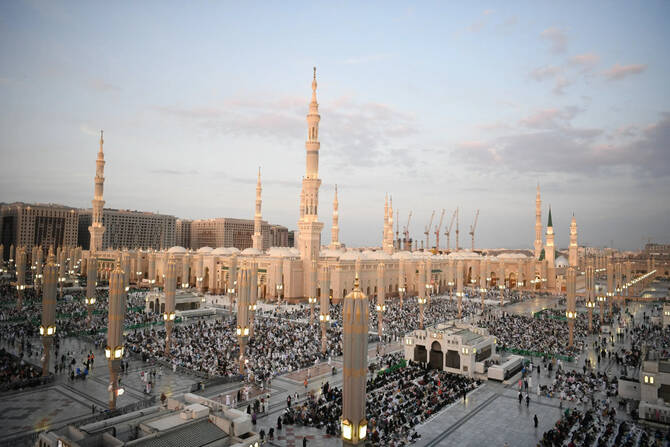
A new scholarly encyclopedia documenting the architectural evolution of the Prophet’s Mosque has emerged as a major reference work, charting the development of one of Islam’s most significant landmarks across centuries.
Published by the Al-Madinah al-Munawwarah Research and Studies Center, the project forms part of broader efforts to systematically record the mosque’s history and features through a rigorous academic framework enhanced by modern research tools, a review by the Saudi Press Agency (SPA) said.
The encyclopedia traces the mosque’s transformation from its foundation during the Prophetic era through successive expansions across Islamic history, culminating in large-scale Saudi-era developments that have expanded capacity while preserving its architectural and spiritual identity.
Beyond historical documentation, the work provides analytical insight into key structural elements — such as arcades, domes, and minarets — examining their functional and aesthetic evolution, alongside associated landmarks that underscore the mosque’s enduring religious and civilizational role.
The initiative reflects Saudi Arabia’s continued commitment to serving the Two Holy Mosques and safeguarding Islamic heritage through specialized knowledge projects, the review said.
By preserving and systematizing the architectural memory of the Prophet’s Mosque, the encyclopedia is expected to fill a critical gap in scholarly research, offering a valuable resource for academics, students, and those interested in the cultural and human dimensions embedded in the mosque’s design,
source/content: arabnews.com (headline edited)
_______________

General view of the Prophet’s Mosque in Madinah. (SPA file photo)
Thanks for highlighting Oman’s cultural wonders, UNESCO. Here’s everything you need to know about them.
As the oldest Arab state with over 100,000 years of human history, the Sultanate of Oman is home to a wealth of cultural and natural treasures that have captured the imagination of poets and travellers for centuries.
From the rugged peaks of the Hajar Mountains to the pristine shores of the Arabian Sea, this mesmerising country possesses a diverse collection of sites that have been recognized by UNESCO for their cultural, historical, or natural significance – all things we look for when we’re choosing our next global destination.
To be considered for inscription on the prestigious World Heritage List, sites must meet at least one of ten criteria, which include representing a masterpiece of human creative genius, exhibiting an important interchange of human values, bearing a unique or exceptional testimony to a cultural tradition, or containing outstanding examples of geological formations and/or habitats of significant biodiversity.
So, we figure if it’s good enough for UNESCO, it’s good enough for us. That’s why we’ve put together a list of the five Omani cultural sites that have been given UNESCO’s special designation, providing you with the information you need to dive into the rich history of this breathtaking Middle Eastern country.
Aflaj Irrigation Systems of Oman
Ad Dakhiliyah, Ash Sharqiyah South and Al Batinah South / 500 AD
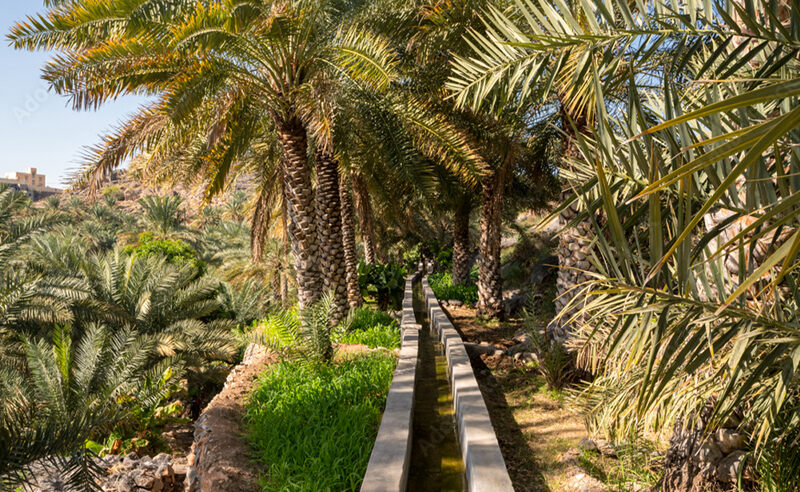
Oman’s Aflaj Irrigation Systems are a feat of ancient engineering. These networks, which collect and transport water across the country using gravity, date back to 500 AD.
This revolutionary technology shaped the development of agriculture, particularly date palm cultivation, in arid Oman. There are more than 3,000 still-functioning aflaj water distribution systems in Oman, and UNESCO has highlighted five locations for their historical significance: Falaj Al Jeela, Falaj Muyasser, Falaj Daris, Falaj Malki, and Falaj Khatmein. Four of these sites are found in the Al Jabal Al Akhdar mountain range, and the fifth is located in the Sharqi mountains.
Ancient City of Qalhat
pix credit: whc-unesco.org/en
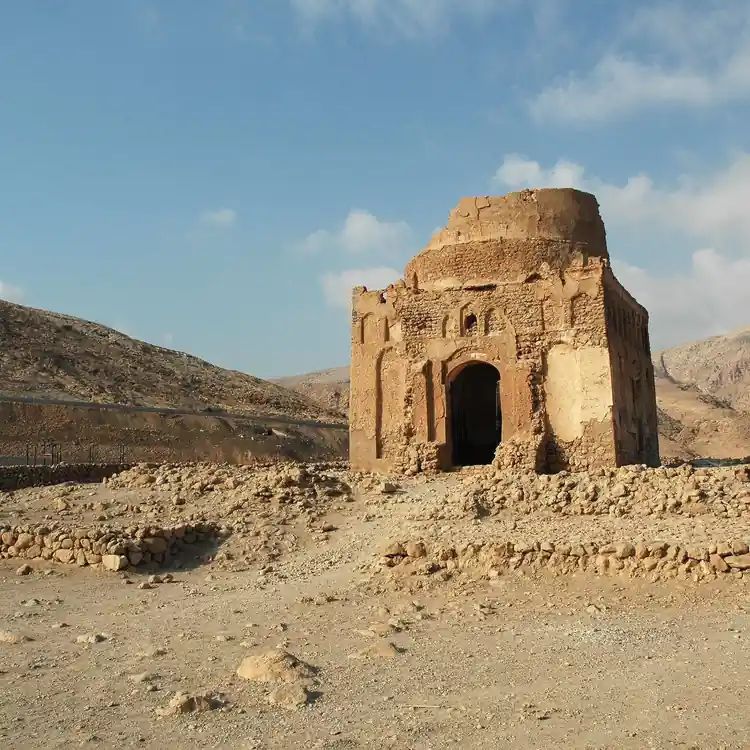
The remnants of this once-thriving port city are tucked into Oman’s rugged eastern coast, right by the Indian Ocean.
A bustling city centre of trade and commerce between the 11th and 16th centuries, Oman’s first capital – of which there is not much left – contains the remnants of necropolises, residences, workshops, and the tomb of an Omani queen, Bibi Maryam. Believed to have been commissioned in the 13th century by a local ruler in honour of his beloved wife, this mausoleum is the best-preserved monument in the historic city.
Those hoping to visit this site should be aware that, due to conservation efforts, it might not be open to the public.
Bat, Al-Khutm and Al-Ayn Archaeological Sites
Al Dhahira / 3rd Millennium BC
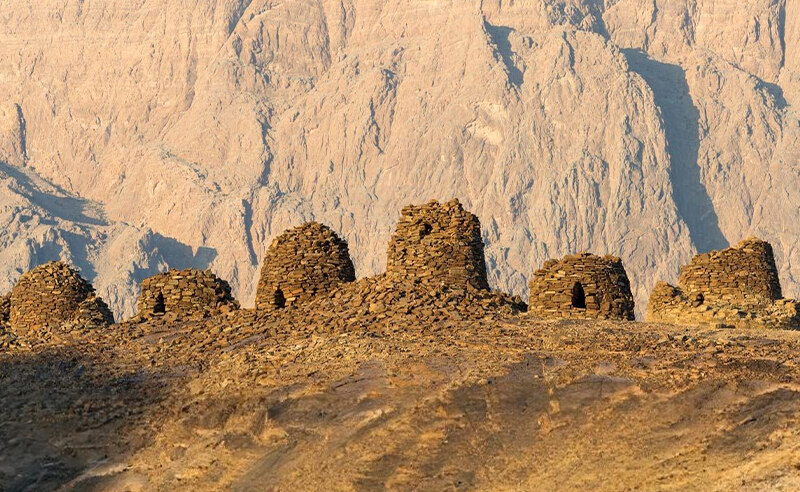
Dating back to the 3rd millennium B.C., the Archaeological Sites of Bat, Al-Khutm, and Al-Ayn provide a glimpse into the prehistoric settlements and burial grounds of Oman. These three sites cover 14 square kilometres and are situated within the rocky landscapes of the Al-Dhahirah Governorate.
A trip to these ancient sites gives travellers the opportunity to examine and explore the enigmatic ‘beehive tombs’ dotting the surrounding hills.
Older than the Pyramids of Giza, these tombs are free for anyone to visit.
Bahla Fort
Ad Dakhiliyah / 12th–15th century
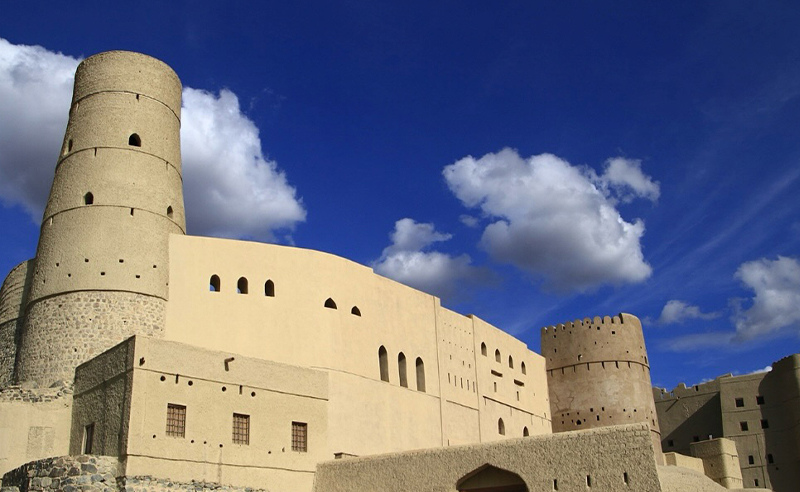
The immense Bahla Fort can be found in a palm-filled oasis in the Omani desert.
The fort and settlement was the capital of the Banu Nebhan tribe, who dominated what is now central Oman from the 12th to the 15th century. An intricate irrigation system of wells and tunnels brings water from distant springs to this ancient settlement – a testament to the skills of mediaeval engineers in this region. Visitors to this heritage site can see the ornate Friday Mosque, the remains of a semi-covered market, and the towers and parapets of the fort’s walls.
This site is open to visitors, and is widely considered to be one of Oman’s top attractions.
Land of Frankincense
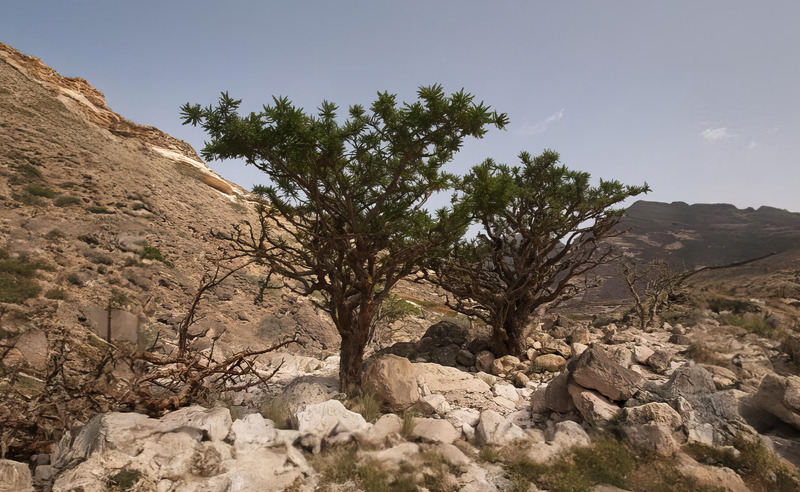
Oman’s Dhofar Governorate is one of the few places where frankincense trees still thrive. These plants carry important historical and economic significance in the region, as frankincense was one of the most luxurious trade items in ancient times.
There are four sites included in this UNESCO heritage listing that preserve the remains of the caravan trade of this precious commodity. One of these is the Frankincense Park of Wadi Dawkah, which allows visitors to learn about how incense is sourced. Another, Shishr, is an agricultural oasis that – in the past – allowed caravans transporting this precious resource to refuel on their trade routes. Sumhuram in the Khor Rori Nature Reserve is another component of this UNESCO World Heritage Site, and was once the heart of the world’s frankincense trade. A trip to this city offers views of structures from the 3rd Century BC to the 5th century AD, including storerooms and city fortifications. The final component of this heritage site is the Al Baleed archeological park. Although this site is open to the public, it is also still being explored, with new discoveries being made. This park includes a Frankincense museum, citadel, and more.
The best time to visit this area is in April, when the fragrant frankincense trees are in bloom.
Regional Director for the Guinness World Records in the Middle East and North Africa region Ahmed Bakr Meklad said Bahr Al Baqr wastewater treatment plant has received a Guinness World Records’ certificate for being the largest water plant in the world with a capacity of 64.8 cubic meters per second along with the use of ozone in the wastewater treatment process.
Speaking to “Good Morning Egypt”, Meklad said the plant has been established with the highest and best international standards.
The plant was inspected by Guinness World Records team of judges over a period of one year during which data were exchanged to review the plant’s competitiveness with similar projects.
The cost of this massive project is LE20 billion, and its daily capacity is 5.6 million cubic meters to be used in the reclamation of 400 acres in Sinai, he said.
Considered one of Egypt’s most important projects, the plant treats more than 2 billion cubic meters of wastewater per year which will be used to irrigate 1,400 sq km of land in Sinai. It is located east of the Nile Delta in the town of Bahr El-Baqar, about 35 km south of Port Said.
The project is set to improve water security, provide jobs, support communities, and reduce pollution for decades to come.
The plant comprises the pumping building of the water intake – rapid mixing basins – slow mixing basins – sedimentation basins – filters with discs – ozone basins – chloride tanks, treated water, sludge condensing basins – mechanical drying buildings – solar units for sludge drying and an administrative area which includes (headquarter building – employers building – mosque – generators – workshops – chemicals – chloride – ozone) – interior roads networks and landscaping.
Fully electric tugs have quickly emerged from a novelty in the industry and now Damen Shipyards Group and its client SAFEEN Group, part of AD Ports Group’s Maritime & Shipping Cluster, have set a Guinness World Record as the Most Powerful Electric Tugboat. The vessel delivered earlier this year demonstrated what the companies are calling “unprecedented for a fully electric tug” and further the growth of this sector of the industry.
The record was set by measuring the bollard pull of Damen RSD-E Tug 2513 Bu Tinah, which achieved an average high peak pull of 78.2 tonnes. It is the first fully electric tug to operate in the Middle East and now has the unique distinction of the unique honor by a world-recognized body for record keeping. Launched in 1954 as a promotional idea for the Guinness Brewery, the Guinness Book of Records (today Guinness World Records) is an often-quoted source of data.
“This Guinness World Record achievement demonstrates that the transition to alternative energy does not come at the cost of performance,” said Captain Ammar Mubarak Al Shaiba, CEO – Maritime & Shipping Cluster, AD Ports Group. “We are very proud that the first electric tug in the Middle East is also making waves on a global level with this accolade and the fact that in parallel it is improving the sustainability of our operations alongside cost efficiencies in terms of overall fuel saving is extremely important.”
The record-breaking performance took place at Khalifa Port, AD Ports Group’s flagship facility where the tug is a key component of AD Ports Group’s Marine Services fleet and its electrification strategy.
The RSD-E Tug 2513 according to Damen is designed with a focus on sustainability. It offers zero emissions from tank to wake playing a significant role in reducing emissions.
The RSD-E Tug 2513 builds on the already efficient design of the diesel propulsion RSD Tug 2513. The spec sheet highlights a 320 gross ton tug with a length of 24.73 meters (81 feet). It is designed to operate at a speed of up to 12 knots and can be recharged in two hours.
The vessel can operate with a crew of just two or three persons or a maximum of up to sic and can be customized with options for oil and pollution control or fire fighting.
The electric version according to its spec sheet is very similar to the earlier diesel version which has a maximum bollard pull of 80 tonnes. It operates at a speed of 12.6 knots.
Damen has been at the forefront of electric tug development, including delivering the world’s first electric harbor tug, aptly named Sparky, in 2022 to Ports of Auckland. It won the prestigious “Tug of the Year” at the 2022 International Tug and Salvage Awards ceremony and pioneered the growing deployment of electric tugs in ports around the world.
source/content: maritime-executive.com
__________
Damen’s electric tug delivered to AD Ports set a new record for pull power for electric tugs (Damen) / Published Nov 12, 2024 7:44 PM by The Maritime Executive ________________________________________________
Riding on one wheel of his Kawasaki ZX-6R, he completed 14 circles in one minute.
Saudi stunt rider Mohammed Ibrahim Scotch kept his cool to set a new world record for a motorcycle wheelie — on ice.
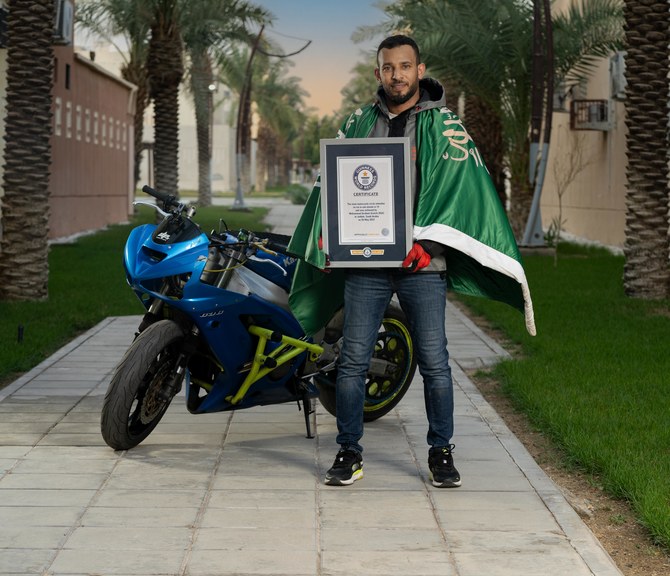
Riding on one wheel of his Kawasaki ZX-6R, he completed 14 circles in one minute, a feat that has earned him entry into the Guinness World Records 2023 edition.
Scotch, 39, told Arab News that he had been preparing for around two years for the record attempt, which took place at an ice hall in Jeddah.
He said: “I’m proud of achieving this new record because it carries the name of Saudi Arabia, my country. I didn’t break the record, but I achieved a new world record that no one had done before.
“In 2017, to deviate from the norm and at the same time to have fun, the idea stuck in my mind, and I tried it first in a skating rink in Makkah.
“(In 2022), after researching and communicating with officials (from Guinness World Records), they informed me that no one in the world had achieved this record, so I decided to do it.
“I began the journey of rebuilding the project from scratch after obtaining approval from Guinness World Records. I searched for a private ice rink to execute this experiment,” he added.
Scotch designed studded tires and worked out the variables for his motorbike.
“When I received the official email from Guinness World Records congratulating me as a new world record holder, I could not believe it or comprehend it.
“I read the email more than once, and I told my mother, my family, and all my friends who stood with me in obtaining this record, and their joy was unbelievable,” he said.
Scotch has been riding and doing stunts since the age of 16 and turned professional in 2013. He has participated in several international stunt competitions including in Bulgaria, Egypt, and the UAE.
At the beginning of last year, he became a certified trainer with the Saudi Automobile and Motorcycle Federation.
“I am glad that I could raise the name of Saudi Arabia to new levels with my latest achievement and my international appearances,” he added.
Scotch, whose achievements were recently acknowledged by the federation’s chairman, Prince Khalid bin Sultan Al-Abdullah Al-Faisal, aims to set more records.
source/content: arabnews.com (headline edited)
____________
Saudi stunt rider in Jeddah recently set new world record as he popped a wheelie on his motorcycle then drove in 14 circles on ice for one minute. (Supplied)
A satellite jointly built by Arab nations is a step closer to launch, with lift-off preparations complete.
More than 30 engineers from the United Arab Emirates University in Al Ain and engineers and researchers from 11 other Arab countries helped to develop the 260kg Earth observation satellite called 813.
It was expected to be launched in June from China aboard a ride-share carrier rocket, but it is now scheduled for the last quarter of this year, according to state news agency Wam.
The project was announced in 2019 with the intention of bringing Arab nations together and increasing their space sectors’ capabilities.
The satellite is named after 813AD. That was the year that Baghdad’s House of Wisdom became a public academy and library. It would attract the finest minds and usher the Arab world into a period of intellectual advancement known as the Islamic Golden Era.
Engineers from the UAE, Saudi Arabia, Egypt, Jordan, Bahrain, Sudan, Kuwait, Oman and Lebanon have taken part in the satellite’s development.
Amar Vora, head of space for Serco Middle East, told The National in an earlier interview that the project was a “powerful signal from the Arab world”.
“Much like Europe’s model under the European Space Agency, where long-standing co-operation has transformed Europe into a space leader, this satellite shows that Arab nations can also leverage collective strength to advance strategic capabilities,” he said.
“It brings together engineers, scientists, researchers and policymakers across the region in a way that builds not only hardware, but human capital, sovereign capability and institutional trust.”
The satellite will enter a sun-synchronous orbit at an altitude of 550km to 650km, where it will help to capture data on agriculture, natural resource management and environmental monitoring around the world.
Engineers installed a hyperspectral imaging payload system in the satellite, which will allow in-depth analysis of soil conditions, water quality, crop health, land cover changes and pollution levels.
All stages of the satellite, including its design, assembly, integration and environmental and functional testing, were completed at the university’s National Space Science and Technology Centre.
It has also developed an operational system on campus so that data from the satellite can be received, processed and converted into maps and scientific resources that will be available for researchers and university students.
The Holy Qur’an Museum at the Hira Cultural District in Makkah is showcasing a monumental handwritten copy of the Holy Qur’an, recognized as the largest Qur’an of its kind in the world.
The manuscript measures 312 cm by 220 cm and comprises 700 pages, earning the museum recognition from Guinness World Records for displaying the world’s largest Qur’an, the Saudi Press Agency reported.
The manuscript is a magnified reproduction of a historic Qur’an dating back to the 16th century, the SPA stated.
The original copy measures 45 cm by 30 cm, with the chapters written primarily in Thuluth script, while Surah Al-Fatiha was penned in Naskh, reflecting the refined artistic choices and calligraphic diversity of the era.
The Qur’an is a unique example of Arabic calligraphy, gilding and bookbinding, showcasing Islamic art through intricate decorations, sun-shaped motifs on the opening folio, and elaborately designed frontispiece and title pages that reflect a high level of artistic mastery.
The manuscript was endowed as a waqf in 1883. Its original version is currently preserved at the King Abdulaziz Complex for Endowment Libraries, serving as a lasting testament to Muslims’ enduring reverence for the Qur’an and the richness of Islamic arts across the centuries.
Dr. Abdullatif bin Rashid Al Zayani, Minister of Foreign Affairs and Chairman of the National Human Rights Committee, said that the Kingdom of Bahrain’s official inclusion in the Guinness World Records as the country with the highest density of places of worship for different religions represents international recognition of Bahrain’s established approach to religious tolerance, peaceful coexistence, and respect for human rights and religious, cultural, and civil freedoms.
The minister said that the achievement reflects the vision of His Majesty King Hamad bin Isa Al Khalifa and Bahrain’s national approach to coexistence, which is grounded in the rule of law, justice, and constitutional institutions, and supported by consistent government policies that have made tolerance and coexistence an integral part of national practice.
Dr. Al Zayani extended congratulations to His Majesty the King and to His Royal Highness Prince Salman bin Hamad Al Khalifa, the Crown Prince and Prime Minister, on the achievement, noting that it reflects Bahrain’s longstanding commitment to religious and cultural diversity.
The minister noted that the global achievement coincides with the international observance of the International Day of Peaceful Coexistence, adopted by the United Nations General Assembly following a Bahraini initiative, as well as with the national observance of the Year of Isa Al Kabeer. He said this alignment highlights Bahrain’s historical standing as a society rooted in religious and cultural coexistence, and its role in promoting dialogue and peace, drawing on a legacy shaped by the leadership of His Highness Isa Al Kabeer, founder of the modern Bahraini state, and carried forward under the current national approach led by His Majesty the King.
Dr. Al Zayani explained that Bahrain’s ranking in the Guinness World Records, with an average of 2.577 places of worship per square kilometre, reflects the Kingdom’s long-established practice of accommodating places of worship for different religions and denominations. These include mosques and “grand mosques” (congregational mosques), alongside churches, a Jewish synagogue, one of the oldest churches in the region, and a Hindu temple established in Manama more than two centuries ago.
He said that this diversity reflects social cohesion, equal citizenship, and respect for freedom of religion and belief, and represents a practical expression of Bahrain’s values of coexistence and peace.
The minister highlighted Bahrain’s efforts to share its experience in religious coexistence and dialogue at regional and international forums through initiatives launched under the leadership of His Majesty the King. These include the declaration on freedom of religion and belief, international conferences on intercultural dialogue, the King Hamad Award for Coexistence and Tolerance, and other initiatives aimed at serving humanity, empowering women and youth, and promoting a culture of peace.
Dr. Al Zayani reiterated that the Kingdom of Bahrain, under the leadership of His Majesty the King and the directives of His Royal Highness the Crown Prince and Prime Minister, continues its human rights and development efforts, as well as its diplomatic and humanitarian role through its non-permanent membership of the United Nations Security Council, in support of regional and international peace, dialogue among religions and cultures, the National Human Rights Plan, and the Sustainable Development Goals.