Arabs & Arabian Records Aggregator. Chronicler. Milestones of the 25 Countries of the Arabic Speaking World (official / co-official). AGCC. MENA. Global. Ist's to Top 10's. Records. Read & Enjoy./ www.arabianrecords.org
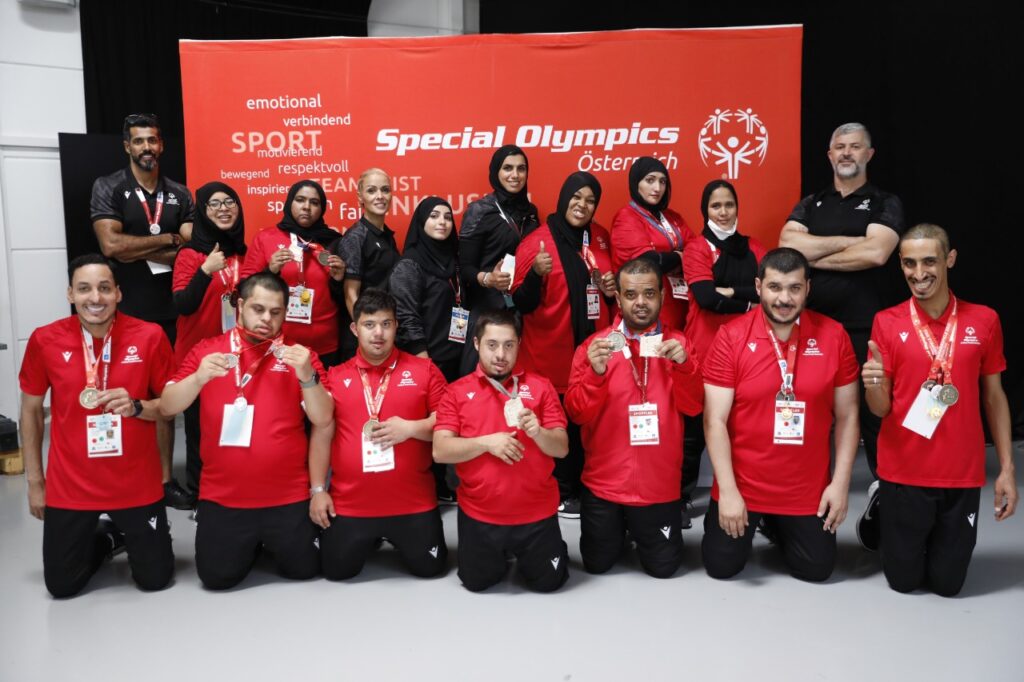
Special Olympics UAE Athletes won 16 medals during their participation at the Special Olympics National Games Austria 2022, which was held in Burgenland from June 23-28, 2022.
Special Olympics UAE was invited to participate with six other countries, as part of the Building Bridges between UAE and Austria programme, launched in 2018.
Special Olympics UAE Athletes excelled in powerlifting, DanceSport, and table tennis, bringing back memories of their outstanding success at the Special Olympics World Games Abu Dhabi 2019. 11 Special Olympics UAE Athletes won 16 medals, including eight gold, two silver and six bronze in the National Games Austria 2022.
In powerlifting, Abdul Rahman Al Hosani won four gold medals and Mohammed Al Mazmi won two silvers, while Ibrahim Al Hammadi secured four bronze medals.
Khuloud Al Shehhi and Nadia Al Falasi each secured first place at their respective table tennis categories, and in the doubles competitions (males), Mohammad Al Mas and Qais Al Qubaisi also won first place. In the individual DanceSport competitions, Ahmad Al Jailani came first, and Ghanem Al Maamari came third.
Special Olympics National Games Austria 2022 gathered 1600 Athletes from seven countries: Germany, Luxembourg, Slovenia, Slovakia, and Hungary, in addition to Austria and the United Arab Emirates. Further to the sports where Special Olympics UAE Athletes participated, the Games included judo, swimming, tennis, bocce, golf, bowling, and football.
On this occasion, Sheikh Suhail bin Butti Al Maktoum, Executive Director of the Sports Development Sector at the General Sports Authority, said, “We are proud of the achievements of the Special Olympics UAE Athletes and their determination to win and raise their nation’s flag in the regional and international competitions, which reflects the efforts of Special Olympics UAE and its partners from both government and sports sectors, who share the goal of empowering People of Determination and strengthening their sports performances.”
Talal Al Hashemi, National Director of Special Olympics UAE, noted, “We are proud of the continuous achievements of the Special Olympics UAE Athletes internationally, after winning 16 medals in Malta, Special Olympics UAE Athletes went to win another 16 medals in Austria. Special Olympics UAE and Special Olympics Austria have enjoyed a strong relationship since the launch of the Building Bridges Programme between Abu Dhabi and Austria in 2018.
The Building Bridges Between Abu Dhabi and Austria Programme launched in 2018, where a Memorandum of Understanding was signed between Abu Dhabi and the Republic of Austria, strengthening the ties between both Special Olympics institutions.
Special Olympics UAE’s delegation comprised 19 members, including 12 athletes, four coaches and a medic from the National Ambulance to ensure Athletes’ health and safety throughout their participations.
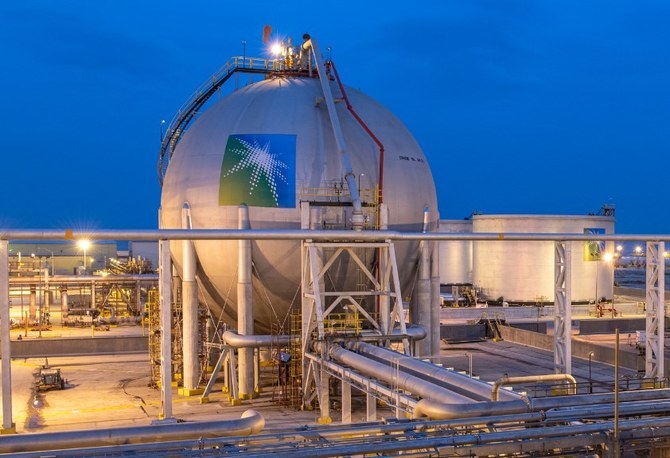
Saudi Aramco has been named one of the top 100 global innovators by American analytics company Clarivate.
In its report titled “Top 100 Global Innovators 2022,” Clarivate revealed that Saudi Aramco is the first-ever company from the Middle East and North Africa region to be placed in the list.
“The regional diversity continues to increase, with the first-ever Middle Eastern list entry via energy firm Saudi Aramco,” wrote Clarivate in the report.
Apart from Saudi Aramco, other new entrants to the list are China’s Alibaba, Germany’s Continental, US’ General Motors, South Korea’s Hyundai Motors and Kia Motors, US’s Philip Morris International, and UK’s Rolls-Royce.
Clarivate added that companies have been included in the list based on factors like influence, success, globalization, and technical distinctiveness.
source/content: arabnews.com (headline edited0
____________
Apart from Saudi Aramco, other new entrants to the list are China’s Alibaba, Germany’s Continental, US’ General Motors, South Korea’s Hyundai Motors and Kia Motors, US’s Philip Morris International, and UK’s Rolls-Royce.
Adi Al Bitar – Judge, Legal Advisor, Lawyer. Author of the UAE Constitution.
Adi Bitar was a brilliant Jordanian lawyer chosen to create the first laws.
Their names are rightly celebrated for the part they played in helping the Founding Fathers build the country we know today as the United Arab Emirates.
Figures such as Adnan Pachachi, the adviser to UAE Founding Father, the late Sheikh Zayed bin Sultan Al Nahyan, who became the first UN ambassador, Dr Abdul Makhlouf, architect of the modern city of Abu Dhabi, and Zaki Nusseibeh, who has had a long and distinguished career as cultural adviser to two Presidents and Minister of State.
But what of Adi Bitar, whose work after more than 50 years, still shapes the daily lives of everyone who lives here?
The author of the Constitution of the UAE, the enormity of his achievement is perhaps concealed by the modesty of his personality, but also the result of a life cut tragically short.
Even for group photographs, “my father would just walk away”, his son Omar Al Bitar says.
“He was a modest man and not the type of person to boast about what he had done. Even when other people took credit for his work, he didn’t mind.”
Yet thanks to Bitar, the seven desert emirates, once ruled largely by tribal convention and cultural traditions, became a modern nation of laws.
In the words that he penned, “Equality, social justice, safety, security and equal opportunities for all citizens shall be the pillars of the society.”
Yet he barely saw the UAE beyond its birth in 1971, dying of cancer just two years later at the age of 48. He is buried beside his 10-year-old son, Issa, struck down by leukaemia only three months earlier.
Early life and escape from Zionist bombing
Bitar was born in Jerusalem, on December 7, 1924. His father, Nasib Al Bitar, was a distinguished judge who had studied at Cairo’s Al Azar University and later served in the First World War as an officer in the Ottoman Empire, of which Palestine was then a region.
By the time of Bitar’s birth, Jerusalem was under the control of the British Mandate, and he was educated first at the multi-denominational Terra Sancta School and then at the Palestinian Institute of Law where he graduated with honours in 1942.
By then tensions were growing between the British authorities, Palestinian Arabs and Jewish settlers, whose number was increasing rapidly as they fled the aftermath of Hitler’s Germany at the end of the Second World War.
By now Bitar was gaining experience as a legal clerk and on the morning of July 22, 1946 found himself at the British administrative headquarters at the King David Hotel, overlooking Jerusalem’s Old City.
At 12.37pm, the Zionist terrorist group, Irgun, detonated a massive bomb in the hotel’s basement. Bitar escaped the blast largely unscathed, but as he went back into the building to rescue the injured, a large part of the south wing collapsed, burying him alive.
Most were convinced he had been killed, but Bitar’s brother insisted otherwise. Eventually Bitar was dug out alive but with serious injuries, including broken bones. He lived only because a table had sheltered him from the worst of the falling rubble.
Two years later the British Mandate was over, and the State of Israel declared. In the war that followed, Jerusalem’s Old City and the entire West Bank came under Jordanian control, and it was as a citizen of Jordan that Bitar gained his reputation as a lawyer.
His quick mind and keen intelligence lead to a senior appointment at the Attorney General’s office, where he worked until 1956. An appointment to Sudan followed, as a district judge, returning to Jerusalem three years later to set up a law practice.
Bitar’s life changed forever in 1964. Working for Sheikh Rashid bin Saeed Al Maktoum, the Ruler of Dubai, the British political agent for the Arabian Gulf approached the Jordanians.
They were looking for a legal adviser to the government of Dubai who could develop a framework of laws that would help the emirate’s development to a modern economy, including a civil legal system and courts.
Bitar’s name was put forward and accepted. He moved to Dubai and immediately set to work on laws and regulations that would govern everything from the banking system to the new Dubai International Airport, Port Rashid, the establishment of Jebel Ali, and even the decree that switched driving to the right-hand side of the road.
In 1965 Bitar was appointed Secretary General and legal adviser to the Trucial States Council, a forum at which the Rulers of the seven emirates would meet to discuss areas of mutual interest.
The post allowed other Rulers to know Bitar better, especially Sheikh Zayed, then Ruler of Abu Dhabi, and with Sheikh Rashid the major player in plans to create the Union of Arab Emirates.
The deciding moment came in February 1968, with a meeting between Sheikh Zayed and Sheikh Rashid in the desert at Seih Al Sedira, on the border of Abu Dhabi and Dubai.
A decision was made to create a new country from the seven emirates, and with it a number of practical decisions, including the pressing need to draft a constitution.
Bitar, a familiar and well-liked figure, was the obvious choice.
He worked long hours to complete the task, from his offices at the Government of Dubai and Trucial States Council, then later in the day from the quiet of his home in Dubai, using the dining room table.
His son, Omar, would act as his father’s driver and assistant during this time, and remembers taking pages to be typed and then copied on a mimeograph machine, the precursor of photocopiers.
The finished document, with 152 articles, and in the words of the Government “establishing the basis of the UAE and the rights of citizens in ten areas” was completed in time for December 2, 1971.
Some elements were intended to be temporary, including Abu Dhabi as the capital, with provision for a new city at Karama on the Dubai border, but this was abandoned and the constitution finally made permanent in May, 1996.
For Bitar, the future seemed to be continuing his distinguish career in the service of the UAE as a senior adviser both to the UAE cabinet and the Prime Minister, at that time Sheikh Maktoum bin Rashid. It was not to be.
His youngest son, Issa, was diagnosed with leukaemia, with treatment in Lebanon, the UK and Dubai. It was during this period that Bitar told his family he needed to visit Britain, on a working trip to discuss the printing of UAE passports.
In fact Bitar was also unwell. In London, he arranged to see a consultant and was diagnosed with stage 4 liver cancer. At one point the treatment, at the American Hospital in Beirut and in Dubai, seemed to be achieving some results, but in January 1973, Issa died, his father at his side. He was 10.
Issa’s death seemed to break Bitar. His own health declined rapidly, and in March 1973 he also died, to be buried by his son’s side.
His wife and surviving children remained in the UAE, becoming citizens of the country Bitar had helped to create.
Of his surviving sons, Nasib, who died in 2011, was a documentary writer and senior figure at Dubai Television, where he was director of programming, and creator of Alarabiya Productions, where he created the series The Last Cavalier.
Omar Al Bitar rose to become a major general in the UAE Armed Forces, vice president of the Sorbonne University Abu Dhabi, then ambassador to China and vice president of the Emirates Diplomatic Academy.
Of his father, he says: “He was a man of vision, a man of ethics. He would discuss with you any matter. He had a depth of knowledge. He was a man of calibre and integrity.”
source/content: thenationalnews.com (edited)
__________
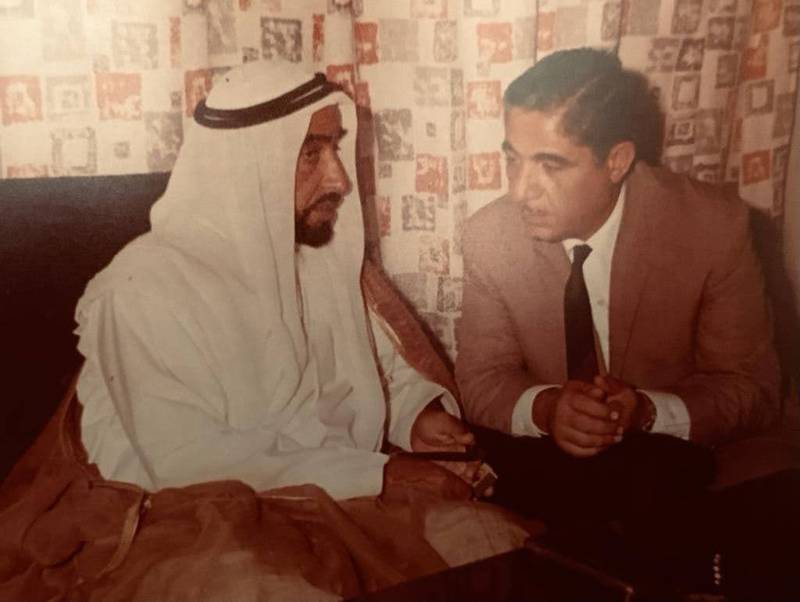
Adi Bitar with UAE Founding Father, the late Sheikh Zayed bin Sultan Al Nahyan. All photos courtesy of Omar Al Bitar
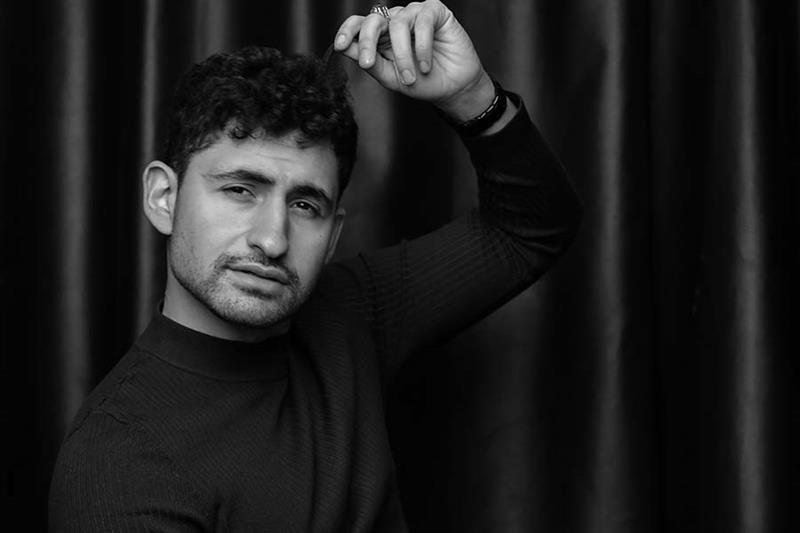
Egyptian actor Amir El-Masry was cast in the upcoming fifth season of Netflix’s historical drama The Crown, according to a PR representative on Wednesday.
El-Masry will portray the young Egyptian billionaire Mohamed Al-Fayed, Egyptian-born UK-based businessman, owner of Hôtel Ritz Paris and formerly Harrods department store and Fulham FC.
The cast of the fifth season also includes Egyptian-British actor Khalid Abdalla who has ben cast as Dodi Fayed , Mohamed Al-Fayed’s son and late Princess Diana’s boyfriend. Abdalla will play opposite Elizabeth Debicki as Diana.
Born in Cairo in 1990 and raised in London, El-Masry’s career kicked off with roles in Egyptian films, earning him Best Young Actor at the Egyptian Oscars in 2009.
Graduating from The London Academy of Music and Dramatic Art in 2013, Amir appeared in Jon Stewart’s debut feature Rosewater and various acclaimed TV series before his breakthrough role in The Night Manager (2016), followed by Lost in London (2017), The State (2017) and Age Before Beauty (2018).
Other notable credits include the critically acclaimed BAFTA nominated mini-series The State, a series regular role of Dante in the new BBC series Age Before Beauty and the lead in the first American-Saudi feature The Arabian Warrior.
Following the reign of Queen Elizabeth II, including political and romantic events that have shaped the twenty-first century, The Crown is considered one of the greatest series in the history of drama.
The series has won over 130 awards, including 21 Primetime Awards, of which seven were during the 73rd Primetime Emmy Awards in 2021, scooping awards of all categories.
The first season of The Crown was released in November 2016. Its fifth season is scheduled for release in November 2022.
Bahrain has won the chairmanship seat of the Committee on Safeguards, a subcommittee of the Council of Trade in Goods at the World Trade Organization (WTO).
Maryam Abdulaziz Al Doseri, Commercial Attaché of the Ministry of Industry, Commerce and Tourism at Bahrain’s Permanent Mission to the United Nations and other organizations in Geneva, is now the Chairperson of the Committee on Safeguards.
On May 23, WTO members reached consensus on the names of the chairpersons for the 14 subsidiary bodies that report to the Council for Trade in Goods.
The Committee on Safeguards (the Safeguards Committee) was established to administer the Safeguards Agreement. It oversees the operation of the Agreement and is responsible for the surveillance of Members’ commitments.
Minister of Industry, Commerce and Tourism Zayed bin Rashid Al Zayani extended his heartfelt congratulations to His Majesty King Hamad bin Isa Al Khalifa and to His Royal Highness Prince Salman bin Hamad Al Khalifa, the Crown Prince and Prime Minister, on Bahrain’s achievement.
“The success of Bahrain in becoming the chair of the Committee on Safeguards is a source of immense pride as it affirms the unlimited support to the Kingdom of Bahrain,” the minister said.
“It reflects the ambitious and unprecedented visions to chart a strong trade based on justice, transparency, diversity and innovation under the generous support of HM King Hamad bin Isa Al Khalifa and the follow-up of HRH Prince Salman bin Hamad Al Khalifa, Crown Prince and Prime Minister. This success is a strong motivation for further achievements and accomplishments by the Kingdom of Bahrain.”
With more than 20,000 students, the Islamic University of Madinah has become a meeting place for the world’s diverse cultures.
The Islamic University of Madinah has entered the Guinness World Records for the second time for having more than 170 nationalities in its student body.
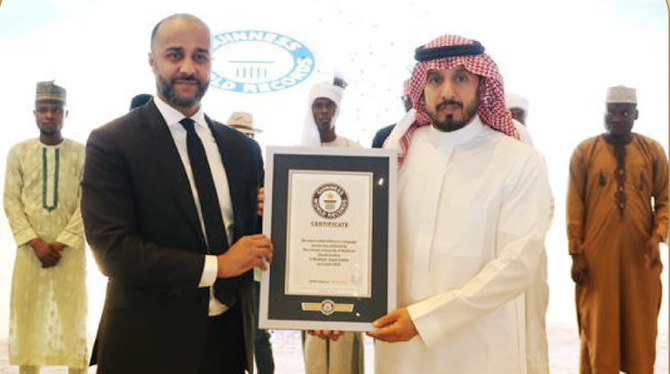
Talal Omar, the MENA director of the records reference book, handed the framed certificate bearing the new world record to the president of the university, Prince Dr. Mamdouh bin Saud bin Thunayan Al-Saud, in Madinah this week.
Opened by royal decree in 1961, the university first broke the record in 2016, but has overcome its own standard with another expansion in nationalities.
With more than 20,000 students studying in nine faculties, the Islamic university has become a meeting place for the world’s diverse cultures.
The Saudi government offers students from around the world full scholarships that cover the entire cost of education, accommodation and transportation.
Notable alumni include Sheikh Abdul Latif Derian, the grand mufti of Lebanon; Sheikh Khaled Hafiz, former advisor to the Muslim minority in New Zealand; Dr. Abdullah Hakim Quick, Canadian scholar and historian; Prince Saud bin Abdul Rahman bin Nasser, deputy governor of the Northern Borders region; Sheikh Mishary Al-Afasy, famous Qur’an reciter who is a specialist in the 10 readings; and Dr. Mohamed Jallow, a Senegalese Islamic preacher and author.
source/content: arabnews.com (headline edited)
___________
Prince Dr. Mamdouh bin Saud bin Thunayan Al-Saud (right), president of the Islamic University of Madinah, receiving the award from Talal Omar, MENA director of Guinness World Records. (Supplied)
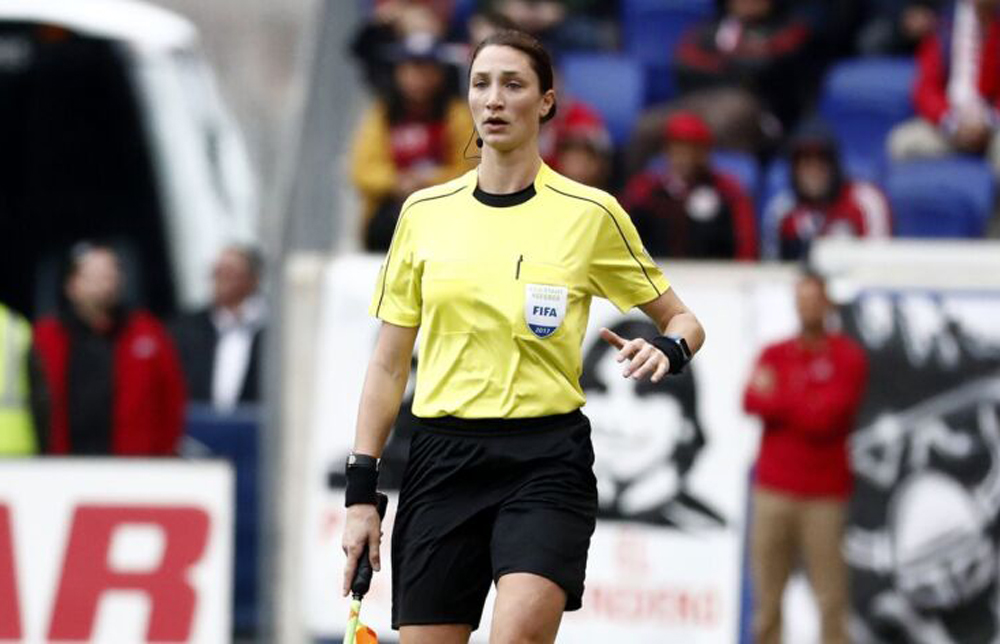
Women referees will officiate matches at the men’s World Cup for the first time in Qatar this year, the sport’s governing body FIFA announced on Thursday.
Three women referees and three women assistant referees will be part of the global showpiece event in Qatar, which will be held from Nov. 21 to Dec. 18.
Referees Stephanie Frappart from France, Salima Mukansanga from Rwanda and Japan’s Yoshimi Yamashita, as well as assistant referees Neuza Back from Brazil, Karen Diaz Medina from Mexico and American Kathryn Nesbitt have all been called up.
A total of 36 referees, 69 assistant referees and 24 video match officials have been chosen by FIFA for the tournament.
“This concludes a long process that began several years ago with the deployment of female referees at FIFA men’s junior and senior tournaments,” said Pierluigi Collina, FIFA Referees Committee chairman.
“They deserve to be at the FIFA World Cup because they constantly perform at a really high level, and that’s the important factor for us.
“As always, the criteria we have used is ‘quality first’ and the selected match officials represent the highest level of refereeing worldwide.”
Frappart became the first female official to be involved in European Championship matches after UEFA included her in the list of referees for the tournament last year.
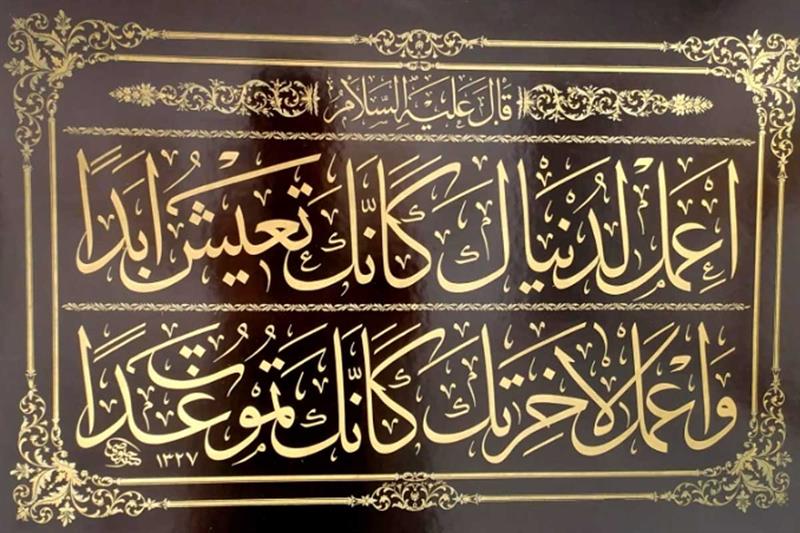
Cairo witnessed the seventh edition of the Cairo International Biennale of the Arabic Calligraphy Art under the auspices of Minister of Culture Ines Abdel-Dayem at the premises of Cairo Opera House.
Under the slogan ‘Pioneers and Renovators in 100 years (1922/2022)’, the biennale included a three-day seminar that ran from 6 to 9 June at El-Hanager Cinema that highlighted the most prominent figures of Arabic Calligraphy in Egypt and the Arab world as well as an art exhibition showcasing artistic gems of this Art from 125 countries represented by 15 artists at the Art Palace in the Cairo Opera House Complex that is running from 7 to 20 June.
Furthermore, the event established a new tradition of honouring artists and researchers for their achievements, and a side competition was held in the name of renowned Egyptian calligrapher Khedr El-Portsaidy — the founder of the Arabic Calligraphy Museum as well as the one who accredits and certifies Arabic calligraphers in Egypt.
In the opening session, Mohamed El-Baghdady — the general commissioner of the biennale — noted that this year marks the centenary jubilee of the establishment of Egypt’s first calligraphy school during the reign of king Fouad in 1922.
The session also included the presentation of a research paper written by Nahla Imam — country representative of Egypt at the 2003 Convention of Safeguarding the Intangible Heritage of UNESCO — who shared her experience in adding Arabic calligraphy knowledge, skills, and practice on UNESCO’s representative list of intangible cultural heritage in December 2021.
Mohamed Hassan Abu El-Khair — the first to innovate the ‘mashq’
The second day of sessions showcased the pioneers and renovators of such enchanting art.
The first paper was presented by researcher and calligrapher Mohamed El-Shafaai on passing down the practice of such art in Egypt, taking the family of Mohamed and Abdel-Aziz Abu El-Khair as an example, as the two are renowned Egyptian calligraphers that this year’s round was dedicated to.
He started off by revealing that the concept of passing down this form of art dates back to the pre-Islamic era, explaining that the initial idea behind Arabic calligraphy was transcription, and then the artistic element came later.
“During the pre-Islamic era, except for a small circle, very little knew how to write Arabic, and according to Abdalla Ibn Abbas, the first person to begin writing in Arabic in the tribe of Qureish was Harb Ibn Umaya — one of the masters of the tribe and the father of Sufian Ibn Harb.
The other key person in calligraphy art was El-Wazir Ibn Noqla, who was famous during the Abbasid Caliphate and inherited the art from his father El-Ali Ibn Hassan, explained El-Shafaai.
Mohamed Hassan Abu El-Khair was born in Cairo in 1921, he studied in Al-Azhar and then joined The School of Improving Calligraphy when he was only 17, where he was the top of his class and was taught by calligraphy masters such as Sheikh Fakhr El-Din, Sheikh Ali Badawi, and Mohamed Hosni El-Baba — the father of iconic Egyptian actress Soad Hosni to name but a few.
He excelled in El-Sulus and Reqaa calligraphy and soon became a professor of the art of calligraphy at Oum El-Qoura University in Mecca for 20 years.
“He was the first to innovate in the mashq (an educational manual technique) of the solos of Arabic calligraphy that are taught to fourth graders, where he started teaching students to write whole sentences from the beginning instead of focusing on letters with no context,” El-Shafaai added.
Abdel-Qader Al-Shihabi — the calligrapher of the Palestinian government
The second paper focused on Abdel-Qader Al-Shihabi — a Palestinian calligrapher — that was written by Farag Hussieny. Al-Shihabi is a renowned Palestinian calligrapher whose fame reached its peak during the first half of the 20th century and was known as the ‘calligrapher of the Palestinian government.’
“Born and raised in Jerusalem, Abdel-Qader Al-Shihabi comes from a long line of calligraphers that started off this art between the 12th and 14th year of the Hijri calendar, however, Al-Shihabi learned calligraphy in Istanbul at the hand of Mohamed Ezzat, the biggest artist. He was known for his suluth calligraphy, which decorates the walls of Al-Aqsa Mosque to date. He also spent all his life teaching calligraphy in Jerusalem and encouraging young artists to follow his passion,” explained Hussieny.
Abdalla Al Zohdi: the calligrapher of Al-Haramein Al-Sharifine
The third paper covered the ‘calligrapher of Al-Haramein Al-Sharifine(The Two Holy Mosques) Abdalla Al-Zohdi and was written by Sami Saleh Abdel-Malak.
“Born in Nablus, Abdalla Al-Zohdi was born around 1251. His family moved to Istanbul, where he studied and excelled in calligraphy at a very early age. His artistic fame made him the official calligrapher of the Prophet’s Mosque in Medina, where his calligraphy adorns the walls and ceilings of the mosque till now,” the paper explained,
“During the reign of khedive Ismail, he was commissioned to write the calligraphy of the Keswa of the Kaaba and Mahmal. His implacable calligraphy was quite visible and stood out in the design of the keswa from that day onwards. He was known by his highly complex and geometric Sulus calligraphy.”
Al Salam Veterinary Hospital’s main business will be breeding a new generation of humped superstars.
A version of this article was first published in September 2020
Saudi Arabia is already known as a destination for camel beauty pageants. Now, it wants to be known for camel healthcare, too.
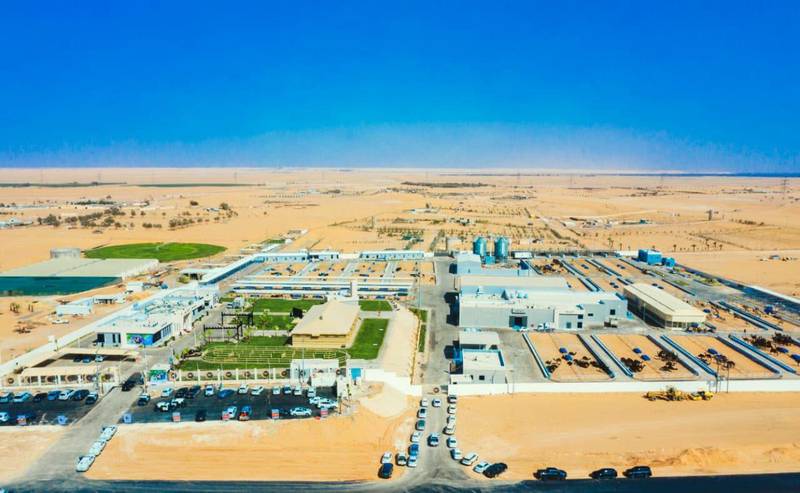
The country opened the world’s largest camel hospital in July 2020 and photographs show what daily life is like inside.
At 70,000 square metres, Al Salam Veterinary Hospital is about the size of Buckingham Palace and a little smaller than the island of Alcatraz.
The centre cost more than Dh134 million but camel racing and pageantry are sports for princes and sheikhs in which a single camel can fetch Dh10 million at the height of pageantry season.
The hospital lies in the interior Qassim region between Madinah and Riyadh, at the site of one of the world’s largest camel markets, and will serve camel owners in Kuwait and northern Saudi Arabia.
video
The nearest comparable clinics are about 1,000 kilometres away in other Gulf states. Travelling hundreds of kilometres and crossing borders is part of the racing and pageantry lifestyle but the coronavirus pandemic has made this impossible, even as local competitions continue.
Al Salam Veterinary Hospital can treat 144 camels, has stables for 400 racing camels and will employ up to 300 staff ready to meet a camel’s every need, from surgery to accommodation and blood testing.
Camels can be treated for infectious disease, injuries and chronic illness at the hospital, but its main business will be fertilisation.
The hospital has already conducted more than 500 embryo transfers, resulting in 350 successful pregnancies.
Vets plan to transfer 2,500 embryos next season, an ambitious amount by camel-breeding standards.
Embryo transfer has led to some of the biggest names in the world of camel racing.
A camel pregnancy lasts two years, which previously meant female racers could produce a few offspring only after retiring from the racetrack.
The advancement of camel surrogacy has meant prized female racers can now pass winning genes on to dozens of calves in one year.
This has transformed the world of racing and made some she-camels as renowned as studs.
Al Samha, from Abu Dhabi, is one such cow known for her prolific progeny.
The best-known breeding centres, such as the Advanced Scientific Group in Abu Dhabi, attract pedigree champs from around the Gulf.
Scientific advances continue to be made in camel fertilisation and breeding programmes.
The camel’s adaptation to the desert has led to a unique set of challenges in artificial insemination .
The animal is so good at conserving water that it produces only 3ml to 8ml of gel-like semen, a fraction compared with that of similarly sized animals such as horses. It freezes poorly.
It was only in 2018 that the first calves were born to females fertilised by frozen semen at Dubai Camel Breeding Centre.
Similar scientific breakthroughs at the Saudi hospital could change the very shape and size of future camels.
The UAE won the Grand Prix of the Canton of Aargau, Switzerland, yesterday June 10th.
The Emirati squad had strength in numbers in the final with Diego Ulissi and Matteo Trentin covering moves before Marc Hirschi infiltrated the winning break which slipped away at 7km to go.
The 23-year old hit out early from the four man group to open up the sprint at 250m to go to hold off Max Schachmann (Bora-Hansgrohe) and Andreas Kron (Lotto-Soudal) who finished on the podium.
“It was really very difficult”, said Marc Hirsch. “The final was very eventful, because a rider from AG2R Citroën has long been in the lead. In the last climb, it went very quickly behind him, but I was able to accompany in force. Then I was able to close the gap with three guys who had escaped. It was very hard”. In the end, it was a group of 7 which formed 6 terminals from the line, and the winner of the Fleche Wallonne 2020 maneuvered well to finish in the sprint.
In raising the trophy he becomes the first home winner of the race since 2013.
This result marks Hirschi’s second win of the season after storming to victory at the Per Sempre Alfredo classic in April.