Arabs & Arabian Records Aggregator. Chronicler. Milestones of the 25 Countries of the Arabic Speaking World (official / co-official). AGCC. MENA. Global. Ist's to Top 10's. Records. Read & Enjoy./ www.arabianrecords.org
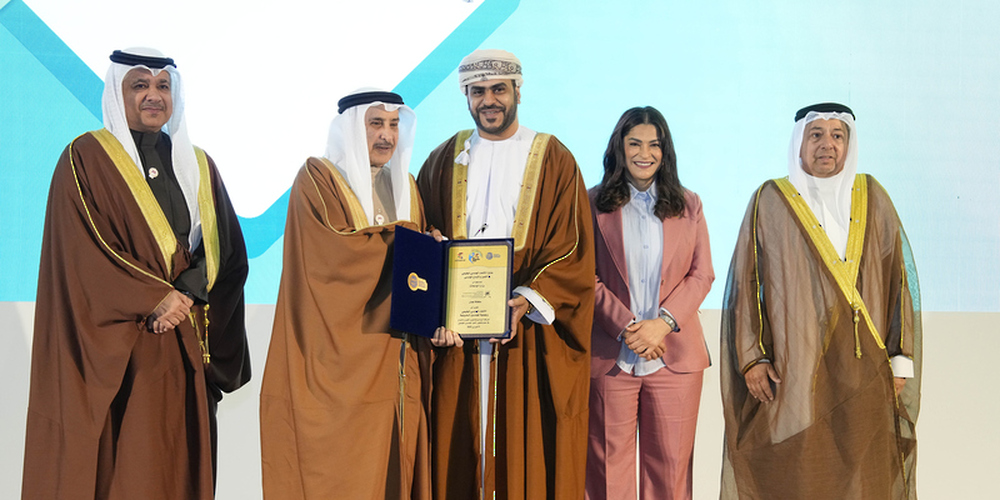
The Sultanate of Oman won the 26th Gulf Engineering Forum’s “Excellence and Innovation Award” through a project titled “Combined Combustion Truck for Carbon Reduction”.
The forum is being held in the Kingdom of Bahrain until 13 February 2025, under the theme “Challenges of Energy Conversion”. Oman is represented at the forum by the Ministry of Transport, Communications and Information Technology.
The project that won the award aims to reduce carbon emissions and promote sustainable mobility. Through this project, Blue Ice Oman is developing a combined combustion engine for trucks, using a blend of hydrogen and diesel. This contributes to 50 percent reduction of emissions. The initiative is in line with Oman’s Zero Neutrality Strategy 2050 to achieve zero emissions.
The 26th Gulf Engineering Forum brings together an elite group of experts specialized in the fields of environment conservation, energy and industry. The forum elaborates on engineering issues related to energy transformation and the challenges posed to this specialty. It seeks to reach the best innovative solutions, technologies and modern designs to address these challenges.
A number of dialogue sessions and workshops will be held during the three days of the forum. The activities will see the participation of a group of engineers, researchers and academics, who will exchange visions on energy transformation, renewable energy, decarbonization, technologies and innovations for devising a clean energy policy.
Imagine owning a camera so powerful it can take freeze-frame photographs of a moving electron – an object traveling so fast it could circle the Earth many times in a matter of a second. Researchers at the University of Arizona have developed the world’s fastest electron microscope that can do just that.
They believe their work will lead to groundbreaking advancements in physics, chemistry, bioengineering, materials sciences and more.
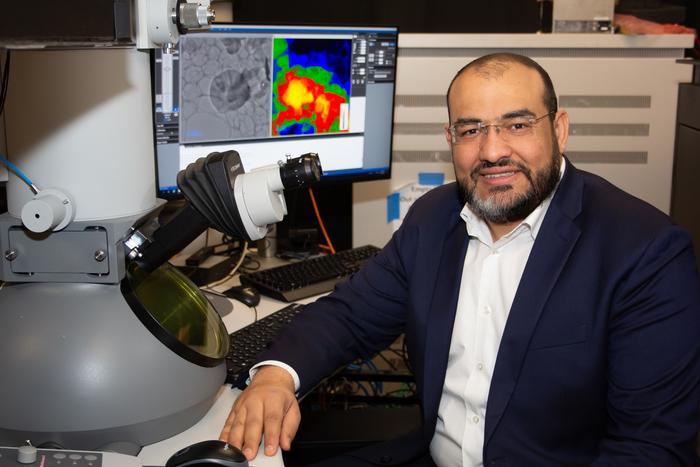
“When you get the latest version of a smartphone, it comes with a better camera,” said Mohammed Hassan, associate professor of physics and optical sciences. “This transmission electron microscope is like a very powerful camera in the latest version of smart phones; it allows us to take pictures of things we were not able to see before – like electrons. With this microscope, we hope the scientific community can understand the quantum physics behind how an electron behaves and how an electron moves.”
Hassan led a team of researchers in the departments of physics and optical sciences that published the research article “Attosecond electron microscopy and diffraction” in the Science Advances journal. Hassan worked alongside Nikolay Golubev, assistant professor of physics; Dandan Hui, co-lead author and former research associate in optics and physics who now works at the Xi’an Institute of Optics and Precision Mechanics, Chinese Academy of Sciences; Husain Alqattan, co-lead author, U of A alumnus and assistant professor of physics at Kuwait University; and Mohamed Sennary, a graduate student studying optics and physics.
A transmission electron microscope is a tool used by scientists and researchers to magnify objects up to millions of times their actual size in order to see details too small for a traditional light microscope to detect. Instead of using visible light, a transmission electron microscope directs beams of electrons through whatever sample is being studied. The interaction between the electrons and the sample is captured by lenses and detected by a camera sensor in order to generate detailed images of the sample.
Ultrafast electron microscopes using these principles were first developed in the 2000’s and use a laser to generate pulsed beams of electrons. This technique greatly increases a microscope’s temporal resolution – its ability to measure and observe changes in a sample over time. In these ultrafast microscopes, instead of relying on the speed of a camera’s shutter to dictate image quality, the resolution of a transmission electron microscope is determined by the duration of electron pulses.
The faster the pulse, the better the image.
Ultrafast electron microscopes previously operated by emitting a train of electron pulses at speeds of a few attoseconds. An attosecond is one quintillionth of a second. Pulses at these speeds create a series of images, like frames in a movie – but scientists were still missing the reactions and changes in an electron that takes place in between those frames as it evolves in real time. In order to see an electron frozen in place, U of A researchers, for the first time, generated a single attosecond electron pulse, which is as fast as electrons moves, thereby enhancing the microscope’s temporal resolution, like a high-speed camera capturing movements that would otherwise be invisible.
Hassan and his colleagues based their work on the Nobel Prize-winning accomplishments of Pierre Agostini, Ferenc Krausz and Anne L’Huilliere, who won the Novel Prize in Physics in 2023 after generating the first extreme ultraviolet radiation pulse so short it could be measured in attoseconds.
Using that work as a steppingstone, U of A researchers developed a microscope in which a powerful laser is split and converted into two parts – a very fast electron pulse and two ultra-short light pulses. The first light pulse, known as the pump pulse, feeds energy into a sample and causes electrons to move or undergo other rapid changes. The second light pulse, also called the “optical gating pulse” acts like a gate by creating a brief window of time in which the gated, single attosecond electron pulse is generated. The speed of the gating pulse therefore dictates the resolution of the image. By carefully synchronizing the two pulses, researchers control when the electron pulses probe the sample to observe ultrafast processes at the atomic level.
“The improvement of the temporal resolution inside of electron microscopes has been long anticipated and the focus of many research groups – because we all want to see the electron motion,” Hassan said. “These movements happen in attoseconds. But now, for the first time, we are able to attain attosecond temporal resolution with our electron transmission microscope – and we coined it ‘attomicroscopy.’ For the first time, we can see pieces of the electron in motion.”
source/content: eurekaalert.org / University of Arizona / (headline edited)
_________
Mohammed Hassan, associate professor of physics and optical sciences, let a group of researchers in developing the first transmission electron microscope powerful enough to capture images of electrons in motion.
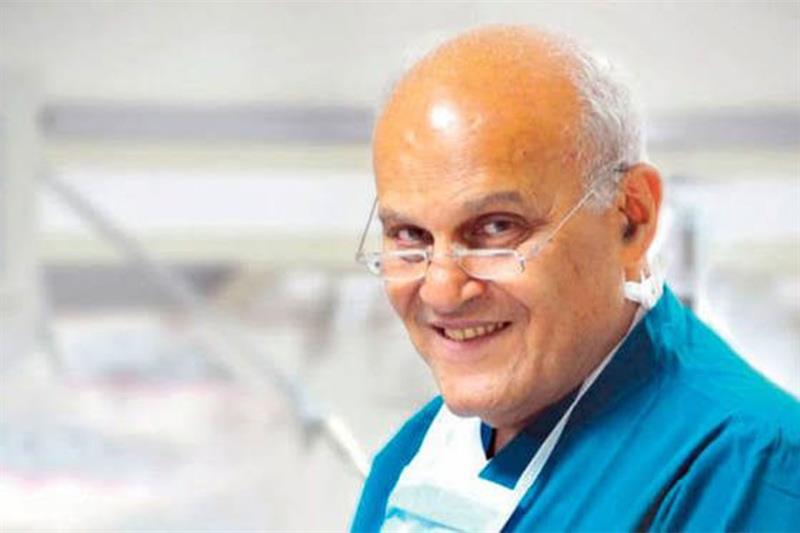
Making history again! Egyptian heart surgeon Sir Magdi Yacoub innovates valves that grow naturally in body.
This pioneering innovation envisions the development of biological heart valves that can grow and be accommodated naturally within the human body. This opens the door to a new era in heart disease treatment.
The prospect of heart valves naturally expanding within the body, a concept once confined to science fiction, is now on the brink of realization, thanks to the remarkable discovery spearheaded by renowned heart surgeon Professor Sir Magdi Yacoub.
While the initial study documenting this breakthrough was unveiled in Nature in 2023, recent media coverage has underscored its practical implications.
Esteemed publications like The Times have pinpointed this cutting-edge innovation’s profound impact on biomedical science and medical engineering. They have recognized it as a monumental leap in the realm of healthcare.
On Monday, Dr. Yacoub discussed the latest developments in this field with Egyptian talk show host Amr Adib.
He explained how his team has engineered temporary heart valve scaffolds composed of surgically implanted fibres into the body.
These scaffolds gradually disintegrate over time, leaving behind a living, fully functional valve crafted from the patient’s tissues, a testament to the marvels of modern medical ingenuity.
Crafted by COPAG-Jaouda, this plant-based milk skips the gluten, lactose, preservatives, and added sugars, keeping things simple and natural.
For Moroccans looking to swap traditional dairy for a local plant-based option, the wait is over!
COPAG-Jaouda, a household name in the country’s dairy industry, has introduced “Nabatlé”, Morocco’s first entirely homegrown plant-based milk.
More than just a substitute, “Nabatlé” is set to revolutionize the country’s approach to food innovation.
It also answers a growing demand for healthier, natural choices while proving that local expertise can keep pace with evolving consumer palates.
Plant-based milk for everyone
As more Moroccans explore healthier alternatives, COPAG-Jaouda is making sure “Nabatlé” is not just an option but an accessible and affordable choice.
This plant-based milk skips the gluten, lactose, preservatives, and added sugars, keeping things simple and natural.
The cooperative says it delivers healthy fats, essential vitamins, and minerals while staying low in calories.
Whether vegan, vegetarian, or just curious, consumers can choose from three different varieties to suit their taste:
– Almond: Naturally sugar-free with a light, smooth taste and no cholesterol.
– Oat: Rich in fiber, minerals, and plant-based proteins.
– Coconut: Creamy with a mild exotic flavor, offering a source of calcium and vitamins A and D3.
To set the record straight on plant-based milk, which is new territory for some Moroccans, COPAG-Jaouda is rolling out an awareness campaign to showcase the milk’s nutritional perks and discover how versatile and beneficial they can be.
But “Nabatlé” is not just a dairy alternative. The company sees it as a symbol of Morocco’s ambition to create top-tier, competitive products that also care for the planet, all while staying eco-conscious.
What began in 1987 with 39 agricultural producers has grown into COPAG, Morocco’s largest cooperative.
Now, with over 12,000 employees and support for 24,000 farmers, COPAG continues to shape the agricultural landscape, spanning citrus, fresh produce, dairy, and meat industries.
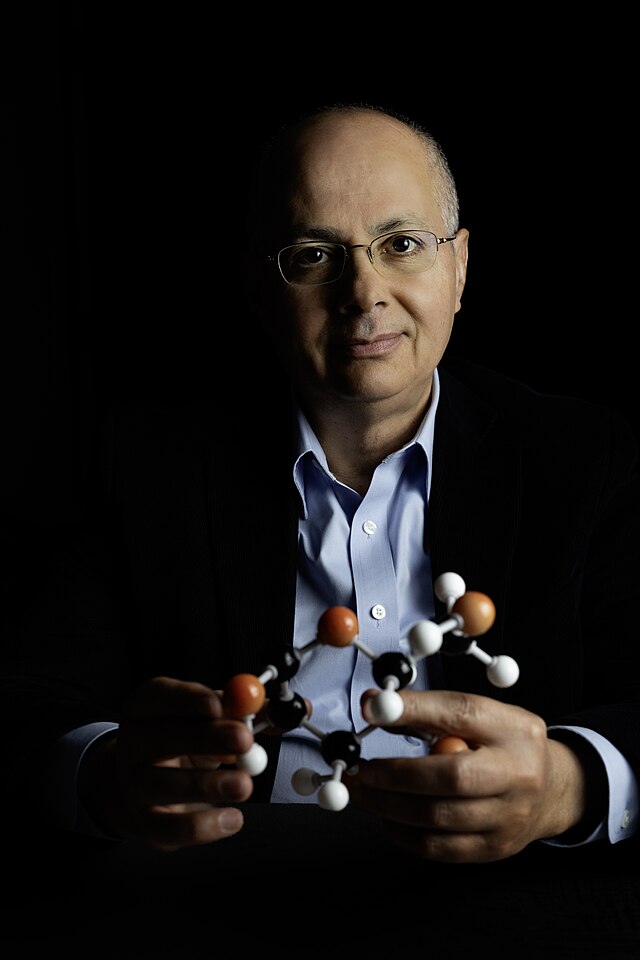
Jordanian academic Omar Yaghi, a chemistry professor at the University of California, Berkeley, has been awarded the 2024 Arab Genius Minds Award in the Natural Sciences category for his pioneering work in reticular chemistry.
Yaghi is celebrated for his transformative innovations in designing and synthesising metal-organic frameworks (MOFs) and covalent organic frameworks (COFs), the Jordan News Agency, Petra, reported.
These frameworks address critical global challenges in energy storage, water harvesting, and environmental sustainability.
His research portfolio includes over 300 peer-reviewed papers, which have collectively garnered more than 250,000 citations, underscoring the “far-reaching” impact of his work.
Since 2012, Yaghi has held the James and Neeltje Tretter Chair in Chemistry at UC Berkeley.
His contributions to reticular chemistry have “revolutionised” the ability to assemble molecular building blocks into highly porous structures with applications in gas storage, catalysis, and drug delivery, among others, yielding significant economic and environmental advancements.
The Arab Genius Minds Award, launched by Sheikh Mohammed Bin Rashid Al Maktoum, Vice President and Prime Minister of the UAE and Ruler of Dubai, honours achievements by Arab scientists and innovators across six key categories essential for the region’s developmental and cultural progress.
Khadija Jallouli, a young Tunisian entrepreneur with a disability, has called for redoubling international efforts aimed at integrating people with disabilities and involving them in decisions related to finding solutions to the challenges they face.
She is the co-founder and CEO of HawKar, a start-up specialising in manufacturing electric vehicules for people with disabilities with the aim of improving their lives by providing convenient, accessible and sustainable mobility solutions.
Ms. Jalouli spoked about her experience from the podium in the iconic General Assembly Hall at the opening session of the activities of the 17th session of the Conference of States Parties to the Convention on the Rights of Persons with Disabilities (COSP17), which began on Tuesday and continues until June 13, under the theme Rethinking disability inclusion in the current international juncture and ahead of the Summit of the Future, which is taking place at UN Headquarters in September.
In an interview with UN News, Ms. Jallouli said she is participating in COSP17 to shed light on the challenges facing people in motion and how to find solutions to them to create a more inclusive world as well as to inspire participants to take action to find solutions and involve everyone.
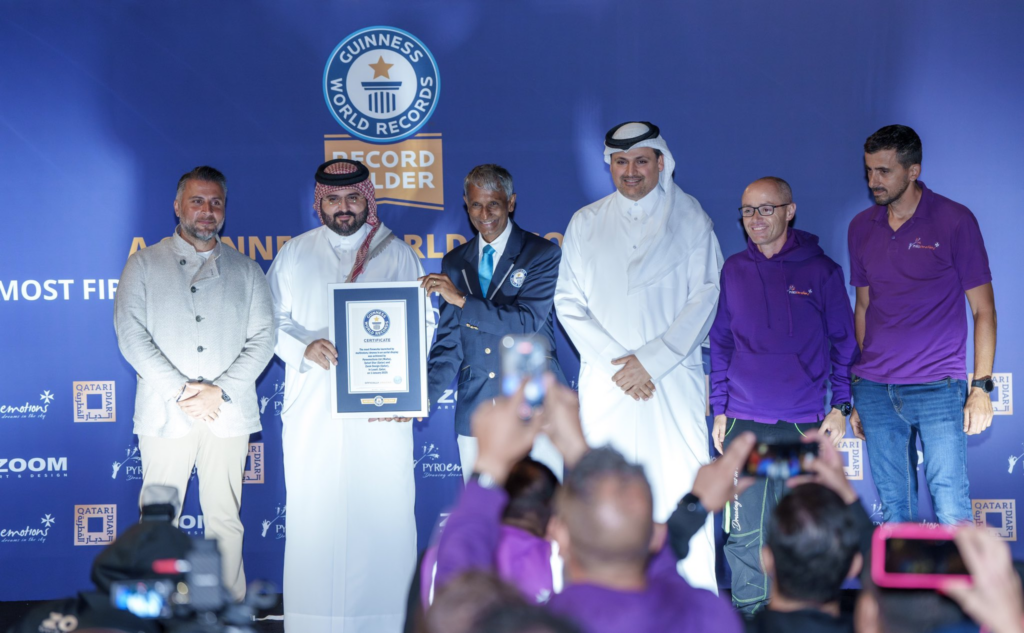
Qatari Diar received a Guinness World Records distinction for “the most fireworks launched by multirotors/drones in an aerial display.”
The distinction was awarded to Qatari Diar on the occasion of the January 1, 2025, New Year’s celebrations that took place in Lusail Boulevard.
The city of Lusail had earlier announced that the “historic” New Year’s festivities held at its boulevard had attracted 300,000 visitors, a record-breaking figure.
The distinction was awarded to Qatari Diar on the occasion of the January 1, 2025, New Year’s celebrations that took place in Lusail Boulevard.
The city of Lusail had earlier announced that the “historic” New Year’s festivities held at its boulevard had attracted 300,000 visitors, a record-breaking figure.
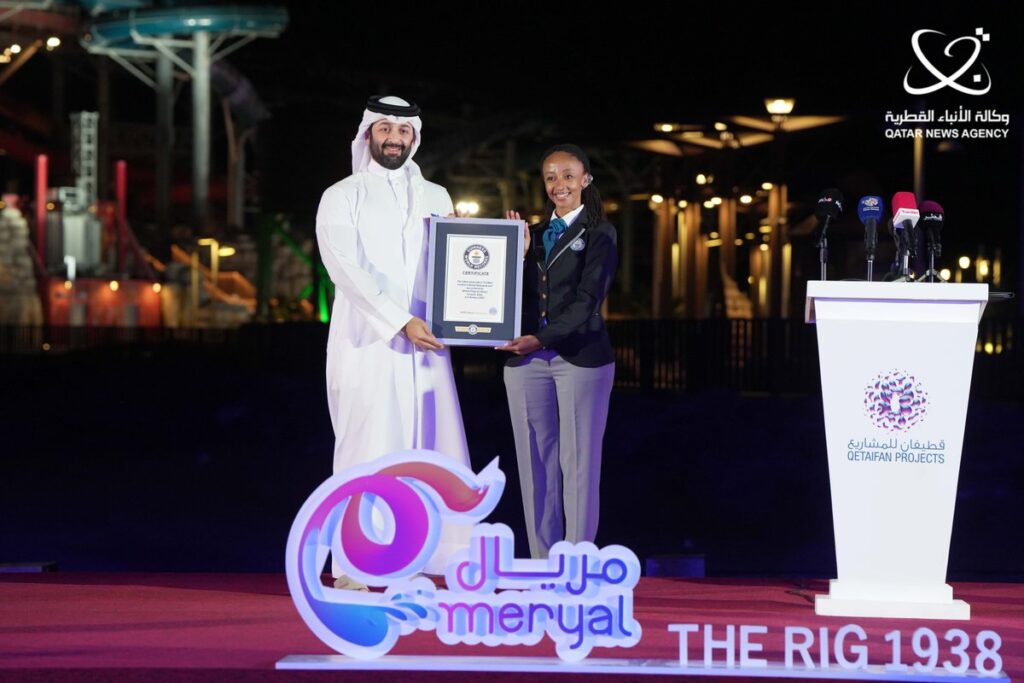
The ‘Rig 1938’ tower made two entries in the Guinness Book of Records, as the world tallest water slide tower with a height of 76.309 meters; and the first tower of its kind to have 12 water slides.
General Manager and Chairman of Qetaifan Projects Company, Sheikh Nasser bin Abdulrahman Al-Thani said in a press conference that the tower provides an exceptional experience that enhances Qatar’s position as a world class global tourist destination.
He added that the tower is not just an entertainment landmark, but a symbol that expresses Qatari culture and promotes creativity.
The tower, which is 85 meters high and includes 12 water slides, is an architectural masterpiece inspired by the history of oil and gas discovery in Qatar. It was designed according to the highest safety standards to be suitable for all age groups to enhance the visitor experience.
The tower is located in the heart of Meryal City, which extends over an area of 281 thousand square meters, and is one of the largest water parks in the region, with 36 innovative water games.
Meryal is part of Qetaifan Island North, which is an integrated tourism project extending over an area of 1.3 million square meters, and includes multiple facilities as well as residential, educational and health projects, making it a destination that combines authenticity and innovation.
The Arab League Educational, Cultural and Scientific Organization (ALECSO) announced that Omani researcher Dr. Huda Mubarak Al Dai’ree won the “ALECSO Innovation Award for Young Researchers” due to her active role in promoting green economy.
The research that won the award was titled “Role of government school principals and teachers in endorsing green economy in education and activating it as one of the objectives of Oman Vision 2024.”
The award reflects ALECSO’s keenness on inspiring and supporting innovative Arab researchers who excel in the fields of technology and scientific applications. The award is an initiative undertaken by ALECSO to spread the culture of research and innovation among Arab youth.
After just twenty years in aviation manufacturing, Morocco has outpaced all African nations to become the continent’s primary supplier of aircraft parts.
Morocco’s aviation manufacturing sector is concluding 2024 with unprecedented growth, as exports surged 17.3% to reach MAD 21.86 billion ($2.1 billion) in the first ten months, surpassing the entire previous year’s record of MAD 21.85 billion.
The North African country has solidified its position as Africa’s primary aviation equipment and spare parts manufacturer, ranking fifth globally among the most dynamic countries in the aviation sector, according to Afaf Saïdi, Director of Aviation, Railway, Naval Industries and Renewable Energies at the Ministry of Industry and Trade.
“Morocco has become the main source of equipment and spare parts at the African level after just twenty years of launching its first initiative in this sector,” Saïdi told the Moroccan News Agency. “This exceptional performance not only demonstrates the resilience of our national aviation industry but also reflects its ability to adapt to global market momentum.”
The sector currently employs 21,000 skilled workers across 142 companies, with a local integration rate exceeding 40%. Industry Minister Riyad Mzour announced in July that Morocco aims to double the sector’s employment by 2030.
This year marked several significant developments for Morocco’s aviation industry. The country hosted the Morocco Air Show 2024 in Marrakech, which facilitated new strategic partnerships with industry giants Boeing and Airbus.
A major milestone was the inauguration of Safran’s $300 million aircraft engine manufacturing facility in Casablanca, expected to create hundreds of jobs and facilitate advanced technology transfer.
‘Adopting a proactive approach’
Other major manufacturers including Bombardier, Stelia, and Aerospace have expanded their investments in the country through new facilities and expansions of existing sites. These initiatives aim to meet growing demand from major aviation companies for high-quality components while contributing to local economic growth.
The government has developed specialized industrial zones for aviation manufacturing, including the Midparc zone, which offers modern infrastructure, ready-to-use land, and tax incentives. The Tanger Med Port plays a pivotal role in supporting the sector’s growth through export operations.
“We are adopting a proactive approach to ensure our aviation industry aligns with rapid global developments,” Saïdi explained. “Innovation is at the core of our priorities, with special focus on environmentally friendly technologies and reducing carbon footprint, strengthening the kingdom’s position as a competitive and sustainable industrial platform.”
The sector’s growth in 2024 represents a significant improvement from 2023’s modest 2.4% increase in exports. This expansion is attributed to strong global demand and product diversification, encompassing spare parts and complete equipment for major aviation manufacturers.
Looking ahead, Morocco’s aviation sector is positioning itself for further expansion through new ecosystem development, implementation of more complex projects, and addressing challenges in digital transformation, decarbonization, and technological innovation, while leveraging the talents of young Moroccan professionals.