Arabs & Arabian Records Aggregator. Chronicler. Milestones of the 25 Countries of the Arabic Speaking World (official / co-official). AGCC. MENA. Global. Ist's to Top 10's. Records. Read & Enjoy./ www.arabianrecords.org
Dr. Andilyat Mohamed is a dedicated Comorian scientist who has been actively engaged in plant ecology, specifically in phytogeography, since 2007, accumulating 16 years of experience in Comorian plant formations. She expanded her focus to marine and coastal ecosystems in 2012, concentrating on mangrove algae and seagrass. As a university professor, she delivers lectures and practical work in applied plant ecology and general botany, using special mangrove field trips to demonstrate the theory and practice of different types and their roles to students at the Faculty of Science.
In 2010, Dr. Mohamed established the National Herbarium at the University of the Comoros, where 98% of the staff are women. She also initiated the Comoros mangrove house in partnership with a local village women’s association called “JEUNE FILLE DE DOMOIBOINI .” As the national focal point for the Comoros in the WIOMN network on mangroves in WIOMSA, she authored the first publication of the 23 localities hosting mangroves on the island of Ngazidja as part of her doctoral thesis.
Currently, Andilyat is concentrating on the restoration and assessment of blue carbon in the mangroves of the Comoros, searching for a specific algorithm corresponding to the particular characteristics of amphibious Comorian ecosystems dominated by a recent lava flow substrate as part of her Habilitation to Supervise Research (HDR).
Tell us, what led you to pursue a career in marine/ocean science?
What pushed me to pursue a marine career was the fact that I read the bibliography of an official document printed in 2002 that said there were 5 mangrove sites on the island of Ngazidja. However, when I supervised a master’s student in 2012, we worked on 7 sites, and I knew that there were others. In 2016, I used remote sensing to find out for the first time that the island has mangroves in 23 localities and that the ecosystems had been reduced and divided into several sites by lava flows. Since then, I’ve been working closely with the islands’ conservationists.
As a marine/ocean professional, what critical lessons have you learned? Share your insights and experience with others who aspire to become experts in this field.
Mangroves are more capricious than humans, they are mute but shout loudly in the silence by releasing CO2 when under anthropic pressure or by trapping carbon when conserving and protecting the site.
In celebration of International Women’s Day theme “Invest in Women, accelerate progress”, what progress do you envision for women in the Western Indian Ocean region?
Comorian women are fortunate to be among the few countries where inheritance is matrimonial. This gives them authority and independence in social activities. It is with this vision that I am working with my team to ensure the survival of the mangroves of the Comoros. I started by joining forces with the Jeune Fille Association.
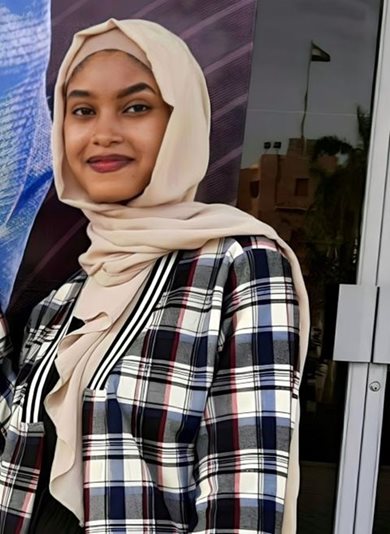
Sara Albagir Abdalla Mohammed is many things—a student, a scientist, an ASM Young Ambassador—but, above all, she is unstoppable. Amid ongoing socio-political upheaval and conflict in her home of Sudan, she is determined to advance her own microbiology journey and ensure others can do the same.
“The challenges I’ve faced have ultimately shaped me into a more resilient and adaptable microbiologist,” Albagir Abdalla Mohammed said. “These experiences have strengthened my commitment to making science accessible to those in resource-limited settings and finding innovative ways to promote scientific development, even in the face of adversity.”
Her penchant for tackling scientific challenges predates her academic activities. As a child, Albagir Aballa Mohammed wanted to find treatments for “untreatable” diseases, though it was during her high school biology classes—where she learned about the intricate complexities of the human body—that her interest in health sciences blossomed. She took that interest and ran with it, going on to pursue a degree in medical laboratory sciences at the University of Khartoum.
Albagir Abdalla Mohammed began her college career by diving head-first into disciplines ranging from hematology to clinical chemistry, though medical microbiology and immunology really drew her in. “I became particularly interested in how such tiny beings [i.e., microbes] could have massive impacts on global health systems. This contrast between the micro and the macro fueled my desire to understand how microbiology could contribute to solving some of the world’s most pressing problems,” she shared. Her experience training in laboratories at Ibn Sina Specialized Hospital—one of Sudan’s largest hospitals for liver diseases, including those caused by microbes like hepatitis B virus—solidified her decision to specialize in medical microbiology.
But, as certain as Albagir Abdalla Mohammed was about her chosen educational path, external circumstances have made the road difficult to navigate. The Sudanese December Revolution shut down the education system in Sudan for almost 2 years; the COVID-19 pandemic tacked on another year. Then, in April 2023, as Albagir Abdalla Mohammed neared the end of earning her degree, conflict broke out in her home of Khartoum, Sudan’s capital. The conflict has displaced over 10 million people, with Albagir Abdalla Mohammed—who was forced to relocate to a rural area—among them.
“Over the past year and a half, I’ve faced ongoing disruption, displacement and uncertainty,” she shared. “This was an especially difficult time, as I was so close to completing my education and reaching my long-awaited goal of graduation. My academic journey, originally planned to take 4 years, [has] stretched into over 6 due to these repeated interruptions.”
Yet, for each obstacle thrown in her path, Albagir Abdalla Mohammed has found ways to continue her scientific development. “I refused to let my educational journey come to a complete halt. I have continued learning, even under challenging conditions with poor internet connectivity in the rural area I’m in,” she said, noting that she has completed various online programs and specializations in public health, epidemiology and data analytics.
What’s striking about Albagir Abdalla Mohammed is that she is not just concerned about her own scientific advancement. She is also invested in the future of countless scientists facing similar circumstances. When universities in war-affected regions of Sudan closed, she watched as her peers lost hope and disengaged from their academic paths. For Albagir Abdalla Mohammed, this was a call to action. “I was determined to keep microbiology alive in Sudan, even amid these challenges.”
Fueled by this determination, she founded MicroGen, an online initiative aimed at empowering early-career microbiologists in Sudan through career guidance, professional development and capacity-building opportunities. Now with a community of 5,000 students and professionals from over 50 Sudanese universities and institutions, MicroGen has hosted informational sessions about various microbiology career paths, highlighting connections between the diverse scientists, disciplines and roles spanning the microbial sciences.
Such interconnectivity has been foundational to Albagir Abdalla Mohammed’s efforts. She considers a strong network of peers and collaborators instrumental for navigating obstacles and creating new opportunities, and credits the ASM Young Ambassador program, with its vast global community of scientists, with helping her build that network. As Young Ambassador to Sudan (an appointment she considers one of the most pivotal moments of her career), Albagir Abdalla Mohammed has focused on leveraging her platform to “increase the engagement of Sudanese microbiologists within ASM and promote its mission of advancing the microbial sciences.”
To say she has been successful in this mission is an understatement. A free online Bioinformatics Workshop she organized in the summer of 2024 attracted a whopping 1,144 participants—over 700 from Sudan and the rest from 32 other countries—and resulted in 865 new ASM members. Albagir Abdalla Mohammed designed the workshop to meet the needs of Sudanese microbiologists who are unable to conduct lab-based research. “By focusing on in silico research, participants were empowered to use computational tools to simulate biological processes, analyze large datasets and conduct meaningful research without the need for fully equipped laboratories,” she said.
Feedback from the event, where participants learned everything from how to analyze microbial genomes, to the ins and outs of bioinformatic data interpretation, was overwhelmingly positive. One participant from Sudan wrote that the workshop was “comprehensive and nicely delivered, even with the war running in the background,” adding that they no longer “feel really stuck, nor [that] the world is steps ahead of me.”
For her part, Albagir Abdalla Mohammed learned that “with the right approach, it is possible to sustain research momentum even in the most difficult circumstances, and that the scientific spirit of curiosity and perseverance can thrive in adversity.”
In many ways, she embodies this spirit of curiosity and perseverance. This is evident not just from her work with MicroGen and the ASM Young Ambassador program, but also from other endeavors. Case in point: Albagir Abdalla Mohammed was behind the effort that led to a collaboration between the non-profit organizations HealthGoes Global and Partners for World Health . The partnership resulted in the shipment of over $340,000 worth of essential medical supplies to aid Sudan’s overwrought health care system. She was also recently appointed a Champion for the Microbiological Society in the U.K. and is currently organizing Sudan’s first national symposium on antimicrobial resistance (AMR), aimed at fostering collaboration among Sudanese microbiologists and health care professionals to address the AMR crisis.
The throughline here? Albagir Abdalla Mohammed is a force, a passionate science advocate. She may be early in her career, but that hasn’t stopped her from taking on leadership roles to enact change. She encourages other future and early-career scientists to adopt a similar outlook.
“Never underestimate your abilities and know that leadership isn’t confined to titles or seniority; it’s about how you contribute, collaborate and support others, regardless of your career stage,” she said. “Often, early-career scientists feel they need to wait for a certain level of experience or recognition before stepping into leadership roles, but that’s not the case. Leadership comes from taking initiative, sharing your ideas and offering guidance—even as a student or young professional.”
Still, while showing initiative as a young scientist is crucial for advancement, Albagir Abdalla Mohammed acknowledged barriers that can slow forward motion. She pointed specifically to the limited number of mentorship and training opportunities for undergraduates like her, as many are geared toward graduate students and advanced professionals. Investments in these advanced scientists is imperative, she noted, but such focus means young scientists at formative stages of their development can get left behind. This is felt strongly in countries like Sudan, where political instability and conflict can extend an undergraduate degree to 6-8 years.
“These delays hinder access to mentorship and resources, and the lack of available opportunities further reinforces these existing barriers, leaving talented students behind and limiting their ability to participate in the global scientific community,” Albagir Abdalla Mohammed explained. “Addressing this gap is essential to fostering a truly inclusive STEM field. Empowering undergraduates, particularly those from underrepresented regions, will not only cultivate diverse talent, but also enrich the global scientific dialogue with fresh perspectives and ideas,” all of which are paramount for propelling science forward to solve big problems.
To that end, Albagir Abdalla Mohammed, who is Sudanese, Muslim, identifies as African and speaks Arabic as her native language, considers diversity in all its forms the cornerstone of innovation. She advised scientists at every career stage to view their background as an asset, not a limitation, highlighting that all the pieces that make her who she is have inspired her work. “My faith emphasizes the values of compassion, community and social responsibility, motivating me to uplift marginalized voices and create inclusive spaces where everyone has the opportunity to contribute and thrive,” she shared.
It doesn’t take much to see that Albagir Abdalla Mohammed is a bright light—and the future of microbiology is brighter because of her. Wherever her path takes her next, one thing is certain: she won’t give up. And she encourages other young scientists not to give up either. “The journey in science will likely present challenges, including systemic barriers, limited resources or unexpected disruptions. In those moments, persistence and resilience are key. Let the obstacles you face shape you into a stronger, more adaptable version of yourself.”
Saudi Arabia actress and filmmaker Sarah Taibah has nabbed a role in a social media campaign for US luxury jewelry house Tiffany & Co.
The actress shared a post on her Instagram account, in which she goes about her day adorned in various pieces by Tiffany & Co.
“Sketchbook in hand, eternal sunshine of a stormy mind, and days rarely slow down. Absolutely in (love) with HardWear by @Tiffanyandco, it’s been my little talisman throughout,” she captioned the short clip.
The HardWear collection draws on a design from 1962, according to the brand.
“HardWear is an expression of love’s transformative strength. Like New York, the city in which it was born, the collection embodies an enduring resilience and ability to be free,” the label wrote on its website.
The collection features necklaces, bracelets and earrings with interlocked links, veering into a more industrial aesthetic than the dainty jewelry the house is known for.
Taibah shows off a pair of diamond encrusted earrings, along with a necklace and watch from the collection that was handcrafted in Switzerland.
Taibah shot to fame for her show “Jameel Jeddan,” the first local production that was wholly created and starred in by a Saudi Arabia woman.
The plot of the 2022 release was anything but typical. Strong-headed Jameel wakes up from a five-year coma and is forced to finish her last year in high school and rejoin an unfamiliar society.
As a coping mechanism, she begins to experience glitches in the form of an animated alternative reality.
Taibah is working on an offbeat Saudi romcom “A Matter of Life and Death,” which she wrote. The film is being directed by Anas Batahaf and will star Taibah and Yaqoub Al-Farhan.
Her collaboration with Tiffany & Co. is not the first time she has worked with a global luxury brand.
In February, Spanish fashion house Loewe unveiled a Ramadan campaign directed by Lebanese-Sudanese auteur Dana Boulos and starring Taibah and Saudi Arabia Olympic rower Husein Alireza.
The cast included Omani artist Mays Almoosawi, Kuwaiti visual artist Najd Al-Taher, Emirati film director Sarah Al-Hashimi, Kuwaiti DJ Cascou and Bahraini contemporary artist Salman Al-Najem.
source/content: arabnews.com (headline edited)
____________
Sarah Taibah shot to fame for her show “Jameel Jeddan.” (File/ AFP)
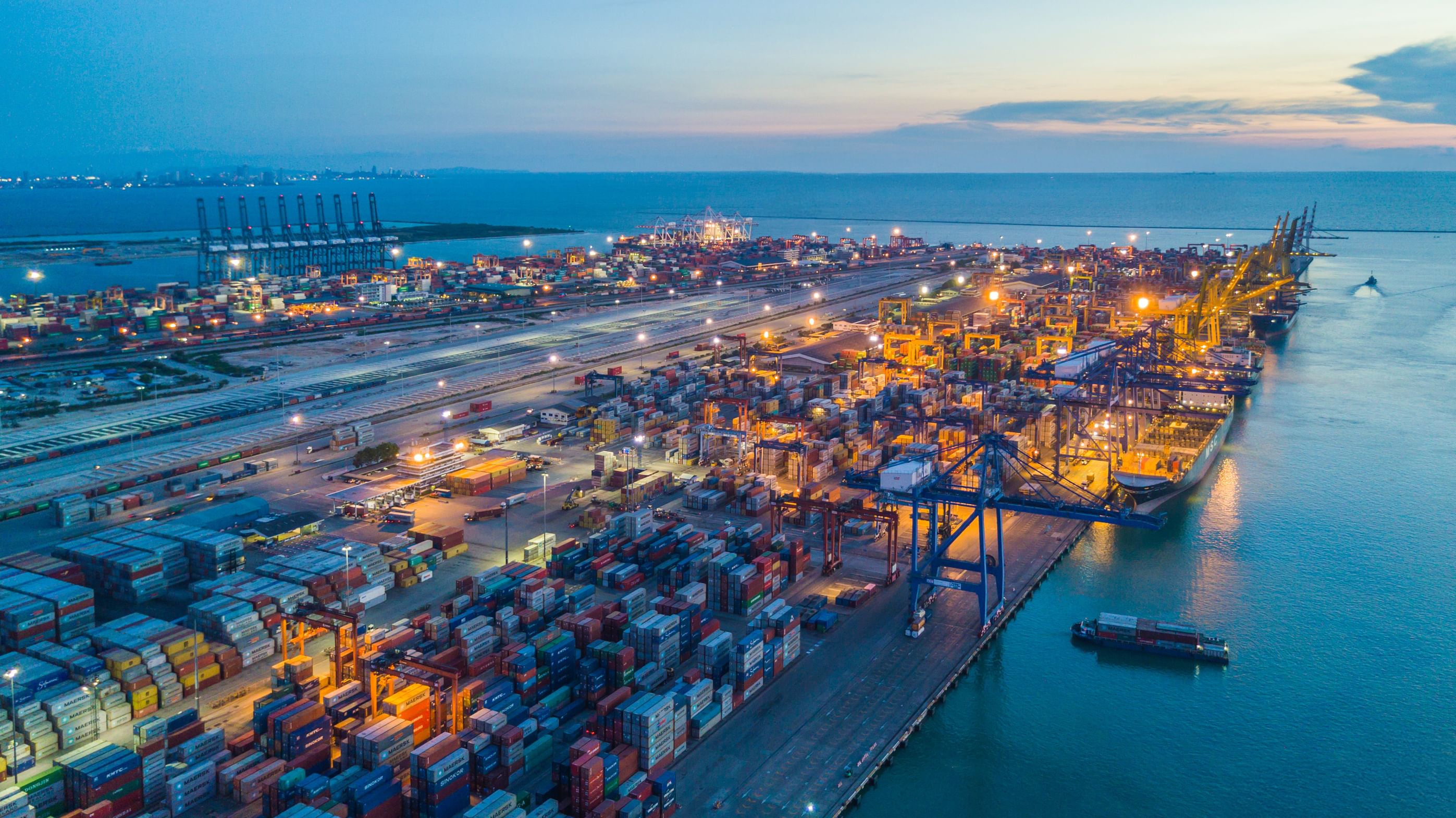
Dubai has reinforced its status as a leading global maritime hub, earning the title of “the crown jewel of the Middle East’s maritime sector,” according to the 2025 International Shipping Centre Development Index report, issued by Xinhua News Agency in collaboration with the Baltic Exchange. The report ranks Dubai among the top five global shipping centres and first in the Arab region.
Sheikh Dr. Saeed bin Ahmed bin Khalifa Al Maktoum, CEO of the Dubai Maritime Authority, part of the Ports, Customs, and Free Zone Corporation, hailed the achievement stating: “Dubai’s ranking as fifth globally and first in the Arab world in the 2025 International Shipping Centre Development Index reflects the vision of our leadership, as well as the effective coordination between strategic partners and maritime sector companies in the emirate.
We remain committed to continuous development, delivering world-class services, adopting global maritime best practices, implementing innovative solutions, updating regulations, and fostering a thriving maritime business environment to position Dubai as an innovative and sustainable global centre for shipping and logistics.”
The report highlights Dubai’s comprehensive maritime ecosystem, offering navigation services, shipbuilding and repair, and capacity to handle the increasing number of vessels. It also emphasised the Dubai Maritime Transport Plan 2030, aligned with the Dubai Economic Agenda D33, which aims to expand maritime transport usage, enhance the network of marine transportation, and develop Dubai Maritime City.
The report specifically praised Jebel Ali Port for its strategic role as a regional shipping hub, underpinned by continuous investment in infrastructure and services. In 2024, the port handled 15.5 million twenty-foot equivalent units (TEUs), the highest since 2015, accounting for 18% of the total 88.3 million TEUs managed by DP World, the port operator.
On sustainability, the report highlighted Jebel Ali Port’s initiatives to reduce emissions, including the provision of biofuel for ships, installation of 50,000 m² of solar panels for renewable energy, and the use of electric vehicles for container handling—contributing to an annual reduction of 2,000 tons of CO₂ emissions.
Captain Ibrahim Al Blooshi, Executive Director of Dubai Ports Authority, commented: “We take pride in this achievement, which underscores Dubai’s strong position as a global maritime hub. Jebel Ali Port, operated by DP World under the Ports, Customs, and Free Zone Corporation, continues to excel at both regional and international levels.
Dubai Ports Authority is committed to proactive measures to enhance the maritime sector’s contribution to the strategic objectives of the Dubai Economic Agenda D33, through its three ports—Jebel Ali, Port Rashid, and Hamriyah—despite global economic challenges and market fluctuations. We are dedicated to preserving the emirate’s marine environment and ensuring the highest operational safety standards in the maritime sector.”
Twenty-one-year-old swimmer, Ziyad Saleem, is one of four athletes representing Sudan in three disciplines at the Olympic Games in Paris.
Born in the United States, he says he’s proud to be racing in the 200m backstroke on behalf of his parents country.
“I’m super grateful, I’m excited to go back to Sudan, I was able to win gold medals at the African championships and also Arab, but I was never able to go back and kind of enjoy that with them,” he said.
Saleem add that the hopes to go back to Sudan “whenever Sudan’s back to normal”
The country was plunged into a civil war in 2023 which has seen hundreds of thousands of people displaced around the country and beyond its borders.
The young swimmer said he knows people back home are going through a lot and this has motivated him to be a positive factor, albeit for a short period.
“My own family has been displaced from Sudan to like Egypt and Ethiopia and different countries nearby, so I just know that they’re going through a lot,” he said.
“I’m just grateful that I have the opportunity to represent them and hopefully give them something to look forward to by my swimming.”
Also representing Sudan are 15-year-old 100m freestyle swimmer, Rana Hani, marathon runner, Yas Ezzeddine, and rower, Abdullah Al Araby.
source/conten: africanew.com (headline edited)
__________
US-born swimmer proud to represent Sudan, his parent’s country, at Olympics /africanews / youtube.com
The groundbreaking invention aims to aid those with immune deficiencies and provide treatment for chronic infections in intensive care units where antibiotics are ineffective.
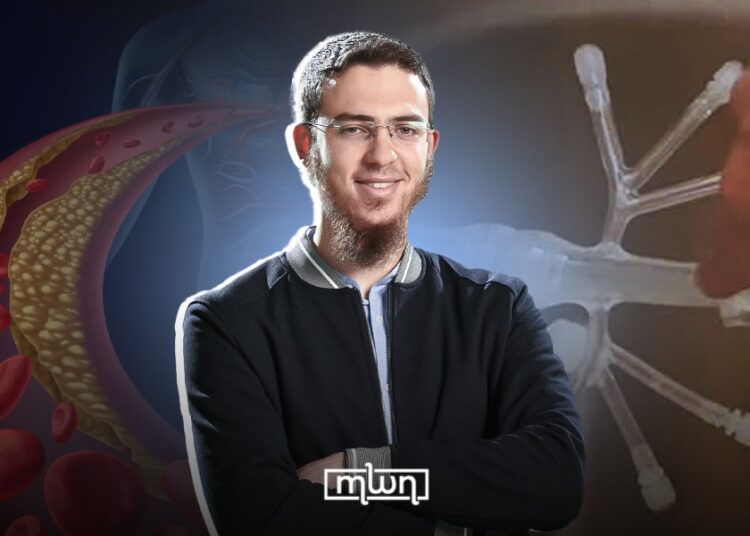
Youssef El Azouzi, a Moroccan neurologist, has announced the successful development of the world’s first device capable of filtering blood from within blood vessels.
The revolutionary invention can direct inflammatory cells and certain white blood cells, potentially helping millions of people suffering from immune deficiencies and improving organ transplant success rates.
In a Facebook post, El Azouzi explained that his device “will contribute to treating tens of millions of people suffering from immune deficiencies and chronic infections in intensive care units where antibiotics are ineffective.” He added that it would “help in organ transplantation without fear of new organ rejection.”
The invention works by redirecting inflammatory cells flowing in the blood away from vessels that nourish newly transplanted organs, preventing rejection.
This mechanism was successfully tested on a 75-kilogram pig in an American laboratory, where the device demonstrated its ability to direct immune cells from the left leg to the right leg without any negative effects on the animal.
“The experiment showed that the device was able to direct immune cells from the left leg to the right leg,” El Azouzi explained in a video documenting his journey to America to register the invention. “This is the first device that controls cell direction from within the vessel itself.”
The scientific experiment involved injecting both thighs of the pig to induce inflammation before placing the device. The device’s role was to direct inflammation-causing cells to only one side, concentrating them there compared to the other side. This would demonstrate the device’s actual control over the pathways of white blood cells flowing in the blood.
El Azouzi revealed that the project cost approximately $250,000 as of March, not including effort and time. “All these resources were provided by benefactors, with no contribution from any public institution or organization,” he noted.
The Moroccan doctor is no stranger to innovation. In 2019, he won the title of best inventor in the Arab world in the 11th season of “Stars of Science” competition in Qatar. His winning invention then was a stent that regulates blood flow for heart patients, offering a potential low-cost alternative to current solutions like heart pumps.
Born in 1991, El Azouzi studied at the American School in Rabat before attending Oxford University for three years. He later moved to Boston University and eventually studied medicine in English at Turkish universities. He is the son of Mustapha El Azouzi, a Moroccan neurosurgeon.
He currently serves as CEO of Aorto Medical Company in the US, where he has been developing this latest invention through three years of hard work, design, and manufacturing.
This Moroccan invention marks a major breakthrough in modern medicine, potentially offering an effective tool for addressing immune deficiency problems and chronic inflammations, while improving the success of organ transplantation procedures.
Youssef El Azouzi, a Moroccan neurologist, has announced the successful development of the world’s first device capable of filtering blood from within blood vessels.
Talal Salman, veteran journalist and founder of the iconic As-Safir newspaper, died on 25 August 2023 aged 85 after a long career in which he championed the rights of the oppressed and made his paper a “voice for the voiceless”.
On Friday 25 August, Talal Salman, the founder and publisher of the iconic Lebanese daily newspaper daily newspaper “As-Safir” passed away aged 85.
Salman remains one of the Arab world’s most prominent journalists and As-Safir, rightly, as a shining beacon of Arab journalism in its modern history
He was one of the few Arab journalists who always aspired for journalism to be a medium where opinions could be freely expressed, and made it a place in which he affirmed his commitment to national, nationalist and social issues.
When his dream of establishing an independent newspaper became reality in 1974, he succeeded in making it a genuine platform for Arab issues and the Palestinian cause, and it quickly became one of the largest Arabic-language independent newspapers.
“Salman remains one of the Arab world’s most prominent journalists and As-Safir, rightly, as a shining beacon of Arab journalism in its modern history”
“As-Safir” became an important laboratory for ideas and opinions. Over more than 40 years, intellectual and political debates flared within its pages, and it became a forum where various intellectual and cultural experiences from the Arab world and Lebanon converged. This made it a rare experiment in Arab journalism, a place where Lebanese, Palestinian, Syrian, Egyptian, Iraqi, Jordanian, and Tunisian voices at various times would come together.
Talal Salman was born in 1938 in the northeastern town of Shmustar. His father was a sergeant in Lebanon’s Internal Security Force (ISF), a job which required him to move with his family to various regions in Lebanon for various postings. Due to this, Salman never settled in one place or attended a fixed school. Perhaps this forced mobility played a role in shaping his political outlook later on, as it allowed him to discover different regions of Lebanon and to develop a broad understanding of Lebanon’s people – their internal divisions and rural nature.
His political awareness began to emerge following Egypt’s 23 July Revolution of 1952, which played a huge role in alerting his attention to politics. Additionally, his presence in the town of Moukhtara in the Chouf district in the early 1950s exposed him to certain aspects of the Lebanese reality.
Moukhtara was the stronghold of the prestigious Jumblatt family, leading figures in Lebanon’s Druze community. While living there he got to know Kamal Jumblatt, who inspired an entire generation of Lebanese youth who aspired for social justice and sought to connect Lebanon with Arab causes, Arab identity, and Palestine.
Salman would become an Arab nationalist without affiliating with any of the nationalist parties, such as the Ba’ath, although later on, he formed close relationships with founders of Arab Nationalist Movement, like George Habash and Hani al-Hindi, in addition to Ghassan Kanafani and Mohsin Ibrahim, who were closely associated with the pan-Arab, left-wing movement.
Salman’s passion for language began in his childhood; he was enchanted by the few books in his parent’s home, and had started writing articles for the magazine al-Anbaa before leaving school. After completing secondary school in 1955, he moved to Beirut with today’s equivalent of $200 from his father and started looking for work at a newspaper.
Passion for language
Salman’s passion for language began in his childhood; he was enchanted by the few books in his parent’s home, and had started writing articles for the magazine al-Anbaa before leaving school. After completing secondary school in 1955, he moved to Beirut with today’s equivalent of $200 from his father and started looking for work at a newspaper.
“Salman would become an Arab nationalist without affiliating with any of the nationalist parties, such as the Ba’ath, although later on, he formed close relationships with founders of Arab Nationalist Movement, like George Habash and Hani al-Hindi”
He initially found a job at Al Sharq newspaper as an unpaid proof reader, before swiftly transitioning to “cutting” – he would cut out stories from other papers in the morning and rewrite them for publishing in Al Sharq in the afternoon.
1956, the year Salman’s journey into the media world began was the year of the Tripartite Aggression against Egypt (the Suez Crisis) – and it was as though this major event was setting the tone for a journalistic career focused on the major Arab issues of the day, such as Arab unity, Palestine, Algeria and social justice.
Nor was it surprising, considering his background living in areas suffering from marginalization, poverty, injustice, and lack of government care, that he developed a clear sensitivity to social injustice and a strong awareness of the need to fight against it.
Talal Salman, founder of Lebanon’s Assafir daily passed away in Beirut. He was a prominent journalist whose legacy won’t be forgotten. pic.twitter.com/EfFt9GNbYg
It wasn’t long before Salman moved to another paper, where he was given the crime and accidents beat. Every day he would walk to the police station, the courts, ambulance centres and fire stations to gather the day’s news. Then, he would walk back to his workplace to provide the summary of his day to the editorial secretary.
In 1958, after protests broke out against the rule of then President Camille Chamoun, renowned journalist Salim Lawzi, editor-in-chief of the pro-Nasser Al Hawadeth magazine at the time, was arrested, and held in Karantina Hospital – as more fortunate prisoners were at that time.
By chance, Salman’s father was chief officer at the hospital guard station, and his son visited regularly. This led to the aspiring young man meeting the veteran journalist who had worked in Palestine and Egypt before returning to Lebanon to set up the weekly magazine.
Following their meeting, Salman joined Al Hawadeth, where he was suddenly the colleague of well-known journalists like Shafiq al Hout, Nabil Khoury, and the artist Niazi Jaloul. He went from proofreading to preparing the readers section, to writing his own column and then moved into the investigations department. It was not long before he was made sub-editor and he wasn’t even 20 – a testimony to both his journalistic talent and his hard work developing the magazine during a period Lawzi was forced into exile.
However, perhaps the most significant event in his professional and personal life was his meeting with President Gamal Abdel Nasser in Damascus in early 1958. His image alongside Nasser remained on proud display in the As-Safir offices for many years afterwards.
Salman’s rapid rise in journalism also saw him become a figure noticed – and targeted – by Lebanon’s authorities. In August 1961 he was arrested, interrogated and held for 20 days by Lebanon’s General Security services, charged with maintaining ties with Ahmed El-Saghir Jaber (representative of the Algerian Liberation Front in Lebanon), smuggling weapons to Algerian revolutionaries, and plotting military coups in some Arab countries.
“Salman’s rapid rise in journalism also saw him become a figure noticed – and targeted – by Lebanon’s authorities”
In the decade before he founded As-Safir, Salman moved between three magazines – Assayad, Al Ahad and Al-Hurriya. He had plenty of opportunity to delve into secrets and the hidden stories and backgrounds of notable figures and events, and became acquainted with many of the most brilliant Arab authors, artists, politicians and activists of the time. All the information he was absorbing would become part of his arsenal when it came to his own project – the As-Safir daily newspaper.
On 26 March 1974 the first issue was published, carrying two slogans: “the newspaper of Lebanon in the Arab world and the newspaper of the Arab world in Lebanon”, and “the voice of the voiceless”.
Almost instantly, the paper was under attack – in its first year 16 lawsuits were raised against it, following a legal challenge mounted by the Banks Association in Lebanon. However, the nature of those targeting the paper only highlighted how effectively it was beginning to champion the rights of the marginalised, and confront the political system and capitalist stakeholders in the country.
Since its early days, As-Safir’s pages carried illustrious names in contemporary Arab thought and literature, and it also opened its pages to myriad intellectual and political trends, such as Nasserism, Baathism, Arab nationalists, Syrian nationalists, secularists, and communists with their various Soviet, Maoist, and Trotskyist tendencies.
When Lebanon’s civil war broke out in 1975, As-Safir adopted an unwavering political stance: a complete rejection of the civil war, and a total distancing from the right-wing political forces who’s destructive policies had led to the outbreak of the fighting.
While it unequivocally rejected the war, As-Safir’s stance of sympathy and solidarity with the programme of the Lebanese National Movement and the Palestinian resistance was staunch. Its writers were made famous for their condemnation of Egyptian President Anwar Sadat’s visit to Jerusalem in November 1977, and its front page on the first day of the visit was headlined: “The Scoundrel visits the Usurper”.
During the civil war that ended over 30 years ago, people have survived shelling and clashes, but they now fear even worse from Lebanon's worst economic crisis in decadeshttps://t.co/3jEvCQySsJ
Both the newspaper and Salman were targeted in terrorist attacks multiple times. In 1981, an attempt to destroy his house with four timed rockets, was foiled just minutes before they were set to launch. Explosive devices were placed near As-Safir’s offices on 28 March and 5 April 1984.
That July, there was an assassination attempt on him in front of his house, resulting in injuries to his jaw and various parts of his body. However, neither As-Safir nor its founder were intimidated, and both continued to be faithful to their nationalist and progressive principles.
During Israel’s invasion of Lebanon in 1982, As-Safir was the only Lebanese newspaper that didn’t cease publication. Its daily headlines were rewritten on Beirut’s walls as a form of the city’s resilience and it became known for headlines like “Beirut burns but doesn’t raise the white flags”.
Talal Salman, RIP The passing of one of Arab journalism's greats By Abdel Bari Atwanhttps://t.co/CzHZ0TDKgS
A shining era in the history of Lebanese journalism came to an end in 2017 with the closure of the pioneering, left-wing, pan-Arab experiment which was embodied for over 40 years by the As-Safir newspaper, as well as the end of the liberal, right-wing An Nahar in 2012 with Ghassan Tueni’s death.
Talal Salman’s contribution, both to journalism in Lebanon, and to the country’s political and cultural history, is huge, and he and As-Safir are owed a debt for the bold stances they took countless times and the brilliant, enlightening and incisive content they provided in its pages.
This was Talal Salman, who never stopped brimming with kindness, humility and generosity; and who burned with pain and grief at what the situation of the Arab world has come to, who spent his twilight years continuing to read, research and write in his never-ending pursuit of an Arab renaissance.
This is an edited and abridged translation from our Arabic edition. To read the original article click here.
Translated by Rose Chacko
This article is taken from our Arabic sister publication, Al-Araby Al Jadeed and mirrors the source’s original editorial guidelines and reporting policies. Any requests for correction or comment will be forwarded to the original authors and editors.
source/content: newarab.com (headline edited)
____________
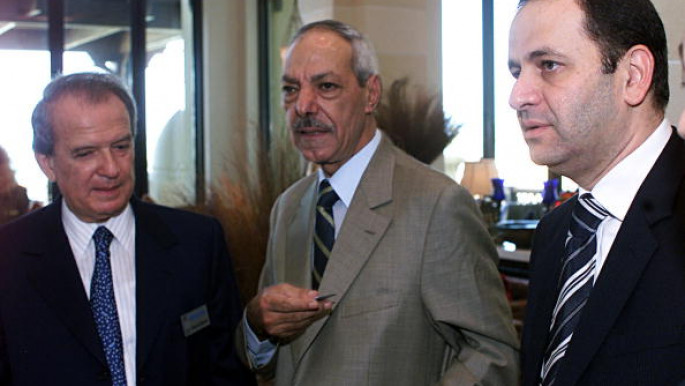
From L to R: Lebanese Minister of Economy and Trade Marwan Hamadeh, Talal Salman and Pierre al-Daher, head of the independent Lebanese Broadcast Corporation (LBC) television attend the opening session of the 2003 Arab Media Summit in Dubai [Nasser Younes/AFP via Getty]
Entrepreneur Yassine Khelifi is hoping to redirect agricultural waste into alternative energy sources to help ease the burden in Tunisia.
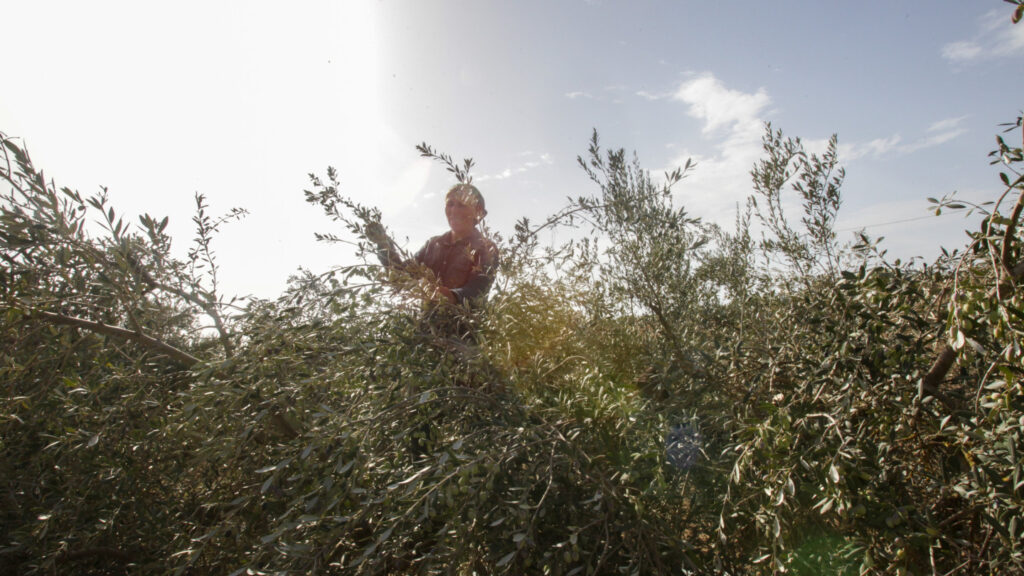
In a northern Tunisian olive grove, Yassine Khelifi’s small workshop hums as a large machine turns olive waste into a valuable energy source in a country heavily reliant on imported fuel.
Holding a handful of compacted olive residue — a thick paste left over from oil extraction — Khelifi said: “This is what we need today. How can we turn something worthless into wealth?”
For generations, rural households in Tunisia have burned olive waste for cooking and heating or used it as animal feed.
The International Olive Council estimated Tunisia will be the world’s third-largest olive oil producer in 2024-2025, with an expected yield of 340,000 tonnes. The waste generated by the oil extraction is staggering.
Khelifi, an engineer who grew up in a family of farmers, founded Bioheat in 2022 to tackle the issue. He recalled watching workers in olive mills use the olive residue as fuel.
“I always wondered how this material could burn for so long without going out,” he said. “That’s when I asked myself: ‘Why not turn it into energy?'”
Beyond profit, Khelifi hopes his startup helps “reduce the use of firewood as the country faces deforestation and climate change”.
Employees transport truckloads of olive waste at his workshop, stacking it high before feeding it into the processing machines.
The material is then compacted into cylindrical briquettes and left to dry for a month under the sun and in greenhouses before being packaged and sold.
The soul of olives
Khelifi began developing his idea in 2018 after he travelled across Europe searching for a machine to turn the olive paste into long-burning fuel.
Unable to find the right technology, he returned to Tunisia and spent four years experimenting with various motors and mechanical parts.
By 2021, he had developed a machine that produced briquettes with just eight percent moisture.
He said this amount significantly reduces carbon emissions compared to firewood, which requires months of drying and often retains more than double the amount of moisture.
Bioheat found a market among Tunisian restaurants, guesthouses, and schools in underdeveloped regions, where winter temperatures at times drop below freezing.
But the majority of its production — about 60 percent — is set for exports to France and Canada, Khelifi said.
The company now employs 10 people and is targeting production of 600 tonnes of briquettes in 2025, he added.
Selim Sahli, 40, who runs a guesthouse, said he replaced traditional firewood with Khelifi’s briquettes for heating and cooking.
“It’s an eco-friendly and cost-effective alternative,” he said. “It’s clean, easy to use, and has reduced my heating costs by a third.”
Mohamed Harrar, the owner of a pizza shop on the outskirts of Tunis, praised the briquettes for reducing smoke emissions, which he said previously irritated his neighbours.
“Besides, this waste carries the soul of Tunisian olives and gives the pizza a special flavour,” he added.
‘Protect the environment’
Given Tunisia’s significant olive oil production, waste byproducts pose both a challenge and an opportunity.
Noureddine Nasr, an agricultural and rural development expert, said around 600,000 tonnes of olive waste is produced annually.
“Harnessing this waste can protect the environment, create jobs, and generate wealth,” he said.
Nasr believes repurposing olive waste could also help alleviate Tunisia’s heavy dependence on imported fuel.
The country imports more than 60 percent of its energy needs, a reliance that widens its trade deficit and strains government subsidies, according to a 2023 World Bank report.
Fuel and gas shortages are common during winter, particularly in Tunisia’s northwestern provinces, where households struggle to keep warm.
Redirecting agricultural waste into alternative energy sources could ease this burden.
Yet for entrepreneurs like Khelifi, launching a startup in Tunisia is fraught with challenges.
“The biggest hurdle was funding,” he said, lamenting high-interest bank loans. “It felt like walking on a road full of potholes.”
But now his goal is “to leave my mark as a key player in Tunisia’s transition to clean energy”, he added. “And hopefully, the world’s, too.”
Climate-induced droughts drying up MENA’s olive oil production
A report on climate change by the World Meteorological Organization had found that “the warming has been more rapid in Africa than the global average,” adding that “increased temperature has contributed to a 34% reduction in agricultural productivity growth in Africa since 1961,” a greater drop “than any other region in the world.”
In an ominous note, the report also observed that “the warming trend for North Africa, around 0.41 °C/decade between 1991 and 2021, was higher than the warming trend for all the other African sub-regions.”
Heat waves pose a serious risk to the production of olive oil in North Africa, which accounts for much of the world’s supply. According top provisional data from the IOC, Morocco produced 160,000 metric tons of olive oil between October 1, 2020, and September 30, 2021, making that country the world’s fifth-biggest producer.
Tunisia, the world’s sixth-largest producer during that period, recorded 140,000 metric tons. Algeria and Egypt together had 100,000 metric tons.
With climate change becoming a more persistent aspect of everyday life, the consequences for olive oil look set to grow worse.
The Tunisian National Observatory for Agriculture predicts that Tunisia’s production of olive oil may drop 35 percent from its 1981-2010 average by 2050 and 70 percent from that average by the turn of the century. Production in Algeria, Egypt, Libya, and Morocco seems unlikely to fare much better in the face of global warming.
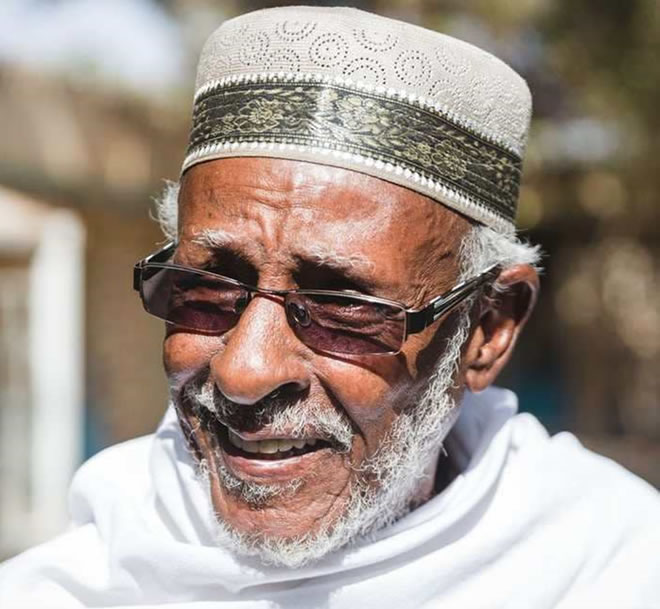
The great Somali poet, philosopher and scholar Mohamed Ibrahim Warsame (Hadrawi) passed away on the 18th of August 2022, in Hargeisa, Somaliland.
A national funeral was held in Hargeisa, and many Somalis from all parts of Somalia attended to pay their respects for the last time to the great man. The news of his death had brought tears to the eyes of every Somali, whether they met him or not. when you look around and see people of different walks of life commiserating about his death, you would think their own father had passed away.
He did not give these people materials for them to love him that much, but he acquired their hearts and minds by being sincere and trustworthy with his beliefs. Somalis and non-Somalis compared him to the great poets, philosophers, and scholars of the world, past and present. However, I think he transcends all, he was an ‘ummah’ in his own right.
Allah SWT when he was describing the personality of prophet Ibrahim said “Indeed, Ibrahim was acomprehensive [ummah] devoutly obedient to Allah, inclining toward truth, and he was not of those who associate others with Allah (Quran, 120:16)”. Allah described prophet Ibrahim as “ummah”, and the word ‘ummah’ in the Quran is used either to describe a nation (more than one person), or someone (like prophet Ibrahim) who is so great that his personality and beliefs are different from the society he lives in, and comprehensive that he can stand independently and single-handedly change the society from bad to good. In other words, someone who is not a follower of the majority of people that agrees on wrong decisions.
Instead, ‘ummah’ is a follower of truth even if the majority of people disagree with them. We can safely describe Hadrawi as being an ‘ummah’ in his own right. Because anyone who observes his life and his literary works, soon understands that Hadrawi was not your everyday person. He was an ‘ummah’ because he prided himself on liberty by refusing to be bought.
In the early 1970s, when almost every Somali was clapping in agreement with the communist regime that ruled Somalia from 1969 to 1991, Hadrawi stood up on his own and refused to bow down to oppression.
He was an ‘ummah’ when he freely opted to go to prison and suffer or worse, rather than clap for a tyranny.
In his latest book ‘Hawaale Warran’ he narrates what happened between him and the military regime, and how after he refused to bow down was arrested and put away in jail without justification whatsoever.
In 1973, Hadrawi wrote a play called ‘Aqoon iyo Afgarad’ ‘Knowledge and Consensus’ which he and his fellow poets Mohamed Gariye and Professor Muse Abdi Elmi presented in Lafoole Institution, located outskirt of Mogadishu.
The objective of the play was to advise the Somali people not to seek education outside the country, rather education was available on home soil, and there is no need to waste the nation’s wealth to send students abroad. It is worth mentioning, that at the time, the regime was sending its cadres and the children of revolution leaders to the Soviet Union, Europe and the United States for education and training, in the process, wasting the taxpayers’ hard-earned money. Hadrawi did not like that, hence his play knowledge and consensus’ addressed that.
The 1969 revolution leaders, in particular, the country’s president Mohamed Siyad Barre, did not like the play, and he thought it was anti-revolution and embarrasses his decision to spend a huge amount of the nation’s wealth on sending cadres outside the country.
He summoned Hadrawi to Afisyoni, his air force headquarters. Hadrawi said, men from the national guards took him there, and he met the president sitting under a tree. The president opened the conversation with the remarks “Hadrawi, I know you are anti-revolution, but why every poetry you compose are used against us?”. Hadrawi said, “I tried to convince him, and said, we (poets) compose poetry, and then people take it and interpret it to whatever makes sense to them”. Then the president concluded the meeting by saying “ask me whatever you want, but after today, I don’t want to hear any poetry of yours that people are using against us”. Hadrawi replied by saying “whatever Allah decrees is gonna happen”.
Hadrawi continued his work and created another play called ‘Tawaawac’. The play naked the misery and the disappointments Somalis inherited from the 1960 independence, and how a handful of military officers have hijacked the nation’s hopes after getting rid of colonisers. He likened this to a scenario where people are fighting over the meat of a slaughtered she-camel that was supposed to be spared for daily milking to feed the kids and the elderly. One of the song’s lyrics that Hadrawi created for this play says:
Weligay cad quudheed
Anna qaadan maayoo
Qalanjadan faraha dheer
Wax la qaybsan maayee
This translated into something like:
I will never accept
An offer with contempt
And I will never share anything
With this long-fingers beauty
Hadrawi said, the president, especially hated these four lines above, because he thought that I was taunting him and making fun of his earlier offer of ‘ask me what you want, but stop composing poetry’.
The next thing Hadrawi knew he was snatched from his home in the middle of the night by men from the security services under direct orders from the president. He was arrested without going before a court and thrown in jail at Qansax Dheere, in the Bay region far away from his residence. When asked why they took you all the way to Qansax Dheere, while there are many jails near your residence? He replied they wanted to brainwash me and break me into submission. They said to me you will be released immediately if you ask forgiveness from the father of the revolution (meaning the president).
Hadrawi was an ‘ummah’ when replying to this demand. He said to them “know there will be three scenarios with me, I die and go to my grave, I stay in prison, or I acquire my full freedom [without fearing anyone]”. He stayed in prison for five years, and again, as usual, he was an ummah in prison by continuing his struggle against tyranny. By this time, many Somalis woke up to the cries of Hadrawi from their deep asleep and started to see the tyrannical regime for it really was.
Hadrawi was an ‘ummah’ when the civil war happened in 1988-1991 by manifestly telling the struggle leaders ‘do not replace tyranny with another. He was an ‘ummah’ after the civil war in his ‘Peace Spring’ in 2003, when he travelled on the ground from Hargeisa to Kismayo, stopping in every town between them, literally hundreds of villages.
He was an ‘ummah’ by his devouted love of literature and writing. He comprised a whole poem about the importance of writing, he said:
Qalinkaa wax suureeya
Kugu sima halkaad doonto
Saaxiib kal furan weeye
Sunto fara ku hayntiisa
Weligaa ha si deynin.
Sisin iyo ku beer muufo
lyo laanta saytuunka
Ku gotomi sungaan waarta
Iyo nabadda seeskeeda
Samo iyo ku doon heedhe
Dunidiyo sinnaanteeda
The pen that can imagine for you
And can take you where you want
It is a friend with open heart
Regularly, keep it in your hands
And never let it go
Plant it among sesame and bread
And the branches of olive
And use it to spread in the world
peace, equality and justice
In these short lines, he was an ‘ummah’, the material of philosophy ‘abstraction’ he uses here to emphasise how important is to use writing to seek peace, prosperity, justice and equality, which is nothing short of genius. He was trying to kill one stone with the two old enemies of the human race: poverty and ignorance.
Equally important, he was an ‘ummah’ when he praised the Somali women for their beauty and bravery. He was a great admirer of the Somali women, although depicting their true nature without exaggeration or embellishments. In his poem ‘Horn of Africa Girls’, he said about the Somali women:
Hablo weerar geli kara, Hablo geela dhicin kara, Hablo geesi dili kara, Gobannimona hanan kara, Hablo talada goyn kara, Garta madal ka niqi kara, Garashana iskaga mida, Quruxdana ka wada goba; Geesteenna mooyee Geyi kale ma joogaan.
Girls that can go to war
Girls that can defend the camel
Girls that can acquire honour
Girls that can make decisions,
And publicly express their opinion,
And equally have high intellects
Girls that all blessed with beauty
Except, in our region,
Can they be found in anywhere else?
The examples of the great man are many, and it is impossible to mention them all in this short article. I would advise any admire to go to his works, and they will find an encyclopedia of knowledge, that will take them a lifetime to study.
Lastly, but not least, he was an ‘ummah’ by leaving instructions on how he wished to be treated after his death. He wrote a poem called ‘will’, in which he advised people to treat his death like any other, he said.
Qofka ii duceeyoow
Rabbigay ku darajee
Qofka iga ducaystoow
Dummaddaada weeyaan.
After many passages of the poem, he pleaded with people that they should not make a fuss about his death and funeral. His grave should not be built but should be left like other graves. People should not make a shrine of his grave, nor should they over-grieve or celebrate his life. In the last few lines, he prays for those who pray for him.
Finally, you lived as an ‘ummah’ and died as an ‘ummah’, there is nothing left to say but goodbye to our beloved teacher, philosopher, poet and role model. Your body might have departed this world, but your ideas and the knowledge you left for us and humanity, are eternal. I am sure people of the other side and angels are welcoming you with roses and open arms—they are congratulating you as you have accomplished your mission here on earth, advised your people and fought bravery in the way of Allah seeking justice, and freedom and equality for all. May Allah shower you with His Forgiveness and Mercy, light up your grave, and may He elevate your status and grant you Jannatul-Firdaus. May Allah resurrect you with the prophets, the steadfast affirmers of truth and the martyrs.
“And whoever obeys Allah and the Messenger – those will be with the ones upon whom Allah has bestowed favour of the prophets, the steadfast affirmers of truth, the martyrs and the righteous. And excellent are those as companions (Quran 69:4)”.
“Verily we belong to Allah and verily to him do we return”.
To safeguard a vital part of Sudanese agricultural heritage, scientists quietly moved copies of strategic crops to the frozen chambers of the Svalbard vault in Norway.
In December 2023, the civil war that had broken out the previous April between the Sudanese Armed Forces (SAF) and the Rapid Support Forces (RSF) took a troubling turn when the paramilitary group seized the country’s second-largest city, Wad Madani, in a swift offensive.
The sudden fall of Wad Madani, under circumstances that are not yet fully clear, dealt a heavy blow to the regular army and came as a shock to the hundreds of thousands of people, many of them displaced from Khartoum, who had come to see the city as a safe refuge.
The RSF’s advance quickly triggered a new mass displacement of people and disrupted the work of humanitarian agencies that had relocated to the city after the war broke out.
Like in other areas they have passed through, RSF fighters extensively looted Wad Madani and widespread abuses against the population were documented.
Although it drew little attention at the time, Sudanese scientists also issued a call to protect one specific facility in Wad Madani: the city’s seed bank, the most important in all of Sudan.
“We did not expect that the RSF would attack Wad Madani,” Ali Zakaria Babiker, director of the gene bank, told Middle East Eye.
“But when they did, all the staff fled the city to safer places.”
“We expected they would attack the gene bank,” he admitted, “because ever since they attacked Khartoum, [everyone] had already suffered a lot.”
Hidden cargo to evade checkpoints
Before the war, Sudan’s seed bank, managed by the Agricultural Plant Genetic Resources Conservation and Research Centre (APGRC), housed a collection of more than 17,000 accessions of crops and plant species, including sorghum, millet, wheat and sesame.
The collection, started in 1982, was a reflection of the crop diversity of Sudan, a country with rich biodiversity and a long agricultural tradition.
It also served as a repository for its agricultural genetic material, considered essential for both local and global food systems.
After fleeing Wad Madani, some APGRC staff met in el-Obeid, the capital of the North Kordofan region, where a subnational gene bank is located, holding copies of most of the material they had left behind.
One of their initial moves was to install a solar power system at the backup facility, ensuring a stable electricity supply to keep the freezers running and safeguard the seed copies.
At the same time, however, the staff began to develop a plan to extract as many copies of the seeds as possible and transfer them to a location where they could be safe.
“El-Obeid was also under threat from the RSF, so we went there straight away and took some duplicate accessions to dispatch them,” Babiker explained.
Their plan involved preparing more than 2,000 seed samples and sending them from el-Obeid to the icy chambers of Svalbard’s seed vault, located on the Norwegian island of Spitsbergen, deep in the Arctic and more than 7,000km from the capital of North Kordofan.
“[We decided to] dispatch them to Svalbard so that we would have a duplicate copy outside the country,” Babiker said.
One of their initial moves was to install a solar power system at the backup facility, ensuring a stable electricity supply to keep the freezers running and safeguard the seed copies.
At the same time, however, the staff began to develop a plan to extract as many copies of the seeds as possible and transfer them to a location where they could be safe.
“El-Obeid was also under threat from the RSF, so we went there straight away and took some duplicate accessions to dispatch them,” Babiker explained.
Their plan involved preparing more than 2,000 seed samples and sending them from el-Obeid to the icy chambers of Svalbard’s seed vault, located on the Norwegian island of Spitsbergen, deep in the Arctic and more than 7,000km from the capital of North Kordofan.
“[We decided to] dispatch them to Svalbard so that we would have a duplicate copy outside the country,” Babiker said.
“I did it to ensure that at least some of the seeds were preserved beyond Sudan’s borders.”
The scale of the mission was daunting: if they succeeded, APGRC staff would have managed to secure more than a quarter of Sudan’s seed collection in the depths of the earth.
The seeds selected included crops that have been grown in the region for thousands of years, amongst them key varieties of pearl millet and sorghum – a crop vital to Sudan’s food security, known for its drought resistance, and part of the country’s agricultural and cultural heritage.
“These [were] some of the main staple crops in Sudan, and also some of the oldest,” Babiker noted.
“They are essential for food security not only in Sudan, but also for the region – and for global food security as well.”
Before heading to one of the northernmost corners of the world, the seeds had to be taken out of el-Obeid as discreetly as possible and transported all the way to Port Sudan – the main port of the country, located in the northeast – from where they could be sent abroad.
Babiker described it as an “exciting” mission, particularly at the start, given that the RSF controlled almost all routes in and out of El Obeid.
To avoid potential trouble at checkpoints, the APGRC staff asked the truck driver transporting the seeds to load their boxes first, and only then pile on the rest of the load.
“The mission took more than 10 days because, for security reasons, it didn’t follow a normal road but routes unfamiliar to the RSF,” said Babiker, who added that no APGRC staff travelled with the shipment to avoid drawing attention.
After those 10 days on the road, the seeds finally made it to Port Sudan, although Babiker said the seed packages were scattered across the truck and had to be collected and organised.
Still, the first half of the journey – and the most challenging part – was now behind them.
Sudan Post to the rescue
Once in Port Sudan, the shipment of seeds to Svalbard was made possible because the Sudan Post courier service was still operating despite the war, said Nelissa Jamora of Crop Trust, an organisation dedicated to safeguarding the world’s crop diversity that supported the entire mission.
“Sudan Post was still functioning, at least in Port Sudan. So it was [arranged] through the regular postal service,” she told MEE, noting that there were three boxes of seeds in total.
On their way to Svalbard, the seeds made a stop at the Nordic Genetic Resource Center (NordGen), an organisation dedicated to safeguarding the Nordic region’s genetic resources.
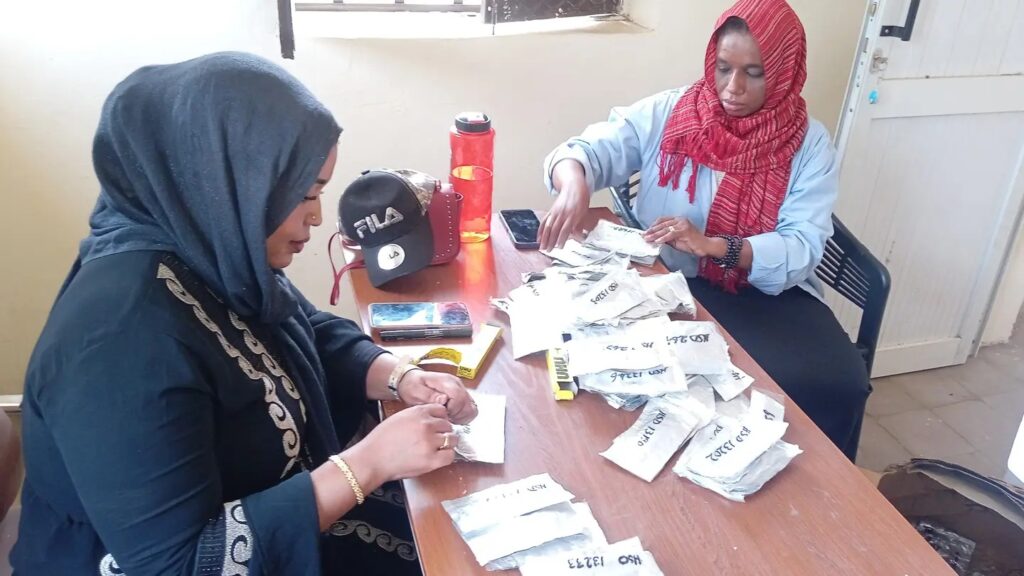
There, the centre helped sort, catalogue, re-pack, and document the shipment from Sudan.
“It was a few days’ work for our seed technicians, but an investment well worth its price considering the importance of these seeds for the future of Sudan’s agricultural sector,” said Johan Axelsson, head of NordGen’s seed laboratory.
The seeds finally arrived at the seed vault on 25 February 2025, together with seed shipments sent by 19 other gene banks.
Established in 2008, the Svalbard Global Seed Vault has its storage area more than 100 metres inside a mountain, carved into solid rock and shielded by 40 to 60 metres of stone.
The mountain mass has a stable temperature ranging from -3 to -4 degrees Celsius, but the seed storage area is equipped with a cooling system that keeps it constantly at -18 degrees.
With more than 1,350,000 seed samples, the Svalbard Global Seed Vault is currently the largest backup facility for seeds and crop diversity in the world.
Owned by Norway, the site is operated by three partners: the country’s Ministry of Agriculture and Food, NordGen and Crop Trust.
Gene banks from all over the world can store backup copies of their seeds there free of charge and with no legal transfer of ownership, the seeds always remain property of the depositor.
Sudan made its first deposit in 2019 and today holds 1,884 accessions, a distinct, uniquely identifiable sample of seeds, from 15 different species, according to Svalbard’s website.
Jamora said that the difference from the more than 2,000 seeds initially sent by the APGRC from el-Obeid was likely due to some packages arriving in less-than-optimal condition and not making it into the final set, although they are preserved by NordGen and can be returned.
The mission to evacuate Sudan’s seeds was funded through an emergency reserve launched in 2021 by Crop Trust and the secretariat of the International Treaty on Plant Genetic Resources under the supervision of the UN Food and Agriculture Organization (FAO), to assist gene banks that are under threat.
In Sudan’s case, Crop Trust had been collaborating with the local gene bank before the war through a project called BOLD (Biodiversity for Opportunities, Livelihoods and Development).
“The mission aimed to secure as many seeds as possible,” Jamora noted.
Fears vindicated
Sudan’s army recaptured Wad Madani in January, and when the APGRC staff returned to their facilities, their worst fears were confirmed: the bank’s freezers, computers and servers had been looted, and the seed bags were torn open, their contents scattered across the floor.
However, with the support and funding from the emergency reserve jointly run by Crop Trust and the Plant Treaty, efforts to rebuild and start over are already under way.
For now, the gene bank is still assessing the losses, but it is also beginning to rebuild its seed collection despite limited state funds and power cuts that often last more than 12 hours a day.
When the situation stabilises, the centre hopes to be able to assess the state of its seeds and move into a regeneration phase, but this will require new freezers and other equipment.
During a meeting with the director of Sudan’s Agricultural Research Corporation (ARC) and FAO representatives, the governor of Gezira State – where Wad Madani is located – Tahir al-Khair, pledged to try to install a new cold storage facility for the gene bank.
In the meantime, at least, the seeds stored in the Svalbard vault remain safe, waiting for the day they can once again serve their country.
“We felt very relieved and reassured once we made sure we had these duplicate copies outside Sudan,” Babiker said.