Arabs & Arabian Records Aggregator. Chronicler. Milestones of the 25 Countries of the Arabic Speaking World (official / co-official). AGCC. MENA. Global. Ist's to Top 10's. Records. Read & Enjoy./ www.arabianrecords.org
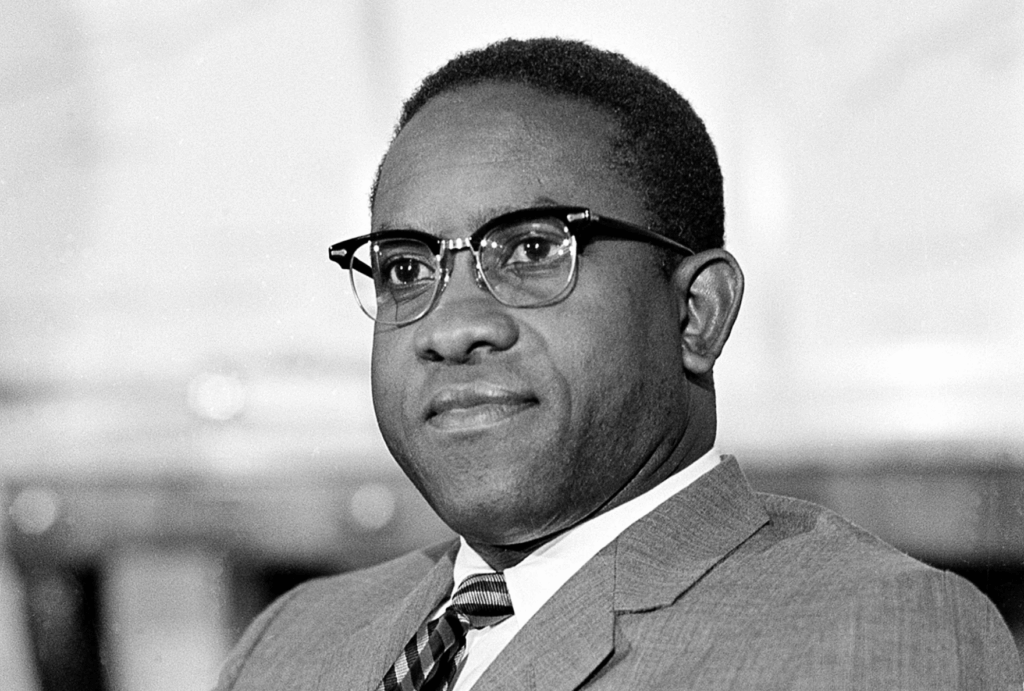
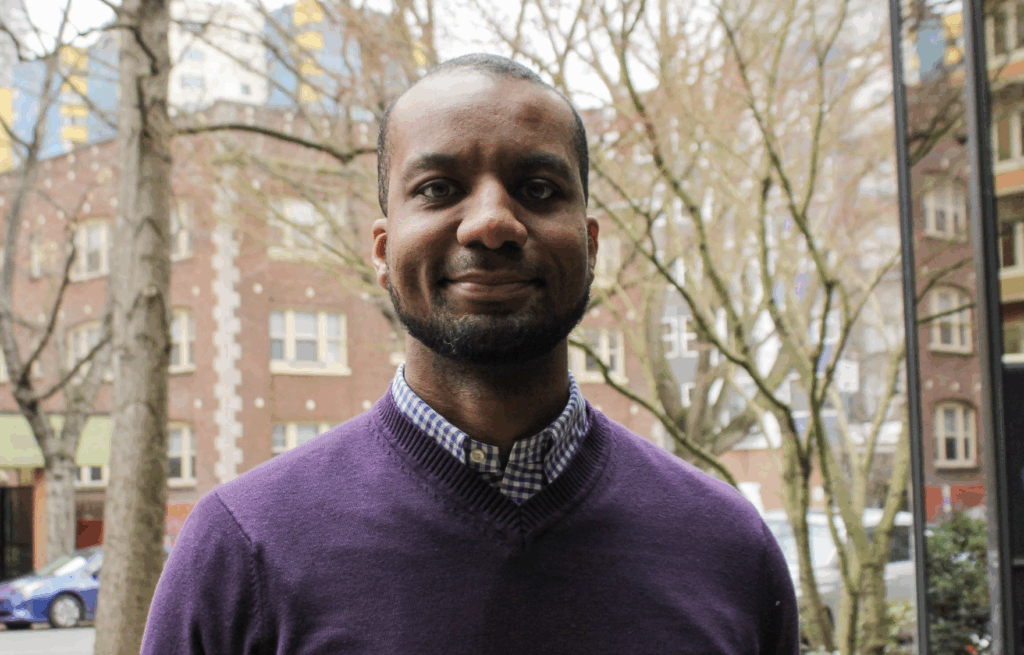
While researching connections between African Americans and the Sudan, University of Washington history professor came upon a name from the school’s past: Andrew Brimmer.
Born in Louisiana in the 1920s, Brimmer made his way to the Pacific Northwest when he joined the U.S. Navy during World War II and came to Bremerton, Washington. From there, he earned two degrees from the UW, where he studied economics before moving on to Harvard Business School.
Then, in 1966, Brimmer’s phone rang.
“I got a call in my office from [William] Marvin Watson who’s [President Lyndon B.] Johnson’s appointment secretary who said ‘the boss wants to see you,’ Brimmer recalled, according to The History Makers. “And I went over to the White House.”
Johnson was about to appoint him to the board of governors for the Federal Reserve, a powerful position that helps set the country’s economic policy. He would become the first African American in that role.
Brimmer’s trailblazing career in public service — and a connection to the Sudan — is something that’s fascinated Tounsel, who heads the African Studies Program at UW.
“As an African American, I asked myself, ‘Well, you know, whose shoulders am I standing on? You know, whose kind of genealogy am I a part of?’ I can’t be the only African American ever, right, who’s been interested in modern Sudan and has traveled to the Sudan? And so that really kind of sparked my interest,” Tounsel said.
“Historically, the Sudan has always had a really important role in African American pride.,” Tounsel continued.
“There was an ancient civilization just south of Egypt called Kush. And people like historian Michael Gomez have talked about the fact that Kush represented this example, of a kind of, pre-transatlantic slave trade example of African glory. The whole ‘We come from kings and queens’ narrative. But it’s one thing for ancient Sudan to have such a prominent place in kind of African American thought, but what about modern Sudan?”
Sudan won its independence from Great Britain and Egypt in 1956. Brimmer was subsequently invited to join a U.S. delegation to travel to the Sudan to explore the idea of building the country’s first post-colonial national bank.
As part of his research, Tounsel got a chance to page through Brimmer’s diary, in which Brimmer describes how many of the Sudanese were taken aback when they met him. Here was someone who looked like them, Brimmer wrote, but came from such a different place.
“You’ve got this, you know, Black man from Jim Crow, Louisiana, engaging with these, you know, formerly colonized, but now newly independent Sudanese citizens,” Tounsel said. “And so I just think that those moments in the archive where he’s talking about that are just so rich.”
Calling Brimmer a “kind of economic genius,” Tounsel described him as a civil servant who entered into and navigated corridors of power.
“Throughout his career, he was really keen on exploring Black economics, in particular,” said Tounsel, reflecting on Brimmer’s contributions as a member of the Reserve’s Board of Governors.
“He was not what, you know, Cornel West has called, kind of, ‘a Black face in a high place’…who is good for the optics, but is not really thinking about how one can use their power and influence in that role to help those disenfranchised people who look like them.”
Brimmer lived to be 86 years old before he died in 2012.
Tounsel profiled Brimmer in his latest book, Bounds of Blackness: African Americans, Sudan, and the Politics of Solidarity, which is due out later this year.
source/content: knkx.org /NPR – Emil Moffat, Freddie Monares (headline edited)
____________
Dr. Andrew F. Brimmer, Harvard graduate and the only Black member of the Board of Governors of the Federal Reserve System, is shown in New York City in 1970.
Emil Moffatt / KNKXUW History Professor Christopher Tounsel has written extensively on the connection between African-Americans and Sudan
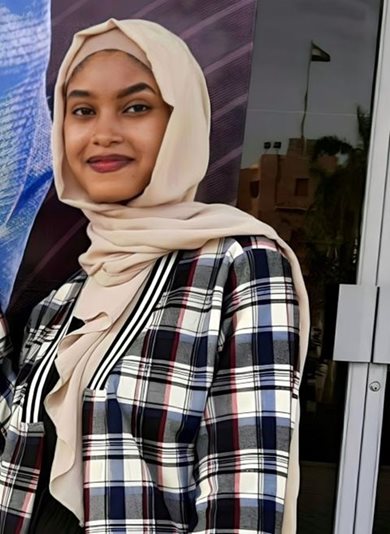
Sara Albagir Abdalla Mohammed is many things—a student, a scientist, an ASM Young Ambassador—but, above all, she is unstoppable. Amid ongoing socio-political upheaval and conflict in her home of Sudan, she is determined to advance her own microbiology journey and ensure others can do the same.
“The challenges I’ve faced have ultimately shaped me into a more resilient and adaptable microbiologist,” Albagir Abdalla Mohammed said. “These experiences have strengthened my commitment to making science accessible to those in resource-limited settings and finding innovative ways to promote scientific development, even in the face of adversity.”
Her penchant for tackling scientific challenges predates her academic activities. As a child, Albagir Aballa Mohammed wanted to find treatments for “untreatable” diseases, though it was during her high school biology classes—where she learned about the intricate complexities of the human body—that her interest in health sciences blossomed. She took that interest and ran with it, going on to pursue a degree in medical laboratory sciences at the University of Khartoum.
Albagir Abdalla Mohammed began her college career by diving head-first into disciplines ranging from hematology to clinical chemistry, though medical microbiology and immunology really drew her in. “I became particularly interested in how such tiny beings [i.e., microbes] could have massive impacts on global health systems. This contrast between the micro and the macro fueled my desire to understand how microbiology could contribute to solving some of the world’s most pressing problems,” she shared. Her experience training in laboratories at Ibn Sina Specialized Hospital—one of Sudan’s largest hospitals for liver diseases, including those caused by microbes like hepatitis B virus—solidified her decision to specialize in medical microbiology.
But, as certain as Albagir Abdalla Mohammed was about her chosen educational path, external circumstances have made the road difficult to navigate. The Sudanese December Revolution shut down the education system in Sudan for almost 2 years; the COVID-19 pandemic tacked on another year. Then, in April 2023, as Albagir Abdalla Mohammed neared the end of earning her degree, conflict broke out in her home of Khartoum, Sudan’s capital. The conflict has displaced over 10 million people, with Albagir Abdalla Mohammed—who was forced to relocate to a rural area—among them.
“Over the past year and a half, I’ve faced ongoing disruption, displacement and uncertainty,” she shared. “This was an especially difficult time, as I was so close to completing my education and reaching my long-awaited goal of graduation. My academic journey, originally planned to take 4 years, [has] stretched into over 6 due to these repeated interruptions.”
Yet, for each obstacle thrown in her path, Albagir Abdalla Mohammed has found ways to continue her scientific development. “I refused to let my educational journey come to a complete halt. I have continued learning, even under challenging conditions with poor internet connectivity in the rural area I’m in,” she said, noting that she has completed various online programs and specializations in public health, epidemiology and data analytics.
What’s striking about Albagir Abdalla Mohammed is that she is not just concerned about her own scientific advancement. She is also invested in the future of countless scientists facing similar circumstances. When universities in war-affected regions of Sudan closed, she watched as her peers lost hope and disengaged from their academic paths. For Albagir Abdalla Mohammed, this was a call to action. “I was determined to keep microbiology alive in Sudan, even amid these challenges.”
Fueled by this determination, she founded MicroGen, an online initiative aimed at empowering early-career microbiologists in Sudan through career guidance, professional development and capacity-building opportunities. Now with a community of 5,000 students and professionals from over 50 Sudanese universities and institutions, MicroGen has hosted informational sessions about various microbiology career paths, highlighting connections between the diverse scientists, disciplines and roles spanning the microbial sciences.
Such interconnectivity has been foundational to Albagir Abdalla Mohammed’s efforts. She considers a strong network of peers and collaborators instrumental for navigating obstacles and creating new opportunities, and credits the ASM Young Ambassador program, with its vast global community of scientists, with helping her build that network. As Young Ambassador to Sudan (an appointment she considers one of the most pivotal moments of her career), Albagir Abdalla Mohammed has focused on leveraging her platform to “increase the engagement of Sudanese microbiologists within ASM and promote its mission of advancing the microbial sciences.”
To say she has been successful in this mission is an understatement. A free online Bioinformatics Workshop she organized in the summer of 2024 attracted a whopping 1,144 participants—over 700 from Sudan and the rest from 32 other countries—and resulted in 865 new ASM members. Albagir Abdalla Mohammed designed the workshop to meet the needs of Sudanese microbiologists who are unable to conduct lab-based research. “By focusing on in silico research, participants were empowered to use computational tools to simulate biological processes, analyze large datasets and conduct meaningful research without the need for fully equipped laboratories,” she said.
Feedback from the event, where participants learned everything from how to analyze microbial genomes, to the ins and outs of bioinformatic data interpretation, was overwhelmingly positive. One participant from Sudan wrote that the workshop was “comprehensive and nicely delivered, even with the war running in the background,” adding that they no longer “feel really stuck, nor [that] the world is steps ahead of me.”
For her part, Albagir Abdalla Mohammed learned that “with the right approach, it is possible to sustain research momentum even in the most difficult circumstances, and that the scientific spirit of curiosity and perseverance can thrive in adversity.”
In many ways, she embodies this spirit of curiosity and perseverance. This is evident not just from her work with MicroGen and the ASM Young Ambassador program, but also from other endeavors. Case in point: Albagir Abdalla Mohammed was behind the effort that led to a collaboration between the non-profit organizations HealthGoes Global and Partners for World Health . The partnership resulted in the shipment of over $340,000 worth of essential medical supplies to aid Sudan’s overwrought health care system. She was also recently appointed a Champion for the Microbiological Society in the U.K. and is currently organizing Sudan’s first national symposium on antimicrobial resistance (AMR), aimed at fostering collaboration among Sudanese microbiologists and health care professionals to address the AMR crisis.
The throughline here? Albagir Abdalla Mohammed is a force, a passionate science advocate. She may be early in her career, but that hasn’t stopped her from taking on leadership roles to enact change. She encourages other future and early-career scientists to adopt a similar outlook.
“Never underestimate your abilities and know that leadership isn’t confined to titles or seniority; it’s about how you contribute, collaborate and support others, regardless of your career stage,” she said. “Often, early-career scientists feel they need to wait for a certain level of experience or recognition before stepping into leadership roles, but that’s not the case. Leadership comes from taking initiative, sharing your ideas and offering guidance—even as a student or young professional.”
Still, while showing initiative as a young scientist is crucial for advancement, Albagir Abdalla Mohammed acknowledged barriers that can slow forward motion. She pointed specifically to the limited number of mentorship and training opportunities for undergraduates like her, as many are geared toward graduate students and advanced professionals. Investments in these advanced scientists is imperative, she noted, but such focus means young scientists at formative stages of their development can get left behind. This is felt strongly in countries like Sudan, where political instability and conflict can extend an undergraduate degree to 6-8 years.
“These delays hinder access to mentorship and resources, and the lack of available opportunities further reinforces these existing barriers, leaving talented students behind and limiting their ability to participate in the global scientific community,” Albagir Abdalla Mohammed explained. “Addressing this gap is essential to fostering a truly inclusive STEM field. Empowering undergraduates, particularly those from underrepresented regions, will not only cultivate diverse talent, but also enrich the global scientific dialogue with fresh perspectives and ideas,” all of which are paramount for propelling science forward to solve big problems.
To that end, Albagir Abdalla Mohammed, who is Sudanese, Muslim, identifies as African and speaks Arabic as her native language, considers diversity in all its forms the cornerstone of innovation. She advised scientists at every career stage to view their background as an asset, not a limitation, highlighting that all the pieces that make her who she is have inspired her work. “My faith emphasizes the values of compassion, community and social responsibility, motivating me to uplift marginalized voices and create inclusive spaces where everyone has the opportunity to contribute and thrive,” she shared.
It doesn’t take much to see that Albagir Abdalla Mohammed is a bright light—and the future of microbiology is brighter because of her. Wherever her path takes her next, one thing is certain: she won’t give up. And she encourages other young scientists not to give up either. “The journey in science will likely present challenges, including systemic barriers, limited resources or unexpected disruptions. In those moments, persistence and resilience are key. Let the obstacles you face shape you into a stronger, more adaptable version of yourself.”
To safeguard a vital part of Sudanese agricultural heritage, scientists quietly moved copies of strategic crops to the frozen chambers of the Svalbard vault in Norway.
In December 2023, the civil war that had broken out the previous April between the Sudanese Armed Forces (SAF) and the Rapid Support Forces (RSF) took a troubling turn when the paramilitary group seized the country’s second-largest city, Wad Madani, in a swift offensive.
The sudden fall of Wad Madani, under circumstances that are not yet fully clear, dealt a heavy blow to the regular army and came as a shock to the hundreds of thousands of people, many of them displaced from Khartoum, who had come to see the city as a safe refuge.
The RSF’s advance quickly triggered a new mass displacement of people and disrupted the work of humanitarian agencies that had relocated to the city after the war broke out.
Like in other areas they have passed through, RSF fighters extensively looted Wad Madani and widespread abuses against the population were documented.
Although it drew little attention at the time, Sudanese scientists also issued a call to protect one specific facility in Wad Madani: the city’s seed bank, the most important in all of Sudan.
“We did not expect that the RSF would attack Wad Madani,” Ali Zakaria Babiker, director of the gene bank, told Middle East Eye.
“But when they did, all the staff fled the city to safer places.”
“We expected they would attack the gene bank,” he admitted, “because ever since they attacked Khartoum, [everyone] had already suffered a lot.”
Hidden cargo to evade checkpoints
Before the war, Sudan’s seed bank, managed by the Agricultural Plant Genetic Resources Conservation and Research Centre (APGRC), housed a collection of more than 17,000 accessions of crops and plant species, including sorghum, millet, wheat and sesame.
The collection, started in 1982, was a reflection of the crop diversity of Sudan, a country with rich biodiversity and a long agricultural tradition.
It also served as a repository for its agricultural genetic material, considered essential for both local and global food systems.
After fleeing Wad Madani, some APGRC staff met in el-Obeid, the capital of the North Kordofan region, where a subnational gene bank is located, holding copies of most of the material they had left behind.
One of their initial moves was to install a solar power system at the backup facility, ensuring a stable electricity supply to keep the freezers running and safeguard the seed copies.
At the same time, however, the staff began to develop a plan to extract as many copies of the seeds as possible and transfer them to a location where they could be safe.
“El-Obeid was also under threat from the RSF, so we went there straight away and took some duplicate accessions to dispatch them,” Babiker explained.
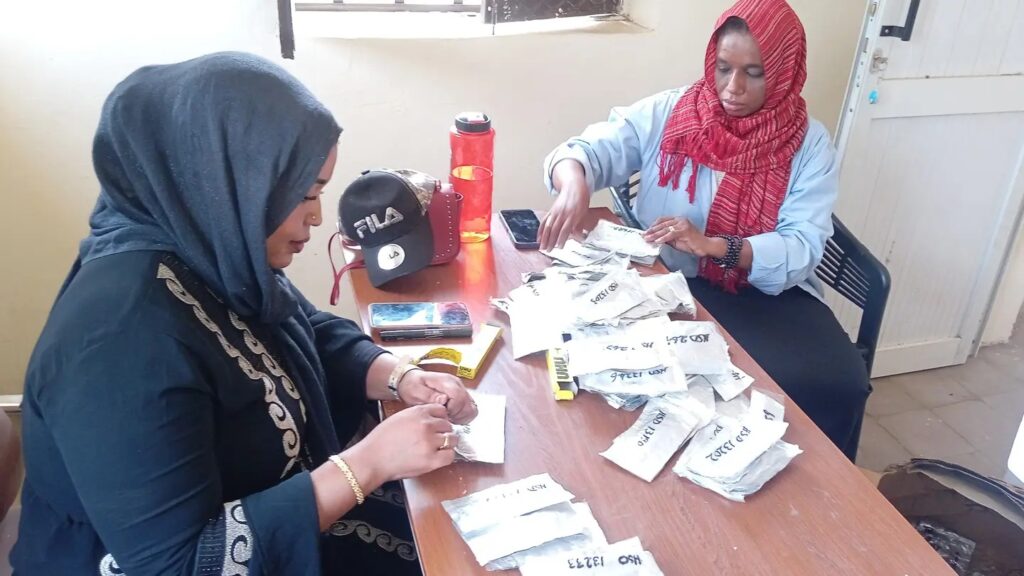
Their plan involved preparing more than 2,000 seed samples and sending them from el-Obeid to the icy chambers of Svalbard’s seed vault, located on the Norwegian island of Spitsbergen, deep in the Arctic and more than 7,000km from the capital of North Kordofan.
“[We decided to] dispatch them to Svalbard so that we would have a duplicate copy outside the country,” Babiker said.
One of their initial moves was to install a solar power system at the backup facility, ensuring a stable electricity supply to keep the freezers running and safeguard the seed copies.
At the same time, however, the staff began to develop a plan to extract as many copies of the seeds as possible and transfer them to a location where they could be safe.
“El-Obeid was also under threat from the RSF, so we went there straight away and took some duplicate accessions to dispatch them,” Babiker explained.
Their plan involved preparing more than 2,000 seed samples and sending them from el-Obeid to the icy chambers of Svalbard’s seed vault, located on the Norwegian island of Spitsbergen, deep in the Arctic and more than 7,000km from the capital of North Kordofan.
“[We decided to] dispatch them to Svalbard so that we would have a duplicate copy outside the country,” Babiker said.
“I did it to ensure that at least some of the seeds were preserved beyond Sudan’s borders.”
The scale of the mission was daunting: if they succeeded, APGRC staff would have managed to secure more than a quarter of Sudan’s seed collection in the depths of the earth.
The seeds selected included crops that have been grown in the region for thousands of years, amongst them key varieties of pearl millet and sorghum – a crop vital to Sudan’s food security, known for its drought resistance, and part of the country’s agricultural and cultural heritage.
“These [were] some of the main staple crops in Sudan, and also some of the oldest,” Babiker noted.
“They are essential for food security not only in Sudan, but also for the region – and for global food security as well.”
Before heading to one of the northernmost corners of the world, the seeds had to be taken out of el-Obeid as discreetly as possible and transported all the way to Port Sudan – the main port of the country, located in the northeast – from where they could be sent abroad.
Babiker described it as an “exciting” mission, particularly at the start, given that the RSF controlled almost all routes in and out of El Obeid.
To avoid potential trouble at checkpoints, the APGRC staff asked the truck driver transporting the seeds to load their boxes first, and only then pile on the rest of the load.
“The mission took more than 10 days because, for security reasons, it didn’t follow a normal road but routes unfamiliar to the RSF,” said Babiker, who added that no APGRC staff travelled with the shipment to avoid drawing attention.
After those 10 days on the road, the seeds finally made it to Port Sudan, although Babiker said the seed packages were scattered across the truck and had to be collected and organised.
Still, the first half of the journey – and the most challenging part – was now behind them.
Sudan Post to the rescue
Once in Port Sudan, the shipment of seeds to Svalbard was made possible because the Sudan Post courier service was still operating despite the war, said Nelissa Jamora of Crop Trust, an organisation dedicated to safeguarding the world’s crop diversity that supported the entire mission.
“Sudan Post was still functioning, at least in Port Sudan. So it was [arranged] through the regular postal service,” she told MEE, noting that there were three boxes of seeds in total.
On their way to Svalbard, the seeds made a stop at the Nordic Genetic Resource Center (NordGen), an organisation dedicated to safeguarding the Nordic region’s genetic resources.
There, the centre helped sort, catalogue, re-pack, and document the shipment from Sudan.
“It was a few days’ work for our seed technicians, but an investment well worth its price considering the importance of these seeds for the future of Sudan’s agricultural sector,” said Johan Axelsson, head of NordGen’s seed laboratory.
The seeds finally arrived at the seed vault on 25 February 2025, together with seed shipments sent by 19 other gene banks.
Established in 2008, the Svalbard Global Seed Vault has its storage area more than 100 metres inside a mountain, carved into solid rock and shielded by 40 to 60 metres of stone.
The mountain mass has a stable temperature ranging from -3 to -4 degrees Celsius, but the seed storage area is equipped with a cooling system that keeps it constantly at -18 degrees.
With more than 1,350,000 seed samples, the Svalbard Global Seed Vault is currently the largest backup facility for seeds and crop diversity in the world.
Owned by Norway, the site is operated by three partners: the country’s Ministry of Agriculture and Food, NordGen and Crop Trust.
Gene banks from all over the world can store backup copies of their seeds there free of charge and with no legal transfer of ownership, the seeds always remain property of the depositor.
Sudan made its first deposit in 2019 and today holds 1,884 accessions, a distinct, uniquely identifiable sample of seeds, from 15 different species, according to Svalbard’s website.
Jamora said that the difference from the more than 2,000 seeds initially sent by the APGRC from el-Obeid was likely due to some packages arriving in less-than-optimal condition and not making it into the final set, although they are preserved by NordGen and can be returned.
The mission to evacuate Sudan’s seeds was funded through an emergency reserve launched in 2021 by Crop Trust and the secretariat of the International Treaty on Plant Genetic Resources under the supervision of the UN Food and Agriculture Organization (FAO), to assist gene banks that are under threat.
In Sudan’s case, Crop Trust had been collaborating with the local gene bank before the war through a project called BOLD (Biodiversity for Opportunities, Livelihoods and Development).
“The mission aimed to secure as many seeds as possible,” Jamora noted.
Fears vindicated
Sudan’s army recaptured Wad Madani in January, and when the APGRC staff returned to their facilities, their worst fears were confirmed: the bank’s freezers, computers and servers had been looted, and the seed bags were torn open, their contents scattered across the floor.
However, with the support and funding from the emergency reserve jointly run by Crop Trust and the Plant Treaty, efforts to rebuild and start over are already under way.
For now, the gene bank is still assessing the losses, but it is also beginning to rebuild its seed collection despite limited state funds and power cuts that often last more than 12 hours a day.
When the situation stabilises, the centre hopes to be able to assess the state of its seeds and move into a regeneration phase, but this will require new freezers and other equipment.
During a meeting with the director of Sudan’s Agricultural Research Corporation (ARC) and FAO representatives, the governor of Gezira State – where Wad Madani is located – Tahir al-Khair, pledged to try to install a new cold storage facility for the gene bank.
In the meantime, at least, the seeds stored in the Svalbard vault remain safe, waiting for the day they can once again serve their country.
“We felt very relieved and reassured once we made sure we had these duplicate copies outside Sudan,” Babiker said.
Well-known Sudanese singer and percussionist Asia Madani, who lived in Cairo, passed away on Sunday, the Sudanese Artists Union in Egypt reported.
Madani was born in Wad Madani, the capital of the Gezira State in central Sudan.
She started her career in her early years, moving to Egypt in the early 2000s, and quickly found her place in the country’s music scene.
Her initial breakthrough was on the Cairo Opera House stage.
Later, she became best known for presenting Sudanese folk music mixed with modern musical rhythms.
Madani performed with her troupe and joined many ensembles that focused on traditional and folkloric music of the south, earning herself the title of Messenger of Sudanese Folklore.
The star often spoke about her deep love for Sudanese rhythms, explaining that her journey in music began at a young age.
She highlighted how she learned diverse musical and vocal rhythms from different regions of Sudan — from the south to the north and the central areas — which greatly influenced her artistic style.
The singer was deeply influenced by the works of iconic Egyptian singers like Mohamed Abdel-Wahab and Abdel-Halim Hafez and even reinterpreted some of Sayed Darwish’s songs in her unique voice.
Moreover, Madani participated in the Nile Project, which she co-founded and which brought together African musicians from the Nile basin countries.
She was also featured in the documentary Far From the Nile presenting the project. The film was screened in the main competition of the Cairo International Film Festival (2022), winning awards.
Among her best-known songs were Jibal Al-Nuba (Mountains of Nubia), Al-Qamar Badawi (The Moon Shines), and Al-Zul (The Man).
Additionally, Madani participated in many international festivals and founded a children’s choir for Sudanese children in Egypt.
Numerous artists have expressed their sorrow after Madani’s sudden death.
“May God have mercy on you, forgive you, and grant you eternal rest. You were a true artist who loved her country and lived in her second country, Egypt. You were a strong person, never afraid to speak the truth, kind, pure-hearted, and a true artist who sang for the people everything she felt in a genuine way. Goodbye,” singer and songwriter Hani Adel wrote on Facebook.
Sudanese director Amjad Abu Al-Alaa wrote on his Facebook account: “A great loss, Asia.”
“To be an artist with a beautiful voice and a following is a normal thing, but what is extraordinary is to have a message in what you present, to have your own artistic project based on Sudanese identity, the unity of the Sudanese people, its uniqueness, enriching and renewing its heritage, presenting it in an attractive way, and touring the world proudly and persistently,” Sudanese media personality Dalia Al-Tahir wrote on her X account.
“This is what the true artist, the revolutionary soul from the heart of the country, Asia Madani, excelled in,” she expressed.
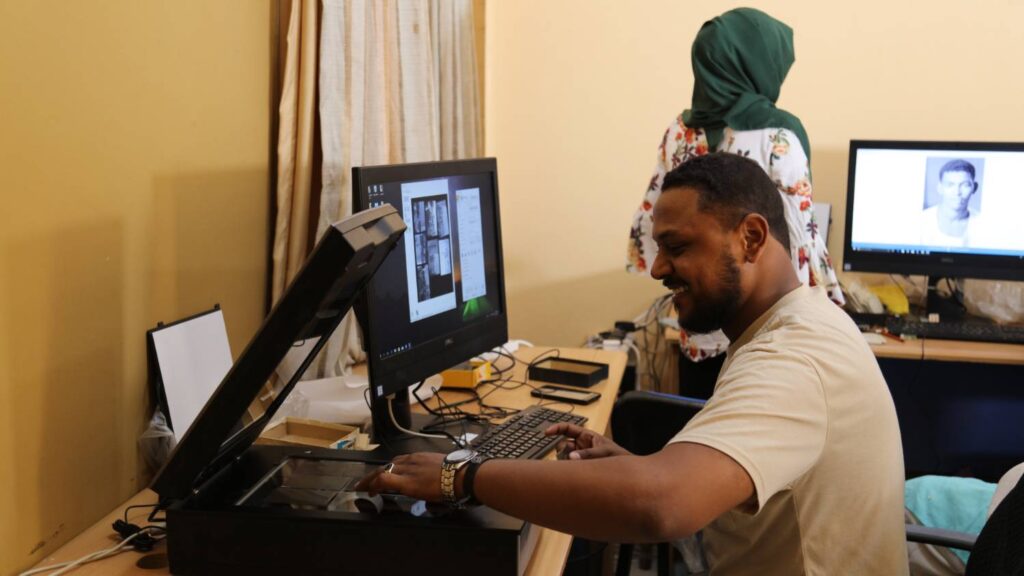
A group of academics have spent close to a decade scanning historic documents and images and making them available online.
Sudanese academic Badreldin Elhag Musa followed the news with alarm when Al Qaeda-affiliated fighters set fire to two libraries containing historic documents in the Malian city of Timbuktu in 2013.
While local residents managed to smuggle many manuscripts to safety in advance, a Unesco team later found that some 4,200 of the documents stored in the libraries were either destroyed or stolen – about a tenth of its archives .
At the time, Elhag Musa already had concerns about the preservation of rare documents in his country. The events in Timbuktu accelerated the sense of urgency for the scholar, a member of the Sudanese Association for Archiving Knowledge (Saak).
The tragic episode served as a warning that highlighted the plight of cultural heritage artefacts in areas of actual or potential conflict – just like Sudan.
Elhag Musa set a plan in motion, connecting with King’s College London Professor Marilyn Deegan, who has over 20 years of experience in digital humanities. His goal: to find ways to safeguard as much of Sudan’s cultural heritage as possible.
A decade later, the result is Sudan Memory, a project that seeks to preserve and promote valuable cultural materials about Sudan through digitisation. The online platform aims to ensure current and future generations can benefit from the country’s rich heritage.
In total, more than 200 people and over 40 institutions have been involved in the project, which offers 60,000 digitised documents.
The results are invaluable: The materials range from manuscripts, photographs, books and films, covering a myriad of topics, as well as jewellery, traditional dresses, and artefacts from different regions spanning around 6,000 years of history.
“We never expected such success when we started,” Elhag Musa told Middle East Eye.
His colleague Deegan notes, “We’ve digitised… well over 100.000 images,” adding, “We thought we would be able to do millions…but I think we did do a lot.”
Sourcing collections
One of the reasons that prompted Elhag Musa and his colleague at Saak to protect Sudan’s cultural heritage with such urgency was that many of the country’s richest archives, particularly private collections, are in danger.
The reasons are manifold, ranging from extreme weather and lack of appropriate storage to neglect and conflict.
Many valuable collections, whether public or private, are also locked away and not easily accessible to the public.
Yet at the same time, many of Sudan’s archives and collections were in good enough condition to undertake a project like Sudan Memory, as Deegan saw for herself on her first visit to Khartoum, Omdurman and Atbara in May 2013.
“Archives in Sudan are not (like) the British Library, but they are not too bad,” she said.
Although its origins go back a decade, the Sudan Memory team was only able to start digitising documents in 2018, some time after securing funds.
At first, the focus was on large institutions; one of the entities that contributed the most was the National Records Office (NRO), which serves as Sudan’s national archives.
The NRO holds more than 30 million documents, some dating as far back as 1504 CE, and they are currently classified into around 300 collections.
Today, some of these materials can be found in the Sudan Memory archive, including early issues of The Sudan Times newspaper, as well as old magazines, rare books and precious photographs.
Another major collection included in the Sudan Memory project was provided by Al Rashid Studio, the largest private photo studio in the country.
Located in the city of Atbara, once the centre of Sudan’s railway industry and regarded as the cradle of its trade union and communist movements, the studio holds over four million negatives dating back to the 1940s.
Through these negatives, the Rashid family has captured the cosmopolitanism that once defined Atbara, as well as some of the changes Sudan has undergone in recent decades.
“What’s interesting about [it] is looking at the early images and seeing over time how things like fashion changed, and how that’s related to politics,” Deegan noted.
A turbulent process
Building the Sudan Memory archive was not an easy task, primarily as a result of political circumstances in the country.
Training could not start until scanners were imported into the country and these were not installed until July 2018, as the team had to navigate sanctions still in place at the time – a period when former president, Omar al-Bashir, was still in charge.
These restrictions also affected the purchase of other equipment and the transfer of funds to teams within Sudan.
Additionally, in the lead-up to the revolution in Sudan in late 2018 and the period until the formation of the now-ousted transitional government, there was little stability within the country’s institutions with many regularly closing, thereby disrupting the project.
And just as the situation began to settle down and work restarted, the Covid-19 pandemic hit in early 2020, once again putting a hold on scanning in local institutions.
Throughout this turbulent process the project stayed going thanks to the efforts of Katharina von Schroeder, Sudan Memory’s project manager in Khartoum.
“Just like many other projects, Covid times were difficult,” Elhag Musa said.
“But for us the passion was great, and as Marilyn continued to work on targeting international sources [of funding], we went on to focus on training talented team members on digitisation skills,” he added.
As if all this was not enough, the military coup of October 2021, which derailed the fragile transition in the country, further aggravated political instability in Sudan and delayed the project’s launch in Khartoum indefinitely.
“It has just been so turbulent over the last few years,” Katherine Ashley, another of Sudan Memory’s project managers, told MEE.
“But people, if anything, have become as or even more generous and excited to share their collections and do things about it,” she noted.
Private collections
About halfway through the project, the Sudan Memory team decided to expand beyond the country’s major institutions and dive into private collections as well.
And that’s when Ashley, who has extensive experience in the field, came in.
“The big collections are amazing, but the ones that people feel so passionate about are (ones) hidden away in people’s homes; private collections and stories,” she said.
“This is what (made me realise) how important it is to try and make some effort…on Sudan and record some of these oral histories and stories,” Ashley added.
One such preserved collection is that of Sadia el-Salahi , a Sudanese artist and designer born in 1941 in Omdurman and famous for her pioneering work on Sudanese folklore and traditional costumes.
In 1968, Salahi joined the Sudanese Ministry of Culture and became the first Sudanese national to hold the position of head costume designer, according to Sudan Memory.
“She sadly passed away…but we were lucky to record what was left of her collection and also do a video recording about her career and life story,” Ashley said of Salahi, who died in 2022.
Another jewel in the crown of the Sudan Memory project is an interactive 3D reconstruction of Suakin Island , on the west coast of the Red Sea, as it was in 1900.
The portal also features some important documentation about the history of the island, and links to digitised content about it.
To a great extent, the reconstruction of Suakin was possible thanks to Mohamed Nour, a local Sudanese citizen, and his family, who dedicated their life to building a museum of the island’s history through photographs, artefacts and other documents.
“It’s a lifelong work that they are continuing,” Ashley said.
Remembering Sudan’s Jewish community
A significant part of the archive created by Sudan Memory does not come from within the country but by a process they call digital repatriation: content about Sudan acquired from institutions and individuals abroad.
“We are bringing Sudanese materials back into the country,” Deegan noted, adding: “We are pushing Sudanese materials out to the world, but also bringing stuff back in.”
One example is the Tales of Jewish Sudan archive , a collection of stories, photos and recipes from Sudan’s Jewish community compiled by historian Daisy Abboudi, a descendant of the Sudanese-Jewish community born in the UK.
The history of Sudan’s Jews is difficult to trace, but Abboudi has documented that from the early 20th century onwards, Jews from all over the Middle East and North Africa began to arrive after the building of a rail connection to Cairo by the British army.
At its peak in 1950s, Sudan’s Jewish community numbered approximately 250 families, mainly concentrated in Khartoum, Omdurman and Wad Madani. And its members were predominantly merchants involved in the textiles, silks and Arabic gum trades.
“The community was very active, they had a club, a synagogue… It was an equipped, functioning community,” Abboudi told MEE.
“It was small, but I think that that made it even more vibrant and active,” she added.
However, from the mid-20th century onwards, and for reasons ranging from the establishment of the State of Israel to the rise in antisemitic incidents and rhetoric in Sudan, the Jewish community began to shrink amid successive waves of emigration.
According to Abboudi, by the end of 1973 following the Arab-Israeli war, the last remaining Jews left Sudan.
To prevent the memory of the once vibrant Jewish community in Sudan from fading, Abboudi started Tales of Jewish Sudan in 2015 with the aim of preserving its history and stories before it was too late – a goal now shared with Sudan Memory.
“Living in the more Ashkenazi-dominant British community, I felt that my history was neglected, ignored or somehow not present. And that’s why I started,” she said.
“But also for my generation and the generations to come, because I realised that as soon as those people are no longer here, that community will be forgotten,” she explained further.
Another curious example of repatriated Sudanese materials comes from Air Tickets History , a collection belonging to Greek collector, Gklavas Athanasios, that today holds over 4,500 airline tickets and boarding passes from more than 1,000 airlines spanning six continents.
The extensive collection includes several documents dated from 1960 to 1983 from Sudanese airlines, such as Sudan Airways, the national airline; also one of the first airlines in Africa, Mid Airlines, a charter airline established in Khartoum in 2002, and Marsland Aviation.
“I started collecting tickets when I was eight and had my first flight with Olympic Airways, from Athens to Samos Island,” Athanasios told MEE. “But about the Sudanese tickets I unfortunately don’t have much information, as I bought them on Ebay many years ago.”
All in all, the compilation of these documents gathered from major institutions and private collections both inside and outside Sudan helps to build up a complex picture of the memory of a nation.
“We were optimistic, but we didn’t expect at all that we would succeed in the organisation of such magnificent collaboration,” Elhag Musa said.
And the process that has been followed also serves to pave the way to go further.
“What we do have at least is a much broader understanding of what is there and what else could be done in the future,” Ashley said.
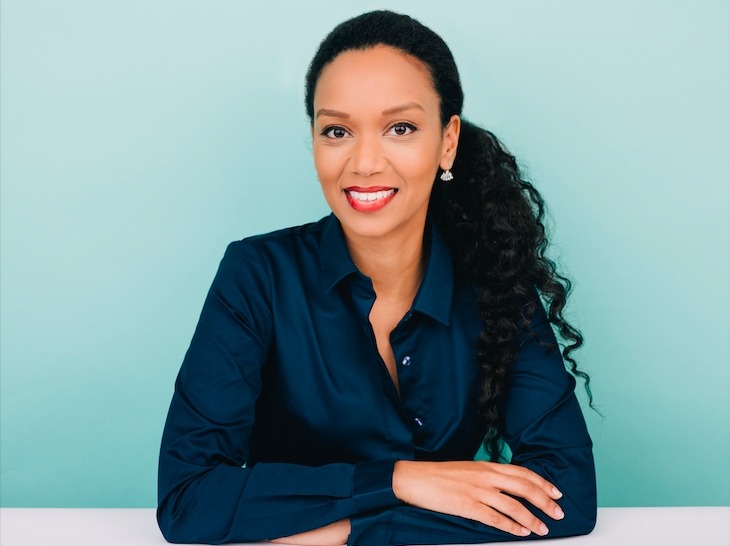
Achieving success is no easy feat especially if you are working from the ground up. With passion and skill, a lot of people achieve self-made success. Today we are celebrating one such individual, Sudanese-American physician Iman Abuzeid who is the co-founder and CEO of a digital nurse hiring platform. She just nabbed a spot on Forbes’ ninth annual list of America’s Richest Self-Made Women and for good reason, with an impressive net worth of 350 million US dollars.
Being only one of two Arab women on the Forbes list, Abuzeid’s ranking is placing the Arab identity and voice at the forefront. Beyond that, the 38-year-old doctor is the only self-made millionaire on the list who earns money through the field of medicine on Forbes’ list of America’s Richest Self-Made Women. She achieved her impressive ranking almost a year after her nurse-hiring start-up called Incredible Health was able to raise 80 million US dollars and that helped hike her company’s valuation to 1.65 billion US dollars.
Along with Abuzeid, many other prominent self-made women made it to the Forbes list including TV creator Shonda Rhimes and Insitro founder and CEO Daphne Koller. Also for the sixth consecutive year, the top spot went to building supply distributor Diane Hendricks. With all that being said, knowing the incredible work each of these women achieved acts as a beacon of inspiration for younger girls to follow in their footsteps.
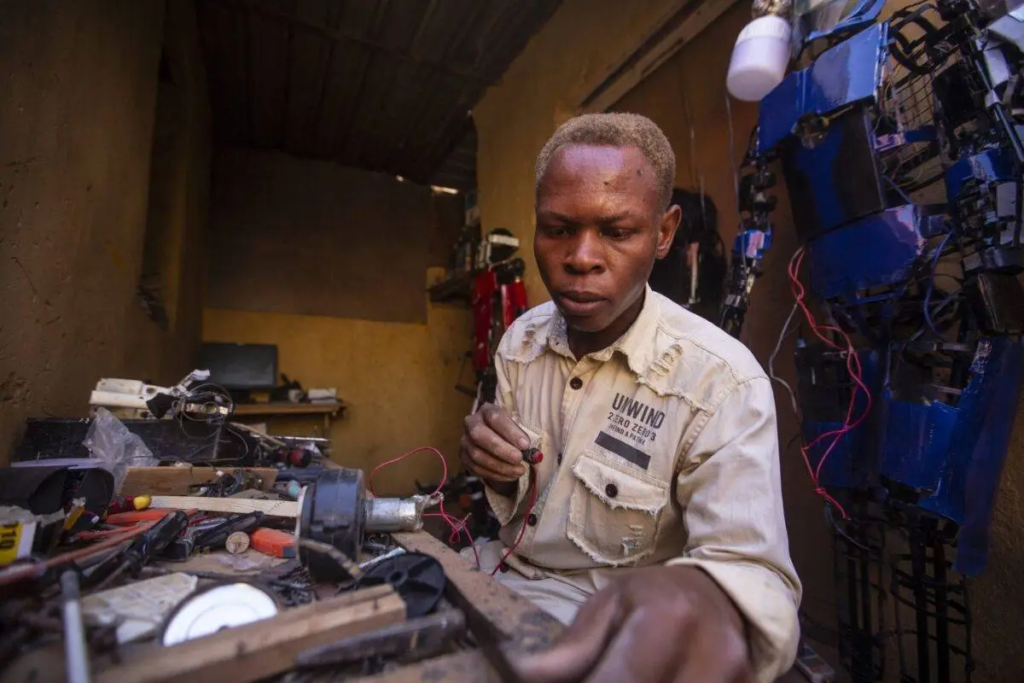
Moatasem Jibril, a young man from Sudan, is realising his dream of conducting technological experiments to manufacture robots by using recycled electronic waste.
Despite modest capabilities and living in a mud house in the city of Omdurman, west of the capital, Khartoum, Jibril did not give up on his dream of making a robot, even after having to quit university due to the deteriorating economic conditions of his family.
For about ten years, Jibril has been trying to create robots in a narrow space inside his family house, and he challenges poverty by working daily in the market to earn money to purchase the materials he needs for his project. He hopes that his dream will be funded by any businessman or institution.
Sudan is suffering from many crises, starting with a shortage of basic and imported commodities, as well as the depreciation of the local currency, in addition to the government’s measures to lift fuel subsidies at the request of the International Monetary Fund in 2021.
Childhood dream
Jibril’s dream of making robots arose from his childhood, inspired by cartoons.
“Making robots is a dream that has been in my mind since childhood, and I try hard to turn my dream into reality,” he said.
He started making robots nine years ago, after watching many movies that talk about inventors.
The young man mainly relies on the electronic waste that he obtains at a low price from local markets to build his robots, since the basic components exceed his financial ability.
He is searching continuously and painstakingly in electronic markets on the internet for any electronic parts offered for sale that are suitable for his industry, to buy them at reasonable prices.
Sudan is witnessing fluctuations in the abundance of foreign exchange, which raises the cost of imports and bears the final consumer the exchange rate differences, in addition to the rise in global prices, especially fuel and food.
Economic conditions
“In the initial stages, I moved more freely after studying and saving some money from my daily allowances,” Jibril said.
He was studying electronics engineering at the International University of Sudan. He often worked while studying, to save money to pay tuition fees and sit for exams. However, due to financial weakness of his parents, he missed many exams and eventually found himself dismissed from the University.
Jibril did not pay attention to the ridicule of his school and neighbourhood friends, and continued to implement his idea day and night.
“I still suffer from the mockery of colleagues and friends at the University when I begin to explain my project related to the manufacture of robots,” he said. “They consider it mere triviality, despite my continuous explanation of the idea of the project using engineering methods and three-dimensional designs.”
Jibril hopes that his economic conditions will improve, so he can return to the University to complete his academic studies in engineering and software fields.
He aspires to complete a project in building robots on a scientific basis and then start selling them.
As for his big dream, it is to go beyond the robotics industry and reach the stage of manufacturing micro-precision missiles and apply his motto that says: “Everything is possible with determination and persistence.”
He is looking forward to the future by completing his academic studies and hopes to find sponsorship from local or international institutions that will adopt his project to crown his success story and reach the world.
Sudanese Moatasem Jibril, who dropped out of his electronics engineering course for economic reasons, works on a robot in his house using waste products in Khartoum, Sudan on 2 March 2023 [Mahmoud Hjaj/ Anadolu Agency]
How do you use tech/data to tackle important issues? Tell us about your work.
Data, specifically qualitative research methods, is important to apply a systems lens of work as a means to connect the dots between the various solutions I’ve been mapping. Looking at a portfolio of solutions rather than stand-alone silver bullets creates evidence to better understand complex problems that are in nature wicked and interlinked. This method of starting with the solution and portfolio of solutions becomes a proxy indicator of a need and blind spot in a system or system of systems and/or a signal of change taking place.
I work with ordinary people who create extraordinary things to adapt to change quickly. My work is then to analyse that to share with the UNDP network and government counterparts for better decision making.
Solutions mapping is like pointillism. A series of dots may not make much sense but when it begins to connect and harmonise, you step back and see a picture. An example of that was during Covid-19 and how micro enterprises were forced to figure out ways to continue work under limitations of social and safe distancing. Observing a pattern of cashless solutions and connecting these with similar solutions both in Sudan, regionally and across the globe underlined the need but also an accelerated shift to a cashless economy as result of this new normal.
What was the most impactful project you worked on in the past year?
One of the ways to support a thriving local innovation ecosystem is one that facilitates this very ecosystem to see itself and its diverse and often unusual stakeholders.
If I were to liken the current ecosystem in Sudan, I would describe it as a map of islands with few bridges in between. When you start to ‘see’ solutions, as a mapper, you can see in all the ways they connect, align and interlink in this bigger and collective effort to create impact.
Everywhere I go, I cannot stop emphasising the ripple effect of the Solutions Fair held in early 2020. Whereby for the first time, stakeholders from different groups spanning academia, private and public sectors where in the same giant hall as Giulio Quaggiotto, Head the UNDP Strategic Innovations Unit has coined, the development mutants. A social experiment of sorts, of what takes place when the traditional development actors meet the unusual and unexpected.
The organic connections, knowledge sharing and diffusion that begin to form from which a community of solution holders emerged. With the first Covid-19 case reported in March and subsequent lockdown, it was this very community network that I was able to tap into to understand how they were responding, pivoting with Covid-19. The socio-economic impact but also the incredible resilience to reconfigure and do things differently under this immense and limiting challenge. How this network was connecting, working and collaborating with other networks. From university labs shifting to production of hand-sanitizers for students to distribute for free in the urban centres, to a social enterprise supporting highly affected street tailors into an organised collective to mass produce re-usable masks. The power of connections and compound impact that bridge the usual with the unusual.
What are some innovations from the pandemic that have caught your eye?
Indigenous Sound Bites. This completely grassroot effort was carried out by Dr. Hiba Abdelrahim of Sudan Unity Networking who first noticed the glaring gap in inclusive Covid-19 communication available in local and indigenous languages. She started to reach out to a network of Sudanese polyglots on Facebook to record sound bites of Covid-19 WHO guidelines and safety precautions. Through networks and network of networks on social media from Telegram, Whatsapp, Youtube, a collective distribution approach was used to share and reshare these sound bites to ensure this reaches volunteers on the ground in rural and hard to reach areas to share this vital and critical health information.
What is one unexpected learning from 2020?
2020 was a year of personal growth and learning forced by being cut off from the usual pace and external stimuli of everyday life and way of work. Facing a collective and shared challenge caused by the Covid-19 pandemic, the uncertainty of this new reality and what that means at a personal and professional level created a space to pause for much needed reflection on what really matters. Family and well-being, particularly mental well-being, and health have always been important. But what was unexpected was how much that really is a priority at the core of the choices I make and should and ought to be making.
In a way, the great re-set of this year was a wider ripple effect for social solidarity which emphasised the need for better support for care work and care economies. An integral support system that was consistently undervalued but came to the forefront with the pandemic in the welfare of, for and by communities.
What are your priorities for 2021?
Balance. Solutions mapping, and I am biased for obvious reasons, is an important protocol that introduces mixed research methods and approaches to development practice. The importance of constant and consistent engagement with the systems outside the work of UNDP, and connecting to those closest to the problem in the context of development challenges, allows solutions mappers to be a bridge to share, diffuse and shine light on context responsive knowledge with decision makers at UNDP and government counterparts that may influence programming, policy or inform better partnerships and possibly open unexpected pipelines in the market.
All the while, it is imperative to embed the practice and protocols of solutions mapping within UNDP thereby creating movements and networks of UNDP mappers in the country office to re-learn to see, observe and engage with ecosystems through this new lens. This is akin to having one foot out with one foot in, a balancing act to ensure that I am not leaning heavily on one foot at the expense of the other.
What tool or technique particularly interests you for 2021?
Ethnographic cartography (EC) is a method I am particularly keen to explore its possible applications in the context of Indigenous Knowledge Systems (IKS) in Sudan. EC inspired by Everyday Geographies and Personal Geographies, is a multi-sensory approach combining two activities.
The first, MyWalks is an activity that is intended to reawaken the senses to look for the unexpected. A simple premise of walking through a familiar route, re-walked or a new route walked for the first time. The experience of the journey starting at A is more important by engaging the senses and observing rather than reaching the destination at B.
The second, MessyMaps is the technique to record this multi-sensory experience through images, sound and notes. The outcome of this supports better understanding and engagement of the ecosystem in which I am mapping solutions and how these solutions exist, interlink and engage with the environment it operates out of and with.
I first came across an application of this method through the amazing work “Other Maps” undertaken by a fellow Solution Mapper, Paulina Jimenez at UNDP Ecuador. In academia, this emerging method was used to produce qualitative GIS representations of resilience. In this use case, Dr Faith Evans incorporated emotion, social connections and experience to present an experimental map visualisation of informal settlements in Kenya.
Which other countries inspire you and why?
India. As I onboarded to the Accelerator Lab, the cohort of AccLab mappers had the unique opportunity to get first-hand knowledge and support from the Accelerator Lab Network knowledge partner, the Honey Bee Network and GIAN. Virtual classes led by Prof Anil Gupta and Dr Animika Dey on mapping inclusive grassroots innovation was an eye opener to the work led by India over the last two decades to recognise, incorporate and support grassroots innovations in the National Innovation Policy. As one publication describes it, propositioning grassroots innovations in the S&T policies of India created a space for “the innovation agenda [to] shift from presenting grassroots innovation as a divider of the national innovation wealth to a provider of it”. (1)
The kind of effort India has spearheaded is one I would hope can be galvanised for Sudan to learn from and emulate.
Who do you admire? Who is your hero?
My grandfather. A food scientist, teacher, researcher, former FAO and fierce advocate for R&D turned entrepreneur and thought leader in the F&B industry of Sudan.
I remember once asking him why he did not invest in better advertising for his products or fancier packaging. His response was that his responsibility and priority is to ensure accessibility for the everyday Sudanese informed by the forefront of sustainable food production research. In which the everyday consumer not only benefits from the product itself but is able to re-use and repurpose the packaging for domestic needs.
The value system he has abided by until his retirement almost a decade ago is one I admire and have grown to appreciate even more as a development practitioner. The principles he went by still ring true and relevant in industrial innovation and sustainable consumption and production today.
(1) Jain, A., & Verloop, J. (2012). Repositioning grassroots innovation in India’s S&T policy: From divider to provider. Current Science, 103(3), 282-285. Retrieved March 16, 2021, from http://www.jstor.org/stable/24085031
Sharjah International Book Fair is honouring the leading academic for his distinguished works in research and documentation.
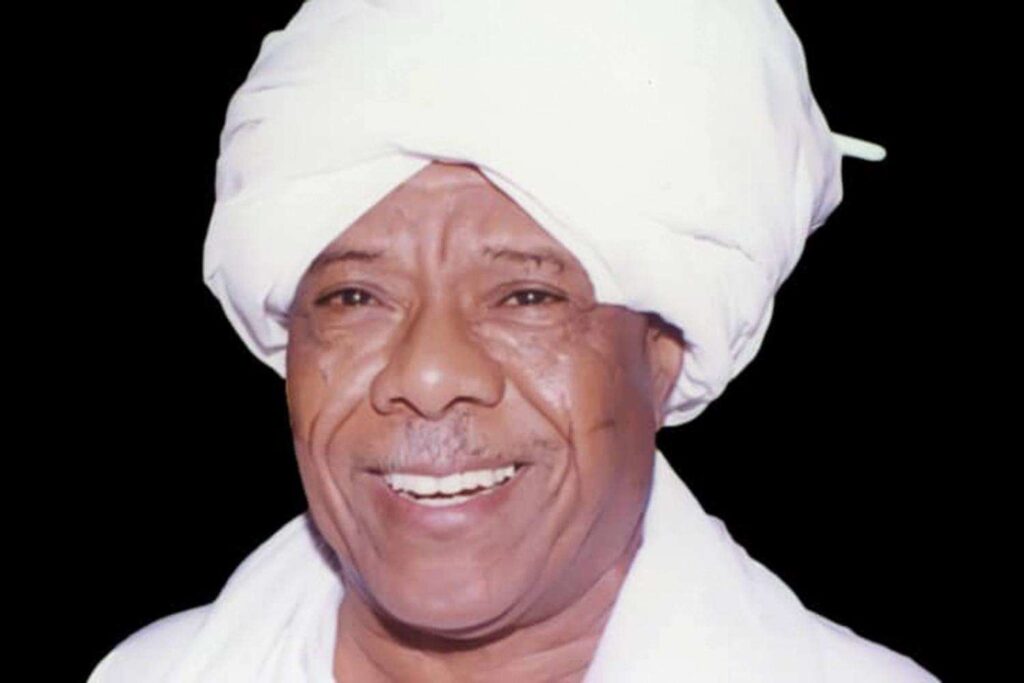
The Sharjah Book Authority (SBA) has announced Sudanese historian Yusuf Fadl Hasan as ‘Cultural Personality of the Year’ for its upcoming 41st annual edition of the Sharjah International Book Fair (SIBF 2022) in recognition of his invaluable contributions to the field of history and documentation of the nation’s developmental journey in political, cultural and scientific fields, in addition to his substantial efforts in promoting the research and documentation movement in Africa and Asia, and published more than 30 books.
The SIBF ‘Cultural Personality of the Year’ initiative stems from SBA’s vision to honour distinguished figures who have contributed richly to various fields and serve as inspiration and model to younger generations.
Commenting on the selection of the Sudanese historian for its 2022 edition, which runs under the theme ‘Spread the Word’ from November 2 – 13 in Expo Centre Sharjah, HE Ahmed bin Rakkad Al Ameri, Chairman of SBA, said: “Our efforts echo the vision of His Highness Sheikh Dr. Sultan bin Muhammad Al Qasimi, Member of the Supreme Council and Ruler of Sharjah, of celebrating distinguished intellectual and creative personalities as pillars of sustainable cultural development. The Arab cultural world needs the invaluable work of distinguished figures like Prof. Yusuf Fadl Hasan to advance our realities and build our future.”
He added: “Sudan has constantly enriched Arab culture through leading contributions by prominent individuals in various fields. Naming Prof. Yusuf the Cultural Personality of the Year is a tribute to more than 60 years of vital work in research, documentation and studies of the African and Asian continents.”
Born in Al Mahmiyya, Sudan, in 1932, he received Bachelor degree in General Arts from Khartoum University in 1956, and Bachelor degree with honours in History from London University in 1959, and PhD in History from the University of London in 1964. He served as a lecturer at the History department at the University of Khartoum.
He served as the director of the Sudan Research Unit (which became the African and Asian Studies Institute) between (1972-1983), entrusted with chronicling the Sudanese heritage and spearheading a team of researchers. Prof. Yusuf served as the president of Khartoum University between 1985 – 1991, and was the editor of Sudan note and record magazine that has more than 20 editions. He also launched Sudanese studies magazine.
He has published more than 30 books, including The Arabs and Sudan: from the seventh to the early sixteenth century (1966), Introduction to the history of Islamic States in Eastern Sudan, Studies in Sudanese History, and co-edited Tabaqat wad Dayf Allah.
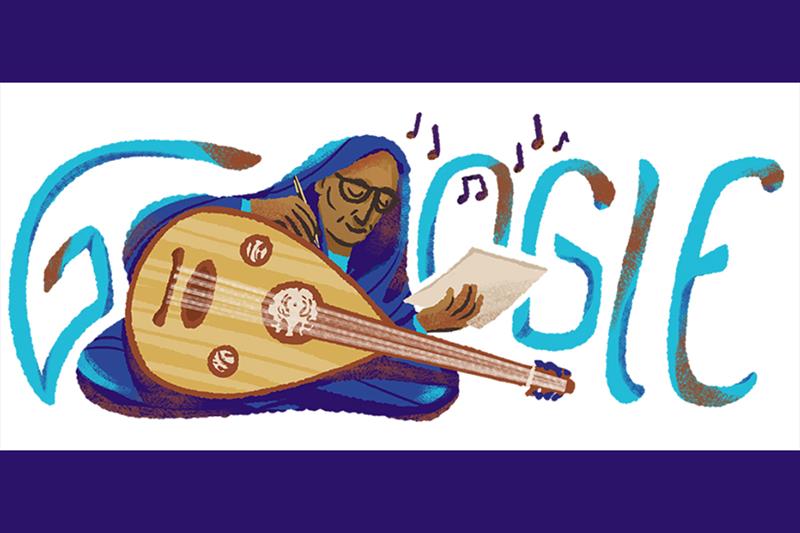
Google search engine features late Sudanese musician Asma Hamza celebrating anniversary of her winning the Laylat AlQadr AlKubra music competition in Sudan.
According to Google’s description on 17 July, “On this day in 1997, Asma was among the winners of the Laylat AlQadr AlKubra music competition in Sudan. This win was a turning point in her career and helped her gain recognition in a male-dominated field.”
Considered the first female composer in Sudan, Hamza was born in 1932 and loved music while growing up, dreaming of becoming a singer. However, her vocal cords were not equipped to handle singing safely, so she switched to whistling the tunes instead. When her father heard her whistle in harmony, he borrowed an oud (similar to a lute but with a thinner neck and no frets) so Asma could practice.
Despite the fact that it was not socially acceptable for women to practice music in Sudan during her time, her father encouraged her interest in music. In fact, the whole family enjoyed singing and was fond of music.
Hamza did not like her own voice and directed her interests towards playing the oud, which her father purchased for her. Surrounded by musicians who often visited her family home, including Ahmed Mustafa, Osman Hussein, Hassan Attia, and Abdel Aziz Mohamed Daoud, Hamza started by playing the oud while listening to other performers and copying their strokes by ear. As she began mastering the instrument, she soon became the very first Sudanese woman with formal training on the oud, which she received in response to her perseverance.
As she started carving her own place in Sudan’s music scene, she performed in small gatherings, followed by bigger stages. She often used lyrics by renowned poets, leading to compositions that were then performed by renowned singers. Her melodies resonate with many people in Sudan and across the Arab world.
On 17 July 1997, Hamza was announced as one of the winners of the Laylat AlQadr AlKubra song competition held in Sudan, standing among many male musicians. This win is considered an important turning point in her career.