QATAR , U.S. deepen defence ties with Emiri air force  facility in Idaho

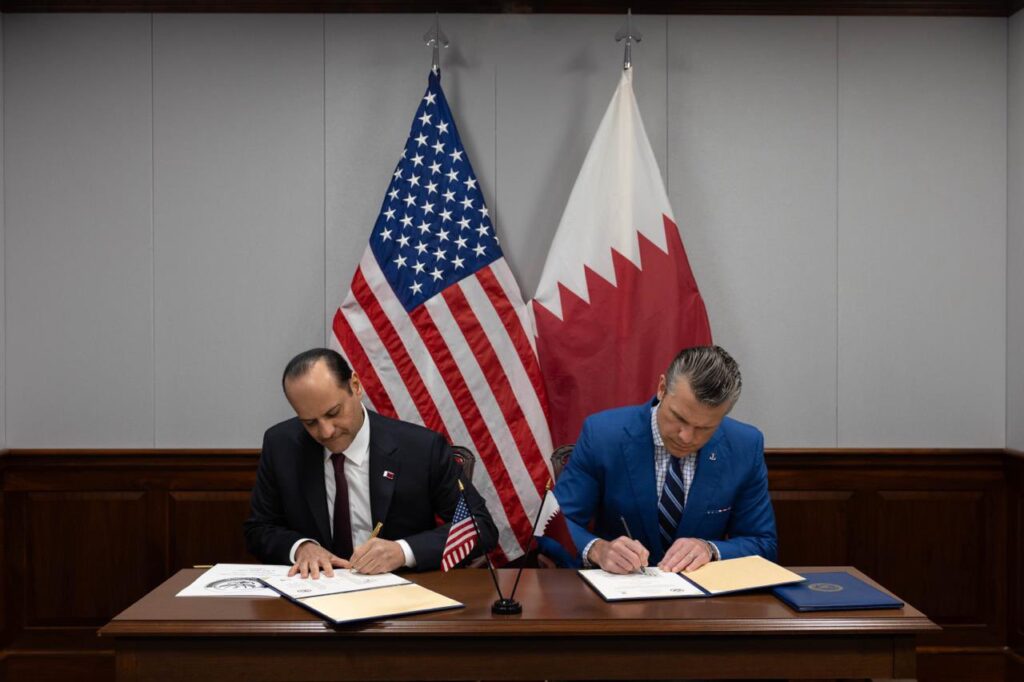
Qatar and the United States have signed an agreement to establish a Qatari Emiri Air Force facility at Mountain Home Air Force Base in Idaho to host F-15 jets and pilots, strengthening bilateral defence cooperation and joint readiness.

The United States and Qatar have agreed to establish a new Qatari air force facility at Mountain Home Air Force Base in Idaho, aimed at strengthening bilateral defence cooperation and providing advanced training for Qatari pilots.

The agreement was signed today, 10 October, by Qatar’s Minister of Defence, Saoud bin Abdulrahman Al Thani, and U.S. Secretary of War Pete Hegseth.

During a ceremony at the Pentagon, Secretary Hegseth highlighted the significance of the agreement, stating: “Today, we’re announcing a letter of acceptance in building a Qatari Emiri Air Force facility at the Mountain Home Air Force Base in Idaho.”

He explained that the facility would host a contingent of Qatari F-15 fighter jets and pilots, aiming to “enhance our combined training, increase lethality, interoperability,” and described the initiative as “just another example of our partnership.”

The establishment of the facility also reflects Qatar’s pivotal role in recent diplomatic efforts. Secretary Hegseth acknowledged Qatar’s contribution to securing a ceasefire agreement in Gaza, noting, “You have been a core part of what has unfolded in Gaza, a historic moment.”

He expressed gratitude for Qatar’s ongoing support, particularly highlighting their assistance at Al Udeid Air Base, a key U.S. military installation in the region.

Qatar’s Deputy Prime Minister and Minister of State for Defence Affairs, Saoud bin Abdulrahman Al Thani, hailed the “deep defence partnership” shared by both states.

“Our nation shares a deep defence partnership grounded in a mutual respect and a common vision for peace and stability in the Middle East. Qatar’s hosting of Al Udeid Air Base stands as a cornerstone of this alliance and a testament to our collective commitment to regional and global security,” he said.

“We further welcome the signing of the letter of acceptance establishing a Qatari Emiri Air Force facility at Mountain Home Air Force Base in Idaho. This step strengthens interoperabilities, enhances joint readiness and advances our shared defence goals,” he added.

“Together we will continue to deepen this strategic partnership in pursuit of lasting peace and shared security.”

Mountain Home Air Force Base, located in southwestern Idaho, is already home to the 366th Fighter Wing, which operates F-15E Strike Eagles. The base also hosts the Republic of Singapore Air Force’s F-15SG fighter jets.

The addition of the Qatari contingent is expected to further enhance the base’s operational capabilities, providing a platform for joint training exercises and fostering closer ties between the U.S. and Qatari air forces.

source/content: dohanews.co (headline edited)

______________
_________________

QATAR / U.S.A
ARAB : 33rd Arab Music Festival to explore Arabic music in era of algorithms

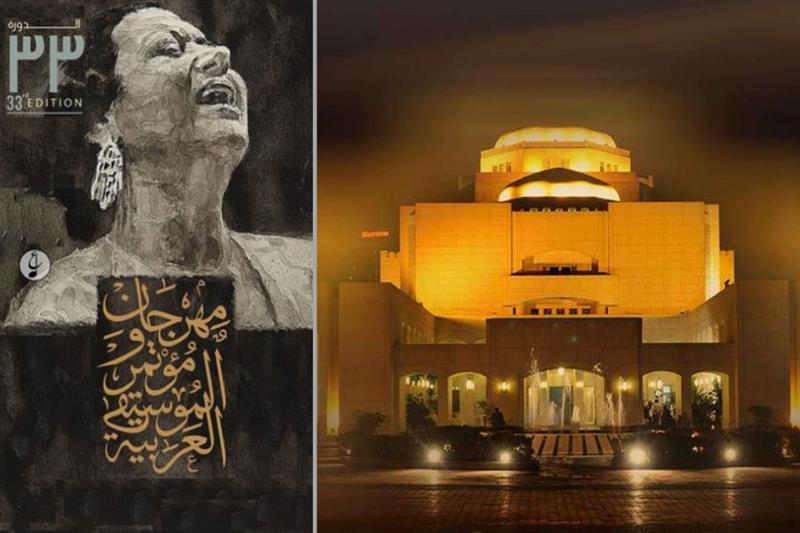
The 33rd edition of the Arab Music Festival and Conference, running from 16 to 25 October, will explore the intersection of artificial intelligence (AI) and traditional Arab music. More than ever, this year’s festival stands as a vital laboratory for the future of Arabic sound.

While paying tribute to the legendary diva Um Kalthoum, the programme features 41 concerts with 83 Egyptian and Arab artists across Cairo, Alexandria and Damanhour. Yet the heart of the event lies in its symposiums, which will gather 40 researchers from 15 Arab and Western countries to debate how the Arab musical world can fully enter the age of algorithms.

Among the highlights is a major symposium titled Arabic Music Facing Digital Transformation: Horizons and Challenges, alongside other events examining the impact of AI tools on Arab music.

A century-long debate
 

The discussion around the role of Arab music and its categorization is not new to the region.

“The Arab Music Festival was founded by Ratiba Al-Hefny, and this year marks its 33rd edition. But conversations about Arab music began as early as the first half of the 20th century,” says Shereen Abdel-Latif, head of the festival’s scientific committee. She refers to the historic Congress of Arabic Music, held in Cairo in 1932 under the patronage of King Fouad I.

“This historic event, initiated by French ethnomusicologist Rodolphe d’Erlanger and attended by leading Eastern and Western composers and musicologists such as Béla Bartók and Paul Hindemith, sought to codify the maqams (musical modes) and archive the region’s diverse traditions in the face of new technologies like the 78 rpm record and radio. These innovations threatened the essence of tarab — the art of improvisation (taqsim),” Abdel-Latif said.


“Today, AI has replaced the phonograph as both a source of hope and concern. While 1932 focused on recording heritage, AI aims to reproduce, analyze and reinterpret it,” she added. 

She has also curated several key presentations exploring the challenges of archiving and digitisation that will be discussed during the festival.

Among them: The Representation of Egyptian Musical Memory in the Digital Era by Ihab Sabry (Egypt); The Need for Documentation and Digitisation of Singing in Yemen by Mohamed Sultan Al-Yousifi (Yemen); Technological Innovation in the Service of Archiving by Salim Al-Zoughbi (Palestine); Documentation Efforts of Tunisian Music and Their Prospects in the Digital Revolution Era by Noura El-Shelli (Tunisia); Documentary Visions Since the 1932 Congress: Egyptian Leadership in Scientific Documentation by Souhaila Abdel-Moati (Egypt); and New Possibilities for Arabic Music in the Digital Age by Jennifer Jolley (United States).

Paradoxes of algorithms 
 

The symposiums will focus on four main themes: creation, education, archiving and the music industry. The scientific committee points to a central paradox in AI’s dual role.

On one hand, AI positions itself as a guardian of heritage. By accelerating production processes and analysing the subtleties of maqams through vast datasets, it can help compose new works that remain faithful to Arabic musical identity.

On the other hand, it poses an ethical and existential threat. Critics fear that Arabic music could lose its soul and emotional depth. The essence of tarab lies in improvisation and deeply felt interpretation, qualities that resist algorithmic reproduction.

Vocal cloning
 

A major debate is also expected over vocal cloning—or “deepfake” singing—where AI creates a synthetic version of a person’s voice.

“Vocal cloning raises the thorny issue of desecrating the myth of great Arab icons. It is crucial to assess AI’s positive and negative impacts,” says Abdel-Latif. “Examples such as the recreation of Um Kalthoum’s voice, or that of Abdallah Al-Rowaished (Kuwait)—whose voice was synthesized with his consent during illness—show that a recreated voice is never the original.”

“By infiltrating music production, distribution and consumption, AI risks stripping away the creative and human dimensions, along with artists’ intellectual property rights. The research presented at the festival seeks to protect our heritage from such distortions,” she explains.
 

The master-disciple bond under threat?
 

The symposiums will also examine Perspectives on Music Education in the Digital Age.

The key question is: how can modern tools—online learning platforms, software and so on—be integrated without eroding the traditional essence of Arabic music, which depends on a deep master–disciple relationship and acute auditory memory?

Educational institutions, says Nahla Mattar, professor of theory and composition at Helwan University’s Faculty of Music Education, are being urged to rethink their curricula and introduce adaptive learning methods.

But can this new partnership with AI preserve the authenticity, human creativity, and melodic genius that gave tarab its glory? Can it ensure continuity without distortion, or must Arabic music simply learn to “dance with AI”?

About the Arab Music Festival and Conference
 

The Arab Music Festival and Conference is Egypt’s largest annual event dedicated to Arabic music.

Across its 10 days, concerts will showcase Egyptian and Arab musicians, ensembles and orchestras on stages operated by the Cairo Opera House, including the Gomhoreya Theatre and the Arabic Music Institute, as well as the Sayed Darwish Theatre in Alexandria and the Damanhour Opera House.

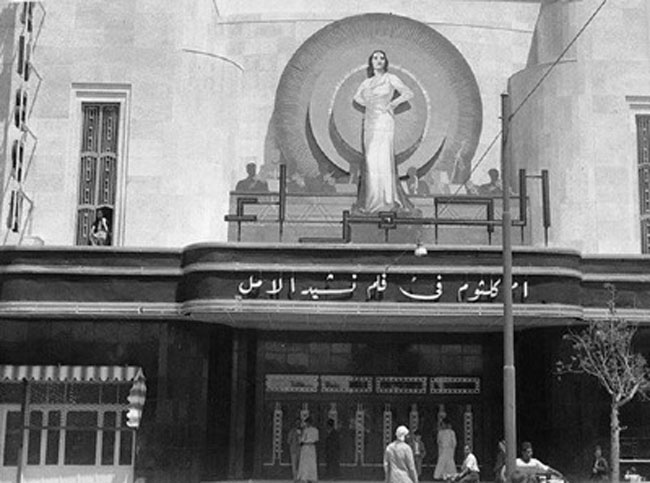
Earlier this year, organizers announced that the 33rd edition will be dedicated to Um Kalthoum, in line with year-long celebrations marking 50 years since the death of the Star of the East.

_____
This article was originally published in Al-Ahram Hebdo (French) on 8 October 2025. Translation and additional edit: Ahram Online.

source/content: english.ahram.org.eg (headline edited)

______________

________________

EGYPT / ARAB

SAUDI philanthropist Rania Moualla honored at international awards event

The Saudi philanthropist received a prestigious Fair Saturday Award during a ceremony at the Guggenheim Museum in Bilbao, Spain.

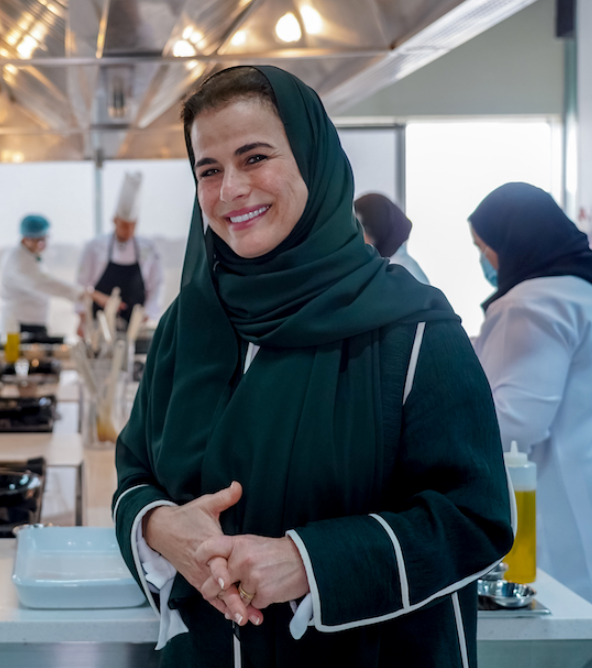
Rania Moualla, ZADK Culinary Academy founder and chairwoman, has received global recognition for her pioneering social entrepreneurship and contributions to community development.

The Saudi philanthropist received a prestigious Fair Saturday Award during a ceremony at the Guggenheim Museum in Bilbao, Spain. The award recognizes her leadership, transformative vision and efforts to promote education, sustainability and the preservation of cultural heritage through gastronomy.

Moualla said: “ZADK is more than just a non-profit culinary academy — our goal is to preserve local culture, protect heritage, promote job creation, emphasize sustainability and drive social transformation. I’m thrilled that our success has now been recognized on the international stage.”

ZADK aims to drive positive social change through excellence in culinary education and innovation. It provides a foundation for passionate Saudis who aspire to be chefs and restaurateurs, nurturing their creativity and knowledge while emphasizing local culture and cuisine.

It provides scholarships for qualifying students and offers a range of culinary courses, including a two-year higher culinary diploma, a one-year associate diploma, and a six-month professional certificate program, along with shorter courses and other services.

The comprehensive training programs aim to prepare students for the workplace, providing employers with competent employees who add value in a professional environment.

The Fair Saturday Awards were launched in 2017 with the aim of recognizing the initiatives of inspiring individuals and organizations, which have proven to generate social impact through art and culture. They emphasize the value of promoting new models of action with the mission of generating more inclusive, fair and sustainable growth.

Other recipients of the 2025 Fair Saturday Awards include Nobel laureate in economics, Joseph Stiglitz; journalist and author Martin Wolf; actress Adjoa Andoh; dancer and choreographer Ahmad Joudeh; pianist Joaquin Achucarro; and cultural association Gerediaga Elkartea.

source/content: arabnews.com (headline edited)

_____________

Rania Moualla, ZADK Culinary Academy founder and chairwoman, has received global recognition for her pioneering social entrepreneurship and contributions to community development. (Supplied)

_________________

SAUDI ARABIA

ABU DHABI, U.A.E: Multiply Group acquires majority stake in Italy-based ISEM group

Multiply Group, the Abu Dhabi-based investment holding company that invests in and operates businesses globally, announced today that it will acquire a majority position in ISEM, a European leading packaging group, subject to regulatory approvals.

Upon completion of the transaction, Multiply Group will hold 60.8% of ISEM, while Peninsula Capital and minority investors will own the remaining 39.2%.

This marks the start of a strategic partnership between Multiply and Peninsula, combining Multiply’s platform-building playbook and patient capital approach with Peninsula’s deep sector knowledge and Southern European dominance.

Together, the partners will reinforce ISEM’s leadership position and accelerate its global expansion, while safeguarding the company’s long-term values of craftsmanship, design excellence, and client trust.

The deal represents an expansion into packaging by Multiply Group, establishing the Group’s fifth consumer-focused vertical and strategically complementing its existing beauty and apparel businesses.

Founded in 1949 and headquartered in Bologna, Italy, ISEM Group is a highly automated leader that reinforces the ‘Made in Italy’ brand hallmark, globally recognised for its quality, innovation, and association with key luxury clients. Its key global clients include LVMH, Kiko, Gucci, L’Oréal, Puig, and Coty Lancaster.

ISEM products include rigid boxes, folding cases, silk paper, and dust bags, with an industrial footprint comprising 11 manufacturing plants spanning more than 100,000 m².

Commenting on the transaction, Samia Bouazza, Group CEO and Managing Director of Multiply Group, said, “This transaction is our second in Europe this year as we continue with our global growth ambitions. With 3x revenue and 4x EBITDA growth from 2021–2024, a long-standing blue-chip client base, a highly automated industrial footprint, and strong fundamentals, we believe ISEM Group is a great fit for our portfolio.

With this acquisition, alongside Peninsula Capital and the management of ISEM, we see opportunities to maximise competitive advantages, elevate value creation, and create synergies within the industry and potentially with our beauty and apparel sectors.”

Borja Prado, Founding Partner of Peninsula Capital, commented, “We are proud of the journey accomplished together with ISEM Packaging Group, which has become a European leader in packaging, and a partner of choice for global beauty and fashion leading brands. Since our entry, revenues have tripled through strong organic growth and targeted M&A, underscoring the strength and the distinctiveness of ISEM’s platform.”

Francesco Pintucci, CEO of ISEM Group, commented, “I am proud to welcome Multiply Group as the new majority shareholder of ISEM Packaging Group, alongside Peninsula and the management. This important step represents full continuity with our long-term vision and growth strategy: to build the world’s leading industrial group capable of supporting our customers at 360°, combining the highest standards of quality, innovation, and service with a strong ESG commitment.

Multiply Group’s investment will further strengthen ISEM’s industrial platform and accelerate our global expansion, enabling us to serve our clients even better – with greater scale, agility, and technological excellence – while preserving the entrepreneurial DNA and human values that define our success.”

source/content: wam.ae (headline edited)

______________

______________________

ABU DHABI, U.A.E.

SAUDI ARABIA : Heritage leaders honored as Arab Manuscript Day celebrated in Riyadh

Annual event at King Faisal Center spotlights heritage, intellectual legacy

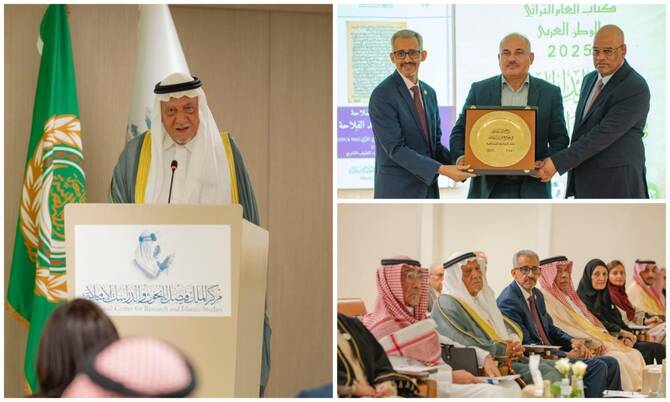
The official celebration of the 13th Arab Manuscript Day was inaugurated on Sunday by Prince Turki Al-Faisal, chairman of the board of directors at the King Faisal Center for Research and Islamic Studies.

Held under the theme “The Arab Manuscript: Life of a Nation and Pioneer of Civilization,” the event was organized in collaboration with the Institute of Arabic Manuscripts at the center’s headquarters in Riyadh.

Prince Turki said: “This day calls upon the memory of thought and allows the soul to listen to the echoes of centuries past.”

He added that Arab Manuscript Day went beyond celebrating paper and ink and honored the consciousness and intellectual legacy that shaped Arab and Islamic civilizations. 

He recalled that the late King Faisal bin Abdulaziz received a delegation from the Institute of Arabic Manuscripts in Riyadh more than 50 years ago, near the site of the current center. 

The meeting, he said, was a moment of “intellectual enlightenment,” during which King Faisal described heritage as a vital part of identity, comparing it to “a rich fountain of culture that never stops flowing.”

Abdulrahman Al-Khunaifer, adviser at the center, said that the day symbolized the convergence of time and place, at which “Damascus, Cairo, Baghdad, and Cordoba meet Riyadh and Diriyah” to celebrate the enduring legacy of the handwritten book.

He added that the center had produced thousands of titles and research projects that had kept the Arab manuscript “alive and beating” throughout history, and that the hosting of this year’s celebration represented the culmination of those efforts.

Three awards were presented during the ceremony: Yahya Mahmoud bin Junaid, a Saudi professor, was named the Heritage Research Personality of the Year in the Arab World.

In his acceptance speech he described heritage as a living tool for understanding modern society and the evolution of intellect, calling for the creation of a comprehensive digital index of heritage books to support researchers. 

The award for Heritage Institution of the Year in the Arab World went to the National Laboratory for the Conservation and Restoration of Parchment and Manuscripts in Kairouan, Tunisia. Its director, Manal Rimah, said the recognition was a tribute to Tunisia’s cultural institutions.

The Heritage Book of the Year went to “The Collection of the Gems of Navigation in the Compendiums of the Benefits of Agriculture,” edited by Ihsan Thannoon Al-Thamiri, a professor from Iraq.

He described the work as an encyclopedic documentation of Arab agricultural knowledge, the result of a long period of dedication.

Since its founding in 1983, the center has become one of the leading global institutions in manuscript care. Its collection includes around 30,000 manuscript titles and 150,000 digitized manuscripts, reproduced in collaboration with major libraries and museums worldwide.

The center has also cleaned and restored about 330,000 books, manuscripts, and documents, reinforcing its position as a key scientific and cultural platform for future generations.

“What King Faisal began five decades ago with the Institute of Arabic Manuscripts is now being continued by his sons and grandsons with modern awareness and cultural dedication,” Prince Turki said as he reflected on the Kingdom’s vision of knowledge and culture as pillars of progress.

source/content: arabnews.com (headline edited)

______________

Left: Prince Turki Al-Faisal gives his opening remarks on the occasion of the 13th Arab Manuscript Day at the King Faisal Center for Research and Islamic Studies; Since its founding in 1983, the center has become one of the world’s leading references in the field of manuscript care. It holds around 30,000 manuscript titles and 150,000 digitized manuscripts. (Supplied)

________________

SAUDI ARABIA

EGYPT ’s Khaled al-Anany elected 1st Arab director-general of UNESCO

Al-Anany succeeds Audrey Azoulay, marking historic milestone for Egypt and Arab world at UN cultural body.

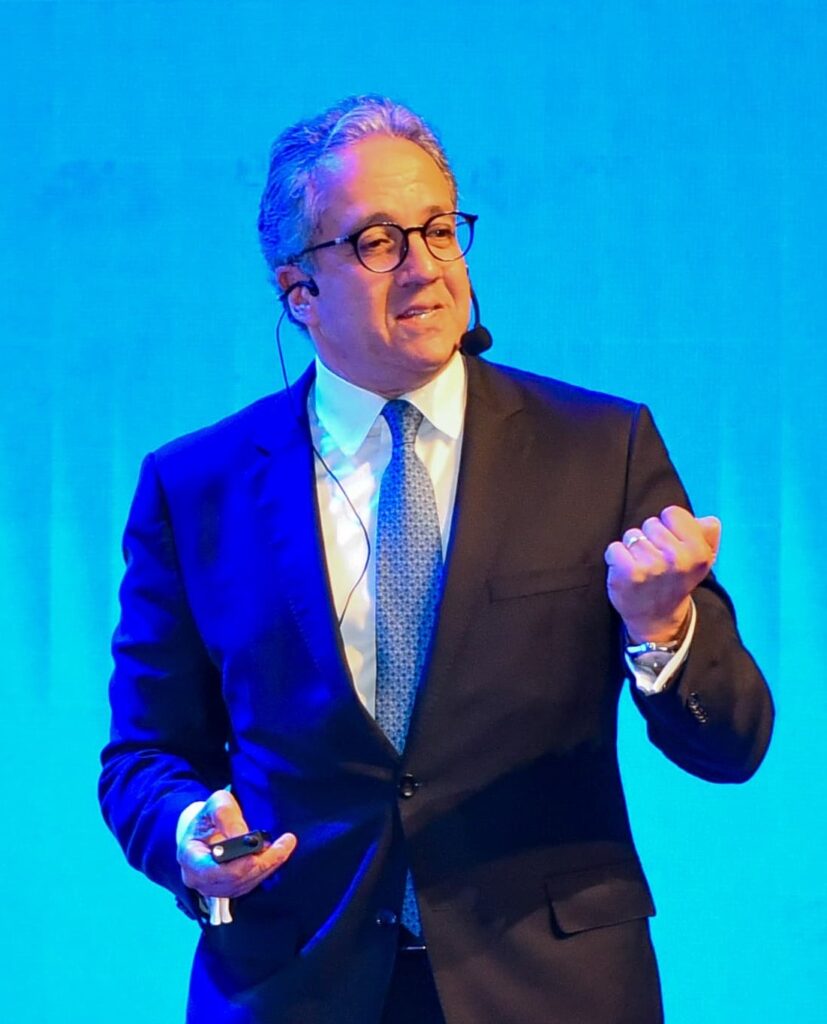
Egyptian candidate Khaled al-Anany was elected Monday as the new director-general of the UN Educational, Scientific and Cultural Organization (UNESCO), succeeding French civil servant and politician Audrey Azoulay.

His term will run until 2029, according to the Egyptian news agency Mena.

Al-Anany, Egypt’s former Minister of Tourism and Antiquities, secured a decisive victory with 55 votes out of 58 during a session of the organization’s executive board in Paris.

His sole challenger, 69-year-old Firmin Edouard Matoko of the Republic of the Congo, received two votes, while the US abstained.

Egyptian President Abdel Fattah al-Sisi congratulated al-Anany on the “sweeping victory,” describing the election as “a historic achievement added to Egypt’s diplomatic and cultural record and to the accomplishments of Arab and African peoples.”

He added that the victory reflects Egypt’s civilizational status and expressed confidence that al-Anany will strengthen cultural dialogue and protect global heritage.

Egyptian Foreign Minister Badr Abdelatty, who headed the Egyptian delegation in Paris, noted that this is the first time an Egyptian and Arab have led UNESCO since its establishment in 1945.

He said the result reflects the “leading position Egypt enjoys regionally and internationally” and highlighted al-Anany’s unique cultural background, representing layers of Egyptian civilization — Pharaonic, Greek, Roman, Coptic, Arab-Islamic and modern.

Abdelatty stressed that member states’ overwhelming support demonstrates their trust in Egypt, the Arab world and Africa. He pledged that under al-Anany’s leadership, UNESCO will remain “a home for cultural diversity, intercultural dialogue, peace, heritage protection, creativity, knowledge expansion, and youth and women’s empowerment.”

With this election, al-Anany becomes UNESCO’s 12th director-general, the first Arab and the second African after Senegal’s Amadou-Mahtar M’Bow (1974-1987) to hold the post in the organization’s 80-year history.

source/content: aa.com.tr (headline edited)

___________

pix : en.wikipedia.org

__________

EGYPT

MOROCCO : Marrakech Short Film Festival Kicks off Today, Positions City as Global Hub for Emerging Cinema

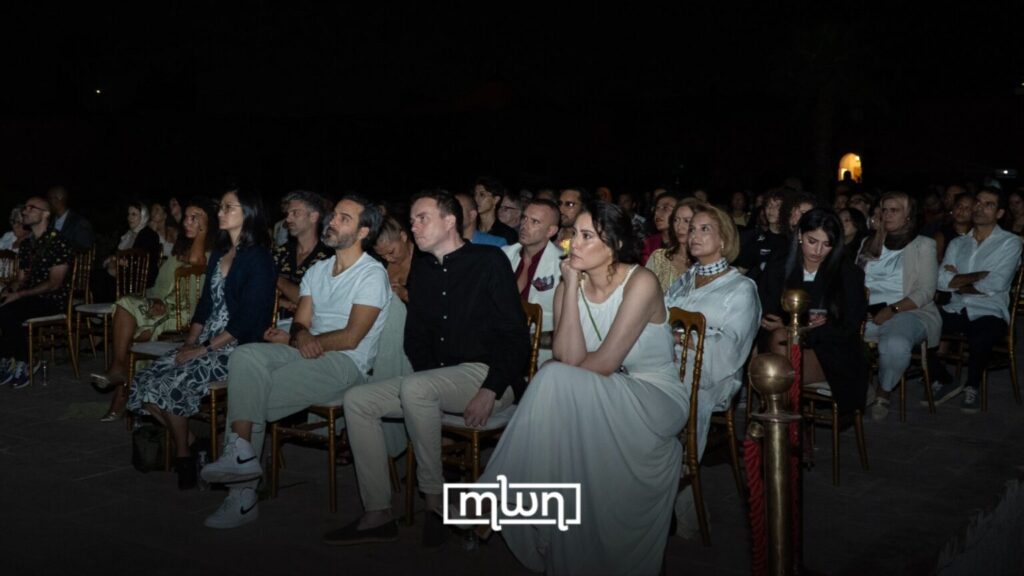
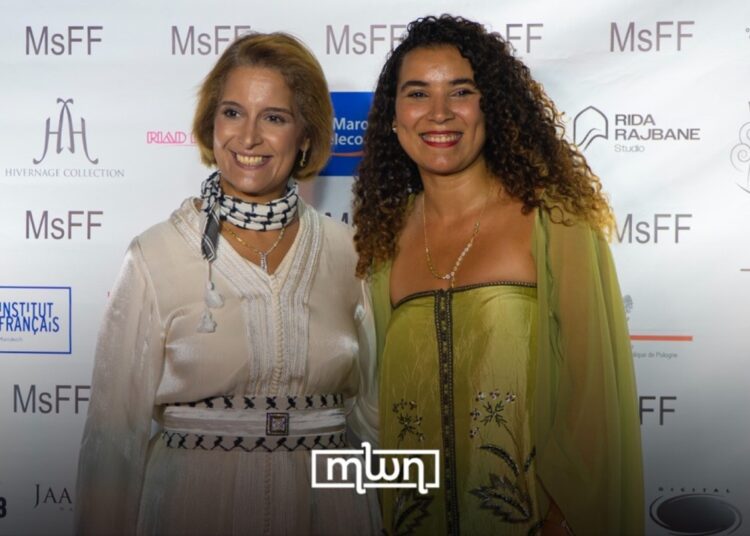
Marrakech’s most iconic landmarks welcomed artists and visionaries today, transforming its ancient walls into a stage for dialogue, discovery, and cultural exchange.

The highly anticipated Marrakech Short Film Festival (MARRAKECHsFF) officially opened last night, running through October 1, across some of the city’s most iconic sites, including El Badi Palace, Cyber Parc Moulay Abdeslam, and Centre Culturel Les Étoiles de Jamaa El Fna.

This year’s edition welcomes El Salvador as the guest country, with a diverse lineup of international and Moroccan films.

Festival founder and director Ramia Beladel opened the evening by highlighting this year’s theme, “Ka wla Maka,” a Darija expression familiar to Marrakchis that emphasizes both action and the spirit of Bahja (happiness).

Beladel described the festival as an “act of resistance and resilience,” emphasizing its role in giving visibility to emerging filmmakers and preserving cultural dialogue.

The opening night drew an international crowd of filmmakers and industry figures, including jury members such as Jane Kim, producer of industry programming at the Toronto International Film Festival (TIFF), and the president of the Alexandria Film Festival.

The program at El Badi Palace began with a red Berber carpet and presentation, followed by screenings that brought together stories from Palestine, El Salvador, Morocco, and Kenya. 

Highlights included “A Short Film About Kids” by Palestinian director Ibrahim Handal, competing for the International Nakhil Prize, “Not For Sale” by El Salvador’s Ale Pinto, presented as part of the guest country spotlight, and “Chikha” by Moroccan directors Ayoub Layoussifi and Zahoua Raji, in competition for the National Belarj Prize.

Now in its fifth edition, MARRAKECHsFF has steadily grown into a key platform for short-format cinema in the region, positioning itself as both a launchpad for emerging Moroccan talent and a bridge to wider international audiences.

Founded during the pandemic to revive open-air screening culture, the festival maintains an open call format with both national and international competitions, and includes programs such as low-budget support for local filmmakers. 

By embracing diverse narratives and forging international collaborations, the festival strengthens Marrakutation as a hub foech’s repr cultural exchange.

Rather than competing with the larger Marrakech International Film Festival, this festival complements it – while remaining distinct – by putting shorter works and emerging filmmakers at the center of the conversation. 

source/content: moroccoworldnews.com (headline edited)

______________

______________

MOROCCO

EGYPT : Tamara-Haus wins 2025 Best Practice Award for Preserving Architectural Heritage

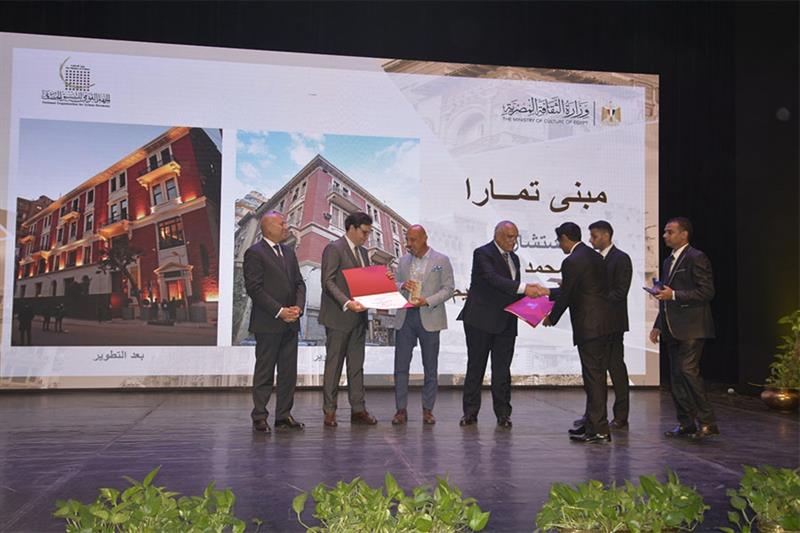
Egyptian Minister of Culture Ahmed Hanno announced Wednesday that Tamara-Haus has won the 2025 Best Practice Award for Preserving Architectural Heritage.

The award, launched by the National Organization for Urban Harmony (NOUH) , was announced during a ceremony held at the Small Hall of the Cairo Opera House.

The event was attended by Cairo Governor Ibrahim Saber, NOUH CEO Mohamed Abou Seada, and former Minister of Culture Emad Abu Ghazi.

The ceremony also featured the opening of a photo exhibition showcasing the competing projects.

Tamara-Haus, built in 1910 in downtown Cairo, is a New Renaissance-style building owned by Al Ismailia Company.

It has been fully renovated and repurposed as a creative art space, hosting design studios and cultural events.

Architect Karim Al Shafai, CEO of Al Ismailia, and architect Mohamed Hassan, head of design of the project, received the award.

The event also honoured several local conservation projects, presenting certificates of recognition to initiatives such as the conservation of the Civil Protection building in Alexandria Governorate, the Dokki Police Station building in Cairo, and a residential building at 78 Beiram El-Tonsy Street in the Saida Zeinab district.

source/content: english.ahram.org.eg (headline edited)

_____________

Tamara Haus wins prize for Best Practice for preserving buildings of urban and architectural heritage. Photo: NOUH

__________

EGYPT

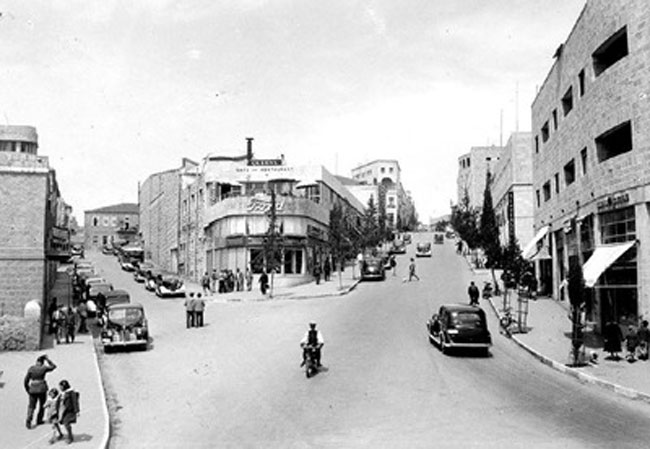
PALESTINE : Rare 20th century photographs tell story of Gaza before there was Israel

As 7 October marks two years of Palestinian resistance and resilience, Ahram Online revisits Gaza’s past with rare photographs taken before the creation of Israel.

Photos from gaza by Kegham Djeghalian

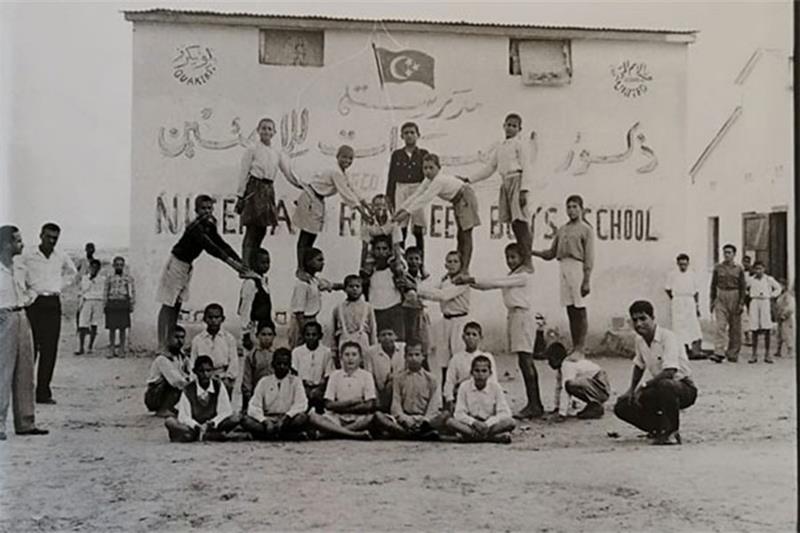
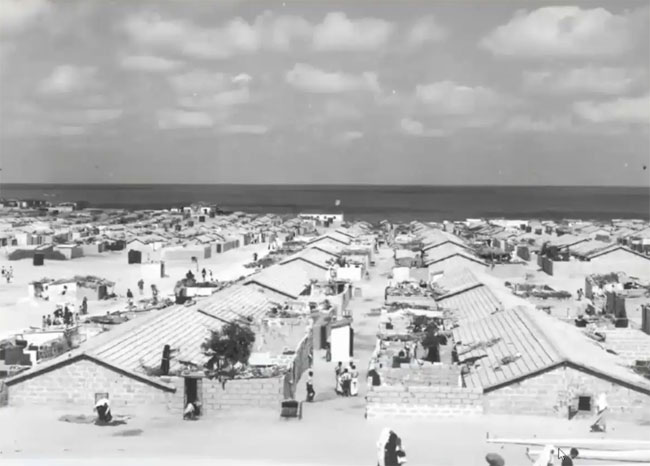
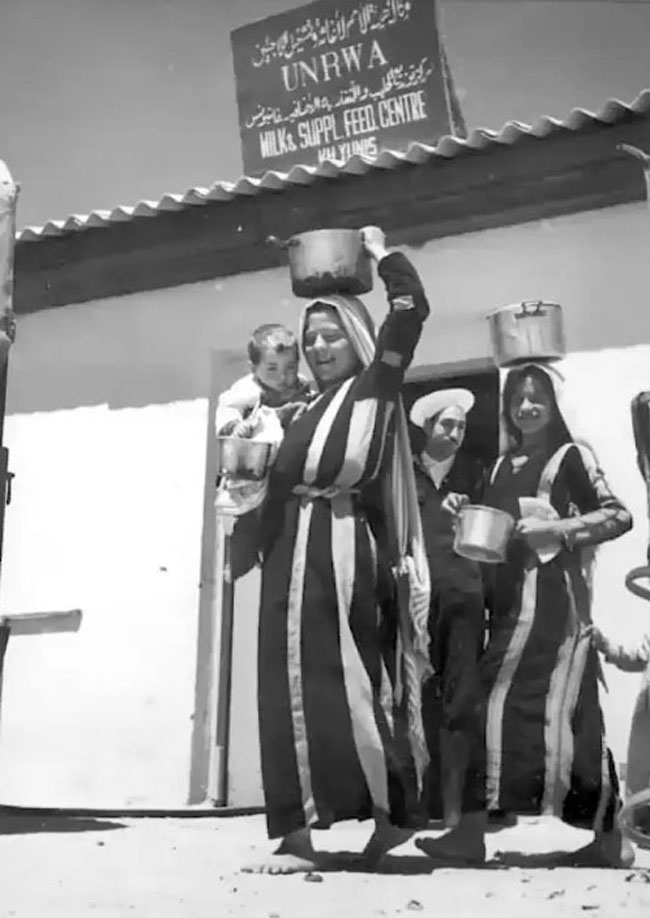
In 1948, 75 percent of the primary population of Gaza was refugees. Deir El-Balah and Khan Younis were originally refugee camps, established in 1948, for the displaced people of Palestine.

The first Israeli soldier to come into Gaza, 1956.

Gaza Mon Amour
 

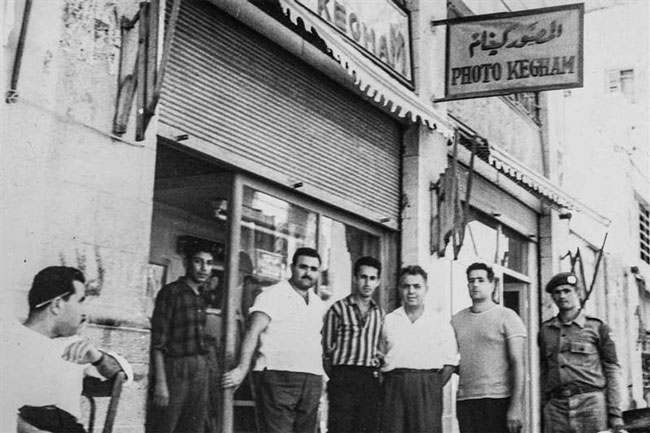
In 2024, two exhibitions in Cairo honoured Gaza’s first photographer, Kegham Djeghalian (1910s–1981), an Armenian genocide survivor who settled in Palestine.

In 1944, Djeghalian opened Gaza’s first photography studio, Photo Kegham.

The exhibitions were curated by his grandson, art director, visual artist, and fashion stylist Kegham Djeghalian, who sought to map out Kegham’s professional practice and socio-political engagement, reconnect with the intangible cultural heritage of Gaza, and rewrite a collective visual and oral historiography that safeguards the oral and visual narratives of the city for generations to come.

Kegham was very popular in Gaza and was affectionately known to Gazans as “Abu Bishara,” which means “good news” in Arabic.

They took him into their homes, making him “The Mohktar,” the wise man or the sage of the town whom you ask to settle disputes.

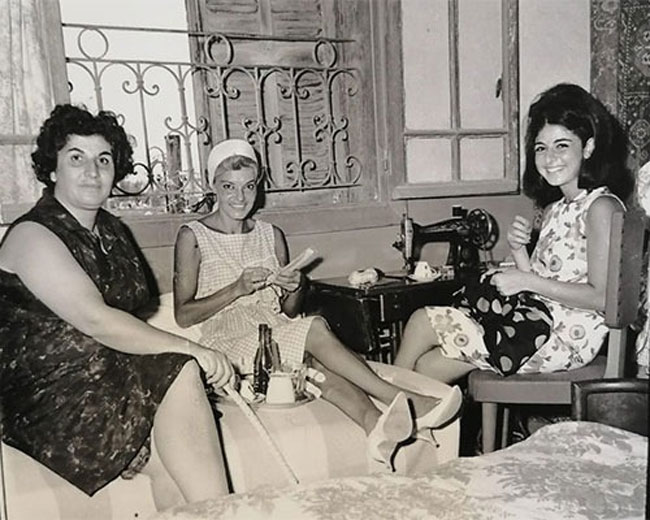
He photographed weddings, joy, sadness, summertime, iconic figures, trivial times, and everything as if he were safeguarding Gaza’s memories of all kinds and forms.

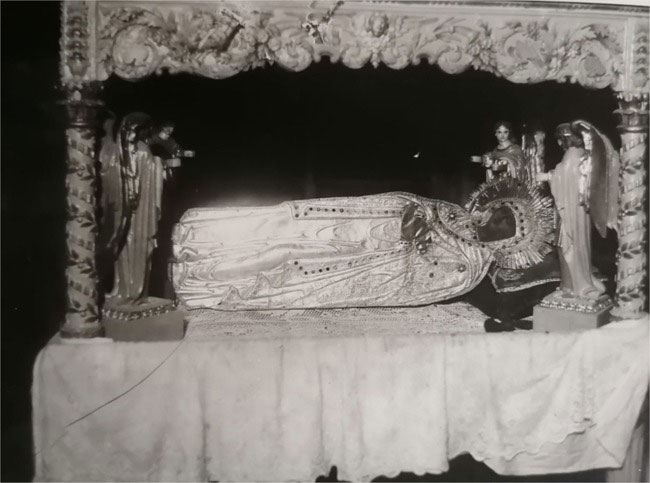
Tomb of the Virgin Mary.

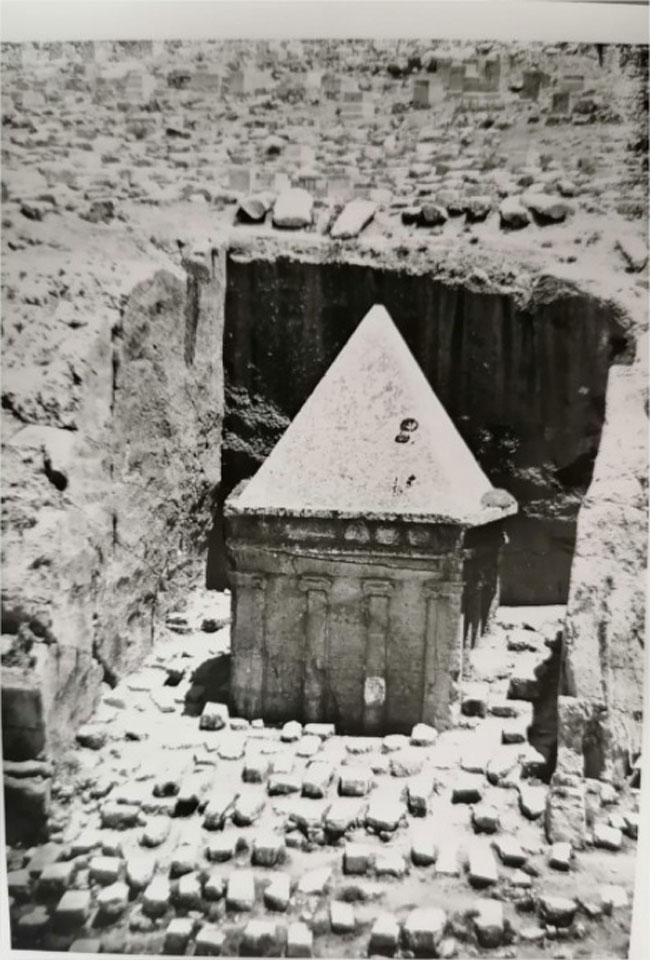
The Tomb of Prophet Zakaria.​

Temple, dome, church
 

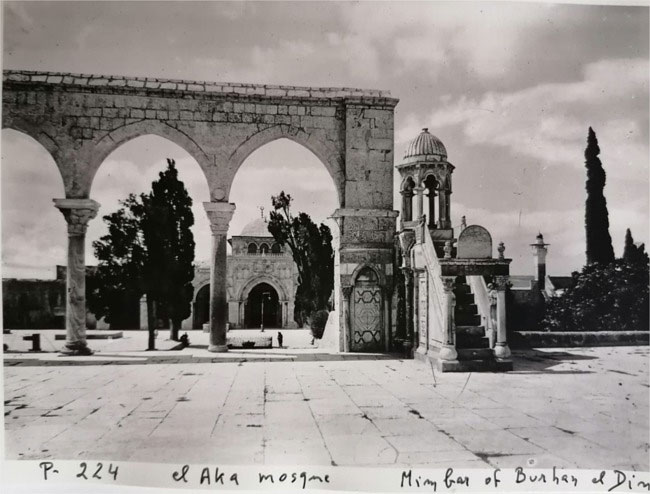
Among the highlights is a rare photo collection by renowned photographers Lehnert and Landrock, who began their work in 1924.

Around 1925, they captured Jerusalem’s most iconic landmarks: the Temple Mount, Dome of the Rock, and Church of the Nativity.

The Temple Mount, in the Old City of Jerusalem, is sacred in both Judaism and Islam. It is believed to be the place where Abraham prepared to sacrifice his son.

For Muslims, it is the third-holiest site after Mecca and Medina, where the Prophet Muhammad is believed to have ascended to heaven.

For Christians, Palestine holds profound significance as it is home to the Church of the Nativity, where Jesus is believed to have been born. It also has the site of his crucifixion and the tomb of the Virgin Mary.

In 691 AD, Caliph Abd Al-Malik built the Dome of the Rock on the Temple Mount. It remains the oldest surviving Islamic monument.

It was constructed at the very site where Muslims believe Prophet Muhammad ascended to heaven.

Through the lens of young Dutchman
  

A rare photo collection of British Mandate-era Palestine, dating back to 1921, was on display at the Netherlands-Flemish Institute in Cairo.

Dubbed The Young Dutchman and His Camera by both Falestin and Haaretz newspapers, the collection of photos by Frank Schotlen (1881-1942) highlights a significant phase of Palestinian history.

It shows the impact of modernity on Palestinian society in the wake of World War I.

Among the most significant changes were the flourishing of cafes that served as cultural hubs, the modernization of school systems, and the growing importance of local newspapers, such as Falastine.

The photos also depict annual celebrations held by Palestinians to honour prophets, including Moses, Rubin, Samuel, and Al-Khedr.

77 faces from Palestinian history
 

In 2017, Palestinian Artist Ahmed Dari curated a photo exhibition at the premises of the United Nations’ headquarters in Geneva to mark the International Day of Solidarity with Palestine.

The photos included portraits taken by well-known 19th-century photographers such as Felix Bonfils, who arrived in Palestine in 1880 and focused on Nazareth and Bethlehem, and French photographer Dumas.

The collection also featured works from Jerome and Jean Tharaud, as well as researcher Sarah Graham-Brown.

source/content: english.ahram.org.eg (headline edited)

_____________

Photos from gaza by Kegham Djeghalian

_______________

PALESTINE

PALESTINE : ‘Palestine 36’ shines light on Arab revolt against British rule

In “Palestine 36,” director Annemarie Jacir recounts a year of Arab revolt against British colonial rule that she says is crucial to understanding current events in the Middle East.

“You can’t understand where we are today without understanding 1936,” Jacir told AFP a day after the film’s world premiere at the Toronto International Film Festival.

The Palestinian filmmaker, who lives in the Israeli city of Haifa, was motivated to make the film, in part, to redress a lack of awareness about the consequences of British policies during the so-called mandate period, before Israel’s creation in 1948.

“I wanted to really point the finger at the British,” she said.

The film features a mostly Arabic-speaking cast, including Hiam Abbass from HBO’s “Succession,” and Jeremy Irons as a British high commissioner unsettled by rising violence and protests against the colonial administration.

With Jewish immigration from Europe increasing and Palestinian villagers concerned about further loss of land, Arab support for armed revolt against the British surges.

The film details the brutal crackdown launched to contain the violence.

Villagers are beaten, people are arrested en masse while soldiers torch homes after searching them for weapons.

They are tactics Jacir said Israel’s army learned from the British and have used since against Palestinians living under occupation.

But Jacir — who was born in Bethlehem in the Israeli-occupied West Bank — told AFP a key goal of the film was to shine a spotlight on the British colonial practice of divide and rule, which was used across the empire.

The narrative in “Palestine 36” builds toward the publication of the Peel Commission’s report, a British inquiry into the causes of Arab and Jewish unrest in Palestine.

The commission recommended Palestine be partitioned — with separate areas for Jews and Arabs — a finding that influenced the United Nations-backed partition plan that coincided with Israel’s creation.

“It was a British policy: first, we’ll bring (Arabs and Jews) together,” Jacir said.

Then “we separate… It was a tactic of control,” she added.

Jacir said the reception for the film at Friday’s world premiere was overwhelming.

“Yesterday was crazy,” she told AFP, an outpouring of support likely tied to widespread outrage over the conflict in Gaza.

She voiced hope that the film could foster broader awareness about the lasting impacts of the British mandate period in Palestine.

“I’m shocked how many people have told me when I tell them about the film, they were like, ‘the British were in Palestine?'”

British rule, she said, was “decisive.”

source/content: english.ahram.org.eg (headline edited)

_____________

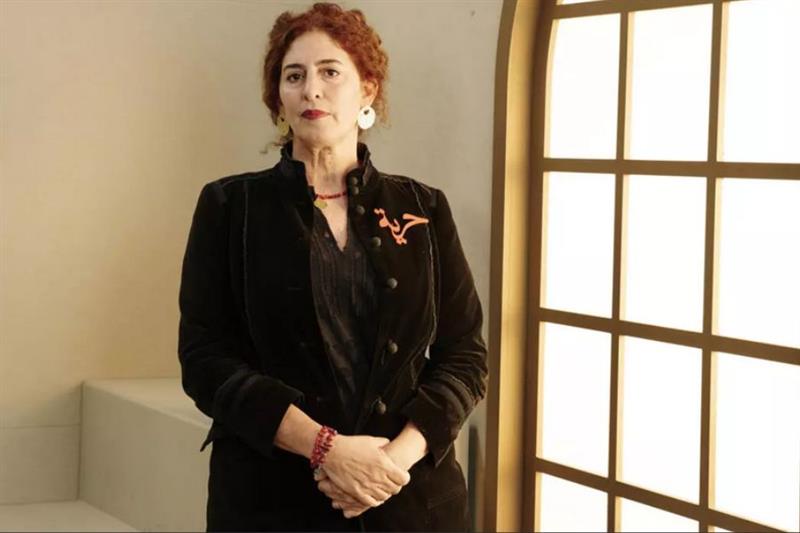
Annemarie Jacir, director of “Palestine 36” at The Toronto International Film Festival (Photo: AFP)

______________

PALESTINE