Arabs & Arabian Records Aggregator. Chronicler. Milestones of the 25 Countries of the Arabic Speaking World (official / co-official). AGCC. MENA. Global. Ist's to Top 10's. Records. Read & Enjoy./ www.arabianrecords.org
The purchase includes the 1,461-room Novotel Thakher Makkah and 14 adjoining development plots.
This deal is facilitated by the recent Law of Real Estate Ownership by Non-Saudis, effective January.
The acquisition supports Saudi Arabia’s goal of hosting 30 million Umrah pilgrims annually by 2030.
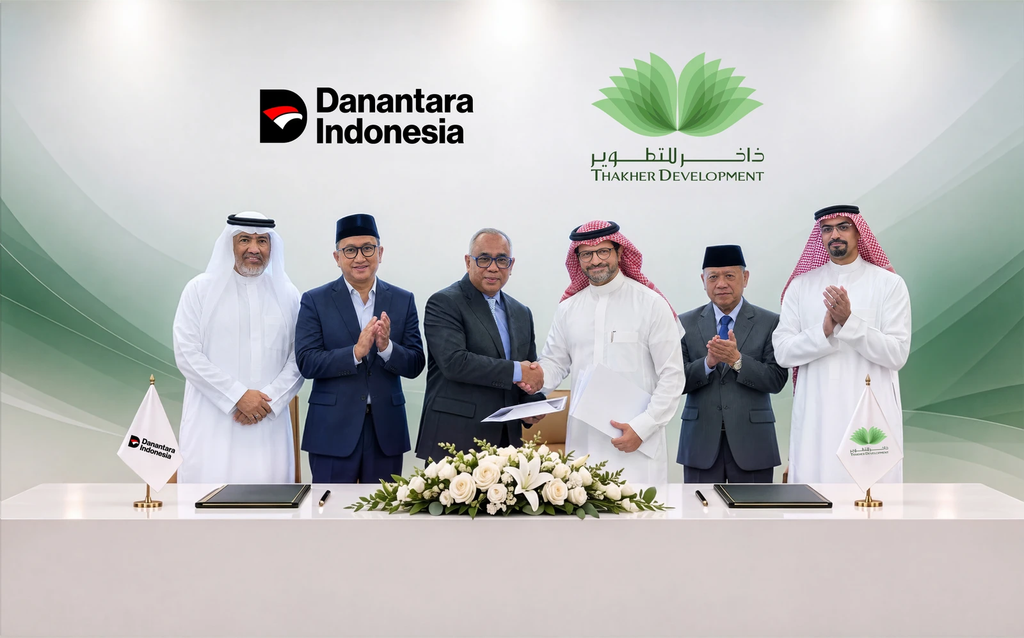
Indonesia has become the first foreign country to own property in Thakher Makkah, after the state’s wealth fund Danantara received ownership certificates for a SR2 billion ($531.4 million) acquisition.
According to a press release, Thakher Development, the master developer of Thakher Makkah, handed over the paperwork, completing the purchase of the 1,461-room Novotel Thakher Makkah and 14 adjoining development plots.
The sale follows the introduction of the Law of Real Estate Ownership by Non-Saudis, which took effect in January, and also supports the Kingdom’s goal of hosting 30 million Umrah pilgrims annually by 2030, up from 8.5 million in 2019.
“This is a historic moment for Thakher Makkah. Welcoming the first foreign state to own property in our destination reflects international confidence in Thakher Makkah,” said Faisal Shaker, CEO of Thakher Development.
“As Thakher Development, we design investment opportunities for partnerships of this scale, and we are proud to have taken this transaction from signature to title in ten months,” he added.
Ending seasonal rentals
For Indonesia, the deal marks a shift from relying on seasonal accommodation to securing dedicated lodging for its pilgrims.
The country has the world’s largest Hajj quota, with 203,320 regular places in 2026, while about 1.5 million Indonesians perform Umrah each year. The hotel will accommodate around 4,400 pilgrims during each Hajj season.
Danantara CEO Rosan Roeslani called the deal “a concrete step in building a long-term hospitality investment platform” in the Kingdom, adding: “More broadly, this marks the beginning of an extended economic partnership between Indonesia and the Kingdom of Saudi Arabia, and we will continue to deepen our bilateral cooperation by exploring opportunities in Madinah and across other sectors that create shared value for both nations.”
Next steps
Accor will keep operating the hotel, which has three 19-storey towers. Danantara plans to develop the 14 plots, totalling 44,088 sq. metres, into hotels with about 6,000 additional rooms and a mall with more than 90 retail outlets, an investment of more than SR2 billion.
Thakher Makkah spans 320,000 sq. metres, 1.2 km north of the Grand Mosque.
source/content: arabnews.com (headline edited)
_______________
The purchase of the 1,461-room Novotel Thakher Makkah and 14 adjoining development plots has been completed. (Supplied)
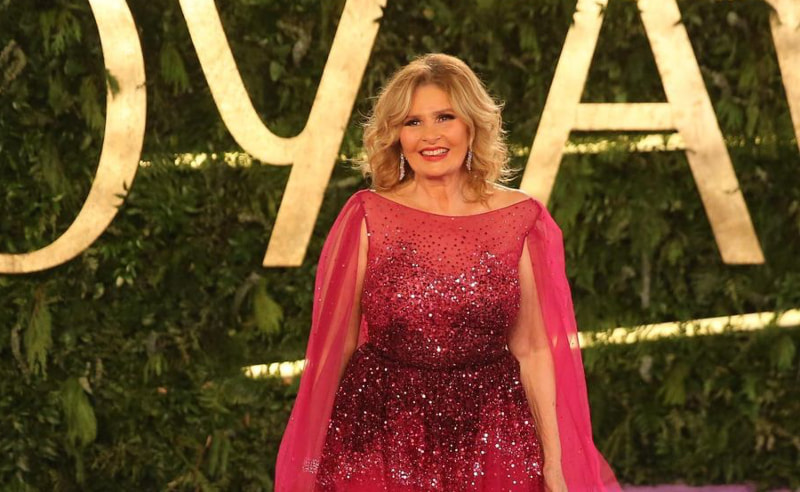
Yousra to Receive Lifetime Achievement Award at Bahrain Film Festival.
Egyptian actress Yousra will receive the Lifetime Achievement Award in Arab cinema at the sixth Bahrain Film Festival, taking place from November 5th to 10th, 2026. The festival is organised by the Bahrain Cinema Club.
The award recognises Yousra’s decades-long career and contribution to Egyptian and Arab cinema, spanning a wide range of roles and films that have addressed social and human themes. Her work has reached several generations of audiences and filmmakers across the region.
The festival will also honour Syrian actor Ghassan Massoud with an award for outstanding Arab contribution to world cinema. Bahraini filmmaker and cultural figure Nader Al Musqati will receive an award recognising his role in advancing cinema culture in Bahrain, including his involvement in founding the Bahrain Cinema Club in 1980.
Authorities say the project could help preserve national memory and support efforts to establish France’s responsibility for colonial-era environmental damage.
Algeria has launched a preliminary national digital map to document sites damaged by French forces during the country’s colonisation, in a move officials say is intended to preserve national memory and help establish international responsibility.
The platform was unveiled on 7 July during the first session of the Joint Ministerial Committee on Environmental Memory, under the supervision of Algeria’s Ministry of Environment, coinciding with the 64th anniversary of independence from France, which colonised Algeria from 1830 to 1847.
The map is expected to catalogue sites bombed with napalm, areas exposed to banned toxic gases, and places affected by nuclear radiation, drawing on scientific studies and historical testimony.
Environment Minister Kawther Krikou said the platform would be updated gradually as field studies and investigations identify new sites.
Mohamed Lahcen Zeghidi, coordinator of the Algerian Committee for History and Memory, said the project was an important step in documenting the environmental legacy of colonial crimes and their impact on human and animal health, vegetation and ecosystems across Algeria.
Hussein Abdel Sattar, director of the National Centre for Studies and Research on Popular Resistance, said re-examining colonial crimes that affected ecosystems was necessary to understand the scale and duration of the damage and to build a scientific approach that links memory, environmental protection and environmental justice.
He cited nuclear explosions, chemical weapons, napalm attacks, mine-laying and resource extraction as among the crimes and practices under review.
Why it matters
France’s colonial rule in Algeria left environmental damage that Algerian officials now describe as environmental crimes, including scorched-earth tactics and contamination linked to military activity.
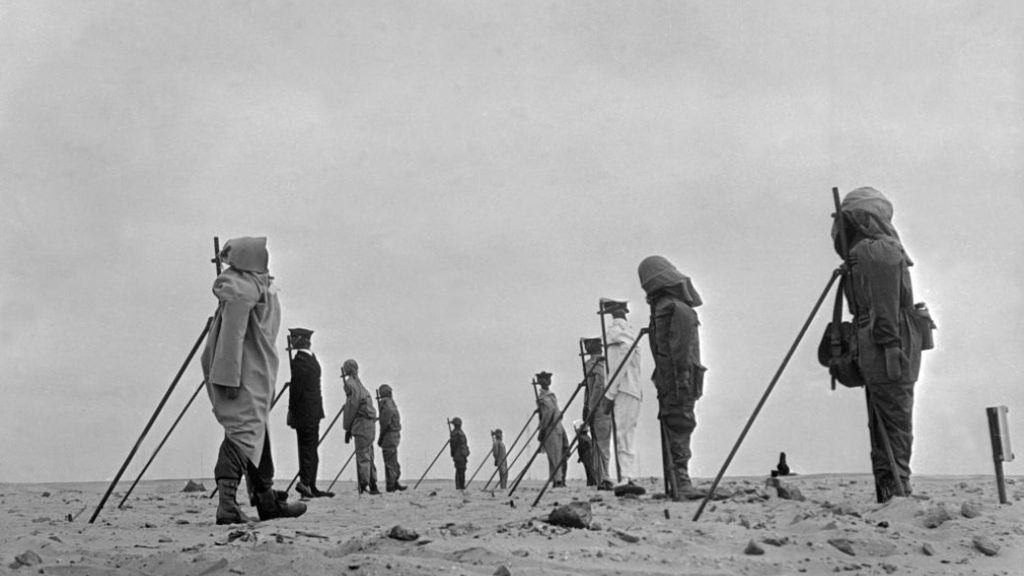
The most significant case is France’s nuclear testing in the Algerian Sahara — the health and environmental effects of which remain a live issue in Algeria’s memory and reparations campaign.
International humanitarian law protects the environment during armed conflict, while the Rome Statute prohibits attacks carried out with knowledge that they will cause widespread, long-term and severe environmental damage, though that standard is difficult to meet and rarely applied.
However, legal experts note that the chronology is crucial — many of the worst abuses predate modern treaty rules and the International Criminal Court, making war-crimes language more useful as a moral and analytical framing than as a straightforward basis for prosecution.
source/content: newarab.com (headline edited)
_____________
A group of dummies set up on the French nuclear weapons testing range near Reggane, Algeria, before France’ss third atomic bomb test, 27th December 1960 [GETTY]
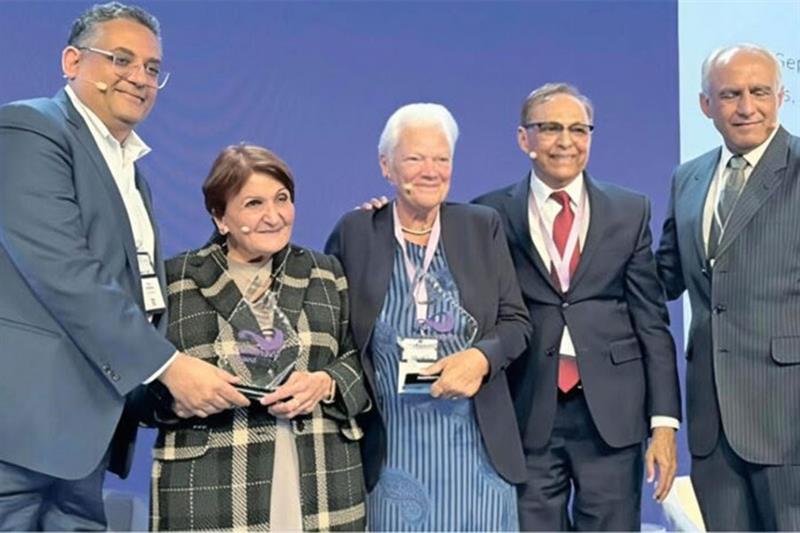
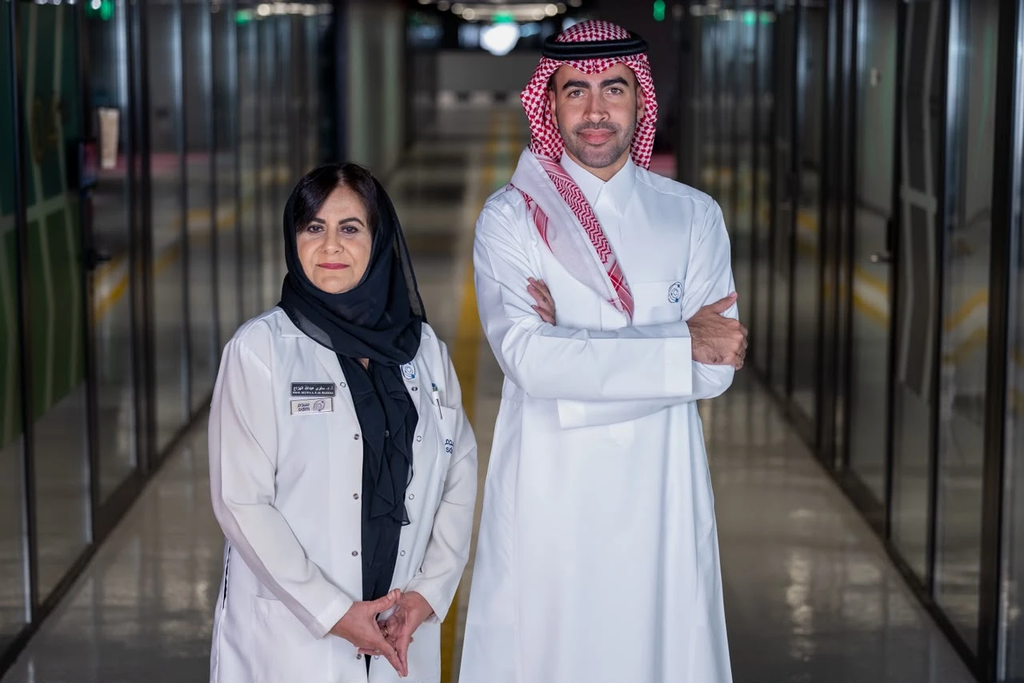
Egyptian paediatric haematologist Amal El-Beshlawy has won an international lifetime achievement award for her nearly 27 years of work in diagnosing and treating Gaucher disease.
El-Beshlawy, a professor of paediatric haematology at Cairo University’s Faculty of Medicine and Qasr Al-Ainy hospitals, received the award at an international rare diseases conference held recently in Paris. It recognizes her clinical research, medical leadership, and efforts to improve care for children living with the rare inherited condition.
The award, presented by pharmaceutical company Sanofi, recognizes doctors and scientists whose work has significantly advanced the understanding, diagnosis, and clinical management of rare diseases.
El-Beshlawy’s research and clinical leadership have contributed to a better understanding of type 3 Gaucher disease. Her participation in international disease registries and her work on medical care guidelines have also helped improve the management of affected children.
Her work has focused on promoting early diagnosis, improving access to treatment and raising doctors’ awareness of how to recognize and manage the disease. These efforts have helped support more consistent care for patients in Egypt and the wider region.
Cairo University welcomed the award, describing it as recognition of the scientific standing of its researchers and the contribution of Qasr Al-Ainy’s medical professionals to healthcare beyond Egypt.
Hossam Salah, dean of the Faculty of Medicine and chairman of the university hospitals’ board, congratulated El-Beshlawy, saying her achievement reflected the ability of Egyptian medical professionals to compete at leading international scientific and medical forums.
Beyond research and clinical practice, El-Beshlawy has contributed to international collaboration, medical education, and the training of a new generation of specialists in rare diseases.
Gaucher disease is a rare inherited disorder caused by a deficiency of an enzyme needed to break down certain fatty substances inside cells. As these substances accumulate, they can damage organs and other tissues.
The disease can cause enlargement of the liver and spleen, bone pain and other skeletal complications. Symptoms and severity vary depending on the type of disease and the individual patient.
As its symptoms can resemble those of other conditions, recognizing Gaucher disease and establishing an accurate diagnosis are important for ensuring appropriate treatment and ongoing medical monitoring.
The award ceremony also honoured Italian professor Maria Domenica Cappellini for her scientific and research contributions to Gaucher disease, beta thalassaemia, and related haemoglobin disorders.
El-Beshlawy’s achievement highlights the role of Egyptian specialists in advancing care for rare diseases, where sustained clinical expertise, research, and international cooperation can help improve patients’ quality of life.
SDM is developing AI-powered tools for early detection of chronic diseases, focusing on challenges faced by diabetic patients in specialized eye care.
The startup’s technology, SAARIA, provides diagnostic results for eye tests within minutes without needing a physician on-site.
SDM plans to use the prize money to expand operations and explore further applications in the healthcare sector.
Saudi owned startup SDM has been named runner up at the London Business School MENA Startup Competition 2026, scooping $15,000 in prize money.
The firm is developing AI-powered tools for the early detection of chronic diseases, after witnessing growing challenges diabetic patients face in specialized eye care, particularly in rural and underserved communities.
SAARIA, the new AI tech developed by SDM, delivers diagnostic results for eye tests within minutes without requiring a physician to be physically present at the examination site.
SDM plans to use the winnings to expand its operations and explore other areas in the healthcare sector which could benefit from its tech.
The firm’s CEO Naif Al-Obaidallah said: “Being named among the top three at the LBS MENA Startup Competition is a proud moment for our team at SDM.
“Pitching alongside so many talented founders from across the region was an inspiring experience.
“We are grateful to London Business School for this opportunity, as well as for the mentorship and support we received throughout the competition.
“This recognition motivates us to continue developing solutions that address healthcare challenges in Saudi Arabia and beyond.”
Selwa Al-Hazzaa, founder and chairman of SDM, told Arab News her experience as an ophthalmologist in the field allowed her to understand the issues within the diagnosis process.
“One of the biggest gaps in Saudi Arabia’s healthcare system is not the lack of medical expertise, but the difficulty of delivering it to every patient at the right time and in the right place,” she said.
Beyond diabetic eye disease, SDM is also developing AI applications designed to identify early risk indicators associated with conditions including hypertension, stroke and Alzheimer’s disease, with the aim of supporting earlier intervention.
UAE-based environmental technology startup Persium took first place in the competition, while Frank AI, which developed an Agent Operating System for independent real-estate professionals across the GCC, secured third place.
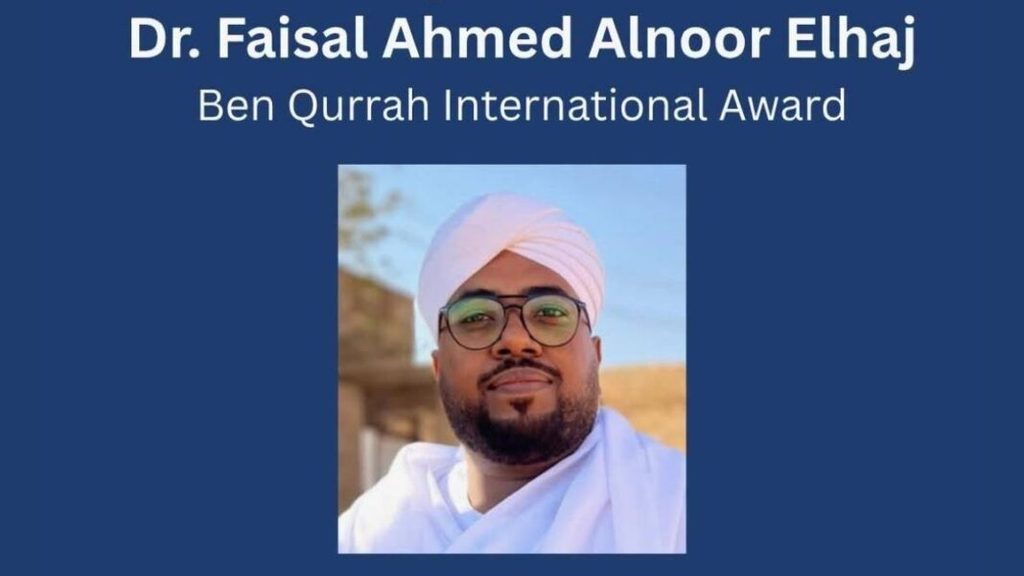
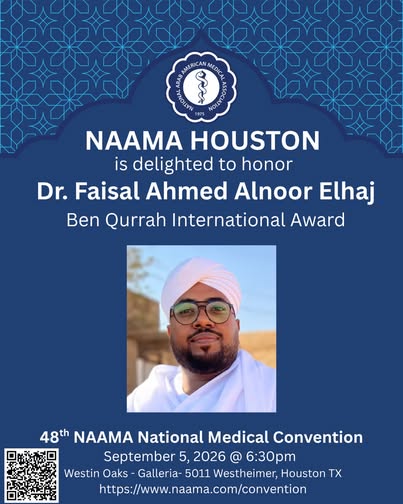
Dr Faisal Ahmed Alnoor Elhaj, Sudan Country Director of the Sudanese American Physicians Association (SAPA), has received the 2026 Ben Qurrah International Award from the National Arab American Medical Association (NAAMA) in recognition of his humanitarian work in Sudan.
He received the award on 5 September 2026 at the 48th NAAMA National Medical Covention in Houston, Texas.
In addition to serving as SAPA’s Sudan Country Director, Alnoor also serves as the Acting Director of Maternal and Child Health at the Federal Ministry of Health in Sudan and leads health initiatives in emergency settings.
“As Acting Director of Maternal and Child Health at the Federal Ministry of Health in Sudan, Dr. Elhaj works on the frontlines of global public health. A dedicated PharmD professional, he leads essential healthcare initiatives, strengthening maternal, child, and adolescent health delivery across critical humanitarian and emergency settings. From coordinating international healthcare collaborations to advancing health equity in vulnerable communities, Dr. Elhaj’s selfless service exemplifies the highest ideals of medicine and global health diplomacy,” NAAMA stated.
“With great pride, the Sudanese American Physicians Association (SAPA) extends its warmest congratulations to its Sudan Country Director, Dr Faisal Ahmed Al Nour, on being selected to receive the 2026 Ben Qurrah International Award, presented by the National Arab American Medical Association (NAAMA) during its annual conference in Houston, the US. The prestigious international honour is a source of immense pride for the entire SAPA family and a fitting recognition of Dr Faisal’s tireless efforts and distinguished record of service, particularly his commitment to serving people and alleviating the suffering of communities in the most challenging circumstances. Congratulations, Dr Faisal. A well-deserved honour and a source of pride for us all,” SAPA stated on social media.
SAPA is a nonprofit humanitarian organisation comprising Sudanese healthcare professionals in the United States and worldwide. It works to deliver emergency and essential humanitarian assistance in Sudan, particularly healthcare services, to communities affected by the ongoing war in Sudan.
The Ben Qurrah International Award honours physicians and scientists who show great leadership, clinical excellence, and dedication to public health or vulnerable communities. The Ben Qurrah Award is the highest honour presented by NAAMA to recognise exceptional and distinguished achievements in medicine, science and humanitarian service to communities. It was established in 1998, after an initiative by the then chapter president Dr Imtihan Jawdat, was approved by the board of directors. Dr Jawdat secured the first USD50,000 for the award.
The award is named after prominent Arab scientist, physician and scholar Thabit Ibn Qurrah Marwan Al Harrani (826–901 CE), one of the leading figures of the Abbasid era in translation, medicine, mathematics and astronomy. From Harran, Mesopotamia, he was born in 826, flourished in Baghdad, and died in 901. He received mathematical and medical training in Baghdad and was the personal physician of the Abbasid Caliph (King) al-M’utadid.
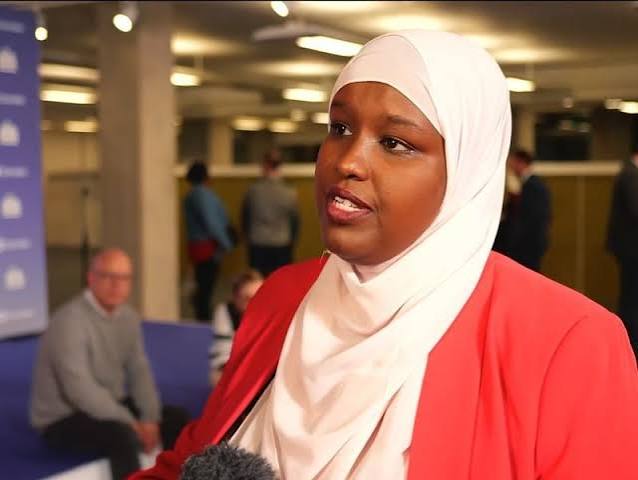
Sagal Abdi-Wali, a Somali-born refugee who arrived in Britain as a child, won the Holborn and St Pancras by-election on Friday, retaining the parliamentary seat vacated by former Prime Minister Keir Starmer for the Labour Party.
Abdi-Wali secured 12,292 votes, or 45.17 percent of the ballots cast, defeating Green Party leader Zack Polanski, who received 8,928 votes, or 32.82 percent. The margin of victory was 3,364 votes. Turnout stood at 38.76 percent, lower than the 2024 general election.
Top Three Candidates
Candidate
Party
Votes
Share
Sagal Abdi-Wali
Labour
12,292
45.17%
Zack Polanski
Green
8,928
32.82%
Ewan Cameron
Conservative
1,922
7.06%
A Personal Journey from Refugee to Parliament
Abdi-Wali was born in Somalia and came to Britain in the early 1990s as a child refugee fleeing the civil war. She settled in Camden, north London, where she has lived for more than three decades.
In May 2026, she became the first Black woman to lead Camden Council, one of London’s most diverse boroughs. Before that, she served as Cabinet Member for Better Homes and helped lead Camden’s work toward achieving Borough of Sanctuary accreditation in 2024.
Speaking after her victory, Abdi-Wali said: “I hope this moment also says something about who gets to belong. For people who look like me, I hope they see themselves reflected in this place and know that their path too belongs here. This is Camden, and this is Britain.”
Her campaign focused on homelessness, opportunities for young people, and nationalising Thames Water. She told the BBC that voters were “looking for hope” and that her message resonated because people want to believe politics can improve their lives.
A Safe Labour Seat Faces Its Strongest Challenge
Labour has held Holborn and St Pancras continuously since the constituency was created in 1983. When Keir Starmer won the seat in 2024, he secured 49 percent of the vote. In this by-election, Labour’s share fell by four percentage points, while the Green Party tripled its vote share from 10 percent in 2024 to nearly 33 percent.
The result was seen as a test for Prime Minister Andy Burnham’s leadership of the Labour Party, particularly its ability to retain support among left-wing voters amid growing competition from the Greens.
The by-election was triggered by Starmer’s resignation from Parliament in September 2026, after he stepped down as prime minister in July following a series of political setbacks and the party’s poor showing in May’s local elections.
Significance for the Somali Diaspora
Abdi-Wali’s election is a milestone for Somali representation in Western politics. She becomes one of a small but growing number of Somali-born politicians elected to national legislatures in Europe and North America.
Her victory also drew attention to the Somali diaspora’s engagement with British politics. During the campaign, Reform UK’s home affairs spokesperson Zia Yusuf posted on social media questioning her Somali origin. Abdi-Wali responded that she was “less upset, more just a bit sad than disappointed” by such rhetoric, adding that “hope is not naive.”
In her victory speech, she said: “We cannot allow that work, built over generations, to be casually undone by those who seek to divide us. Winning not by making people afraid of each other, but by bringing people together.”
Her election comes amid a broader UK-Somalia relationship that spans security, development, and humanitarian cooperation. The UK has maintained a defence partnership with Somalia focused on military training, capacity building, and counterterrorism, as detailed in FTL Somalia’s coverage of UK-Somali defence talks. The British Embassy in Mogadishu, led by Ambassador Charles Nicholas King, has continued to engage with Somali leadership on security sector reform and support for the African Union Stabilization Mission in Somalia (AUSSOM).
Beyond security, the UK has been a significant partner in Somalia’s development and humanitarian sectors. The UK Minister for Africa, Baroness Jennifer Chapman, announced £6 million in humanitarian funding during a February 2026 visit to Mogadishu, targeting drought-affected communities [citation:9]. The UK has also supported education and health initiatives, including the Better Lives for Somali Women and Children programme, a £38 million partnership aimed at improving maternal and child health across six regions of Somalia.
Critical Note
Sagal Abdi-Wali’s election to the UK Parliament is a personal achievement and a notable moment for Somali representation abroad. Her path from child refugee to council leader to member of Parliament reflects the integration that the Somali diaspora has achieved in Britain over three decades, even as debates over immigration and belonging remain politically charged.
However, the result also reveals a shifting political landscape. Labour’s vote share fell by four points, and the Green Party’s surge from 10 percent to nearly 33 percent signals that the left-wing vote in Britain is fragmenting. Abdi-Wali won comfortably, but the trendline suggests that Labour’s hold on urban, progressive constituencies is loosening.
For the Somali diaspora, her election is symbolically significant, but representation in one constituency does not translate into policy influence on Somalia or on issues affecting Somali communities in Britain. The practical impact of her tenure will depend on her committee assignments, her willingness to advocate for diaspora concerns, and her ability to navigate a Parliament where the Labour Party faces internal divisions and external challenges. Her victory is a beginning, not a conclusion.
Egyptian producer and screenwriter Mohamed Hefzy will receive the inaugural AFMI Luminary Award for Cultural Impact at the 30th edition of the San Francisco Arab Film Festival, where he will serve as guest of honor.
Hefzy will be recognized at a special ceremony ahead of the festival’s opening-night screening. The award celebrates his contributions to Arab cinema and his efforts to bring regional stories to international audiences.
“I am honored to be the first recipient of the Luminary Award for Cultural Impact from the San Francisco Arab Film Festival,” Hefzy said. “This award means a great deal to me at a time when we need as many Arab voices as possible to share our narratives on global platforms.”
With more than 60 feature films to his name, Hefzy’s credits include “Clash” (2016), “Sheikh Jackson” (2017) and “Voy! Voy! Voy!” (2023). His latest project, “The Stories,” is Egypt’s official submission to the 99th Academy Awards.
He founded Film Clinic in 2005, establishing one of the Middle East and North Africa’s leading production houses, with films screening at major international festivals including Cannes, Venice and Berlin.
Hefzy previously served as president of the Cairo International Film Festival for four editions and has sat on juries at events including Sundance and Venice. He is also a member of the Academy of Motion Picture Arts and Sciences.
The San Francisco Arab Film Festival runs from Nov. 5-14
Abu Hamda also received the Public’s Choice award for his reportage titled ‘What the war leaves behind it’
Palestinian journalist Anas Baba of NPR won the radio award for his report on the recovery of victims’ bodies in Gaza
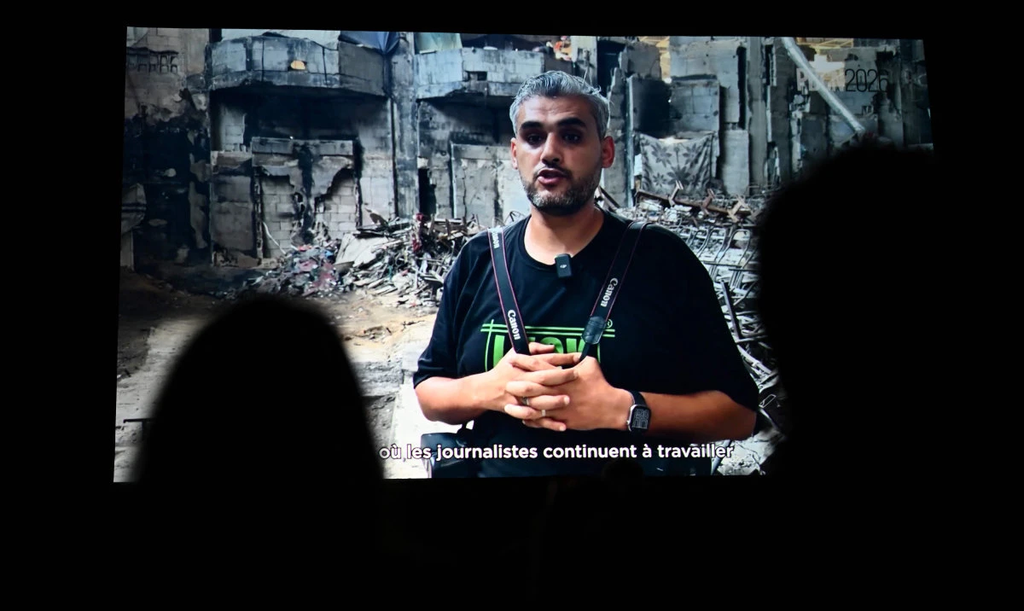
Palestinian freelancer Mahmoud Abu Hamda on Saturday won the photography category in the prestigious Bayeux award for war correspondents for his work from Gaza.
As well as the top prize, Hamda, based in the Gaza Strip, also won the Public’s Choice award for his reportage “What the war leaves behind it.”
He was not at the ceremony in Bayeux, northwest France, but sent a video message to the event.
The Washington Post, NPR (National Public Radio, US) and CNN won the top prizes in the print, radio and television categories for reports from Ukraine, Gaza and the West Bank respectively.
The Washington Post team was honored for telling the story of a Ukrainian soldier trapped in a combat zone for 177 days.
Palestinian journalist Anas Baba of NPR won the radio award for a report on the recovery of victims’ bodies in Gaza.
CNN journalists won both the television prize and video image award for their report on Israeli soldiers serving settlers in the West Bank.
Associated Press photographer Jehad Alshrafi took the Young Reporter photography prize for his series “Endless War and Devastation in Gaza.”
One of Alshrafi’s photos, showing footballers playing on a pitch surrounded by rubble in Gaza, sparked controversy in France in August.
It was removed from a sports photography festival in the northern French town of Deauville before a court ordered it reinstated.
Veteran BBC correspondent Lyse Doucet was the president of the Bayeux awards jury.
source/content: arabnews.com (headline edited)
___________
Palestinian photographer Mahmoud Abu Hamda delivers a pre-recorded speech displayed on a screen after receiving the international jury’s photo prize and the Prix Nikon in Bayeux, northwestern France, on October 10, 2026. (AFP)
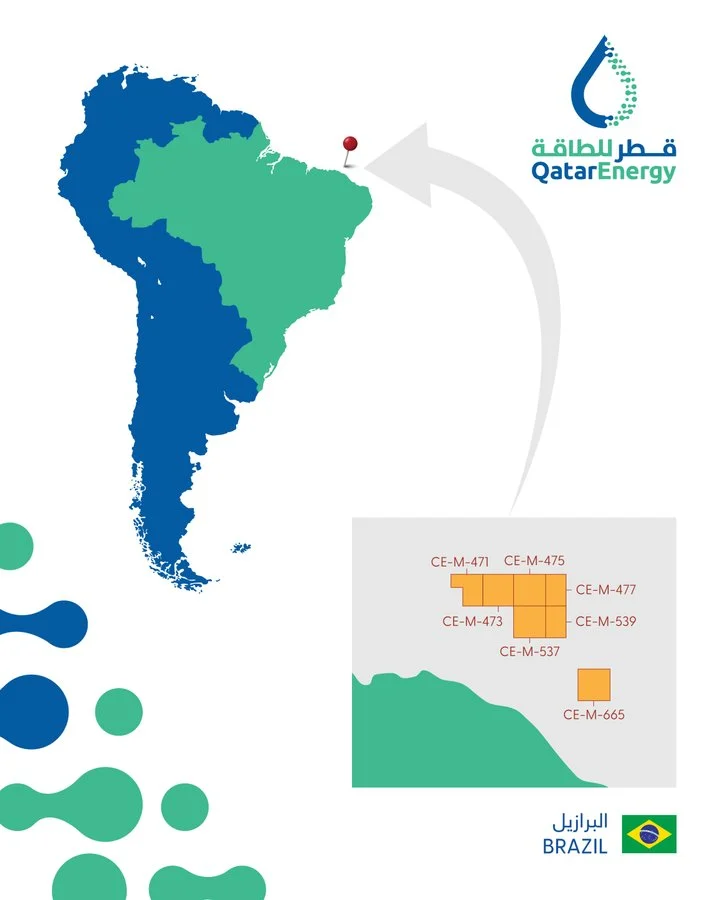
The seven exploration blocks are located in Brazil’s Ceará Basin, with QatarEnergy holding a 30% participating interest alongside operator Petrobras.
QatarEnergy, in a consortium with Brazil’s Petrobras, has won seven exploration blocks in the sixth Concession Open Acreage Bid Round organised by Brazil’s National Agency of Petroleum, Natural Gas and Biofuels (ANP).
In a statement on Thursday, QatarEnergy said the awarded blocks are located in the Ceará Basin, along Brazil’s northeastern Equatorial Margin.
QatarEnergy will hold a 30% participating interest, while Petrobras, the operator, will hold 70%.
Qatar’s Minister of State for Energy Affairs and QatarEnergy President and CEO Saad Sherida Al Kaabi said the successful bids would add prospective acreage to the company’s upstream portfolio in Brazil.
“I would like to thank our valued partner Petrobras, with whom we worked closely on this partnership, as well as ANP and the Brazilian authorities for their valuable support. We look forward to further strengthening our partnership, and to work with all stakeholders for a successful exploration,” Al Kaabi said.
The awarded exploration blocks (CE-M-471, CE-M-473, CE-M-475, CE-M-477, CE-M-537, CE-M-539 and CE-M-665) are located in the Ceará Basin, along the northeastern Equatorial Margin of Brazil.
The blocks cover a combined area of approximately 4,700 square kilometres and are located in water depths of about 2,000 to 3,600 metres off the Ceará Basin.
QatarEnergy will hold a 30% participating interest, alongside operator Petrobras, which will hold 70%
QatarEnergy said the concession contracts would further strengthen and expand its upstream position in Brazil and are expected to be signed in the first half of 2027.
The latest awards build on QatarEnergy’s existing presence in Brazil.
The company holds a 21% interest in the Sépia field, alongside Petrobras, TotalEnergies and Petronas, according to Brazil’s state oil company Petrobras in a statement published on February 6, 2026.
In May 2024, QatarEnergy announced that the consortium partners in the Sépia joint venture had taken the final investment decision for the second development phase of the Sépia field, offshore Brazil.
The second development phase includes an FPSO with a crude oil production capacity of 225,000 barrels per day and a gas processing capacity of 10 million cubic metres per day.