Arabs & Arabian Records Aggregator. Chronicler. Milestones of the 25 Countries of the Arabic Speaking World (official / co-official). AGCC. MENA. Global. Ist's to Top 10's. Records. Read & Enjoy./ www.arabianrecords.org
$2.3 billion rail deal to cut transport costs and boost phosphate, potash exports.
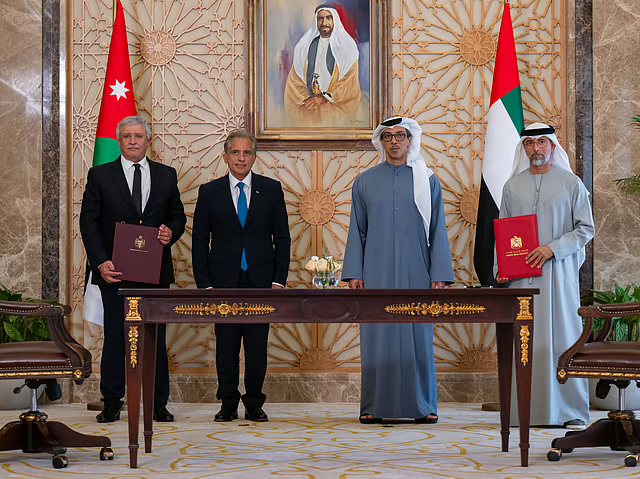
The UAE and Jordan have signed a $2.3 billion agreement to build a 360-kilometre railway linking Jordan’s mining hubs to the Port of Aqaba, targeting annual transport capacity of 16 million tonnes of phosphate and potash.
The agreement, witnessed by Sheikh Mansour bin Zayed Al Nahyan and Jordan’s Prime Minister Dr. Jafar Hassan, includes the establishment of the UAE–Jordan Railway Company to oversee construction, operations and maintenance of the network.
The joint venture brings together Abu Dhabi’s L’IMAD Holding and Jordanian stakeholders, with Etihad Rail leading implementation through its role as the UAE’s national railway developer and operator.
Focus on trade flows and costs
The railway will connect Al-Shidiya and Ghor Al-Safi to Aqaba, reducing transport time and logistics costs for key export commodities that form a central part of Jordan’s economy.
Suhail bin Mohamed Al Mazrouei, Minister of Energy and Infrastructure, said the project supports a broader transport partnership aimed at strengthening Jordan’s role in global trade flows and improving connectivity through Aqaba.
Dr. Nidal Al-Qatamin, Jordan’s Minister of Transport, said, “Our longstanding fraternal ties with the UAE are today translating into a tangible reality that serves Jordan’s future. This railway network will mark a qualitative leap in Jordan’s mining sector by significantly reducing transport costs for phosphate and potash, enhancing our global competitiveness, and creating thousands of jobs for Jordanians.”
Investment builds on earlier agreement
The project extends a $5.5 billion investment framework agreed in 2023, reflecting continued economic cooperation between the two countries and a focus on infrastructure-led development.
“This agreement reflects our firm belief that investment in transport infrastructure is the cornerstone of any genuine economic transformation,” said Jassem Mohamed Bu Ataba Al Zaabi, Chairman of the Abu Dhabi Department of Finance and Group CEO of L’IMAD Holding. “In the UAE, we believe that regional prosperity is a shared responsibility, and this project is a clear expression of our commitment to supporting our partners in building a more connected and competitive future regionally and globally.”
Regional integration push
The railway is expected to improve export efficiency, support job creation and strengthen Jordan’s position in global supply chains, while advancing the UAE’s strategy of backing infrastructure projects across the region.
Sheikh Mansour bin Zayed said the agreement reflects strong bilateral ties and a shared focus on economic development and integration, adding that such projects support sustainable growth and regional stability.
The development places transport infrastructure at the centre of economic cooperation between the UAE and Jordan, with execution now moving towards delivery of a network designed to support long-term trade and industrial activity.
source/content: gulfnews.com (headline edited)
___________________________
Sheikh Mansour bin Zayed Al Nahyan, Vice President, Deputy Prime Minister, and Chairman of the Presidential Court, and Dr. Jafar Hassan, Prime Minister of the Hashemite Kingdom of Jordan, today witnessed the signing of an agreement between the UAE and Jordan to develop a railway network in Jordan and establish the UAE–Jordan Railway Company. WAM
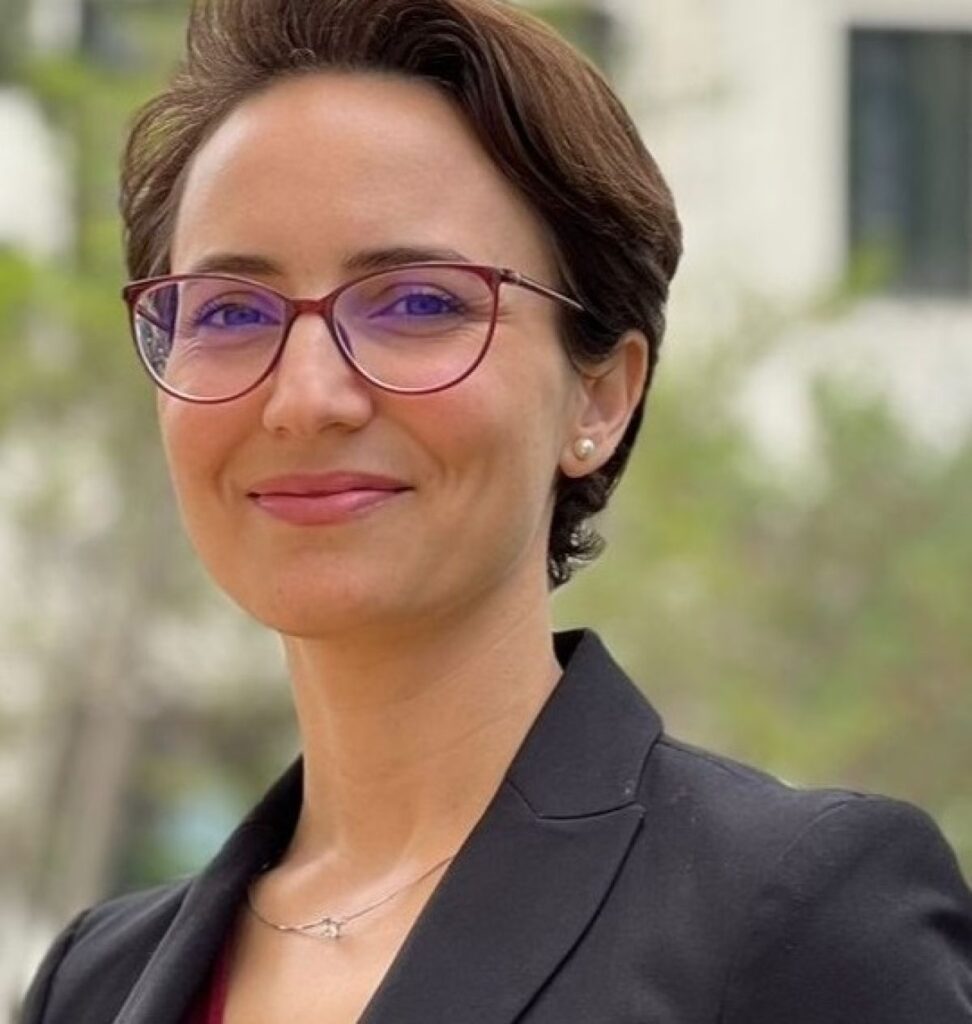
Tunisian researcher Emna Harigua has been honoured with Tunisia’s 2025 Best Female Scientific Achievement Prize for her innovative drug discovery work powered by artificial intelligence (AI).
In recognition of women’s essential contributions to science and innovation, Harigua, who holds a doctorate in biomathematics, bioinformatics and computational biology, was awarded the prestigious prize by Tunisia’s Ministry of Family, Women, Children and Seniors as part of the celebrations for the country’s National Women’s Day, observed on August 13. Her achievements include leading research in AI-powered drug discovery through a national node in the Global South AI for Pandemic and Epidemic Preparedness and Response Network, a global initiative supported by IDRC and the United Kingdom’s Foreign, Commonwealth and Development Office.
Harigua, a scientist at the Institut Pasteur de Tunis, Tunisia, and principal investigator of the BIND project (Bioinformatics and Artificial Intelligence for Infectious Diseases), is leading an AI-powered platform that accelerates research against some of the world’s most persistent infectious agents that pose health risks.
Her research targets neglected tropical diseases such as leishmaniasis and malaria, combining bioinformatics, AI and experimental validation to shorten the drug discovery timeline and reduce costs. The BIND project has already identified nine novel anti-Leishmania drug candidates, with three now in pre-clinical validation. In addition, the team launched CidalsDB, an open-access AI platform for drug identification, marking a step forward in global efforts toward open science and collaborative health research.
“This award is not just a personal milestone — it’s a recognition of the potential of African-led science to tackle global health challenges,” said Harigua.
Beyond her lab, Harigua is a strong advocate for building Africa’s capacity in computer-aided drug discovery and ensuring that cutting-edge technologies serve the health needs of African communities. Her work — presented recently at the International Science Council during a workshop held in Nairobi, Kenya, on the impact of emerging technologies on science systems — underscores a vision where innovation, collaboration and inclusion drive the future of medical research.
source/content: idrc-crdi.ca (headline edited)
____________
Fourat Thamine, Institut Pasteur Tunisia. / Tunisian scientist Emna Harigua receives national recognition for her AI-powered drug discovery platform.
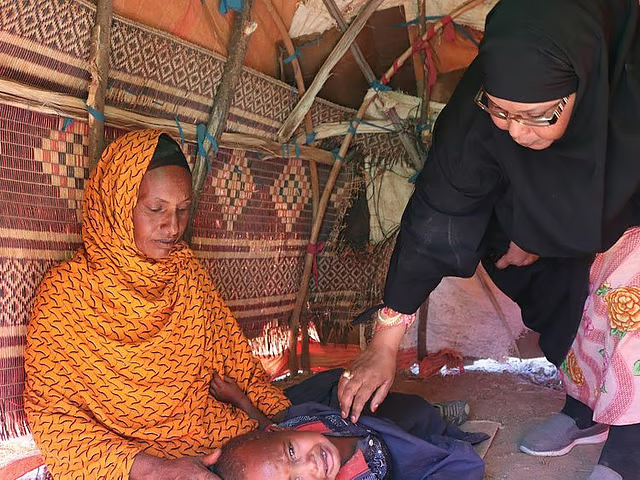
Emirates Red Crescent has saved thousands of lives in Somalia, reeling from the aftermath of a devastating famine that killed about 260,000 people between 2010-2012. Half of the victims were children under the age of five.
The humanitarian crisis was named the worst in 25 years, according to a 2013 report by the United Nations and the US-funded Famine Early Warning Systems Network.
Moved by the plight of people, Somali national Zahra Hassan Farah decided to take things in her hands. Farah is a nominee in Arab Hope Makers 2020, which will conclude on February 20 in Dubai. Arab Hope Makers is an annual award ceremony launched in 2017 to honour people who start humanitarian projects that improve their communities. In the previous round, over 87,000 entries were recorded; five finalists took home Dh1 million in each round to support their humanitarian projects.
She provided food, water and clothes to children left orphaned by the famine. But it was not enough to secure their future.
Farah wanted to empower these young victims but for that she needed a centre where the children could educate themselves and learn skills which could shape their future.
So she began contacting charity foundations, non-profit organisations and independent donors for support to purchase a land for the proposed centre. With direct support from the Emirates Red Crescent, the ‘Khadija Foundation,’ a Somaliland-based NGO, she was able to acquire 100 hectares of land.
Besides providing a home that nurtures and educates orphans, the foundation continued to provide humanitarian support and emergency and disaster relief for disadvantaged communities in Somalia in collaboration with Khalifa bin Zayed Al Nahyan Foundation, Emirates Red Crescent and Africa Educational Trust.
It also builds schools across the country, provides healthcare services and training to empower women, youth and people of determination.
Until today, ‘Khadija Foundation’ has benefitted over 14,000 orphans, empowered 75 children of determination and supported 732 disadvantaged families. Since its inception, the foundation has provided emergency assistance to over 32,000 families and supplied meals to more than 200,000 displaced people affected by natural disasters, drought and conflict.
The foundation continues to build schools, with three already completed, to empower children to become active participants in Somalia’s development and growth towards the better. Its services have reached 32 villages across Somalia from sustainable water infrastructure, schools and mosques to healthcare services and support for small enterprises to help families achieve financial independence.
Farah has shown how one person can make a lasting impact. She continues to collaborate with NGOs including Allocation aux Adultes Handicapes to empower people of determination, Africa Educational Trust, Emirates Red Crescent besides other local educational initiatives and independent donors.
“For as long as I live, I will continue my journey of growing the foundation to give hope for my people for a better future,” says Farah “Education is the greatest form of empowerment to enable youth to determine their own future in full confidence and independence,” she added.
source/content: gulfnews.com (headline edited)
______________
Woman builds home for orphans against famine in Somalia
Four Qatari match officials were selected for the 2026 World Cup, alongside four referees chosen for AFC Champions League finals, highlighting Qatar’s growing officiating profile.
Four Qatari match officials have been selected for the FIFA World Cup 2026, in a further boost to the country’s growing presence in global football officiating.
Abdulrahman Al Jassim will serve as a referee, Saoud Al Maqaleh and Taleb Al Marri as assistant referees, and Khamis Al-Marri as a video match official.
The announcement comes as four Qatari referees were also selected by the Asian Football Confederation to officiate the final stages of the AFC Champions League Elite, set to take place in Jeddah from 16 to 25 April.
Al Jassim and Salman Falahi will serve as referees in the continental competition, while Ramzan Al Nuaimi and Taleb Al Marri have been named assistant referees, highlighting continued confidence in Qatari officiating at the Asian level.
The selections coincide with the ninth meeting of the Referees Committee of the Qatar Football Association, held on Thursday, to review performance and discuss plans for the remainder of the season and beyond.
During the meeting, the committee assessed recent work, identifying key strengths and challenges to further enhance refereeing standards, and reviewed upcoming activities and programmes through to the end of the current sporting season.
Preparations for the next season were also discussed, including scheduling referees’ annual leave, setting the date for the resumption of activities, and organising the annual pre-season training camp aimed at improving physical and technical readiness.
The continued presence of Qatari officials at both global and continental levels reflects their growing reputation and role in developing refereeing standards across international football.
Paper won 2 merit awards in print category, 1 digital merit award for documentary marking newspaper’s 50th anniversary.
Arab News has picked up three merit awards from The Society of Publication Designers as it continues its streak of recent accolades.
Saudi Arabia’s first English-language daily won two merit awards in the print category: a 2025 year-end opinion page on predictions for 2026 — featuring a dove holding an olive branch atop a globe-shaped hand grenade — and a spotlight page focusing on children’s education being caught in the crossfire of conflict, illustrated with a child-like hand-drawn image of books and students amid the bombs.
Arab News also received a digital merit award for its documentary marking the newspaper’s 50th anniversary.
Omar Nashashibi, head of design at Arab News, said: “It’s always an honor to win awards, especially in design competitions as prestigious as the SPDs. These awards wouldn’t be possible without the talented teams across Arab News, and the brilliant partners we collaborated with for our ‘Rewriting Arab News’ documentary and illustration for ‘The year that could be’ opinion piece.”
Founded in 1965, the SPD celebrates “anyone contributing to the creation of visual stories” and is dedicated to promoting excellence in editorial design, photography and illustration across print and digital platforms.
This year’s competition included entries from The Atlantic, Foreign Policy, Wired, Eater, and The Economist.
The total number of accolades won by Arab News has now reached 163 under the leadership of Editor-in-Chief Faisal J. Abbas, who has overseen the newspaper’s digital transformation.
Past recognition includes special projects such as Arab News’ 50th anniversary edition, “The Kingdom vs. Captagon” deep dive and the “Paris 2024 Olympic Games” special edition.
Launched in 2025, the Art Basel Awards are dedicated to recognizing excellence across the contemporary art world
Medalists are evaluated on: vision and innovation, skill and execution, engagement, and broader impact.
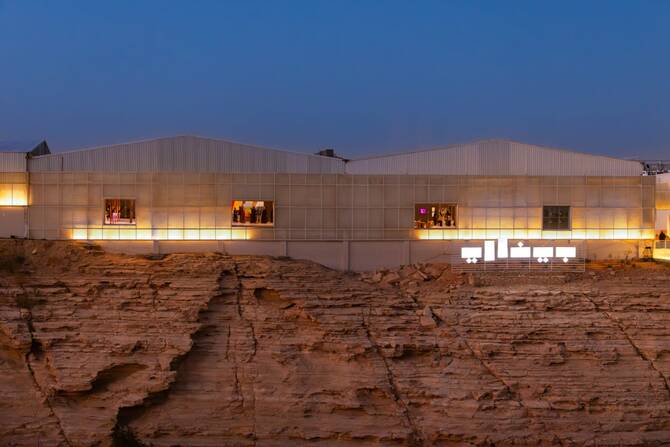
The Diriyah Biennale Foundation has been named as a medalist in the 2026 Art Basel Awards.
Selected as part of the Museum and Institution category alongside The Brick in Los Angeles and SAVVY Contemporary in Berlin, Diriyah Biennale Foundation has been recognized as a “key platform for regional artistic development” by the leading Swiss art fair.
“The Diriyah Biennale Foundation has been committed to bringing together artists, communities, and ideas across geographies,” said the foundation’s CEO Aya Al-Bakree in a statement.
“This award affirms that Saudi Arabia has a vital role to play in the global cultural conversation.”
Launched in 2025, the Art Basel Awards are dedicated to recognizing excellence across the contemporary art world.
Medalists are evaluated on: vision and innovation, skill and execution, engagement, and broader impact.
“Through this initiative, Art Basel reaffirms its role as a global platform for the advancement, discovery and production of art — not only recognizing excellence but actively creating the conditions for it to grow,” said Vincenzo de Bellis, chair of the award’s jury and chief artistic officer and global director of Art Basel Fairs.
“We are deeply grateful to our jury, nominators and the many experts whose insight and commitment make this process both rigorous and collaborative. It is this community-driven approach that defines the awards, reflecting the breadth and complexity of today’s cultural landscape.”
Founded in 2020 and chaired by Minister of Culture Prince Bader bin Abdullah bin Farhan, the Diriyah Biennale Foundation has emerged as a transformative force in the international cultural landscape.
Through its two flagship recurring events, the Diriyah Contemporary Art Biennale in Diriyah and the Islamic Arts Biennale in Jeddah, alongside the stewardship of the JAX creative district in Riyadh, the Diriyah Biennale Foundation is a force that drives cultural exchange between Saudi Arabia and the world.
“In Interludes and Transitions,” the third edition of the Diriyah Contemporary Art Biennale and the fifth Biennale organized by the Diriyah Biennale Foundation, is open until May 2, 2026 at JAX District.
source/content: arabnews.com (headline edited)
_________________
In Interludes and Transitions,” the third edition of the Diriyah Contemporary Art Biennale and the fifth Biennale organized by the Diriyah Biennale Foundation, is open until May 2, 2026 at JAX District. (Supplied)
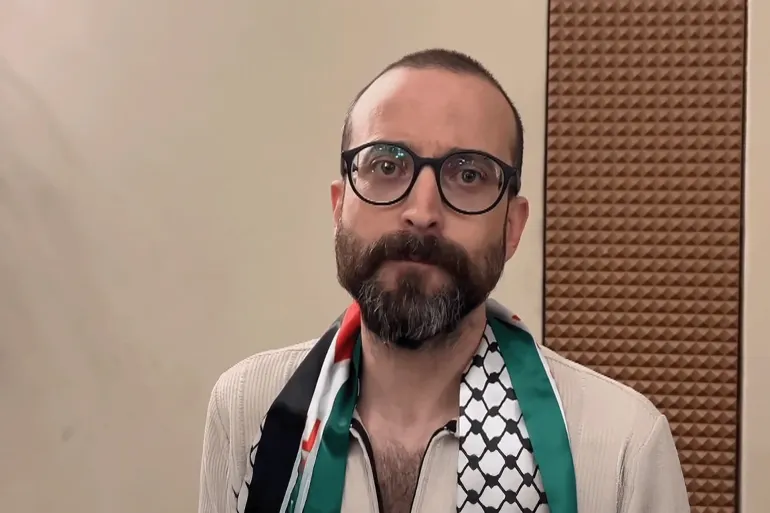
Basim Khandakji describes conditions in Israeli prisons and his journey to writing despite the challenges.
The night Basim Khandakji’s novel won the 2024 “Arabic Booker Prize”, Israeli prison guards stormed his cell, assaulted him, bound his hands and feet, and threatened him.
The 42-year-old was then placed in Ofer Prison’s solitary confinement for 12 days.
It was retaliation, he believes, for embarrassing the Israeli prison system, managing to publish a book under the noses of guards, drawing attention to himself and the conditions he faced.
Now he is out of Israeli prison after serving 21 years of three life sentences.
“I still feel like I’m dreaming, and I’m terrified I might wake up and find myself back in a cell,” Khandakji said.
After his release, he remains unable to return home to his family in Nablus. Exiled from his homeland by Israel, he now waits in Egypt as his family fights to reach him.
‘We saw new horrors’
As happy as he is about escaping “the cemetery of the living” in Israeli prisons, Khandakji is still trying to process the horrors that he saw there and his sadness at leaving other prisoners behind.
He was convicted in 2004 of being part of a “military cell” and being involved in a suicide bombing in Tel Aviv, a crime he says he was forced to confess to.
“The lawyer told me I had to sign a confession … so that three young men could be spared life sentences. There was a kind of quid pro quo: You admit to a particular charge in exchange for getting some younger men out of life sentences, and that is what happened.”
The United Nations estimates that at least 75 Palestinians have died in Israeli prisons since October 2023, and organisations like B’Tselem and the Palestinian Centre for Human Rights have revealed systematic abuse.
Khandakji spent months at a time in solitary confinement and was often moved between prisons, spending time in most of Israel’s 19 facilities that hold Palestinians – each as “hellish” as the last, he tells Al Jazeera.
“There are deliberate policies of starvation, abuse, psychological and physical torture, constant humiliation, and intentional medical neglect.”
Images of released Palestinian detainees have prompted outrage around the world. Appearing fit and healthy in photos of them before incarceration, on release, many had been reduced to emaciated, cadaverous shadows of their former selves.
Things changed, Khandakji says, after October 7, 2023 – the date of a Hamas-led attack during which 1,139 people died in Israel and some 250 were taken captive, in response to which Israel launched a two-year genocidal war on Gaza.
Khandakji says prisoners began to die with shocking regularity, with guards using “new horrific methods” – particularly on detainees rounded up by the hundreds from Gaza.
“Inmates saw guards hanging up the bodies of dead prisoners in cells and leaving them there, decaying,” he said.
“Another told me he saw more than 12 dead bodies packed into cells at al-Jalama detention centre.”
Khandakji says the harrowing memories of dead Palestinians and the brutal torture he witnessed and experienced will haunt him for his entire life.
“The main strategy authorities used to break prisoners was starvation,” he said. “There was also ‘cooling’, meaning denial of clothing, blankets, or any heating during the bitter winter.
“There was also constant beatings,” he added. “They use horrifying, savage methods – targeting the head, neck, and spine.”
Al Jazeera reached out to Israeli prison authorities for comment on Khandakji’s accusations, but received no reply.
Communication with friends and family was banned, he added, and he was prevented from accessing news from the outside world – although he did receive word of his father’s death.
“I was deprived of my father while he was alive, and after his death I was denied the chance to bury him,” he said.
Nearly 9,000 Palestinians remain in Israeli jails, many taken in mass roundups, and more than 3,500 are held under “administrative detention”, which Israel created to justify imprisoning people indefinitely without charge or trial.
Smuggling out an award-winning novel
In prison, Khandakji says: “Writing gave me … a refuge, a hiding place through which I could escape the brutality of the jail and reclaim my freedom, even if only in my imagination.”
He had to go on hunger strike repeatedly to get notebooks and pens.
He wrote as much as he could, keeping his manuscripts hidden from the guards and staying out of their way until he could smuggle his writing out via his lawyer or any other visitor.
In 2023, his award-winning novel, A Mask, The Colour of the Sky, was published in Lebanon in Arabic and was shortlisted for the International Prize for Arabic Fiction, known as the Arabic Booker.
The book tells the story of Nur, a Palestinian archaeologist who finds an Israeli ID and takes on the identity of “Ur”, eventually joining an archaeological dig on an illegal Israeli settlement.
In it, Khandakji reflects on the uncovering of Palestine’s antiquity and the difference between the constrained life of Nur with his Palestinian ID and Ur, whose sky-blue ID allowed him to go anywhere.
Hearing of the shortlisting, an enraged ultranationalist Israeli national security minister, Itamar Ben-Gvir, demanded harsher conditions for Khandakji, while others on the Israeli extreme right called for his murder.
His award triumph included a $50,000 prize and funding for an English translation, paving the way for a global readership.
When Israel launched its war on Gaza, conditions became worse in the prison, and guards confiscated Khandakji’s writing material and smashed his reading glasses.
He felt “completely powerless”, he says. “Being deprived of my pens and notebooks felt like being deprived of air.”
Now free, he aims to publish another novel, which he wrote in his head in his final year of captivity. It is based on one of his closest friends, writer Walid Daqqa, who died of cancer after allegedly deliberate medical neglect by prison authorities.
Aside from writing, Khandakji’s only solace in jail was the friendships he made “that even death cannot erase”.
“I live with sorrow and pain because I left behind so many friends in prison, still suffering,” he adds.
One of these friends, with whom he shared a cell, was Fatah politician Marwan Barghouthi, sentenced to five life sentences plus 40 years in 2004.
Barghouthi is often compared to South African anti-apartheid leader Nelson Mandela, due to his decades behind bars as a political prisoner and the unifying popularity he has among Palestinians.
“Marwan Barghouthi is a great man,” he said. “If he were released, he could become a unifying national figure.”
The 66-year-old was beaten unconscious last month by Israeli jail authorities, and his son, Arab, told international media his father fears for his life as Israel continues to ignore international calls for his release.
His homeland lives within him
Khandakji was arrested in 2004, at the age of 21, while in his final year of a journalism and political science degree at An-Najah National University in his hometown of Nablus.
Raised in a family of socialists, Khandakji became active in the Palestinian People’s Party as a teenager. He is now an elected member of the party’s political bureau.
But during the second Intifada in the early 2000s, he decided to join the armed resistance in the Popular Front for the Liberation of Palestine (PFLP).
Looking back, he says: “In the end, violence in all its forms is inhuman.
“As human beings, we should first try to solve our issues through peaceful and civilised means,” Khandakji said. “But when someone tries to erase you – to annihilate you – your struggle becomes one of existence.
“But if time could go back… I might look for other ways,” he adds, of seeking a different path, one that didn’t deprive him of his family for 21 years.
He was one of 250 high-profile detainees freed by Israel on October 13 as part of the United States-brokered Gaza ceasefire deal between Hamas and Israel.
Israeli captives held by Hamas were released in exchange for nearly 2,000 Palestinian detainees, most of whom were “disappeared” by Israel from Gaza, according to the UN.
Khandakji described the night of his release as “terrifying”, adding that his body was shaking as he “knew the moment of freedom had finally come”.
When he passed the prison gates and his bus went south instead of towards Nablus, he knew his full freedom would be denied a little longer.
“Being exiled from your homeland is a burning, painful feeling,” he said. “My first joy, first sorrow, and first dreams were all in my city, Nablus.
“Palestinians, unlike others, do not live in their homeland – their homeland lives within them,” he said.
For now, Khandakji will continue writing and plans to pursue a PhD after achieving a master’s degree in Israeli studies while imprisoned.
His family is fighting desperately to reunite with him in Egypt, only to be repeatedly thwarted by Israel.
“I still hope that in the coming period, there will be some human justice that allows me to embrace my mother,” he says.
“Not as a freed prisoner – but simply as a child searching for the scent of his childhood in his mother’s arms.”
source/content: aljazeera.com (headline edited)
_____________
Freed prisoner and novelist Basim Khandakji was deported to Egypt after being released from Israeli prisons under a prisoner exchange agreement [Al Jazeera]
Thanks for highlighting Oman’s cultural wonders, UNESCO. Here’s everything you need to know about them.
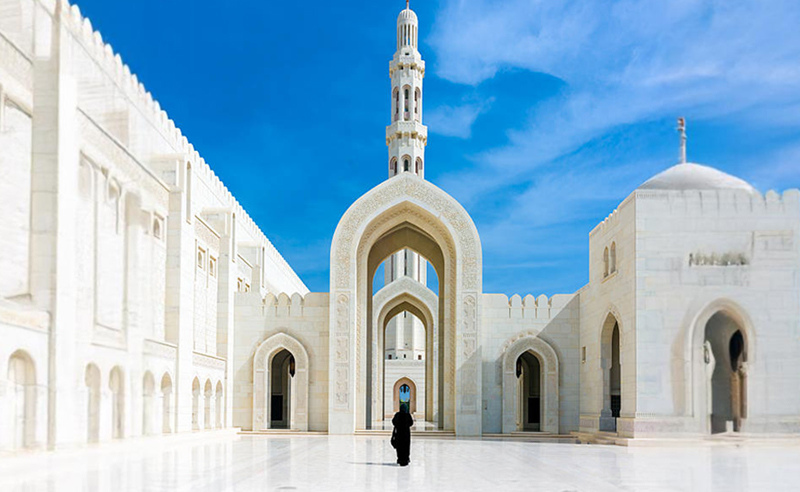
As the oldest Arab state with over 100,000 years of human history, the Sultanate of Oman is home to a wealth of cultural and natural treasures that have captured the imagination of poets and travellers for centuries.
From the rugged peaks of the Hajar Mountains to the pristine shores of the Arabian Sea, this mesmerising country possesses a diverse collection of sites that have been recognized by UNESCO for their cultural, historical, or natural significance – all things we look for when we’re choosing our next global destination.
To be considered for inscription on the prestigious World Heritage List, sites must meet at least one of ten criteria, which include representing a masterpiece of human creative genius, exhibiting an important interchange of human values, bearing a unique or exceptional testimony to a cultural tradition, or containing outstanding examples of geological formations and/or habitats of significant biodiversity.
So, we figure if it’s good enough for UNESCO, it’s good enough for us. That’s why we’ve put together a list of the five Omani cultural sites that have been given UNESCO’s special designation, providing you with the information you need to dive into the rich history of this breathtaking Middle Eastern country.
Aflaj Irrigation Systems of Oman
Ad Dakhiliyah, Ash Sharqiyah South and Al Batinah South / 500 AD
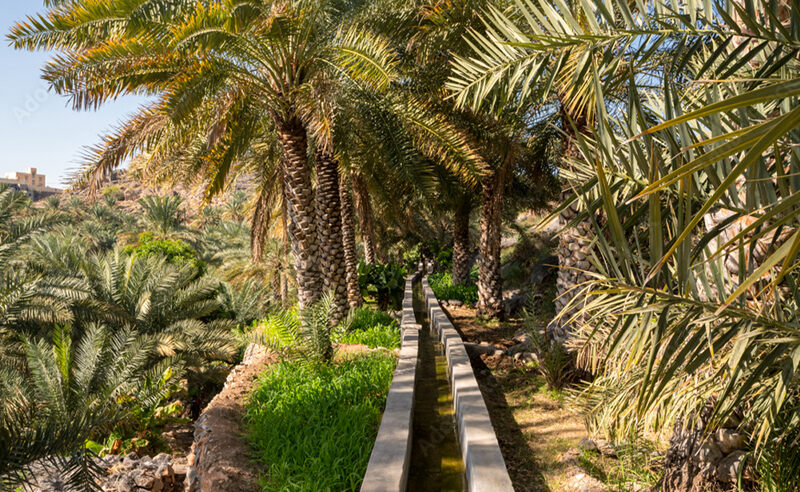
Oman’s Aflaj Irrigation Systems are a feat of ancient engineering. These networks, which collect and transport water across the country using gravity, date back to 500 AD.
This revolutionary technology shaped the development of agriculture, particularly date palm cultivation, in arid Oman. There are more than 3,000 still-functioning aflaj water distribution systems in Oman, and UNESCO has highlighted five locations for their historical significance: Falaj Al Jeela, Falaj Muyasser, Falaj Daris, Falaj Malki, and Falaj Khatmein. Four of these sites are found in the Al Jabal Al Akhdar mountain range, and the fifth is located in the Sharqi mountains.
Ancient City of Qalhat
pix credit: whc-unesco.org/en
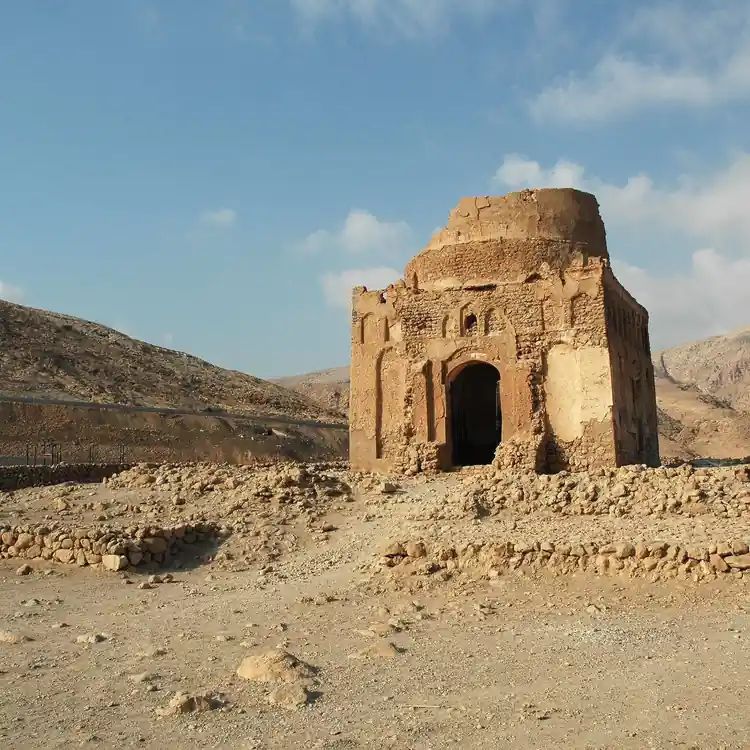
The remnants of this once-thriving port city are tucked into Oman’s rugged eastern coast, right by the Indian Ocean.
A bustling city centre of trade and commerce between the 11th and 16th centuries, Oman’s first capital – of which there is not much left – contains the remnants of necropolises, residences, workshops, and the tomb of an Omani queen, Bibi Maryam. Believed to have been commissioned in the 13th century by a local ruler in honour of his beloved wife, this mausoleum is the best-preserved monument in the historic city.
Those hoping to visit this site should be aware that, due to conservation efforts, it might not be open to the public.
Bat, Al-Khutm and Al-Ayn Archaeological Sites
Al Dhahira / 3rd Millennium BC
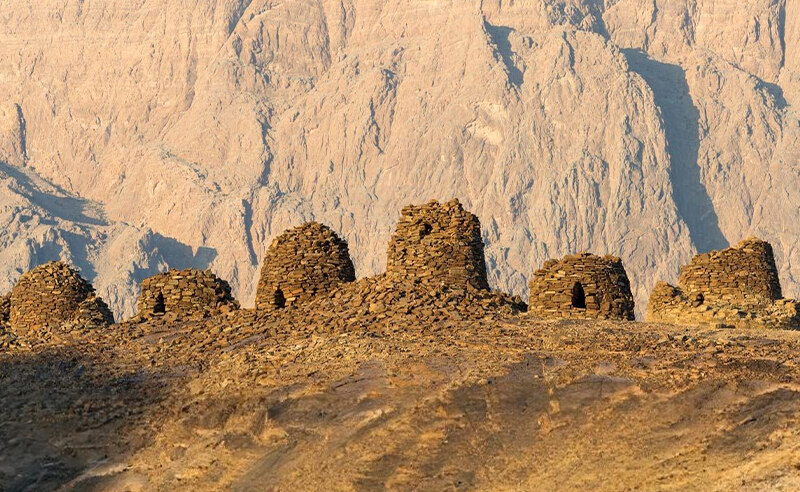
Dating back to the 3rd millennium B.C., the Archaeological Sites of Bat, Al-Khutm, and Al-Ayn provide a glimpse into the prehistoric settlements and burial grounds of Oman. These three sites cover 14 square kilometres and are situated within the rocky landscapes of the Al-Dhahirah Governorate.
A trip to these ancient sites gives travellers the opportunity to examine and explore the enigmatic ‘beehive tombs’ dotting the surrounding hills.
Older than the Pyramids of Giza, these tombs are free for anyone to visit.
Bahla Fort
Ad Dakhiliyah / 12th–15th century
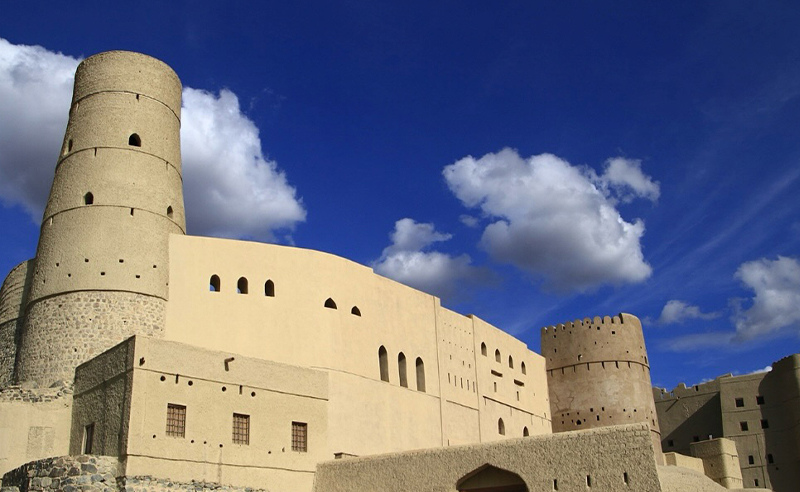
The immense Bahla Fort can be found in a palm-filled oasis in the Omani desert.
The fort and settlement was the capital of the Banu Nebhan tribe, who dominated what is now central Oman from the 12th to the 15th century. An intricate irrigation system of wells and tunnels brings water from distant springs to this ancient settlement – a testament to the skills of mediaeval engineers in this region. Visitors to this heritage site can see the ornate Friday Mosque, the remains of a semi-covered market, and the towers and parapets of the fort’s walls.
This site is open to visitors, and is widely considered to be one of Oman’s top attractions.
Land of Frankincense
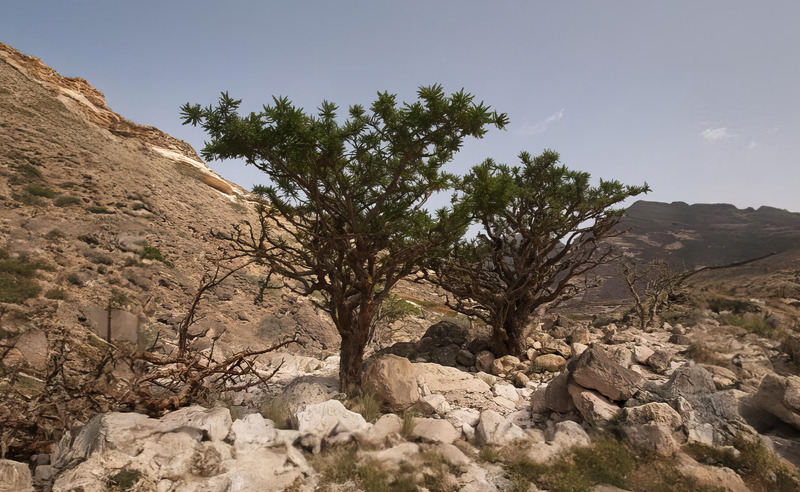
Oman’s Dhofar Governorate is one of the few places where frankincense trees still thrive. These plants carry important historical and economic significance in the region, as frankincense was one of the most luxurious trade items in ancient times.
There are four sites included in this UNESCO heritage listing that preserve the remains of the caravan trade of this precious commodity. One of these is the Frankincense Park of Wadi Dawkah, which allows visitors to learn about how incense is sourced. Another, Shishr, is an agricultural oasis that – in the past – allowed caravans transporting this precious resource to refuel on their trade routes. Sumhuram in the Khor Rori Nature Reserve is another component of this UNESCO World Heritage Site, and was once the heart of the world’s frankincense trade. A trip to this city offers views of structures from the 3rd Century BC to the 5th century AD, including storerooms and city fortifications. The final component of this heritage site is the Al Baleed archeological park. Although this site is open to the public, it is also still being explored, with new discoveries being made. This park includes a Frankincense museum, citadel, and more.
The best time to visit this area is in April, when the fragrant frankincense trees are in bloom.
Riyadh-based academics’ findings on broad beans being tested in US.
At the same time when the Fifa World Cup is being held in South Africa, another fascinating tournament of sorts has been held in Singapore — a “medical championship”, so to speak, on broad beans.
Tens of scientists from all over the world presented and discussed research and papers in the first international conference titled: “Neuro Talk 2010: from Nervous Functions to Treatment”, held from June 25-28.
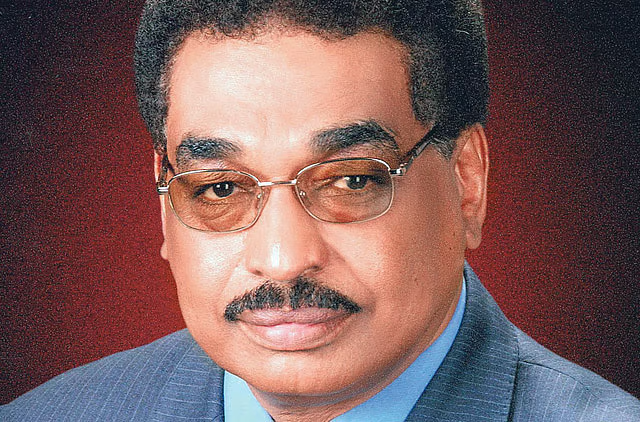
Scientists and doctors from 30 countries discussed brain and nervous system malfunctions and diseases, Professor Mustafa Abdullah Mohammad Saleh, consultant neurologist at the College of Medicine at King Saud University in Riyadh, who attended the conference, told Gulf News.
He said the conference discussed the latest methods of treatment by gene and stem cell therapy.
“The conference discussed a paper on the scientific discovery we have recently made and which was published in the US medical journal about the therapeutic potential of broad beans in preventing epileptic fits,” he said. Western news reports had earlier said that professor Saleh and his countryman, Ali Ahmad Mustafa, professor of pharmacology at the College of Medicine at King Saud University, had discovered that broad beans have a positive effect on epilepsy treatment.
Plant extracts
The two Sudanese scientists agreed in research on the treatment of epilepsy using plant extracts, to conduct joint research to decide the anti-convulsant substance in broad beans that prevents convulsions.
Professor Saleh’s discovery about the characteristics of broad beans in treating epilepsy is currently being tested in the labs of Harvard University.
He said his discovery was sparked by his observation that epilepsy cases among schoolchildren in Sudan who eat foul (broad beans) for breakfast (and sometimes dinner) rated between 0.9 per cent and one per cent per 1,000.
This figure is remarkably lower than that in countries which do not eat broad beans like North and South America which was about 2.6 per cent per 1,000 students and other African countries which was two to three times higher than that of the Americas.
“This is how I got the idea that broad beans must contain a substance that protects against epileptic convulsions. I immediately started the research work with my colleague, Professor Ali Mustafa,” he said.
Professor Saleh said they injected a group of mice with strychnine and picrotoxin, two drugs which cause convulsions leading to death, while they fed another group of mice with a fluid made of foul before giving them the two drugs.
“Convulsions and deaths from strychnine were decreased by about 66 per cent in the group of mice which were pre-treated with foul,” he said.
Professor Saleh said the rate of protection was 100 per cent in the mice which were given both foul and valium before they were injected with strychnine.
He explained that following this and other experiments, a drop of broad bean concentrate was examined by a form of chemical analysis (chromatography) and compared with drops of phenobarbitone (anticonvulsant drug), valium and glycine substance.
“The drop of foul had the same speed as that of glycine,” he concluded.
Professor Saleh had earlier discovered, along with other scientists, a new inherited gene which causes muscular myopathy. This gene has been named after him as ‘Salih myopathy’.
Should scientists look into people’s lifestyle around the world for treatments on different diseases? Is this discovery proof that people should start eating less processed food and more whole food?
Arab Women in Science Platform: Igniting a Collective Spark for Gender Equality in Science.
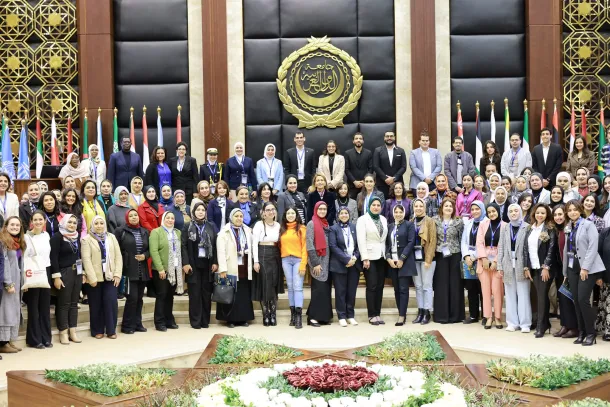
On the occasion of the United Nations International Day of Women and Girls in Science and Technology, the Arab Women in Science Platform was officially launched on February 1, 2024, in Alexandria, Egypt. The enchanting event hosted by the UNESCO Regional Office of Egypt and Sudan / Liaison office with the League of Arab States and the Arab Academy of Science, Technology and Maritime Transport (AASTMT) at AASTMT Main Campus in Abu Qir brought together over 150 high-level participants from diverse generations and fields, including natural sciences, human and social sciences, to discuss challenges faced by women scientists in the Arab region and explore strategies to advance women’s participation in science, technology, and innovation through the new Arab Women in Science Platform initiative.
A compelling initiative driven by the voice of Arab women scientists themselves, shaping a brighter future in the world of science
The figures remain dramatic. According to the UNESCO Science Report, women still account for only 28% of engineering graduates and 40% of computer science graduates worldwide. Women accounted for one in three researchers (33%) in 2018, just 5 years ago, and represent only 22% of professionals working in AI, the field of the future. Focusing on the Arab States, only 24% of senior management positions in science and engineering are held by women, and even though 47,3% of Egyptian universities STEM graduates are women, they only represent 38% of the STEM workforce (CAPMAS, 2018).
The Arab Women in Science Platform, launched one year after the call of the Egyptian and Sudanese women scientists’ made during the “Paving the way for Women Leadership in Science” dialogue in February 2023, to empower women in natural and social sciences across generations in the Arab region. It offers both online and offline spaces for women scientists to connect, share experiences, and access career-enhancing programs, including mentorship and training. Additionally, the platform raises awareness of gender stereotypes in science and advocates for gender-transformative policies and open science, with Arab women scientists actively involved in shaping the initiative.
10 & 11 February: Igniting a collective spark for gender equality in Science
The launch event featured insightful conversations, two panel discussions, and a workshop to structure the new community of Arab Women in Science, assess the platform prototype and identify innovative pathways to ensure inclusivity and foster systemic transformations in the scientific realm, and promote gender equality and support women scientists across the Arab region. Discussions and exchanges led to key recommendations that in the development of the platform include:
Translating the Arab Women in Science Platform into an inclusive, accessible, attractive, clear and interactive website.
Creating a strong community of Arab women scientists and men allies by investing heavily at the outset.
Actively engaging with the private sector and the industry to ensure initiatives’ financial sustainability and women scientists’ employment.
Addressing the professional challenges and opportunities of women scientists in the Arb region with a focus on research and training accessibility, women role models, gender stereotypes and displaced women scientists ‘support.
UNESCO office in Cairo also wish to acknowledge and warmly thank the bravery of women scientists in sharing their experiences and the difficulties they have encountered throughout their career, with a special thank to the Sudanese scientists, directly and violently impacted by the civil war.
Hearing the Voices of Arab Women Scientists: A National Surveys
Who better to shape the future of science in the Arab world than those who have dedicated their lives to its pursuit? These remarkable women, pioneers in their respective fields, embody the very essence of scientific exploration and discovery. Their voices, resonating with passion and dedication, hold the key to unlocking the full potential of Arab science.
UNESCO Office in Cairo recognizes that true empowerment stems from a deep understanding of the challenges faced by Arab women scientists. To this end, a participatory approach has been adopted, involving extensive consultations and a regional survey designed to capture the experiences and aspirations of these remarkable women.
The survey, now available, seeks to engage the voices of all Arab women scientists. UNESCO office in Cairo extends a warm invitation to all Arab women scientists to participate in this transformative initiative. Your voice matters.