Arabs & Arabian Records Aggregator. Chronicler. Milestones of the 25 Countries of the Arabic Speaking World (official / co-official). AGCC. MENA. Global. Ist's to Top 10's. Records. Read & Enjoy./ www.arabianrecords.org
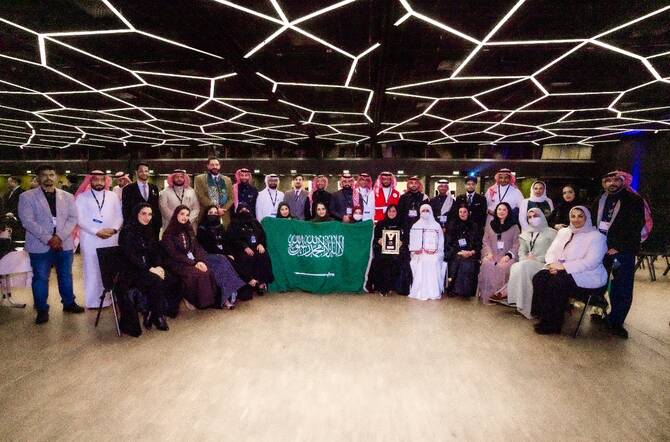
Saudi Arabia’s health sector secured a special award and 19 medals at the 51st Geneva International Exhibition of Inventions this weekend, highlighting the Kingdom’s expanding role in global healthcare innovation.
The recognition of the Ministry of Health and partners across the national health ecosystem came about after the presentation of 20 healthcare innovations under the Saudi pavilion during the exhibition, held from March 11 to 15, the Saudi Press Agency reported.
The National Institute for Health Research received a special award, and five medals, including two gold medals with distinction, one gold medal and two silver medals, underscoring its contribution to developing innovative healthcare solutions.
Other Saudi institutions were also recognized. The Council of Health Insurance won a bronze medal, while the Saudi Red Crescent Authority secured a silver medal for an innovation designed to improve emergency medical and ambulance services.
Saudi Health Holding Company and its health clusters also performed strongly, being awarded a silver medal as well as 12 additional medals in several regional clusters.
Among them, Taif Health Cluster and Hail Health Cluster each won gold medals, while Jeddah First Health Cluster secured a gold and a silver medal.
Northern Borders Health Cluster and Al-Baha Health Cluster received silver medals, while Qassim Health Cluster won one silver and one bronze medal.
Bronze medals were also awarded to Riyadh Second Health Cluster, Jazan Health Cluster and Najran Health Cluster.
Saudi achievements at the exhibition extended beyond healthcare. King Abdullah City for Atomic and Renewable Energy won three gold medals, a silver medal and a special award as part of the Kingdom’s energy delegation.
The institution presented innovations including a solar thermal desalination system using forward osmosis, advanced carbon electrodes for supercapacitors in energy storage systems, a battery-based control system to improve microgrid power quality, and oxygen transport reactor technology supporting clean hydrogen and low-emission energy solutions.
Officials from the ministry of health said participation in the exhibition aimed to strengthen Saudi Arabia’s presence on international health platforms, highlight national innovations, and support researchers and innovators in the Kingdom’s healthcare ecosystem.
The Geneva International Exhibition of Inventions, organized in cooperation with the World Intellectual Property Organization, is considered one of the world’s leading innovation events, bringing together participants from more than 40 countries and displaying more than 1,000 inventions.
source/content: arabnews.com (headline edited)
_____________
Saudi achievements at the exhibition also extended beyond healthcare. King Abdullah City for Atomic and Renewable Energy won three gold medals, one silver medal and a special award as part of the Kingdom’s energy delegation. (Supplied) __________________
With the iconic character of Al-Sheikh Hosni – played by the late, talented Mahmoud Abdel-Aziz – filmmaker Daoud Abdel-Sayed’s landmark film Al-Kit Kat made the 100 best Egyptian films list.
But this wasn’t the only reason Abdel-Sayed’s passing at the age of 79 on 27 December prompted a great sense of loss. Often described as Egypt’s foremost poet of the silver screen, Abdel-Sayed is one of the very few auteurs whose vision spoke volumes.
The authentically Egyptian ambiance of Al-Kit Kat, based on Ibrahim Aslan’s novel Malek Al-Hazin (The Heron, 1983), benefiting from a beautifully constructed dialogue by Abdel-Sayed, focuses Al-Sheikh Hosni, a blind widower living in Al-Kit Kat neighbourhood who refuses to admit his disability and dreams of riding a motorcycle — which he does in the course of the film — spending his nights smoking weed with his neighbours and discreetly selling his father’s house to the drug dealer for fear of censure from his son and his mother.
Al-Kit Kat, released in 1991, became a top grossing film that remained in theatres for two years, to Abdel-Aziz’s surprise because he was under the impression that he was participating in an artistic, non-commercial film. As actor Ahmed Kamal recalled in an interview published on these pages, after he saw the film for the first time at a private screening, Abdel-Aziz apologised to Abdel-Sayed for underestimating the power of the film.
Abdel-Sayed was born on 23 November 1946 in Cairo, and studied filmmaking at the Higher Institute of Cinema, graduating in 1967. Right after his graduation he started to experiment with writing screenplays. He assisted the late renowned filmmaker Kamal Al-Sheikh on Al-Ragol Al-Lazi Fakad Zilloh (The Man Who Lost His Shadow, 1968) as well as Youssef Chahine in Al-Ard (The Land, 1970).
He made his debut documentary in 1976, A Wise Man’s Advice on the Affairs of the Village and Education, following it with two other documentaries. His debut feature, Al-Saalik (The Vagabonds, 1985), captures the fierce class transformations in Egypt following the open door policy of economic liberalisation with the story of two down-and-out friends’ rise through drug dealing in Alexandria.
Abdel-Sayed’s achievement was never one of quantity, only quality; he only made nine feature films, only one of which was not written by him: Ard Al-Ahlam (1993), by Hani Fawzi; Al-Kit Kat (1991) and Sareq Al-Farah (The Stolen Joy, 1995)were based on Malek Al-Hazin and novelist Khairy Shalaby’s eponymous short story, but Abdel-Sayed adapted them both for the screen.
Abdel-Sayed is regarded one of the pillars of Egyptian neo-realism, which emerged in the 1980s. He was an adventurer who took his camera beyond the confines of the studio, shooting for example in the real Al-Kit Kat. While his cinematic language has always been allusive, delving into deep philosophical questions, he remained devoted to the struggles and triumphs of everyday people.
Abdel-Sayed’s Al-Bahth Aan Sayed Marzouk (Looking For Sayed Marzouk) was released in 1991 as well, and though not as successful it too made its mark. A day in the life of a civil servant named Youssef, it is an absurdist journey featuring encounters with a Charlie Chaplin lookalike and the Sayed Marzouk, an eccentric billionaire full of contradictions and ambiguity. While trying to find himself Youssef is accused of murder. Like Al-Kit Kat, it features a beautiful score by Rageh Dawoud.
In Ard Al-Khouf (The Land of Fear, 1999), the legendary Ahmed Zaki plays Yehia, an undercover policeman who infiltrates the world of drug lords only to end up becoming one of them. Due to administrative changes his reports to his superiors end up being lost, and he loses his original identity.
In 2001, Mowaten wa Mokhber wa Haramy (A Citizen, A Detective, and a Thief) predicted the collapse of the social contract in Egypt. Starring Hind Sabri, Khaled Abul-Naga, Salah Abdallah and the urban folk sensationShaaban Abdel-Reheim, it was followed by Rasael Al-Bahr (Messages from the Sea, 2010), a delicate love story-cum-elegy for Alexandria starring Asser Yassin and Basma.
Abdel-Sayed’s last film was Qodrat Gheir Adeya (Extraordinary Abilities, 2015), in which he continues to raise philosophical questions about Egyptian society through his protagonist Yehia, a doctor played by Khaled Abul-Naga, who conducts a scientific studies on paranormal abilities; in the end, he fails to identify anyone with provable paranormal abilities and ends up isolated in Alexandria…
After Qodrat Gheir Adeya, Abdel-Sayed announced that he would no longer be making films under social-economic conditions that were not conducive to creativity or solidarity, prompting wide-ranging debate.
Abdel-Sayed won the Silver Pyramid, the Best Screenplay Award and the best Arabic Film Award in Cairo International Film Festival in 1999. Messages from the Sea won the best actor prize (Asser Yassin) at the Carthage Film Festival in 2010, as well as the best direction, best actor and best actor in a second role (Mohamed Lotfi) at the Egyptian National Film Festival in 2013. In the same year, the Dubai Film Festival announced its choice of the best 100 Arab films and three of them were by Daoud Abdel-Sayed: Al-Kit Kat, Land Of Fear, and Messages from the Sea.
Abdel-Sayed survived by a son, Youssef, and a daughter, Salma; he had been married to journalist and writer Karima Kamal.
* A version of this article appears in print in the 8 January, 2026 edition of Al-Ahram Weekly
The Jeddah-based Organization of Islamic Cooperation marked on Sunday International Day for Combating Islamophobia.
The day of remembrance was introduced in 2019 to commemorate the victims of the Christchurch attacks in New Zealand.
On that day, 51 worshippers were killed and 89 injured when a terrorist opened fire at two of the city’s mosques during Friday prayers.
The organization published a statement Sunday from Secretary-General Hissein Brahim Taha with a call to action.
In it, Taha said: “Islamophobia is not only a Muslim concern. It undermines human dignity, pluralism and the freedom of religion or belief for all.
“The OIC calls upon governments, international organizations, media, social media and digital platforms, and civil society to translate commitment into concrete action through strong legal protections, responsible digital governance and genuine interfaith dialogue.”
Taha also noted that anti-Muslim incidents are on the rise, with Islamophobic rhetoric increasingly normalized in political discourse.
New technologies, artificial intelligence-generated content and digital transformation are increasingly weaponized to spread hatred at an unprecedented scale, he added.
On Friday, the organization visited the UNESCO headquarters in Paris for a high-level roundtable on combating Islamophobia.
Speakers discussed the causes of Islamophobia and its disproportional impact on women, and focused on the role of education and culture in countering misinformation and promoting dialogue.
Taha’s special envoy on Islamophobia, Ambassador Mohammad Bashgi, delivered a speech, and the event concluded with a Ramadan iftar ceremony that brought together the diverse attendees.
The OIC was founded in 2007 as one of the first international observatories monitoring Islamophobia.
Since then it has published 18 annual reports and 216 weekly reports in Arabic, English and French.
Its stated aims are to be the leading international reference in monitoring Islamophobia by documenting incidents, raising awareness internationally, sharing political dialogue and responding to offensive stereotypes in the media.
source/content: arabnews.com (headline edited)
_________________
Members of the OIC visit the UNESCO headquarters in Paris for a dialogue on combating Islamophobia. (X/@OIC_OCI)
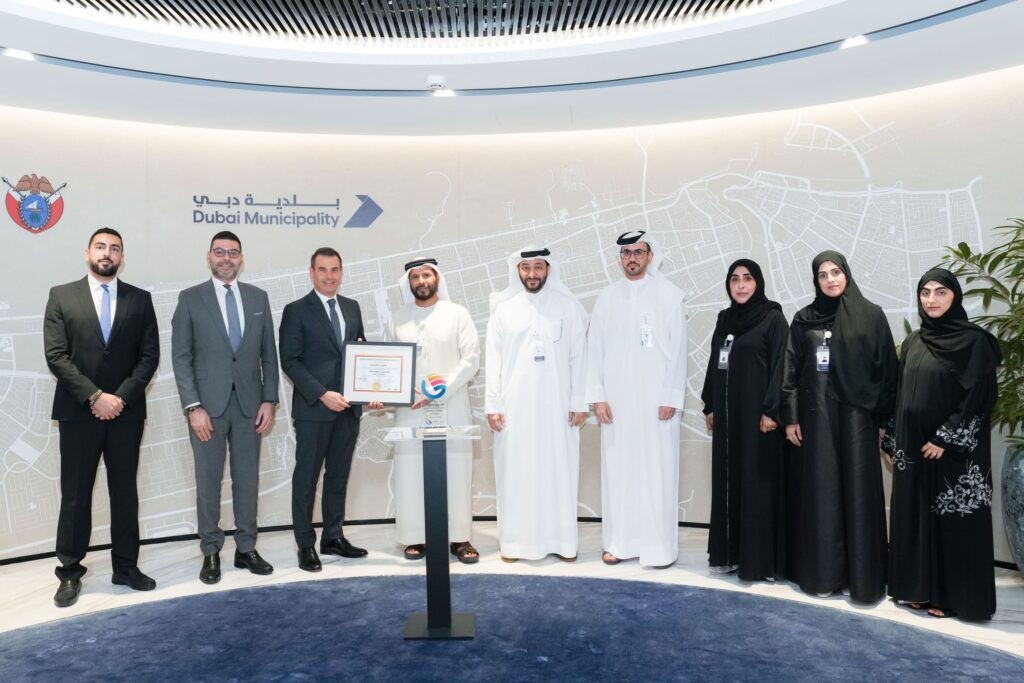
In a new milestone that reinforces Dubai’s position as a global centre for innovation, Dubai Municipality has received international accreditation from the Global Innovation Management Institute (GIMI) as the best innovative government entity in innovation leadership at Level 4 — the highest level within this category. With this achievement, Dubai Municipality becomes the first municipality in the world to attain this advanced level, underscoring the leadership and maturity of its integrated government innovation ecosystem embedded across its institutional framework.
This international accreditation reflects the significant progress made by Dubai Municipality in building a comprehensive and sustainable innovation ecosystem that adopts leading global practices in government innovation management and helps shape the future of municipal work. These efforts contribute to enhancing quality of life and further strengthening Dubai’s position as a global destination for living, working, and investment.
The global assessment was based on a range of pioneering initiatives and innovations that demonstrated the advanced maturity of institutional innovation within the Municipality. Its efforts stood out in aligning knowledge and innovation strategies with institutional priorities and digital transformation, as well as linking innovation with future foresight by analysing drivers of change and leveraging advanced technologies to strengthen future readiness. This was complemented by stronger governance frameworks, the development of an enabling regulatory environment for innovation, and the integration of the innovation lifecycle through a holistic methodology that ensures sustainability and enhances institutional value.
Nasser BuShehab, CEO of the Planning and Governance Sector at Dubai Municipality, said, “We are proud of this global accreditation, which reflects a deeply rooted institutional culture that views innovation as a continuous journey rather than a final destination. It also reflects the efforts of highly qualified teams that have transformed challenges into opportunities and demonstrated that governance and institutional innovation at Dubai Municipality are key drivers of quality of life across the emirate. This achievement crowns our efforts to build a comprehensive and sustainable innovation ecosystem that strengthens Dubai’s leadership as a global capital of innovation and a laboratory for ideas and future foresight.”
Dubai Municipality’s leadership has also been demonstrated through strengthening open partnerships and building an effective innovation network with the private sector to develop proactive solutions. The Municipality has implemented hackathons and innovation labs to generate smart solutions and innovative business models that address institutional challenges and opportunities. It has also introduced certifications and training programmes aimed at upskilling human capital and equipping employees with advanced innovation capabilities.
Reaffirming its commitment to embedding a culture of experimentation and learning, the Municipality has created a safe environment for innovative initiatives and projects while adopting advanced performance indicators to measure the return on innovation and ensure its sustainability and operational efficiency.
A record 3,428 billionaires, worth a combined $20.1 trillion – 4 trillion more than just one year ago – dominate this year’s Forbes list.
Morocco secured three spots on Forbes’ 40th annual World’s Billionaires List, released Tuesday. Othman Benjelloun, Aziz Akhannouch, and Anas Sefrioui represent the country on a list that reached a record 3,428 names. It is a mixed picture for the three – two held steady, while one saw his fortune shrink considerably.
Othman Benjelloun, 93, is the wealthiest Moroccan on the list. Forbes estimates his net worth at $1.7 billion, placing him 2,386th globally and 18th across Africa. He is the CEO of BMCE Bank of Africa, a financial institution with assets exceeding $12 billion and operations spanning West, Central, and East Africa.
His business empire extends well beyond banking. Through his holding company FinanceCom, which largely operates as O Capital Group, Benjelloun holds a stake in the Moroccan arm of French telecom firm Orange.
His father was a shareholder in RMA, a Moroccan insurance company, which Benjelloun later built into a leading insurer. In 2014, he launched a $500 million plan to construct the 55-story Mohammed VI Tower in Rabat, one of the tallest buildings in Africa.
FinanceCom is also part of a project to develop a multibillion-dollar tech city in Tangier, expected to host 200 Chinese companies. Benjelloun and his wife received the David Rockefeller Bridging Leadership Award in 2016 for building schools in rural Morocco.
A Casablanca resident with a diploma from the École Polytechnique de Lausanne, Benjelloun also co-owns Ranch Adarouch, one of Africa’s biggest cattle breeders.
Aziz Akhannouch, 65, follows with an estimated net worth of $1.6 billion. He ranks 2,481st globally and 19th in Africa. Akhannouch is the majority owner of Akwa Group, a multibillion-dollar conglomerate founded by his father and partner Ahmed Wakrim in 1932.
The group operates in petroleum, gas, and chemicals through publicly traded Afriquia Gaz and Maghreb Oxygene.
On the political front, he has served as Head of Government since September 2021. He holds an MBA from the Université de Sherbrooke and is based in Casablanca. His wife, Salwa Idrissi, runs her own company, operating franchises for Gap, Gucci, and Ralph Lauren in Morocco.
The picture is more difficult for Anas Sefrioui. The 68-year-old founder and CEO of listed homebuilder Groupe Addoha ends the year as the weakest performer among Morocco’s billionaires. His fortune dropped by $300 million after shares in Groupe Addoha fell more than 30%. Forbes now values him at $1.3 billion, ranking him 2,858th globally and 22nd in Africa.
He ties Nigeria’s Femi Otedola as the least wealthy billionaire on the continent’s list. Sefrioui built his fortune developing low-cost housing in Morocco, largely through government contracts. His daughter Kenza serves as the company’s deputy chairman.
Across Africa, Morocco ranks fourth in total billionaire count, behind South Africa with seven, Egypt with five, and Nigeria with four. The continent’s 23 billionaires collectively added $20.3 billion to their fortunes, bringing their combined wealth to $126.7 billion – up 21% from 2025.
Globally, the 2026 list broke records across every major metric. The total number of billionaires rose by 400 from last year to 3,428, the highest figure since the list launched in 1987. Their combined wealth hit $20.1 trillion, up $4 trillion year-on-year. The planet added more than one new billionaire every single day over the past 12 months.
Elon Musk leads the list for the second consecutive year, with an estimated fortune of $839 billion – the highest ever recorded for any individual. His wealth surged by roughly $497 billion over the past year, driven by Tesla’s rising valuation and SpaceX’s anticipated public listing in 2026. He is the first person to surpass the $800 billion mark.
Google cofounder Larry Page follows at $257 billion, with fellow cofounder Sergey Brin at $237 billion. Amazon’s Jeff Bezos ranks fourth at $224 billion, and Meta’s Mark Zuckerberg rounds out the top five at $222 billion.
A record 20 people now hold 12-figure fortunes – up from 15 last year and zero in 2017. The United States leads all nations with 989 billionaires, worth a combined $8.4 trillion. China, including Hong Kong, follows with 610, and India ranks third with 229.
Among the 390 newcomers this year are musician Dr. Dre, Beyoncé Knowles-Carter, tennis legend Roger Federer, and Berkshire Hathaway’s new CEO Greg Abel. At least 86 billionaires on the list owe their fortunes significantly to artificial intelligence.
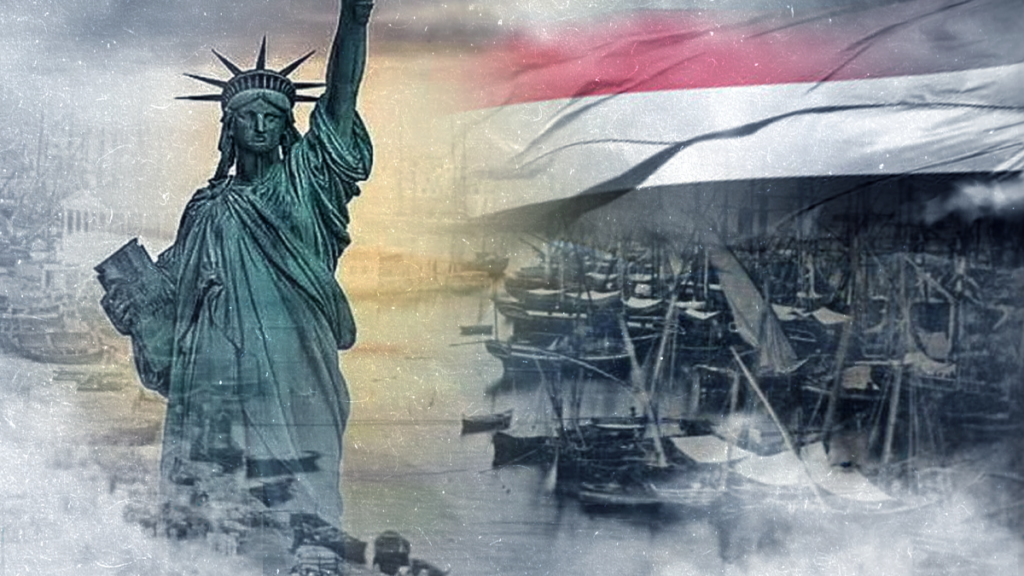
For many Yemenis, America was a leap into the unknown. Some disguised themselves among passengers, others slipped into the dark confines of cargo holds, and all eventually found themselves funneled to a single destination: Ellis Island in New York Harbor.
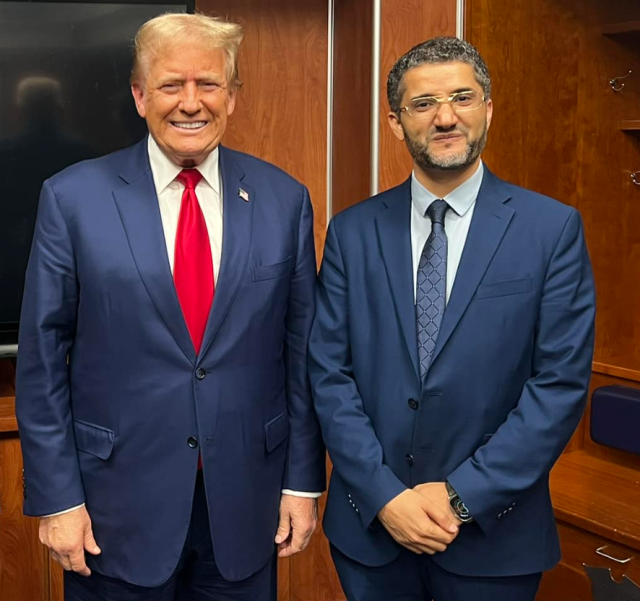
More than a century later, their descendants have carved out a visible political and economic presence in the United States. Just days ago, Amer Ghalib—the Yemeni-born mayor of Hamtramck, Michigan—sat at a table in the White House with senior officials, discussing issues that directly affect his community, including the travel ban imposed under President Donald Trump’s order last June that restricted entry from 12 countries, Yemen among them.
The mayor of Hammtram in Michigan Amir Ghaleb and US President Donald Trump
But how did the Yemeni story with America begin?
“In three waves of migration,” says Abdulsamad Al-Faqih, head of the Washington Center for Yemeni Studies, in an interview with Alhurra.
The roots of Yemeni migration, he explains, stretch back to the late nineteenth and early twentieth centuries. Two notable waves defined that early era: the first before World War II, and the second in its aftermath. Most of those migrants were men, drawn by work opportunities in ports and factories.
Al-Faqih, himself a Yemeni American whose father arrived in the early 1960s, says those pioneering journeys laid the foundation for the Yemeni presence in the United States that continues to grow today.
Yemeni wedding in the state of Michigan – (Photo by Ramzi Al –Adni)
For Yemeni American activist Sharifa Al-Banna, the story is personal. “My grandfather came here in 1898,” she recalls. Speaking on the sidelines of an advocacy gathering for the Yemeni community in Washington, she notes that one of her forebears entered New York by sea at the close of the nineteenth century.
A century later, a new chapter unfolded. After the outbreak of Yemen’s civil war in 2015, a large “third wave” of migration began—this time marked not by solitary men, but by entire families seeking safety and stability. Dr. Walid Mahdi, an assistant professor at the University of Oklahoma who specializes in Arab American cultural politics, calls it “the largest modern family exodus of Yemenis” to the United States.
Areas where most Yemeni Americans trace their roots (Alhurra)
Across eras and shifting circumstances, Yemeni migration to the United States was deeply rooted in rural life. The three waves drew heavily from villages far from the country’s urban centers—places like Al-Shaʿr, Baʿdan, and Al-ʿUwd in Ibb; Al-Arsh and Al-Reysh in Al-Bayda; Juban and Al-Shaʿib in Al-Dhaleʿ; and the Yafaʿ villages of Lahj.
Yemenis in front of the Capitol Building during the Yemeni Victory Day organized by the Washington Center for Yemeni Studies – September 2025 (Photo: Ezzat Wajdi)
But the question remains: where did the story truly begin?
Many accounts point to the sailors who set out from Aden. The precise moment when the first Yemenis reached American shores is unclear, but researcher Mary Bisharat—author of one of the earliest academic studies on Yemeni migration, published in 1975—suggested their arrival may have begun after the opening of the Suez Canal in the 1860s. “It is almost certain that a few of them had settled there before 1890,” she wrote.
By World War I, some Yemeni immigrants were already woven into the fabric of their new country. A number enlisted in the U.S. Army and gained citizenship through the Alien Naturalization Act of 1918, which allowed foreign soldiers to naturalize without completing the usual five years of residence. Arab migrants from the Levant, Italians, and others from Europe’s great migration waves also benefited from the law.
Closing the door with “1917” and “1924”
But the window opened by the “Naturalization Act” quickly closed with the Immigration Act of 1917, which created what became known as the “Asiatic Barred Zone” – a geographic area extending from the Arabian Peninsula through India and Southeast Asia to the Pacific islands – under which migrants from that zone were prohibited from entering the United States. The law also imposed a reading test on migrants coming from outside the zone to curb the influx of “uneducated” immigrants from Eastern and Southern Europe.
Then came the 1924 Johnson–Reed Act to tighten restrictions further by imposing strict national quotas, with a complete exclusion for anyone born within the “barred zone.” As a result, the arrival of new Yemenis became almost impossible, except for limited cases – explaining why most turned to irregular migration during the 1920s.
Ahmad Hassan and the “white race” – 1942
Even for those Yemenis who managed to reach the United States in the 1920s and afterward, the journey did not end at Ellis Island. Another obstacle awaited them in American courtrooms.
In 1942, a Detroit judge rejected the naturalization petition of Yemeni immigrant Ahmad Hassan. In his ruling, the judge described Hassan as “an Arab native of Yemen, of indisputably dark brown skin,” before posing the question at the heart of the case: did he qualify as a “white person” under U.S. law? The judge’s answer was stark: “The court concludes that he is not.”
Though the Hassan case was an exception rather than the norm, it underscored how race and religion became entangled with questions of belonging, in a legal system still shaped by the rigid classifications of the Asiatic Barred Zone. And the hurdles did not start at the courtroom door – many began long before, with the very act of deciding to set out for America.
An old passport belongs to an American immigrant of Yemeni origin, issued in 1936 (Al -Hurra)
How did they travel?
Before Yemen’s unification, there was no central authority issuing standardized passports. In the south, the landscape was fragmented among sultanates and sheikhdoms under British protection, each with limited powers – including the right to issue travel papers stamped with the ruler’s seal, which were accepted as official at the time.
In the north, the picture was different. Under Imam Yahya Hamid al-Din, who ruled the Mutawakkilite Kingdom from 1918 to 1948, migration was tightly restricted. Passports were difficult to obtain, and many northerners were blocked from leaving. The restrictions only fueled determination: increasing numbers looked to the south for a way out.
“The southern sultans used to grant passports to northerners,” explains Abdulsamad Al-Faqih. With those papers in hand, many would travel through the bustling port of Aden—under British control since 1839—before setting off toward faraway shores.
Aden, by then a major global hub for trade and refueling, offered both opportunity and temptation. Some Yemenis found work as sidewalk vendors, warehouse hands, or deck laborers. Others chose risk over routine: sneaking aboard merchant ships, persuading captains to take them on as sailors, or hiding among the cargo until the ocean carried them to a new world.
Unconventional migration routes
Aden was not the only gateway. Some Yemenis first set out for French-ruled Djibouti, then crossed the Red Sea and the Suez Canal to reach Europe—most often Marseille.
These colonial waystations provided opportunities to secure travel documents that could be used to sidestep restrictions and continue the journey, whether across the Atlantic or along more circuitous routes. Yet, as Dr. Walid Mahdi cautions, “what has been written about these journeys remains limited.”
How did Yemenis end up in Vietnam?
What few expected, when tracing the migration routes, was to find Yemenis in the heart of Saigon—today’s Ho Chi Minh City. In the mid-twentieth century, this distant city became an unlikely transit point on the long road to the United States.
How did they get there? During World War II and in the years that followed, many Yemenis found work in maritime trades and shipping within British and French corporate networks. Some ended up in the ports of French colonies in the Far East, including Saigon. By the 1950s and 1960s, as the American presence in Vietnam deepened, they shifted to jobs with U.S. companies or contractors supplying the U.S. military.
“These Yemenis found themselves part of the maritime network in which the United States invested heavily,” explains Dr. Walid Mahdi. “Many moved from working with British companies to American firms, directly or through suppliers contracted with the U.S. government to support shipments.”
In Saigon, they also discovered legal loopholes that created new openings for migration. Some used work papers or company ties to secure consular visas that bypassed the restrictions of the Asiatic Barred Zone. Others presented themselves as employees linked to the U.S. military or traveled with documents issued in French colonies. Through these channels, Saigon – unexpectedly – became a hidden crossing point on the Yemeni journey to America.
Aden, Michigan, and the Ford Motor Company
If Saigon became an unexpected waystation in the mid-twentieth century, the story’s more enduring chapter traces back to the port of Aden – where Ford’s factories in Detroit discovered a steady supply of Yemeni laborers.
At the time, Ford’s plants in Detroit were under mounting pressure from labor unions and frequent strikes. In search of alternatives, the company looked abroad—and Aden offered both accessibility and eager workers. “Ford sent ships to Aden to carry Yemeni workers to Detroit,” recalls Abdulsamad Al-Faqih. Dr. Walid Mahdi adds that Ford selected them deliberately “to escape union pressures and in search of cheaper labor.”
Research led by Dr. Amin Nweisser on the history of Yemeni migration estimates that between 1,000 and 1,500 Yemenis joined Ford’s workforce, particularly at the River Rouge complex. Their numbers grew rapidly, reaching around 8,000 by the 1970s—helped by the abolition of the quota system under the 1965 Immigration and Nationality Act, which lifted the ban on migrants from the so-called Asiatic Barred Zone.
Eid prayer in Dearborn in the 1970s
In Detroit, Dearborn, and Hamtramck, Yemeni immigrants built tight-knit communities anchored around mosques that became not only places of worship but also hubs of social life. From there, their presence spread: to Buffalo, where the steel mills offered work; to New York, where small grocery businesses became a Yemeni trademark; and by the 1960s and 1970s, to California, where agriculture drew families westward and laid the foundations of a lasting Yemeni presence.
“Despite living abroad, the community remained strongly attached to its roots in the homeland,” observes Dr. Amin Nweisser.
Immersed in the rhythms of American industrial life, Yemenis did more than create cohesive religious and social circles. They also entered the labor struggle itself—bringing their voices to the shop floors and the picket lines of America’s factories.
The Central Mosque of the city of Dearborn
In Detroit, Dearborn, and Hamtramck, Yemeni immigrants built tight-knit communities anchored around mosques that became not only places of worship but also hubs of social life. From there, their presence spread: to Buffalo, where the steel mills offered work; to New York, where small grocery businesses became a Yemeni trademark; and by the 1960s and 1970s, to California, where agriculture drew families westward and laid the foundations of a lasting Yemeni presence.
“Despite living abroad, the community remained strongly attached to its roots in the homeland,” observes Dr. Amin Nweisser.
Immersed in the rhythms of American industrial life, Yemenis did more than create cohesive religious and social circles. They also entered the labor struggle itself—bringing their voices to the shop floors and the picket lines of America’s factories.
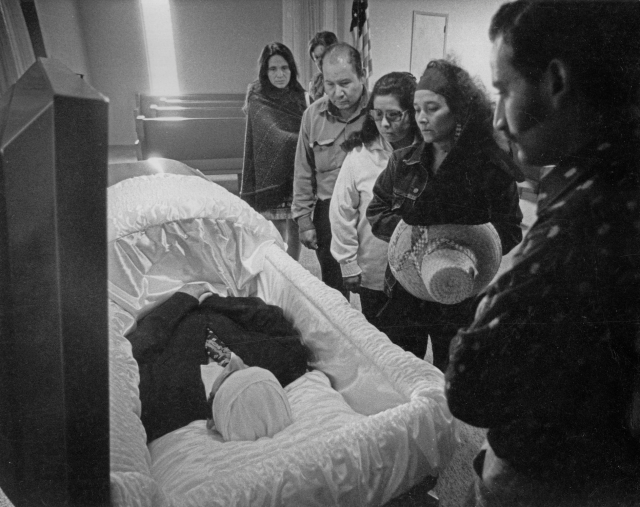
Nagi Daifallah: A Yemeni at the Jeart of the American Labor Movement
In the early 1970s, a young Yemeni named Nagi Daifallah arrived in California in search of work. Like many others, he ended up in the grape fields of the San Joaquin Valley, where he endured meager pay, grueling hours under a relentless sun, and a complete absence of protections.
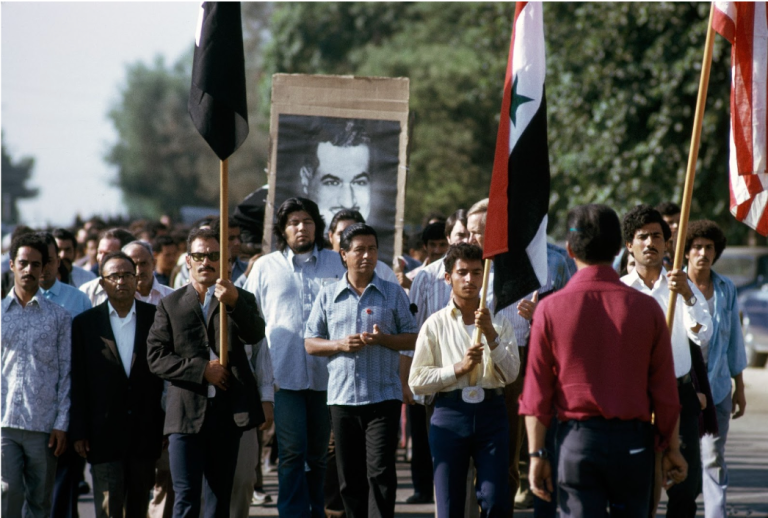
But Nagi refused to remain silent. He taught himself English and Spanish, rising quickly as a voice for Yemenis and Arabs within César Chávez’s United Farm Workers (UFW) movement. On the morning of August 15, 1973, he joined a peaceful demonstration in the city of Lamont. When police moved in to break up the protest, Nagi was struck on the head. He died soon after—at just 24 years old.
His death marked a turning point. Nagi Daifallah became the first Yemeni to give his life in America for the cause of workers’ rights, a name etched into the history of both the Yemeni diaspora and the broader struggle for dignity in America’s fields.
More than ten thousand people marched behind César Chávez and labor leader Dolores Huerta at Nagi Daifallah’s funeral, transforming it into a landmark moment in the history of America’s labor struggle. “Nagi’s story formed a new consciousness for the Yemeni community in America,” reflects Abdulsamad Al-Faqih.
That consciousness has endured. More than five decades later, Nagi’s memory resurfaced when Yemeni shopkeepers in New York staged the 2017 bodega strike to protest the Trump administration’s travel ban. His photograph was carried high once again, a reminder that the struggle he embodied in the fields of California was far from over.
From factories and fields to strikes and union halls, it was perhaps inevitable that Yemeni American voices would one day reach the political arena. After decades defined by industrial labor, the community began to make itself heard at the ballot box.
In Michigan, Ibrahim Aiyash broke new ground as the first Yemeni American elected to the state House of Representatives. In Hamtramck, Amer Ghalib made history as the city’s first Yemeni American mayor—before being nominated to serve as U.S. ambassador to Kuwait.
“The war in Yemen after 2014 and the travel ban in 2017 led many Yemeni Americans to realize that going back was no longer possible,” says Dr. Walid Mahdi. “America had become a permanent homeland for them and their children.”
More than a century after sailors from Aden slipped aboard ships bound for unknown horizons, their descendants now help shape the political, economic, and cultural life of the United States. For Yemeni Americans, the journey has come full circle: America is home.
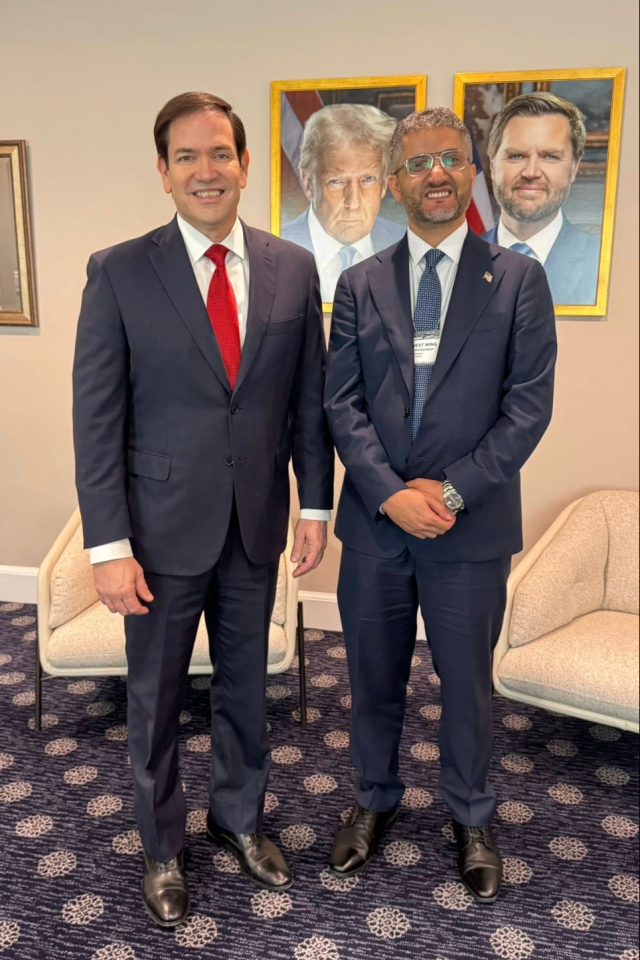
Amer Ghalib, the mayor of Hamtramck, recently at the White House with Secretary of State Marco Rubio
Amer Ghalib, the mayor of Hamtramck, recently sat at the White House with Secretary of State Marco Rubio and senior officials to press for financial support for his city—and to call for easing restrictions on Yemeni migration to the United States.
This moment reflects a broader shift: the steady rise of Yemeni American political activism. From the formation of advocacy committees that lobby the halls of Congress, to youth campaigning in local elections, the community’s presence on ballots has grown year after year.
Women, too, have stepped into the spotlight. Debbie Almontaser, a key figure in the 2017 bodega strike, went on to found the Yemeni American Merchants Association, while Samar Nasser has distinguished herself through wide-ranging humanitarian work.
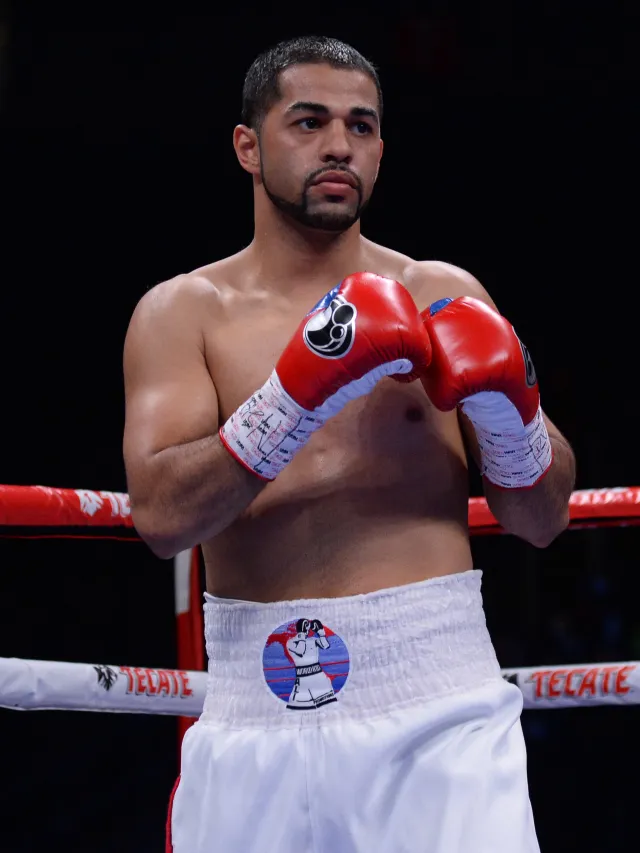
Beyond politics and advocacy, Yemeni Americans have also made their mark in sports. Boxer Sadam Ali, who represented the United States at the 2008 Olympics, became the first Yemeni American to compete at that global stage—showing how far the journey has carried the community from its earliest days on Ellis Island.
American boxer of Yemeni descent Saddam Ali (Reuters)
In the most recent elections, the Yemeni community showed itself to be an influential player. In cities such as Hamtramck and Dearborn, a significant segment of Yemeni Americans rallied behind Donald Trump—an alignment reflected in district results where their votes proved decisive.
The experience underscored a turning point: Yemeni Americans are no longer a quiet presence on the sidelines, but a rising electoral force with the ability to shape outcomes in their local communities. The question now is whether this power will remain rooted in local politics—or grow into a broader influence on America’s national stage.
SDAIA unveils official logo after it was approved by the Cabinet
Saudi Arabia has designated 2026 as the Year of Artificial Intelligence, underscoring the Kingdom’s growing leadership in global AI adoption, and reaffirming AI as a top priority by supporting the nation’s AI ambitions in line with Saudi Vision 2030.
With the Kingdom emerging as a global hub for data and AI, driven by the support of Crown Prince Mohammed bin Salman, the move was underscored by the Saudi Cabinet’s approval on Tuesday.
The Saudi Data and Artificial Intelligence Authority, meanwhile, launched the official logo for the Year of Artificial Intelligence, Saudi Press Agency reported Wednesday.
The logo integrates symbolism in its elements: a palm tree signifies the national emblem and the Kingdom’s cultural heritage, while the letters “AI” highlight the technological and innovative aspects central to promoting digital inclusion as part of Vision 2030.
The palm tree’s green color symbolizes the Saudi flag and the Kingdom’s national identity, while the accompanying blue color represents digital technology and progression toward advanced technological development.
The logo is accompanied by the official hashtag for the Year of Artificial Intelligence: #SaudiAIYear.
Muhammad Khurram Khan, a professor of cybersecurity at King Saud University, told Arab News: “Saudi Arabia’s decision to designate 2026 as the Year of Artificial Intelligence represents a strategic milestone in the Kingdom’s digital transformation under Vision 2030.
“Over the past several years, SDAIA has successfully moved the national AI agenda from planning to large-scale implementation. The progress is visible in the Kingdom’s rapid rise in global AI rankings, its significant investment in emerging technologies, and the development of advanced infrastructure such as national data platforms and large-scale data centers,” he said.
The Kingdom ranked 14th in the 2025 Global AI Index and holds a leading position in the Arab world for AI model development.
Investment in the sector has grown significantly, with government spending on emerging technologies rising by more than 56 percent in 2024 and AI companies securing $9.1 billion in funding.
“The newly unveiled logo effectively reflects this vision. The logo thoughtfully blends Saudi Arabia’s heritage with its technological ambitions, reflecting the Kingdom’s forward-looking vision for a technology-driven future,” said the professor.
“What distinguishes Saudi Arabia’s approach is its holistic strategy. Rather than focusing solely on technology deployment, the Kingdom has invested heavily in talent development, regulatory frameworks, and ecosystem building. Training thousands of specialists and engaging more than a million participants through national AI initiatives demonstrates a long-term commitment to building a sustainable knowledge economy. Equally important is the Kingdom’s emphasis on responsible AI governance, reflected in its participation in international AI partnerships focused on ethics,” he added.
Welcoming the Cabinet’s decision to designate 2026 as the Year of Artificial Intelligence, Abdullah bin Sharaf Al-Ghamdi, SDAIA president, said on Tuesday the decision reflects the crown prince’s vision to strengthen the Kingdom’s global standing in advanced technologies.
He described it as an important step toward creating national momentum around innovation and the role of artificial intelligence in shaping a smarter and more sustainable future.
Since its establishment in 2019, SDAIA has led the National Strategy for Data and Artificial Intelligence, which focuses on six pillars: ambition, competencies, policies, investment, innovation, and ecosystem.
These efforts have moved the Kingdom from strategic planning to implementation, including regulating AI sectors and developing advanced digital infrastructure.
Infrastructure has expanded with the launch of the Shaheen III supercomputer and the Hexagon data center, the world’s largest government data facility with a capacity of 480 megawatts.
The Kingdom has also established a National Data Lake integrating more than 430 government systems.
Human capital development remains a priority. More than 11,000 specialists have been trained, and the SAMAI program has reached over one million participants.
Internationally, Saudi Arabia has strengthened its presence in the AI sector. It became the first Arab nation to join the Global Partnership on AI and hosts the UNESCO-sponsored International Center for Artificial Intelligence Research and Ethics in Riyadh.
These initiatives reflect the Kingdom’s commitment to the responsible and ethical use of artificial intelligence to support economic diversification and serve humanity globally.
source/content: arabnews.com (headline edited)
____________
Emerging as AI Powerhouse under Vision 2030 Saudi Arabia designates 2026 the Year of Artificial Intelligence. (SPA)
Prominent Egyptian journalist Ezzat Ibrahim, editor-in-chief of Al-Ahram Weekly and Ahram Online, has won the Best Columnist Award for 2025 at the Mustafa and Ali Amin Journalism Awards, the awards’ board of trustees announced on Monday.
Renowned journalist Mohamed Salmawy was named Journalist of the Year, while Mohamed El-Shamaa of Al-Akhbar newspaper received the Commitment Award, according to a statement from the awards foundation.
In the investigative journalism category, Amany Awad of Al-Mal newspaper won for her report titled “The Dark Side of the Smart Companion.”
Samar Ibrahim of Al-Shorouk newspaper received the Humanitarian Journalism Award for “Testimonies of Sexual Humiliation Victims by Rapid Support in Sudan.”
The Youth Award went to Ahmed Al-Ameer of Al-Watan newspaper for his piece “The Killer Light: The Journey of White Phosphorus from the Gap to the Bodies of Gaza Strip Residents.”
In visual journalism categories, Khaled Kamel of the Youm7 website won the Photojournalism Award for “A Mother’s Sacrifice for Her Children in the Rain,” while Maroula Magdy of the Al Arabiya Egypt website received the Video Journalism Award for “Mawlawiya Dance for Love and Peace.”
The awards also recognized student journalists. Jana Mohamed Hanfi won first place in the journalism department at Akhbar El-Youm Academy, while Mai Ahmed El-Sayed took first place in the journalism department at Cairo University’s Faculty of Mass Communication.
The winners were selected after impartial judging committees reviewed entries published during 2025, the foundation said.
Safia Mustafa Amin, chair of the awards’ board of trustees, said a ceremony will be held to honour the legacy of journalists Mustafa Amin and Ali Amin, during which the prizes will be presented to the winners.
According to the UN, women currently have about 64 percent of the legal rights granted to men worldwide, highlighting persistent disparities in legal protections
Saudi government has continued to advance efforts aimed at achieving equality between men and women across various sectors
International Women’s Day on March 8, which this year has the theme “Rights. Justice. Action. For ALL Women and Girls,” is being celebrated across Saudi Arabia.
The slogan underlines the call for stronger efforts to remove barriers to equal justice, including discriminatory laws, weak legal protections, and harmful social norms and practices that undermine the rights of women and girls.
Terri Castis, chief of business and strategy at Prince Mohammed bin Salman Royal Reserve, told Arab News: “I am incredibly proud that today, on International Women’s Day, 34 percent of Prince Mohammed bin Salman Royal Reserve’s 234-strong ranger team are women, breaking new ground in the conservation sector and far exceeding the global average of female rangers, which stands at just 11 percent.
“These women have changed what was once possible for communities, for families and for themselves. As we move towards the conservation ambitions of Vision 2030, we are building the next generation of skilled Saudi women conservationists ready to take the lead in protecting their natural and cultural heritage.”
Abir Abusulayman, CEO of Al-Oula Charity Organization, said: “International Women’s Day serves as a reminder of women’s remarkable achievements. This year’s (campaign) theme, ‘Give to Gain,’ reflects what Saudi women have long embodied. By nature, women are givers, and today, in alignment with Saudi Vision 2030, women in the Kingdom are giving back to society the opportunities and progress they have gained over the years.
“At Aloula Charity Organization, which has been serving the community since 1962, women have consistently demonstrated through collaboration and dedication that their efforts can make a meaningful difference in the community.”
Zainab Antakia, media professional, writer and trainer told Arab News: “Saudi Arabia has granted women their full rights through empowerment, enabling them to become active contributors across all fields, leaders of change, and builders of a bright future.”
According to the UN, women currently have about 64 percent of the legal rights granted to men worldwide, highlighting persistent disparities in legal protections.
The Kingdom’s work to empower women saw female participation in the labor market reach around 36 percent in 2024, surpassing the targets set under Vision 2030. Thousands of Saudi women benefit from education and vocational training programs that prepare them to enter the workforce, alongside growing representation in administrative and leadership positions.
Saudi Arabia’s National Unified Government Platform reported that the progress is expected to have a positive economic impact, with women’s financial contribution projected to reach $39 billion by 2032, reflecting the Kingdom’s continued efforts to support women as part of its broader sustainable development goals.
The Saudi government has also continued to advance efforts aimed at achieving equality between men and women across various sectors. Initiatives include strengthening women’s rights, expanding support and welfare programs, and creating an inclusive and sustainable work environment that enables women to participate fully.
As part of this commitment, the Kingdom has introduced a comprehensive legislative framework that includes legal protection for women and empowerment programs in education, training, healthcare and social support.
Authorities have also expanded initiatives to enhance women’s roles through schemes such as the National Family Safety Program, as well as measures to support women’s participation in the justice sector, business activities and public life.
The Ministry of Culture published a video on its official account on X to mark the occasion, highlighting the role of women in culture and society under the title: “Creative through her giving, inspiring through her presence.”
The General Authority for Statistics issued the Saudi Women Report 2024, published last August, through its official website. It includes a wide range of statistics on Saudi women (aged 15 years and above) across areas such as education, health, employment, culture and recreation, based on statistical surveys, administrative records and population estimates.
The report shows that the number of Saudi women reached 9.8 million, with the 15–34 age group representing about 35.7 percent of the total. It also recorded a decline in unemployment rates among Saudi women to 13 percent in 2024, compared with 19 percent in 2022.
In the fourth quarter of 2024, the rate stood at 11.9 percent, down from 13.9 percent in the same period of 2023. Meanwhile, the number of women in the workforce rose to 36 percent and the employment-to-population ratio reached 31.8 percent.
In education and innovation, 35.3 percent of Saudi women aged 25 and above hold a bachelor’s degree or equivalent. Saudi women also registered 22 patents in 2024 and won 1,956 local and international sports awards.
The report further indicated that 44 percent of Saudi women engage in physical activity for 150 minutes per week or more, while visiting parks and recreational areas was the most common leisure activity, at 62.7 percent.
The report is one of the authority’s annual publications that monitor indicators of women’s empowerment and progress across various sectors in the Kingdom.
The World Assembly of Muslim Youth commended the Kingdom’s efforts in supporting and empowering women, emphasizing that its comprehensive approach to development was reflected by their achievements.
It said the Kingdom has presented a pioneering model, providing women with opportunities to actively participate in the process as they have become essential partners in national development and community work, in line with the objectives of Saudi Vision 2030.
WAMY noted that its global humanitarian and development programs prioritize women’s empowerment by supporting education, vocational training and capacity building, alongside social welfare programs aimed at mothers and families.
Across the Arab world, Stars of Science is demonstrating how to innovate, transforming experimentally novel ideas into tangible solutions while inspiring millions of young minds.
Since its inception in 2009, Stars of Science, hosted at Qatar Science and Technology Park (QSTP), a member of Qatar Foundation, has become a catalyst for innovation across the Arab world.
Over 313 episodes have been aired across 17 seasons for purposeful broadcasting towards a productive culture, building a network of 175 role models from 18 Arab countries and helping to launch more than 55 alumni-founded businesses across diverse sectors.
“Stars of Science is not just a television programme but a reflection of a real and thriving innovation ecosystem. It provides a unique platform that bridges the gap between scientific research and technological innovation, transforming ideas especially academically proven into demonstrated prototypes within a 12-week period,” explained Innovation Consultant and Jury Member Professor Fouad Mrad.
Participants benefit from expert mentorship, access to world-class facilities, and exposure to diverse jury members, ranging from academics and scientists to entrepreneurs and startup founders.
Beyond technical hands-on skills, they acquire entrepreneurial lessons that prepare them to bring solutions to market as founders, mentors, or thought leaders. “The programme has inspired millions by making science accessible, practical, purposeful, and engaging, especially for Arab youth,” Mrad added.
Rigorous selection and mentorship
Selection for the programme follows a thorough process. Candidates submit applications online, which are sorted based on specialization, dispatched to and reviewed by a pool of relevant experts across scientific, technical, and professional domains.
Projects are evaluated on novelty and soundness of a scientifically based concept, feasibility of producing a functional prototype within two months, and relevancy to society and market.
Selected candidates are invited to pitch their ideas and implementation in front of a diverse jury that includes academics, and practitioners.
“The cohorts gain access to mentorship from QF and Qatar’s wider R&D ecosystem, QSTP’s incubation and acceleration programs, world-class facilities, advanced prototyping labs, and access to funding. Mentorship goes beyond technical refinement, equipping candidates with entrepreneurial know-how and guiding them to turn early-stage concepts into minimum viable products (MVPs). It is this backbone of mentorship and partnerships that transforms raw ideas into real, practical, and ready solutions,” said Mrad.
Season 17: Innovations for a changing world
Season 17 of Stars of Science highlights a renewed focus on addressing pressing challenges, covering a wide range of fields. These include medical and surgical innovation, with real-time guidance systems and 3D simulation platforms, as well as wellbeing technologies, such as wearables and gamified rehabilitation tools. The season also sheds light on environmental sustainability and marine protection through eco-friendly solutions and AI systems supporting green energy.
The mentorship structure has also been strengthened, offering more personalized guidance and access to QSTP’s advanced facilities, allowing candidates to refine their concepts into minimum viable products.
Each finalist brings a unique vision: some aim to enhance healthcare precision and rehabilitation, others focus on renewable energy and environmental protection, and some draw inspiration from nature to solve complex problems.
For example, Mohamed Kahna from Tunisia is developing a real-time surgical guidance system that mimics GPS in the operating room, enhancing laparoscopic surgery. “I want this system to ensure surgeons have clear guidance in their most critical moments,” he said.
Khaldoun Megdady from Jordan is developing a 3D coronary artery simulation platform. The invention enables surgeons to rehearse bypass procedures using AI-generated anatomical models. “This is rehearsal before reality, it gives surgeons a chance to prepare in detail, which can mean safer and more precise procedures,” he explained.
Beyond the technical aspects, this season encourages candidates to consider the broader societal value of their innovations, fostering a culture of responsible innovation and entrepreneurship.
Environmental sustainability also features prominently. Mohammed Al Mur Al Salmi from Oman developed an enzyme-based spray to prevent bacterial buildup on underwater marine surfaces and structures, offering an eco-friendly alternative to toxic coatings.
“Our economy depends on the ocean. I wanted to protect what gives us life,” he said.
Health and human wellbeing are central to other projects. Saudi contestant Razan Bahabri focuses on gamified stroke rehabilitation therapy, enabling engaging exercises with remote monitoring by clinicians. “Rehabilitation therapy doesn’t have to be repetitive,” she noted.
Beyond the cameras: Sustaining innovation
Unlike many competitions, Stars of Science extends support long after cameras stop rolling by showcasing the success of its alumni and giving them visibility and international recognition. Some innovators are mentioned in national curriculum textbooks as modern times inventors.
Winners of the first and second prizes receive USD 300,000 and USD 100,000 respectively, providing substantial seed funding to advance their innovations beyond the prototype stage.
Alumni remain connected to QSTP and Qatar Foundation’s broader R&D ecosystem, accessing mentorship, incubation, funding, partnership and media opportunities.
“This is what makes the programme an illustrative launchpad rather than just a show. It celebrates STEM champions, and equips innovators with visibility, confidence, and recognition to contribute as capable ambassadors and impactful drivers of change across communities in the Arab countries,” Mrad explained.
Several alumni exemplify the programme’s mission:
Ahmad Nabeel (S9, Kuwait) developed KLENS, a self-cleaning laparoscopic camera system, now recognised globally by partnering with Mayo clinic, and serves as a guest juror on the programme.
Yaman Tayyar (S16, Syria) advanced his gene-therapy assist device, being incubated at QSTP and now mentors Season 17 candidates.
Majed Lababidi (S3, Syria) launched multiple startups in Qatar and is now Director of Ecosystem Integration at Alchemist Accelerator Doha.
Hassan Al-Balawi (S7, KSA) saw his AI-based workplace safety startup, WakeCap Technologies across the GCC construction landscape, secured major funding and international partnerships.
Eiman Al-Hamad (S12, Qatar) created an Arabic voice-phishing detection tool that gained international recognition and now mentors participants in Season 17.
Nada El-Kharashi (S16, Egypt), a biotech designer in Qatar, recognized for her entrepreneurial journey and featured on the Forbes 30 Under 30 list, underscoring the caliber of alumni the programme produces.
“These journeys showcase how Stars of Science program continues to inspire young Arabs, spark creative ideas, apply their knowledge, harness available resources, kick-start successful products, and demonstrate that Arab innovators can produce locally and market globally,” said Mrad.
Shaping national and regional innovation
Connecting university to local industry has been a lasting objective of every economy. “Learn to Earn” has been a motto for all societies, but it is essential for Arab countries suffering from youth unemployment especially among the educated generations, and modest production added value.
Mrad highlighted that Stars of Science demonstrated experimentally the promising potential embedded within our society, education landscape, innovation ecosystem and indirectly promoted the impactful interface and partnerships among public policy making, education, and industry.
It aligns with Qatar National Vision 2030 by promoting STEM education, youth empowerment, and a knowledge-based economy, while reinforcing Qatar’s role as a hub for research and innovation.
Through collaborations with academia, industry, and the private sector, the programme creates pathways for prototypes to grow into viable products and scalable startups.
Mrad added, “The long-term legacy will be generations of Arab innovators who credit the programme as their first inspiration, shifting the region’s culture from consumption to production.”