Arabs & Arabian Records Aggregator. Chronicler. Milestones of the 25 Countries of the Arabic Speaking World (official / co-official). AGCC. MENA. Global. Ist's to Top 10's. Records. Read & Enjoy./ www.arabianrecords.org
Prince Sultan bin Salman, founder and chairman of the club, said: “This achievement demonstrates the Kingdom’s ambition to lead in the global aviation sector.
The Saudi Aviation Club achieved a groundbreaking milestone at the General Aviation Airshow “Sand & Fun,” setting a new Guinness World Record for the most fireworks launched while suspended from a helicopter.
The achievement took place on Thursday at Al-Thumamah Airport in Riyadh using a modified Messerschmitt-Bolkow-Blohm BP 105 P1M helicopter.
The aircraft was equipped with a custom-engineered pyrotechnic platform that launched hundreds of fireworks during flight.
This world-first spectacle was developed in collaboration with international partners Aeropact from Poland and Flash Art from the UAE, combining advanced aviation engineering with creative show technology.
Prince Sultan bin Salman, founder and chairman of the club, said: “This achievement demonstrates the Kingdom’s ambition to lead in the global aviation sector. We are establishing new international standards from the heart of Riyadh, supporting the goals of Saudi Vision 2030.”
The airshow, concluding on Saturday, attracted more than 200,000 visitors and featured over 90 aerial displays. Its diverse offerings included static aircraft exhibits, the “Hangar Talks” forum on eVTOL and artificial intelligence technologies, the technology-focused “Terminal X” zone, and a dedicated “Kids Zone” for young aviation enthusiasts.
The business aspect of the airshow featured more than 150 exhibitors and attracted more than 3,000 VIP visitors and international delegations.
Capt. Farres Moneer, board member and general executive manager at the club, said that the show is confirming its status as the largest and most dynamic general aviation platform in the Middle East.
Moneer added: “We successfully surpassed our targets, welcoming over 200,000 visitors this year, including participants and delegates from more than 90 countries.”
This level of attendance underscores the transformation of general aviation from a niche hobby into a major cultural and economic force, he added.
Moneer noted that the airshow is a vital economic engine supporting the ambitious goals of Saudi Vision 2030.
He said the high level of engagement translated into tangible value, with 18 strategic agreements and memoranda of understanding signed during the airshow, generating an economic impact exceeding SR250 million ($67 million), specifically targeting technology transfer and the localization of advanced aviation industries.
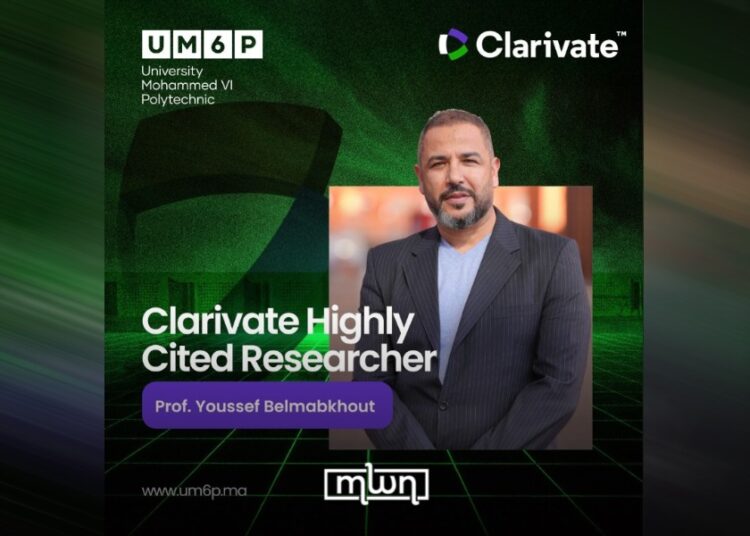
With just 16 African researchers featured on Clarivate’s 2025 Highly Cited list, the two Moroccans mark a standout moment for the country’s scientific landscape.
Mohammedia – Professor Youssef Belmabkhout of Mohammed VI Polytechnic University (UM6P) has been named to the Clarivate Highly Cited Researchers 2025 list, placing him among the world’s most influential scientific voices.
The distinction recognizes researchers whose work ranks in the top 1% by global citations and reflects a broad and lasting impact across multiple fields.
Belmabkhout earned his place in the Cross-Field category, which spotlights scholars whose research extends beyond a single discipline.
Clarivate’s data shows that his work accumulated more than 20,600 citations — nearly 20,000 excluding self-citations — across over 13,600 citing articles.
His research has also been cited in 219 patents from 138 patent documents, underscoring significant industrial relevance in addition to academic influence.
UM6P celebrated his success earlier this week, emphasizing his “sustained scientific impact” and the university’s commitment to high-level research that contributes both locally and globally. His recognition marks one of two Moroccan entries on the 2025 list.
Belmabkhout’s work focuses on advanced material-separation processes, with contributions spanning gas storage and purification, catalysis, CO2 capture, and sensing materials.
As global industries confront the challenge of increasing energy demands while adhering to strict environmental targets, his research provides pathways toward cleaner, more efficient, and economically viable solutions.
Born in Rabat in 1974 and raised in Khouribga, Belmabkhout began his studies in Casablanca before pursuing graduate and doctoral training abroad.
He earned a PhD in Applied Sciences in Belgium in 2005 and went on to join leading institutions including the French Petroleum Institute, the University of Ottawa, Canada’s National Research Council, and King Abdullah University of Science and Technology.
He previously appeared on Clarivate’s Highly Cited list in 2019, 2020, 2021, and 2022.
A second Moroccan researcher recognized in 2025
The 2025 Highly Cited Researchers list includes one other Moroccan: Professor Aziz Bousfiha, an immunologist, pediatric infectious disease specialist, and expert in primary immunodeficiencies.
He is affiliated with Hassan II University of Casablanca and serves at CHU Ibn Rochd’s Department of Pediatrics.
Bousfiha was selected in the Immunology category, reflecting worldwide recognition for his work across multiple subject areas.
His Clarivate profile lists contributions in Immunology, Research & Experimental Medicine, Allergy, Pediatrics, and Genetics & Heredity.
He has appeared consecutively on Clarivate’s Highly Cited Researchers list in 2022, 2023, 2024, and now 2025, demonstrating the consistency and global reach of his medical research.
Both of Morocco’s representatives stand among only 16 African researchers selected this year, alongside peers from South Africa, Kenya, and Egypt.
Their inclusion highlights the strengthening of Morocco’s scientific landscape and the growing visibility of its research institutions within global networks.
For UM6P, Hassan II University, and the country’s wider academic community, the 2025 recognitions mark a significant milestone — affirming that Moroccan science increasingly contributes to global discovery, innovation, and public health.
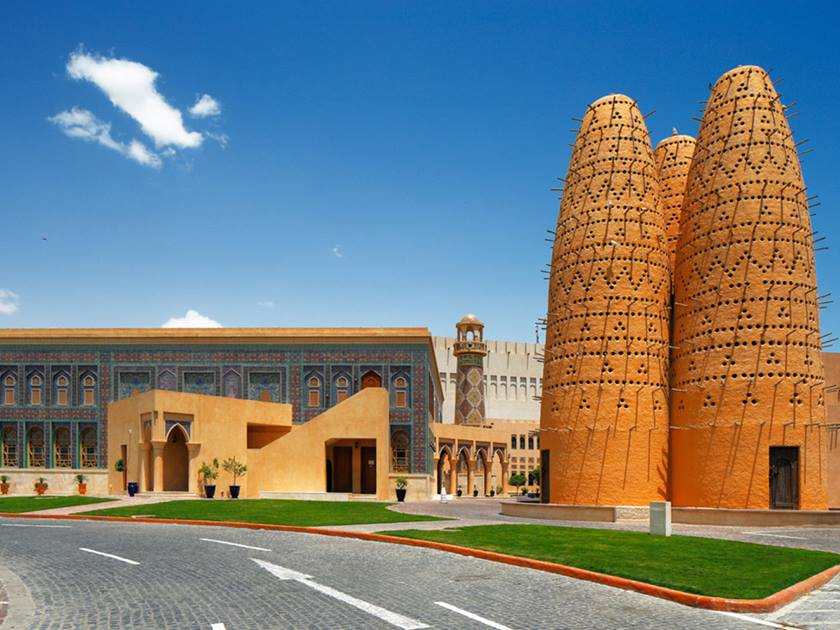
Following the designation, Katara has announced it would host the first edition of the Arab Opera Festival from December 8 to 11.
The Arab Educational, Cultural and Scientific Organization (ALECSO) officially designated Katara Cultural Village in Doha as the “Arab Opera City,” recognising its role in promoting Arab opera at both regional and international levels.
The decision, announced during a ceremony held at ALECSO headquarters in Tunisia on Wednesday, reflects wider acknowledgement of Katara’s long-standing efforts supporting musical arts and preserving Arab cultural identity.
The ceremony was attended by Director General of the Katara Cultural Village Foundation Khalid bin Ibrahim Al-Sulaiti, Director General of ALECSO Mohamed Ould Amar, Qatar’s ambassador to Tunisia Zayed bin Saeed Al Kumait Al Khayarin and a number of the ambassadors of Arab countries in Tunisia.
Al Sulaiti described the title as both an honour and a renewed commitment, as well as “a tribute to the Foundation’s efforts in supporting musical creativity and preserving Arab cultural identity,” according to Qatar News Agency.
As part of the new status, Katara will host the first edition of the Arab Opera Festival from December 8 to December 11.
The festival will bring together 13 Arab opera houses, feature performances by orchestras including the Qatar Philharmonic Orchestra and the Cairo Opera Orchestra, and include workshops on operatic singing and performance.
In addition, an online platform dedicated to Arab opera houses was also revealed, offering access to their schedules and programmes throughout the year, an initiative aimed at enhancing visibility of opera across the Arab world.
This latest recognition adds to Katara’s growing legacy. In previous years it was honoured as the “City of the Arabic Novel” and as the “Cultural Heritage City of Arabian Horses,” underscoring its central role in cultivating diverse strands of Arab cultural heritage.
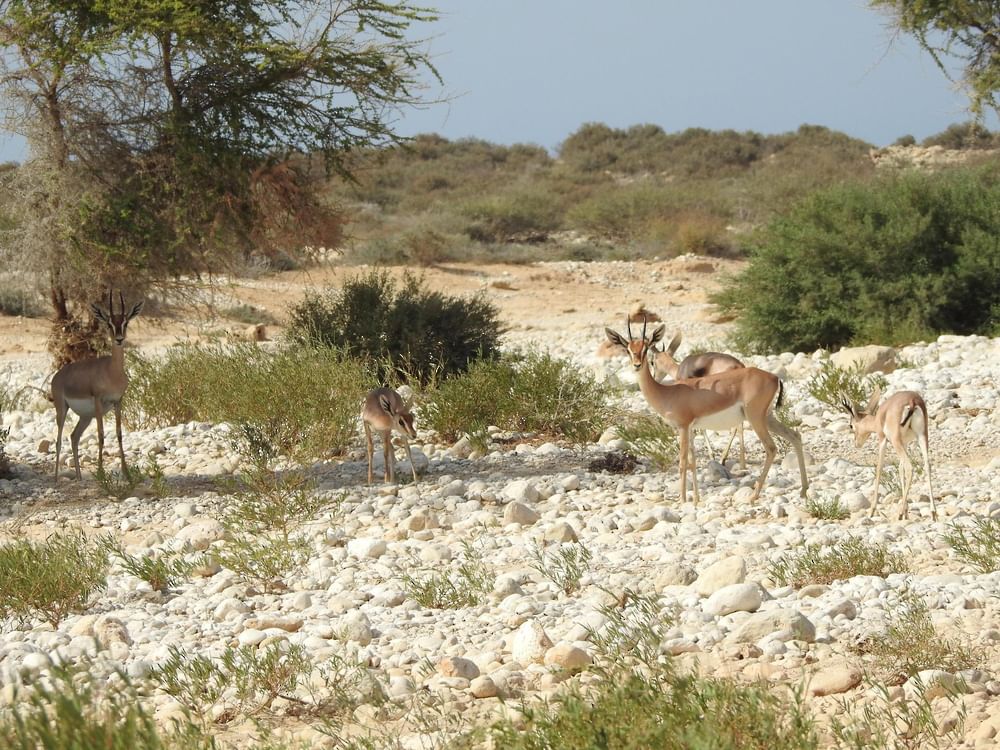
Oman has been elected as a member of the International Coordinating Council of the United Nations Educational, Scientific and Cultural Organisation’s (UNESCO) Man and the Biosphere (MAB) Programme.
The country, represented by its Environment Authority, will serve on the Council for the term from 2025 to 2029. The election took place on the sidelines of the 43rd session of the UNESCO General Conference in Samarkand, Republic of Uzbekistan.
The election highlights Oman’s continuous efforts to promote environmental sustainability and reflects its commitment to achieving a balance between national development and the preservation of ecosystems, in line with Oman Vision 2040 and the UN Sustainable Development Goals.
The MAB Programme works to foster scientific and research cooperation among member states, concentrating on expanding nature reserves, conserving biological diversity, and tackling climate change challenges through sustainable innovation.
Oman has previously achieved international recognition within the programme by successfully integrating two sites, the Al Sareen Nature Reserve and the Jabal Akhdar Scenic Reserve, into the UNESCO World Network of Biosphere Reserves.
‘One Day, Everyone Will Have Always Been Against This’ examines the international community’s response—or lack of response—to Israel’s genocide in Gaza.
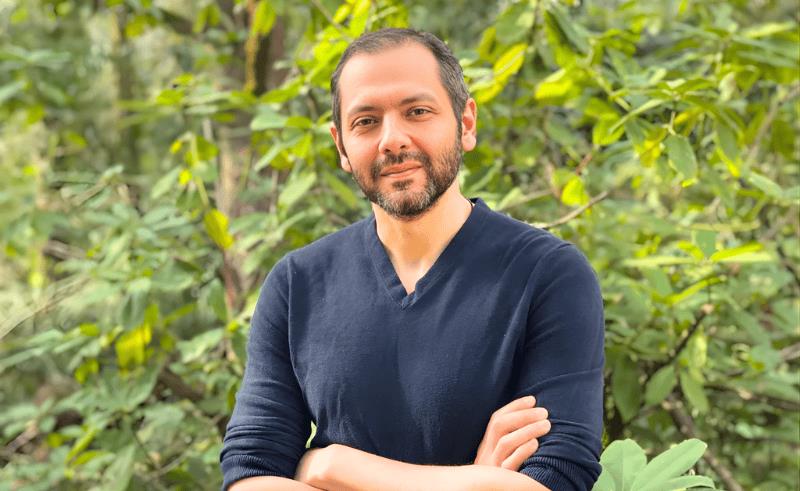
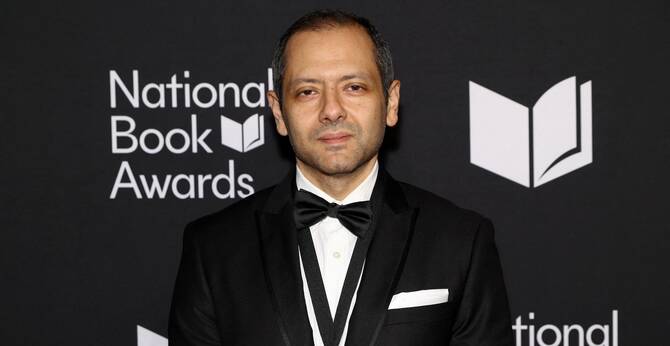
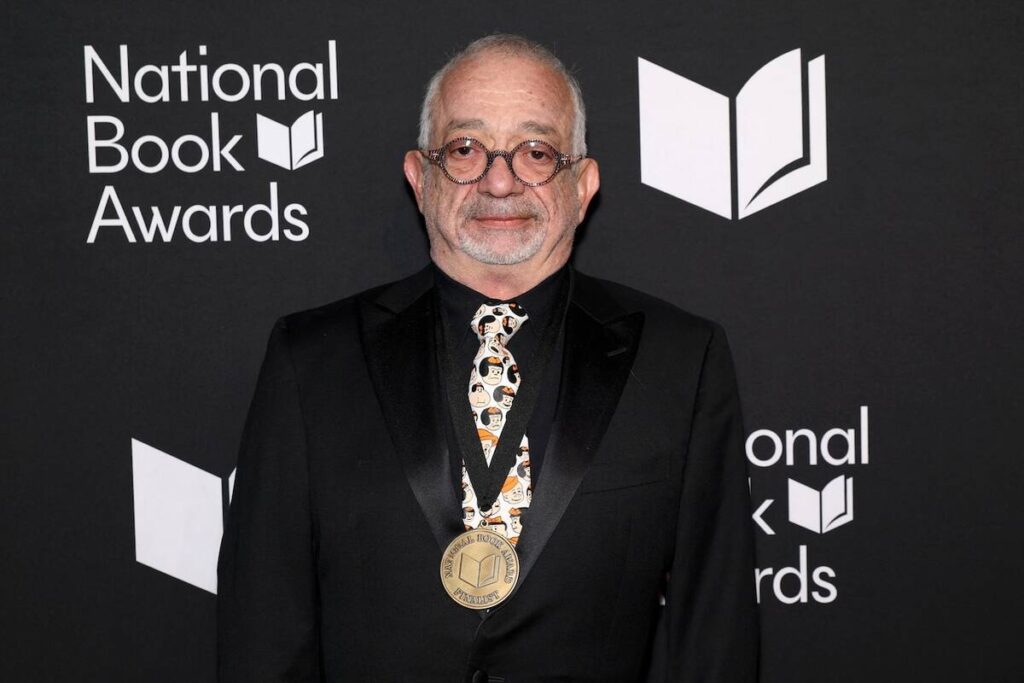
Egyptian-Canadian author Omar El Akkad has won the 2025 National Book Award for nonfiction for his debut work ‘One Day, Everyone Will Have Always Been Against This’. The National Book Awards, presented annually in the United States for books published within the country, remain among the most prominent global prizes for fiction and nonfiction.
Published in February 2025, ‘One Day, Everyone Will Have Always Been Against This’ marks El Akkad’s first full-length nonfiction book. The work examines the international community’s response—or lack of response—to Israel’s genocide in Gaza, interweaving political analysis with personal narrative. Critics praised the book upon release for its clarity, its forceful moral argument, and its challenge to dominant western liberal frameworks.
The book’s title originates from a tweet El Akkad posted shortly after the war began, which has since amassed more than 10 million views: “One day, when it’s safe, when there’s no personal downside to calling a thing what it is, when it’s too late to hold anyone accountable, everyone will have always been against this.”
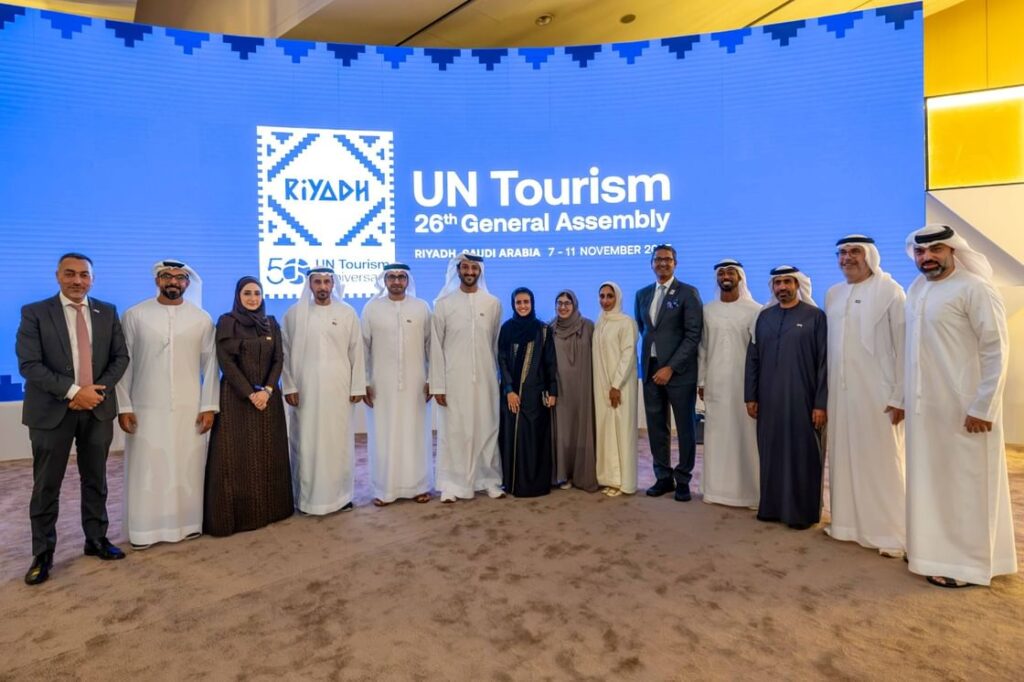
The United Nations World Tourism Organisation (UNWTO) has chosen, by a majority vote of more than 160 countries, Shaikha Nasser Al Nowais as new Secretary-General of the organisation for the term 2026–2029, following her election last May by the Executive Council.
Al Nowais successfully completed all stages of nomination, election and confirmation in accordance with the organisation’s protocol, marking an unprecedented achievement.
This announcement came during the participation of a delegation from the UAE, led by Abdullah bin Touq Al Marri, Minister of Economy and Tourism, in the 26th session of the UNWTO General Assembly, hosted in Riyadh, Saudi Arabia, from 7th to 11th November.
With this election, Shaikha Al Nowais becomes the first woman in the world and the first Emirati ever to lead the organisation since its founding 50 years ago, a milestone that reflects the international community’s confidence in Emirati talent and leadership, and the UAE’s success in empowering women and strengthening their global leadership presence.
Abdullah bin Touq stated, “We are witnessing a milestone moment – not only for the United Arab Emirates but for the entire Arab region and the global tourism sector. The election of the first woman to lead the world tourism system reflects a unanimous international recognition of the UAE’s distinguished position in tourism and economic diplomacy. It also confirms our leading and growing role in promoting sustainable tourism development and cultural exchange among the peoples of the world.”
He added that this milestone reflects the wise leadership and vision of President His Highness Sheikh Mohamed bin Zayed Al Nahyan, His Highness Sheikh Mohammed bin Rashid Al Maktoum, Vice President, Prime Minister and Ruler of Dubai, and His Highness Sheikh Mansour bin Zayed Al Nahyan, Vice President, Deputy Prime Minister and Chairman of the Presidential Court – a vision that champions excellence, innovation, and the empowerment of national talent to make influential contributions in international organisations, solidifying the UAE’s role as a trusted partner in global economic development initiatives.
Abdullah bin Touq extended his gratitude to all UNWTO member states for their confidence and support in electing an Emirati woman to this leadership role, emphasising that this historic achievement motivates further efforts to strengthen the UAE’s contribution to shaping a more sustainable and prosperous future for global tourism.
He also highlighted the UAE’s success, over past decades, in establishing itself as one of the world’s leading tourism destinations, thanks to its advanced infrastructure, sustainable investments, and cultural diversity rooted in values of tolerance and openness.
He reaffirmed the UAE’s commitment to supporting the UNWTO’s programmes and action plans in the coming years, and to strengthening international partnerships in the tourism sector. This includes sharing expertise and best practices, promoting collaboration between governments, the private sector, and civil society, and advancing sustainable tourism goals.
Abdullah bin Touq also pointed out that the UAE’s aviation sector has played a central role in reinforcing the country’s global position in tourism and travel, with Emirati airlines connecting East and West, facilitating the movement of travelers, entrepreneurs, students, and tourists — transforming the UAE into a global hub for economic, cultural, social, and knowledge exchange.
Addressing the UNWTO General Assembly, Al Nowais expressed her deep gratitude to all UNWTO member states for their trust and support, affirming her commitment to this global responsibility during a period that requires collective effort and forward-looking vision.
She stated, “Tourism is not merely an economic industry; it is a bridge for human connection and a cornerstone for promoting understanding, peace, and sustainable development among peoples and cultures worldwide.”
She emphasised that her achievement would not have been possible without the visionary leadership of the UAE and its unwavering support for empowering Emirati women across all sectors, including tourism, now one of the main drivers of sustainable development. This accomplishment, she said, reinforces the UAE’s influential role in shaping global tourism policies and directions in the years ahead.
“Together – governments, organisations, private sector partners, and civil society – we will lead a new phase of collaborative work based on innovation, empowerment, and sustainability, with a focus on developing human capabilities. We aim to make tourism an inclusive sector that creates opportunities for all – especially youth, women, and local communities – to drive sustainable growth and global cultural exchange.”
Al Nowais outlined her vision for leading global tourism, centred on turning challenges into opportunities and redesigning tourism systems to meet local community needs while strengthening national economies. She emphasised the importance of partnerships to expand the organisation’s capacity to support developing countries through training, capacity-building, financing, and knowledge sharing.
The 26th session of the UNWTO General Assembly featured a series of intensive meetings of the General Assembly and the Executive Council, covering a wide range of strategic topics related to international tourism programmes.
Discussions focused on enhancing tourism sustainability at regional and global levels, developing human capital and professional skills in tourism, promoting digital transformation and innovation in global destinations, and improving tourism experience quality and competitiveness among member states.
They also opened pathways for advancing sustainable tourism models that protect the environment and local communities while driving global economic growth, innovation, and investment – ensuring that tourism remains a key pillar of inclusive and sustainable economic development for future generations.
The session included in-depth discussions on the future of global tourism in the post-pandemic era, highlighting the need to rebuild the sector on stronger, more resilient, and diversified foundations that balance economic growth with environmental and cultural preservation.
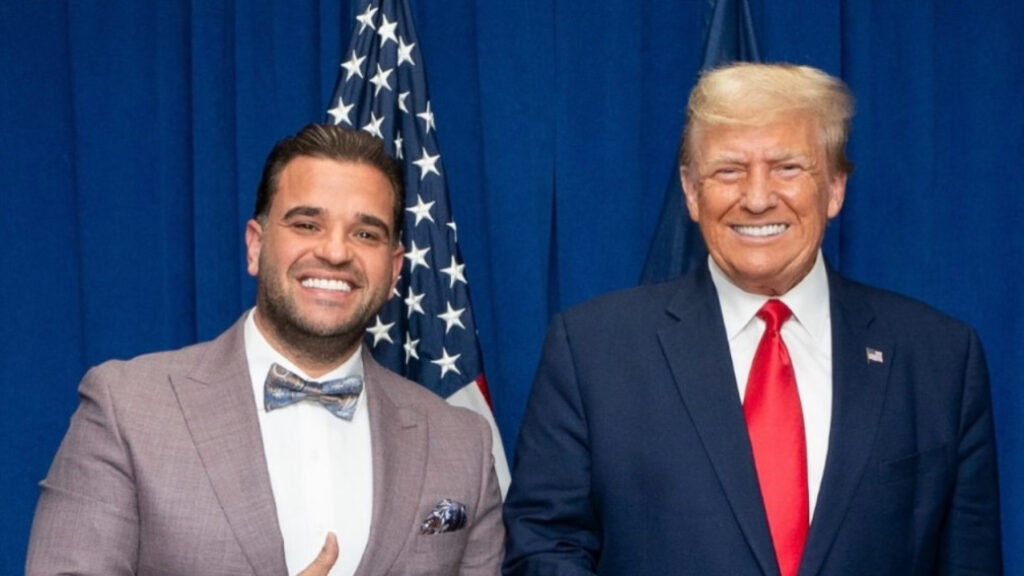
Savaya, a Michigan-based entrepreneur of Iraqi Chaldean descent, was appointed in a statement on Trump’s Truth Social page on Sunday.
United States President Donald Trump has named Detroit businessman and cannabis entrepreneur Mark Savaya as special envoy to Iraq, sparking debate in Baghdad and Washington.
Savaya, a Michigan-based entrepreneur of Iraqi Chaldean descent, was appointed in a statement on Trump’s Truth Social page on Sunday.
“Mark’s deep understanding of the Iraq–US relationship and his connections in the region will help advance the interests of the American people through his diplomatic engagement and direct communication with Iraqi officials as special envoy. As special envoy, he will act as a direct representative for US interests in Iraq, coordinating joint initiatives, maintaining diplomatic negotiations, and ensuring transparent communication between US and Iraqi governments on security, political, and economic priorities,” Trump wrote.
Trump praised Savaya’s contribution to his 2024 campaign, particularly his efforts to mobilise support among Muslim American voters in Michigan.
Savaya, born in Detroit in 1983, owns Leaf and Bud dispensaries and, according to his public profile, has no previous government experience. His family left Iraq for the US in the 1990s.
The appointment has sparked discussion among Iraqi political circles, though the Iraqi Prime Minister has welcomed the move.
On Monday, Iraqi Prime Minister Mohammed Shia al-Sudani described the appointment of US President Donald Trump’s special envoy to Iraq as “an important step,” noting the envoy’s Iraqi roots.
“The appointment of a special envoy by President Trump to Iraq is an important step, especially as he is of Iraqi origin. We wish him success in his mission,” Sudani said during a meeting with Arab and foreign journalists in Baghdad.
In a post on X (formerly Twitter), Savaya said he was “deeply humbled, honoured and grateful” to be appointed and committed to “strengthening the US–Iraq partnership under President Trump’s leadership.”
The announcement came after the release of Elizabeth Tsurkov, an Israeli-Russian doctoral student who was kidnapped in Baghdad in 2023 by the Kataib Hezbollah militia.
Tsurkov, who spent more than 900 days in captivity and was freed on 9 September, wrote on X that Savaya had played “an instrumental role” in securing her release, calling the move “terrible news for anyone serving Iran’s interests in Iraq.”
On his part, Nechirvan Barzani, the President of the Kurdistan Region, welcomed the appointment, describing it as underscoring “The strategic importance of Iraq and the Kurdistan Region in advancing our shared interests and regional stability.”
Senior Kurdistan Democratic Party (KDP) figure and former foreign minister Hoshyar Zebari welcomed the appointment, describing it in a post on the X social media platform as “a bold decision to restore Iraqi sovereignty and independence away from corruption, mismanagement and militia rule.”
Zebari also said Savaya’s appointment, as “an American of Chaldean Christian and Iraqi descent”, reflected recognition in Washington that Iraq’s political situation “is neither stable nor normal”, and called for “decisive measures beyond traditional diplomatic frameworks”.
However, others have questioned the timing and nature of the role.
Iraqi writer and political analyst Falah Al-Mashaal described the decision to appoint a special envoy, rather than a traditional ambassador, as “puzzling” and “unusual under diplomatic norms”.
“A special envoy is usually sent for a specific mission—during a crisis, war, or to deliver a particular message,” he wrote in a post on the X. “Is President Trump planning something unusual for Iraq?”
He linked the appointment to Trump’s recent comments at the Sharm el-Sheikh peace summit in Egypt, where he referred to Iraq’s “vast oil wealth” and accused its leaders of mismanaging it.
“It sounded like an invitation for Trump’s allies in Iraq to sue Prime Minister Sudani for negligence and mismanagement of public funds,” al-Mashaal said.
Some analysts believe the appointment may be connected to Trump’s regional agenda and his longstanding focus on Iraq’s oil sector.
Alex Warkes, a UK-based Iraqi political analyst, said the decision could also have domestic political implications for Baghdad.
“I think the back door of the US embassy will be quite busy with the arrival of Trump’s special envoy,” Warkes said in a post on X. “I believe the appointment was coordinated with Prime Minister Mohamed Shia Al-Sudani’s team, perhaps to support his bid for a second term. We don’t yet know what the exchange might be—but time will tell.”
Warkes also questioned whether Savaya’s appointment had been coordinated with Israel, given that Trump’s Middle East policy “has always prioritised Israeli interests more than any of his predecessors”.
“These are legitimate questions,” he said. “Especially at a time when Iraq’s stability, oil policy, and relations with Iran remain central to the region’s balance of power.”
source/content: newarab.com (headline edited)
____________
Mark Savaya and US President Donald Trump. [Screengrab from Mark Savaya/Instagram]
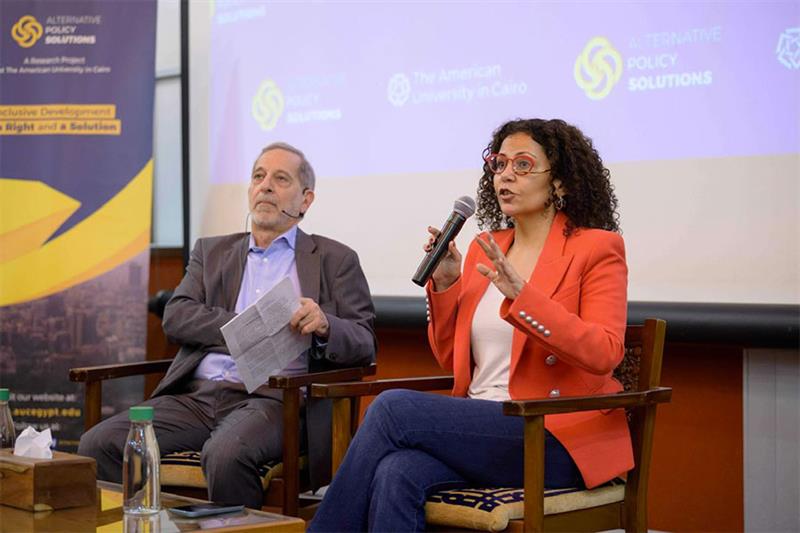
The American University in Cairo (AUC) recently hosted renowned historian Rashid Khalidi for a discussion on his acclaimed book, The Hundred Years’ War on Palestine: A History of Settler Colonialism and Resistance.
The talk, titled “The Hundred Years’ War on Palestine: A Conversation with Rashid Khalidi,” was moderated by Rabab El Mahdi, an associate professor of political science at AUC.
It offered students the opportunity to engage with one of the most influential contemporary voices on Middle East history and politics.
Professor Khalidi, the Edward Said Professor Emeritus of Modern Arab Studies at Columbia University’s Department of History, presented his detailed, century-long analysis spanning from 1917 to 2017.
He argues that the conflict is best understood as a “War on Palestine,” an ongoing campaign of settler colonialism met with indigenous resistance.
Khalidi opened the conversation by sharing the personal motivation behind the work, noting he wrote the book primarily for a Western audience.
He stated that the goal was to counter decades of “disinformation, lies and myths” that have distorted the region’s history.
“I wrote the book to respond to the distortions surrounding Palestine and to offer a narrative grounded in lived history, my family’s experience and the voices of ordinary people.”
He emphasized that the entire argument of his book is encapsulated in its full title: The Hundred Years’ War on Palestine: A History of Settler Colonialism and Resistance.
“Every word in that title is meant to convey a specific message… I wanted to establish clearly and emphatically that this is a series of events that started with the advent of British colonialism in Palestine.”
Khalidi discussed how the dynamics he traces over a century—colonial intervention, geopolitical power imbalances and the struggle for self-determination—continue to shape present-day realities.
He emphasized that the conflict over Palestine is fundamentally a modern political struggle driven by specific colonial and political forces, rather than an ancient religious or ethnic feud.
The event, held in a fully packed hall, drew a wide array of attendees, including local and international students from various academic disciplines, faculty, and community members, underscoring the keen interest in the historical narrative surrounding Palestine.
They asked about the impact of shifting US public opinion, the implications of recent European recognition of the State of Palestine, and the reliability of social media as a primary source for documenting the war, especially given investments in state-sponsored content creation.
Others raised broader regional issues, including the fragmentation of the Arab world, external intervention in local conflicts and how global injustices—from Sudan to Syria—intersect with the Palestinian struggle.
Khalidi concluded on a note of cautious optimism, pointing to what he described as an unprecedented shift in global public opinion, particularly among young people. “What people saw in Gaza cannot be unseen,” he said.
“And for the first time, because of social media and independent reporting, many are no longer reliant on mainstream narratives. Young people today have played a decisive role in challenging decades of misinformation.”
For AUC students, the event offered more than a historical analysis. It provided a space to reflect on contemporary realities, understand global interconnections and consider the responsibilities of emerging scholars, citizens and advocates.
Journalist El-Akkad critiques West amid Gaza ‘genocide’
Novelist Alameddine explores family, solitude in Beirut
Egyptian Canadian writer Omar El-Akkad and Lebanese novelist Rabih Alameddine were among the major honorees at this year’s National Book Awards in the US.
El-Akkad was recognized in the non-fiction category, while Alameddine earned the fiction award.
The National Book Awards — established in 1936 and often considered the Oscars of the publishing world — are presented by the National Book Foundation, a non-profit known for spotlighting works that challenge or reflect on the social and political moment.
El-Akkad’s winning book, “One Day, Everyone Will Have Always Been Against This,” is his first non-fiction project.
The book looks at how many people in the West have become increasingly disconnected from the political and moral framework their societies promote.
Beginning with El-Akkad’s viral tweet during the early weeks of Israel’s war on Gaza, it reflects on shifting public confidence in Western institutions and global leadership.
Drawing on his own experience as an immigrant and journalist, El-Akkad traces how views of the Western-led world order have evolved over time.
According to The Associated Press, El-Akkad said it was “very difficult to think in celebratory terms about a book that was written in response to a genocide (in Gaza). It’s difficult to think in celebratory terms when I spent two years seeing what shrapnel does to a child’s body.”
According to AP, Alameddine’s awards speech, like his novel, combined humor and agony. He began with a lament for the bombing of a Palestinian refugee camp.
But went on to joke about the demands of his agent, Nicole Aragi, and thanked everyone from his gastrointestinal doctor to the “psychiatrist who has been telling me to get over myself for more than 20 years.”
His novel, “The True True Story of Raja the Gullible,” follows Raja, a 63-year-old philosophy teacher living in a small Beirut apartment with his elderly mother, Zalfa. While Raja values solitude, books and routine, his mother insists on involving herself in every part of his life.
When he is offered a fully funded writing residency in the US, the opportunity arrives after a series of difficult personal and national events. As he prepares to leave, Raja is forced to confront the memories and past experiences he had hoped to escape.
Spanning six decades, through Raja’s distinctive voice the story explores his life, relationships and the moments that shaped him.
source/content: arabnews.com (headline edited)
____________
El-Akkad was recognized in the non-fiction category. (AFP)
Tunisian Women Entrepreneurs Honored for Innovation and Impact at the 10th FET Awards
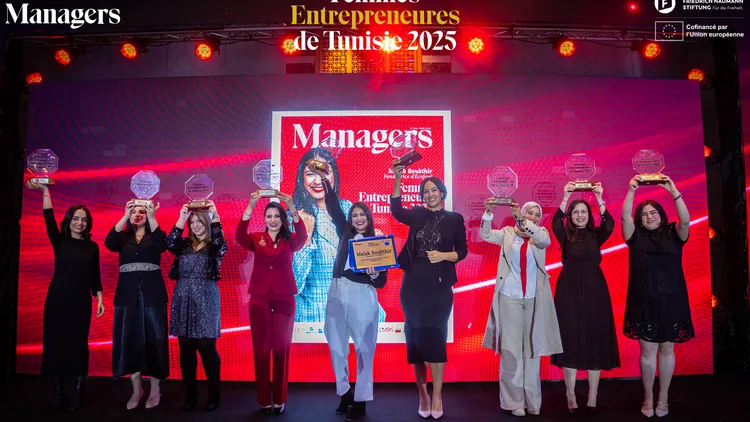
On February , 2025, the 10th edition of the Trophées de Femmes Entrepreneures de Tunisie (FET) honored nine outstanding Tunisian women entrepreneurs for their innovation, resilience, and the impact of their ventures. Organized by Managers magazine in collaboration with the Delegation of the European Union and the Friedrich Naumann Foundation for Freedom, the event brought together a distinguished audience, including ministers Asma Jabri (Family, Women, Children, and Seniors), Fatma Thabet Chiboub (Industry, Mines, and Energy), and Jihene Srioui (Financing and Partnerships, Ministry of Employment and Vocational Training).
In her opening speech, Sahar Mechri, Executive Director of Managers, emphasized that the FET Awards are more than a celebration, they are a validation of bold journeys and a source of inspiration for future generations of women leaders.
Spotlight on the 2025 Woman Entrepreneur of the Year
Malak Boukthir, founder of Ecofeed, was named Tunisian Woman Entrepreneur of the Year 2025 for her groundbreaking project that transforms crab waste into sustainable animal feed a powerful example of eco-innovation.
Imen Bakhti (La Seine) – Microcred Empowerment Award
Fatma Midani (Soul & Planet) – Meninx Marketplaces Award
Beyond Recognition: Support for Growth
Along with financial prizes from sponsors, the winners will benefit from a tailored mentorship program offered by the Club des Femmes Entrepreneures de Tunisie. Thanks to the support of the European Union Delegation, they will also receive personalized guidance through various EU-funded projects, including Adapt, Greenov’i, CQE (Qualitative Growth for Employment), Insadder, and Initiative Tunisie.
The FET Awards go beyond accolades, they celebrate a thriving community of women entrepreneurs driving Tunisia’s social and economic development. By highlighting their stories and successes, the event strengthens the spirit of sorority and underscores the transformative power of female entrepreneurship in Tunisia.
source/content: freiheit.org /Friedrich Naumann Foundation (headline edited)
______________
Tunisian Women Entrepreneurs Honored for Innovation and Impact at the 10th FET Awards