Arabs & Arabian Records Aggregator. Chronicler. Milestones of the 25 Countries of the Arabic Speaking World (official / co-official). AGCC. MENA. Global. Ist's to Top 10's. Records. Read & Enjoy./ www.arabianrecords.org
Moroccan actress Nisrin Erradi will represent Morocco at the 10th edition of the Sotigui Awards.
The Academy of African and Diaspora Cinematic Arts announced the list of nominees, featuring Erradi as Morocco’s representative, for this prestigious celebration of African cinema, which takes place from November 12-15 in Ouagadougou, Burkina Faso.
Erradi competes alongside representatives from 19 other nations for the Sotigui d’Or, the ceremony’s top honor. Her nomination also puts her in contention for the 2025 African Public Sotigui Award.
Rising star of Moroccan cinema
Born on August 6, 1989, Erradi has built an impressive career in both Moroccan and international cinema, starting her performance in theater at age six and later studying at the High Institute of Theatrical Arts and Cultural Animation (ISADAC) in Rabat.
Erradi’s experience in ISADAC allowed her to discover her passion for cinematic storytelling through the works of American playwright Tennessee Williams.
The actress has earned recognition across multiple international film festivals.
Most recently, her role in “Everybody Loves Touda,” directed by Nabil Ayouch, earned her the “Artistic Expression” award at the 30th MedFilm Festival in Rome.
Erradi’s breakthrough came with notable performances in films including “Adam” in 2019, “Catch the Wind” in 2017, and “Jahilya” in 2018.
Her international acclaim extends beyond Europe. Erradi cemented her reputation as one of Morocco’s most promising cinematic talents by winning the Best Actress Award at the Durban International Film Festival in South Africa.
This year’s edition of Sotigui Awards focuses on the theme “African Cinema Facing the Challenges of Sexual Harassment: From Indignation to Action.” The theme demonstrates the ceremony’s commitment to addressing important social issues through the film industry.
Festival director Apolline Traoré said: “For the 10 years of the Sotigui Awards, there will be many surprises. We invite you in November to see the innovations. It will be something extraordinary.”
For Erradi, the nomination represents another milestone in a career that continues to bridge Moroccan and international cinema, reflecting the growing influence of North African talent on the global stage.
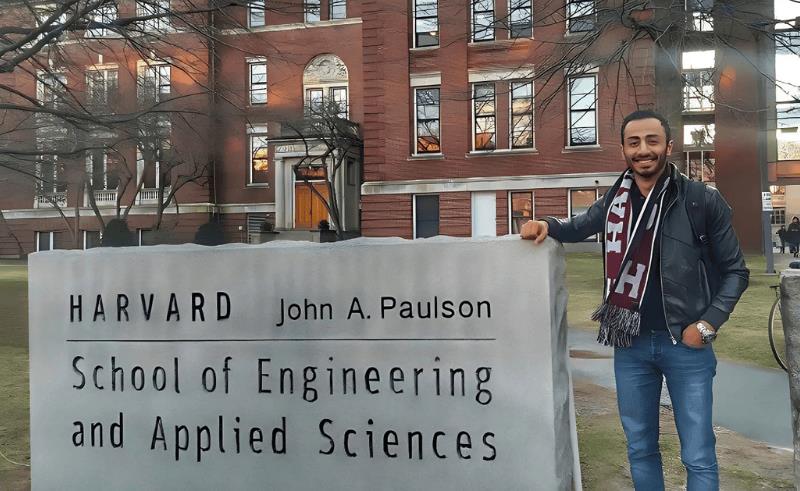
Egyptian physicist Kerolos Mousa played a role in a Harvard breakthrough using metasurfaces to control light at the photon level, which may pave the way for major advances in quantum technologies.
Kerolos Mousa, an Egyptian PhD student who hails from Minya, has contributed to a breakthrough in quantum physics at Harvard University, where a team of physicists developed a device capable of controlling the shape and path of individual photons with unprecedented precision.
The innovation is based on metasurface technology, engineered materials that can manipulate electromagnetic waves, and represents a major advancement in the way light is handled within miniature optical environments. Mousa led efforts to design the nanostructures critical to regulating photon behaviour.
The research, conducted at Harvard’s Applied Physics Lab and supported by leading US scientific institutions, was published in Nature, a top US science journal, and Science, a leading British publications. It was also featured on the university’s official channels.
The advancement is hoped to significantly impact fields such as quantum communication, quantum computing, and the development of next-generation smart optical devices.
Until last year, 17-year-old Victoria Miller admits she would have had to search online to learn where Algeria is , let alone describe the exploits of one of its most famous heroes.
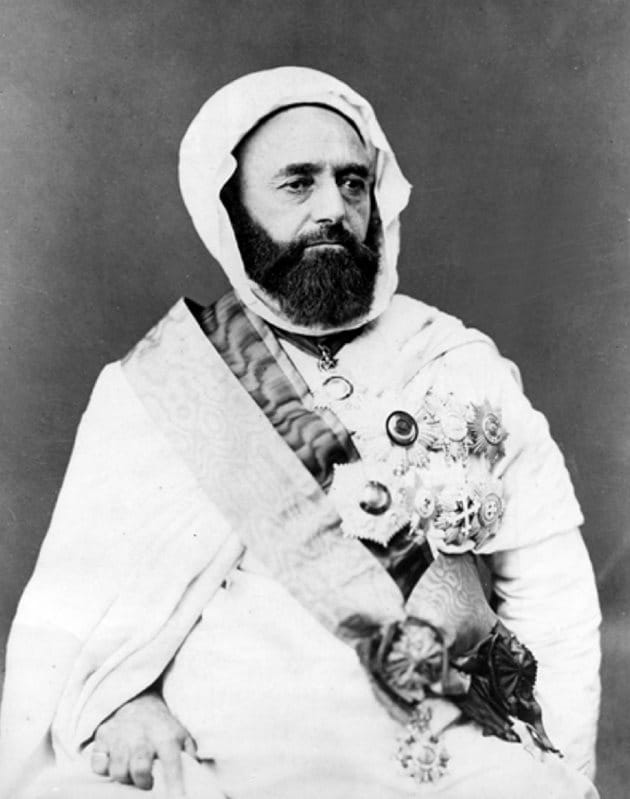
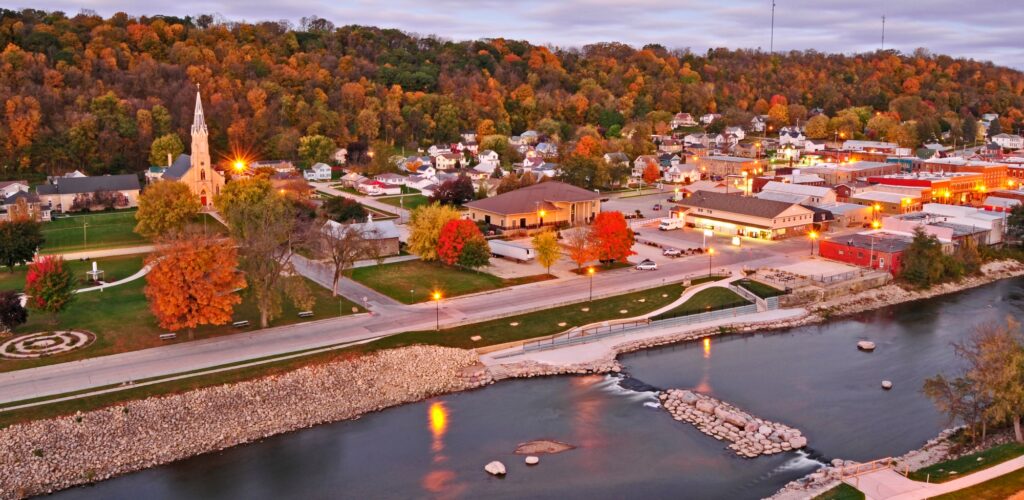
Pictorial Press / ALAMY / Abd el-Kader’s name lives on in Elkader, Iowa, pop. 1,300, the only US town named after an Arab.
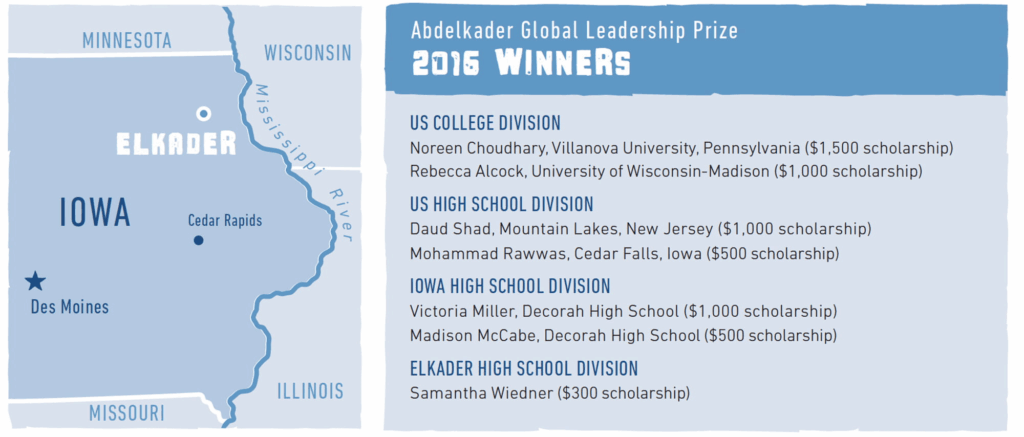
.“I was really taken by Amir Abd el-Kader’s character and how he handled the multiple challenges he faced, including when some of his own people didn’t believe in him,” says Miller, who lives in the northeastern Iowa town of Decorah. On September 19 she was recognized as one of seven winning essayists in the 2016 Abdelkader Global Leadership Prize.
After reading diplomat John W. Kiser’s biography, Commander of the Faithful: The Life and Times of Emir Abd el-Kader (Monkfish, 2008), for a class in human geography at Decorah High School, Miller now says she regards him as an international role model. Her new understandings, she adds, help her feel more comfortable talking to Muslims.
“Abd el-Kader’s legacy deserves to be remembered along with Nelson Mandela, Gandhi and Dr. Martin Luther King Jr.’s,” Miller enthuses, “because they were all pursuing the same dream: to reach peace.”
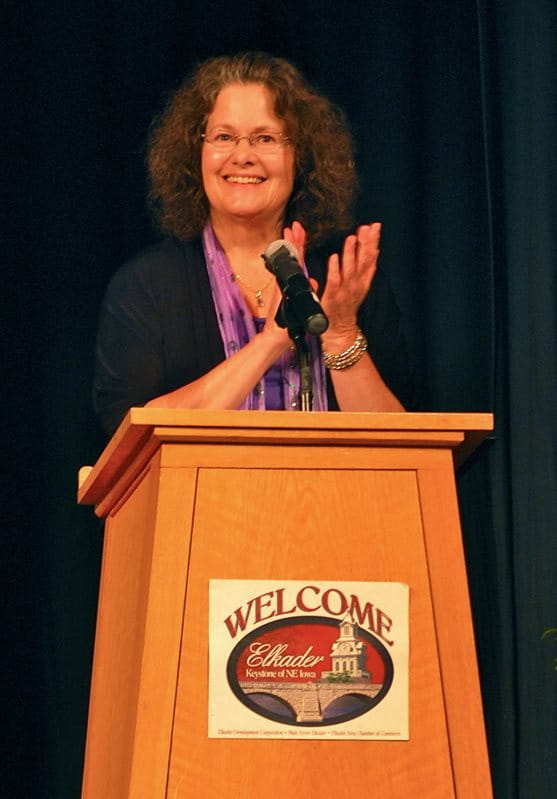
ABDELKADER EDUCATION PROJECT / Abdelkader Education Project co-founder and executive director Kathy Garms opened the group’s seventh annual forum on September 19 in Cedar Rapids. Students competed for scholar-ships in the Abdelkader Global Leadership Prize, and educators explored the legacy of Algerian freedom fighter and peacemaker Amir (Prince) Abd el-Kader.
Indeed, the Algerian prince (amir or emir in Arabic) united tribes in North Africa and fought for independence; later, during the 1860 Mount Lebanon civil war, he helped save thousands of Maronite Christians from massacre—an act for which President Abraham Lincoln lauded him. When the amir passed away in 1883, The New York Times eulogized him as “one of the few great men of the century. The nobility of his character won him the admiration of the world.”
Even decades earlier, in 1846, so widely admired was he that Iowa farmers named their new town after him, and today Elkader, Iowa, is the only us town named for an Arab. Since 2008 it has been reviving his legacy, thanks largely to the eight-year-old nonprofit Abdelkader Education Project (aep).
Kathy Garms, executive director and cofounder with Kiser of the Elkader-based aep, furthers Miller’s sentiment, explaining that the story of the amir “inspires civility, tolerance and understanding” and offers “models of ethical leadership, moral courage and humanitarian conduct.” The aep, Garms continues, works to “shape the minds, hearts, values of the next generation.” And this is where aep’s Abdelkader Global Leadership Prize essay competition comes in.
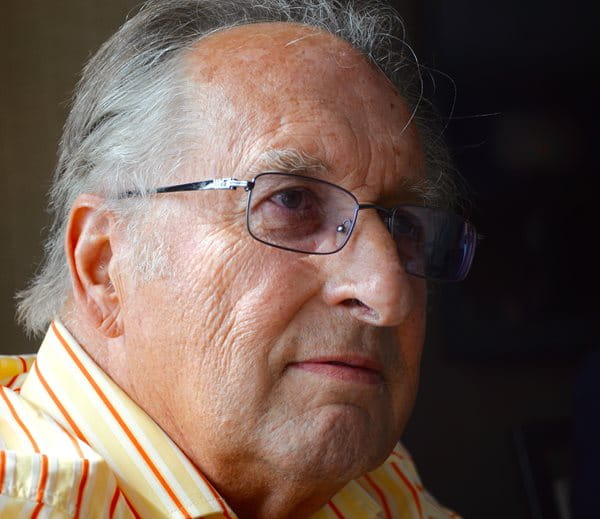
John W. Kiser, author of Commander of the Faithful: The Life and Times of Emir Abd el-Kader, and forum participant said the students stereotypes have been challenged.
Its award ceremony was held this year about 130 kilometers south of Elkader in Cedar Rapids, where it was nearly cancelled due to rising floodwaters on the Cedar River. But the student writers and their families braved the threats of high water to meet Kiser as well as teachers and leaders of civil-society groups from around the country.
Kiser says he is pleased with the results so far.
“The students’ stereotypes about Muslims and Arabs have been challenged, and their minds opened to the diversity of the Muslim world,” he observes. As a role model, he says, Abd el-Kader “is a unifier … [whose] probing intellect, ethical courage, compassion, depth of knowledge … impress all who learn about him.”
And his advice to the winners was simple: “Treat others as they would want to be treated … and resist stereotyping.”
Garms affirms the broadening of students’ horizons. “We started this with an essay contest for students, but we’d like to expand our programs and create additional tools to reach a wider audience of police, military and businesses to promote better intercultural understanding,” she says.
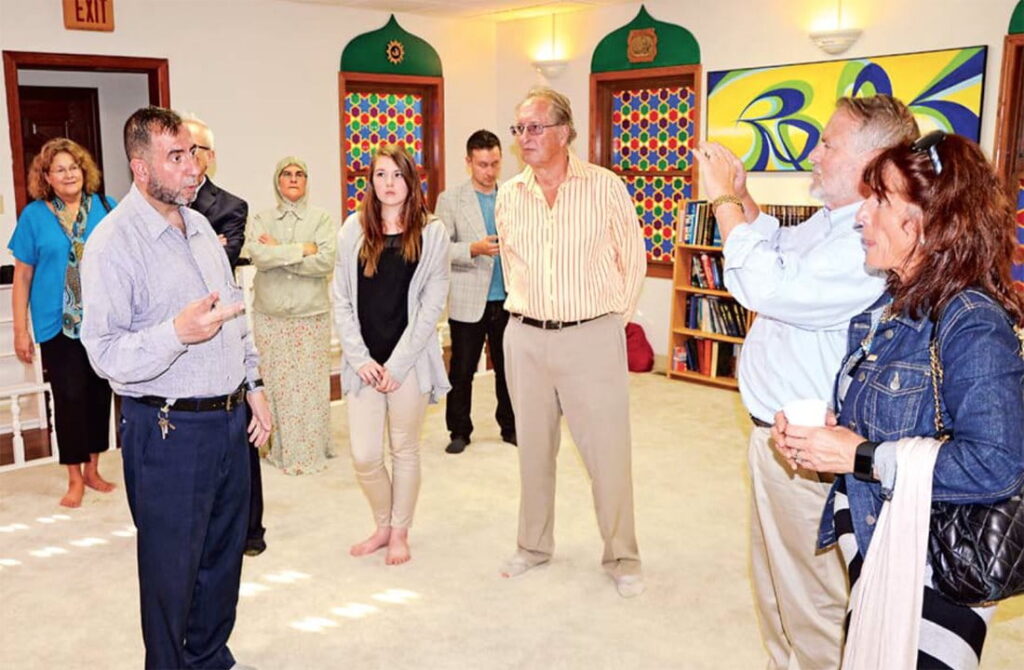
After the awards program, the winners and family members toured the Cedar Rapids Islamic Center and visited one of the city’s historic sites: the oldest standing mosque in the United States, built in 1934.
“Abd El-Kader’s legacy deserves to be remembered along with Nelson Mandela, Gandhi and Dr. Martin Luther King Jr’s because they were all pursuing the same dream : To Reach Peace
‘ – Victoria Miller, Iowa High School Division Winner’
Elkader Mayor Josh Pope hopes the aep inspires young people “to carry on the values of the amir.” In addition to hosting the aep, Elkader is a sister city to Mascara, in northwestern Algeria, where Abd el-Kader was born in 1808. Today Mascara’s population of 150,000 dwarfs Elkader’s 1,300 residents. “Abd el-Kader serves as a great example about how people of different cultures can live together in peace and understanding,” he says
In early September Pope traveled at the invitation of the Algerian government to speak at its own Emir Abd el-Kader Award ceremony, which recognized organizations in the Mediterranean region for work in economic cooperation and interfaith relations.
The interfaith aspect of Abd el-Kader’s life impresses Miller deeply.
“I’m a Christian, and I’ve had my own difficulties—though certainly on a different level—but I know it’s important to stay positive and hopeful,” she says.
Now, she wants to add study of comparative religions and “the psychology of how we learn and react to stereotypes” to her aspirations for a career in medicine.
“Victoria grew a lot in the process of reading about el-Kader and writing her essay,” says Miller’s mother, Yvette Powers, noting diplomatically that her daughter was not always supported by some members of her extended family.
“I believe people need to accept all races and creeds,” she declares. “I hope she was able to open some eyes.”
Brian Miller, Victoria’s father, says he and his daughter talked about the life of Abd el-Kader when she was writing her essay.
“It opened up quite a discussion,” he says. “I believe there are good Muslims and bad Muslims, just like all people.”
Forum attendees received a tour of the “Mother Mosque of America,” built in 1934 in Cedar Rapids, Iowa, by immigrants from what is now Syria and Lebanon. Although not the first mosque built in the US, it is the oldest standing mosque; its proximity to Elkader, 130 kilometers away, is coincidental.
Abd el-Kader, he says, “was a good guy,” adding that he hadn’t ever really thought much before about why the town was called “Elkader.”
National high school division winner Daud Shad lives far from Iowa, more than 1,600 kilometers east, in New Jersey. He says his elder brother encouraged him to read Kiser’s biography and enter the contest.
“I’d never heard of el-Kader, ‘the George Washington of Algeria,’” says the 17-year-old, whose parents were born in Pakistan. “There need to be more leaders on all sides like el-Kader because he embodied the best of religion and humanity.”
Samantha Wiedner, 18, grew up in Elkader, and she won the high school competition for her town.
“I knew Elkader was named after the emir, and I knew where Algeria was, but that was about it,” says Wiedner, now a freshman studying Russian and international relations at the University of Iowa.
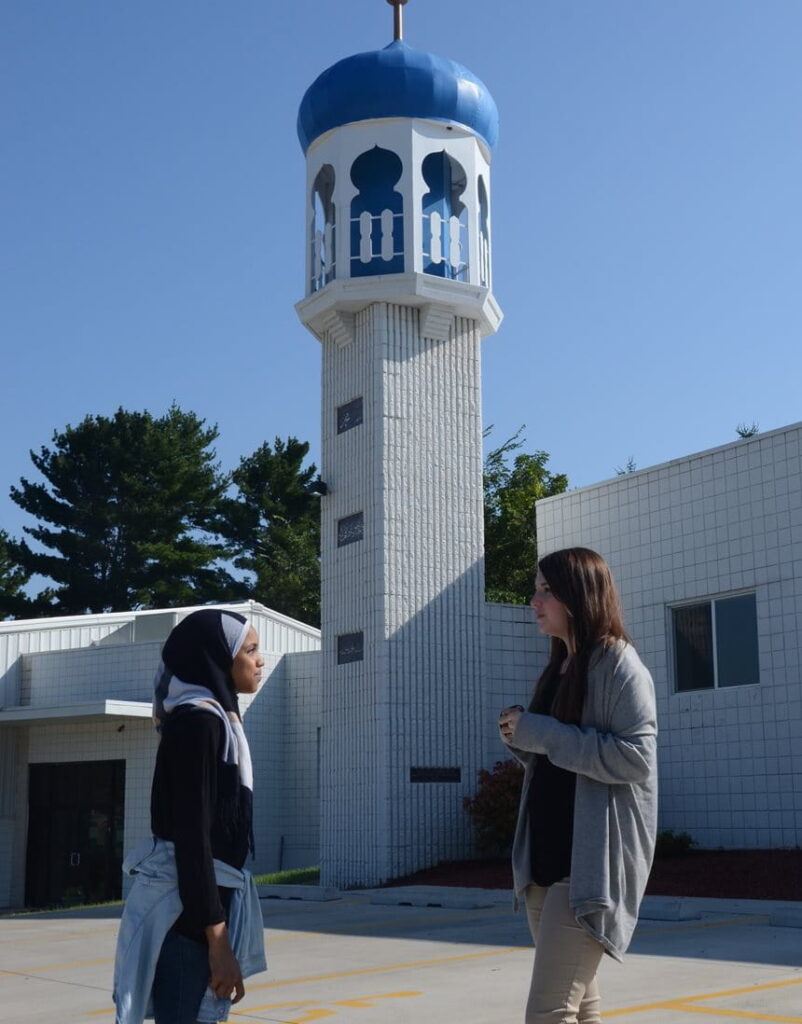
University of Iowa freshman and winner in the contest’s Elkader High School Division, Samantha Wiedner, right, talks with Jefferson High School tenth grader Lena Osman outside of the Islamic Center of Cedar Rapids. “Being intolerant to other cultures and religions isn’t going to get us anywhere,” Wiedner says. “Despite all our differences, we should be able to co-exist.”
She says she learned that “being intolerant to other cultures and religions isn’t going to get us anywhere. Despite all our differences, we should be able to coexist.”
Noureen Choudhary, 20 and a student at Villanova University, learned about the essay contest from her mother, who was born in Algeria.
“I first heard the name Abd el-Kader in a song popularized by Algerian musicians Khaled, Faudel and Rachid Taha,” says Choudhary, who was born and raised in Philadelphia. Though she was only four, she says the memorable tune and appealing lyrics made her wonder who it was about.
“My mother told me he was an Algerian hero,” she continues. “I now realize he is a figure widely heralded as an ideal Muslim, humanitarian, warrior, leader and source of Algerian national pride of the 19th century.”
Choudhary initially thought Abd el-Kader was “too obscure for Westerners to know about.” She was stunned to learn that a small town in Iowa was named for him, and that there is a group devoted to the study and promotion of his life and work.
“Not many people achieve great things like he did,” she says. “He practiced his faith in an exemplary manner.”
source/content: aramcoworld.com (headline edited) / Brian E. Clark
Groundbreaking procedure opens new horizons in circulatory support techniques for patients with complex cardiac conditions
Cardiac surgery team, led by Prof. Feras Khaliel, performed the operation through small incisions using remotely controlled high-precision robotic arms
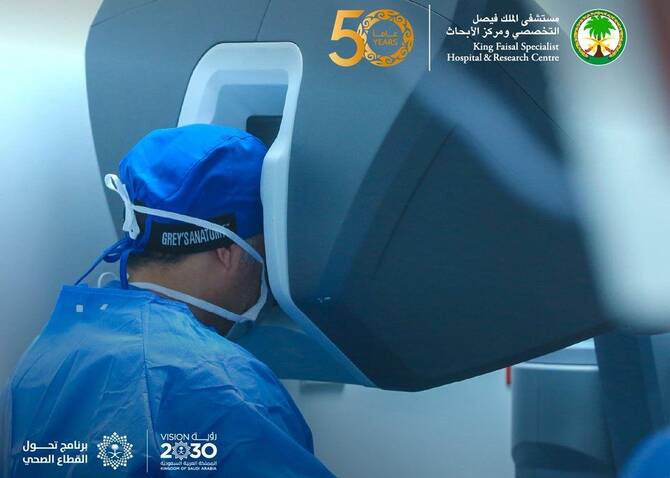
King Faisal Specialist Hospital and Research Centre in Riyadh has performed the world’s first implantation of two artificial pumps for biventricular support using robotic technology on a patient with advanced heart failure.
The groundbreaking procedure opens new horizons in circulatory support techniques for patients with complex cardiac conditions and marks a medical achievement that culminated in the patient’s recovery within a short period following the surgery.
The procedure represents a major advance in the treatment of bilateral heart failure, which was traditionally performed through full sternotomy, an approach associated with higher surgical risks and prolonged recovery.
However, the cardiac surgery team, led by Prof. Feras Khaliel, performed the operation through small incisions using remotely controlled high-precision robotic arms, resulting in reduced blood loss, lower risk of infection, and faster patient recovery.
The milestone reflects the integration of expertise across multiple departments at the hospital, including cardiac surgery, cardiology, anesthesia, critical care, biomedical engineering, and advanced life support.
The procedure was meticulously planned and benefited from 3D imaging technologies, real-time surgical navigation, and innovative solutions.
source/content: arabnews.com (headline edited)
_____________
KFSHRC has performed the world’s first implantation of two artificial pumps for biventricular support using robotic technology. (X/@KFSHRC)
EDGE, the world’s leading advanced technology and defence group, and 4iG Aerospace, the leading ICT, space and defence industries group in Hungary and the Western Balkans, have signed three Memoranda of Understanding (MoUs) to establish significant and wide-ranging industrial cooperation between the UAE and Hungary.
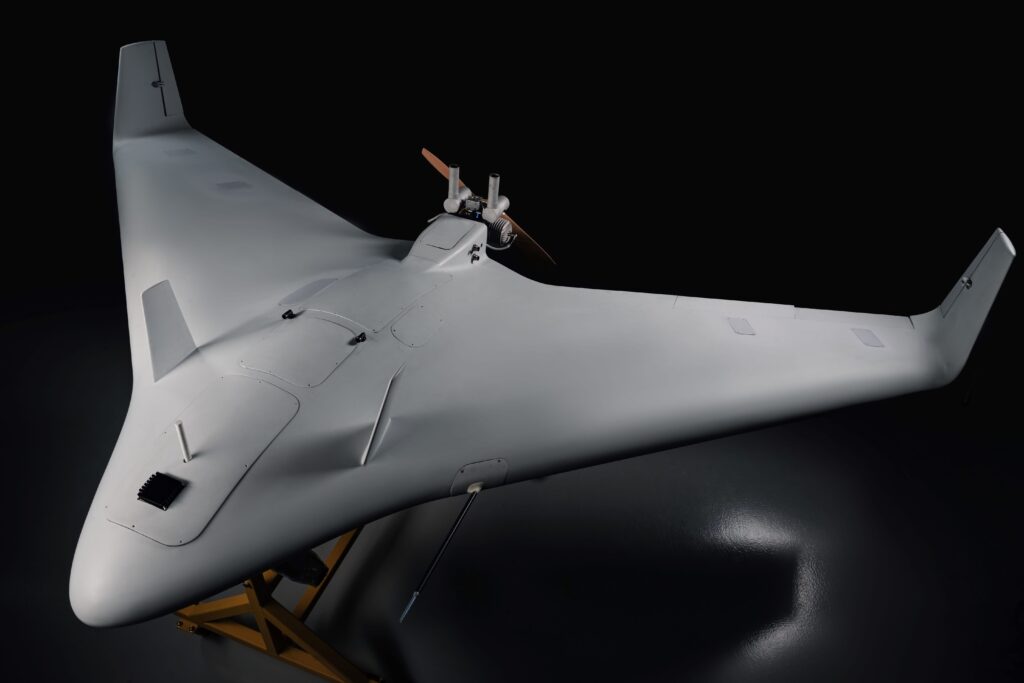
During a state visit by an official UAE delegation to Hungary, EDGE and 4iG signed three memoranda of understanding (MoUs) aimed at enabling a broad technology partnership for the joint development and marketing of advanced defense systems, including EDGE’s Skyknight air defense missile system, Shadow 25 and Shadow 50 cruise munitions, and Vega and Orion autonomous air traffic control solutions.
Hamad Al Marar, Managing Director and CEO of EDGE Group, said: “Our goal, through strengthening partnerships with partners like 4iG, is to help countries develop and adopt advanced sovereign defense technology and industrial capabilities. The global security landscape calls for renewal programs to leverage the latest autonomous technologies and counter rapidly evolving airborne threats. This collaboration enhances EDGE Group’s ability to continue delivering competitive, NATO-compliant, and export-ready solutions, in support of Hungary’s national objectives and as a gateway to deeper engagement across Europe and NATO member states.
For his part, 4iG CEO Istvan Šarhigyi said: “The agreements signed today represent a significant achievement in 4iG’s international efforts in the defense sector. By partnering with one of the world’s fastest-growing defense technology companies, we can develop systems with strong potential for success in European and African markets on a mutually beneficial basis. EDGE Group’s trust and openness provide Hungary with the opportunity to transform into a strategic player in the global defense innovation ecosystem.
Under the first agreement, the two companies will establish a broad technology partnership to jointly develop and explore cross-market opportunities for next-generation autonomous aerial systems (AAAS), counter-AAAS solutions, and space technologies in Central and Eastern Europe and Africa.
The agreement also covers the possibility of establishing a joint venture. The second agreement focuses on the potential development and production of the Sky Knight domestically deployable air defense missile system and the Shadow high-precision cruise munition series in Hungary.
The third and final agreement aims to provide EDGE’s Vega autonomous air traffic management and Orion drone swarm management systems to the European market, with the potential for joint development of air traffic control solutions. The MoU also includes an evaluation of the possibility of establishing a joint venture as a European development and sales center for the Vega and Orion systems.
The African literary world is celebrating as Sudanese author Leila Aboulela receives the 2025 PEN Pinter Prize. The announcement was made at English PEN’s summer party, where actors Khalid Abdalla and Amira Ghazalla brought Aboulela’s words to life with powerful readings from her work.
Aboulela will officially receive the award on October 10 at the British Library in London. At this ceremony, she will also reveal her choice for the PEN Pinter Writer of Courage award, an honor reserved for an author “active in defence of freedom of expression, often at great risk to their own safety and liberty.”
In a moving statement, Aboulela reflected on the significance of this recognition:
“This comes as a complete and utter surprise. Thank you English PEN and the judges for considering my work worthy of this award. I am honoured to win a prize established in memory of Harold Pinter, a great writer who continues to inspire so much loyalty and consistent high regard. For someone like me, a Muslim Sudanese immigrant who writes from a religious perspective probing the limits of secular tolerance, this recognition feels truly significant. It brings expansion and depth to the meaning of freedom of expression and whose stories get heard.”
This year’s judges include Ruth Borthwick (British arts administrator and literature executive), Mona Arshi FRSL (award-winning British poet and novelist), and Nadifa Mohamed FRSL (Somali-British novelist). Mohamed praised Aboulela’s work for its “commitment” to the “lives and decisions of Muslim women,” how she centers both their “struggles and pleasures with dignity.” She also noted the timeliness of such a work: “In a world seemingly on fire, and with immense suffering unmarked and little mourned in Sudan, Gaza, and beyond, her writing is a balm, a shelter, and an inspiration.”
Aboulela is a prominent voice in the global literary space for her celebration and examination of the lives of Muslim women. Her writing has been translated into 15 languages. She has published 11 books, with River Spirit, Lyrics Alley, and Translator gaining high critical acclaim. She is also know for being the inaugural winner of the Caine Prize for African Writing when it was launched in 2000, an award that would go on to define 21st century African fiction.
The PEN Pinter Prize, established in 2009, honors writers of outstanding literary merit who, in the spirit of Harold Pinter, cast an “unflinching, unswerving gaze upon the world” and display a “fierce intellectual determination to define the real truth of our lives and our societies.” Their work draws public attention to literature that engages with contemporary realities and injustices. Past African recipients include Chimamanda Ngozi Adichie (2018) and Tsitsi Dangaremgba (2021).
Congrats to Aboulela! This is a well-deserved win. Her work truly challenges the boundaries of whose stories are heard and brings a whole new meaning to the idea of freedom of expression in a way that makes sense for our time.
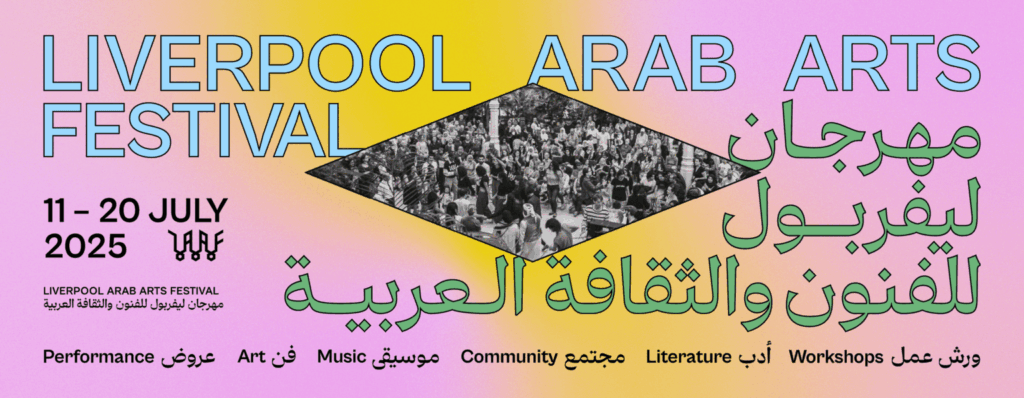
The Liverpool Arab Arts Festival, or LAAF, the UK’s longest-running annual celebration of Arab arts and culture, returns this month with a theme that feels both timely and timeless: “Nostalgia.”
Now two decades in, the festival has grown from grassroots beginnings into an internationally recognized celebration.
Running through to July 20, this year’s program explores how memory, heritage and longing shape artistic expression across the Arab world and its diasporas.
The dynamic, bilingual line-up spans film, music, literature, performance, food and family activities — all underscored by deeper reflections on identity, loss and cultural continuity.
Arab News spoke with Taher Qassim, originally from Yemen, who founded LAAF in 1998 as a community-led effort to foster cultural pride and preserve Arab identity in Liverpool.
“The theme of ‘nostalgia’ is a reflection of both how far we’ve come and where we began,” Qassim said. “Twenty-three years ago, we set out on a path that was uncertain but filled with excitement and purpose. We knew we wanted to create something that represented the Yemeni and Arab presence in Liverpool, but we didn’t yet know how to express it.”
What began as a handful of cultural activations has since evolved into a platform for Arab artists. “From those humble beginnings … the festival began to blossom,” he said. “Today, we proudly offer a platform to artists from across the Arab world, Europe, the US, and beyond — something we could only have dreamed of.”
Two events stand out for him: ‘Arabs Are Not Funny’ and ‘The Book of Sanaa.’ The former, he says, “directly challenges the long-held stereotype that Arabs lack a sense of humor. It’s refreshing, bold and liberating — exactly what the festival stands for.”
The latter brings together literature, poetry, food, and a model of Yemen’s historic capital.
“The richness of this event would’ve felt like a fantasy to us two decades ago. Now, it’s a reality — something we’ve made possible through years of dedication and community.”
Qassim, who was awarded an MBE (Member of the Order of the British Empire) in 2008 for services to community cohesion, handed over the festival’s leadership to his daughter, Afrah, who now steers LAAF with the same vision and care.
Today, LAAF is no longer seen solely as a festival for the Arab community. “That perception has shifted dramatically,” Qassim said. “People from all backgrounds and ages attend and engage. The festival has become a space for dialogue, curiosity and connection.” As he put it, “Conversations happen naturally — before, during and after events.”
One event he hopes visitors will not miss is the now-iconic “Family Day” at the Palm House in Sefton Park. “It’s become the signature event of the Liverpool Arab Arts Festival — our legacy day,” he said. “Families travel from across the UK, Europe, and even further afield to be part of it. The atmosphere is joyful, welcoming, and truly inclusive … a vibrant, heartwarming celebration of Arab culture at its best.”
Some events require tickets, but “Family Day” — an afternoon of music, crafts, performances and community — is the grand finale and free to all.
Saudi Arabia have hosted the Dakar Rally since 2020, when it moved from South America.
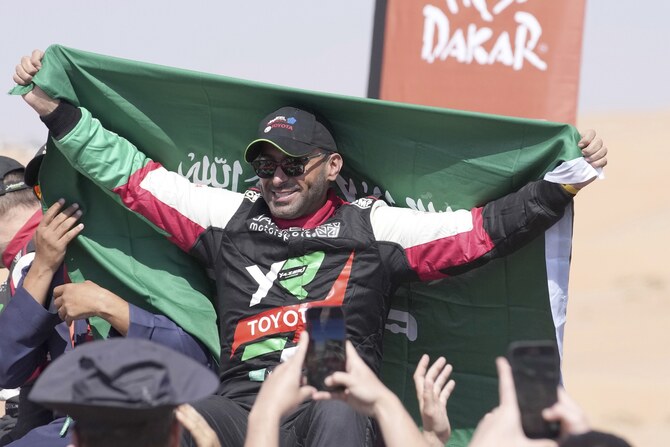
The Overdrive pilot held onto his overnight lead to beat South Africa’s Henk Lategan in a Toyota by 3min 57sec with Mattias Ekstrom of Sweden third in his Ford, 20min 21sec adrift.
Saudi Arabia have hosted the Dakar Rally since 2020, when it moved from South America.
There was also a first win in the world’s most famous endurance rally for Australia’s KTM rider Daniel Sanders in the motorbike category.
Sanders, 30, dominated from the moment he won the prologue and finished a comfortable 8min 50sec faster than Spanish runner-up Tosha Schareina on his Honda.
Sanders is the second Australian to prevail in the motorbike category, Toby Price emerging victorious in 2016 and 2019.
“It was a tough race,” said Sanders.
“The last three days couldn’t come quick enough. It was really, really exciting to see the finish line when we came over one dune.
“You see the whole bivouac, I just smiled and had chills go through my whole body. Super special, won’t forget that moment.”
source/content: arabnews.com (headline edited)
__________
Yazeed Al Rajhi celebrates after winning the Dakar Rally 2025 in the car category at the end of the 12th and last stage in Shubaytah, on January 17, 2025 (AFP)
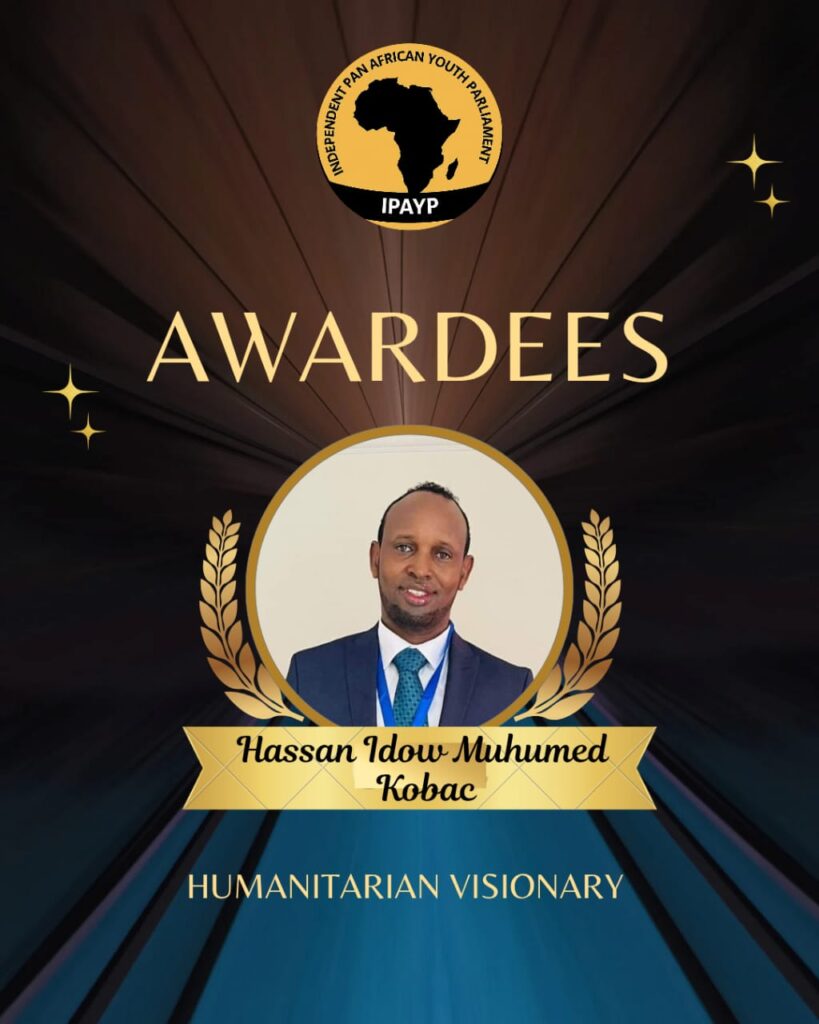
Independent Pan African Youth Parliament awarded Humanitarian Visionary Award to Hassan Idow Muhumed Kobac – a Senator, a business elite and humanitarian worker among other awardees at the Kenyan capital Nairobi.
The three-day summit gathered over 50 youth leaders, policymakers, academics, and civil society voices from across the continent focusing youth-driven solutions for key challenges including education, employment, leadership, democracy, climate change, and digital innovation.
“I am honoured to receive this important award which is the recognition of the humanitarian work I have been doing in Somalia for more than a decade and all other humanitarian workers” Hassan Idow Muhumed Kobac said, “The Award not only encourages the humanitarian workers, but also boosts the morale of other humanitarian workers.”
“My goal is to create a better life for the Somali people and restore their dignity.” Hassan Kobac who is a true example of honest leadership that stands for progress and compassion said.
Mr. Kobac has dedicated his life to the development of vulnerable communities. Through the Hassan Kobac Foundation (HKF), a foundation he founded himself, has become a source of hope for many people affected by drought, displacement, and poverty.
In the face of one of the most severe droughts in recent history, the Hassan Kobac Foundation (HKF) has emerged as a beacon of hope, delivering emergency water trucking assistance and food rations to thousands of families in the Hiiraan region of central Somalia.
In February this year, Hiiraan Youth Association honored and celebrated the achievements of Senator Hassan Kobac in a grand event held in Beledweyne. The ceremony, attended by various societal groups, intellectuals, and youth, honored Senator Kobac’s four-year tenure in the upper house of the Federal Parliament of Somalia
Hassan Kobac has been described as the true voice of the people of Hirshabelle, continuously working to defend their rights and improve their well-being. His dedication to youth empowerment and community development has earned him the admiration of and respect of many.
Student Aisha Nizar Nazim won the title of champion of the ninth edition of the Arab Reading Challenge in Iraq, after qualifiers in which 1,339,270 students from 38,100 schools participated, under the supervision of 16,310 supervisors, who contributed to the success of the ninth edition of the largest reading event of its kind in the Arabic language in the world, organized by the Mohammed bin Rashid Al Maktoum Global Initiatives Foundation since its launch in 2015.
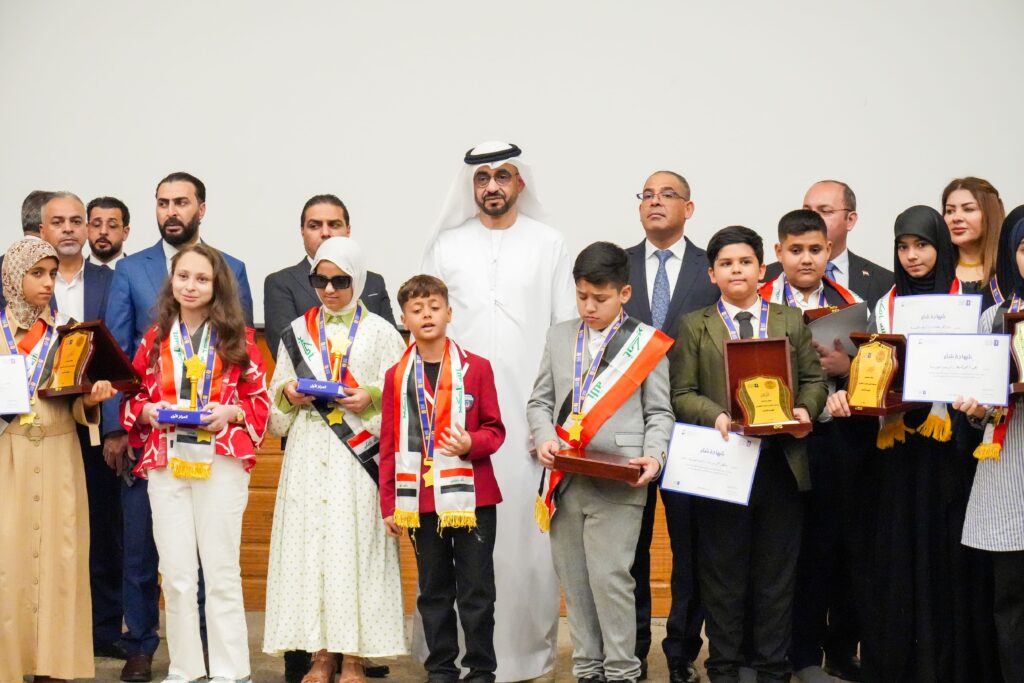
Student Aisha Nizar Nazim, a seventh-grade student at Zaha Hadid School for Excellence in Nineveh, was announced as the winner during the closing ceremony of the ninth edition of the Arab Reading Challenge, which was held in the Iraqi capital, Baghdad, in the presence of His Excellency Dr. Ibrahim Namis Al-Jabouri, Minister of Education; Dr. Adnan Al-Sarraj, Advisor to the Prime Minister for Education Affairs; Mohammed Dayea Al-Azzawi, Undersecretary of the Ministry of Education for Administrative Affairs and Chairman of the Higher Committee; and Mr. Mohammed Saleh Al-Taniji, Acting Charge d’Affaires.
At the UAE Embassy in Baghdad, Dr. Fawzan Al Khalidi, Director of Programs and Initiatives at the Mohammed bin Rashid Al Maktoum Global Initiatives Foundation, participated, along with a number of officials and educators in charge of the Arab Reading Challenge initiative, and a large crowd of parents of the participating students.
The closing ceremony also witnessed the announcement of Maria Hassan Ajeel, a fifth-grade student at Al Fara’a Girls School in the Salah al-Din district, as the winner of first place in the People of Determination category, out of 450 students who participated in the qualifiers
The list of the top ten finalists from which the judging committees selected student Aisha Nizar Nazim as the champion of the ninth Arab Reading Challenge at the level of the Republic of Iraq, included: Muntadhar Ahmed Mardan from the fifth grade at Al-Insaf School in the Karbala region, Akram Khalil Abdullah from the tenth grade at Al-Dhakirin Intermediate School (Kirkuk), Fatima Muhammad Abdul-Amir from the eleventh grade at Shams Al-Hurriyah Preparatory School (Najaf), Yusr Hamza Farhan from the eleventh grade at Al-Nabaa Al-Azim Secondary School (Qadisiyah), Rawan Muntadhar Mansour from the tenth grade at Haifa Intermediate School for Girls (Babylon), Hadi Hassan Hadi from the eleventh grade at Al-Nahrawan School for Boys (Rusafa 3), Aya Ziad Subhi from the eleventh grade at Al-Rafidain School (Kirkuk), Hussein Ali Ahmed from the tenth grade at Al-Dhakirin School (Kirkuk), and Haider Ali Abdul-Aziz from the seventh grade at Al-Muhwebin School (Najaf).
The ninth edition of the Arab Reading Challenge initiative achieved a record participation of 32 million and 231 thousand students from 50 countries representing 132,112 schools, under the supervision of 161,004 supervisors. His Excellency Professor Ibrahim Namis Al-Jabouri, Minister of Education of the Republic of Iraq, praised the vital role played by the Mohammed bin Rashid Al Maktoum Global Initiatives Foundation in empowering new Arab generations to acquire the knowledge, sciences, and skills necessary to build the future. He pointed to the successive successes achieved by the Arab Reading Challenge initiative in this context, and its tangible impact in spreading the culture of reading and developing the potential of Arab students.
He said: “We are proud of this new participation in the Arab Reading Challenge initiative. 133,920 students, through their interaction with this knowledge competition and their outstanding performance, have proven the development of the educational and cultural landscape in Iraq and the effectiveness of the plans put in place by the Ministry of Education to advance students’ levels and enhance the status of the Arabic language, in line with our rich cultural heritage and the creativity of the people of Iraq in various fields, thus strengthening our confidence in a brighter tomorrow for our country and the Arab nation.
Dr. Ibrahim Al-Jubouri extended his congratulations to student Aisha Nizar Nazim, all the winners, participating students and their families, as well as to the schools and educational staff across Iraq. He extended his thanks to the Mohammed bin Rashid Al Maktoum Global Initiatives Foundation and everyone who contributed to the success of the ninth round’s qualifiers.
Dr. Fawzan Al Khalidi affirmed that the Arab Reading Challenge initiative continues to fulfill its mission of spreading the culture of knowledge, providing the means for rising Arab generations to enhance their capabilities, hone their talents, and strengthen their connection to the Arabic language, thus providing them with the visions and tools necessary to revive Arab civilization and contribute effectively to the development of Arab societies.
The Director of Programs and Initiatives at the Mohammed bin Rashid Al Maktoum Global Initiatives Foundation praised the wide Iraqi participation in the qualifying rounds of the ninth edition of the Arab Reading Challenge, saying: “We greatly appreciate the participation of more than 1.3 million students in the ninth edition, which reflects the great efforts made by the Ministry of Education in the sisterly Republic of Iraq, and those concerned with cultural affairs and Iraqi society to motivate students to read. These efforts represented a significant contribution to the achievement of the ninth edition, in which more than 32.2 million students from 50 countries around the world participated.”
On behalf of the Mohammed bin Rashid Al Maktoum Global Initiatives Foundation and the Arab Reading Challenge, Dr. Fawzan Al Khalidi congratulated the ninth edition’s champions in Iraq and all the participants. He also thanked the Iraqi Ministry of Education and everyone who helped the students advance to the ninth edition’s qualifying rounds.
The Arab Reading Challenge, launched in the 2015-2016 academic year under the directives of His Highness Sheikh Mohammed bin Rashid Al Maktoum, Vice President and Prime Minister of the UAE and Ruler of Dubai, aims to foster a comprehensive reading and knowledge movement, instill a culture of reading in Arabic as a language capable of keeping pace with all forms of literature, science, and knowledge, and encourage young generations to use Arabic in their daily interactions. It also aims to develop mechanisms for understanding and self-expression in fluent Arabic, and foster creative thinking skills.
The challenge seeks to enhance the importance of cognitive reading in building self-learning skills and fostering a value system for young people by exposing them to the values, customs, and beliefs of other cultures. This instills the principles of tolerance, coexistence, and acceptance of others, and encourages dialogue and cultural and human openness.