Arabs & Arabian Records Aggregator. Chronicler. Milestones of the 25 Countries of the Arabic Speaking World (official / co-official). AGCC. MENA. Global. Ist's to Top 10's. Records. Read & Enjoy./ www.arabianrecords.org
Sheikh Mohammed congratulates Belkaid on her made exceptional contributions to immunology.
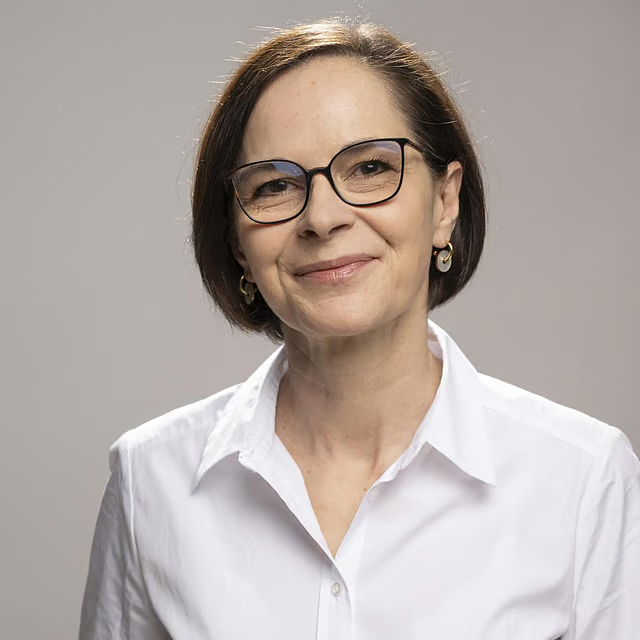
His Highness Sheikh Mohammed bin Rashid Al Maktoum, Vice President and Prime Minister of the UAE and Ruler of Dubai, has congratulated Algerian Professor Yasmine Belkaid on winning the ‘Great Arab Minds’ Award in Medicine for 2024.
In a post shared on his X account, Sheikh Mohammed wrote: “Today, we congratulate the winner of the ‘Great Arab Minds’ Award in the category of medicine for the year 2024, Algerian Professor Yasmine President of the Pasteur Institute in France. She has made exceptional contributions to immunology and to studies on the role of microbes in boosting immunity and preventing diseases. Professor Yasmine Belkaid has published more than 220 scientific papers in the fields of infection and immunology.”
نبارك اليوم للفائزة بجائزة نوابغ العرب عن فئة الطب لعام 2024، البروفيسورة ياسمين بلقايد من الجزائر ، رئيسة معهد باستور في فرنسا… قدمت إسهامات استثنائية في علم المناعة، ودراسات مرتبطة بدور الميكروبات في تعزيز المناعة والوقاية من الأمراض… نشرت البروفيسورة ياسمين بلقايد أكثر من… pic.twitter.com/Q4lQeZ9d4x
The Great Arab Minds initiative honours exceptional Arab individuals whose remarkable achievements have helped drive progress and enrich knowledge both within the Arab world and globally.
Heralded as the ‘Arab Nobel Prize’ for its singular efforts to recognise Arabs who have made extraordinary contributions to humanity, the initiative aims to reignite the Arab world’s remarkable spirit of scientific enquiry and leadership in such quests throughout history.
Under the patronage of Sheikh Mohammed bin Rashid, the UAE recently launched the second edition of the Great Arab Minds initiative.
The awards’ six categories encompass medicine, engineering and technology, economics, natural sciences, architecture and design, and literature and arts.
source/content: gulfnews.com (headline edited)
______________
Algerian Professor Yasmine Belkaid named ‘Great Arab Minds’ winner in medicine
The groundbreaking invention aims to aid those with immune deficiencies and provide treatment for chronic infections in intensive care units where antibiotics are ineffective.
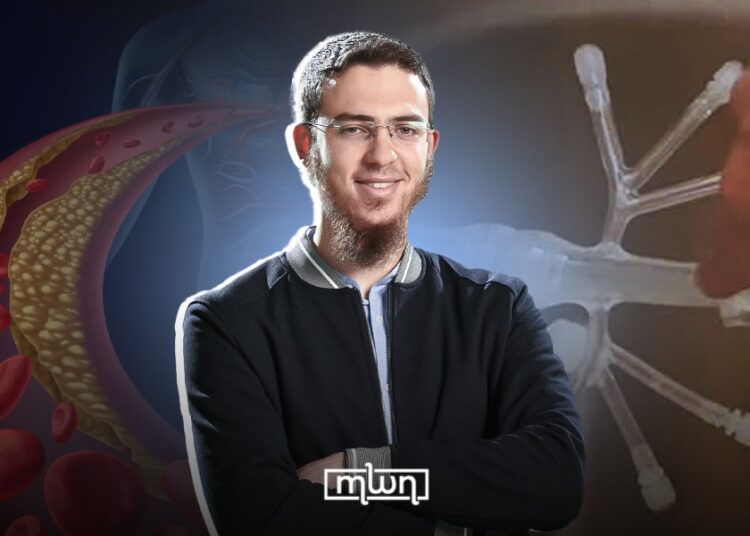
Youssef El Azouzi, a Moroccan neurologist, has announced the successful development of the world’s first device capable of filtering blood from within blood vessels.
The revolutionary invention can direct inflammatory cells and certain white blood cells, potentially helping millions of people suffering from immune deficiencies and improving organ transplant success rates.
In a Facebook post, El Azouzi explained that his device “will contribute to treating tens of millions of people suffering from immune deficiencies and chronic infections in intensive care units where antibiotics are ineffective.” He added that it would “help in organ transplantation without fear of new organ rejection.”
The invention works by redirecting inflammatory cells flowing in the blood away from vessels that nourish newly transplanted organs, preventing rejection.
This mechanism was successfully tested on a 75-kilogram pig in an American laboratory, where the device demonstrated its ability to direct immune cells from the left leg to the right leg without any negative effects on the animal.
“The experiment showed that the device was able to direct immune cells from the left leg to the right leg,” El Azouzi explained in a video documenting his journey to America to register the invention. “This is the first device that controls cell direction from within the vessel itself.”
The scientific experiment involved injecting both thighs of the pig to induce inflammation before placing the device. The device’s role was to direct inflammation-causing cells to only one side, concentrating them there compared to the other side. This would demonstrate the device’s actual control over the pathways of white blood cells flowing in the blood.
El Azouzi revealed that the project cost approximately $250,000 as of March, not including effort and time. “All these resources were provided by benefactors, with no contribution from any public institution or organization,” he noted.
The Moroccan doctor is no stranger to innovation. In 2019, he won the title of best inventor in the Arab world in the 11th season of “Stars of Science” competition in Qatar. His winning invention then was a stent that regulates blood flow for heart patients, offering a potential low-cost alternative to current solutions like heart pumps.
Born in 1991, El Azouzi studied at the American School in Rabat before attending Oxford University for three years. He later moved to Boston University and eventually studied medicine in English at Turkish universities. He is the son of Mustapha El Azouzi, a Moroccan neurosurgeon.
He currently serves as CEO of Aorto Medical Company in the US, where he has been developing this latest invention through three years of hard work, design, and manufacturing.
This Moroccan invention marks a major breakthrough in modern medicine, potentially offering an effective tool for addressing immune deficiency problems and chronic inflammations, while improving the success of organ transplantation procedures.
Youssef El Azouzi, a Moroccan neurologist, has announced the successful development of the world’s first device capable of filtering blood from within blood vessels.
Chaad National, Mohammad Adam Mohamed has won the top prize at the 45th Edition of the King Abdulaziz International Holy Quran Competition or 2025 Makkah Quran Contest for Memorization, Recital and Explanation held at the Grand Mosque.
Makkah Quran Contest 2025: Chaad National, Mohammad Adam Mohamed has won the top prize at the 45th Edition of the King Abdulaziz International Holy Quran Competition or 2025 Makkah Quran Contest for Memorization, Recital and Explanation held at the Grand Mosque.
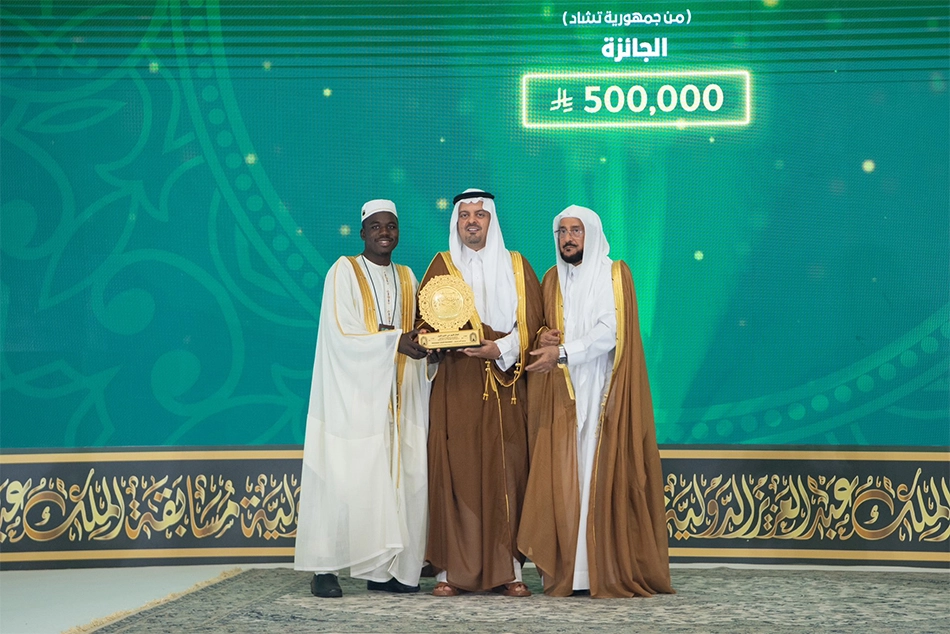
At a glittering ceremony held at Makkah Grand Mosque after Isha prayers Wednesday August 20, 2025, the Chaad national was awarded a cash prize of 500,000 Saudi Riyals or SAR 0.5 million prize.
The prize distribution ceremony was attended by all Imams of Masjid al Haram Makkah along with Deputy Governor of the Makkah Region Prince Saud bin Mishal bin Abdulaziz.
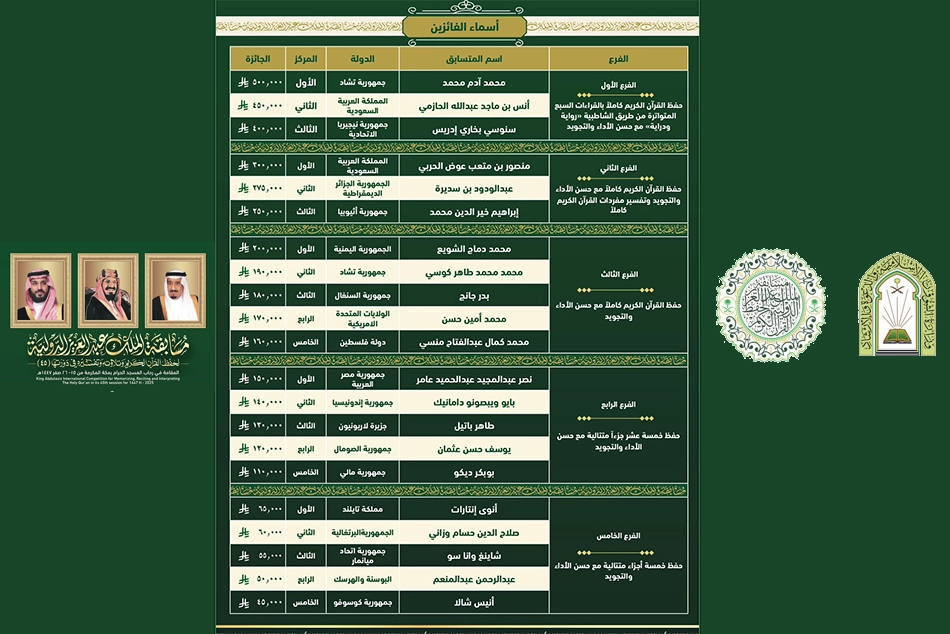
45th King Abdulaziz International Holy Quran Competition – List of Winners
The Makkah Quran contest 2025 was held in five categories. The winners of the first and most coveted category are as follows,
Mohammed Adam Muhamed (Chaad): Prize Money SAR 500,000
Anas bin Majid Abdulla Al Hazmi (Saudi Arabia): Prize Money SAR 450,000
Sanusi Bukhari Idrees (Nigeria): Prize Money SAR 400,000
5 categories
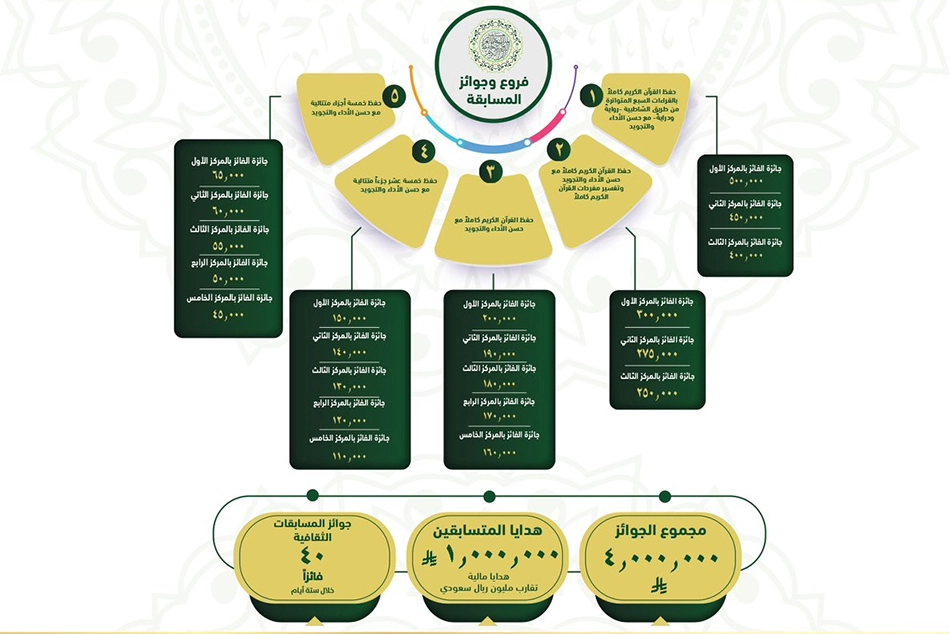
The competition was divided into five categories:
Memorization of the entire Holy Qur’an, with accurate recitation and intonation following the seven rules of recitation
Memorization of the Qur’an along with interpretation of its terms
Memorization of 15 juz (parts) of the Qur’an with proper recitation and intonation
Memorization of five juz with correct recitation and intonation
A category for shorter lengths of memorization with corresponding recitation and intonation requirements.
Other winners
The total value of the competition’s prizes is around SR4 million ($1.07 million), in addition to SR1 million that will be apportioned out to all participants.
Mansoor bin Mutab Awad Al Harbi of Saudi Arabia won the top prize of SAR 300,000 in the second category. Mohamed Damaj Al Shuway’i of Yemen won the top prize of SAR 200,000 in the 3rd category.
Eyptian Nasr Abdel Majeed Abdul Hameed Amir won the top prize of SAR 150,000 in the 4th category. The top prize money SAR65,000 for the 5th category was conferred on Anwa Intarat of Thailand.
The 2025 Quran Competition brought together 179 contestants from 128 countries, the largest number since its inception. In 2024, a total of 174 contenders representing 123 countries participated in the 44th edition of the contest held in 5 categories.
Makkah Qurant Contest 2025 Final Round
The final rounds of the 2025 King Abdulaziz International Competition for Memorizing, Reciting, and Interpreting Holy Quran began last Saturday August 09th, 2025
The final round of the Quran contest continued till Thursday August 14, 2025 when a total of 27 contestants recited Quran as per the contest competition guidelines.
The 27 contestants were from Mauritania, the Philippines, Japan, Guinea-Bissau, France, the United States of America, New Zealand, South Africa, Barbados, Ivory Coast, Cameroon, Guinea, Germany, Zambia, Guyana, Comoros, Uzbekistan, Kyrgyzstan, Finland, Rwanda, Bangladesh, and Myanmar.
As part of the competition package, the participants visited different historical places of religeous and architectural importance. The participants on Saturday August 16 left for visit to The Prophet (PBUH) Mosque in Madinah.
Electronic Judging System
The highlight of the 2025 Quran Contest which ran through six days was electronic judging system. Since its introduction in 2019, the electronic platform has replaced traditional paper-based methods, increasing accuracy and transparency.
The Ministry of Islamic Affairs, Dawah and Guidance said it enhanced and upgraded the electronic judging system for the 45th King Abdulaziz International Competition for Memorizing, Reciting, and Interpreting the Holy Quran held this year.
The enhanced system is designed to improve the efficiency and fairness of the final rounds, bolster transparency, and support the ministry’s digital transformation efforts in line with Saudi Vision 2030.
Watch: Winners Reaction
source: youtube.com
The latest improvements to the system include faster and more accurate scoring, with results calculated more precisely and linked to a real-time electronic control panel for instant monitoring by the judging committee.
An electronic question bank is now used to draw questions from a comprehensive digital repository covering all five branches of the competition, ensuring diversity and fairness. The system also features automated processes that track verse sequences, sort and rank contestants, and issue results instantly, while documenting and analyzing competition data in real time.
The 44th edition of the King Abdulaziz International Competition for Memorization, Recitation, and Interpretation of Holy Quran was also held with the same schedule. Saudi National, Saad bin Ibrahim bin Hamd had won the top prize of the 2024 Makkah Quran Contest.
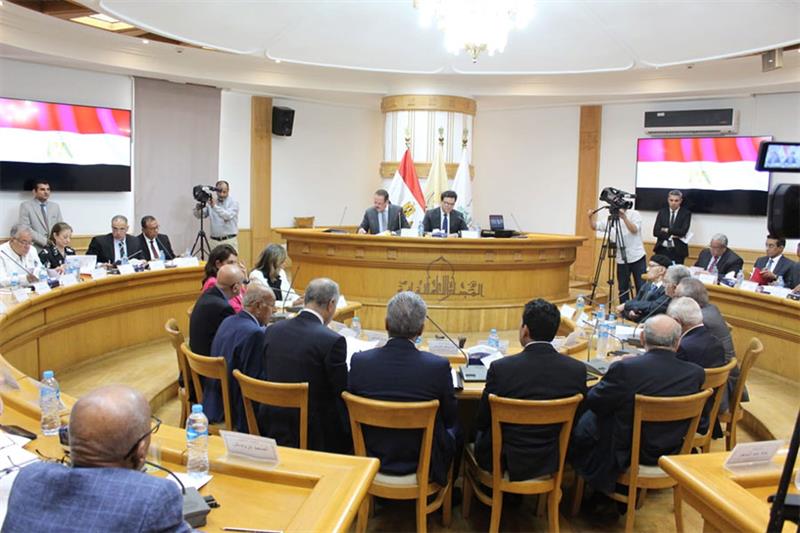
The Supreme Council of Culture (SCC), headed by Minister of Culture Ahmed Fouad Hano, has officially revealed the recipients of the 2025 State Awards.
The announcement, made via an official statement on the Ministry of Culture’s Facebook page on Tuesday, follows a comprehensive voting process that recognised individuals for their profound impact on Egypt’s cultural and intellectual spheres.
The distinguished awards include the Nile Award, the State Appreciation Award, the Excellence Award, and the Encouragement Award.
The selection process involved a meeting attended by leading intellectuals, academics, heads of cultural institutions, and representatives from professional unions.
Nile Award
The prestigious Nile Awards were granted to:
Arts category: Architect Dr. Saleh Lamai
Literature category: Dr. Ahmed Darwish
Social Sciences category: Dr. Ahmed Zayed
Nile Award for Arab Creators: Palestinian artist Suleiman Anis Mansour
Appreciation Award
The State Appreciation Awards were granted to:
Arts category: Theatre director Shaker Abdel Latif, visual artist Abdel Wahab Abdel Mohsen, and cinematographer Samir Farag.
Literature category: Poet Ahmed El-Shahawi, critic and writer Dr. Khayri Douma, and writer Fatma El-Maadoul.
Social Sciences category: University professors Dr. Anas Gaafar, Dr. Mohamed Sameh Amr, Dr. Mona Haggag, and Dr. Nevine Massad.
Literature category: Poet Masoud Shoman and Dr. Khaled Abou El-Leil.
Social Sciences category: Dr. Samah Fawzy, Dr. Atiya El-Tantawy, and Dr. Nahla Imam.
Encouragement Award
When it comes to the 2025 Encouragement Awards, 32 creatives were honoured across arts, literature, social sciences, and legal/economic studies.
Arts Category (8 prizes; 6 awarded, 2 withheld)
Piano Performance: Naghamaya Safwat for her rendition of Shostakovich’s Piano Concerto No. 2 with the Cairo Symphony Orchestra.
Film Script: Mahmoud Zein for Wala Azaa’ Lil Sayedat.
Children’s Book Illustration: Heidi Fawzy for Ta’aqqal… Ya Marah.
Theatrical Scenography: Nehad El-Sayed for Shatat.
Digital Media & Architecture: Mostafa Salem for an awareness series on heritage preservation.
Painting: Dr. Islam El-Reihany for The Music of the Body.
Withheld: Prizes for “E-marketing for handicrafts” and “Fiber Art”.
Literature (8 prizes)
Historical Novel: Doaa Gamal El-Bady for Crows That Don’t Eat the Dead.
Short Story Collection: Ahmed Yasser Fathy for A Very Lonely City.
Classical Poetry: Mohamed Refai for The Cry of a Coin.
Colloquial Poetry: Ibrahim Abou Samra for Balta Shi’r.
Computational Linguistics: Marwa Mostafa Amin for Functions of the Electronic Dictionary.
Narrative Criticism: Aly Kotb for Singing and Music in the Literature of Naguib Mahfouz.
Translation (Turkish-Arabic): Sousana Sayed Mohamed for A Strange Woman by Leyla Erbil.
Translation (Arabic to Asian/African languages): Shared by Dina Mohamed Bayoumi (Suspense and Horror Between China and Egypt) and Mohamed Abdelrahman Farag (Al-Mukhtasar Al-Shafi fi Al-Iman Al-Kafi).
Social Sciences
History, Archaeology & Heritage (shared):
Dr. Ahmed Ma’arouf for Walls with Gates: Political Borders in Islamic Historical Heritage.
Dr. Sherif Imam for Saad Zaghloul in Gramsci’s Mirror.
Geography & Environment: Dr. Shaimaa Mohamed Wehba for research on water pollution and income inequality in Egypt.
Philosophy & Anthropology: Irene Samir Hakim for The Many Faces of Female Genital Mutilation.
Educational Sciences: Dr. Mohamed Abdel Khaleq for Dimensions of Global Education in Stoic Philosophy.
Media: Student team (Ramaj Osman, Gharib Reda, Farah Abdelkarim, etc.) for the film Hayy Falasteen, directed by Martina Wagdy.
Administrative Sciences: Dr. Islam Abdel Bari for Decoding Buy Now, Pay Later in Egypt.
Documentation & Publishing: Dr. Alaa Jaafar Al-Sadiq for research on local journal indexing.
Digital Culture: Dr. Ahmed Magdy for How AI Has Changed the Film Industry.
Legal and Economic Sciences (6 prizes awarded, 2 withheld)
Inflation in the Egyptian Economy: Dr. Gehan Abdel Salam Mahmoud for Tackling Inflation amid Global Crises.
Climate Change: Dr. Ahmed Mohamed Okasha for Climate Change and Economic Sustainability.
Russian–Ukrainian War & International Relations: Shared by Dr. Raghda El-Beheiry, Dr. Adnan Moussa, and Mr. Mahmoud Kassem.
Geopolitical Shifts: Ahmed Abdel Fattah Askar for Strategic Transformations in the Horn of Africa (2020–2024).
Right to Privacy: Dr. Mohamed Mesbah El-Naghy for Constitutional Guarantees for Genetic Privacy.
Cultural Diversity Management: Dr. Mahmoud Hussein Abou Seif for The Principle of Non-Refoulement in European Human Rights Law.
Withheld: Prizes for “Personal Data Protection under Cyber Law” and “Citizenship Through Investment”.
Minister Hano emphasised that these awards represent one of the highest forms of recognition granted by the Egyptian state, describing them as the culmination of long and distinguished careers marked by creativity and dedication.
Hano reaffirmed the state’s continued commitment to supporting intellectuals and creators who contribute to strengthening Egypt’s cultural identity and promoting values of diversity, openness, and awareness, the statement pointed out.
Talal Salman, veteran journalist and founder of the iconic As-Safir newspaper, died on 25 August 2023 aged 85 after a long career in which he championed the rights of the oppressed and made his paper a “voice for the voiceless”.
On Friday 25 August, Talal Salman, the founder and publisher of the iconic Lebanese daily newspaper daily newspaper “As-Safir” passed away aged 85.
Salman remains one of the Arab world’s most prominent journalists and As-Safir, rightly, as a shining beacon of Arab journalism in its modern history
He was one of the few Arab journalists who always aspired for journalism to be a medium where opinions could be freely expressed, and made it a place in which he affirmed his commitment to national, nationalist and social issues.
When his dream of establishing an independent newspaper became reality in 1974, he succeeded in making it a genuine platform for Arab issues and the Palestinian cause, and it quickly became one of the largest Arabic-language independent newspapers.
“Salman remains one of the Arab world’s most prominent journalists and As-Safir, rightly, as a shining beacon of Arab journalism in its modern history”
“As-Safir” became an important laboratory for ideas and opinions. Over more than 40 years, intellectual and political debates flared within its pages, and it became a forum where various intellectual and cultural experiences from the Arab world and Lebanon converged. This made it a rare experiment in Arab journalism, a place where Lebanese, Palestinian, Syrian, Egyptian, Iraqi, Jordanian, and Tunisian voices at various times would come together.
Talal Salman was born in 1938 in the northeastern town of Shmustar. His father was a sergeant in Lebanon’s Internal Security Force (ISF), a job which required him to move with his family to various regions in Lebanon for various postings. Due to this, Salman never settled in one place or attended a fixed school. Perhaps this forced mobility played a role in shaping his political outlook later on, as it allowed him to discover different regions of Lebanon and to develop a broad understanding of Lebanon’s people – their internal divisions and rural nature.
His political awareness began to emerge following Egypt’s 23 July Revolution of 1952, which played a huge role in alerting his attention to politics. Additionally, his presence in the town of Moukhtara in the Chouf district in the early 1950s exposed him to certain aspects of the Lebanese reality.
Moukhtara was the stronghold of the prestigious Jumblatt family, leading figures in Lebanon’s Druze community. While living there he got to know Kamal Jumblatt, who inspired an entire generation of Lebanese youth who aspired for social justice and sought to connect Lebanon with Arab causes, Arab identity, and Palestine.
Salman would become an Arab nationalist without affiliating with any of the nationalist parties, such as the Ba’ath, although later on, he formed close relationships with founders of Arab Nationalist Movement, like George Habash and Hani al-Hindi, in addition to Ghassan Kanafani and Mohsin Ibrahim, who were closely associated with the pan-Arab, left-wing movement.
Salman’s passion for language began in his childhood; he was enchanted by the few books in his parent’s home, and had started writing articles for the magazine al-Anbaa before leaving school. After completing secondary school in 1955, he moved to Beirut with today’s equivalent of $200 from his father and started looking for work at a newspaper.
Passion for language
Salman’s passion for language began in his childhood; he was enchanted by the few books in his parent’s home, and had started writing articles for the magazine al-Anbaa before leaving school. After completing secondary school in 1955, he moved to Beirut with today’s equivalent of $200 from his father and started looking for work at a newspaper.
“Salman would become an Arab nationalist without affiliating with any of the nationalist parties, such as the Ba’ath, although later on, he formed close relationships with founders of Arab Nationalist Movement, like George Habash and Hani al-Hindi”
He initially found a job at Al Sharq newspaper as an unpaid proof reader, before swiftly transitioning to “cutting” – he would cut out stories from other papers in the morning and rewrite them for publishing in Al Sharq in the afternoon.
1956, the year Salman’s journey into the media world began was the year of the Tripartite Aggression against Egypt (the Suez Crisis) – and it was as though this major event was setting the tone for a journalistic career focused on the major Arab issues of the day, such as Arab unity, Palestine, Algeria and social justice.
Nor was it surprising, considering his background living in areas suffering from marginalization, poverty, injustice, and lack of government care, that he developed a clear sensitivity to social injustice and a strong awareness of the need to fight against it.
Talal Salman, founder of Lebanon’s Assafir daily passed away in Beirut. He was a prominent journalist whose legacy won’t be forgotten. pic.twitter.com/EfFt9GNbYg
It wasn’t long before Salman moved to another paper, where he was given the crime and accidents beat. Every day he would walk to the police station, the courts, ambulance centres and fire stations to gather the day’s news. Then, he would walk back to his workplace to provide the summary of his day to the editorial secretary.
In 1958, after protests broke out against the rule of then President Camille Chamoun, renowned journalist Salim Lawzi, editor-in-chief of the pro-Nasser Al Hawadeth magazine at the time, was arrested, and held in Karantina Hospital – as more fortunate prisoners were at that time.
By chance, Salman’s father was chief officer at the hospital guard station, and his son visited regularly. This led to the aspiring young man meeting the veteran journalist who had worked in Palestine and Egypt before returning to Lebanon to set up the weekly magazine.
Following their meeting, Salman joined Al Hawadeth, where he was suddenly the colleague of well-known journalists like Shafiq al Hout, Nabil Khoury, and the artist Niazi Jaloul. He went from proofreading to preparing the readers section, to writing his own column and then moved into the investigations department. It was not long before he was made sub-editor and he wasn’t even 20 – a testimony to both his journalistic talent and his hard work developing the magazine during a period Lawzi was forced into exile.
However, perhaps the most significant event in his professional and personal life was his meeting with President Gamal Abdel Nasser in Damascus in early 1958. His image alongside Nasser remained on proud display in the As-Safir offices for many years afterwards.
Salman’s rapid rise in journalism also saw him become a figure noticed – and targeted – by Lebanon’s authorities. In August 1961 he was arrested, interrogated and held for 20 days by Lebanon’s General Security services, charged with maintaining ties with Ahmed El-Saghir Jaber (representative of the Algerian Liberation Front in Lebanon), smuggling weapons to Algerian revolutionaries, and plotting military coups in some Arab countries.
“Salman’s rapid rise in journalism also saw him become a figure noticed – and targeted – by Lebanon’s authorities”
In the decade before he founded As-Safir, Salman moved between three magazines – Assayad, Al Ahad and Al-Hurriya. He had plenty of opportunity to delve into secrets and the hidden stories and backgrounds of notable figures and events, and became acquainted with many of the most brilliant Arab authors, artists, politicians and activists of the time. All the information he was absorbing would become part of his arsenal when it came to his own project – the As-Safir daily newspaper.
On 26 March 1974 the first issue was published, carrying two slogans: “the newspaper of Lebanon in the Arab world and the newspaper of the Arab world in Lebanon”, and “the voice of the voiceless”.
Almost instantly, the paper was under attack – in its first year 16 lawsuits were raised against it, following a legal challenge mounted by the Banks Association in Lebanon. However, the nature of those targeting the paper only highlighted how effectively it was beginning to champion the rights of the marginalised, and confront the political system and capitalist stakeholders in the country.
Since its early days, As-Safir’s pages carried illustrious names in contemporary Arab thought and literature, and it also opened its pages to myriad intellectual and political trends, such as Nasserism, Baathism, Arab nationalists, Syrian nationalists, secularists, and communists with their various Soviet, Maoist, and Trotskyist tendencies.
When Lebanon’s civil war broke out in 1975, As-Safir adopted an unwavering political stance: a complete rejection of the civil war, and a total distancing from the right-wing political forces who’s destructive policies had led to the outbreak of the fighting.
While it unequivocally rejected the war, As-Safir’s stance of sympathy and solidarity with the programme of the Lebanese National Movement and the Palestinian resistance was staunch. Its writers were made famous for their condemnation of Egyptian President Anwar Sadat’s visit to Jerusalem in November 1977, and its front page on the first day of the visit was headlined: “The Scoundrel visits the Usurper”.
During the civil war that ended over 30 years ago, people have survived shelling and clashes, but they now fear even worse from Lebanon's worst economic crisis in decadeshttps://t.co/3jEvCQySsJ
Both the newspaper and Salman were targeted in terrorist attacks multiple times. In 1981, an attempt to destroy his house with four timed rockets, was foiled just minutes before they were set to launch. Explosive devices were placed near As-Safir’s offices on 28 March and 5 April 1984.
That July, there was an assassination attempt on him in front of his house, resulting in injuries to his jaw and various parts of his body. However, neither As-Safir nor its founder were intimidated, and both continued to be faithful to their nationalist and progressive principles.
During Israel’s invasion of Lebanon in 1982, As-Safir was the only Lebanese newspaper that didn’t cease publication. Its daily headlines were rewritten on Beirut’s walls as a form of the city’s resilience and it became known for headlines like “Beirut burns but doesn’t raise the white flags”.
Talal Salman, RIP The passing of one of Arab journalism's greats By Abdel Bari Atwanhttps://t.co/CzHZ0TDKgS
A shining era in the history of Lebanese journalism came to an end in 2017 with the closure of the pioneering, left-wing, pan-Arab experiment which was embodied for over 40 years by the As-Safir newspaper, as well as the end of the liberal, right-wing An Nahar in 2012 with Ghassan Tueni’s death.
Talal Salman’s contribution, both to journalism in Lebanon, and to the country’s political and cultural history, is huge, and he and As-Safir are owed a debt for the bold stances they took countless times and the brilliant, enlightening and incisive content they provided in its pages.
This was Talal Salman, who never stopped brimming with kindness, humility and generosity; and who burned with pain and grief at what the situation of the Arab world has come to, who spent his twilight years continuing to read, research and write in his never-ending pursuit of an Arab renaissance.
This is an edited and abridged translation from our Arabic edition. To read the original article click here.
Translated by Rose Chacko
This article is taken from our Arabic sister publication, Al-Araby Al Jadeed and mirrors the source’s original editorial guidelines and reporting policies. Any requests for correction or comment will be forwarded to the original authors and editors.
source/content: newarab.com (headline edited)
____________
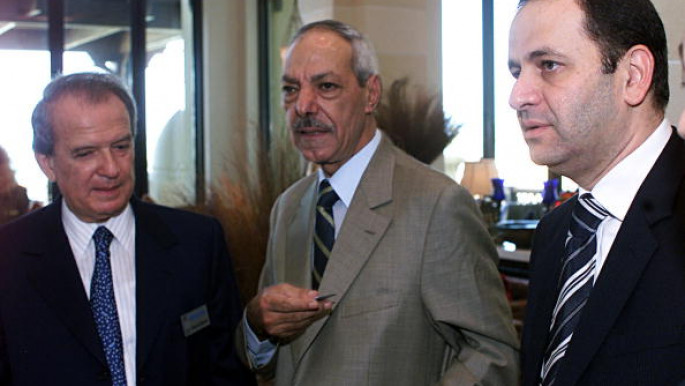
From L to R: Lebanese Minister of Economy and Trade Marwan Hamadeh, Talal Salman and Pierre al-Daher, head of the independent Lebanese Broadcast Corporation (LBC) television attend the opening session of the 2003 Arab Media Summit in Dubai [Nasser Younes/AFP via Getty]
To safeguard a vital part of Sudanese agricultural heritage, scientists quietly moved copies of strategic crops to the frozen chambers of the Svalbard vault in Norway.
In December 2023, the civil war that had broken out the previous April between the Sudanese Armed Forces (SAF) and the Rapid Support Forces (RSF) took a troubling turn when the paramilitary group seized the country’s second-largest city, Wad Madani, in a swift offensive.
The sudden fall of Wad Madani, under circumstances that are not yet fully clear, dealt a heavy blow to the regular army and came as a shock to the hundreds of thousands of people, many of them displaced from Khartoum, who had come to see the city as a safe refuge.
The RSF’s advance quickly triggered a new mass displacement of people and disrupted the work of humanitarian agencies that had relocated to the city after the war broke out.
Like in other areas they have passed through, RSF fighters extensively looted Wad Madani and widespread abuses against the population were documented.
Although it drew little attention at the time, Sudanese scientists also issued a call to protect one specific facility in Wad Madani: the city’s seed bank, the most important in all of Sudan.
“We did not expect that the RSF would attack Wad Madani,” Ali Zakaria Babiker, director of the gene bank, told Middle East Eye.
“But when they did, all the staff fled the city to safer places.”
“We expected they would attack the gene bank,” he admitted, “because ever since they attacked Khartoum, [everyone] had already suffered a lot.”
Hidden cargo to evade checkpoints
Before the war, Sudan’s seed bank, managed by the Agricultural Plant Genetic Resources Conservation and Research Centre (APGRC), housed a collection of more than 17,000 accessions of crops and plant species, including sorghum, millet, wheat and sesame.
The collection, started in 1982, was a reflection of the crop diversity of Sudan, a country with rich biodiversity and a long agricultural tradition.
It also served as a repository for its agricultural genetic material, considered essential for both local and global food systems.
After fleeing Wad Madani, some APGRC staff met in el-Obeid, the capital of the North Kordofan region, where a subnational gene bank is located, holding copies of most of the material they had left behind.
One of their initial moves was to install a solar power system at the backup facility, ensuring a stable electricity supply to keep the freezers running and safeguard the seed copies.
At the same time, however, the staff began to develop a plan to extract as many copies of the seeds as possible and transfer them to a location where they could be safe.
“El-Obeid was also under threat from the RSF, so we went there straight away and took some duplicate accessions to dispatch them,” Babiker explained.
Their plan involved preparing more than 2,000 seed samples and sending them from el-Obeid to the icy chambers of Svalbard’s seed vault, located on the Norwegian island of Spitsbergen, deep in the Arctic and more than 7,000km from the capital of North Kordofan.
“[We decided to] dispatch them to Svalbard so that we would have a duplicate copy outside the country,” Babiker said.
One of their initial moves was to install a solar power system at the backup facility, ensuring a stable electricity supply to keep the freezers running and safeguard the seed copies.
At the same time, however, the staff began to develop a plan to extract as many copies of the seeds as possible and transfer them to a location where they could be safe.
“El-Obeid was also under threat from the RSF, so we went there straight away and took some duplicate accessions to dispatch them,” Babiker explained.
Their plan involved preparing more than 2,000 seed samples and sending them from el-Obeid to the icy chambers of Svalbard’s seed vault, located on the Norwegian island of Spitsbergen, deep in the Arctic and more than 7,000km from the capital of North Kordofan.
“[We decided to] dispatch them to Svalbard so that we would have a duplicate copy outside the country,” Babiker said.
“I did it to ensure that at least some of the seeds were preserved beyond Sudan’s borders.”
The scale of the mission was daunting: if they succeeded, APGRC staff would have managed to secure more than a quarter of Sudan’s seed collection in the depths of the earth.
The seeds selected included crops that have been grown in the region for thousands of years, amongst them key varieties of pearl millet and sorghum – a crop vital to Sudan’s food security, known for its drought resistance, and part of the country’s agricultural and cultural heritage.
“These [were] some of the main staple crops in Sudan, and also some of the oldest,” Babiker noted.
“They are essential for food security not only in Sudan, but also for the region – and for global food security as well.”
Before heading to one of the northernmost corners of the world, the seeds had to be taken out of el-Obeid as discreetly as possible and transported all the way to Port Sudan – the main port of the country, located in the northeast – from where they could be sent abroad.
Babiker described it as an “exciting” mission, particularly at the start, given that the RSF controlled almost all routes in and out of El Obeid.
To avoid potential trouble at checkpoints, the APGRC staff asked the truck driver transporting the seeds to load their boxes first, and only then pile on the rest of the load.
“The mission took more than 10 days because, for security reasons, it didn’t follow a normal road but routes unfamiliar to the RSF,” said Babiker, who added that no APGRC staff travelled with the shipment to avoid drawing attention.
After those 10 days on the road, the seeds finally made it to Port Sudan, although Babiker said the seed packages were scattered across the truck and had to be collected and organised.
Still, the first half of the journey – and the most challenging part – was now behind them.
Sudan Post to the rescue
Once in Port Sudan, the shipment of seeds to Svalbard was made possible because the Sudan Post courier service was still operating despite the war, said Nelissa Jamora of Crop Trust, an organisation dedicated to safeguarding the world’s crop diversity that supported the entire mission.
“Sudan Post was still functioning, at least in Port Sudan. So it was [arranged] through the regular postal service,” she told MEE, noting that there were three boxes of seeds in total.
On their way to Svalbard, the seeds made a stop at the Nordic Genetic Resource Center (NordGen), an organisation dedicated to safeguarding the Nordic region’s genetic resources.
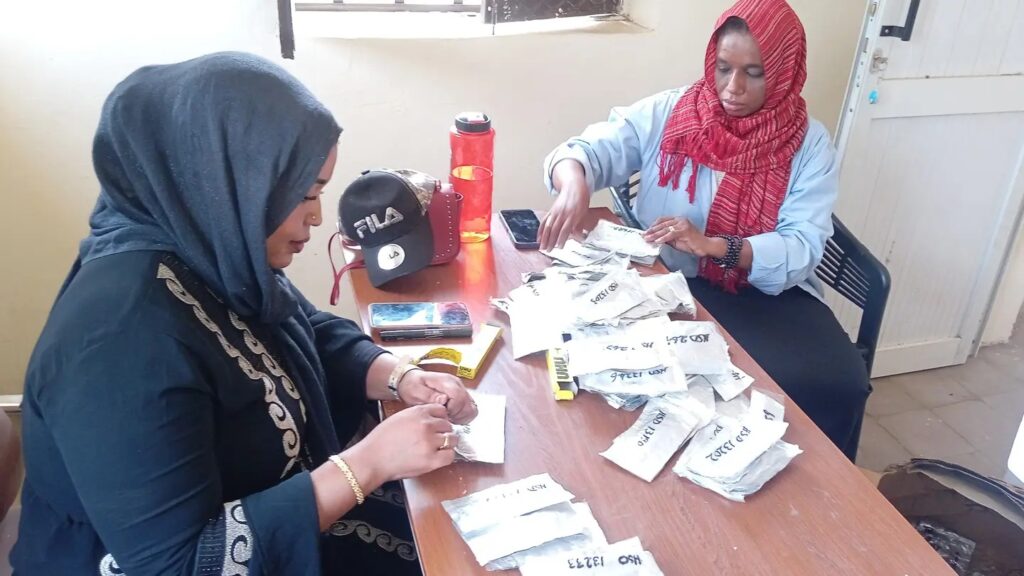
There, the centre helped sort, catalogue, re-pack, and document the shipment from Sudan.
“It was a few days’ work for our seed technicians, but an investment well worth its price considering the importance of these seeds for the future of Sudan’s agricultural sector,” said Johan Axelsson, head of NordGen’s seed laboratory.
The seeds finally arrived at the seed vault on 25 February 2025, together with seed shipments sent by 19 other gene banks.
Established in 2008, the Svalbard Global Seed Vault has its storage area more than 100 metres inside a mountain, carved into solid rock and shielded by 40 to 60 metres of stone.
The mountain mass has a stable temperature ranging from -3 to -4 degrees Celsius, but the seed storage area is equipped with a cooling system that keeps it constantly at -18 degrees.
With more than 1,350,000 seed samples, the Svalbard Global Seed Vault is currently the largest backup facility for seeds and crop diversity in the world.
Owned by Norway, the site is operated by three partners: the country’s Ministry of Agriculture and Food, NordGen and Crop Trust.
Gene banks from all over the world can store backup copies of their seeds there free of charge and with no legal transfer of ownership, the seeds always remain property of the depositor.
Sudan made its first deposit in 2019 and today holds 1,884 accessions, a distinct, uniquely identifiable sample of seeds, from 15 different species, according to Svalbard’s website.
Jamora said that the difference from the more than 2,000 seeds initially sent by the APGRC from el-Obeid was likely due to some packages arriving in less-than-optimal condition and not making it into the final set, although they are preserved by NordGen and can be returned.
The mission to evacuate Sudan’s seeds was funded through an emergency reserve launched in 2021 by Crop Trust and the secretariat of the International Treaty on Plant Genetic Resources under the supervision of the UN Food and Agriculture Organization (FAO), to assist gene banks that are under threat.
In Sudan’s case, Crop Trust had been collaborating with the local gene bank before the war through a project called BOLD (Biodiversity for Opportunities, Livelihoods and Development).
“The mission aimed to secure as many seeds as possible,” Jamora noted.
Fears vindicated
Sudan’s army recaptured Wad Madani in January, and when the APGRC staff returned to their facilities, their worst fears were confirmed: the bank’s freezers, computers and servers had been looted, and the seed bags were torn open, their contents scattered across the floor.
However, with the support and funding from the emergency reserve jointly run by Crop Trust and the Plant Treaty, efforts to rebuild and start over are already under way.
For now, the gene bank is still assessing the losses, but it is also beginning to rebuild its seed collection despite limited state funds and power cuts that often last more than 12 hours a day.
When the situation stabilises, the centre hopes to be able to assess the state of its seeds and move into a regeneration phase, but this will require new freezers and other equipment.
During a meeting with the director of Sudan’s Agricultural Research Corporation (ARC) and FAO representatives, the governor of Gezira State – where Wad Madani is located – Tahir al-Khair, pledged to try to install a new cold storage facility for the gene bank.
In the meantime, at least, the seeds stored in the Svalbard vault remain safe, waiting for the day they can once again serve their country.
“We felt very relieved and reassured once we made sure we had these duplicate copies outside Sudan,” Babiker said.
An innovative team from the Oman Dental College has successfully developed a dental filling using Omani Portland cement reinforced with carbon nanoplates, creating the first material that combines exceptional strength with complete biocompatibility for dental tissues. This breakthrough opens new horizons in global dental treatments.
Malak Khalifa Al Harthy, a member of the research team “Pulp49,” told Oman News Agency (ONA) that the innovation stemmed from observing how traditional fillings often lack a balance between “strength” and “biocompatibility.” This prompted the team to develop a new composite that achieves this challenging balance.
She explained that the composite is a dental filling made by integrating Omani cement with graphene sheets, resulting in a material with high mechanical efficiency and significant biocompatibility. This has led to clear and rapid restoration of surrounding dental tissues.
The development of the composite took approximately five years of research and experimentation, undergoing initial cell-level testing followed by animal trials in collaboration with the Mounted Police Command. It is now in the second phase of human trials, with preliminary results showing highly promising indicators.
Regarding the expected benefits of this composite in dentistry, she noted that it provides a cost-effective solution while enhancing the longevity and efficiency of dental treatments. This represents a major advancement in dental materials, offering improved outcomes for both patients and dentists.
Among its key advantages is high biocompatibility, as the integration of carbon nanoplates enhances the material’s positive interaction with biological tissues while reinforcing its mechanical properties. This makes it particularly suitable for complex and challenging dental applications.
Additionally, the composite supports tissue regeneration by mimicking an ideal environment for the rebuilding cells in surrounding dental tissues. This effect is attributed to the synergistic interaction between the carbon nanoplates’ properties and the calcium ion-based reaction of Portland cement with physiological body fluids.
The composite also exhibits superior sealing capabilities, with the increased volume and unique properties of the nanoplates enhancing its ability to fill gaps and voids, making it ideal for applications requiring tight seals or water resistance.
The innovation has been officially recognized, securing a patent in the Sultanate of Oman and international registration. The team is currently finalizing the last stages of development after receiving essential support from the Ministry of Higher Education, Research, and Innovation, paving the way for its introduction to local and eventually global markets.
Addressing the challenges faced during the project, she explained that the team encountered difficulties in achieving the ideal composition, requiring multiple rounds of testing, experimentation, and model adjustments before finalizing the approved formula.
She emphasized the substantial support received, with the Oman Dental College providing necessary resources and the ROP Mounted Police contributing to trials. She also acknowledged the direct support of Dr. Abu Bakr Qateeshat, Head of Graduate Studies, Research, and Development at the college, and Dr. Aida Al-Wahaibi, as well as the encouragement from family, which served as a major motivator in achieving this milestone.
Regarding her selection to represent Oman at the International Invention, Innovation, and Technology Exhibition (ITEX) in Malaysia in 2025, she described it as an opportunity to showcase Omani youth’s capabilities and their role in delivering innovative solutions that elevate Oman’s global standing, while also facilitating knowledge exchange with innovators worldwide.
In closing, Malak Khalifa Al-Harthy affirmed that Omani youth are capable of remarkable achievements when they believe in their ideas and channel their creativity toward serving society—especially when innovation is genuine, addresses real needs, and contributes to the nation’s progress. -ONA
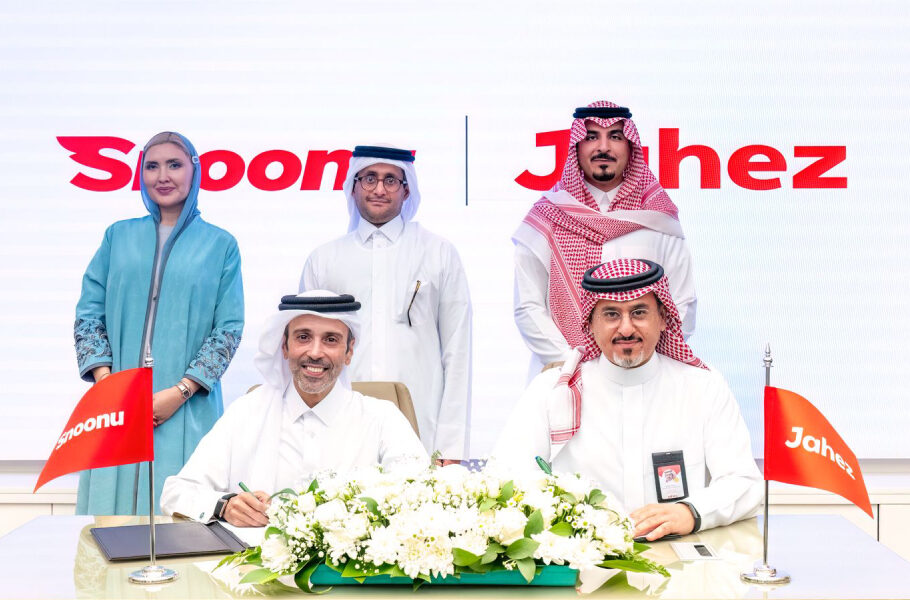
In a groundbreaking move, Qatar’s homegrown tech champion, Snoonu, has joined forces with Jahez Group, a leading integrated ecosystem of on-demand services in Saudi Arabia, setting the stage for a transformative journey in the Gulf’s digital landscape.
The deal sees Snoonu, Qatar’s fastest-growing technology company, valuing the company at over QR 1 billion, making Snoonu the first Qatari tech startup to cross this milestone. This supports its path to becoming Qatar’s first unicorn and establishing one of the most dynamic technology powerhouses in the GCC. This transaction represents a strong vote of confidence in Snoonu’s growth trajectory and will support the company in regional expansion and enhance innovation across its platforms.
“This transformative partnership with Jahez marks a defining moment in Snoonu’s journey,” said Hamad Al Hajri, Founder and CEO of Snoonu. “Together, we are creating a true regional technology champion built on shared values and a common vision for innovation, excellence, and sustainable growth. By joining forces, we are combining complementary strengths and deep market knowledge to set new benchmarks in the GCC’s digital economy. This partnership also reaffirms our unwavering commitment to Qatar, a thriving and dynamic market with immense potential, and supports Snoonu’s continued growth journey. Together, we will continue driving technological advancement, creating meaningful value to our users and merchants, and delivering exceptional experiences at scale.”
Key Highlights:
Empowering Local Innovation: The initiative accelerates Snoonu’s mission to deliver cutting-edge solutions, fostering local talent and attracting bright minds from around the world to contribute to Qatar’s growing tech ecosystem.
Boosting Qatar’s Digital Economy: The investment signifies a robust vote of confidence in Qatar’s digital infrastructure and its potential to lead in the tech arena.
Regional Synergy: Combining Snoonu’s dynamic approach with Jahez’s extensive experience creates a powerhouse poised to redefine the digital experience across the GCC.
This strategic transaction is more than a business deal; it’s a commitment to shaping a future where technology bridges communities, enhances lives, and positions Qatar at the forefront of digital transformation.
Since its launch in 2006, the Sheikh Zayed Book Award has established itself as one of the most prominent literary and cultural awards in the Arab world, and one of the most important international awards in terms of value and influence. This embodies the UAE’s vision of making culture a pillar of sustainable development and a tool for building bridges of dialogue and communication between civilizations.
The award, named after the late Sheikh Zayed bin Sultan Al Nahyan, may God rest his soul in peace, has transformed from a national initiative celebrating knowledge into a prestigious international platform that celebrates creativity and creative individuals, contributing to highlighting the civilized face of Arab culture on the global stage.
Over the course of nineteen years, the award has attracted more than 33,000 entries from nearly 80 countries, honoring 136 winners across ten categories covering diverse intellectual, literary, and cultural fields. These include children’s and young adult literature, young authors, translation, literature, arts and critical studies, manuscript editing, development and nation-building, Arab culture in other languages, and publishing and cultural technologies. The award also includes the “Cultural Personality of the Year” category, which recognizes distinguished contributions to the cultural field. The categories have contributed to strengthening the Arab presence on the international cultural map by honoring writers, thinkers, and publishers who have made a clear impact on the literary and intellectual scene and have contributed to consolidating the concepts of identity, openness, and diversity.
The award’s first cycle began in 2007 with 1,220 nominations. The title of “Cultural Personality of the Year” was awarded to British translator Dr. Denys Johnson-Davies, in recognition of his contribution to the translation of Arabic literature into English.
In the second edition in 2008, the award received 731 entries, and the “Cultural Personality of the Year” award went to former Moroccan Minister of Culture, Mohamed Benaissa.
The third edition in 2009 saw 621 entries, and the prize was won by Spaniard Pedro Martinez Montavez.
The fourth edition, in 2010, honored His Highness Sheikh Dr. Sultan bin Muhammad Al Qasimi, Member of the Supreme Council and Ruler of Sharjah, with the “Cultural Personality of the Year” award. The number of nominations at the time reached 693.
In its fifth edition in 2011, the award received 715 entries, and Chinese orientalist Zhong Jikun won in recognition of his scholarly career in service to the Arabic language.
In the sixth session in 2012, 560 nominations were submitted, and UNESCO won the award in recognition of its role in promoting cultural dialogue.
The seventh session in 2013 saw 1,262 nominations, and the title of “Cultural Personality of the Year” went to His Eminence the Grand Imam Dr. Ahmed El-Tayeb, Sheikh of Al-Azhar.
The eighth edition, in 2014, received 1,482 entries, and the award was presented to the late Saudi King Abdullah bin Abdulaziz Al Saud.
In 2015, the ninth edition registered 1,024 entries, and His Highness Sheikh Mohammed bin Rashid Al Maktoum, Vice President and Prime Minister of the UAE and Ruler of Dubai, may God protect him, won the “Cultural Personality of the Year” award.
In its tenth edition in 2016, the award received 1,169 entries from 33 countries, and French-Lebanese writer Amin Maalouf was named “Cultural Personality of the Year.”
In 2017, the eleventh edition received 1,175 entries from 54 countries, and the award was given to Moroccan thinker Dr. Abdullah Laroui.
The twelfth edition, in 2018, received 1,191 entries, and the “Cultural Personality of the Year” award went to the Arab World Institute in Paris.
In 2019, there were 1,500 nominations from 35 countries, and the award was awarded to academics Dr. Jaroslav Stetkevych and Dr. Susan Stetkevych.
The fourteenth edition in 2020 received 1,900 entries, with the late Palestinian poet and translator Dr. Salma Al-Khadra Al-Jayyousi winning. The fifteenth edition in 2021 saw 2,349 nominations, rising to more than 3,000 nominations from 55 countries in the sixteenth edition in 2022. The award was awarded to critic Dr. Abdullah Al-Ghadami.
The 17th edition, in 2023, received 3,151 nominations from 60 countries, with Egyptian musician Omar Khairat winning the Cultural Personality of the Year award. The 18th edition, in 2024, received 4,240 nominations from across various continents, with the award awarded to the Casa Árabe Foundation in Spain.
The 19th edition, in 2025, saw more than 4,000 nominations from 75 nationalities. The “Cultural Personality of the Year” award went to world-renowned Japanese novelist Haruki Murakami, in recognition of his cross-cultural literary contributions that have helped build bridges of dialogue between East and West.
The 19th edition alone saw the participation of 75 Arab and foreign countries, including five countries participating for the first time: Albania, Bolivia, Colombia, Trinidad and Tobago, and Mali. Egypt topped the list of participating countries, followed by Iraq, Morocco, and Saudi Arabia, while the United States, Britain, and France led the list of foreign countries.
In terms of branches, the Young Author branch came first with 1,034 entries (26%), followed by the Literature branch with 1,001 entries (25%), then the Children’s and Young Adult Literature branch with 439 entries (11%), followed by the Arts and Critical Studies, Development and State Building, Translation branch, Arabic Culture in Other Languages, Manuscript Verification, Publishing and Cultural Technologies, and Cultural Personality of the Year branches.
In 2013, the award established the “Arab Culture in Other Languages” category to honor works published in foreign languages about Arab culture.
In 2023, it launched the “Manuscript Verification” branch, which represents a qualitative addition to supporting heritage.
In 2018, the Translation Grant was launched. From 2019 to mid-2025, it contributed to the publication of 48 translations into 12 languages of prominent literary and intellectual works, such as “The Dinoraf,” “Autumn of Innocence,” and “In the Footsteps of Enayat Al-Zayyat.” These translations have received critical acclaim at international exhibitions and events.
Women’s participation increased significantly by 17% in just three editions, with female nominations rising from 1,042 in the seventeenth edition to 1,218 in the nineteenth. Female authors also won in multiple categories, and female names were included on judging panels and academic councils, further strengthening women’s presence in the cultural landscape.
At the international level, the award has organized more than 200 events in global cities such as Paris, Frankfurt, New York, Tokyo, New Delhi, Madrid, and London, in collaboration with publishing houses, universities, and research centers. It has also developed an advanced electronic platform for receiving nominations and judging, and published periodic reports that support transparency and enhance institutional performance.
The total value of the award is AED 7,750,000 and is granted across ten categories covering literature, translation, children’s literature, young authors, arts and critical studies, Arab culture in other languages, manuscript editing, development and nation-building, publishing and cultural technologies, and the Cultural Personality of the Year. The award is independent and impartial, rewarding excellence and supporting Arab and international creators. Today, nearly two decades after its launch, the Sheikh Zayed Book Award continues its journey as an incubator for creativity and a platform for Arab culture, embodying the UAE’s vision of building a sustainable cultural future.
Middle East’s second-largest ‘healthy city’ after Jeddah
15 other cities in Saudi Arabia included in WHO list
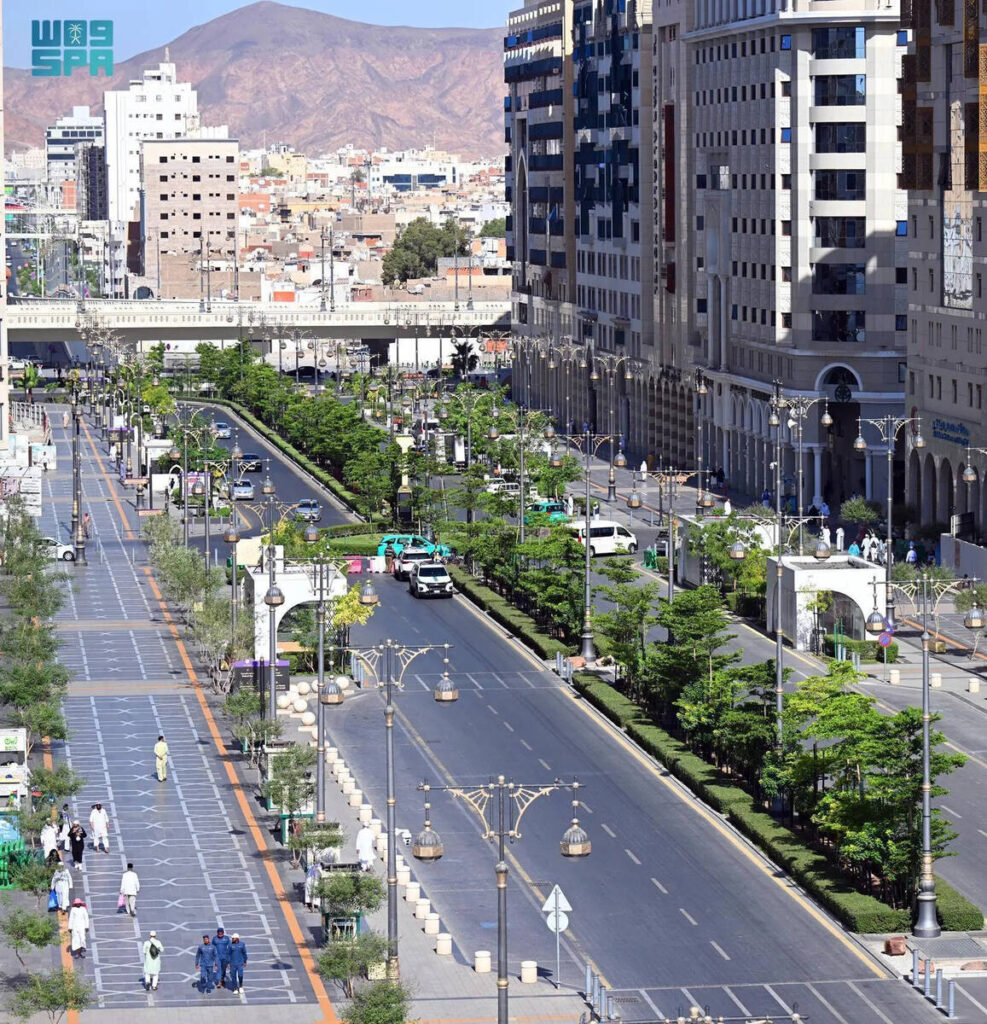
The World Health Organization has renewed its accreditation of Madinah as a “healthy city,” with Islam’s second-holiest location scoring an impressive 80 points, the Saudi Press Agency reported.
Prince Salman bin Sultan, governor of Madinah region, received the WHO accreditation certificate from Minister of Health Fahad AlJalajel during a ceremony on Thursday.
Prince Salman said Madinah’s renewed accreditation exemplifies the leadership’s dedication to enhancing quality of life for the Kingdom’s people in urban centers.
He emphasized Madinah’s ongoing transformation as a leading development model regionally and internationally, aligning with the Kingdom’s Vision 2030 goals.
Madinah has solidified its position as the second-largest healthy city in the Middle East, after Jeddah, the SPA reported.
To win the WHO’s nod, an entrant must meet 80 criteria, including parks, walking areas, and the promotion of health through primary care centers and schools.
The WHO has also recognized 14 other healthy cities in Saudi Arabia. These include Taif, Tabuk, Ad-Diriyah, Unaizah, Jalajel, Al-Mandaq, Al-Jumum, Riyadh Al-Khubra and Sharurah, according to Leaders MENA Magazine.
source/content: arabnews.com (headline edited)
______________
With the new accreditation, Madinah has solidified its position as the second-largest healthy city in the Middle East, next to Jeddah. (SPA photo)