Arabs & Arabian Records Aggregator. Chronicler. Milestones of the 25 Countries of the Arabic Speaking World (official / co-official). AGCC. MENA. Global. Ist's to Top 10's. Records. Read & Enjoy./ www.arabianrecords.org
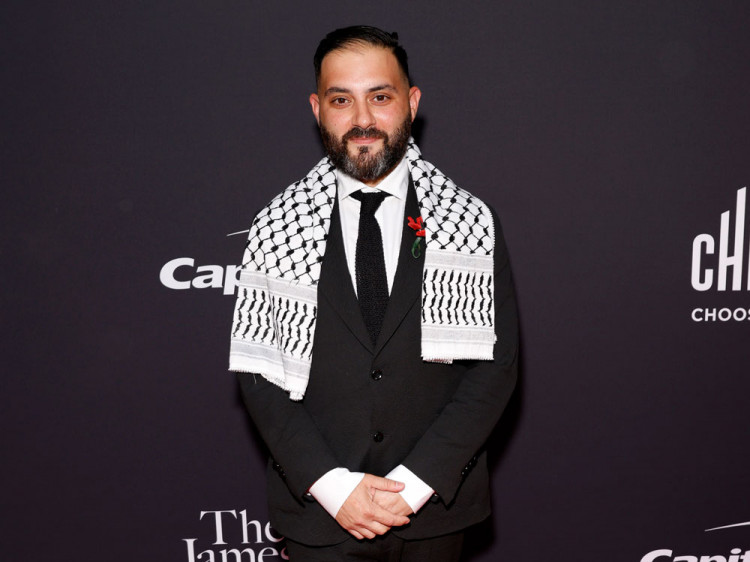
Palestinian chef Michael Rafidi has been honored with the James Beard Awards in Chicago, winning the title of Outstanding Chef 2024.
The culinary world is full of awards and accolades that honor talented chefs, and among them is the James Beard Awards. Often referred to as the “Oscars of the food world”, it is one of the highest honors in the industry. This year, Palestinian chef Michael Rafidi, the owner of Albi — a Michelin-starred restaurant in the capital of the United States, Washington, D.C. was titled winner under the category of Outstanding Chef.
Previously, Rafidi’s restaurant garnered a Michelin Star in 2022, an award that is only granted to restaurants that are able to present an exceptional dining experience using top-notch ingredients consistently. Rafidi’s food encapsulates the rich flavors of his Palestinian heritage, with each dish presenting remnants of his culture.
Chef Micheal Rafidi’s caption on his Instagram post, or speech as he called it included a poignant homage to his grandfather who was a chef in Washington for decades, and a big source of inspiration to delve into his restaurateur journey. “I accepted this award on the shoulders of my Palestinian ancestors, my grandparents and my mother. Through it all, they held onto their love of food, a taste of our lineage that told stories of love, resilience and hope,” stated Rafidi. He added, “As I grew in my career, I realized my Palestinian identity would become my purpose for the restaurants we would build, the menus we would create, and the food we would serve. Ending the caption with, “In case I wasn’t clear on stage. This award is dedicated to the people of Palestine.”
Regarding the win, Ayman, the Palestinian-Egyptian news anchor at MSNBC posted, “Now after last night’s James Beard Awards, Palestinian cuisine is not only recognized as part of the tapestry of America, it is celebrated among the very best cuisines in the world thanks to generations of Palestinians who are constantly pushing their food to new heights.”
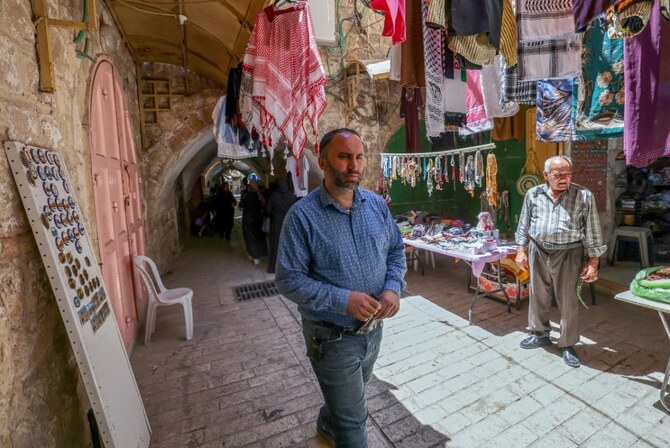
Palestinian activist Issa Amro on Thursday accepted the Right Livelihood prize — considered by some an alternative Nobel — for his “nonviolent resistance to Israel’s illegal occupation” in the West Bank, the jury said.
Amro was born in the city of Hebron, a flashpoint West Bank city where roughly 1,000 Jewish settlers live under heavy Israeli military protection amid some 200,000 Palestinians.
He has dedicated his life to fighting against Israel’s occupation of the West Bank. The 44-year-old founded the Youth Against Settlements group, which campaigns against the proliferation of Jewish settlements in the territory — communities widely regarded as illegal under international law.
The rights campaigner has been repeatedly detained and tortured by both the Palestinian Authority and by Israel, the foundation said. “It’s a miracle that I still exist,” said Amro.
When Palestine Polytechnic University, where he was studying, closed in 2003 during the Second Intifada, Amro successfully led a six-month civil disobedience campaign. “I managed to reopen the university with other students,” Amro said in a statement. “I graduated as an engineer and as an activist — it became part of my character,” he added.
The Sweden-based Right Livelihood Foundation also honored Joan Carling, a Filipino champion of indigenous rights and Anabela Lemos, a climate activist from Mozambique.
It also gave the nod to research agency Forensic Architecture for its work in uncovering human rights violations around the world.
The foundation said the four prize winners had “each made a profound impact on their communities and the global stage.”
“Their unwavering commitment to speaking out against forces of oppression and exploitation, while strictly adhering to non-violent methods, resonates far beyond their communities,” Right Livelihood said in a statement.
Carling from the Philippines was recognized for having defended the rights of indigenous communities for three decades, particularly in their fight against mining projects.
The foundation celebrated Lemos, who heads the NGO Justica Ambiental (JA!), for her role in opposing liquefied natural gas extraction projects in northern Mozambique.
Forensic Architecture, a London-based research laboratory known for 3D modelling conflict zones, won the distinction for “pioneering digital forensic methods” to ensure accountability of human rights violations around the world.
By teaming up with Ukraine’s Center for Spatial Technologies to reconstruct Mariupol’s Drama Theatre before it was destroyed in 2022, the firm highlighted Russia’s “strategies of terror” and “attempts to obscure evidence of their own crimes,” the foundation said.
Swedish-German philatelist Jakob von Uexkull sold part of his stamp collection to found the Right Livelihood award in 1980, after the foundation behind the Nobel Prizes refused to create new distinctions honoring efforts in the fields of environment and international development.
source/content: arabnews.com (headline edited)
______________
The rights campaigner has been repeatedly detained and tortured by both the Palestinian Authority and by Israel, the foundation said. (AFP)
The CREDIF (Center for Research, Studies, Documentation and Information on Women) issued Thursday 1st digital medium “Tunisian Women in figures 2024”, a scientific document, based on collecting statistical data from various public institutions and national professional bodies.
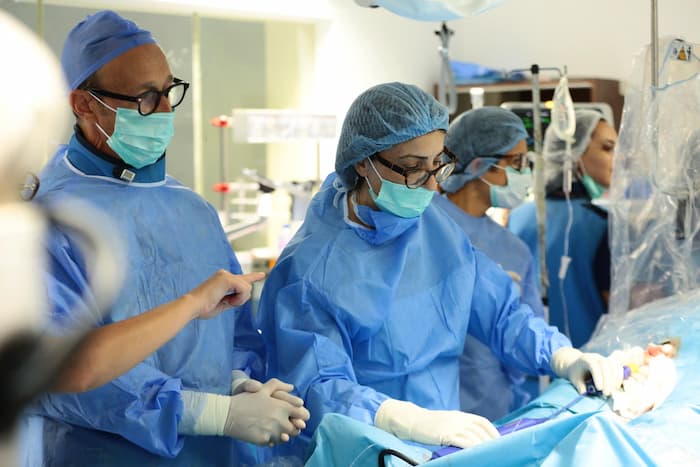
In the health field, this booklet indicates that women represent 51% of the total number of physicians in Tunisia. As of February 15, 2025, there were 13,197 women doctors, 6,895 of which are registered in the “General Medicine” branch.
“Tunisian women in Figures 2024”, includes various and diversified data, varying from those demographics, including questions relating to the experience of women and their difficulties, in terms of violence, health and unemployment and their accomplishments in terms of ‘Medical assistance, teaching and positions occupied in education and education.
It constitutes one of the updated references, to be consulted by both researchers and civil society members and administrators and experts, which can equip them, and help them study certain phenomena and possibly in decision-making.
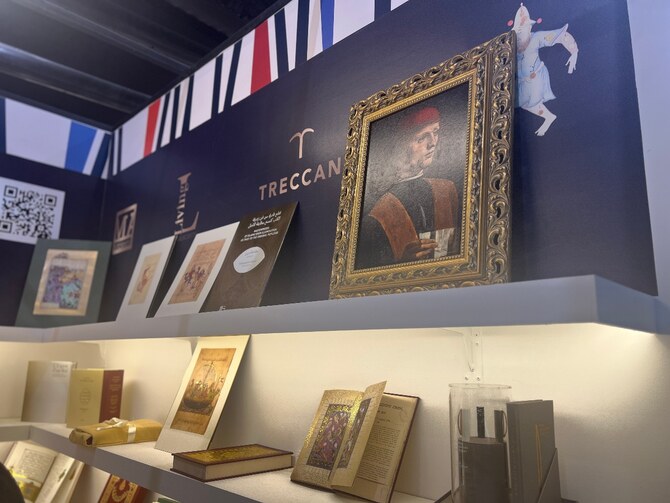
German publishing house Mueller and Schindler is participating in the Riyadh International Book Fair for the third consecutive year with a showcase of rare manuscripts and books.
The annual gathering’s literary treasures are a major attraction for book lovers and academics.
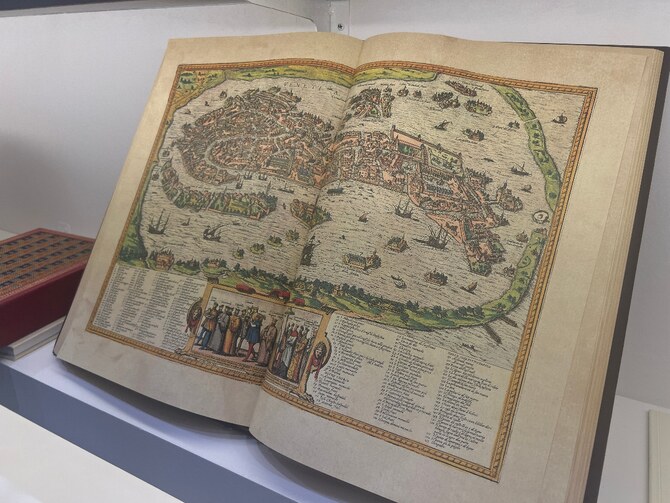
Mueller and Schindler specialize in creating high-quality replicas of historic texts that are typically inaccessible to the public.
Among their remarkable offerings are the famed notes of Leonardo da Vinci, and a selection of Arabic works, including the renowned Blue Qur’an.
Their exhibit at the fair highlights not only the beauty of these manuscripts but also their historical significance.
The owner and CEO of Mueller and Schindler, Charlotte Kramer, elaborating on their mission, told Arab News: “We provide facsimiles, which derive from the Latin term ‘fac simile,’ meaning ‘make it similar.’”
A facsimile is a faithful reproduction of a manuscript or printed book, capturing all the visible characteristics of the original — vibrant colors, gold and silver embellishments, as well as age marks and irregularities.
Their facsimile editions are published in limited quantities, combining technical precision with the spirit of the original work.
Highlighting the uniqueness of their offerings, Kramer noted: “One of our notable replicas is Katta Langar Qur’an, which dates back over 1,200 years, making it one of the oldest Qur’anic fragments. This fragment, written in Hijazi calligraphy, is significant for the development of the Qur’anic text.”
In addition to the Katta Langar Qur’an manuscript, Mueller and Schindler showcased a Moroccan Qur’an, comprised of 50 volumes, meticulously crafted in Kufic script.
They also presented manuscripts containing prayers of the Prophet Muhammad, as well as scientific Arabic texts, including Al-Sufi’s “Book of the Fixed Stars.”
The enthusiasm of the Saudi audience has made a lasting impression on the team.
“We are thrilled to be here for the third time. The people are incredibly knowledgeable and genuinely interested in our work. They engage with us, asking insightful questions and listening intently to our explanations,” Kramer said.
The fair concludes on Saturday.
source/content: arabnews.com (headline edited)
____________
Among their remarkable offerings are the famed notes of Leonardo da Vinci, and a selection of Arabic works, including the renowned Blue Qur’an. (AN photo)
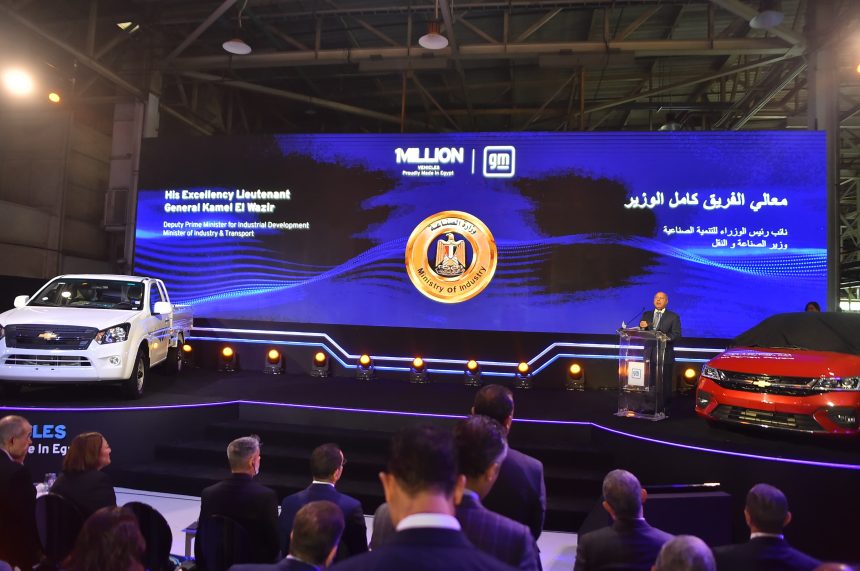
General Motors Egypt has celebrated a significant milestone with the production of its one-millionth vehicle at its local factory. The event was attended by Deputy Prime Minister for Industrial Development and Minister of Industry and Transport, Kamel Al-Wazir. This achievement underscores General Motors’ commitment to local manufacturing and its role in Egypt’s industrial development.
This milestone marked General Motors as the first private car manufacturer in Egypt to produce one million locally made vehicles, in partnership with General Motors Global. The company established its first regional manufacturing facility in Alexandria nearly 90 years ago and exports to countries in the Euro-Mediterranean region, the Middle East, and Africa.
Al-Wazir stated that General Motors collaborates with numerous local, regional, and global partners, producing over 90% of its sales locally. The company is also committed to increasing the local component percentage in its products.
He noted that General Motors Egypt supports the registration of its new car model in the National Program for Developing the Automotive Industry. This program incentivizes manufacturers based on local component ratios, investment levels, production and export volumes, emissions reduction, and adherence to global environmental standards.
In line with this, the Ministry of Industry has developed the National Industry Strategy (2024–2030), leveraging Egypt’s regional advantages and advanced infrastructure to enhance the industry across seven key pillars.
He noted that the strategy includes an urgent plan to boost the Egyptian industry, focusing on several main pillars. The first involved deepening the industry by establishing new factories to meet part of the local market’s needs and reduce reliance on imported production inputs, aiming to attract investors with high-quality products at competitive prices.
The second pillar focused on expanding the industrial base to increase exports, particularly for green industries that utilize locally available raw materials or technologies, such as iron and aluminium. This leverages Egypt’s natural resources (agricultural, industrial, and mineral) to produce high-quality goods for export markets at competitive prices.
The third entailed immediate efforts to reactivate and assist closed or stalled factories, as well as supporting projects under construction to enhance industrial activity and production capacity. The fourth emphasized improving the quality of Egyptian products to compete in the local and global markets, with support from entities under the Ministry of Industry.
The fourth pillar aims to enhance the quality of Egyptian products for both local and global markets through the Ministry of Industry, meanwhile, the fifth pillar focused on increasing employment in the industrial sector to 7 million by 2030, doubling the current workforce, while recognizing General Motors Egypt’s role in attracting investments and creating jobs.
Additionally, the sixth pillar emphasized training the workforce via partnerships with research centres and universities to improve skills, particularly through the development of 41 technological schools. These schools, financed by private companies, aim to produce skilled graduates ready for the industry, with potential collaboration between the Ministry and General Motors to improve vocational training.
Finally, the seventh pillar addressed modern industrial trends and digital transformation, including providing technical support for factories and raising awareness of green industries. It also involved launching a digital platform to streamline industrial services and licensing processes for investors.
Appointment made during UAC’s 135th session, being held in Doha.
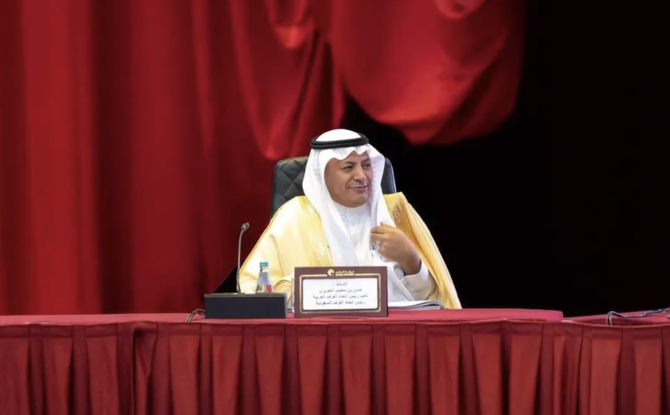
The Union of Arab Chambers appointed Hassan bin Moejeb Al-Huwaizi, President of the Federation of Saudi Chambers, as its first Vice President, Saudi Press Agency reported on Sunday.
The appointment was made during the UAC’s 135th session, which is being held in Doha.
In addition to his new role, Al-Huwaizi holds several prominent positions, including VP of the Federation of GCC Chambers, and president of the Abha Chamber, SPA added.
He thanked the Union of Arab Chambers for its confidence in his abilities, and Al-Huwaizi emphasized the need to strengthen intra-Arab trade.
Currently, intra-Arab trade constitutes just 13.8 percent of the total foreign trade of Arab countries, a figure he described as modest compared to other regional economic blocs.
Al-Huwaizi urged for intensified efforts to eliminate regulatory, customs, and procedural barriers that hinder trade among Arab nations.
source/content: arabnews.com (headline edited)
___________
The Union of Arab Chambers appointed Hassan bin Moejeb Al-Huwaizi, President of the Federation of Saudi Chambers, as its first Vice President. (SPA)
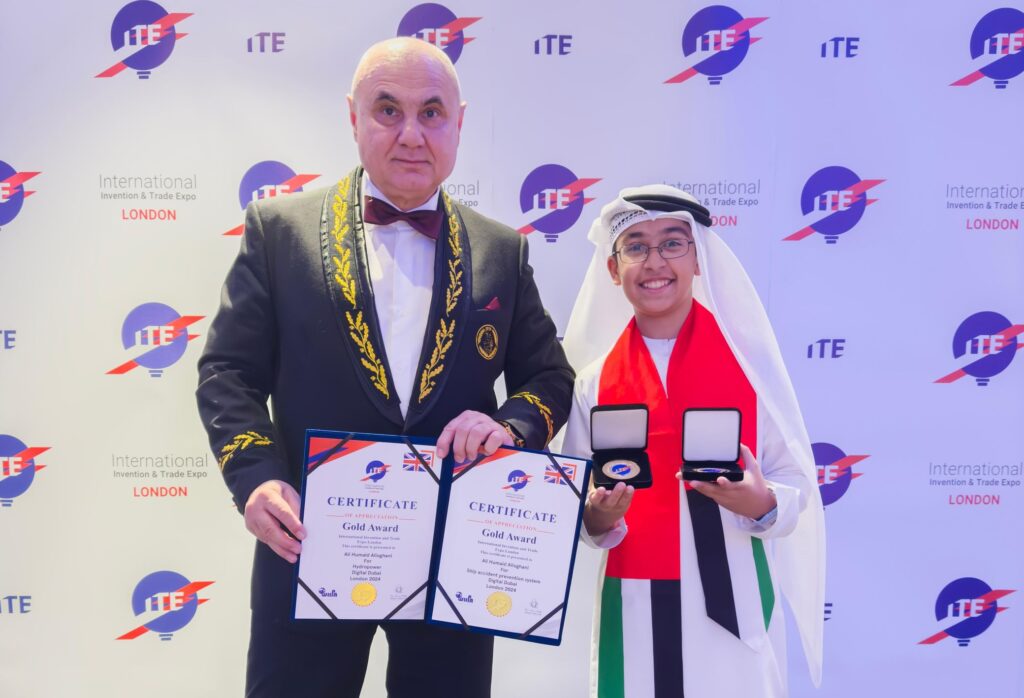
Emirati student Ali Humaid Al Loughani received the Leadership Sash and Medal at the 6th International Exhibition of Inventions and Trade held in the British capital, London, in which he participated under the patronage and support of the Dubai Digital Authority, outperforming 285 inventors from different countries of the world, despite being the youngest participant in the international event.
Emirati inventor Ali Al Loughani presented two of his inventions: the “Ship Accident Prevention Project,” which relies on artificial intelligence technologies and aims to protect ships and enhance safety in the maritime navigation sector to high levels, in addition to the “Hydropower” project for generating hybrid energy, which combines solar energy and hydrogen fuel cells, and employs Internet of Things technologies.
for the two projects he participated in, and was honored by the Inventors Association of Romania, Norton University of Cambodia, and the National University of Science and Technology in Bucharest.
Al Loughani’s project, a ship accident system based on artificial intelligence technologies, is an advanced innovation that aims to enhance safety levels in the maritime sector through advanced technologies that monitor and analyze potential risks during navigation.
The technology of this project relies on collecting detailed data on sea conditions, ship speed, and weather conditions in real time, and analyzing them using artificial intelligence techniques.
Based on these analyses, the system can make proactive decisions to avoid collisions and marine accidents that could threaten the safety of passengers and cause significant damage to ships and marine infrastructure.
This innovative project can be part of global efforts to enhance sustainability in maritime transport, as it contributes to reducing the environmental impacts of marine accidents, such as oil spills and the resulting pollution. In addition, the system contributes to protecting marine life and ensuring the smooth and safe continuation of global trade.
combining solar energy and hydrogen fuel cells to provide a sustainable and efficient energy source.
The project depends on converting solar energy into electrical energy using solar panels, and then using this energy to produce hydrogen through the electrolysis process.
The hydrogen is stored and later used to generate electricity through hydrogen fuel cells, which contributes to reducing dependence on fossil fuels and reducing carbon emissions.
The project consists of solar panels that convert sunlight into electrical energy, hydrogen fuel cells that generate electricity by reacting hydrogen with oxygen, a charge controller to regulate the electrical voltage, batteries to store electrical energy, and an electrolysis generator to produce hydrogen from water.
The project aims to reduce dependence on fossil fuels, enhance energy sustainability, improve energy storage efficiency, and contribute to achieving sustainable development goals, especially in the field of clean energy and climate action. It is considered a model for renewable energy that can be widely applied in the future.
Student Ali Al-Loughani has a long record of creativity and invention, as he has previously won a number of awards and honors for his efforts and achievements.
Last year, 2023, he won the 34th edition of the Technology, Innovation and Invention Exhibition in Malaysia for his invention of a robot that helps senior citizens in their daily lives using Internet of Things technologies.
He won second place in the Young Inventors category out of 700 competing inventors from 19 countries around the world.
The award comes after a pro-Israel nonprofit organisation criticised the nomination of the short film documenting the initial days of Israel’s war on Gaza.
Palestinian journalist Bisan Owda and Al Jazeera’s AJ+ have won an Emmy in the Outstanding Hard News Feature Story category for their documentary, It’s Bisan From Gaza – and I’m Still Alive.
Owda has been at the forefront of reporting from Gaza since Israel launched its assault on the territory last October, bringing the stories of Palestinians to a global audience amidst 11 months of war and devastation.
“This award is a testament to young Palestinian journalists and their professionalism. Bisan’s reporting has humanised the Palestinian story after decades of mainstream media’s systematic dehumanisation of Palestinians. Winning this Emmy is a win for humanity. We feel extremely proud of this bright moment amidst ongoing genocide, and Bisan will continue reporting,” Dima Khatib, Managing Director of AJ+ Channels, said on Thursday.
The award came a month after Creative Community for Peace, a pro-Israel nonprofit organisation, issued a letter criticising the nomination of the 25-year-old’s short film documenting the initial days of Israeli bombardment and its devastating impact on everyday people in the Gaza Strip.
The letter alleged Owda was affiliated with the Popular Front for the Liberation of Palestine (PFLP), which she has denied. The PFLP is a left-wing Palestinian political movement, and is designated a “terrorist organisation” by several Western countries, including the United States.
In August, Adam Sharp, the president and chief executive of the National Academy of Television and Arts and Sciences (NATAS), defended the nomination, saying that two panels, including experienced journalists, had made the decision and that the academy had not found any evidence that Owda was affiliated with the PFLP.
He said that past nominees had “been controversial, giving a platform to voices that certain viewers may find objectionable or even abhorrent”, but they were honoured “in the service of the journalistic mission to capture every facet of the story”.
At the time, Al Jazeera issued a statement, saying it stood with Owda “in the face of efforts to silence her reporting from Gaza”.
The media group described Owda as a “renowned journalist and influencer” who “has significantly contributed to bringing news from Gaza to the world with her unique style”.
Al Jazeera said the allegations were “baseless” and “an attempt to silence Bisan and present a real threat to her safety on the ground”.
“The call for the Emmy nomination to be rescinded is nothing more than an attempt to deny an important perspective to the global audience on the war and its devastating impact on innocent civilians,” the statement read.
In the past 11 months, more than 130 journalists, including three from Al Jazeera, have been killed by Israeli forces, according to Reporters Without Borders (RSF). Other media rights groups have different numbers based on their own criteria, however, the Government Media Office in Gaza count of the number of dead journalists and media workers is 173.
“We urge the international journalistic community to support Bisan and other media professionals, ensuring they can carry out their essential work without fear of being targeted, intimidated or killed,” Al Jazeera’s statement said.
In May, Owda and AJ+ also won a Peabody Award for coverage of the devastating impact Israel’s war on Gaza has had on Palestinians in the besieged enclave.
Additionally, Al Jazeera English’s Fault Lines received the News Emmy for Outstanding Climate, Environment, and Weather Coverage for its film “Shark Fin Hunters,” which exposes wildlife trafficking that poses enormous risks for the future of the oceans.
“We are delighted and honoured to win this prestigious award,” said Issa Ali, Acting Managing Director of Al Jazeera English. “The great journalism that we do, and that done by our colleagues in other media organisations, is more important than ever in today’s world. This award is a wonderful recognition of the talent, dedication, and hard work of our teams.”
source/content: aljazeera.com (headline edited)
__________
source: youtube.com / ‘It’s Bisan from Gaza and I’m Still Alive’
His Highness Sheikh Dr. Sultan bin Mohammed Al Qasimi, Supreme Council Member and Ruler of Sharjah, announced the completion of the Historical Dictionary of the Arabic Language, consisting of 127 volumes, in a unique achievement for the Arab and Islamic nation, which is added to the series of achievements of Sharjah, under His Highness’s leadership, in various fields of culture, literature and the Arabic language.
This came during His Highness’s attendance today at the launch of the activities of the Second Sharjah International Conference on Arabic Language Studies in Europe, which is organized by the Arabic Language Academy in Sharjah, at the Dr. Sultan Al Qasimi House.
His Highness the Ruler of Sharjah welcomed the conference guests from various European countries, including scholars and students, pointing out the overwhelming joy of completing all the volumes of the Historical Dictionary of the Arabic Language, saying, “Your presence on this day, which coincides with the completion of the dictionary, is a joy and delight and the reaping of fruits. It is a happy occasion. This dictionary took seven years and was scientifically researched by 500 researchers and approximately 200 proofreaders, reviewers, printers, administrators and technicians.”
His Highness added that the scientific and research team of the Historical Dictionary will continue to work diligently with the Arabic Language Academy in Sharjah to complete research and reference work for the benefit of the Arabic language, as work will begin on the Arabic Encyclopedia, which will cover all literary and scientific branches, and will become the first reference for all people.
At the end of his speech, His Highness the Ruler of Sharjah pointed out the continuation of efforts to establish more cultural centres that play an important role in spreading support for Arabic culture and language and their valuable projects.
The conference was opened with the recitation of clear verses from the Holy Quran, after which Dr. Mohamed Safi Mosteghanemi, Secretary General of the Arabic Language Academy in Sharjah, delivered a speech in which he welcomed the presence and honor of His Highness the Ruler of Sharjah at the conference in its second edition, pointing to His Highness’s great support and personal interest in the Arabic language in terms of learning, teaching, publishing, literature and culture. He also welcomed the participating guests of the conference from various European countries and their great contributions to supporting the Arabic language in their countries.
Al-Mostaghanemi discussed the importance of joint cooperation between all scholars, researchers and orientalists to research and care for the Arabic language, pointing out the importance of the Arab Studies Conference in Europe in achieving many goals for the development of the dissemination and learning of the Arabic language in many European countries and in achieving research goals therein and discussing challenges and finding solutions.
His Highness the Ruler of Sharjah and the attendees watched a visual presentation about the Arabic Language Academy in Sharjah, its vision, mission and objectives in the fields of publishing, developing and supporting the Arabic language, its research and studies, in addition to the publications and educational courses it supervises and its efforts in honoring scholars and outstanding individuals in various branches of the Arabic language.
Dr. Laura Gago delivered a speech on behalf of the conference guests, in which she praised the efforts of His Highness the Ruler of Sharjah and what he provides to the Arabic language in general and in Europe in particular, and the support and interest that the Emirate of Sharjah represents for the Arabic language, which has made it a destination for lovers and students of the Arabic language and its capital.
She noted the importance of the conference and its success at the international level, and the competition of scholars from different countries to participate in it, saying, “We came from every corner of Europe, from East to West, to talk about Arabic in the capital of Arabic in the modern era, because we know that Arabic is not a race, but rather Arabic, as the Prophet of Islam said, is the language, so whoever speaks Arabic is an Arab. The Arabic language sits on the throne of human languages, and if its people love it by nature, then the love of the Arabic language for us, who speak other languages, is a decision and a choice.”
She concluded her speech with thanks and appreciation to the Sharjah Academy of Arabic Language for organizing the conference and ensuring its success.
Dr. Dragana Djordjevic delivered a word of thanks and gratitude on behalf of the forum attendees to His Highness the Ruler of Sharjah for his support for the issues of the Arabic language and its teaching, especially in European countries, and for providing the opportunity for scholars and researchers to attend to study and come up with what contributes to supporting and spreading Arabic. She said, “In Sharjah, we feel that we are in our homes and among our people.”
At the end of the conference opening activities, His Highness the Ruler of Sharjah honored the participating scientists and researchers.
The conference will be attended by a number of scholars and academics from Romania, Kazakhstan, Spain, Norway, Poland, Russia, Germany, Serbia, Croatia, Denmark, Turkey, France, Greece, and Italy. They will present various research papers that address the conference themes and the experiences and challenges of learning and teaching the Arabic language in their countries.
The conference seeks to research and discuss a number of topics, namely: Arab tales in the West: One Thousand and One Nights, Kalila and Dimna, Juha, and others, the Arabic language and contemporary technology, translation and cultural communication, the translation of the meanings of the Holy Qur’an into European languages: reality and prospects, the image of the Arab in travel literature and the books of European geographers, in addition to the topic of Arab manuscripts in Europe.
The conference aims to define the curricula and rules related to teaching Arabic to non-native speakers, reveal the linguistic, social and human heritage of nations, advance to acquire terms and values that keep pace with contemporary scientific developments, focus on translation curricula and methods of communication between civilizations, care for interpretive readings of the meanings of the Holy Quran from the perspective of European languages, codify travel literature and the records of European geographers with Arabic and European edits, highlight the characteristics of Arabic manuscripts and their caches, in addition to employing global expertise and innovative methods in serving the Arabic language and spreading it in the countries of the European continent, and investing human energies, research skills, concepts and scientific theories to benefit from the linguistic heritage and the Arab knowledge treasure.
The second edition of the conference, which will continue for two days, September 21 and 22, will address several areas related to the Arabic language, namely: serious Arabic and human studies that embody the reality of the Arabic language in Europe, innovative research in learning and teaching the Arabic language, and practical experiences and live practices in the fields of the Arabic language and human studies.
The conference was attended by the Ruler of Sharjah, Dr. Khalifa Al Tunaiji, Chairman of the Holy Quran Academy in Sharjah, Jamal Salem Al Turaifi, President of Al Qasimia University, Abdullah Khalifa Al Sabousi, Chairman of the Department of Islamic Affairs, Ali Al Marri, Chairman of the Dr. Sultan Al Qasimi Foundation, Mohammed Hassan Khalaf, Director General of the Sharjah Broadcasting Authority, heads and representatives of Arabic language unions and academies, and a number of officials and specialists.
Maria Mohammed Al Rahbi, a student of Sultan Qaboos University (SQU), won second place at the individual level in the World Photography Cup for Universities and Higher Education Institutions 2024.
Maria Al Rahbi is a computer science major at the University’s College of Science and a member of the photography group at the Deanship of Student Affairs. She took part in the contest as part of a team representing SQU after the competition was announced to all higher education institutions around the world.
Each institution is allowed to participate with a maximum of 5 students. Each student can compete with 4 photos.
The competition was organized by the International Federation of Photographic Art (FIAP) and it saw the participation of 88 universities from around the world.
The jury included prominent specialists in the world of photography, including photographers from National Geographic society, the Silk Road Photography Organisation, and officials from the International Federation of Photographic Art or “Fédération Internationale de l’Art Photographique” (FIAP).
It is worth noting that the award will be presented at a ceremony in China in October 2024 as part of similar events that include an international conference and a photography exhibition.
Fifteen of Maria Al Rahbi’s works of art will be displayed in FIAP wings. On the sidelines of the award ceremony, Maria will participate in a workshop to be attended by international photographers.