Arabs & Arabian Records Aggregator. Chronicler. Milestones of the 25 Countries of the Arabic Speaking World (official / co-official). AGCC. MENA. Global. Ist's to Top 10's. Records. Read & Enjoy./ www.arabianrecords.org
Forbes also ranks Lasry among the world’s billionaires, placing him at 1,913.
Moroccan-American billionaire Marc Lasry is among the Forbes 250 Greatest Self-Made Americans, another list featuring businessmen and celebrities who made a name for themselves in their respective fields.
Forbes released the list earlier this month, distinguishing the US, where the “American dream” could reportedly be achieved by any ordinary child, compared to Europe, “where one’s prospects were often determined at birth.”
The report then cites what it describes as heroes, including Alexander Hamilton, the “orphaned immigrant who crafted America’s first financial system.”
Oprah Winfrey tops the list of the Forbes selectees, and is followed by Harold Hamm, David Steward, Thomas Peterffy, alongside LeBron James, and Jan Koum.
Among the celebrities, Morocco’s Lasry found his name alongside other celebrities like Dr Dre, Eminem and the iconic Cher, as well as other prominent businessmen and women.
Forbes identified Lasry as number 154 in its ranking, describing him as a child who lived in a tiny apartment before founding Avenue Capital.
Lasry is also on Forbes’ billionaires list, where he is ranked 1913 with a real-time net worth of $2.2 billion as of April 22.
A brief biography of him on Forbes says he and his sister Sonia founded Avenue Capital Group in 1995, with $7 million in funding from friends and family.
He moved to the US at the age of 7 with his family from Morocco, “sharing a bedroom with his 2 siblingings for a decade.”
Lasry is also known as a major supporter of the Democratic Party, raising funds for former President Obama as well as candidate Hilary Clinton.
Svetlana Mojsov, who laid the foundations for weight-loss drugs such as Ozempic, and mathematician Carlos Kenig, who decoded complex laws of motion, among those honored
The 48th staging of the coveted prize-giving comes as the King Faisal Foundation celebrates its milestone 50th anniversary
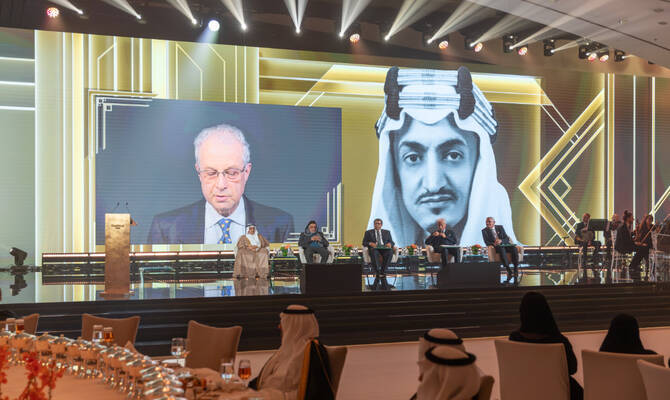
The King Faisal Prize 2026 prize-giving ceremony, which took place in Riyadh on Wednesday night under the patronage of King Salman, honored distinguished experts in medicine, the sciences, the Arabic language, Islamic studies and services to Islam for achievements said to have significantly advanced their fields and enriched all of humanity.
Prince Turki Al-Faisal, acting chairman of the board of trustees of the King Faisal Foundation, and Abdulaziz Alsebail, secretary-general of the King Faisal Prize, took to the stage to honor this year’s recipients in a celebration of exceptional minds whose work echoes far beyond their own laboratories and lecture halls. Other dignitaries at the ceremony included Prince Mohammed bin Abdulrahman bin Abdulaziz, the deputy governor of Riyadh.
The glittering ceremony this year, the 48th staging of the awards, coincided with a landmark milestone: the 50th anniversary of the King Faisal Foundation, which was established in 1976 and handed out its first prizes in 1979.
The honorees this year included distinguished scientists in the fields of medicine and mathematics, including one whose biochemical discovery would ignite a revolution in the field of obesity treatments, and another who delved into the depths of pure mathematics in search of clarity where there was once only chaos.
The King Faisal Prize in Medicine honored a biochemist whose discovery sparked a revolution in treating obesity and diabetes.
Professor Svetlana Mojsov’s early, groundbreaking research on the hormone glucagon-like peptide-1, or GLP-1, laid the biological foundation for what would eventually become the weight-loss drug Ozempic and other obesity therapies.
Her work now lies at the heart of one of the most significant public-health revolutions of our time, touching the lives of hundreds of millions of people worldwide who struggle with their weight.
Mojsov, who works at Rockefeller University in New York, carried out foundational research on GLP-1, a natural hormone that regulates blood sugar and appetite, which laid the scientific groundwork for an entirely new class of medications.
Her discovery of GLP-1’s biologically active form, and identification of its receptors in the pancreas, heart and brain, demonstrated its remarkable ability to stimulate insulin secretion, slow digestion and curb hunger.
Her work was so foundational that she is listed as co-inventor on patents licensed to Novo Nordisk that directly enabled the development of Victoza, Ozempic and Rybelsus, drugs that have become household names in the fights against diabetes and obesity.
The ripple effects of her research were said to be staggering in their scale. In 2022, obesity affected 890 million adults and 160 million children worldwide; today, the therapies her discoveries enabled are transforming lives across the globe, award organizers said.
In her acceptance speech, Mojsov said: “Twenty-five years after we published our findings, Novo Nordisk pharmaceutical company developed long-lasting, injectable GLP-1 analogs for diabetes and obesity.
“I am humbled that my work that started 40 years ago with a hypothesis has benefited the health and lives of millions of people worldwide.”
Her professional journey from basic scientific inquiry to a public-health revolution stands as a testament to the power of foundational research, the award organizers said.
The King Faisal Prize in Science honored a mathematician whose work on equations helped explain ocean waves and fiber optics.
Prof. Carlos Kenig was recognized for his transformative work on nonlinear partial differential equations, described as a stubborn, beautiful aspect of mathematics that govern everything from the crash of ocean waves to the clarity of a medical scan. Where others saw complexity, he found structure that reshaped the very landscape of modern mathematical analysis.
The Louis Block Distinguished Service Professor at the University of Chicago, Kenig built a career making the incomprehensibly complex not only solvable, but useful.
Nonlinear partial differential equations provide the mathematical language that describes how things change, move and evolve in the physical world. By applying harmonic-analysis techniques to these notoriously difficult equations, he helped open up new frontiers in fluid mechanics, optical fibers and medical imaging, award organizers said.
Kenig credited the academic path he has followed to his studies in Chicago and postdoctoral work at Princeton, where he learned from leading mathematicians and further developed his expertise
“I became interested in mathematics at the age of 12 when, in my first year of high school in my native country, Argentina, our math teacher taught us Euclidean geometry, and how to prove rigorously theorems about triangles,” he said during his acceptance speech.
“I was hooked from that time on. I then had the very good fortune to study at the University of Chicago, and to be a postdoc at Princeton University, under some of the most outstanding mathematicians of the 20th century.
“These experiences influenced the direction of my research, which turned to topics in mathematical analysis and, eventually, mostly to the study of the partial differential equations that govern our physical world.”
Professor Pierre Larcher, professor emeritus of Arabic Linguistics at Aix-Marseille University and emeritus researcher at the Institute of Research and Study on the Arab and Muslim Worlds, received the King Faisal Prize for Arabic Language and Literature for his work on Arabic literature in French.
The novel way in which he presents Arabic literature to French readers has earned widespread acclaim from critics and specialists and, in conjunction with his rigorous, scholarly approach to classical Arabic literature, has made it accessible and appropriate for French culture, the award organizers said.
His rigorous study of pre-Islamic poetry and translation of “Al-Mu’allaqat,” a collection of seven such poems, was said to demonstrate exceptional scholarly depth.
The Islamic Studies Prize went to Abdelhamid Hussein Mahmoud Hammouda, professor of Islamic history and civilization at Fayoum University in Egypt, and Mohammed Waheeb Hussein, professor of archaeology and history of art at Hashemite University in Jordan, for their work on historical Islamic trade routes.
Hammouda’s comprehensive work encompasses trade routes across the Islamic world, including the Mashreq, Iraq and Persia, the Arabian Peninsula, Greater Syria, Egypt, the Sahara, Maghreb, and Al-Andalus.
This expansive scope of his work was said to have delivered a coherent understanding of Islamic trade across history, serving as an authoritative reference tool for both specialized research and broader scholarship.
Hussein’s groundbreaking work uses archaeological surveys, GPS data and analytical mapping to systematically correlate Qur’anic texts with geographical data. His research was described as offering a definitive scholarly interpretation of the “Route of Al-Ilaf,” significantly advancing understanding of early trade routes in the Arabian Peninsula.
The Service to Islam Prize was awarded to Sheikh Abdullatif Alfozan, from Saudi Arabia, and Prof. Mohammed Hassanin Aboumousa, from Egypt.
Alfozan was rewarded for his distinctive approach to philanthropic work through support for high-impact initiatives that align with developmental needs, and the establishment of the “Ajwad Endowment” as a community-support tool for the creation and development of humanitarian initiatives.
Aboumousa, a founding member of the Council of Senior Scholars at Al-Azhar, has hosted more than 300 study circles at Al-Azhar Mosque devoted to classical texts, in an effort to strengthen cultural identity among young Muslims.
Established by the foundation in 1977, with the first awards handed out in 1979, the King Faisal Prize has honored 308 laureates from 45 countries over the years in recognition of their outstanding contributions to science and humanitarian causes.
The inaugural prizes in 1979 were awarded in three categories: service to Islam, Islamic studies, and Arabic language and literature. The medicine and science categories were introduced in 1981.
Each of the recipients receives $200,000, a 24-carat gold medal weighing 200 grams, and a commemorative certificate with their name and a summary of the work for which they were honored with a prize described as the most coveted in the Islamic world.
source/content: arabnews.com (headline edited)
_____________
King Faisal Prize 2026 laureates honored at ceremony in Riyadh. (Supplied)
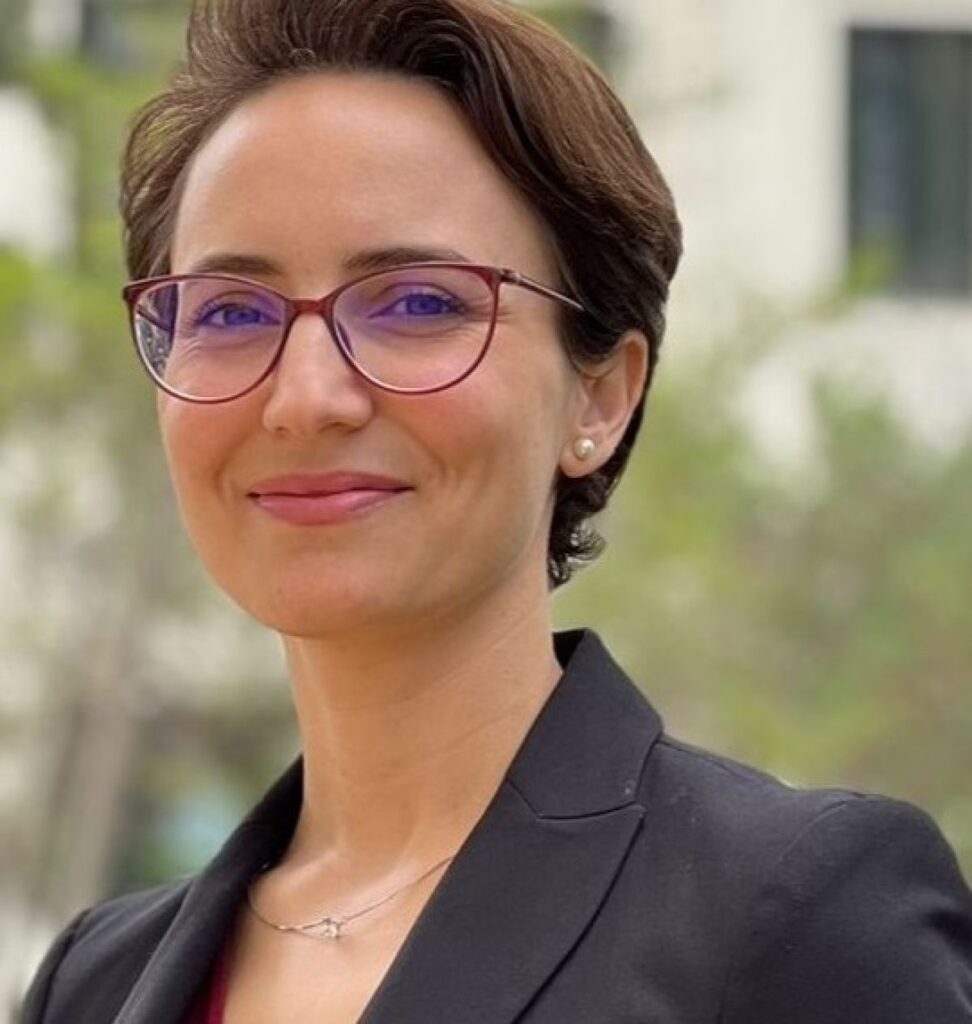
Tunisian researcher Emna Harigua has been honoured with Tunisia’s 2025 Best Female Scientific Achievement Prize for her innovative drug discovery work powered by artificial intelligence (AI).
In recognition of women’s essential contributions to science and innovation, Harigua, who holds a doctorate in biomathematics, bioinformatics and computational biology, was awarded the prestigious prize by Tunisia’s Ministry of Family, Women, Children and Seniors as part of the celebrations for the country’s National Women’s Day, observed on August 13. Her achievements include leading research in AI-powered drug discovery through a national node in the Global South AI for Pandemic and Epidemic Preparedness and Response Network, a global initiative supported by IDRC and the United Kingdom’s Foreign, Commonwealth and Development Office.
Harigua, a scientist at the Institut Pasteur de Tunis, Tunisia, and principal investigator of the BIND project (Bioinformatics and Artificial Intelligence for Infectious Diseases), is leading an AI-powered platform that accelerates research against some of the world’s most persistent infectious agents that pose health risks.
Her research targets neglected tropical diseases such as leishmaniasis and malaria, combining bioinformatics, AI and experimental validation to shorten the drug discovery timeline and reduce costs. The BIND project has already identified nine novel anti-Leishmania drug candidates, with three now in pre-clinical validation. In addition, the team launched CidalsDB, an open-access AI platform for drug identification, marking a step forward in global efforts toward open science and collaborative health research.
“This award is not just a personal milestone — it’s a recognition of the potential of African-led science to tackle global health challenges,” said Harigua.
Beyond her lab, Harigua is a strong advocate for building Africa’s capacity in computer-aided drug discovery and ensuring that cutting-edge technologies serve the health needs of African communities. Her work — presented recently at the International Science Council during a workshop held in Nairobi, Kenya, on the impact of emerging technologies on science systems — underscores a vision where innovation, collaboration and inclusion drive the future of medical research.
source/content: idrc-crdi.ca (headline edited)
____________
Fourat Thamine, Institut Pasteur Tunisia. / Tunisian scientist Emna Harigua receives national recognition for her AI-powered drug discovery platform.
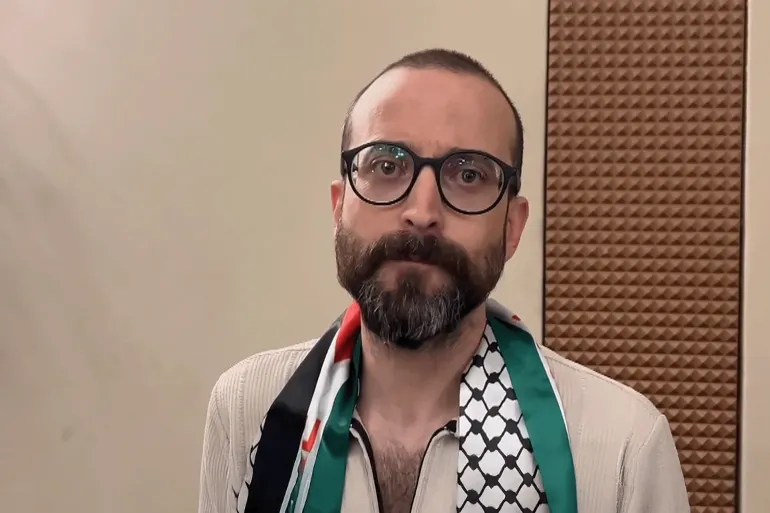
Basim Khandakji describes conditions in Israeli prisons and his journey to writing despite the challenges.
The night Basim Khandakji’s novel won the 2024 “Arabic Booker Prize”, Israeli prison guards stormed his cell, assaulted him, bound his hands and feet, and threatened him.
The 42-year-old was then placed in Ofer Prison’s solitary confinement for 12 days.
It was retaliation, he believes, for embarrassing the Israeli prison system, managing to publish a book under the noses of guards, drawing attention to himself and the conditions he faced.
Now he is out of Israeli prison after serving 21 years of three life sentences.
“I still feel like I’m dreaming, and I’m terrified I might wake up and find myself back in a cell,” Khandakji said.
After his release, he remains unable to return home to his family in Nablus. Exiled from his homeland by Israel, he now waits in Egypt as his family fights to reach him.
‘We saw new horrors’
As happy as he is about escaping “the cemetery of the living” in Israeli prisons, Khandakji is still trying to process the horrors that he saw there and his sadness at leaving other prisoners behind.
He was convicted in 2004 of being part of a “military cell” and being involved in a suicide bombing in Tel Aviv, a crime he says he was forced to confess to.
“The lawyer told me I had to sign a confession … so that three young men could be spared life sentences. There was a kind of quid pro quo: You admit to a particular charge in exchange for getting some younger men out of life sentences, and that is what happened.”
The United Nations estimates that at least 75 Palestinians have died in Israeli prisons since October 2023, and organisations like B’Tselem and the Palestinian Centre for Human Rights have revealed systematic abuse.
Khandakji spent months at a time in solitary confinement and was often moved between prisons, spending time in most of Israel’s 19 facilities that hold Palestinians – each as “hellish” as the last, he tells Al Jazeera.
“There are deliberate policies of starvation, abuse, psychological and physical torture, constant humiliation, and intentional medical neglect.”
Images of released Palestinian detainees have prompted outrage around the world. Appearing fit and healthy in photos of them before incarceration, on release, many had been reduced to emaciated, cadaverous shadows of their former selves.
Things changed, Khandakji says, after October 7, 2023 – the date of a Hamas-led attack during which 1,139 people died in Israel and some 250 were taken captive, in response to which Israel launched a two-year genocidal war on Gaza.
Khandakji says prisoners began to die with shocking regularity, with guards using “new horrific methods” – particularly on detainees rounded up by the hundreds from Gaza.
“Inmates saw guards hanging up the bodies of dead prisoners in cells and leaving them there, decaying,” he said.
“Another told me he saw more than 12 dead bodies packed into cells at al-Jalama detention centre.”
Khandakji says the harrowing memories of dead Palestinians and the brutal torture he witnessed and experienced will haunt him for his entire life.
“The main strategy authorities used to break prisoners was starvation,” he said. “There was also ‘cooling’, meaning denial of clothing, blankets, or any heating during the bitter winter.
“There was also constant beatings,” he added. “They use horrifying, savage methods – targeting the head, neck, and spine.”
Al Jazeera reached out to Israeli prison authorities for comment on Khandakji’s accusations, but received no reply.
Communication with friends and family was banned, he added, and he was prevented from accessing news from the outside world – although he did receive word of his father’s death.
“I was deprived of my father while he was alive, and after his death I was denied the chance to bury him,” he said.
Nearly 9,000 Palestinians remain in Israeli jails, many taken in mass roundups, and more than 3,500 are held under “administrative detention”, which Israel created to justify imprisoning people indefinitely without charge or trial.
Smuggling out an award-winning novel
In prison, Khandakji says: “Writing gave me … a refuge, a hiding place through which I could escape the brutality of the jail and reclaim my freedom, even if only in my imagination.”
He had to go on hunger strike repeatedly to get notebooks and pens.
He wrote as much as he could, keeping his manuscripts hidden from the guards and staying out of their way until he could smuggle his writing out via his lawyer or any other visitor.
In 2023, his award-winning novel, A Mask, The Colour of the Sky, was published in Lebanon in Arabic and was shortlisted for the International Prize for Arabic Fiction, known as the Arabic Booker.
The book tells the story of Nur, a Palestinian archaeologist who finds an Israeli ID and takes on the identity of “Ur”, eventually joining an archaeological dig on an illegal Israeli settlement.
In it, Khandakji reflects on the uncovering of Palestine’s antiquity and the difference between the constrained life of Nur with his Palestinian ID and Ur, whose sky-blue ID allowed him to go anywhere.
Hearing of the shortlisting, an enraged ultranationalist Israeli national security minister, Itamar Ben-Gvir, demanded harsher conditions for Khandakji, while others on the Israeli extreme right called for his murder.
His award triumph included a $50,000 prize and funding for an English translation, paving the way for a global readership.
When Israel launched its war on Gaza, conditions became worse in the prison, and guards confiscated Khandakji’s writing material and smashed his reading glasses.
He felt “completely powerless”, he says. “Being deprived of my pens and notebooks felt like being deprived of air.”
Now free, he aims to publish another novel, which he wrote in his head in his final year of captivity. It is based on one of his closest friends, writer Walid Daqqa, who died of cancer after allegedly deliberate medical neglect by prison authorities.
Aside from writing, Khandakji’s only solace in jail was the friendships he made “that even death cannot erase”.
“I live with sorrow and pain because I left behind so many friends in prison, still suffering,” he adds.
One of these friends, with whom he shared a cell, was Fatah politician Marwan Barghouthi, sentenced to five life sentences plus 40 years in 2004.
Barghouthi is often compared to South African anti-apartheid leader Nelson Mandela, due to his decades behind bars as a political prisoner and the unifying popularity he has among Palestinians.
“Marwan Barghouthi is a great man,” he said. “If he were released, he could become a unifying national figure.”
The 66-year-old was beaten unconscious last month by Israeli jail authorities, and his son, Arab, told international media his father fears for his life as Israel continues to ignore international calls for his release.
His homeland lives within him
Khandakji was arrested in 2004, at the age of 21, while in his final year of a journalism and political science degree at An-Najah National University in his hometown of Nablus.
Raised in a family of socialists, Khandakji became active in the Palestinian People’s Party as a teenager. He is now an elected member of the party’s political bureau.
But during the second Intifada in the early 2000s, he decided to join the armed resistance in the Popular Front for the Liberation of Palestine (PFLP).
Looking back, he says: “In the end, violence in all its forms is inhuman.
“As human beings, we should first try to solve our issues through peaceful and civilised means,” Khandakji said. “But when someone tries to erase you – to annihilate you – your struggle becomes one of existence.
“But if time could go back… I might look for other ways,” he adds, of seeking a different path, one that didn’t deprive him of his family for 21 years.
He was one of 250 high-profile detainees freed by Israel on October 13 as part of the United States-brokered Gaza ceasefire deal between Hamas and Israel.
Israeli captives held by Hamas were released in exchange for nearly 2,000 Palestinian detainees, most of whom were “disappeared” by Israel from Gaza, according to the UN.
Khandakji described the night of his release as “terrifying”, adding that his body was shaking as he “knew the moment of freedom had finally come”.
When he passed the prison gates and his bus went south instead of towards Nablus, he knew his full freedom would be denied a little longer.
“Being exiled from your homeland is a burning, painful feeling,” he said. “My first joy, first sorrow, and first dreams were all in my city, Nablus.
“Palestinians, unlike others, do not live in their homeland – their homeland lives within them,” he said.
For now, Khandakji will continue writing and plans to pursue a PhD after achieving a master’s degree in Israeli studies while imprisoned.
His family is fighting desperately to reunite with him in Egypt, only to be repeatedly thwarted by Israel.
“I still hope that in the coming period, there will be some human justice that allows me to embrace my mother,” he says.
“Not as a freed prisoner – but simply as a child searching for the scent of his childhood in his mother’s arms.”
source/content: aljazeera.com (headline edited)
_____________
Freed prisoner and novelist Basim Khandakji was deported to Egypt after being released from Israeli prisons under a prisoner exchange agreement [Al Jazeera]
Riyadh-based academics’ findings on broad beans being tested in US.
At the same time when the Fifa World Cup is being held in South Africa, another fascinating tournament of sorts has been held in Singapore — a “medical championship”, so to speak, on broad beans.
Tens of scientists from all over the world presented and discussed research and papers in the first international conference titled: “Neuro Talk 2010: from Nervous Functions to Treatment”, held from June 25-28.
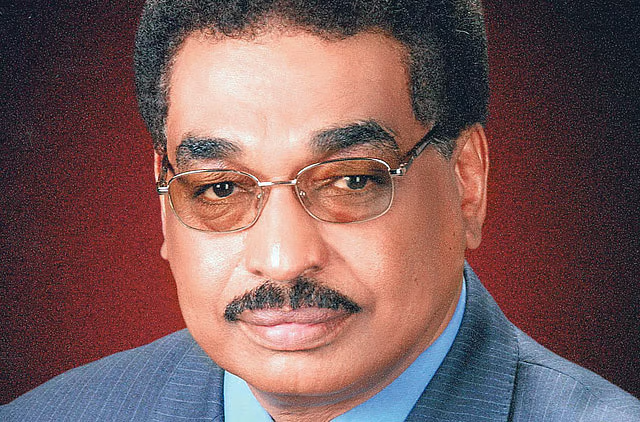
Scientists and doctors from 30 countries discussed brain and nervous system malfunctions and diseases, Professor Mustafa Abdullah Mohammad Saleh, consultant neurologist at the College of Medicine at King Saud University in Riyadh, who attended the conference, told Gulf News.
He said the conference discussed the latest methods of treatment by gene and stem cell therapy.
“The conference discussed a paper on the scientific discovery we have recently made and which was published in the US medical journal about the therapeutic potential of broad beans in preventing epileptic fits,” he said. Western news reports had earlier said that professor Saleh and his countryman, Ali Ahmad Mustafa, professor of pharmacology at the College of Medicine at King Saud University, had discovered that broad beans have a positive effect on epilepsy treatment.
Plant extracts
The two Sudanese scientists agreed in research on the treatment of epilepsy using plant extracts, to conduct joint research to decide the anti-convulsant substance in broad beans that prevents convulsions.
Professor Saleh’s discovery about the characteristics of broad beans in treating epilepsy is currently being tested in the labs of Harvard University.
He said his discovery was sparked by his observation that epilepsy cases among schoolchildren in Sudan who eat foul (broad beans) for breakfast (and sometimes dinner) rated between 0.9 per cent and one per cent per 1,000.
This figure is remarkably lower than that in countries which do not eat broad beans like North and South America which was about 2.6 per cent per 1,000 students and other African countries which was two to three times higher than that of the Americas.
“This is how I got the idea that broad beans must contain a substance that protects against epileptic convulsions. I immediately started the research work with my colleague, Professor Ali Mustafa,” he said.
Professor Saleh said they injected a group of mice with strychnine and picrotoxin, two drugs which cause convulsions leading to death, while they fed another group of mice with a fluid made of foul before giving them the two drugs.
“Convulsions and deaths from strychnine were decreased by about 66 per cent in the group of mice which were pre-treated with foul,” he said.
Professor Saleh said the rate of protection was 100 per cent in the mice which were given both foul and valium before they were injected with strychnine.
He explained that following this and other experiments, a drop of broad bean concentrate was examined by a form of chemical analysis (chromatography) and compared with drops of phenobarbitone (anticonvulsant drug), valium and glycine substance.
“The drop of foul had the same speed as that of glycine,” he concluded.
Professor Saleh had earlier discovered, along with other scientists, a new inherited gene which causes muscular myopathy. This gene has been named after him as ‘Salih myopathy’.
Should scientists look into people’s lifestyle around the world for treatments on different diseases? Is this discovery proof that people should start eating less processed food and more whole food?
Arab Women in Science Platform: Igniting a Collective Spark for Gender Equality in Science.
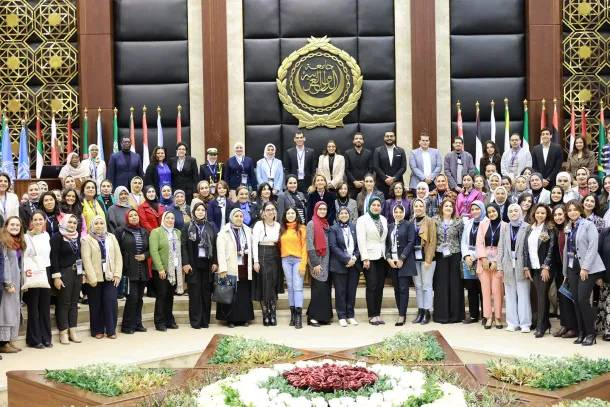
On the occasion of the United Nations International Day of Women and Girls in Science and Technology, the Arab Women in Science Platform was officially launched on February 1, 2024, in Alexandria, Egypt. The enchanting event hosted by the UNESCO Regional Office of Egypt and Sudan / Liaison office with the League of Arab States and the Arab Academy of Science, Technology and Maritime Transport (AASTMT) at AASTMT Main Campus in Abu Qir brought together over 150 high-level participants from diverse generations and fields, including natural sciences, human and social sciences, to discuss challenges faced by women scientists in the Arab region and explore strategies to advance women’s participation in science, technology, and innovation through the new Arab Women in Science Platform initiative.
A compelling initiative driven by the voice of Arab women scientists themselves, shaping a brighter future in the world of science
The figures remain dramatic. According to the UNESCO Science Report, women still account for only 28% of engineering graduates and 40% of computer science graduates worldwide. Women accounted for one in three researchers (33%) in 2018, just 5 years ago, and represent only 22% of professionals working in AI, the field of the future. Focusing on the Arab States, only 24% of senior management positions in science and engineering are held by women, and even though 47,3% of Egyptian universities STEM graduates are women, they only represent 38% of the STEM workforce (CAPMAS, 2018).
The Arab Women in Science Platform, launched one year after the call of the Egyptian and Sudanese women scientists’ made during the “Paving the way for Women Leadership in Science” dialogue in February 2023, to empower women in natural and social sciences across generations in the Arab region. It offers both online and offline spaces for women scientists to connect, share experiences, and access career-enhancing programs, including mentorship and training. Additionally, the platform raises awareness of gender stereotypes in science and advocates for gender-transformative policies and open science, with Arab women scientists actively involved in shaping the initiative.
10 & 11 February: Igniting a collective spark for gender equality in Science
The launch event featured insightful conversations, two panel discussions, and a workshop to structure the new community of Arab Women in Science, assess the platform prototype and identify innovative pathways to ensure inclusivity and foster systemic transformations in the scientific realm, and promote gender equality and support women scientists across the Arab region. Discussions and exchanges led to key recommendations that in the development of the platform include:
Translating the Arab Women in Science Platform into an inclusive, accessible, attractive, clear and interactive website.
Creating a strong community of Arab women scientists and men allies by investing heavily at the outset.
Actively engaging with the private sector and the industry to ensure initiatives’ financial sustainability and women scientists’ employment.
Addressing the professional challenges and opportunities of women scientists in the Arb region with a focus on research and training accessibility, women role models, gender stereotypes and displaced women scientists ‘support.
UNESCO office in Cairo also wish to acknowledge and warmly thank the bravery of women scientists in sharing their experiences and the difficulties they have encountered throughout their career, with a special thank to the Sudanese scientists, directly and violently impacted by the civil war.
Hearing the Voices of Arab Women Scientists: A National Surveys
Who better to shape the future of science in the Arab world than those who have dedicated their lives to its pursuit? These remarkable women, pioneers in their respective fields, embody the very essence of scientific exploration and discovery. Their voices, resonating with passion and dedication, hold the key to unlocking the full potential of Arab science.
UNESCO Office in Cairo recognizes that true empowerment stems from a deep understanding of the challenges faced by Arab women scientists. To this end, a participatory approach has been adopted, involving extensive consultations and a regional survey designed to capture the experiences and aspirations of these remarkable women.
The survey, now available, seeks to engage the voices of all Arab women scientists. UNESCO office in Cairo extends a warm invitation to all Arab women scientists to participate in this transformative initiative. Your voice matters.
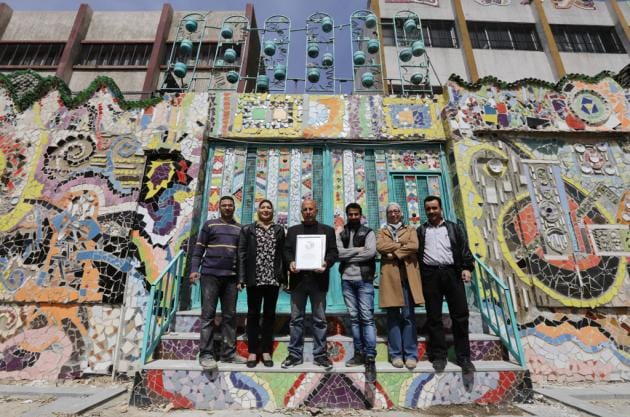
In Damascus, a mural made of recycled materials has just set a new world record. Syrian artist Moaffak Makhoul and a team of six compatriots began the project in October 2013 in an attempt to revive hope in their war torn home country. The mural spans 720 square meters (7,749.98 square feet) and set the Guinness record for the largest mural of recycled materials upon its completion in January, Art Daily reports.
The mural is located in Al Mazzeh, an upscale neighborhood in Damascus. It is composed of manufactured waste: colorful scraps from cars, bicycles, cooking utensils, pipes, soft drink cans, mirrors, and ceramics. Housewives also lent a hand, bringing personal objects or pieces of domestic waste from war zones.
Syria’s ongoing civil war has killed around 146,000 people, has forced millions to flee, and forced most of those who have stayed indoors. But the mural is bringing people back out onto the street, according to the report. Makhoul told the AFP he felt the need “to give something to [his] country, to make the Syrian people be known for their love of beauty, life and nature.”
Syrian artist Moaffak Makhoul and his team pose in Damascus with Guinness World Records award for the largest recycled material mural, March 31, 2014. The mural, seen behind them, measures 7,750 feet. Photo: Louai Beshara, courtesy Agence France-Presse.
Regional Director for the Guinness World Records in the Middle East and North Africa region Ahmed Bakr Meklad said Bahr Al Baqr wastewater treatment plant has received a Guinness World Records’ certificate for being the largest water plant in the world with a capacity of 64.8 cubic meters per second along with the use of ozone in the wastewater treatment process.
Speaking to “Good Morning Egypt”, Meklad said the plant has been established with the highest and best international standards.
The plant was inspected by Guinness World Records team of judges over a period of one year during which data were exchanged to review the plant’s competitiveness with similar projects.
The cost of this massive project is LE20 billion, and its daily capacity is 5.6 million cubic meters to be used in the reclamation of 400 acres in Sinai, he said.
Considered one of Egypt’s most important projects, the plant treats more than 2 billion cubic meters of wastewater per year which will be used to irrigate 1,400 sq km of land in Sinai. It is located east of the Nile Delta in the town of Bahr El-Baqar, about 35 km south of Port Said.
The project is set to improve water security, provide jobs, support communities, and reduce pollution for decades to come.
The plant comprises the pumping building of the water intake – rapid mixing basins – slow mixing basins – sedimentation basins – filters with discs – ozone basins – chloride tanks, treated water, sludge condensing basins – mechanical drying buildings – solar units for sludge drying and an administrative area which includes (headquarter building – employers building – mosque – generators – workshops – chemicals – chloride – ozone) – interior roads networks and landscaping.
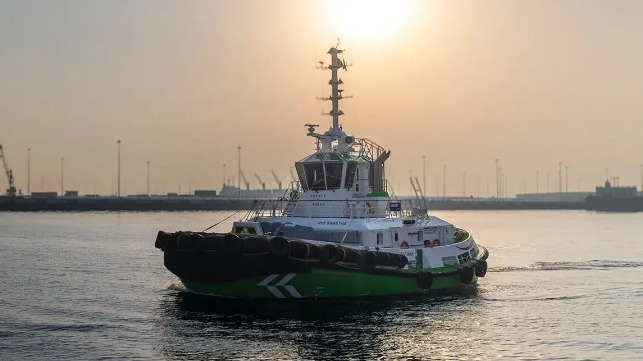
Fully electric tugs have quickly emerged from a novelty in the industry and now Damen Shipyards Group and its client SAFEEN Group, part of AD Ports Group’s Maritime & Shipping Cluster, have set a Guinness World Record as the Most Powerful Electric Tugboat. The vessel delivered earlier this year demonstrated what the companies are calling “unprecedented for a fully electric tug” and further the growth of this sector of the industry.
The record was set by measuring the bollard pull of Damen RSD-E Tug 2513 Bu Tinah, which achieved an average high peak pull of 78.2 tonnes. It is the first fully electric tug to operate in the Middle East and now has the unique distinction of the unique honor by a world-recognized body for record keeping. Launched in 1954 as a promotional idea for the Guinness Brewery, the Guinness Book of Records (today Guinness World Records) is an often-quoted source of data.
“This Guinness World Record achievement demonstrates that the transition to alternative energy does not come at the cost of performance,” said Captain Ammar Mubarak Al Shaiba, CEO – Maritime & Shipping Cluster, AD Ports Group. “We are very proud that the first electric tug in the Middle East is also making waves on a global level with this accolade and the fact that in parallel it is improving the sustainability of our operations alongside cost efficiencies in terms of overall fuel saving is extremely important.”
The record-breaking performance took place at Khalifa Port, AD Ports Group’s flagship facility where the tug is a key component of AD Ports Group’s Marine Services fleet and its electrification strategy.
The RSD-E Tug 2513 according to Damen is designed with a focus on sustainability. It offers zero emissions from tank to wake playing a significant role in reducing emissions.
The RSD-E Tug 2513 builds on the already efficient design of the diesel propulsion RSD Tug 2513. The spec sheet highlights a 320 gross ton tug with a length of 24.73 meters (81 feet). It is designed to operate at a speed of up to 12 knots and can be recharged in two hours.
The vessel can operate with a crew of just two or three persons or a maximum of up to sic and can be customized with options for oil and pollution control or fire fighting.
The electric version according to its spec sheet is very similar to the earlier diesel version which has a maximum bollard pull of 80 tonnes. It operates at a speed of 12.6 knots.
Damen has been at the forefront of electric tug development, including delivering the world’s first electric harbor tug, aptly named Sparky, in 2022 to Ports of Auckland. It won the prestigious “Tug of the Year” at the 2022 International Tug and Salvage Awards ceremony and pioneered the growing deployment of electric tugs in ports around the world.
source/content: maritime-executive.com
__________
Damen’s electric tug delivered to AD Ports set a new record for pull power for electric tugs (Damen) / Published Nov 12, 2024 7:44 PM by The Maritime Executive ________________________________________________
A year that started with a sporting success in the form of an Asian Cup win at home ended in mixed results.
Titles, goodbyes, the highs and low: 2024 was anything but a boring year for Qatari sports as the country continued hosting mega events, yet similarly took a few stumbles on the pitch.
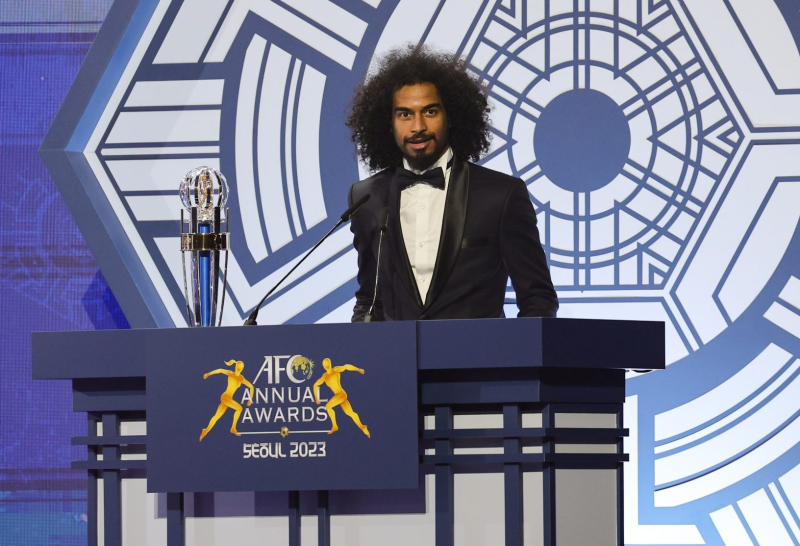
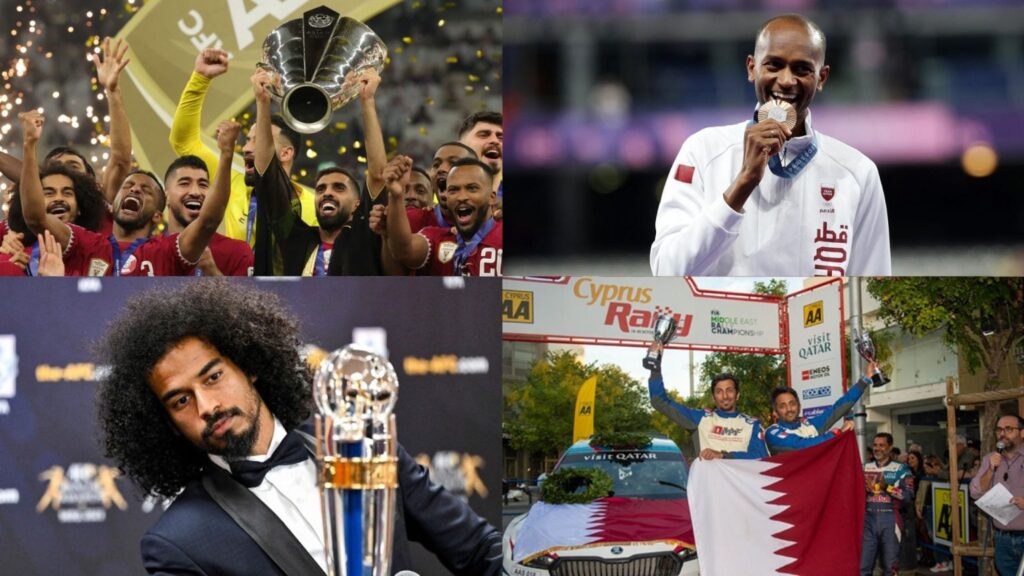
While the likes of Mutaz Barshim and Akram Afif dominated the headlines with their glories, the other side saw Qatari sides struggle to keep up their good form, whether in World Cup qualification or the Olympics.
Let’s take a look at some of the standout themes that defined Qatar’s 2024.
Barshim bags bronze in Paris Olympics 2024
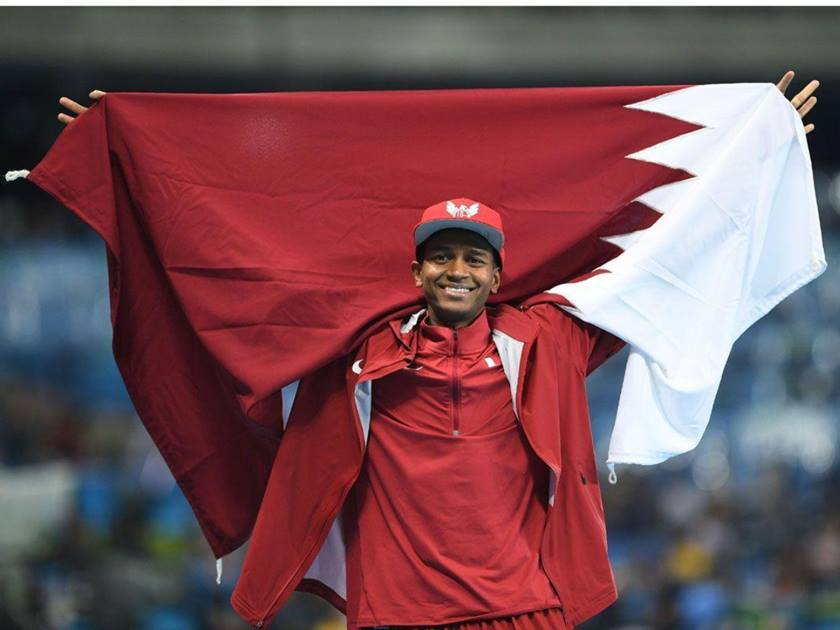
Mutaz Barshim defied odds once again to win bronze at the Men’s high jump event, securing Qatar’s only medal of the Paris Olympics 2024.
While it was an underwhelming campaign for the Qatari contingent that had defied expectations to clinch two golds in Tokyo, Barshim’s win became a highlight. It was his fourth Olympic medal — a fitting end to a tournament that the high jumper had termed to be his last before the trip to Paris.
However, the 33-year-old multiple-time world champion hinted at the possibility of competing in the next Olympics, upon his return to Doha. “Never say never,” he said, in an exclusive chat with Doha News.
‘Sporting DNA : Mutaz Barshim keeps raising the bar and it all starts with his family
The year 2024 was also Aspire Academy’s 20th anniversary, which the country’s premier athletic scouting and training centre celebrated in style, hosting multiple seminars and events, such as the Aspire Global Summit as well as giving home to FIFA’s The Best Football Awards during its Gala Dinner in December.
Asian Cup triumph, Al-Haydos’ farewell and Afif’s ascent
The year ends in uncertainty for Qatar just like it started for Qatari football.
However, there were significant achievements in between. Much like the sport itself, it was a game of two halves for Qatari football — a perfect first half, followed by a tough second.
Qatar hosted and ultimately defended the Asian Cup crown in February as Akram Afif became the difference maker yet again. The tournament drew record attendance number as well as record engagement figures, underscoring yet another successful tournament in Qatar.
Al Annabi’s longstanding two-time Asian Cup-winning captain Hassan Al-Haydos retired from international football after the tournament, putting an end to the most capped Qatari career ever.
Qatar continued their good run under Bartolome Marquez Lopez at the World Cup Qualifiers thereafter, ending the second round unbeaten. The AFC U-23 Asian Cup was also hosted by the country in between, where Japan were crowned the champions.
It started going downhill with the loss against UAE at home with the start of the third round of the Asian Qualifiers to the FIFA World Cup 2026. While Afif clinched his second AFC Player of the Year title, Qatar’s hopes of making it to the tournament in North America hangs in balance with just two wins and three losses from the first six games. The team also crashed out of the group stages of the Arabian Gulf Cup following two draws and a defeat.
In the meantime, Qatar also hosted two of the Palestine national team’s qualifying games, the former of which in June saw Al Fida’i make it to the last round of World Cup Qualifiers for the first time in history with a 0-0 draw against Lebanon. Similarly, the Qatar U-20 team seamlessly qualified, at home, for the U-20 Asian Cup to be held in Saudi Arabia next year.
Qatar was also the home to FIFA’s new club competition, the Intercontinental Cup, which saw European champions Real Madrid win in Lusail Stadium. The Stadium 974 was put to use for the first time since the 2022 World Cup for two of the tournament’s matches.
A good year for racket sports
The Khalifa International Tennis and Squash Complex was a busy venue this year as it hosted multiple tournaments throughout the year, including the Qatar Open tennis event in February, the QTerminals Qatar Classic Squash event in September and October, followed by the World Padel Championship in November.
Russian player Karen Kachanov won the men’s Qatar Exxonmobil Open, while Polish Iga Swiatek claimed the women’s event held in February. Qatar Exxonmobil Open will now return as an ATP 500 event and was also voted the best ATP 250 event on calendar for 2024.
The QTerminals Qatar Classic saw Diego Elias and Nour Al-Sherbini come out on top of the men’s and women’s events, marking a thrilling end to the squash event.
Argentina’s men’s team and Spain’s women’s team maintained their dominance by lifting the World Championship in Padel, which saw some of the world’s finest compete in Doha.
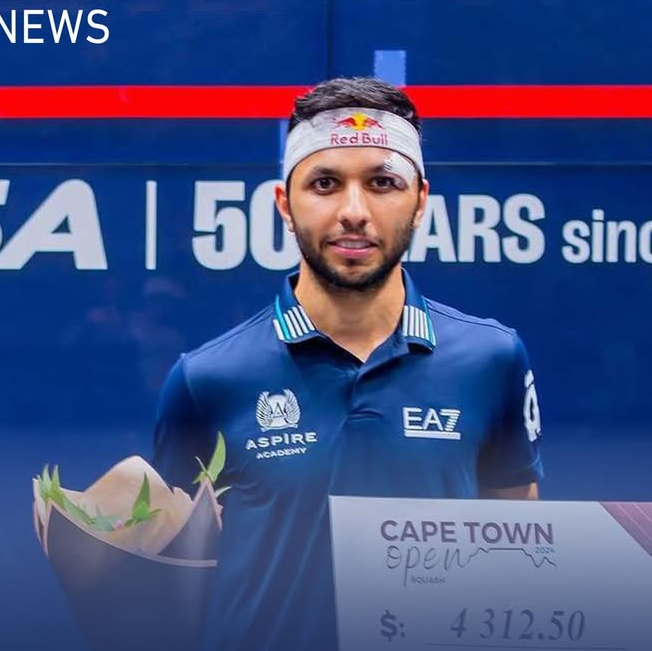
Qatar’s squash ace Abdullah Al-Tamimi capped the year off in style, winning the Cape Town Squash Open 2024 his first title away from Qatar since 2022.
Glory in motorsports and skydiving
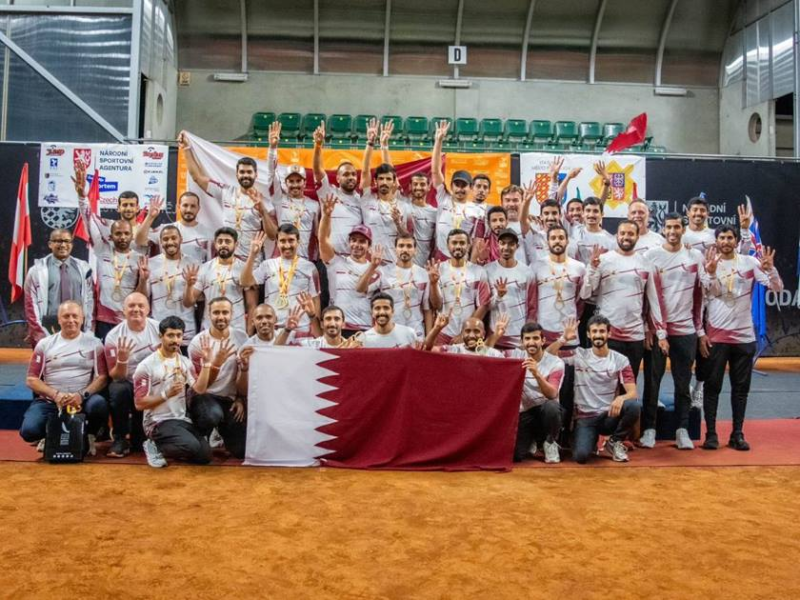
Qatar won four gold medals at the World Air Sports Federation (FAI)’s World Championships which was hosted by Czechia’s Prostejov in the first week of September.
Qatar won three golds in events across the Canopy Formation category and bagged solitary gold in male Style and Accuracy landing in the six-day tournament.
It was yet another year of glory for Qatari rally driver Nasser Al-Attiyah, who clinched his third FIA World Rally-Raid Championship (WR2C) in October after winning the 2024 Rallye du Maroc with his French co-driver Edouard Boulanger for the Dacia Sandriders.
Al-Attiyah’s decorated racing career now boasts seven Rallye Du Maroc titles, in addition to five wins in the Dakar Rally and 13 Middle East Rally wins.
What also stood out, however, was Abdulaziz Al-Kuwari’s victory in the Middle East Rally Championship as well as the Qatar Motor & Motorcycle Federation’s triumph in the Baja Middle East Teams Championship — all of whom were awarded in December at the annual FIA Awards.
Qatar also hosted the pinnacle of motorbike and motor racing, the MotoGP and the F1 Grand Prix – the latter of which saw record-breaking attendance at the Lusail International Circuit.
Defending champion Francesco Bagnaia won the MotoGP event held in March, whereas Max Verstappen rose against the odds to win his second Qatar Grand Prix on December 1, despite starting away from the front of the grid.