Arabs & Arabian Records Aggregator. Chronicler. Milestones of the 25 Countries of the Arabic Speaking World (official / co-official). AGCC. MENA. Global. Ist's to Top 10's. Records. Read & Enjoy./ www.arabianrecords.org
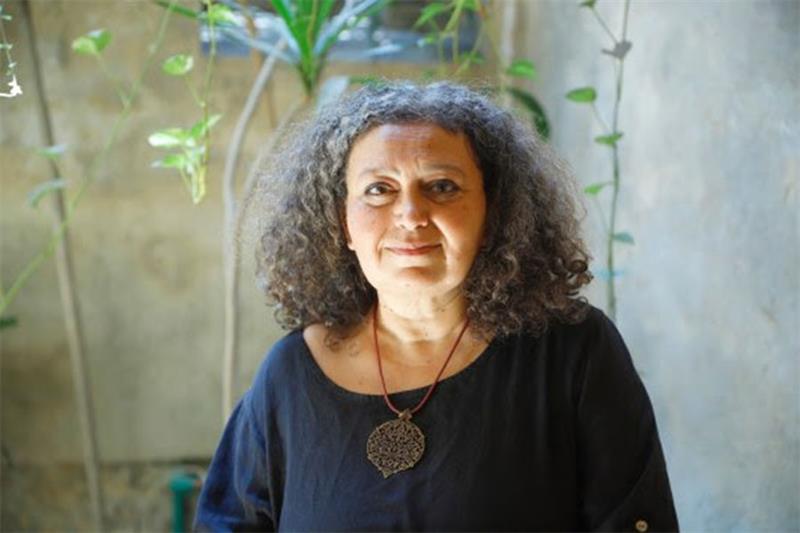
Egyptian architectural historian May El-Ibrashy is among the winners of the 2022 Prince Claus Impacts awards for her contribution and innovation in her community.
The Prince Claus Fund has announced on Tuesday the six recipients of the first 2022 Prince Claus Impact Awards.
The new award honours individuals whose work in art and culture engages their communities in innovative, positive ways while addressing issues of urgent contemporary relevance.
El-Ibrashy is an architect whose work centres on community engagement through heritage conservation, rehabilitation, preservation, and re-signification. She is the founder of the Megawra Built Environment Collective, a twinship between an architectural firm and an NGO.
Through her work she has managed to create a real difference for the often-marginalised communities living in Cairo’s historic centre and has created an important counter narrative to the current government’s focus on urban expansion and renewal, creating a new sense of hope and pride for the communities she works with.
Focusing on Al-Khalifa District in Sayeda Zeinab, Al-Hattaba district by the citadel, and Al-Imam Al-Shafii district, El-Ibrashy’s participatory conservation initiative is an inspiring successful community dialogue that has been going on for 10 years. The impact of the dialogue still resonates in the communities of Al Khalifa District, Al-Hattaba and Al-Imam Al-Shafii.
The other five recipients are:
Ailton Alves Lacerda Krenak (Brazil), an indigenous leader, environmentalist, and philosopher.
Alain Gomis (Senegal), a Senegalese-French film director and screenwriter.
Hassan Darsi (Morocco), a visual artist whose work promotes critical thinking about public spaces and citizenship.
Luis Manuel Otero Alcántara (Cuba), an artist and human rights defender.
María Medrano (Argentina) is a writer, poet and editor.
The Awards Ceremony shall take place in the Royal Palace Amsterdam on the 7th of December.
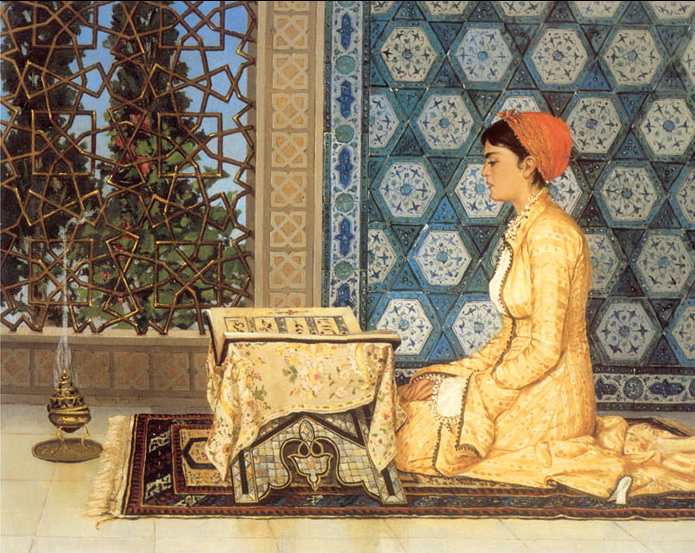
By calling for women’s education and freedom, Saida Manoubia was truly a feminist ahead of her time.
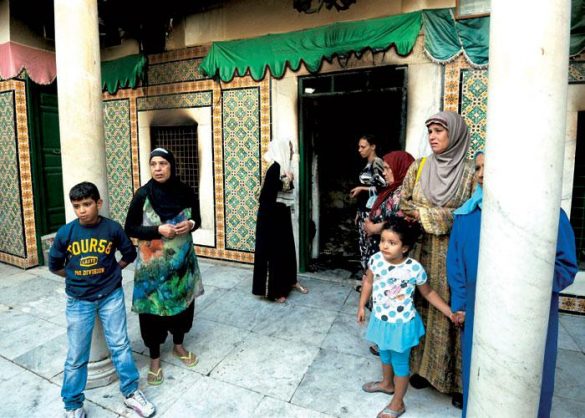
Her shrine, located in the governorate of Manouba, west of Tunis, is a historical and cultural landmark of the city. It’s a gathering spot for locals and a venue for musical events. Visitors partake in the eating, conversing, and singing of folk songs praising and singing the saint’s virtues.
When I got inside, I was advised to talk to Aunt Zaziya, an elderly woman who resides in one of the building’s rooms. A long line of people had formed outside her door. I stepped in and sat down while she was having lunch in a small room surrounded by a few bags of gifts from the visitors a short time later.
People bring Aunt Zaziya treats to give away to visitors, as well as meat to cook and eat there, and she sends them away with Lella Saida’s blessings. She told me stories about couples who were able to conceive after years of unsuccessful attempts and women who married at a very advanced age thanks to the saint’s blessings. Aunt Zaziya, on the other hand, refused to continue the conversation when I told her I wanted to learn more about this renowned and revered woman.
I had the opportunity to speak with some of the women present and hear their stories. Amira, 25, described her visits to the shrine as providing her with “interior comfort.” But she didn’t know anything about Lella Saida’s background, her life story, or Sufism in general. Saida Manoubiya was described as a “smart and nice woman who assisted the underprivileged” by other regular visitors. However, the specifics of what made her such a wonderful woman were not widely known.
This lack of understanding runs against to Saida Manoubiya’s own beliefs, as well as how she lived her life and why she is regarded as one of Tunisia’s greatest women.
Education in a Patriarchal Society
Aicha, who grew up in Tunis during the Hafsid reign in the 13th century, possessed outstanding intelligence and intuition. Her father was a religious figure, an Imam or a Quran instructor. In his relationship with Aicha, it’s worth noting that he encouraged her education by teaching her Arabic (her native tongue is Amazigh) and the Quran.
It was evident that Aicha was different; she was a free spirit who refused to conform to the limits put on women at the period, something the villagers did not appreciate. Her behavior was viewed as unconventional or liberal, to the extent where her father was frequently chastised for her conduct.
When Aicha was told she would be married to a relative, she refused and decided to leave, an option that is still frowned upon now in Tunisia, let alone in the 1200s. Aicha was seeking freedom, financial independence, and education when she left Manouba for Tunis and sacrificed her family life. She was leaving behind the confines of a loveless marriage and traditional social constraints, as well as the confines of a loveless marriage and traditional social constraints.
According to historian Abdel Jalil Bouguerra, education was only available to specific women during that time: foreigners from the Mashreq, Al-Andalus, or the ruling family’s elite women. Aicha, on the other hand, was neither of these things.
She began knitting and spinning wool to support herself after settling in Montfleury, and she quickly became a disciple of Abu al-Hasan al-Shadhili, one of the most renowned religious personalities of his time, who was immersed in the Sufi school of Ibn Arabi al-Andalusi. Women and men are equal, according to Ibn Arabi, a controversial yet prominent person in Islamic history. It’s no wonder that Aicha picked this Sufi order as her educational path because he wrote extensively about the different female teachers who molded his spiritual knowledge.
Aicha continued to break social conventions at the time. She studied the Quran and attempted to analyze it attentively in order to comprehend its contents, opting for inquiry as a way to religion. She would leave her house without a male companion and go out to preach and debate with men. Some Sheikhs are said to have called for her stoning as a result of this.
She, on the other hand, worked hard in class, passed multiple exams, and swiftly advanced from student to teacher. Sufi intellectuals and kings were drawn to her arguments with her mentor, al-Shadhili. Continuing her schooling at that time is a remarkable achievement in and of itself. But pursuing and teaching Islamic studies and religion, a field dominated largely by men, is even more impressive.
Prominence & Influence
Aicha rose to prominence as a significant religious person in Tunisia, with connections to the most powerful religious groups. In Sufi societies, accompanying her master to various prayer spots on top of mountains and hills is considered a luxury. She then got close to prince Abou Mouhamad Abdel Wahed and Sultan Abou Zakariyah, and she received access to prayer sites formerly only open to men, such as Mousalla Al-Idayn, erected by Abi Zakariya in 1229.
Aicha’s fluent style and advanced language skills, which were once exclusively expected of prominent male intellectuals, as she preached at the Mosque of Safsafa (the area is now the shrine of Abdallah Chrif), astounded and amazed people.
Aicha was a philanthropist who lived off her earnings and gave the remainder to the underprivileged, especially women, in addition to her scholastic and religious qualities. There is also evidence that she purchased some Tunisian slaves who were being shipped to Italy only to free them six centuries before slavery was abolished in Tunisia in 1846.
In an official ceremony, Al-Shadhili gave Aicha his cloak, ring, and the title of Qutb, and referred to her as a “Imam of men” as he was leaving Tunisia. In Sufism, the highest spiritual position is Qutb (literally “pole”), and Aicha was a pole of knowledge and religion during her lifetime and beyond.
Her spirituality and deeds influenced people’s lives in such a way that she was elevated to the status of a Saint, and her life was surrounded by supernatural and divine legends known in Sunni Islam as “Karamat.” Her father once gave her a bull for agricultural purposes, but she instead gave it all to the impoverished, requesting them to return the bones. The bull came back to life once the bones were retrieved.
What is certain about her life is that she was a strong, independent woman who was able to break free from social constraints and establish herself as an equal and intellectual superior to males of her time. Saida Manoubiya was a feminist ahead of her time, advocating for women’s education and freedom.
Jericho is one of the oldest continually inhabited cities on earth.
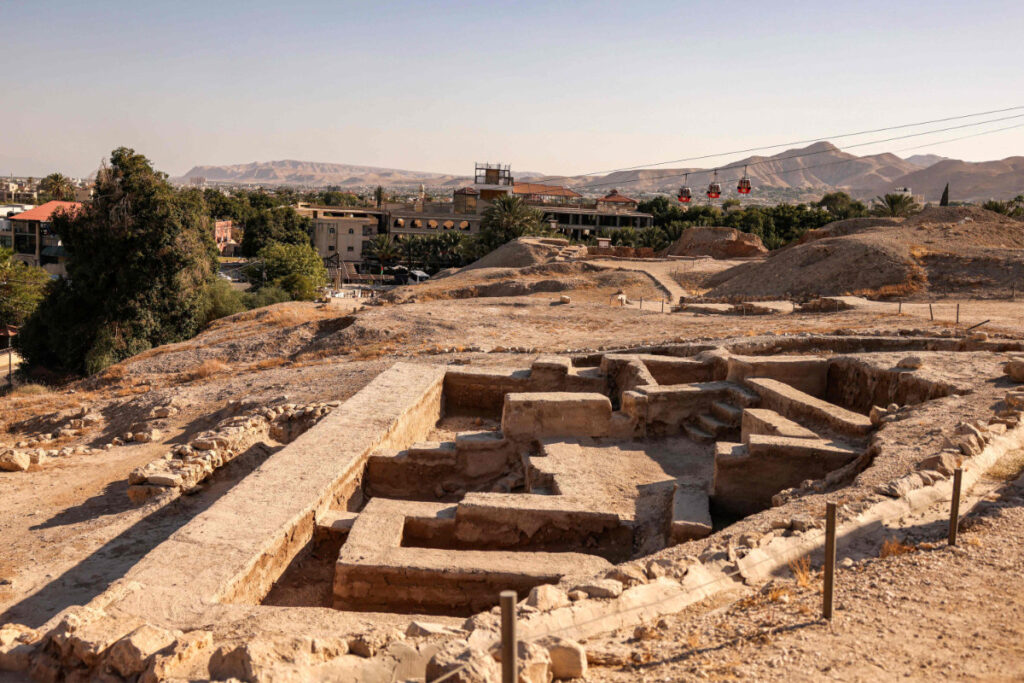
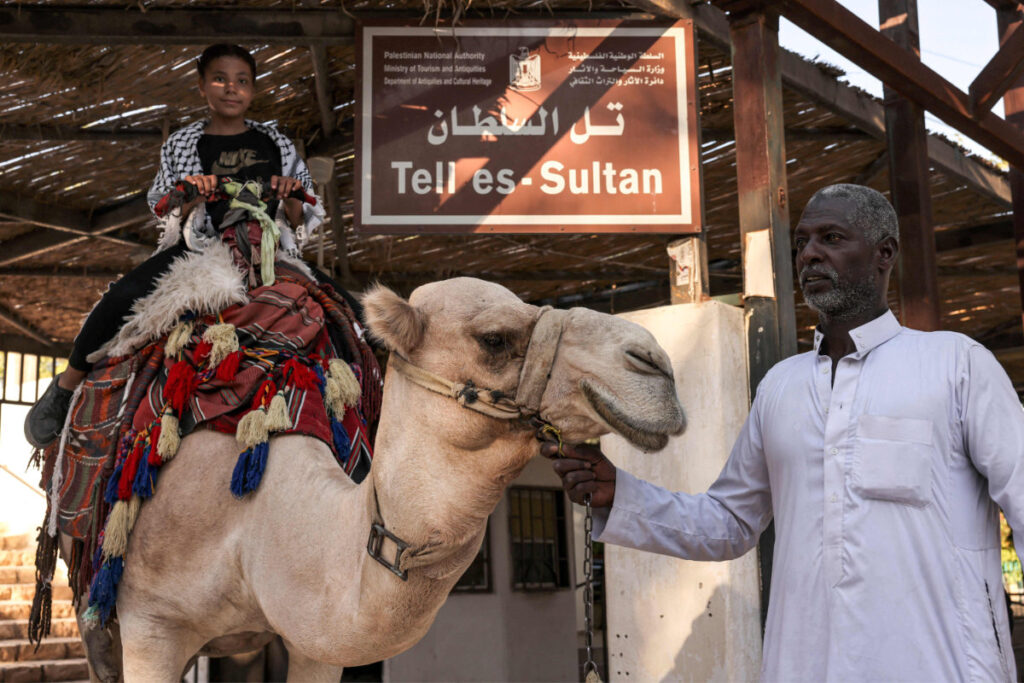
The United Nations’ cultural organization UNESCO inscribed the pre-historic site of Tell es-Sultan, near the Palestinian city of Jericho in the occupied West Bank, on its World Heritage List on Sunday.
Tell es-Sultan, which predates Egypt’s pyramids, is an oval-shaped tell, or mound, located in the Jordan Valley that contains the prehistoric deposits of human activity.
The UNESCO decision, which was posted by the organization on X, formerly Twitter, was taken at its 45th world heritage committee meeting held in Riyadh, Saudi Arabia. “The property proposed for nomination is the prehistoric archaeological site of Tell es-Sultan, located outside the antique site of Jericho,” UNESCO’s assistant director general, Ernesto Ottone, said at the session.
The site was inscribed following a three-year candidacy “during which no state party raised any objections,” said a diplomat, speaking on condition of anonymity as he was not authorized to speak to the media. “There are no Jewish or Christian remains found at the (Tell Al-Sultan) site. It’s a place of pre-historic remains,” the diplomat told AFP.
Palestinian president Mahmoud Abbas said he considered the decision to inscribe Tell es-Sultan “a matter of great importance and evidence of the authenticity and history of the Palestinian people.”He vowed that the Palestinian authorities would “continue to preserve this unique site for all humanity,” according to a statement from his office.
UNESCO’s listing shows that the Tell es-Sultan site is “an integral part of the diverse Palestinian heritage of exceptional human value,” Palestinian tourism minister Rula Maayah, who was attending the meeting in Riyadh, said in a statement.Given Tell es-Sultan’s “importance as the oldest fortified city in the world… it deserves to be a World Heritage Site,” she said.
“A permanent settlement had emerged here by the 9th to 8th millennium BC due to the fertile soil of the oasis and easy access to water,” UNESCO said on its website.
UNESCO said the “skulls and statues found on the site” testify to cultic practices among the neolithic population there, while the early bronze age archaeological material shows signs of urban planning.
The Tell es-Sultan site has been under excavation for over a century and is billed as the oldest continuously inhabited settlement on the planet, the official Palestinian news agency Wafa reported.
Tell es-Sultan is the fourth Palestinian site to be listed on UNESCO’s world heritage list, alongside the Church of the Nativity and the Old City of Hebron.
source/content: arabnews.com (headline edited)
__________________
A view of the pre-historic site of Tell al-Sultan, near the Palestinian city of Jericho in the occupied West Bank, which predates Egypt’s pyramids. (Hazem Bader/AFP)
A tourist rides a camel at the pre-historic site of Tell al-Sultan near the Palestinian city of Jericho in the occupied West Bank on September 17, 2023, which was added to the UNESCO World Heritage List on the same day. (Hazem Bader/AFP)
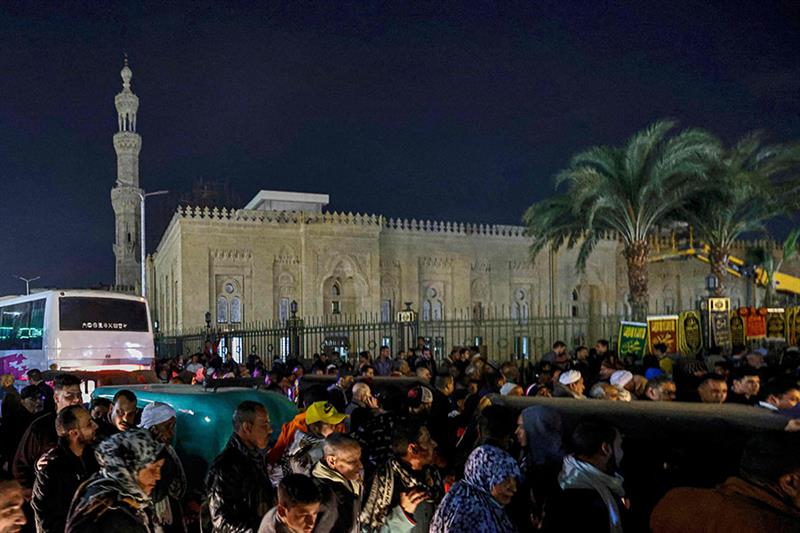
In the heart of Historic Cairo, the mausoleum and mosque of Sayeda Zeinab (6-62 hijri), the granddaughter of the Prophet Muhammad, centres the square and district that holds her name.
Sayeda Zeinab is known among Egyptians as Om Hashim (Hashim’s mother) since she was the one who took care of the wounded and martyred members of her tribe during the battle of Karbala. She is also known as El-Tahra (The Pure) and as ” Om El-Awagez” (mother of the disabled) because she attended to elderly and disabled women. Egyptians also know her by the title El-Mushira (The One to Consult) and Raeisat El-Diwan (The chief of diwan) because she opened her house for the people who sought her guidance and proclaimed her the head of her diwan of spiritual guidance.
Born in the sixth year of Hijra in Madina, this bright and beautiful girl was known for her sound mind and intellect and was often referred to as Aqilat Bani Hashem (The sound mind of the tribe of Bani Hashim).
She got married and had four boys and two girls. She became known for her gatherings on Islamic jurisprudence, where she shared her knowledge. She lived a simple, pious life until she witnessed the harshest moments in Islamic History.
In Aisha Abdel-Rahman’s book titled Al-Saida Zeinab Aqilat Bani Hashim, published in 1985 by Dar El-Ketab El-Araby, she was described as the hero of the famous Karbala battle, which occurred between the party of Al-Hussien Ibn Ali, grandson of the prophet Muhammed and Yazid Ibn Umayya. Sayeda Zeinab was spotted protecting the women, soothing the injured, and protecting the bodies of the dead. She lost her brother Al-Hussien in this battle but managed to spare the life of his son Ali Zein Al-Abdein, a child back then.
After losing this battle, her staying in Al-Madina became a real threat to the Umayyads after they seized the caliphate and killed Al-Hussien and almost all of Prophet Muhammed’s descendants (Ahl al-Bayt). Consequently, Sayeda Zeinab, the representative of the Ahl al-Bayt had to choose their exile. She chose Egypt, arriving in modern-day Cairo in year 61 of Hijra.
When she came to Egypt with her family, almost all Egyptians came out to greet her. She was greatly honoured by the Egyptian people who visited her and consulted her constantly on her premises at Qanater Al-Sibaa (The Lions Barrages ), approximately the current location of El-Sayeda Zeinab’s mosque and mausoleum.
According to Ali Pasha Mubarak’s series Al-Khetat Al-Tawfiqia, ” Sayeda Zeinab Street was named after Sayeda Zeinab, daughter of Imam Ali, bless be upon him, because this is where her mausoleum is situated in a golden copper compartment with an embroidery silk cover underneath a high dome that is situated inside Al-Zainabi mosque near Qanater Al-Sibaa. The mosque was renovated by Prince Ali Pasha Al-Wazir in 955. Then, it was renovated and enlarged during the reign of Prince Abdel-Rahman Katkhuda in 1173. The mosque is always full of visitors. A Hadra (Sufi ritual of praising God’s presence) is held every Sunday night, and a Maqraa ( A night of reading the Quran) is held every Wednesday night. The mosque also witnesses the celebration of her Moulid (her ascension) every year,” reads the book.
Touched by the emotions of Egyptians, Sayeda Zeinab is said to have blessed Egypt, saying: ” O People of Egypt, you stood by us, may God stand by you, you were our refuge, may God be yours, you helped us, may God always help you out of all difficulties. “
She died in year 62 of Hijra, with conflicting stories surrounding her burial. Some say she was buried in Madina. Others say she was buried in Egypt. But the fact remains that she came to Egypt and that her presence is still felt, appreciated and celebrated. People still refer to her for spiritual guidance.
Her annual moulid, one of the largest and most iconic, takes place on the 28th of Ragab in the Hijri year.
Egyptians walk outside Cairo’s Sayeda Zainab mosque during celebrations marking the birthday of Prophet Mohamed s granddaughter Zeinab, late on February 14, 2023. AFP
Besides his Elaqsa Watches and the newly launched Lion Watch, Fouad Zrhari unveiled plans to launch a third brand in 2024 that is entirely Moroccan.
In the world of horology, where time is measured with precision and elegance is crafted into every tick of the clock, Moroccan watchmaker Fouad Zrhari managed to fuse passion and craftsmanship and create meticulously designed pieces.
In an interview with Morocco World News, Zrhari shared his journey, one that transformed his love for watchmaking into a brand that blends the artistry of Arabic calligraphy and Morocco’s rich heritage.
A Passion ignited by chance
Zrhari’s love for watchmaking began by chance, as he describes it as “just a coup de foudre,” love at first sight.
It was the charm of timepieces that captured his heart and the idea of creating an instrument capable of measuring time, with its intricate mechanical diversity, was simply fascinating.
“The idea of creating an instrument that measures time fascinates me,” he said, adding that “the precision of tiny pieces fitting together one by one until they tell the time is just incredible.”
Like many young individuals searching for their path in life, Zrhari initially found himself at a crossroads. He stumbled upon an opportunity to attend a school for micro-mechanics, a choice that would become instrumental in shaping his destiny.
Little did he know that this decision would later lay the foundation for his future world of watchmaking. “The effort I exerted during that time serves me well today in the world of watchmaking,” he underlined.
“The school of micro-mechanics brought me immense value because it shares many similarities with instruments of measurement and calculation” which are used in watchmaking, he explained.
With his newfound skills, Zrhari went on to work with prestigious names in the industry, including Franck Muller, Roger Dubuis, and Jaeger-LeCoultre, which became his training ground. He reminisced about those days when celebrities graced the workshops.
Within these workshops, Zrhari undertook various roles, each offering a unique perspective on the art of watchmaking.
Through various roles and tasks, he learned the intricacies of the watchmaking process and emphasized the importance of the diverse trades within the industry. “This experience taught me about the entire process of watchmaking,” he said.
Turning a Dream into Reality
Yet, the defining moment of Zrhari’s journey came when he decided to take a leap of faith. Despite the challenges and strict regulations of designing watches while employed in Switzerland, he chose to work discreetly from his own home.
It was a risk, but it was fueled by a dream. “I saw many Arab personalities visiting the workshops and ordering their own models,” Zrhari recalled. “I turned to my friend and asked, ‘Why don’t Arabs manufacture their own watches?’ I didn’t understand it. Even though it might not be easy, I felt we should at least try.”
The response he received was one of doubt and skepticism. “Impossible,” his friend responded as he laughed. “It’s very difficult to gain recognition, very difficult to sell, and very difficult to invest in, as it demands a significant amount of money and time,” his friend told him.
However, Zrhari embraced this skepticism as a challenge, one he was determined to overcome.
That’s when Zehari decided to craft timepieces that are more than mere instruments that tell time, but a reflection of his heritage and a celebration of Arab culture.
Championing Arab Heritage in Watchmaking
Zrhari has infused his watches with a distinctive signature that pays homage to his Moroccan origins. “Arabic calligraphy, whether subtly concealed or prominently displayed, and Indo-Arabic numerals adorning the dial are the hallmarks of my creations,” Zrhari proudly said.
His watches stand as unique works of art, capturing the essence of his Moroccan roots.
These watches are not just timekeeping instruments; they are an embodiment of his identity, designed to be “recognizable from a distance,” Zrahri said.
What sets them apart further is their exclusivity. Zrhari’s watches are exceptionally limited in number, with the ultra-exclusive Elaqsa Watches, and the newly launched Lion Watch offering affordability to a wider audience.
Zrhari’s promise of a third brand, entirely Moroccan, in 2024 hints at an exciting future, where Zrhari’s artistry and Moroccan heritage will shine brightly in the world of horology.
Today, Zrhari’s journey has evolved into a mission. His passion for watchmaking has become more than just a hobby, as it is now a driving force with a clear purpose.
“There is a huge market and enthusiasm in this business,” Zrhari emphasized as he spoke of his ambition to establish a watchmaking training center in Morocco. This endeavor is not just about creating timepieces; it’s about creating added value for the African continent, he noted.
In addition, Zrahri conveyed an important message of perseverance and ambition to the youth.
“Don’t give up, even when faced with difficulties,” Zrhari advised. “Failure is not a setback; it’s an opportunity to become even stronger.”
He encouraged young individuals to transform their passion into a profession, regardless of the field they choose. With faith and determination, success will eventually come their way, he concluded.
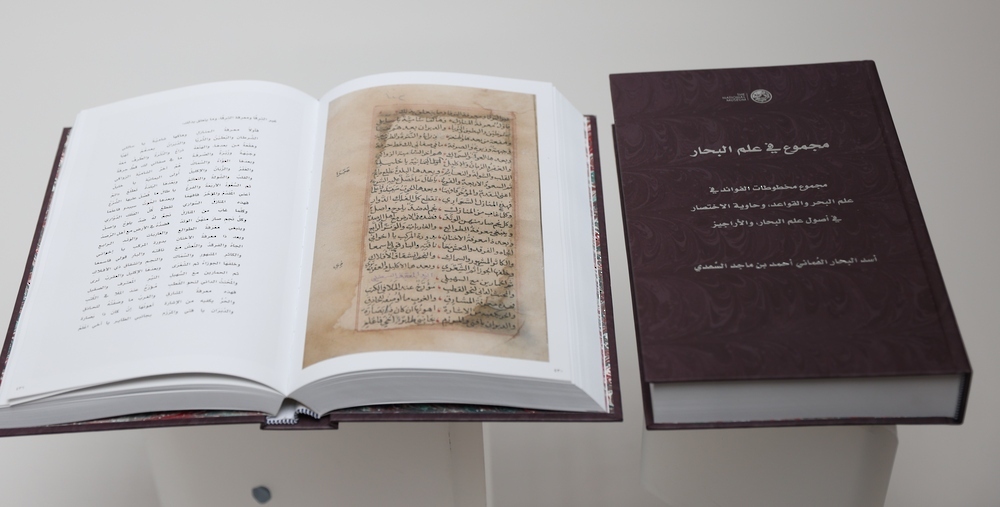
The National Museum has issued a special edition titled ‘Collection in Marine Science.’
The issue documents the greatness of Omani navigator Ahmed bin Majid Al Saadi, reviving his marine prowess and navigational creativity.
The collection documents the origin of the manuscript titled “Kitab al-Fawa’id fi ‘Ilm al-Bahr wa al-Qawa’id” (Collection of Manuscripts of Benefits in the Science of the Sea and Rules, as well as the abbreviation container in the origins of marine science and Arajiz), which has been on loan from Al Assad National Library in the Syrian Arab Republic to the National Museum since 2019.
In the opening speech of the publication, Jamal Hassan al Moosawi, Secretary General of the National Museum, said, “The display of the original manuscript ‘Collection in the Science of the Seas’ by the author Ahmed bin Majid al Saadi at the National Museum is an affirmation of the Omani identity of this unique scientific and historical personality.
This display comes in the context of the existing cooperation between the National Museum and the Ministry of Culture of the Syrian Arab Republic as part of the cultural diplomacy pursued by the National Museum.”
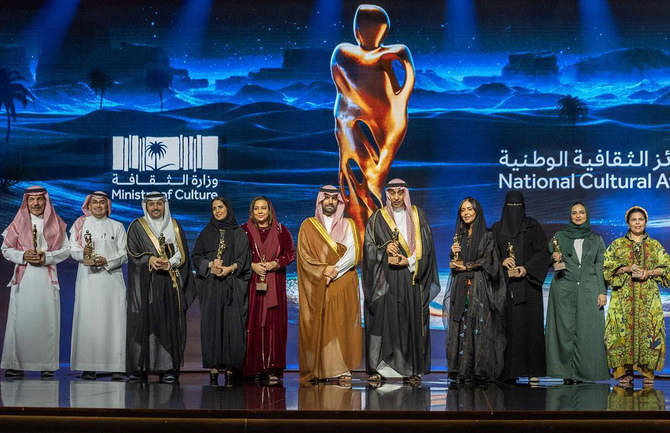
The winners of the third National Cultural Awards were honored in a ceremony held in Riyadh on Saturday. The event was a night dedicated to celebrating cultural creativity and promising ambition.
Minister of Culture Prince Badr bin Abdullah bin Farhan presented the awards to the winners in the presence of Minister of Education Yousef Al-Benyan and Minister of Media Salman Al-Dossary. The ceremony was also attended by a distinguished group of intellectuals, writers and media figures.
The National Cultural Awards, an annual initiative by the Ministry of Culture, aims to recognize and showcase the talents of individuals within the country.
The awards also serve to promote their cultural products both locally and internationally, while providing financial and moral support to encourage their continued growth and success.
The winners were nominated for awards in 16 different categories, covering a range of areas including literature, music, architecture and design, nonprofits and film.
Prince Badr said: “We are happy to honor innovators in our beloved capital,” adding that the initiative aims to “shed light on talents, celebrate achievements, honor innovators and encourage cultural production.”
He said: “The newly launched business owner award for this year reflects the cultural system’s appreciation for the contributions of supporters of cultural activity across all cultural sectors, and acknowledges their vital role as an integral part of the efforts made by the cultural system entities.”
Prince Badr added: “The international cultural excellence award celebrates international cultural personalities and institutions contributing to enriching the contemporary international cultural landscape, in addition to celebrating the significant efforts in the field of international cultural exchange on a global level.”
He concluded by congratulating the winners of the National Cultural Awards for this year, urging them to continue their efforts and wishing everyone a future filled with arts and culture.
Author Abu Abdulrahman Al-Dhaheri received the cultural pioneer award for his extensive contributions to literature and culture. He has produced a diverse collection of publications in languages, literature, philosophy, art, Shariah sciences and history.
Businessman Abdulrahman bin Mahfouz won the business owner award for supporting cultural activity. The International Alliance for the Protection of Heritage in Conflict Areas received the international cultural excellence award.
In addition, Lubna Al-Khamis, a Saudi journalist, won the youth cultural award. The cultural institutions award was given to the Saudi Research and Media Group in the private sector and the Abdulrahman Al-Sudairy Cultural Center in the nonprofit sector.
The ceremony also recognized winners in other cultural sectors. Mohammed Ibrahim Yaacoub, a poet, received the literature award, and Adab Publishing won the publishing award.
Maha Al-Faleh was honored with the translation award, and Charmaleena Jewellery received the fashion award. Dr. Abdullah Al-Masri, a historian, won the national heritage award, and Bateel International was recognized with the culinary arts award.
Artist Manal Al-Dowayan was given the visual arts award, and the Riyadh Band received the theater and performing arts award.
Abdulrahman Mohammed won the music award, while Ibrahim Al-Hsawi won the film award. Kholoud Attar was recognized with the architecture and design award.
source/content: arabnews.com (headline edited)
_____________
/Saudi Minister of Culture Prince Badr bin Abdullah bin Farhan with the winners of the third National Cultural Awards in Riyadh. (SPA)
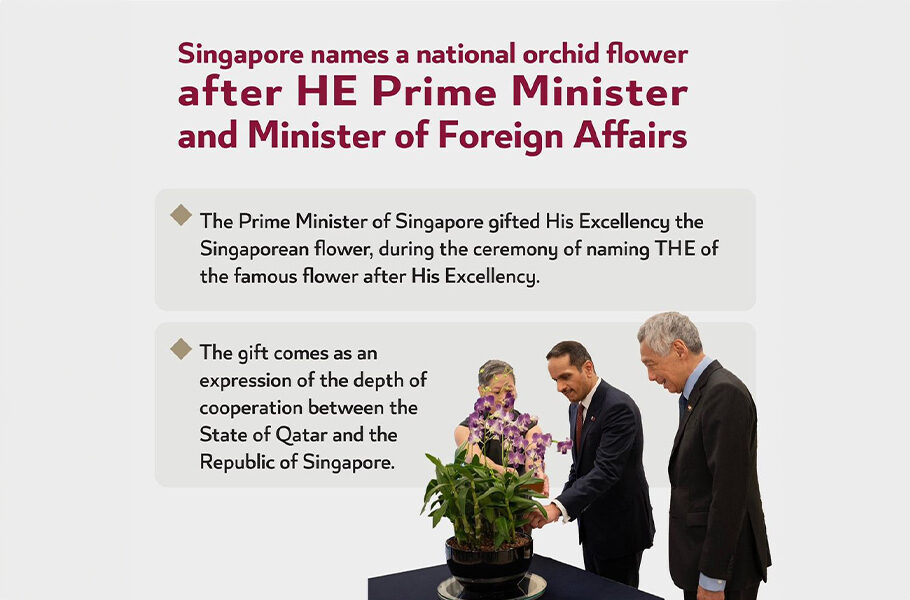
The Singaporean Prime Minister, Lee Hsien Loong, presented His Excellency the Prime Minister and Minister of Foreign Affairs, Mohammed bin Abdulrahman bin Jassim Al Thani, with a flower during the ceremony naming the famous flower after him, showcasing the strong collaboration between the State of Qatar and the Republic of Singapore.
H.E. the Prime Minister and Minister of Foreign Affairs, Mohammed bin Abdulrahman bin Jassim Al Thani, was honored at the 8th meeting of the high-level joint committee in Singapore.
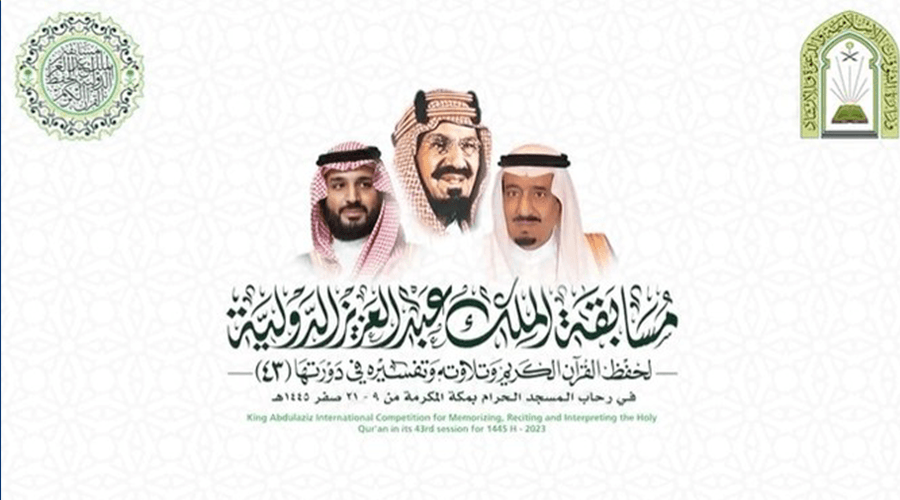
The Minister of Islamic Affairs, Call and Guidance, Sheikh Dr Abdullatif bin Abdulaziz Al Al-Sheikh has approved the results and names of the winners in the 43rd edition of King Abdulaziz International Competition for Memorization, Recitation and Interpretation of the Holy Qur’an.
The competition, held at the Grand Mosque, witnessed the participation of 166 contestants representing 117 countries, competing in all five categories of the competition, with the total prize amount for this edition reaching SAR4,000,000.
In the first category, Ayoub bin Abdulaziz Al-Wahibi from the Kingdom of Saudi Arabia secured first place and received a prize of SAR500,000. Saad bin Saadi Sleim from Algeria came in second place, earning SAR450,000, while Abu Al-Hasan Hassan Najm from Chad achieved the third position, receiving a prize of SAR400,000.
In the second category, Ammar bin Salem Al-Shahri from the Kingdom of Saudi Arabia claimed the first position and was awarded a prize of SAR300,000. Mohammed bin Adnan Al-Omari from Bahrain secured second place, receiving a prize of SAR275,000. The third position went to Abdulaziz bin Malik Atli from Syria, who received a prize of SAR250,000.
In the third category, the winners include Mohammed bin Ibrahim Mohammed from Somalia, who clinched first place and received a prize of SAR200,000. Second place went to Shuaib bin Mohammed Hassan from Sweden, who was awarded SAR190,000 while Faisal Ahmed from Bangladesh secured the third position, earning SAR180,000 Saudi Riyals, and Mohammed Mufid Al-Azza from Indonesia claimed the fourth spot and received SAR170,000. Siraj Al-Din Muammar Kandi from Libya rounded off the top five, receiving a prize of SAR160,000.
Regarding the fourth category, the winners are as follows: Mohammed Ghai from Senegal secured the top position, earning a prize of SAR150,000. Hatem Abdulhamid Falah from Libya claimed the second spot, receiving an award of SAR140,000 and Yassin Abdulrahman from Uganda achieved the third position, with a prize of SAR130,000. Mashfiqur Rahman from Bangladesh attained the fourth position and was granted SAR120,000 while rounding off the top five, Abdulkader Yousef Mohammed from Somalia received a prize of SAR110,000.
As for the fifth category, Elias Abdou from the country of Larionion secured the first position, earning a prize of SAR65,000 while the second place went to Ibrahim Shahbandari from India who was awarded SAR60,000. Marwan bin Shalal from the Netherlands achieved the third position, receiving SAR55,000 and Mustafa Sinnanovic from Bosnia and Herzegovina attained the fourth position and received SAR50,000. Lastly, Hassib Amrullah from North Macedonia took fifth place, earning a prize of SAR45,000.
The work, of which only 30 copies were made, contains paintings drawn by David Roberts in Andalusia in 1832-1833.
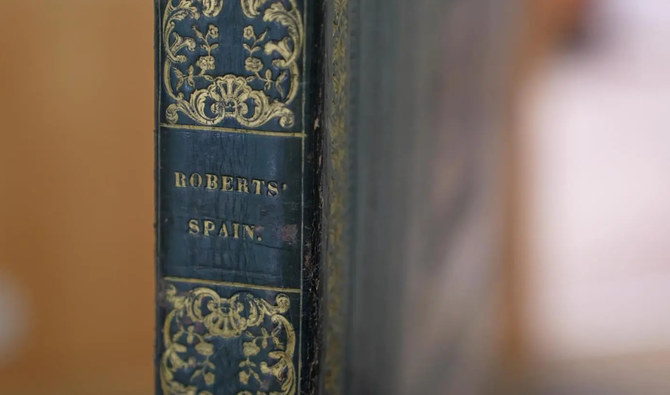
King Abdulaziz Public Library in Riyadh has unveiled a 190-year-old book by British artist David Roberts.
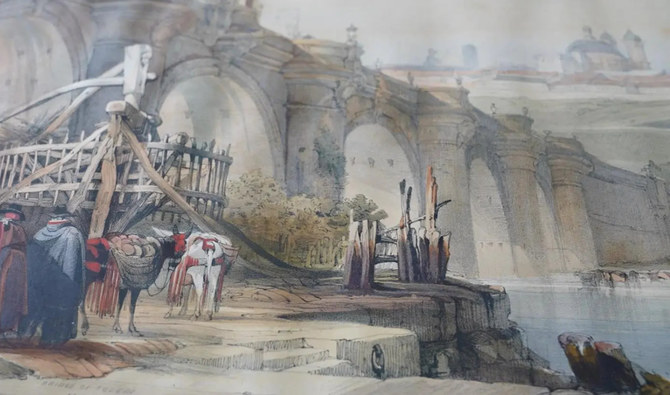
The work, of which only 30 copies were made, contains paintings drawn by Roberts in Andalusia in 1832-1833 depicting a number of famous landmarks he visited in Spain.
Roberts used natural colors in the book’s 26 lithograph-printed and hand-colored paintings.
Most of the painting are devoted to Arab-Islamic monuments and palaces in Andalusia, as the book offers splendid and beautiful images of Granada and the Alhambra Palace and the fine details of Islamic architectural inscriptions.
The leather-bound book’s pages are between 38 an 53 cm in size, whereas the spine bears a gilded title and decorations with words printed in black. The covers have geometric drawings, in addition to gilded and polished edges.
The Library acquired the book in 1997 when it obtained it from the library of King Don Carlos I of Portugal.
David Roberts, who lived between 1796 and 1864, was considered one of the most prominent British painters in the 19th century and was one of the few who worked in this art form during his time.
His style of painting was easy to recognize as lithography was the only method during that time to produce accurate, true-to-life images.
Roberts was a scene painter at the Theater Royal in Edinburgh, and produced a group of oil paintings that included scenes from England, Scotland, France, and Belgium.
He toured Egypt and Syria and published a six-volume book, three of which were drawings in Egypt, and three were paintings in Syria, Lebanon, Palestine, and Jordan.
source/content: arabnews.com (headline edited)
____________
The Library acquired the book in 1997 when it obtained it from the library of King Don Carlos I of Portugal. (SPA)