DUBAI, U.A.E: Mohammed bin Rashid inaugurates World’s Largest CSP Project, as part of Mohammed bin Rashid Al Maktoum Solar Park

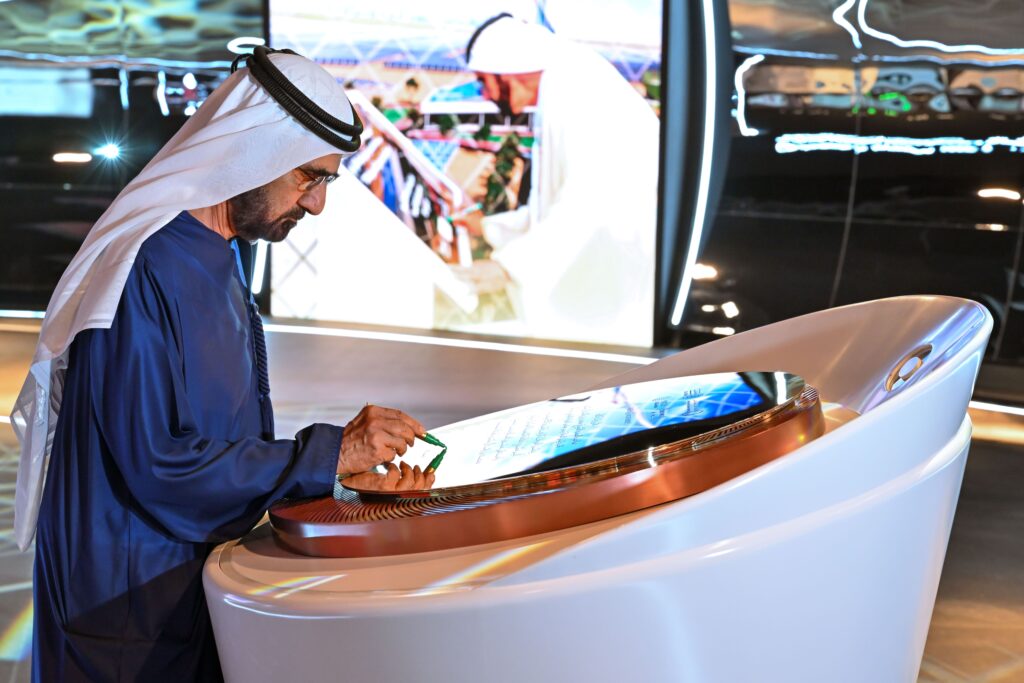
His Highness Sheikh Mohammed bin Rashid Al Maktoum, Vice President and Prime Minister of the UAE and Ruler of Dubai, has inaugurated the largest concentrated solar power (CSP) project in the world, within the fourth phase of the Mohammed bin Rashid Al Maktoum Solar Park in Dubai.

The 950-megawatt (MW) fourth phase is the largest investment project that uses three hybrid technologies: 600MW from a parabolic basin complex, 100MW from the CSP tower, and 250MW from photovoltaic solar panels. Built at an investment of AED15.78 billion, using the independent power producer (IPP) model, the project features the tallest solar tower in the world, at 263.126 metres, and the largest thermal energy storage capacity with a capacity of 5,907 megawatt hours (MWh), according to the Guinness World Records.

His Highness Sheikh Mohammed bin Rashid Al Maktoum, Vice President and Prime Minister of the UAE and Ruler of Dubai said, “The UAE has a clear vision to transform itself into one of the world’s most sustainable nations. Our journey towards sustainability is comprehensive, encompassing advanced clean energy projects across diverse renewable sources, and innovative solutions integrated into various spheres of the economy and society. The Mohammed bin Rashid Al Maktoum Solar Park is at the heart of Dubai and the UAE’s commitment to create a world-class infrastructure for sustainability and a robust foundation for building an environmentally friendly future. Coming at the culmination of the UAE’s Year of Sustainability, the launch of the fourth phase of the Solar Park is an important milestone in our sustainability journey. Our success in creating the world’s largest concentrated solar project underscores our determination to advance climate action and aligns with the goals of the UN Climate Change Conference (COP28), which the UAE is currently hosting. Driven by the objectives of the UAE’s Net Zero by 2050 Strategy, we continue to expand our sustainable energy mix and embrace renewable and alternative energies, shaping not only our nation’s future but also contributing significantly to the global effort to combat climate change. Our dedication to sustainability is a testament to our resolve to contribute to fostering a resilient and prosperous future for all of humanity.”

H.H. Sheikh Mohammed bin Rashid Al Maktoum was accompanied by H.H. Sheikh Maktoum bin Mohammed bin Rashid Al Maktoum, First Deputy Ruler of Dubai, Deputy Prime Minister and Minister of Finance; H.H. Sheikh Ahmed bin Saeed Al Maktoum, Chairman of the Dubai Supreme Council of Energy; H.H. Sheikh Mansoor bin Mohammed bin Rashid Al Maktoum, Chairman of the Dubai Ports and Borders Security Council and a number of ministers, director generals of Dubai government departments and senior officials.

Sheikh Mohammed bin Rashid Al Maktoum was welcomed by Saeed Mohammed Al Tayer, MD and CEO of Dubai Electricity and Water Authority (DEWA).

Sheikh Mohammed bin Rashid Al Maktoum was briefed about the project by Saeed Mohammed Al Tayer, MD and CEO of Dubai Electricity and Water Authority (DEWA). The fourth phase of the Mohammed bin Rashid Al Maktoum Solar Park, which covers an area of 44 square kilometres, uses three hybrid technologies: 600MW from a parabolic basin complex, 100MW from the CSP tower, and 250MW from photovoltaic solar panels. The project features 70,000 heliostats that track the sun’s movement. The Molten Salt Receiver (MSR) on top of the solar power tower is the core and the most important part of the CSP plant. It receives solar radiation and turns it into thermal energy. The MSR contains over 1,000 thin tubes that enable the absorption of sun rays and their transfer to the molten salt within these tubes. This project will provide approximately 320,000 residences with clean and sustainable energy. It will reduce carbon emissions by about 1.6 million tonnes annually, enhancing Dubai’s position as a leading global hub in clean, renewable energy and climate action.

Saeed Mohammed Al Tayer said, “President His Highness Sheikh Mohamed bin Zayed Al Nahyan has emphasised that the UAE’s commitment to protecting the environment and supporting global action to achieve sustainability is firm, continuous, and effective for the benefit of its people and the service of humanity. Furthermore, His Highness Sheikh Mohammed bin Rashid Al Maktoum, Vice President and Prime Minister of the UAE and Ruler of Dubai, has constantly reiterated the UAE’s determination to be at the forefront of global efforts to create a more sustainable future for all of humanity by taking concrete action to transition to renewable energies. At the Dubai Electricity and Water Authority, we follow the vision and directives of the leadership to increase the share of clean and renewable energy sources to achieve the goals of the UAE Net Zero by 2050 Strategic Initiative and the Dubai Net Zero Carbon Emissions Strategy 2050. We have already achieved the interim goals of this strategy in record time.”

Al Tayer explained in his speech at the inauguration that the fourth phase of the Mohammed bin Rashid Al Maktoum Solar Park was based on the directives of H.H. Sheikh Mohammed bin Rashid Al Maktoum to implement this project to be a global landmark that sets higher standards of excellence than similar projects worldwide. He emphasised that this project would not have been possible without His Highness’s support to implement the project according to world-leading benchmarks of efficiency and performance. The project features the tallest CSP tower and the largest single-site thermal energy storage in the world, as well as the lowest cost to produce renewable energy round the clock.

“The vision and directives of His Highness Sheikh Mohammed bin Rashid Al Maktoum to enhance the share of clean and renewable energy, have contributed to making Dubai a global hub for the green economy and a global role model in the sustainable transition to clean energy. This has been achieved through pioneering strategies and projects driven by advanced research and development, Fourth Industrial Revolution technologies, digital transformation, and the latest renewable and clean energy technologies. Through the IPP model, DEWA has achieved the lowest global prices, making Dubai a benchmark for solar energy project prices worldwide,” said Al Tayer.

“The Mohammed bin Rashid Al Maktoum Solar Park supports the efforts of the UAE, which has one of the world’s largest investments in clean energy projects, and is currently hosting the UN Climate Change conference, COP28, in Expo City Dubai. This underlines the UAE’s firm commitment to sustainable development and protecting the environment and natural resources for us and for generations to come. The solar park whose current capacity has reached 2,627MW, is the cornerstone to achieve the Dubai Clean Energy Strategy 2050 and the Dubai Net Zero Carbon Emissions Strategy 2050 to provide 100 percent of the energy production capacity from clean energy sources by 2050,” added Al Tayer.

Al Tayer commended the efforts of DEWA’s partners in implementing this pioneering project according to the highest international standards and using the most advanced technologies. A consortium led by DEWA and Saudi Arabi’s ACWA Power established Noor Energy 1 as a project company to design, build, and operate the fourth phase of the Mohammed bin Rashid Al Maktoum Solar Park. DEWA holds a 51 percent stake in the company, ACWA Power holds 25 percent, and the Chinese Silk Road Fund owns 24 percent

“Guided by the leadership and vision of His Highness Sheikh Mohammed bin Rashid Al Maktoum, Dubai is paving the way for a sustainable future. It is transforming into a global centre for green economy by continuing its efforts to achieve the goals of the Dubai Clean Energy Strategy 2050. Inaugurating the world’s largest single-site CSP plant during COP28 demonstrates our commitment to our strategy to increase the use of clean and renewable energy sources. The project is also a significant milestone in DEWA’s success, and we are proud to be a part of it. This is part of our long-term partnership that we began in the Mohammed bin Rashid Al Maktoum Solar Park, leading to the opening of the fourth phase we are witnessing today in Noor Energy 1 project,” said Mohammad Abunayyan, Chairman of ACWA Power.

“We are proud of our contribution to achieving the ambitious vision of the leadership in cooperation with our partners in DEWA. Our key role, through the qualitative projects that we operate and manage in UAE, confirms the extent of the efforts, expertise and financial capabilities of our partners in DEWA and the Silk Road Fund. Together, we have been able to set new standards for CSP generation using the latest technological innovations in this project, such as the solar tower technology and parabolic panels that use CSP to produce energy 24 hours a day. Additionally, the plant’s capacity is enhanced with photovoltaic solar panels to produce 950 megawatts. This is the only single-site project in the world that includes all these technologies. It also features the largest solar energy storage capacity in the world,” added Abunayyan.

“Through collaboration and innovation, we pave the way for sustainable energy solutions that push boundaries and drive progress. As we celebrate the opening of Noor Energy 1, we affirm our commitment to a brighter and cleaner future for future generations,” said Zhu Jun, Chairwoman of Silk Road Fund.

“We are honoured to be part of this huge cooperation between DEWA and ACWA Power. Together, we are setting a new standard for innovation and sustainability. This achievement is a milestone in the development of sustainable energy in the region and confirms the commitment to promoting energy solutions. The successful completion of this project is a testament to the dedication and expertise of all partners and sets a commendable precedent for future renewable energy initiatives,” added Zhu Jun.

Three combined technologies

The fourth phase of the Solar Park uses three hybrid technologies to produce clean energy: 600MW from a parabolic basin complex (three units of 200MW each), 100MW from the world’s tallest solar power tower (based on Molten Salt technology), and 250MW from photovoltaic solar panels. The Molten Salt Receiver (MSR) on top of the solar power tower is the core and most important part of the CSP plant. It receives solar radiation and turns it into thermal energy. The MSR contains over 1,000 thin tubes that enable the absorption of sun rays and their transfer to the molten salt within these tubes.

source/content: wam.ae (headline edited)

__________

___________________________________________

DUBAI, UNITED ARAB EMIRATES (U.A.E)

EGYPT’s Navy Launches Largest Locally Produced Combat Vessel to Date

The ship is the first of its kind to be built entirely by the Alexandria Shipyard in Egypt.

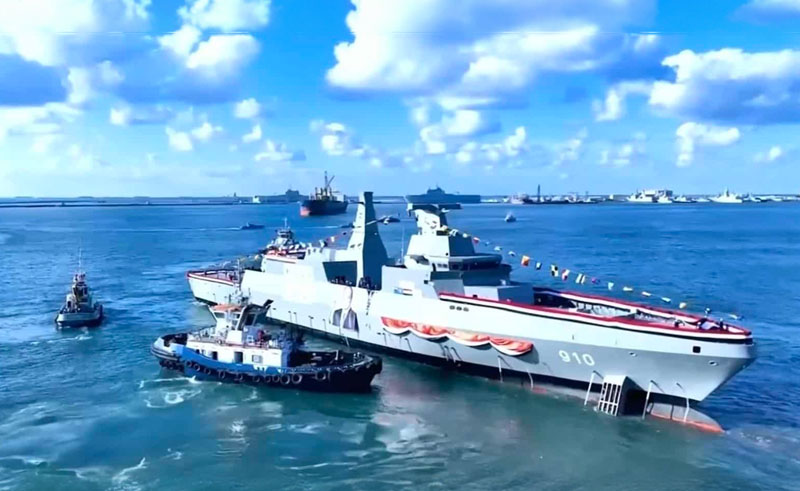
Egypt’s Alexandria shipyard made history, as it launched the fourth and final MEKO A200 frigate, named ‘Sajm Al-Jabbar’ for the Egyptian Navy. This frigate holds significant importance as it is not only the largest locally produced combat vessel but also the first of its kind to be constructed in Egypt under the Thyssenkrupp Marine Systems (TKMS) license.

The ship was unveiled in a ceremony held during the EDEX 2023 defense exhibition at Egypt International Exhibition Center in Cairo, with President Abdel Fattah El Sisi in attendance as the chief guest alongside other high-ranking officials.

Egypt had placed an order for four identical frigates, with the first three units being built in Germany, while the final ship was constructed at the Alexandria shipyard in Egypt. The construction contract was signed back in September 2018.

source/content: cairoscene.com (headline edited)

__________

__________

EGYPT

UAE’s Mohammed Al Ramsi appointed Chairman of World Radiocommunication Conference (WRC23)

On the opening day of the World Radiocommunication Conference (WRC23) held in Dubai, Eng. Mohammed Al Ramsi was appointed as the Chairman of the Conference. This decision underscores the prominent global position of the UAE, particularly in the ICT sector – a pivotal force driving development across diverse domains. It further attests to the proficiency and capability of the Emiratis in steering and presiding over major international forums and events.

This appointment marks the fulfillment of a decision made by the WRC during its previous session in Sharm El Sheikh, Egypt, in 2019. The decision involved hosting the UAE for WRC-23, recognised as one of the foremost global gatherings in the telecommunications sector, with a particular focus on radiocommunications. At that time, the conference also endorsed Eng. Mohammed Al Ramsi as a candidate for the chairmanship of the 39th session, which is presently taking place in the UAE.

Following the UAE’s successful bid to host the conference in 2019, Telecommunications and Digital Government Regulatory Authority (TDRA) initiated a comprehensive national plan in collaboration with various relevant government entities. This plan is built on two main pillars. The first pillar emphasises meticulous preparations to host the event at the highest standards, aligning with the country’s distinguished reputation and its history of successfully organising major international conferences. This approach aims to facilitate the mission of approximately 4,500 delegates representing 193 countries over the course of the four-week conference period.

The second pillar pertains to the preparations undertaken by Eng. Mohammed Al Ramsi, as a candidate for the chairmanship of the conference, with the aim of ensuring the success of this strategic mission. This pillar encompasses a series of global efforts and meetings geared towards achieving the conference’s objectives, particularly in updating the Radio Regulations. It involved conducting various tours to engage with groups representing different global regions under the International Telecommunication Union’s umbrella. Al Ramsi actively participated in negotiation and dialogues, fostering understanding and collaboration among countries and regional groups. The overarching goal is to establish consensus and understanding that will lead to successful decisions on matters related to radio frequencies and other pertinent issues during the ongoing conference sessions.

The nomination of Al Ramsi to chair the conference is rooted in his extensive history of accomplishments and responsibilities within the telecommunications sector. With over 20 years of experience, he has demonstrated expertise in network engineering, infrastructure and standards, central network planning, and the management of regulatory affairs. These cumulative experiences have culminated in his current role as the Deputy Director-General of TDRA.

Beyond his extensive telecommunications expertise, Al Ramsi possesses a well-rounded personality that has facilitated notable successes throughout his career. His global tours of various regions have seen him emerge as a unifying force, adept at fostering consensus on issues that may be points of contention among countries. With his skillful approach, he has achieved significant breakthroughs in the field, contributing to the ITU’s journey with unprecedented decisions, particularly amid the current global geopolitical circumstances.

The World Radiocommunication Conference (WRC) is one of the major event within the International Telecommunication Union (ITU), occurring every four years with the primary objective of revising the Radio Regulations – the international treaty governing the global use of spectrum. Each conference session marks the initiation of a new era, influencing subsequent developments, plans, and strategies in the fields of technology and digital transformation.

Al Ramsi commented on this appointment, saying, “The global consensus witnessed in the opening session, selecting an Emirati figure to chair one of the most significant and influential conferences in the international ICT sector, is a testament to the leading global position of the UAE. The swift approval of this appointment during the opening session further solidifies the UAE’s prominent position. Today, I feel a great responsibility dictated by my duty as an Emirati towards my country first, and towards the global responsibilities that result from this position.”

Al Ramsi added, “I derive my confidence in succeeding in this mission from the great support that I have received, and that every individual of this generous nation receives, which has made the people of the UAE demonstrate their presence with great merit in all international events and forums in which they have represented their country. Today, I affirm that being appointed to this position serves as a strong motivator for me to exert every conceivable effort in furthering the global mission of the UAE. This mission is encapsulated by “We the UAE 2031” vision and its pillars, positioning the UAE as a key advocate for international cooperation and an influential contributor to achieving global development goals for the benefit of humanity worldwide.”

The World Radiocommunication Conference is held in Dubai, UAE, from November 20th to December 15th 2023. Approximately 4,500 government officials from 193 countries, along with around 900 international organisations, universities, and companies worldwide, will be in attendance. The conference will host a series of sessions with the aim of achieving global consensus on radio communications and frequencies. The outcomes are anticipated to have far-reaching effects across sectors including manufacturing, space, health, education, and transportation.

This session of the WRC gains exceptional importance in light of the rapid changes in today’s world, particularly within the field of radical and emerging technologies that wield substantial influence in shaping the digital future and the evolution of smart cities. Numerous industrial strategies within the ICT products and technology depend on the outcomes of the conference, particularly in the establishment of globally endorsed regulations for radio frequencies.

As the host of this session, the UAE stands as the sole country globally to have hosted and chaired all conferences and events of the ITU, noting that this is the second occasion the UAE has chaired the WRC, with the initial instance occurring in 2012/

source/content: wam.ae (headline edited)

___________

___________________________________

UNITED ARAB EMIRATES (U.A.E)

MOROCCAN-BELGIAN: How the Moroccan Community helped shape Belgium and Build its Infrastructure

We explore the Moroccan community in Belgium, their origins and contributions to various industries as well as politics, arts, food and literature.

Bachir M’rabet was a newborn when his father, a weaver from Tangier, received an offer to work in the textile sector in Belgium. 

Despite his wife’s reservations, M’rabet’s father left Morocco in 1966 with the goal of earning as much as possible and returning to his home country after a few years. However, things did not go as planned.

A year later, an infant M’rabet and his mother and siblings joined the family patriarch in the Belgian capital Brussels.

His parents were part of a generation of Moroccan workers recruited by Belgium in the 1960s to make up for labour shortages in industries such as mining, steel, manufacturing and construction. 

“I don’t believe any Moroccan migrated to Belgium with the notion that it would be a permanent move,” the younger M’rabet tells Middle East Eye.

Today, there are around 600,000 people with Moroccan heritage in Belgium, with the community accounting for almost one in every five people in Brussels alone, according to figures from the Migration Museum.

Initially, the community was made up of male workers, but in time, like the M’rabet family’s example, women and children joined them, leading to the growth of the Moroccan community which is today the largest minority in the country. 

Despite the dramatic change in environment, initially at least, they were “warmly welcomed” by the local Belgian population, M’rabet says.

“It was cold and the winters were harsh. We left behind the Mediterranean blue sky and arrived in the darkness.

“We were kind of an attraction, an exotic sight in the neighbourhood. Locals used to invite my father for coffee, they would touch his hair,” M’rabet recalls.

Overcoming challenges 

Many other Moroccans arrived in the 60s and despite the friendliness of some locals, it was not always smooth sailing. 

The 1980s witnessed a rise in unemployment and increased anti-foreign sentiment.

“In those years, there was a noticeable presence of racism,” M’rabet recalls. “An extreme right discourse that we had forgotten since WWII resurged.”

____________

‘While being Belgian, I don’t forget my Moroccan roots. I won’t forget that my parents gave up everything to give us a chance for a better life’

– Bachir M’rabet, Moroccan living in Belgium

____________

Discrimination became more prevalent, with landlords refusing to rent to non-Belgians and establishments denying entry to foreigners, particularly Arabs and Blacks. “The most common reproach was that foreigners came to steal our jobs and our women,” M’rabet continues.

The situation worsened following 9/11 and the 2016 Brussels attacks in the metro and the airport that killed 32 people.

In the early days of their move to Belgium, the M’rabet family lived in financially austere conditions.

“There was no bath or shower. We did the laundry by hand or washed in public baths,” M’rabet recalls.

In school, his limited French language skills also made things difficult, but he was determined to help others. 

Eventually, he started working for Foyeran organisation created in 1969 to offer activities for the children of migrant workers. 

According to M’rabet, the Belgian population does not consider people of Maghrebi origin as Belgians, nor are they fully accepted as such. “It is something that can be felt in the way they look at us, in daily life.”

Today, M’rabet is a coordinator at the community centre in Molenbeek, one of the poorest Belgian municipalites.

In his role, he encourages youngsters with foreign roots to embrace their Belgian identity, as Belgium is their country.

“While being Belgian, I don’t forget my Moroccan roots. I won’t forget that my parents gave up everything to give us a chance for a better life.”

Moroccan coal miners in Belgium

Following World War II, Belgium faced the need for reconstruction but suffered from a shortage of workers. 

The government resorted to recruiting workers from abroad for the job as coal mining was the primary source of energy, and required strenuous labour. 

The Men for Coal agreement signed in 1946 with Italy attracted men to work in the mines, but miners faced harsh conditions and discrimination leading to a halt in emigration ten years later after the death of 136 Italians in Marcinelle, Belgiums’s worst-ever mining disaster.

To fill the labour shortage, Belgium signed agreements with Spain and Greece in 1957 and with Morocco and Turkey seven years later.

Poverty and unemployment in Morocco drove people, particularly those from rural backgrounds, to leave, and in 1964, hundreds of Moroccan men between the ages of 20 and 35 arrived in Belgium. 

Due to Moroccans’ “fairly good” understanding of French, they were seen positively by employers, who also regarded them as neutral, religious and submissive.

When their families joined them, it anchored them in Belgium further, eventually helping rejuvenate the country through economic expansion.

Building up Belgium 

The 1960s witnessed growth in Belgian cities with new roads, tunnels, tram tracks, offices, and bridges being built. 

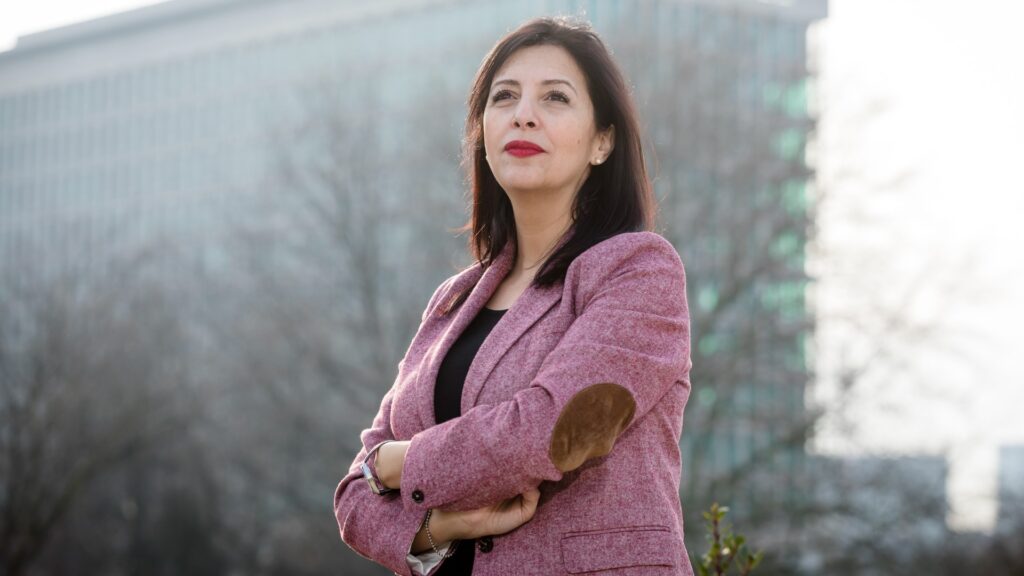
“My father helped build many of the emblematic buildings in Brussels,” Zakia Khattabi, Belgium’s minister for climate and environment, tells MEE. 

“Brussels was built with the help of the labour force of this first generation of Moroccans. The value of Moroccan immigration lies in my father’s hands,” she adds.

In the 1970s, Moroccans constituted a significant portion of the city’s public transportation system employees, with the percentage rising to 80 percent in certain depots. 

The Migration Museum collected testimonies from workers, including Mohammed, who stated that “Belgians were reluctant to work for the trams due to the challenging schedules”.

When economic growth came to a halt in the late 1960s, unemployment began to rise.

Immigrants chose to stay in Belgium, having already settled their families and established a life there.

Official immigration agreements ended in 1974, but migration from Morocco continues to this day, with people seeking economic opportunities that their compatriots had benefitted from, as well as for family reunification.

Nowadays negative incidents involving individuals of Moroccan heritage often receive disproportionate attention, overshadowing their achievements.

“A falling tree makes more noise than a growing forest. We never talk about the many successful careers of Moroccan immigrants, whether in key positions of responsibility or in positions at any other level,” Khattabi continues.

“Although I’m very attached to my Moroccan ancestry, I consider myself part of the Belgian community as I was born here,” she adds.

Moroccan achievements 

Today, the Moroccan community in Belgium has excelled in numerous fields, from politics to arts, academia, medicine, business and sports.

During the 2019 elections, six nationals of Moroccan origin were elected to the Chamber of Representatives, while 21 Belgian-Moroccan deputies secured seats in regional parliaments.

Adil El Arbi and Bilall Fallah are internationally recognised film directors, celebrated for movies such as Black and Bad Boys for Life and the series Ms Marvel, while Lubna Azabal has performed in critically acclaimed films like Paradise Now and Incendies.

Moroccan food has also had a strong impact on Belgian cuisine. 

It is common to find dishes like tagine and especially couscous on the menus of some restaurants and in households across the country.

“People have embraced couscous as an ingredient, incorporating it into innovative and contemporary culinary creations,” chef Faty Khalis tells Middle East Eye.

Based in the Flemish city of Hasselt, Khalis adds that couscous has become a versatile base for various dishes, from salads to stews.

According to Khattabi, the young descendants of the Moroccan diaspora are asserting their right to belong to the community in Belgium today.

“In the past, the parents used to apologise for being there, while today’s youth confidently assume that they are home and claim their rights. They are also aware of their obligations and acknowledge them.”

Feeling at home in Belgium 

Writer Taha Adnan left Marrakesh in 1996 to study at a university in Brussels. 

In his work Reflections on Writing and Exile, he explains that he is “neither an exile nor an immigrant but rather someone who had to find a new way of life after facing two years of unemployment” in Morocco.

Today, Adnan advocates for Belgian literature in Arabic, during a time when many authors of Arab origin in Belgium choose to write in Dutch or French. 

For him, Arabic contributes to a diverse Belgian identity.

He has published poetry, plays and has amplified the voices of Arab writers residing in Belgium through literary festivals and collective books. 

Adnan curated two anthologies: Brussels, the Moroccan, which gathers works by Moroccan writers portraying the capital of Europe, and This is not a Suitcase featuring texts by Arab authors sharing their experiences in the northern European country.

Strolling along the canal in Molenbeek, Adnan tells MEE that he “feels at home in Belgium”.

Many people with Moroccan roots feel the same way and have taken their place in all spheres of life. 

As Khattabi says: “Perhaps we need to make their presence more visible. It’s the pathways to success that need to be standardised.”

source/content: middleeasteye.net (headline edited)

__________

Minister Zakia Khattabi is photographed in Brussels and says that her father was part of the generation of Moroccans that helped build Belgium (MEE/Hatim Kaghati)

_________________________

BELGIUM / MOROCCO


SAUDI ARABIA: Saudi Doctor Dr. Hani Najm Wins First ‘Great Arab Minds Award’ in Medicine

  • Dr. Najm: Award is ‘culmination of a long journey and diligent work in the field of heart surgery’
  • Doctor attributes success to ‘great education’ he received in Saudi Arabia

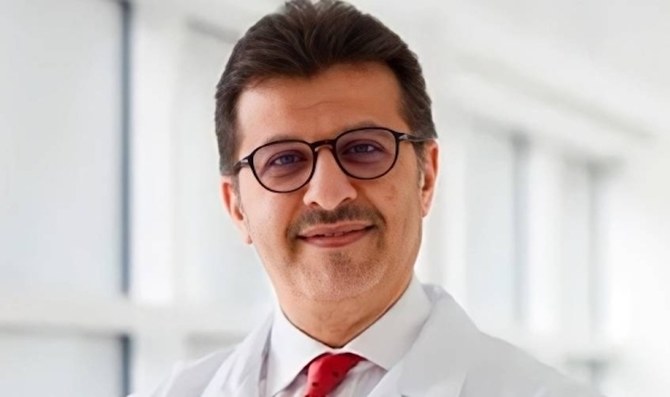
Saudi surgeon Dr. Hani Najm has been named the first winner of the Great Arab Minds award in medicine, which was launched by Sheikh Mohammed bin Rashid Al-Maktoum, vice president and prime minister of the UAE, and ruler of Dubai, in January 2023.

The award, which celebrates the most brilliant minds in the Arab world and their positive impacts on society, acknowledges accomplishments across six categories: engineering and technology, medicine, economics, architecture and design, natural sciences, and literature and arts.

It was presented to the Saudi surgeon in recognition of his outstanding contributions to pediatric and adult cardiac surgery, as well as his innovations in surgery to treat congenital heart diseases.

The doctor is credited with the design and development of a flexible, growth-compatible heart valve to be used inside a child’s body. It can be implanted in the heart and adjusts according to a child’s growth over the years, sparing infants and children the risks of multiple surgical procedures.

Najm participated in over 10,000 surgical operations in newborns, children, and adults with heart diseases, managing complex and critical cases.

Born in Riyadh, Najm graduated from the College of Medicine, King Saud University in 1985. He was trained in general surgery, cardiothoracic surgery, and pediatric congenital heart surgery in Canada.

For 17 years, he headed the Children’s Heart Center at the King Abdulaziz Medical City in Riyadh and was a pioneer in performing critical heart surgeries for patients in the Kingdom, sparing them the need to travel abroad for treatment. He was also one of the first surgeons to perform an artificial heart transplant in Saudi Arabia.

He headed the Saudi Heart Association, served as editor in chief of the Journal of Saudi Heart Association, and was an associate professor at King Abdulaziz University for Health Sciences, Riyadh. He is also an international lecturer in the field of congenital heart surgery.

He joined Cleveland Clinic in 2016 as the chair of pediatric and congenital heart surgery and is currently a member of many national and international professional organizations, including the Gulf Heart Association, the Board of Trustees of the American College of Cardiology, and the European Society of Cardiothoracic Surgery.

Speaking to Arab News, Najm said: “This award is the culmination of a long journey and diligent work in the field of heart surgery. I did not expect this much success in the beginning.

“This award will reflect greatly on my work and on the work of eminent Arab scholars, who in turn will aspire and work hard to obtain the award … a source of pride for all Arabs.

“When I came to the US, one of my most important goals was to be an ambassador for my country. I was striving to gain the trust of the team, the hospital, and the community. Everyone knew that I was coming from a different society, so I worked hard to prove myself and (show) that my recruitment was the right move,” he said.

Najm dedicated this award to his homeland, which he said opened the doors for him to the best centers in the world for training.

He underlined that the excellence he has achieved is the result of the great education he received in Saudi Arabia.

He also thanked his wife and children for supporting him during this journey and the many long hours he spent in the hospital for surgeries.

In a message to Saudi doctors, Najm said: “You have a high level of professionalism, just like all the doctors in the world. The root of my distinction is the education I got from King Saud University, on which I built my scientific and practical experiences. You are the seeds of success, and you can get global recognition, especially in light of the great support provided by our country.”

source/content: arabnews.com (headline edited)

____________

Saudi surgeon Dr. Hani Najm joined Cleveland Clinic in 2016 as the chair of pediatric and congenital heart surgery. (acc.org)

_________________

SAUDI ARABIA
DUBAI, U.A.E: Dubai becomes First City in Middle East to rank among top 10 in Global Power City Index 2023

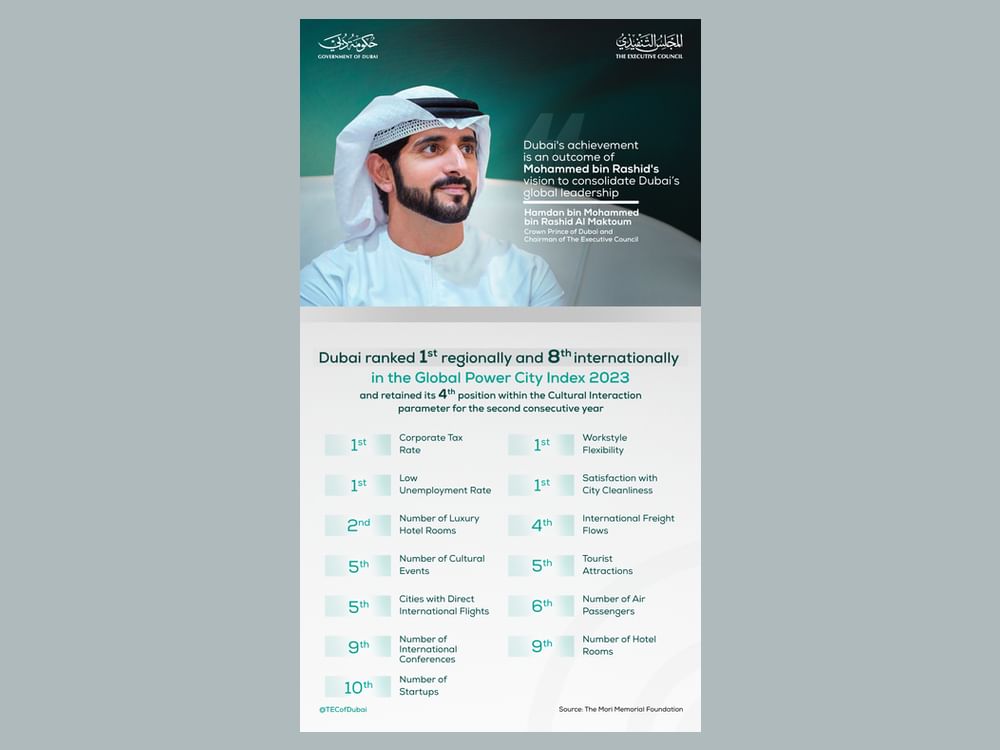
Dubai has been ranked among the top 10 cities in the Global Power City Index (GPCI) 2023, a prestigious and internationally recognised league table issued by the Mori Memorial Foundation’s Institute for Urban Strategies in Japan. The new ranking makes Dubai the first city in the Middle East to attain this prestigious global recognition.

In the 2023 index, which ranks major cities on to their ‘magnetism’ – or power to attract people, capital and enterprises – Dubai climbed three places to eighth overall. The achievement cements Dubai’s position as a leading global city, driven by the vision of its leadership and the collective determination of its citizens and residents.

H.H. Sheikh Hamdan bin Mohammed bin Rashid Al Maktoum, Crown Prince of Dubai and Chairman of Dubai Executive Council, said that Dubai’s progress in the Global Power City Index 2023 reflects the dedicated efforts to realise the vision of His Highness Sheikh Mohammed bin Rashid Al Maktoum, Vice President, Prime Minister and Ruler of Dubai, to attain top global positions across various vital sectors and establish Dubai as the world’s best city to work and live in.

Congratulating Sheikh Mohammed bin Rashid on the emirate’s achievement as the first city in the Middle East to make it into the prestigious list, Sheikh Hamdan said, “There is no limit to our ambitions, and with the unwavering dedication of our nation’s people, we will continue to strengthen Dubai’s position as a model for the cities of the future, achieving milestones that set the global standard. Dubai’s excellence and accomplishments stem from the visionary leadership of His Highness Sheikh Mohammed bin Rashid Al Maktoum, propelling the city at an accelerated pace towards the pinnacle of leadership and excellence.”

Sheikh Hamdan bin Mohammed urged both the private and public sectors in Dubai to persist in their efforts to establish Dubai as a sustainable development model that places the development of people’s capabilities and enhances their quality of life at the forefront of its priorities. He underscored the government’s ongoing commitment to achieving further milestones in various global competitiveness indicators and consolidating a knowledge and creative economy through the adoption and implementation of modern legislative frameworks and regulatory rules, carefully crafted to address global changes. These efforts affirm Dubai’s capability to efficiently keep pace with the evolving landscape, he said.

“To cement Dubai’s position as a global economic powerhouse and its role as a catalyst for growth, we must cultivate world-class working environments that empower our national talent and attract the brightest minds from across the globe. This commitment to excellence will propel comprehensive development, establishing Dubai as a global benchmark for sustainable economic prosperity and resilience,” His Highness added.

In the 2023 index, Dubai retained its fourth position for the second consecutive year within the Cultural Interaction parameter, surpassing Tokyo, Istanbul, Madrid, Moscow, and Singapore. Meanwhile, London, New York, and Paris maintained the top three spots. The ranking is an outcome of Dubai’s commitment to enhancing its status as a cultural destination, a major hub for creativity, and one of the best cities in which to live and work. This effort aligns with Dubai’s cultural vision that aims to cement the emirate’s position as a global centre for culture, an incubator for creativity, and a thriving hub for talent. Dubai has also maintained its top regional ranking in Cultural Interaction.

The Global Power City Index (GPCI), which has been published annually since 2008, is a global benchmark for measuring the performance and competitiveness of global cities. It is used by governments, businesses, and individuals to make decisions related to investment, immigration, and travel. The index reflects the dynamic nature of cities and their ability to adapt and thrive in the face of global challenges. It provides a comprehensive overview of cities’ standing and impact on the global stage. The index comprises six parameters, including Economy, Research and Development, Cultural Interaction, Liveability, Environment, and Accessibility.

Dubai progressed in several sub-parameters within Cultural Interaction, ranking first globally in the Number of Foreign Residents and second in the Number of Luxury Hotel Rooms, reinforcing the emirate’s cultural offering, creative environment, and diverse tourist attractions.

The index further revealed Dubai’s excellence and leadership across various sub-indicators, encompassing work flexibility, low unemployment rate, and city cleanliness. It also highlighted Dubai’s success in hosting global exhibitions and events, attracting visitors and tourists, and increasing the influx of travellers through its airports.

Today, Dubai stands as one of the world’s most renowned cities in terms of economies, finance, business, tourism and travel. It is also one of the most successful cities in attracting talent, with more than 200 nationalities from various backgrounds living together in a tolerant and welcoming society. Dubai is also one of the most popular tourist destinations in the world.

source/content: wam.ae (headline edited)

____________

____________________________________________

DUBAI, UNITED ARAB EMIRATES (U.A.E)

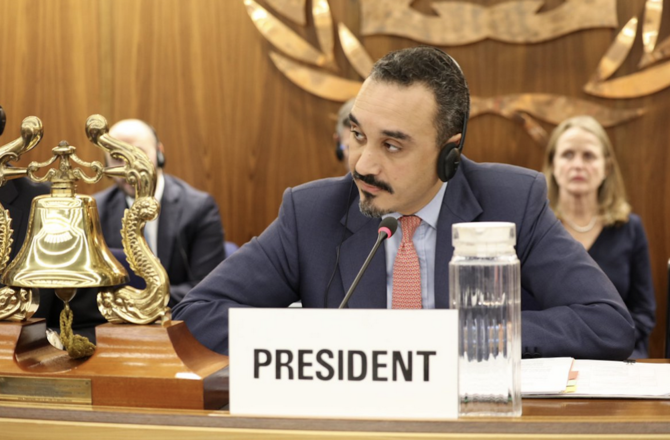
SAUDI ARABIA: Saudi Ambassador to UK , Prince Khalid bin Bandar Al-Saud was Appointed by Unanimous Decision at its 33rd session in London, as the President ‘International Maritime Organization’ (IMO)

Prince Khalid bin Bandar Al-Saud was appointed via unanimous decision.

Saudi Arabia’s ambassador to Britain was elected on Monday as president of the International Maritime Organization General Assembly by its member states, the Kingdom’s embassy to the UK announced.

During a meeting of its 33rd session in London, the IMO members appointed Prince Khalid bin Bandar Al-Saud via a unanimous decision.

The IMO is the United Nations’ specialized agency with responsibility for the safety and security of shipping and the prevention of marine and atmospheric pollution by ships.

The meeting in the British captial was opened by secretary-general Kitack Lim, who highlighted the organization’s achievements during the current biennium, including the adoption of the 2023 IMO GHG Strategy, and emphasized the need to decarbonize and digitalize shipping in the years ahead.

source/content: arabnews.com (headline edited)

____________

During a meeting of its 33rd session in London, the IMO members appointed Prince Khalid bin Bandar Al-Saud as president via a unanimous decision. (X/@SaudiEmbassyUK)

_________________

SAUDI ARABIA
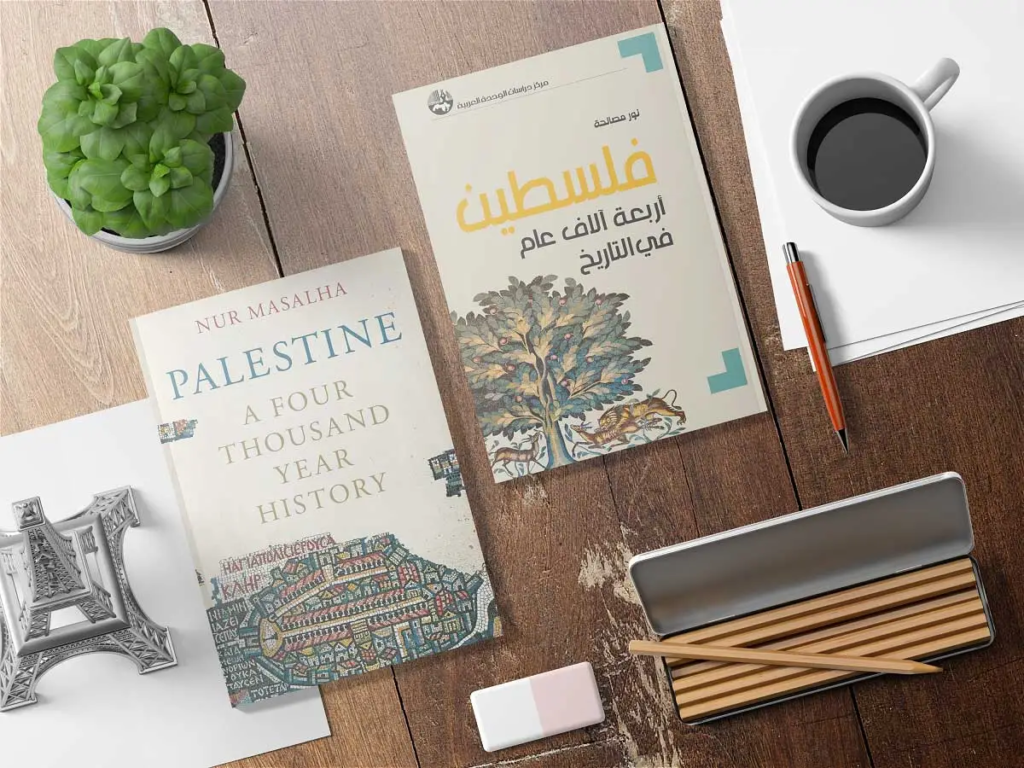
PALESTINE: A new Book Authored by Academic & Historian Nur Masalha ‘ Palestine : A Four Thousand Year History’ becomes a Best-Seller

With Israel and Hamas at war in Gaza, books about the Palestinian issue and its history are in demand. One best-seller, the Palestinian academic and historian Nur Masalha’s “Palestine: A Four Thousand Year History”, argues that there is an urgent need to teach a history of the land and its people based on facts, not myths.

Masalha’s book was published in English in 2018 and was made available in Arabic in 2019 by the nonprofit Centre for Arab Unity Studies, based in Beirut. The author notes on Facebook that the book has topped Amazon best-seller lists in four categories: prehistory, prehistoric archaeology, Bible hermeneutics, and antiquities.

A Hijacked History

Masalha is currently a member of the Centre for Palestine Studies at SOAS, University of London, and is a former director of the Centre for Religion and History at St. Mary’s University, Twickenham.

His book examines Palestine’s distant history and the attempts of Israel’s founders to hijack that history with non-scientific interpretations, changing the names of Palestinian cities and villages to Hebrew ones, and even changing the names of Israel’s founders and leaders from the names they were born with in Russia, Poland, Ukraine, and elsewhere, to Hebrew names.

In his introduction to the Arabic edition, Masalha expresses the hope that his book will “draw attention to the history, heritage, and deep roots of the Palestinians, the indigenous Arab population of Palestine”.

Nur Masalha’s book explores Palestine’s history, identity, and cultures from the Late Bronze Age until the modern era. The author hopes it “challenges the colonial approach to Palestine and the malicious myth of a land without a people.”

The book tells us that “Palestine” was the land’s name throughout ancient history. The name was first documented in the Late Bronze Age, about 3,200 years ago, and later in Greek sources. The name was used between 450 B.C. and 1948 A.D. to describe “a geographical area between the Mediterranean Sea, the Jordan River and various neighbouring lands.”

The book explores Palestine’s evolution, history, identity, languages, and cultures from the Late Bronze Age until the modern era. The author points out that “the history of Palestine is often taught in the West as the history of a land, not as Palestinian history, or the history of a people.” He thus hopes his book “challenges the colonial approach to Palestine and the malicious myth of a land without a people.”

Masalha uses a wide range of evidence and contemporary sources to examine the history of Palestine.

It also seeks to trace the beginnings of the concept of Palestine in geographical, cultural, political, and administrative policies. He argues that the Israelites’ conquest of the land of Canaan, and other basic stories in the Old Testament, are “mythical narratives” that try to establish a false awareness, not an evidence-based history following facts.

Updating History Textbooks

Masalha believes that history textbooks and curricula “must be based on historical facts placed in their context, concrete evidence, and archaeological and scientific discoveries, rather than on traditional opinions, imaginary narratives from the Old Testament, and repeated religious-political doctrines that are narrated for the benefit of influential elites.”

According to the book, some historians have argued that Palestine did not exist as a formal administrative entity until the British Mandate for Palestine was created after World War I. In reality, Masalha says, Palestine has existed as an administrative entity and an official state “for more than a thousand years.”

Masalha believes that history textbooks and curricula “must be based on historical facts placed in their context, concrete evidence, and archaeological and scientific discoveries, rather than on traditional opinions [and] imaginary narratives.”

The book charts the ancient origins of the name “Palestine” among the country’s multiple religious beliefs. Masalha says that, after more than 150 years of excavations in and around Jerusalem, there is still no historical, archaeological, or practical evidence of the “Kingdom of David” around 1000 B.C. The reason there is no material or practical evidence for the “United Kingdom of David and Solomon” and for other comprehensive narratives from the Old Testament, he argues, is simple: “They are invented traditions.”

Hebraised Names

Masalha gives a list of Israeli leaders who were born with Russian and Eastern European names but later adopted names with a Hebrew ring. They include:

  • David Ben-Gurion (1886–1973), Israel’s first prime minister and minister of defence, who used the Israeli army after 1948 to impose general Hebraisation and “purification” of surnames and personal names. Ben-Gurion was born as David Grün in an area of Poland then part of the Russia Empire. His mother’s name was Scheindel. 
  • Moshe Sharett, who became Israel’s foreign minister in 1948 and served as prime minister from 1954 to 1955, was born as Moshe Chertok in 1894 in Kherson, then part of the Russian Empire and now in Ukraine. He chose to Hebraise his surname in 1949, after the establishment of the State of Israel.
  • Golda Meir, who was prime minister of Israel between 1969 and 1974, was born Golda Mabovitch in Kiev in 1898, and became Golda Meyerson by marriage in 1917. It is worth noting that she did not change her surname until she became minister of foreign affairs in 1956.
  • Menachem Begin, founder of the Likud Party and prime minister of Israel from 1977 to 1983, was born Mieczyslaw Begin in 1913 in Brest-Litovsk, then part of the Russian Empire and now Brest, Belarus.
  • Yitzhak Shamir, who served as Israel’s prime minister twice between 1983 and 1992, was born Itzhak Yezernitsky in 1915 in an area that is now part of Belarus.
  • Ariel Sharon, who was prime minister from 2001 to 2006, was born Ariel Scheinerman in colonial Palestine in 1928. His parents, Shmuel and Vera, whose name later became Dvora, emigrated to Palestine from Russia.

Masalha says that until the advent of European Zionism, members of Palestine’s Arabic-speaking Jewish minority were fondly known as “the Jews, children of the Arabs,” and were an integral part of the Palestinian people, Arabic being their language, culture and heritage.

Settler Colonialism

The book also addresses the settler colonialism at the heart of the Palestine conflict. Settler colonialism is a “structure, not an event”, according to Masalha, and is “deeply embedded in European colonialism.” 

He argues that British colonialists, by denying the existence and rights of indigenous peoples, often viewed vast areas of the globe as “terra nullius”, land that belonged to “nobody.”

The author finishes by stressing that “decolonising history and restoring and preserving the ancient heritage and material culture of the Palestinians and in Palestine, are two vital matters.” 

He adds: “There is an urgent need to teach the ancient history of Palestine, and the history of the local Palestinians (Muslims, Christians, Samaritans, and Jews), including the production of new and critical Palestinian textbooks, for schools, institutes, and universities, as well as for millions of exiled Palestinian refugees.” 

He also believes that “this understanding and education must include the new critical archaeology of Palestine, the new critical understanding of antiquities, and the memories of this country.”

source/content: al-fanarmedia.org (headline edited)

______________

Nur Masalha’s “Palestine: A Four Thousand Year History” challenges the “colonial” approach to Palestine as “a land without a people.”

_____________

PALESTINE

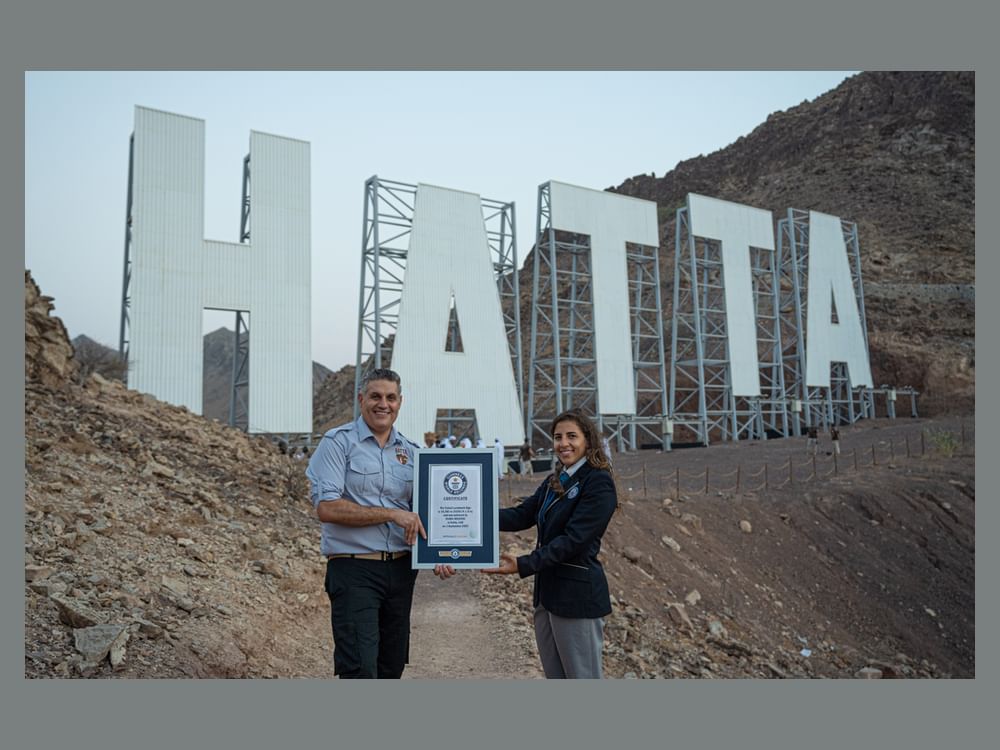
DUBAI, U.A.E: Dubai Holding’s iconic 19.28-metre Hatta Sign breaks Guinness World Records title for ‘The Tallest Landmark Sign’

Dubai Holding’s iconic Hatta Sign has garnered international acclaim by breaking the Guinness World Records title for ‘The Tallest Landmark Sign’. Situated atop the Hajar Mountains, the commanding 19.28-metre-tall structure stands as a striking symbol of Hatta’s identity and its status as one of the UAE’s most scenic regions.


The Guinness World Records title will shine a global spotlight on the Hatta region. What was once a local gem is now set to attract international interest, enticing travellers from around the world to experience the enchantment of Hatta firsthand. The heightened attention will help stimulate economic growth, create employment opportunities, and foster local business development, contributing to Hatta’s sustainable growth.


As Dubai Holding’s Hatta Resorts readies itself for opening its upcoming sixth season, the record-breaking Hatta Sign will be a globally recognised attraction that provides visitors a unique backdrop for capturing memorable pictures. Hikers are encouraged to make the ascent to the sign and take in the area’s breathtaking panoramic scenery from a higher altitude.


Hatta’s visitors are welcome to indulge in further adventures at the Hatta Resorts Wadi Hub, the main centre for outdoor activities in the region, including ziplining, mountain biking, rock climbing, zorbing, archery and axe-throwing, with new thrilling activities soon to be introduced in Season 6.


Visitors may also extend their journey with a stay at Hatta Resorts by Dubai Holding and enjoy an array of unique glamping experiences that seamlessly blend nature and culture with its array of outstanding trailers, lodges, domes and caravans.
Already impressing visitors with its physical presence, the Hatta Sign now acquires global cultural significance. The landmark serves as a reminder of Hatta’s rich history as well as its newly attained international recognition.

source/content: wam.ae (headline edited)

____________

____________________________________________

DUBAI, UNITED ARAB EMIRATES (U.A.E)

SAUDI ARABIA students Mujtaba Hussein Salem and Majed Abdullah Al-Majed Win 1st place in ‘World Robot Olympiad’ Challenge

  • Mujtaba Hussein Salem and Majed Abdullah Al-Majed claimed first place in a World Robot Olympiad final
  • General director of Al-Ahsa Education Hamad bin Muhammed Al-Issa: This is certainly a win for the Kingdom and its people

Two Saudi secondary school students have claimed first place in a World Robot Olympiad final in Panama. 

Mujtaba Hussein Salem and Majed Abdullah Al-Majed, both from Al-Ahsa, triumphed against student competitors from around the world in the Virtual Robot Challenges category.

Elementary students Fatima Ali Al-Rashid and Fatima Akil Salem finished fifth in the Future Innovators category. 

Scores of students in different age groups competed in a variety of categories at the international olympiad, held from Nov. 7-9.

Hamad bin Muhammed Al-Issa, general director of Al-Ahsa Education, described the Saudi students’ performance as a “significant accomplishment.”

Many teams of Al-Ahsa students have performed well while representing the Kingdom in global competitions, he added.

“Not only are our students drawn to the world of artificial intelligence, but they also lead in this field worldwide. This is certainly a win for the Kingdom and its people,” he said.

“To every loyal teacher who has provided support, and to every school principal who has worked hard to unleash the students’ potential in all fields, I hope your efforts will be blessed and I wish you all the best, as such achievements do not happen out of nowhere or by chance, but are the results of dedicated work and innovative students who don’t know the meaning of impossible and can face any challenge.”

Student instructor Khaled Al-Massoud told Arab News that the students’ performance is an “accomplishment for the country.” 

The two winners told Arab News that support provided by the Kingdom played a key role in their victory.

Intensive training under the supervision of Al-Massoud “helped us reach the highest levels in the Olympiad,” they added.

source/content: arabnews.com (headline edited)

____________

Mujtaba Hussein Salem and Majed Abdullah Al-Majed, both from Al-Ahsa, triumphed in the Virtual Robot Challenges category. (Supplied)

_________________

SAUDI ARABIA