Arabs & Arabian Records Aggregator. Chronicler. Milestones of the 25 Countries of the Arabic Speaking World (official / co-official). AGCC. MENA. Global. Ist's to Top 10's. Records. Read & Enjoy./ www.arabianrecords.org
Category: Inventions, Innovations (wef. Feb 01sy, 2022
Competition also had a new category this year for disabled pupils.
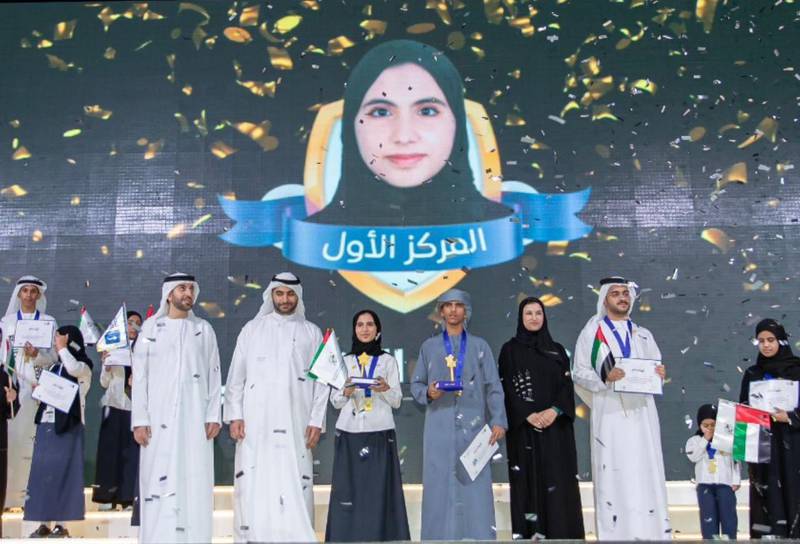
An Abu Dhabi pupil was crowned the winner of the UAE Arab Reading Challenge in Dubai on Friday.
Emirati schoolgirl Amna Al Mansouri, who read 128 books during the academic year, took top spot ahead of more than 500,000 pupils.
Sheikh Mohammed bin Rashid, Vice President and Ruler of Dubai, praised those who took part.
“Today, the UAE celebrated 514,000 students from state schools who participated in the Arab Reading Challenge – whose Arab and international participation reached 24.8 million students,” he said on Twitter.
“I congratulate Amna Mohammed Al Mansouri, and her family, for coming in first place. Amna read 128 books during the academic year.
“Two years ago, Amna lost the ability to walk, but that did not stop her. She soldiered ahead and sailed across the vast ocean of knowledge and literature. The challenge was the beginning of a life-changing experience.
“Today, Amna can walk once again, she has won the Reading Challenge and has authored two stories.
“She will represent the country in a few days at the International Physics Olympiad in Tokyo.”
Amna took the top prize ahead of Mohammed Al Hammadi and Iman Daoud.
The competition had a new category this year for disabled pupils. Emirati pupil, Ghareeb Al Yamahi, won first place, with Ghaya Zainallah coming in second place.
“I also congratulate the student Gharib Al Yamahi who won first place in the reading challenge in the category of people of determination,” Sheikh Mohammed said.
“Gharib is blind in sight but he is not a stranger in the path of achievement.
“Gharib read 130 books during the academic year in Braille. He is a writer of articles, a speaker and an inspiration to all of us. When a blind person reads 130 books, sighted people should review themselves.
“All the best to Gharib who, with his persistence and willpower, represents the saying that ‘nothing is impossible in the UAE’.”
The ceremony was attended by Sarah Al Amiri, Minister of State for Public Education and Advanced Technology.
Largest in the world
In May, Sheikh Mohammed said the annual Arab Reading Challenge had become the largest event of its kind in the world.
He said 24.8 million pupils from 46 countries had taken part in this year’s competition.
It was launched in 2015 to encourage a million young people to read at least 50 books in a year.
The challenge usually starts at the beginning of the academic year, around September, and continues until the end of the academic year.
The Arab Reading champion is selected based on the pupil’s ability to articulate general knowledge, critical thinking and communication skills, plus the diversity of books they have selected.
A Syrian schoolgirl who survived a deadly missile attack during the civil war in her country was crowned the Arab Reading Challenge Champion in November.
Sham Al Bakour, who was seven when she was named winner, was only six months old when her family’s car was struck during violence in Aleppo in December 2015.
Her father was killed while she and her mother survived the horrific attack.
She completed a remarkable journey from tragedy to triumph to win words of praise from Sheikh Mohammed.
The young literature lover read 70 books to win the competition.
When asked about what she would do with the Dh1 million ($270,000) prize money, she said she would give it to her mother.
New course offers four tracks specific to journalism, humanitarian work, health care and business
“Arabic for Professionals” carricula are proofed by Arabic academics from top universities
Six Syrian refugees in the US have crafted the “Arabic for Professionals” course launched on Wednesday by NaTakallam, a refugee-powered social enterprise that provides language learning, translation and interpretation services.
The course’s contents have been proofed by Arabic academics from top universities, such as the American University of Paris, according to a press release by NaTakallam.
Tailored for upper-intermediate and advanced Arabic students, “Arabic for Professionals” offers four tracks specific to journalism, humanitarian work, health care and business.
“The program is the outcome of conversations about common teaching challenges among NaTakallam language partners, especially when it comes to Arabic in practice,” said Carmela Francolino, NaTakallam’s talent and community manager.
“After defining the general profiles of our students and their needs, the necessity of structured courses for intermediate and advanced students was clear, as were the topics we needed to focus on,” she said.
Combining synchronous and asynchronous learning, “Arabic for Professionals” provides flexibility to fit busy schedules. The curricula are divided into several units, including exercises to reinforce each point and ten one-hour private lessons with an experienced tutor.
In addition to a focus on Modern Standard Arabic, a lingua franca used across the Arabic-speaking world, the one-on-one tutoring sessions offer students the opportunity to practice what they have learned in spoken dialects of Levantine Arabic.
Multiple pilot students have noted that the blended structure of the course provided an impetus for them to continue learning the language after their progress had stalled.
“For NaTakallam, whose core mission is to showcase the talents of displaced and conflict-affected people, it is especially meaningful that our language partners are not only teaching this curriculum but have created it in its entirety,” said Aline Sara, co-founder and CEO of NaTakallam.
Besides the new Arabic for Professionals program, NaTakallam offers an Integrated Arabic Curriculum, a 25-hour course that teaches Modern Standard Arabic and Levantine Arabic concomitantly, as well as one-on-one language tutoring in Arabic, Armenian, French, Kurdish, Persian, Russian, Spanish and Ukrainian.
The King Salman Global Academy for Arabic Language has launched the “Khawalid” initiative, an audio platform that aims to record 1,000 selected poems from the pre-Islamic era, in line with the Ministry of Culture’s Year of Arabic Poetry.
Abdullah Al-Washmi, secretary-general of KSGAFAL, told Arab News that the initiative, which translates to “living forever,” aimed at enriching Arabic content in various media.
He said: “Strengthening the role of the Arabic language is part of the set of goals from which the King Salman Global Academy for Arabic Language stems.”
One of its goals is to highlight the scientific, cultural and civilizational status of the Arabic language. It aims to create a platform that helps preserve Arabic content in the field of poetry.
Al-Washmi added that it will also make poetry, especially Arabic poems from the pre-Islamic era, more accessible to the public.
He said: “It highlights the value of the Arabic language, which expresses the linguistic depth in Saudi Arabia, to bring it closer to the public and endear them to it, to deepen its status, and to raise awareness of it as an integral part of the identity of the Arab person.”
The initiative will focus on the era that began approximately 150 to 200 years before Islam, and the KSGAFAL will direct work over all stages.
Its task will involve verifying work and its attribution to its author, along with determining the meaning and integrity of the content.
The selection will be limited to poems that are no less than 10 verses, taking into account the diversity of the poets and the selected works.
Al-Washmi said: “Poetry in the pre-Islamic era constitutes an important literary material that can be invested in building linguistic knowledge, enriching the artistic and aesthetic experience, and contributing to linking the contemporary generation with its authentic literary heritage.
“This initiative confirms the KSGAFAL’s interest in the culture and arts of the Arabic language, in addition to its great care in planning, teaching and computerizing it, striving in all of this to achieve its goals, which are a target of the Human Capacity Development Program, one of the Saudi Vision 2030 initiatives.”
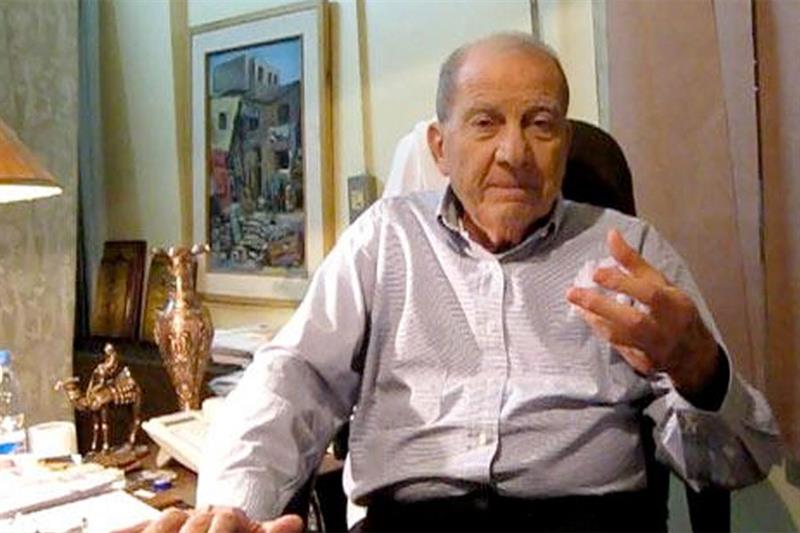
Prominent Egyptian gynaecologist and author Mohamed Abul-Ghar won on Sunday the State Nile Award in Science and Advanced Technological Sciences.
Minister of Higher Education and Head of the Scientific Research and Technology Academy Mohamed Ashour announced that Cairo University’s Professor at the Faculty of Medicine Dr Mohamed Abul-Ghar and Mansoura University’s professor at the Faculty of Medicine Dr Hassan Abul-Enein won the State Nile Award in Science and Advanced Technological Sciences.
“It is the state’s recognition of scientists’ efforts in advancing the nation and building the new republic and knowledge economy,” Ashour said on Sunday in a press conference at the New Administrative Capital.
Abul-Ghar started, with a group of medical doctors, Egypt’s first-ever centre for in vitro fertilisation (IVF).
Abul-Ghar, 82, received the Egyptian National Award for Scientific Excellence in 1999. He also received honourary membership of the European Society for Human Reproduction and Embryology in 2004 and honourary membership in the International Federation of Fertility Societies in 2000.
Abul-Ghar has also been active politically as he established, with other university professors, the 9 March Movement for the Independence of Universities during the rule of the late President Mubarak. He was also among the spokespersons of the National Association of Change.
Following the ouster of Mubarak in February 2011, Abul-Ghar was among the founders of the left-liberal Egyptian Social Democratic Party.
Aside from his medical scientific career and political activism, the prominent gynaecologist established himself in recent years as a bestselling non-fiction author with a special interest in the modern history of Egypt, specifically the pre-1952 liberal era.
Among his bestselling books are Egyptian Jews in the 20th Century, The Egyptian Legion and The Pandemic that Killed 180,000 Egyptians.
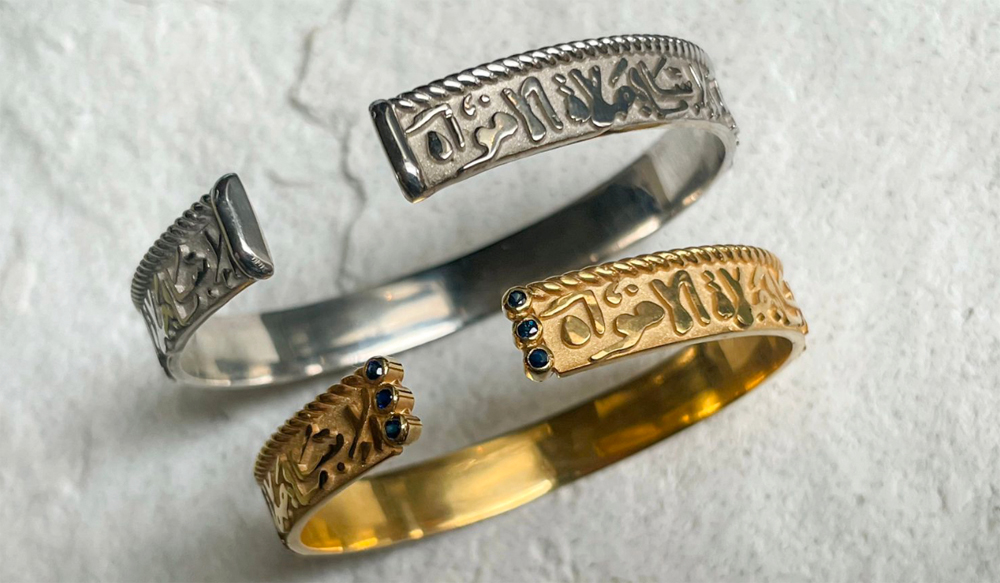
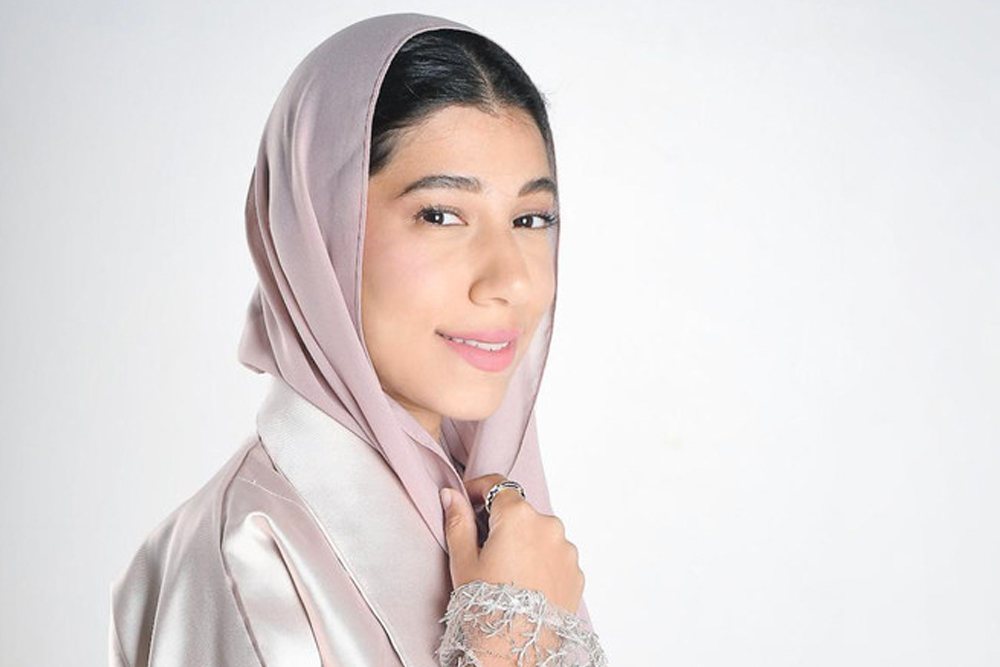
Saudi jewelry designer, Maryah Abdudeeb, is revolutionizing the world of wearable art by fusing the elegance of Arabic calligraphy with the beauty of literature. Through her brand, Mashq, she has embarked on a creative journey that begins with the delicate strokes of a calligraphy brush and culminates in the creation of breathtaking masterpieces inspired by poetry and literature.
Mashq, which takes its name from an ancient form of calligraphy, meaning “stretch out,” captures the essence of Arabic letters in a unique and captivating manner. The brand’s founder, Maryah Abdudeeb, drew inspiration from her childhood experiences, where she witnessed her father’s skillful calligraphy and her mother’s ability to transform simple materials into works of art.
Guided by these formative influences, Abdudeeb embarked on a quest to explore the depths of Arabic poetry and literature. Her creative journey was further enriched as she traveled to different countries, marveling at architectural marvels adorned with historic Arabic inscriptions. It was during these encounters that she stumbled upon jewelry pieces engraved with calligraphy, each one narrating a deeply personal story.
With a profound love for Islamic art, Abdudeeb believes in showcasing and appreciating its timeless beauty. To deepen her knowledge and understanding of this art form, she immerses herself in Islamic design books, where she discovers an array of captivating designs and phrases inspired by this rich cultural heritage.
The COVID-19 lockdown proved to be a turning point for Abdudeeb, as she pondered over ways to combine her twin passions: jewelry and Arabic calligraphy. It was during this period of introspection that the concept of Mashq was born.
In March 2021, Mashq made its debut, unveiling its inaugural collection. Abdudeeb personally contributed to each stage of the jewelry-making process, acting as both the calligrapher and designer. Each piece in the collection showcases verses and lines from her favorite works of Arabic poetry and literature, capturing the essence of profound emotions and inspiring narratives.
The transformative design process begins with Abdudeeb meticulously rendering the chosen phrase in calligraphy, striving to convey its true essence. The phrase is then transformed into a three-dimensional representation using specialized jewelry design software. Depending on the size and intricacy of the piece, it is crafted either by hand or with the assistance of cutting-edge machinery.
However, the true measure of success for Abdudeeb lies in the emotions evoked by her creations. By employing a variety of meaningful phrases and materials such as silver, gold plating, and gems, she aims to establish a connection between the wearer and the words. Each piece serves as a reflection of personal sentiments or a wellspring of motivation, empowering individuals to carry their chosen phrase with grace and pride.
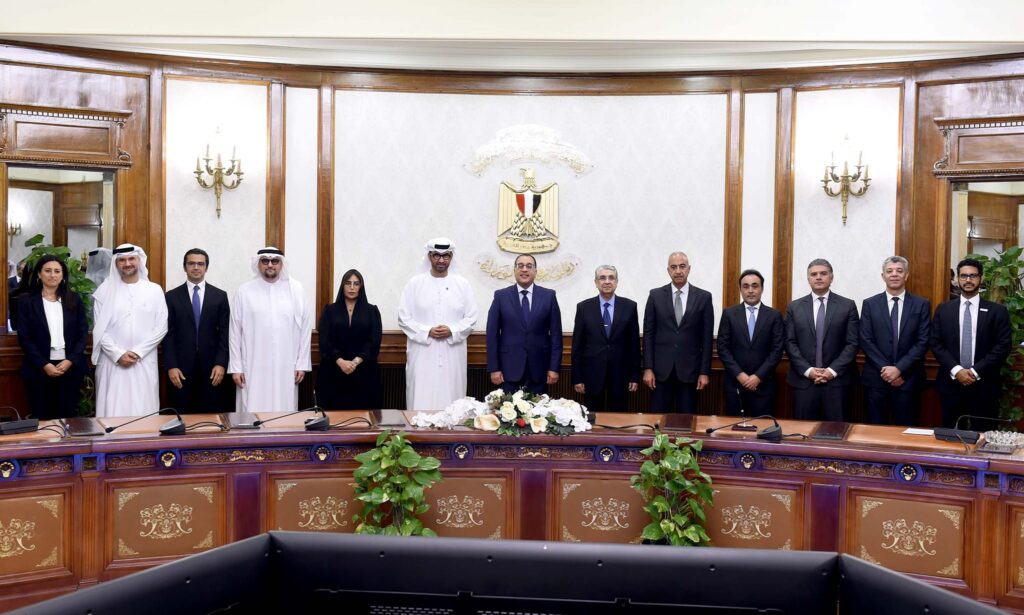
Prime Minister Mostafa Madbouli attended Tuesday evening the signing of an agreement between the Ministry of Electricity and Renewable Energy and the Abu Dhabi Future Energy Company (Masdar) to allocate a land plot for the establishment of a $10-billion wind farm whose capacity will be 10 gigawatts, making it the world’s largest.
Masdar will operate within a consortium that includes Infinity Power and Hassan Allam Utilities. The project is estimated to save $5 billion in natural gas costs per annum, and reduce carbon emissions by 23.8 million tons, which is nine percent of Egypt’s annual emissions.
The farm will produce 47,790 GWh of clean energy every year contributing in Egyptian efforts aimed at making the share of renewables in the energy mix 42 percent by 2035.
The initial agreement was signed on the sidelines of COP 27 held in Sharm El Sheikh in November, so as the signing was attended by President Abdel Fatah al-Sisi and Emirati counterpart Sheikh Mohamed Bin Zayed.
Sheikha Bodour bint Sultan Al Qasimi, the President of the American University of Sharjah (AUS), has been honoured as one of Fast Company Middle East’s Most Creative People in Business 2023, specifically recognised in the “Bringing Good Things to More People” category.
Expressing her gratitude upon receiving the award, Sheikha Bodour humbly acknowledged the recognition, expressing surprise and appreciation. She described creativity as the act of transforming something from nothing and finding innovative solutions to problems. Sheikha Bodour expressed her delight if her creative endeavors have contributed to addressing challenges. Reflecting on the words of Steve Jobs, she emphasised that those who dare to believe they can change the world are the ones who actually do. Sheikha Bodour emphasised the importance of thinking differently to make a meaningful impact, highlighting the shared trait among all the nominees for the award.
In addition to this prestigious accolade, Sheikha Bodour has been recognised for her innovative thinking and leadership in various initiatives for the greater good, with a particular focus on literacy, reading, and culture.
One of her notable accomplishments was the establishment of the Emirates Publishing Association in 2009, a non-profit trade association dedicated to developing and professionalising the UAE’s publishing industry. Sheikha Bodour’s international perspective led the EPA to obtain membership in the International Publishers Association (IPA) in Geneva, a historically Western-led organisation. She also played a pivotal role in piloting IPA committees and initiatives before being elected as its vice-president from 2019 to 2020.
Sheikha Bodour’s commitment to making a difference in the literary world extended beyond the UAE. In 2019, she formed a partnership between the IPA and Dubai Cares, resulting in the Africa Publishing Innovation Fund (APIF). The fund invested $800,000 in 18 projects from 2020 to 2022, promoting indigenous languages, literacy, education, library access, and accessible book publishing for visually impaired readers. The APIF continues to positively impact thousands of people across 20 countries.
During her presidency of the IPA from 2021 to 2022, Sheikha Bodour faced the challenges posed by the COVID-19 pandemic, which significantly impacted the book industry. However, she successfully unified the global publishing community by redefining it as a balanced ecosystem comprising interconnected stakeholders.
Advocacy for women’s representation was a core aspect of Sheikha Bodour’s tenure as IPA president. She actively promoted female inclusion in committees, discussion panels, and meetings. Her efforts resulted in her successors as president and vice-president both being women. In 2025, when the vice-president assumes the top role, she will become the third consecutive woman to lead the organisation.
In 2019, Sheikha Bodour established “PublisHer” in response to the underrepresentation of women in leadership positions within the publishing industry. PublisHer serves as an interactive platform that amplifies the voices of women in the industry and provides practical support to help them advance their careers.
Sheikha Bodour’s long-standing determination led to Sharjah earning the esteemed status of World Book Capital City in 2019. Her innovative year-long program prioritised inclusivity, and as a lasting legacy, she conceptualised the remarkable House of Wisdom, a cultural hub and library that focuses on fostering human interaction and enlightenment.
Furthermore, in 2016, Sheikha Bodour launched the Kalimat Foundation, which aims to provide access to books for Middle Eastern children affected by conflict or visual impairment. The foundation empowers vulnerable young individuals by equipping them with knowledge and ideas by giving them books in accessible formats. So far, it has touched the lives of 162,000 disadvantaged children in 31 countries in Asia, Africa, Europe, and Latin America.
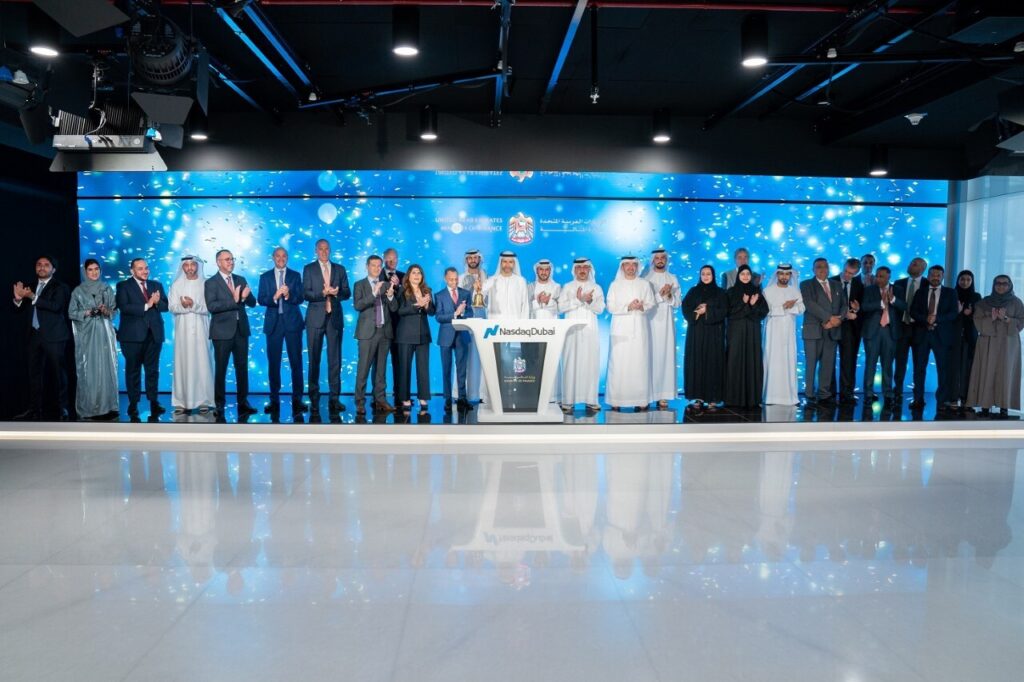
Mohamed Bin Hadi Al Hussaini, Minister of State for Financial Affairs, rang the market-opening bell to celebrate and mark listing the domestic Dirhams Islamic Treasury Sukuk (T-Sukuk) on Nasdaq Dubai.
The United Arab Emirates, represented by the Ministry of Finance (MoF) as the issuer and in collaboration with the Central Bank of the UAE (CBUAE) as the issuing and paying agent, has announced launching dirham-denominated Islamic Treasury Sukuk (T-Sukuk), with a benchmark auction size of AED1.1 billion.
The launching of Dirham-denominated Islamic Treasury Sukuk (T-Sukuk) includes a series of issuances, in order to attract a new category of investors and support the sustainability of economic growth.
Total issuance of AED1.1 billion
The issuance of T-Sukuk is aimed at enhancing the UAE’s economic competitiveness by providing high-quality Islamic assets at competitive prices. This will support the Central Bank of the UAE in managing liquidity within the banking sector and boosts the size of financial investments, which will reflect positively on the country’s economy, investment environment, per capita income, and gross national income.
The bell-ringing ceremony was attended by a number of senior officials from the Ministry of Finance, Central Bank of the UAE, Nasdaq Dubai, and the CEOs of the eight banks that were onboarded as primary dealers, in addition to other senior officials from various relevant authorities.
The inaugural issuance of the Dirham-denominated Islamic Treasury Sukuk programme witnessed a strong demand through the eight primary bank dealers, with bids received worth AED8.3 billion, and an oversubscription by 7.6 times.
The strong demand was across both tranches, with a final allocation of AED550 million for the two-year tranche, and AED550 million for the three-year tranche, with a total issuance of AED1.1 billion. Other tranches of Islamic Treasury Sukuk will be issued with various tenures of up to five years initially, followed by a 10-year sukuk at a later date.
Reaffirming UAE’s position in Islamic economy
Al Hussaini noted that issuing the T-Sukuk contributes to expanding the scope of Islamic banking and is one of the most important tools for managing monetary policy and liquidity to finance development programmes and projects.
The T-Sukuks are Sharia-compliant financial certificates for trading in the secondary market along with the main distributors, reflecting the current return on investment. These sukuk will also contribute to stimulating the securities market and strengthening the base of Islamic securities, providing safe and rewarding investment alternatives, and attracting new segments of local and international investors.
He emphasised that the success of the first auction is another testament to the UAE’s creditworthiness as one of the most advanced and competitive economies in the world, reaffirming its position as a leading investment hub in the field of the Islamic economy.
Al Hussaini said, “The issuance of Islamic Treasury Sukuk is a new step towards achieving the comprehensive and sustainable economic and social development objectives of the UAE. It contributes to the development of the financial market and the investment environment in the country by attracting financial investments and rejuvenating the local financial and banking sector to diversify funding sources, which cements the UAE’s position as a global hub for the Islamic economy.”
Efficiency of UAE’s financial sector
Khaled Mohamed Balama, Governor of the Central Bank of the UAE, said, “The T-Sukuk programme’s first issuance, denominated in UAE Dirhams, reinforces the UAE’s competitive position as a developed global financial centre.
The programme has succeeded in diversifying financial markets activities, enhancing infrastructure to support Sharia-compliant investment options and alternatives, and strengthening the resilience and stability of the financial system. This milestone will also support in bolstering financial investments and promoting greater confidence among local and international investors in the UAE’s financial system, leading to further strategic growth across the sector and fortifying the UAE’s role in the global Islamic economy.”
He added, “The remarkable success of the first auction for the issuance of T-Sukuk denominated in UAE Dirhams is a testament to the soundness of the financial and economic policies, the robust creditworthiness, and the efficiency of the UAE’s financial sector. It also supports the UAE’s stimulating investment environment globally to diversify investment and financial alternatives and continue sustainable growth underpinned by future visions and plans. We are pleased to have partnered with the Ministry of Finance in enhancing the UAE’s financial markets and improving the investment environment in the country.”
Dubai as global centre for Sukuk listings
Hamed Ali, CEO of Dubai Financial Market and Nasdaq Dubai, said, “The issuance of the T-Sukuk is an important development for the UAE capital markets attracting diversified investment categories to the country and providing an important investment tool for Islamic banking. The listing today further strengthens Dubai’s position as one of the largest centres for Sukuk listings globally with US$77.67 billion total value of Sukuk listed in Dubai.
This opens the path for regional and international investors to strengthen their links with the UAE government as well as to expand their investment options in the UAE. At Nasdaq Dubai, our mission supports the UAE Central Bank’s ambitious strategy to develop a strong fixed-income market in the UAE by providing investors with investment opportunities in sovereign issuances and a more effective yield curve gauge in debt instruments.”
The Ministry of Finance onboarded eight banks, namely Abu Dhabi Islamic Bank (ADIB), Dubai Islamic Bank (DIB), Abu Dhabi Commercial Bank PJSC (ADCB), Emirates NBD, First Abu Dhabi Bank (FAB), HSBC, Mashreq, and Standard Chartered as Primary Dealers to participate in the T-Sukuk primary market auction and to actively develop the secondary market.
Students of King Abdulaziz University won 41 medals during their participation in the 48th Geneva International Exhibition of Inventions.
The recently concluded exhibition saw 825 exhibitors from 44 countries take part with more than 1,000 inventions.
The head of innovation at the university, Dr. Iqbal Ismail, told Arab News: “Other Saudi universities are also participating. However, the participation of King Abdulaziz University at this exhibition is the largest and has been ongoing since 2016.”
Dr. Hana Al-Naim, acting president of the university, praised the achievements of the university’s male and female students, which have contributed both to the community and the Kingdom’s ranking, regionally and globally, in the field of creativity and innovation.
The students came from the university’s various colleges including departments of medicine, engineering, information technology and nursing.
Rahaf Alem and Raghad Al-Jundi won the International Federation of Inventors Association Award for the invention of a laser blood disease detector, also winning the gold medal.
A special prize from Taiwan was awarded to student Faisal Al-Subaie for inventing a cistern made from palm fronds to provide irrigation water.
Ahmed Al-Zahrani, Saleh Bakraa, Marwan Al-Jadaani, and Mohammed Al-Khamis also won the special award for their automated diagnostic platform.
The silver medal was awarded to Duaa Al-Shabani, Lama Al-Jelani, Gaitha Al-Khatami, Emtinan Yamani, and Hadeel Al-Lazori for their invention of an antimicrobial agent for dialysis patients.
Several Saudi inventions received the bronze medal. Safwan Hashim and Abdullah Abu Thyab won it for their renewable-energy car umbrella and Abdullah Al-Khotami for his work on protective glasses that shield wearers from thermal diseases.
Hala Mogarbel, Shahad Asiri, and Shatha Al-Sulami won the bronze medal for their urinary catheter holder invention.
Dina Al-Shibeeni, Marwa Bakour, and Hind Al-Rashid also won the bronze medal for the invention of an artificial intelligence gardening system.
The invention of a bedsore-proof bed earned Bateel Bajamal, Rena Al-Qahtani, Joud Hakami, Asmaa Bahmeed, and Shahad Al-Nahdi the bronze medal.
Shathar Al-Shabak, Jumana Al-Madhoun, Njoud Al-Ghamdi, and Raneem Saati were also awarded for their invention of “Minqath,” a drowning warning system.
Finally, Sumayah Baamer, Raniya Baksh, Rahaf Al-Saeed, and Deema Majashi won the bronze medal for school environment safety measures using artificial intelligence.
Ismail said: “There is no doubt that such student participation will have a great impact on raising a generation that thinks and researches in a scientific way and develops appropriate solutions to the problems facing the…community.”
He added that the exhibition constitutes an important opportunity to transform inventions into products that can be manufactured and marketed inside and outside the Kingdom.
Al-Naim will honor the exhibition’s winning students in a ceremony on Wednesday.
Five other coders win $50,000 each in awards presented by Dubai Crown Prince for top apps.
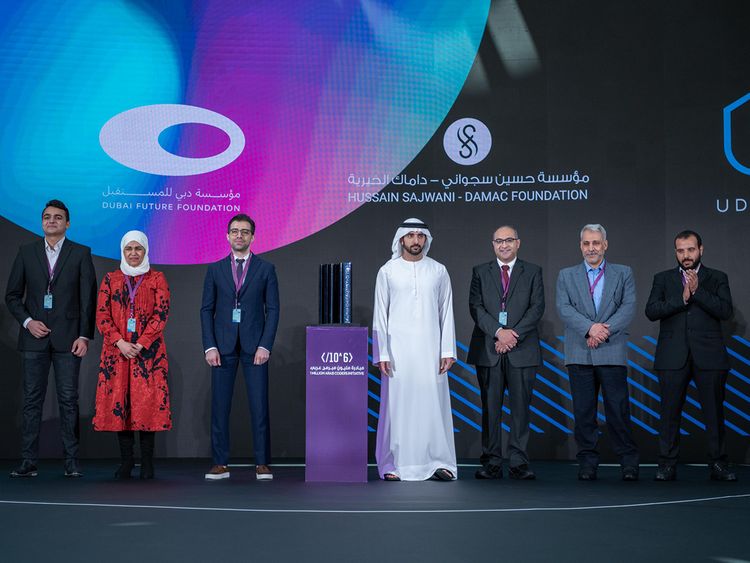
A Syrian coder on Wednesday won $1 million (around Dh3.67 million) in the ‘One Million Arab Coders’ contest during an award ceremony in Dubai facilitated by Sheikh Hamdan bin Mohammed bin Rashid Al Maktoum, Crown Prince of Dubai, Chairman of The Executive Council and Chairman of the Board of Trustees of the Dubai Future Foundation.
Six software projects developed by Arab youth from around the world competed for the grand prize, thanks to the programming skills they acquired during their participation in the initiative’s courses.
On Wednesday, during the closing ceremony held at the Museum of the Future in Dubai, Sheikh Hamdan presented the awards to winners, with Mahmoud Shahoud, a Syrian coder who lives in Turkey, taking home the $1 million top prize.
Sheikh Hamdan tweeted: “Today, we honoured the winners of the ‘One Million Arab Coders’ Challenge, the UAE’s initiative to nurture the development of technology skills among Arab youth. 1.85 million Arab participants from 80 countries took part in the initiative along with 3,600 certified trainers.”
He added: “The Challenge opens fresh opportunities for Arab youth and offers a new path for them to achieve their dreams… Congratulations.”
Sheikh Hamdan added: “The ‘One Million Arab Coders’ initiative provided the opportunity for one million Arabs to enter the digital world. It fulfilled the dreams of tens of thousands of Arab programmers from all over the world. Its outcomes and successes will be the basis for many upcoming Arab achievements in the world of technology and coding. One Million Arab Coders’ has paved the way for Arab youth to broaden their horizons and sparked their innovation and creativity in the field of advanced technology.”
He added that the ‘One Million Arab Coders’ initiative, which was launched in 2017 by His Highness Sheikh Mohammed bin Rashid Al Maktoum, Vice President and Prime Minister of the UAE and Ruler of Dubai, has succeeded in becoming a gateway for many Arab youth to use their programming skills to realise their dreams and aspirations.
“We look forward to our Arab coders continuing their pioneering innovations and expanding their achievements. We expect their names and future accomplishments to light up the sky worldwide.
“His Highness Sheikh Mohammed bin Rashid Al Maktoum’s vision for the region’s future is based on investing in the development of the Arab people. The language of programming is one of the pillars of the knowledge economy and a major bridge to a future in which those who possess scientific excellence will have the upper hand,” Sheikh Hamdan concluded.
Shahoud was adjudged winner for his ‘Habit360’ app that helps users create and maintain good habits, allowing them to achieve long-term goals. Shahoud said half of the prize winning will go towards helping Syrian refugees. The rest will be invested in Dubai as Shahoud plans to shift his base to the emirate and start his own business.
Sahoud is a software engineer from Syria who developed Habit360 that helps people build new habits, track their progress and stay motivated. The application has served more than 200,000 users from around the world.
Beside Shahoud, there were five other winners announced on Wednesday.
About the initiative
The ‘One Million Arab Coders’ initiative is supervised by the Dubai Future Foundation and organised under the umbrella of the Mohammed bin Rashid Al Maktoum Global Initiatives.
The closing ceremony held at Dubai’s Museum of the Future on Wednesday was to honour the best Arab talents in coding, and highlight best coding projects developed by graduates of the initiative to serve their communities and create a better future for humanity.
A total of $1.35 million was given away in prizes during the ceremony.
Mohammed Abdullah Al Gergawi, Minister of Cabinet Affairs, Vice Chairman of the Board of Trustees and Managing Director of the Dubai Future Foundation, said: “The ‘One Million Arab Coders’ initiative embodies the vision of His Highness Sheikh Mohammed bin Rashid Al Maktoum [Vice President and Prime Minister of the UAE and Ruler of Dubai] , to provide new opportunities for Arab youth, empowering their contributions to the advancement of technologies globally, and to put a clear Arab footprint in the future of humanity.”
Aimed at youth
He said the initiative aimed mainly at empowering Arab youth around the world with the tools of the future, and providing them with the opportunity to gain new experiences and skills that would help them turn their dreams into successful projects that benefit their societies and have a positive impact on their lives.
“The initiative was a glimmer of hope for Arab youth around the globe that success is not bound by place, age, or obstacles. Rather, success requires insistence on acquiring the experiences and skills that will be needed in the future,” Al Gergawi said.
He pointed out that the initiative was a cornerstone for countless success stories where coding helped create a positive impact on the future of humanity, and spread hope in the Arab region.
Al Gergawi stressed the importance of the initiative’s role in encouraging Arab coders to innovate and start developing software projects that not only meet the needs of their societies, but also foresee and adapt to its future requirements and changes, pointing to the initiative’s success in developing a leading global experience to teach coding skills in an effective manner, which was adopted in Jordan and Uzbekistan.
Saeed Mohammad Al Gergawi, Director, Dubai Future Academy, said: “We have 400 million Arabs and that is a lot of talent. Our criteria is that they had to be impactful, ready to be implemented and creative.”
Other winners
In addition to the grand prize for the ‘One Million Arab Coders’ challenge, the five best projects will receive prizes of $50,000 each, and four of the best trainers participating in the initiative will be honoured with prizes of $25,000 each. The finalists were chosen by a specialised jury that comprises many experts in the fields of entrepreneurship and future technologies.
Egyptian–Canadian Andrew Makram won $50,000 for his app called ‘Najeeb’, a platform for exams, tests and quizzes. “It is a cross-platform tool for teachers and educators to create and share paperless quizzes online. What the app does is that it allows students to access the quiz remotely, submit answers and receive the result instantly. Realtime submitted data are available to educators for revision and evaluation purposes,” he said.
Makram added that it took him a month to develop the app and it is in prototype form.
Egyptian entrepreuner Eman Magdy was another winner who has developed an app for the benefit of working women in Egypt. She won a prize for her initiative to ease the burden of working women in Egypt.
“The app is called 3lfraza. It is a platform to support homestay women in Egypt. Basically homestay women help working women to prepare vegetable and meat cuts and meals. Currently 9,000 women are registered from Egypt. We hope more women for all over the world use this to help one another. The app supports small vendors, helping busy mums in their day to day lives,” she said.
Meanwhile Mohamed ElEskandarany developed an app called ‘Muaahal’ to help youth to develop new skills. “It is a platform that aims to qualify Arab youth and prepare them well in the fields of their choice to work in suitable jobs or to start their own business. In addition, helping companies to find qualified employees, and to solve the problem of unemployment and increase the productivity of youth,” he said.
Another winner, Ammar Salim, won in the initiative for his app called Qeraaty Alnateqa which helps in speaking-reading program for the deaf and mute. “It is a speaking program to teach reading and writing to deaf and mute children. With a new sign language system and tool for converting the sign of only two fingers from the fingers of the hand to spoken letters and words,” said Salim.
Last but not the least, Hasan Mohamed won the prize for his ‘Chat translation app’.
“It is a mobile app that provides a textual and vocal chat for people of different languages in different places around the world ,to convert people’s speech in different languages into written texts, translate texts from one language to another, and convert translated texts into spoken speech again,” said Mohamed.
Software expertise
Sheikh Mohammed launched the ‘One Million Arab Coders’ challenge in July 2021 with the aim of recognising and honouring the achievements of Arab talents in the field of programming and creating an opportunity for participants in the initiative to showcase their innovative projects, developed using programming skills and the experience gained during their participation.
The challenge saw a total of 257 projects submitted by the initiative’s graduates from 50 different countries in various sectors related to programming, technology and entrepreneurship in the areas of website and mobile application development. In order to qualify for the final stage and compete for the million-dollar prize, the nominees were selected according to a set of main criteria, including the project idea, the innovation quality, and ease of use.
Jury
The jury for the final round included Fadi Ghandour, Chairman of Wamda Capital; Bashar Kilani, Managing Director of Accenture Middle East; Dr. Abdul Latif Al Shamsi, Director of the Higher Colleges of Technology; and Ronaldo Mouchawar, Vice President of Amazon Middle East.
Supervised by the Dubai Future Foundation, the ‘One Million Arab Coders’ initiative has seen 1,058,265 people from around the world participate virtually in millions of hours of study and work, as well as tens of thousands of training workshops. Since its launch, 1,500 “Nano Degree” certificates have been awarded to distinguished participants and promising talents. The initiative featured more than 3,600 certified trainers from around the world.
Serving humanity
Led by the Dubai Future Foundation (DFF) and organised under the umbrella of the Mohammed Bin Rashid Al Maktoum Global Initiatives (MBRGI), ‘One Million Arab Coders’ is the largest initiative of its kind in the world. The initiative aims to teach one million young people from the Arab world to code and enable them to launch exceptional projects and programmes that serve Arab societies, drawing on the science and skills gained from their training.
The initiative embodies Sheikh Mohammed’s vision to empower Arab youth with the tools of the future to serve humanity and build a brighter future for the region. The challenge forms part of the UAE’s continuous efforts make a positive impact on the world.
Partnerships
The ‘One Million Arab Coders’ initiative is supported by the Hussein Sajwani – DAMAC Foundation, which focuses on supporting learning opportunities and developing skills to stimulate profitable social and economic participation, and empowering societies in the Arab world to achieve a sustainable future. The Udacity digital learning platform also supported the initiative by offering educational content and training in necessary skills for future jobs. The list of partners of the initiative also included many international technology companies, including Microsoft, Facebook, Oracle, Careem and others.
The initiative also provides the world with a pioneering model for promoting the development of programming skills. It was adopted in the Hashemite Kingdom of Jordan, which launched the ‘One Million Jordanian Coders’ initiative in May 2019. The initiative was introduced with the aim of making Jordan a world leader in the field of programming. The ‘One Million Uzbek Coders’ initiative, launched through a partnership between the governments of the UAE and the Republic of Uzbekistan, was announced in November 2019, with the aim of providing Uzbek youth with an opportunity to acquire skills in programming, artificial intelligence and emerging technologies, to contribute to the development of innovative technology-based solutions and services.
source/content: gulfnews.com (headline edited)
_____________
Sheikh Hamdan bin Mohammed bin Rashid Al Maktoum (centre) with the winners / Image Credit: Supplied