Arabs & Arabian Records Aggregator. Chronicler. Milestones of the 25 Countries of the Arabic Speaking World (official / co-official). AGCC. MENA. Global. Ist's to Top 10's. Records. Read & Enjoy./ www.arabianrecords.org
Category: Inventions, Innovations (wef. Feb 01sy, 2022
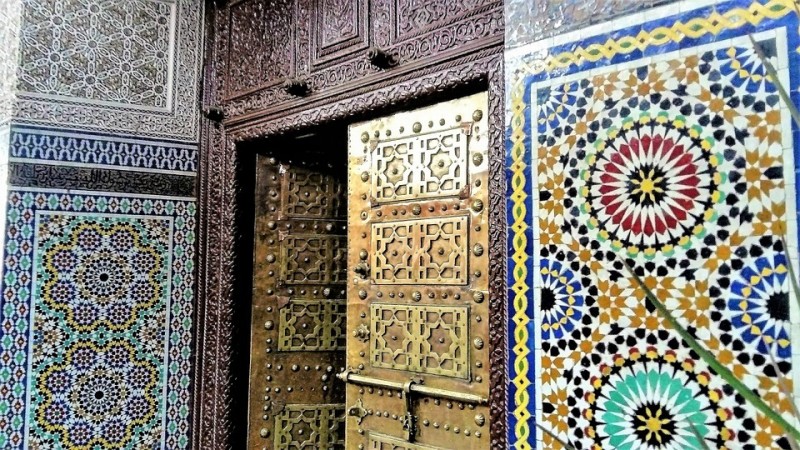
Morocco recently has stepped up efforts to restore and protect its cultural heritage.
Following a series of complaints about the cultural appropriation of Moroccan Zellige (mosaic), on Friday, Morocco’s Ministry of Culture announced the official patenting of Zellige of Fez by the World Intellectual Property Organization.
In 2015, Morocco registered the Zellige of Fez in the Vienna Classification of Figurative Elements of the World Intellectual Property Organization in an effort to preserve its national heritage.
Celebrating the new patent, the Moroccan ministry took to social media to share the news, stating “Zellij is one of the most artistic forms that express the originality of Moroccan architecture.”
The ministry’s post added that the Zellige “industry dates back to the tenth century AD, when it flourished during the Marinid era in the honorable Kingdom before moving to neighboring tribes during the following centuries.”
Given the global popularity of Zellige of Fez due to its quality, originality, and multicolored feature, the Moroccan ministry says that “the city of Fez [is] the owner of this art and the main center for its production and industry due to its special clay that is not found in other places.”
In addition to gaining global appeal among designers, interior architects, celebrities, and even international organizations , Moroccan Zellige has been studied by Moroccan and foreign experts in the fields of engineering, arts, social sciences, and mathematics including Rushita Choksey and Jean Constant.
Despite the existence of an extensive literature body asserting the Moroccan origin of the Zellige, the clay artwork remains subject to external claims.
Earlier this week, Morocco filed a complaint against Adidas for producing and promoting new Algerian jerseys with Zellige patterns. Adidas claimed that the patterns were inspired by El Mechouar palace in Tlemcen.
Soon after Moroccan social media users learned about Adidas’ news, the brand’s post was flooded with comments from Moroccan users who denounced the company’s act. Moroccan users added social media hashtags such as #Moroccan culture, #Moroccan Zellige, and #No theft of Moroccan heritage to spread the word.
Some internet users also stressed the Moroccan origin of the El Mechouar’s architecture stating that the Algerian-based palace was built by Sultan Youssef Ibn Tachfin during the Almoravid dynasty and renovated in 2010 with Moroccan calligraphy, mosaic, and plaster art.
In response to the social media backlash between Moroccan and Algerian users, Morocco’s Ministry of Culture filed a complaint against the multinational firm, condemning the “cultural appropriation [and the] attempted robbery of a form of traditional Moroccan cultural heritage.”
Still, Moroccan-Algerian clashes over the origins of popular products such as couscous, caftan, and mosaics are likely to persist after the patenting of the Zellige of Fez. These debates, which mostly take place in the digital space, reflect the decades-long tensions between Rabat and Algiers centered on the Western Sahara dispute.
The rising diplomatic tensions and small-scale online clashes between the North African neighbors, however, do not fully reflect the relations between the two nations’ peoples, as many Moroccan and Algerian families have shared history and lineage.
Mohammad Abdullah Al Gergawi, Minister of Cabinet Affairs, Chairman of the Committee leading Great Arab Minds, and Secretary-General of the Mohammed Bin Rashid Al Maktoum Global Initiatives (MBRGI), highlighted the details of “The Great Arab Minds” initiative.
Launched by His Highness Sheikh Mohammed bin Rashid Al Maktoum, Vice President, Prime Minister and Ruler of Dubai, in January 2022, the initiative is the Arab world’s largest movement designed to search for exceptional talents among Arab scientists, thinkers, and innovators across key fields.
The Great Arab Minds initiative, under the MBRGI, aims to identify, support and acknowledge leading thinkers in the region, amplify their impact and inspire future generations. One of its main purposes is to reduce the emigration of Arab scientists, specialists, intellectuals, doctors, and engineers.
He affirmed that “The Great Arab Minds” initiative reflect His Highness’ vision in reigniting the Arab World’s Civilisation Drive, support great Arab minds and acknowledge their work and achievements, in service of humanity.
Mohammad Al Gergawi pointed out the importance of the Arab Reading Challenge initiative launched by His Highness Sheikh Mohammed bin Rashid Al Maktoum, among many other development projects, serving more than 91 million beneficiaries.
A study conducted by KPMG, showed that ignorance costs the Arab world more than US$2 trillion. The Great Arab Minds initiative aims to change this reality and contribute to shaping a brighter future for Arab generations.
During an event organised in the Museum of the Future to announce the details of the initiative, Mohammad Al Gergawi witnessed the signing of four partnerships between “The Great Arab Minds” initiative and KPMG, LinkedIn, Meta, and Majarra.
The initiative’s mission is to search for exceptional talents among Arab scientists, thinkers, and innovators across key fields, aiming to identify, support and acknowledge leading thinkers in the region, amplify their impact and inspire future generations.
Over a 5-year period, “The Great Arab Minds” will reward scientists, thought leaders, scholars, and innovators across 6 categories: Natural Sciences (Physics and Chemistry), Medicine, Literature and Arts, Economics, Technology and Engineering, and Architecture & Design.
The initiative includes the “Mohammed bin Rashid Medal for Great Arab Minds”, which will be awarded to 6 winners of six categories each year.
The Great Arab Minds initiative aims to facilitate the recognition of Arab thought leaders, scholars, scientists, geniuses, and transforming their ideas to real-life breakthroughs and solutions. It also aims at empowering cluster of Arab scientists and thinkers and building a network of Arab thinkers, scientists, and exceptional talents in various fields to work as one team to drive the Arab world’s intellectual renaissance.
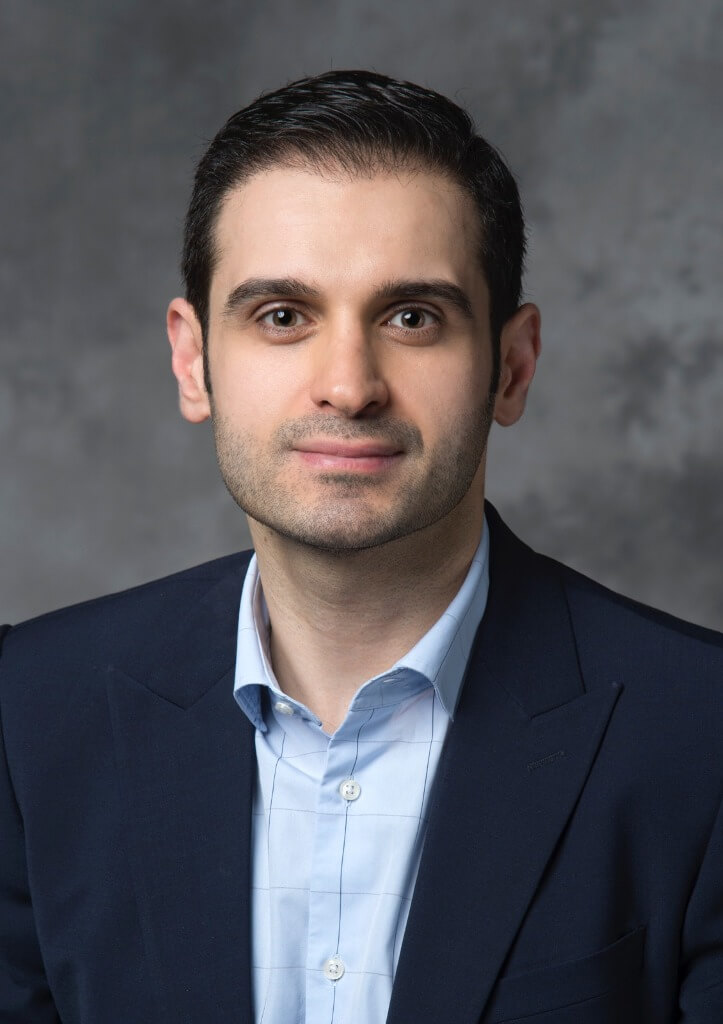
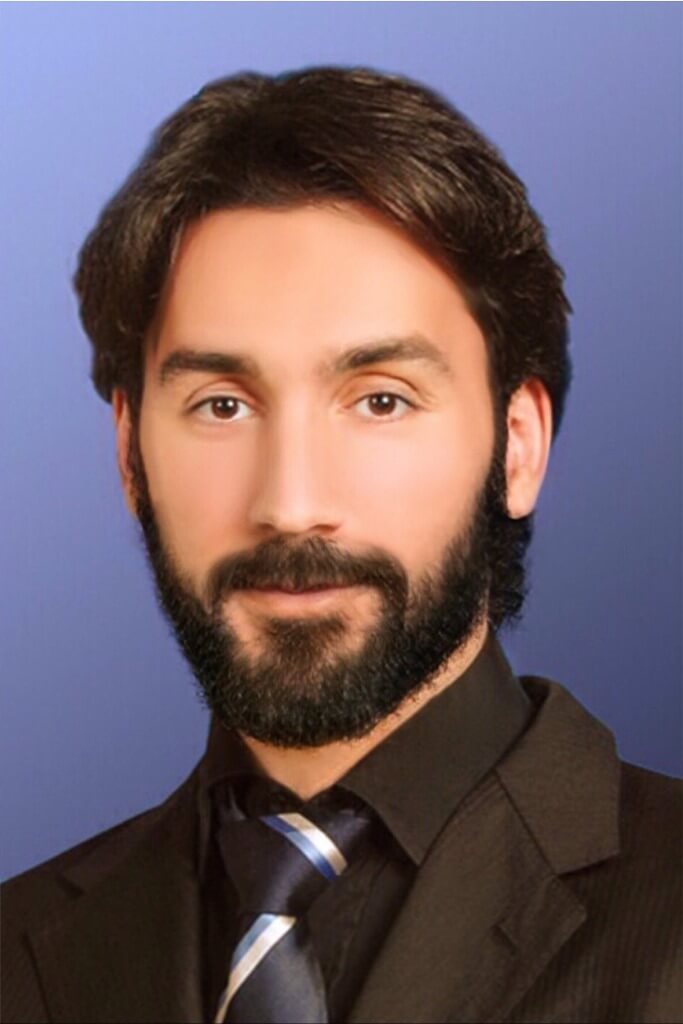
After three years of research during and after the Covid-19 pandemic, the Kuwaiti researchers Ammar Bahman and Nasser Al-Sayegh have come up with an invention that could help reduce energy consumption in power plants.
Bahman is an assistant professor in the department of mechanical engineering at Kuwait University, and Al-Sayegh is an associate research scientist at the Kuwait Institute for Scientific Research.
Their idea, which has been registered with the U.S. Patent Office, revolves around the creation of a device that can calculate the physical state of nanoparticles dispersed in advanced thermal fluids called nanofluids.
The significance of Bayman and Al-Sayegh’s invention lies in contributing directly to the improvement of thermal systems used in Kuwait for power generation and water desalination. The invention will allow scientists to test the qualities of a nanofluid before offering it as an alternative to the conventional fluids currently used.
The researchers used virtual Internet meetings to continue working together throughout the Covid-19 curfews in Kuwait, moving through stages of clarifying the problem, discussing solutions, describing and illustrating their idea, and sending off the patent for examination.
Practical Benefit of the Invention
Bahman, who obtained a Ph.D. in mechanical engineering from Purdue University in the United States four years ago, told Al-Fanar Media that his work on this invention came from a desire to find solutions to common problems between different disciplines.
He explained that the invention is based on the scientific and practical benefit of using nanofluids to improve the efficiency of the cooling processes, because nanofluids have higher thermal properties than traditional liquids. Bahman said the invention offers a solution to a problem facing nanofluids, which is that the suspended nanoparticles are prone to settle under the liquid over time. This means that these liquids eventually lose their advanced thermal properties.
The new invention calculates the percentage of a nanofluid that has lost its thermal properties, and the time it takes for the nanofluid to complete the precipitation process. Such calculations are vital to the research and industrial sector, Bahman said, because they allow scientists, companies, and decision-makers to know the sustainability of energy-generation and conservation devices when used with nanofluids.
Al-Sayegh said the real benefit of the invention would be seen at power plants and water desalination plants, because they depend on heat transfer. The patent will allow specific nanofluids to be introduced to increase the plants’ efficiency by reducing the fuel used, thus saving electrical energy consumption, he told Al-Fanar Media.
Al-Sayegh said creating a device capable of characterising the physical state of particles suspended in nanofluids would revolutionise Kuwait’s thermal systems systems in terms of operational efficiency and fuel consumption challenges.
Research Environment in the Arab World
With the Patent Office at Kuwait University, Bahman plans to employ research results in the country’s industrial sector.
He wants to establish an energy centre affiliated with Kuwait University to conduct scientific and experimental research, offer consultations to the public and private sectors, and provide training opportunities for students, technicians, and specialist engineers.
He believes that to encourage innovation, researchers need an appropriate research environment and access to knowledge and human resources.
Bahman also thinks scientific criticism should be included in school curricula, along with the presentation of scientific problems to encourage innovative solutions. This could be achieved through joint scientific programmes with international universities and student exchange programmes, he said.
Current conditions in the Arab world “do not stimulate scientific research,” Bahman said. “The research process requires great focus, effort and time from the researcher, as well as a stable environment for those conducting scientific research. This can only be achieved when there is abundant financial support.”
Al-Sayegh added that he and Bahman were trying to establish a company to market their inventions, and turn them into practical products that serve a large number of people.
source/content: al-fanarmedia.org (for text -headline edited), (pixs: ovpr.ku.edu.kw)
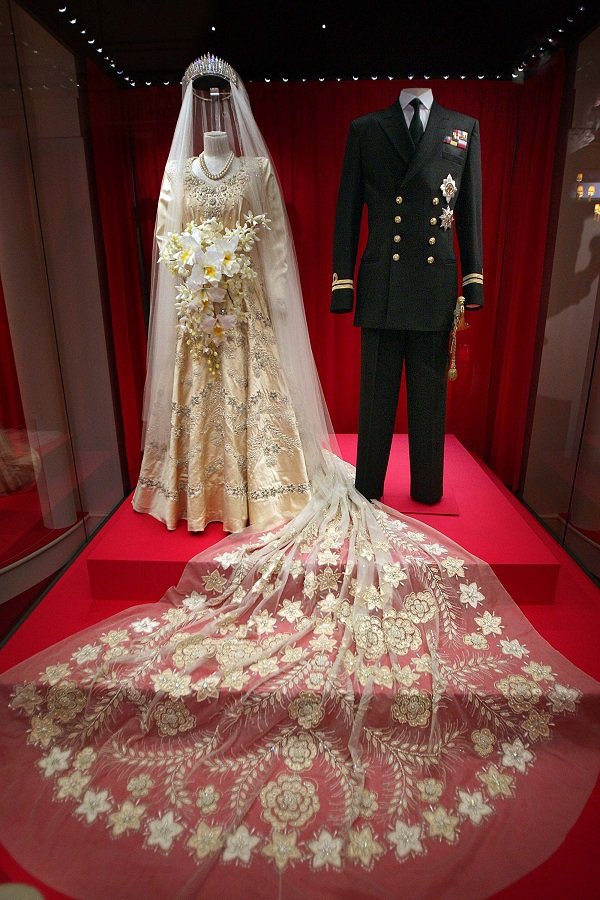
As the world looks back on the storied life of Queen Elizabeth II, fashion lovers could be pleasantly surprised to find the longest-serving British monarch championed Arab creativity on one of the most memorable days of her life.
On Nov. 20, 1947, the then-21-year-old princess married naval officer Prince Philip of Greece in a gown created by court designer Norman Hartnell.
The regal dress was made of ivory silk from China — not Japan or Italy given the recent end of World War II — and featured 10,000 seed pearls imported from the US — as well as show-stealing Damask brocade from Damascus, Syria.
The brocade fabric was brought from the Al-Muznar factory in the Bab Sharqi neighborhood of Damascus’s Old City and featured embroidery of “two love birds” exchanging kisses in a pattern known locally as “the lover and the beloved.” Woven with 12-karat gold thread, the brocade fabric was reportedly sent to the queen by Syrian President Shukri al-Quwatli.
The dress was meant to symbolize “rebirth and growth” in Britain after the war, according to the Royal Collection Trust.
It took 350 women seven weeks to make, and featured elaborate floral motifs of jasmine, smilax, lilac and white rose-like blossoms added to the train. The design was inspired by Italian artist Botticelli’s 1482 painting of Primavera.
source/content: arabnews.com (headline edited)
__________
On Nov. 20, 1947, the then-21-year-old princess married naval officer Prince Philip of Greece. (Getty Images)Princess Elizabeth’s wedding dress, designed by Norman Hartnell, and the Duke of Edinburgh’s Royal Naval uniform are displayed at an exhibition at Buckingham Palace on July 27, 2007 in London. (Getty Images)
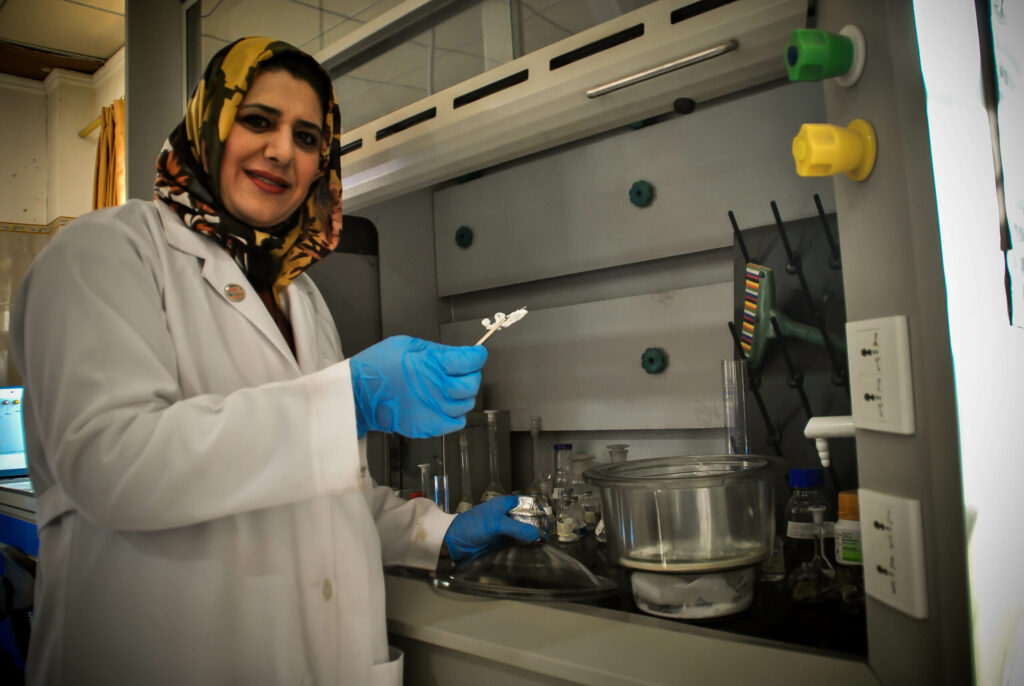
The Iraqi scholar Suhad Yasin has waged a long battle against financial and administrative obstacles to continue her work on purifying polluted water.
Her graduate studies started later than most and became a long journey over 13 years of dropping out and restarting, but she persevered. Two years ago, the University of Duhok awarded her a doctorate in polymer chemistry.
Now Yasin works from an independent laboratory she set up at the University of Duhok, where she and her students use cheap, available materials to treat polluted water.
Iraq, like many Arab countries, suffers from water scarcity and stress. One study predicts the Tigris and Euphrates rivers will dry up completely by 2040.
Apart from the scarcity issue, some Iraqi waterways also face problems with contamination by heavy metals like aluminum, cadmium and chromium, adding urgency to research like Yasin’s.
An Interrupted Academic Journey
In an interview with Al-Fanar Media, Yasin described her career in industry and academe.
After obtaining her bachelor’s degree in chemistry at the University of Mosul in 1993, she joined a laboratory in a local pharmaceutical factory, eventually becoming production manager.
As violence increased in Mosul over the next decade, however, Yasin was forced to return to her family’s home city of Duhok in 2006. She got an administrative job at the Ministry of Industry of the Kurdistan Region of Iraq.
But she did not find administrative work satisfying, Yasin said, so she took a competitive exam to study for a master’s degree at the University of Duhok.
By then a wife and mother, Yasin faced challenges in studying at the University of Duhok, both with learning in English and in overcoming the skepticism of some academics. Her thesis supervisor questioned her ability to complete the work. “He told me, ‘I regret being involved in the supervision of your thesis. It will be difficult for you to complete your studies at your age because of your family responsibilities.’”
But Yasin said his words only increased her motivation. “I needed to prove to my supervisor and myself that I was not a problem, but an energetic researcher who had missed an opportunity,” she said.
Yasin got her master’s degree with excellence in 2009 with a thesis on removing chromium from water using modified pomegranate peel .
Starting from Scratch on a Ph.D.
She then applied to transfer from her job at the ministry to work as an assistant teacher in the chemistry department of the University of Duhok’s Faculty of Science.
She taught at the University of Duhok for six years but was not given an opportunity to pursue a Ph.D. because the university lacked facilities and funds for research in her specialisation. Throughout this time, she continued her research on purifying polluted water.
In 2015, the university offered her an opportunity to pursue a doctorate and she took it. There was considerable opposition to her studying for a Ph.D. at the age of 50, but she managed to convince the head of the department.
Based on the advice of her master’s supervisor, who had changed his mind about her ability, she chose nanofiber technology as the subject of her doctorate. Her new supervisor initially opposed the idea, saying the university could not afford the materials required for research on this topic. But he finally relented when she persisted.
Yasin said she had nothing but the lab walls when she started her doctoral research: no equipment, devices, or “cofactors”, molecular compounds needed in certain chemical reactions. “The resources were almost zero,” she said. “I had to buy everything myself and start from scratch.”
Lining up Support
Yasin contacted professors and scholars from various Arab countries to ask for help. By chance, she heard of a physics professor at the University of Basrah who had designed a device that would help her with her research. “I contacted the professor at the University of Basrah immediately and she agreed to help me,” Yasin said.
Yasin then had to convince her dean at the University of Duhok to manufacture a similar device so she could work. He agreed, but she still needed funding for her research.
She wrote to several international organisations asking for financial support and eventually received a three-year grant of about $207,000 from the National Academy of Sciences in the United States, in 2018. She used the money to establish an independent laboratory at the University of Duhok to conduct her research on using nanomaterials to treat water.
Yasin acknowledges that funding scientific research is a general problem in Arab countries, but she insists that scholars themselves have a duty to find funding for their research.
“We must not stand idly by. I work day and night to get new financial support,” she said. “With each refusal, I realise that I have to work more.”
Suhad Yasin, of the University of Duhok, overcame many obstacles during 13 years of interrupted graduate study to continue her research on purifying polluted water. (Photo courtesy of Suhad Yasin)
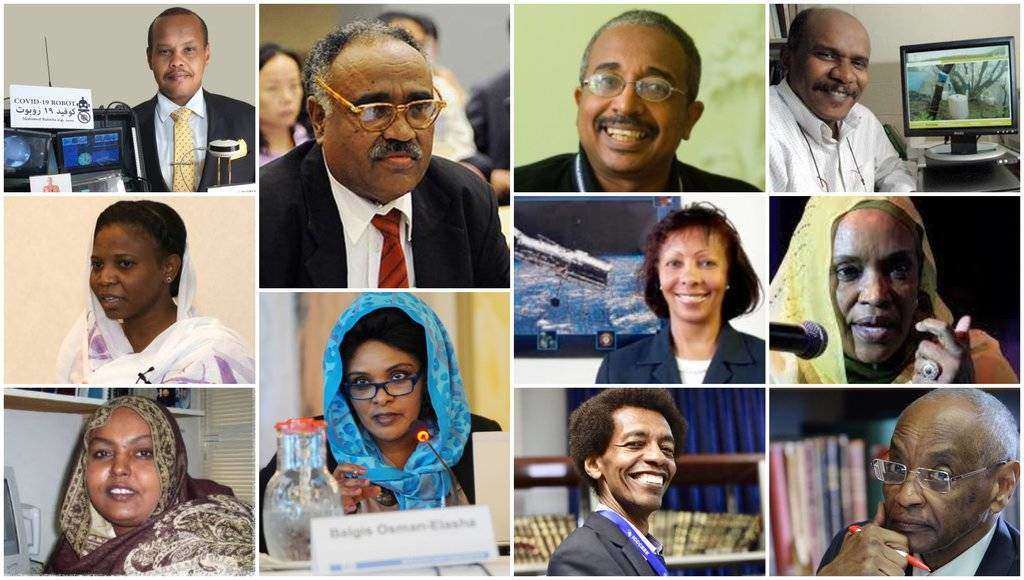
Scientists play one of the most significant roles in our world, most importantly today as we deal with a pandemic that has taken the lives of more than 300,000 people. Throughout history, there have been many accomplished and inspiring Sudanese scientists who have changed our understanding of the world around us with their research, discoveries and tangible impact.
Here are some internationally acclaimed Sudanese scientists in Sudan and across the world that you should know about:
Ismail Abdel Rahim El Gizouli
Image source: Ismail El Gizouli
Ismail Abdel Rahim El Gizouli is an energy and environment specialist. He was member of the bureau of the Intergovernmental Panel on Climate Change (IPCC) from 2002 to 2008 and was re-elected for another term from 2008 to 2015. He then acted as interim chairman of the IPCC in 2015. In addition, he was the vice-chair of the Facilitative Branch of the Compliance Committee of the UNFCCC from 2005 to 2007 and was the Chair of the Facilitative Branch and Co-Chair of the Compliance Committee of UNFCCC from 2007 to 2009.
He received a Bachelor of Science in Mathematic and Physics from the University of Khartoum in 1971 and a Master of Science in Operation Research & Statistics from the University of Aston in Birmingham, UK in 1980.
El Gizouli worked as a freelancer and conducted many consultancies for the African Development Bank, World Bank, UNEP, FAO and African Energy Policy Research Network (AFREPRN). In 1998, he joined The Higher Council for Environment and Natural Resources in Sudan as a consultant on all UNDP-Government joint climate change projects.
He has participated in many international, regional and national conferences, meetings and symposiums in industry planning, sustainable development, energy, environment and climate change. In addition, he published many papers and is one of four authors of two energy-related books published by ZED Books England. He also contributed as Review Editor to many IPCC Reports including Safeguarding the Ozone Layer and the Global Climate System, Carbon Dioxide Capture and Storage (Main Report and Technical Summary), Working Group III contribution to the Fourth Assessment Report (Mitigation of Climate Change) and Fourth Assessment Synthesis Report.
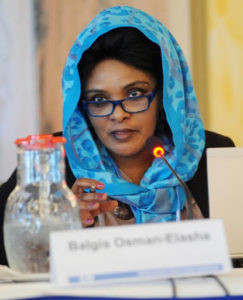
Dr Balgis Osman Elasha
Dr Balgis Osman-Elashais senior scientist at the forefront of global research on climate change. She has been a climate change expert at the Compliance and Safeguards Division at the African Development Bank (AfDB) since 2009. She holds a PhD in Forestry Science, a master’s degree in Environmental Science, and a Bachelor of Science with honour in Forestry and Agricultural Science. She has more than 17 years of experience in the field of climate change with a special focus on vulnerability and adaptation assessment related to African countries and the Middle East, emphasising the human dimension of global environmental changes.
Dr Osman-Elasha has reviewed a number of scientific papers to Elsevier and other highly reputable journals as well as a guest editor to a number of scientific publications. Before joining the African Development Bank, she was a senior researcher at the Higher Council for Environment and Natural Resources (HCENR)-Sudan. Her research focuses on vulnerability and adaptation assessment in drought-prone in Africa.
Dr Osman-Elasha is the winner of the UNEP Champions of the Earth Award for outstanding environmentalists and the winner of Lead Authors-Nobel Peace Prize. She is also a member of the International Panel on Climate Change (IPCC).
Professor Elfatih Eltahir
Professor Elfatih Eltahir is the Breene M Kerr Professor of Hydrology and Climate at Massachusetts Institute of Technology (MIT) with a focus on sustainable development in Africa. Elfatih earned a Bachelor of Science in civil engineering from the University of Khartoum, a Master of Science in hydrology from the National University of Ireland, and a Master of Science in meteorology and a Doctor of Science (Sc.D) in Hydroclimatology from MIT.
Professor Eltahir received the US Presidential Early Career Award in 1997. He is an elected fellow of the American Geophysical Union, and a member of the Sudanese National Academy of Science. He is a member of the Scientific Council of the International Center of Theoretical Physics in Trieste, Italy. In 1999, Professor Eltahir received the Kuwait Prize in Applied Sciences for his work on Climate Change, making him the youngest person to receive this prestigious prize, offered to scientists from Arab countries. In 2017, Professor Eltahir received the Hydrologic Sciences Award from the American Geophysical Union.
Dr Hiba Salah-Eldin Mohamed
Image source: iend.org
Dr Hiba Salah-Eldin Mohamed is a molecular biologist at the University of Khartoum. She studied zoology at the university, earning a bachelor’s degree in 1993, followed by a master’s degree in 1998. She then received her PhD from the University of Cambridge Institute for Medical Research (CIMR) in Cambridge, the UK in 2002. Her doctoral research, “The Role of Host Genetics in Susceptibility to Kala-azar in Sudan”, was under the supervision of Jenefer Blackwell, a well-known Professor of Molecular Parasitology. Mohamed remained at the CIMR as a postdoctoral fellow. She, along with Professor Blackwell, were later awarded the Wellcome Trust Research Development Award (2004-2007). She then moved back to Sudan and joined the University of Khartoum to be a professor in the Department of Molecular Biology.
Mohamed was awarded the 2007 Royal Society Pfizer Award for her research on understanding the genetics of kala-azar, which is also known as Visceral Leishmaniasis (VL). In 2010, Mohamed was appointed a Fellow of the Global Young Academy.
Dr Abdel Rahman’s breakthrough in growing sugar cane method involved taking cells from plant leaves, shoots or roots and growing them in a liquid culture to produce artificial seeds able to germinate. Her results and patented techniques garnered global attention and attracted interest from huge research and production companies across the world. The breakthrough led to cheaper and more productive cultivation in developing countries.
Dr Abdel Rahman passed away in 2015 at the age 59 in the UK after a fight against cancer.
Professor Mohamed H A Hassan
Image source: TWAS
Professor Mohamed H A Hassan is co-chair of the InterAcademy Partnership (IAP), a global network of science academies, and Chairman of the Council of the United Nations University (UNU).
He received his higher education in the UK from Newcastle University and University of Oxford. After obtaining his Doctor of Philosophy in Mathematics from the University of Oxford, he returned to Sudan to lecture at the University of Khartoum. He later became the Dean of the School of Mathematical Sciences at the university.
Professor Hassan has published several articles in Theoretical Plasma Physics and Fusion Energy; Wind Erosion, Dust and Sand Transport in Dry Lands; and Science and Technology in the Developing World.
He was the founding Executive Director of The World Academy of Sciences (TWAS), President of the African Academy of Sciences, and Chairman of the Honorary Presidential Advisory Council for Science and Technology in Nigeria.
He also serves on a number of boards of international organisations worldwide, including Global Change System for Analysis, Research and Training (START) in the USA; Bibliotheca in Alexandrina in Egypt; the Council of Science and Technology in Society (STS) Forum in Japan; the International Science Programme in Sweden; the Science Initiative Group (SIG) in the USA; and the Centre for International Development (ZEF) in Germany. He is a member of several merit-based academies of science, including TWAS; the African Academy of Sciences; Islamic World Academy of Sciences; Academia Colombiana deCiencias Exactas, ísicas y Naturales; AcadémieRoyale des Sciences d’Outre-Mer, Belgium; Pakistan Academy of Sciences; Academy of Sciences of Lebanon; Cuban Academy of Sciences; and Academy of Sciences of South Africa.
Mohamed Osman Baloola
Image source: Mohamed Osman Baloola’s Facebook page
Engineer Mohammed Osman Baloola is a Sudanese scientist and inventor who was named among The World’s 500 Most influential Arabs in 2012 and 2013 for his work on diabetes ‘remote monitoring and control system for diabetes symptoms’. He has been a Teaching Assistant of Biomedical Engineering at the Ajman University of Science and Technology since 2010. Baloola won a science and innovation award at the Arabian Business Awards 2011 in Dubai. In addition, he won AED40,000 (USD11,000) during a Sharjah Television competition for his invention of a remote monitoring and control system for diabetes patients via mobile phone.
Baloola received a Bachelor of Science in Biomedical Engineering from Ajman University of Science and Technology in 2009. He later joined Ajman University as a Teaching Assistant in the faculty of Engineering.
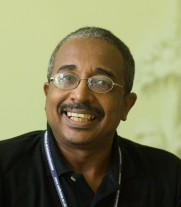
Dr Muntaser Ibrahim
Image source: Research Gate
Dr Muntaseer Ibrahim is a Sudanese geneticist and professor of molecular biology at the University of Khartoum, where he leads its Institute of Endemic Diseases, a research and training centre on endemic diseases in the university. His research focuses on human genetic diversity in Africa. Dr Ibrahim is a founding member of the African Society of Human Genetics and co-founded the Sudanese National Academy of Science (SNAS). He is also a member of The World Academy of Sciences. He has co-authored more than 180 original peer-reviewed research publications, including work published in Science, Proceedings of the National Academy of Sciences, Nature, Nature Genetics, and other major journals.
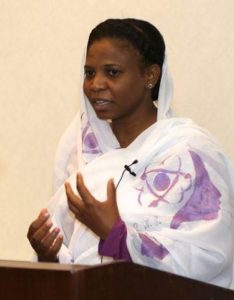
Dr Nashwa Abo Alhassan Eassa
Image source: Picuki
Dr Nashwa Abo Alhassan Eassa is an assistant professor of physics at Al-Neelain University in Khartoum. She received a Bachelor of Science in physics from the University of Khartoum, a Master of Science in nanotechnology and materials physics from Sweden’s Linköping University, followed by a PhD from Nelson Mandela Metropolitan University (NMMU) in South Africa.
Dr Eassa founded the non-governmental organisation ‘Sudanese Women in Sciences’ and is a member of Organization for Women in Science for the Developing World’s South African Institute of Physics. In 2015, Dr Eassa won the Elsevier Foundation Award for Early Career Women Scientists in the Developing World. She has been a candidate as Arab Countries Vice-President for Organization for Women in Science for the Developing World.
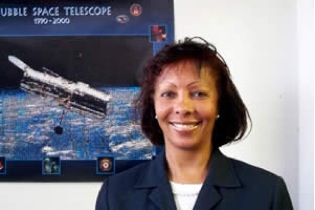
Professor Widad Ibrahim Elmahboub
Professor Widad Ibrahim Elmahboub is a great scientist and astrophysicist. She has proved herself as a distinguished and competent scholar and scientist in her field. Having finished her college studies in applied mathematics and astrophysics in Sudan and Egypt, she was received a master’s degree in Engineering Physics by Wisconsin-Madison University, followed by a doctorate degree in astrophysical engineering.
Prof Elmahboub started her scientific career as a professor of astrophysics and remote sensing systems at Hampton University. Then she moved on to the research and analysis of planetary components at NASA with the main focus on enhancing the accuracy of satellite-based remote sensing imaging and data. Prof. Elmahboub has introduced a highly accurate computer-simulated mathematical model followed by the implementation of the algorithm and atmospheric correction method which enabled scientists and astrophysicists to obtain much more accurate and refined satellite images of Mars surface. Additionally, Prof Elmahboub has authored, co-authored and edited many articles in scientific journals and periodicals on remote sensing imaging technology, spectroscopy and simulated mathematical modelling.
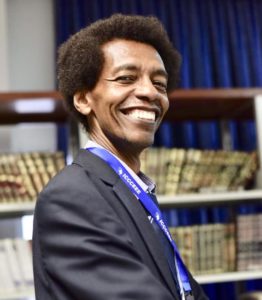
Professor Sharief Babiker
Image source: ICCEEE’s Facebook page
Professor Sharief Babiker is a professor in the Electronics Department at the University of Khartoum and a Chairman of the world’s largest professional association dedicated to advancing technological innovation and excellence for the benefit of humanities ‘IEEE_sudan’ Subsection.
Prof Babiker received his bachelor’s degree in electrical and electronic engineering at the University of Khartoum, a master’s degree in telecommunications and information systems obtained in Essex University, the UK, followed by a nanoelectronics PhD degree at Glasgow University, Scotland. By the end of 2000, Prof Babiker was working on submicron semiconductor devices research at the Nanoelectronics Research Centre, University of Glasgow as well as on aerospace projects at Thales Avionics, the UK.
The new cloud datacenter region launches with Microsoft Azure and Microsoft 365, giving organizations access to hundreds of scalable, highly available and resilient cloud services.
Today, Microsoft announced the launch of its new datacenter region in Qatar, marking a major milestone for Microsoft as the first hyperscale cloud provider to deliver enterprise-grade services in the country. The new world-class datacenters are open for business with Microsoft Azure and Microsoft 365 available today.
The continued investment is in response to Qatar’s growing demand for high performance computing, and fast and reliable access to Microsoft services. The new datacenter region will play a pivotal role in providing access to scalable, highly available, and resilient cloud services to accelerate the digital transformation and advance intelligent cloud adoption of businesses, customers, and partners across Qatar.
Speaking at the opening ceremony, H.E. Mr. Mohammed bin Ali Al Mannai, Minister of Communications and Information Technology, said: The launch of the Data Centre today is considered an important milestone in the process of transforming the State of Qatar into an advanced and pioneering digital center in the Middle East and the world. This journey was inspired by the Qatar National Vision 2030, which aims to establish a diversified and competitive national economy.”
His Excellency continued: “These pioneering projects in the field of digital transformation, communications and information technology would not have been achieved without the ambitions of the country’s wise leadership and its vision to this vital sector, believing in its crucial role in the development of other economic sectors. Legislative and legal regulation of the sector and enhance its attractiveness.
“Microsoft has more datacenter regions than any other cloud provider and today we are proud to deliver the first hyperscale cloud datacenter region to Qatar. This development will increase opportunities for organizations of all sizes and across all sectors to leverage our trusted cloud to innovate, better serve their customers and achieve their business goals – ultimately supporting continued economic growth that benefits all residents.” said Ralph Haupter, President of Microsoft EMEA.
Providing new opportunities for customers and partners
The Qatar cloud data center region will drive growth and scale for Microsoft customers and partners in the country. Microsoft customers across multiple industries, including the Ministry of Communication and Information technology, TASMU PLATFORM, the Supreme Committee for Delivery & Legacy, and many others, have already embraced the Microsoft Cloud to develop digital capabilities and innovate in their industries. Microsoft partners such as EY, Ooredoo, Vodafone, QDS, PWC, ICT, Malomatia, Intel, Mannai, Meeza, Starlink, and Veeam are delivering transformative solutions across the Microsoft Cloud to drive customer success.
Building future-ready skills for employability
Earlier this year, Microsoft, in partnership with the Ministry of Communications and Information Technology (MCIT), launched the National Skilling Program, with the goal to upskill over 50,000 people in Qatar through providing digital skills acquisition programs over the next four years. To date, the program had benefited over 14,000 people.
Microsoft has also established a first-of-its kind Digital Center of Excellence to help bridge the skills gap amongst the IT community and help accelerate digital transformation, in collaboration with leading universities such as MIT xPro, the European Institute of Business Administration (INSEAD) and HEC Paris.
Delivering reliable, trusted, and resilient cloud, securely
Businesses of all sizes and industries can now host their cloud workloads in Microsoft’s Qatar datacenter, taking advantage of enterprise-grade reliability and performance. Customers can begin leveraging Microsoft Azure to develop advanced applications using AI, data and analytics, IoT and hybrid capabilities with advanced digital security and more, as well as Microsoft 365, the world’s productivity cloud that delivers best-of-breed productivity apps delivered seamlessly through cloud services.
With over 100 compliance offerings – the broadest set of compliance offerings and programs of any public cloud provider – the Microsoft cloud significantly empowers customers to meet local compliance and policy requirements. This includes the National Information Assurance Certification issued by the National Cyber Security Agency, which Microsoft received earlier this year.
“With its longstanding history as an early adopter of technology, Qatar has completely embraced cloud solutions and revolutionized entire industries to develop a new, advanced digital economy. Today’s announcement will enable the country to take these groundbreaking innovations to the world, showcase its standing as a leader in digital transformation and cement Qatar’s place as a global hub for innovation,” said Lana Khalaf, Microsoft Country Manager.
To learn more about the Microsoft cloud datacenter region in Qatar, please visit the website.
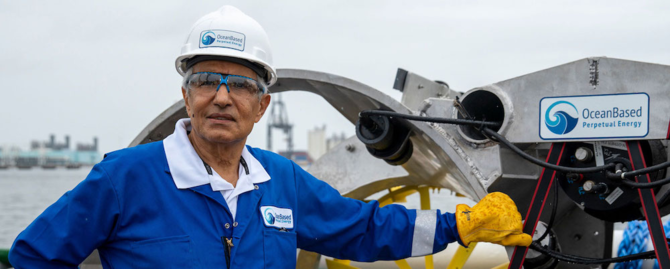
Saudi inventor Nasser Al-Shemaimry showed a method to harness energy from ocean currents using turbines at a press conference at the Movenpick hotel in Jeddah on Wednesday.
The press conference was attended by Prince Abdulaziz bin Nasser, who served at the Ministry of Interior for more than 40 years.
Al-Shemaimry, CEO of OceanBased Perpetual Energy, founded in Miami, signed a memorandum of understanding with Prince Abdulaziz.
“This memorandum will be presented to the inventor Nasser Al-Shemaimry for engineering supplies and most office services,” he told Arab News. “And to connect with ministries, and we will help him with anything he needs.”
Al-Shemaimry’s project was first used in south Florida to harness the Florida Gulf Stream current and convert it to clean and renewable power.
“Oceans and seas have some currents that go from one direction to another, the current varies in speed, but the current we are using is 5 to 6 miles per hour,” he told Arab News.
“Five-six miles per hour is enough to make the propellers turn, and our propeller is 64 meters long, so as it turns, it turns the turbines inside of the cowling, and that turbine rotates the generator, which produces electricity,” he said.
He said that his project takes the electricity from the generator to a substation then the substation regulates the electricity to what is needed.
“Then it goes to the shore and we connect it to the main substation on shore, then it is up to the city hall or the people who are in charge of the town, city or country to take it from there and take it to the power lines,” he said.
Highlighting how it compares to other sustainable power sources such as solar or wind, he said the ocean provided a continuous and uninterrupted supply of energy.
For solar energy requirements, he said as long as the sun was up the panels would work and charge batteries.
“Each energy source has its own advantages and disadvantages. Solar energy has been around forever, it works and serves its purpose, it’s inexpensive and on land,” he said.
“Windmills are everywhere, but the difference in my opinion is that our energy is perpetual; it doesn’t stop, it works 24/7 and 365 days a year.”
Since the launch of the Kingdom’s Vision 2030 in 2016, Saudi Arabia has made effective efforts to protect the environment and reduce the effects of climate change to achieve sustainability.
Extensive studies within the Green Saudi Initiative revealed a reduction of carbon emissions by more than 4 percent, and efforts to provide 50 percent electricity through renewable energy projects by the year 2030.
source/content: arabnews.com (headline edited)
___________
Saudi inventor Nasser Al-Shemaimry, CEO of OceanBased Perpetual Energy. (Supplied)
The $40m Bustanica hydroponic farm near DWC will produce more than a million kilos of greens annually with 95% less water than conventional farming.
Emirates has opened the world’s largest vertical farming plant in Dubai, a $40 million (Dh147m) joint venture with US-based Crop One, as the UAE continues to bolster its food and water security.
Bustanica, the 330,000 square-foot hydroponic farm located near Al Maktoum International Airport (DWC), is set to grow more than a million kilograms of leafy greens annually, or about 3,000kg per day, Emirates said in a statement on Monday.
Using 95 per cent less water than traditional farming and saving 250 million litres of water, Bustanica will grow fresh produce without pesticides, herbicides or chemicals.
“Long-term food security and self-sufficiency are vital to the economic growth of any country, and the UAE is no exception,” said Sheikh Ahmed bin Saeed Al Maktoum, chairman and chief executive of Emirates Group.
“Bustanica ushers in a new era of innovation and investments, which are important steps for sustainable growth and align with our country’s well-defined food and water security strategies.”
Bustanica is the first facility for Emirates Crop One, a joint venture between Emirates’ flight catering unit and indoor vertical farming firm Crop One.
Emirates Flight Catering, a subsidiary of Emirates group, supplies in-flight food for Emirates and other airlines at Dubai International Airport.
Vertical farming is a technique with a significantly smaller carbon footprint than traditional agriculture. This method grows plants using mineral nutrient solutions, in water and without soil. They are grown in a fully controlled environment — everything from temperature, humidity, lighting, water and nutrients is precisely monitored, maximising growth and yield.
The new farm is in line with the UAE’s National Food Strategy 2051 agenda for reliable year-round crop production and stable supply chain that is independent of weather and attacks by pests or fungus.
Bustanica will rely on machine learning, artificial intelligence and advanced methods — and a specialised in-house team of agronomy experts, engineers, horticulturists and plant scientists — to grow fresh produce.
Passengers on Emirates and other airlines can start consuming these leafy greens, including lettuces, arugula, mixed salad greens and spinach, onboard flights from this month.
UAE consumers will also soon be able to add these greens to their shopping carts at the nearest supermarkets, according to the statement.
Bustanica also plans to expand into the production and sale of fruits and other vegetables.
Bustanica will secure Emirates Flight Catering’s supply chain and reduce its carbon footprint by bringing production closer to consumption and “reducing the food journey from farm to fork”, Sheikh Ahmed said.
The plant opened after “significant planning and construction” and navigating the unforeseen challenges of the Covid-19 pandemic, Craig Ratajczyk, chief executive of Crop One, said.
“It’s our mission to cultivate a sustainable future to meet global demand for fresh, local food, and this first large format farm is the manifestation of that commitment. This new facility serves as a model for what’s possible around the globe.”
The UAE has been accelerating its support of AgriTech companies to reduce reliance on food imports, which is thought to make up nearly 90 per cent of food consumed in the country. Abu Dhabi has launched a number of initiatives, including $41m in grants and incentives worth $545m to support expansion.
UAE residents are already seeing evidence of recent efforts to localise agriculture: locally harvested produce at the market or on dining menus is now a common sight. Much of this has surfaced over the past few years as vertical and hydroponic farming ventures, research and cloud-seeding bear fruit.
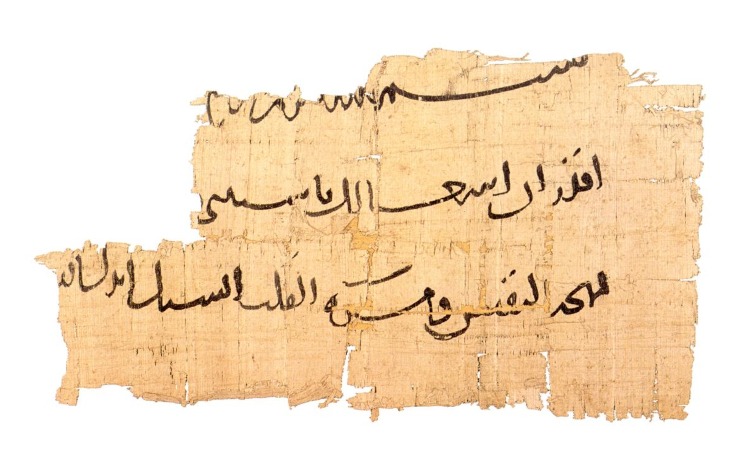
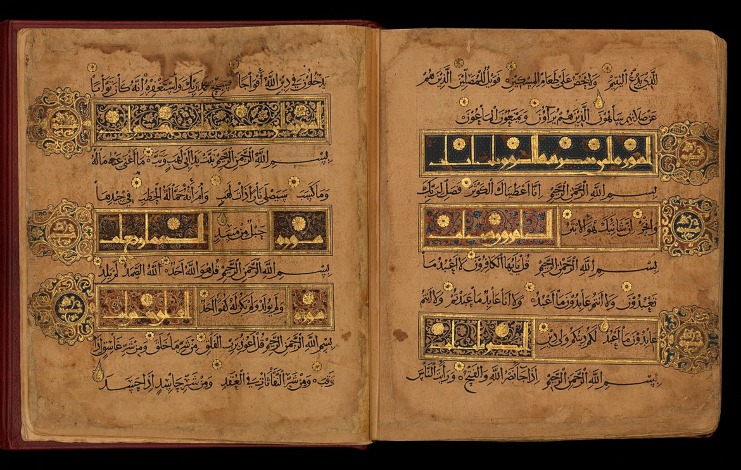
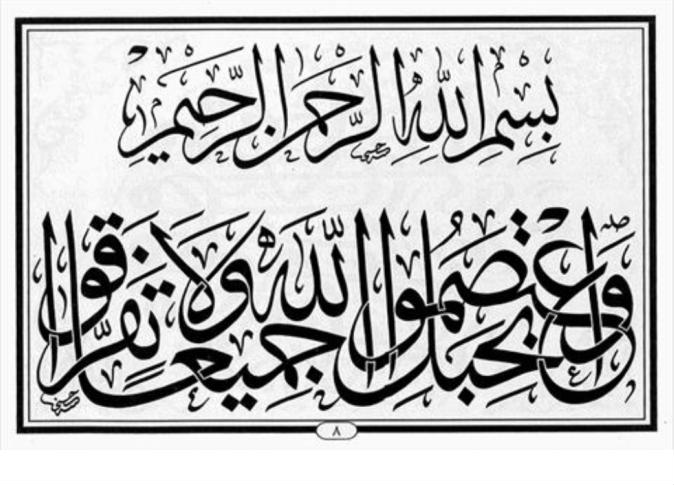
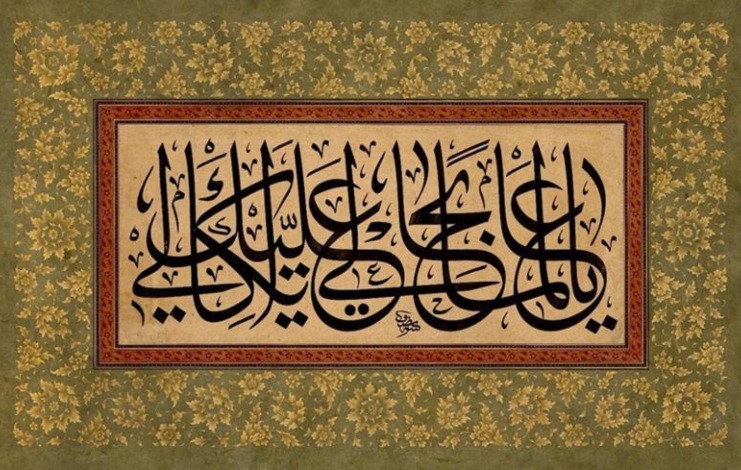
Arabic Calligraphy, the art of creating decorative handwriting or lettering, is one of the oldest art forms from the Arab region; one that has not only thrived with time but also evolved into a unique form of expression. It survived through several tumultuous periods that threatened its existence, from civil wars to an invasion by the Mongol Empire that destroyed Baghdad.
Even though the writing wasn’t as focused on in the past, with many Arabs preferring to memorize poetry and other forms of text and pass them down verbally, that changed significantly later. Calligraphy would flourish to include the preservation of the Quran, adorn mosques as well as the palaces of kings, and by royal scribes when writing decrees, among other things.
In celebration of World Calligraphy Day, we decided to dive into the past and look back at some of the most well-known and prominent calligraphers from the Arab world.
Ibn Muqla
One of the biggest names in developing and improving Arabic calligraphy, born in 885 AD in Baghdad, Iraq, during the Abbasid Caliphate, he started out as a tax collector before rising through the ranks and becoming the Caliph’s Vizier three different times.
At this time, the Kufi style dominated the calligraphy scene, but Ibn Muqla invented new art styles that superseded the previous ones. Ibn Muqla was the one who invented the Thuluth and Al-Mansoub styles, as well as the foundations and rules for others, such as Naskh. The Naskh and Thuluth got further development throughout the centuries that followed, and calligraphers still use them today.
While the Kufic style was rigid in its overall design, Naskh had a more cursive structure but wasn’t as popular and as used at the time, Ibn Muqla changed that by improving on it and using it in official decrees, and private correspondence.
Ibn Muqla’s Thuluth style was new with its letters having long vertical lines with broad spacing. Its name translates to “one-third”, in reference to the maximum height for the letters on the same line must not exceed one-third of the ‘alif.
As for the Al-Mansoubstyle, it mainly focused on three measurements: the size of the period meaning the “Noqta”, the circle with a diameter equal to the height of the alif (the first letter in the Arabic language) and, and the height of the alif.
Little is known when exactly Ibn Al-Bawwab was born. However, we know of his existence and his body of work thanks to the survival of many of his manuscripts, Qurans, and texts referring to him by name.
With his name literally translating to “son of the doorman,” he didn’t grow up in a wealthy family and had to work to make a name for himself. He did so by learning about law and theology and working in several professions, such as a home decorator. However, he would later settle on working in book illumination and calligraphy.
Over years of hard work, he became renowned as a master calligrapher; fluent in six different styles in the field, perfecting the Al-Mansoub style and developing the Reyhani, Naskh, Tawqi, and Muhaqaq styles significantly.
Housed at the Chester Beatty Library in Dublin, Ireland, is the sole surviving Qur’an penned by Ibn al-Bawwab gifted to the country by Ottoman Sultan Selim I.
Originally from Syria, Mohammad Hosni Al-Baba was born in 1894 and is considered one of the last classical calligraphers. Al-Baba received his initial formal training with the Turkish master, Istanbul-based Yousef Rasa, who had renovated the Umayyad Mosque in Damascus, Syria. Al-Baba would later study under another renowned calligrapher, Mehmed Showki Afendi, author of the work “The Thuluth & Naskh Mashqs.”
He would later travel to Cairo, Egypt, becoming one of the leaders in Islamic and Arabic calligraphy, turning his home into a hub for artists, calligraphers, and poets. Al-Baba would be famous for improvements to the lettering in the Thuluth style, the linear structure of Arabic script, and was appointed by King Farouk as the first professor to be a master at the Royal Institute of Calligraphy.
His children would continue his legacy but in different fields since many grew up surrounded by artists when they visited Al-Baba’s home. The most famous of his children are actress Soad Hosni, dubbed “Cinderella of Egyptian Cinema,” and Najat Al Saghira, who became an actress and singer.
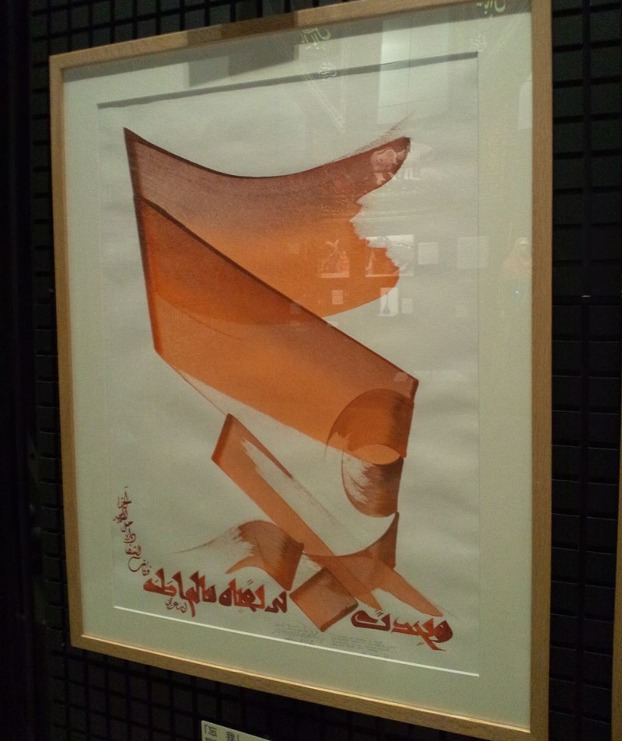
Born in 1944, Iraqi painter and calligrapher Hassan Massoudy continues to be one of the biggest inspirations for many modern artists today. French writer Michel Tournier even considered him as the “greatest living calligrapher” in 1989.
Massoudy grew up in Baghdad, Iraq, until 1969, when he fled to Paris, France, entering the École des Beaux-Arts, where he studied figurative painting. At the time, he looked for a job to pay for his studying, finally finding one as a calligrapher in Arabic magazines, writing their headlines.
While he wasn’t famous for a traditional calligraphy style, his distinct and elaborate designs made him stand out among the rest of the artists of his time. Massoudy would delve into the world of theater, collaborating with artists and choreographers, creating different productions focusing on the harmony of dance, calligraphy, and dance routines.
Studying abroad but seeking inspiration from his traditional roots, Tunisian artist and calligrapher Nja Mahdaoui invented the world of Arabic calligraphy as a graphic style, creating what was called “Calligrams.”
Born in 1937 in Tunis, Tunisia, he first started learning art history and painting at the Carthage National Museum. He later traveled to Rome, Italy, where he continued to study painting and learned more about philosophy at the Santa Andrea Academy. He also moved to Paris, France, where he went to the Cité Internationale des Arts and École du Louvre before returning to his home country in 1977.
His calligraphic style focuses mainly on the designs he creates as a whole rather than the composition of words since his “calligrams” resemble Arabic letters but have no literal meaning, leading to many naming him the “inventor of abstract calligraphy.” People can see Mahadaoui’s work on several materials used as a canvas, including jewelry, drums, leather, paintings, walls, glass, and so much more.
A UNESCO Crafts Prize laureate, Mahdaoui, graced the Facebook campus in 2018 by painting one of their halls using Arabic calligraphy in his unique style as part of the “FB AIR program,” turning their hall into a vividly colorful masterpiece.
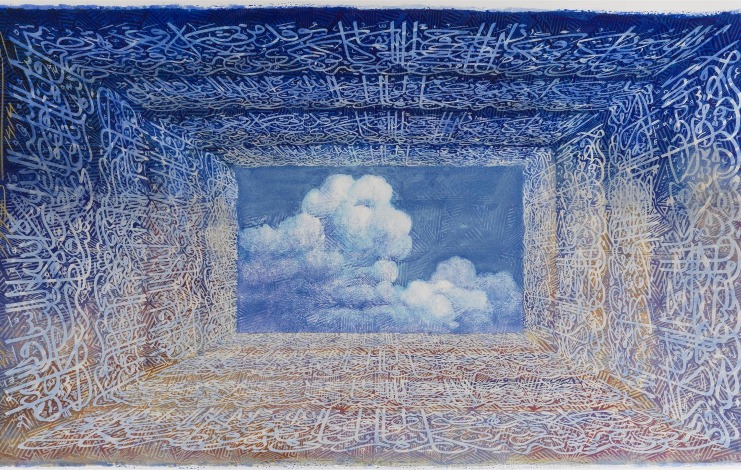
Egyptian artist and calligrapher Ahmed Mustafa was born in 1943 in Alexandria, Egypt, graduating from the Faculty of Fine Arts at Alexandria University in 1966 before traveling to the UK on a scholarship to the Central School of Art and Design in London, England, where he earned his Ph.D. in 1989.
Inspired by his Islamic roots, his calligraphic works mainly focused on quotes from the Quran, among other sources. Working on several materials as his canvas, Mustafa has designs on glass and carpets, among others.
Mustafa also set up the Fe-Noon Ahmed Moustafa Research Centre for Arab Art and Design in London in 1983. He lectures and creates workshops globally as well as does commissions, one of which was presented by Queen Elizabeth II to Pakistan for the country’s fiftieth anniversary in 1997.
The following year, the Vatican invited him to do an exhibition at the Pontifical Gregorian University in Rome, Italy. World media at the time announced it as the first achievement of its kind in the history of Muslim-Christian relations.