GLOBAL / SAUDI ARABIA : Chaad National Mohammad Adam Mohamed Wins SAR 500,000 at 45th King Abdulaziz Quran Contest Makkah 2025

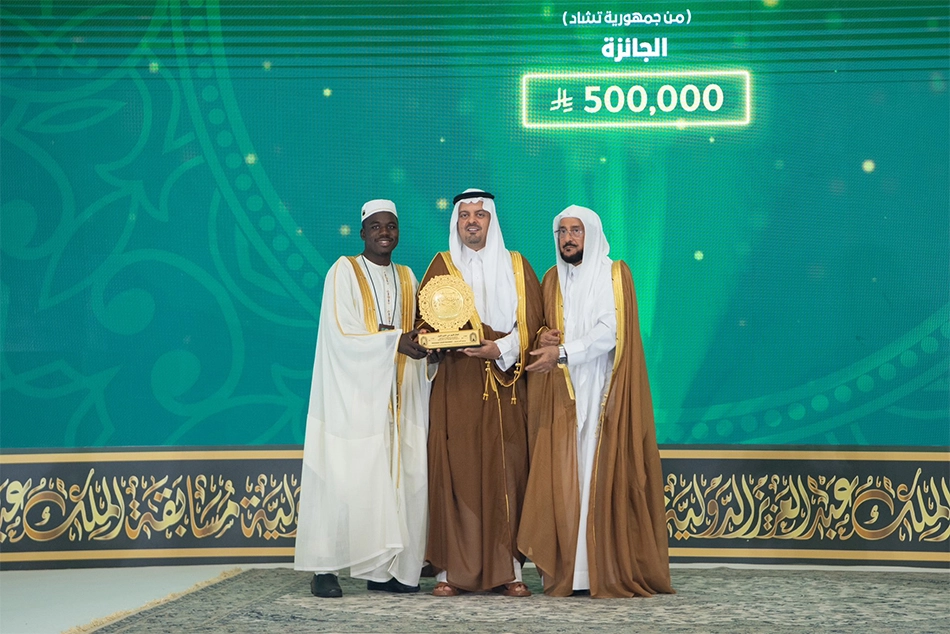
Chaad National, Mohammad Adam Mohamed has won the top prize at the 45th Edition of the King Abdulaziz International Holy Quran Competition or 2025 Makkah Quran Contest for Memorization, Recital and Explanation held at the Grand Mosque.

Makkah Quran Contest 2025: Chaad National, Mohammad Adam Mohamed has won the top prize at the 45th Edition of the King Abdulaziz International Holy Quran Competition or 2025 Makkah Quran Contest for Memorization, Recital and Explanation held at the Grand Mosque.

At a glittering ceremony held at Makkah Grand Mosque after Isha prayers Wednesday August 20, 2025, the Chaad national was awarded a cash prize of 500,000 Saudi Riyals or SAR 0.5 million prize.

The prize distribution ceremony was attended by all Imams of Masjid al Haram Makkah along with Deputy Governor of the Makkah Region Prince Saud bin Mishal bin Abdulaziz.

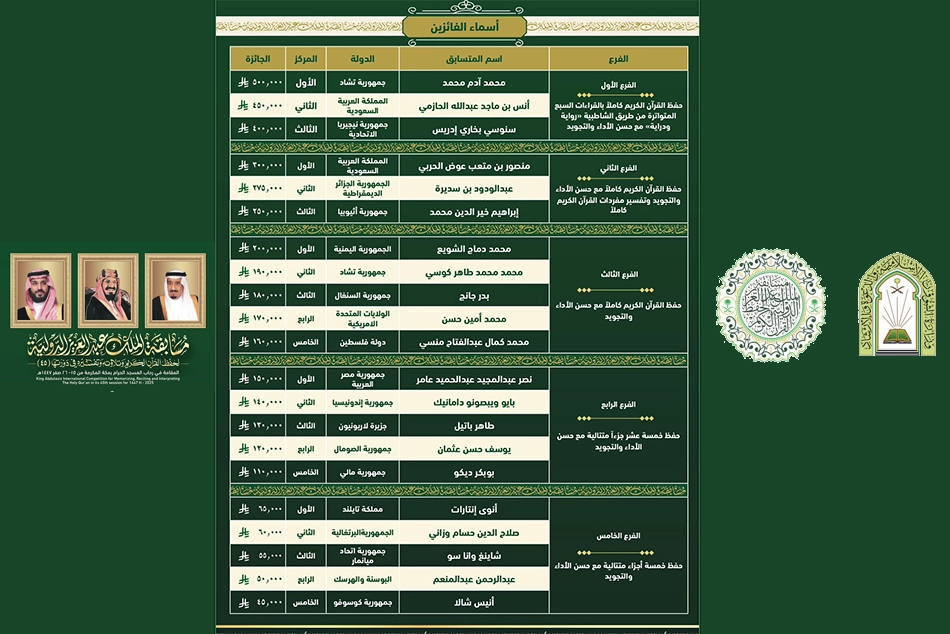
45th King Abdulaziz International Holy Quran Competition – List of Winners

The Makkah Quran contest 2025 was held in five categories. The winners of the first and most coveted category are as follows,

  1. Mohammed Adam Muhamed (Chaad): Prize Money SAR 500,000
  2. Anas bin Majid Abdulla Al Hazmi (Saudi Arabia): Prize Money SAR 450,000
  3. Sanusi Bukhari Idrees (Nigeria): Prize Money SAR 400,000

5 categories
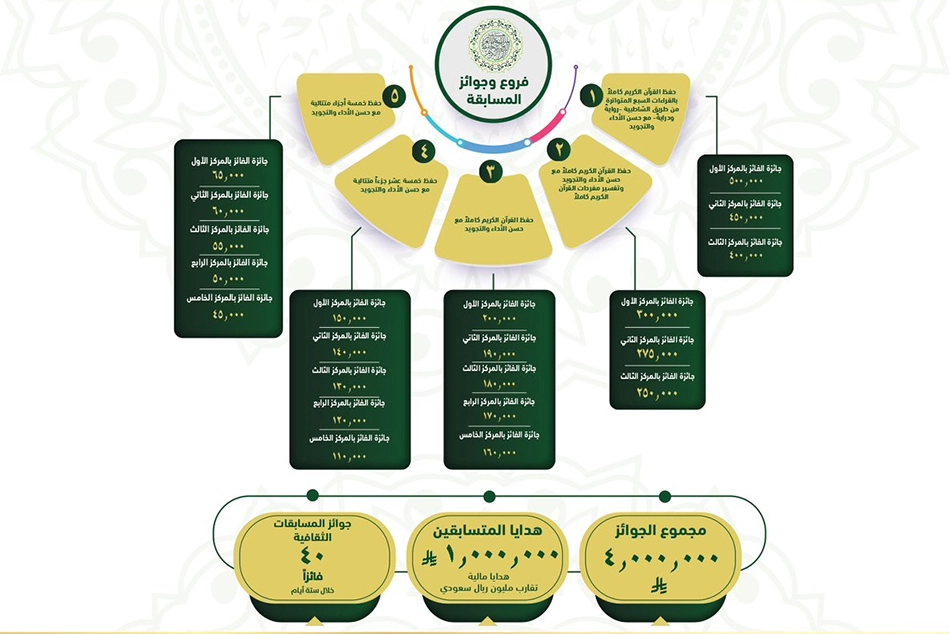
The competition was divided into five categories:

  • Memorization of the entire Holy Qur’an, with accurate recitation and intonation following the seven rules of recitation
  • Memorization of the Qur’an along with interpretation of its terms
  • Memorization of 15 juz (parts) of the Qur’an with proper recitation and intonation
  • Memorization of five juz with correct recitation and intonation
  • A category for shorter lengths of memorization with corresponding recitation and intonation requirements.

Other winners
The total value of the competition’s prizes is around SR4 million ($1.07 million), in addition to SR1 million that will be apportioned out to all participants.

Mansoor bin Mutab Awad Al Harbi of Saudi Arabia won the top prize of SAR 300,000 in the second category. Mohamed Damaj Al Shuway’i of Yemen won the top prize of SAR 200,000 in the 3rd category.

Eyptian Nasr Abdel Majeed Abdul Hameed Amir won the top prize of SAR 150,000 in the 4th category. The top prize money SAR65,000 for the 5th category was conferred on Anwa Intarat of Thailand.

The 2025 Quran Competition brought together 179 contestants from 128 countries, the largest number since its inception. In 2024, a total of 174 contenders representing 123 countries participated in the 44th edition of the contest held in 5 categories.

Makkah Qurant Contest 2025 Final Round

The final rounds of the 2025 King Abdulaziz International Competition for Memorizing, Reciting, and Interpreting Holy Quran began last Saturday August 09th, 2025

The final round of the Quran contest continued till Thursday August 14, 2025 when a total of 27 contestants recited Quran as per the contest competition guidelines.

The 27 contestants were from Mauritania, the Philippines, Japan, Guinea-Bissau, France, the United States of America, New Zealand, South Africa, Barbados, Ivory Coast, Cameroon, Guinea, Germany, Zambia, Guyana, Comoros, Uzbekistan, Kyrgyzstan, Finland, Rwanda, Bangladesh, and Myanmar.

As part of the competition package, the participants visited different historical places of religeous and architectural importance. The participants on Saturday August 16 left for visit to The Prophet (PBUH) Mosque in Madinah.

Electronic Judging System

The highlight of the 2025 Quran Contest which ran through six days was electronic judging system. Since its introduction in 2019, the electronic platform has replaced traditional paper-based methods, increasing accuracy and transparency.

The Ministry of Islamic Affairs, Dawah and Guidance said it enhanced and upgraded the electronic judging system for the 45th King Abdulaziz International Competition for Memorizing, Reciting, and Interpreting the Holy Quran held this year.

The enhanced system is designed to improve the efficiency and fairness of the final rounds, bolster transparency, and support the ministry’s digital transformation efforts in line with Saudi Vision 2030.

Watch: Winners Reaction

source: youtube.com

The latest improvements to the system include faster and more accurate scoring, with results calculated more precisely and linked to a real-time electronic control panel for instant monitoring by the judging committee.

An electronic question bank is now used to draw questions from a comprehensive digital repository covering all five branches of the competition, ensuring diversity and fairness. The system also features automated processes that track verse sequences, sort and rank contestants, and issue results instantly, while documenting and analyzing competition data in real time.

The 44th edition of the King Abdulaziz International Competition for Memorization, Recitation, and Interpretation of Holy Quran was also held with the same schedule. Saudi National, Saad bin Ibrahim bin Hamd had won the top prize of the 2024 Makkah Quran Contest.

source/content: ummid.com

_______________
___________________________

GLOBAL / SAUDI ARABIA
TUNISIAN-FINNISH artist Dora Dalila Cheffi: ‘Satellite Image of a Once-Great Metropolis’ 

The Finnish-Tunisian painter discusses her vivid multilayered piece, completed under quarantine in Tunis.

This is a breakfast scene from last summer, when my friend Petra was visiting my studio in Tunisia — a place that is very significant to my work. 

My representative and I usually think about the titles of my works and we started researching the name ‘Petra.’ It’s a town in Jordan and it used to once be a great metropolis. And I thought that’s such a good metaphor for what I’m feeling about the world now: We thought that our whole world was something so great, but then it can easily be shaken by a pandemic. When you look back at the history of great metropolises, they, in the end, have come to ruins.

To me, there’s also the personal way of thinking about this situation: you understand that something needs to break in order for something new to come out of it. The whole world is now in a situation where everybody’s plans are cancelled and they have to rethink things. 

The ‘satellite image’ part represents the table, and its shapes can indicate that it kind of looks like Earth, as if it’s taken from above. I don’t really know why I love using bold and bright thick layers of color, but for me, color is always something that has so many nuances. And now that I can paint, and manipulate the colors and the shapes, there’s just something that’s magical about it. 

The colors are happy ones, but sometimes the subjects are not necessarily. I don’t want to just create beautiful images. Personally, I need to have a story. 

I can’t really paint if I’m not feeling good, but that doesn’t mean that I’m only painting happy things. With this particular painting I struggled a lot, because it looked good but I felt like it wasn’t ready. 

So I kept changing some of the colors and shapes but then I had to end up changing everything. When it was finally ready, I just felt that all the pieces of the puzzle are complete and there’s not even a doubt about it. It was kind of like when you fall in love with someone; you just know. 

source/content: arabnews.com (headline edited)

___________

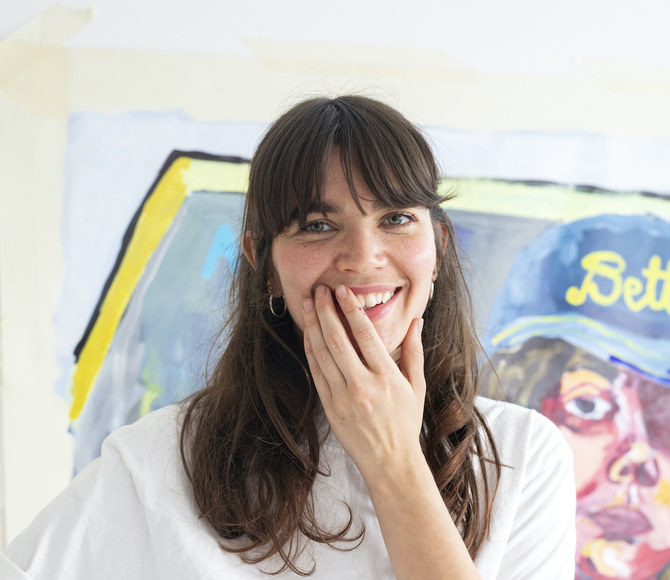
Dora Dalila Cheffi is Tunisian-Finnish multimedia artist. (Supplied)

_______________________

FINNISH – TUNISIAN

EGYPTIAN Student physicist Kerolos Mousa’s Quantum Breakthrough Featured in Top Science Journal

Egyptian physicist Kerolos Mousa played a role in a Harvard breakthrough using metasurfaces to control light at the photon level, which may pave the way for major advances in quantum technologies.

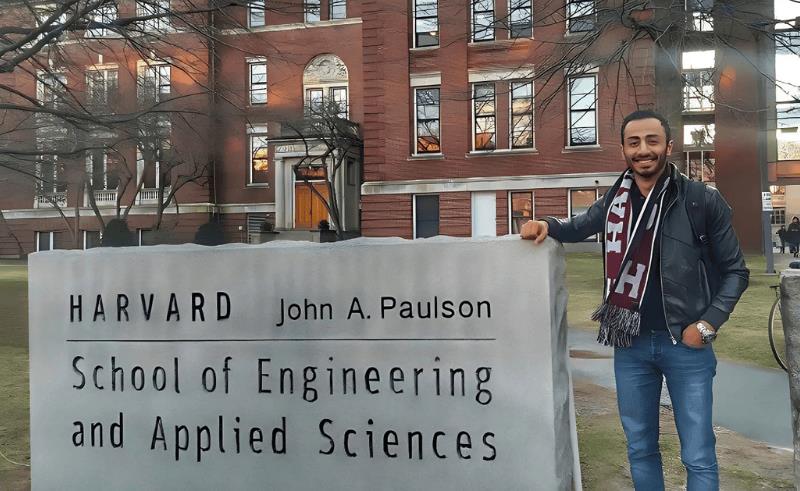
Kerolos Mousa, an Egyptian PhD student who hails from Minya, has contributed to a breakthrough in quantum physics at Harvard University, where a team of physicists developed a device capable of controlling the shape and path of individual photons with unprecedented precision.

The innovation is based on metasurface technology, engineered materials that can manipulate electromagnetic waves, and represents a major advancement in the way light is handled within miniature optical environments. Mousa led efforts to design the nanostructures critical to regulating photon behaviour.

The research, conducted at Harvard’s Applied Physics Lab and supported by leading US scientific institutions, was published in Nature, a top US science journal, and Science, a leading British publications. It was also featured on the university’s official channels.

The advancement is hoped to significantly impact fields such as quantum communication, quantum computing, and the development of next-generation smart optical devices.

source/content: cairoscene.com (headline edited)

_____________

_________

EGYPT

ALGERIAN Connection in the U.S : Small American Town, Big Algerian Legacy

Until last year, 17-year-old Victoria Miller admits she would have had to search online to learn where Algeria is , let alone describe the exploits of one of its most famous heroes.

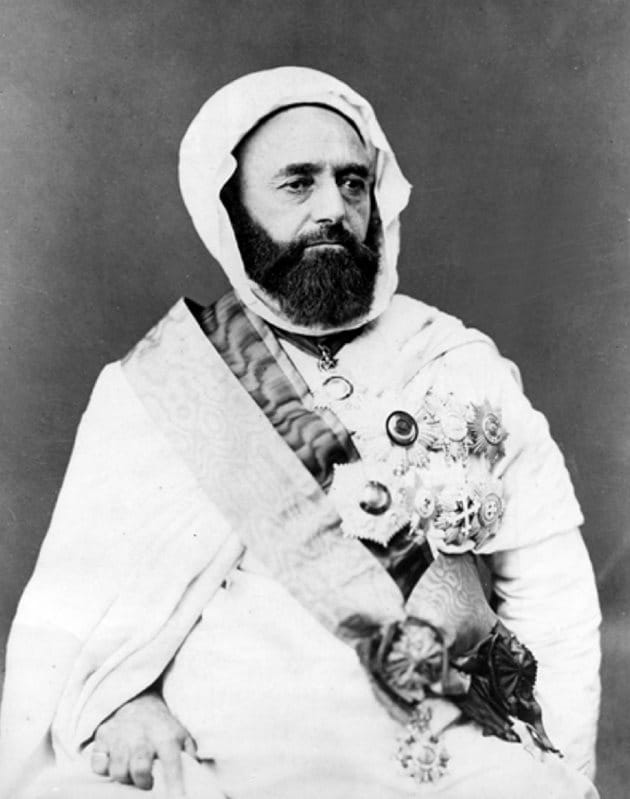
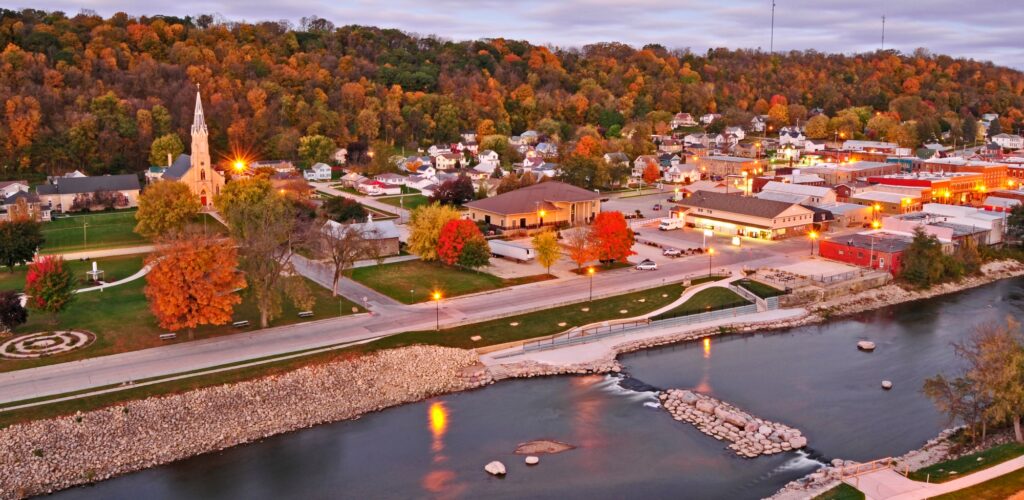
Pictorial Press / ALAMY / Abd el-Kader’s name lives on in Elkader, Iowa, pop. 1,300,  the only US town named after an Arab.

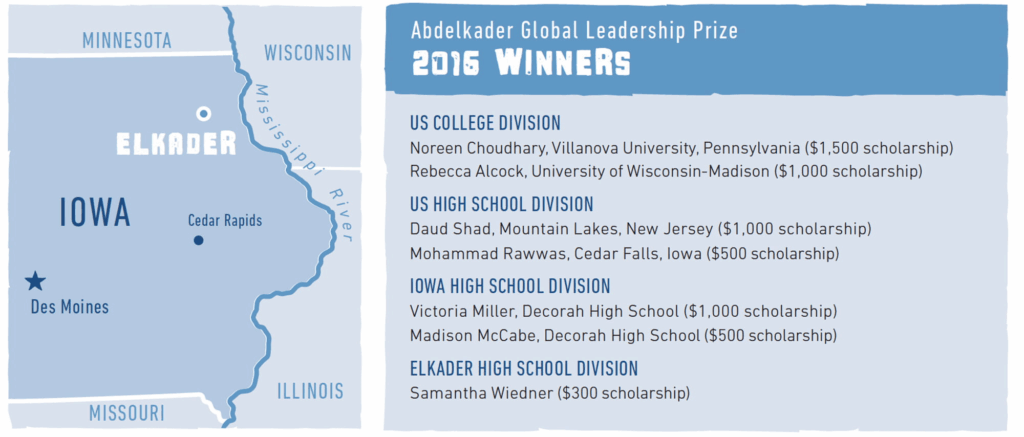
.“I was really taken by Amir Abd el-Kader’s character and how he handled the multiple challenges he faced, including when some of his own people didn’t believe in him,” says Miller, who lives in the northeastern Iowa town of Decorah. On September 19 she was recognized as one of seven winning essayists in the 2016 Abdelkader Global Leadership Prize.

After reading diplomat John W. Kiser’s biography, Commander of the Faithful: The Life and Times of Emir Abd el-Kader (Monkfish, 2008), for a class in human geography at Decorah High School, Miller now says she regards him as an international role model. Her new understandings, she adds, help her feel more comfortable talking to Muslims.

“Abd el-Kader’s legacy deserves to be remembered along with Nelson Mandela, Gandhi and Dr. Martin Luther King Jr.’s,” Miller enthuses, “because they were all pursuing the same dream: to reach peace.”

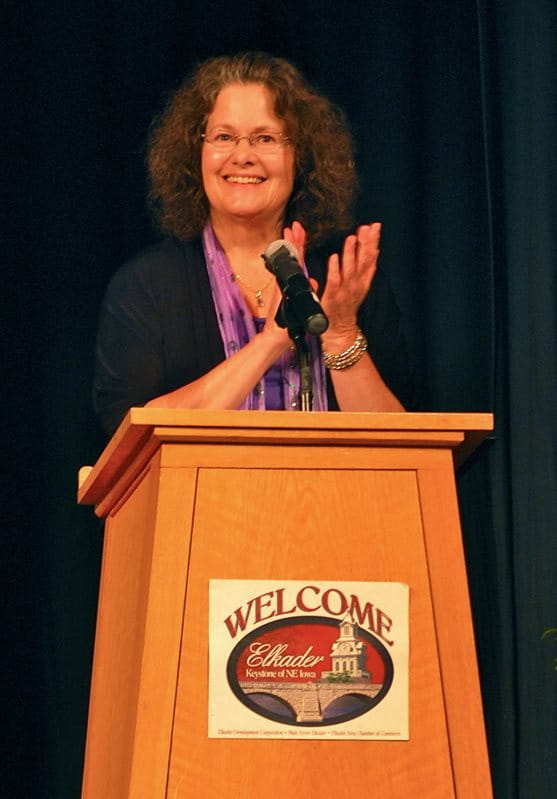
ABDELKADER EDUCATION PROJECT / Abdelkader Education Project co-founder and executive director Kathy Garms opened the group’s seventh annual forum on September 19 in Cedar Rapids. Students competed for scholar-ships in the Abdelkader Global Leadership Prize, and educators explored the legacy of Algerian freedom fighter and peacemaker Amir (Prince) Abd el-Kader.

Indeed, the Algerian prince (amir or emir in Arabic) united tribes in North Africa and fought for independence; later, during the 1860 Mount Lebanon civil war, he helped save thousands of Maronite Christians from massacre—an act for which President Abraham Lincoln lauded him. When the amir passed away in 1883, The New York Times eulogized him as “one of the few great men of the century. The nobility of his character won him the admiration of the world.”

Even decades earlier, in 1846, so widely admired was he that Iowa farmers named their new town after him, and today Elkader, Iowa, is the only us town named for an Arab. Since 2008 it has been reviving his legacy, thanks largely to the eight-year-old nonprofit Abdelkader Education Project (aep).

Kathy Garms, executive director and cofounder with Kiser of the Elkader-based aep, furthers Miller’s sentiment, explaining that the story of the amir “inspires civility, tolerance and understanding” and offers “models of ethical leadership, moral courage and humanitarian conduct.” The aep, Garms continues, works to “shape the minds, hearts, values of the next generation.” And this is where aep’s Abdelkader Global Leadership Prize essay competition comes in.

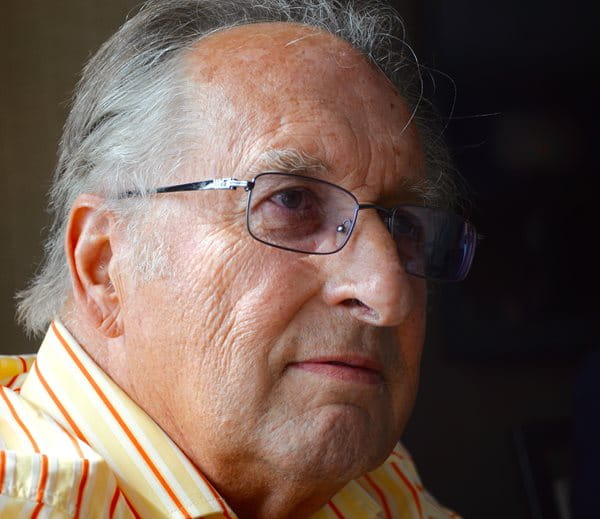
John W. Kiser, author of Commander of the Faithful: The Life and Times of Emir Abd el-Kader, and forum participant said the students stereotypes have been challenged.

Its award ceremony was held this year about 130 kilometers south of Elkader in Cedar Rapids, where it was nearly cancelled due to rising floodwaters on the Cedar River. But the student writers and their families braved the threats of high water to meet Kiser as well as teachers and leaders of civil-society groups from around the country.

Kiser says he is pleased with the results so far.

“The students’ stereotypes about Muslims and Arabs have been challenged, and their minds opened to the diversity of the Muslim world,” he observes. As a role model, he says, Abd el-Kader “is a unifier … [whose] probing intellect, ethical courage, compassion, depth of knowledge … impress all who learn about him.”

And his advice to the winners was simple: “Treat others as they would want to be treated … and resist stereotyping.”

    Garms affirms the broadening of students’ horizons. “We started this with an essay contest for students, but we’d like to expand our programs and create additional tools to reach a wider audience of police, military and businesses to promote better intercultural understanding,” she says.

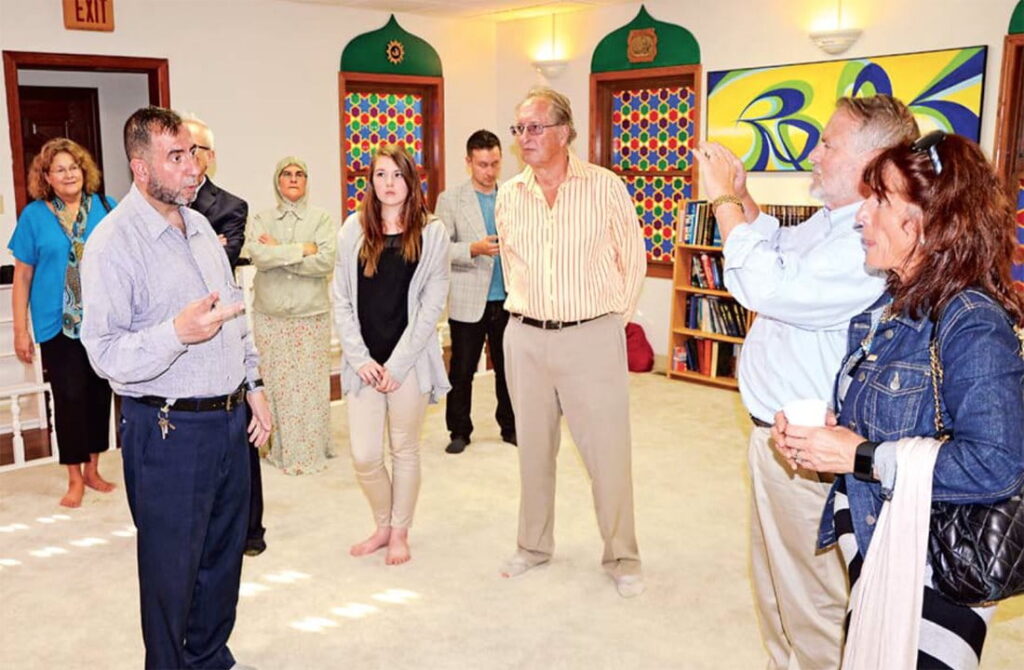
After the awards program, the winners and family members toured the Cedar Rapids Islamic Center and visited one of the city’s historic sites: the oldest standing mosque in the United States, built in 1934.

“Abd El-Kader’s legacy deserves to be remembered along with Nelson Mandela, Gandhi and Dr. Martin Luther King Jr’s because they were all pursuing the same dream : To Reach Peace

‘ – Victoria Miller, Iowa High School Division Winner’

Elkader Mayor Josh Pope hopes the aep inspires young people “to carry on the values of the amir.” In addition to hosting the aep, Elkader is a sister city to Mascara, in northwestern Algeria, where Abd el-Kader was born in 1808. Today Mascara’s population of 150,000 dwarfs Elkader’s 1,300 residents. “Abd el-Kader serves as a great example about how people of different cultures can live together in peace and understanding,” he says

In early September Pope traveled at the invitation of the Algerian government to speak at its own Emir Abd el-Kader Award ceremony, which recognized organizations in the Mediterranean region for work in economic cooperation and interfaith relations.

The interfaith aspect of Abd el-Kader’s life impresses Miller deeply.

“I’m a Christian, and I’ve had my own difficulties—though certainly on a different level—but I know it’s important to stay positive and hopeful,” she says.

Now, she wants to add study of comparative religions and “the psychology of how we learn and react to stereotypes” to her aspirations for a career in medicine.

“Victoria grew a lot in the process of reading about el-Kader and writing her essay,” says Miller’s mother, Yvette Powers, noting diplomatically that her daughter was not always supported by some members of her extended family.

“I believe people need to accept all races and creeds,” she declares. “I hope she was able to open some eyes.”

Brian Miller, Victoria’s father, says he and his daughter talked about the life of Abd el-Kader when she was writing her essay.

“It opened up quite a discussion,” he says. “I believe there are good Muslims and bad Muslims, just like all people.”

Forum attendees received a tour of the “Mother Mosque of America,” built in 1934 in Cedar Rapids, Iowa, by immigrants from what is now Syria and Lebanon. Although not the first mosque built in the US, it is the oldest standing mosque; its proximity to Elkader, 130 kilometers away, is coincidental.

Abd el-Kader, he says, “was a good guy,” adding that he hadn’t ever really thought much before about why the town was called “Elkader.”

National high school division winner Daud Shad lives far from Iowa, more than 1,600 kilometers east, in New Jersey. He says his elder brother encouraged him to read Kiser’s biography and enter the contest.

“I’d never heard of el-Kader, ‘the George Washington of Algeria,’” says the 17-year-old, whose parents were born in Pakistan. “There need to be more leaders on all sides like el-Kader because he embodied the best of religion and humanity.”

Samantha Wiedner, 18, grew up in Elkader, and she won the high school competition for her town.

“I knew Elkader was named after the emir, and I knew where Algeria was, but that was about it,” says Wiedner, now a freshman studying Russian and international relations at the University of Iowa.

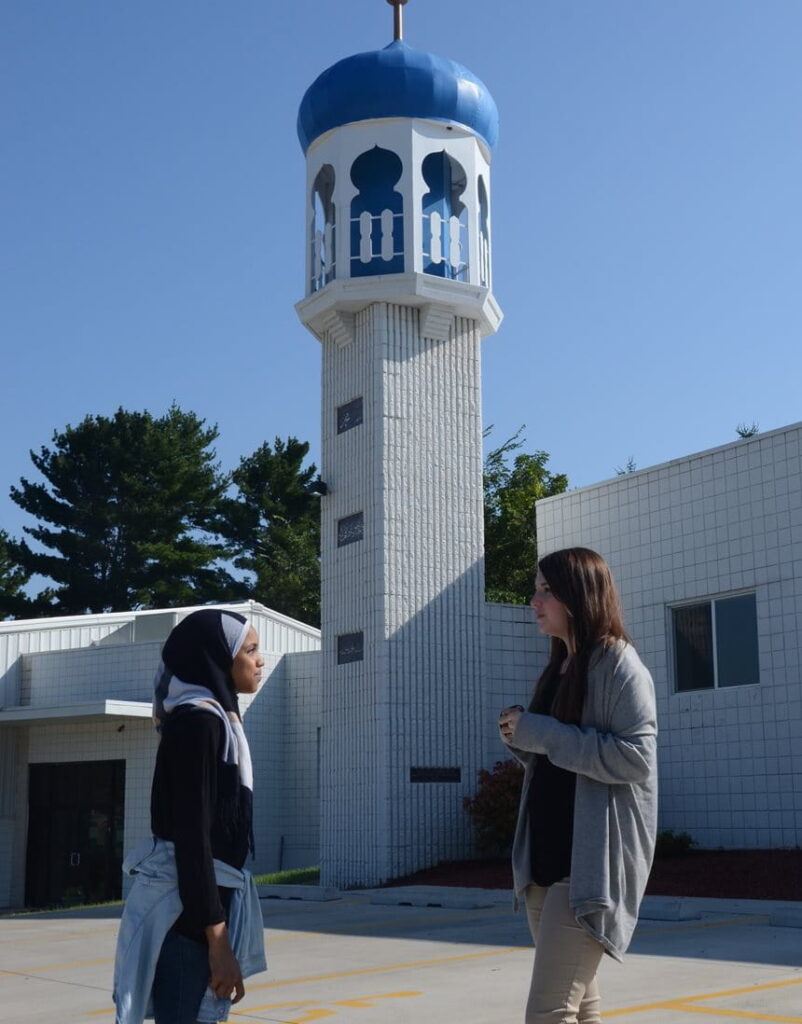
University of Iowa freshman and winner in the contest’s Elkader High School Division, Samantha Wiedner, right, talks with Jefferson High School tenth grader Lena Osman outside of the Islamic Center of Cedar Rapids. “Being intolerant to other cultures and religions isn’t going to get us anywhere,” Wiedner says. “Despite all our differences, we should be able to co-exist.”

She says she learned that “being intolerant to other cultures and religions isn’t going to get us anywhere. Despite all our differences, we should be able to coexist.”

Noureen Choudhary, 20 and a student at Villanova University, learned about the essay contest from her mother, who was born in Algeria.

“I first heard the name Abd el-Kader in a song popularized by Algerian musicians Khaled, Faudel and Rachid Taha,” says Choudhary, who was born and raised in Philadelphia. Though she was only four, she says the memorable tune and appealing lyrics made her wonder who it was about.

“My mother told me he was an Algerian hero,” she continues. “I now realize he is a figure widely heralded as an ideal Muslim, humanitarian, warrior, leader and source of Algerian national pride of the 19th century.”

Choudhary initially thought Abd el-Kader was “too obscure for Westerners to know about.” She was stunned to learn that a small town in Iowa was named for him, and that there is a group devoted to the study and promotion of his life and work.

“Not many people achieve great things like he did,” she says. “He practiced his faith in an exemplary manner.”

source/content: aramcoworld.com (headline edited) / Brian E. Clark

______________

pix: elkader-iowa.com

______________

U. S. A.

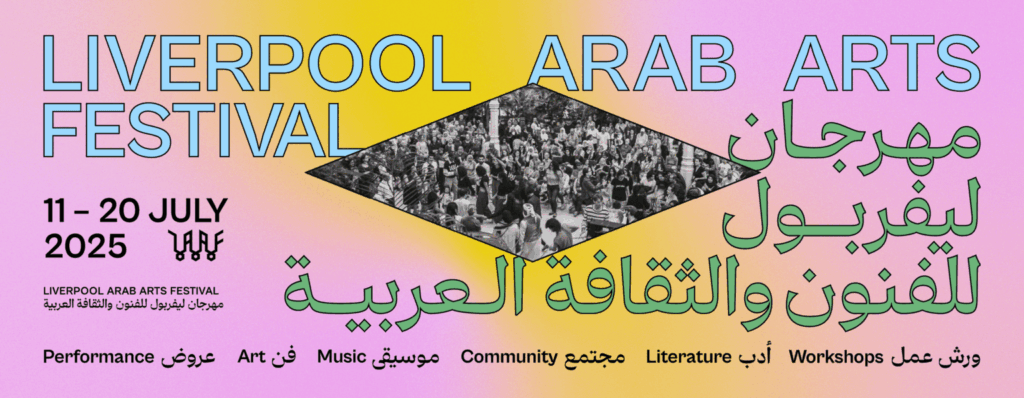
ARAB ARTS FESTIVAL (LAAF) : The UK’s longest-running Arab arts festival returns

The Liverpool Arab Arts Festival, or LAAF, the UK’s longest-running annual celebration of Arab arts and culture, returns this month with a theme that feels both timely and timeless: “Nostalgia.”

Now two decades in, the festival has grown from grassroots beginnings into an internationally recognized celebration.

Running through to July 20, this year’s program explores how memory, heritage and longing shape artistic expression across the Arab world and its diasporas. 

The dynamic, bilingual line-up spans film, music, literature, performance, food and family activities — all underscored by deeper reflections on identity, loss and cultural continuity.

Arab News spoke with Taher Qassim, originally from Yemen, who founded LAAF in 1998 as a community-led effort to foster cultural pride and preserve Arab identity in Liverpool.

“The theme of ‘nostalgia’ is a reflection of both how far we’ve come and where we began,” Qassim said. “Twenty-three years ago, we set out on a path that was uncertain but filled with excitement and purpose. We knew we wanted to create something that represented the Yemeni and Arab presence in Liverpool, but we didn’t yet know how to express it.”

What began as a handful of cultural activations has since evolved into a platform for Arab artists. “From those humble beginnings … the festival began to blossom,” he said. “Today, we proudly offer a platform to artists from across the Arab world, Europe, the US, and beyond — something we could only have dreamed of.”

Two events stand out for him: ‘Arabs Are Not Funny’ and ‘The Book of Sanaa.’ The former, he says, “directly challenges the long-held stereotype that Arabs lack a sense of humor. It’s refreshing, bold and liberating — exactly what the festival stands for.”

The latter brings together literature, poetry, food, and a model of Yemen’s historic capital.

“The richness of this event would’ve felt like a fantasy to us two decades ago. Now, it’s a reality — something we’ve made possible through years of dedication and community.”

Qassim, who was awarded an MBE (Member of the Order of the British Empire) in 2008 for services to community cohesion, handed over the festival’s leadership to his daughter, Afrah, who now steers LAAF with the same vision and care.

Today, LAAF is no longer seen solely as a festival for the Arab community. “That perception has shifted dramatically,” Qassim said. “People from all backgrounds and ages attend and engage. The festival has become a space for dialogue, curiosity and connection.” As he put it, “Conversations happen naturally — before, during and after events.”

One event he hopes visitors will not miss is the now-iconic “Family Day” at the Palm House in Sefton Park. “It’s become the signature event of the Liverpool Arab Arts Festival — our legacy day,” he said. “Families travel from across the UK, Europe, and even further afield to be part of it. The atmosphere is joyful, welcoming, and truly inclusive … a vibrant, heartwarming celebration of Arab culture at its best.”

Some events require tickets, but “Family Day” — an afternoon of music, crafts, performances and community — is the grand finale and free to all.

source/content: arabnews.com (headline edited)

___________

pix: arabartsfestival.com

_____________________________

ARAB ARTS FESTIVAL – UK

ARAB BRAZILIAN : “We’re our ancestors”

For over two decades, Gabriel Sayegh has worked to keep Arab culture alive in spaces throughout the city of São Paulo.

Born in the southern region of São Paulo city, Gabriel Sayegh, 65, is proud of his Arab heritage. The ancient culture, which comes from both sides of his family and has been part of his life since the beginning, became an essential part of his routine in 1999.

“Since I was a child, I used to go to Esporte Clube Sírio and take part in its cultural activities, and when I was 39, I was invited to become the club’s cultural director. I didn’t think twice and accepted the offer,” says Sayegh.

“It’s very important to keep Arab culture alive because we’re our ancestors. We come from a place that has its own culture, language, and cuisine, and many people don’t know about it. That’s why it’s so important to preserve our culture and make sure others learn about our origins.”

Because of his professional choices, Sayegh would never have been close to Arab culture, but his desire to keep the tradition alive spoke louder. “I always liked math, so I graduated in civil engineering and worked in the field for many years. But I always had the desire to promote the culture of my parents and grandparents, which is why I still work as the cultural director of the club today,” says the engineer.

With a full schedule all month long, the club offers different types of free classes, including Arabic language, belly dancing, and music classes that use traditional Syrian instruments. And at least once a month, there is a lecture given by an important spokesperson from the community.

“We’ve already had writers, politicians, businesspeople, and even the president of the Institute for Arab Culture (ICArabe) here. We also organize sessions to screen Arab films,” says the cultural director of Esporte Clube Sírio.

Despite the effort, the Syrian descendant says he finds it difficult to spread Arab culture among the younger generations. “Culture is no longer as much a part of the younger generations as it was during my youth. Today, there are many things that distract them.”

In addition to working at Esporte Clube Sírio, Gabriel is also involved in two other organizations: the State Parliamentary Council of Communities of Foreign Roots and Cultures (CONSCRE) of the Legislative Assembly of the State of São Paulo (Alesp) and ICArabe.

At CONSCRE, he arrived in 2019, served as president for two terms, and is currently vice president. The São Paulo native has been part of ICArabe since its inception in the early 2000s. He has held several positions within the institute, including vice president, and currently works as financial director.

“In all these places, my work is done voluntarily to help my community. At Alesp, where the space was created to bring together Arab descendants living in São Paulo, we have political ties and try in some way to highlight the culture of my country. At the Institute, the effort is greater. We hold cultural events at different times of the year. The next one will be the Arab film festival to take place in August.”

Very proud of his journey as a promoter of Arab culture, Sayegh is happy to be able to share the richness of his ancestors’ country. “For many years, Arab culture was neglected and ignored by the West, so people still don’t know much about it.”

Culture from the beginning

His mother, Ivete Abdelmalack Sayegh, came to Brazil at the age of 18 with her parents and siblings. His father, Jorge Gabriel Sayegh, is the son of Syrians and lived in São Paulo, where he met Ivete. The family grew when Gabriel’s sister was born and was completed years later when he and his twin brother arrived.

“My parents spoke Arabic when they wanted to say something so we wouldn’t understand, since my maternal grandmother only spoke Arabic. She never really learned to speak Portuguese. Because of that, I ended up speaking Arabic to talk with her,” Sayegh recalls.

Besides the language, Arab food has been and still is part of Sayegh’s and his children’s lives. “I have a daughter from my first marriage and twin sons from my second marriage who love my mother’s cooking; the tradition of Arab food is part of their daily routine. But the culture is more difficult,” Sayegh explains.

“My first wife, who is my cousin, still passed on our heritage to my daughter—however, these younger generations are drifting away from their origins. That’s why I keep stressing how important it is to know your roots. It’s only this way that you can better understand yourself as a human being and learn to respect others.”

Read more:
Memories of Arabs persisting in 25 de Março Street

Report by Rebecca Vettore, in collaboration with ANBA

Translated by Guilherme Miranda

source/content: anba.com.br (headline edited)

______________

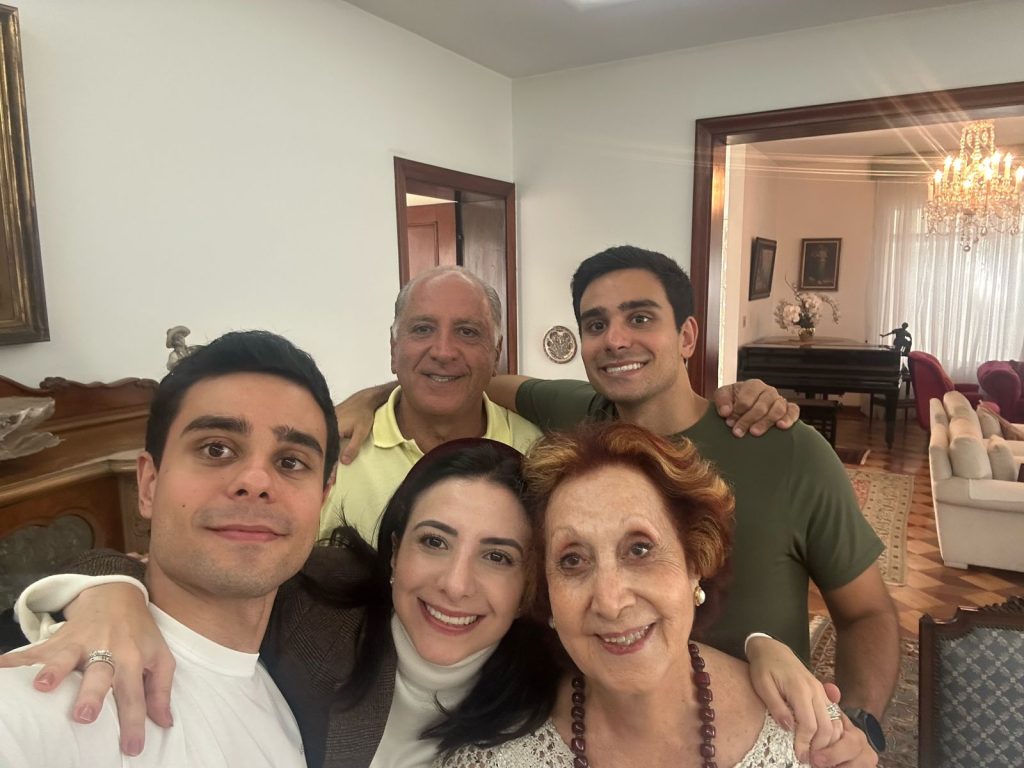
Sayegh with his children and mother: an effort to pass Arab culture on to new generations

____________________

BRAZILIAN ARAB

MOROCCAN Biologist Jinane Zouaki Joins Ibero-American Academy of Pharmacy

Zouaki made history in 2023 as the first Moroccan to join the Royal Academy of Pharmacy in Catalonia.

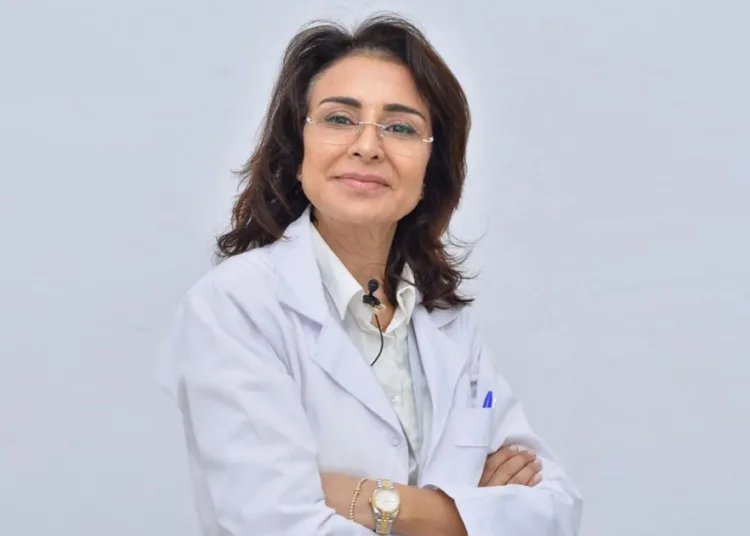
Moroccan biologist Jinane Zouaki has been appointed as an academic corresponding member of the Ibero-American Academy of Pharmacy.

Her appointment marks a big milestone, as she is the first Moroccan, Arab, and African woman to receive this honor. The official ceremony took place on Tuesday at the Faculty of Pharmacy in Granada, Spain. The event gathered many scientists from Spain, Portugal, Latin America, and Morocco.

In her speech to the academy, Zouaki spoke about her history of pharmacy in Morocco. She outlined the country’s recent efforts to strengthen its health sovereignty under the leadership of King Mohammed VI.

She explained that this national strategy has helped Morocco become a leading industrial hub and a strong, competitive player in both regional and international healthcare sectors.

Speaking to Morocco’s state news agency MAP, Zouaki shared her pride and gratitude for joining such a prestigious institution. She said the recognition is not only a personal achievement, but also a proud moment for Moroccan women and for the country as a whole.

This recognition contributes to Morocco’s scientific presence on the international stage, she added.

Originally from the northern city of Tetouan, Zouaki holds a doctorate in pharmacy. In 2022, she became the first Moroccan and African to receive the Medal of Privilege from the University of Granada, a high honor that celebrates her long journey in education and biomedical research.

Zouaki also made history as the first Moroccan to join the Royal Academy of Pharmacy of Catalonia.

During the COVID-19 pandemic, she volunteered to help medical teams. At her molecular biology lab in Saniat Rmel Hospital in Tetouan, she worked on COVID-19 testing and helped train healthcare workers.

source/content: moroccoworldnews.com (headline edited)

____________

____________

MOROCCO

LEBANESE-AMERICAN : Nour Arida is the First Arab Woman to Book a Audemars Piguet Campaign

Model & Lifestyle Influencer Nour Arida Joins Serena Williams in Audemars Piguet Campaign.

When Audemars Piguet picked the faces for its 150th anniversary campaign, it chose icons. Nour Arida was the only Arab woman among them.

In the world of luxury watchmaking, Arab women aren’t often on the moodboard. But this year, that changed.

For its 150th anniversary, Audemars Piguet didn’t just call in the usual faces – it summoned a lineup of global icons. Serena Williams. Winnie Harlow. Tamara Kalinic. And, for the first time ever, an Arab woman: Nour Arida.

Draped in AP’s legacy, the Lebanese model-slash-creative-slash-cultural force owned the frame.

“I always try to push boundaries,” Arida says, in what might be the understatement of the year. “It’s like being part of a real family, being part of the AP family.”

source/content: cairoscene.com (headline edited)

____________

___________________________

AMERICAN – LEBANESE

HAJJ ON HORSEBACK : Three Spanish friends rewriting history to perform Hajj on horseback

Pilgrims recreating historic 8,000 km route used by Andalusian Muslims

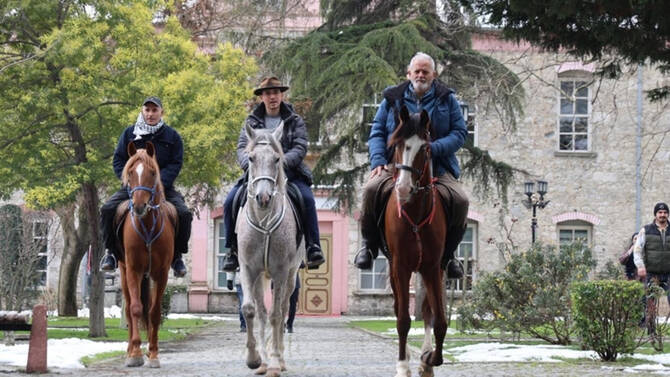
Three friends rode on horseback from Spain to Saudi Arabia to perform the Hajj, reviving a pilgrimage route last used by Andalusian Muslims more than 500 years ago.

They reached Saudi Arabia’s Northern Borders region last week in time for Hajj after travelling through Spain, France, Italy, Slovenia, Croatia, Bosnia, Serbia, Turkiye, Syria and Jordan on a 8,000 km (4,970 miles) journey.

The three Spanish Muslims, Abdelkader Harkassi, Abdallah Hernandez and Tariq Rodriguez, are fulfilling a long-held ambition after embracing Islam 35 years ago.

The three riders are accompanied by Bouchaib Jadil, a construction master living in Spain, who is providing logistical support to the team by leading the way in a car.

It all started when Abdullah Hernandez reverted to Islam 35 years ago.

He told Arab News about how he felt grateful toward Allah for blessing him with guidance — Heidaya — and he promised to complete the Hajj pilgrimage the way his Andalusian ancestors did.

The team practiced for two years before setting off in October 2024 from Al-Monaster Mosque, south of Spain.

After crossing the border of Jordan on May 2, the three Spanish friends arrived in Qurayyat city in Al-Jawf Province, in northern Saudi Arabia on Friday after a remarkable seven-month horseback journey.

During their stop in Qurayyat, the pilgrims were hosted by the head of Al-Haditha Center, Mamdouh Al-Mutairi, who welcomed them to the Kingdom and wished them a pleasant stay and an acceptable and easy Hajj, meeting with students and supporters.

The pilgrims were received with a warm welcome from the residents of Qurayyat, who posed for memorable photos with them.

Hernandez told Arab News: “The team is very excited as we are getting closer to Makkah and Madinah. These holy cities are very special to us, and we have been dreaming of reaching them for a long time. Our hearts feel full of love and hope, and we are looking forward to this moment with deep respect and happiness.

“Through this journey we want to recover a historical Andalusian route from Spain to the Harram of Makkah. It is also a trip of challenges where every step is felt by us and the horses, but also is a journey for the soul,” he added.

One of the Hajj pilgrims, Harkassi, said they were happy to revive a lost tradition. He added that the team saved money and trained for several years for the journey.

He said: “We embarked on this journey with pure intentions to realize the Hajj.”

He added: “We are almost there, and hopefully, the rest of the journey will be easier.”

Their journey, spanning diverse landscapes and extreme weather conditions, is being shared with followers on social media.

“Crossing borders has been the biggest challenge. Some countries were more difficult to cross than others as horses are not considered a mode of transport anymore, but instead they need to be ‘imported’ into each country as livestock, but Alhamdulillah, we have managed to complete all the paperwork so far,” said Hernandez.

Their expedition, known as “Hajj on Horseback,” was warmly welcomed by Muslims and non-Muslims. Hernandez added: “We’ve been received with open arms everywhere we’ve gone — each country has somehow managed to be even more welcoming than the one before, MashAllah.

“Whether in Muslim or non-Muslim countries, people have shown incredible hospitality: Inviting us into their homes, sharing meals with us, listening to our stories and engaging in meaningful conversations about Islam.

“The warmth we’ve experienced in Muslim countries has been especially profound, reflecting the deep sense of unity within our Ummah. This beautiful spirit is clearly visible in our recent videos from Turkiye and Syria.”

The team set off with limited funds, but received support from local Muslims along the way to finance the costs of the unique journey.

source/content: arabnews.com (headline edited)

__________

Abdelkader Harkassi, Abdallah Hernandez and Tariq Rodriguez are fulfilling a long-held ambition by completing a historic Hajj pilgrimage on horseback. (Supplied)

_______________________

HAJJ ON HORSEBACK

YEMENI DUTCH : ‘Storytelling isn’t just about the narrative’: Yemeni photographer Thana Faroq on nurturing migratory grief

The New Arab sat down with Yemeni documentary photographer and storyteller Thana Faroq to discuss intentional photography, craft, and nurturing intimate narratives of displacement and resilience.

Thana Faroq is a Yemeni photographer and educator based in the Netherlands. Her photography projects, which have been supported by the Arab Documentary Fund and the Magnum Foundation among others, blend text, physicality, emotional density, and visual storytelling, to explore immigrant lives and the complexities of belonging and trauma.

The New Arab interviewed Thana Faroq on the occasion of her new book, How Shall We Greet the Sun, which follows a group of displaced young women including Faroq herself, as they negotiate their multilayered presence in the Netherlands.

“My work is mainly driven by current events and broader themes, such as intergenerational trauma and memory resilience in relation to migration and refugees”

The New Arab: You’ve completed several series and projects, including your new photo book, How Shall We Greet The Sun. How do your various projects communicate with one another? 

Thana Faroq: At the core of all my work, including How Shall We Greet The Sun, lies an exploration of women’s resilience, adaptability, and the quest for belonging. These themes are the threads weaving my projects together, creating a continuous dialogue.

A consistent focus in my projects has been on the aftermath of pivotal events, particularly in migration. I’m drawn to understanding and portraying the lingering effects, the changes, and the adaptations that individuals and communities undergo in their post-disaster homes.

My projects often converse with each other, providing different facets of a broader narrative about migration, displacement, and the aftermath of these transformative events.

It is essential to explore these events not only in terms of their immediate impact but also in the ripples they create over time. How does our survival, resilience, loss, and search for identity and belonging look like? While my earlier works might have explored the immediacy of events, more recent ones, like How Shall We Greet The Sun, dive deeper into the lasting, often nuanced, emotions and memories that remain. 

Do you feel that your work has evolved in terms of craft, technique, and vision? I saw that you have incorporated more poetry and written text recently.  

Certainly. I spent my formative years in Yemen and from the age of seventeen, my educational journey took me across the globe, in Canada, the US, and the UK, which significantly broadened my perspectives.

It’s also crucial to acknowledge the life-altering events I’ve encountered: the war in Yemen, the subsequent move from my homeland, and the pursuit of asylum in the Netherlands. These profound experiences have shaped my life and continue to influence my understanding of the world.

This, in turn, has expanded my artistic vision. I’ve become more intentional about the themes I choose to explore and the stories I wish to tell.

Over the years, I’ve continually sought to refine my craft, exploring new techniques, tools, and mediums, especially sound and moving images. I love writing and it has become part of my creative journey and output.

I can’t label my written explorations as ‘poetry’ in the traditional sense, but I do have a deep affinity for playing with words, treating them as visual elements in their own right. I don’t view them merely as ‘texts’ but as visual companions to my images.

When paired with my visuals, these words offer an additional narrative layer, adding complexity and depth to the story I’m telling.

How do you approach storytelling in your work? Stories have a beginning, a middle, and an end, but using real-life subjects means that this linear, theoretical approach might prove restrictive.

I agree with you and I don’t personally stick to the classical structure of storytelling. All my stories are rooted in real-life experiences which means I will have to challenge this conventional approach of storytelling.

I ask myself very often: does a linear progression truly capture the essence of this experience, or is a non-linear narrative more authentic? And so my starting point might differ, I might start in the middle of a story with an emotional state that sets the tone for the narrative. My approach focuses on deep research and understanding. I immerse myself in the subject matter.

This helps me understand the nuances, the emotions, and the various perspectives that exist. Though all my projects exist in a final outlet (for example, a book) the creative process is never linear. I have a lot of responsibility to stay true to the essence of my subject’s experiences and sometimes this means breaking away from traditional structures or inventing new ones.

Also, storytelling isn’t just about the narrative; it extends beyond the mere sequence of events or plot points that make up a story. It’s about conveying experiences, emotions, and messages. For me, it’s about the use of texts, imagery, and symbolism to evoke feelings and provoke thought.

Though photography is my main medium, I include sensory elements, such as sounds and texts which can elevate the story and make it more immersive, especially in installation settings. This multilayer experience is powerful. I’m deeply intentional in my approach.

Before capturing or selecting an image, I reflect on its purpose: ‘What story am I conveying? How does this differentiate from the masses? What emotions or messages am I trying to evoke? This reflection ensures that my work carries depth and isn’t merely a fleeting visual in an endless scroll.

Are you looking for that person’s specific story in your photos or rather how they symbolise something bigger, larger than their own selves?  

My work is mainly driven by current events and broader themes, such as intergenerationl trauma and memory resilience in relation to migration and refugees.

Every individual is a microcosm of the larger society they inhabit, and their stories, while personal, often resonate with universal themes. I work to make my images evoke shared experiences or emotions for a wider audience and, to a certain extent, the individual here becomes a symbol of something larger while ensuring that the individual’s story doesn’t get lost in symbolism.

Narratives that illustrate their character, resilience, culture, family ties, and personal history can help dismantle stereotypes and build a deeper understanding. This also means providing contextual cues within the composition. I write a lot during the process and these texts allow the viewers to draw connections between the personal and the universal.

“Photography, as I see it, is a shared endeavour from the research phase to execution. I prefer to refer to those I photograph as ‘collaborators’ involved every step of the way, valuing their insights and feedback. This often paves the way for deeper intimacy”

How do you nurture trust and intimacy with your subjects? Is there a story you chose not to tell?

My personal background plays a crucial role. As a woman refugee myself who has experienced the impacts of war and trauma first-hand, I share a common ground.

When I interact with my subjects, I approach them not just as a photographer, but as someone who has walked a mile in similar shoes. I don’t shy away from sharing my personal journey when appropriate, as I find that this openness can lead to mutual trust and safety.

Photography, as I see it, is a shared endeavour from the research phase to execution. I prefer to refer to those I photograph as ‘collaborators’ involved every step of the way, valuing their insights and feedback.

This often paves the way for deeper intimacy. Open communication and transparency are also pivotal. I make it a priority to be clear about how the photographs will be utilised, whether as an exhibition, a book, or any other medium, which helps bolster trust and comfort.

I approach each shoot with sensitivity, recognising and respecting the emotions and vulnerabilities of my collaborators. This journey of empathy, trust, and intimacy is complex and requires time, honesty, and sincerity.

There have been instances where I’ve chosen not to share certain stories out of respect for the privacy of those photographed.

For instance, in my recent book How Shall We Greet the Sun, there are many emotional transitions that migrant women undergo as they settle in a new place. Discussing these transitions isn’t always easy. I only choose to reveal such narratives when my collaborators are ready and confident to share them with the world.

For the young generation of aspiring artists in Yemen and elsewhere, could you share what helped launch your career and any advice you may have for others who can’t rely on institutional support and backing?

In my journey as an artist and photographer, I’ve come to understand a few key truths that I believe have been instrumental in shaping my career, especially in places like Yemen where institutional support might be sparse.

While talent is a gift, discipline and hard work are choices. Talent might get you started, but discipline will carry you through. It’s crucial to stay true to your artistic vision.

Instead of creating what you think others might want to see, focus on what you passionately believe needs to exist in the world. Also, the art world and photography, like any other field, constantly evolve.

Stay open-minded and eager to learn from others, peers, mentors, friends, and family… every interaction can offer a fresh perspective that can enrich your work.

Farah Abdessamad is a New York City-based essayist/critic, from France and Tunisia / Follow her on Twitter: @farashstlouis

source/content: newarab.com (headline edited)

_____________

__________________________

NETHERLANDS / YEMEN