Arabs & Arabian Records Aggregator. Chronicler. Milestones of the 25 Countries of the Arabic Speaking World (official / co-official). AGCC. MENA. Global. Ist's to Top 10's. Records. Read & Enjoy./ www.arabianrecords.org
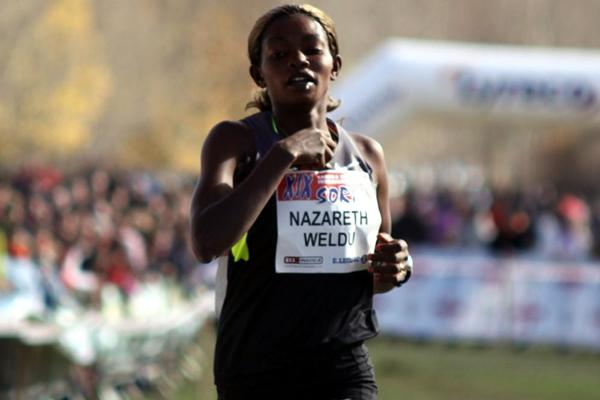
Olympian Athlete Nazareth Woldu registered new record finishing the race in 21 minutes and 28 seconds at the Seoul International Marathon (Daegu) that was held today, 03 April in Seoul, South Korea.
Athlete Nazareth improves the record that was held by herself with 7 minutes.
Moreover, Olympian Athlete Nazareth has improved the 10 km national record that was held by Athlete Simret Sultan since 2006.
Athlete Nazareth has also improved her national marathon record for the fourth time including at the Beirut Marathon 2018, Gold-Coast Marathon 2019, Australia, Milano Marathon 2021 and at this year’s Seoul Marathon 2022.
According to her coach, Livingston Abraha, Athlete Nazareth is preparing to take part at the International Athletics competition that will be held this year in the United States.
The Mereb Setit Athletics Training Center has produced many Olympian Athletes including Nazareth Woldu and Rahel Daniel.
Distributed by APO Group on behalf of Ministry of Information, Eritrea.
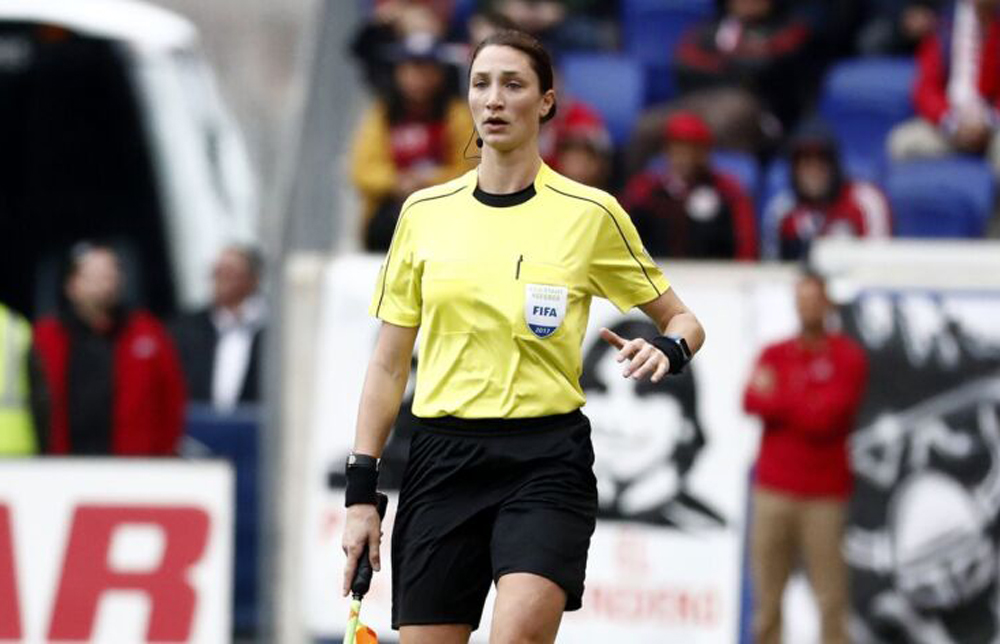
Women referees will officiate matches at the men’s World Cup for the first time in Qatar this year, the sport’s governing body FIFA announced on Thursday.
Three women referees and three women assistant referees will be part of the global showpiece event in Qatar, which will be held from Nov. 21 to Dec. 18.
Referees Stephanie Frappart from France, Salima Mukansanga from Rwanda and Japan’s Yoshimi Yamashita, as well as assistant referees Neuza Back from Brazil, Karen Diaz Medina from Mexico and American Kathryn Nesbitt have all been called up.
A total of 36 referees, 69 assistant referees and 24 video match officials have been chosen by FIFA for the tournament.
“This concludes a long process that began several years ago with the deployment of female referees at FIFA men’s junior and senior tournaments,” said Pierluigi Collina, FIFA Referees Committee chairman.
“They deserve to be at the FIFA World Cup because they constantly perform at a really high level, and that’s the important factor for us.
“As always, the criteria we have used is ‘quality first’ and the selected match officials represent the highest level of refereeing worldwide.”
Frappart became the first female official to be involved in European Championship matches after UEFA included her in the list of referees for the tournament last year.
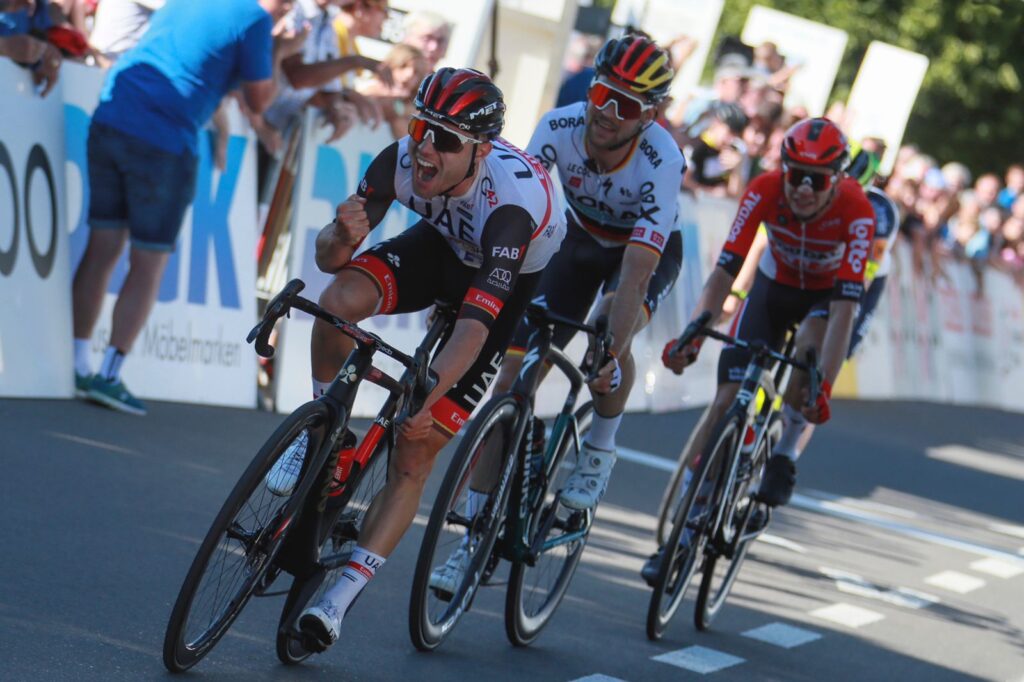
The UAE won the Grand Prix of the Canton of Aargau, Switzerland, yesterday June 10th.
The Emirati squad had strength in numbers in the final with Diego Ulissi and Matteo Trentin covering moves before Marc Hirschi infiltrated the winning break which slipped away at 7km to go.
The 23-year old hit out early from the four man group to open up the sprint at 250m to go to hold off Max Schachmann (Bora-Hansgrohe) and Andreas Kron (Lotto-Soudal) who finished on the podium.
“It was really very difficult”, said Marc Hirsch. “The final was very eventful, because a rider from AG2R Citroën has long been in the lead. In the last climb, it went very quickly behind him, but I was able to accompany in force. Then I was able to close the gap with three guys who had escaped. It was very hard”. In the end, it was a group of 7 which formed 6 terminals from the line, and the winner of the Fleche Wallonne 2020 maneuvered well to finish in the sprint.
In raising the trophy he becomes the first home winner of the race since 2013.
This result marks Hirschi’s second win of the season after storming to victory at the Per Sempre Alfredo classic in April.
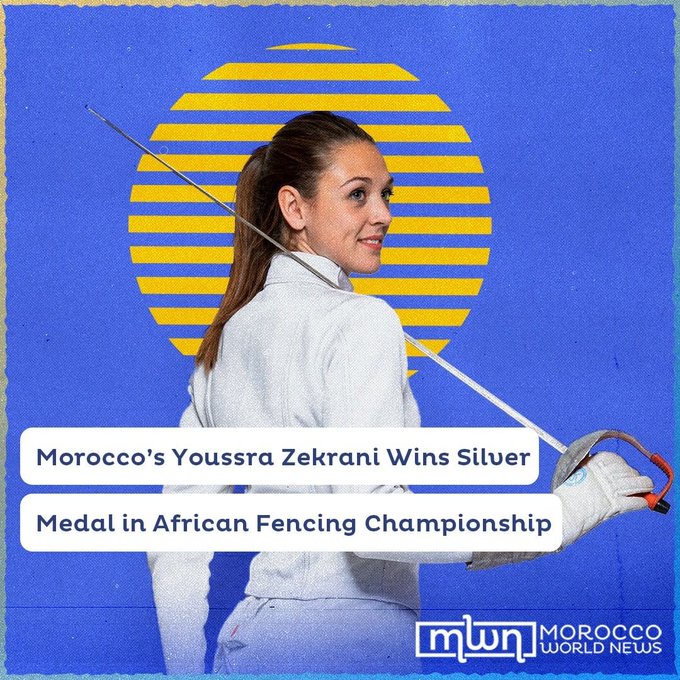
Youssra Zekrani took home a silver medal after reaching the final stage of Africa’s Fencing Championship in Casablanca.
Zekrani reached the final stages of the continental tournament, before losing to Egyptian contestant Noura Mhamad, earning her the silver medal.
In the game against the Egyptian, Zekrani lost by nine points to 15.
Zekrani, who ranked as the 91st best player in the world, faced and eliminated Algeria’s Chaymae Nihar Kamar and Egypt’s Yara Charkaoui in the quarterfinals.
While facing Algeria’s Kamar, the Moroccan athlete won by an impressive margin of 15 to 10. She equally scored a no less impressive score against Egypt’s Charkaoui, winning with nine to 15.
This is not the first time Zekrani makes national headlines for winning a tournament. The Moroccan athlete brought home a bronze medal at the 2016 African Championships. She competed at the Olympic Games in Rio, Brazil.
More than two years later, Zekrani claimed another bronze medal at the African Games in 2019.
This year’s fencing tournament in Casablanca saw the participation of several other Moroccan female contestants, including Manal Kermaoui and Ilham Belefkih.
The Casablanca tournament took place on June 15-19, under the patronage of Morocco’s King Mohammed VI. It saw the participation of athletes from across the continent, with 233 registered participants.
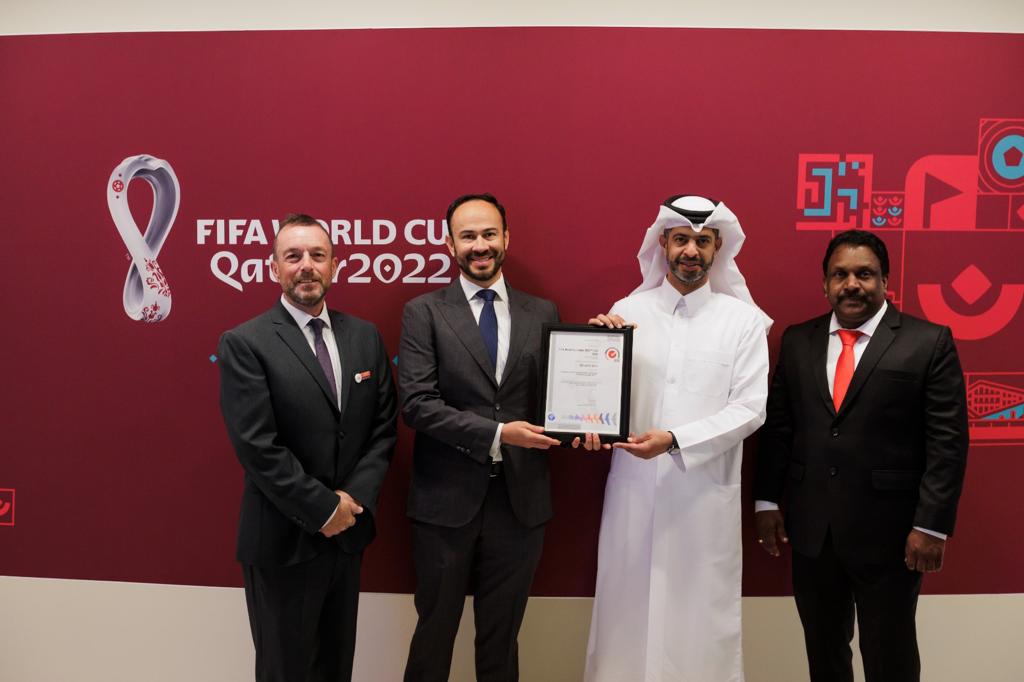
The FIFA World Cup Qatar 2022 LLC (Q22) – the operational arm of FIFA and the Host Country for the delivery of the tournament – has achieved ISO 20121 certification, the international standard that sets requirements for developing and implementing an effective management system to deliver a sustainable event.
The certification was granted after an extensive audit process that was initiated during the FIFA Arab Cup Qatar 2021 – which was held exactly a year before the first FIFA World Cup in the Middle East and Arab world.
Nasser Al Khater, CEO, Q22, said: “Sustainability has been at the heart of Qatar 2022 from the start, and the independent recognition of the delivery of best practices reflects our enduring commitment to it.
José Retana, Sustainability Senior Manager, Q22, said: “We are proud to become the first FIFA World Cup in history to obtain the ISO 20121 certification. This demonstrates that according to the evaluation by a third-party accredited entity, world-class management practices are being implemented to deliver an inclusive, green and legacy-oriented event.”
SGS carried out the extensive audit process. It is a world-leading testing, inspection and certification company that has a wealth of experience in certifying mega-sport event organisers against ISO 20121 requirements, including the Olympic and Paralympic Games, and the French Open tennis tournament.
Sustainability management mechanisms assessed during the FIFA Arab Cup™ audit included:
Accessibility infrastructure and services for disabled fans, including seating, mobility assistance and innovative features such as audio descriptive commentary
Waste minimisation and recycling, including staff training, segregation and awareness-raising activities carried out with the support of sustainability volunteers
Sustainable procurement of items required for the delivery of the tournament, including uniforms made from recycled plastics and the use of compostable food packaging
Social and environmental audits to ensure supplier compliance with the FIFA World Cup Qatar 2022™ Sustainable Sourcing Code
Incident reporting and resolution during tournament time, including governance arrangements and gathering of lessons learned
Chris Meakin, General Manager of SGS Qatar, said: “The FIFA World Cup Qatar 2022 has effectively applied and demonstrated best practices under the framework of the Event Sustainability Management System (ISO 20121) to manage the event successfully. They have met the set benchmarks for global sustainability development and to control the event’s social, economic and environmental impact.”
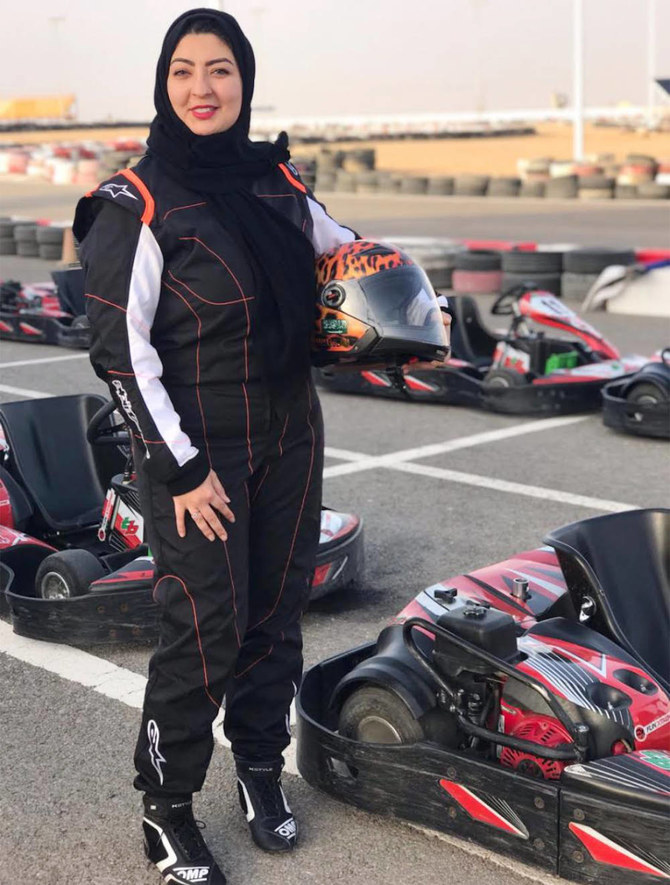
After a number of years of competing in various local autocross competitions, Afnan Almarglani recently became the first Saudi woman to hold an autocross and safe driving skills trainer license.
Her journey in the sport began when her motor sports-mad brother brought home a brand new PlayStation when they were growing up. The two competed in video games such as Gran Turismo 3, a racing title.
“From when I was young, I used to see my older brother Fahd interested in sports cars, modifying them and buying car parts from abroad. We used to race with each other in video games. I was so fascinated by cars, by the shape of the cars, the sound of engines and how they were driven incredibly fast. I played the game every day until it got to the point that I couldn’t beat my own fastest lap times,” she said.
Almarglani works in biomedical engineering. She previously took part in the first women’s race in Saudi Arabia during time off from her work at a project management office at the Ministry of Health.
Her blending of roles as a biomedical engineer and racer makes her unique, and her talent in both careers has allowed her to take opportunities that most women do not have.
Almarglani, who holds a master’s degree in biomedical engineering from a US university, told Arab News that her love and passion led her to work with sports cars, and that she chose to enter the field to gain experience.
“Alhamdulillah, we live in a great country with the decision to allow women to drive. So, I participated in the first women’s autocross championship and won second place in the qualifying round,” she added.
After her first foray into the sport, Almarglani took part in various local autocross championships held in Riyadh, Jeddah and Alkhobar. “After gaining experience and skills, I moved to a higher level in the autocross racing, which enabled me to take part in the Toyota Autocross Championship in Alkhobar, and I was able to win the best time in the women’s category.”
She also competed in the Speed Madness (Autocross) Championship in Riyadh’s Dirab Park, placing first.
The other biggest challenge for Almarglani is finding sponsorship opportunities. “Motor sports is an expensive sport and finding a sponsor is very difficult, so to maintain that training and to have a good team, and a good car, requires a lot of investment and you need both if you want to do well. The way to find sponsorship is through exposure and by winning races,” she said.
Almarglani is often asked how her parents feel about the dangers of her sport. She said: “Of course, at first, they were concerned about me, especially that motor sports has risks, so the level of safety in it is high, and it is expensive in terms of preparing the driver and the car. After I explained to my family all the means of protection and safety, and after they observed my passion and happiness after each race, they supported me and told me to continue, and they were always in the first ranks to encourage me.”
Recently, the official account of the Saudi Automobile and Motorcycle Federation, via Twitter, congratulated Almarglani for obtaining a training license.
Almarglani’s goal is to support every woman who wants to enter motor sports and to build a professional women’s motor sports team to represent Saudi Arabia in the world championships. “To achieve this goal, I hope there will be sponsorships offered to me as well as other Saudi female drivers in order to participate locally and regionally, to represent our beloved country.”
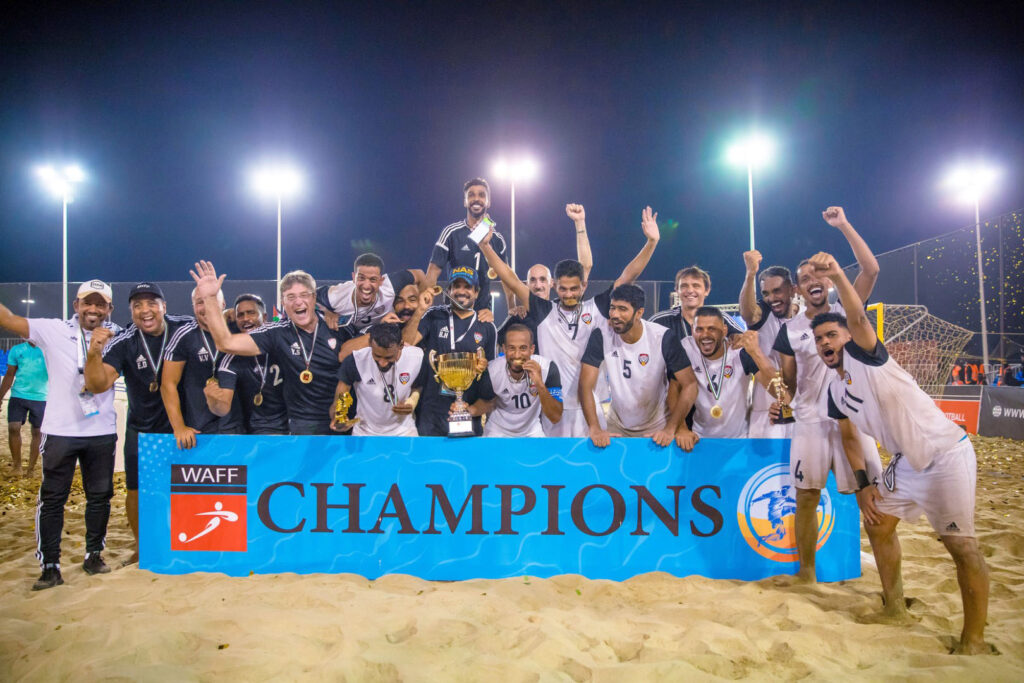
The UAE national beach soccer team won the West Asian Championship after defeating its Omani counterpart 3-2 in the final match in Jazan, Saudi Arabia organised by the West Asian Football Federation (WAFF).
The goals of were scored by Walid Bishr and Hisham Montaser.
Ali Hamad Al Badwawi, member of the Board of Directors of the Football Association, Chairman of the Beach Soccer Committee, congratulated the players and the technical and administrative staff of the team for the title of the tournament, which witnessed strong competitions between all participating teams.
“The victory is the culmination of the great support provided by the Board of Directors of the UAE Football Association under the chairmanship of Sheikh Rashid bin Humaid Al Nuaimi,” he said, pointing to a plan to develop beach soccer to preserve the gains and achievements made over the past period.
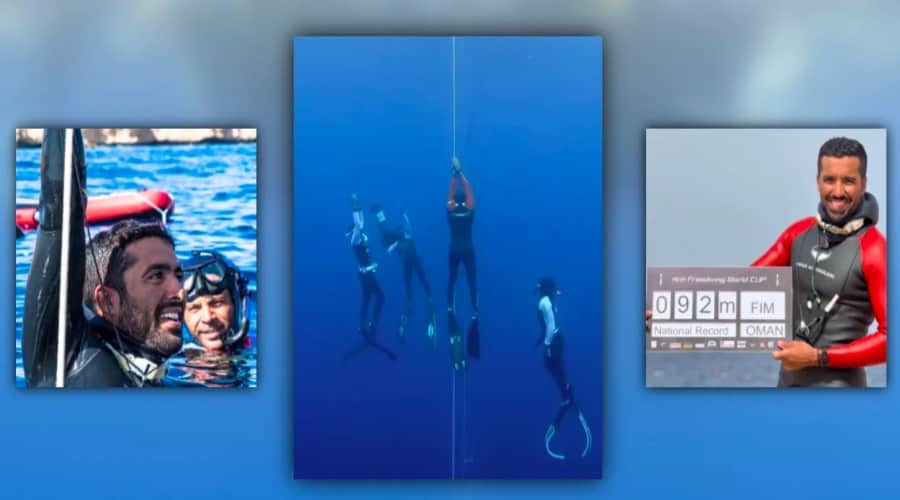
Omani diver Omar Al Ghailani achieved the deepest Asian record for the third time in the dual fins specialty with a depth of 92m CWTB in the diving championship held in Sharm El Sheikh in Egypt – AIDA Freediving world cup – May.
Omar Al-Ghilani said that he is determined to achieve more national numbers in the coming days, noting that the feeling is different every day in the atmosphere of the tournament.
Al-Ghilani said: Every day I develop a plan and scenario for the next day, but changes occur that can change everything, explaining: Sometimes there are unexpected waves or the water temperature changes, and these are some conditions that can affect concentration and readiness to dive.
Al-Ghilani confirmed that his diving experience made him ready to perform better and enjoyable despite all circumstances, adding: I am still learning and developing myself in this field.
Omani diver Omar Al Ghailani achieved a national record on the second day of the championship, as he managed to dive to 92 meters in free diving.
It is worth noting that the Omani champion Omar Al Ghailani is the world record holder in free diving and has strengthened the position of the Sultanate of Oman in regional and international forums.
The friendship between a former Olympian and the college kid he took under his wing shows the power of mentoring — to make both individuals’ lives all the richer.
This story comes to you from the Star Tribune, a partner with Sahan Journal. We will be sharing stories between Sahan Journal and Star Tribune.
In Mohamed Abdi Mohamed’s childhood, Abdi Bile was like a folk hero.
“My mom told me all these stories,” says Mohamed, 26, who was born in Somalia and grew up in a refugee camp. “She told me there’s a Somali who went to America and basically conquered America.”
Bile was a world champion runner, dominating the 1,500-meter race in the late 1980s. He’s also a national legend and the most decorated athlete in the history of Somalia, where a certain make of pickup truck has been dubbed the “Abdi Bile” for its speed. In 2019, Bile quietly moved from Virginia to Minnesota to coach runners and help develop youth in Minneapolis.
But all Mohamed knew was that there was a hero living in his midst when he worked the phones in Minnesota’s Somali American community to get hold of Bile’s cell number. At the time, he was a junior at Macalester College in St. Paul and at the lowest point of his five years in the United States. Homesickness, grief and plummeting grades were leading him to question if coming here on an academic scholarship was worth it.
On a gamble, Mohamed called Abdi Bile.
Shockingly, Abdi Bile picked up.
Mohamed could hardly spit out the words as he told Bile he had just started running for Macalester’s track team — and — would the coach be interested in meeting him one day?
“If I was lucky, I would get to see him even once,” Mohamed remembers thinking.
The next day, Bile showed up at Mohamed’s doorstep in St. Paul. That encounter started a friendship that the two say will continue for the rest of their lives.
When I sat down with them near the home of the Loppet Foundation, where Bile directs competitive running programs, organizes walks for seniors, and introduces Somali American families to cross-country skiing, the 59-year-old former Olympian assured me that the story I wanted to tell — about the power of mentoring — was not just about him.
“Mohamed’s journey is very interesting, from where he started to where he is today — it’s just incredible,” Bile says. “You just see the resiliency of human beings, the struggles they go through, and how they survive if they don’t give up.”
But Bile’s story is remarkable, too. Once a teen standout soccer player, he decided on a whim to join some nearby runners who were training for the 400-meter. He beat them to the finish line, but felt so woozy afterward that he threw up.
Within a week, however, he learned two things about running: If you were good enough, you could win a scholarship to attend college in the United States — and even advance to this thing called the Olympics. When he quit the soccer team, Bile told his coach: “I’m going to the Olympics. I’m going to get a scholarship. I’m going to America. Goodbye!”
Killer workouts and his initial disdain for running did not deter Bile. “I hated it. But I just saw an opportunity: This is my way out. This is my meal ticket.”
Within just a few years, he cashed in on that ticket. He ran on an athletic scholarship at George Mason University in Virginia and competed in his first Olympics — the 1984 games in Los Angeles.
More than 35 years later, he saw echoes of himself — the dedication, the sense of purpose — when he got that phone call from the kid at Macalester.
Mohamed’s journey
Growing up in the sprawling Dadaab refugee camp in Kenya, Mohamed used to walk 4 kilometers to fetch water for his family. Whenever a blinking red light in the sky soared past, his mom used to point to the airplane and tell her son this would be his ride out of the camp.
And a scholarship was the only way to catch that ride.
With some diligence and luck, Mohamed earned a scholarship through Blue Rose Compass, a nonprofit that affords gifted young refugees a shot at a university education. It was through this gift that he was able to attend an international boarding school in New Mexico and then Macalester.
Unlike Bile, Mohamed never knew of Somalia’s idyllic beaches or peaceful past, a land rich in history and culture. He was a kid born into civil war, only to learn of his homeland’s halcyon days through stories imparted by his mom and dad.
“In their minds exists a grand country,” he says. “And at the center of this country is Coach Abdi Bile.”
“At least I had a country, a stable life,” Bile muses. “This kid just grew up in a refugee camp. What hope do you have in a refugee camp? A refugee camp is a prison. You have to do whatever it takes to get out of those four walls.”
When Mohamed first called Bile, he was on the cusp of giving up and going home. The second eldest of eight kids, he hadn’t seen his family in five years. He was mourning the death of his uncle, who was struck by a stray bullet in Mohamed’s hometown of Kismayo. His grades were slipping, and he was almost put on academic probation.
“I was starting to feel sorry for myself,” Mohamed recalls. “I was questioning the decisions I made. It feels like you’re living in a virtual reality — you have everything you need, but your family is still living in a refugee camp. I was willing to throw everything away.”
With Bile he forged the kind of connection he couldn’t find anywhere else. “What I needed was some tough love,” Mohamed says.
“He needed my help,” Bile says. “Right away, I could relate to what he’s crying for, what his issues and problems are. Sometimes it’s not a lot — sometimes the person just needs someone to talk to.”
The hardest lap
Bile told Mohamed about his first days in the United States as a college student, so poor he couldn’t cobble together the coins to do his laundry. Bile reminded Mohamed of all the people who were in his corner and invited Mohamed to Bile’s training program for elite runners so he could meet other young Somalis working toward big dreams.
“In running, the hardest is the last lap,” Bile tells me, recalling how he almost abandoned the sport because of injuries. After healing his body through yoga and acupuncture, Bile won a world championship in 1987.
“Sometimes people who quit, they don’t know how close they were to the finish line,” the coach adds.
Mohamed listened to his mentor: — Look what you came from. You’re almost there. You’re here, you’re doing it. This is nothing compared to how far you’ve traveled — and kept putting one foot in front of the other.
His internships and work-study jobs helped pave the way for his family to leave the refugee camp and find an apartment in Nairobi. His siblings now are receiving the kind of education he had only dreamed of while in the camp.
And what about the kid who came so close to throwing it all away? Mohamed graduated from Macalester in December. No one in his family could be at the ceremony, but Abdi Bile, the hero of his parents’ stories, showed up to watch Mohamed cross the stage. Bile says he wouldn’t have missed it for anything.
Mohamed is now reverse-mentoring his coach, encouraging Bile to start an Instagram account so he may ignite a spark for other young people. This week, the recent college grad also started a job as a tech analyst for a global consulting firm with offices in Minneapolis.
As the two recap the highs and lows of the past couple of years, Bile dabs his wet eyes with a carefully folded tissue.
“You did it,” he tells Mohamed. “You have a good job. You’re going to take good care of your brothers and sisters.”
The coach says he wants other young people, those who can trace a whiff of opportunity, to learn from this young man — that they should go ahead and be brave with their lives.
“Mohamed’s story is a good story for our kids here,” Bile adds.
“And so is a world champion helping his people,” Mohamed counters. “How many people can say they have the greatest athlete in the history of their country rooting for them?”
source/content: sahanjournal.com
____________
Mohamed Abdi Mohamed, right, stands for a portrait with his mentor Abdi Bile, the most decorated athlete in Somalia’s history. Bile, who directs a running program through the Loppet Foundation in Minneapolis, is coaching Mohamed not only in running but in life. Credit: Anthony Souffle | Star Tribune
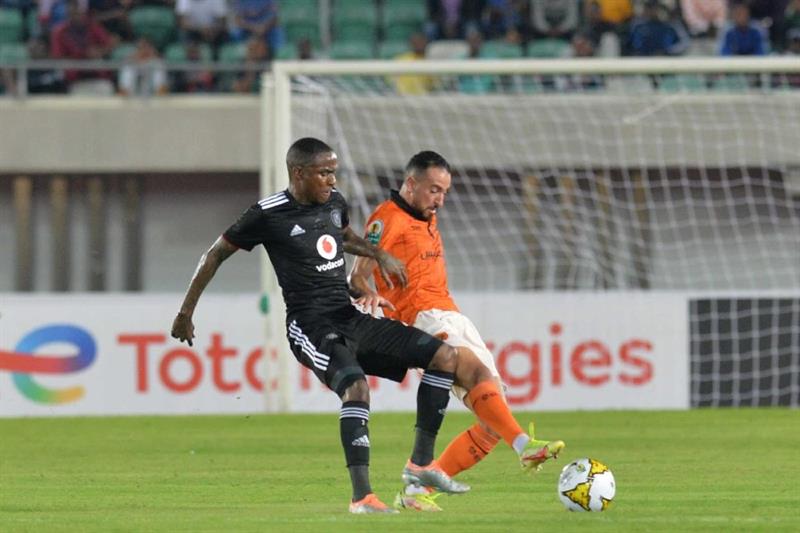
Moroccan side RS Berkane won their second African Confederation Cup title in three years after beating South Africa’s Orlando Pirates 5-4 on penalties following a 1-1 draw at Nigeria’s Godswill Akpabio Stadium on Friday 20th May.
Brahim El Bahraoui scored the winning penalty after Pirates keeper Richard Ofori, who had scored his side’s fourth spot kick, failed to save any of Berkane’s efforts.
Winger Thembinkosi Lorch turned from hero to zero as Pirates missed out on their maiden Confederation Cup triumph after also losing in the 2015 final.
He scored a bizarre 117th-minute equaliser to cancel out Youssef El Fahli’s penalty in the first half of extra time but had his effort blocked by keeper Hamza Hamiani in the shootout.
Hamiani was Berkane’s standout performer, producing some superb saves to keep his side in the game as Pirates looked the better side throughout.
Berkane lost on penalties to Egypt’s Zamalek in the 2019 final but won the trophy a year later. Another Moroccan side, Raja Casablanca, clinched the title last year.
Key saves
Hamiani kept out a low, angled effort from striker Kwame Peprah on 34 minutes before producing an even better save to smother a close-range effort from Deon Kavendji early in the second half, denying Orlando a certain goal.
He also comfortably collected a tame shot from Lorch, who was well-positioned to score following some slack defending.
Berkane, who rarely threatened, took the lead in the 97th minute when Pirates substitute Thabang Monare, who had just been on the pitch for a few minutes, clumsily stuck out a leg to foul an opponent following a corner.
El Fahli sent keeper Ofori the wrong way with a low effort as Berkane thought they had the match dead and buried.
But Pirates did not give up, with Tshegofatso Mabasa heading just wide from a corner before Lorch brought them level three minutes from the end of extra time.
After his initial effort was blocked by the defence, Mabasa collected the loose ball just inside the area and sent a stray pass that somehow eluded all defenders and found its way into the bottom corner past Hamiani, who had been unsighted by his own defence.
But Berkane had the last laugh in the shootout, converting all of their kicks, as Moroccan teams made it a hat-trick of straight Confederation Cup triumphs.
source/content: english.ahram.org.eg
_____________
Morocco s RS Berkane beat Orlando Pirates in the African Confederation Cup final on Friday (Photo: Pirates official Twitter account)