EGYPT : New finds shed light on Canopus – the ancient Egyptian port city lost to the sea

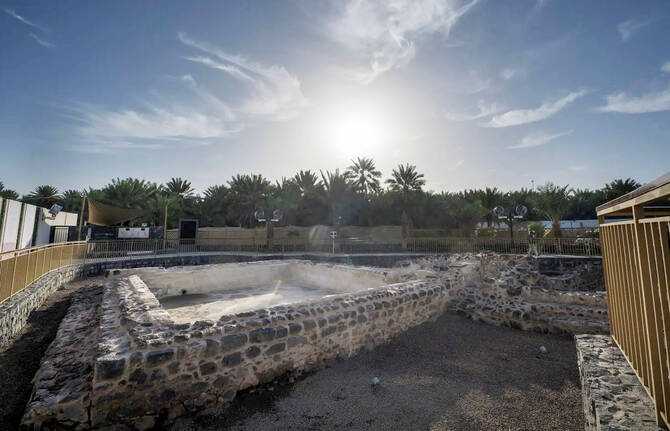
This year has seen a number of artefacts recovered from the Mediterranean Sea off the coast of Egypt. The area has attracted interest for some time due to ongoing searches for the tomb of Cleopatra VII and Alexander the Great. But the new finds add to our knowledge of the ancient city of Canopus, one of several settlements that have largely been lost to the sea.

The discovery of buildings and an ancient dock is particularly crucial for our understanding of this principal port – one of the most important for the economy of Egypt before the foundation of Alexandria in the 4th century BC.

The Nile Delta is where the river flows into the Mediterranean Sea, and the twin cities of Canopus and Thonis-Heracleion were situated on opposite banks. Canopus was on the western side, at the mouth of the westernmost branch of the Nile. Recovering artefacts from the mouth of the Nile is difficult because much of the material not only lies on the seabed, but is submerged under clay and silt.

The preservation of archaeological material underwater is variable. Metal objects do not fare well, but stone is more durable. Organic materials such as wood can last surprisingly well due to the lack of oxygen in waterlogged places, although they become very vulnerable when removed, so rapid protection is essential.

The recent discoveries include the remnants of an ancient harbour and a merchant ship, shedding light on shipbuilding techniques and economic activity.

Statues continue to emerge, building on what we already know of sculptural practices, religion and politics. They offer clues as to the physical appearance of the ancient city.

One of these statues is a huge quartz sphinx holding the cartouches of Pharaoh Ramesses II (carved oval tablets bearing his name). While it is not yet determined how or when that sphinx was brought to Canopus, it emphasises the antiquity of the site. A white marble statue of a Roman nobleman further confirms the city’s status as multicultural and extremely wealthy.

Where Greece and Egypt meet

The foundation date of Canopus is unknown, but the site had been settled for centuries before the Greeks. It was first mentioned in writing in the 6th century BC, in a poem by Solon.

Expanded over time, in a location perfect for trade and military activity in the Mediterranean, Canopus became a key part of the success of the Greek rulers of Egypt. It served the Ptolemaic dynasty well for several centuries before eventually becoming part of the Roman empire around 30BC. However, the coastal position meant that settlements in that area were vulnerable to environmental stresses and earthquakes and rising sea levels eventually submerged them by the 8th century AD.

A large proportion of the western suburbs of Canopus are today underneath the modern Egyptian coastal town of Abu Qir, while the eastern suburbs are underwater.

For ancient people, Canopus was a place of pilgrimage. Countless people travelled to the sanctuaries of the Egyptian gods Osiris and Serapis there to take part in the Mysteries of Osiris. The annual religious festival reenacting the god’s murder, dismemberment and resurrection dated back to the earliest days of ancient Egypt.

The modern site of Abu Qir was also a place of importance to early Christianity, as religious changes took hold across the world.

A sunken city and its treasures

Underwater excavation in the Alexandria area has continued for decades, most notably by French archaeologist Franck Goddio and his team. They work under the auspices of the European Institute for Underwater in collaboration with the Egyptian Ministry of Tourism and Antiquities.

Many initial finds were made during the team’s work in the 1990s-2010s. The British Museum showcased some 200 of its artefacts in their Sunken Cities: Egypt’s Lost Worlds exhibition in 2016. Highlights included a 5.4 metre tall granite statue of Hapy, the personification of the Nile (on loan from the Maritime Museum , Alexandria ) and a massive statue of the Apis bull (from the Graeco-Roman Museum, Alexandria). It showed that Greek rule did not mean the end of Egypt; rather, it was refashioned with a new image.

A sculpted figure of the posthumously deified Arsinoe II, daughter of Ptolemy I, as the Egyptian goddess Isis was also found. It is an intriguing combination of the timelessness of ancient Egyptian statuary, overlaid with the Greek aesthetic, wearing garments rendered in stone so fine they seem transparent.

There is much more to be found beneath the waves, but the strict criteria applied to these underwater excavations mean that most objects will remain there, at least for now, with plans being developed for the world’s first underwater museum.

The targeted nature of the excavations is part of a quest to highlight and celebrate the work being done around underwater heritage. As climate change pushes sea levels ever higher, the need for protection for archaeological sites like Canopus only becomes more pressing.

source/content: theconversation.com /(headline edited) / Claire Isabella Gilmour

___________

___________

EGYPT

QATAR : World’s highest indoor gym opens in Qatar

The new facility is located at the Torch and was granted the certificate upon its opening. 

Another bar was raised in fitness in Doha as The Torch Doha’s gym was granted the highest indoor facility of its kind upon its opening on Wednesday.

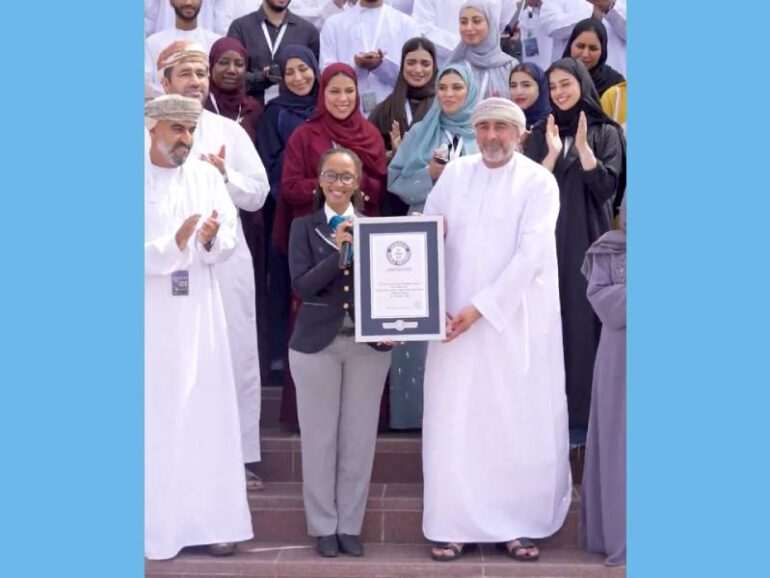
“Congratulations, you are now officially amazing,” Kanzy El-Defrawy, official adjudicator of the premier record-keeping organisation Guinness World Records, said, declaring the feat.

The gym is located on the 50th floor in the iconic Torch building, 247 metres above the ground.

The official record certificate was handed by El-Defrawy to Abdulla Nasser Al-Naimi, the acting CEO of the Aspire Zone Foundation, and Wael Al-Sharif, the Torch Doha’s Area General Manager.

“This record is a new record title, so there is no previous or current record holder for this title,” El-Defrawy said, adding that all the standard criteria to keep and verify a record were met.

The new gym is a part of The Torch Club, a members-only fitness sanctuary, which “blends cutting-edge technology with Qatari hospitality” while offering culturally attuned wellness services, according to a statement.

Located on the 50th and 51st floors, it offers a panoramic view of Doha, as well as the Aspire Zone facilities, most notably the Khalifa International Stadium and the Aspire Dome.

It is another feat for the iconic building, which also features the world’s largest external 360-degree screen, installed in time ahead of the FIFA World Cup 2022.

Situated at 300m high, the Torch Doha is modelled after an Olympic torch and was constructed in time for the 15th Asian Games in 2006, which the Qatari capital hosted.

It served as a colossal torch throughout the games and was later turned into a full-fledged hotel, with facilities such as a rotating restaurant at the top.

The indoor gym will, hence, add to The Torch Hospitality’s “ever-expanding array of diverse experiences” by offering advanced Technogym services, the statement added.

source/content: dohanews.co (headline edited)

____________

The Aspire Zone and the Torch. (Photo/ Aspire Zone)

The record certificate was handed to the officials at the press conference. (Photo/ The Torch Doha)

__________

QATAR

TUNISIA : From Ocean to Gulf: Heritage Music of The Arab World – Music in the City of Tunis (20th Century-Independence)

‘From Ocean to Gulf: Heritage Music of the Arab World’ is a series by Ahram Online, in partnership with the AMAR Foundation (Foundation for Arab Music Archiving and Research). In this article, we present the music of the city of Tunis from the dawn of the 20th century till the years of independence.

After featuring the Sultana of Tarab Musicthe Prince of Arabic Violinthe Master of Buzuq, Hajja Zeinab El Mansouria, the rich music of  Happy Yemen (8th Century BC-19th Century AD), Happy Yemen in the 20th Century, and Songs of Satire; the history of Tunisian music in the 20th century emerges as a complex blend of Ottoman, African, European, and Arab Middle Eastern influences—shaping the country’s rich contemporary cultural identity in music and beyond.

Many Tunisians rightly endorse this multi-cultural identity. Its variations are reflected across Tunisia’s different regions, echoing the visionary observations of the great Arab historian Ibn Khaldoun (1332–1406), himself born in the country centuries ago.

This multilayered landscape of cultural expressions is associated with social and religious practices and at different instances combines music, dances and classical and colloquial poetry.

Furthermore, it is geographically configured by the plains, the Atlas mountains, and the Mediterranean sea, and forms a continuity beyond political borders with Libya to the southeast, Algeria to the west, and sub-Saharan Africa to the south.

‘A living mosaic’

To Tunisian singer Ghalia Ben Ali, Tunisian music is a living mosaic shaped by centuries of cultural blending and conquests, yet always anchored in the people’s voices.

“I was inspired by the Amazigh music of South Tunisia, for it’s alive. When I was young, helping my mother do house chores, we used to sing. Young girls would create new wedding songs or songs about our daily lives; there were no newspapers or films to talk about this, “she said.

Moufadhel Adhoum, a Tunisian composer and oud player, showcases the diverse music of Tunis City, as well as the North, Mid, and South of Tunisia:

Ma’luf music is of Andalusian origins. As for Mezwed music, it incorporates a bagpipe-type instrument that shares the same name as the genre, accompanied by a darbuka or similar percussion instruments. However, El Kef Governorate, in northwestern Tunisia, bordering Algeria, has its own repertoire of songs inspired by the region’s customs and traditions, as well as the slopes of the Atlas range.

In the South, El Forja music consists of songs associated with weddings and occasions, whereas Stambeli represents an African dimension of Tunisian spiritual music. As for the Sufi practices, they include El-Ziyara music, chants that accompany visits to Shrines.

However, Shaabi music is a blend of Berber (Amazigh), Arabic, and African, influenced by the region’s natural setting, the desert and camel rhythms. It expresses sentiments about love and historic events. Instrumental genres are also present in Tunisia and feature instruments such as oud, rababa, and nai.  

Crossroads
 

Tunisia has consistently been positioned at the “crossroads of the Islamic and European worlds” throughout various historical periods, as noted by historian Kenneth J. Perkins.

In the latter part of the 19th century, these dynamics paved the way for the interaction of the dominant political, economic and military forces at that time, namely Ottoman rule and European powers.

Under the leadership of the Husainid dynasty (1705-1957), Western-inspired reforms based on the Ottoman Tanzimat were introduced during the Ottoman administration. 

Additionally, cultural connections were enhanced with countries such as France, Great Britain, and Italy, alongside other Ottoman states and the Maghreb on a different level.

Colonial cultural dominance

In 1837, a military music academy was founded in Bardo, west of Tunis city, which was succeeded by a symphonic orchestra in 1872.

Communities from these nations living in Tunisia introduced their cultures.

They initiated a significant cultural shift in local music practices, shaped by these nations’ various traditions, which later gained another layer with the establishment of a French protectorate over Tunisia in 1881.

New legislation was implemented to restrict traditional musical traditions among Tunisians, favouring and prioritising the European communities in Tunisia, according to researcher Alla El Kahla. 

Francophone culture became a defining force in Tunisian society, with the capital developing into a cosmopolitan centre that saw the establishment of key institutions, including the National Archives (1874), the National Library (1885), and a network of museums across the country.

Simultaneously, traditional regional arts faced scrutiny regarding their worth, societal standing, and performance settings, as noted by the researcher Ruth Davis. Meanwhile, commercial recording began in Tunisia in 1904, coinciding with its development in Europe, where European brands dominated the market ahead of local or Arab brand names such as Baidaphon.

The foreign brands consisted of Pathé (France), Gramophone (England) through its French brand Zonophone, and Odéon’s French subsidiary (Germany). More about these record companies is available through AMAR’s podcasts and Bernard Moussali’s book, Le Congrès du Caire de 1932 (edited by J. Lambert: chap IV). Local record labels followed in 1930, such as Bembarophone.

A music school rooted in European traditions was founded in 1897, which subsequently became the Conservatoire National de Tunis after the nation gained independence in 1956. The musical life witnessed the emergence of orchestras and venues such as café halls and theatres that hosted European musicians, dancers, and actors performing mainly for foreign audiences. These performances eventually attracted Tunisian artists and audiences to music and theatre.

The Egyptian influence
 

The emergence of theatre groups from Egypt, including the Egyptian Comedy (Al-Comedia Al-Masryia), the Egyptian Troupe (Al-JawqAl-Maṣri) directed by Suleiman El-Qardahi, and Ibrahim Higazi’s troupe (1908 and 1909), came a few years later. Additionally, the Salama Higazi troupe introduced musical theatre to the Tunisian theatre scene in 1913.

These initial encounters sparked the foundational growth of Tunisian theatre. They brought the Arabic language and themes drawn from Arab history and heritage to established spaces that European traditions of music, opera, and theatre had previously dominated. Cultural exchanges from Egypt to Tunisia included screenings of early Egyptian cinema and visits by rising stars such as the Naguib Rihani Troupe (1933), followed two years later by a solo tour from his collaborator Badia Masabni with leading vocalist Nadra.

Other prominent figures, including George Abiad, Zaki Talimat, and Youssef Wehbe, also performed in Tunisia, as documented by Dr. Sayyid Ali Ismael in his study of Tunisian-Egyptian theatrical ties (1889–1962).

The author of the study traces these encounters back to the 1889 Paris Expo, when troupes from Egypt, Tunisia, Algeria, and Morocco shared the stage within the curated “Cairo Street” venue and presented their folk arts. The credit goes to these international expos for the oldest recordings of Tunisian music, notably the 1900 Paris Expo.

It was not long before a Tunisian-Egyptian troupe (Sodq Al-Ekhaa) was created in 1909, subsequently substituted by two Tunisian troupes, Literary Pride (Al-Shahama Al-Adabiyya) and Literary Arts (Al-Adāb), respectively in 1910 and 1911.

Other troupes followed their track across the country. While Al-Adāb expressed opposition to France, Al-Shahama Al-Adabiyya put forth no political agenda. One of the pioneering female names in theatre and music was Habiba Msika (1903-1930), who rapidly rose to stardom in theatres and café halls. Musicians integrated Western and Egyptian elements and practices, with the socio-cultural and political centrality of Egypt at that time.

Egyptian reference points sustained until different perceptions of authenticity grew in succeeding decades, as indicated by the researcher Salvatore Morra, who worked closely on the concepts of authenticity and modernisation in Tunisia.

Revival initiatives looked critically at possible local and regional relevant contexts of Tunisian heritage and identity beyond Egyptian aesthetic idioms and Western influences. Furthermore, the scholar Anas Ghrab points out three mechanisms that significantly transformed the musical aesthetics of traditional Tunisian art music. These include a rise in the number of musicians, the implementation of notation, and the incorporation of new instruments.

source/content: english.ahram.org.eg (headline edited)

____________

__________________________

TUNISIA /

U.A.E / ARAB : Al-Obaidli elected president of the Arab Federation for Intellectual Property

 The Extraordinary General Assembly of the Arab Union for the Protection of Intellectual Property Rights (AUPIPR) held its meeting in Cairo, with the participation of approximately 76% of members. The meeting discussed an agenda that addressed organizational issues aimed at strengthening the union’s presence on the Arab and regional levels.

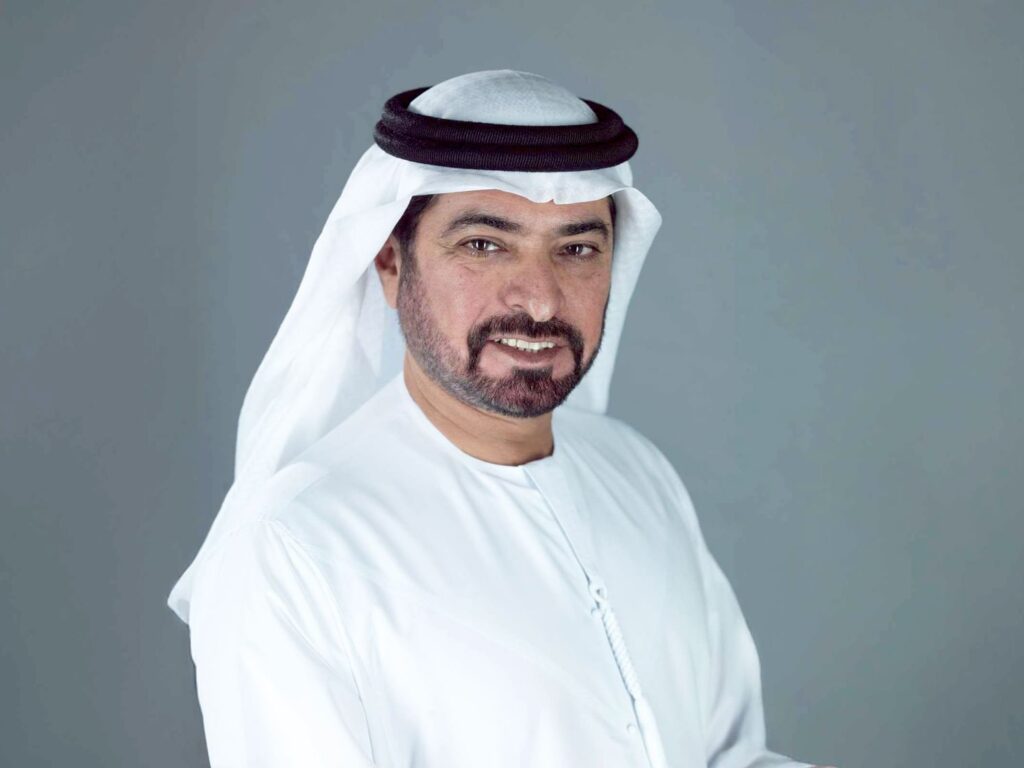
The Assembly elected the Board of Directors members, including Major General Dr. Abdul Quddus Abdul Razzaq Al Obaidli, Sheikh Abdul Wahab Al Mandhari, Attorney Zayed Al Shamsi, Asma Abdul Aziz Al Najdi, Counselor Mohammed Bakr Istitieh, Ayat Hamdi Refaat, Hazza Al Shammari, Mohammed Shafiq Al Khalili, and Counselor Shaker Jalala.

The elected council held its first meeting, where Major General Dr. Abdul Quddus Al-Obaidli was chosen as President of the Union, Sheikh Abdul Wahab Al-Mandhari as Vice President, and Counselor Osama Musa Al-Baytar was appointed Secretary-General.

The new president emphasized that the next phase will witness the launch of qualitative projects in the field of intellectual property aimed at spreading awareness and promoting innovation in the Arab world. Memoranda of understanding will also be signed with prestigious Arab and international institutions and universities, and specialized training programs will be launched on intellectual property issues, artificial intelligence, and blockchain, contributing to supporting the knowledge economy.

The Arab Federation for the Protection of Intellectual Property Rights operates within the framework of the Council of Arab Economic Unity of the League of Arab States. Headquartered in Cairo since its founding in 2005, it has contributed to spreading the culture of intellectual property and supporting entrepreneurship for two decades.

The election of its new leadership confirms its commitment to continuing this mission with a renewed vision and broader horizons

source/content: wam.ae (headline edited)

_____________
__________________________________________

UNITED ARAB EMIRATES (U.A.E) / ARAB

SAUDI ARABIA : WORLD’s BEST : Riyadh hospital completes 10 kidney transplants in 48 hours

King Faisal Specialist Hospital sets record on World Organ Donation Day

Program ‘opens door’ for patients without suitable donor, it says

The King Faisal Specialist Hospital and Research Centre this week set a world record by performing 10 kidney exchange transplants in just 48 hours.

The achievement coincided with World Organ Donation Day, which falls on Aug. 13 and aims to raise awareness of the importance of organ donation.

Dr. Ehab Abufarhaneh, deputy executive director of the hospital’s Organ Transplant Center of Excellence, told Arab News: “KFSHRC performed the kidney exchange transplants over two consecutive days setting a global record. This happened with a great team led by Dr. Khaled Almashary and Dr.Tariq Ali of the department of kidney and pancreas transplant.

“This initiative opens a door for many patients who have no suitable donor.”

The KFSHRC said the record was for the highest number of such procedures conducted within a two-day span at a single center.

“This milestone reinforces the hospital’s position as a global leader in organ transplantation. It also reflects its high clinical readiness, the seamless coordination of its multidisciplinary medical teams and the advanced systems for managing donor-recipient matching, alongside its extensive experience in executing complex transplant procedures,” it said.

Paired kidney transplantation is an innovative approach where two or more incompatible donor-recipient pairs swap kidneys to achieve compatible transplants. The process significantly improves compatibility rates and offers hope to patients who face challenges in finding a suitable match within their families.

Last year, the KFSHRC celebrated another milestone with the completion of its 500th transplant since the program was launched in 2011. Since the creation of its organ transplantation program in 1981, it has successfully performed more then 5,000 kidney transplants, placing it among an elite group of global transplant centers.

Last year it conducted 80 pediatric kidney transplants, more than any other facility in the world for the period.

By leveraging its skilled workforce, advanced technologies and the integration of research and clinical programs, the KFSHRC aims to deliver world-class treatment while enhancing the Kingdom’s position as a leader in organ transplantation.

In 2023 and 2024 it ranked first in the Middle East and North Africa region and 15th globally on the list of the world’s top 250 academic medical centers and was last year recognized as the most valuable healthcare brand in the Kingdom and the Middle East by Brand Finance rankings.

It also ranked among the world’s 250 best hospitals in 2024 and was included in Newsweek magazine’s list of best smart hospitals for 2025.

source/content: arabnews.com (headline edited)

___________

KFSHRC set a global record by performing 10 kidney exchange transplants in just 48 hours, coinciding with the World Organ Donation Day. (SPA)

__________________

SAUDI ARABIA

ARAB JOURNALISTS : Here are the names of the 4 (four) Al Jazeera journalists Israel killed in Gaza

Israel has killed nearly 270 journalists and media workers since it launched its war on Gaza.

Al Jazeera journalist Anas al-Sharif, 28, has been killed along with three of his colleagues in a deliberate Israeli attack on a media tent sheltering journalists outside the main gate of Gaza City’s al-Shifa Hospital.

Al Jazeera reporter Hani al-Shaer said an Israeli drone hit the tent about 11:35pm (20:35 GMT) on Sunday.

In total, seven people were killed in the attack, including Al Jazeera correspondent Mohammed Qreiqeh, 33, and Al Jazeera cameramen Ibrahim Zaher, 25 and Mohammed Noufal, 29.

(Al Jazeera)

Israel deliberately kills Al Jazeera journalists

This is not the first time Israel has targeted Al Jazeera journalists covering the war in Gaza. Before Sunday night’s attack, at least five Al Jazeera journalists had been killed by Israel.

Interactive_AlJazeera_journalists_killed_March25_2025-1742903334

[Al Jazeera]

On December 14, 2023, Al Jazeera cameraman Samer Abudaqa was targeted by an Israeli air strike while reporting alongside Gaza bureau chief Wael Dahdouh, who was injured in the same attack.

Abudaqa was left to bleed to death at the Farhana school in Khan Younis, where they were filming, as emergency workers were blocked by the Israeli military from reaching the site.

On January 7, 2024, Wael’s eldest son and fellow Al Jazeera journalist, Hamza Dahdouh, was killed in a missile strike on the vehicle he was travelling in in Khan Younis.

On July 31, 2024, Ismail al-Ghoul and his cameraman Rami al-Rifi were killed in an Israeli attack on the Shati refugee camp despite their vehicle bearing clear media markings and both wearing vests identifying themselves as members of the news media.

On December 15, Israel killed Al Jazeera journalist Ahmed al-Louh in an air strike in central Gaza’s Nuseirat camp.

On March 24, Hossam Shabat, 23, was killed in an Israeli attack in the eastern part of Beit Lahiya in northern Gaza.

[Al Jazeera]

Gaza: The deadliest war for journalists

Israel’s war on Gaza has been the single deadliest conflict for journalists.

​​According to Brown University’s Costs of War project, more journalists have been killed in Gaza since the war began on October 7, 2023, than in the US Civil War, World Wars I and II, the Korean War, Vietnam War, the wars in the former Yugoslavia and the post-9/11 war in Afghanistan – combined.

[Al Jazeera]

According to Reporters Without Borders, known by its French acronym RSF, 2024 was the deadliest year for journalists with more than 120 killed. Since the start of this year, more than 50 journalists and media workers have been killed by Israeli attacks in Gaza.

source/content: aljazeera.com (headline edited)

SAUDI ARABIA : For first time, foreigners can buy real estate in Mecca and Medina under new Saudi law

Saudi Arabia has approved a landmark law allowing foreigners to own property across the kingdom, including in the holy cities of Mecca and Medina.

Saudi Arabia has approved a landmark legal change that will, for the first time, allow foreign nationals to own property across the kingdom, including in the holy cities of Mecca and Medina, under specific conditions.

The cabinet decision, chaired by Crown Prince Mohammed bin Salman in Jeddah on Tuesday, marks a historic shift in real estate regulation and is part of broader reforms aimed at opening the economy and attracting foreign investment.

The new law is expected to take effect in January 2026, with executive regulations to be published in the coming months.

It grants foreigners the right to own property in designated areas, including key cities like Riyadh and Jeddah, and in limited zones within Mecca and Medina, though ownership in the holy cities will be restricted to Muslims and confined to major projects such as Masar Makkah.

Majid bin Abdullah Al-Hogail, Minister of Municipal and Rural Affairs and Housing, said the reform is an extension of real estate legislation “designed to grow the sector and encourage direct foreign investment”.

He added that it would increase supply by drawing international developers into the Saudi market.

Economic ambitions and market reaction

The announcement triggered a sharp rally in real estate stocks, with some development firms seeing gains of over six percent in the Saudi stock exchange.

Analysts expect the reform to be a turning point for the sector, unlocking new capital, increasing project quality, and helping balance demand and supply.

The new law aligns with Vision 2030, Saudi Arabia’s ambitious transformation plan, which includes major urban developments like NEOM and the Red Sea Project.

According to Knight Frank, the capital Riyadh is expected to reach 1.7 million housing units by 2030, up from 1.4 million at the end of 2024, driven by infrastructure expansion and population growth.

The housing market recorded transactions worth SR 60 billion ($16 billion) in the first quarter of 2025 alone, 65 percent of which were residential in a sign of strong demand even before the law was passed.

The new regulations include safeguards to protect Saudi citizens, with geographic and market controls built into the system.

Ownership in Mecca and Medina will be limited to Muslims and subject to project-specific conditions, while areas open to foreign ownership in Riyadh and Jeddah will be defined by the General Real Estate Authority.

Economic editor Khaled Al-Rabiah told Al Arabiya Business that the reform was not aimed at raising housing prices but at improving the quality and diversity of projects by attracting specialised foreign investment.

Link to premium residency and long-term plans

The legal reform may also lead to a review of the current premium residency ‘iqama’ scheme, which requires ownership of property worth at least SR 4 million ($1.1 million).

Easing that threshold could expand the pool of foreign buyers, especially among the kingdom’s large expatriate population.

While challenges remain, including limited mortgage options for foreigners and the early stage of off-plan sale models, observers say the law could spark a new phase of growth, making Saudi Arabia’s real estate market one of the most dynamic in the region.

The country is targeting the delivery of over one million new homes and hundreds of thousands of hotel rooms, retail spaces, and office units by 2030.

The General Real Estate Authority is expected to release the executive regulations on the government’s Public Consultation Platform for Laws and Regulations (Istitlaa) within 180 days.

source/content: newarab.com (headline edited)

____________

The law grants foreigners the right to own property in designated areas, including the capital Riyadh [Getty]

_________________

SAUDI ARABIA

EGYPT : An early Coptic city unveiled in Egypt’s Western Desert

An Egyptian archaeological mission from the Supreme Council of Antiquities (SCA) has unveiled a significant discovery in the heart of the Western Desert of the remains of the central residential city of Kharga Oasis, dating back to the early Coptic period.

Located in the Ain al-Kharab archaeological site within the Islamic and Coptic archaeological zone, the city offers rare insight into Egypt’s transition from paganism to Christianity.

Among the findings are the ruins of residential structures, churches, and cemeteries, as well as a mural depicting Christ healing a sick person.

Minister of Tourism and Antiquities, Sherif Fathy, described the discovery as a testament to the depth and diversity of Egyptian civilisation during one of its most transformative periods. “This find enriches our understanding of religious transition in Egypt and highlights the values of tolerance and cultural diversity deeply rooted in our history,” he said. He reaffirmed the Ministry’s continued support for archaeological missions nationwide and commended the achievements of Egyptian teams working to enhance Egypt’s global standing as a cultural tourism destination.     

“This discovery is considered as a valuable window into early Christian life in Egypt,” asserted Mohamed Ismail Khaled, Secretary-General of the SCA. He emphasised the importance of the find in shedding light on the beginnings of the Coptic era in Egypt. “Kharga Oasis played a key role as a religious and social hub throughout many historical periods, and this discovery further confirms its significance,” Khaled stated.

He explained that the unearthed structures include mudbrick homes with plastered walls, service areas equipped with daily-use ovens, and storage spaces containing large, fixed pottery jars once used for preserving food and grain. The mission also recovered ostraca, pottery fragments, glass and stone artefacts, burial remains, and a vivid mural illustrating Christ performing a healing miracle.

Seham Ismail, Director General of Antiquities in Kharga and head of the mission, revealed that the team also uncovered the remains of two churches. One is a large basilica-style church featuring a central hall flanked by two aisles, separated by rows of square columns, with service buildings lying to its south. The second church is smaller, rectangular in shape, with remnants of seven exterior columns and Coptic inscriptions still visible on its interior walls. Additional service structures were found on its western side.

Ismail added that findings from previous excavation seasons indicate that the site was used continuously across several historical eras. Roman-era buildings were later adapted for use during the early Coptic period and again in the Islamic era — a testament to the region’s long-standing role as a centre of life and continuity.

This latest discovery further cements Egypt’s Western Oases’ status as historical treasures and reinforces the country’s enduring significance in the region’s religious and cultural narrative.

source/content: english.ahram.org.eg (headline edited)

____________

__________

EGYPT

U.A.E : Emirates Aluminium and Emirates Nuclear Energy Corporation deliver first aluminum shipment using nuclear power

Emirates Global Aluminium (EGA) and the Emirates Nuclear Energy Company (ENEC) today announced the delivery of the first shipment of low-carbon aluminium produced in the UAE using electricity generated at the Barakah Nuclear Energy Plant.

Emirates Global Aluminium markets this low-carbon aluminium under the name Minimal. The metal will be supplied to Canex Aluminium Extrusion, a leading aluminium producer in Egypt. Canex will become the first customer to use Minimal aluminium to manufacture advanced products for infrastructure, solar energy, transportation and architectural applications.

This new product from Emirates Global Aluminium contributes to strengthening the UAE’s position as a reliable supplier of low-carbon industrial materials to global markets and expands the company’s portfolio of low-carbon metals available to local and international customers.

His Excellency Mohamed Al Hammadi, Managing Director and Chief Executive Officer of the Emirates Nuclear Energy Company (ENEC), said that this achievement highlights the pivotal role of nuclear energy in enhancing energy security in the UAE, in addition to supporting the country’s efforts to reduce carbon emissions in the industrial sector. He pointed out that the Barakah plants provide clean electricity around the clock to sectors that require large quantities of electricity, such as the aluminum industry, contributing to consolidating the foundations of a carbon-free economy and achieving long-term sustainable benefits.

For his part, Abdulnasser Bin Kalban, Chief Executive Officer of Emirates Global Aluminium, noted that demand for low-carbon aluminium is growing rapidly, with demand expected to triple by 2040. He emphasized the importance of consolidating the company’s position as a trusted partner in the future of sustainable industries through the Minimal product, supported by the UAE’s vision and strategic investment in nuclear energy.

For his part, Moatasem Daboul, General Manager of Kanex Aluminum Extrusion, affirmed their commitment to achieving sustainability at every stage of production, from raw materials to the final product. This approach embodies the company’s recycling model, by transforming waste into valuable products. He explained that by using Minimal Aluminum, the company is strengthening this path by reducing embedded emissions from the very beginning of operations.

Clean electricity is certified through the UAE’s Clean Energy Certificates program, using the International Renewable Energy Certification (I-REC) protocols to ensure traceability and reliability. Energy is supplied by the Emirates Water and Electricity Company (EWEC) via the national grid.

The Barakah nuclear energy plant produces 40 terawatt-hours of clean electricity annually, equivalent to approximately 25% of the UAE’s electricity needs and the total annual energy demand of Switzerland. The carbon-free electricity generated by the Barakah plant contributes to reducing 22.4 million tons of these emissions annually, equivalent to removing 4.6 million cars from the roads.

Emirates Global Aluminium is the world’s first company to produce aluminum using solar power, having produced 80,000 tonnes of CelestiAL aluminum in 2024. The company also produces recycled aluminum, marketed under the brand name RevivAL, at its plants in the United States and Germany. Emirates Global Aluminium is building the largest aluminum recycling plant in the country at Al Taweelah, with production expected to commence in the first half of 2026.

source/content: wam.ae (headline edited)

_____________

____________________________________

UNITED ARAB EMIRATES (U.A.E)

SAUDI ARABIA : Makkah museum displays massive Qur’an mosaic

Artwork is based on an original Qur’an manuscript written by calligrapher Mustafa Dhul-Fiqar in 1656.

The Holy Qur’an Museum in the Hira Cultural District in Makkah features a mosaic panel of Surah Al-Fatiha and the beginning of Surah Al-Baqarah, spanning 76.67 sq. meters and composed of over a million porcelain mosaic pieces.

This artwork is based on an original Qur’an manuscript written by calligrapher Mustafa Dhul-Fiqar in 1656, preserved at the King Abdulaziz Complex for Endowment Libraries in Madinah.

As the first museum in Makkah dedicated solely to the Holy Qur’an and located near the historic Mount Hira, it serves as a cultural and civilizational beacon for the holy city, the Saudi Press Agency reported.

The museum houses a rich collection of rare artifacts and Qur’an manuscripts from various Islamic eras, showcasing diverse calligraphic styles throughout history.

It also features educational exhibits tracing the evolution of Qur’anic writing, along with modern interactive technologies that highlight the Qur’an’s profound significance.

Visual displays further illuminate the history of Qur’anic documentation through the ages. The museum also holds Guinness World Records for the largest Qur’an and the largest Qur’an stand.

______________

A mosaic panel of Surah Al-Fatiha and the beginning of Surah Al-Baqarah is made up of over a million porcelain pieces. (SPA)

__________________

SAUDI ARABIA