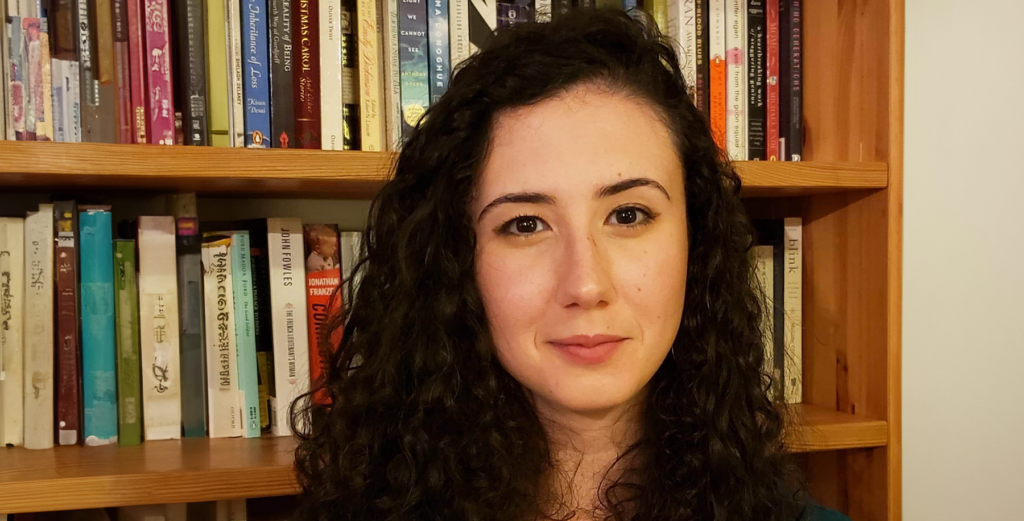
SOMALI AMERICAN: ‘I wanted to be underestimated’: How Muna Abdulahi played her way through Netflix’s reality show, ‘The Mole’

Minneapolis poet Muna Abdulahi talks strategy, community and leveraging cultural stereotypes in Netflix’s season two of “The Mole,” where she competed for a $154,000 prize.

Who is the mole? 

For Somali American poet Muna Abdulahi, that question loomed large during her first day on season two of Netflix’s reality game show, “The Mole,” which was filmed in the napier grass fields of western Malaysia. Abdulahi had to figure out who to trust among the other 11 players while aware that one of them might be secretly sabotaging the game, and while navigating cultural differences and working to stay under the radar herself during the six-week filming.

The premise of “The Mole” is simple: contestants work together to build a pot of prize money that only one player will win in the end. Among them is “the mole,” a player tasked with working against the group. After each mental or physical challenge, players take a quiz to identify the mole and the contestant with the lowest score is eliminated. If the mole remains undetected until the end, they win, but if the last player uncovers their identity, that player takes the prize. 

In a game where everyone is out to deceive each other, moments of genuine connection feel like dangerous territory. Off-camera, players share meals, tell stories and laugh together — but beneath the camaraderie, the question remains: Who can you trust when everyone might be lying? 

Abdulahi, who grew up in Willmar, Minnesota, and now lives in Minneapolis, approached the game with a calculated strategy: lean into being underestimated.

“When people first meet me, they see the hijab,” Abdulahi said in a confessional in the first episode. “They see a Muslim woman, somebody who follows other people’s orders, and I’m going to use that to every single advantage.”

Did Abdulahi’s strategy pay off? Watch “The Mole” on Netflix to see how far she goes.

 In an interview with Sahan Journal, Abdulahi reflected on her life as a poet and shared her experience filming the show in July 2023. She discussed what it was like being a Muslim woman in a high-stakes competition balancing trust and suspicion.

The interview has been edited for length and clarity.

Can you share a bit about your journey as a poet in the Twin Cities? What inspired you to start writing? 

I started writing poetry when I was 14. Somalia is known as the nation of poets, so I have family members who are poets, like my grandmother. Being born and raised in the U.S., language was still a barrier because I understood Somali when it was spoken to me but speaking it was a whole other conversation. So, when I was young, there was a part of me that really wanted to find something that connected me to my culture and poetry was it. 

The issue was, I went to predominantly white schools my whole entire life, so a lot of the authors I would read would be old white men. I’m like, “Okay, I have absolutely no ties to these people,” but then I started getting into spoken word poetry and that scene is predominantly BIPOC stories and narratives that I never got to hear growing up. It inspired me to write, and I just never stopped.

How do your experiences as a Muslim woman influence the subjects you write about?

That’s a really good question. I mean, I think everything ties back to our inner child. For me, I never really got to hear BIPOC stories. I still remember the first BIPOC story I read. It was “The Kite Runner.” 

I think when you are not represented in stories, it makes you feel unimportant and as if your experiences are not worthy of being shared. It’s also the media in general. So, my mission when I started writing was to not only give space to our stories, but to give space to the stories that were devalued or silenced or not seen as worthy. 

It feels like there’s two sides of the coin — either our stories are not being shared or, when it is, it’s these perfect stories where Black and brown girls become tokenized and don’t feel worthy unless they’re exceptional. I want to give space to the in-between.

What drew you to “The Mole”? How did you get involved with the show?

I’m a big, big fan of reality TV, specifically reality competition shows like “Big Brother” and “Survivor,” so I’ve always wanted to be a part of it, but I never saw any Muslim people. I remember writing down in my notebook the shows that I want to be a part of, and I had to check off every single one because the structure of the game itself would not meet the necessities and the needs of being a Muslim woman.

In “Survivor,” you’re stranded on this random island and — let’s say you just did a swimming challenge — you’re going to be wet all day, all night. Maybe you have an extra hijab but how would you be able to preserve your values and at the same time play this game? 

It’s the same thing with “Big Brother,” where you’re being filmed 24/7, even when you shower. Even though I love the game, I can’t really do it. What I loved about “The Mole” is that the structure of the game itself is accessible to Muslim women. 

What was it like communicating with producers about what you needed?

So the first thing is prayers. We pray five times a day. The way that these games work is completely fast-paced, so I basically had to tell them, “Hey, I need 10 minutes.” We met in the middle where I was able to move to the side and do my prayers, but that also meant that I was praying in a lot of different places. 

We also didn’t have our phones, but I usually use it to pray at specific times and toward a specific direction to Mecca. I also needed water to make wudu (a cleansing ritual), so there was somebody who literally carried my prayer mat, bottled water and checked the times for me. That was really helpful. It also helped that we were in a Muslim country. There were a lot of prayer rooms already within the city. 

How did you mentally and physically prepare for the show? 

I rewatched a lot of the seasons, and not just the U.S. seasons. I’m also a big fan of the international seasons, so I was watching Netherlands, Belgium and Australia. I wanted to make sure that my game plan was set, but at the same time give myself room to adapt, because that’s the name of the game. 

We don’t really know what we’re getting into. I also prepared by memorizing things, because the objective of the game is, “Who is the mole,” right? We have to remember as much as possible about them: What are they wearing? What color are their shoes? Which car did they get in? 

Those little details would be on the quiz. 

What was your strategy going into the game? 

Originally, my strategy was to play into this stereotype that people have for Muslim women — very timid, shy, quiet, observational, not taking up too much space — so they underestimate me. It worked for that first episode but after that, I had to switch up my game. 

I can’t hide. It’s so much more difficult to hide who you are when you’re with these people all day, but it still worked to my advantage because people still underestimated me. Well, until mid-game when you see them start to question if I was the mole. 

In the first episode, you talked about how people often perceive Muslim women as obedient or timid. As you entered the game and interacted with contestants, did you feel that they had a specific perception of you?

Off the bat, yeah. It was exactly what I thought. I don’t think a lot of people on the show had close Muslim women friends, so I think a lot of the time, people perceive groups of people based on what they see on TV. 

I remember Q [Quaylyn Carter] was like, “Oh my gosh, I thought you were going to be so quiet,” so, I really could have played into that. But Andy (Mintzer) had a lot of knowledge about Muslim culture. Muslim women and men are not supposed to touch the opposite gender’s hand, so I knew that first meeting was going to be so awkward because a lot of people don’t know that, but Andy knew right away.

How did you manage building friendships with contestants while, in the back of your mind, knowing that one of them is sabotaging the game?

To be honest, I came in there like, “I’m not here for friends; I’m here to win,” but a lot of these people are just so likable and so lovely. The mole lies throughout the whole thing, but off-camera, the stress and tension is gone. We’re eating together or driving to the next location and sharing stories about who we are. 

The core of me is centered around community, and even though I wanted to shut it off, those in-between moments really got to me. Some of these friendships are so real. Hannah (Burns), for example, was somebody who I saw as competition or as an enemy, but outside of the game, we were friends, so it was this weird, funny tension where it’s like, “I adore you, but in the game, I’m lying to you up and down.”

I had such a beautiful friendship with Jenn (Jennifer Dasilva-Hassiman), too, and it sucked so bad because she left first. She has such a beautiful spirit. In the beginning, it was difficult coming into this as a minority. 

I know who I am, but I’m also shifting myself a little bit for this game, and as someone who grew up in predominantly white spaces, code switching becomes this mechanism. It was lovely to see Jenn be exactly who she is — this bold, beautiful personality and unapologetically herself. 

One of the key moments from the season was episode five, when you guys had an auction and contestant Neesh Riaz bid the entire pot of $59,500 for an exemption from the quiz.

What was it like watching all of that money you guys worked for drain from the pot?

It was so tense, and it’s funny watching it back from an outside perspective, because it’s been so long. I’m just laughing at my reaction, because it was so serious. What’s so unique about this game is that they take your phone away so you’re truly, one-hundred percent engulfed in this experience. Like, this is your life, and we’re at the halfway point. 

When he took all that money, it just hit me that somebody’s full year of work was gone just like that. 

Honestly, everybody was so mad. There’s so many moments that were not shown. We were outside and we were just like, “What are we doing here?” Even the host had to remind us that there’s still a lot of money coming in, but I think at this point, people were just so tired of losing money and you’re realizing not only are we competing against the mole, we’re competing against other players. So you’re like, “Okay, what are my actual odds here? If I was to win, am I going to be winning a dollar? Is that right?”

How did it feel to get as far as you did? 

It felt so good. A big part of that whole experience ties to the very beginning of our conversation where I didn’t want to come on the show to prove that I’m smart or exceptional. I just wanted to be myself and show all of the complexities that make up a human. 

I’m smart, but I’m also a big personality. I’m a little funny and a little quirky. I don’t have to compromise anything and I can still get to the end. Even though I didn’t win, I still proved that it had nothing to do with who I was or my capabilities and, for that, I feel like my purpose was met. Money would have been amazing but the experience was more fulfilling than I could have imagined.

What was the reaction from your friends and family after the show aired? 

It was really beautiful. My family is my biggest support system and my sisters, especially. It was like a sports game, the way they were cheering for me. 

What about the response from viewers?

Watching the show back was such a healing experience, and then to see the outpour of love in my DMs — that was something I wasn’t prepared for. And to see all these Muslim women come into my messages — it meant so much to me, and I didn’t know how much I needed it. 

It just reaffirmed exactly what I was meant to do. Coming into this next era, I want to continue paving the path so others could walk with me and hopefully, it’ll be easier for the next one, and the next one, and the next one. 

source/content: sahanjournal.com / myahgoff (headline edited)

_____________
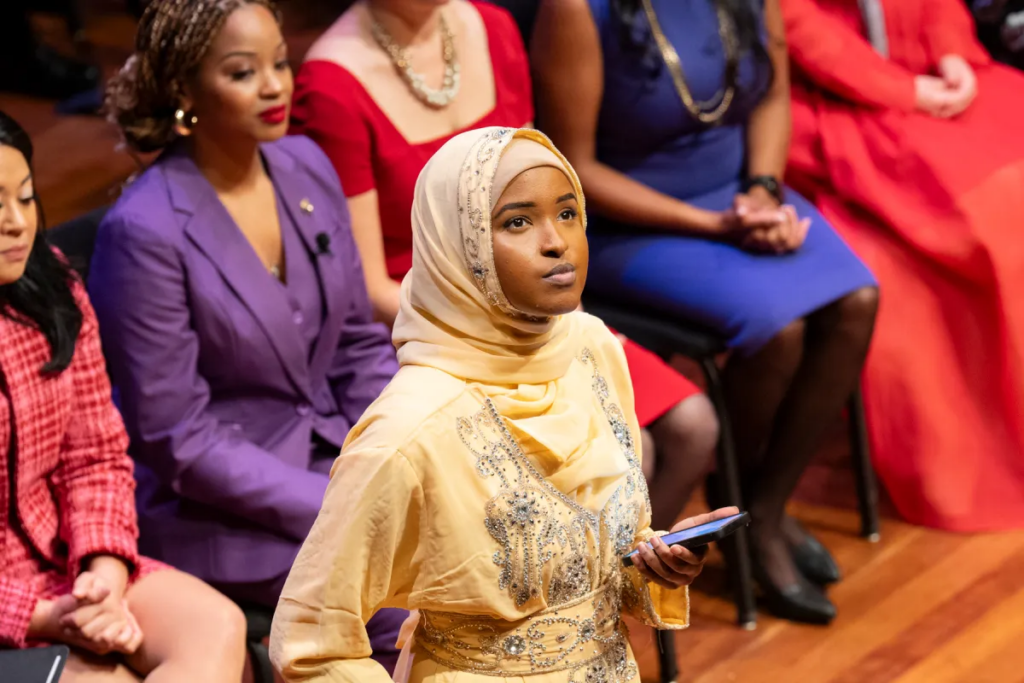
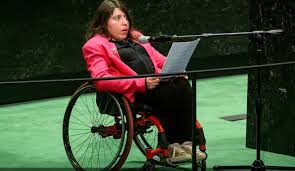
Poet Muna Abdulahi (center) gives a spoken word tribute during the January 9, 2024, inauguration of St. Paul’s historic all-female City Council. The new council sits behind her. Credit: Aaron Nesheim | Sahan Journal

________________________

AMERICAN / SOMALIA

SUDAN : Janet Habil, First Sudanese football female coach in Saudi Arabia

Sudanese football coach Janet Habil told Altaghyeer she was proud as the first woman from her country to coach in Saudi Arabian, leading al-Najma (the Star) women football team, a genuine motivation for her to press for success and achievement.

* How do you feel as you take your first step on the road to success?

– Praise be to Allah, I’m definitely very proud and grateful for the opportunity to prove myself and be an effective member of the society, and I will deliver, Allah willing.

* Have you ever dreamed to be the first Sudanese woman to train in Saudi Arabia?

– Honestly, I have been dreaming and dead sure of taking this role because I know Saudi Arabia is a country that secure due rights for both men and women, and it supports young talents within its 2030 Vision.

* What is missing for Sudanese women to succeed as football coaches, players or even administrators?

– Every hardworking person deserve a share of success. I don’t think that a Sudanese young man or woman lack talent or self-confidence, but we lack resources. Another vital element needed for going forward in the road to success, is the backer who supports youth achieve their set goals.

* In your view .. why training of the Sudanese National Woman Football Team was not assigned to a woman?

– I think it is better to have a woman coach because she would be closer to the women community and hence able to understand their feeling, thinking and abilities, I believe that women can handle any challenge and realize their visions. However, it seems the selection of coaches for the Women National Team was based on specific criteria, namely the level of the candidate’s training license. But, we have competent female trainers such as Sara Edward who is an A Pro License holder but she is currently living in Germany. We have also very important women coaches like Salma al-Majdi and Ibtihaj Derma.

* How was your experience as a player in the Sudanese women football team al-Tahadi (the Challenge)?

– Al-Tahadi is one of the Sudan’s first women football teams, I was selected to the team on merits of my talent and capabilities and therefore I succeeded in proving myself, praise be to Allah, and thanks to the team and coach Sara Edward who believed in me as a player and after I sustained injury she supported me to adopt a coaching career.

* How do you describe your experience in the Jeddah al-Najma club of Saudi Arabia?

– I’m going through a very big experience in al-Najma team and I’m very proud to be a member of this team.  Definitely there are challenges, but difficulties are found to be overcome for us to achieve our dreams. With people around who believe in you and with confidence in our abilities we can achieve anything. I’m grateful to al-Najma Club (administration, technical and medical teams) that has placed its trust on me as a coach and provided me with this good opportunity.

* What do you say about women football in Saudi Arabia, as a nascent sport activity within that community?

– It is a very successful experience because the Kingdom’s leadership have great faith in women capabilities a matter that enhanced women self-confidence. I can say that Saudi women football clubs are up to par with their counterparts in any country that has preceded in this field.

source/content: altaghyeer.in (headline edited)

___________

_________

SUDAN

TUNISIAN change maker Khadija Jallouli, invents a sustainable vehicle

Khadija Jallouli, a young Tunisian entrepreneur with a disability, has called for redoubling international efforts aimed at integrating people with disabilities and involving them in decisions related to finding solutions to the challenges they face.

She is the co-founder and CEO of HawKar, a start-up specialising in manufacturing electric vehicules for people with disabilities with the aim of improving their lives by providing convenient, accessible and sustainable mobility solutions.

Ms. Jalouli spoked about her experience from the podium in the iconic General Assembly Hall at the opening session of the activities of the 17th session of the Conference of States Parties to the Convention on the Rights of Persons with Disabilities (COSP17), which began on Tuesday and continues until June 13, under the theme Rethinking disability inclusion in the current international juncture and ahead of the Summit of the Future, which is taking place at UN Headquarters in September.

In an interview with UN News, Ms. Jallouli said she is participating in COSP17 to shed light on the challenges facing people in motion and how to find solutions to them to create a more inclusive world as well as to inspire participants to take action to find solutions and involve everyone.

Watch her story below:

source/content: news.un.org /UN News (headline edited)

_____________

UN Photo/Loey Felipe / Khadija Jallouli, a youth representative from Tunisia, addresses the Conference of States Parties (COSP17).

____________

TUNISIA

MOROCCO : CNDH President Amina Bouayach Receives 2025 Mediterranean Foundation Award in Naples, Italy

Bouayech praised Morocco’s efforts in promoting human rights including recently proposed changes to the country’s family code.

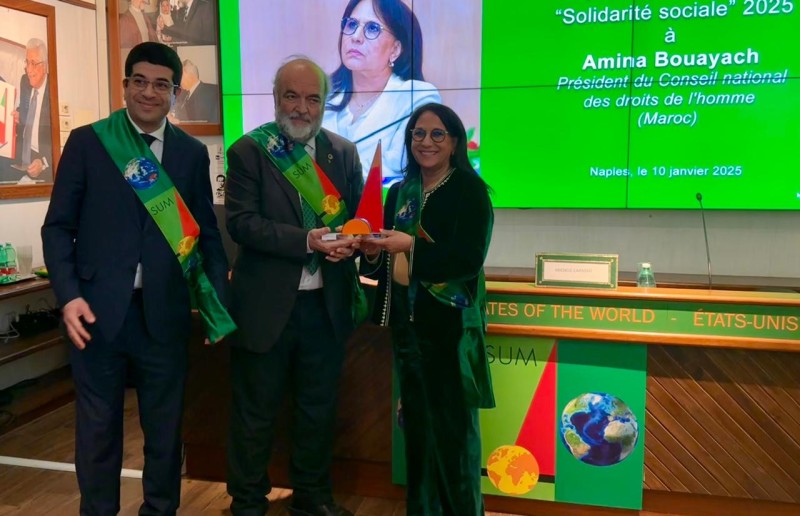
Amina Bouayach, the President of Morocco’s National Human Rights Council (CNDH), has been awarded the 2025 Mediterranean Foundation Award for her contributions to promoting human rights in Morocco and internationally.

The award, presented to her on Friday in Naples, Italy, recognizes individuals or organizations dedicated to upholding the values of human dignity and freedom.

Established by Italian sculptor Mario Molinari, the Mediterranean Prize is a symbol of peace and coexistence between countries. It recognized Bouayach’s work in advancing equality, justice, and fundamental freedoms, the foundation said in a statement.

During the ceremony, President of the foundation, Michael Capasso, along with international jury members and Professor Abdelhak Azouzi, praised Bouayach for her extensive work in human rights.

Bouayach was born in Tetouan, a small city in northern Morocco. For decades, she has been a tireless advocate for women’s and children’s rights, often speaking out against the injustices they face. She has also worked to improve the rights of marginalized groups around the world.

In recognition of her dedication and leadership, King Mohammed VI appointed her as president of CNDH in 2018.

She has also held significant positions in global human rights organizations, including Vice-President of the Global Alliance of National Human Rights Institutions and Vice-President of the International Federation for Human Rights.

In addition to her work in human rights, Bouayach has had a career in diplomacy, having served as Morocco’s Ambassador to Sweden and Latvia.

In her acceptance speech, Bouayach expressed gratitude for the recognition and praised Morocco’s efforts in promoting human rights. She particularly mentioned recent reforms like the vote in favor of a universal moratorium on the death penalty.

“This distinction, while touching me as a woman and activist, is primarily a tribute to my country, Morocco, for its unwavering commitment to the universal values of dignity, justice, and equality,” Bouayech said.

She also mentioned the proposed reforms to Morocco’s family code and they recognize women’s contributions in the household when distributing marital property. “These ambitious reforms, full of hope, aim to strengthen the rights of women and children, bringing significant advancements,” Bouayach said.

CNDH President also noted that the Mediterranean is more than just a geographic area; it is a place rich with shared history, where different cultures have come together to build a common heritage.

She acknowledged the challenges the region faces, such as conflicts and climate change, but stressed that the Mediterranean’s heritage of humanity and diversity offers hope and the potential for renewed dialogue.

In addition, she noted the important role of women in driving social and political change in the Mediterranean, especially in Morocco.

“I dedicate this award to all Mediterranean women who, every day, build bridges between cultures and generations,” she concluded.

source/content: moroccoworldnews.com (headline edited)

____________

_____________

MOROCCO

OMANI Researcher Dr Huda Mubarak Al Dai’ree Wins ‘ALECSO Innovation Award for Young Researchers’

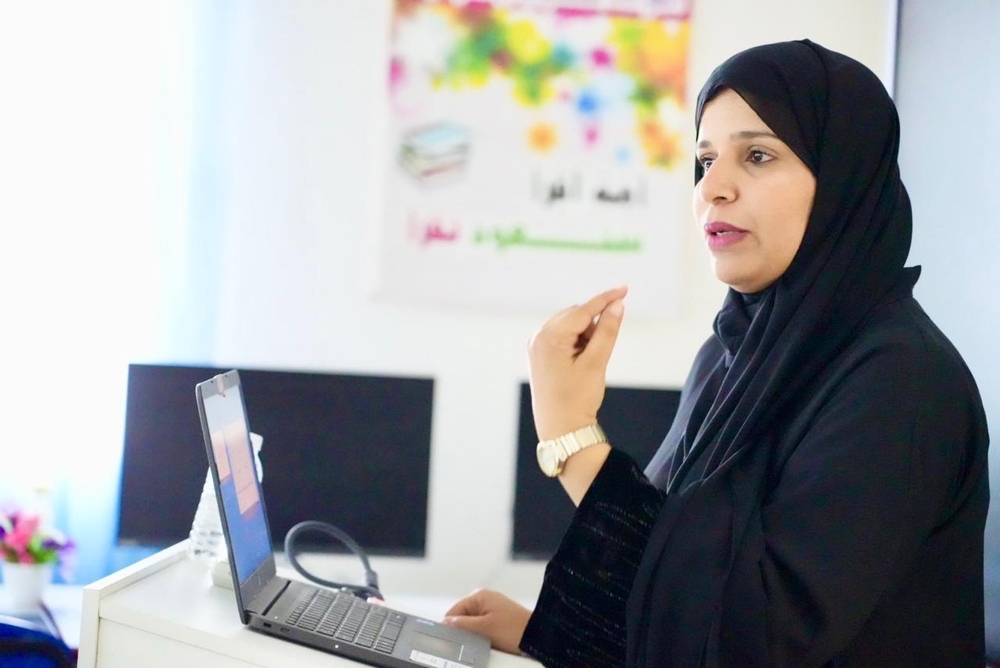
The Arab League Educational, Cultural and Scientific Organization (ALECSO) announced that Omani researcher Dr. Huda Mubarak Al Dai’ree won the “ALECSO Innovation Award for Young Researchers” due to her active role in promoting green economy.

The research that won the award was titled “Role of government school principals and teachers in endorsing green economy in education and activating it as one of the objectives of Oman Vision 2024.”

The award reflects ALECSO’s keenness on inspiring and supporting innovative Arab researchers who excel in the fields of technology and scientific applications. The award is an initiative undertaken by ALECSO to spread the culture of research and innovation among Arab youth.

source/content: omannews.gov.om

________

_________

OMAN

EGYPT : BBC recognizes Nour Emam of Egypt’s MotherBeing for empowering women

This recognition sheds light on a journey of empowering mothers and reshaping the narrative around motherhood in Egypt.

Onset of an idea
 

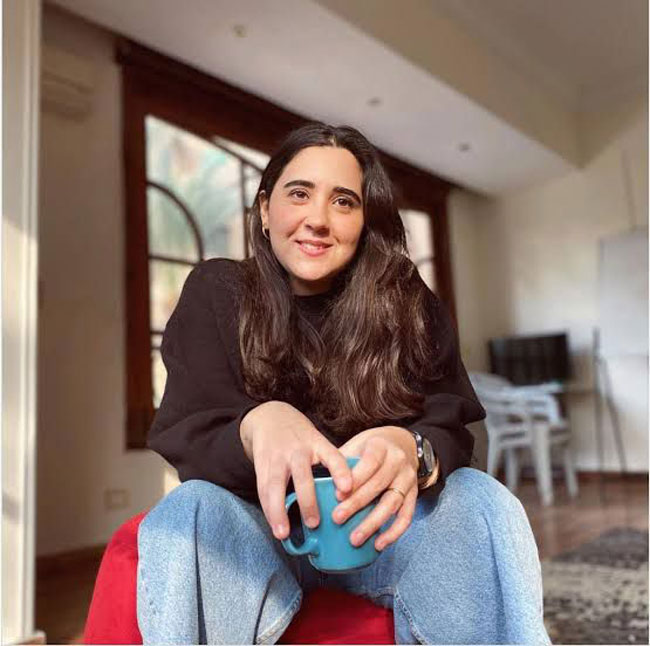
MotherBeing is an organization founded by Nour Emam to provide support, resources, and a sense of community for mothers across Egypt.

In a previous interview with Ahram Online , Emam recounted that during the birth of her daughter, she underwent a medically unnecessary C-section and was separated from her daughter for a while.

It was a challenging experience that left her feeling helpless. Following the birth, Emam suffered from postpartum depression and mild PTSD, which went undiagnosed for eight months.

In an attempt to help herself overcome that painful experience, she created MotherBeing, an educational platform focused on providing women with information on their bodies, sexual health, and the many misconceptions surrounding it.

However, before creating her platform in January 2020, Emam joined a five-month online doula training program from Canada, one of the hardest and longest in the field, followed by another training program in managing postpartum depression.

Emam decided to make it her mission to educate women about their cycles and reproductive health. Emam’s most crucial part was making this knowledge accessible in Arabic to every Arabic-speaking woman.

She is now a certified maternal support practitioner (doula) and certified relationship and sex educator.

Over the years, in addition to easily accessible online content, MotherBeing provided courses of female-only open discussions about women’s reproductive and sexual health issues.

Based on requests, course participants choose a topic related to womanhood each month. The courses provide scientific discussions of the issues.

Through MotherBeing, Nour has created a safe space where mothers can share their stories, seek advice, and form connections with one another.

Brave initiative
 

One of Nour Emam’s standout initiatives is donating hundreds of thousands of sanitary pads to women in Gaza in November 2023.

This initiative highlighted the medical challenges women face there.

Emam also provided free online consultations to all Palestinian women in need of medical advice regarding their reproductive health.

She remains committed to expanding the reach of MotherBeing and creating a more inclusive and supportive environment for mothers in Egypt.

Her vision for the future includes launching new initiatives, collaborating with like-minded organizations, and advocating for policies prioritizing maternal well-being.

source/content: english.ahram.org.eg (headline edited)

__________

__________

EGYPT

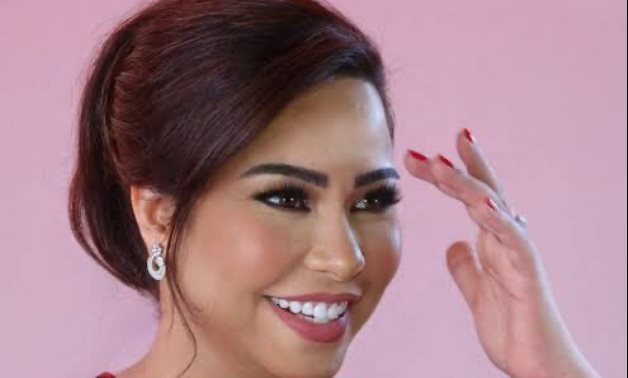
EGYPT: Billboard Arabia Grants Sherine Abdelwahab the ‘Global Force Award’, making her the First Arab Artist to be conferred this prestious award

Billboard Arabia granted famed Egyptian singer Sherine Abdelwahab Global Force Award.

“I hope that my work reaches the entire world. That’s always been a dream of mine” AbdelWahab said.

The Egyptian star added that she is thrilled and proud that there is a music award specifically for women.

Billboard Arabia in partnership with Billboard Women In Music 2024, granted AbdelWahab this prestigious award to be the first Arab Artist to receive it.

Abdelwahab released her latest song titled “Dahab” on February, 2024.

The song is written by Tamer Hussein and composed by Madin.

Abdelwahab makes her debut performance in Dubai in 2023. Abdel Wahab has captivated thousands of audiences around the Arab world with her melodious voice, charismatic stage presence and managed to establish herself as one of the most popular and beloved singers in the Middle East. She is a popular Egyptian singer who was born in 1980. She started her career in 2000. 

Two years later, the music producer Nasr Mahrous who strongly believed in Abdelwahab paired her with Tamer Hosny on the same music album. 

The album achieved booming success; Abdelwahab and Hosny became mega stars.  She released a lot of successful songs such as “Masha’aer’’ (Emotions), “Albi Leek” (My heart is for you), “Garh Tany” (Another wound), “Lazem Ayesh” (I have to survive), “Batmenak” (I am Reassuring you) among others. She acted in one movie along with the Egyptian mega star Ahmed Helmy entitled “Mido Mashakel” (Mido always makes problems). 

Her soap opera “Tare’y” (My path), released in 2015, achieved great success. Abdelwahab  is famous for her emotional, melodious voice that has a significant touch of intimacy. She is consistently hailed as one of the most talented and successful singers of her era, being dubbed as “The Queen of Emotions” for her popular romantic ballads.

source/content: egypttoday.com (headline edited)

________

Sherine Abdelwahab

__________

EGYPT

TUNISIAN-CANADIAN: Dr Myriam Khalfallah, Fisheries Scientist – University of British Columbia (UBC) Alum pushing for truly global fisheries science

When Dr. Myriam Khalfallah arrived in Vancouver from Tunisia in 2013, she had just earned a bachelor’s degree as an agronomic engineer specializing in fisheries and environment at the National Agronomic Institute of Tunisia (INAT), the University of Carthage. She visited UBC in hopes of meeting Dr. Daniel Pauly, the internationally recognized fisheries scientist—Dr. Khalfallah had used his methods during her engineering practicum work and wanted to meet one of her research inspirations.

The two met, speaking in French, one of Dr. Pauly’s native tongues, before switching to English. He then asked if Dr. Khalfallah mastered scientific Arabic, as Tunisian universities and research institutions are usually French speaking. She did. It turned out that Dr. Pauly needed someone who spoke all three languages to collect fisheries data from Arabic-speaking countries. Dr. Khalfallah landed the job.

“That was the start of the whole thing,” she recalls. “Daniel said, if you do well on this project, maybe I’ll take you as a student. I went back to Tunisia and applied for a work permit and my whole life changed.”

Similarly to most economically developing countries, fisheries data from North Africa, the southern Mediterranean, and the Arabian Peninsula is not always accessible to the international scientific community, notably due to language barriers, publication costs, and funding. Data does exist, but finding it and leveraging it for research takes language skills and to a certain extent a strong personal network. Dr. Khalfallah had both. Her work went well and Dr. Pauly accepted her as a graduate student.

But there was a problem. During her undergraduate studies in Tunisia, a revolution was ignited against the country’s dictatorship. Dr. Khalfallah had been the elected student representative and ombudsperson at her university.

“Tunisia was living under a strict dictatorship at the time,” Myriam says. “We had no right to speak up. The internet was almost fully censored, as were most of the media. Journalists were jailed. It was really awful”.

“I was involved with the demonstrations and doing my best to defend student and human rights. Some professors didn’t understand the role of the student representative and ombudsperson. When I told my professors about the changes that the students wanted, some thought that I was individually calling for change. Obviously, there can be retaliation—when I applied to UBC, my relationships back home made it difficult for me to get into another university.”

Due to her low grades, notably due to the revolution, UBC rejected Dr. Khalfallah’s initial application to graduate school. So Dr. Pauly stepped in.

“Daniel wrote letters for me, as did the dean of my previous university, and a few Tunisian professors, telling UBC they should give me a chance because what happened in Tunisia made things very difficult for everyone.”

The letters of support had the desired effect. Dr. Khalfallah began work on her Master’s of Science degree at UBC’s Institute for Resources, Environment and Sustainability, where she carried on reconstructing fisheries catch data from Arabic-speaking countries, estimating the amount of unreported catch—fish that are caught and not officially accounted for by official statistics.

“Methods used in Western countries aren’t always applicable in the rest of the world,” Dr. Khalfallah notes. “But now there are increasingly newer methods, such as those we use at our research unit, the Sea Around Us , that makes the most of data that is usually overlooked. An interesting part of this work involves collaborating with scientists from all over the world and bridging the gap between data-rich and data-poor regions.”

As her research progressed, she and Dr. Pauly realized that her initial plan—a 17-nation study—was too big for a master’s thesis. So Dr. Khalfallah applied to fast track her research directly to a PhD which required good grades, publications, and strong references.

She defended her thesis on March 26, 2020—the second week of the COVID lockdown when UBC shifted all defenses to Zoom for the first time—and graduated with a PhD in Natural Resource Management and Environmental Studies. After graduation Dr. Khalfallah followed through with post doctorate research, also at UBC, working online to unravel the effects of foreign fishing fleets and aquaculture on West African fisheries.

“Like many scientists then, I was unable to get funding to extend my postdoc as a lot of science funding was going towards medical research and stopping COVID” she says. “Some friends of mine who knew the author Margaret Atwood kindly told her about my postdoc and asked if she knew of anyone who could fund my research. And she offered to do it! She was amazing.”

Dr. Khalfallah currently works with the NGO FHI360 as a marine climate change specialist on the project Sharing Underutilized Resources with Fishers and Farmers (SURF). This project supports Tunisia’s efforts to adapt fisheries and agriculture to climate change and is one of the first of its kind in North Africa to be funded by the U.S. Department of State.

“Climate change is impacting North Africa at a very fast pace,” she says. “Water is getting scarcer by the day. Fishes are moving from the Red Sea to the Mediterranean, replacing native species. In some regions there are almost no fish anymore because overfishing, climate change, and pollution are a very bad combination.”

“I’m trying to either find other, sustainable livelihoods for artisanal fishers, or find a way for them to fish sustainably. Whatever happens in North Africa due to climate change will happen in the rest of the world at certain points. If we can find a way to help them adapt in one way or another, then those ways could potentially be applied in other places where the climate situation deteriorates.”

Dr. Khalfallah recently became a Canadian citizen and lives in Vancouver when not travelling for work. She was recently selected to be one of the alumni representatives of the Faculty of Science at the 2023 Fall Graduation ceremony, 10 years after she first set foot in Canada and UBC.

“I was quite surprised and honored by the invitation and it was an amazing experience.”

For those who have moved here recently and are starting their research career, she has some advice:

“International students have the stress of surviving, often alone, in new foreign environments, all while successfully completing their studies and research; and sometimes it is very difficult to see the light at the end of the tunnel. But I want to say that the light is there. Be persistent and ask for help when needed. Great things are achieved in small steps. Think about just doing one step at a time, and when you look back, you’ll see that you have actually achieved a lot without even realizing it!”

source/content: science.ubc.ca (headline edited)

____________

Myriam Khalfallah, PhD 2020

__________________________

CANADIAN / TUNISIAN

ARAB : Illuminating Achievements: Arab Physicists Shaping the World of Light

The study of light has led to promising alternative energy sources and lifesaving medical advances in diagnostics technology and treatments. 

These transformative technologies were developed through centuries of fundamental research on the properties of light, including pioneering work such as Ibn Al-Haytham’s seminal Kitab al-Manazir (Book of Optics), published in 1015.

As the world celebrates the International Day of Light on 16 May, various Arab physicists have left an indelible mark on the Arab world’s understanding and utilization of this fundamental phenomenon.

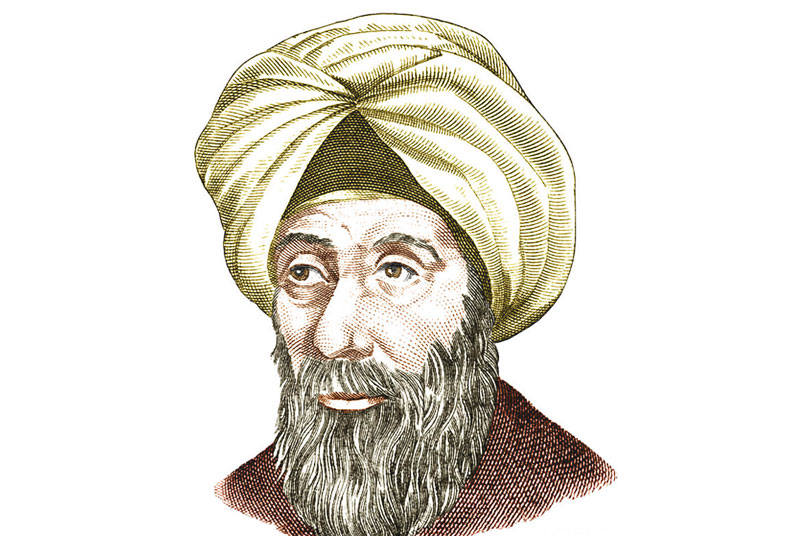
Ibn Al-Haytham (965-1040 CE)

Considered the father of modern optics, Ibn Al-Haytham’s groundbreaking work, Kitab al-Manazir, laid the foundation for our understanding of the behavior of light, including the principles of reflection, refraction, and the workings of the human eye. His experimental approach and rejection of the prevailing theories of his time were revolutionary, and his work influenced generations of scientists who followed in his footsteps.

Photo Source: VH Magazine

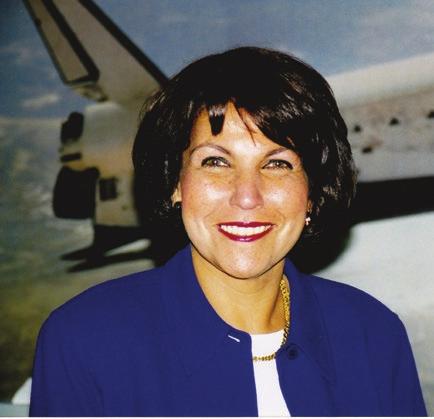
Maha Ashour-Abdalla

A pioneering Egyptian-American plasma physicist, Ashour-Abdalla’s research has advanced our understanding of the complex dynamics of the Earth’s magnetosphere, with applications in space weather forecasting and protection of satellites from cosmic radiation. Her work has been instrumental in developing models to predict and mitigate the impacts of solar storms on technological infrastructure.

Photo Source: UCLA

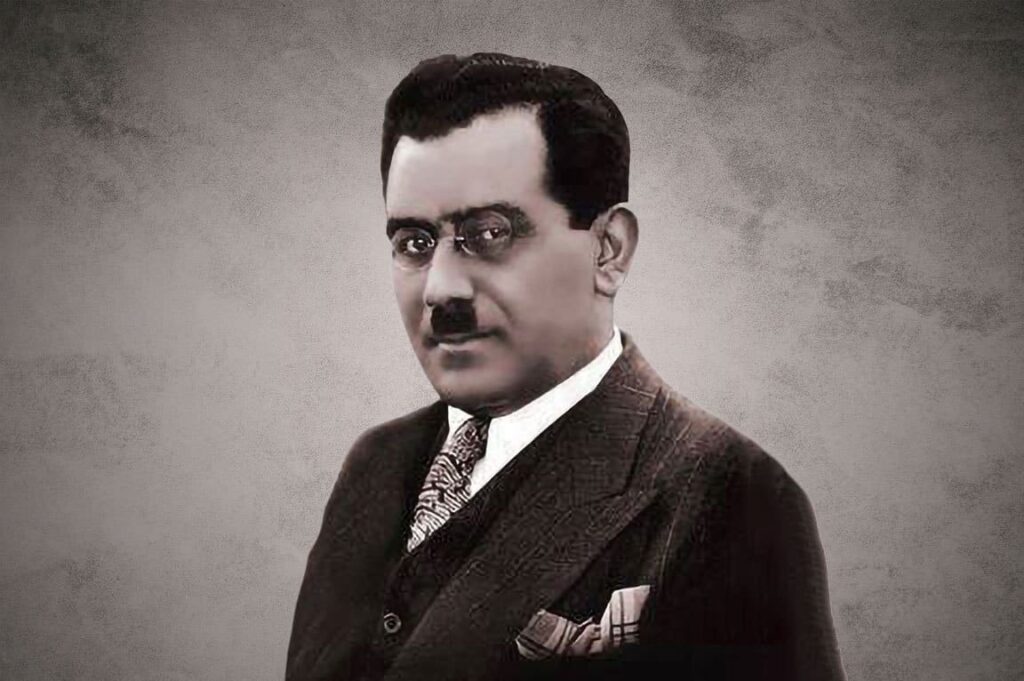
Ali Moustafa Mosharafa (1898-1950) 

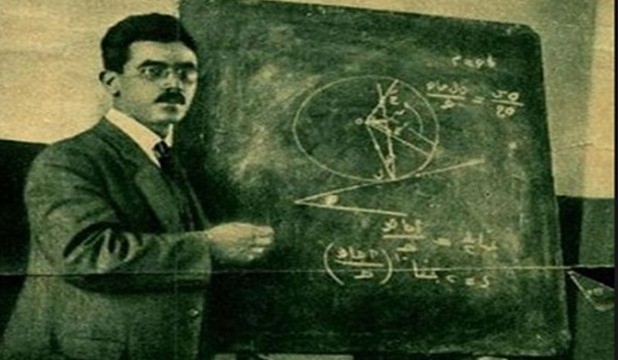
This Egyptian physicist made significant contributions to the development of quantum mechanics, building on the work of pioneers like Niels Bohr and Werner Heisenberg. His research helped bridge the gap between classical and quantum physics, laying the groundwork for our modern understanding of the subatomic world. Mosharafa’s work has had lasting implications in fields such as materials science, cryptography, and quantum computing.

Photo Source: Academic Dictionaries

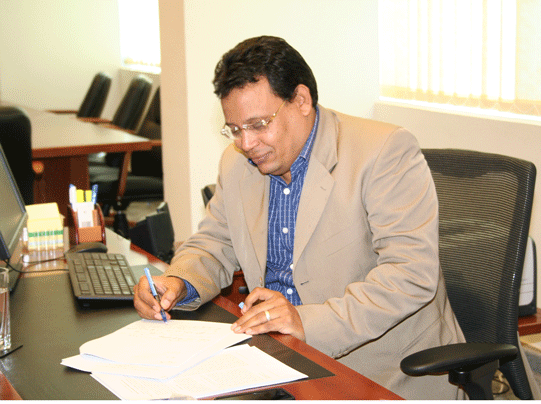
Shaaban Khalil

An Egyptian theoretical physicist, Khalil is a renowned expert in particle physics and cosmology. His work on the unification of fundamental forces has had a lasting impact on our understanding of the cosmos. Khalil’s research, which combined elements of quantum mechanics, general relativity, and high-energy physics, has helped shape the nature of the fundamental forces that govern it.

Photo Source: Zewail City

These Arab scientists, among others, have not only expanded the Arab world’s knowledge of light and its applications but have also paved the way for future generations to harness the power of this fundamental phenomenon to address global challenges and push the boundaries of scientific discovery.

source/content: egyptianstreets.com (headline edited)

_________________

Dr.Ali Moustafa Mosharafa 

_______________________

ARAB / EGYPT / IRAQ

ARAB AMERICANS : Trumps names two Arab Americans Dr. Janette Nesheiwat & Dr. Marty Makary for his Cabinet

President-elect Donald Trump nominated Dr. Janette Nesheiwat to be US surgeon general

He also nominated Dr. Marty Makary as head of the US Food and Drug Administration

President-elect Donald Trump has named two Arab Americans to serve in his Cabinet once he is sworn into office in January.

Trump nominated Dr. Janette Nesheiwat to be US surgeon general and Dr. Marty Makary as head of the US Food and Drug Administration.

The appointments were applauded by Dr. Bishara Bahbah, chairman of Arab Americans for Trump, who helped the former president to win nearly half of the Arab American vote in the Nov. 5 election against US Vice President Kamala Harris.

“We are delighted with President Trump’s nomination of the first two Arab Americans to be part of his administration,” Bahbah said in a message to Arab News on Saturday.

“This is a testament to the hard work of Arab Americans for Trump and recognition of President Donald J. Trump of the role Arab Americans played in his election as the 47th president of the United States. AAFT looks forward to additional Arab American appointments in President Trump’s administration, particularly in the political field.”

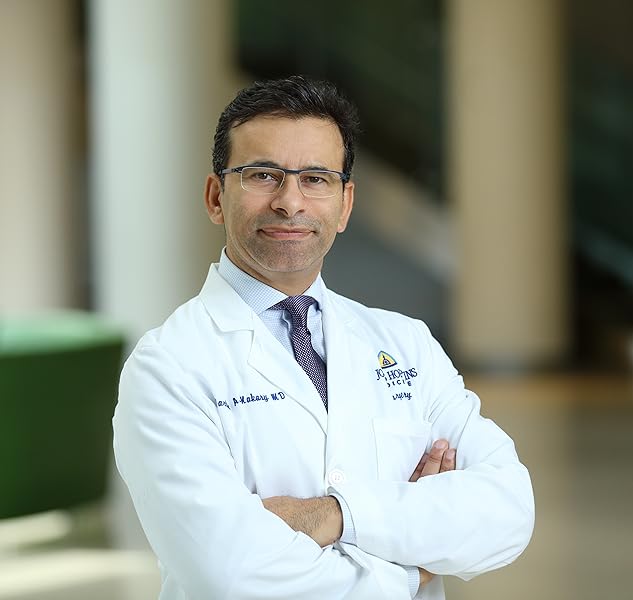
Dr. Makary is a British American surgeon of Lebanese background. He is a public policy researcher at Johns Hopkins University serving as a professor at the Johns Hopkins School of Medicine and a professor, by courtesy, at the Johns Hopkins Carey Business School.

His current research focuses on the underlying causes of disease, public policy, health care costs, and relationship-based medicine. Dr. Makary previously served in leadership at the World Health Organization patient safety program and has been elected to the National Academy of Medicine.

Clinically, Dr. Makary is the chief of Islet Transplant Surgery at Johns Hopkins. He is the recipient of the Nobility in Science Award from the National Pancreas Foundation and has been a visiting professor at more than 25 medical schools. He has published more than 250 peer-reviewed scientific articles and has served on several editorial boards. He is the author of two New York Times bestselling books, “Unaccountable” and “The Price We Pay.”

Dr. Makary is also an anti-vaxxer who refused vaccination for COVID-19, a view shared by many of President-elect Trump’s conservative and Republican supporters.

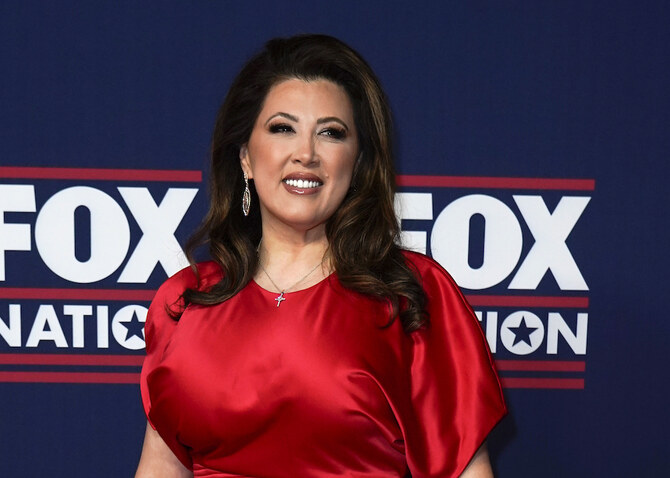
Dr. Nesheiwat is a double board-certified medical doctor described on her website as “bringing a refreshingly no-nonsense attitude to the latest medical news, breaking down everything you need to know to keep you — and your family — healthy at all times.” She is also the author of “Beyond the Stethoscope: Miracles in Medicine.”

A graduate of the University of Arkansas for Medical Sciences, UAMS, Dr. Nesheiwat has been “shaped by her faith and her upbringing.”

Born in Carmel, New York, she is the daughter of Christian Jordanian immigrants and one of five children raised by her widowed mother, Hayat Nesheiwat. Her siblings are Julia Nesheiwat, Jaclyn Stapp, Dina Nesheiwat and Daniel Nesheiwat.

source/content: arabnews.com (headline edited)

____________

President-elect Donald Trump nominated Dr. Janette Nesheiwat to be US surgeon general . (AP)

Dr Marty Makary / pix source: amazon.com

________________________________________________

AMERICAN / ARAB / JORDANIAN / LEBANESE