Arabs & Arabian Records Aggregator. Chronicler. Milestones of the 25 Countries of the Arabic Speaking World (official / co-official). AGCC. MENA. Global. Ist's to Top 10's. Records. Read & Enjoy./ www.arabianrecords.org
“I believe in the power of women. The seaweed farm is run by women, and women represent 80 to 90 percent of all staff in administration, the labs and research.”
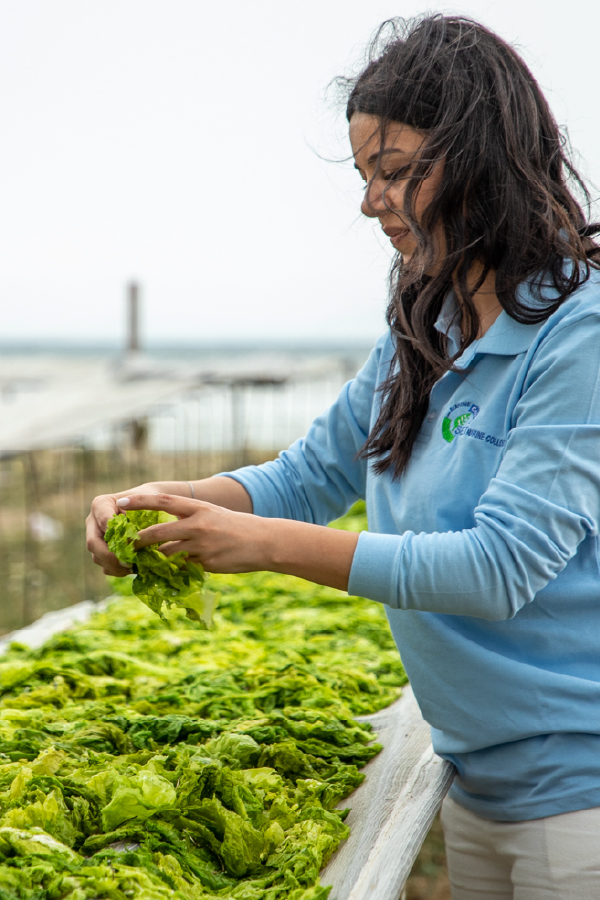
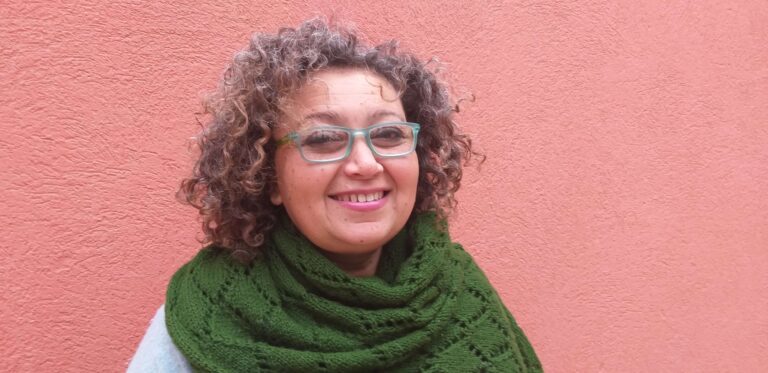
For most people, the word ‘engineer’ doesn’t immediately bring up images of food, and even fewer will think of seaweed. And yet, that’s exactly the niche where Nadia Selmi is pioneering new uses for an oft-overlooked marine resource.
Today, she is the commercial director of SELT Marine, a Tunisian seaweed company that employs more than 100 women in producing nutritious seaweed powder that can be made into vegetable gelatin for dairy, sweets and vegan products
“I believe in the power of women,” says Nadia. “The seaweed farm is run by women, and women represent 80 to 90 percent of all staff in our administration, the labs and research.”
Many of the women working on the seaweed farm come from vulnerable rural communities and have found a new kind of job in the growing sector.
And the potential that the sector holds for food security and food system transformation is significant. Using just 0.03 percent of our oceans’ surface, seaweed could add up to 10 percent to the world’s food supply. Importantly, seaweed tends to be rich in vitamins and fibres and low in calories, making it a great addition to a healthy diet.
Beyond the food industry, seaweed powder is already used in many pharmaceutical and cosmetics products. And more recently, it is being transformed into biodegradable bottles and bags.
But that’s not the only way seaweed can contribute to a better environment.
Increasingly, scientists and policy makers are also seeing its potential as a “nature-based solution” to mitigate climate change and support ecosystem services. For example, if seaweed production keeps growing at the current rate, it could absorb 135 million tonnes of carbon dioxide per year by 2050, and 30 percent of all the nitrogen entering the oceans from land-based pollution.
Nadia, who started out as a researcher in the company’s lab, is now championing the uptake of Tunisian seaweed by building partnerships with businesses around the world and working with research institutions to get even more goodness out of the aquatic greens.
FAO supports innovators like Nadia through its General Fisheries Commission for the Mediterranean, which promotes seaweed aquaculture as a way to boost sustainable growth, marine conservation, and livelihoods in the Mediterranean and the Black Sea.
Ashwag Mukhtar is working as a visiting researcher at the National Cancer Research Centre thanks to the Ellas Investigan programme organised by Fundación Mujeres por África
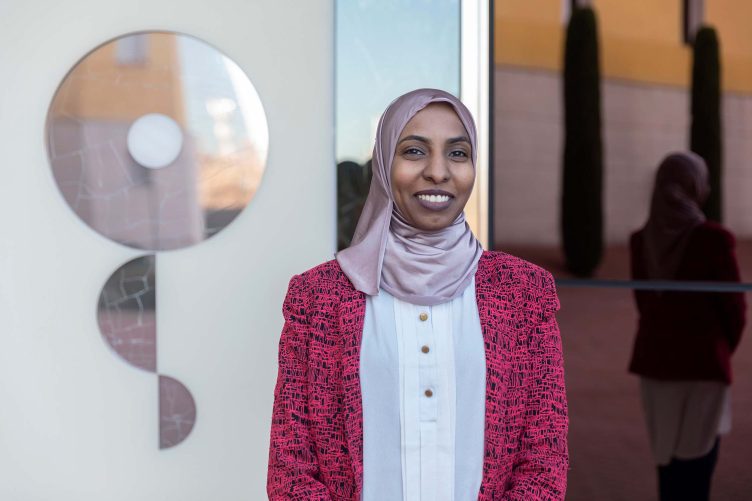
“It will be the most important experience of my life, I am now part of CNIO,” says Sudanese scientist Ashwag Mukhtar, assistant professor with the Department of Histopathology and Cytology at the University of Alneelain (Khartoum), referring to her time at the National Cancer Research Centre (CNIO), where she has been a visiting researcher linked to the Genetic and Molecular Epidemiology Group of this centre since last December.
Ashwag Mohammed Mukhtar is one of the African scientists selected by Fundación Mujeres por África to take part in its Ellas Investigan programme, which promotes stays in Spain for senior African women researchers from affiliated scientific institutes. The stays are for six months and allow these researchers to carry out, in collaboration with these institutes, projects previously selected by the programme’s Scientific Committee. In this case, funding was provided by Exolum.
The Sudanese scientist aims to compare bladder cancer in Spain and North African countries. She will compare and contrast the environmental factors causing this cancer and genetic diversities in order to provide important findings and data regarding this type of cancer and its treatments.
Holder of a PhD from the University of Alneelain, Ashwag Mohammed Mukhtar explains what her work will entail during her time in Spain: “On the one hand, I am conducting a meta-analysis, focusing on reanalysing the treatment of bladder cancer, genetic mutation, and mortality, and comparing it with data from the Spanish Bladder Cancer Foundation. On the other hand, I intend to determine the expression of certain genes that can predict the type of chemotherapy. We are doing this on Sudanese tissue samples and comparing our findings with Spanish tissue samples.”
As well as science, her other passions are music, meditation, and nature walks, as she explains in this video. In it, she gives recommendations about the Sudanese music she likes most, including the band AGD Aljalad.“Having the opportunity to work in another country is a very enriching experience, both professionally and personally,” says the scientist.
About Ellas Investigan
Ellas Investigan (Women Researching) is the most important programme promoted by Fundación Mujeres por África in the scientific field and has achieved spectacular growth. Since it was launched in 2014 with five associated research centres, it has grown to more than 20 affiliated centres and has launched seven editions.
The centres brought into this programme in the last edition are the Barcelona Institute of Material Science (ICMAB); IIS Biodonostia; and INCLIVA, Research Institute of the Clinical Hospital in Valencia. The company Abertis has also been brought on board as a sponsor, which will finance the chosen researcher’s stay at the National Biotechnology Centre on Biodiversity Issues. So far more than a hundred African women scientists have been involved in Ellas Investigan.
About CNIO
CNIO is a Spanish institution dedicated to the research, diagnosis, and treatment of cancer. CNIO has obtained accreditation as a Severo Ochoa Centre of Excellence for the third time in a row. It is ranked seventh among the world’s best cancer research centres (according to the Scimago report; Nature Index) and has been named Europe’s leading cancer research centre.
More than 450 scientists work at CNIO to transfer their results quickly and efficiently to Spain’s National Health System and the pharmaceutical and biotechnology market. In recent years, the strand of research devoted to metastasis – responsible for 90% of cancer deaths worldwide – has been strengthened with the incorporation of several fully dedicated research groups. Interdisciplinarity has also been boosted by recruiting computer experts to gain a more in-depth view of the complexity of cancer and to propose new therapeutic hypotheses.
One of the goals at CNIO is to bring science closer to society through initiatives such as CNIO Arte , a project that brings together scientists and artists to create new works of art around scientific research, and CNIO Friends, a philanthropic platform through which any person, company or association can support cancer research carried out at the Centre, and through which a CNIO Friends International Contracts Programme has been launched to attract research talent.
source/content: cnio.es (headline edited)
______________
Ashwag Mukhtar. / Laura M. Lombardía. CNIO
Ashwag Mukhtar. Visiting researcher from Sudan. Women for Africa Foundation / source: youtube.com / canalcnio
The CREDIF (Center for Research, Studies, Documentation and Information on Women) issued Thursday 1st digital medium “Tunisian Women in figures 2024”, a scientific document, based on collecting statistical data from various public institutions and national professional bodies.
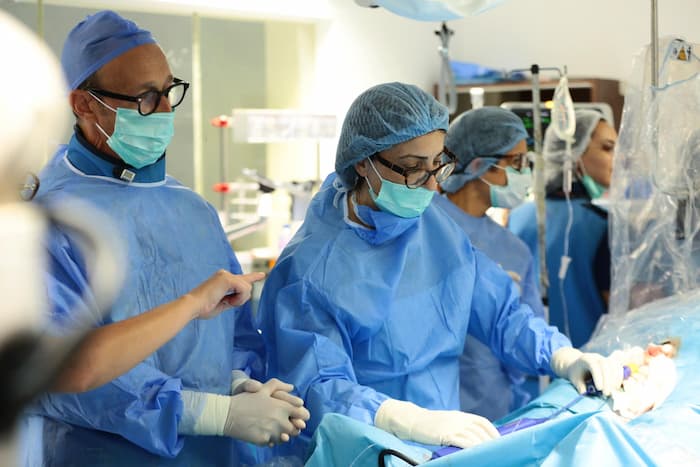
In the health field, this booklet indicates that women represent 51% of the total number of physicians in Tunisia. As of February 15, 2025, there were 13,197 women doctors, 6,895 of which are registered in the “General Medicine” branch.
“Tunisian women in Figures 2024”, includes various and diversified data, varying from those demographics, including questions relating to the experience of women and their difficulties, in terms of violence, health and unemployment and their accomplishments in terms of ‘Medical assistance, teaching and positions occupied in education and education.
It constitutes one of the updated references, to be consulted by both researchers and civil society members and administrators and experts, which can equip them, and help them study certain phenomena and possibly in decision-making.
The award comes after a pro-Israel nonprofit organisation criticised the nomination of the short film documenting the initial days of Israel’s war on Gaza.
Palestinian journalist Bisan Owda and Al Jazeera’s AJ+ have won an Emmy in the Outstanding Hard News Feature Story category for their documentary, It’s Bisan From Gaza – and I’m Still Alive.
Owda has been at the forefront of reporting from Gaza since Israel launched its assault on the territory last October, bringing the stories of Palestinians to a global audience amidst 11 months of war and devastation.
“This award is a testament to young Palestinian journalists and their professionalism. Bisan’s reporting has humanised the Palestinian story after decades of mainstream media’s systematic dehumanisation of Palestinians. Winning this Emmy is a win for humanity. We feel extremely proud of this bright moment amidst ongoing genocide, and Bisan will continue reporting,” Dima Khatib, Managing Director of AJ+ Channels, said on Thursday.
The award came a month after Creative Community for Peace, a pro-Israel nonprofit organisation, issued a letter criticising the nomination of the 25-year-old’s short film documenting the initial days of Israeli bombardment and its devastating impact on everyday people in the Gaza Strip.
The letter alleged Owda was affiliated with the Popular Front for the Liberation of Palestine (PFLP), which she has denied. The PFLP is a left-wing Palestinian political movement, and is designated a “terrorist organisation” by several Western countries, including the United States.
In August, Adam Sharp, the president and chief executive of the National Academy of Television and Arts and Sciences (NATAS), defended the nomination, saying that two panels, including experienced journalists, had made the decision and that the academy had not found any evidence that Owda was affiliated with the PFLP.
He said that past nominees had “been controversial, giving a platform to voices that certain viewers may find objectionable or even abhorrent”, but they were honoured “in the service of the journalistic mission to capture every facet of the story”.
At the time, Al Jazeera issued a statement, saying it stood with Owda “in the face of efforts to silence her reporting from Gaza”.
The media group described Owda as a “renowned journalist and influencer” who “has significantly contributed to bringing news from Gaza to the world with her unique style”.
Al Jazeera said the allegations were “baseless” and “an attempt to silence Bisan and present a real threat to her safety on the ground”.
“The call for the Emmy nomination to be rescinded is nothing more than an attempt to deny an important perspective to the global audience on the war and its devastating impact on innocent civilians,” the statement read.
In the past 11 months, more than 130 journalists, including three from Al Jazeera, have been killed by Israeli forces, according to Reporters Without Borders (RSF). Other media rights groups have different numbers based on their own criteria, however, the Government Media Office in Gaza count of the number of dead journalists and media workers is 173.
“We urge the international journalistic community to support Bisan and other media professionals, ensuring they can carry out their essential work without fear of being targeted, intimidated or killed,” Al Jazeera’s statement said.
In May, Owda and AJ+ also won a Peabody Award for coverage of the devastating impact Israel’s war on Gaza has had on Palestinians in the besieged enclave.
Additionally, Al Jazeera English’s Fault Lines received the News Emmy for Outstanding Climate, Environment, and Weather Coverage for its film “Shark Fin Hunters,” which exposes wildlife trafficking that poses enormous risks for the future of the oceans.
“We are delighted and honoured to win this prestigious award,” said Issa Ali, Acting Managing Director of Al Jazeera English. “The great journalism that we do, and that done by our colleagues in other media organisations, is more important than ever in today’s world. This award is a wonderful recognition of the talent, dedication, and hard work of our teams.”
source/content: aljazeera.com (headline edited)
__________
source: youtube.com / ‘It’s Bisan from Gaza and I’m Still Alive’
After a revolt in 1871, French colonial authorities in Algeria exiled 2,000 insurgents to New Caledonia. Now their descendants are seeking to reclaim their heritage.
When Christophe Sand landed in Algiers for the first time in 2005 and saw the city’s Casbah surrounded by clouds, he started to cry.
“I felt this pain I’d never felt before, that was unfamiliar to me,” he said. “I wanted to scream.”
Sand grew up 11,000 miles from Algeria in New Caledonia, a French territory in the South Pacific that is, culturally and geographically, worlds away from the North African city of Algiers. For most of his life, Sand’s family history remained a mystery to him. While Sand had been told his great-grandfather was a convict from Algeria, his grandmother refused to speak about him and her Algerian heritage, changing her name from “Yasmina” to “Mina” to create distance between herself and her Arab roots.
“She never embraced her origins,” Sand said, noting that he never fully understood how his family had ended up in New Caledonia.
As he got older, Sand set out to uncover the truth about his Algerian ancestors. What he discovered brought to light a complex colonial history that unveils how far the French colonial state went to protect its empire — and the lasting impact it has had on communities around the world.
In January 1871, 40 years after the French seized control of Algeria, the Kabyle people, a Amazigh ethnic group, banded together to lead what was at the time, the biggest revolt against French occupation in Algerian history.
Kabyle leaders believed it was the opportune moment to strike against French colonial powers. France had just lost a war against Prussia, which had led to the collapse of the French government, and was more vulnerable after its defeat. The revolt spread rapidly, with 250 tribes in the rebels’ ranks.
But the French authorities responded more brutally than expected, destroying entire villages and killing tens of thousands of people, both rebels and civilians. After a year of fighting, the revolt was definitively quashed in 1872. The French authorities seized over 450,000 hectares of land that it distributed to French settlers and quickly put in place trials to prosecute anyone who had rebelled against the French state.
Over 2,000 insurgents, among them leaders of the revolt, faced trial in Constantine where they were presented not as anti-colonial leaders but as petty criminals. Because most of the men hailed from noble families, however, the French were wary of sentencing them to death. Instead, they decided to exile the men to the farthest place imaginable: New Caledonia.
Sand’s great-grandfather was one of these leaders. Along with more than 2,000 other men, he was exiled to New Caledonia in the late 19th century to work in labor camps. The men were sent to Bourail, a place chosen to be a first colony for prisoners. Archives reveal that throughout this journey, the Algerian men continued to resist colonial forces, giving particular importance to their faith: Even during trying passages at sea, they still dutifully observed the fast of Ramadan and continued following certain dietary restrictions, abstaining from the consumption of pork and alcohol.
New Caledonia wasn’t only a place for political prisoners from France’s colonies, the French exiled convicts from the mainland, too. When the men landed on New Caledonia’s shores, they were not allowed to practice Islam, had to adopt Christian names and were forced to marry exiled French women or daughters of French exiles. The colonial administration was hoping that through these marriages, they would create Christian families that conformed to their idea of settlers. The reverse happened: French women took on Algerian traditions and kept alive their heritage, learning how to cook Algerian food and teaching it to following generations. These families cultivated date palm trees as they did back in Algeria. They gave their children Muslim names, in spite of a prohibition to do so by the colonial administration. In 1936, when the ban was lifted, many finally used their Arab names in public.
But for all the traditions that were passed down, many were not. Over time, their languages were forgotten and, critically, so was the history of their ancestors and their rebellion against the French colonial state. Rather than carrying forth the anti-colonial legacies of their ancestors, their descendants became defenders of colonialism in New Caledonia.
At first, many Algerian men had no choice but to help French authorities suppress revolts by the local Kanak — the Indigenous Melanesian inhabitants of New Caledonia — in order to gain back their freedom. But over time, their participation was not simply forced; in some cases it was voluntary. The descendants who were assimilated into French settler society played a key role in the repressive apparatus of the colonial state; it was an Algerian prisoner who killed the Kanak chief Bwëé Noël Pwatiba, an important leader of the 1917 Kanak revolt. Algerian prisoners settled on lands captured by French authorities in the aftermath of Indigenous insurrections. This alliance — both forced and later voluntary — with the French colonial authorities meant that for most of their history in New Caledonia, these descendants were not seen as victims of the same colonial force but instead their helping hand.
Today, 15,000 descendants live in New Caledonia, with the majority residing in the town Nessadio Bourail. Until recently, however, many descendants did not know or share their ancestors’ history.
This was the case for Sand’s grandmother, who believed for most of her life that her grandfather was a criminal. “In New Caledonia, the descendants of these communities had their cultural memories eradicated,” Sand said.
As Sand got older, however, he became more curious about his family’s history. He went as far as traveling to the archives of overseas territories in Aix-en-Provence, France, where he discovered that his great-grandfather was not a criminal but an anti-colonial leader. “My life changed that day, when I realized he was a revolt leader,” Sand said.
At the time, Sand thought the discovery of these archives was the end of his journey to better understand his family’s origins. Then, in the early 2000s, documentary filmmakers came to New Caledonia to interview the descendants of the revolt leaders. They brought a book with them about those exiled from Algeria. In it, Sand found the forgotten story of his great-great-grandmother Tessadit who, upon learning her son would be exiled to New Caledonia, ran down to the port of Algiers to beg a soldier to let her say goodbye one last time. “They gave her 30 seconds,” Sand said. “That’s inhumane.”
When the documentary filmmakers arrived in New Caledonia, elders shared stories passed down to them from their relatives for the first time. “It was a real tipping point for the community,” Sand said, who noted most young people had never heard these stories from elders before. “When the elders got in front of the camera, they let it all come out,” he said. “It was as if they had been carrying knots in their stomachs since childhood that were finally coming out.”
The documentary, Les témoins de la mémoire, was hugely popular when it premiered in 2004, not only with descendants but also with Algerians themselves, who viewed these men as the leaders who put the country on track to eventually achieve independence in 1962.
“We did not know the history, we did not know people were uprooted like that,” said Myriam Moussa, 47, who lives in Algiers. “I had tears in my eyes when I watched the documentary and spoke about it extensively with friends and family.”
Sand, who featured in the film, didn’t realize how popular the documentary was in Algeria until he went to visit in 2005. On the flight over, other passengers recognized Sand and told him: “Welcome, you are at home here.” When he got off the plane, people were waiting for him at the airport to see with their own eyes if their cousin from New Caledonia was coming home.
In Algeria, Sand went to visit his great-grandfather’s village and, for the second time on his trip, began sobbing when the car pulled into the village. People had gathered to meet Sand, many of whom had traveled from afar, to welcome him back home. They offered him dates and goat milk and commented on how, despite the generations of separation, he still bore a resemblance to his relatives.
In the village, Sand visited the small home where his great-grandfather was born and touched the floor where, as per tradition, his umbilical cord was buried. When Sand emerged from the house, onlookers told him: “Son, your face has changed.”
Since the documentary aired, many descendants say the way they view themselves and their identity has changed.
Prior to the film coming out, there was some awareness about the history of North Africans in New Caledonia. The Association of Arabs and Arab Friends, for instance, was created in 1969 in an effort to bring people with shared history together. But like Sand’s grandmother, many descendants spent their lives feeling shame about who they were and what their ancestors represented, facing racism when trying to integrate into the white settler community. The documentary and learning their ancestors’ history changed that.
The Algerian community in New Caledonia, however, is far from homogenous: While some people now embrace their Algerian cultural heritage, others do not, remaining profoundly Caledonian. Many blend their multiple cultures and heritages together. Sand, for instance, continues to identify as Catholic but observes Ramadan.
“We are not a diaspora, the link was too cut for too long for us to be one,” Sand said. But after several years of feeling shame about their heritage, many people are reclaiming it and identifying as Arab. Sand even named his daughter Tessadit, after his great-great-grandmother who forced her way past French soldiers to say goodbye to her son.
Celebrating their ancestors’ anti-colonial struggle is also complicated for many descendants, whose families have actively supported the French colonial state in New Caledonia and the oppression of the local Kanak people.
Sand, who is now dedicated to popularizing this history, hopes that by sharing it more widely and showing that both Algerians and the Kanak were oppressed by the same colonial force, he can help ease tensions between the two communities. Though their histories are different, Sand said, the legacies of French colonialism, dislocation and oppression have similarly afflicted both peoples’ cultures.
In 2013, the Algerian government invited the descendants, including Sand and his mother, to visit Algeria and celebrate the 50th anniversary of the country’s independence, for which their ancestors fought. The delegation from New Caledonia included 30 Algerian descendants as well as 17 Kanaks. “It was the first time we could recognize a shared history and point of view,” Sand said. “We came as a country, not just as descendants.”
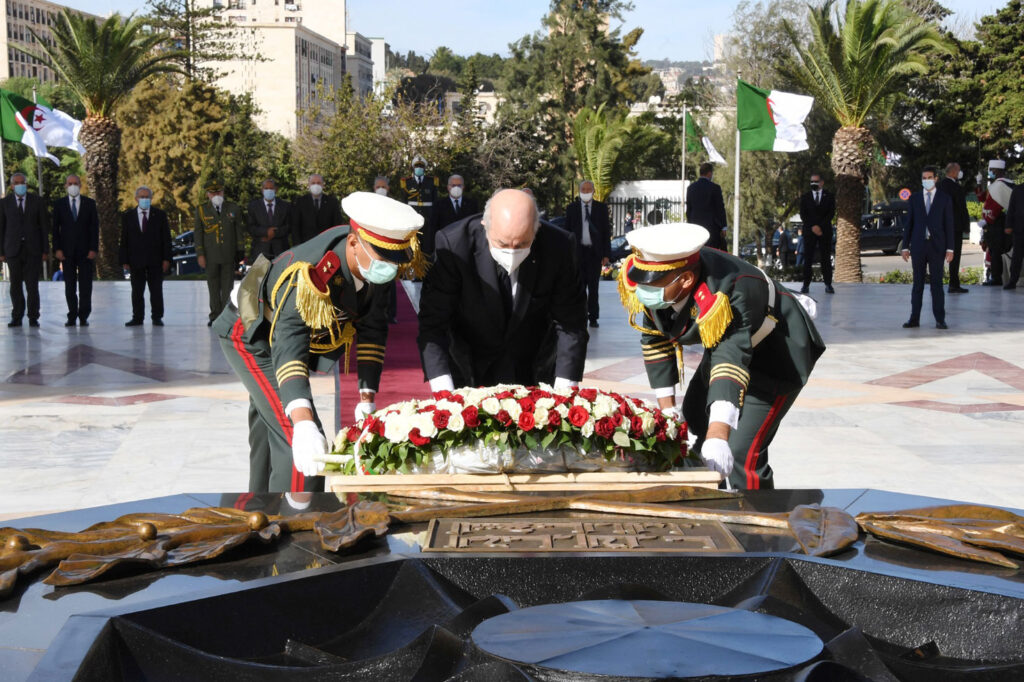
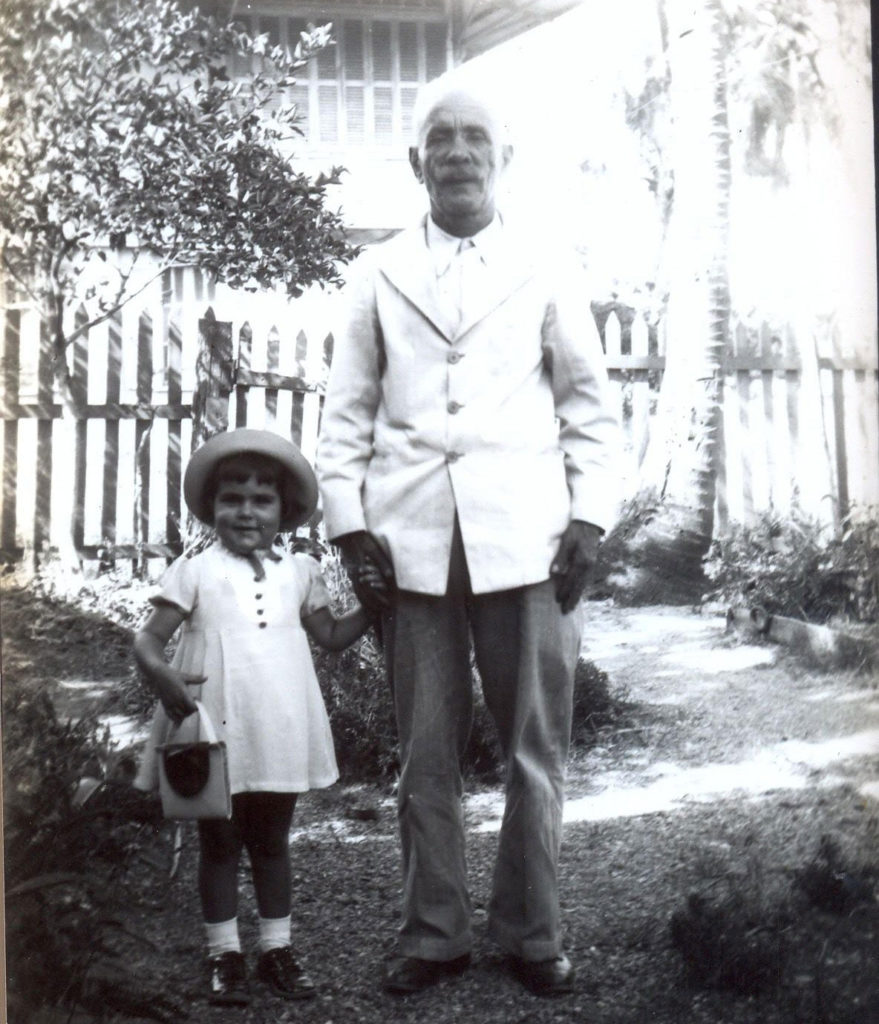
President of Algeria, Abdelmadjid Tebboune lays a wreath at the Soldiers’ Monument during a celebration last November marking the anniversary of the outbreak of the liberation revolution against French colonial rule / Algerian Presidency / Anadolu Agency via Getty Images
Christophe Sand’s great-grandfather / Courtesy of Christophe Sand
Earlier this year, Africans Column, a platform dedicated to celebrating African excellence in art, architecture, and design, released its prestigious list of the 50 Influential African Women Architects. Among the honourees were four remarkable Egyptian women whose contributions transformed the architectural landscape and redefined the role of women in this field. These women have reached extraordinary professional heights while maintaining their private lives and family commitments, making them inspiring role models for future generations of architects.
Magda Mostafa, an architect and Principal of StudioTM, is also a Professor of Design at the American University in Cairo (AUC). She is internationally recognised for her pioneering work in autism-inclusive design, particularly through developing the ASPECTSS™ design guidelines. This framework, the first research-based model for designing spaces for individuals with autism, has significantly impacted architectural projects across five continents.
Mostafa’s achievements have earned her prestigious awards, including the UIA International Research Award in 2014 and a second award in 2023. Her work was also showcased at the Venice Architecture Biennales in 2021 and 2023. In addition to her architectural practice, Mostafa co-directs the UNESCO-UIA education commission, where she helps shape global architectural education policies.
May Al-Ibrashy: Preserving Egypt’s Architectural Heritage
May Al-Ibrashy is a conservation architect with nearly 30 years of experience and also an Architectural Engineer Professor at AUC. She is the founder and chair of the Built Environment Collective, an NGO dedicated to preserving Egypt’s architectural and cultural heritage. Her work in Historic Cairo, specifically restoring the Shrine of al-Imam al-Shafi’i, has earned her recognition from organisations such as the US Embassy in Cairo and The Barakat Trust.
Al-Ibrashy’s dedication to heritage conservation is both professional and personal. She believes in the power of architecture to connect people with their history and works closely with local communities to ensure they are integral to any preservation project. Her initiatives, such as the Athar Lina Initiative, demonstrate her commitment to participatory conservation that benefits both the community and the built environment.
Sarah El Battouty: Championing Green Architecture and Sustainability
Sarah El Battouty founded ECOnsult, which has led the way in green building and sustainable development for over 18 years. Her innovative approach to architecture has earned her international recognition, with projects in Egypt, Italy, and China. As a senior advisor to the Egyptian president on sustainable community development, El Battouty has played a key role in shaping Egypt’s environmental policies, including energy and water conservation initiatives and the Paris Climate Agreement.
El Battouty’s influence extends beyond architecture. She is a Global Ambassador for the UN Climate Change Campaigns and the first Egyptian to be recognised as a UN Sustainable Development Leader. Her work promoting sustainability has also earned her recognition as a Green Entrepreneur by Bloomberg Good Business.
Shahira Fahmy, founder of Shahira Fahmy Architects, established her practice in Cairo in 2005. Since then, her firm has gained international acclaim, winning awards in cities such as London, Chicago, Switzerland, Istanbul, and Dubai. Her work spans architecture, urbanism, product design, and art. Her work has also been featured in prominent publications like The New York Times, The Architects’ Journal, and The Architectural Review.
Fahmy’s impact extends beyond her work in architecture. She is a visiting professor at Columbia Graduate School of Architecture, Planning, and Preservation and has been a guest critic and speaker at prestigious institutions like Harvard, Yale, and MIT.
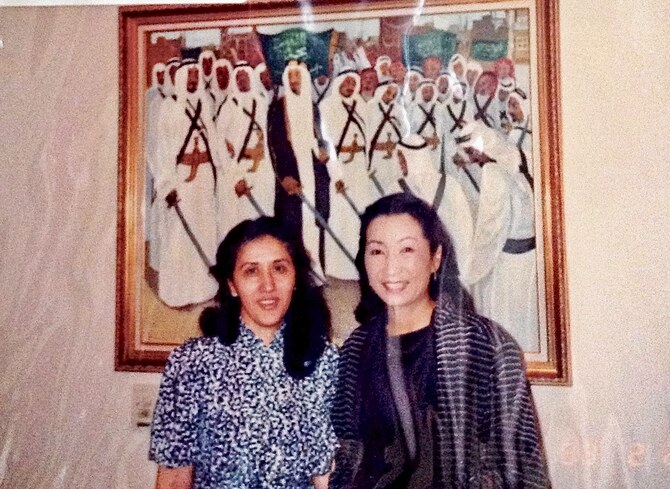
Safeya Binzagr helped bridge the cultural link between Japan and Saudi Arabia.
Katakura Kunio, the former Japanese ambassador to Egypt, Iraq, and the UAE, has paid tribute to Safeya Binzagr, who passed away last week, emphasizing the profound impact of her contributions to enhancing Japan’s cultural ties with Saudi Arabia.
Binzagr, known as the “mother” of Saudi Arabia’s fine art movement and a symbol of Vision 2030, helped bridge the cultural link between Japan and Saudi Arabia and was the aunt of current Saudi Ambassador to Japan Dr. Ghazi Faisal Binzagr.
Katakura, chairman of Japan’s Foundation for Desert Culture, fondly recalled Safeya’s “warm and encouraging nature” toward him and his late wife, Motoko.
“Her support was instrumental in Motoko’s cultural anthropological fieldwork in Wadi Fatima,” he said. “She always welcomed the foundation’s follow-up missions with open arms, fostering a deep and personal connection with us.”
Katakura said Binzagr was not only a gifted artist whose work inspired many but also a cherished friend and mentor. Her passion for creativity and dedication to her paintings left an indelible mark, and her artistic legacy will continue to inspire future generations.
Ambassador Binzagr commented: “Building a cultural bridge is the core for creating a distinguished future between two countries and I strive, as an ambassador, to support this because it creates an opportunity for common interests to rise to a common outlook and mutually supportive values.
“The mission carried out by my late aunt will continue (in) the making of a new era. She was one of the pillars that paved the way for this through her dedication to building and promoting the culture of the arts for future generations. The Kingdom considers her the mother of the cultural heritage of creative fine arts.”
The ambassador said there are ongoing efforts to further collaboration between Japan’s Foundation for Desert Culture and prominent foundations in the Kingdom to build upon the cultural ties between the two countries.
source/content: arabnews.com (headline edited)
__________
Late Safeya Binzagr and Professor Katakura. (National Museum of Ethnology, Japan & Kanakawa Foundation)
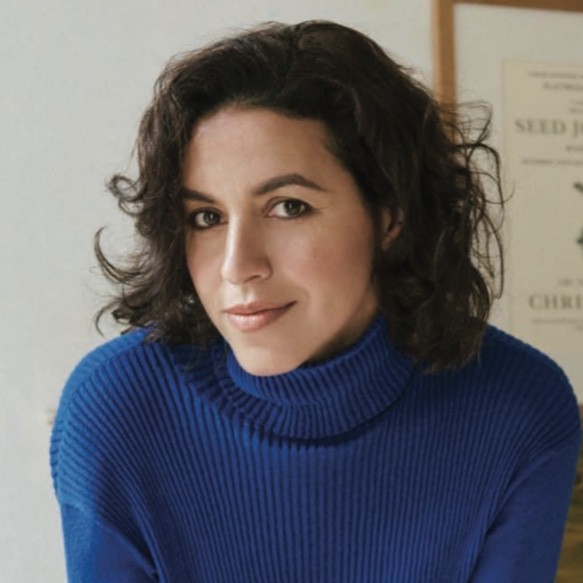
Maria Mohammed Al Rahbi, a student of Sultan Qaboos University (SQU), won second place at the individual level in the World Photography Cup for Universities and Higher Education Institutions 2024.
Maria Al Rahbi is a computer science major at the University’s College of Science and a member of the photography group at the Deanship of Student Affairs. She took part in the contest as part of a team representing SQU after the competition was announced to all higher education institutions around the world.
Each institution is allowed to participate with a maximum of 5 students. Each student can compete with 4 photos.
The competition was organized by the International Federation of Photographic Art (FIAP) and it saw the participation of 88 universities from around the world.
The jury included prominent specialists in the world of photography, including photographers from National Geographic society, the Silk Road Photography Organisation, and officials from the International Federation of Photographic Art or “Fédération Internationale de l’Art Photographique” (FIAP).
It is worth noting that the award will be presented at a ceremony in China in October 2024 as part of similar events that include an international conference and a photography exhibition.
Fifteen of Maria Al Rahbi’s works of art will be displayed in FIAP wings. On the sidelines of the award ceremony, Maria will participate in a workshop to be attended by international photographers.
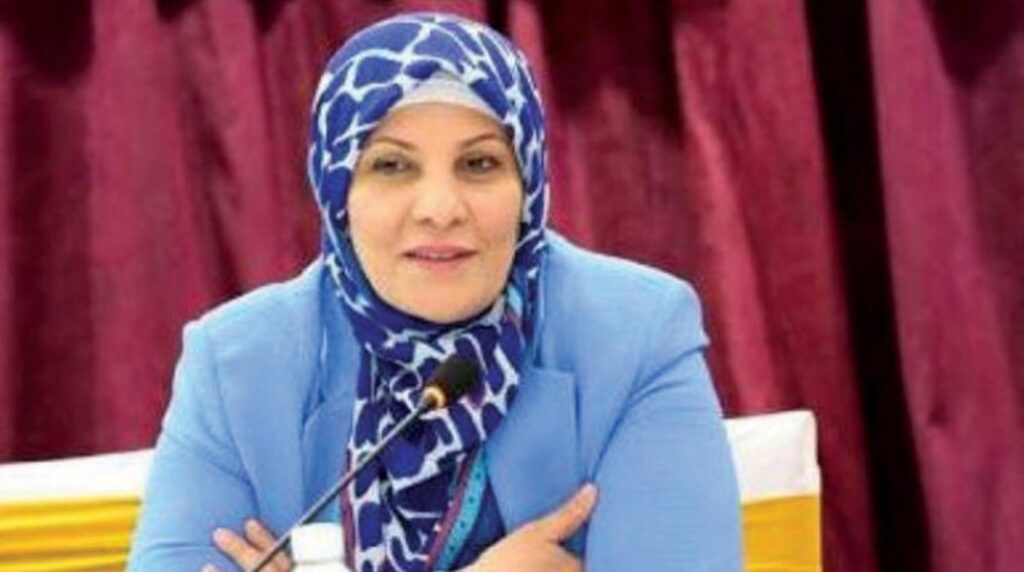
Dr. Azhar Hussein Saleh, Undersecretary of the Ministry of Planning and the head of Syndicate of Iraqi Engineers, received the Arab Woman of Excellence Award in the field of public service.
In an interview she gave to the Iraqi News Agency, Dr. Saleh said that she received this award, the first Iraqi woman to do so, as the only woman in the Arab region to head a syndicate of engineers, in addition to her other accomplishments. She added that she did not receive the award in person in light of the current circumstances. A ceremony that would allow her to officially receive it from Arab League will be held in Tunis early next year as part of Arab Women Week.
She goes on to say: “This major award is considered among the most prestigious honoring Arab women.” She then emphasizes that she will continue to move along the same path and work to keep pace with technological development, in order to help her country grow and prosper.
Dr. Saleh then explained that this award honors the distinguished role Iraqi women play in the development and construction of Iraq despite the difficult circumstances.
Dr. Saleh holds a Ph.D. in engineering and has held many high-ranking administrative positions; before being an Undersecretary, she had been the General Director of the General Government Contracts Department and Director General of Sector Planning Department at the Ministry of Planning. She also represents Iraq in the World Federation of Engineering Organizations, and has many academic and social achievements to her name.
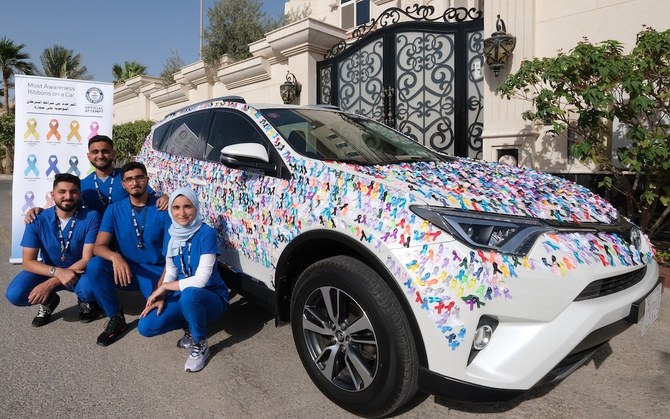
Rawan Amir, 28, along with twin brothers Amaar and Baraa, 23, as well as Muaaz, 17, are siblings in a wider family of seven doctors.
Four siblings who are all doctors, or training to become doctors, from Saudi Arabia have broken the Guinness World Records title for the most awareness ribbons on a car with 5,637 ribbons, it was announced this week.
The ribbons featured 16 different colors, representing major types of cancers as the initiative is aimed at encouraging people to take up early screening.
Rawan Amir, 28, along with twin brothers Amaar and Baraa, 23, as well as Muaaz, 17, are siblings in a wider family of seven doctors.
The parents along with another sister are also doctors in different fields. The family lost their grandfather to colon cancer, and their grandmother to ovarian cancer.
Speaking to Guinness World Records Amaar Amir said: “If we managed to educate at least one person, then there is a possibility that we save a life, which is the greatest deal for us as doctors and medical students.”
He continued: “Medical students see a lot suffering in this area. Cancer affects lots of people’s lives, and different type of cancers are possible in different ages. The earlier someone know about it the better. This makes a big difference for survivals.”
The four siblings grew up in a well-educated environment. The parents used to buy books, especially biology ones, and allow their children to read them from an early age.
According to Amaar, the medical curriculum is very strong in Saudi Arabia, so most of the family studied in the Kingdom, with some continuing their majors in the US.
Amaar and Baraa are senior medical students, while Rawan is a Cardiology Fellow. Their brother Muaaz is high school graduate who has applied to medical school. Their elder sister is also an Endocrinology Fellow, while their mother is Chief of Pathology, and finally their father is Consultant Nephrologist.
Living in Dhahran in the Eastern Province of Saudi Arabia, the team used their family car, Toyota Rav 4, for the attempt. They have also used 56,370 centimeters of ribbons, and 21,385 cm of double-sided tape, all cut individually by hand to create 10cm ribbons, and placed on the car.
The family’s work and study schedules are usually busy, so they decided to do something special and bring benefit to the community. In ribbons and tape, they have used six times the height of The Great Pyramid of Giza, all placed on a single SUV family vehicle.
“We wanted to apply to break a Guinness World Records title because it is the gold standard in providing a platform for talented people and unique achievements. We know that our Nobel cause will reach thousands and potentially millions around the world by obtaining this prestigious certificate,” Amaar added.
source/content: arabnews.com (headline edited)
____________
The ribbons featured 16 different colors, representing major types of cancers as the initiative is aimed at encouraging people to take up early screening. (GWR)