Arabs & Arabian Records Aggregator. Chronicler. Milestones of the 25 Countries of the Arabic Speaking World (official / co-official). AGCC. MENA. Global. Ist's to Top 10's. Records. Read & Enjoy./ www.arabianrecords.org
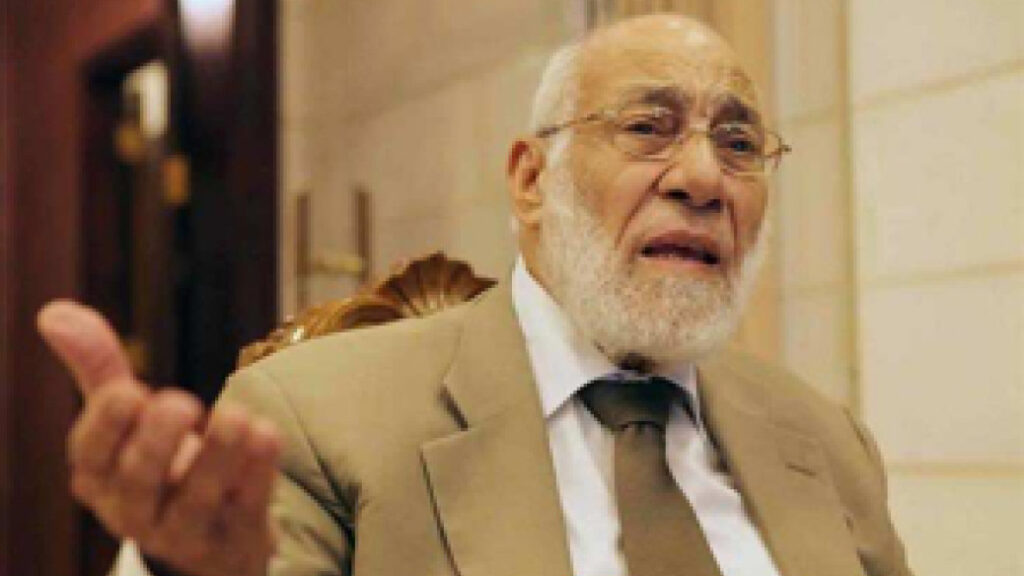
Egyptian Islamic scholar and geologist Zaghloul El-Naggar, a leading figure in the field of scientific interpretation of the Qur’an, has died at the age of 92.
El-Naggar passed away in Amman, Jordan, after a battle with illness, according to statements released on his official social media accounts on Sunday.
His funeral prayer will be held on Monday at Abu Aisha Mosque in Amman, followed by burial at Umm Al-Qutain Cemetery.
Born on 17 November 1933 in the village of Mashal in Egypt’s Gharbia Governorate, El-Naggar showed an early passion for science.
He graduated with honours in geology from Cairo University in 1955, earning the Mustafa Baraka Award in Earth Sciences. He obtained a PhD from the University of Wales in 1963 and became a full professor in 1972.
El-Naggar’s career spanned decades of teaching and research at universities in Egypt, the UK, Saudi Arabia, Qatar, Yemen, Jordan, and the United States.
He chaired the geology department at Qatar University, taught at King Fahd University of Petroleum and Minerals, and served as a visiting professor at UCLA.
He also directed Al-Ahqaf University in Yemen and later taught at the World Islamic Sciences and Education University in Jordan.
He became one of the Arab world’s most recognised voices on the relationship between science and faith, authoring numerous books and delivering hundreds of lectures on what came to be known as the “scientific miracles of the Qur’an and Sunnah”.
His popular TV programme Ayat Bayyinat (“Clear Verses”) aired across Arab channels, exploring Quranic descriptions of natural phenomena.
El-Naggar was a member of the International Commission on Scientific Signs in the Qur’an and Sunnah and was honoured several times for his contributions to promoting scientific understanding within an Islamic framework.
source/content: newarab.com (headline edited)
______________
El-Naggar passed away in Amman, Jordan, after a battle with illness [Al-Araby Al-Jadeed]
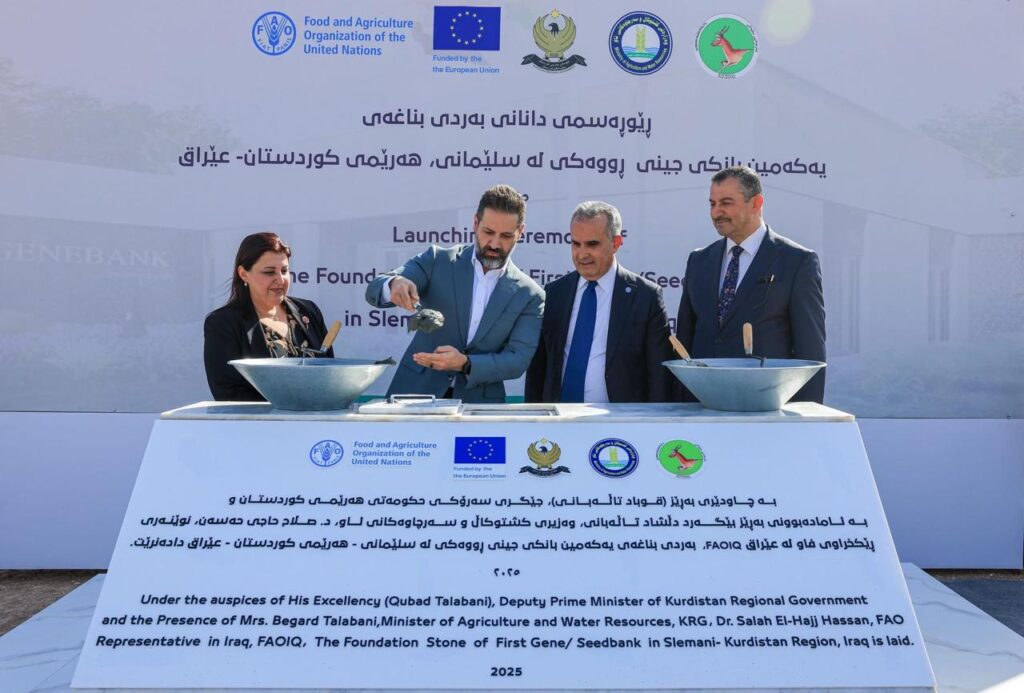
Under the auspices of H.E. Mr. Qubad Talabani, Deputy Prime Minister of the Kurdistan Regional Government, Iraq marked a major step toward safeguarding its agricultural heritage and enhancing its food security with the laying of the foundation stone for the first-ever Gene/Seed Bank in the Region.
The facility, located in Hawari Shar Park in Sulaymaniyah, is funded by the European Union (EU) and implemented by the Food and Agriculture Organization of the United Nations (FAO), in collaboration with the Federal and Regional Governments as part of the “Restoration and Strengthening the Resilience of Agri-Food Systems in Iraq” project. The facility will enable the preservation of plant genetic diversity, enhance food security, and build resilience against climate change.
The event was inaugurated by H.E. Deputy Prime Minister of the Kurdistan Regional Government, Mr. Qubad Talabani; H.E. Minister of Agriculture and Water Resources, Ms. Begard Talabani; the Governor of Sulaymaniyah, Dr. Haval Abubakir; the Mayor of Sulaymaniyah, Ms. Leyla Omar Ali; the FAO Representative in Iraq, Mr. Salah El Hajj Hassan; along with a number of senior representatives from academic and agricultural institutions.
H.E. Mr Qubad Talabani, Deputy Prime Minister, emphasised the importance of this initiative, saying: ‘The gene bank is an investment for the future; it protects our past and secures our future.’
The Gene/Seed bank is a strategic facility for conserving Iraq’s rich plant genetic diversity, which includes over 3,500 plant species originating from the ancient civilizations that once flourished in Iraq—the cradle of civilization. These species hold scientific, historical, and human value across the region and globally. The facility will enable the conservation of rare plant genetic resources, including wild varieties of grains, vegetables, and indigenous crops. It will also strengthen Iraq’s capacity to conserve seeds and make use of valuable genetic traits—such as drought tolerance—from wild species to support the development of more climate-resilient crops.
In her remarks, H.E. Minister Begard Talabani stated: “This initiative represents a strategic milestone in the journey of developing the agricultural sector by protecting plant diversity and supporting scientific research. It will enable farmers to benefit from our historical plant heritage and will allow us to preserve our agricultural legacy for future generations.”
FAO Representative in Iraq, Mr. Salah El Hajj Hassan, expressed his sincere appreciation to FAO’s national partners in the federal government and the Kurdistan Regional Government for their close collaboration and support. He also acknowledged and thanked the European Union for funding this initiative under the scope of the “Restoration and Strengthening the Resilience of Agri-Food Systems in Iraq,” project, which also reflects the follow-up to the recommendations resulting from the FAO Director-General visit to Iraq and his meetings with senior officials. He added that this facility represents a center for scientific innovation in research and resilience-building. It enables the preservation of Iraq’s historical, environmental and agricultural heritage, ensures that future generations can benefit from it, and stands as a testament to FAO’s commitment to transforming Iraq’s agricultural legacy into a powerful tool for sustainable development.”
The gene bank will house modern storage vaults, laboratories, research and training facilities, and seed data documentation and conservation areas. Future expansion is anticipated to include a field gene bank, a tissue culture laboratory, and a cryobank.
The initiative directly contributes to the Sustainable Development Goals (SDGs), particularly SDG 2: Zero Hunger and SDG 13: Climate Action, by investing in biodiversity conservation and climate-resilient agriculture.
source/content: fao.org – FAO of the UN (headline edited)
In a significant step for Oman’s research sector, Eng Najat al Fadhili of the Industrial Innovation Academy has contributed to an international peer-reviewed study examining the effects of environmental changes on ancient marine organisms.
The study, published on the European Geosciences Union (EGU) platform, was conducted in collaboration with Vrije Universiteit Brussel, Utrecht University, and Friedrich-Alexander University of Erlangen-Nuremberg.
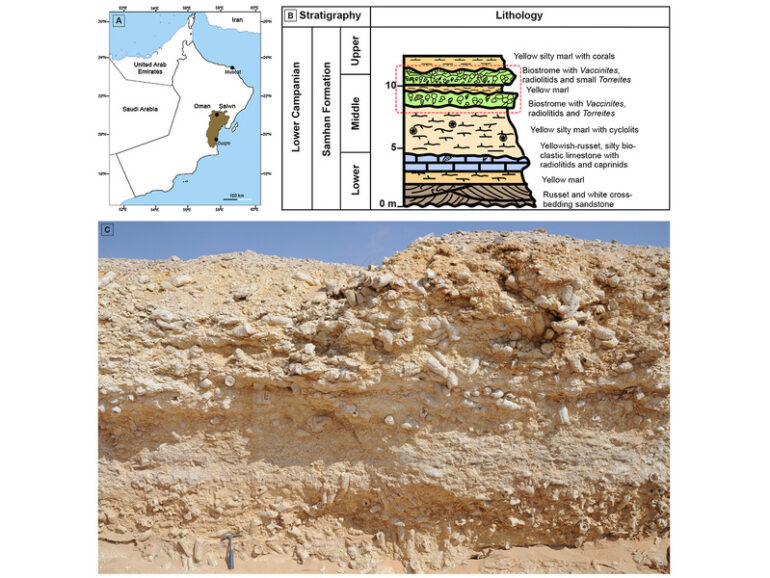
Researchers analysed marine species dating back more than 60 million years to understand their response to climate shifts over geological time. Fieldwork was carried out at the Saiwan geological site in Al Wusta, internationally recognised for its scientific importance.
The project aligns with national efforts to strengthen the research ecosystem and support the objectives of Oman Vision 2040, particularly in innovation and sustainability.
According to the Industrial Innovation Academy, the study contributes critical insights into the long-term impact of climate change on marine ecosystems. It also demonstrates Oman’s capacity to support advanced research through local expertise in geosciences and climate science.
Such initiatives are seen as strategic to enhancing scientific output, informing sustainable resource management, and reinforcing Oman’s role as a regional player in environmental research.
This year’s commemoration is especially significant, coming just a week after a UNSC resolution placed Morocco’s autonomy plan at the heart of efforts to resolve the Sahara dispute.
The Mohammed VI Museum of Modern and Contemporary Art in Rabat is commemorating the 50th anniversary of the Green March with a new exhibition titled “50 Years of the Green March: A Memory in Motion.”
The exhibition pays homage to one of Morocco’s most defining moments and invites visitors to reflect on the enduring values of peace, unity, and loyalty that continue to shape the nation’s identity five decades after the historic march.
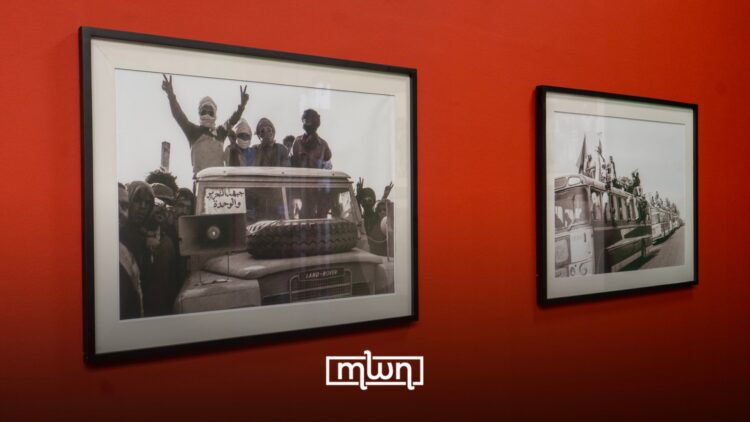
Opened this week, the exhibition combines historical documentation with contemporary artistic interpretation. The exhibition includes an evocative collection of photographs that aims to reaffirm the strength of visual memory and its role in preserving national heritage. This is a key element in Morocco’s ongoing narrative of sovereignty and unity.
A tribute to a defining moment
Organized by the National Foundation of Museums (FNM), the exhibition brings together works by renowned Moroccan photographer Daoud Oulad-Syad and a selection from the Rencontres de la Photographie de Marrakech (RPM). Together, they offer a visual journey that captures both the emotion and symbolism of the Green March, which represents a cornerstone of Morocco’s modern history.
Nadia Sabri, Director of the Mohammed VI Museum of Modern and Contemporary Art, emphasized the exhibition’s importance as a bridge between generations.
“What we can really emphasize is that this exhibition provides both visual and historical archives for the public,” she told Morocco World News.
“It caters to a wide audience, including younger visitors as well as older ones who may have experienced this historic event but do not necessarily remember its key moments, particularly during the march,” Sabri added.
She noted that the exhibition spotlights major figures in the Moroccan photography scene, like Daoud Oulad-Syad, with a photographic series dedicated to the Sahara and the beauty of the desert.
Through Oulad-Syad’s lens, the exhibition moves beyond mere documentation to celebrate the spirit of a nation united under a shared cause. His photographic series dedicated to the Sahara, showcased in the museum’s second gallery, highlights the region’s natural beauty and its deep cultural and emotional connection to the Moroccan people.
The Green March, which took place on November 6, 1975, was a peaceful mass demonstration that changed the course of Moroccan history. Called for by the late King Hassan II, it saw over 350,000 unarmed volunteers, men and women, from all regions of Morocco march southward to reclaim the territory of Western Sahara, then under Spanish occupation.
Carrying Qurans and Moroccan flags instead of weapons, the marchers symbolized Morocco’s unity and commitment to recovering its southern provinces through peaceful means. The event came shortly after the International Court of Justice (ICJ) issued an advisory opinion affirming that Western Sahara was not “terra nullius” (empty land or unclaimed territory) before colonization and that it had historical and legal ties to Morocco.
The enduring significance of the Green March for Morocco
This year’s commemoration carries added significance, as it comes just a week after the United Nations Security Council adopted a new resolution embracing Morocco’s autonomy plan as the most “serious and credible” framework for achieving a lasting and realistic political solution to the regional dispute over the Sahara.
The resolution is widely seen as a diplomatic success for Morocco, as it reinforces international support for its initiative and paves the way for renewed efforts toward a peaceful settlement.
Mehdi Qotbi, artist and President of the National Foundation of Museums, highlighted this connection in his remarks to MWN at the exhibition.
“We are very happy to be celebrating this anniversary today, here at the Mohammed VI Museum of Modern and Contemporary Art … is not only an occasion to mark the anniversary itself, but also to celebrate the diplomatic success achieved thanks to the foresight of His Majesty King Mohammed VI,” Qotbi said.
For him, this success “paves the way for a definitive resolution of the artificial conflict over the Moroccan Sahara and for a better future for the entire region.” The Moroccan artist added that the Foundation and the Museum are proud to take part in this “popular enthusiasm for this cause, for this victory at the United Nations.”
Beyond commemoration, the “Memory in Motion” exhibition aims to spark dialogue about the meaning of the Green March in contemporary Morocco. For many visitors, especially younger ones, the exhibition is an opportunity to connect with a pivotal chapter in Morocco’s collective memory.
The exhibition includes an evocative collection of photographs that aims to reaffirm the strength of visual memory and its role in preserving national heritage
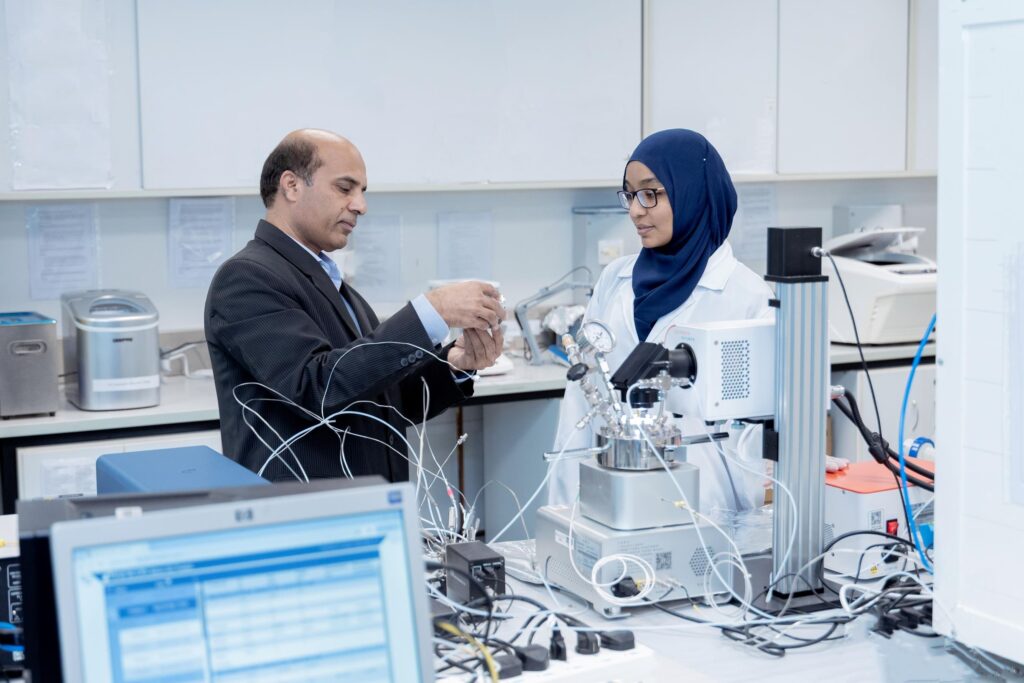
The United Arab Emirates University announced that it has obtained a new patent from the United States Patent and Trademark Office in the field of environmental science and renewable energy, which is the invention of a carbon nitride graphite compound supported by date syrup.
This patent represents an important step in the development of photocatalytic technologies for converting water into hydrogen using light, which represents a significant advance in sustainable energy technology.
The innovative compound, developed by a team of researchers at the United Arab Emirates University, including PhD student Malath Sulaiman, under the supervision of Dr. Mohammed Taher, Associate Professor in the Department of Chemical and Petroleum Engineering, uses date syrup as an aid to accelerate the photocatalytic process. The compound is manufactured by mixing carbon nitride graphite with date syrup at high temperatures, which improves the efficiency of converting water into hydrogen.
Dr. Mohammed Taher, the project’s principal investigator, explained: “We are proud of this invention, which reflects the United Arab Emirates University’s commitment to innovation in the field of renewable energy. By combining date syrup with carbon nitride graphite, we were able to develop an effective material that can greatly enhance the photocatalytic process, helping to address the challenges of climate change and reduce dependence on fossil fuels.”
This discovery is the result of ongoing efforts by researchers at the United Arab Emirates University, who are working on developing innovative solutions to environmental and energy challenges. Initial studies have confirmed that the new compound is capable of generating hydrogen with high efficiency, opening up new and wide-ranging applications in the field of clean energy and green hydrogen production, and represents a promising step towards enhancing the UAE’s position in the renewable energy sector globally.
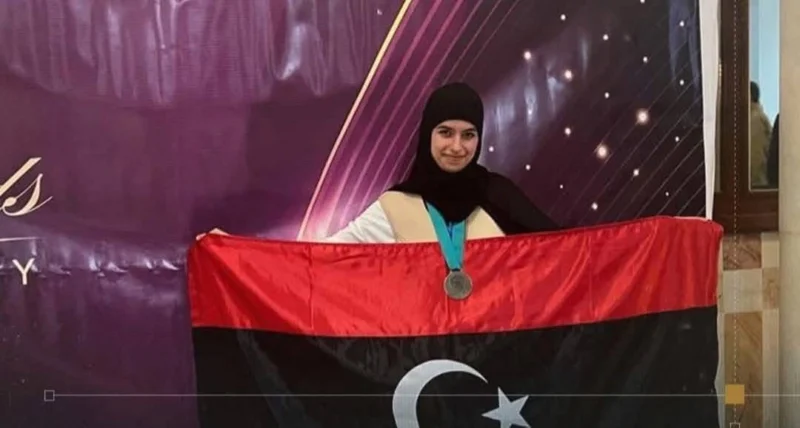
A young Libyan scientist has secured a bronze medal at the International Festival of Science and Technology (I-FEST) 2025 in Tunisia after developing a patented natural antibiotic.
Halima Al-Khazali, 18, from Bayda, claimed third place among 800 international competitors for her invention of an antibiotic derived from wormwood and other herbs. Her achievement adds to Libya’s growing reputation in scientific innovation.
The breakthrough came after five months of rigorous research into a traditional Libyan remedy for dental infections, culminating in Al-Khazali obtaining a patent for her discovery.
This latest success follows her previous gold medal at the Bosnia and Herzegovina Science Olympiad (BOSEPO) 2025, where she finished first among 300 participants.
Al-Khazali’s accomplishments highlight both her exceptional scientific talent and Libya’s potential contributions to global scientific research, making her an inspirational figure for young people across Libya and the broader Arab world.
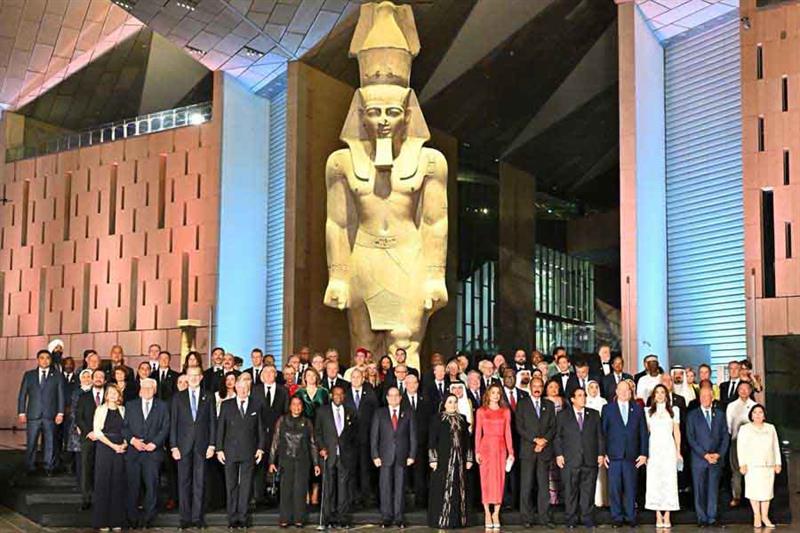
In an evening that blended history, culture and global celebration, President Abdel-Fattah Al-Sisi and First Lady Entissar Al-Sisi presided over the official inauguration of the Grand Egyptian Museum (GEM) on Saturday, marking a milestone in the modern cultural landscape of Egypt and the world. The ceremony was attended by nearly 80 high-level delegations, including kings, presidents, princes, heads of government, and representatives of regional and international organisations.
Among them was German President Frank-Walter Steinmeier, Dutch Prime Minister Dick Schoof, Spain’s King Felipe VI, Queen Rania of Jordan, Prince Albert II of Monaco, and Greek Prime Minister Kyriakos Mitsotakis. Also present were Palestinian President Mahmoud Abbas, Saudi Arabia’s Minister of Culture Badr bin Abdullah, and the crown princes of Oman and Bahrain.
Held at the GEM’s open-air court overlooking the Giza Plateau, the celebration unfolded as a multisensory homage to Egypt’s timeless civilisation. Performances combining music, light, laser projection, and drone choreography traced the evolution of Egyptian architectural genius, from the Giza Pyramids to the modern era, and highlighted the message that civilisations thrive in times of peace.
The façade of the museum became a canvas for immersive light and projection displays, with vast screens illuminating Egypt’s ancient monuments and artistic heritage. Dancers in Pharaonic-inspired costumes, adorned with gold crowns and sceptres, performed to a live international orchestra, while fireworks and synchronised drone formations traced the silhouettes of ancient deities across the night sky.
President Al-Sisi welcomed the distinguished guests and emphasised that the GEM, now the largest museum in the world dedicated to a single civilisation, stands not merely as a showcase of ancient treasures, but as a testament to the creative spirit and enduring legacy of the Egyptian people.
He also described the museum as a new chapter in Egypt’s cultural story, affirming that it stands as a testament to the creativity and legacy of the Egyptian people and as a space for dialogue, knowledge, and exchange.
The ceremony began with the performance “The World Plays One Melody”. The programme featured a laser and drone show illustrating the Orion Belt alignment and its symbolic connection between the museum and the Giza Pyramids, followed by a performance titled “A Journey of Peace in the Land of Peace”.
The sequence highlighted the evolution of Egyptian architectural ingenuity, from the Step Pyramid of Djoser to modern Egyptian design, accompanied by a Coptic hymn of Sufi spiritual singing, and a drone message reading: “Civilisations Flourish in Times of Peace.”
The evening’s performances brought together some of Egypt’s most celebrated voices. Soprano Fatma Said and tenor Ragaaeddin delivered stirring pieces composed by Hisham Nazih, whose music blends contemporary orchestration with the tonal motifs of ancient Egypt, a style previously showcased during the Golden Mummies parade.
Sisters Amira and Mariam Abu Zahra, granddaughters of renowned Egyptian actor Abdel-Rahman Abu Zahra, appeared in stylised Pharaonic attire, performing a violin duet accompanied by the Cairo Opera House Orchestra and international ensemble players under the baton of maestro Nayer Nagui.
The celebration also highlighted Egypt’s cultural diversity. Nubian singer Ahmed Ismail performed in the Nubian language, while Haneen Al-Shater sang in Arabic from a floating stage overlooking the Nile, symbolising Egypt’s enduring identity as a crossroads of civilisations.
Iconic Egyptian actress Sherihan delivered an evocative spoken tribute to ancient Egypt’s artistic legacy, set against sky projections of the Pyramids. She was followed by Sherine Ahmed, the first actress of Egyptian descent to play Eliza Doolittle on Broadway, who gave a powerful musical performance before Islamic chanter Ehab Younis offered a spiritual finale.
On giant screens above, scenes from celebrations in countries all over the world played out against the backdrop of Egypt’s ancient monuments.
Dozens of performers dressed in elaborate white costumes, as a symbol of peace, their foreheads crowned with golden wreaths and sceptres in hand, played traditional tunes as a laser show depicting the Pharaohs and fireworks lit up the night sky above the museum.
As the night drew to a close, a drone light show mapped the sky with hieroglyphs, Pharaonic figures, and the golden mask of Tutankhamun, shimmering above the Giza Plateau, an image that captured both the grandeur of the past and the cultural confidence of the present.
Among the many moments that captured global attention during the GEM’s opening ceremony was the appearance of 12-year-old Asser Ahmed Hamdi, whose poised and expressive performance resonated with viewers across Egypt and beyond. The young performer quickly became one of the most talked about faces of the event, representing a new generation engaging with the country’s cultural narrative.
Asser described his participation in the ceremony as a defining moment in his life. “I was very happy to be there, and proud that my effort represented Egypt in front of the world,” he said, explaining that his preparation for the role involved months of rehearsals and that he had been training in performance and acting for seven years. “When the opportunity came, I felt like a dream had been achieved.”
Performing before President Al-Sisi and dozens of world leaders brought initial nerves, he admitted, but the atmosphere on stage quickly shifted those feelings. “I was nervous backstage, but once I stepped onto the stage, I felt calm,” he said. After the performance, he exchanged a few words with the president, who praised his portrayal linked to the story of Tutankhamun.
Asser spoke with pride about standing before the golden mask of Tutankhamun and the monumental statue of Ramses II inside the museum. “I had seen them only in books and on TV, but standing in front of them at the GEM was something completely different,” he said. “I felt proud to be representing Egypt.”
Reflecting on the journey, he said, “All the effort in rehearsals was worth it. I’m grateful I could present something worthy of Egypt. I will always be proud that I was part of the opening of the GEM.”
Among the creative figures behind the opening night spectacle was Ahmed Essam, the artist and designer responsible for the fireworks and pyrotechnic displays that illuminated the GEM during the ceremony. Speaking about the experience, Essam described it as one of the defining moments of his career, noting that the preparations took several months of planning, rehearsal and technical coordination.
“It was an honour to be part of an event of this scale,” he said, explaining that the ceremony’s postponements provided valuable time to refine the visual narrative and ensure that the display matched the cultural weight of the occasion. Essam highlighted that working in a field he is passionate about has been central to his development. “I travel constantly to learn and experiment with new ideas. When you love what you do, you invest your whole self into it.”
Creating the fireworks show for the GEM opening, he noted, required an approach tailored to the museum’s identity as a celebration of ancient Egyptian civilisation. Colours, rhythms, and sequences were chosen to complement the architectural setting and underscore the narrative themes of heritage and renewal.
He was also quick to highlight the scale of teamwork behind the scenes. “What viewers saw was the result of a coordinated effort involving more than 150 people, from designers and technicians to support staff. Everyone worked with passion and commitment to present Egypt in the best possible light.
“The opening of the GEM is a landmark in Egypt’s cultural journey. The presence of President Abdel-Fattah Al-Sisi and world leaders underscored its importance. We are proud to have contributed to an event that showcased Egypt’s ability to inspire and captivate the world,” Essam added.
Soprano Said, who took the stage as one of the evening’s principal performers, revealed that the concert marked a deeply personal milestone for her as it was her first since becoming a mother.
“I recently gave birth to twins,” she said, “and I wasn’t sure I would be able to perform because the concert came so soon after the delivery. I was a little anxious. But my children gave me the strength and energy to take part in this extraordinary occasion.”
Her appearance added an intimate emotional layer to the celebration, reflecting both the resilience of artists and the symbolic continuity between generations that the museum itself seeks to embody.
Most of the international state leaders expressed their enthusiasm over the grand opening. In a diplomatic gesture that blended cultural appreciation with a touch of modern creativity, Danish Foreign Minister Lars Løkke Rasmussen presented Egypt’s Foreign Minister Badr Abdelatty with a LEGO replica of the Great Pyramid of Khufu, a symbolic gesture marking Denmark’s participation in the GEM’s opening and celebrating Egypt’s architectural heritage.
Zambian Minister of Tourism Rodney Sikumba noted his country’s appreciation for the commemorative gift presented to Zambia on the occasion of the GEM’s opening, a piece representing part of the GEM’s architectural model. He pointed out that the artefact will be placed on a temporary display in one of Zambia’s national museums, accompanied by an explanatory panel narrating its significance. The gesture, he said, reflects Zambia’s pride in taking part in this historic cultural moment and serves as a testament to the growing cultural ties between the two nations.
As with any major cultural event, public reaction to the GEM’s opening ceremony was not uniform. Such occasions naturally invite a spectrum of opinions, shaped by personal taste, expectations, and aesthetic preferences. While some critics viewed the event as more modest than anticipated, others praised its scale and artistic ambition, seeing in it a carefully curated blend of ancient symbolism and modern cultural expression. Supporters argue that the ceremony succeeded in presenting Egypt as both a guardian of a timeless civilisation and a dynamic cultural force in the present day — a duality at the heart of the museum’s identity.
* A version of this article appears in print in the 6 November, 2025 edition of Al-Ahram Weekly
The power plant is a major step in the country’s ambitions to achieve the Net Zero 2060 target.
Bahrain-based industrial giant Foulath Holding has partnered with Yellow Door Energy, a leading sustainable energy developer in the Middle East and Africa, to launch a record-breaking 123 megawatt-peak (MWp) solar project.
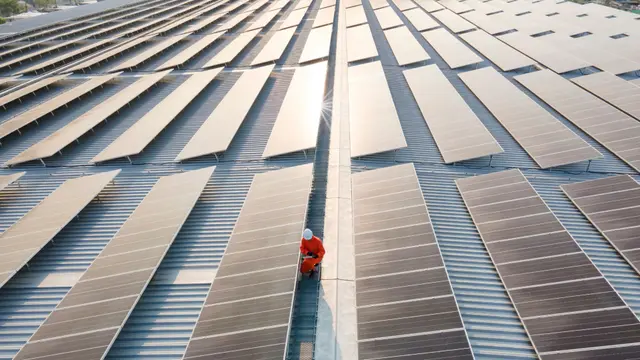
The project marks the construction of the world’s largest single-site rooftop solar power plant, signaling a crucial step in Bahrain’s pursuit to achieve its Net Zero 2060 target.
Developed under a Power Purchase Agreement (PPA), 77,000 solar panels will be installed across a newly built 262,000-square-meter stockyard shed, capable of generating a total rooftop capacity of 50 MWp.
The announcement was made at the Four Seasons Hotel in Bahrain Bay on November 2, during the third edition of the premium investment forum Gateway Gulf.
It was hosted by the Bahrain Economic Development Board, with global investors, business leaders, policymakers, and government officials from multiple regions in attendance.
A transformative step towards clean energy vision
As a small island nation, Bahrain faces unique constraints in developing large-scale solar farms on the ground. Rooftop installations provide a space-efficient and scalable solution to harness clean energy without compromising valuable land resources.
In total, the site will consist of ten rooftop and four on-ground photovoltaic systems, producing an estimated 200 million kilowatt-hours (kWh) of clean electricity in its first year.
The overall initiative of the project is to reduce carbon emissions by 90,000 metric tons annually.
“Today, the island nation of Bahrain stands at the forefront of sustainable global innovation. We are incredibly proud of this transformative project – marking the largest rooftop solar plant in the world,” said Noor bint Ali Alkhulaif, Minister of Sustainable Development.
“This milestone not only strengthens our position as a regional leader in clean energy, but embodies our dedication to build a resilience, sustainable future in line with our national vision of elevating Bahrain’s international competitiveness,” she continued.
A $250M commitment to sustainability
For Foulath Holding, the project represents the continuation of a long-term environmental strategy.
Meshary Al-Judaimi, Chairman of Foulath Holding, revealed that the company has already invested approximately $250 million in sustainability projects over recent years.
“Over the past several years, Foulath has invested approximately $250 million in various sustainability projects,” he said.
“These investments are a testament to our commitment to responsible operations, environmental stewardship, and protecting the health and well-being of our community, thereby ensuring industrial development goes hand-in-hand with environmental care. The solar project serves as a continuation of that commitment,” Al-Judaimi added further.
Powering a sustainable industrial future
The solar plant project will be developed in partnership with Yellow Door Energy, known for its large-scale renewable infrastructure in the region.
“I think this project proves how cost-competitive, clean energy can drive forward industry and set a new global benchmark for decarbonizing steel production,” said Sherif ElKholy , Managing Director at Actis and Chairman of Yellow Door Energy.
“As a leading investor in sustainable infrastructure and majority shareholder of Yellow Door Energy, we are proud to witness this signing and look forward to seeing this transformative project come to life,” he continued, emphasizing the significance of the partnership.
With over 189,900 high-efficiency solar panels spanning 707,000 square meters, this initiative will power a new chapter in Bahrain’s energy transition.
The call invites emerging photographers residing and working in the Arab region to develop documentary projects within a structured process.
Submissions are open for the 12th Cycle of the Arab Documentary Photography Program (ADPP) from the Arab Fund for Arts and Culture (AFAC), in partnership with the Prince Claus Fund and the Magnum Foundation, and with support from the Norwegian Embassy to Lebanon and Syria.
The call invites emerging photographers residing and working in the Arab region to develop documentary projects within a structured process.
Selected grantees receive three intensive workshops led by regional and international experts, tailored one-on-one mentorship sessions, and a production grant to complete their projects.
Since its inception in 2014, ADPP has supported more than 120 photographers across the Arab region, building a community of visual storytellers working on regional narratives.
Visit the AFAC website to learn more and apply.
The deadline for submission falls on December 10th, 2025 at 5:00 PM Beirut Time.
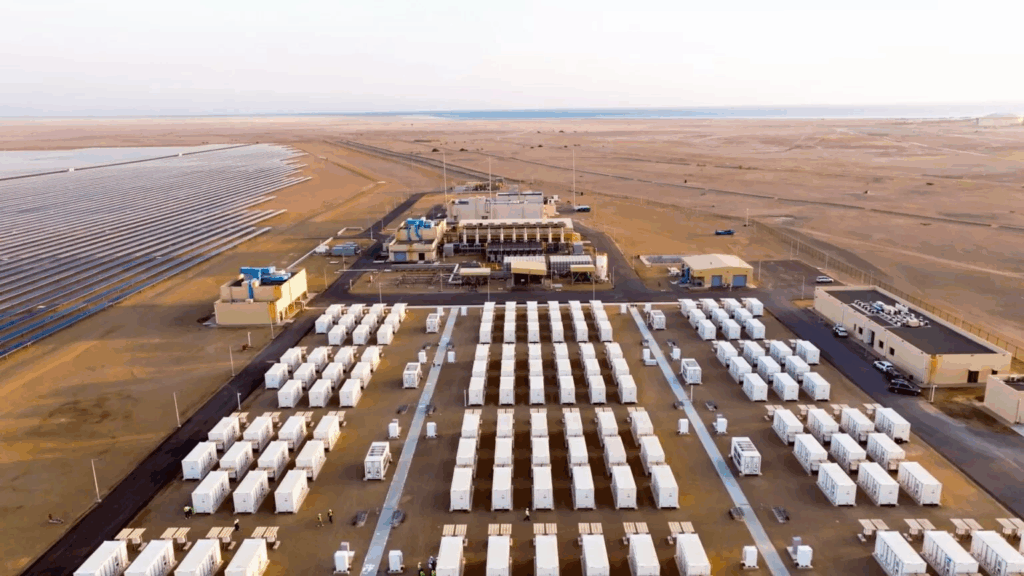
Saudi Arabia is making advances in its BESS projects as it launches one of Middle East’s largest BESS deployments, a 4GWh BESS project. The nation’s battery storage drive comes as HiTHIUM is commissioned with a 4 GWh BESS project in a joint venture between the Saudi Electricity Company and Alfanar.
The systems, to be installed in Tabuk and Hail, will deploy HiTHIUM’s 1175 Ah long-duration technology in climate-resilient containerized units, being commissioned in 2026. This follows on the back of the earlier commissioning of the 500 MW / 2 GWh Bisha BESS, the globe’s largest single-phase grid-tied project, and a record 12.5 GWh transaction with BYD, which puts Saudi Arabia at the center of the world’s biggest in-development grid-scale storage pipeline.
By the year’s end, the Kingdom should surpass 11 GWh of operational storage and place itself among the top five utility-scale BESS leaders as it targets Vision 2030 renewable ambitions. The impact and influence of BESS projects around the world cannot be overstated, with Saudi Arabia taking the lead. Other countries such as Finland are determined to catch up as they launched the world’s largest sand battery , a monumental achievement.
The Middle East is making effort in various energy projects other than the world’s largest BESS project in Saudi Arabia. The UAE has broken ground on the world’s largest solar and BESS project, first of its kind. Moreover, it will be capable of delivering round-the-clock baseload renewable energy. Masdar in collaboration with EWEC (Emirates Water and Electricity Company) is developing the $6 billion project. Moreover, it will deliver up to 1 gigawatt (GW) of baseload power 24 hours a day, seven days a week. The ceremony was witnessed by Sheikh Theyab bin Mohamed bin Zayed Al Nahyan, Deputy Chairman of the Presidential Court for Development and Fallen Heroes’ Affairs.
August 11, 2024: The implementation of the world’s largest battery energy system (BESS) project progresses as Saudi Arabia begins qualification tenders. A Saudi Arabian entity that has been tasked with procuring electricity generation projects has commenced the process. Saudi Power Procurement Company (SPPC) is licensed as the sole buyer of electrical energy. The government is soliciting bids to develop four battery energy storage system (BESS) projects. Furthermore, it is expected that each will have a 500MW output and 2,000MWh in storage capacity. The contract, which entails 15-year terms, will be awarded on a build-own-operate (BOO) model. It also entails the aspect of bidders holding 100% equity in special purpose vehicle (SPV) companies set up for the development and operation of projects. The SPPC, administered by the Saudi Ministry of Energy, aligns with the National Renewable Energy Program (NREP). Once completed, the BESS project is expected to be the world’s largest.
Project Factsheet
Location: Saudi Arabia
Capacity: 8GWh of storage capacity
Significance: World’s largest BESS Project
Main Company Involved: Saudi Power Procurement Company
Project duration: 15 years
Prequalified Bidders
The Saudi Power Procurement Company (SPPC) has released a list of 33 prequalified bidders for its 8GWh BESS project. The tender, structured as a build-own-operate model, attracted significant energy companies, both local and international. These include Masdar, ACWA Power, EDF, TotalEnergies, and Jinko Power, among others. The list also included prominent companies from nations such as South Korea, Japan, and China. Leading the pack were Samsung, the China Energy Overseas Investment Company, China Power Engineering, and China Southern Power Grid International. Of the 33 prequalified bidders, 21 applied, aiming to provide management and technological services. The remaining 12 applied solely for asset management roles for the BESS project.
The projects mark the first phase of Saudi Arabia’s ambitious battery storage program. It is designed to support its 50% renewable energy goal by 2030. Each 500 MW facility will operate for four hours, providing 2,000 MWh of total power capacity, said the SPPC. In early November, the state-owned limited liability company called for qualification for battery storage procurement. The company has so far contracted several gigawatts of solar PV and wind in competitive solicitation over the past years. Other technologies, such as Combined Cycle Gas Turbine (CCGT) and Water Infrastructure, have also had deals inked. Successful candidates will be granted 15-year Storage Service contracts with SPPC for respective projects they develop, featuring an output and storage capacity of 500 MW/2,000 MWh at various locations in the country. In addition, the bidders will have 100% equity in projects developed by SPV companies.
The State of Affairs Regarding the World’s Largest BESS Project in Saudi Arabia
The world’s largest BESS project in Saudi Arabia is one that has received accolades from the state government. Under Saudi Arabia’s Vision 2030 policy roadmap, the country aims to have a 50% share of renewable energy in its grid. According to energy minister, Prince Abulaziz bin Abdullah Al Saud, the government is prepared to incur the needed costs. Speaking in 2021, the Saudi government expects to spend $293 billion on power and energy projects by then. The biggest share of this revenue is expected to be spent on transmission upgrades and renewable energy.
Furthermore, investment is expected to be placed in the distribution network. SPPC noted earlier this week that the newly launched BESS procurement project will help the nation reach its 50% goal. The company also noted that the current tenders represent the first batches of solicitations. The locations of the four BESS facilities have already been decided. Two will be in Makkah province, one in Qassim province, and the other in Hail province. They have also been termed as independent storage projects (ISPs) by SPPC. Qualified bidders have been issued until midday, 25 November 2024, to submit their proposals for the BESS project.