Arabs & Arabian Records Aggregator. Chronicler. Milestones of the 25 Countries of the Arabic Speaking World (official / co-official). AGCC. MENA. Global. Ist's to Top 10's. Records. Read & Enjoy./ www.arabianrecords.org
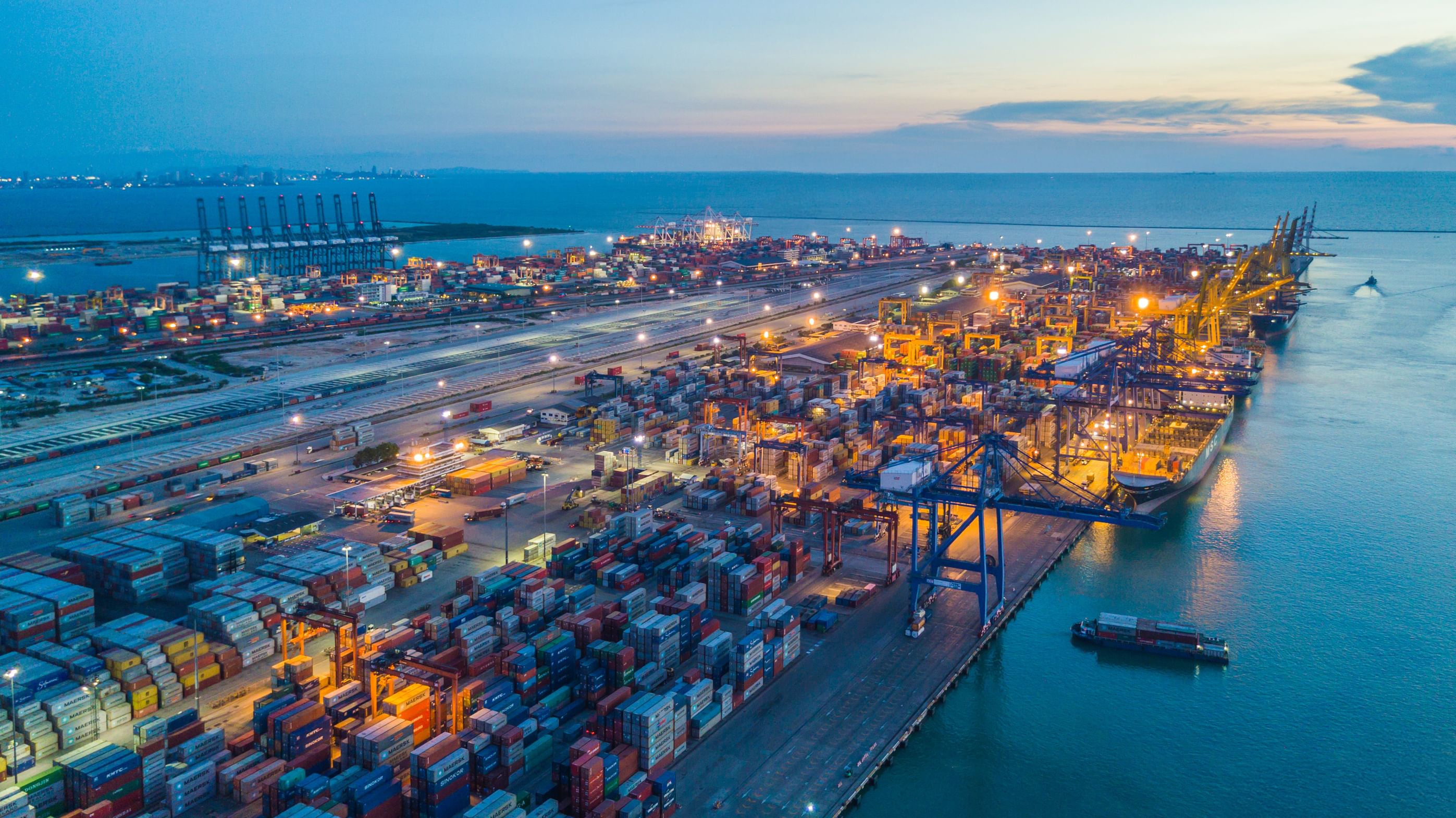
Dubai has reinforced its status as a leading global maritime hub, earning the title of “the crown jewel of the Middle East’s maritime sector,” according to the 2025 International Shipping Centre Development Index report, issued by Xinhua News Agency in collaboration with the Baltic Exchange. The report ranks Dubai among the top five global shipping centres and first in the Arab region.
Sheikh Dr. Saeed bin Ahmed bin Khalifa Al Maktoum, CEO of the Dubai Maritime Authority, part of the Ports, Customs, and Free Zone Corporation, hailed the achievement stating: “Dubai’s ranking as fifth globally and first in the Arab world in the 2025 International Shipping Centre Development Index reflects the vision of our leadership, as well as the effective coordination between strategic partners and maritime sector companies in the emirate.
We remain committed to continuous development, delivering world-class services, adopting global maritime best practices, implementing innovative solutions, updating regulations, and fostering a thriving maritime business environment to position Dubai as an innovative and sustainable global centre for shipping and logistics.”
The report highlights Dubai’s comprehensive maritime ecosystem, offering navigation services, shipbuilding and repair, and capacity to handle the increasing number of vessels. It also emphasised the Dubai Maritime Transport Plan 2030, aligned with the Dubai Economic Agenda D33, which aims to expand maritime transport usage, enhance the network of marine transportation, and develop Dubai Maritime City.
The report specifically praised Jebel Ali Port for its strategic role as a regional shipping hub, underpinned by continuous investment in infrastructure and services. In 2024, the port handled 15.5 million twenty-foot equivalent units (TEUs), the highest since 2015, accounting for 18% of the total 88.3 million TEUs managed by DP World, the port operator.
On sustainability, the report highlighted Jebel Ali Port’s initiatives to reduce emissions, including the provision of biofuel for ships, installation of 50,000 m² of solar panels for renewable energy, and the use of electric vehicles for container handling—contributing to an annual reduction of 2,000 tons of CO₂ emissions.
Captain Ibrahim Al Blooshi, Executive Director of Dubai Ports Authority, commented: “We take pride in this achievement, which underscores Dubai’s strong position as a global maritime hub. Jebel Ali Port, operated by DP World under the Ports, Customs, and Free Zone Corporation, continues to excel at both regional and international levels.
Dubai Ports Authority is committed to proactive measures to enhance the maritime sector’s contribution to the strategic objectives of the Dubai Economic Agenda D33, through its three ports—Jebel Ali, Port Rashid, and Hamriyah—despite global economic challenges and market fluctuations. We are dedicated to preserving the emirate’s marine environment and ensuring the highest operational safety standards in the maritime sector.”
EDGE, the world’s leading advanced technology and defence group, and 4iG Aerospace, the leading ICT, space and defence industries group in Hungary and the Western Balkans, have signed three Memoranda of Understanding (MoUs) to establish significant and wide-ranging industrial cooperation between the UAE and Hungary.
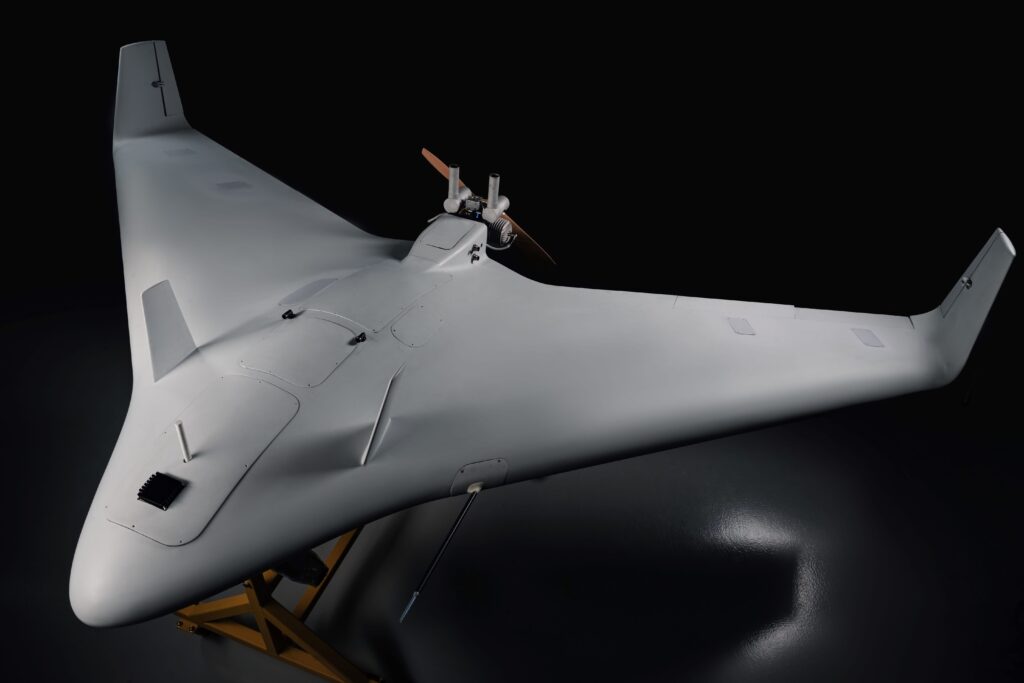
During a state visit by an official UAE delegation to Hungary, EDGE and 4iG signed three memoranda of understanding (MoUs) aimed at enabling a broad technology partnership for the joint development and marketing of advanced defense systems, including EDGE’s Skyknight air defense missile system, Shadow 25 and Shadow 50 cruise munitions, and Vega and Orion autonomous air traffic control solutions.
Hamad Al Marar, Managing Director and CEO of EDGE Group, said: “Our goal, through strengthening partnerships with partners like 4iG, is to help countries develop and adopt advanced sovereign defense technology and industrial capabilities. The global security landscape calls for renewal programs to leverage the latest autonomous technologies and counter rapidly evolving airborne threats. This collaboration enhances EDGE Group’s ability to continue delivering competitive, NATO-compliant, and export-ready solutions, in support of Hungary’s national objectives and as a gateway to deeper engagement across Europe and NATO member states.
For his part, 4iG CEO Istvan Šarhigyi said: “The agreements signed today represent a significant achievement in 4iG’s international efforts in the defense sector. By partnering with one of the world’s fastest-growing defense technology companies, we can develop systems with strong potential for success in European and African markets on a mutually beneficial basis. EDGE Group’s trust and openness provide Hungary with the opportunity to transform into a strategic player in the global defense innovation ecosystem.
Under the first agreement, the two companies will establish a broad technology partnership to jointly develop and explore cross-market opportunities for next-generation autonomous aerial systems (AAAS), counter-AAAS solutions, and space technologies in Central and Eastern Europe and Africa.
The agreement also covers the possibility of establishing a joint venture. The second agreement focuses on the potential development and production of the Sky Knight domestically deployable air defense missile system and the Shadow high-precision cruise munition series in Hungary.
The third and final agreement aims to provide EDGE’s Vega autonomous air traffic management and Orion drone swarm management systems to the European market, with the potential for joint development of air traffic control solutions. The MoU also includes an evaluation of the possibility of establishing a joint venture as a European development and sales center for the Vega and Orion systems.
The UAE leads the global market in mobile shopping, according to the results of the Global Digital Shopping Index 2025, a joint study by PYMNTS Intelligence and commissioned by Visa Acceptance Solutions.
The study, which surveyed 1,679 consumers and 329 merchants in the country, showed that 67% of UAE consumers used their smartphones for their most recent purchase, a 23% increase compared to 2022.
The UAE also recorded the highest rate of mobile shopping at 37%, ahead of Singapore, the UK, and Brazil.
The country also recorded an advanced global rate of biometric authentication use (32%) when making online purchases, surpassing the global average of 17%. Fifty-three percent of consumers expressed a desire to shop across multiple channels, while 75% preferred rewards programs, 73% preferred free shipping, and 70% preferred price matching.
The report also indicated that 38% of shoppers in the UAE made their recent purchases using a mobile phone or computer, with the option of home delivery.
The results confirmed that consumers in the UAE are increasingly adopting a “mobile first” lifestyle, particularly among millennials, with a usage rate of 73%.
Commenting on the study results, Salima Joteva, Vice President and General Manager, Visa UAE, said, “The UAE’s approach reflects the great potential that can be achieved by uniting efforts to build the future of commerce. At Visa, we are working in partnership with the government and private sectors to offer innovative solutions such as Click to Pay to provide secure and seamless digital payment experiences.
These indicators reflect the country’s advanced regulatory environment and its continued support for the digital business ecosystem, enabling retailers to enhance customer experiences and achieve sales growth by offering flexible and secure payment options.
The Global Digital Shopping Index is based on a survey of 18,468 consumers and 3,464 merchants across eight countries, including the UAE, Saudi Arabia, the United States, the United Kingdom, Singapore, Australia, Mexico, and Brazil, during the period from October to December 2024.
The UAE maintained its position as the top destination for deals in the Middle East and North Africa (MENA) region during the first quarter of 2025, with a total of 63 deals worth $20.3 billion.
The UAE remains the preferred destination for foreign direct investment (FDI) in the region by 2025, accounting for 53% of the total number of incoming deals and 99% of their total value. Austria was the leading investor, accounting for 94% of the total value of incoming deals, driven primarily by a major deal in the chemicals sector.
This was stated in a report issued by Ernst & Young (EY) on “Mergers and Acquisitions in the Middle East and North Africa”, which indicated that the region recorded an increase in deal activity during the first quarter of 2025, with 225 deals compared to 172 deals in the same period last year, representing a 31% increase in the number of deals year-on-year. The total value of announced deals in the first quarter of this year also increased by 66% to reach US$46 billion, compared to US$27.6 billion in the first quarter of 2024.
role in deal volume and value, with 117 deals recorded, representing 52% of the total number of deals, valued at USD 37.3 billion, or 81% of the total value of announced deals. The first quarter of 2025 saw the highest cross-border deal activity, both in terms of volume and value, compared to the same period in the past five years, as companies increasingly sought to grow and diversify outside their home markets.
“We saw a steady flow of M&A deals in 2025, and the MENA region will continue to experience strong deal flow for the remainder of 2025,” said Brad Watson, MENA Leader, EY-Parthenon. “This strong deal flow is driven by regulatory reforms, policy shifts, and a positive macroeconomic outlook, including easing interest rates and improved investor confidence.”
contributed 48% of the total number of deals in the first quarter of 2025. This growth in local M&A deals is in line with the International Monetary Fund’s forecast of 3.6% GDP growth for the Middle East and North Africa region this year, supported by the strong momentum of M&A activity around the world. Companies are re-aligning their strategies to better meet the needs of diversification, digital transformation, and the integration of emerging technologies.
He stressed that the UAE maintained its position as the top destination in the Middle East and North Africa region in the first quarter of 2025, recording 63 deals worth a total of USD 20.3 billion. Kuwait ranked second in terms of deal revenue, with USD 2.3 billion, driven by two major deals in the diversified industrial products and energy and utilities sectors.
During the first three months of 2025, Canada attracted the highest value of outbound deals from Middle Eastern and North African investors, at US$6.4 billion, while the United States remained the preferred target destination in terms of the number of deals.
number of deals in the first quarter of 2025, while the value of deals increased significantly to USD 8.7 billion, compared to USD 1.69 billion in the first quarter of 2024.
The technology sector led local mergers and acquisitions (M&A) activity in the Middle East and North Africa (MENA) region during the first quarter of 2025, contributing 37% of the total value of local deals and 27% of the total number of deals.
Inter-regional deals involving the UAE, Kuwait, and Saudi Arabia accounted for 83% of the total value of local deals and 56% of the total number, highlighting the strong activity of cross-regional mergers and acquisitions, particularly in the technology, industrial, and real estate sectors.
foreign direct investment (FDI) during the first few months of 2025, with the number of inbound deals increasing by 21% and their value rising to USD 17.6 billion, compared to USD 2.5 billion in the first quarter of 2024.
The report indicated a 63% increase in the number of deals issued during the first three months of 2025 compared to the first quarter of 2024, reaching USD 19.7 billion, contributing 43% of the total deal value. The UAE and Saudi Arabia topped the list of deals issued from the Middle East and North Africa region, accounting for 77% of the total number of deals and 94% of their total value.
Anil Menon, MENA M&A and Capital Markets Leader, EY-Parthenon, said: “The MENA deal market has remained resilient, and the MENA deal pipeline for the rest of 2025 is promising and strong, with increased activity expected in the consumer, technology, and energy sectors. Artificial intelligence will drive fundamental value shifts, as we see significant capital allocation in technology.”
Technology Innovation Institute says model is ‘one of the most advanced Arabic’ offerings.
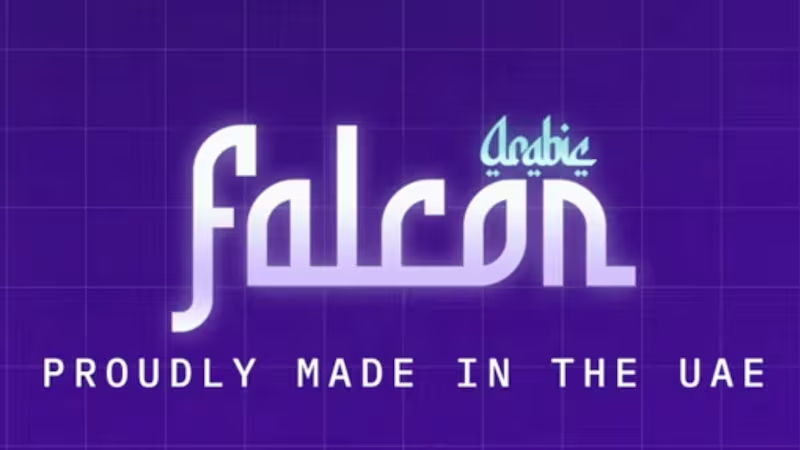
Concerns that Arabic might be left behind in the fast-developing AI sector are starting to evaporate with the introduction of the Falcon Arabic language model, created in Abu Dhabi.
The model was unveiled on Wednesday by the Technology Innovation Institute (TII) , an Abu Dhabi government-backed research centre which first introduced its Falcon large language model back in 2023.
Faisal Al Bannai, adviser to the UAE President for Strategic Research and Advanced Technology Affairs, spoke about the development as a leap forward for Arabic at the UAE’s Make it in the Emirates event.
“We’re proud to finally bring Arabic to Falcon, and prouder still that the best-performing large language model in the Arab world was built in the UAE,” he said.
According to TII, Falcon Arabic is trained on a native (non-translated) Arabic data set that covers both Modern Standard Arabic and regional dialects.
“It captures the full linguistic diversity of the Arab world,” said TII.
The research centre also said that so far the model outperforms other Arabic language models.
Large language models are complex systems designed to be trained on large amounts of text and data that help AI implementations identify patterns, come to conclusions and even understand nuances. In short, the models can make or break the user experience with AI.
Although Arabic is spoken by about 400 million people worldwide, it was not initially a focus during the initial growth of AI and large language models, with English the most prevalent.
The complexity and diversified Arabic dialects, coupled with various language nuances, posed a challenge for engineers and programmers trying to perfect machine learning technologies.
In recent years, the UAE has sought to bolster Arabic’s presence in the AI race.
In 2023, Jais, an open-source bilingual Arabic-English model, was introduced by G42, Mohammed bin Zayed University of Artificial Intelligence and Silicon Valley-based Cerebras Systems.
Later that year, Jais Climate , the world’s first bilingual large language model dedicated to climate intelligence was also announced.
In addition to Falcon Arabic, TII also announced on Wednesday the release of its Falcon H1 model, which it says “outperforms comparable offerings from Meta’s LLaMA and Alibaba’s Qwen, enabling real-world AI on everyday devices and in resource-limited settings”.
The research centre explained that efficiency was at the core of Falcon H1 development.
“This fundamentally shifts what’s possible at the smallest scale, enabling powerful AI on edge devices where privacy, efficiency, and low latency are critical,” said Hakim Hacid, chief researcher at the TII AI and digital science research centre.
“It demonstrates how new architectures can unlock new opportunities in AI training while showcasing the potential of ultra-compact models.”
Saif Karam, a student at the Government Model High School and a member of the Rubu’ Qarn Foundation for Creating Leaders and Innovators, won first place globally in the Chemistry Awards category. He participated with the national delegation, sponsored by the Rubu’ Qarn Foundation for Creating Leaders and Innovators, in partnership with the Ministry of Education, at the International Science and Engineering Fair (ISEF 2025), hosted by Ohio, USA.
Saif Karam received the award from the American Chemical Society (ACS), one of the world’s largest scientific societies supporting chemistry research, for his project, “Developing a Classification of New Materials Used to Convert Carbon Dioxide into Valuable Multi-Carbon Compounds, Opening Broad Horizons for Application and Use in the Fields of Industry and Sustainable Energy.
Member and Ruler of Sharjah, and his wife, Her Highness Sheikha Jawaher bint Mohammed Al Qasimi, Chairperson of the Rubu’ Qarn Foundation for Creating Leaders and Innovators, regarding the importance of building generations that innovate in all fields to preserve the richness and diversity of human production. It also embodies the prominent pioneering role of the Rubu’ Qarn Foundation in empowering future generations to lead the future.
It also comes as a culmination of the concerted efforts, constructive cooperation, and effective partnership that brought together the Rubu’ Qarn Foundation for Creating Leaders and Innovators and the Ministry of Education, which is keen to cooperate with all its partners to highlight their talents and scientific capabilities in international forums. Saif completed his project with academic support from the University of Sharjah, while he was introduced to performing theoretical calculations on high-performance computing (HPC) systems.
Khalifa University played a pivotal role in enabling Saif Karam to complete his project and experiments. He worked under the direct supervision of Dr. Sharmarke Mohammed, Associate Professor of Chemistry and Head of the Chemical Crystallography Laboratory (CCL) at Khalifa University, along with his team in the University’s Chemistry Department, who provided comprehensive academic supervision during the preparation of the scientific paper.
This included the implementation of computational and experimental research aspects completed in the university laboratories, including performing theoretical calculations using density functional theory (DFT) on high-performance computing (HPC) systems.
Jassim Al Balushi, Member of the Board of Trustees of the Rubu’ Qarn Foundation for Creating Leaders and Innovators, and Mohammed Abdul Qader, Acting Assistant Undersecretary for the Strategy Sector at the Ministry of Education, received Saif Karam and the national delegation participating in the ISEF 2025 exhibition in appreciation of them.
The pact interweaves water security, renewable energy mastery, and industrial sovereignty – binding Morocco’s future with a 1,400 km electricity superhighway, four desalination jewels, and 25,000 employment opportunities in a $14 billion choreography.
The largest private investment in Morocco’s modern history has just been inscribed in the country’s economic annals. Yesterday, the country sealed an extraordinary $14 billion accord with the United Arab Emirates – an injection of unprecedented scale that promises to permanently alter the country’s water and energy equation, while fundamentally reshaping its infrastructure landscape for generations to come.
The ceremonial ink still fresh, the agreement binds Morocco’s government and the National Office of Electricity and Drinking Water (ONEE) with a consortium of financial titans: the Mohammed VI Investment Fund, TAQA Morocco (the local subsidiary of Abu Dhabi’s energy colossus), and Nareva (the energy arm of the royal holding Al Mada).
At MAD 130 billion ($14 billion), this collaboration transcends mere commercial arrangement – it heralds a profound reengineering of critical national infrastructure by 2030.
Central to this ambitious blueprint stands a colossal 1,400-kilometer high-voltage transmission corridor stretching from Western Sahara to Casablanca, complemented by a network of sophisticated seawater desalination facilities.
These projects emerge as the culmination of meticulous diplomatic chess moves, coming just five months after King Mohammed VI’s private visit to Abu Dhabi and 18 months following his official state visit to the Emirati capital, where the groundwork for this Moroccan-Emirati renaissance was carefully laid.
Desert kingdoms understand water’s value. The consortium’s hydric strategy unfolds with architectural precision: a vast network connecting the Sebou and Oum Rabia river basins, engineered to channel 800 million cubic meters annually across thirsty territories.
The first phase of water transfer between the Sebou and Bouregreg basins became operational in August 2023, successfully diverting approximately 350 million cubic meters to the Sidi Mohammed Ben Abdellah dam, critical for supplying drinking water to the Rabat region.
Four jewels in this water crown will rise across Morocco’s map. In Tanger, a 50-million-cubic-meter annual capacity station will quench the industrial thirst of this burgeoning port hub.
Nador’s installation, six times more ambitious at 300 million cubic meters, will transform the eastern region’s hydric calculus. The agricultural heartland of Souss will benefit from Tiznit’s 350-million-cubic-meter facility – the largest of the quartet. Completing this hydraulic network, either Tan-Tan or Guelmim will host a 100-million-cubic-meter operation to serve the arid southern frontier.
These cutting-edge desalination facilities, engineered to operate exclusively on renewable energy, will collectively produce 900 million cubic meters annually.
Notably, they will maintain competitive pricing at or below MAD 4.50 per cubic meter (excluding tax), aligning with national benchmark rates established for ongoing desalination initiatives – all without requiring public subsidies.
The electric heartbeat: Energy sovereignty reimagined
The consortium’s energy infrastructure vision is anchored by a groundbreaking high-voltage direct current (HVDC) transmission network spanning 1,400 kilometers between Morocco’s southern territories and its central economic hub.
This sophisticated “electricity highway” will connect Dakhla to Casablanca with a 3,000 megawatt capacity, dramatically strengthening energy distribution capabilities while catalyzing economic and industrial development throughout the corridor.
This transmission masterpiece will be fed by 1,200 megawatts of fresh renewable capacity, predominantly harvested from the sun-drenched southern provinces. The geographic strategy is to harness the natural abundance of Morocco’s desert regions, translate it into clean energy, and deliver it to industrial centers at competitive rates.
Complementing these renewable ambitions, the Tahaddart complex will undergo a renaissance. This gas-fired installation will see its capacity quadrupled through new combined-cycle units, elevating total output to 1,500 megawatts. This expansion offers crucial ballast to a grid increasingly danced upon by the variable rhythms of wind energy.
The human dividend, capital choreography, and implementation cadence
Beyond pipes and pylons lies perhaps the most valuable yield: people. This grand design promises to spawn over 25,000 employment opportunities through construction and operation, with 10,000 permanent positions taking root after commissioning.
The consortium envisions not merely infrastructure but ecosystem – a fertile soil where technology transfer blooms and local industrial expertise in desalination and renewable energy flourishes. From this terrain will grow new educational pathways and technical specializations, training the standard-bearers of Morocco’s water and energy future.
The financial architecture of this mammoth endeavor will be orchestrated by the consortium, drawing capital from domestic and international financial wellsprings. The urgency is palpable; the project’s partners have pledged to assemble elite technical minds to ensure methodical implementation through 2030.
As with all ventures of this magnitude, regulatory gauntlets must be run, particularly regarding concentration operations. Each project component will be governed by bespoke development agreements between ONEE and the consortium. The first such accord, focusing on Tahaddart’s expansion, has already materialized.
The architects of the alliance
This historic partnership harmonizes complementary strengths. Nareva, Morocco’s private electricity champion, brings 3,200 megawatts of installed capacity producing over 15 terawatt-hours annually. As Africa’s wind energy pioneer, it operates eleven parks totaling 1,810 megawatts alongside the thermal goliath of Safi (1,386 megawatts).
With extensive expertise in electrical transmission infrastructure (exceeding 300 kilometers of high-voltage lines) and advanced water engineering, Nareva currently leads the innovative Amensouss project and is constructing the world’s first exclusively renewable-powered desalination facility in Dakhla.
TAQA Morocco, publicly traded on the Casablanca Stock Exchange since 2013, delivers 34% of Morocco’s national electricity requirements despite representing only 17% of installed capacity.
With a strategic focus on desalination, renewable energy development, low-carbon solutions, and infrastructure networks, the company actively advances national energy transition objectives and water security initiatives.
Its parent organization, Abu Dhabi National Energy Company PJSC (TAQA), operates as a diversified energy and utilities powerhouse with operations spanning 25 countries worldwide.
A diplomatic masterpiece
These accords signal the diplomatic renaissance between Morocco and the Emirates after a period of relative ambiguity. They physically manifest the vision sketched during King Mohammed VI’s December 2023 meeting with Sheikh Mohamed bin Zayed Al Nahyan – a blueprint for collaboration in strategically vital domains.
This official visit established a “renewed partnership” between the Maghreb and Gulf country with announcements of strengthened collaboration in strategic domains including energy and infrastructure development.
The sovereign’s subsequent private voyage proved equally fertile, brokering peace between telecommunications titans Maroc Telecom and Inwi, ending a decade-long legal skirmish and birthing a joint venture to develop 5G infrastructure for international events including the 2025 Africa Cup of Nations and the 2030 World Cup.
For fifteen years, Morocco has methodically invested in renewable energy, which now covers 38% of its electricity needs, with aspirations to reach 52% by 2030. Simultaneously confronting chronic water scarcity, the kingdom has embraced desalination as salvation. This Emirati partnership accelerates both these vital transitions, binding two desert nations in a quest for resource security and sustainable prosperity.
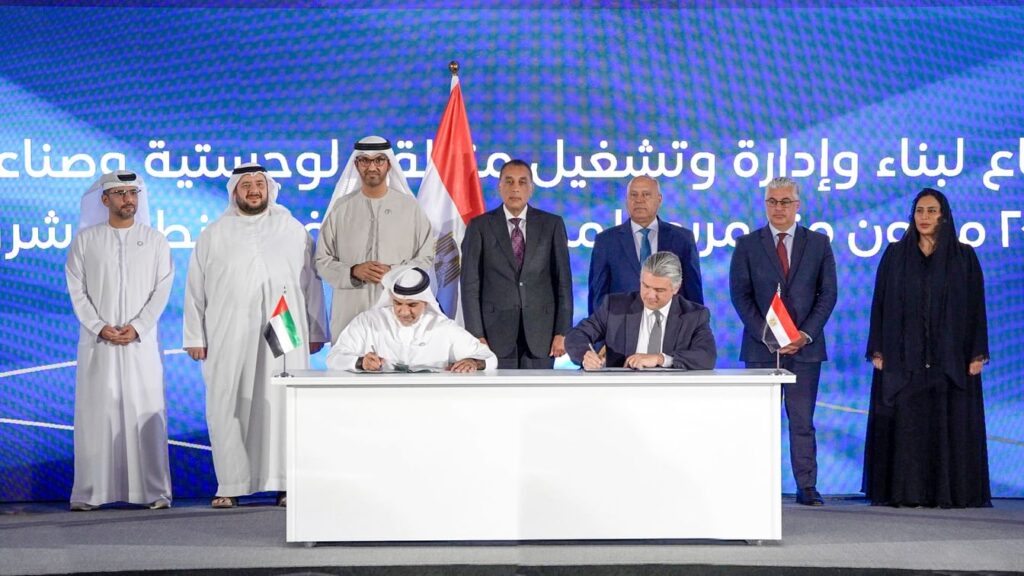
AD Ports Group, and the General Authority for Suez Canal Economic Zone (SCZONE), the integrated investment destination for linking industry and global trade, today signed a 50-year renewable usufruct agreement, to develop and operate a 20 km2 industrial and logistics park near the Egyptian coastal city of Port Said on the Mediterranean Sea.
The East Port Said Industrial Zone provides an opportunity to turn a unique location on the Mediterranean Sea into a key hub for international trade and investments serving the East-West trade routes, right at the entrance of the Suez Canal.
The agreement to develop KEZAD East Port Said Industrial and Logistics Zone was signed in Cairo, and witnessed by Egyptian Prime Minister, Dr. Mostafa Madbouly, in the presence of Dr Sultan Al Jaber, Minister of Industry and Advanced Technology, Mohamed Hassan Alsuwaidi, UAE Minister of Investment, Lieutenant General Engineer Kamel Al Wazir, Deputy Prime Minister for Industrial Affairs Egyptian Minister of Industry and Transport, Mariam Al Kaabi, Ambassador of the UAE to Egypt, Captain Mohamed Juma Al Shamisi, Managing Director and Group CEO of AD Ports Group and Mr. Waleid Gamal El-Dien, Chairman of SCZONE.
The agreement was signed by Ahmed Al Mutawa, Regional CEO of AD Ports Group, and Admiral Mohamed Ahmed Mahmoud, Vice Chairman of SCZONE for the Northern area.
AD Ports Group will develop, construct, finance, operate, and manage the industrial and logistics zone in phases, with a focus on phase 1 to start with, an area covering a total of 2.8 km2. An estimated total investment of $120 million will be allocated to market and technical studies as well as to phase 1 development over the next three years. Construction on the initial 2.8 km2 Phase 1 is expected to start by the end of this year.
The development of Phase 1 will be anchored by key potential clients and partners, including one of the region’s foremost construction and development groups, Hassan Allam Holding.
Captain Mohamed Juma Al Shamisi, Managing Director and Group CEO, AD Ports Group, said: “KEZAD East Port Said is a milestone that highlights the strong economic relations between the UAE and Egypt. In line with the vision of our wise leadership, this strategic cooperation is another sign of our Group’s growing focus on Egypt, where we continue to enhance and develop our integrated trade, transport, and industrial ecosystem, offering clients unparalleled end-to-end solutions and services. This infrastructure investment will provide a long-term source of economic growth for Egypt, while enhancing the Suez Canal role in promoting and supporting the East-West trade corridor.”
Waleid Gamal El Dien, Chairman of the Suez Canal Economic Zone, said: “The launch of this project in the East Port Said Industrial Zone represents an important strategic step that reaffirms the depth of the strong fraternal relations and the growing strategic partnership between the Arab Republic of Egypt and the United Arab Emirates, as well as the prominent position held by SCZONE as a pivotal global trade hub for industrial and logistics activities. This project enhances SCZONE’s ongoing efforts to support global supply chains by providing a competitive and integrated investment environment, underpinned by advanced infrastructure, and a unique geographic location, connecting three continents via one of the world’s most vital maritime routes.”
Gamal El Dien added: “Over the past few years, the SCZONE has become a cornerstone for the investment expansion plans of many leading regional and international companies, thanks to its integrated model of combining industrial zones and affiliated seaports. Among these is the KEZAD East Port Said Industrial and Logistics Zone, which seamlessly connects with East Port Said Port, a key strategic location on the Mediterranean Sea. The port features deep berths for large vessels, efficient operations, and excellent connectivity to advanced road and transportation networks. The expertise of a global organisation such as AD Ports Group will help SCZONE achieve its goals.”
Ahmed Al Mutawa, Regional CEO of AD Ports Group, said: “KEZAD East Port Said is being built to attract investments, promote industrial and logistics growth, create jobs, increase exports, develop skills, and facilitate technological transfer. It will complement AD Ports Group’s growing business ecosystem in Egypt, and capitalise the natural assets of the Suez Canal area for Egypt, while supporting the country’s manufacturing sector, and increasing the ease of doing business in Egypt as a preferred gateway to global markets.”
Admiral Mohamed Ahmed Mahmoud, Vice Chairman of SCZONE for the Northern area, said: “We are working on developing an integrated model that combines industry, maritime transport, and logistics services within a flexible and investment-friendly regulatory environment. East Port Said Industrial Zone stands at the heart of this model due to its strategic location at the northern entrance of the Suez Canal and its direct connection to the modern East Port Said Port, a key hub in global trade, consistently ranked among the top international ports thanks to its operational readiness and advanced capabilities. Furthermore, the integration with West Port Said Port enhances its readiness to offer comprehensive and attractive logistical solutions for investors. Therefore, this project represents a qualitative leap in the development of the northern part of SCZONE, not only in terms of the scale of anticipated investments but also in the advanced industrial and logistical activities to be implemented.”
In addition, AD Ports Group and Hassan Allam Holding, which is one of the Group’s development partners in Egypt, signed a memorandum of understanding (MoU) to develop and invest in the industrial zone and explore other projects.
AD Ports Group in December 2024 appointed Hassan Allam Construction, the construction arm of Hassan Allam Holding and one of the premier engineering and construction companies in the region, to build AD Ports Group’s new multipurpose cargo terminal in Safaga, on Egypt’s Red Sea coast.
The Group in 2023 obtained a concession from Egypt’s Red Sea Ports Authority (RSPA) to build and operate the USD 200 million Safaga multipurpose terminal project, which will be the first internationally operated multipurpose cargo terminal in Upper Egypt.
Since 2022, AD Ports Group has invested significantly in Egypt, acquiring Transmar, a regional shipping company, TCI, a port operator and stevedoring company, and in 2024, Safina B.V., a provider of maritime agency and cargo services. AD Ports Group has also secured long-term concessions to develop and operate three cruise terminals at the Red Sea ports of Safaga, Hurghada, and Sharm El Sheikh. In addition, AD Ports Group has initialled agreements for the right to develop and operate a cruise terminal and a Ro-Ro terminal in Ain Sokhna.
The East Port Said project aligns with long-standing ties between the UAE and Egypt, and the objectives of leadership in both countries to support the commercial and industrial sectors and attract high-quality investments. This project also supports the global trend of establishing regional manufacturing centres, thus shortening and sustaining global supply chains, and enhancing connectivity with major global markets.
AD Ports Group is an integrated trade, transport, logistics, and economic zones group with a presence in more than 50 countries. Based in Abu Dhabi, the Group has a maritime fleet of 247 vessels, 34 terminals, in addition to an economic and industrial land bank of over 550 km2, the largest integrated trade, logistics, and industrial business grouping of its kind in the Middle East. Furthermore, SCZONE offers unique investment potential, making it one of the most prominent destinations on the global investment map. It is supported by a strategic geographical location, advanced infrastructure, and modern ports connected to fully integrated industrial zones. These include four industrial zones, East Port Said Industrial Zone, East Ismailia Industrial Zone, Qantara West Industrial Zone, and Sokhna Industrial Zone, which are seamlessly integrated with six seaports: East Port Said, West Port Said, Al-Arish, Sokhna, Adabiya, and Al-Tor, covering a total area of 455 square kilometers. Over the past 33 months, SCZONE has successfully attracted 274 investment projects from around the world, either through direct agreements with it or via industrial developers, with a total investment value of $8.3 billion. These projects span a wide range of sectors, reflecting strong global investor confidence in SCZONE’s viability as a strategic platform for industry, exports, and logistics services.
In the world of fragrances, few names evoke as much resonance and admiration as Swiss Arabian Perfumes Group. Established as the first perfume manufacturer in the UAE, this year marks a significant milestone for the renowned UAE-born perfume house as it celebrates its golden jubilee – 50 years of crafting perfumes with luxury and elegance.
The beginning was in 1974 when Swiss Arabian seamlessly blended Arabian perfumery techniques with modern innovation. Hussein Adam Ali, Founder and Chairman of SAPG, came from Yemen to the UAE in 1974 with a dream. A man driven by an insatiable passion for perfumery and a deep appreciation for the art of scent, he laid the foundation for what would become a global fragrance empire.
Over the past five decades, Swiss Arabian has gained global recognition and taken pride in representing the art of perfumery to the rest of the world. As we reflect on five decades of fragrance mastery, it’s a story worth exploring about how this fragrance empire was built. Hussein Adam Ali’s keen understanding of the nuances of fragrance, coupled with an unwavering commitment to excellence, drove the brand to new heights.
“When I first moved to the UAE, I walked in the sun to save on taxis. This country became my home and turned my dreams into reality.”
“I was 30 years old when I came to UAE to set up my business here. This country became my home and turned my dreams into reality. With an investment of half a million dirhams, 5,000 square feet perfume factory had been set up in Sharjah and became fully operational in six months. I was my own boss and drew a minimum stipend to cover my expenses. Today, SAPG has over 1000 employees and global business operations,” says Hussein Adam Ali, Founder and Chairman, SAPG.
His sons, Nabeel Adam Ali and Nader Adam Ali joined the company at a young age as well, and through their leadership, shaped Swiss Arabian Perfumes Group into a multinational award winning perfume house.
Swiss Arabian’s growth strategy is their product. Constantly innovating, creating and ensuring customer satisfaction is the core of their business. The brand’s continuous efforts at striving for perfection is evident in every aspect of its operations, from sourcing the finest raw materials to the meticulous craftsmanship that goes into creating each bottle of perfume.
Despite the evolving trends and preferences in the perfume market, the brand has stayed true to its roots while embracing modern techniques and ingredients. This dedication to both tradition and innovation has earned Swiss Arabian a loyal following and global expansion. The Group also expanded to more brands such as Sapil Perfumes, Shirley May, Shirley May Deluxe and Alta Moda.
As Swiss Arabian Perfumes Group commemorates its 50th year, it is a celebration of longevity and a testament to hard work. Looking ahead, the company remains committed to pushing boundaries and creating fragrances that resonate with the diverse tastes and preferences of its clientele.
In the presence of His Highness Sheikh Mohammed bin Rashid Al Maktoum, Vice President and Prime Minister of the UAE and Ruler of Dubai, and His Highness Sheikh Mansour bin Zayed Al Nahyan, Vice President, Deputy Prime Minister and Chairman of the Presidential Court, Lieutenant General H.H. Sheikh Saif bin Zayed Al Nahyan, Deputy Prime Minister and Minister of Interior, honoured winners of the Global Government Excellence Award in its third edition, during the World Governments Summit 2025.
The awards ceremony was attended by H.H. Sheikh Khaled bin Mohamed bin Zayed Al Nahyan, Crown Prince of Abu Dhabi; H.H. Sheikh Hamdan bin Mohammed bin Rashid Al Maktoum, Crown Prince of Dubai, Deputy Prime Minister and Minister of Defence; H.H. Sheikh Maktoum bin Mohammed bin Rashid Al Maktoum, First Deputy Ruler of Dubai, Deputy Prime Minister and Minister of Finance; H.H. Sheikh Mohammed bin Hamad bin Mohammed Al Sharqi, Crown Prince of Fujairah; and H.H. Sheikh Mohammed bin Saud bin Saqr Al Qasimi, Crown Prince of Ras Al Khaimah.
The Global Government Excellence Award recognises pioneering government initiatives and practices worldwide that improve quality of life and address societal challenges. As the first of its kind in the global government sector, it encompasses all countries and cultures, emphasising originality and sustainable, impactful outcomes.
The ‘Ubongo’ digital learning programme from Tanzania won the Technological Innovation for Social Inclusion award. The programme bridges educational gaps by offering digital content in subjects like maths, science, and languages, while providing interactive tools for teachers. It aims to reduce disparities between urban and rural areas, ensuring equal learning opportunities for all children.
The municipality of Cascais in Portugal won the award for Innovation in Environmental Sustainability and Community Engagement award for its ‘iRec’ recycling project. The initiative uses smart devices to encourage recycling, rewarding participants with points for services. In its first year, it collected one million packages (70 tonnes), demonstrating its success in promoting sustainability.
The award’s research and nomination process is based on scientific and international criteria to identify global best practices that improve quality of life, demonstrate innovation, and achieve sustainable outcomes. The third edition was marked by substantially higher quality in terms of initiatives nominated, broader global participation, more winners, and an expanded scope to include all continents. The award aims to highlight governments focused on enhancing quality of life, inspiring worldwide efforts in governance and development.
Launched during the World Governments Summit 2023, the World Government Excellence Award is a prestigious international accolade that celebrates outstanding government initiatives and best practices across the globe.
The World Governments Summit serves as an international platform for anticipating and shaping the future of governance and a hub for global awards that promote innovation and excellence in government work. This year, the WGS Awards include the Best Minister in the World Award, Creative Government Innovation Award, Government Technology Award, Global Government Excellence Award, and the Best Teacher in the World Award.