“Islam” and “feminism” are two words most people in Western society wouldn’t usually associate with one another. But recent developments in the historically conservative Persian Gulf region, and in Kuwait in particular, suggest that may be changing.
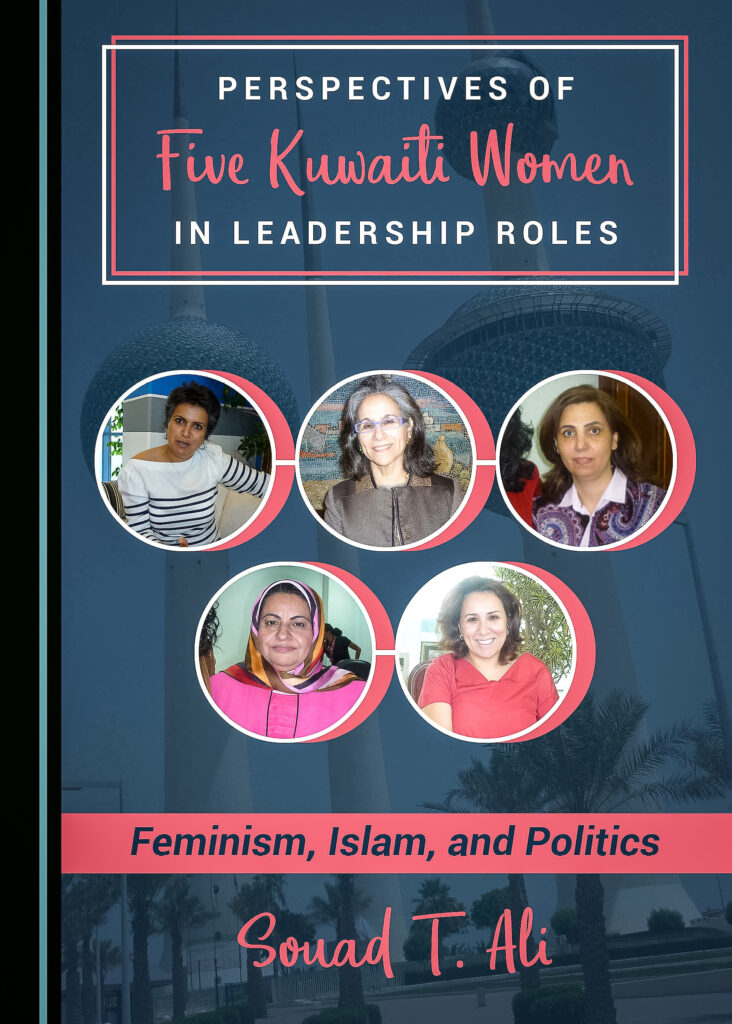
In 2005, Kuwait, a country that is more than 90% Muslim, passed laws granting women both the right to vote and the right to run in elections. In her new book, “Perspectives of Five Kuwaiti Women in Leadership Roles: Feminism, Islam and Politics” ASU Professor and Founding Chair of the Council for Arabic and Islamic Studies Souad T. Ali reveals how these and other advancements have affected them on an individual and societal level.
A native of Sudan who became a naturalized U.S. citizen after the 1989 Sudanese coup d’état replaced her original home country’s newly elected democratic government with a totalitarian regime, Ali was inspired to write “Perspectives” during her 2009–2010 Faculty Fulbright Fellowship at the American University of Kuwait.
“I admire the fact that Kuwaiti women are very outspoken,” Ali said. “They’re very interested in improving their society and they don’t fear speaking out against what they see as oppressive aspects of their society.”
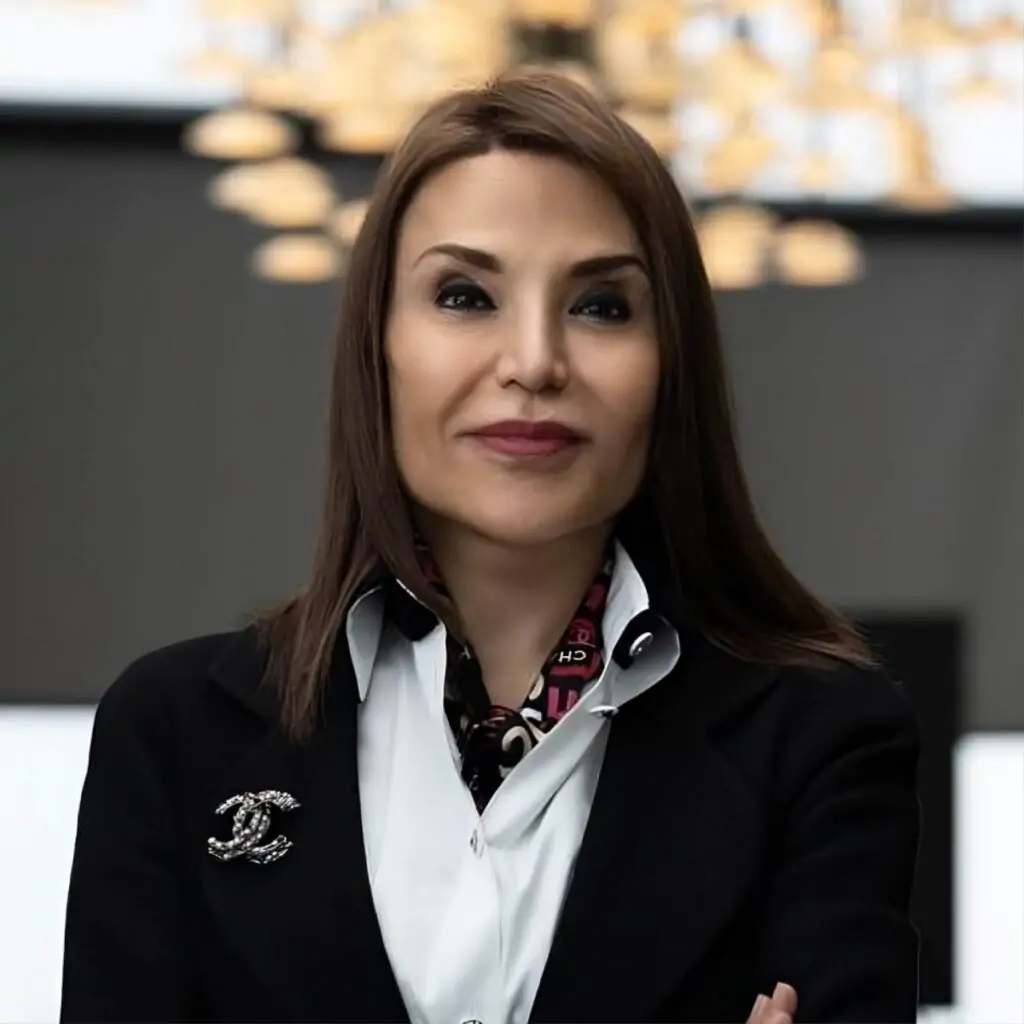
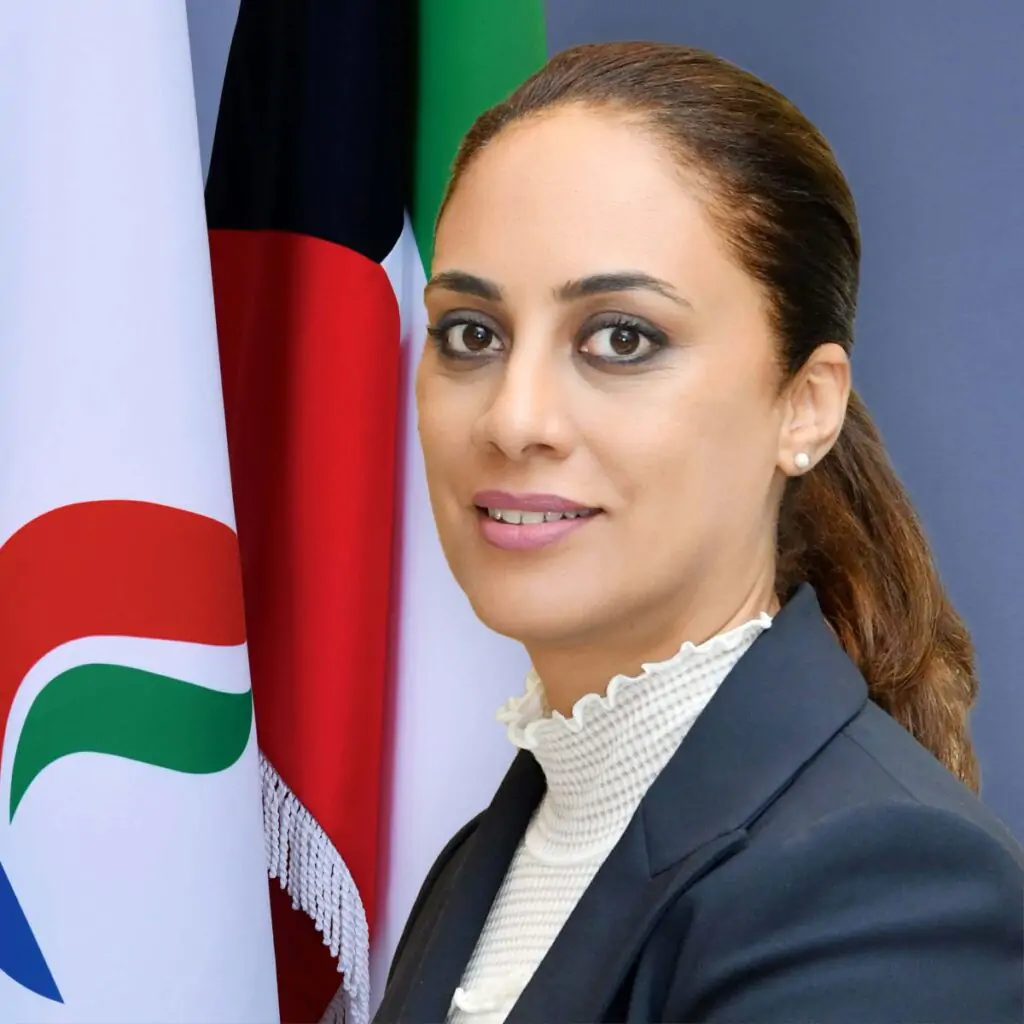
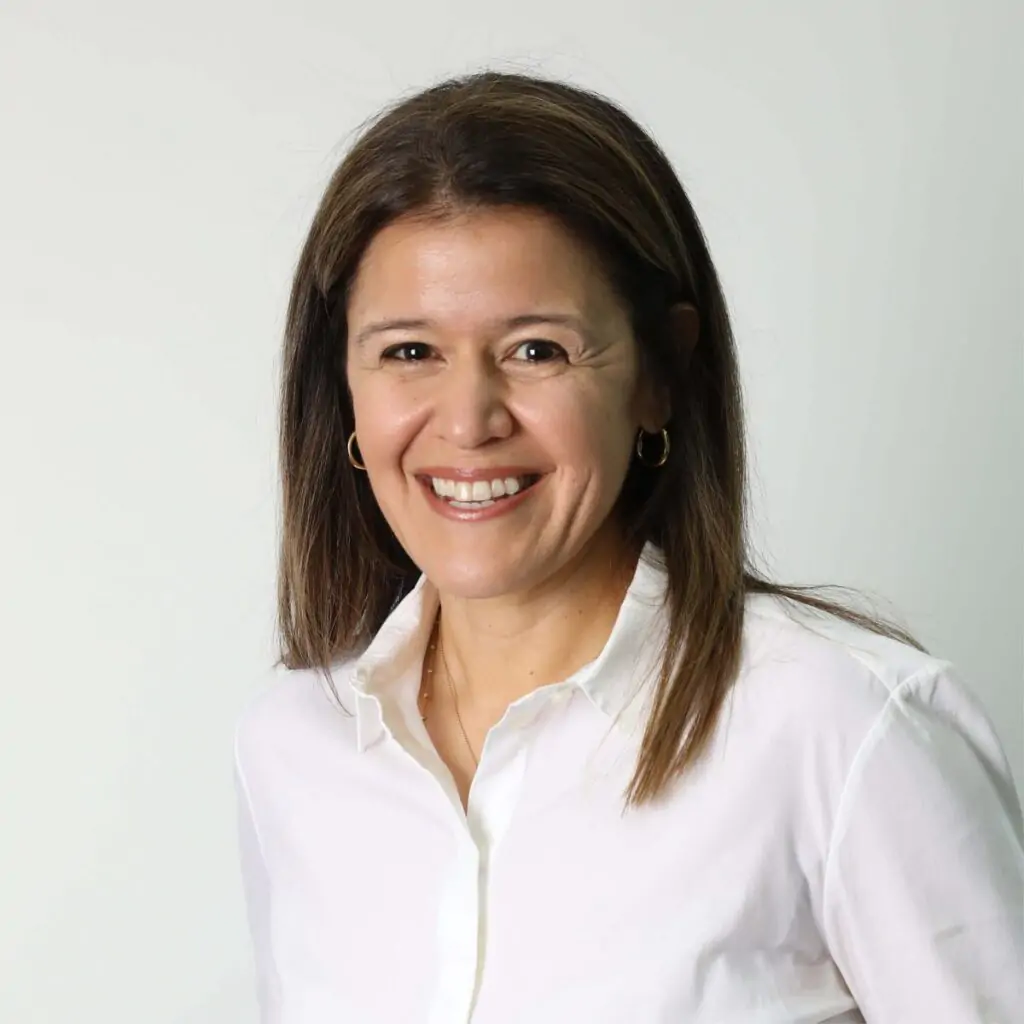
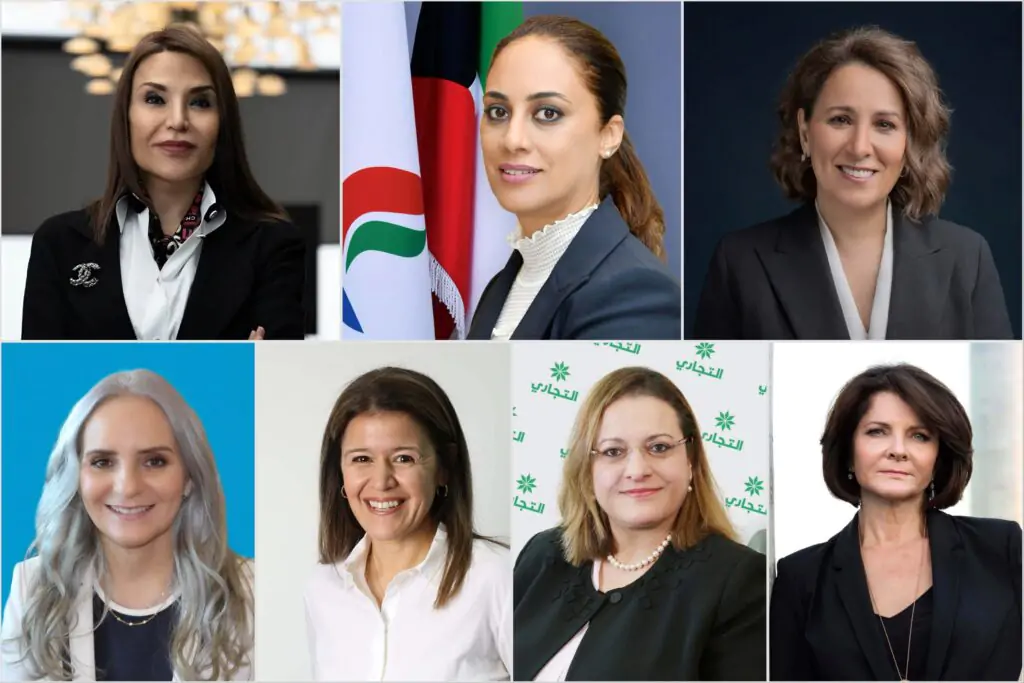
Based on ethnographic research and in-depth interviews with five women, Ali’s new book discusses these women’s work in diverse leadership roles. They include Rola Dashti, a leading Kuwaiti economist, politician and human rights activist who was among the first four women elected to the Kuwaiti parliament; Sheikha Hussah Sabah al-Salem al-Sabah, a patron of Islamic art and museums; Sara Akbar, an oil industry engineer leader and co-founder of Kuwait Energy; Sheikha Dana Nasser Sabah Al-Ahmed Al-Sabah, founder of the American University of Kuwait and an established businesswoman; and Safa al-Hashem, a powerful Kuwaiti politician and entrepreneur who is currently the only elected female member of the Kuwaiti parliament.
Ali, who serves as head of Middle Eastern and classics studies, and coordinator of Arabic studies, turned down an offer from Princeton in order to build ASU’s Arabic studies program from the ground up. Since joining ASU in 2004, she has established three concentrations, including a certificate in Arabic studies, the Arabic studies minor and most recently the Arabic studies bachelor’s degree concentration.
She also is the author of more than 25 articles and three books, including “Perspectives,” and she has participated in more than 100 scholarly presentations and academic conferences in her fields of Middle Eastern studies and Islamic studies. Her forthcoming book, an edited volume with colleague Emily Silverman will explore subjugated voices in religion.
Ali has been active nationally and internationally representing ASU as president of the American Academy of Religion/Western Region branch; as president of the Sudan Studies Association of North America; as a Fulbright Scholar in Kuwait and the Persian Gulf; and as a State Department’s speaker and specialist in Senegal on issues including Islam and democracy, Sufism and religious freedom.
ASU Now sat down with Ali to talk about her new book and how Islam and feminism aren’t as disparate as you might have thought.
Question: How does the feminist movement in Kuwait compare to other countries in the Persian Gulf region?
Answer: From my perspective, the issue of women’s rights is just one issue. But there are many brands of feminism, given the fact that women come from different cultures and have different backgrounds and different histories. Kuwaiti women have a marginal freedom within their government, which is a parliament. There isn’t any other parliamentary government anywhere else in the Gulf region. I discuss feminism in Islam in much detail in the last chapter of my book, highlighting the fact that it emphasizes the inclusion of Muslim women in the religious sphere, with no conflict with their call for their political rights or their active participation in public life. There have been several Muslim women elected as prime ministers in their countries, for example.
Q: What are some of the issues you discussed with the women in your book?
A: The book discusses multiple issues addressed by these women in their leadership roles. These include women’s rights, the issue of reform, political change, equality, gender segregation, veiling, etc., and how these women view feminism and their similar or different perspectives therein. This of course includes the issue of interpretation in Islam that affects how people view issues such as veiling and whether or not it is required by the religion, the need to respect difference in interpretation as much as it does not infringe on others’ perspectives and freedom of expression, and most importantly, respecting women’s agency.
Q: What accounts for the lack of understanding of Muslim women’s rights?
A: I would say the majority, or at least 50% of Muslim women, don’t know their rights, if they don’t read the Qur’an directly. Many of them depend on the male interpretation. And the Qur’an, for the past 14 centuries, has been interpreted by men projecting male perspectives to the exclusion of women’s voices. Only recently has it begun to be interpreted by women. I have been teaching a very popular class at ASU since 2007 titled Qur’an Text and Women. Among the texts we read are “ Qur’an and Woman: Rereading the Sacred Text froma Woman’s Perspective,” by Amina Wadud; “Believing Women; in Islam: Un-reading Patriarchal Interpretations of the Qur’an,” by Asma Barlas; and “Woman’s Identity and the Qur’an : A New Reading” by Nimat Hafez Barazangi, among others. These women are among the first Muslim American women to interpret the Qur’an. There were some earlier female interpretations of the Qur’an in the region. However, those were seen by many as appeasing to the male interpretation.
Q: Are there aspects of feminism in Islam?
A: Yes, except they didn’t call it feminism at that time. My research on “a focus on the egalitarian message of the Qur’an” can help answer this question. I discuss the issue of feminism in Islam in detail in the last chapter. Further, feminism is not a monolithic concept and can differ based on women’s history, background and culture, as I and several other scholars — including Barbara Christian — argued. Based on historical records, several aspects of Islam, in their correct interpretation, speak to women’s rights, despite other controversial aspects. In her book, “Women and Gender in Islam: Historical Roots of a Modern Debate,” Dr. Leila Ahmed, a professor at the Harvard Divinity School, argues that the prophet Muhammad’s wife Aisha contributed 2,210 Hadith narratives. The Hadith is the second source of Islamic law, next to the Qur’an. She maintains that women in seventh century Arabia were sought out by the prophet’s companions and included their testimonies into the Hadith. At the society level, the prophet’s marriage story with his first wife Khadija, who was 15 years his senior and a very wealthy merchant, could be interpreted and seen through the prism of those egalitarian aspects. At first, she employed him because she perceived him to be an honest person, then she proposed to marry him. This was in the seventh century, and at that point, the pre-Islamic society was very misogynistic. They remained married within a monogamous situation for 25 years until her death. She was also the first person to embrace religion of Islam.
Q: Why is this something everyone around the world should care about?
A: The fact that there are so many misconceptions about women and women’s rights in Islam. The book gives readers the opportunity to see facts that have been distorted. For example, Muslims in general, but especially Muslim women, are perceived to be oppressed by their religion, which is a fallacy. They are oppressed by their society, by tradition, by governments and politics. Several of these oppressive measures are in fact criticized in the Qur’an itself, such as female infanticide — used as basis for the so-called “honor-killing” in some countries. Polygamy, that had existed before the advent of religion and had existed in all monotheistic religions, including Islam that inherited it, is very much discouraged in the Qur’an with clear verses within the context of a fair interpretation. Although there are other controversial aspects of Islam that we continue addressing as scholars, Muslim feminists draw attention to the importance of emphasizing those egalitarian aspects of Islam that have largely been neglected by male interpretations that endured for centuries, unfortunately. I cordially invite the audience to read the entire book to help them learn more of these aspects on women in Islam, and Kuwaiti women, the focus of the book.
source/content: news.asu.edu/ASU NEWS (headline edited)
______________
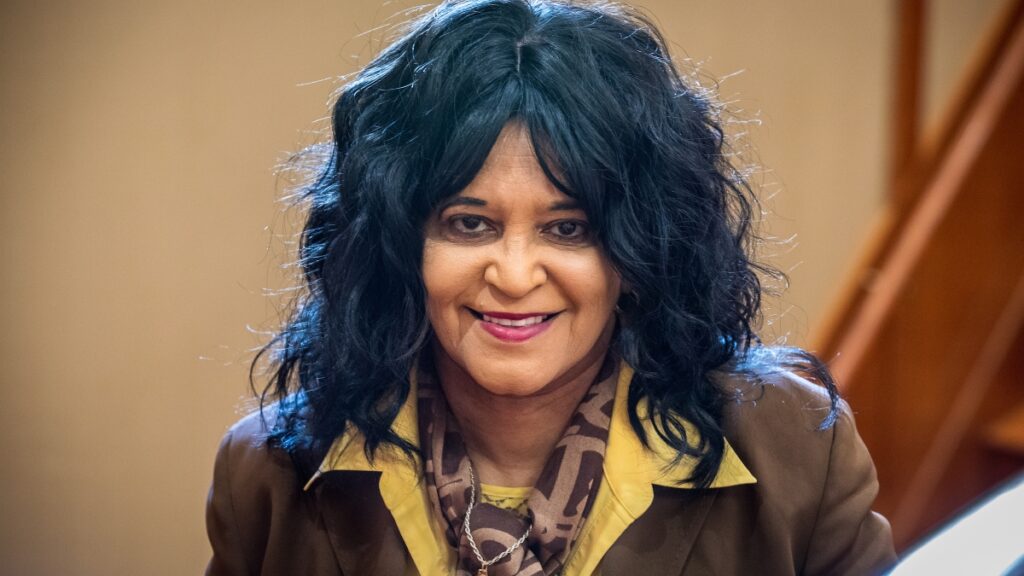
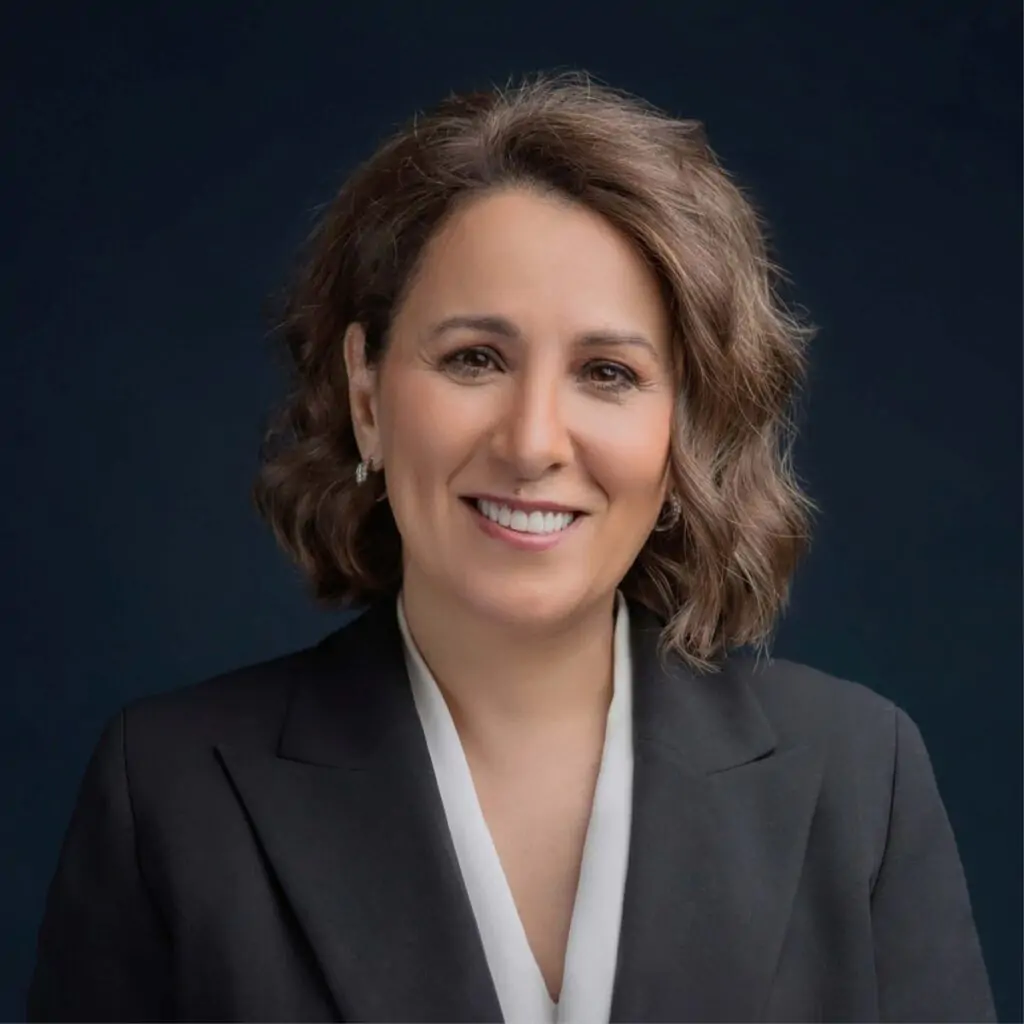
ASU Professor and Founding Chair of the Council for Arabic and Islamic Studies Souad T. Ali. Photo by Charlie Leight/ASU Now
_________________________________
AMERICAN / SUDAN / KUWAIT