OMAN : Your Guide to Oman’s Stunning UNESCO World Heritage Sites

Thanks for highlighting Oman’s cultural wonders, UNESCO. Here’s everything you need to know about them.

As the oldest Arab state with over 100,000 years of human history, the Sultanate of Oman is home to a wealth of cultural and natural treasures that have captured the imagination of poets and travellers for centuries.

From the rugged peaks of the Hajar Mountains to the pristine shores of the Arabian Sea, this mesmerising country possesses a diverse collection of sites that have been recognized by UNESCO for their cultural, historical, or natural significance – all things we look for when we’re choosing our next global destination.

To be considered for inscription on the prestigious World Heritage List, sites must meet at least one of ten criteria, which include representing a masterpiece of human creative genius, exhibiting an important interchange of human values, bearing a unique or exceptional testimony to a cultural tradition, or containing outstanding examples of geological formations and/or habitats of significant biodiversity.

So, we figure if it’s good enough for UNESCO, it’s good enough for us. That’s why we’ve put together a list of the five Omani cultural sites that have been given UNESCO’s special designation, providing you with the information you need to dive into the rich history of this breathtaking Middle Eastern country.

Aflaj Irrigation Systems of Oman
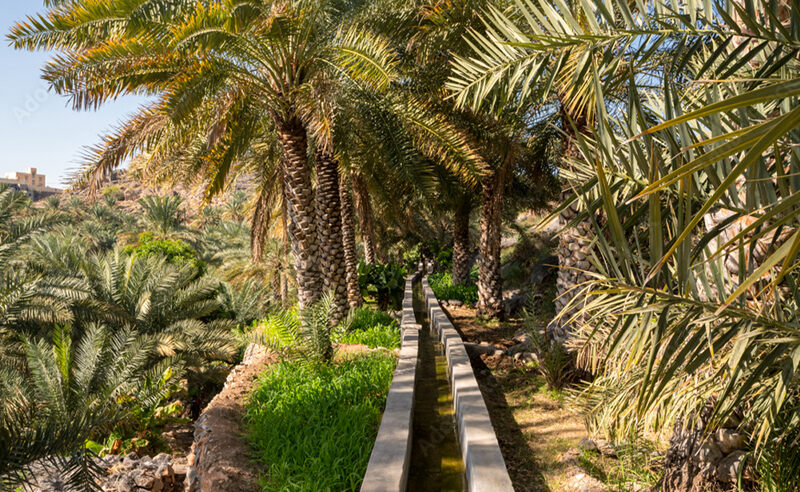
Ad Dakhiliyah, Ash Sharqiyah South and Al Batinah South / 500 AD

Oman’s Aflaj Irrigation Systems are a feat of ancient engineering. These networks, which collect and transport water across the country using gravity, date back to 500 AD.

This revolutionary technology shaped the development of agriculture, particularly date palm cultivation, in arid Oman. There are more than 3,000 still-functioning aflaj water distribution systems in Oman, and UNESCO has highlighted five locations for their historical significance: Falaj Al Jeela, Falaj Muyasser, Falaj Daris, Falaj Malki, and Falaj Khatmein. Four of these sites are found in the Al Jabal Al Akhdar mountain range, and the fifth is located in the Sharqi mountains.

Ancient City of Qalhat
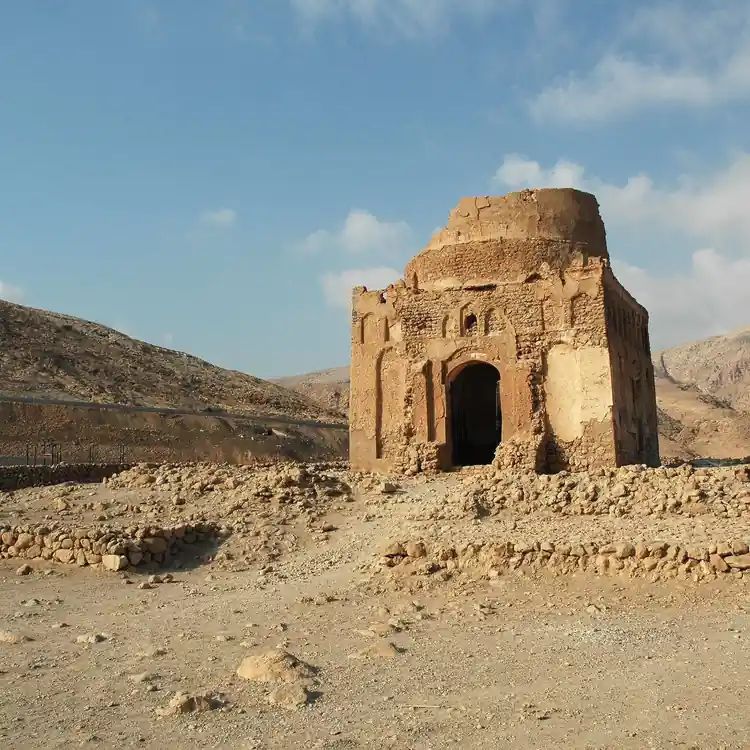
pix credit: whc-unesco.org/en


The remnants of this once-thriving port city are tucked into Oman’s rugged eastern coast, right by the Indian Ocean.

A bustling city centre of trade and commerce between the 11th and 16th centuries, Oman’s first capital – of which there is not much left – contains the remnants of necropolises, residences, workshops, and the tomb of an Omani queen, Bibi Maryam. Believed to have been commissioned in the 13th century by a local ruler in honour of his beloved wife, this mausoleum is the best-preserved monument in the historic city.

Those hoping to visit this site should be aware that, due to conservation efforts, it might not be open to the public.

Bat, Al-Khutm and Al-Ayn Archaeological Sites
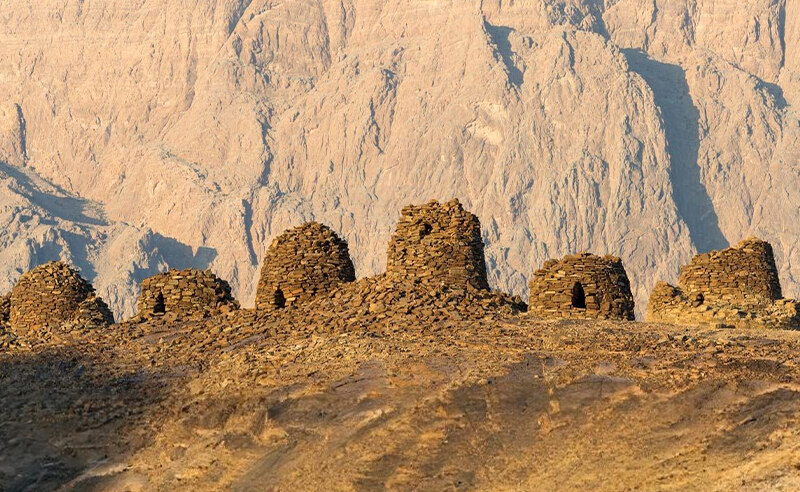
Al Dhahira / 3rd Millennium BC

Dating back to the 3rd millennium B.C., the Archaeological Sites of Bat, Al-Khutm, and Al-Ayn provide a glimpse into the prehistoric settlements and burial grounds of Oman. These three sites cover 14 square kilometres and are situated within the rocky landscapes of the Al-Dhahirah Governorate.

A trip to these ancient sites gives travellers the opportunity to examine and explore the enigmatic ‘beehive tombs’ dotting the surrounding hills.

Older than the Pyramids of Giza, these tombs are free for anyone to visit.

Bahla Fort
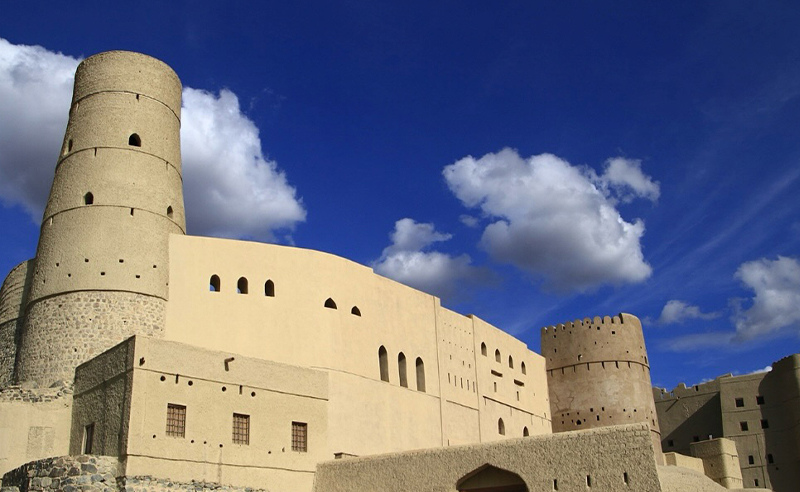
Ad Dakhiliyah / 12th–15th century


The immense Bahla Fort can be found in a palm-filled oasis in the Omani desert.

The fort and settlement was the capital of the Banu Nebhan tribe, who dominated what is now central Oman from the 12th to the 15th century. An intricate irrigation system of wells and tunnels brings water from distant springs to this ancient settlement – a testament to the skills of mediaeval engineers in this region. Visitors to this heritage site can see the ornate Friday Mosque, the remains of a semi-covered market, and the towers and parapets of the fort’s walls.

This site is open to visitors, and is widely considered to be one of Oman’s top attractions.

Land of Frankincense
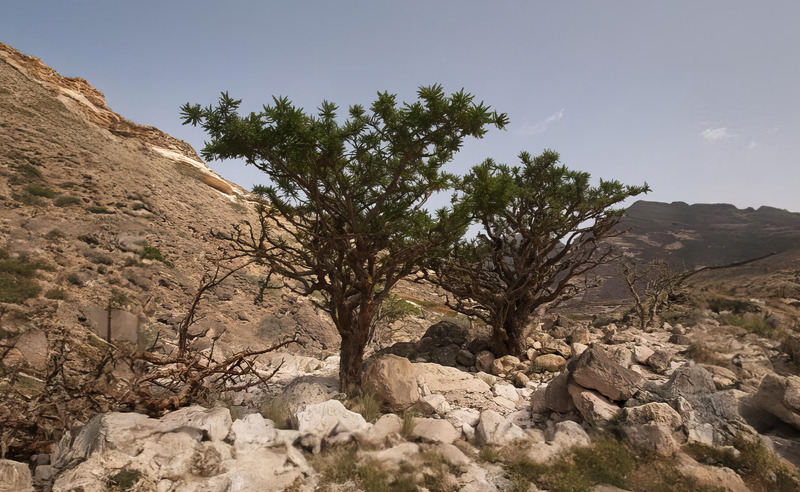
Oman’s Dhofar Governorate is one of the few places where frankincense trees still thrive. These plants carry important historical and economic significance in the region, as frankincense was one of the most luxurious trade items in ancient times.

There are four sites included in this UNESCO heritage listing that preserve the remains of the caravan trade of this precious commodity. One of these is the Frankincense Park of Wadi Dawkah, which allows visitors to learn about how incense is sourced. Another, Shishr, is an agricultural oasis that – in the past – allowed caravans transporting this precious resource to refuel on their trade routes. Sumhuram in the Khor Rori Nature Reserve is another component of this UNESCO World Heritage Site, and was once the heart of the world’s frankincense trade. A trip to this city offers views of structures from the 3rd Century BC to the 5th century AD, including storerooms and city fortifications. The final component of this heritage site is the Al Baleed archeological park. Although this site is open to the public, it is also still being explored, with new discoveries being made. This park includes a Frankincense museum, citadel, and more.

The best time to visit this area is in April, when the fragrant frankincense trees are in bloom.

source/content: cairoscene.com (headline edited)

___________
__________

OMAN


SUDAN : Scientists discover broad beans may stop epilepsy

Riyadh-based academics’ findings on broad beans being tested in US.

At the same time when the Fifa World Cup is being held in South Africa, another fascinating tournament of sorts has been held in Singapore — a “medical championship”, so to speak, on broad beans.

Tens of scientists from all over the world presented and discussed research and papers in the first international conference titled: “Neuro Talk 2010: from Nervous Functions to Treatment”, held from June 25-28.

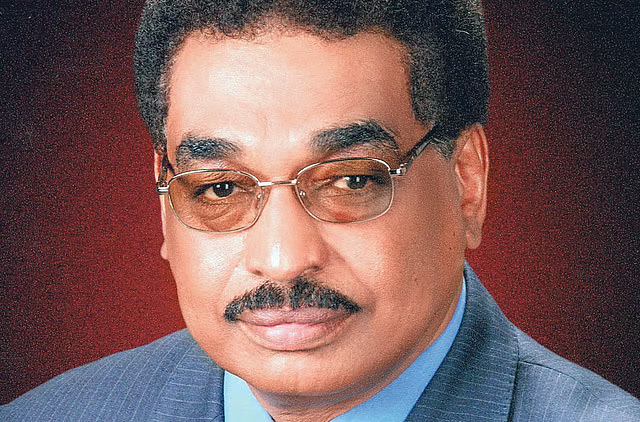
Scientists and doctors from 30 countries discussed brain and nervous system malfunctions and diseases, Professor Mustafa Abdullah Mohammad Saleh, consultant neurologist at the College of Medicine at King Saud University in Riyadh, who attended the conference, told Gulf News.

He said the conference discussed the latest methods of treatment by gene and stem cell therapy.

“The conference discussed a paper on the scientific discovery we have recently made and which was published in the US medical journal about the therapeutic potential of broad beans in preventing epileptic fits,” he said. Western news reports had earlier said that professor Saleh and his countryman, Ali Ahmad Mustafa, professor of pharmacology at the College of Medicine at King Saud University, had discovered that broad beans have a positive effect on epilepsy treatment.

Plant extracts

The two Sudanese scientists agreed in research on the treatment of epilepsy using plant extracts, to conduct joint research to decide the anti-convulsant substance in broad beans that prevents convulsions.

Professor Saleh’s discovery about the characteristics of broad beans in treating epilepsy is currently being tested in the labs of Harvard University.

He said his discovery was sparked by his observation that epilepsy cases among schoolchildren in Sudan who eat foul (broad beans) for breakfast (and sometimes dinner) rated between 0.9 per cent and one per cent per 1,000.

This figure is remarkably lower than that in countries which do not eat broad beans like North and South America which was about 2.6 per cent per 1,000 students and other African countries which was two to three times higher than that of the Americas.

“This is how I got the idea that broad beans must contain a substance that protects against epileptic convulsions. I immediately started the research work with my colleague, Professor Ali Mustafa,” he said.

Professor Saleh said they injected a group of mice with strychnine and picrotoxin, two drugs which cause convulsions leading to death, while they fed another group of mice with a fluid made of foul before giving them the two drugs.

“Convulsions and deaths from strychnine were decreased by about 66 per cent in the group of mice which were pre-treated with foul,” he said.

Professor Saleh said the rate of protection was 100 per cent in the mice which were given both foul and valium before they were injected with strychnine.

He explained that following this and other experiments, a drop of broad bean concentrate was examined by a form of chemical analysis (chromatography) and compared with drops of phenobarbitone (anticonvulsant drug), valium and glycine substance.

“The drop of foul had the same speed as that of glycine,” he concluded.

Professor Saleh had earlier discovered, along with other scientists, a new inherited gene which causes muscular myopathy. This gene has been named after him as ‘Salih myopathy’.

Should scientists look into people’s lifestyle around the world for treatments on different diseases? Is this discovery proof that people should start eating less processed food and more whole food?

source/content: gulfnews.com (headline edited)

_____________

______________

SUDANESE

ARAB WOMEN : United Nations International Day of Women and Girls in Science: Arab Women in Science Platform Launches in Alexandria

Arab Women in Science Platform: Igniting a Collective Spark for Gender Equality in Science.

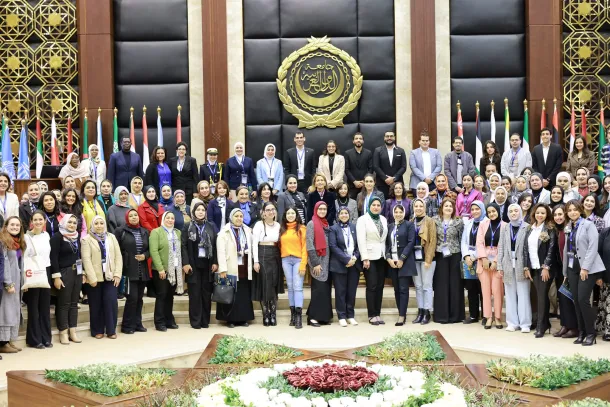
On the occasion of the United Nations International Day of Women and Girls in Science and Technology, the Arab Women in Science Platform was officially launched on February 1, 2024, in Alexandria, Egypt. The enchanting event hosted by the UNESCO Regional Office of Egypt and Sudan / Liaison office with the League of Arab States and the Arab Academy of Science, Technology and Maritime Transport (AASTMT) at AASTMT Main Campus in Abu Qir brought together over 150 high-level participants from diverse generations and fields, including natural sciences, human and social sciences, to discuss challenges faced by women scientists in the Arab region and explore strategies to advance women’s participation in science, technology, and innovation through the new Arab Women in Science Platform initiative.

A compelling initiative driven by the voice of Arab women scientists themselves, shaping a brighter future in the world of science

The figures remain dramatic. According to the UNESCO Science Report, women still account for only 28% of engineering graduates and 40% of computer science graduates worldwide. Women accounted for one in three researchers (33%) in 2018, just 5 years ago, and represent only 22% of professionals working in AI, the field of the future. Focusing on the Arab States, only 24% of senior management positions in science and engineering are held by women, and even though 47,3% of Egyptian universities STEM graduates are women, they only represent 38% of the STEM workforce (CAPMAS, 2018). 

The Arab Women in Science Platform, launched one year after the call of the Egyptian and Sudanese women scientists’ made during the “Paving the way for Women Leadership in Science” dialogue in February 2023, to empower women in natural and social sciences across generations in the Arab region. It offers both online and offline spaces for women scientists to connect, share experiences, and access career-enhancing programs, including mentorship and training. Additionally, the platform raises awareness of gender stereotypes in science and advocates for gender-transformative policies and open science, with Arab women scientists actively involved in shaping the initiative.

10 & 11 February: Igniting a collective spark for gender equality in Science

The launch event featured insightful conversations, two panel discussions, and a workshop to structure the new community of Arab Women in Science, assess the platform prototype and identify innovative pathways to ensure inclusivity and foster systemic transformations in the scientific realm, and promote gender equality and support women scientists across the Arab region. Discussions and exchanges led to key recommendations that in the development of the platform include:

  1. Translating the Arab Women in Science Platform into an inclusive, accessible, attractive, clear and interactive website.
  2. Creating a strong community of Arab women scientists and men allies by investing heavily at the outset.
  3. Actively engaging with the private sector and the industry to ensure initiatives’ financial sustainability and women scientists’ employment.
  4. Addressing the professional challenges and opportunities of women scientists in the Arb region with a focus on research and training accessibility, women role models, gender stereotypes and displaced women scientists ‘support.

UNESCO office in Cairo also wish to acknowledge and warmly thank the bravery of women scientists in sharing their experiences and the difficulties they have encountered throughout their career, with a special thank to the Sudanese scientists, directly and violently impacted by the civil war.

Hearing the Voices of Arab Women Scientists: A National Surveys

Who better to shape the future of science in the Arab world than those who have dedicated their lives to its pursuit? These remarkable women, pioneers in their respective fields, embody the very essence of scientific exploration and discovery. Their voices, resonating with passion and dedication, hold the key to unlocking the full potential of Arab science.

UNESCO Office in Cairo recognizes that true empowerment stems from a deep understanding of the challenges faced by Arab women scientists. To this end, a participatory approach has been adopted, involving extensive consultations and a regional survey designed to capture the experiences and aspirations of these remarkable women.

The survey, now available, seeks to engage the voices of all Arab women scientists. UNESCO office in Cairo extends a warm invitation to all Arab women scientists to participate in this transformative initiative. Your voice matters.

source/content: unesco.org

______________

UNESCO

__________________

ARAB WOMEN

SOMALI-AMERICAN : Ifrah F. Ahmed’s Debut Cookbook Is an Ode to Somalia’s Culinary Past, Present, and Future

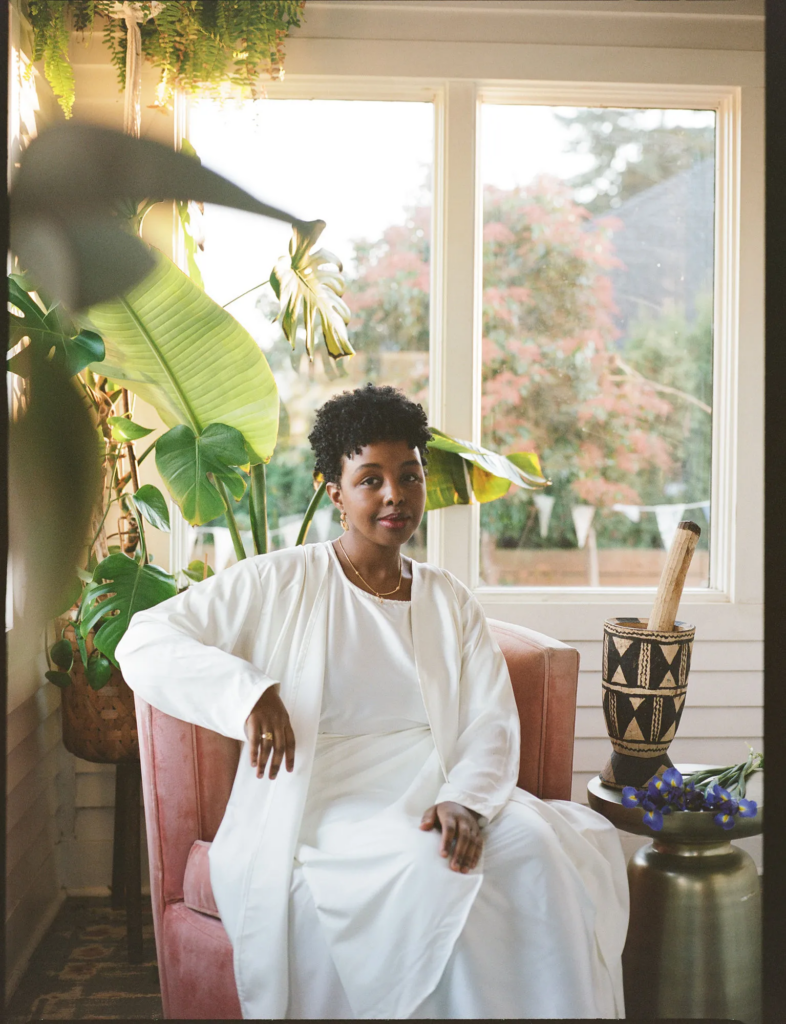
Growing up, Ifrah F. Ahmed never planned on becoming a chef.

Born in Mogadishu, Somalia, Ahmed came to the US as a child after the start of the Somali Civil War. In 1996, her family was resettled in Tukwila, Washington, as part of an early wave of Somali refugees who went on to form a community there. In their new home, Ahmed’s mother made it her mission—even as she worked multiple jobs and took care of her children—to ensure Ahmed and her siblings stayed connected to their Somali identity. Food played a vital role in that mission, and planted the seed that, years later, led to Ahmed becoming a chef and writer—and eventually authoring her debut cookbook, Soomaliya: Food, Memory, and Migration, which is out now.

First, she had to learn the oral traditions of Somali cuisine. When Ahmed was in elementary school, her mother began teaching her how to cook classic Somali dishes. At times, Ahmed had mixed feelings about these lessons, feeling that they were part of a set of gendered expectations. But she came to appreciate the fact that through her mother’s cooking lessons, she was learning much more than the ingredients and techniques needed to make the perfect canjeero (sour fermented pancake) or sambuus (dumplings).

“It’s helpful to know the recipes,” Ahmed tells Vogue. “But it’s almost like her teaching me not just what we eat but how we eat was really teaching me about who we were.”

Ahmed soon discovered her passion and curiosity for food, which her mother nurtured. “I became an avid Food Network stan from a very young age,” she says. She would develop “hyper-fixations” on “classic American foods” like pancakes and chicken burgers, and enjoyed figuring out how to make them. She loved Anthony Bourdain, who merged her interests in food and geopolitics. She prized academic excellence (her work paid off; she was valedictorian), and originally pursued a career in law.

After college, Ahmed worked with Somali refugee students at Seattle public schools. She got married and started law school, but found that she was always taking her law work home with her. Cooking continued to be her passion, but she didn’t think of it as her life’s work. It was hard to shake the expectations inherent in being the eldest daughter in an immigrant family.

“I never thought of food as a serious career because usually, when you are coming from those backgrounds, you feel like you have to have a career that translates to something in terms of maybe redeeming some of your parents’ sacrifices,” Ahmed says. “I think a lot of immigrant and refugee kids can probably relate, and it’s not always easy to transition to a food career. I also had never really seen anyone that looked like me that had the kind of career that I was fantasizing about.”

Then, in 2018, she went on a homecoming trip to Somalia with her mother. “I had an urge to kiss the ground when I got off the plane. It was the first time that I was fully immersed in my own community in that way,” Ahmed says. “When I was there, it was really simple moments where I was like, okay, I really want to turn to food: the first meal that I had in our house in Mogadishu after meeting all of my family, and just really small moments like that.”

It was a constellation of moments that convinced her to reorient her life towards Somali culinary and cultural work. “Everything was incredible. It was that with the combination of being in your homeland, with seeing the beauty and the movement and the energy, and also tasting the freshness of the food, the ingredients, and the slowness and the intentionality around not just eating, but how you eat and who you eat with,” Ahmed says.

That experience eventually led to her launching Milk & Myrrh, her Somali culinary pop-up, which has routinely sold out since its launch in 2019. Around that time, she also had the idea for a cookbook focused on Somali cultural and culinary preservation. She set out to build the writing, cooking, and recipe development skills that she needed for the book, contributing to The New York Times’s cooking section, and writing for publications including VogueEaterThe Los Angeles Times, and more. Now, nearly a decade later, all her work has come to fruition.

The book explores the cultural, political, and geographic forces that have shaped Somali cuisine. Ahmed translates an oral cooking tradition into writing, building a vital new addition to the archive of Somali culinary history.

Researching, writing, and developing the recipes in the book wasn’t an easy feat. “If you’re coming from an oral cooking culture, you’re never just a recipe developer, you’re never just a chef, you’re never just a writer,” Ahmed says. “For a lot of this, I felt like a detective, a historian.”

In addition to recipes, Soomaaliya features profiles of people throughout the Somali food world, including chefs, business people, restaurateurs, herders, and agricultural workers.

“I think for me, it’s really important that my pioneers get celebrated because I think not only was there that lack of knowledge of Somali culinary traditions, but I just feel like they did such important work that really does not get the recognition that it deserves. Because what they did is they really worked on the preservation of our cuisine and really moving that through the digital age, especially to serve a growing diaspora,” she says.

For Ahmed, Soomaaliya has always been more than a cookbook. It is a work of cultural preservation, an invitation, and a way of addressing the disruption of the oral tradition of Somali culture caused by decades of forced migration due to the war.

It’s also, crucially, a way of taking long-held tenets of Somali cooking and culture, and putting them into writing. “The historical section is the past; the recipes are kind of like the present; and to me, the interviews are sort of like the future,” Ahmed says.

Below, Ahmed shares a favorite recipe from the book.

_______________________

Mallaay Qumbe (Coconut Fish Curry)

Serves 4

Despite Somalia’s long coastline, seafood has not traditionally been a big part of the Somali diet outside of coastal towns. In most of the country, red meat has been king, and both seafood and poultry have been seen as lower-class food, or not “real” food, in comparison to red meat. In the 1970s and 1980s, in a time of severe famine, the government tried to combat the negative view of seafood and boost the fishing sector. They relocated nomads to fishing cooperatives and even made certain days of the week officially “meatfree” days, dedicated to seafood consumption. Despite these efforts, the industry did not take off. A decade later, the Somali Civil War saw the full collapse of this sector. More recently, interest in seafood consumption is growing.

Mallaay qumbe can be found up and down the East African coast, including in the coastal towns of southern Somalia. This version is distinctly Somali, due to the addition of xawaash and creamy coconut milk. Serve mallaay qumbe with rice or soor.

Ingredients

  • 1¼ teaspoons fine sea salt
  • 1 pound (450 g) barramundi or other firm white fish, cut into serving-size pieces
  • 2 tablespoons olive oil
  • 1 medium red onion, diced
  • 2 large Roma tomatoes, finely diced
  • 8 garlic cloves, minced
  • 1 (13½-ounce / 400 ml) can unsweetened coconut milk
  • 1 cup (16 g) cilantro leaves, finely chopped, plus more to serve
  • 4 teaspoons Xawaash
  • Steamed white rice, for serving

Method

  1. Sprinkle ¼ teaspoon of the salt over the fish; put it aside.
  2. In a pot just large enough to accommodate the fish in one layer, heat the oil over medium-high heat. Once the oil is hot but not smoking, add the onion and cook, stirring, for 8 to 10 minutes, until almost translucent. Add the tomatoes, cover, and cook for 7 minutes, occasionally stirring and smashing the tomatoes down as they cook.
  3. Add the garlic and cook for a minute or two, then add the coconut milk, cilantro, xawaash, and the remaining 1 teaspoon salt; stir and cover. Cook for 4 minutes to allow the flavors to come together, then add the fish, making sure the coconut milk covers the fish (if necessary, add a splash of water to cover). Cover and cook for 8 to 10 minutes, until the fish can be easily flaked with a fork. Serve the curry with rice, topped with additional chopped cilantro.

Xawaash (Somali Spice Mix)

Makes about 2 ½ cups (260 g)

It’s no exaggeration to say that xawaash is at the heart of Somali cuisine. It is Somali history on a plate—a culinary reminder of Somalia’s centuries of global trade, particularly along the Indian Ocean. Xawaash is what makes many Somali dishes taste distinctly Somali. While every household’s xawaash recipe is its own, typically seven core spices—cumin, coriander, black pepper, cinnamon, cardamom, cloves, and turmeric—are toasted until their fragrance blooms, then blended into an earthy golden-brown powder. Xawaash stores very well and for a long time in an airtight container, though it’s at its peak shortly after it’s made. If you use it often (and many recipes in this book call for it), you can double or triple the recipe for a big batch.

Ingredients

  • 1 cup (100 g) whole cumin seeds
  • 1 cup (70 g) whole coriander seeds
  • ¼ cup (35 g) black peppercorns
  • 1 small-to-medium piece of cinnamon bark
  • 2 tablespoons green cardamom pods
  • 1½ teaspoons whole cloves
  • ¼ cup (30 g) ground turmeric

Method

  1. Toast the cumin, coriander, peppercorns, cinnamon bark, cardamom pods, and cloves in a medium skillet over medium heat, stirring constantly so the spices don’t burn. The spices are toasted when they have a slightly darker color and become fragrant, 1 to 2 minutes.
  2. Transfer the toasted spices to a blender or spice grinder and blend until they become a fine powder. Transfer to a bowl and mix in the ground turmeric until it’s fully incorporated and the spice mix is golden brown. Allow to cool completely, then store in an airtight container.

Excerpted with permission from Soomaaliya by Ifrah F. Ahmed, published by ‎Hardie Grant North America, March 2026, RRP $40.00. Hardcover.

source/content: vogue.com / Anna Grace Lee

_____________

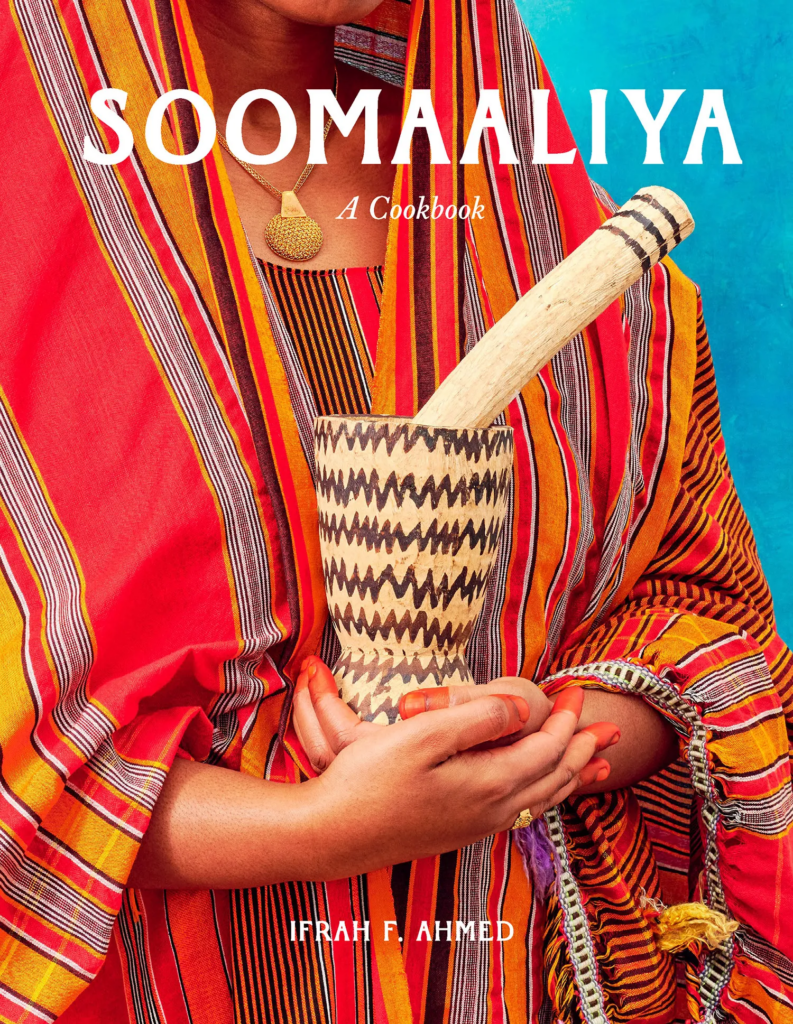
The cover of Soomaaliya.

___________________________

AMERICAN / SOMALIAN

EGYPT : Reem Bassiouney launches new novel on Abbas Helmy II in Cairo

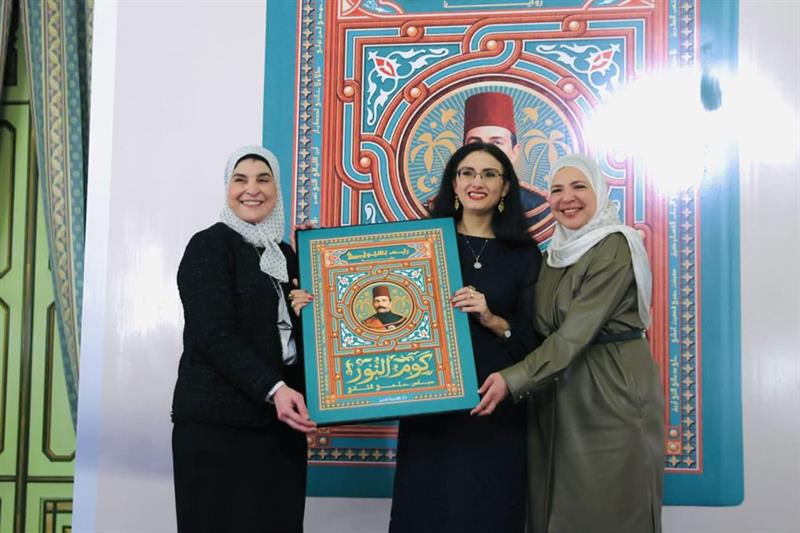
Egyptian author and academic Reem Bassiouney launched her latest novel, Kom El-Nour: Abbas Helmy II, at a book-signing ceremony held at the Marriott Hotel in Cairo on 1 April, presenting a historical work that revisits the reign of Egypt’s last Khedive.

The event, organized by Nahdet Misr Publishing House, was attended by Minister of Social Solidarity Maya Morsy, American University in Cairo (AUC) President Ahmad Dallal, Egyptian Red Crescent (ERC) Executive Director Amal Imam, jewellery designer Azza Fahmy, as well as several public figures, media representatives, and readers.

Kom El-Nour takes readers into one of the most consequential periods in Egypt’s modern history, focusing on the rule of Khedive Abbas Helmy II, son of Khedive Tawfiq and grandson of Khedive Ismail, who governed Egypt from 1892 to 1914.

The novel presents Abbas Helmy II from a different perspective, portraying him as a ruler who grew up among Egyptians, shared aspirations for the country’s advancement, and sought to resist British occupation through development and reform.

It highlights his efforts to modernize agriculture, support national institutions, and contribute to the formation of an educated elite capable of expressing society’s aspirations and defending its rights.

The book also explores the ongoing struggle between Abbas Helmy II and the British occupation, as well as the political pressures that ultimately led to his removal from power and exile in 1914. He spent the rest of his life in Europe until he died in 1944.

Despite his forced departure, the novel argues that Abbas Helmy II remained present in Egypt’s national memory, even as colonial authorities sought to erase his legacy and marginalise his role in historical narratives.

Through an engaging literary narrative, Kom El-Nour: Abbas Helmy II re-examines history from a fresh angle and invites readers to reconsider the events and figures that helped shape Egypt’s national consciousness. It also raises broader questions about how history is written and understood, particularly as certain patterns continue to echo across time.

Speaking at the launch, Dalia Ibrahim, Chairperson of Nahdet Misr Publishing House, said the novel reflects the role literature can play in revisiting history and reshaping public awareness.

“At Nahdet Misr, we believe literature has a real role in reshaping consciousness, especially when it revisits history from different perspectives,” Ibrahim explained.

“Kom El-Nour: Abbas Helmy II is an example of the kind of work that does not merely recount events, but encourages readers to think and re-examine what is often taken for granted. We are very proud of our partnership with Reem Bassiouney and of continuing to publish works of such depth and impact.”

The novel also reflects the continued partnership between Nahdet Misr Publishing House and Bassiouney, whose literary output now includes 13 works of fiction. The publishing house has become the principal publisher of her novels, beginning with the reissue of her debut novel, The Scent of the Sea, in January and continuing with Kom El-Nour.

According to the publisher, the collaboration aims to bring distinguished literary works to a wider readership in Egypt and abroad.

source/content: english.ahram.org.eg (headline edited)

________________

Egyptian author and academic Reem Bassiouney launches her latest novel, Kom El-Nour.

_________

EGYPT