Arabs & Arabian Records Aggregator. Chronicler. Milestones of the 25 Countries of the Arabic Speaking World (official / co-official). AGCC. MENA. Global. Ist's to Top 10's. Records. Read & Enjoy./ www.arabianrecords.org
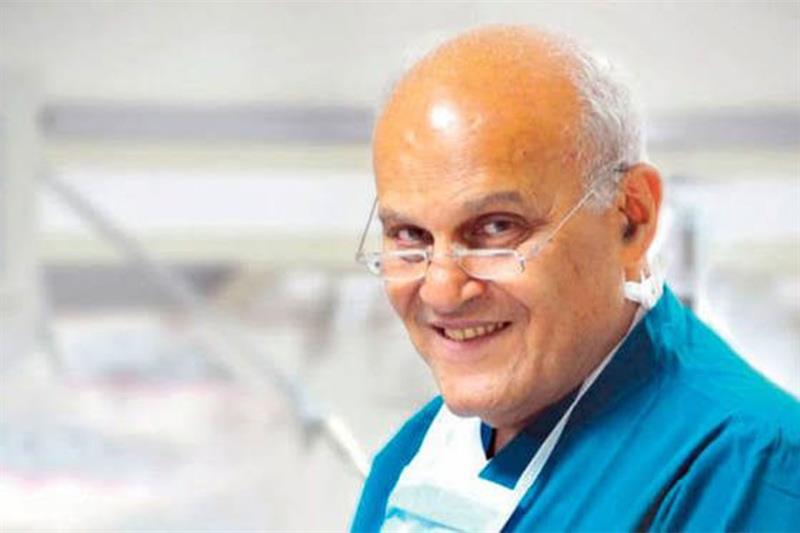
Making history again! Egyptian heart surgeon Sir Magdi Yacoub innovates valves that grow naturally in body.
This pioneering innovation envisions the development of biological heart valves that can grow and be accommodated naturally within the human body. This opens the door to a new era in heart disease treatment.
The prospect of heart valves naturally expanding within the body, a concept once confined to science fiction, is now on the brink of realization, thanks to the remarkable discovery spearheaded by renowned heart surgeon Professor Sir Magdi Yacoub.
While the initial study documenting this breakthrough was unveiled in Nature in 2023, recent media coverage has underscored its practical implications.
Esteemed publications like The Times have pinpointed this cutting-edge innovation’s profound impact on biomedical science and medical engineering. They have recognized it as a monumental leap in the realm of healthcare.
On Monday, Dr. Yacoub discussed the latest developments in this field with Egyptian talk show host Amr Adib.
He explained how his team has engineered temporary heart valve scaffolds composed of surgically implanted fibres into the body.
These scaffolds gradually disintegrate over time, leaving behind a living, fully functional valve crafted from the patient’s tissues, a testament to the marvels of modern medical ingenuity.
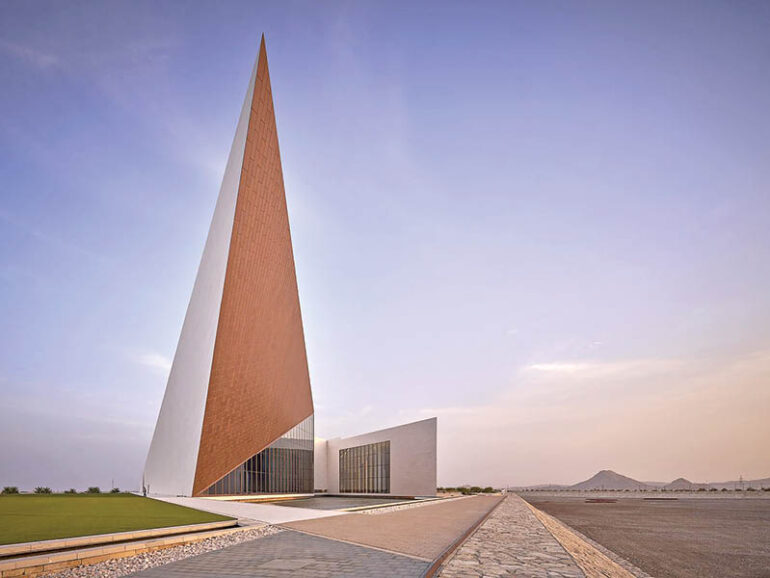
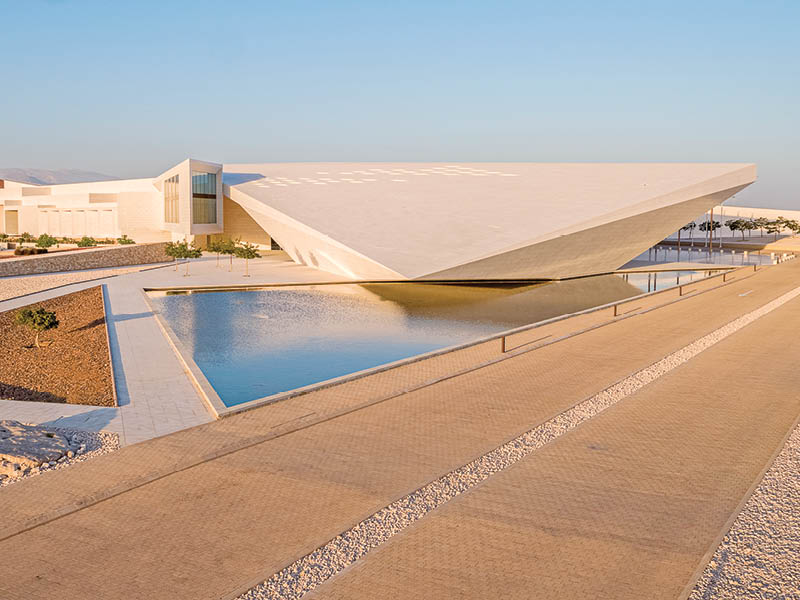
Oman Across Ages Museum in Manah has been honoured with one of the world’s most prestigious architecture awards – the Prix Versailles World Titles.
The museum received the ‘Special Prize for an Exterior’, while the ‘Special Prize for an Interior’ was awarded to the Smritivan Earthquake Museum in Bhuj, India. The grand prize, the Prix Versailles, went to the Simose Art Museum in Otake, Japan.
Granted annually at Unesco headquarters in Paris since 2015, the Prix Versailles celebrates architectural excellence by showcasing the finest contemporary achievements worldwide.
In June, for the first time, Prix Versailles unveiled its World’s Most Beautiful Museums List for 2024, featuring seven newly opened or reopened museums that embody creativity, local heritage, and ecological efficiency.
Among the listed museums was Oman Across Ages Museum, recognised for its exceptional impact on its surroundings. Other shortlisted museums included the A4 Art Museum in Chengdu, China; Grand Egyptian Museum in Giza, Egypt; Paleis Het Loo in Apeldoorn, Netherlands; and the Polish History Museum in Warsaw, Poland.
This year’s ceremony was held on December 2, celebrating 70 of the ‘World’s Most Beautiful’ achievements across eight categories: Museums, Hotels, Restaurants, Emporiums, Airports, Campuses, Passenger Stations, and Sports.
This year’s finalists were selected through a rigorous process that reviewed new and recently opened sites across 31 nations. The 2024 World Jury, chaired by Benjamin Millepied, awarded three World Titles in each category.
Commenting on the event, Millepied said, “Architecture has the ability to display creative and stylistic diversity with great force. That diversity is the sign that the attention given to nature, togetherness, and different forms of expertise can help an environment emerge – one that is both receptive to expression and capable of harmony. Such an assembly of actors from every background reminds us of culture’s unique talent for leading humankind into dialogue.”
The recognition affirms Oman Across Ages Museum’s standing as a cultural and architectural beacon, reflecting the nation’s commitment to preserving heritage while embracing modernity.
The Kingdom and the international police organization sign host country agreement.
Interpol is to establish an office in Saudi Arabia that will serve the Middle East and North Africa region.
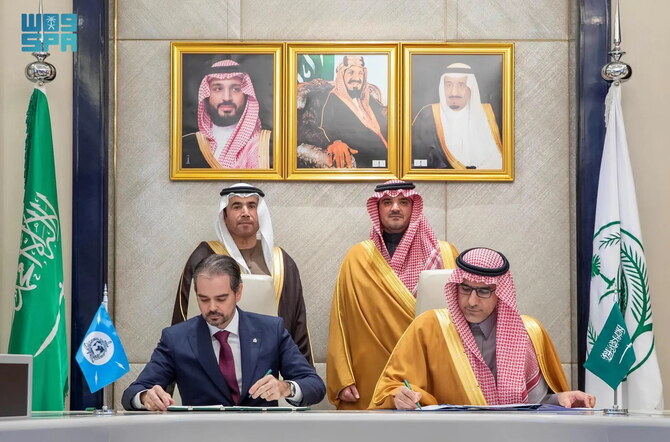
Hisham Al-Faleh, undersecretary at the Kingdom’s Ministry of Interior, and Jurgen Stock, secretary-general of the international police organization, signed a host country agreement on Wednesday.
Prince Abdulaziz bin Saud, the Saudi Minister of Interior, and Maj. Gen. Ahmed Naser Al-Raisi, the president of Interpol, also attended the signing ceremony, the Saudi Press Agency reported.
In addition, they discussed Interpol’s activities during a meeting that also included Nasser Al-Dawood, the deputy minister of interior; Brig. Gen. Abdulmalik Al-Saqeeh, the director general of Saudi Interpol; and other senior officials.
source/content: arabnews.com (headline edited)
____________
Hisham Al-Faleh, undersecretary at the Kingdom’s Ministry of Interior, and Jurgen Stock, secretary-general of the international police organization, signed a host country agreement. (SPA)
Crafted by COPAG-Jaouda, this plant-based milk skips the gluten, lactose, preservatives, and added sugars, keeping things simple and natural.
For Moroccans looking to swap traditional dairy for a local plant-based option, the wait is over!
COPAG-Jaouda, a household name in the country’s dairy industry, has introduced “Nabatlé”, Morocco’s first entirely homegrown plant-based milk.
More than just a substitute, “Nabatlé” is set to revolutionize the country’s approach to food innovation.
It also answers a growing demand for healthier, natural choices while proving that local expertise can keep pace with evolving consumer palates.
Plant-based milk for everyone
As more Moroccans explore healthier alternatives, COPAG-Jaouda is making sure “Nabatlé” is not just an option but an accessible and affordable choice.
This plant-based milk skips the gluten, lactose, preservatives, and added sugars, keeping things simple and natural.
The cooperative says it delivers healthy fats, essential vitamins, and minerals while staying low in calories.
Whether vegan, vegetarian, or just curious, consumers can choose from three different varieties to suit their taste:
– Almond: Naturally sugar-free with a light, smooth taste and no cholesterol.
– Oat: Rich in fiber, minerals, and plant-based proteins.
– Coconut: Creamy with a mild exotic flavor, offering a source of calcium and vitamins A and D3.
To set the record straight on plant-based milk, which is new territory for some Moroccans, COPAG-Jaouda is rolling out an awareness campaign to showcase the milk’s nutritional perks and discover how versatile and beneficial they can be.
But “Nabatlé” is not just a dairy alternative. The company sees it as a symbol of Morocco’s ambition to create top-tier, competitive products that also care for the planet, all while staying eco-conscious.
What began in 1987 with 39 agricultural producers has grown into COPAG, Morocco’s largest cooperative.
Now, with over 12,000 employees and support for 24,000 farmers, COPAG continues to shape the agricultural landscape, spanning citrus, fresh produce, dairy, and meat industries.
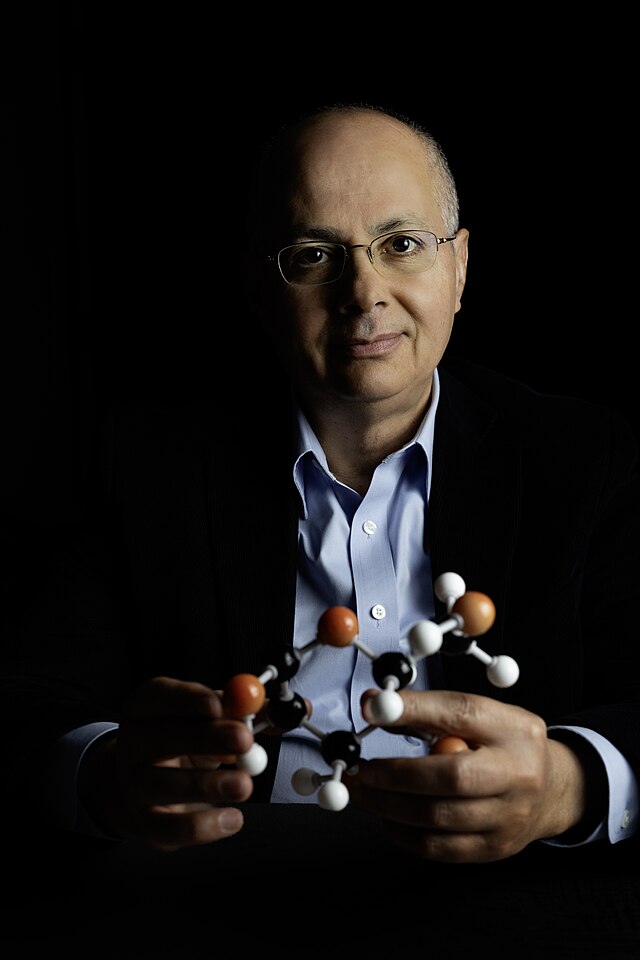
Jordanian academic Omar Yaghi, a chemistry professor at the University of California, Berkeley, has been awarded the 2024 Arab Genius Minds Award in the Natural Sciences category for his pioneering work in reticular chemistry.
Yaghi is celebrated for his transformative innovations in designing and synthesising metal-organic frameworks (MOFs) and covalent organic frameworks (COFs), the Jordan News Agency, Petra, reported.
These frameworks address critical global challenges in energy storage, water harvesting, and environmental sustainability.
His research portfolio includes over 300 peer-reviewed papers, which have collectively garnered more than 250,000 citations, underscoring the “far-reaching” impact of his work.
Since 2012, Yaghi has held the James and Neeltje Tretter Chair in Chemistry at UC Berkeley.
His contributions to reticular chemistry have “revolutionised” the ability to assemble molecular building blocks into highly porous structures with applications in gas storage, catalysis, and drug delivery, among others, yielding significant economic and environmental advancements.
The Arab Genius Minds Award, launched by Sheikh Mohammed Bin Rashid Al Maktoum, Vice President and Prime Minister of the UAE and Ruler of Dubai, honours achievements by Arab scientists and innovators across six key categories essential for the region’s developmental and cultural progress.
The Gulf Cooperation Council (GCC) Foreign Trade Report for 2023, issued by the Statistical Centre for the Cooperation Council for the Arab Countries of the Gulf (GCC-Stat), highlighted the region’s significant position in global trade.
The GCC ranked sixth globally in the volume of trade in goods index, accounting for 3.4 percent of the total global trade in goods. The region’s trade volume reached $1.5 trillion in 2023, reflecting a 4.0 percent decrease compared to 2022.
The GCC also ranked third globally in the merchandise trade balance index in 2023, with a value of $163.7 billion, compared to $381.3 billion recorded in 2022, which marked a decrease of 57.1 percent.
In commodity exports, the GCC ranked fifth worldwide, contributing 3.1 percent of the global total with exports valued at $0.8 trillion in 2023, down 14.5 percent from 2022. Conversely, the region ranked ninth in total merchandise imports, accounting for 2.7 percent of global imports at a value of $0.7 trillion in 2023, reflecting a 13.4 percent increase from the previous year.
The report further detailed that GCC trade in goods (excluding intra-trade) decreased by 4.0 percent, amounting to $1,482.4 billion in 2023, compared to $1,482.4 billion in 2023.
Commodity exports fell from $962.6 billion in 2022 to $823.1 billion in 2023—a decline of $139.5 billion or 14.5 percent. However, commodity imports rose to $659.3 billion in 2023, up from $581.3 billion in 2022, an increase of $78.0 billion or 13.4 percent.
Oil exports of the GCC countries decreased by 20.5 percent in 2023 to reach $525.5 billion, compared to $661.1 billion in 2022.
As for the main trading partners, the GCC-Stat explained that China ranked first on the list of main trading partners in the commodity trade volume index in 2023. The value of the commodity trade volume amounted to $297.9 billion, surpassing its closest competitor, India, which ranked second with a value of $150.4 billion, with a difference of $147.6 billion.
China is also the GCC Countries’ most important trading partner. It ranked first in terms of the commodity exports index by importing 19.2 percent of the total Gulf commodity exports to global markets in 2023, at a value of $158.3 billion compared to $190.4 billion in 2022, with a decrease of 16.8 percent.
China also ranked first among the GCC countries’ main trading partners in the 2023 Total Merchandise Imports Index. It exported 21.2 percent of the GCC’s total merchandise imports in 2023, with a value of $139.6 billion compared to $126.0 billion in 2022, recording an increase of 10.8 percent over the previous year.
Launched in 2003 and with more than 186 countries participating, the prestigious WSAs are held biennially and recognize impactful digital initiatives.
The Saudi Ministry of Hajj and Umrah is the sole Saudi participant to win a 2024 World Summit Award in the Culture and Heritage category, thanks to its “Nusuk” platform.
The project competed against over 900 technical submissions from 160 countries.
Launched in 2003 and with more than 186 countries participating, the prestigious WSAs are held biennially and recognize impactful digital initiatives. They seek to bridge the global digital divide by honoring smart applications and creative online content. The WSAs are a key UN initiative, supported by the International Telecommunication Union.
The award reflects the Kingdom’s pioneering strategy in developing innovative technological solutions aimed at enhancing pilgrims’ experiences and highlighting cultural and heritage values.
FASTFACT
‘Nusuk’ is a suite of innovative technological solutions which facilitate the performance of pilgrimage rituals, address challenges and enhance operational efficiency.
It underlines the Saudi Ministry of Hajj and Umrah’s efforts to drive comprehensive digital transformation, in alignment with the goals of Saudi Vision 2030.
“Nusuk” is a suite of innovative technological solutions which facilitate the performance of pilgrimage rituals, address challenges and enhance operational efficiency.
It has already advanced significantly with the development of pioneering systems such as the Nusuk Card, Nusuk Masar and crowd management systems.
It also focuses on highlighting the Prophet’s biography and cultural landmarks in Makkah and Madinah, featuring more than 150 museums, monuments, restaurants, cafes and tourist destinations, among other notable sites that enrich the user’s experience.
Over 400 licensed guides are affiliated with the platform, offering customized excursions throughout the Kingdom to pilgrims.
The Ministry of Hajj and Umrah has said it is very proud of its achievement and reaffirmed its ongoing commitment to developing technological solutions that ensured the sustainability of the Hajj and Umrah sectors, facilitating easy access to smart services and ensuring a smooth and tranquil performance of the rituals.
source/content: arabnews.com (headline edited)
__________
nusuk application / Over 400 licensed guides are affiliated with the platform, offering customized excursions throughout the Kingdom to pilgrims. (Supplied)
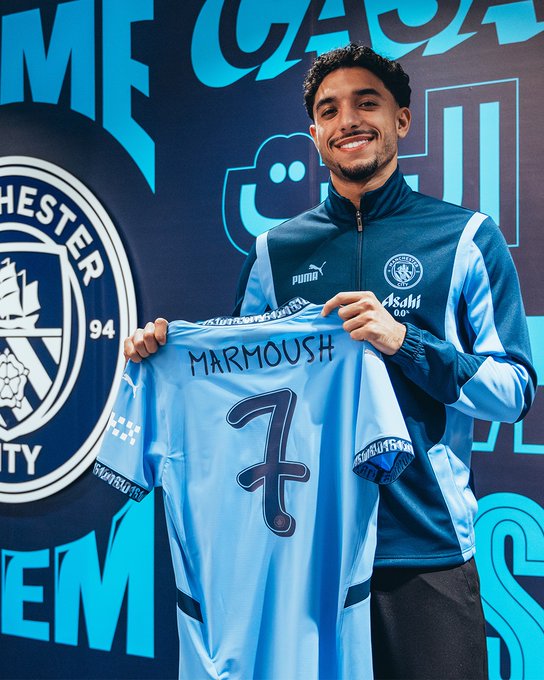
After weeks of speculation, Marmoush agrees to a deal with the Premier League champions that runs until 2029.
Manchester City have announced the signing of Eintracht Frankfurt forward Omar Marmoush for a reported initial fee of about $72.6m.
“The 25-year-old Egyptian striker has completed a move to the Etihad Stadium on a four-and-a-half-year deal, meaning he will remain at the Club until the summer of 2029,” City said in a statement on Thursday.
“This is a day I will never forget,” Marmoush said after signing up with the English Premier League champions.
“To sign for Manchester City – one of the best teams in the world – is an amazing feeling. I am delighted, my family are so proud, and we are all very happy to be here in Manchester.
“With Pep, his technical staff and the world-class facilities here, players have everything they need to improve. That was really enticing for me when I had the chance to come here.”
Marmoush is City’s third signing of the January transfer window following the arrivals of defenders Abdukodir Khusanov and Vitor Reis.
The former Bundesliga star’s contract is understood to include a potential further $5m in add-ons.
Born in Cairo in 1999, Marmoush stood out early in the academy of club Wadi Degla in the Egyptian Premier League. At just 17, he was promoted to the first team and joined Wolfsburg’s reserves a year later.
At Wolfsburg, Marmoush initially struggled for consistency and game time, resulting in loans to St Pauli and Stuttgart.
The striker moved to Frankfurt on a free transfer before the 2023-2024 season and scored 12 goals in 29 league games.
Marmoush’s development has drawn inevitable comparisons to his compatriot Mohamed Salah, but the Liverpool superstar warned against such correlations.
“Omar has great potential and is an important player for his team and the national team currently, but I hope we stay away from the idea of comparisons because it will put him under pressure,” Salah said in November.
“Do not compare him to me. Do not say the ‘new Mohamed Salah’. Let him live his career. Comparing a player at the beginning of his career with another who has achieved a lot over many years does not help him.”
City’s director of football Txiki Begiristain said Marmoush was an “accomplished and exciting forward”.
“He’s had an outstanding season, and every time we have watched him, he has influenced matches,” he said.
“He has all the attributes a top-class attacker requires. He has outstanding pace and awareness, and he is exceptional in front of goal. He can also play a number of different positions, which is a really valuable asset.”
His arrival at the Etihad Stadium comes during a frustrating season for City.
City, champions for the past four seasons, are currently fifth in the Premier League, 12 points behind leaders Liverpool having played a game more.
Defeat at Paris Saint-Germain on Wednesday has also left Pep Guardiola’s side in danger of missing out on the Champions League knockout stages.
source/content: aljazeera.com/sports (Al Jazeera and News Agencies) / (headline edited)
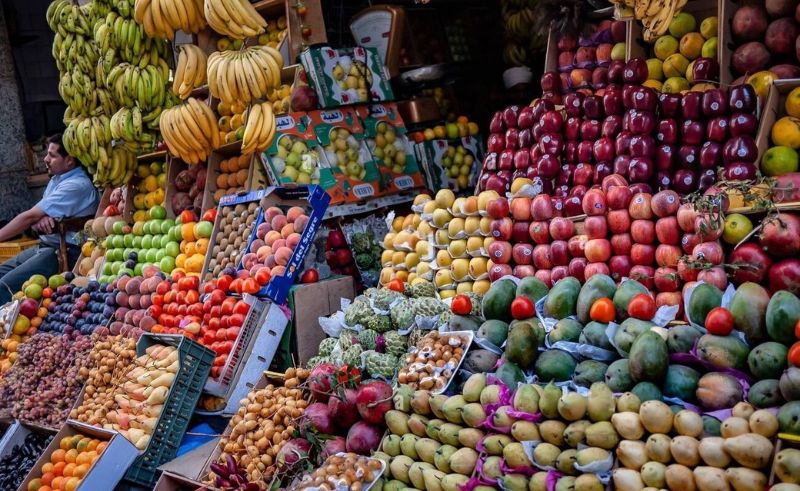
Egypt’s fresh produce exports to Europe reach 917,000 tonnes, growing 7% in the last season, second only to the Netherlands.
Egypt has ranked as Europe’s second-largest exporter of fresh vegetables and fruits for the latest export season from September 2023 to August 2024, shipping 917,000 tonnes with a 7% year-on-year growth, according to EU data.
Citrus led the way, with 500,000 tonnes exported, an 8% increase from the previous season. Sweet potatoes followed with 117,000 tonnes, onions at 94,600 tonnes and grapes at 58,000 tonnes.
Potatoes saw a strong performance, exceeding 400,000 tonnes last season, capitalising on production issues in key European nations.
Meanwhile, Egyptian onion exports dropped to 92,000 tonnes in 2024, down from 135,000 tonnes in 2023, due to a six-month export ban from October 2023 to April 2024.
Other notable exports include carrots, lemons, garlic, beans, mangoes, peppers, strawberries and watermelons.
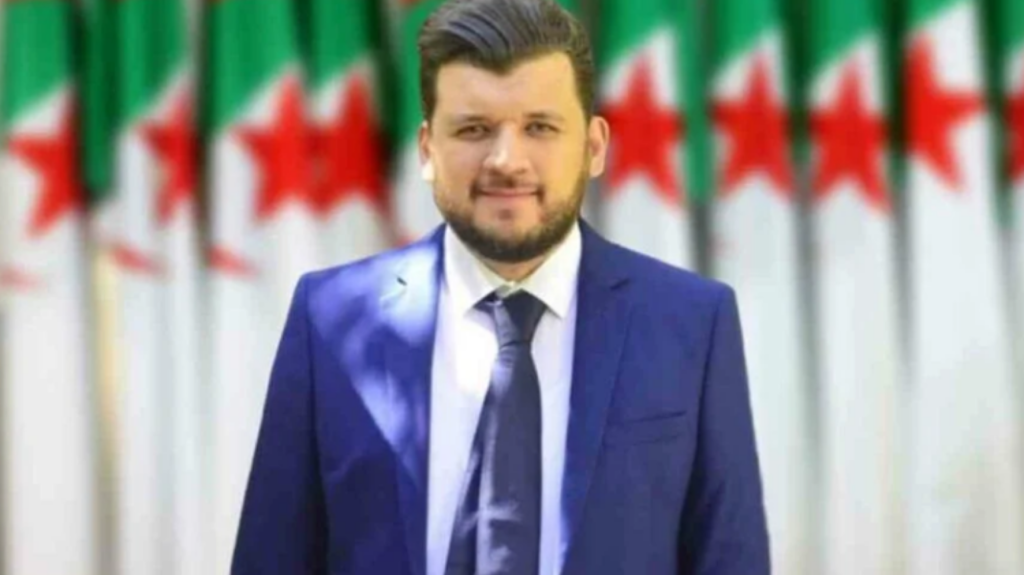
In a momentous acknowledgment of his pivotal contributions to the global entrepreneurial landscape, Yacine El-Mahdi Walid, Algeria’s Minister of Vocational Training and Apprenticeship, was named the “2024 Startup Ecosystem Star.” This honor was conferred by the International Chamber of Commerce and the renowned innovation organization “Mind the Bridge” during the ninth edition of the celebrated award ceremony.
Celebrating Leadership in Innovation
The accolade recognizes El-Mahdi Walid’s instrumental role in driving innovation and nurturing startup ecosystems not only in Algeria but across the African continent. The minister’s efforts have been hailed as transformative, positioning Algeria as a rising hub for technology and entrepreneurship.
In a statement on his official Facebook page, Minister El-Mahdi Walid expressed his gratitude, emphasizing the significance of the award in celebrating individuals who make substantial global impacts within startup ecosystems.
“This recognition,” he remarked, “although awarded individually, is truly a testament to the extraordinary efforts of my former team at the Ministry of Knowledge Economy, Startups, and Small Enterprises.”
A Visionary Path for Algerian Startups
Acknowledging the collaborative spirit behind the honor, the minister reaffirmed his confidence in Algeria’s continued trajectory towards innovation under the stewardship of his successor, Noureddine Ouadah. “I am certain,” he added, “that this outstanding work will persist and that Algeria’s startup ecosystem will rise to meet the aspirations and hopes of its people.”
A Global Celebration of Innovation
The 2024 Startup Ecosystem Star event is an annual celebration that recognizes individuals who have made an indelible mark on the global entrepreneurial landscape. By highlighting exceptional contributions, it inspires collaboration and innovation worldwide.