Arabs & Arabian Records Aggregator. Chronicler. Milestones of the 25 Countries of the Arabic Speaking World (official / co-official). AGCC. MENA. Global. Ist's to Top 10's. Records. Read & Enjoy./ www.arabianrecords.org
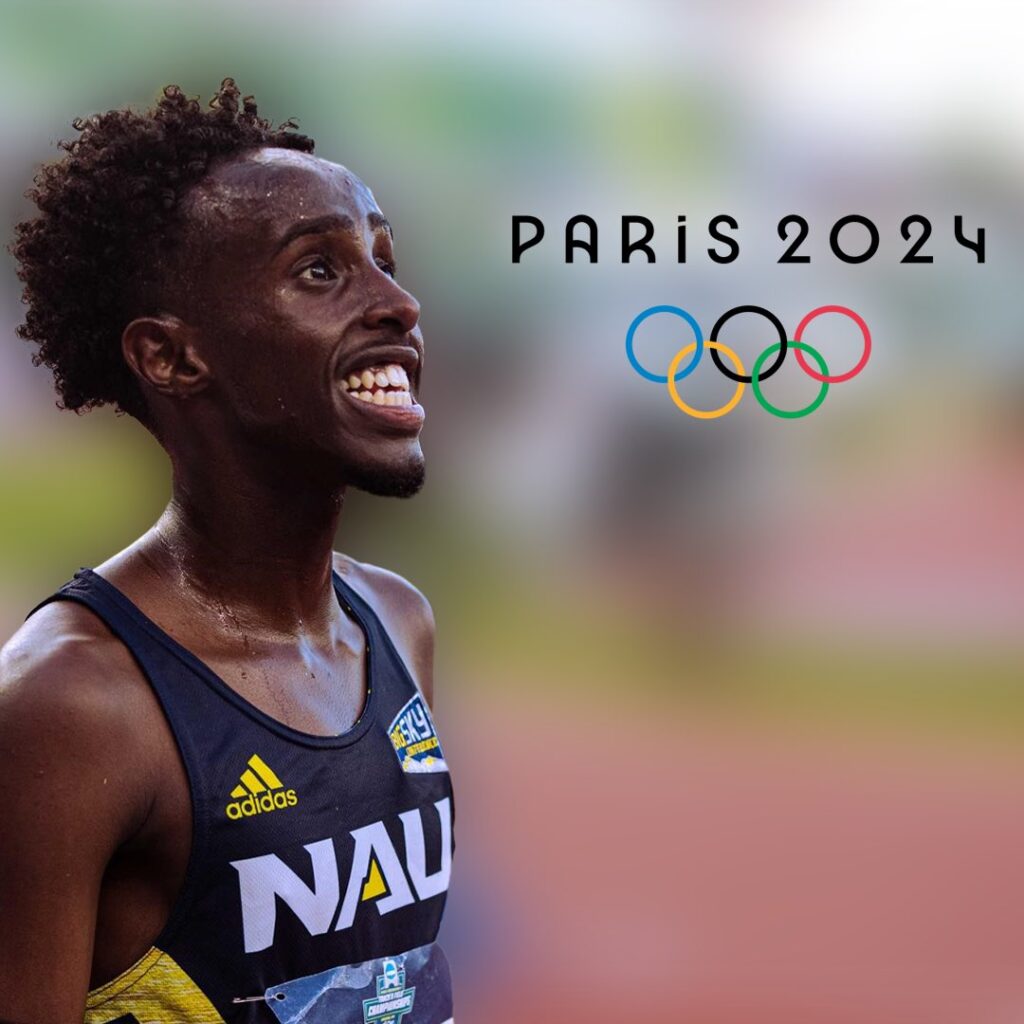
Somali-born athlete Abdihamid Nur has qualified for the 2024 Paris Olympic Team after finishing second in the men’s 5 000 metres with a time of 13:09.01 at the 2024 Team USA Olympic Trials held on Sunday at the Hayward Field in Eugene, Oregon State.
Nur’s performance was a significant improvement on the time he posted in the first round of qualifying, a race he completed in 13:24.14.
Before confirming his place, Nur engaged in an entertaining duel with Grant Fisher, who won the race with a meet record of 13:08.85.
The duo broke away from the rest with four laps to go and exchanged the lead several times before Fisher surged past Nur in the final stretch to win the race.
At the moment the two will be Team USA’s only representatives in the 5 000 metres at the 2024 Paris Olympic Games as, Parker Wolfe, who finished third in 13:10.75, will still have to negotiate more qualifying hurdles based on world rankings to seal a spot.
Epic finish between Grant Fisher and Abdihamid Nur.
Until Wolfe’s qualification is confirmed, Fisher and Nur will be tasked with ensuring that USA gets a medal in the 5 000 metres for the third consecutive Olympic Games.
Kenyan-born Paul Chelimo, who won silver at Rio 2016 and bronze at Tokyo 2020, ensured that USA had a place on the medal winners’ podium at the last two Olympic Games.
Other American Olympic medallists in the 5 000 metres are: Ralph Hill (silver at Los Angeles 1932), Bob Schul (gold at Tokyo 1964), and Bill Dellinger (bronze at Tokyo 1964).
Nur was born in Mogadishu on October 14, 1998. His family emigrated to Kenya briefly before moving to Egypt when Nur was four years old. Nur’s family later relocated to the USA in 2006, first living in New Mexico, before moving to Minnesota, and later settling in Phoenix, Arizona, where Nur nurtured his athletics talent as High School student at North High School and later at the Northern Arizona University.
At Northern Arizona University, Nur featured in the NCAA Championships winning several races across the 1 500 metres, 3 000 metres, and 5 000 metres.
The 2024 Paris Olympic Games will be the first of Nur’s career.
However, that does not mean he lacks international experience as he has represented USA in the 5 000 metres at the 2022 and 2023 World Athletics Championships held in Eugene and Budapest respectively.
Billboard Arabia granted famed Egyptian singer Sherine Abdelwahab Global Force Award.
“I hope that my work reaches the entire world. That’s always been a dream of mine” AbdelWahab said.
The Egyptian star added that she is thrilled and proud that there is a music award specifically for women.
Billboard Arabia in partnership with Billboard Women In Music 2024, granted AbdelWahab this prestigious award to be the first Arab Artist to receive it.
Abdelwahab released her latest song titled “Dahab” on February, 2024.
The song is written by Tamer Hussein and composed by Madin.
Abdelwahab makes her debut performance in Dubai in 2023. Abdel Wahab has captivated thousands of audiences around the Arab world with her melodious voice, charismatic stage presence and managed to establish herself as one of the most popular and beloved singers in the Middle East. She is a popular Egyptian singer who was born in 1980. She started her career in 2000.
Two years later, the music producer Nasr Mahrous who strongly believed in Abdelwahab paired her with Tamer Hosny on the same music album.
The album achieved booming success; Abdelwahab and Hosny became mega stars. She released a lot of successful songs such as “Masha’aer’’ (Emotions), “Albi Leek” (My heart is for you), “Garh Tany” (Another wound), “Lazem Ayesh” (I have to survive), “Batmenak” (I am Reassuring you) among others. She acted in one movie along with the Egyptian mega star Ahmed Helmy entitled “Mido Mashakel” (Mido always makes problems).
Her soap opera “Tare’y” (My path), released in 2015, achieved great success. Abdelwahab is famous for her emotional, melodious voice that has a significant touch of intimacy. She is consistently hailed as one of the most talented and successful singers of her era, being dubbed as “The Queen of Emotions” for her popular romantic ballads.
Saudi Arabia has officially launched the Jeddah Food Cluster, a major project aimed at transforming the city into a global business hub with an investment target of SR20 billion ($5.3 billion).
Spanning 11 million sq. meters, the cluster is now recognized by Guinness World Records as the largest food park in the world by area. The development is expected to create over 43,000 jobs, driving both local and national economic growth.
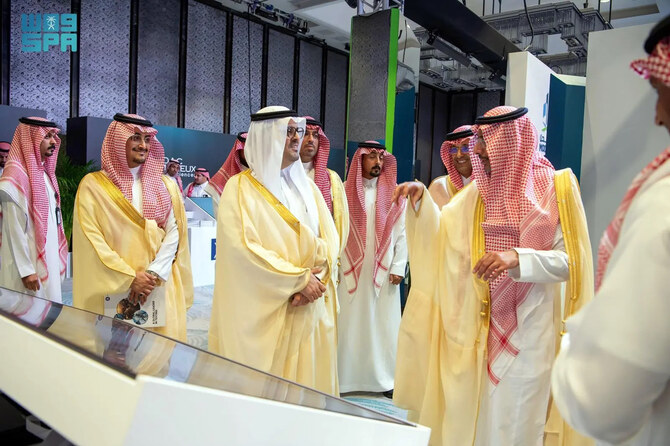
The opening ceremony, held on Nov. 24, was led by Prince Saud bin Mishal, deputy governor of Makkah, under the patronage of Prince Khaled Al-Faisal, governor of the Makkah region. It was attended by high-ranking officials, including Saudi Minister of Industry and Mineral Resources Bandar Alkhorayef.
The inauguration of the cluster aligns with Saudi Arabia’s Vision 2030, which seeks to strengthen food security, achieve self-sufficiency, develop food value chains, and establish the Kingdom as a regional hub for attracting both domestic and international investment in the food sector.
Located in Jeddah’s Second and Third Industrial Cities, the Jeddah Food Cluster is part of a larger industrial network in the Makkah region, which also includes industrial cities in Makkah and Taif. This region, which spans more than 50 million sq. meters, hosts over 2,000 industrial facilities specializing in sectors such as food production, pharmaceuticals, metals, and chemicals. The new food cluster is designed to enhance industrial productivity through cutting-edge infrastructure and strategic investments in key enablers.
Currently, the cluster houses 124 operational factories with investments totaling SR4.4 billion. These factories are estimated to produce around 4 million tonnes of goods annually across 10 industrial sectors and provide jobs for over 7,000 workers.
It also features 76 ready-to-use factories that comply with Saudi Food and Drug Authority standards. Additionally, the cluster has built a central laboratory to improve food quality and safety, as well as over 134,000 sq. meters of shared cold and dry storage facilities. By concentrating suppliers in one location, the cluster aims to create a sustainable, efficient supply chain.
The economic impact of the Jeddah Food Cluster is expected to be substantial, with national exports projected to increase by SR8 billion. The development is also anticipated to create thousands of job opportunities, particularly in the industrial and logistics sectors, and contribute approximately SR7 billion to Saudi Arabia’s GDP over the next decade. This aligns with the broader objectives of Saudi Arabia’s National Industrial Strategy and the National Industrial Development and Logistics Program, which aim to foster economic diversification and sustainable growth.
At the ceremony, MODON, the Saudi Authority for Industrial Cities and Technology Zones, announced that the Jeddah Food Cluster had achieved a significant milestone, receiving recognition from a global organization. Prince Saud also toured an exhibition showcasing the involvement of private companies and government entities in the food supply chain. This was followed by the presentation of the global recognition certificate.
Several memorandums of understanding and agreements were signed during the event. These partnerships, which include collaborations with Umm Al-Qura University, the National Academy for Industry, and Halal Products Development Co., focus on developing specialized training programs, improving food safety, and promoting quality control within the food industry.
Alkhorayef, in his speech, emphasized that the Jeddah Food Cluster represents more than just an industrial project—it is a key element in the Kingdom’s broader strategy for sustainable economic growth.
“Through this cluster, we aim to leverage the ministry’s capabilities to serve Jeddah, the Kingdom’s economic hub, and a prime investment destination,” he said.
He also highlighted the importance of connecting manufacturers, suppliers, and service providers to boost innovation and competitiveness, as well as to create new job opportunities, particularly for Saudi youth.
On the sidelines of the event, a panel discussion titled “The Future of Global Food Supply Chain Resilience for Innovation and Sustainability” was held, featuring industry leaders such as Abdullah bin Nasser Al-Badr, CEO of Almarai, Betty Ka, director of supply chain and delivery at the UN World Food Program, and Fabio Maia de Oliveira, general investment director at JBS Saudi Arabia. The panel explored strategies for building resilient and sustainable global food supply chains.
The launch of the Jeddah Food Cluster marks a significant step in Saudi Arabia’s ongoing efforts to diversify its economy and strengthen its position as a global leader in the food industry.
source/content: arabnews.com (headline edited)
_____________
Saudi Minister of Industry and Mineral Resources Bandar Alkhorayef attends the ceremony to launch Jeddah Food Cluster. SPA
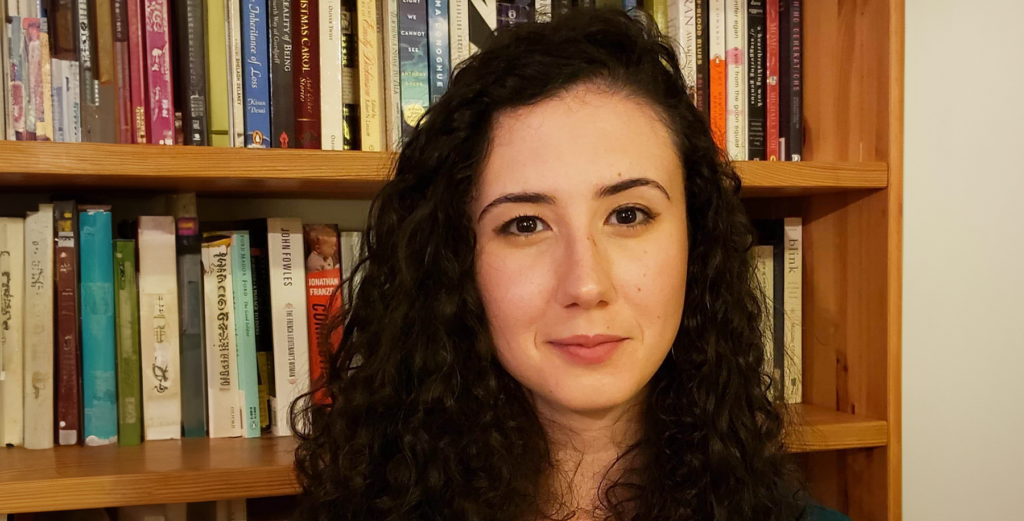
When Dr. Myriam Khalfallah arrived in Vancouver from Tunisia in 2013, she had just earned a bachelor’s degree as an agronomic engineer specializing in fisheries and environment at the National Agronomic Institute of Tunisia (INAT), the University of Carthage. She visited UBC in hopes of meeting Dr. Daniel Pauly, the internationally recognized fisheries scientist—Dr. Khalfallah had used his methods during her engineering practicum work and wanted to meet one of her research inspirations.
The two met, speaking in French, one of Dr. Pauly’s native tongues, before switching to English. He then asked if Dr. Khalfallah mastered scientific Arabic, as Tunisian universities and research institutions are usually French speaking. She did. It turned out that Dr. Pauly needed someone who spoke all three languages to collect fisheries data from Arabic-speaking countries. Dr. Khalfallah landed the job.
“That was the start of the whole thing,” she recalls. “Daniel said, if you do well on this project, maybe I’ll take you as a student. I went back to Tunisia and applied for a work permit and my whole life changed.”
Similarly to most economically developing countries, fisheries data from North Africa, the southern Mediterranean, and the Arabian Peninsula is not always accessible to the international scientific community, notably due to language barriers, publication costs, and funding. Data does exist, but finding it and leveraging it for research takes language skills and to a certain extent a strong personal network. Dr. Khalfallah had both. Her work went well and Dr. Pauly accepted her as a graduate student.
But there was a problem. During her undergraduate studies in Tunisia, a revolution was ignited against the country’s dictatorship. Dr. Khalfallah had been the elected student representative and ombudsperson at her university.
“Tunisia was living under a strict dictatorship at the time,” Myriam says. “We had no right to speak up. The internet was almost fully censored, as were most of the media. Journalists were jailed. It was really awful”.
“I was involved with the demonstrations and doing my best to defend student and human rights. Some professors didn’t understand the role of the student representative and ombudsperson. When I told my professors about the changes that the students wanted, some thought that I was individually calling for change. Obviously, there can be retaliation—when I applied to UBC, my relationships back home made it difficult for me to get into another university.”
Due to her low grades, notably due to the revolution, UBC rejected Dr. Khalfallah’s initial application to graduate school. So Dr. Pauly stepped in.
“Daniel wrote letters for me, as did the dean of my previous university, and a few Tunisian professors, telling UBC they should give me a chance because what happened in Tunisia made things very difficult for everyone.”
The letters of support had the desired effect. Dr. Khalfallah began work on her Master’s of Science degree at UBC’s Institute for Resources, Environment and Sustainability, where she carried on reconstructing fisheries catch data from Arabic-speaking countries, estimating the amount of unreported catch—fish that are caught and not officially accounted for by official statistics.
“Methods used in Western countries aren’t always applicable in the rest of the world,” Dr. Khalfallah notes. “But now there are increasingly newer methods, such as those we use at our research unit, the Sea Around Us , that makes the most of data that is usually overlooked. An interesting part of this work involves collaborating with scientists from all over the world and bridging the gap between data-rich and data-poor regions.”
As her research progressed, she and Dr. Pauly realized that her initial plan—a 17-nation study—was too big for a master’s thesis. So Dr. Khalfallah applied to fast track her research directly to a PhD which required good grades, publications, and strong references.
She defended her thesis on March 26, 2020—the second week of the COVID lockdown when UBC shifted all defenses to Zoom for the first time—and graduated with a PhD in Natural Resource Management and Environmental Studies. After graduation Dr. Khalfallah followed through with post doctorate research, also at UBC, working online to unravel the effects of foreign fishing fleets and aquaculture on West African fisheries.
“Like many scientists then, I was unable to get funding to extend my postdoc as a lot of science funding was going towards medical research and stopping COVID” she says. “Some friends of mine who knew the author Margaret Atwood kindly told her about my postdoc and asked if she knew of anyone who could fund my research. And she offered to do it! She was amazing.”
Dr. Khalfallah currently works with the NGO FHI360 as a marine climate change specialist on the project Sharing Underutilized Resources with Fishers and Farmers (SURF). This project supports Tunisia’s efforts to adapt fisheries and agriculture to climate change and is one of the first of its kind in North Africa to be funded by the U.S. Department of State.
“Climate change is impacting North Africa at a very fast pace,” she says. “Water is getting scarcer by the day. Fishes are moving from the Red Sea to the Mediterranean, replacing native species. In some regions there are almost no fish anymore because overfishing, climate change, and pollution are a very bad combination.”
“I’m trying to either find other, sustainable livelihoods for artisanal fishers, or find a way for them to fish sustainably. Whatever happens in North Africa due to climate change will happen in the rest of the world at certain points. If we can find a way to help them adapt in one way or another, then those ways could potentially be applied in other places where the climate situation deteriorates.”
Dr. Khalfallah recently became a Canadian citizen and lives in Vancouver when not travelling for work. She was recently selected to be one of the alumni representatives of the Faculty of Science at the 2023 Fall Graduation ceremony, 10 years after she first set foot in Canada and UBC.
“I was quite surprised and honored by the invitation and it was an amazing experience.”
For those who have moved here recently and are starting their research career, she has some advice:
“International students have the stress of surviving, often alone, in new foreign environments, all while successfully completing their studies and research; and sometimes it is very difficult to see the light at the end of the tunnel. But I want to say that the light is there. Be persistent and ask for help when needed. Great things are achieved in small steps. Think about just doing one step at a time, and when you look back, you’ll see that you have actually achieved a lot without even realizing it!”
Saudi Food and Drug Authority says selection of Khalid Al-Zahrani by Codex Alimentarius Commission is a ‘milestone’ and ‘testament to our commitment to global food safety
Al-Zahrani has represented the Kingdom on several international committees, including at the World Trade Organization
Saudi official Khalid Al-Zahrani was chosen on Wednesday to be vice chair of the Codex Alimentarius Commission, which sets the standards for the international food trade that are designed to ensure products are safe and protect consumer health.
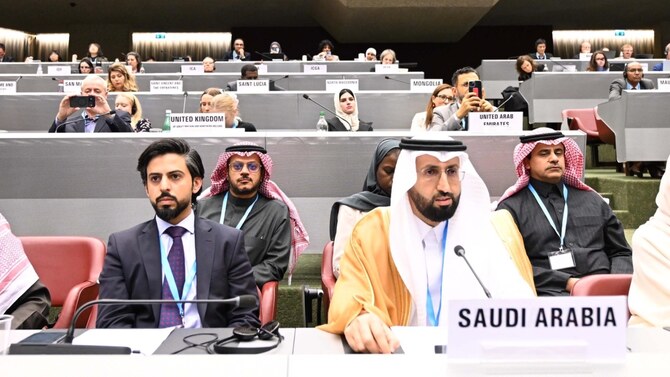
Representatives of the Saudi Food and Drug Authority who were present for the vote at the commission’s 47th annual session in Geneva, Switzerland, congratulated Al-Zahrani on his election.
“This is a significant milestone for Saudi Arabia and a testament to our commitment to global food safety and standards,” said Hisham Aljadhey, the authority’s CEO.
“By assuming the role of vice chair of Codex, (Saudi Arabia) aims to further strengthen international collaboration, promote sustainable food practices and ensure the well-being of consumers worldwide.”
Al-Zahrani has served as the Codex chairperson for the Near East region since 2020 and was reelected to the position in 2023.
He also represented Saudi Arabia on several international committees, including the World Trade Organization’s Technical Barriers to Trade, the Gulf Cooperation Council Standardization Organization, and the International Organization for Standardization’s Food Products Committee.
He works closely with the Kingdom’s Food and Drug Authority, which aims to prioritize sustainability and enhance efficiency, inclusiveness and transparency within food systems. The authority was recognized in January by the World Health Organization as one of the first five countries in the world to eliminate the use of industrially produced trans fats in food, alongside Denmark, Lithuania, Poland and Thailand.
“Al-Zahrani’s election highlights the exceptional quality of Saudi staff at the SFDA and the authority’s efforts in food-safety legislation and oversight,” the authority said.
The Codex Alimentarius (Latin for “Food Code”) is a collection of internationally recognized standards, codes of practice, guidelines and other recommendations related to food production, labeling and safety, published by the UN’s Food and Agriculture Organization and the WHO.
source/content: arabnews.com (headline edited)
___________
Khalid Al-Zahrani and the CEO of the Saudi Food and Drug Authority, Hisham Aljadhey, during the vote at the Codex Alimentarius Commission in Geneva. (Supplied)
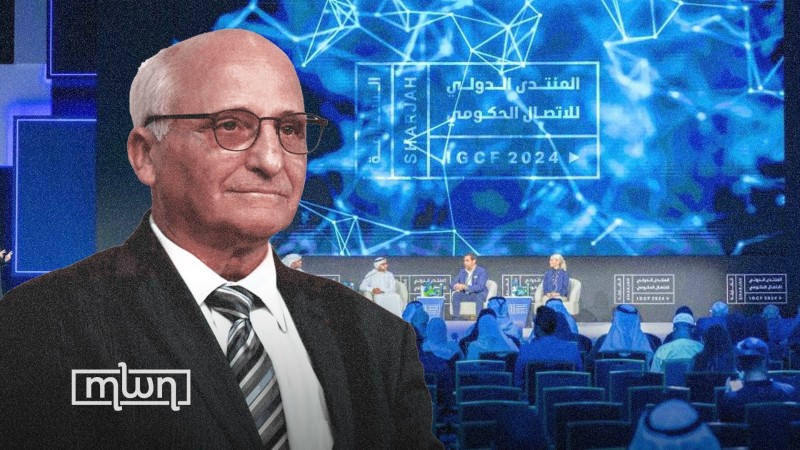
From a young Moroccan dreamer to a world-renowned inventor, Rachid Yazami’s pioneering spirit and lithium battery breakthrough have powered a global technological revolution.
Renowned Moroccan scientist and inventor Rachid Yazami was honored this week for his scientific achievements, particularly his pioneering work on lithium-ion batteries, at the International Government Communication Forum (IGCF 2024) held in Sharjah, United Arab Emirates.
The IGCF, held from September 4-5 under the theme “Agile Governments: Innovative Communication,” brought together over 250 speakers to discuss the key opportunities and challenges facing governments and populations in the 21st century.
Its wide range of panels discussed topics from information warfare and the talent-driven economy to the digital future and the impact of innovative communication on governments’ ability to achieve broad development goals.
In a statement to the Moroccan News Agency (MAP), Yazami described this tribute as a source of pride and honor for Morocco and a “recognition of my invention of the lithium battery that I made when I was 26 years old.”
A journey of scientific discovery
Yazami’s fascination with science began at a young age. “I actually had a strong interest in science from a very early age. A significant event happened in my life around age 11. One of my teachers pointed at me and declared, ‘Rachid, you will be a chemist!’” he recounted in an interview with VinFuture Prize.
This prediction came true when Yazami was admitted to the Grenoble Institute of Technology in France, where he received his engineering degree in 1978. Just a year later, at the age of 26, he made his groundbreaking discovery of the graphite anode, a key component in lithium-ion batteries.
“It was an absolutely unforgettable day in my life,” Yazami said of the moment he first successfully intercalated lithium into graphite, causing it to change color from black to gold. “It felt like alchemy, converting black to gold.”
The impact of the graphite anode
Yazami’s invention of the graphite anode has had a profound impact on the development and proliferation of lithium-ion batteries. “In 2019, 10 billion batteries were produced worldwide. Ninety-eight per cent used the anode. Every cell phone, electric car, storage has my anode,” he noted in an interview with The Register.
The global anode material market is predicted to grow to $10 billion by 2025, with the anode estimated to account for 10 to 15 percent of the total cost of a lithium-ion battery.
Despite the immense commercial success of his invention, Yazami lamented a missed opportunity for his home country.
“If this company in France said, ‘Oh, we think it may be improved, we have no evidence, but maybe it’s interesting, let’s file a patent that doesn’t cost as much money.’ I think it will have brought something between $100-150 billion. Only the invention of the graphite anode,” he said, referring to a French company that passed on the chance to patent his discovery in the early 1980s.
The future of battery technology
The future belongs to clean electrical energy, Yazami asserted in his speech during the opening session of the IGCF 2024, citing the progress made in lithium-ion batteries due to significant advances in the field.
These advancements include improved safety measures in high-temperature zones, reducing charging time to less than 20 minutes, increasing the range of electric vehicles, and extending battery life.
Yazami highlighted the growing demand for lithium-ion batteries in the international market, which is expected to reach a capacity of 4,700 GWh/h, worth more than four trillion dollars by 2030.
This latest prize comes as the Moroccan scientist continues to push the boundaries of battery technology. His company, KVI, recently developed a new fast-charging technology that can fully charge a high-density battery in just ten minutes, seven times faster than a Tesla.
“The target is to go to 300 [watt hours per kilogram]. To my knowledge there is no 300 watt hour per kilogram on the market — not yet. There are some prototypes, but when you increase the energy density there are some problems with life and safety of battery,” Yazami explained, highlighting the challenges and trade-offs in battery development.
Safety is also a major concern for Yazami. “We can’t prevent fire in extreme situations, but at least we can have signs before it happens,” he said, proposing the idea of a sensor that measures battery expansion due to heat and alerts the user well in advance of any potential issues.
Looking to the future, Yazami predicted the rise of electric airplanes for personal use within the next 20 to 30 years and a shift in battery manufacturing to Europe. “Currently the EV market is in the EU, and the manufacturing is in China,” he observed. “That’s a problem.”
The study of light has led to promising alternative energy sources and lifesaving medical advances in diagnostics technology and treatments.
These transformative technologies were developed through centuries of fundamental research on the properties of light, including pioneering work such as Ibn Al-Haytham’s seminal Kitab al-Manazir (Book of Optics), published in 1015.
As the world celebrates the International Day of Light on 16 May, various Arab physicists have left an indelible mark on the Arab world’s understanding and utilization of this fundamental phenomenon.
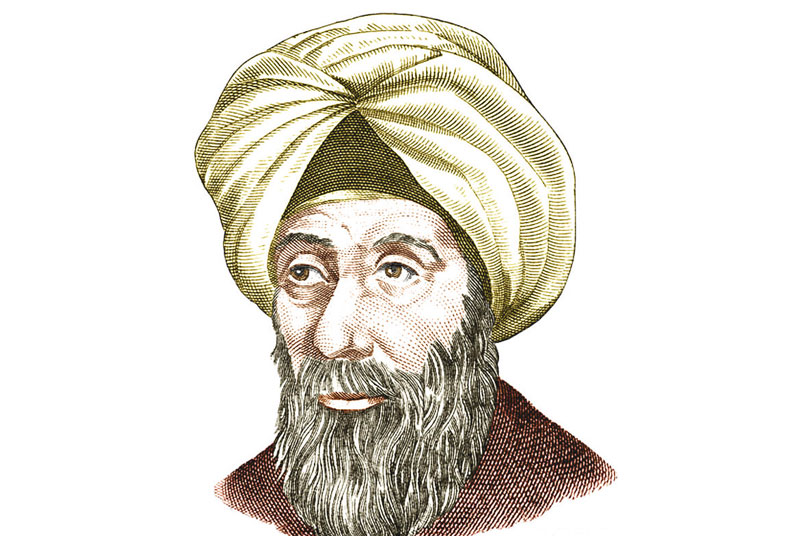
Ibn Al-Haytham (965-1040 CE)
Considered the father of modern optics, Ibn Al-Haytham’s groundbreaking work, Kitab al-Manazir, laid the foundation for our understanding of the behavior of light, including the principles of reflection, refraction, and the workings of the human eye. His experimental approach and rejection of the prevailing theories of his time were revolutionary, and his work influenced generations of scientists who followed in his footsteps.
Photo Source: VH Magazine
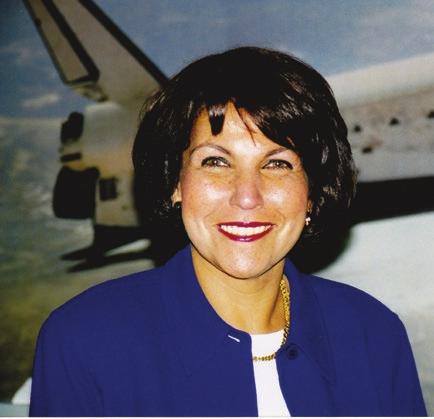
Maha Ashour-Abdalla
A pioneering Egyptian-American plasma physicist, Ashour-Abdalla’s research has advanced our understanding of the complex dynamics of the Earth’s magnetosphere, with applications in space weather forecasting and protection of satellites from cosmic radiation. Her work has been instrumental in developing models to predict and mitigate the impacts of solar storms on technological infrastructure.
Photo Source: UCLA
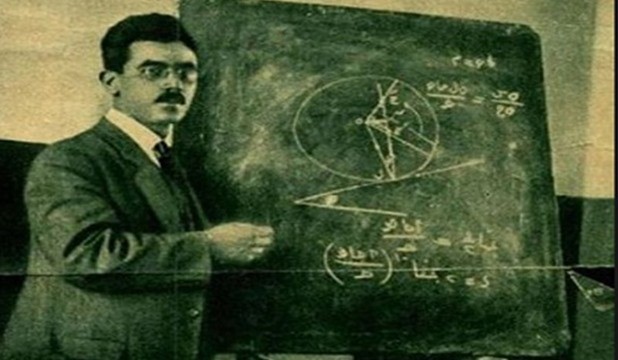
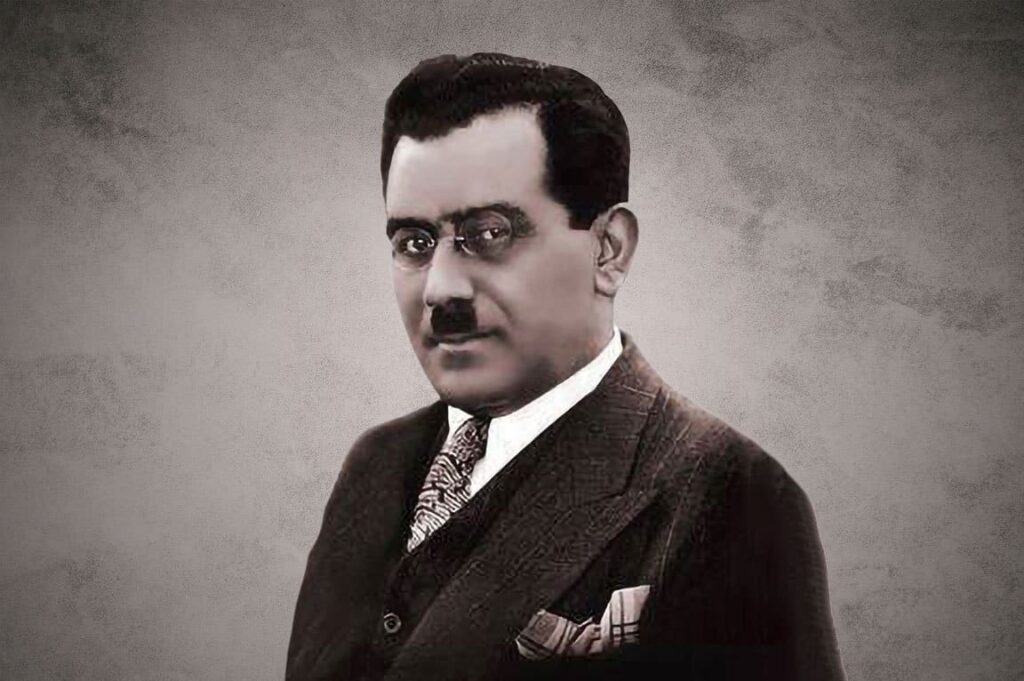
Ali Moustafa Mosharafa (1898-1950)
This Egyptian physicist made significant contributions to the development of quantum mechanics, building on the work of pioneers like Niels Bohr and Werner Heisenberg. His research helped bridge the gap between classical and quantum physics, laying the groundwork for our modern understanding of the subatomic world. Mosharafa’s work has had lasting implications in fields such as materials science, cryptography, and quantum computing.
Photo Source: Academic Dictionaries
Shaaban Khalil
An Egyptian theoretical physicist, Khalil is a renowned expert in particle physics and cosmology. His work on the unification of fundamental forces has had a lasting impact on our understanding of the cosmos. Khalil’s research, which combined elements of quantum mechanics, general relativity, and high-energy physics, has helped shape the nature of the fundamental forces that govern it.
Photo Source: Zewail City
These Arab scientists, among others, have not only expanded the Arab world’s knowledge of light and its applications but have also paved the way for future generations to harness the power of this fundamental phenomenon to address global challenges and push the boundaries of scientific discovery.
President-elect Donald Trump nominated Dr. Janette Nesheiwat to be US surgeon general
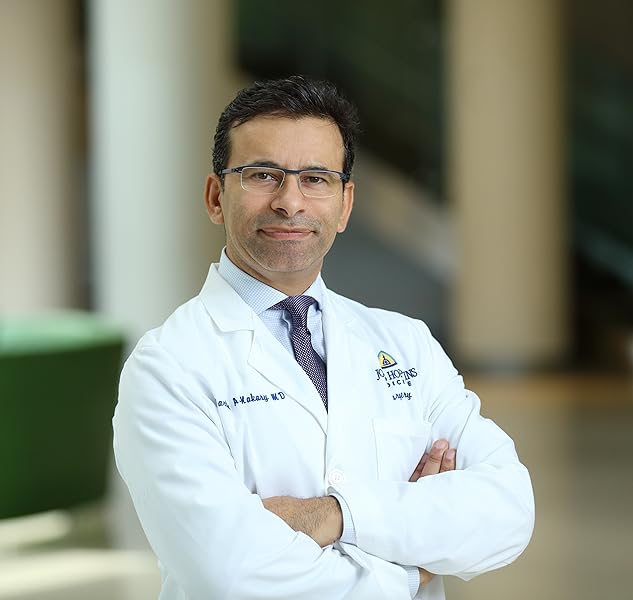
He also nominated Dr. Marty Makary as head of the US Food and Drug Administration
President-elect Donald Trump has named two Arab Americans to serve in his Cabinet once he is sworn into office in January.
Trump nominated Dr. Janette Nesheiwat to be US surgeon general and Dr. Marty Makary as head of the US Food and Drug Administration.
The appointments were applauded by Dr. Bishara Bahbah, chairman of Arab Americans for Trump, who helped the former president to win nearly half of the Arab American vote in the Nov. 5 election against US Vice President Kamala Harris.
“We are delighted with President Trump’s nomination of the first two Arab Americans to be part of his administration,” Bahbah said in a message to Arab News on Saturday.
“This is a testament to the hard work of Arab Americans for Trump and recognition of President Donald J. Trump of the role Arab Americans played in his election as the 47th president of the United States. AAFT looks forward to additional Arab American appointments in President Trump’s administration, particularly in the political field.”
Dr. Makary is a British American surgeon of Lebanese background. He is a public policy researcher at Johns Hopkins University serving as a professor at the Johns Hopkins School of Medicine and a professor, by courtesy, at the Johns Hopkins Carey Business School.
His current research focuses on the underlying causes of disease, public policy, health care costs, and relationship-based medicine. Dr. Makary previously served in leadership at the World Health Organization patient safety program and has been elected to the National Academy of Medicine.
Clinically, Dr. Makary is the chief of Islet Transplant Surgery at Johns Hopkins. He is the recipient of the Nobility in Science Award from the National Pancreas Foundation and has been a visiting professor at more than 25 medical schools. He has published more than 250 peer-reviewed scientific articles and has served on several editorial boards. He is the author of two New York Times bestselling books, “Unaccountable” and “The Price We Pay.”
Dr. Makary is also an anti-vaxxer who refused vaccination for COVID-19, a view shared by many of President-elect Trump’s conservative and Republican supporters.
Dr. Nesheiwat is a double board-certified medical doctor described on her website as “bringing a refreshingly no-nonsense attitude to the latest medical news, breaking down everything you need to know to keep you — and your family — healthy at all times.” She is also the author of “Beyond the Stethoscope: Miracles in Medicine.”
A graduate of the University of Arkansas for Medical Sciences, UAMS, Dr. Nesheiwat has been “shaped by her faith and her upbringing.”
Born in Carmel, New York, she is the daughter of Christian Jordanian immigrants and one of five children raised by her widowed mother, Hayat Nesheiwat. Her siblings are Julia Nesheiwat, Jaclyn Stapp, Dina Nesheiwat and Daniel Nesheiwat.
source/content: arabnews.com (headline edited)
____________
President-elect Donald Trump nominated Dr. Janette Nesheiwat to be US surgeon general . (AP)
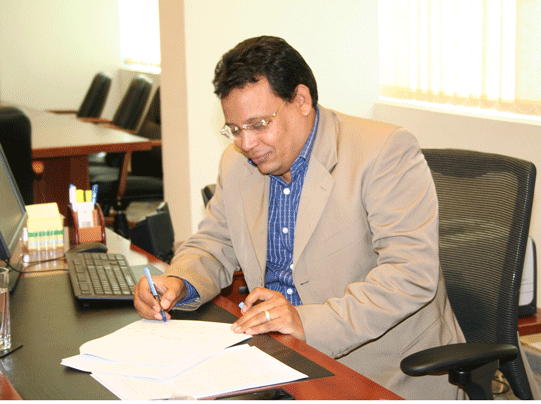
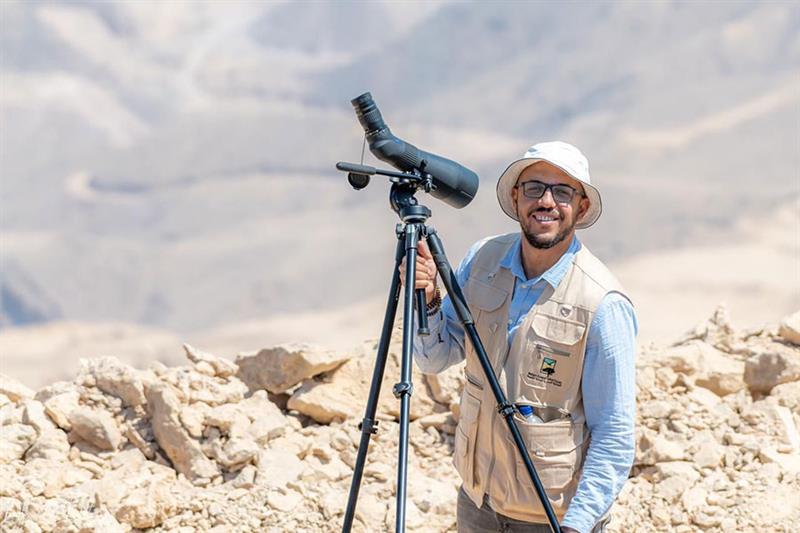
Khaled Noby, CEO of Nature Conservation Egypt (NCE), was selected as an impact maker for the COP29 Global Communications Campaign. This nomination recognizes NCE’s pioneering work in safeguarding biodiversity in Egypt.
NCE announced that Noby was selected on 19 November as one of the 50 impact makers in a global communications campaign launched by Nigar Arpadarai, the UN Climate Change High-Level Champion for COP29.
The Impact Makers campaign seeks to amplify the voices of leaders significantly impacting how to address the climate crisis. Through his leadership, Noby has played a crucial role in shaping Egypt’s dialogue around nature conservation and renewable energy. His nomination is part of a more significant effort to ensure that global climate strategies include biodiversity conservation as a fundamental element of the transition to renewable energy.
NCE is dedicated to integrating biodiversity conservation into the renewable energy sector. It aims to balance the country’s growing energy needs with the urgent necessity of protecting its rich and diverse wildlife and biodiversity.
NCE is witnessing the ambitious expansion in renewable energy production in Egypt, driven by the growing domestic demand and the need to cut climate change emissions from fossil fuels. However, this transition to renewable energy production negatively impacts habitats and wildlife. Renewable energy infrastructure has been reported to cause significant fatalities in various wildlife forms, particularly migratory birds.
While most conservation efforts have focused on mitigating the impacts within wind farms, NCE has been paying attention to another significant threat that needs to be adequately acknowledged: bird collisions with overhead transmission lines (OHTLs).
Moreover, NCE has effectively advocated adding local biodiversity loss to national and international agendas. Nonmigratory wildlife faces equally severe threats from poorly planned renewable energy infrastructure, yet the lack of data on local species often diverts conservation efforts towards migratory wildlife. NCE has led a successful national effort to translocate the threatened native reptile, the Egyptian spiny-tailed lizard (Uromastyx aegyptia), in collaboration with the Regional Centre for Renewable Energy and Energy Efficiency (RCREEE) and SafeSoar. Thirteen individuals of this endangered lizard species were safely translocated from the AMUNET Wind Farm site before construction, exemplifying effective conservation action.
“I am truly humbled to be recognized as an Impact Maker by the High-Level Champions team. This honour belongs equally to my dedicated colleagues at NCE, whose unwavering commitment to nature conservation in Egypt inspires me every day. This is a celebration of our collective efforts — I’m simply privileged to represent such a sincere and hardworking team,” said Noby.
“This recognition of Khaled Noby is very well deserved and reflects his commitment and dedication to advancing the conservation of nature in Egypt; it also represents the collective effort of the NCE team and their success, under the stewardship of Khaled, in becoming a leader in the conservation field in the Middle East and North Africa. Congratulations to Khaled, NCE, and Egypt for this recognition,” said Sherif Baha El Din, NCE board chairman.
Noby’s inclusion in the campaign places a spotlight on Egypt’s unique position at the intersection of biodiversity conservation and sustainable development, highlighting how the country can serve as a model for other regions facing similar challenges.
Sharjah International Marine Sports Club displayed, during the third day of the Abu Dhabi International Boat Show 2024, the fastest motor boat in the world, reaching a speed of 220 km/h.
This boat, which was locally manufactured by Emirati hands at Sharjah Marine, is an embodiment of Emirati innovation and creativity in the field of marine industries, which enhances the country’s leadership in this sector globally.
On its third day, the exhibition witnessed a large turnout of visitors, with a remarkable presence of international brands that presented their creations for the first time in the Middle East.
Among the highlights of the third day’s shows were the luxury yacht Tecnomar for Lamborghini 63, making its regional debut, and the Finnish-designed Grandesa 37, which combines innovation and practicality