ARAB G.C.C. : Labour force in GCC countries reaches 31.8 million: GCC-Stat

 Data issued by the Statistical Centre for the Cooperation Council for the Arab Countries of the Gulf (GCC-Stat) revealed that the total labour force in GCC countries reached 31.8 million, representing 54.2 percent of the total population.

Male workers accounted for 78.7 percent, while females made up 17.6 percent.

The number of working citizens in the GCC stood at 5.6 million, constituting 23.4 percent of the total labour force, with 60 percent males and 40 percent females.

GCC-Stat’s data also showed a 600,000 increase in the number of working women in the region since 2011.

The data indicated that the government sector is still the largest employer of Gulf workers, with a wide scope for localisation in the private sector. The percentage of employed citizens working in the public sector reached 83.5 percent compared to 14.2 percent in the private sector.

Statistics also revealed that GCC countries’ citizens work mainly in the services sector, particularly in public administration activities.

GCC countries have introduced policies to localise the workforce, such as the GCC Common Market and the Comprehensive Development Strategy, which aim to address imbalances in population structure, workforce distribution, and industrial development. These policies aim to increase the national workforce’s contribution to the industrial sector.

Additionally, the population strategy seeks to enhance the role of women in development, balance population and workforce structures, and improve national workforce training programmes.

All GCC countries give priority to young workers, promote economic diversification efforts and move towards creating green and environmentally friendly jobs.

source/content: wam.ae (headline edited)

____________

______________

ARAB G.C.C.

SAUDI ARABIA : Holy Qur’an Museum opens in Makkah

Hira project provides immersive experience of Islamic history, Qur’anic heritage

Makkah Deputy Gov. Prince Saud bin Mishaal bin Abdulaziz recently inaugurated the Holy Qur’an Museum in Makkah’s Hira Cultural District.

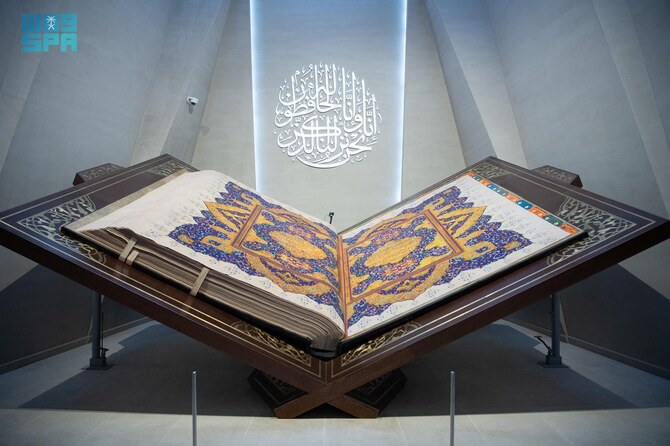
Developed under the supervision of and with support from the Royal Commission for Makkah City and the Holy Sites, the museum highlights the Qur’an as the primary source of guidance for Muslims and is designed to enrich the religious and cultural experience for both locals and visitors.

It is home to rare manuscripts, historical copies of the Qur’an and interactive displays that allow visitors to explore the journey of Qur’anic transcription and its preservation through history, the Saudi Press Agency reported.

Spanning about 67,000 sq. meters, the Hira Cultural District is a focal point for those keen to experience the spirit and history of Makkah. Centered on Mount Hira, where the first revelation descended, it includes various facilities designed to enhance the religious and educational experience.

Among them is the Revelation Exhibition, which offers an interactive portrayal of the descent of revelation, and another that allows visitors to ascend to Hira Cave which was the scene of the revelation.

Among the artifacts on display are a photographed copy of the Qur’an manuscript of Uthman bin Affan and several ancient stone inscriptions of Qur’anic verses.

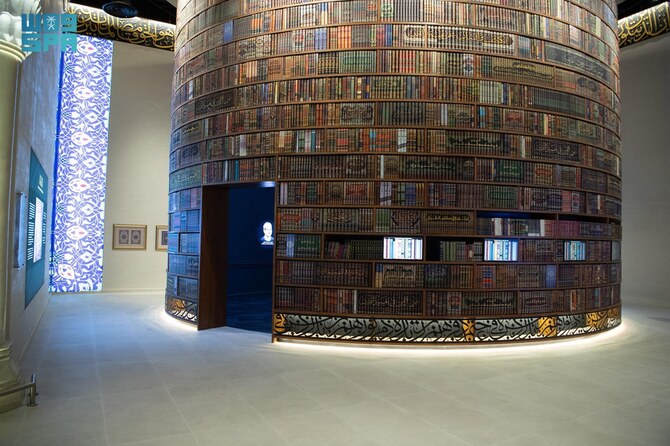
The project also incorporates the Saudi Coffee Museum, the Cultural Library and Hira Park.

The Holy Qur’an Museum will remain open throughout Ramadan.

source/content: arabnews.com (headline edited)

______________

The museum highlights the Qur’an as the primary source of guidance for Muslims and is designed to enrich the religious and cultural experience for both locals and visitors. (SPA)

9

__________________

SAUDI ARABIA

YEMENI – UAE : How the fragrance empire, Swiss Arabian Perfumes was built

Celebrating 50 years of growth and success.

In the world of fragrances, few names evoke as much resonance and admiration as Swiss Arabian Perfumes Group. Established as the first perfume manufacturer in the UAE, this year marks a significant milestone for the renowned UAE-born perfume house as it celebrates its golden jubilee – 50 years of crafting perfumes with luxury and elegance.

The beginning was in 1974 when Swiss Arabian seamlessly blended Arabian perfumery techniques with modern innovation. Hussein Adam Ali, Founder and Chairman of SAPG, came from Yemen to the UAE in 1974 with a dream. A man driven by an insatiable passion for perfumery and a deep appreciation for the art of scent, he laid the foundation for what would become a global fragrance empire.

Over the past five decades, Swiss Arabian has gained global recognition and taken pride in representing the art of perfumery to the rest of the world. As we reflect on five decades of fragrance mastery, it’s a story worth exploring about how this fragrance empire was built. Hussein Adam Ali’s keen understanding of the nuances of fragrance, coupled with an unwavering commitment to excellence, drove the brand to new heights.

“When I first moved to the UAE, I walked in the sun to save on taxis. This country became my home and turned my dreams into reality.” 

“I was 30 years old when I came to UAE to set up my business here. This country became my home and turned my dreams into reality. With an investment of half a million dirhams, 5,000 square feet perfume factory had been set up in Sharjah and became fully operational in six months. I was my own boss and drew a minimum stipend to cover my expenses. Today, SAPG has over 1000 employees and global business operations,” says Hussein Adam Ali, Founder and Chairman, SAPG.

His sons, Nabeel Adam Ali and Nader Adam Ali joined the company at a young age as well, and through their leadership, shaped Swiss Arabian Perfumes Group into a multinational award winning perfume house.

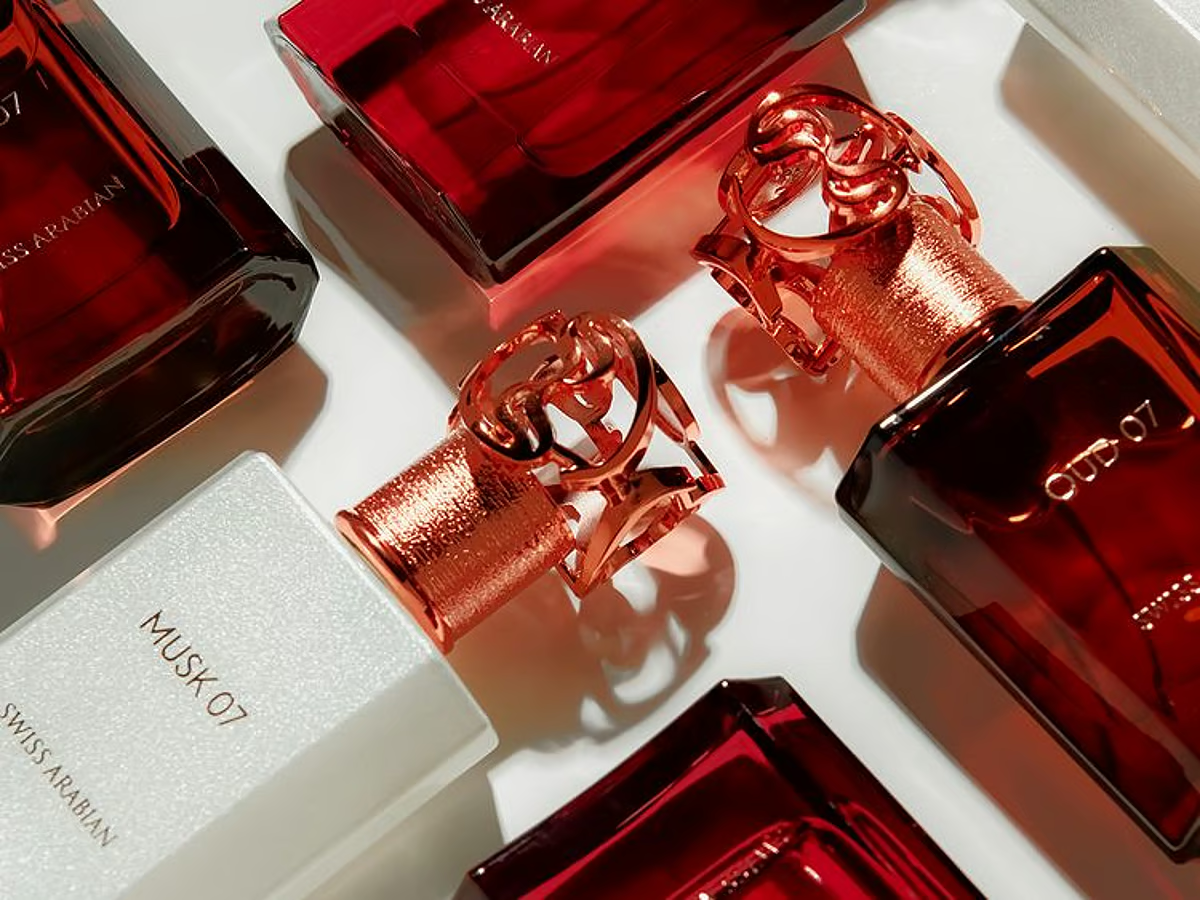
Swiss Arabian’s growth strategy is their product. Constantly innovating, creating and ensuring customer satisfaction is the core of their business. The brand’s continuous efforts at striving for perfection is evident in every aspect of its operations, from sourcing the finest raw materials to the meticulous craftsmanship that goes into creating each bottle of perfume.

Despite the evolving trends and preferences in the perfume market, the brand has stayed true to its roots while embracing modern techniques and ingredients. This dedication to both tradition and innovation has earned Swiss Arabian a loyal following and global expansion. The Group also expanded to more brands such as Sapil Perfumes, Shirley May, Shirley May Deluxe and Alta Moda.

As Swiss Arabian Perfumes Group commemorates its 50th year, it is a celebration of longevity and a testament to hard work. Looking ahead, the company remains committed to pushing boundaries and creating fragrances that resonate with the diverse tastes and preferences of its clientele.

source/content: gulfnews.com (headline edited)

___________

____________________________

YEMEN / SHARJAH, U.A.E

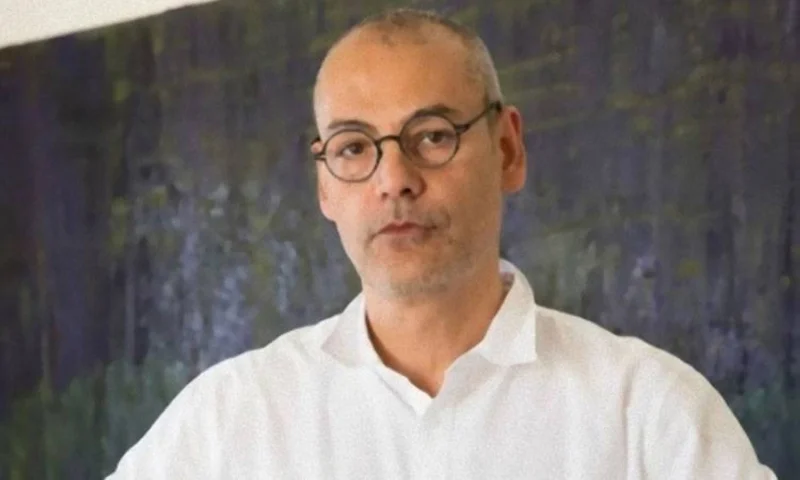
JORDAN : Mohammed Bin Rashid congratulates Jordanian Engineer Sahel Al Hayari for winning ‘Great Arab Minds award 2024’

His Highness Sheikh Mohammed Bin Rashid Al Maktoum, Vice President, Prime Minister and Ruler of Dubai, congratulated architectural engineer Sahel Al Hayari, winner of the Great Arab Minds Award 2024 in the field of architecture and design.

Sheikh Mohammed said on X platform, “Today, we congratulate the winner of the Great Arab Minds Award 2024, Architectural Engineer Sahel Al Hayari from Jordan.”

Sheikh Mohammed said that Architect Al Hayari presents designs which combine heritage and modernity, identity and nature and has excelled in many distinctive architectural projects and participated in teaching architecture and presenting his research and works in the most prominent universities around the world.

Sheikh Mohammed emphasised that Arab architecture has influenced human civilisation through its unique styles and designs throughout history, and that there are many exceptional Arab talents among architects and designers who deserve support, empowerment, and appreciation.

Al Hayari is known for integrating innovative modern design with traditional Arab stonework, and for blending contemporary architectural elements with historical context. He has promoted the presence of Arab stone architecture from Jordan in international circles, and his unique style has created an interactive dialogue between topography and architecture.

Al Hayari holds a Bachelor of Architecture and Fine Arts from the Rhode Island School of Design, and a Master of Architecture in Urban Design from the Harvard Graduate School of Design.

He also conducted postgraduate studies at the School of Architecture at the University of Venice and has lectured at prestigious colleges and universities in the fields of architecture and design around the world, including Columbia University and Harvard University in the United States, the University of Venice in Italy, the Swiss Federal Institute of Technology in Zurich, the American University of Beirut, and the University of Science and Technology in Jordan. His works cover a wide range of design-related disciplines, including urban design, architectural structures, interior design, and exhibition design.

Mohammed Bin Abdullah Al Gergawi, Minister of Cabinet Affairs and Chairman of the Higher Committee for the “Great Arab Minds” Initiative, informed Sahel Al Hayari of his win of the award.

In a video call with him, he praised the unique artistic formula he created by combining architecture, fine arts, and urban design.

It is worth mentioning that the ‘Great Arab Minds’ award is the largest award of its kind in the Arab world, and it celebrates, for the second consecutive year, the achievements of Arab innovators for humanity in these fields.

source/content: gulftoday.ae (headline edited)

______________

Sahel Al Hayari is known for integrating innovative modern design with traditional Arab stonework

___________

JORDAN

SAUDI ARABIA : Minister of Communications Honors Scientists and Innovators at LEAP25 as Innovation Authority Launches National Initiatives for Future Economies

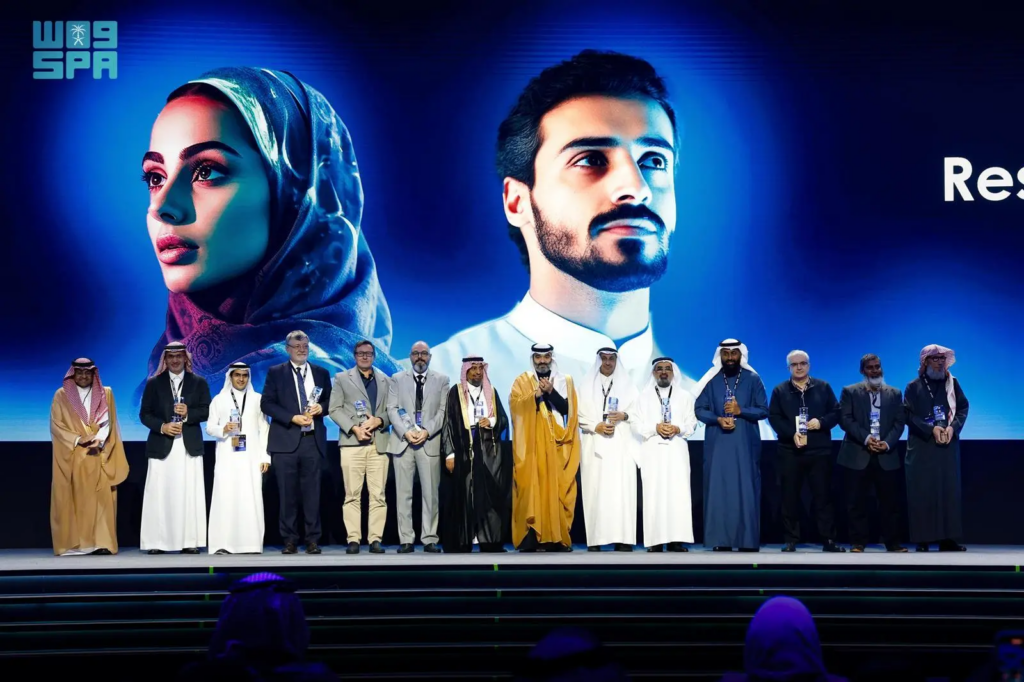
Minister of Communications and Information Technology Abdullah Alswaha honored 12 scientists and innovators with the Research Excellence Award in Future Economies, recognizing outstanding research and innovation efforts aligned with national priorities.

The honorees included Professor Carlos Duarte, Professor Mohamed-Slim Alouini, Professor Ghulam Muhammad, Professor Tareq Al-Naffouri, Professor Bernard Ghanem, Professor Abdullah Abusorrah, Professor Osman Bakr, Professor Saleh Alshebeili, Professor Obaid Al-Saqqaf, Professor Ahmed Al-Qarni, Professor Donal Bradley, and Professor Khalid Al-Mashouq.


During the Innovation in Future Economies event, held alongside the LEAP25 conference in Riyadh, the Research, Development, and Innovation Authority announced the launch of several national initiatives aimed at advancing research and innovation in key economic sectors. These initiatives focus on unifying efforts in future economies and enabling the Kingdom to shape a prosperous economic future.
Among the announced initiatives is the development of a general, reliable, and human-centric artificial intelligence by 2050, the creation of a scalable and fault-tolerant quantum computer by 2045, and the establishment of five knowledge cities in Saudi Arabia by 2040, moving beyond traditional smart city concepts.


Additionally, the authority announced the establishment of the first private-sector Center of Excellence in Artificial Intelligence and Data Analysis for health research and development. This initiative, launched in collaboration with Fakih Group, involves an investment of SAR 100 million and aims to position the Kingdom as a global hub for AI-driven healthcare innovation. By strengthening partnerships between academic institutions and the industrial sector, the initiative seeks to accelerate research breakthroughs and maximize their impact.


The Future Economies Innovation event also featured an announcement by the National Semiconductor Hub, unveiling plans for a design center and manufacturing facility for semiconductors in Saudi Arabia. This initiative includes the participation of 10 specialized companies in electronic chip design and a strategic partnership with RCM to develop the first Saudi-designed electronic chip for both local and global markets.


These initiatives, launched by the Research, Development, and Innovation Authority, reflect Saudi Arabia’s commitment to fostering an innovative ecosystem that supports the growth of a knowledge-based economy. By investing in emerging economic fields, the Kingdom continues to strengthen its international position in line with its ambitious national targets for vital sectors.

source/content: spa.gov.sa (headline edited)

_____________

_________________

SAUDI ARABIA
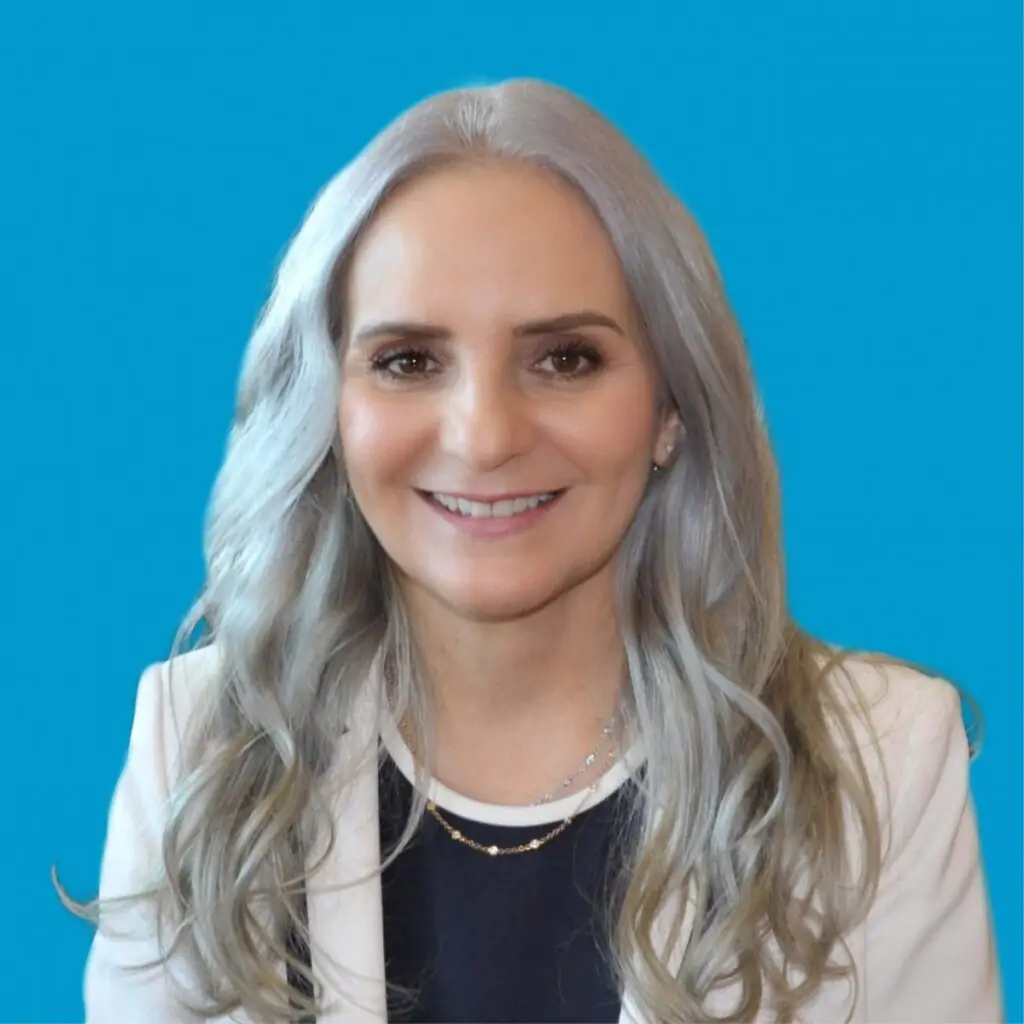
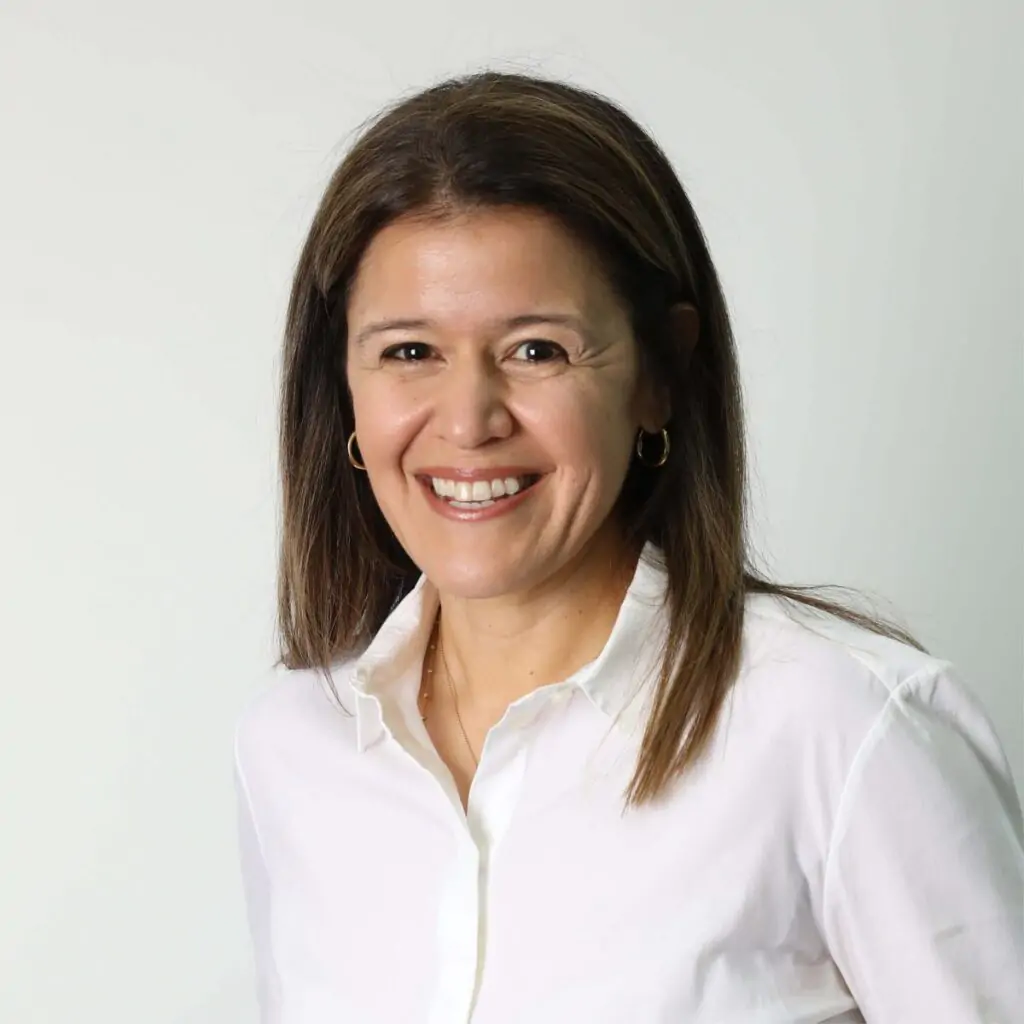
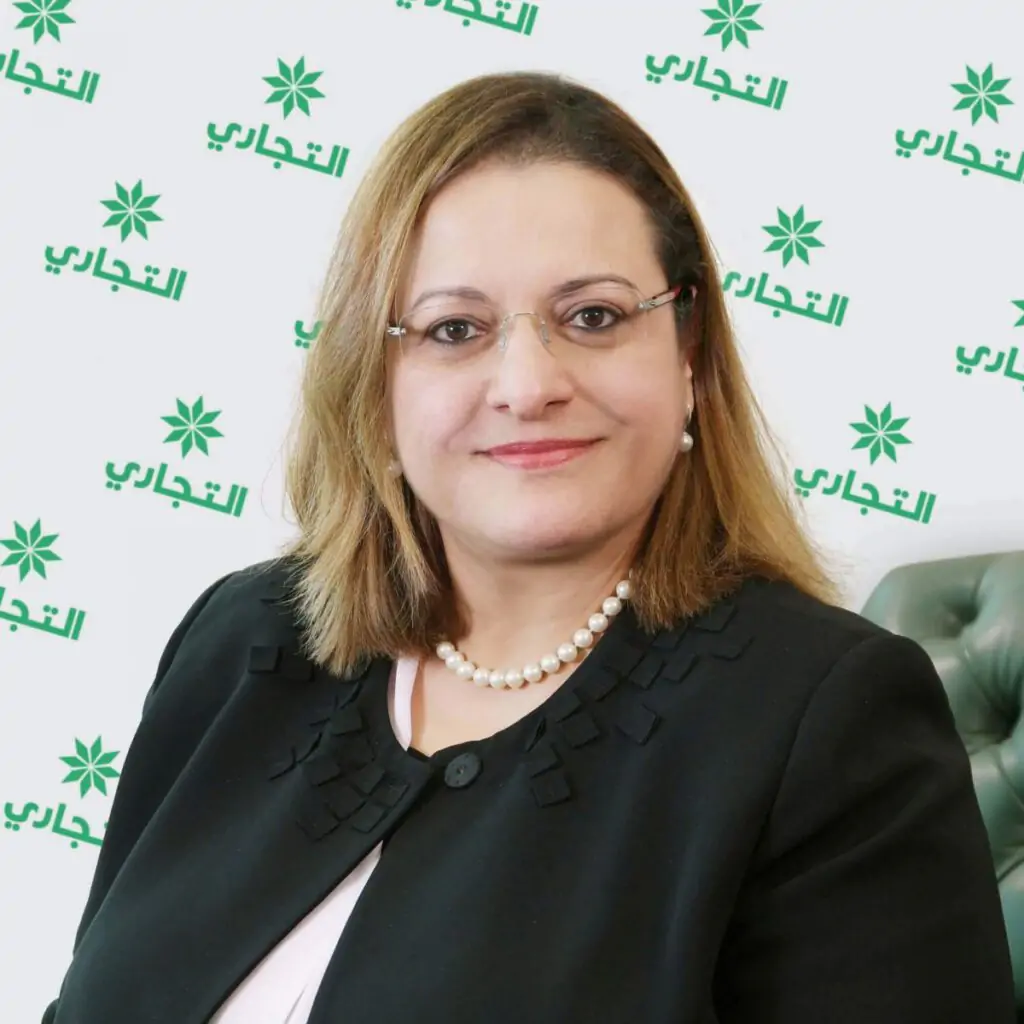
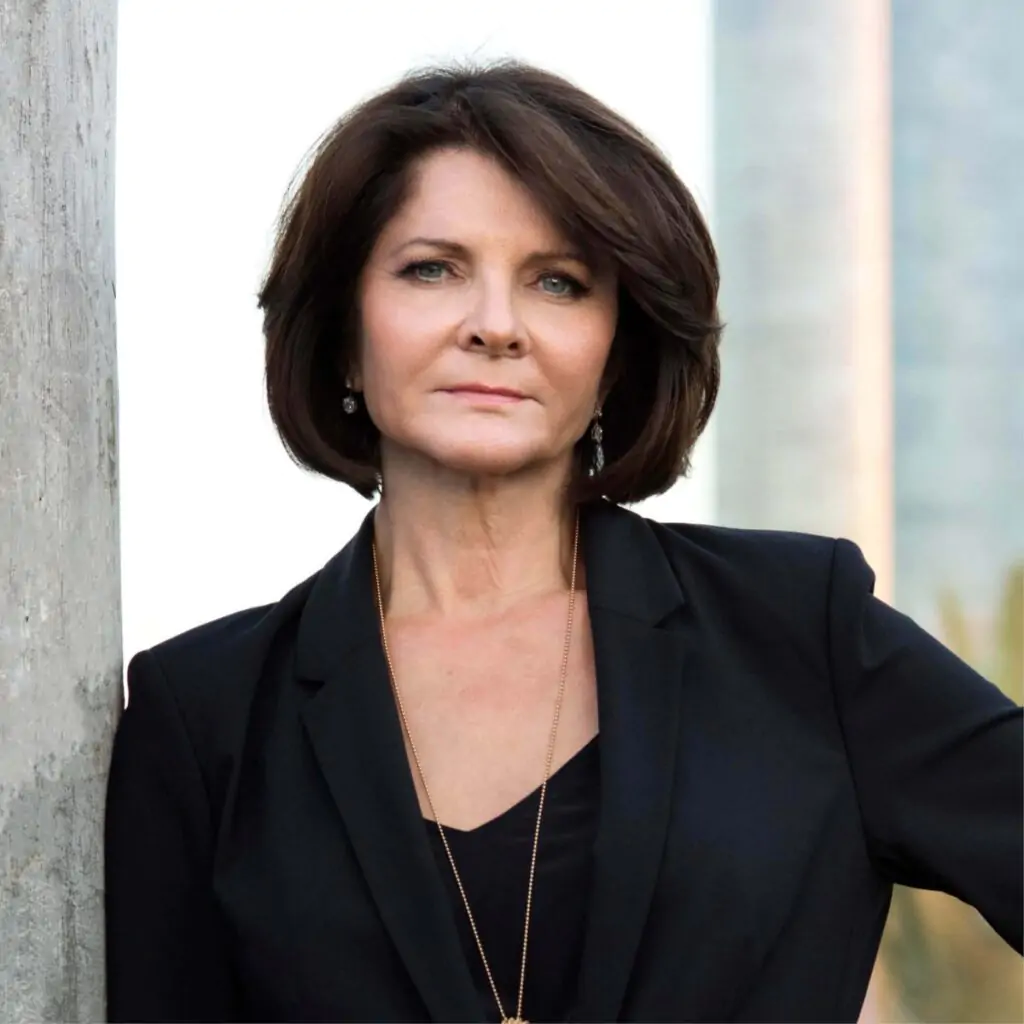
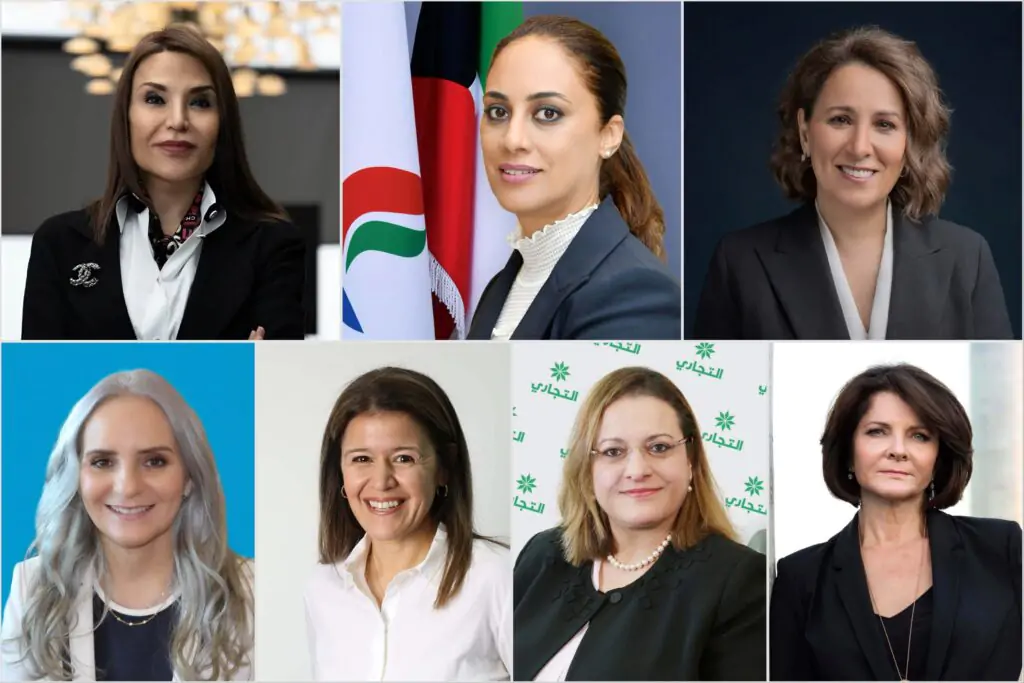
KUWAITI businesswomen shine in Forbes Middle East’s 2025 Power List

Kuwaiti businesswomen have once again earned recognition on Forbes Middle East’s prestigious list of the 100 most powerful female business leaders in the Middle East for 2025.

Forbes Middle East emphasized the significant and ongoing impact these women have across diverse sectors. Their leadership within prominent local and international companies demonstrates their influence in the region’s business landscape.

Shaikha Khaled Al Bahar

  • Company: National Bank of Kuwait Group (NBK Group)
  • Title: Deputy Group CEO
  • Sector: Banking & Financial Services

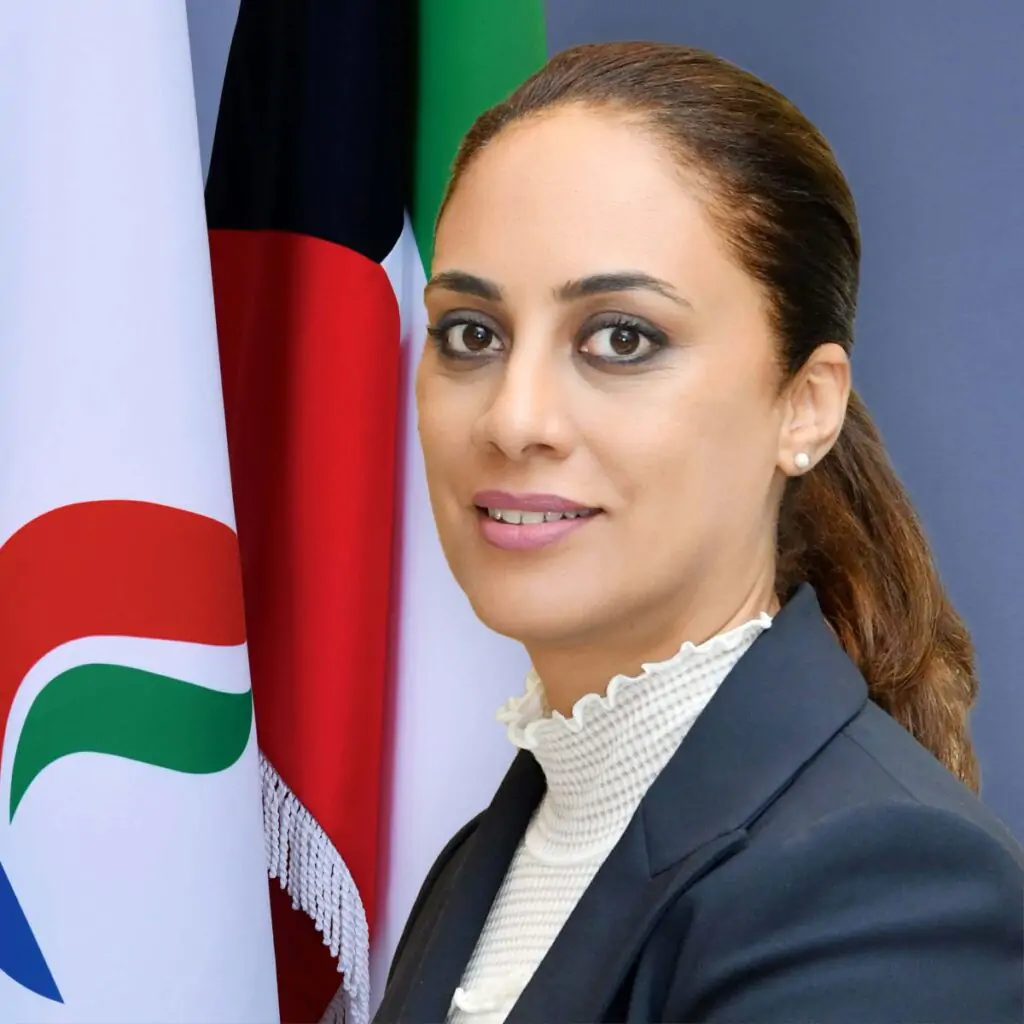
Ranking 2nd on the list is Shaikha Khaled Al Bahar who assumed her current role in 2014, where she leads the NBK Group in 13 countries. In the first nine months of 2024, the group reported profits of $1.6 billion and had $128.5 billion in assets. In November 2024, it launched the second edition of NBK RISE, to help empower women in leadership. Al Bahar’s board memberships include the board of trustees of the Al-Ojeiri Scientific Center and the Egyptian Kuwaiti Cooperation Council. She is also the vice chairperson of the Turkish Bank in Türkiye.

Wadha Ahmad Al-Khateeb

  • Company: Kuwait National Petroleum Company (KNPC)
  • Title: CEO
  • Sector: Oil & Gas

Ranking 4th on the list is Wadha Ahmad Al-Khateeb who joined KNPC in 1994 and assumed her role as CEO in 2022. KNPC, a wholly owned subsidiary of Kuwait Petroleum Corporation, owns subsidiaries like the Kuwait Aviation Fueling Company and the Kuwait Aromatics Company. It recorded $41.2 billion in revenues for the fiscal year 2023/24 ending March 2024. Wadha Al-Khateeb is also the acting CEO of the Kuwait Integrated Petroleum Industries Company, and vice chairperson of the Gulf Downstream Association. Before her current position, she was the deputy CEO of Mina Abdullah Refinery.

Dana Nasser Al Sabah

  • Company: Kuwait Projects Company (Holding) – KIPCO
  • Title: Group CEO
  • Sector: Diversified

Ranking 5th on the list is Dana Nasser Al Sabah who joined KIPCO in 2004 and has been a board member since 2020. She was appointed group CEO in January 2022. The company generated profits of $205.7 million in the first nine months of 2024 and had $41.6 billion in assets. In April 2024, KIPCO’s subsidiary, the OSN Group, closed a deal to combine OSN+, OSN’s content streaming platform, with Anghami, after acquiring 55.45% of Anghami. Dana Al Sabah is also the founder and chair of the board of trustees of the American University of Kuwait, and the chairperson of the United Education Company, Jordan Kuwait Bank, and the OSN Group.

Nadia Bader Al-Hajji

  • Company: Petrochemical Industries Company (PIC)
  • Title: CEO
  • Sector: Petrochemicals

Ranking 17th on the list is Nadia Bader Al-Hajji who joined PIC, a subsidiary of the Kuwait Petroleum Corporation, in 2019 and assumed her current role in 2022. PIC recorded a net profit of $127 million in the financial year ending March 2024. Al-Hajji is also the chairman of the EQUATE Group and the Kuwait Olefins Company. She is a board member at the Canada Kuwait Petrochemicals Company, and a board member and treasurer at the Gulf Petrochemicals and Chemicals Association. She is also head of the Diversity and Inclusion Council at the Kuwait Petroleum Company and its subsidiaries, among other roles.

Henadi Al-Saleh

  • Company: Agility
  • Title: Chairperson
  • Sector: Logistics

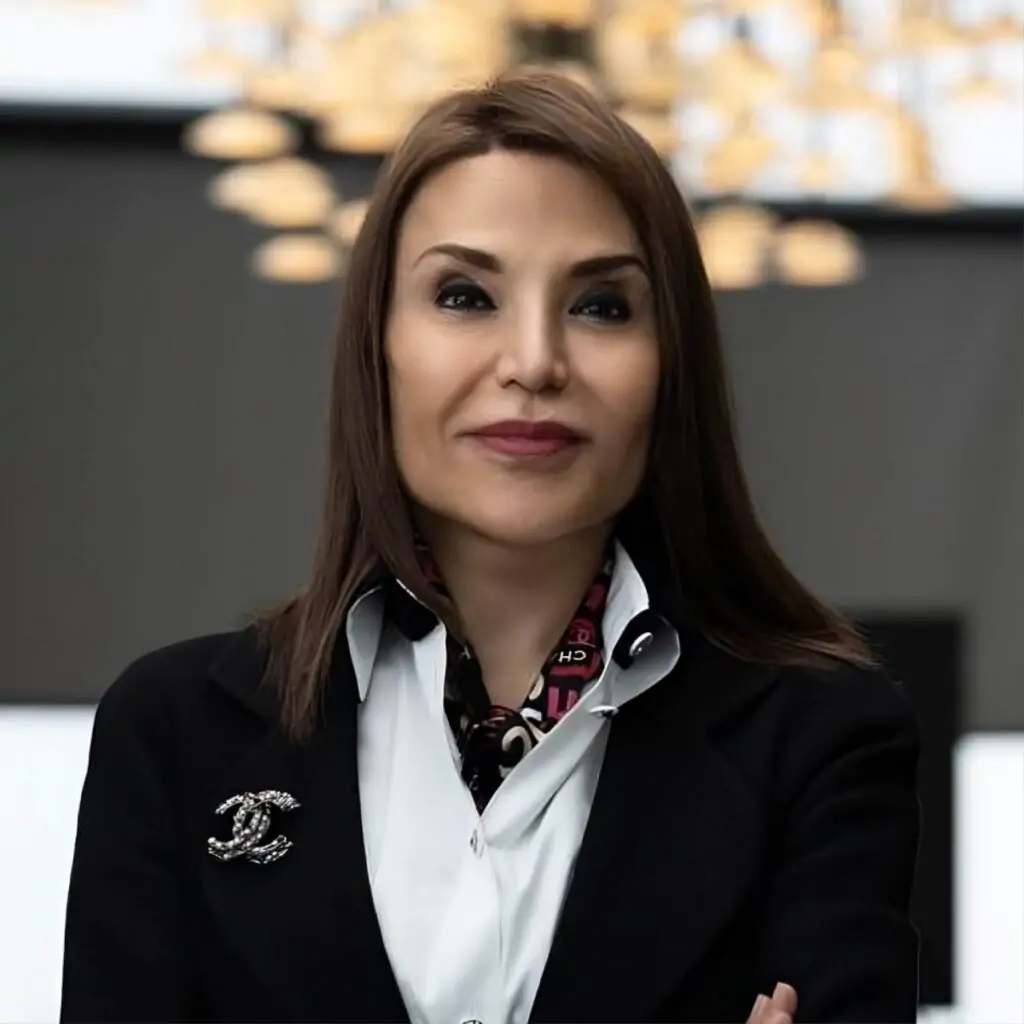
Ranking 22nd on the list is Henadi Al-Saleh who joined Agility in 2007 to lead investor relations, financial planning, and analysis. She was appointed to her current role in 2014. Agility employs over 65,000 people, with a footprint across six continents. In the first nine months of 2024, it generated $3.7 billion in revenues and had $13.3 billion in assets. In January 2024, its subsidiary Menzies Aviation acquired a 50% stake in Jardine Aviation Services Group in Hong Kong. In May 2024, Agility Global was listed on the Abu Dhabi Securities Exchange. Al-Saleh is also a board member at GWC and part of the Global Board of Advisors of the U.S.-based Council on Foreign Relations.

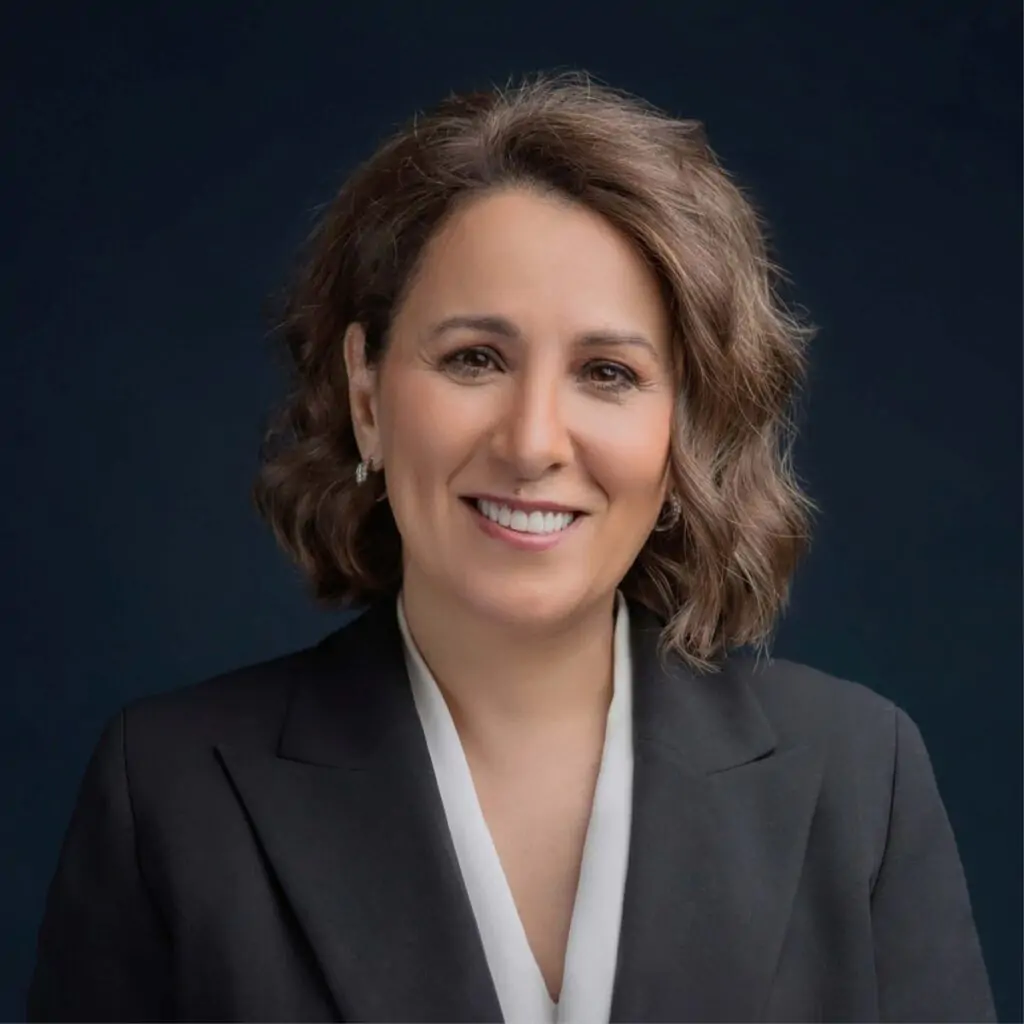
Elham Mahfouz

  • Company: Commercial Bank of Kuwait (Al-Tijari)
  • Designation: CEO
  • Nationality: Egyptian
  • Sector: Banking & Financial Services

Ranking 54th on the list is Elham Mahfouz who assumed her current role in 2014. In February 2024, Al-Tijari announced a partnership with Network International to aid its ongoing digital transformation, including fraud detection and prevention, tokenization, and cardholder self-serve application. In the first nine months of 2024, the bank had $15.2 billion in assets and recorded net profits of $290.6 million. Mahfouz has held multiple senior executive positions at Al-Tijari since joining the bank in 2000, including general manager in its New York branch.

Donna Sultan

  • Company: KEO International Consultants
  • Designation: President & CEO
  • Sector: Architecture

Ranking 58th on the list is Donna Sultan who has been at KEO since 1985, becoming CEO in 1991, then eventually president and CEO in 2016. The company launched OPTIMA, a facility management consultancy, in October 2024, and inaugurated its Jordan office in September 2024. In June 2024, the Kuwait Center for Nephrology and Kidney Transplant, which KEO International Consultants designed, became operational.

source/content: arabtimes.com (headline edited)

____________

____________

KUWAIT

OMAN Wins “Excellence, Innovation Award” at 26th Gulf Engineering Forum, Bahrain

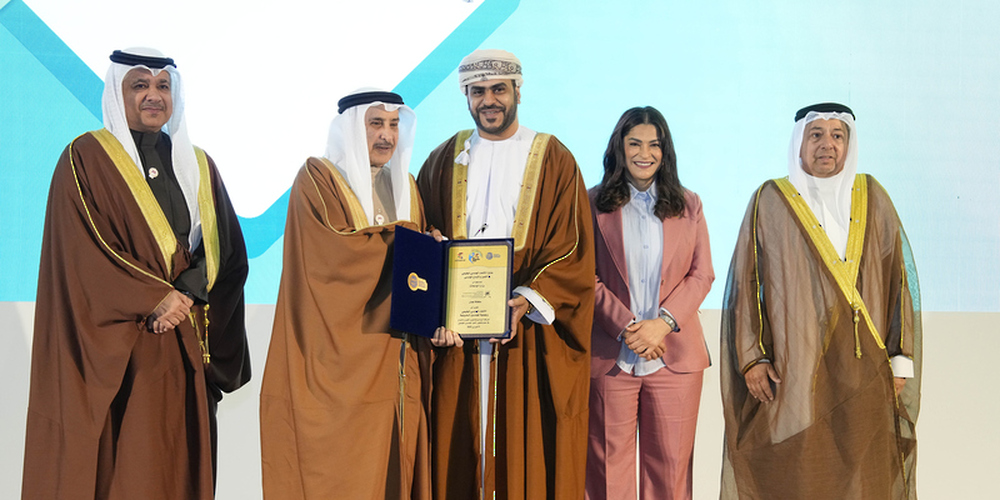
The Sultanate of Oman won the 26th Gulf Engineering Forum’s “Excellence and Innovation Award” through a project titled “Combined Combustion Truck for Carbon Reduction”.

The forum is being held in the Kingdom of Bahrain until 13 February 2025, under the theme “Challenges of Energy Conversion”. Oman is represented at the forum by the Ministry of Transport, Communications and Information Technology.

The project that won the award aims to reduce carbon emissions and promote sustainable mobility. Through this project, Blue Ice Oman is developing a combined combustion engine for trucks, using a blend of hydrogen and diesel. This contributes to 50 percent reduction of emissions. The initiative is in line with Oman’s Zero Neutrality Strategy 2050 to achieve zero emissions.

The 26th Gulf Engineering Forum brings together an elite group of experts specialized in the fields of environment conservation, energy and industry. The forum elaborates on engineering issues related to energy transformation and the challenges posed to this specialty. It seeks to reach the best innovative solutions, technologies and modern designs to address these challenges.

A number of dialogue sessions and workshops will be held during the three days of the forum. The activities will see the participation of a group of engineers, researchers and academics, who will exchange visions on energy transformation, renewable energy, decarbonization, technologies and innovations for devising a clean energy policy.

source/content: omannews.gov.om (headline edited)

__________

_________

OMAN

U.A.E: Saif bin Zayed honours winners of 3rd Global Government Excellence Award 2025

In the presence of His Highness Sheikh Mohammed bin Rashid Al Maktoum, Vice President and Prime Minister of the UAE and Ruler of Dubai, and His Highness Sheikh Mansour bin Zayed Al Nahyan, Vice President, Deputy Prime Minister and Chairman of the Presidential Court, Lieutenant General H.H. Sheikh Saif bin Zayed Al Nahyan, Deputy Prime Minister and Minister of Interior, honoured winners of the Global Government Excellence Award in its third edition, during the World Governments Summit 2025.

The awards ceremony was attended by H.H. Sheikh Khaled bin Mohamed bin Zayed Al Nahyan, Crown Prince of Abu Dhabi; H.H. Sheikh Hamdan bin Mohammed bin Rashid Al Maktoum, Crown Prince of Dubai, Deputy Prime Minister and Minister of Defence; H.H. Sheikh Maktoum bin Mohammed bin Rashid Al Maktoum, First Deputy Ruler of Dubai, Deputy Prime Minister and Minister of Finance; H.H. Sheikh Mohammed bin Hamad bin Mohammed Al Sharqi, Crown Prince of Fujairah; and H.H. Sheikh Mohammed bin Saud bin Saqr Al Qasimi, Crown Prince of Ras Al Khaimah.

The Global Government Excellence Award recognises pioneering government initiatives and practices worldwide that improve quality of life and address societal challenges. As the first of its kind in the global government sector, it encompasses all countries and cultures, emphasising originality and sustainable, impactful outcomes.

The ‘Ubongo’ digital learning programme from Tanzania won the Technological Innovation for Social Inclusion award. The programme bridges educational gaps by offering digital content in subjects like maths, science, and languages, while providing interactive tools for teachers. It aims to reduce disparities between urban and rural areas, ensuring equal learning opportunities for all children.

The municipality of Cascais in Portugal won the award for Innovation in Environmental Sustainability and Community Engagement award for its ‘iRec’ recycling project. The initiative uses smart devices to encourage recycling, rewarding participants with points for services. In its first year, it collected one million packages (70 tonnes), demonstrating its success in promoting sustainability.

The award’s research and nomination process is based on scientific and international criteria to identify global best practices that improve quality of life, demonstrate innovation, and achieve sustainable outcomes. The third edition was marked by substantially higher quality in terms of initiatives nominated, broader global participation, more winners, and an expanded scope to include all continents. The award aims to highlight governments focused on enhancing quality of life, inspiring worldwide efforts in governance and development.

Launched during the World Governments Summit 2023, the World Government Excellence Award is a prestigious international accolade that celebrates outstanding government initiatives and best practices across the globe.

The World Governments Summit serves as an international platform for anticipating and shaping the future of governance and a hub for global awards that promote innovation and excellence in government work. This year, the WGS Awards include the Best Minister in the World Award, Creative Government Innovation Award, Government Technology Award, Global Government Excellence Award, and the Best Teacher in the World Award.

source/content: wam.ae (headline edited)

____________

____________________________________

UNITED ARAB EMIRATES (U.A.E)

EGYPTIAN-AMERICAN : Freeze-frame: U of A researchers led by Physicist Prof. Mohammed Hassan develop World’s Fastest Microscope that can see electrons in motion

Imagine owning a camera so powerful it can take freeze-frame photographs of a moving electron – an object traveling so fast it could circle the Earth many times in a matter of a second. Researchers at the University of Arizona have developed the world’s fastest electron microscope that can do just that.

They believe their work will lead to groundbreaking advancements in physics, chemistry, bioengineering, materials sciences and more.

“When you get the latest version of a smartphone, it comes with a better camera,” said Mohammed Hassan, associate professor of physics and optical sciences. “This transmission electron microscope is like a very powerful camera in the latest version of smart phones; it allows us to take pictures of things we were not able to see before – like electrons. With this microscope, we hope the scientific community can understand the quantum physics behind how an electron behaves and how an electron moves.”

Hassan led a team of researchers in the departments of physics and optical sciences that published the research article “Attosecond electron microscopy and diffraction” in the Science Advances journal. Hassan worked alongside Nikolay Golubev, assistant professor of physics; Dandan Hui, co-lead author and former research associate in optics and physics who now works at the Xi’an Institute of Optics and Precision Mechanics, Chinese Academy of Sciences; Husain Alqattan, co-lead author, U of A alumnus and assistant professor of physics at Kuwait University; and Mohamed Sennary, a graduate student studying optics and physics.

A transmission electron microscope is a tool used by scientists and researchers to magnify objects up to millions of times their actual size in order to see details too small for a traditional light microscope to detect. Instead of using visible light, a transmission electron microscope directs beams of electrons through whatever sample is being studied. The interaction between the electrons and the sample is captured by lenses and detected by a camera sensor in order to generate detailed images of the sample.

Ultrafast electron microscopes using these principles were first developed in the 2000’s and use a laser to generate pulsed beams of electrons. This technique greatly increases a microscope’s temporal resolution – its ability to measure and observe changes in a sample over time. In these ultrafast microscopes, instead of relying on the speed of a camera’s shutter to dictate image quality, the resolution of a transmission electron microscope is determined by the duration of electron pulses.

The faster the pulse, the better the image.

Ultrafast electron microscopes previously operated by emitting a train of electron pulses at speeds of a few attoseconds. An attosecond is one quintillionth of a second. Pulses at these speeds create a series of images, like frames in a movie – but scientists were still missing the reactions and changes in an electron that takes place in between those frames as it evolves in real time. In order to see an electron frozen in place, U of A researchers, for the first time, generated a single attosecond electron pulse, which is as fast as electrons moves, thereby enhancing the microscope’s temporal resolution, like a high-speed camera capturing movements that would otherwise be invisible.

Hassan and his colleagues based their work on the Nobel Prize-winning accomplishments of Pierre Agostini, Ferenc Krausz and Anne L’Huilliere, who won the Novel Prize in Physics in 2023 after generating the first extreme ultraviolet radiation pulse so short it could be measured in attoseconds.

Using that work as a steppingstone, U of A researchers developed a microscope in which a powerful laser is split and converted into two parts – a very fast electron pulse and two ultra-short light pulses. The first light pulse, known as the pump pulse, feeds energy into a sample and causes electrons to move or undergo other rapid changes. The second light pulse, also called the “optical gating pulse” acts like a gate by creating a brief window of time in which the gated, single attosecond electron pulse is generated. The speed of the gating pulse therefore dictates the resolution of the image. By carefully synchronizing the two pulses, researchers control when the electron pulses probe the sample to observe ultrafast processes at the atomic level.

“The improvement of the temporal resolution inside of electron microscopes has been long anticipated and the focus of many research groups – because we all want to see the electron motion,” Hassan said. “These movements happen in attoseconds. But now, for the first time, we are able to attain attosecond temporal resolution with our electron transmission microscope – and we coined it ‘attomicroscopy.’ For the first time, we can see pieces of the electron in motion.”

source/content: eurekaalert.org / University of Arizona / (headline edited)

_________

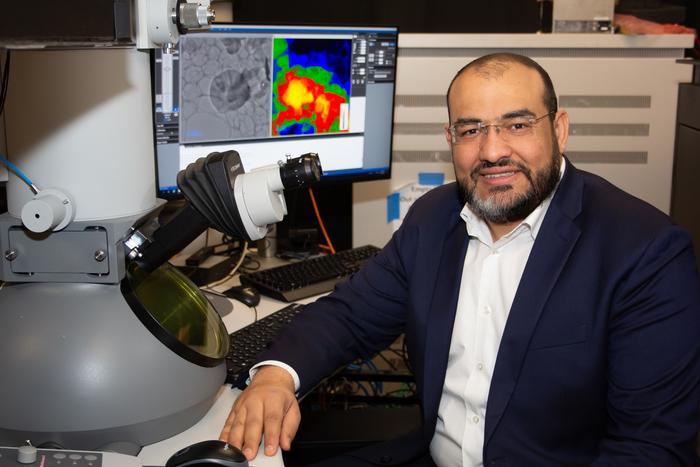
Mohammed Hassan, associate professor of physics and optical sciences, let a group of researchers in developing the first transmission electron microscope powerful enough to capture images of electrons in motion.

___________________________

AMERICAN / EGYPTIAN

EGYPTIAN-BRITISH : Making history again! Egyptian heart surgeon Sir Magdi Yacoub innovates valves that grow naturally in body

Making history again! Egyptian heart surgeon Sir Magdi Yacoub innovates valves that grow naturally in body.

This pioneering innovation envisions the development of biological heart valves that can grow and be accommodated naturally within the human body. This opens the door to a new era in heart disease treatment. 

The prospect of heart valves naturally expanding within the body, a concept once confined to science fiction, is now on the brink of realization, thanks to the remarkable discovery spearheaded by renowned heart surgeon Professor Sir Magdi Yacoub.

While the initial study documenting this breakthrough was unveiled in Nature in 2023, recent media coverage has underscored its practical implications.

Esteemed publications like The Times have pinpointed this cutting-edge innovation’s profound impact on biomedical science and medical engineering. They have recognized it as a monumental leap in the realm of healthcare.

On Monday, Dr. Yacoub discussed the latest developments in this field with Egyptian talk show host Amr Adib.

He explained how his team has engineered temporary heart valve scaffolds composed of surgically implanted fibres into the body.

These scaffolds gradually disintegrate over time, leaving behind a living, fully functional valve crafted from the patient’s tissues, a testament to the marvels of modern medical ingenuity.

source/content: english.ahram.org.eg (headline edited)

______________

Sir Magdi Yacoub

_____________________________

EGYPT / UNITED KINGDOM