JORDAN : ‘We are in a phase as big as the printing press’: How Jordan became Arab world’s blueprint for media literacy

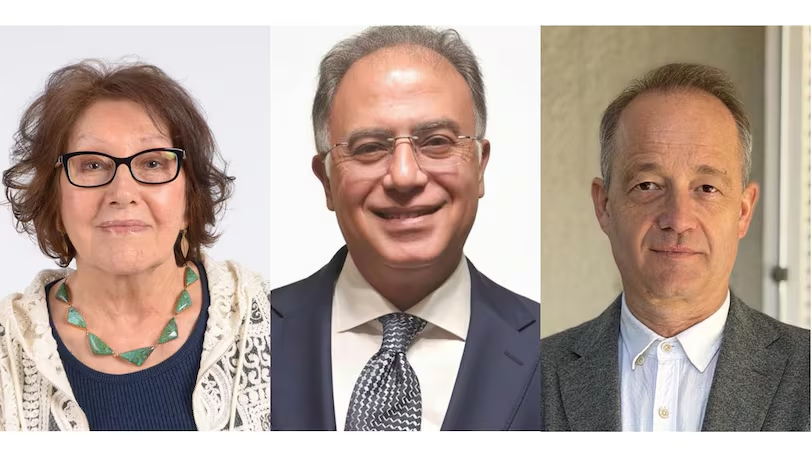
In interview with Arab News, Jordan Media Institute dean Dr. Ziad Rifai discusses urgent need to equip citizens with tools to navigate today’s information ecosystem

Working alongside UNESCO and the Jordanian government, JMI has spearheaded 2 successive national media literacy strategies, establishing Jordan as a regional model

Sitting comfortably in his office in Amman, Dr. Ziad Rifai does not immediately strike you as someone whose grand mission is to fight information warfare.

The dean of the Jordan Media Institute and architect of its media literacy program — one of the first and most comprehensive initiatives of its kind in the Arab region — draws on decades of experience, appearing at times measured while promising to take on a David vs. Goliath challenge.

“Everybody now that has a phone basically has a TV, a radio station, a newspaper. All the media have been consolidated into this small phone,” he told Arab News. “And with that, with the amount of abuse that we’ve witnessed — the hate speech, the echo chambers, the misinformation, the disinformation, the rumors — all that necessitated that we need to do something about it.”

Founded in 2006 by HRH Princess Rym Ali as the first institution in the region to offer an Arabic-language MA in journalism and modern media, in partnership with the University of Jordan, JMI has evolved to keep pace with a rapidly shifting industry. Over the years it has introduced new courses — including mobile journalism and data journalism — alongside its media literacy program.

“Our focus is on journalism, creating journalists who are experienced, dedicated, ethical. That’s the core of our mission,” Rifai said. “But, as you know very well, the media scene is changing rapidly. So, while keeping the basic principles, we had to branch out into the new media scene.”

Rifai, who has worked across newsrooms, the UN, Jordan TV and the Higher Media Council, has watched this transformation unfold over five decades. He recalls a Jordan with one radio station, then the arrival of a single television channel and a handful of newspapers. Invoking Wilbur Schramm — the American scholar widely regarded as the father of modern communication theory, whose four-press model was first published in 1956 — he says the world has grown far more complex since then.

“Things have gotten so mixed up,” he added. “We are in a phase that’s as big as inventing the printing press, if not more. The problem is that the forces that are pushing the change, nobody knows who they are. And I’m not so sure if anybody can control where they’re going. Not to mention if they know where they’re going.”

That chaos, he suggested, is most acutely felt in the information ecosystem, where speed routinely outpaces safeguards — and where the general public is left with few tools to navigate the difference.

“The biggest challenge we have is with the speed that things change. The problem is how to catch up and have enough time to do interventions, awareness, education and introduce legislations.”

AI has become the defining example. In April, UNESCO examined how algorithmic AI systems are transforming information dynamics and amplifying risks — from misinformation to deepfakes — ultimately threatening trust in media and democratic integrity. The report argues that media and information literacy is the critical response. Yet follow-up initiatives, Rifai said, too often become mired in bureaucracy.

“For any initiative like this to take hold in a society, you need a champion. You need someone who believes in the idea and who pushes (it) forward,” he added.

JMI has been that champion in Jordan, working with the government domestically and relying on UNESCO as an international partner to strengthen credibility.

“We are the catalyst, we’re the advocates. UNESCO has the expertise and the global knowledge, but not the local,” said Rifai. “However, without the state, nothing will take hold, especially in our region.”

The model, he argues, is replicable. JMI is already exporting its expertise to a group of countries across the region.

“If (a country) took the strategy that we have and looked at it, they might change dates, they might change budgets, they might change partners, but the basic pillars of the strategy would probably be applicable in most of our region because the phenomenon is universal.”

JMI’s work operates on two levels: national policy design and hands-on training. Following an experimentation phase around 2014, Jordan moved to official adoption in 2019, when media literacy was placed on the government’s priority list alongside pilot projects in schools and youth spaces. The first National Strategy for Media and Information Literacy (2020–2023) earned recognition from UNESCO and a number of Arab and European officials, establishing Jordan as the first Arab country with a comprehensive, formal MIL plan. In late 2025, Jordan launched a second strategy for 2026–2029, again with UNESCO and JMI as core partners.

“The second strategy has full ownership of the government and all the elements of sustainability — that’s what the first strategy did not have,” Rifai said.

The program targets all age groups and all sectors of society, adjusting only in terms of sophistication.

“It essentially targets all sectors of operation. What differs is the level of sophistication,” said Rifai, adding that a 50-year-old housewife can be as active a disseminator of misinformation as a teenager. MIL concepts are now integrated into school curricula across subjects including religion, social sciences and Arabic — but Rifai is candid about the gap between integration and application.

“In my previous career at the UN, we integrated concepts of reproductive health and family planning in two books. The challenge was that teachers didn’t teach it. It was in the book, but in the classroom, they just skipped it. Either because they didn’t believe in it, or because they thought it wasn’t important.”

Monitoring implementation, he acknowledges, is the next frontier. “If awareness is not translated to behavioral impact or behavioral change, it’s not worth the objective. At the end of the day, the campaign should change behaviors and not just create that awareness. Awareness might be the first step in that direction.”

The ambition extends beyond classrooms. This week, JMI signed a memorandum of understanding with Jordan’s Higher Council for the Rights of Persons with Disabilities to develop a code of ethics for journalists covering disability — an area Rifai describes as a blind spot in regional media.

“People with disabilities are absent, at least in our region, from the media scene,” he said. “Whenever you see a person with disability in media, it’s either portrayed as, ‘oh, poor guy,’ or, ‘oh, how wonderful, he got a degree in science.’ Both, from their perspective, it’s the wrong approach. Just treat them like normal human beings.”

He framed the partnership as explicitly two-directional: JMI bringing journalism expertise, the council bringing lived experience.

Rifai acknowledges the world remains full of challenges, but believes the goal is to take back enough control to exploit technology’s possibilities rather than be consumed by them.

“It’s not easy to predict where we’re going. What we know for sure is that things seem to be going out of hand, in terms of media proliferation. We’re being pushed to becoming more and more reliant on (a specific technology), and less and less having any input on controlling where it’s going.”

He sees it, ultimately, as a double-edged sword. “The chaotic scene has its pitfalls,” he said, “but at the end of the day, it is allowing everybody to say what they want. For the first time, there’s freedom of information and everybody now is telling his or her story without the control. It could go either way, and I wouldn’t put money on either side of that prediction.”

For JMI, however, the mission remains constant. “No matter what happens with the media, we should not lose sight of that importance of having a proper journalism. At the end of the day, what matters is what you’re going to say and how you’re going to say it. We will continue to hold the principles and the ethical message of proper journalism. That will continue to be our role, no matter what new technologies or wars come.”

source/content: arabnews.com (headlines edited)

____________
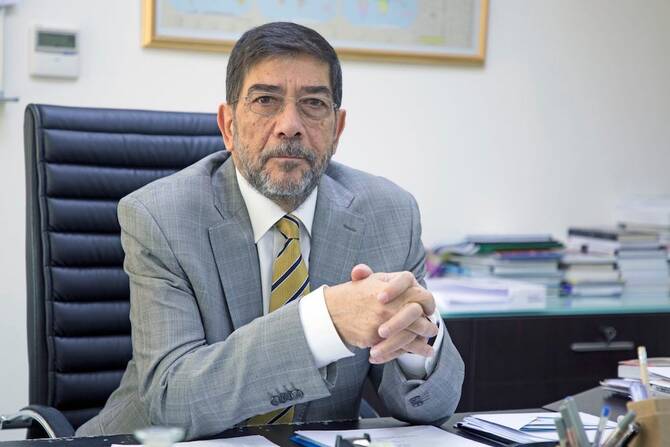
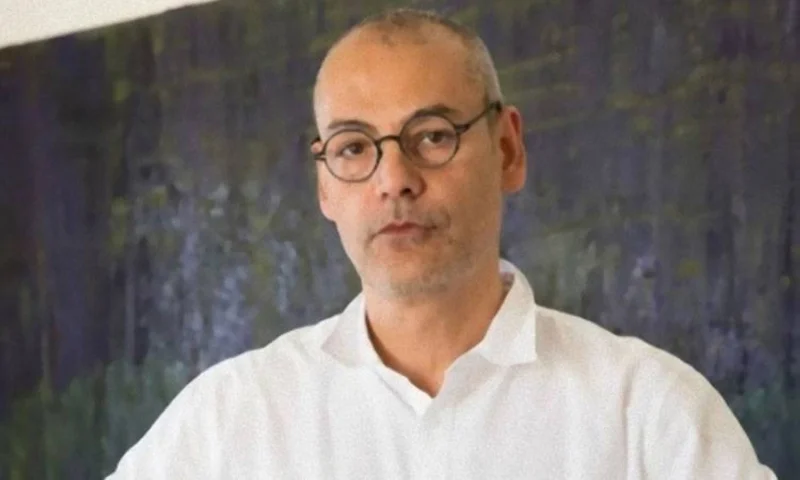
Dr. Ziad Rifai, dean of the Jordan Media Institute and architect of its media literacy program, spoke to Arab News about one of the first and most comprehensive initiatives of its kind in the Arab region. (Supplied)

___________

JORDAN
ABU DHABI, U.A.E : Sheikh Zayed Book Award names 2026 winners and outlines plans for 20th anniversary

Authors, scholars and institutions from Arab world and beyond honoured as Abu Dhabi prize celebrates two decades of cultural influence.

The 2026 winners of the Sheikh Zayed Book Award were announced on Friday, marking two decades of one of the Arab world’s most influential literary prizes.

Established in 2006 and held under the patronage of President Sheikh Mohamed, the award has grown into a fixture on the region’s cultural calendar, drawing submissions from across the world and supporting the global reach of Arabic literature.

This year’s winners reflect that international scope, with recipients from countries including Egypt, Morocco, Germany and the UAE.

Egyptian writer Ashraf Elashmawy took the Literature prize for his novel Births in the Zoo, a work that explores shifts in Egyptian society through closely observed, character-driven storytelling. Moroccan researcher Mustapha Rajouane won in the Young Author category for a study examining how rhetoric shapes narrative in the modern Arabic novel.

In Translation, Iraqi-American scholar Nawal Nasrallah has been recognised for her English edition of a 13th-century Arabic culinary text, bringing a complex historical manuscript to a wider readership. Jordanian academic Zuhair Tawfiq received the Literary and Art Criticism award for his study of how Arab and western cultures have historically imagined one another.

German writer and translator Stefan Weidner won in the Arab Culture in Other Languages category for a major anthology of pre-Islamic Arabic poetry, while the Emirates Literature Foundation was honoured for its role in developing the UAE’s literary scene and supporting readers and writers.

The Encyclopaedias and Lexicons category went to Egyptian academic Mohamed Elkhosht for his six-volume Encyclopaedia of World Religions, and veteran Egyptian singer Nagat Al Saghira was named Cultural Personality of the Year, recognising a career that has helped shape modern Arabic song and language.

More than 4,000 submissions were received from 74 countries, underlining the award’s growing international profile. Since its launch, it has attracted more than 33,000 entries and honoured 136 winners, including writers, translators and cultural institutions.

Mohamed Khalifa Al Mubarak , chairman of the Department of Culture and Tourism – Abu Dhabi, said the award continues to build on the UAE’s long-standing investment in culture and knowledge, while Ali bin Tamim, secretary general of the award, described it as a platform that has helped shape contemporary Arabic literary and research landscapes.

A programme of events is planned throughout the year to mark the award’s 20th anniversary. Winners will be honoured at a ceremony in Abu Dhabi, with Al Saghira receiving Dh1 million for being Cultural Personality of the Year, and other category winners awarded Dh750,000 each.

source/content: nationalnews.com (headline edited)

____________

From left, Nawal Nasrallah, Ashraf Elashmawy and Stefan Weidner are among the winners of the 20th edition. Photo: Sheikh Zayed Book Award

_____________________________________________

EGYPT / IRAQ / JORDAN / MOROCCO / U.A.E

ARAB ARTEFACTS : France restitution bill puts five colonial-era artefacts from Algeria, Egypt and Jordan back in focus

As country debates easing return of treasures, attention turns to regional pieces still held in its national collections.

French lawmakers are debating a new bill aimed at simplifying the return of colonial-era cultural objects to their countries of origin, drawing renewed attention to artefacts still held in France’s national collections, which number in the tens of thousands.

The draft legislation was unanimously approved by the Senate in January and now requires backing from the lower house, the Assemblee Nationale, before it can become a law.

While not all cases are at the same stage, these five objects from Algeria, Egypt and Jordan sit within that broader restitution debate, whether through formal state requests, public campaigns or long-standing calls for their return.

1. Baba Merzoug, Algeria

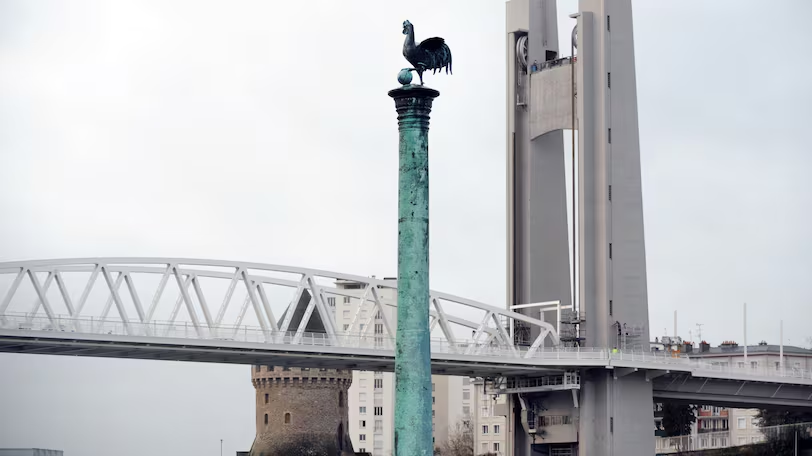
The 16th-century cannon known as Baba Merzoug at the Arsenal of Brest in western France. AFP

The 16th-century bronze cannon from the Ottoman era in Algiers is housed at the naval base in the French coastal city of Brest after being taken by French forces in 1830 following the capture of Algiers.

While seized as a spoil of war, the cannon remains a politically charged symbol of French colonial rule in Algeria. The Algerian government formally requested its return in 2012, and the cannon was explicitly cited during the April 2026 parliamentary debate over France’s proposed restitution framework.

2. Emir Abdelkader’s effects, Algeria

Rather than a single object, this refers to personal items associated with the 19th-century Algerian leader Emir Abdelkader, who led the resistance against French invasion before his surrender in 1847.

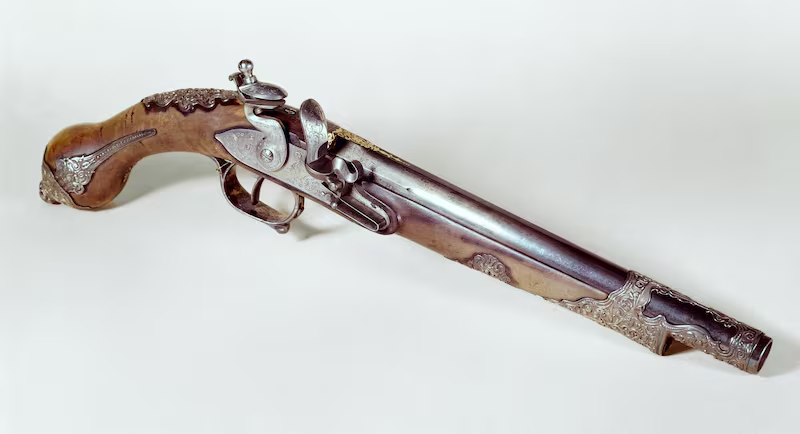
Held across French collections including at Musee de l Armee in Paris and Musee Conde in Chantilly, the objects include a steel sabre, pistol, ceremonial cloak and related belongings linked to Abdelkader’s life and leadership.

Algeria has included these effects on a formal restitution list submitted to French authorities in 2021, and they remain a sensitive part of the wider dispute over colonial-era holdings.

3. Dendera Zodiac, Egypt

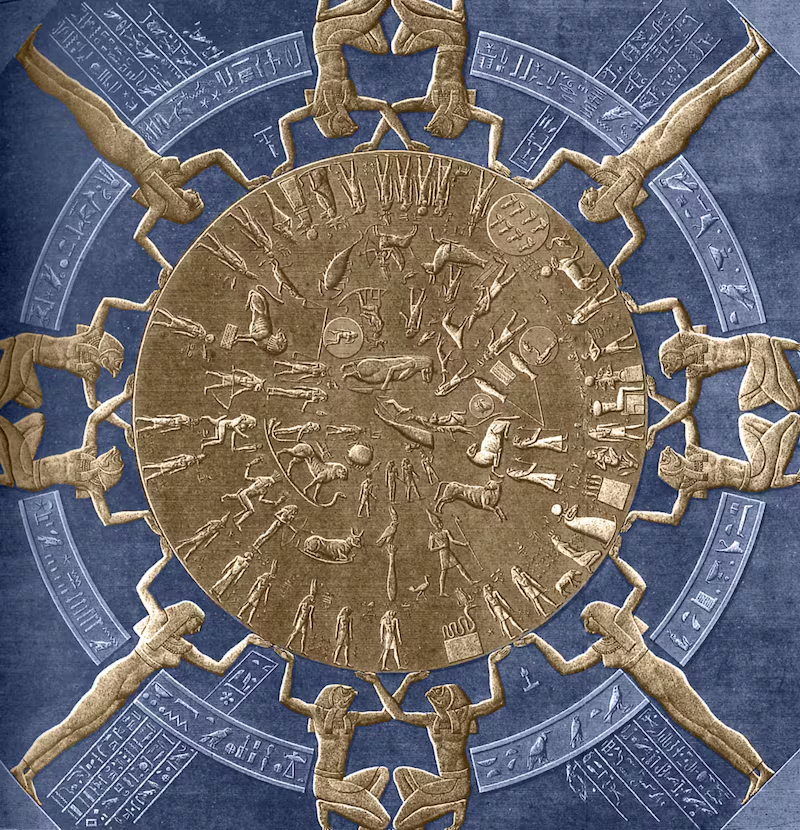
The Dendero Zodiac is an ancient bas-relief that formed part of the ceiling of the Temple of Hathor in Upper Egypt and is now held at the Louvre in Paris.

Removed in the early 19th century, it has been part of the Louvre collection since 1822 and has become one of the most recognisable Egyptian antiquities in a French museum.

While there is no verified formal Egyptian state request for its return, the object has been repeatedly cited in public repatriation campaigns, including those led by archaeologist and former antiquities minister Zahi Hawass.

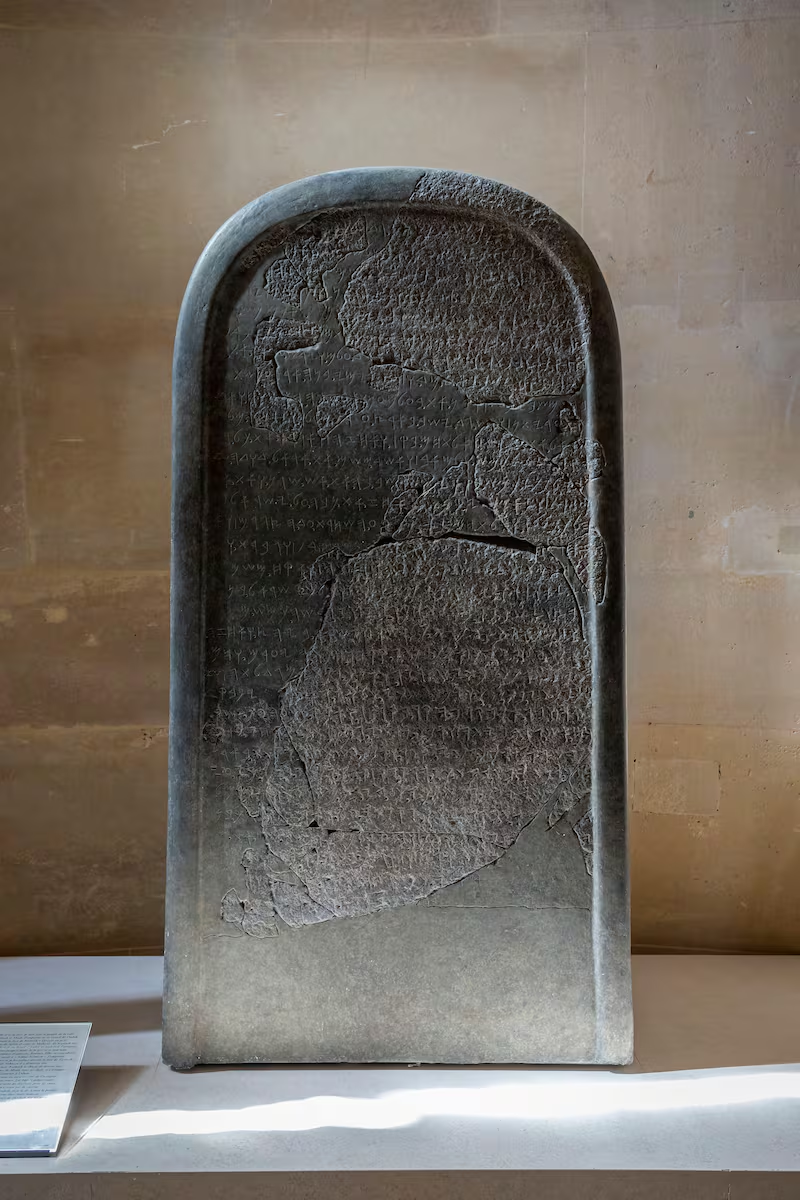
4. Mesha Stele, Jordan

Also known as the Moabite Stone, the Mesha Stele is a 9th-century BC basalt monument from present-day Jordan and is considered one of the most important inscriptions from the ancient Levant.

Discovered in 1868 by the Anglican missionary Frederick Augustus Klein at Dhiban, it was later shattered by the Bani Hamida tribe over an ownership dispute, before the fragments were recovered and reassembled in France.

In June 2014, non-governmental Mesha Centre for Studies and Human Rights delivered an official request for the stele’s return to the French embassy in Amman.

The Jordan Times reported in 2015 that French ambassador Caroline Dumas discussed the request with representatives and said she would convey their public appeal to the French government. No formal response has been reported.

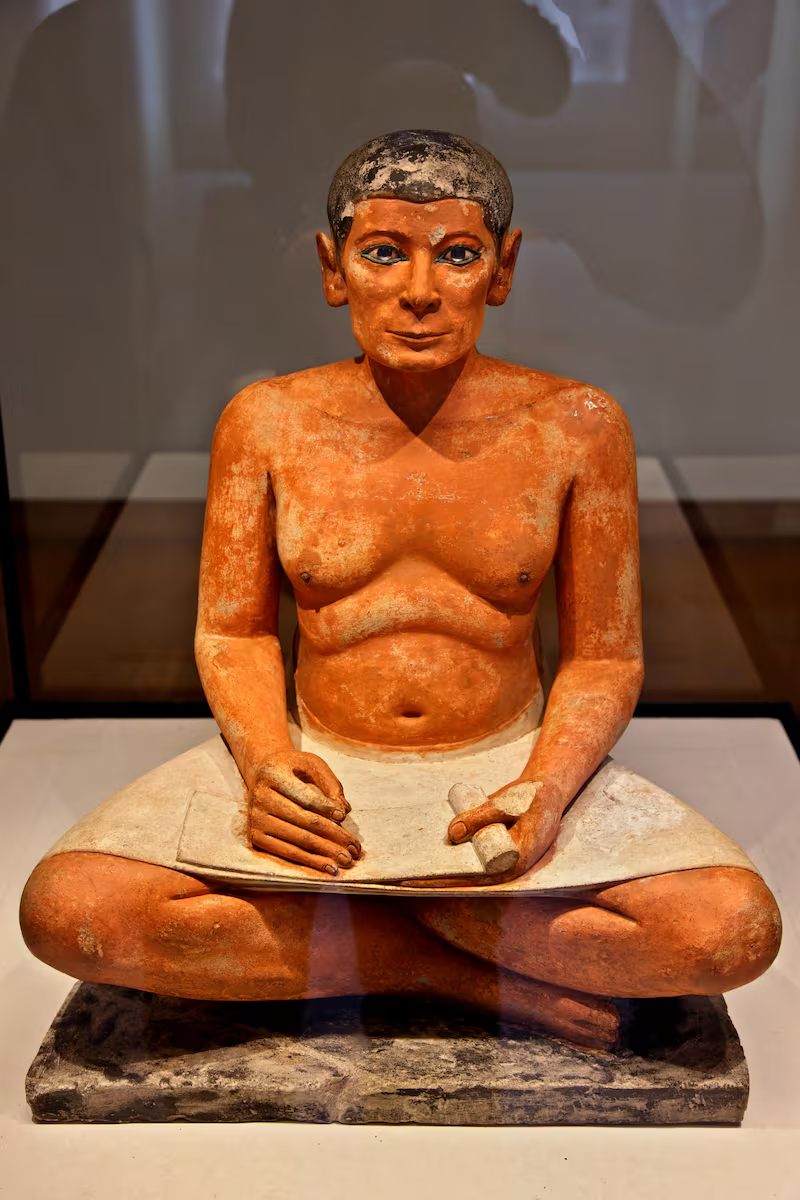
5. The Seated Scribe, Egypt

One of the Louvre’s most famous Egyptian works, the Seated Scribe is a painted limestone sculpture from the Old Kingdom, dating back to circa 2600BC-2350BC. It is famed for its striking realism and remarkably preserved features.

Found at Saqqara in the 19th century by the French archaeologist Auguste Mariette, it is among the most celebrated masterpieces of the Louvre’s Department of Egyptian Antiquities.

While the Egyptian government has not included the Seated Scribe on any formal restitution lists, it has appeared in broader public discussion in Egyptian cultural circles around the recovery of major artefacts held abroad.

source/content: thenationalnews.com

______________

ALL PHOTOS ABOVE

_____________________________

ALGERIA / EGYPT / JORDAN

SAUDI ARABIA : King Faisal Prize winners announced for 2026

Pioneering scientist behind revolutionary weight-loss drugs, global scholars, innovators among winners.

The King Faisal Prize 2026 winners were announced at a ceremony in Riyadh on Wednesday night.

The event honored pioneering scientists, global scholars and innovators for their transformative contributions to medicine, science, Arabic language, Islamic studies and the service of Islam.

Prof. Svetlana Mojsov was named winner in the medicine section for her groundbreaking discoveries that are now reshaping how we treat obesity.

Prof. Carlos Kenig was announced as science laureate in the field of mathematics for helping to revolutionize understanding of nonlinear partial differential equations.

Mojsov, the Lulu Chow Wang and Robin Chemers Neustein research associate professor at The Rockefeller University in New York, pioneered research on glucagon-like peptide-1 (GLP-1) that has fundamentally transformed how obesity and diabetes are treated.

She discovered and characterized the biologically active form of GLP-1, a natural intestinal hormone that regulates blood sugar and appetite, and identified its receptors in the human pancreas, heart, and brain.

Through cutting-edge biochemistry and physiological studies, Mojsov demonstrated that GLP-1 powerfully stimulates insulin secretion while reducing hunger and managing glucose levels.

Her groundbreaking work enabled the development of an entirely new class of medications that mimic this natural hormone, sparking a paradigm shift in obesity treatment.

These therapies today provide life-changing benefits for hundreds of millions of people worldwide living with obesity and its complications — a global health crisis affecting 890 million adults and 160 million children and adolescents in 2022 alone, according to the World Health Organization.

Mojsov’s groundbreaking contributions have earned numerous prestigious honors, including Time magazine naming her one of the 100 Most Influential People in 2024.

Kenig was honored for his groundbreaking contributions to mathematical analysis. His work has transformed understanding of nonlinear partial differential equations — the mathematical equations describing how things change and move in the physical world — and provided researchers with a now-ubiquitous set of techniques. His insights have opened new research frontiers with applications spanning fluid mechanics, optical fibers, and medical imaging.

Kenig, the Louis Block distinguished service professor at the University of Chicago, is recognized for applying harmonic analysis techniques across different areas of partial differential equations.

His work on free boundary problems — determining unknown boundaries such as where ice meets melting water or how fluids flow through soil — has been particularly influential.

Kenig has spent three decades figuring out how complex waves behave over long periods of time, especially in tricky situations where they could either spread out peacefully or build up dangerously.

This matters for understanding everything, from ocean waves to light pulses in fiber optics and to how energy moves through different materials.

His work helps explain phenomena in quantum mechanics, optics, and ocean waves. By combining different mathematical techniques, he has solved longstanding problems that had puzzled mathematicians for decades.

In addition to medicine and science, the King Faisal Prize recognized the achievements of outstanding thinkers and scholars in the field of Arabic language and literature, Islamic studies, and exemplary leaders who have played a pivotal role in serving Islam, Muslims, and humanity at large.

Pierre Larcher, an emeritus professor of Arabic linguistics at Aix-Marseille University and emeritus researcher at the Institute for Studies and Research on the Arab and Muslim Worlds, won this year’s King Faisal Prize for Arabic Language and Literature on “Arabic literature in French.”

His novel presentation of Arabic literature to French readers has earned widespread acclaim from critics and specialists, while his rigorous scholarly approach to classical Arabic literature has made it accessible and appropriate for French culture.

His critical translation project of “Al-Mu’allaqat” and rigorous study of pre-Islamic poetry demonstrate exceptional scholarly depth.

For this year’s Islamic Studies Prize, Abdelhamid Hussein Mahmoud Hammouda, the professor of Islamic history and civilization at Fayoum University, and Mohamed Waheeb Hussein, the professor of archaeology and history of art at the Hashemite University, were announced as co-laureates.

Hammouda’s work encompasses the trade routes across the Islamic world — the Mashreq, Iraq and Persia, Arabian Peninsula, Greater Syria, Egypt, Sahara, Maghreb, and Al-Andalus. This expansive scope delivers coherent understanding of Islamic trade trajectories across history, serving as an authoritative reference for both specialized research and broader scholarship.

Hussein’s groundbreaking work uses archaeological surveys, GPS documentation, and analytical mapping to systematically correlate Qur’anic texts with geographical data. His research offers definitive scholarly interpretation, significantly advancing documentation of early Arabian Peninsula trade routes.

Sheikh Abdullatif Al-Fozan and Dr. Mohammad Abou Moussa were announced as co-laureates in the Service to Islam Prize.

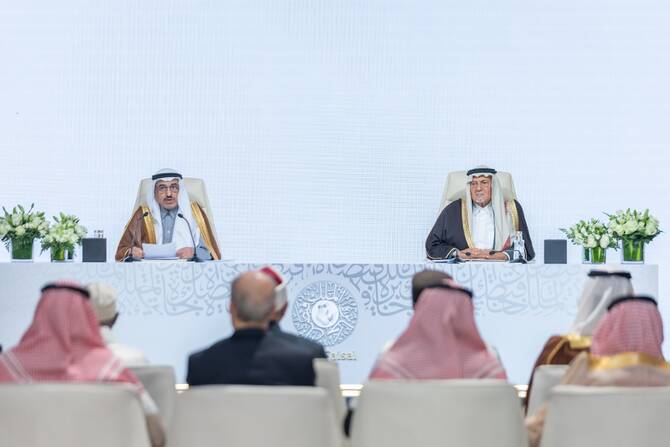
Laureates’ names were announced by Prince Turki Al-Faisal and the King Faisal Prize’s Secretary-General Dr. Abdulaziz Alsebail.

Selection committees included experts, specialists, and scholars who met in Riyadh and examined the nominated works. They selected the laureates in an objective and transparent manner, in accordance with the rules and regulations.

The KFP was established in 1977, and was awarded for the first time in 1979 in three categories: service to Islam, Islamic studies, and Arabic language and literature. Two additional categories were introduced in 1981: medicine and science. The first medicine prize was awarded in 1982, and in science two years later.

Since 1979 the KFP has given awards to more than 300 laureates who have made distinguished contributions to different sciences and causes.

Each prize laureate is endowed with $200,000, a 24-carat gold medal weighing 200 grams, and a certificate inscribed with the laureate’s name and a summary of the work that qualified them for the prize.

source/content: arabnews.com (headlines edited) 

_____________

King Faisal Prize laureates’ names for 2026 were announced in Riyadh on Wednesday night by Prince Turki Alfaisal and the Prize’s Secretary General Dr. Abdulaziz Alsebail. (Supplied)

_______________________________________________________

EGYPT / JORDAN / PALESTINE / SAUDI ARABIA (*Arab)


JORDAN : Mohammed Bin Rashid congratulates Jordanian Engineer Sahel Al Hayari for winning ‘Great Arab Minds award 2024’

His Highness Sheikh Mohammed Bin Rashid Al Maktoum, Vice President, Prime Minister and Ruler of Dubai, congratulated architectural engineer Sahel Al Hayari, winner of the Great Arab Minds Award 2024 in the field of architecture and design.

Sheikh Mohammed said on X platform, “Today, we congratulate the winner of the Great Arab Minds Award 2024, Architectural Engineer Sahel Al Hayari from Jordan.”

Sheikh Mohammed said that Architect Al Hayari presents designs which combine heritage and modernity, identity and nature and has excelled in many distinctive architectural projects and participated in teaching architecture and presenting his research and works in the most prominent universities around the world.

Sheikh Mohammed emphasised that Arab architecture has influenced human civilisation through its unique styles and designs throughout history, and that there are many exceptional Arab talents among architects and designers who deserve support, empowerment, and appreciation.

Al Hayari is known for integrating innovative modern design with traditional Arab stonework, and for blending contemporary architectural elements with historical context. He has promoted the presence of Arab stone architecture from Jordan in international circles, and his unique style has created an interactive dialogue between topography and architecture.

Al Hayari holds a Bachelor of Architecture and Fine Arts from the Rhode Island School of Design, and a Master of Architecture in Urban Design from the Harvard Graduate School of Design.

He also conducted postgraduate studies at the School of Architecture at the University of Venice and has lectured at prestigious colleges and universities in the fields of architecture and design around the world, including Columbia University and Harvard University in the United States, the University of Venice in Italy, the Swiss Federal Institute of Technology in Zurich, the American University of Beirut, and the University of Science and Technology in Jordan. His works cover a wide range of design-related disciplines, including urban design, architectural structures, interior design, and exhibition design.

Mohammed Bin Abdullah Al Gergawi, Minister of Cabinet Affairs and Chairman of the Higher Committee for the “Great Arab Minds” Initiative, informed Sahel Al Hayari of his win of the award.

In a video call with him, he praised the unique artistic formula he created by combining architecture, fine arts, and urban design.

It is worth mentioning that the ‘Great Arab Minds’ award is the largest award of its kind in the Arab world, and it celebrates, for the second consecutive year, the achievements of Arab innovators for humanity in these fields.

source/content: gulftoday.ae (headline edited)

______________

Sahel Al Hayari is known for integrating innovative modern design with traditional Arab stonework

___________

JORDAN

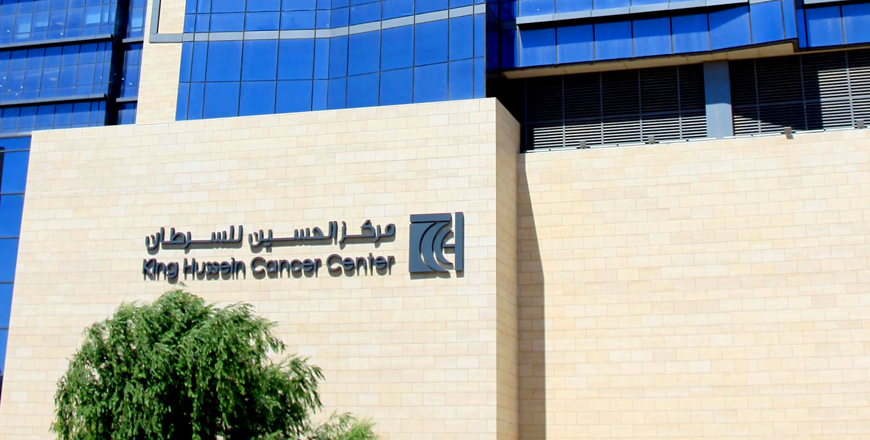
JORDAN / KUWAIT: King Hussein Cancer Centre (KHCC)’s dedication to cancer care earns Kuwait’s prestigious health award 2024 for the ‘Control of Cancer, Cardiovascular Diseases and Diabetes in the Eastern Mediterranean Region’

Kuwait Health Minister Ahmad Awadhi handed over the State of Kuwait Prize for the Control of Cancer, Cardiovascular Diseases and Diabetes in the Eastern Mediterranean Region to King Hussein Cancer Centre (KHCC) Director General Asem Mansour.

The award ceremony took place during the 71st session of the WHO Regional Committee for the Eastern Mediterranean, in recognition of the KHCC’s significant achievements in cancer control.

Mansour stressed that the award reflects the support of the King Hussein Cancer Foundation’s (KHCF) board of trustees, chaired by HRH Princess Ghida Talal, according to the Jordan News Agency, Petra. 

This recognition is the result of the collective efforts of the centre’s team, local and international partners, and most importantly patients, whose resilience in their fight against cancer continues to inspire.

Mansour has served as the centre’s director general since 2012, and currently chairs the executive committee of the Jordan Breast Cancer Programme. 

He is a consultant in diagnostic radiology, specialising in neuroradiology and a fellow of the Royal College of Radiologists (FRCR) in London. His academic qualifications include a master’s degree in healthcare management from Carnegie Mellon University and a master’s degree in public health from Liverpool John Moores University.

The prize is one of the region’s most prestigious medical awards, honouring those who have made significant contributions to cancer control through research, innovation or exceptional medical service.

The event featured the presence of Hanan Balkhy, WHO regional director for the Eastern Mediterranean Region, and Hanan Kuwari, Qatar’s minister of health.

source/content: jordantimes.com (headline edited)

_______________

This recognition is the result of the collective efforts of the centre’s team, local and international partners, and most importantly, the patients (JT File photo)

____________________

JORDAN / KUWAIT

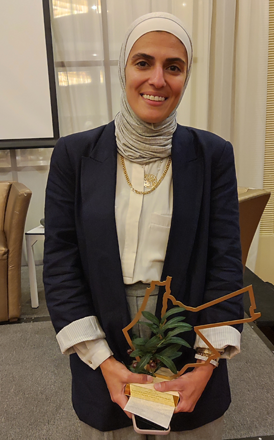
JORDAN: First Jordanian, Arab female Doctor Asil Jallad to enter Gaza hails Gazan women as ‘real heroes’ of war

 Making history by being the first Jordanian and Arab female doctor to enter Gaza, Asil Jallad assisted in delivering 500 babies during her two-month voluntary work in the war-torn Strip. 

Jallad, an obstetrics and gynecology specialist, has volunteered with the International Medical Corps and arrived to Gaza during the sixth week of the Israeli offensive on October 7. 

With a daily workload of 10 to 15 childbirths, Jallad said she was extending medical assistance to Gaza’s most marginalised populations: Women and children. 

Citing a UN report, Jallad said that every 10 minutes, a child is born in Gaza. Currently, between 50,000 to 60,000 women are pregnant, and there are approximately 155,000 women, including pregnant women and wet nurses, in need of medical attention.

Reflecting on her experiences, Jallad hailed the resilience of the women of Gaza, whom she described as the “true heroes amidst the chaos of war”.

“When I decided to go to Gaza, they kept telling me that I am a hero, but when you see the women of Gaza, you realise that you are merely a small heroine compared to the heroes you see every day,” she said.

 In her role at the field hospital in the southern region by the International Medical Corps, Jallad said she had focused on providing comprehensive care for pregnant women, conducting surgeries, and offering consultations on sexual and reproductive health.

Despite grappling with limited medical equipment and resources, the International Medical Corps clinics in the field hospital in Gaza provide medical aid to 700 to 1000 patients every day, with the female clinic alone attending to 100 to 120 patients daily.

Jallad has witnessed firsthand the dire consequences of malnutrition among women in Gaza, leading to blood deficiency, dehydration and reproductive health issues.

She emphasised the “profound” challenges faced by pregnant women, including the dire shortage of postnatal care facilities. “Due to the limited number of beds available, pregnant women are compelled to vacate the center within two hours of giving birth, depriving them of crucial recovery time and support.”

“Pregnant women should have 10.5 hemoglobin levels as minimum, however I saw a pale pregnant woman with 4 hemoglobin level walking on her feet to support her other children in the tent.”

“One of the most touching cases, is when people come to consult to get pregnant, because the six months of war means six months in a woman’s life, and age is considered the most important factor in the pregnancy and birth.”

According to UNFPA, around 155,000 pregnant women and new mothers in Gaza are in desperate need of basic healthcare, while 690,000 women and girls in Gaza lack access to menstrual hygiene supplies and privacy with some reports of contraceptive pills being taken to avoid the unhygienic menstrual conditions.

Jallad said that the dire living conditions of displaced Palestinians, cramped into tiny tents with inadequate facilities, exacerbate the humanitarian crisis.

She decried the scarcity of essential medical supplies and the impact of restrictions on medication entry imposed by Israeli authorities.

As the conflict continues, Jallad warns of the looming threat of chronic health problems and blood clots due to the lack of medical aid delivery to the strip. She stresses the urgent need for increased access to medical care, particularly for pregnant women and new mothers who are struggling to survive amidst the devastation.

“Deformities will be seen in the next few years, or in the next 10-20 years, as we don’t know what are the ingredients used in the bombs.”

Jallad shed light on the mental health toll of the conflict, with many individuals unaware of the whereabouts or well-being of their families. 

Despite recent efforts to improve medical facilities in certain areas, Jallad raised concerns about the neglect of the north, where millions of refugees reside. She underlined the urgent need for sustained international support to address the ongoing medical and humanitarian needs across Gaza.

Seven months since Israeli strikes began in response to October 7 attack, more than 10,000 women have been reportedly killed in Gaza, among them 6,000 mothers. Some 19,000 children have been orphaned, UN Women said. 

The UN agency’s survey of 360 respondents, including 182 women in Rafah, revealed disturbing data that more than six in 10 pregnant women reported complications, including 95 per cent with urinary tract infections and 80 per cent with anemia. In households with nursing mothers, 72 per cent reported challenges in breastfeeding and in meeting the nutritional needs of their babies.

source/content: jordantimes.com (headline edited)

_________

___________

JORDAN

JORDANIAN Fashion Designer Kish Jeane Breaks World Record with outfits for Lebanese Superstar Najwa Karam

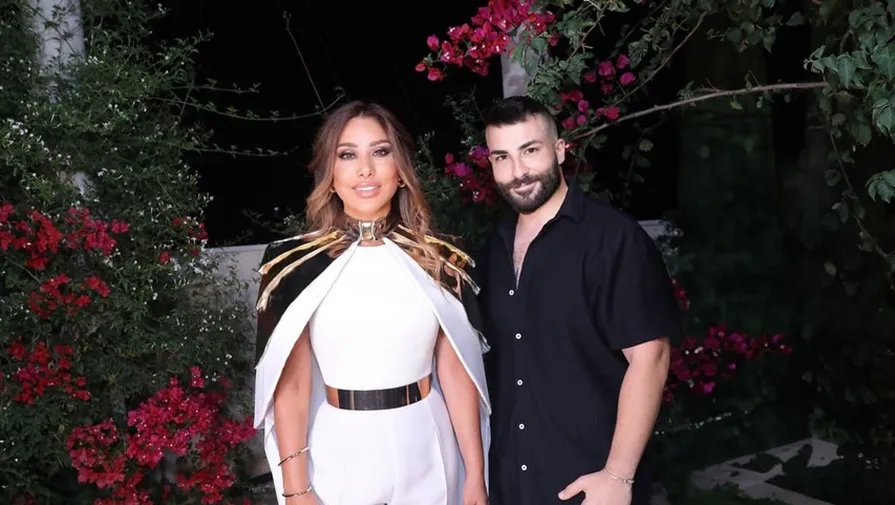
Jordanian Fashion Designer Kish Jeane, breaks Guinness World Records by making the longest cape in the world for Lebanese superstar, Najwa Karam.

The cape is 55.7m long, with 118m of fabric and 3m of gold reflective leather used to craft it.

Jeane, who is known for his use of reflective leather in his designs, designed the cape drawing from Greek mythology for inspiration . He also added the name of Najwa’s most recent album “Charisma” in Arabic calligraphy on the back of the cape.

Najwa Karam also wore a gold cage shoulder piece with a white jumpsuit, also designed by Jeane. She wore both outfits to her welcoming event in Jordan, celebrating her participation in the Jerash Festival .

Kish Jeane will also be the first Jordanian designer to participate in New York Fashion Week, as he will be presenting his Spring Summer 2024 Collection there.

source/content: jordannews.jo (headline edited)

_________

(Photos: Handouts Kish Jeane)

___________

JORDAN

SHARJAH, U.A.E: Al Qasimia University Honours ‘Islamic Economics Research Award’ Winners

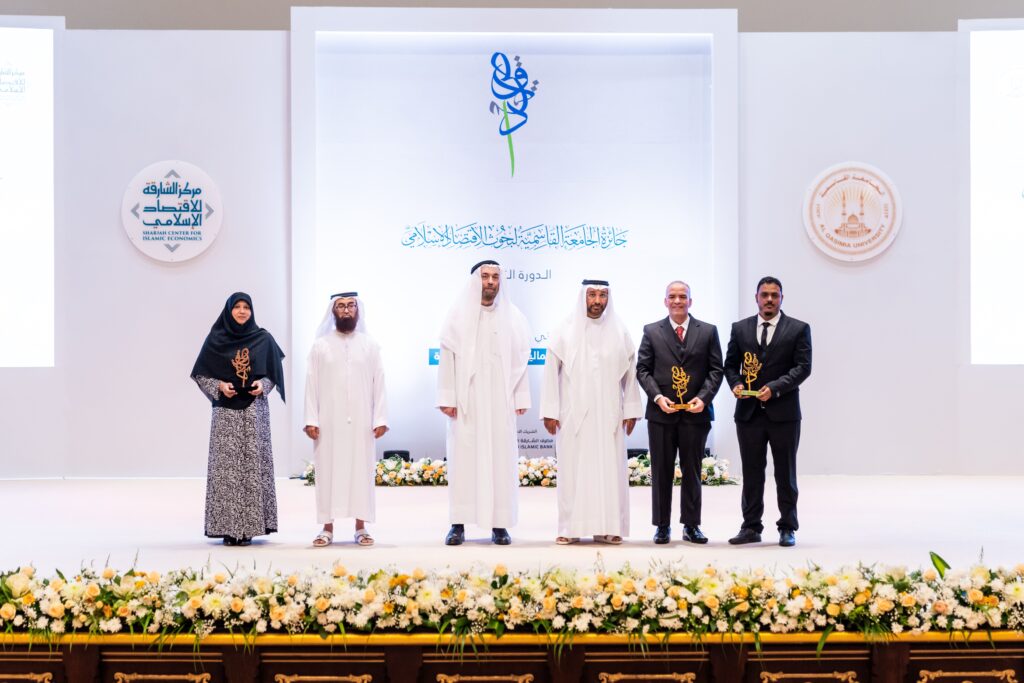
Under the patronage of H.H. Dr. Sheikh Sultan bin Muhammad Al Qasimi, Supreme Council Member and Ruler of Sharjah, Sharjah Centre for Islamic Economics (SCIE) at the university organised a ceremony to honour the winners of the Al Qasimia University Award for Islamic Economics Research, held in the university theatre, in the presence of the President of the University, members of the Board of Trustees, the University Rector, deans of colleges, and members of the Academic, and administrative bodies and students.

Professor Jamal Salem Al Tarifi, President of Al Qasimia University, honoured the award winners and congratulated them on the quality of research presented in Islamic economics studies.

Professor Dr. Awad Al Khalaf, Acting Chancellor of the University, expressed his highest thanks and gratitude to the Ruler of Sharjah, and founder of the University, for His Highness’s generous patronage of the award, as this sponsorship adds value to one of the most important scientific activities that contribute to the renaissance of the economic sector, and the dissemination of the principles and values of Islamic economics, according to scientific foundations, and qualitative scientific research taking into consideration the real need of building a solid economy that achieves UAE development.

The list of researchers included honouring Dr. Badr Al Zaman Khamqani, from the Republic of Algeria, winner in the field of economics, in his research entitled: “A proposed strategy to accelerate the pace of digital transformation in Islamic banks.” Dr. Ahmed Abdel Rahman Ahmed Al Majali, from the Hashemite Kingdom of Jordan, won in the field of law, in his research entitled: “blockchain technology compatibility with Islamic financial transactions.” Professor Dr. Aisha Muniza, from the Maldives, won in the field of economics, in her research entitled: “Development of a digital Islamic social stock exchange”.

Dr. Yasser Al Hosani, SCIE Director, announced the launch of the fourth edition of the award under the title “Smart Islamic Financial Engineering”.

source/content: wam.ae (headline edited)

____________

______________________________________________

SHARJAH, UNITED ARAB EMIRATES (U.A.E)

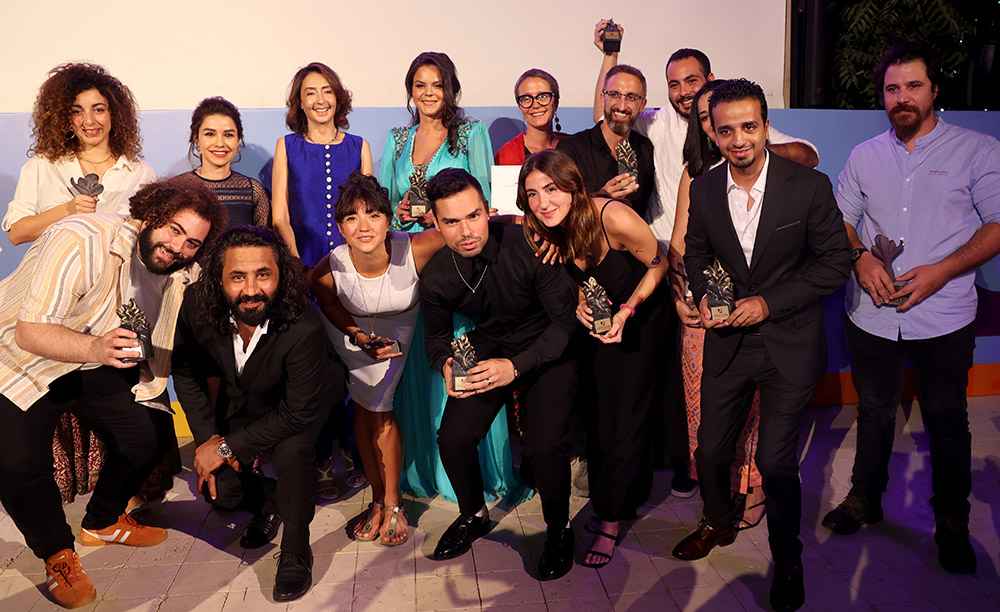
JORDAN: 4th Amman International Film Festival reveals Winners of Black Iris Awards

Algerian period drama The Last Queen and Iraqi film Hanging Gardens were among those recognised.

Films from Palestine, Lebanon, Jordan, Iraq, Morocco, Tunisia and Egypt were among the top winners of this year’s Amman International Film Festival.

The Black Iris Awards ceremony was held on Tuesday at the Royal Film Commission in Amman. The event marked the conclusion of the fourth run of the festival. This year, the festival screened 56 films from 19 countries, including feature narratives, documentaries and short works. The films all marked their Jordanian premiere, with some making their worldwide or regional debut.

Hafreiat by Spanish filmmaker Alex Sarda was the winner of the Black Iris Audience Award for best foreign film. The documentary revolves around a Spanish archeological mission in northern Jordan where local workers excavate the land, working long hours for minute wages. At the centre of the story is Abo Dya, a Palestinian-Jordanian, working tirelessly to provide for his family, hoping to better their lives despite the criminal record that undermines his ambitions.

The Palestinian film Lyd, directed by Rami Younis and Sarah Ema Friedland, was named winner of two awards, including the Jury Award for best Arab feature documentary and the Fipresci Award, held in conjunction with the International Federation of Film Critics.

The film puts a spotlight on Lyd. A city with a 5,000-year history, Lyd was once a Palestinian capital and in the early 20th century was a thriving metropolis. Lyd highlights this rich history while also highlighting the bloodier aspects of its past, namely the massacres and expulsion of Palestinians by Israeli forces in 1948, after which the state of Israel was created and the city became known as Lod.

The documentary interviews survivors of the Nakba, Palestinians living in Lyd, as well as those in exile. The film juxtaposes the real-life footage with animation that treads into sci-fi territory, imagining what Lyd could have been like if not for the bloody events of the Nakba.

The Jury Award for Arab short film was given to two films – Hamza: A Ghost Chasing Me by Palestinian director Ward Kayyaland Trinou by Tunisian filmmaker Nejib KthiriThe Black Iris for best Arab short, meanwhile, was granted to My Girlfriend by Egyptian filmmaker Kawthar Younis.

The Special Mention prize for first-time documentary editor was awarded to Zakaria Jaber, director and editor of Anxious in Beirut. The documentary explores the trauma endured by denizens of the Lebanese capital in a film that aims to find a semblance of coherence within the tumultuous effects that have gripped Beirut.

Fragments from Heavenby Moroccan filmmaker Adnane Baraka was named winner of the Black Iris Award for best Arab feature documentary. The film follows a group of Amazigh nomads in Morocco as they search for bits of a Martian meteorite that landed in the desert in 2013, hoping it would better their lives.

The Special Mention prize for first-time lead actor/actress was awarded to two talents. Lebanese actress Marilyn Naaman was awarded for her lead role in Mother Valley. The film, set in the Lebanese mountains in the mid-20th century, follows a young wife as she faces the pressures of patriarchal society.

Egyptian actress Rana Khattab was also awarded for her role in the film Rat Hole. The feature, directed by Egyptian filmmaker Mohamed El Samman, follows a telemarketer working for a non-profit organisation trying to convince people to donate to various causes. The film pulls the curtain on the darker side of the Egyptian non-governmental organisations that scam people on the pretence of charity donations.

The Special Mention prize for first-time scriptwriter was awarded to Algerian filmmaker Adila Bendimerad, the director of the period drama The Last QueenBendimerad wrote the script for the acclaimed film with Algerian director Damien Ounouri.

The Iraqi film Hanging Gardenswon the Jury Award for Arab feature narrative. Directed by Ahmed Yassin Al Daradji, the film revolves around a 12-year-old boy who scavenges a landfill for sellable metal and plastic. He comes across a human-size doll, presumably brought and left behind by US soldiers. The boy names the doll Salwa and decides to keep and care for it; bathing it and trying to keep it from prying eyes. Soon, however, his secret is revealed, and he is in the crossfire of those who want to take Salwa for themselves, those who seek to commercialise from it, as well as those who want to obliterate it.

Finally, the Black Iris prize for best Arab feature was awarded to Ashkal. Directed by Youssef Chebbi, the crime thriller is set in Tunis and follows two police officers as they try to unravel the mystery behind a series of self-immolation cases.

source/content: thenationalnews.com (headline edited)

___________

pix: aiff.jo

____________

JORDAN