Arabs & Arabian Records Aggregator. Chronicler. Milestones of the 25 Countries of the Arabic Speaking World (official / co-official). AGCC. MENA. Global. Ist's to Top 10's. Records. Read & Enjoy./ www.arabianrecords.org
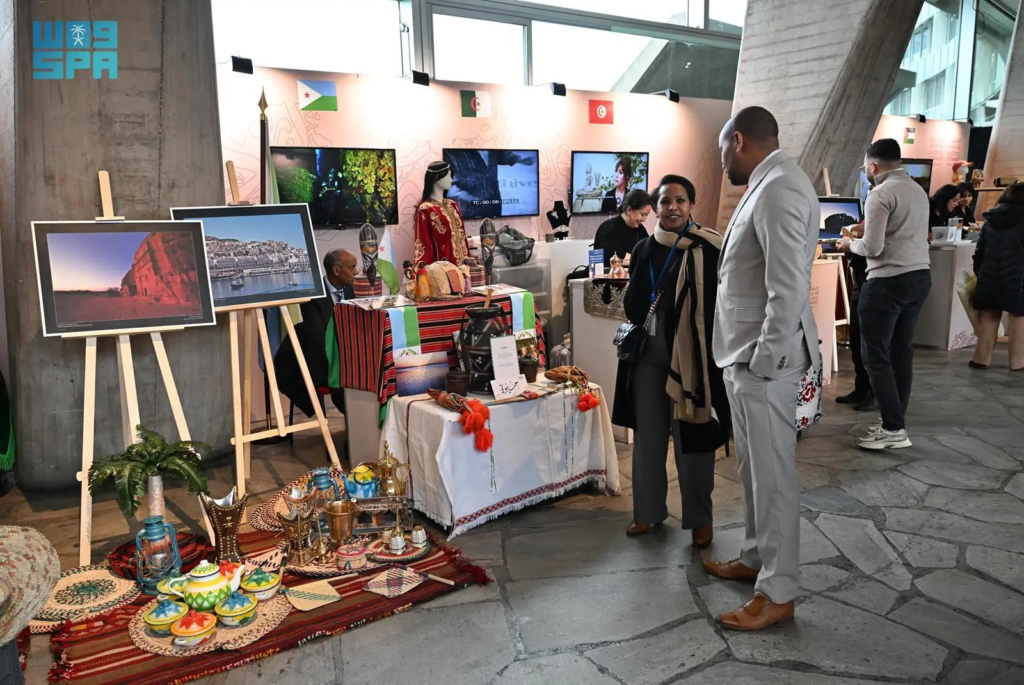
The Saudi initiative “Arab Week at UNESCO” has enabled 22 participating Arab countries to showcase their rich cultural heritage in a welcoming platform that fosters Arab and international cultural and civilizational work. The initiative contributes to the development of education, culture, and science at both regional and global levels.
For Arab Week, which was organized for the first time in the history of Arab countries’ cooperation with the United Nations Educational, Scientific, and Cultural Organization (UNESCO), the Saudi National Commission for Education, Culture, and Science exerted significant efforts to support the participants’ presentations and highlight the harmony between the diverse cultures of the Arab world. The event marks a celebration of the Arab world’s rich cultural heritage through various literature and art.
The participating countries expressed their gratitude to the Kingdom of Saudi Arabia for providing a broad platform for intercultural dialogue, which promotes global dialogue and peace and encourages the exchange of knowledge and expertise in various fields.
The event included several seminars: the Arabic language, Arabic calligraphy, Arabic literature, artificial intelligence (AI), education, visual arts, intangible cultural heritage, and world heritage. The activities also included four exhibitions: Arab culture, Arabic calligraphy, photographs of heritage sites in the Arab World, and Arab cultural products.
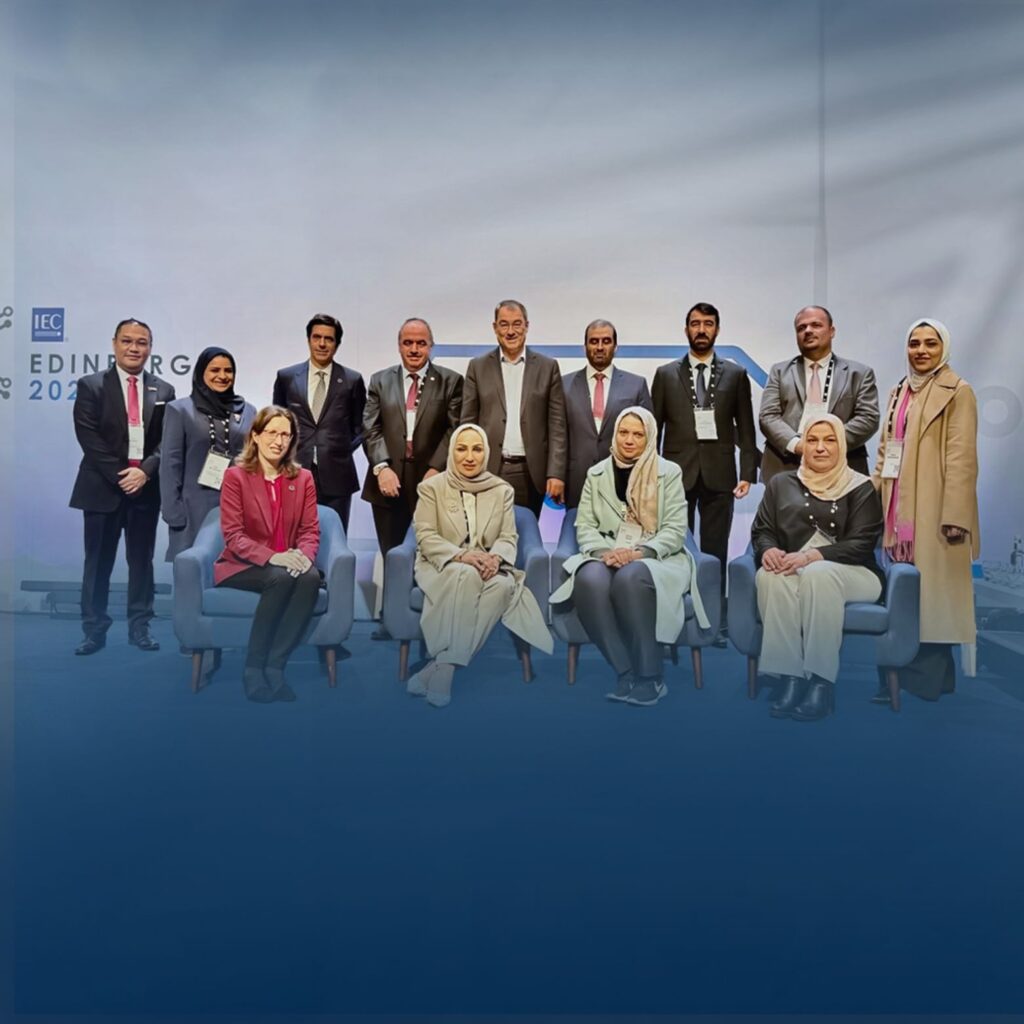
The UAE has won membership in the Board of Directors of the International Electrotechnical Commission (IEC) for the period 2025-2027, after receiving the unanimous votes of member states during the General Assembly meeting held last week in Edinburgh, United Kingdom, in a new achievement added to the country’s record of distinguished international achievements.
Her Excellency Dr. Farah Al Zarouni, Assistant Undersecretary for the Standards and Legislation Sector at the Ministry of Industry and Advanced Technology, was announced as a member of the Board of Directors.
The UAE’s winning of membership in the Board of Directors of the International Electrotechnical Commission (IEC) as the first Arab country to win this membership, with the unanimous votes of all countries, reflects the continuous efforts made by the Ministry of Industry and Advanced Technology in the quality infrastructure system, and its various initiatives to develop standard specifications, conformity systems and programs. The UAE plays a vital role in supporting the work of the committee, which includes more than 170 countries under its umbrella, and provides a global and neutral standardization platform for more than 30,000 experts worldwide, in addition to spreading the best Emirati and Gulf practices in the field of standardization, and enhancing the competitiveness of Emirati products and the sustainability of supply chains at the regional and international levels.
His Excellency Dr. Sultan Ahmed Al Jaber, Minister of Industry and Advanced Technology, stressed that winning membership in the Board of Directors of the International Electrotechnical Commission (IEC) is a distinguished achievement for the UAE as the first Arab country to win membership in the Board of Directors by unanimous vote of the participants, noting that all progress achieved by the UAE comes thanks to the vision of the leadership and its keenness to support building expertise, raising efficiency and improving performance in all sectors.
His Excellency explained that obtaining the unanimous vote comes as a result of the strategic partnership and cooperation approach between the UAE and various countries, pointing out that the new achievement confirms the country’s growing position in the quality infrastructure system, and the depth of global confidence in the efficiency and capacity of this system in the country, especially since it comes after the UAE won membership in the Board of Directors of the International Organization for Standardization (ISO) last September.
He said: The quality infrastructure system represents one of the pillars and enablers of industrial growth in the UAE, supporting the objectives of the National Strategy for Industry and Advanced Technology (300 Billion Project) and the “Make in the Emirates” initiative, stressing that the country’s membership in the “IEC Board of Directors” enhances its role as a major partner in shaping the future of quality infrastructure at the international level and developing specifications, innovations and modern technology, such as artificial intelligence, the Internet of Things, and renewable energy.
Her Excellency Dr. Farah Al Zarouni, Assistant Undersecretary for the Standards and Legislation Sector at the Ministry of Industry and Advanced Technology, headed the UAE delegation participating in the meetings of the International Electrotechnical Commission (IEC) in the United Kingdom, which included representatives from the Abu Dhabi Quality and Conformity Council, the Abu Dhabi Department of Energy, the Abu Dhabi National Oil Company (ADNOC), the Dubai Electricity and Water Authority, Space42, Emirates Global Aluminium, and ABB.
Al Zarouni said that the ministry is working within integrated efforts with partners in local government agencies and the private sector to enhance the efficiency of production sectors with specifications and systems that are in line with the best international practices, and facilitate the access of Emirati products to new markets, noting that the UAE has more than 27,000 standard specifications and technical regulations that support the outputs of industrial sectors, innovation, sustainable manufacturing, energy efficiency programs, and others; She stressed that the UAE membership will enhance the efforts of Emirati and international integration to unify and harmonize new developments in the standardization system and reach leading positions that support Emirati competitiveness.
As part of the UAE’s participation in the annual meetings of the International Electrotechnical Commission (IEC), the country was keen to enhance its participation in the IEC Young Professionals Program to build national youth capacities and empower them in the field of standardization and conformity programs, as the country participates annually by nominating two young Emiratis in this program.
The programme was attended by Eng. Majid Bin Zobaa from ABB and Eng. Maha Al Shehhi from Dubai Electricity and Water Authority. The country’s candidate, Eng. Majid Bin Zobaa, was able to win the seat of Young Professional Leader for 2024 for the Asia and Middle East group.
Winning the seat of the organization’s Young Professional Leader is a distinguished achievement, as it is the country’s fourth consecutive win since 2021, and the fifth since participating in the program. It enhances the effective role played by the UAE at the international level, and reflects the efficiency and capabilities of young citizens to represent the country during participation in the activities of regional and international organizations in a way that serves the country’s interests and achieves its strategic goals.
The International Electrotechnical Commission (IEC) is one of the largest international organizations leading in setting and developing standards for the electrical, electronics and related technologies sectors. It aims to facilitate international trade in products and services by setting international standards that ensure quality and safety, and conformity assessment programs, and allows manufacturers to produce products of advanced quality and performance. The specifications issued by it are considered one of the most important and reliable international standards in the electrical sector.
IEC specifications are widely used in the production of equipment used in power transmission and distribution devices for home appliances and office equipment, semiconductors, optical fibers, batteries, solar energy, nanotechnology, marine energy, electronics, electromagnetic compatibility, medical technology, safety and environment, and other fields.
Somalia receives a boost in fight against COVID-19 in the form of home-made mechanised respirators, created by 21-year-old Mogadishu-based mechanical engineer A 21-year-old mechanical engineer came up with the device in response to a national shortage.
A 21-year-old Somali mechanical engineer has invented a homemade respirator to try to help his country during the COVID-19 Pandemic.
The east African nation is suffering from a severe lack of respiratory equipment, which concerned Mogadishu–based Mohamad Adawe.
Previously, medical staff in Somalia have mainly had to assist patients’ breathing by manually pumping the equipment. This has also brought them into close contact with the infected people, heightening the risk of contagion.
“We don’t have economic might or a strong government in Somalia. To respond to this bad disease, I produced this device at a time when our people are suffering from a shortage of oxygen equipment.
Mohamed Adawe
Mogadishu-based mechanical engineer
Adawe says there was a real need for his invention:
“This device is used for patients in emergency situations, especially those who are having difficulty breathing. It is immediately useable for saving lives.
“We don’t have economic might or a strong government in Somalia. To respond to this bad disease, I produced this device at a time when our people are suffering from a shortage of oxygen equipment.
“So, my automated device can be attached to the patient’s face and moved away from them, as a social distancing measure.”
“With my device, we can fight against COVID-19 while our country is facing a shortage of oxygen devices – and while other countries of the world hold ventilators and other devices in their warehouses.”
Dr. Hussein Abdi-Aziz Abdulkadir, Director of the Somali Syrian Hospital in Mogadishu, hailed the significance of Adawe’s invention:
“In the past, you always had to use your hands to squeeze the airbag of the device, to clear the airway of the patient.
“But now Mohamed Adawe has automated the device to help patients clear their airway and help with breathing at a time when there is an urgent need for this.”
It’s hoped Mohamad Adawe’s innovation will help save lives: not just because it aids the patient in breathing, but also because it allows doctors to keep a safer distance from them, reducing the risk of contagion.
The Neom giga-project in Saudi Arabia is currently using one fifth of all the steel produced in the world, an official said on Monday.
The futuristic city will be the world’s largest customer for construction materials for several decades, said Manar Al Moneef, Neom’s chief investment officer.
She told the Global Logistics Forum in the King Abdullah Financial District in Riyadh that the $500 billion project would be one of the world’s leading drivers of the global logistics sector in coming years.
“Neom is going to be the largest customer over the next decade. If you look at our demand in logistics it’s 5 percent of the global logistics market,” she told the forum, in rare public comments.
Neom’s demand for steel meant “we are 20 percent of the global steel market. If you look at our demand in elevators, cement and so on … put simply, Neom is going to be the largest customer over the next few decades,” Al Moneef said.
Neom, located in the far northwest of Saudi Arabia, is the jewel in the crown of Saudi Arabia’s economic development projects, which have been valued at more than $1.25 trillion.
However, some projects have slowed down as Saudi Arabia’s Public Investment Fund (PIF) faces funding pressures caused by lower oil prices and pressure to funnel cash towards projects in Riyadh before the World Expo 2030 and the 2034 World Cup, both taking place in the Saudi capital.
The Neom projects include a horizontal city called The Line which is due for final completion at 170km long in 2045. A small central section just 5km long has a target date of 2030.
Dhiraj Joshi, a partner at the management consultancy Arthur D Little Middle East, said: “Projects like Neom, Oxagon, getting all the hotels ready in various parts, is a long-term investment strategy so there is no hurry [in] the next four or five years when we get done with Expo and World Cup.”
Neom would be prioritised again later, Joshi said.
source/content: agbi.com / Arabian Gulf Business Insight (headline edited)
___________
Neom could be the world’s largest customer for construction materials for several decades, according to an official / pic: Getty Images / UnSplash
Arabic and French experts this week underlined the importance of learning languages to enhance intellectual and cultural communication.
At an event in France to mark Arabic Language Month, they noted how, without the Arabic language, the world would not have been able to access a significant portion of the intellectual heritage of Greek philosophers, as well as mathematics and sciences from ancient times.
Hamdi Al-Adawi, professor of linguistics at Imam Muhammad bin Saud Islamic University, described the role of language in expressing a person’s inner thoughts and feelings, and described the historical interplay between Arabic and French.
“The Arabic language has played a vital role towards affirming the role of Islam in enhancing communication between different civilizations, blending civilizations, and fostering the exchange of cultures,” he told Arab News.
Al-Adawi noted that the convergence of certain words, concepts and meanings between languages is key to accepting other cultures and coexisting peacefully with them.
He also said that there are many shared terms among languages, which encourages leveraging these similarities to understand the commonalities between these languages and their cultural connotation.
Al-Adawi concluded that the cultural exchange between the Arabic and French languages is tangible and well documented.
Some examples include the Belgian orientalist Henri Lammens, who identified more than 700 Arabic words in his French-language writings in the early 20th century, and the French writer Pierre Giraud who acknowledged the influence of Arabic on the French language, providing a list of 280 Arabic words that were used in French during different periods.
Jack Lang, the secretary-general of the Arab World Institute, said that “the Arabic language is music, and it is a global language.” He noted that it ranks fifth among the most spoken languages in the world.
“We cannot ignore the fact that the Arabic language has served as a bridge for communication between peoples. Without the Arabic language, we would not have been able to access a significant portion of Greek philosophers, nor mathematics and sciences from ancient times,” he said.
Lang, who is a former French minister of education, highlighted the efforts being made by Saudi Arabia to preserve the Arabic language, saying that the Kingdom was “moving towards exerting a considerable cultural effort.”
He added that he currently observes “large cultural events happening throughout Saudi Arabia.”
He also praised Saudi Arabia’s role in assisting other countries in their commitment to the Arabic language through the Arab World Institute, which is based in Paris.
Lang noted the intention to establish a House of the Arabic Language in France, in collaboration with King Salman Global Academy for Arabic Language.
KSGAAL launched Arabic Language Month in France on Oct. 7, in collaboration with the Arab World Institute.
Events included a seminar, a panel discussion and a scientific competition focused on the art of diction, with participation from several contestants.
Abdullah Al-Washmi, secretary-general of KSGAAL, said that the academy is active in various fields to promote the Arabic language, locally and globally.
The academy launched the Arabic Language Month program in France, which aimed to display KSGAAL activities related to teaching Arabic to non-native speakers and to highlight the Kingdom’s efforts in serving the Arabic language and its sciences worldwide.
Additionally, the academy is working to offer training programs to enhance teachers’ competencies and improve Arabic language learning outcomes for students, in line with the objectives of the Human Capability Development Program, one of the initiatives under the Kingdom’s Vision 2030.
The inauguration ceremony was attended by interested individuals and intellectuals, led by the Kingdom’s ambassador to France, Fahad Al-Ruwaili.
KSGAAL will continue the activities of Arabic Language Month in France on Nov. 1, featuring tours in several French cities in collaboration with French and international educational institutions.
source/content: arabnews.com (headline edited)
__________
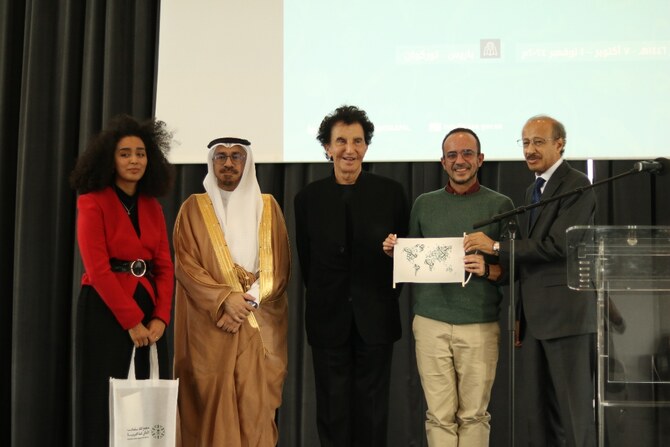
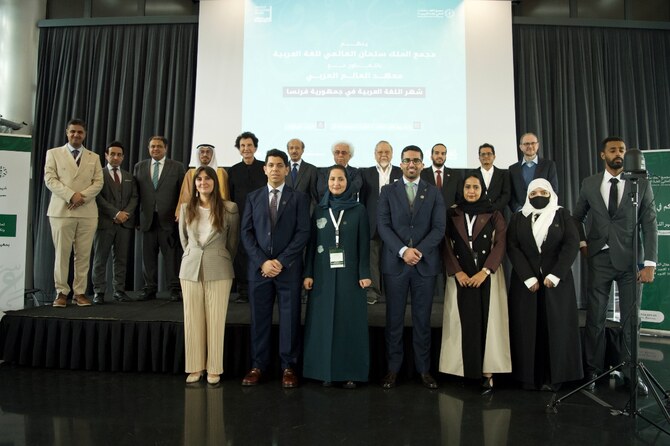
The Arabic Language Month in France featured several linguistic competitions. The awards were presented by Fahad Al-Ruwaili, Saudi Ambassador to France, Jack Lang, Secretary-General of the Arab Institute in France, and Abdullah Al-Washmi, Secretary-General of King Salman Global Academy for Arabic Language (from the right: the first, the third and fourth respectively)A group photo of the participants in the Arabic Language Month in France, which commenced on Monday, shows the Saudi ambassador in the second row from the left, sixth from the group
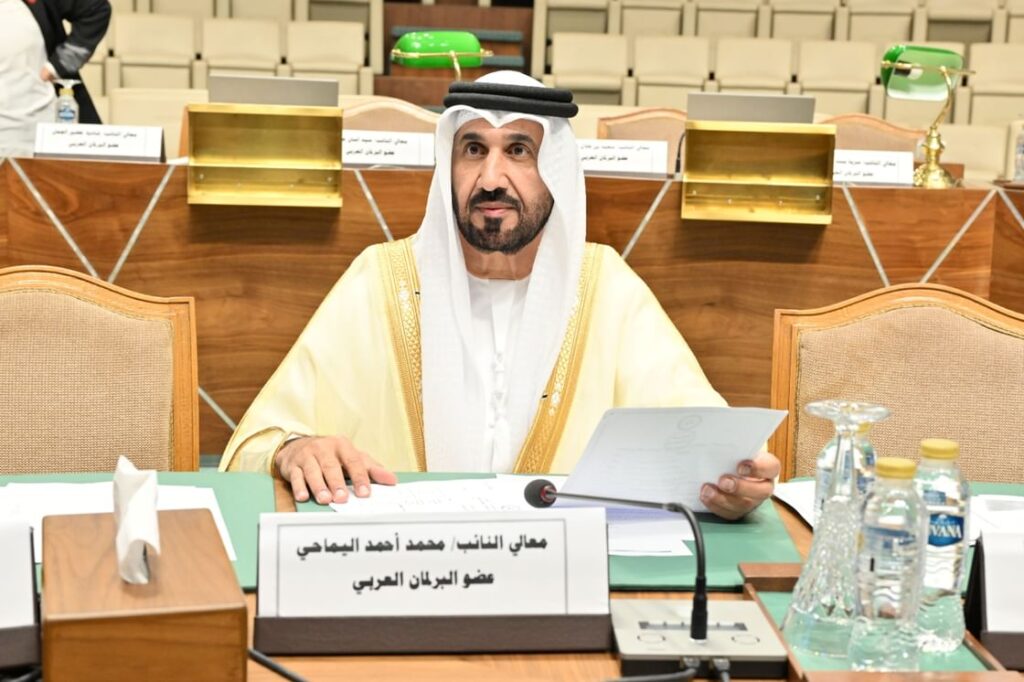
The United Arab Emirates won the presidency of the Arab Parliament during the procedural session of the fourth legislative term held today, Saturday, at the headquarters of the Arab League in the Egyptian capital, Cairo, where His Excellency Mohammed Ahmed Al Yamahi, a member of the Federal National Council, was elected as President of the Arab Parliament.
The UAE assumed the presidency of the Arab Parliament, represented by the Parliamentary Division of the Federal National Council, for two consecutive terms during the years from 2012 to 2016, in appreciation of the effective role played by the UAE’s parliamentary diplomacy and its contributions to the activities and work of the Arab Parliament since its establishment.
His Excellency Mohammed Ahmed Al Yamahi, Member of the Federal National Council, in a statement following his victory, praised the great support provided by the wise leadership headed by His Highness Sheikh Mohammed bin Zayed Al Nahyan, President of the State, may God protect him, and his brother His Highness Sheikh Mohammed bin Rashid Al Maktoum, Vice President and Prime Minister of the UAE and Ruler of Dubai, may God protect him, and His Highness Sheikh Mansour bin Zayed Al Nahyan, Deputy Prime Minister and Minister of Presidential Affairs, to the sons of the Emirates, and pushing them forward to decision-making positions in Arab, regional and international organizations and institutions, stressing that it is an achievement added to the continuous achievements made by the sons of the Emirates under the wise leadership.
He expressed his thanks and appreciation to His Excellency Saqr Ghobash, Speaker of the Federal National Council and the members of the Council, for supporting his candidacy for the presidency of the Arab Parliament, and to Their Excellencies the representatives of the Arab countries in the Arab Parliament for their great confidence and their election of him as President of the Arab Parliament, stressing his pledge, in this new phase, during which the Arab Parliament continues its journey in serving Arab issues, to work to strengthen joint Arab action at all levels.
The procedural session was attended by members of the Parliamentary Division Group, including His Excellency Mohammed Ahmed Al Yamahi, Head of the Group, Naema Abdullah Al Sharhan, Vice-Head of the Group, Majid Mohammed Al Mazrouei, and Mohammed Hassan Al Dhahouri, members of the Federal National Council.
The Parliamentary Division of the Federal National Council achieved many accomplishments during its participation in the work and activities of the Arab Parliament, which was established by a decision of the Arab League Council at the summit level on a temporary basis in 2005 and became permanent in 2012, embodying the approach of the UAE and contributing to strengthening its principles and objectives to be an effective partner in formulating the joint Arab policy.
At the level of the activity of the parliamentary division of the Federal National Council, in 2020 it won the position of Vice President of the Arab Parliament, and the members of the UAE Parliamentary Division headed the Financial and Economic Affairs Committee, and the Social, Educational, Cultural, Women and Youth Affairs Committee.
Under the patronage of Her Highness Sheikha Fatima bint Mubarak, “Mother of the Emirates”, Chairwoman of the General Women’s Union, Supreme Chairwoman of the Family Development Foundation, and Chairwoman of the Supreme Council for Motherhood and Childhood, the Federal National Council, in cooperation with the Arab Parliament, organized a symposium in October 2019 to launch the Arab Document on Women’s Rights, which focused on two main axes: “Mother of the Emirates… the main enabler of Arab women” and “Arab women and the role of parliaments in shaping the future.”
The UAE Parliamentary Division played an active role through its membership in the Arab Parliament in presenting many parliamentary projects, proposals and studies, most notably amending the internal regulations of the Arab Parliament, establishing the Arab Parliamentary Medal Award for Parliamentary Excellence, in addition to proposals on topics discussed by the permanent and temporary committees in the Arab Parliament.
It is noteworthy that His Excellency Mohammed Ahmed Al Yamahi has been a member of the Federal National Council since 2015 from the current sixteenth, seventeenth and eighteenth legislative terms. Through his membership in the UAE Parliamentary Division Group in the Arab Parliament, he participated in the work of the Arab Parliament and the meetings of its permanent committees. He won the position of Vice President of the Arab Parliament in the first and second sessions of the third legislative term of the Arab Parliament during the period 2020-2022 AD.
The crew will also perform activities like vegetable cultivation and shrimp farming in an environment designed to simulate space conditions.
In a 45-day space exploration simulation in the US, Obaid AlSuwaidi, a captain engineer at the UAE Ministry of Defence has been selected to join the primary crew scheduled to “walk” on Mars.
AlSuwaidi will join the second analog study of the UAE Analog Programme that is scheduled to begin on November 1.
He will join the primary crew, including Kristen Magas, Tiffany Snyder, and Anderson Wilder, in a 45-day mission within the 650-square-foot Human Exploration Research Analog (HERA) facility at Nasa’s Johnson Space Center in Houston, Texas, US. The Analog mission is part of Nasa’s Human Exploration Research Analog (HERA) Campaign 7 Mission 4.
Who is Obaid AlSuwaidi?
In his role at the Ministry, he played a key part in cultivating a skilled team to address the nation’s defence requirements, enhancing productivity, and establishing high professional standards. He also has a wealth of experience in civil and marine engineering.
AlSuwaidi holds a bachelor’s degree in engineering from Western Sydney University in Australia, a master’s degree in civil and environmental engineering from George Washington University in the USA, and a master’s degree in project management from Abu Dhabi University.
Outside of his professional commitments, he enjoys horse riding, swimming, and running.
This year, AlSuwaidi is among the fourth group of volunteers participating in an analog study in HERA. The first phase of the second analog study of the UAE Analog Programme was concluded on March 11, 2024, followed by the completion of the second and third phases on June 25, 2024 and September 23, 2024, respectively.
What is the HERA habitat?
The three-story HERA habitat is designed to simulate the conditions of space exploration on Earth, providing a unique platform for studying human adaptability to isolation and confinement. By mimicking the challenges of long-term space travel, such as missions to Mars, scientists aim to gain insights into how future astronauts will handle the extreme physical and psychological demands of deep space journeys.
During the mission, the crew will engage in various experiments, including a simulated “walk” on Mars using virtual reality, as well as activities like vegetable cultivation and shrimp farming.
Additionally, the crew will experience communication delays with Mission Control, replicating the increasing time lags expected as they “approach” Mars. These delays, which could extend up to five minutes one way, are crucial for understanding how astronauts might cope with similar conditions during future interplanetary missions.
Experiments to aid in deep space missions
Adnan AlRais, Assistant Director General – Space Operations and Exploration Sector, MBRSC said, “We are pleased to announce the selection of Obaid AlSuwaidi for the next phase of the second analog study under the UAE Analog Programme. His involvement in this mission, in collaboration with Nasa, strengthens our scientific foundation in addressing the human factors of long-duration spaceflight.”
He added, “The findings from this study will play a crucial role in shaping the future strategies for deep space missions, including Mars, while reinforcing the UAE’s position as a key player in international space exploration. We remain dedicated to pushing the boundaries of innovation and inspiring future generations to drive forward our vision of space exploration and scientific discovery.”
The four crewmembers will participate in 18 human health experiments, focusing on physiological, behavioural, and psychological responses in a controlled environment. This research will provide valuable data, which seeks to enhance human resilience and performance in spaceflight conditions.
Sheikh Mohammed praises Emirati influential figures on TIME magazine’s second annual TIME100 AI list.
His Highness Sheikh Mohammed bin Rashid Al Maktoum, Vice-President and Prime Minister of the UAE and Ruler of Dubai, underscored the pivotal role of technology, particularly artificial intelligence, in shaping the future of the global economy.
The Vice-President’s remarks coincided with the release of TIME magazine’s second annual TIME100 AI list, which highlights the 100 most influential individuals in the field of artificial intelligence.
On his X account, Sheikh Mohammed said: “In a rapidly evolving world, technology is the driving force behind the future global economy, with artificial intelligence at its core. Time magazine has released its annual list of the 100 most influential figures in this field, recognising those shaping the future of AI on a global scale.”
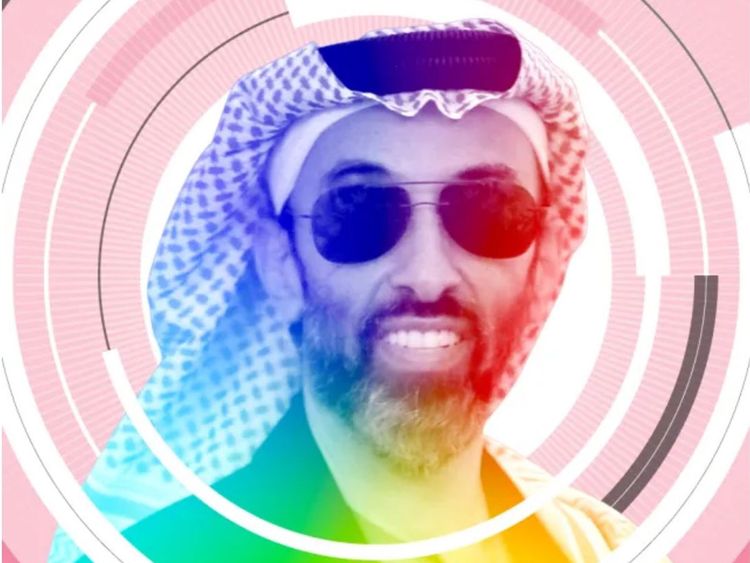
“Among these visionaries is my brother, Sheikh Tahnoon bin Zayed Al Nahyan, who leads numerous institutions, companies, partnerships, and global initiatives, contributing not only to the local landscape but also to shaping the future of this sector on a global level. His efforts play a pivotal role in defining the future of the global economy.
“Also featured on the list is Faisal Al Bannai, a member of the national team and a leader in one of the world’s leading companies in this field. Our nation takes great pride in their accomplishments, standing behind their vision, and betting on the same future they are helping to create. The future will be built with their leadership, and the generations to come will benefit from their achievements,” Sheikh Mohammed added.
source/content: gulfnews.com (headline edited)
_____________
Sheikh Tahnoon bin Zayed Al Nahyan’s efforts play a pivotal role in defining the future of the global economy.Image Credit: X / HHShkMohd
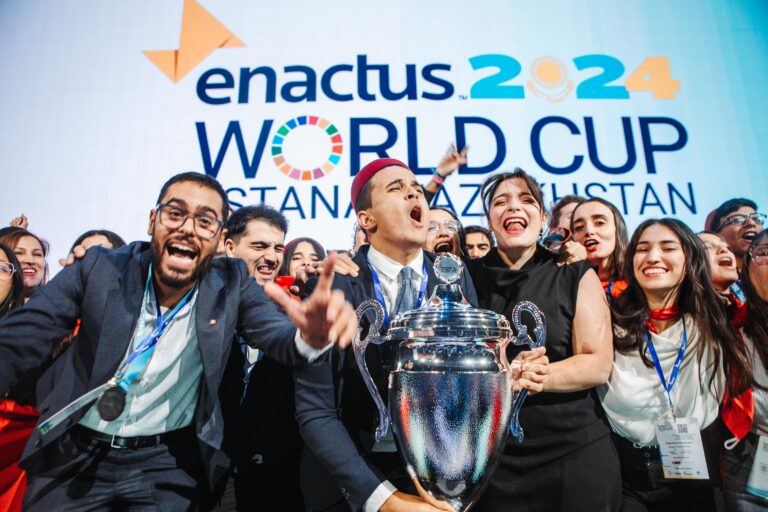
University students from Tunis Business School in El Mourouj, Tunisia are the 2024 Enactus World Cup Champions with their social enterprise BOVITA. The team won the competition from a field of 29 challengers comprised of National Champions from the Enactus country network around the world.
The Enactus team from Mohammad V University in Morocco clinched second place at Kongress-Tsentr in Astana. Rounding out the Final Four teams were Karlsruhe Institute of Technology of Germany and Konkuk University of Korea.
The Enactus World Cup 2024 brought together over 700 of the world’s brightest young social entrepreneurs from over 30 countries with a joint mission to solve critical global challenges. At Enactus World Cup, students compete, collaborate, make intercultural connections, and are inspired to further develop skills that drive impact through social entrepreneurship.
BOVITA provides a range of 100% natural phytotherapy-based products designed to replace antibiotics and chemical treatments in the prevention and treatment of Bovine Mastitis. Their product line includes an extramammary cream for mild cases, an oil-based gel for prevention, and a natural intramammary injection for severe cases, all aimed at effectively healing infected areas, reducing inflammation, and eliminating bacteria.
The event was graced by several notable attendees, including ecologist and philanthropist, Aselle Tasmagambetova; Director of UN Global Compact Kazakhstan, Dinara Seijaparova; Chairman of the Board of Kazakh Tourism, Kairat Sadvakasson; and Minister of Science and Higher Education of the Republic of Kazakhstan, Sayasat Nurbek, who delivered a special welcome message on behalf of the President of The Republic of Kazakhstan, Kassym-Jomart Tokayev.
In his message, President Tokayev emphasized the importance of the event, stating:
“In Kazakhstan we have created the very best environment for young people to access quality education and engage in entrepreneurship. Hosting this prestigious event in our country and within the commonwealth of independent states is a testament to this progress. The Enactus World Cup 2024 will inspire the growth of youth entrepreneurship and help cultivate the next generation of business leaders.”
As Enactus Global navigates a period of transition, the organization’s commitment to inspiring and supporting the next generation of entrepreneurial leaders continues to grow. This dedication is evident in the success of the Enactus World Cup in Astana and the announcement that Bangkok, Thailand will host the 2025 Enactus World Cup. Furthermore, Enactus Colombia has officially joined the network, and Enactus Thailand has rejoined, expanding the Enactus presence to 35 countries worldwide.
Supporting this vital mission and global expansion, Resolution Project has committed over $2 million to Enactus Global, ensuring the continuation of its nearly 50-year legacy of educating and equipping young social entrepreneurs.
“The Enactus World Cup truly showcases the incredible potential of youth innovation,” said Lauren Horn, Interim CEO of Enactus Global & United States. “Over the past few days, we’ve seen firsthand how the innovation and passion of these young entrepreneurs can create real change. The spirit and impact of Enactus remain as strong as ever, thanks to the dedication of our students, partners, and supporters worldwide. With Resolution Project’s commitment and our expanding global network, we can ensure that the Enactus World Cup will continue to be a platform where young changemakers collaborate, innovate, and turn their ideas into real-world solutions that shape our future.
The event would not have been possible without the host country Enactus Kazakhstan, and support from sponsors and partners such as Kazakh Tourism, The Sunshine Charitable Foundation, BIC, John Dobson Foundation, Harmony Gold, Jeanne Sauvé Foundation, and more. “I’m really happy to see everyone here in my beautiful country,” said Albina Yerzhanova, President & CEO of Enactus Kazakhstan. “Hosting the Enactus World Cup in Astana shows how much Kazakhstan values innovation and young entrepreneurs. It’s exciting to bring together these brilliant students and showcase their ideas for making the world better.”
Enactus Global and Resolution Project’s combined impact includes engaging over 40,000 young social entrepreneurs annually, with a presence in nearly 100 countries. These young leaders have cumulatively impacted almost 20 million lives.
Jebel Ali Free Zone (Jafza) has won five major category awards from the Financial Times’ fDi World’s Best Free Zones 2024, including being ranked number one in the comprehensive global list of free zones.
Jafza said that winning these awards underscores its global standing in the field of trade and logistics, noting that it was ranked number one, in addition to the titles of “Best Industrial Zone” and “Best Sustainable Zone” for this year, in the global and Middle East categories.
Abdulla Bin Damithan, CEO and Managing Director, DP World, GCC, said: “As we approach our 40th anniversary, we are proud of our achievements in the fields of global trade and industry. Jafza has evolved over these four decades to meet the changes in the global trade arena and has maintained its leadership in promoting innovation and sustainable growth.
For his part, Abdulla Al Hashimi, Chief Operating Officer, Parks and Free Zones, DP World, GCC, said that these prestigious awards confirm the effectiveness of the investment approach in infrastructure and sustainability, after Jafza was able to establish the foundations of a vital infrastructure that benefits customers, and maintained the clarity of its goal of driving innovation and sustainable growth, by keeping pace with the latest developments in the sector, and responding to customer needs, while continuing to focus on efficiency.