LEBANON: Jean-Louis Sabaji, the Lebanese Couturier-Designer, Dressing the A-list 

After a decade in the business, Lebanese couturier Jean-Louis Sabaji has dressed some of the biggest celebrities, including Beyoncé and Rita Ora.

His headline-grabbing creations regularly grace red carpet events across the world. Who can forget Cardi B’s purple floor-length gown bursting with feathers at the shoulders she wore to the 2021 American Music Awards? Or Aishwarya Rai Bachchan’s iridescent foiled leather dress at Cannes in 2019.  

Sabaji’s fascination with fashion was inherited from his late father Jean, also a designer. He grew up surrounded by beautiful dresses in his father’s atelier, from which he still works today.  

“I was named Jean-Louis after the great Jean-Louis Scherrer, a very famous French designer — it was as if I was destined to be a designer from birth,” he says. “As a kid, I used to make miniature dresses for Barbie dolls. My dad encouraged me to keep doing this, unlike others who bullied me for dressing dolls.

Sabaji completed his undergraduate degree in graphic design at the Lebanese American University and later attended the Domus Academy Milano for his master’s degree in fashion design. After completing his master’s with distinction, he came back to Lebanon and worked on his first collection in 2012.

Given that he already had access to an atelier with experienced seamstresses — as well as the fact that fashion had been such a large part of his upbringing — launching his own brand wasn’t too tough. But getting anyone to notice was a different matter.

“Lebanon has a lot of designers, so to stand out in a country with that much talent was hard. Additionally, I’m not very commercial. I target a niche clientele with my conceptual designs, so that made it more challenging,” he says.

He started by diving straight into the haute couture category. He didn’t get into ready-to-wear collections until much later. “I’d been taught that, in fashion, you work from top to bottom,” he explains.  

Once his name was well established, both regionally and globally, he branched out into ready-to-wear, producing his first collection in 2021. 

“During the pandemic, we understood the market better. We needed to have more clients, so that’s when we launched the ready-to-wear.” 

Sabaji loves to push the boundaries when it comes to daring designs. In 2013, he created a gown that looked like it was engulfed in a cloud of smoke — an idea inspired by wildfires in Lebanon that wrecked some of the country’s rural areas. “I used silk organza and airbrushed it to mimic smoke and the effect that ink has when it’s mixed in water,” he says. 

Complex garment construction and meticulous hand embroidery are the backbones of his creations. “It’s very important to me that a dress holds the woman’s body properly for her to feel confident. That’s when it comes down to pattern making, the construction and the corsets inside the dresses,” he explains.  

Another of Sabaji’s signatures is the use of feathers, which appear in almost all of his collections, whether used sparingly on the sleeves or as an explosion covering the entire dress.  

“Feathers are so feminine. The way they move on the body is very romantic,” he says. “Growing up, we had a house in the mountains with a huge garden with a lot of animals and birds. I was always inspired by these beautiful creatures.” 

Sabaji is very particular about animal welfare, so the feathers he uses are all natural falls and are ethically sourced from specific farms, he stresses. 

Gradually, his contemporary interpretation of classic couture fused with edgy elements and glamour sparked the interest of international stylists. In 2018, Mary J Blige chose a dramatic black-and-white Sabaji gown to wear to the SAG awards — his first major celebrity endorsement. Just months later, Beyoncé wore his ‘Sphinx Abaya’ mini-dress with train for a major gala in Los Angeles. At Cannes the following year, Aishwarya Rai Bachchan’s edgy fluorescent gown was all over the news. Crafted from 18 meters of stiff foiled leather that mimicked snakeskin, the dress took 200 hours to create and came with its own set of challenges.  

“Initially, we had some issues with the fit because it was a stiff dress made out of leather, so it wasn’t easy to alter. Up to the last minute, we weren’t sure if she was going to walk the red carpet in the dress, but Aishwarya has a very good team, so, ultimately, they managed to sort it out,” Sabaji says. 

2022 has been a remarkable year for the designer. Not only did he celebrate the tenth anniversary of his label’s creation and sign up for a major partnership (details of which are still under wraps — all he will say is that it’s “big”), but he was also the first Middle Eastern designer to collaborate with Mattel for a special Barbie collection which he presented at Arab Fashion Week in Dubai last month — a full-circle moment for the kid who was bullied for dressing up dolls.  

“Everyone had a smile on their face watching the show. And for me, it was full of emotions. I had tears in my eyes the entire time backstage,” Sabaji says. “Barbie is a childhood memory, and seeing all this on the runway was so nostalgic.”  

source/content: arabnews.com (headline edited)

____________
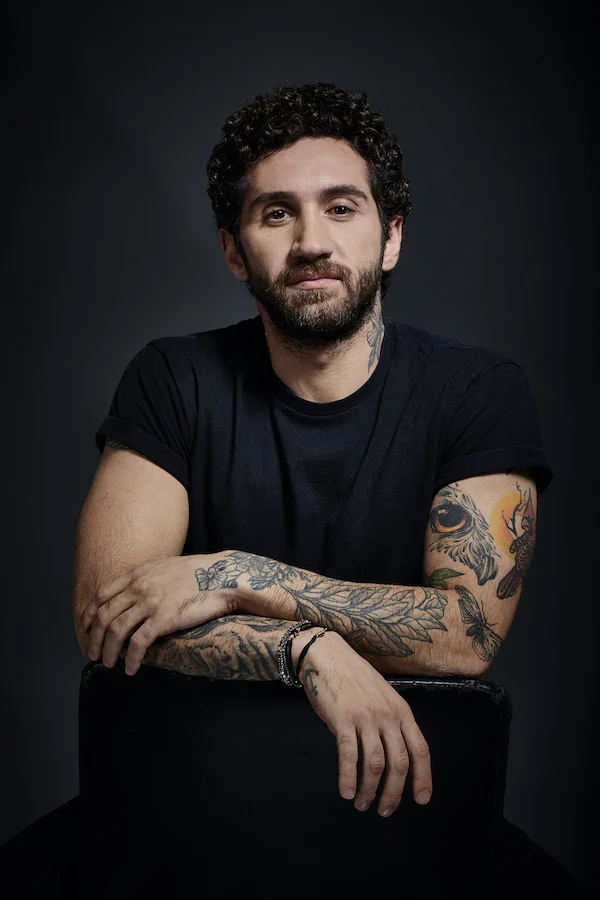
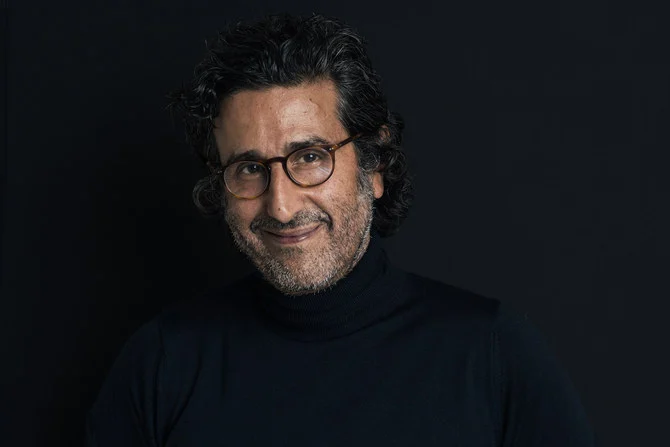
Sabaji completed his undergraduate degree in graphic design at the Lebanese American University. (Supplied)

_____________

LEBANON

IRAQ: Brain Tissue on a Microchip Aids Iraqi Scientist Dr Mootaz Salman’s Search for Better Stroke Treatments

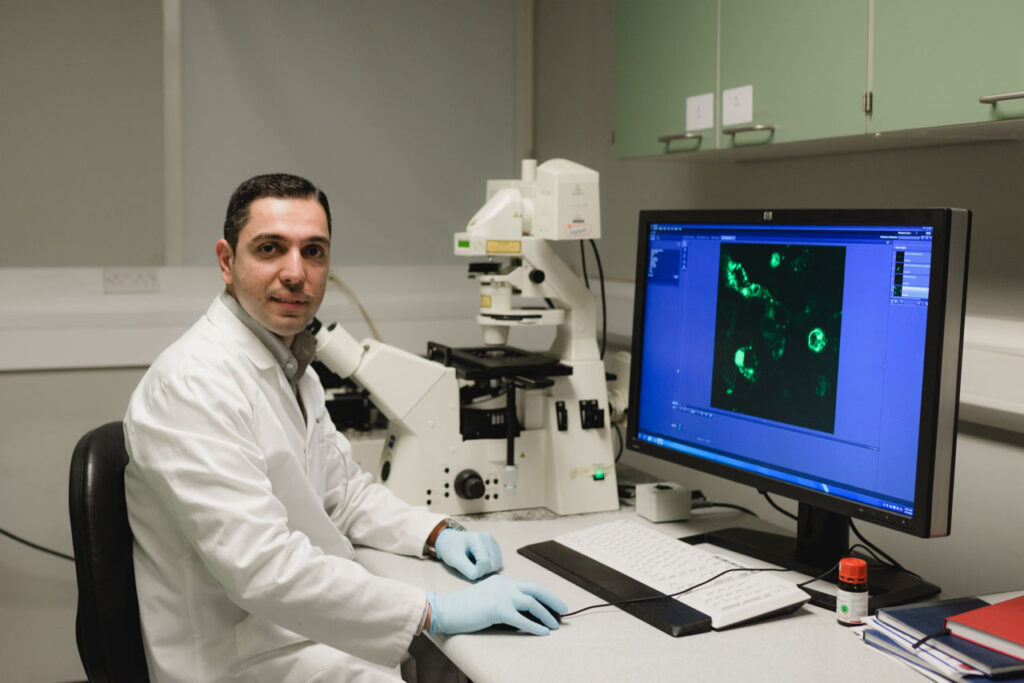
The Iraqi researcher Mootaz Salman has won the “Young Scientist Lectureship Award” for research that involved putting human brain tissue on a microchip and using innovative technology to treat neurodegenerative diseases.

Salman started his academic career at the University of Mosul, where he earned a Bachelor of Pharmacy with Honours, and is now is a senior researcher and lecturer in the department of physiology, anatomy and genetics at the University of Oxford.

He spoke to Al-Fanar Media about his work, which has taken nearly ten years of research, and the experiences that led him to his current post.

The first researcher in Britain to win the award, Salman said the support he received from universities where he had worked  in the United States and the United Kingdom had been a key factor.

“I deeply believe that the more a person works, the more fortunate he is,” Salman said.

“From the very beginning, I was aware of the challenges ahead, the double effort I had to make, as an academic from a conflict country, and the responsibility I had to convey a different image of my country and to help humanity provide solutions to brain diseases and stroke, which have risen dramatically.”

Human Brain Tissue on a Microchip

The International Society for Neurochemistry and the and Asian-Pacific Society for Neurochemistry will present Salman with the award in September in Honolulu, Hawaii.

Salman led a research team that used  a human brain “microvessel on a chip” to study what happens when drugs cross from the bloodstream into the brain.

The research was part of his ongoing work to understand the cellular physiology of the blood-brain barrier and exploit its mechanisms to improve the effectiveness of therapeutic treatments of neurological diseases such as Alzheimer’s disease, multiple sclerosis, and Parkinson’s disease.

The device the researchers designed for the study allowed them to track the movement of tiny molecular sizes across the blood-brain barrier. Their device is ideal for studies involving biotherapies, as well as being able to employ it in high-resolution imaging methods, such as transmission electron microscopy, Salman said.

Academic Journey

Before moving to the University of Oxford two years ago as an assistant professor and lecturer at Wolfson College, Salman was a postdoctoral fellow at Harvard Medical School and Boston Children’s Hospital in the United States.

Before that, he earned a master’s degree and a Ph.D. from Sheffield Hallam University, in the United Kingdom.

During his doctoral studies, he discovered a new pharmacological framework for developing drugs to treat patients with brain tumours resulting from accidents and strokes.

This research focused on water receptors in the brain. Salman described it as a turning point that helped him recognise the molecular mechanics of brain diseases and think of ways to provide therapeutic solutions rather than surgery, which has major risks and complications.

He said the research led him to discover how cells develop brain tumours and the mechanics that cause these tumours and strokes at the molecular level.

A World Health Organization report says that about 75 million people in the world suffer from strokes annually. About five million of them die and another five million suffer permanent disability.

Salman says the incidence of brain disease in the Arab world is rising because of the dietary and living patterns of the majority of the population, the intake of fats and sugars at “unreasonable” rates, the lack of physical activity, and the pressures of daily life.

Difficulty of Research in Arab Countries

After graduating from the University of Mosul, Salman worked as a teaching assistant in the university’s Faculty of Pharmacy for about two years and experienced firsthand the difficulties of research in the Arab world. He said there was no financial support for conducting research, research laboratories were limited, and the teaching and administrative burdens on professors usually led them to abandon research.

Salman said scientific research should be considered “an investment,”  not a “random academic luxury.” Such work only flourishes in a suitable environment where there is stability and financial support, he said.

He believes the political unrest Iraq has experienced in recent years has affected teaching in universities and Iraqi researchers’ chances for professional development. He described government support for Iraqi universities as “very limited” and said most research initiatives were “individual and random” and did not amount to regular institutional work.

A Call for Greater Investment in Research

Salman said Arab countries needed to increase investment in scientific research at the national level and benefit from the experience of wealthy Gulf countries that have attracted foreign and Arab professors from major European and American universities to establish research centres where young researchers can train.

He said he had tried to open communication channels between the University of Oxford and Iraqi universities to reach agreements for cooperation and scientific research, which could provide research fellowships for Iraqi researchers at British universities.

This year, the University of Mosul signed a cooperation agreement with Oxford on a project that uses remote sensing and photographic information systems to study antiquities. The work would preserve the cultural heritage of Nineveh Governorate and other Iraqi provinces, and attract Ph.D. students to training courses at British universities.

Salman said: “These efforts give me a high sense of pride and a greater incentive for hard work and research that benefits all humanity. I feel a sense of responsibility and love towards my country, my city and my mother university, which helped me and paved the way for me at the beginning of my academic journey.”

source/content: al-fanarmedia.org (headline edited)

___________

Mootaz Salman, an Iraqi scientist at the University of Oxford, has won the “Young Scientist Lectureship Award” for his use of innovative technology to treat neurological diseases. (Photo: Mootaz Salman).

_________

IRAQ

SAUDI ARABIA: Building Bridges: Saudi Designer Nawaf Al-Nassar discusses the Inspirations behind his Work

Interior design has a much deeper meaning for Nawaf Al-Nassar than for many others out there. For the Saudi designer, looking to the outdoors is what allows him to create the indoors.

Growing up in Jeddah, Al-Nassar travelled to London for his studies, where he was mentored by design icons including Zaha Hadid, Philippe Starck and Gianfranco Ferré. “It was amazing,” he tells Arab News.

After graduating in 1990, Al-Nassar returned to his hometown to work as an interior designer, starting his studio, 3N Jeddah (the three Ns being his name, his father’s name — Nahar — and their family name). It quickly gained popularity, acquiring residential and commercial projects in Jeddah, Riyadh, Cairo, Beirut, London, Paris and the south of France.

In 2017, Al-Nassar established Tasmeem Fair — a Saudi-based art platform for young designers to showcase their creativity. The fair became an instant hit, attracting 9,000 guests in its first week alone. He describes it as “my favorite — and the best — project of my life so far.”

His family’s origins — from a small village north of Riyadh in the center of the Kingdom — played a major role in Al-Nassar’s inspiration. He remembers his grandfather taking him out into the deserted Saudi countryside as a child.

“These were our family gatherings,” he says. “When I used to look at old houses in the beautiful desert, it attracted and relaxed me. When I’d go inside old palaces or any interior space, I always felt more relaxed.

“Since I was young, I’ve always felt more like I’m talking to myself when I’m inside an interior,” he continues. “Then, when I went to high school, I always felt comfortable sitting inside a space that was complete. All of us live in an interior space, but sometimes when we look around, we don’t feel comfortable. When I’d feel that in my youth, I’d find out it was because it was not made by a designer, but by a person who has expertise with walls and ceilings. not with proportion.”

Soon after, he attended a couple of summer schools in the United Kingdom to dive deeper into the world of interior design. And his calling towards the industry only grew. “When I sit with people, I love to know their interior, the outside doesn’t mean anything to me,” he explains. “The interior is the core to know the person more. So I started wanting to know more about the interior of things, which helped me a lot with product design. I really do believe that if the interior of where a person works or lives is not reflecting their character, they can never be themselves.”

For Al-Nassar, an artist should reflect his surroundings and his feelings towards them. As such, he began infusing local Saudi motifs into his designs to pass on to generations to come. “I love the space of my studio,” he says. “It really talks to me. As an interior designer, I use soft materials for the interior, such as fabric furniture, and I deal a lot with European companies.”

Although he owns many fabrics with European motifs, he had been longing to find a Saudi designer with his own design on a fabric. He collaborated with manufacturers to print the first Saudi design on a French fabric company’s products.

“It’s very important when you go inside a space and you see details around you that reflect the surrounding of the city where you are,” Al-Nassar says. “Paris, Cairo and others have that, but in Saudi Arabia, I didn’t see any Saudi motifs, so I started to create this line of fabric design and we started manufacturing pieces.”
In May, he designed some furniture for the Kingdom’s Misk Institute. His brief was to use inspiration from a historical building in the country, so he turned to the historic Salwa Palace — the original home of the Al-Saud royal family, located northwest of Riyadh.

“I started to enjoy its smooth elements and I looked at it as an architectural designer,” he says. “It’s as if I was in an orchestra, it was like silent music and it was so beautiful to see.”

From that visit, he created “Takkei” (meaning ‘Let’s sit’), inspired by the stones that form the base of the palace. He used new material to achieve a more industrial look that he believed would be more attractive to younger generations. “It’s about speaking their language,” he explains.

Al-Nassar’s creative process happens in the outdoors. Whenever he is struggling for inspiration, he jumps in his car and drives to the mountains, two-and-a-half hours away from Jeddah. He is revitalized by the surrounding landscape and old houses, some of which date back 200 years.

“I can almost read the culture and the type of life they used to live there,” he says. “I’m definitely inspired by Saudi Arabia — but also by everywhere. You have to go to the location and smell old places to be inspired.”

He mentions the picturesque village of Qaryat Al-Dehin, which is made up of 49 houses built from white mountain marble and quartz. After much research, he visited with a friend who came from Qaryat Al-Dehin. Four hours of driving later, he was immersed in its beauty. He compares it to a moment when he was 16 and he and his father watched the great opera singer Luciano Pavarotti sing in Milan. “Honestly, the same feeling came to me when I looked at these 49 beautiful houses on top of this beautiful mountain,” Al-Nassar says. “It was the same energy — the same music; it was amazing.”

His passion for the outdoors has also extended to his teaching as a guest lecturer in universities. He will often take the students on field trips — something he deems vital for today’s youth. “They have to go there themselves and see the reality on the ground,” he explains. “I have done field trips everywhere in Saudi Arabia for students, and lately it has become for others as well.”

Al-Nassar sees great potential and talent in young Saudi architects and interior designers. He admires their creativity, but suggest they need the right curator.

Ultimately, he hopes such people can build a bridge between the Kingdom and the rest of the world. “Design and art are a message of peace,” he concludes. “I’m already building that bridge, and hopefully it will be finished soon.”

source/content: arabnews.com (headline edited)

_____________

Growing up in Jeddah, Al-Nassar travelled to London for his studies, where he was mentored by design icons including Zaha Hadid, Philippe Stark and Gianfranco Ferré. (Supplied)

_________________

SAUDI ARABIA

SAUDI ARABIA : King Faisal University Bags Patent for Increasing Shelf Life of Dates

The Saudi Authority for Intellectual Property has awarded King Faisal University a patent for an alternative solution for sterilization of dates to increase their shelf life from one month to 100 days.

Dr. Fahd bin Abdulrahman Al-Asmari, assistant professor in microbiology and food safety at the university’s department of food and nutrition sciences, said: “This achievement is eco-friendly since it only relies on natural materials that do not harm humans or the environment.

“A photosensitization technique is used in this process, where dates are sprayed with photosensitizers, to be later exposed to light with a specified wavelength within the visible range.

“During the process, light waves (photons) react with photosensitizers, causing a reaction between the photons and the nanoparticles of the latter. The products of such reaction are high energy and oxidizing materials, which are used to kill microbes.”

The Kingdom ranks among the top date-producing countries in the world, and Al-Asmari described the fruit as a “strategic product” for the country.

The production and storage of dates encounter several challenges including environmental factors and microbes.

Al-Asmari pointed out that a few years ago his team noticed fungi nucleus growing on dates with higher sugar content, which were lost shortly after storage. This led the team to investigate alternative eco-friendly and efficient ways to preserve dates.

But initial experiments proved unproductive. “We noticed change in the color and texture of the preserved dates, rendering them non-consumable,” Al-Asmari added.

However, after many other attempts a breakthrough was found.

“We found a new method that relies on adopting a unique approach using natural materials. This method is eco-friendly and not harmful. In addition, it is a great alternative to the use of sterilizing chemicals in some date factories.

“This alternative method processes dates by photosensitization, where dates are sprayed with natural photosensitizers. Dates become sensitive to light rays, and they are exposed to intense light known as the visible spectrum,” he added.

As a result, the shelf life of dates can be extended by as much as three times.

He said: “This invention will prolong the dates validity period, improve their quality, and raise the competence of their marketing outside the Kingdom.”

The university has now been awarded 12 patents this year.

source/content: arabnews.com (headline edited)

____________

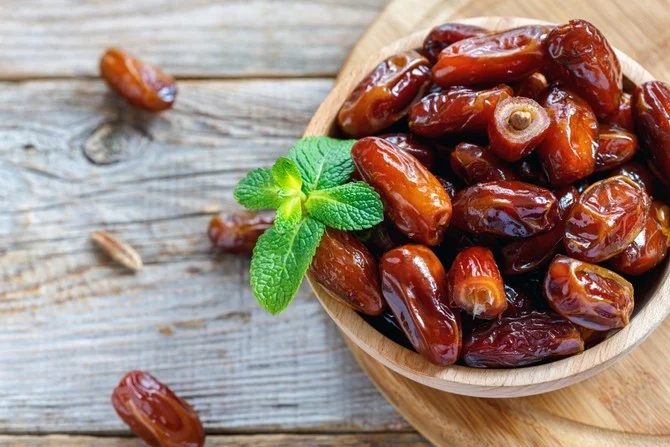
The production and storage of dates encounter several challenges including environmental factors and microbes. (Shutterstock)

__________________

SAUDI ARABIA

UNITED ARAB EMIRATES (U.A.E) :20 Emirati Female Designers Grab Attention at the Golden Jubilee of the ’50th Watch & Jewellery Middle East Show ‘ 2022 (WJMES)

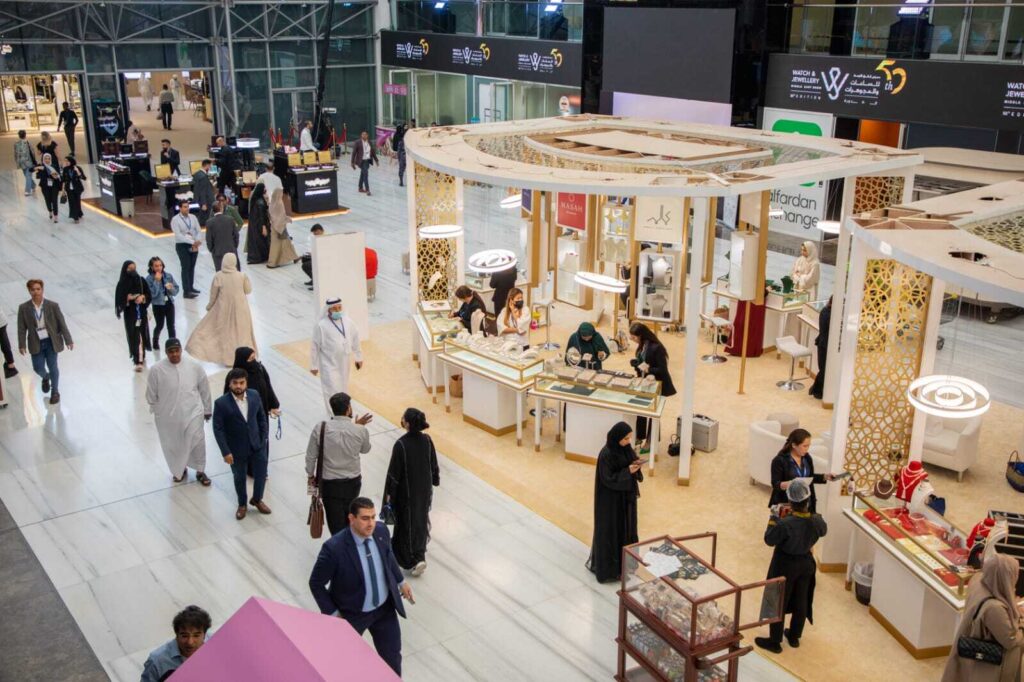
-With more than 900 renowned local and global brands taking part at the 50th (golden jubilee) edition of the Watch and Jewellery Middle East Show (WJMES), which continues until October 9 at Expo Centre Sharjah, 20 Emirati female designers managed to attract the visitors’ attention to the Emirati Jewellers platform, launched by Sharjah Chamber of Commerce and Industry, with the aim to support young Emirati talents in jewellery designing and spotlight their artistic works at the important event.

Abdallah Sultan Al Owais, Chairman of Sharjah Chamber of Commerce and Industry, said that supporting Emirati entrepreneurs and talents is one of the main objectives that Sharjah Chamber is working to achieve, and the Watch and Jewellery Middle East Show has always been supporting Emirati designers through such initiatives as the Emirati Jewellers platform.

He added that over more than eight editions, the platform has been able to provide an exemplary opportunity for the Emirati designers who wish to enter the world of gold-smithing and jewellery whether in Sharjah or the entire UAE, and it succeeded in attracting talents to the jewellery design and trade sector to develop their crafting and marketing skills.

He pointed out that the platform attracted more than 46 Emirati female designers and sponsored the Qelada project, launched by the Ministry of Community Development, to support female designers of determination.

Al-Owais underlined the participation of the youngest Emirati female jeweller along with many other female designers who presented impressive gold and jewellery designs.

Saif Mohamed Al-Midfa, CEO of Expo Centre Sharjah, underscored the importance of the Emirati Jewellers platform being an annual stimulus that attracts more and more Emirati creators to the world of jewellery design and benefits from the event’s large global participation, which contributes to providing these talents with more experiences to develop their businesses.
One of those talents who caught the attention of visitors was Dr. Abeer Awad.

She said, “My passion for beauty and drawing has driven me to discover this talent, and so have the many talent-fostering government initiatives, the most important of which is the Emirati Jewellers platform, which has been the strongest motivator for me to enhance my talent and start my own project”.

Designer Zahira Ahmed Al Marar pointed out that her participation is the second in this event, and she expressed her pride in taking part in this platform together with a group of Emirati talents who work as one team to brightly represent the UAE in such a global event, stressing that Sharjah Chamber is her first and biggest supporter to be a key participant at the event and show her designs to the whole world.

She expressed her gratitude to the Chamber for the great support and diligent follow-up to ensure the continuity and success of the projects.

Sheikha Al Serkal, in turn, underlined her keenness to participate in the Watch and Jewellery Middle East Show being a key platform to showcase her talent, which is admired by the visitors every year.


Azza Al Jarwan, on the other hand, praised Sharjah Chamber’s fostering of young Emirati jewellery talents and bringing to the fore their artistic works in the most outstanding event of jewellery exhibitions.

source/content: wam.ae (headline edited)

____________

____________________________________

UNITED ARAB EMIRATES (U.A.E)

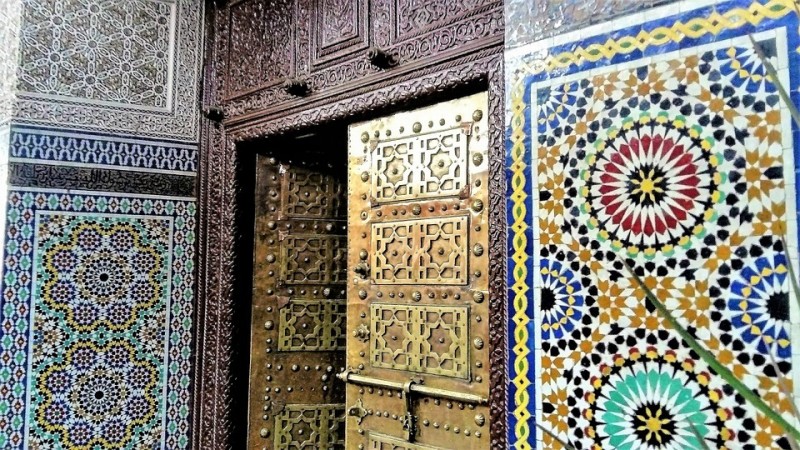
MOROCCO: ‘Zellige of Fez’ Patented to Protect Cultural Heritage

Morocco recently has stepped up efforts to restore and protect its cultural heritage.

Following a series of complaints about the cultural appropriation of Moroccan Zellige (mosaic), on Friday, Morocco’s Ministry of Culture announced the official patenting of Zellige of Fez by the World Intellectual Property Organization.

In 2015, Morocco registered the Zellige of Fez in the Vienna Classification of Figurative Elements of the World Intellectual Property Organization in an effort to preserve its national heritage.

Celebrating the new patent, the Moroccan ministry took to social media to share the news, stating “Zellij is one of the most artistic forms that express the originality of Moroccan architecture.”

The ministry’s post added that the Zellige “industry dates back to the tenth century AD, when it flourished during the Marinid era in the honorable Kingdom before moving to neighboring tribes during the following centuries.”

Given the global popularity of Zellige of Fez due to its quality, originality, and multicolored feature, the Moroccan ministry says that “the city of Fez [is] the owner of this art and the main center for its production and industry due to its special clay that is not found in other places.”

In addition to gaining global appeal among designers, interior architects, celebrities, and even international organizations , Moroccan Zellige has been studied by Moroccan and foreign experts in the fields of engineering, arts, social sciences, and mathematics including Rushita Choksey and Jean Constant.

Despite the existence of an extensive literature body asserting the Moroccan origin of the Zellige, the clay artwork remains subject to external claims. 

Earlier this week, Morocco filed a complaint against Adidas for producing and promoting new Algerian jerseys with Zellige patterns. Adidas claimed that the patterns were inspired by El Mechouar palace in Tlemcen.

Soon after Moroccan social media users learned about Adidas’ news, the brand’s post was flooded with comments from Moroccan users who denounced the company’s act. Moroccan users added social media hashtags such as  #Moroccan culture, #Moroccan Zellige, and #No theft of Moroccan heritage to spread the word.

Some internet users also stressed the Moroccan origin of the El Mechouar’s architecture stating that the Algerian-based palace was built by Sultan Youssef Ibn Tachfin during the Almoravid dynasty and renovated in 2010 with Moroccan calligraphy, mosaic, and plaster art.

In response to the social media backlash between Moroccan and Algerian users, Morocco’s Ministry of Culture filed a complaint against the multinational firm, condemning the “cultural appropriation [and the] attempted robbery of a form of traditional Moroccan cultural heritage.”

Still, Moroccan-Algerian clashes over the origins of popular products such as couscous, caftan, and mosaics are likely to persist after the patenting of the Zellige of Fez. These debates, which mostly take place in the digital space, reflect the decades-long tensions between Rabat and Algiers centered on the Western Sahara dispute.

The rising diplomatic tensions and small-scale online clashes between the North African neighbors, however, do not fully reflect the relations between the two nations’ peoples, as many Moroccan and Algerian families have shared history and lineage. 

source/content: moroccoworldnews.com (headline edited)

_________

The Moroccan Zellige industry dates back to the tenth century AD

_____________

MOROCCO

UNITED ARAB EMIRATES (U.A.E) : Mohammad Al Gergawi announces details of ‘Great Arab Minds’ designed to search for exceptional talents among Arabs

 Mohammad Abdullah Al Gergawi, Minister of Cabinet Affairs, Chairman of the Committee leading Great Arab Minds, and Secretary-General of the Mohammed Bin Rashid Al Maktoum Global Initiatives (MBRGI), highlighted the details of “The Great Arab Minds” initiative.

Launched by His Highness Sheikh Mohammed bin Rashid Al Maktoum, Vice President, Prime Minister and Ruler of Dubai, in January 2022, the initiative is the Arab world’s largest movement designed to search for exceptional talents among Arab scientists, thinkers, and innovators across key fields.

The Great Arab Minds initiative, under the MBRGI, aims to identify, support and acknowledge leading thinkers in the region, amplify their impact and inspire future generations. One of its main purposes is to reduce the emigration of Arab scientists, specialists, intellectuals, doctors, and engineers.

He affirmed that “The Great Arab Minds” initiative reflect His Highness’ vision in reigniting the Arab World’s Civilisation Drive, support great Arab minds and acknowledge their work and achievements, in service of humanity.

Mohammad Al Gergawi pointed out the importance of the Arab Reading Challenge initiative launched by His Highness Sheikh Mohammed bin Rashid Al Maktoum, among many other development projects, serving more than 91 million beneficiaries.

A study conducted by KPMG, showed that ignorance costs the Arab world more than US$2 trillion. The Great Arab Minds initiative aims to change this reality and contribute to shaping a brighter future for Arab generations.

During an event organised in the Museum of the Future to announce the details of the initiative, Mohammad Al Gergawi witnessed the signing of four partnerships between “The Great Arab Minds” initiative and KPMG, LinkedIn, Meta, and Majarra.

The initiative’s mission is to search for exceptional talents among Arab scientists, thinkers, and innovators across key fields, aiming to identify, support and acknowledge leading thinkers in the region, amplify their impact and inspire future generations.

Over a 5-year period, “The Great Arab Minds” will reward scientists, thought leaders, scholars, and innovators across 6 categories: Natural Sciences (Physics and Chemistry), Medicine, Literature and Arts, Economics, Technology and Engineering, and Architecture & Design.

The initiative includes the “Mohammed bin Rashid Medal for Great Arab Minds”, which will be awarded to 6 winners of six categories each year.

The Great Arab Minds initiative aims to facilitate the recognition of Arab thought leaders, scholars, scientists, geniuses, and transforming their ideas to real-life breakthroughs and solutions. It also aims at empowering cluster of Arab scientists and thinkers and building a network of Arab thinkers, scientists, and exceptional talents in various fields to work as one team to drive the Arab world’s intellectual renaissance.

source/content: wam.ae (headline edited)

__________

source: youtube.com

____________________________________________

DUBAI, UNITED ARAB EMIRATES (U.A.E.)

KUWAIT: Dr Ammar Bahman and Dr Nasser Al-Sayegh, 2 Kuwaiti Researchers Patent Device That Could Improve Efficiency of Power Plants

After three years of research during and after the Covid-19 pandemic, the Kuwaiti researchers  Ammar Bahman and Nasser Al-Sayegh have come up with an invention that could help reduce energy consumption in power plants.

Bahman is an assistant professor in the department of mechanical engineering at Kuwait University, and Al-Sayegh is an associate research scientist at the Kuwait Institute for Scientific Research.

Their idea, which has been registered with the U.S. Patent Office, revolves around the creation of a device that can calculate the physical state of nanoparticles dispersed in advanced thermal fluids called nanofluids.

The significance of Bayman and Al-Sayegh’s invention lies in contributing directly to the improvement of thermal systems used in Kuwait for power generation and water desalination. The invention will allow scientists to test the qualities of a nanofluid before offering it as an alternative to the conventional fluids currently used.

The researchers used virtual Internet meetings to continue working together throughout the Covid-19 curfews in Kuwait, moving through stages of clarifying the problem, discussing solutions, describing and illustrating their idea, and sending off the patent for examination.

Practical Benefit of the Invention

Bahman, who obtained a Ph.D. in mechanical engineering from Purdue University in the United States four years ago, told Al-Fanar Media that his work on this invention came from a desire to find solutions to common problems between different disciplines.

He explained that the invention is based on the scientific and practical benefit of using nanofluids to improve the efficiency of the cooling processes, because nanofluids have higher thermal properties than traditional liquids. Bahman said the invention offers a solution to a problem facing nanofluids, which is that the suspended nanoparticles are prone to settle under the liquid over time. This means that these liquids eventually lose their advanced thermal properties.

The new invention calculates the percentage of a nanofluid that has lost its thermal properties, and the time it takes for the nanofluid to complete the precipitation process. Such calculations are vital to the research and industrial sector, Bahman said, because they allow scientists, companies, and decision-makers to know the sustainability of energy-generation and conservation devices when used with nanofluids.

Al-Sayegh said the real benefit of the invention would be seen at power plants and water desalination plants, because they depend on heat transfer. The patent will allow specific nanofluids to be introduced to increase the plants’ efficiency by reducing the fuel used, thus saving electrical energy consumption, he told Al-Fanar Media.

Al-Sayegh said creating a device capable of characterising the physical state of particles suspended in nanofluids would revolutionise Kuwait’s thermal systems systems in terms of operational efficiency and fuel consumption challenges.

Research Environment in the Arab World

With the Patent Office at Kuwait University, Bahman plans to employ research results in the country’s industrial sector.

He wants to establish an energy centre affiliated with Kuwait University to conduct scientific and experimental research, offer consultations to the public and private sectors, and provide training opportunities for students, technicians, and specialist engineers.

He believes that to encourage innovation, researchers need an appropriate research environment and access to knowledge and human resources.

Bahman also thinks scientific criticism should be included in school curricula, along with the presentation of scientific problems to encourage innovative solutions. This could be achieved through joint scientific programmes with international universities and student exchange programmes, he said.

Current conditions in the Arab world “do not stimulate scientific research,” Bahman said. “The research process requires great focus, effort and time from the researcher, as well as a stable environment for those conducting scientific research. This can only be achieved when there is abundant financial support.”

Al-Sayegh added that he and Bahman were trying to establish a company to market their inventions, and turn them into practical products that serve a large number of people.

source/content: al-fanarmedia.org (for text -headline edited), (pixs: ovpr.ku.edu.kw)

___________

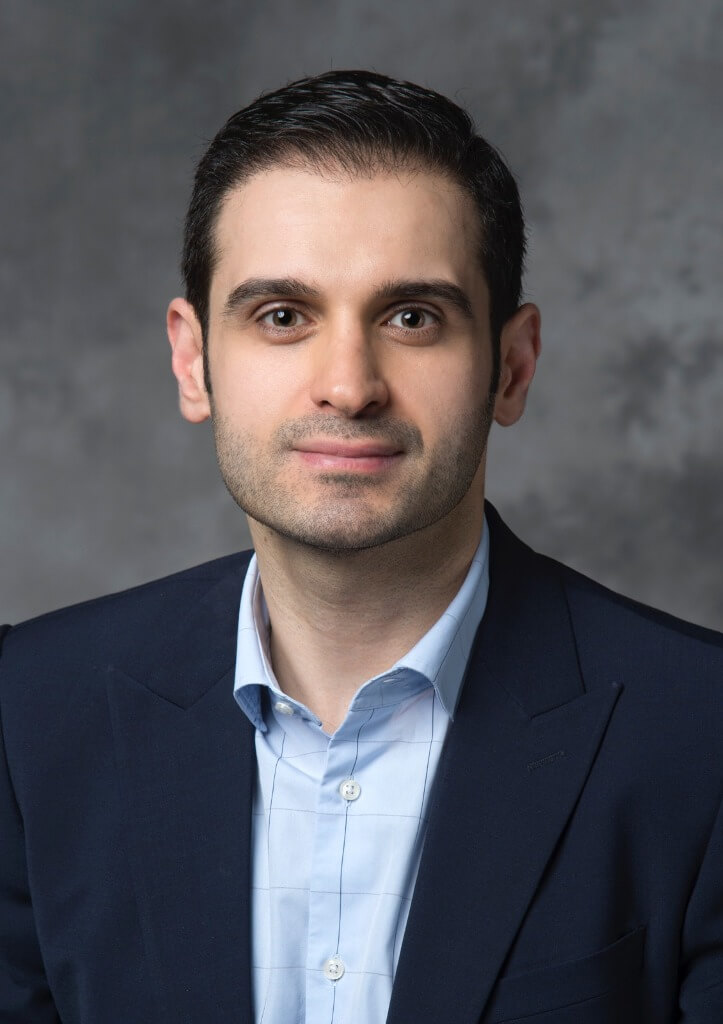
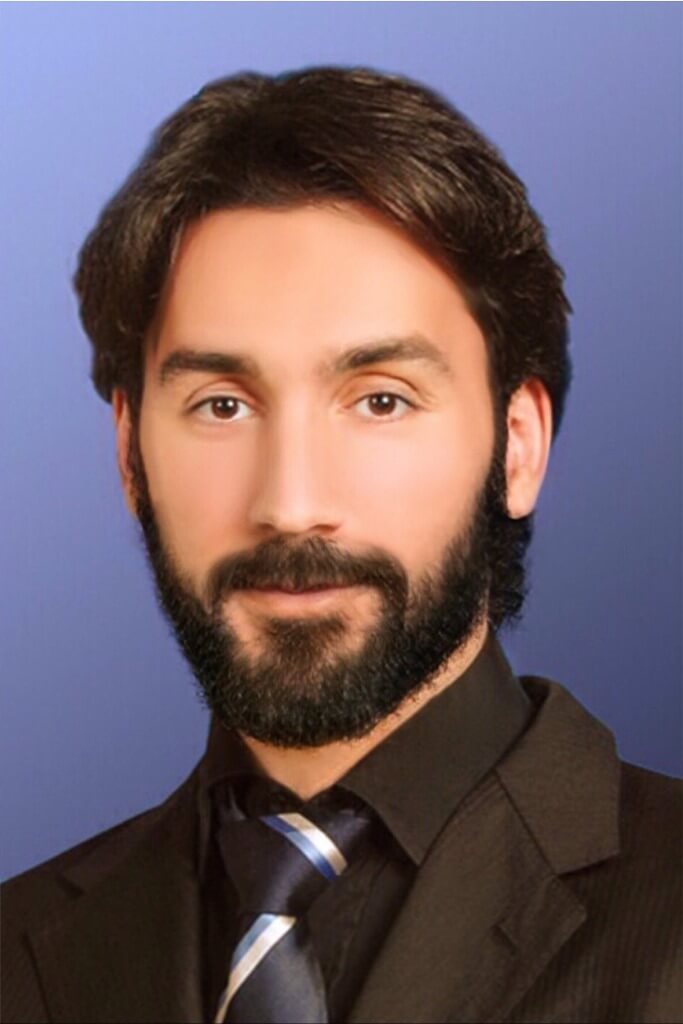
Dr. Ammar Bahman
Dr. Nasser Al-Sayegh

____________

KUWAIT

SYRIA: Looking Back at Queen Elizabeth II’s Wedding Gown Made with Syrian Brocade

As the world looks back on the storied life of Queen Elizabeth II, fashion lovers could be pleasantly surprised to find the longest-serving British monarch championed Arab creativity on one of the most memorable days of her life.

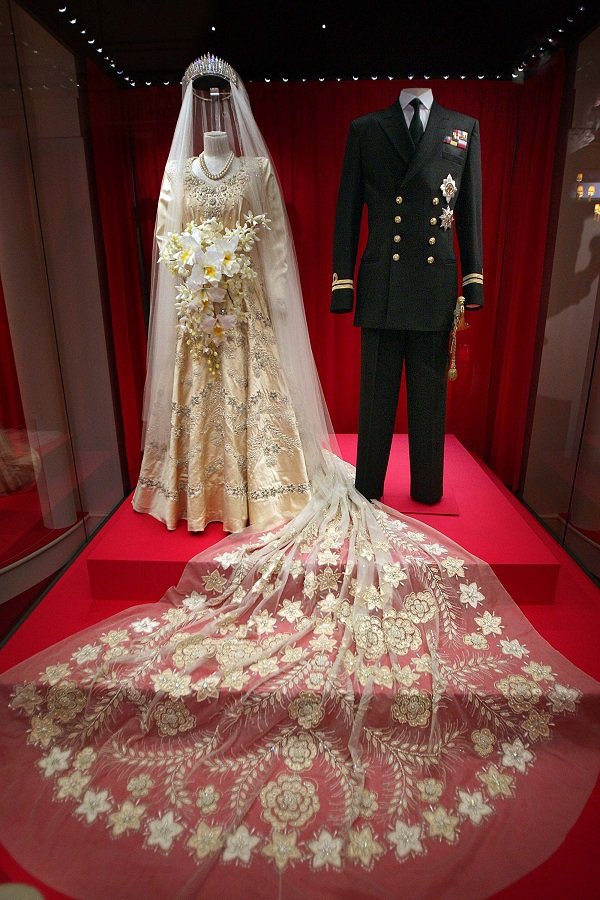
On Nov. 20, 1947, the then-21-year-old princess married naval officer Prince Philip of Greece in a gown created by court designer Norman Hartnell.

The regal dress was made of ivory silk from China — not Japan or Italy given the recent end of World War II — and featured 10,000 seed pearls imported from the US — as well as show-stealing Damask brocade from Damascus, Syria.

The brocade fabric was brought from the Al-Muznar factory in the Bab Sharqi neighborhood of Damascus’s Old City and featured embroidery of “two love birds” exchanging kisses in a pattern known locally as “the lover and the beloved.” Woven with 12-karat gold thread, the brocade fabric was reportedly sent to the queen by Syrian President Shukri al-Quwatli.

The luxurious fabric is one of many gifts sent from the Arab world throughout the royal’s life.

The dress was meant to symbolize “rebirth and growth” in Britain after the war, according to the Royal Collection Trust.

It took 350 women seven weeks to make, and featured elaborate floral motifs of jasmine, smilax, lilac and white rose-like blossoms added to the train. The design was inspired by Italian artist Botticelli’s 1482 painting of Primavera.

source/content: arabnews.com (headline edited)

__________

On Nov. 20, 1947, the then-21-year-old princess married naval officer Prince Philip of Greece. (Getty Images)

Princess Elizabeth’s wedding dress, designed by Norman Hartnell, and the Duke of Edinburgh’s Royal Naval uniform are displayed at an exhibition at Buckingham Palace on July 27, 2007 in London. (Getty Images)

___________

SYRIA

IRAQ: Chemistry Scientist and Researcher Dr.Suhad Yasin’s Work on Purifying Water Has Been a Journey of Perseverance

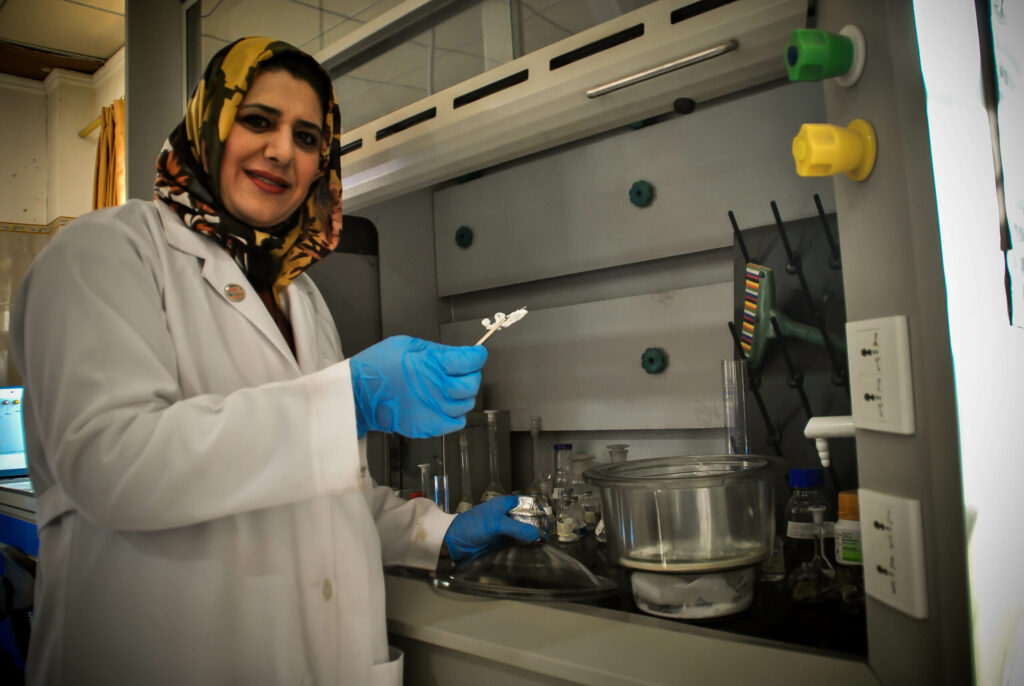
The Iraqi scholar Suhad Yasin has waged a long battle against financial and administrative obstacles to continue her work on purifying polluted water.

Her graduate studies started later than most and became a long journey over 13 years of dropping out and restarting, but she persevered. Two years ago, the University of Duhok awarded her a doctorate in polymer chemistry.

Now Yasin works from an independent laboratory she set up at the University of Duhok, where she and her students use cheap, available materials to treat polluted water.

Iraq, like many Arab countries,  suffers from water scarcity and stress. One study predicts  the Tigris and Euphrates rivers will dry up completely by 2040. 

Apart from the scarcity issue, some Iraqi waterways also face problems with contamination by heavy metals like aluminum, cadmium and chromium, adding urgency to research like Yasin’s.

An Interrupted Academic Journey

In an interview with Al-Fanar Media, Yasin described her career in industry and academe.

After obtaining her bachelor’s degree in chemistry at the University of Mosul in 1993, she joined a laboratory in a local pharmaceutical factory, eventually becoming production manager.

As violence increased in Mosul over the next decade, however, Yasin was forced to return to her family’s home city of Duhok in 2006. She got an administrative job at the Ministry of Industry of the Kurdistan Region of Iraq.

But she did not find administrative work satisfying, Yasin said, so she took a competitive exam to study for a master’s degree at the University of Duhok.

By then a wife and mother, Yasin faced challenges in studying at the University of Duhok, both with learning in English and in overcoming the skepticism of some academics. Her thesis supervisor questioned her ability to complete the work. “He told me, ‘I regret being involved in the supervision of your thesis. It will be difficult for you to complete your studies at your age because of your family responsibilities.’”

But Yasin said his words only increased her motivation. “I needed to prove to my supervisor and myself that I was not a problem, but an energetic researcher who had missed an opportunity,” she said.

Yasin got her master’s degree with excellence in 2009 with a thesis on removing chromium from water using modified pomegranate peel .

Starting from Scratch on a Ph.D.

She then applied to transfer from her job at the ministry to work as an assistant teacher in the chemistry department of the University of Duhok’s Faculty of Science.

She taught at the University of Duhok   for six years but was not given an opportunity to pursue a Ph.D. because the university lacked facilities and funds for research in her specialisation. Throughout this time, she continued her research on purifying polluted water.

In 2015, the university offered her an opportunity to pursue a doctorate and she took it. There was considerable opposition to her studying for a Ph.D. at the age of 50, but she managed to convince the head of the department.

Based on the advice of her master’s supervisor, who had changed his mind about her ability, she chose nanofiber technology as the subject of her doctorate. Her new supervisor initially opposed the idea, saying the university could not afford the materials required for research on this topic. But he finally relented when she persisted.

Yasin said she had nothing but the lab walls when she started her doctoral research: no equipment, devices, or “cofactors”, molecular compounds needed in certain chemical reactions. “The resources were almost zero,” she said. “I had to buy everything myself and start from scratch.” 

Lining up Support

Yasin contacted professors and scholars from various Arab countries to ask for help. By chance, she heard of a physics professor at the University of Basrah who had designed a device that would help her with her research. “I contacted the professor at the University of Basrah immediately and she agreed to help me,” Yasin said.

Yasin then had to convince her dean at the University of Duhok to manufacture a similar device so she could work. He agreed, but she still needed funding for her research.

She wrote to several international organisations asking for financial support and eventually received a three-year grant of about $207,000 from the National Academy of Sciences in the United States, in 2018. She used the money to establish an independent laboratory at the University of Duhok to conduct her research on using nanomaterials to treat water.

Yasin acknowledges that funding scientific research is a general problem in Arab countries, but she insists that scholars themselves have a duty to find funding for their research.

“We must not stand idly by. I work day and night to get new financial support,” she said. “With each refusal, I realise that I have to work more.”

source/content: al-fanarmedia.org (headline edited)

__________

Suhad Yasin, of the University of Duhok, overcame many obstacles during 13 years of interrupted graduate study to continue her research on purifying polluted water. (Photo courtesy of Suhad Yasin)

________

IRAQ