UNITED ARAB EMIRATES (U.A.E) : Mohammad Al Gergawi announces details of ‘Great Arab Minds’ designed to search for exceptional talents among Arabs

 Mohammad Abdullah Al Gergawi, Minister of Cabinet Affairs, Chairman of the Committee leading Great Arab Minds, and Secretary-General of the Mohammed Bin Rashid Al Maktoum Global Initiatives (MBRGI), highlighted the details of “The Great Arab Minds” initiative.

Launched by His Highness Sheikh Mohammed bin Rashid Al Maktoum, Vice President, Prime Minister and Ruler of Dubai, in January 2022, the initiative is the Arab world’s largest movement designed to search for exceptional talents among Arab scientists, thinkers, and innovators across key fields.

The Great Arab Minds initiative, under the MBRGI, aims to identify, support and acknowledge leading thinkers in the region, amplify their impact and inspire future generations. One of its main purposes is to reduce the emigration of Arab scientists, specialists, intellectuals, doctors, and engineers.

He affirmed that “The Great Arab Minds” initiative reflect His Highness’ vision in reigniting the Arab World’s Civilisation Drive, support great Arab minds and acknowledge their work and achievements, in service of humanity.

Mohammad Al Gergawi pointed out the importance of the Arab Reading Challenge initiative launched by His Highness Sheikh Mohammed bin Rashid Al Maktoum, among many other development projects, serving more than 91 million beneficiaries.

A study conducted by KPMG, showed that ignorance costs the Arab world more than US$2 trillion. The Great Arab Minds initiative aims to change this reality and contribute to shaping a brighter future for Arab generations.

During an event organised in the Museum of the Future to announce the details of the initiative, Mohammad Al Gergawi witnessed the signing of four partnerships between “The Great Arab Minds” initiative and KPMG, LinkedIn, Meta, and Majarra.

The initiative’s mission is to search for exceptional talents among Arab scientists, thinkers, and innovators across key fields, aiming to identify, support and acknowledge leading thinkers in the region, amplify their impact and inspire future generations.

Over a 5-year period, “The Great Arab Minds” will reward scientists, thought leaders, scholars, and innovators across 6 categories: Natural Sciences (Physics and Chemistry), Medicine, Literature and Arts, Economics, Technology and Engineering, and Architecture & Design.

The initiative includes the “Mohammed bin Rashid Medal for Great Arab Minds”, which will be awarded to 6 winners of six categories each year.

The Great Arab Minds initiative aims to facilitate the recognition of Arab thought leaders, scholars, scientists, geniuses, and transforming their ideas to real-life breakthroughs and solutions. It also aims at empowering cluster of Arab scientists and thinkers and building a network of Arab thinkers, scientists, and exceptional talents in various fields to work as one team to drive the Arab world’s intellectual renaissance.

source/content: wam.ae (headline edited)

__________

source: youtube.com

____________________________________________

DUBAI, UNITED ARAB EMIRATES (U.A.E.)
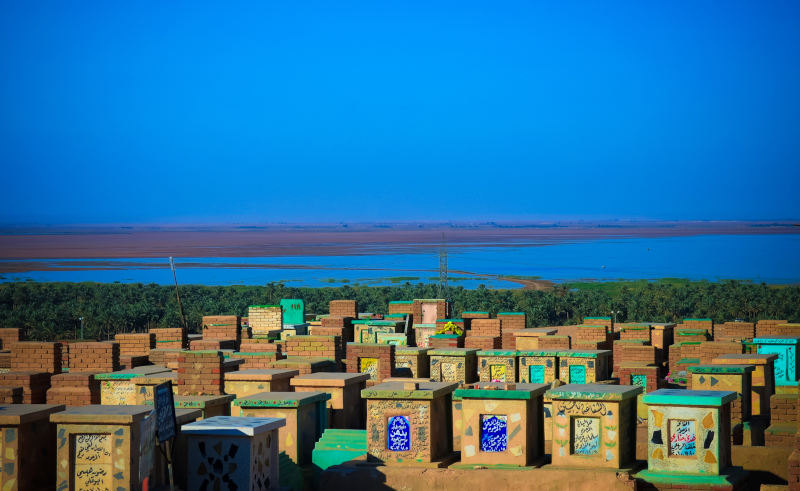
IRAQ: ‘Wadi Al-Salam’ a UNESCO World Heritage Site, the Largest Cemetry in the World

Dating back to the early middle ages, this Iraqi cemetery holds the remains of kings, dignitaries, scholars, and soldiers alike.

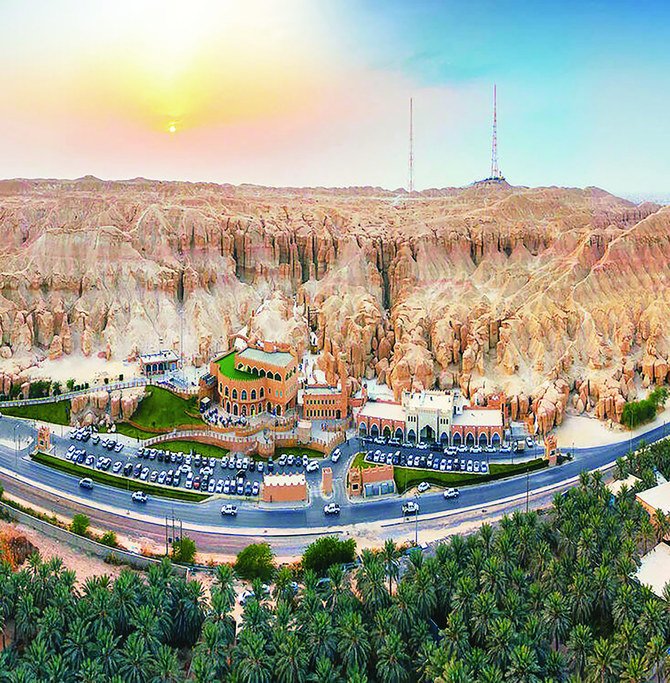
Wadi Al-Salam, which means ‘Valley of Peace’ in Arabic, is a necropolis in which every Shiite Muslim hopes to be buried some day, in the belief that it is these burial grounds that will hold eternal peace for them.

Located in the Iraqi city of Najaf, Wadi Al-Salam is a cemetery that dates back to the early middle ages, hosting the remains of kings, dignitaries, scholars, and soldiers alike.

Every year, an estimated 50,000 Shiite Muslims are buried in this hallowed ground. The cemetery stretches across 1500 acres, taking up almost 13% of the city, and allegedly holds over six million bodies.  The necropolis, however, isn’t just a morbidly beautiful burial ground. Rather, each tombstone contains a name and an engraving that paints a vivid timeline of Iraq’s (arguably tragic) history, with a hyperfocus on internal  disputes, natural disasters, and wars.

In 1981, Rahim Jabr, an Iraqi foot soldier, was martyred in the eight-year war with Iran. 25 years later, his brother, Naeem Jabr, was a casualty of the sectarian civil war that killed hundreds in Baghdad in 2006. The siblings are buried next to each other, united in the necropolis that holds many others whose stories are eternally intertwined with that of the bloody history of this country.

The 2003 invasion of Iraq by the United States and its subsequent conflicts alone led to the graveyard expanding by over 40% (7.5 square kilometres)  to contain the bodies of the martyred Shiites.

Wadi Al-Salam has been the responsibility of a single Shiite family for over three centuries, and the Abu Seiba’s stand testament to the cruelty of war, having carried hundreds of thousands of bodies belonging to their brethren into the ground.

Wadi Al-Salam is considered a UNESCO World Heritage site and has been since 2011, as the cemetery stands witness to thousands of years of history, religious tradition and dedication by Shiite Muslims.

source/content: cairoscene.com (headline edited) / Fadila Khalid

____________

__________

IRAQ

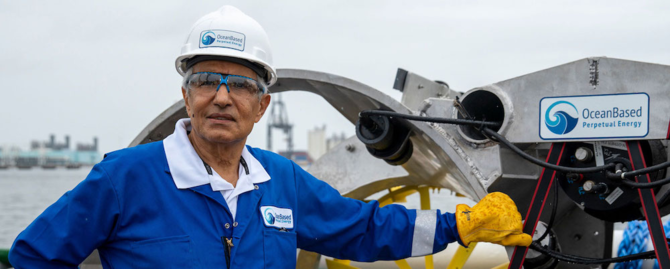
SAUDI ARABIA: Inventor Nasser Al-Shemaimry Reveals Method to Harness Energy from Oceans

 Saudi inventor Nasser Al-Shemaimry showed a method to harness energy from ocean currents using turbines at a press conference at the Movenpick hotel in Jeddah on Wednesday.

The press conference was attended by Prince Abdulaziz bin Nasser, who served at the Ministry of Interior for more than 40 years.

Al-Shemaimry, CEO of OceanBased Perpetual Energy, founded in Miami, signed a memorandum of understanding with Prince Abdulaziz.

“This memorandum will be presented to the inventor Nasser Al-Shemaimry for engineering supplies and most office services,” he told Arab News. “And to connect with ministries, and we will help him with anything he needs.”

Al-Shemaimry’s project was first used in south Florida to harness the Florida Gulf Stream current and convert it to clean and renewable power.

“Oceans and seas have some currents that go from one direction to another, the current varies in speed, but the current we are using is 5 to 6 miles per hour,” he told Arab News.

“Five-six miles per hour is enough to make the propellers turn, and our propeller is 64 meters long, so as it turns, it turns the turbines inside of the cowling, and that turbine rotates the generator, which produces electricity,” he said.

He said that his project takes the electricity from the generator to a substation then the substation regulates the electricity to what is needed.

“Then it goes to the shore and we connect it to the main substation on shore, then it is up to the city hall or the people who are in charge of the town, city or country to take it from there and take it to the power lines,” he said.

Highlighting how it compares to other sustainable power sources such as solar or wind, he said the ocean provided a continuous and uninterrupted supply of energy.

For solar energy requirements, he said as long as the sun was up the panels would work and charge batteries.

“Each energy source has its own advantages and disadvantages. Solar energy has been around forever, it works and serves its purpose, it’s inexpensive and on land,” he said.

“Windmills are everywhere, but the difference in my opinion is that our energy is perpetual; it doesn’t stop, it works 24/7 and 365 days a year.”

Since the launch of the Kingdom’s Vision 2030 in 2016, Saudi Arabia has made effective efforts to protect the environment and reduce the effects of climate change to achieve sustainability.

Extensive studies within the Green Saudi Initiative revealed a reduction of carbon emissions by more than 4 percent, and efforts to provide 50 percent electricity through renewable energy projects by the year 2030.

source/content: arabnews.com (headline edited)

___________

Saudi inventor Nasser Al-Shemaimry, CEO of OceanBased Perpetual Energy. (Supplied)

_________________

SAUDI ARABIA

WORLD RECORDS: UAE: Emirates Flight Catering unit opens ‘Bustanica” the World’s Biggest Vertical Farm in Dubai

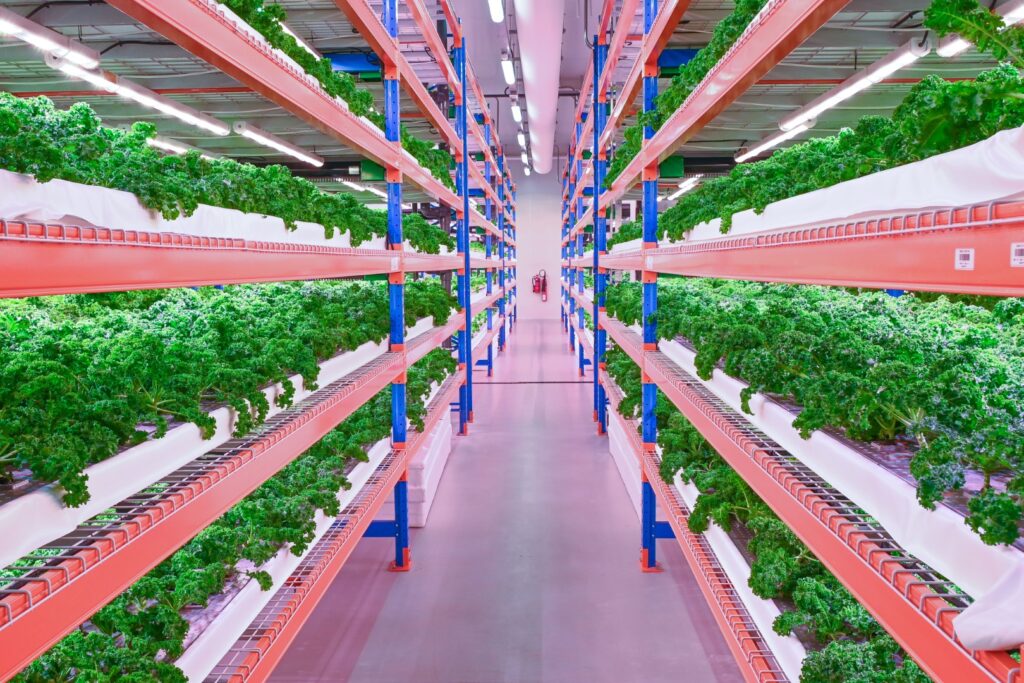
The $40m Bustanica hydroponic farm near DWC will produce more than a million kilos of greens annually with 95% less water than conventional farming.

Emirates has opened the world’s largest vertical farming plant in Dubai, a $40 million (Dh147m) joint venture with US-based Crop One, as the UAE continues to bolster its food and water security.

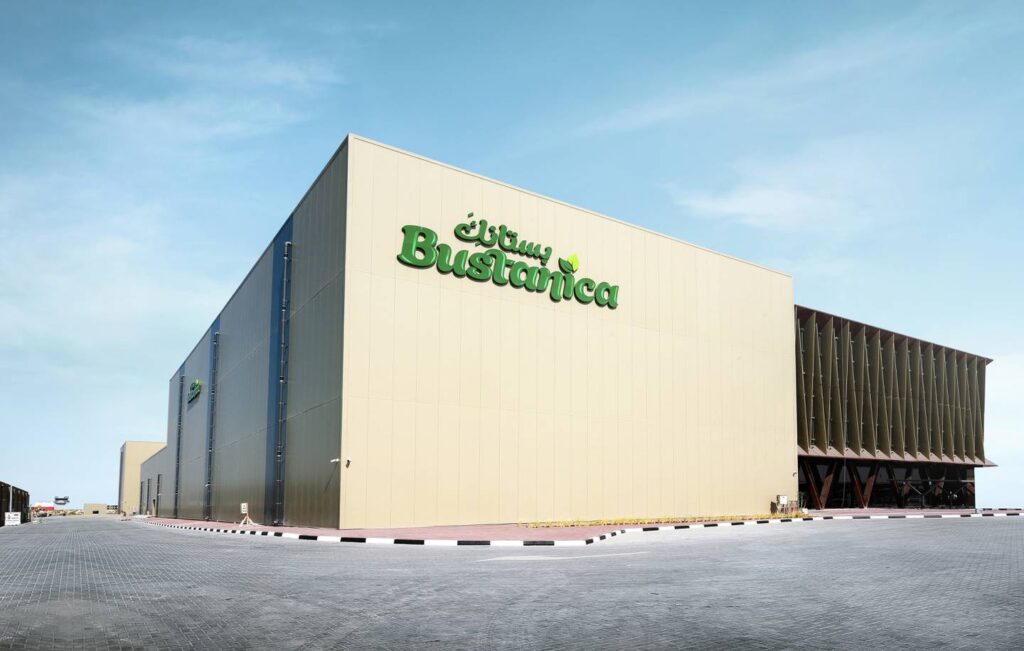
Bustanica, the 330,000 square-foot hydroponic farm located near Al Maktoum International Airport (DWC), is set to grow more than a million kilograms of leafy greens annually, or about 3,000kg per day, Emirates said in a statement on Monday.

Using 95 per cent less water than traditional farming and saving 250 million litres of water, Bustanica will grow fresh produce without pesticides, herbicides or chemicals.

“Long-term food security and self-sufficiency are vital to the economic growth of any country, and the UAE is no exception,” said Sheikh Ahmed bin Saeed Al Maktoum, chairman and chief executive of Emirates Group.

“Bustanica ushers in a new era of innovation and investments, which are important steps for sustainable growth and align with our country’s well-defined food and water security strategies.”

Bustanica is the first facility for Emirates Crop One, a joint venture between Emirates’ flight catering unit and indoor vertical farming firm Crop One.

Emirates Flight Catering, a subsidiary of Emirates group, supplies in-flight food for Emirates and other airlines at Dubai International Airport.

Vertical farming is a technique with a significantly smaller carbon footprint than traditional agriculture. This method grows plants using mineral nutrient solutions, in water and without soil. They are grown in a fully controlled environment — everything from temperature, humidity, lighting, water and nutrients is precisely monitored, maximising growth and yield.

The new farm is in line with the UAE’s National Food Strategy 2051 agenda for reliable year-round crop production and stable supply chain that is independent of weather and attacks by pests or fungus.

Bustanica will rely on machine learning, artificial intelligence and advanced methods — and a specialised in-house team of agronomy experts, engineers, horticulturists and plant scientists — to grow fresh produce.

Passengers on Emirates and other airlines can start consuming these leafy greens, including lettuces, arugula, mixed salad greens and spinach, onboard flights from this month.

UAE consumers will also soon be able to add these greens to their shopping carts at the nearest supermarkets, according to the statement.

Bustanica also plans to expand into the production and sale of fruits and other vegetables.

Bustanica will secure Emirates Flight Catering’s supply chain and reduce its carbon footprint by bringing production closer to consumption and “reducing the food journey from farm to fork”, Sheikh Ahmed said.

The plant opened after “significant planning and construction” and navigating the unforeseen challenges of the Covid-19 pandemic, Craig Ratajczyk, chief executive of Crop One, said.

“It’s our mission to cultivate a sustainable future to meet global demand for fresh, local food, and this first large format farm is the manifestation of that commitment. This new facility serves as a model for what’s possible around the globe.”

The UAE has been accelerating its support of AgriTech companies to reduce reliance on food imports, which is thought to make up nearly 90 per cent of food consumed in the country. Abu Dhabi has launched a number of initiatives, including  $41m in grants and incentives worth $545m to support expansion.

UAE residents are already seeing evidence of recent efforts to localise agriculture: locally harvested produce at the market or on dining menus is now a common sight. Much of this has surfaced over the past few years as vertical and hydroponic farming ventures, research and cloud-seeding bear fruit.

source/content: thenationalnews.com (headline edited)

____________

pix; wam.ae
Bustanica Exterior, Emirates Flight Catering Opens World’s Largest Vertical Farm in Dubai. Emirates

____________________________________________

DUBAI, UNITED ARAB EMIRATES (U.A.E.)
JORDAN : Irbid Revels in Limelight, Selected by ALESCO as ‘Arab Capital of Culture for 2022″

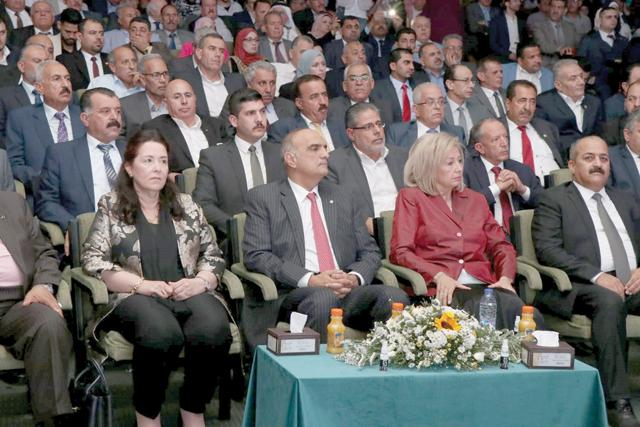
Deputising for His Majesty King Abdullah, Prime Minister Bisher Khasawneh on Sunday attended the ceremony of Irbid: the Arab Capital of Culture for 2022.

During the event, held at Al Yarmouk University, Khasawneh conveyed His Majesty’s greetings and thanks to those who put efforts towards making this national event — the launching of Irbid as the  Arab Capital of Culture for 2022 — successful, the Jordan News Agency, Petra, reported. 

The premier, who is also head of the higher national committee for celebrating Irbid: The Arab Capital of Culture for 2022, highlighted the Kingdom’s efforts to “embrace the culture and intellectual elite”, as well as “supporting innovators towards instilling a serious national culture”.

The selection of Irbid as the Arab Capital of Culture is a national event that is being celebrated by the whole Kingdom, he added.

He noted that nominating Irbid as the Arab Capital of Culture for 2022 and Madaba as the Arab Tourism Capital for 2022 coincides with the bicentennial to celebrate the Kingdom, as well as is accompanied by Jordan’s efforts towards a new start titled as “moving towards future” through three paths: Political modernisation, economic modernisation vision and upgrading the public sector.

The selection of Irbid is in line with the Kingdom’s modernisation and reform trends, which consider the cultural scene among its key pillars, he said, noting that the selection of Irbid is a source of pride for Jordanians and is aligned with the northern city’s nature as well as its historical and cultural status.

He also expressed hope that the event would contribute to uncovering the innovative capabilities in Irbid and across the Kingdom, as well as offer an opportunity to feature the qualitative value of the local and Arab cultural and intellectual scene. 

The event was attended by a number of ministers, Arab culture ministers, guest delegations, and senators and deputies, among other officials.  

Culture Minister Haifa Najjar said that proclaiming Irbid as the Arab Capital of Culture for 2022 by the Arab League Educational, Cultural and Scientific Organisation (ALECSO) illustrates confidence in Jordan and the country’s intellectuals, noting that the selection requires scaling up efforts to bring further innovation through joint action.

Mohamed Ould Amar, director general of ALECSO, said that Jordan’s comprehensive cultural renaissance under the leadership of His Majesty King Abdullah has contributed to Irbid’s well-deserved status, noting that the organisation is following up the activities of Irbid: The capital of Arab Culture for 2022, Petra added.

He also commended the participation of figures from Jerusalem, describing the holy city as the eternal capital of Arab culture at the 2022 Irbid event, highlighting that their participation is of special character, as Jordan has shown historical stances in defending Jerusalem and its cultural components.

At the end of the ceremony, Palestinian Culture Minister Atef Abu Saif handed over the banner of the Arab Capital of Culture to Najjar, marking the selection of Irbid as the Capital of Arab Culture for 2022 following  Bethlehem, the Capital of Arab Culture for 2021.

source/content: jordantimes.com (headline edited)

____________

Deputising for His Majesty King Abdullah, Prime Minister Bisher Al Khasawneh attends the ceremony of Irbid: The Arab Capital of Culture for 2022 at Yarmouk University on Sunday (Petra photo)

___________

JORDAN

UAE / EMIRATES : Emirati Director-General Dr. Tarifa Ajeif Al Zaabi Appointed as the New Director-General of the International Center for Biosaline Agriculture (ICBA)  

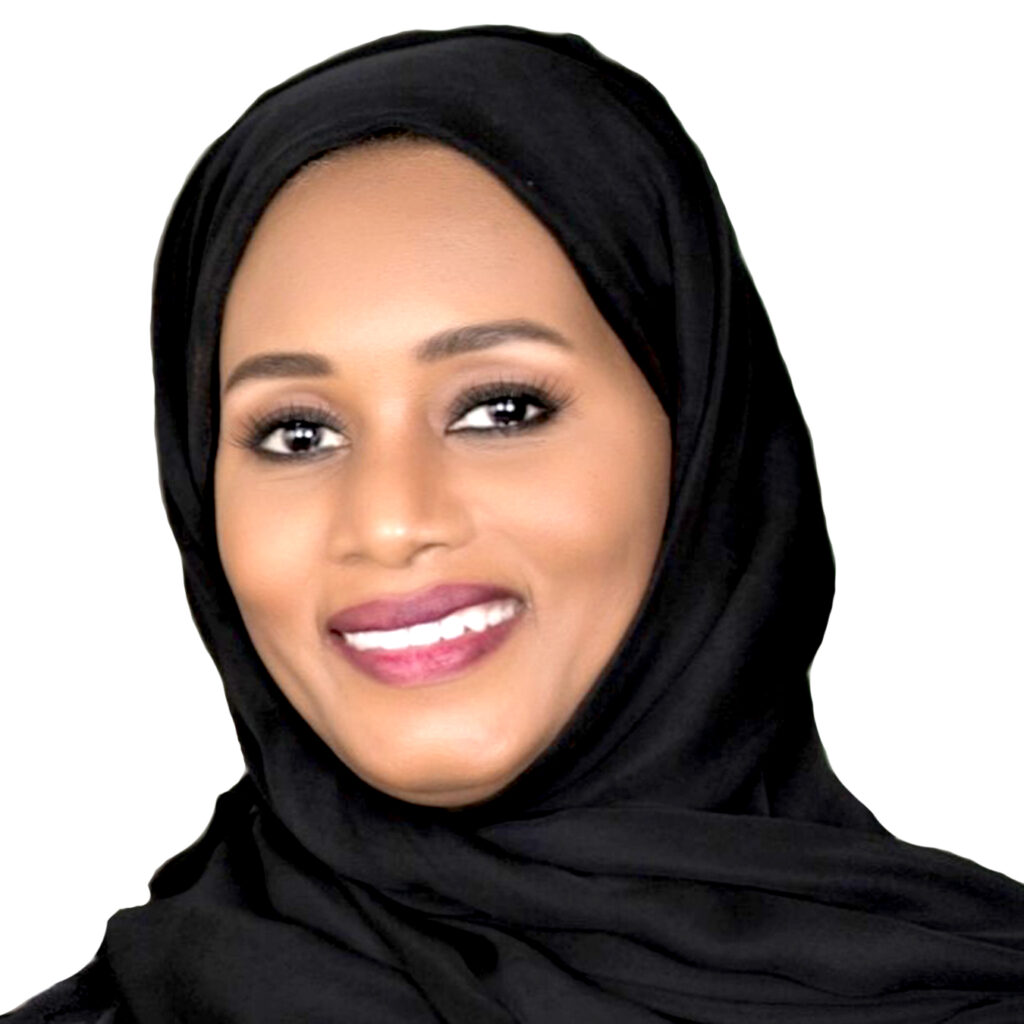
 Tarifa Ajeif Al Zaabi Ph.D, has been appointed as the new Director-General of the International Center for Biosaline Agriculture (ICBA), becoming the first Emirati to hold the position since ICBA’s foundation in 1999.

Dr. Tarifa Ajeif Al Zaabi joined the Centre in August 2019 as Deputy Director-General and has served as Acting Director-General since November 2020.

A graduate of the UAE Government Leaders Programme (Executive Leadership), she has delivered executive training and development programs for government officials in various countries as part of the UAE Government’s initiatives to transfer knowledge and develop executive government capacities.

She holds a Ph.D. in Education from the British University in Dubai and an Executive MBA from the University of Sharjah. She has 25 years of experience in executive leadership and management, strategy development, innovation support, research, and national and international capacity development.

ICBA has become a global center of excellence focusing on developing tailored solutions for marginal environments facing the problems of salinity, water scarcity and drought. The Centre has partners in more than 50 countries, which has allowed it to draw on a wide variety of expertise to achieve a greater impact on the ground. The Centre has also conducted research and development activities and projects in about 40 countries in Central Asia, the Middle East, North Africa, South Asia, the South Caucasus and sub-Saharan Africa.

source/contents: wam.ae (headline edited)

________________

International Center for Biosaline Agriculture (ICBA),

___________________________________

UNITED ARAB EMIRATES (U.A.E)

SAUDI ARABIA: Al-Ahsa the World’s Largest Date Palm Oasis, Steals the Spotlight with the Creation of a New Authority the ‘Al-Ahsa Development Authority’

Al-Ahsa, the world’s largest date palm oasis, is generating a new era of prosperity following the launch of a new development authority.

On May 12, the Kingdom formed the board of directors for the Al-Ahsa Development Authority, headed by Prince Ahmed bin Fahd bin Salman, deputy governor of the Eastern Province.

The move aims to enhance the governorate’s potential while helping develop the tourism, heritage and cultural aspects of Al-Ahsa.

The authority will create a balanced and sustainable development environment that supports the governorate’s economy and promotes development, modernization and diversity, according to the state press agency.

“The decision reflects the leadership’s keenness to invest in the comparative advantage of Al-Ahsa and to utilize it in economic projects that will align with Vision 2030,” Ibraheem Alshekmubarak, secretary-general at Al-Ahsa Chamber of Commerce, said in an exclusive interview with Arab News.

The city of 1.3 million people was included in the UNESCO Creative Cities Network in 2018.

UNESCO said: “The city has an ancient tradition of handicrafts, considered cultural and social practices passed on from generation to generation.

“Around 50 expressions of crafts and folk art have remained throughout the city’s history and bear witness to Al-Ahsa’s scenic wealth, including textiles from palm trees, pottery, weaving and joinery.”

Boosting tourism

The governorate hosts 36 weekly open markets and stages several festivals a year.

“When we talk about tourism in Al-Ahsa, we are talking about agricultural, heritage and natural tourism,” Alshekmubarak said.

In February 2022, the Ministry of Tourism launched a high-profile investment conference in the city called Destination Tomorrow.
The conference showcased Saudi destinations to local investors and international operators.

“Post pandemic, people are a little bit more conservative internationally regarding cross-border investment. But we are proving to be a destination attracting quite a decent amount of interest,” Mahmoud Abdulhadi, Saudi Arabia’s deputy minister for investment attraction, told Arab News.

The Kingdom seeks to generate 10 percent of the gross domestic product from the tourism sector and to attract over 100 million visitors by the end of this decade, creating an additional 1 million jobs in the sector.

“We want to make the sector stand on its own two feet. So we are keen on large private sector investment to come in, even as we are mindful that the whole sector is built on small and medium enterprises,” added Abdulhadi.

The city’s chamber of commerce led several initiatives to support SMEs, monitoring the sectors most affected by the pandemic to keep them formulating plans and drawing strategies that help them overcome the damage.

“Al-Ahsa Chamber organized a set of development initiatives and advisory services provided to entrepreneurs through the Prince Ahmed bin Fahd bin Salman Center for Business Development,” Alshekmubarak added.

Airport expansion

Al-Ahsa airport’s capacity will more than double the expectations of fast regional growth, Fahad Alharbi, the CEO of Dammam Airports Co., said in an earlier interview with Arab News.

The city’s airport has a capacity of around 400,000 passengers but aspires to reach 1 million, Alharbi added.

Saudi Aramco mainly uses the facility, but before the pandemic struck, there was commercial activity from two or three local destinations and another two or three international sites.

“With the economic and tourism boom expected in Al-Ahsa, the development of Al-Ahsa International Airport is the most in need of projects at present,” said Alshekmubarak.

Business destination

The city is already growing in businesses as the Ministry of Municipal Rural Affairs and Housing announced in June that the investment opportunities in the city increased by 53 percent in 2021, with 362 available options on its online portal.

The total value of these investments exceeded SR275 million, Essam Al-Mulla, the mayor of Al-Ahsa, told Arab News.

The available opportunities in the portal in 2022 already reached 112 investments, said the Saudi Minister of Municipal Rural Affairs and Housing Majid Al-Hogail, according to the Saudi Press Agency.

source/content: arabnews.com (headline edited)

____________

Investment opportunities in the city increased by 53 percent in 2021, with 362 available options on the ministry’s online portal. (Supplied)

___________________

SAUDI ARABIA


ERITREAN-AMERICAN: U.S. Senate Confirms Prof. Asmeret Asefaw Berhe as the Director, Office of Science, Federal Department of Energy

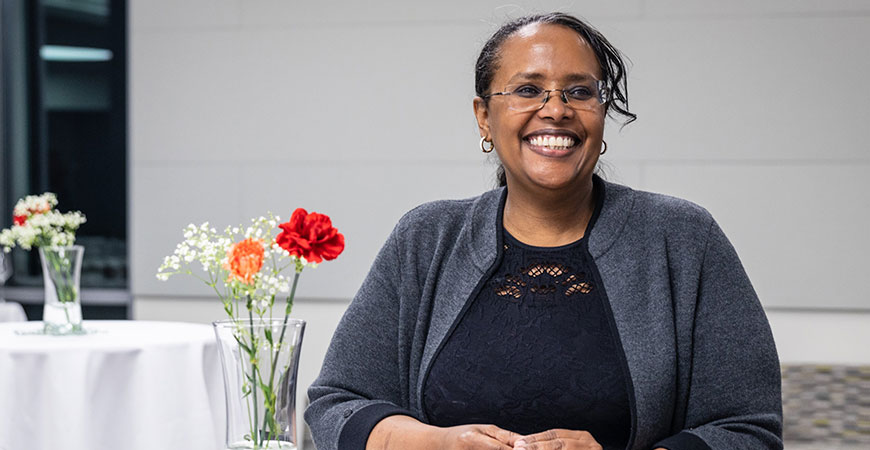
The U.S. Senate today confirmed UC Merced Professor Asmeret Asefaw Berhe to be the new director of the Office of Science in the federal Department of Energy.

The Department of Energy’s Office of Science is the lead federal agency supporting fundamental scientific research for energy, and the nation’s largest supporter of basic research in the physical sciences.

President Joe Biden nominated Berhe last April. She is a renowned professor of soil biogeochemistry in the Department of Life and Environmental Sciences in the School of Natural Sciences; the Ted and Jan Falasco Chair in Earth Sciences and Geology ; and the interim associate dean for Graduate Education .

“It is an incredible honor for me to be nominated, and now confirmed by the U.S. Senate, to serve as President Biden’s director of the Office of Science at the Department of Energy,” Berhe said. “I thank the president and Secretary of Energy Jennifer Granholm, for trusting me to help lead the next chapter in the great scientific success story of the Office of Science.”

Berhe will serve in Washington, D.C., taking a leave of absence from campus. She will hold the director position for the duration of Biden’s term.

Her research is at the intersection of soil science, global change science and political ecology with an emphasis on how the soil system regulates the Earth’s climate and the dynamic two-way relationship between the natural environment and human communities.

“I hold the Office of Science and DOE National labs with highest regard as since the time I was a graduate student and until now, DOE funding and national labs have played important role in my own scientific training and research, and the training of my mentees. Further, as a soil and global change scientist who has studied and worked in public institutions of higher learning, I have always taken my responsibility to serve the public very seriously. I believe publicly funded science and technology is critical for pushing the frontiers of science forward and inspiring the next generation of scholars,” Berhe said. “I am excited to join the Department of Energy’s Office of Science to contribute to the Office’s mission of expanding human knowledge, driving discovery, and fostering innovation, technology development and economic progress.”

“This is fabulous news and so well deserved,” Interim Vice Chancellor for Research and Economic Development Marjorie Zatz said. “Professor Berhe is highly respected as a researcher and thought leader by her colleagues nationally and internationally, as well as by those of us at UC Merced. She will be a terrific director for the Office of Science and a strong voice for inclusive excellence within the scientific community and beyond.”

“The School of Natural Sciences is immensely proud of Professor Berhe’s appointment to this important and influential office,” Dean Betsy Dumont said. “She is an immensely talented scientist who will bring a holistic, innovative and practical perspective to the challenges of energy and climate change.”

“Professor Berhe is an international leader in environmental sciences and climate change research, and a champion for underrepresented people in STEM,” Professor Peggy O’Day said. “We are excited by her appointment and the impact she will have on the national agenda in addressing energy and climate issues.”

Berhe is widely recognized for her research, including having been an invited speaker at the TED conference in 2019, and for her advocacy for inclusion, anti-harassment and anti-bullying. She previously served as the chair of the U.S. National Committee on Soil Science at the National Academies; was a leadership board member for the Earth Science Women’s Network; and is a co-principal investigator in the ADVANCEGeo Partnership — a National Science Foundation funded effort to empower (geo)scientists to respond to and prevent harassment, discrimination, bullying and other exclusionary behaviors in research environments. She is a fellow of the American Geophysical Union and the Geological Society of America, and a member of the inaugural class of the U.S. National Academies New Voices in Science, Engineering and Medicine.

Berhe was born and raised in Asmara, Eritrea, and lives in Merced with her husband, Professor Teamrat A. Ghezzehei, and their two children. She earned a B.Sc. in soil and water conservation from the University of Asmara, an M.Sc. in political ecology from Michigan State University and a Ph.D. in biogeochemistry from UC Berkeley. In 2020, she was named a Great Immigrant, Great American by the Carnegie Corporation of New York.

source/content: news.ucmerced.edu (UCMERCED) (edited)

____________

Professor Berhe. Photo by Veronica Adrover.

________________________________

AMERICAN (USA) / ERITREAN

Tunisian Start-Up ‘Kumulus Water’ Innovates, Creating a Drinking Water-Technology from Air. Collaborates with the NGO ‘WallahWeCan’ to Provide 570 School Students with Drinking Water from Thin Air

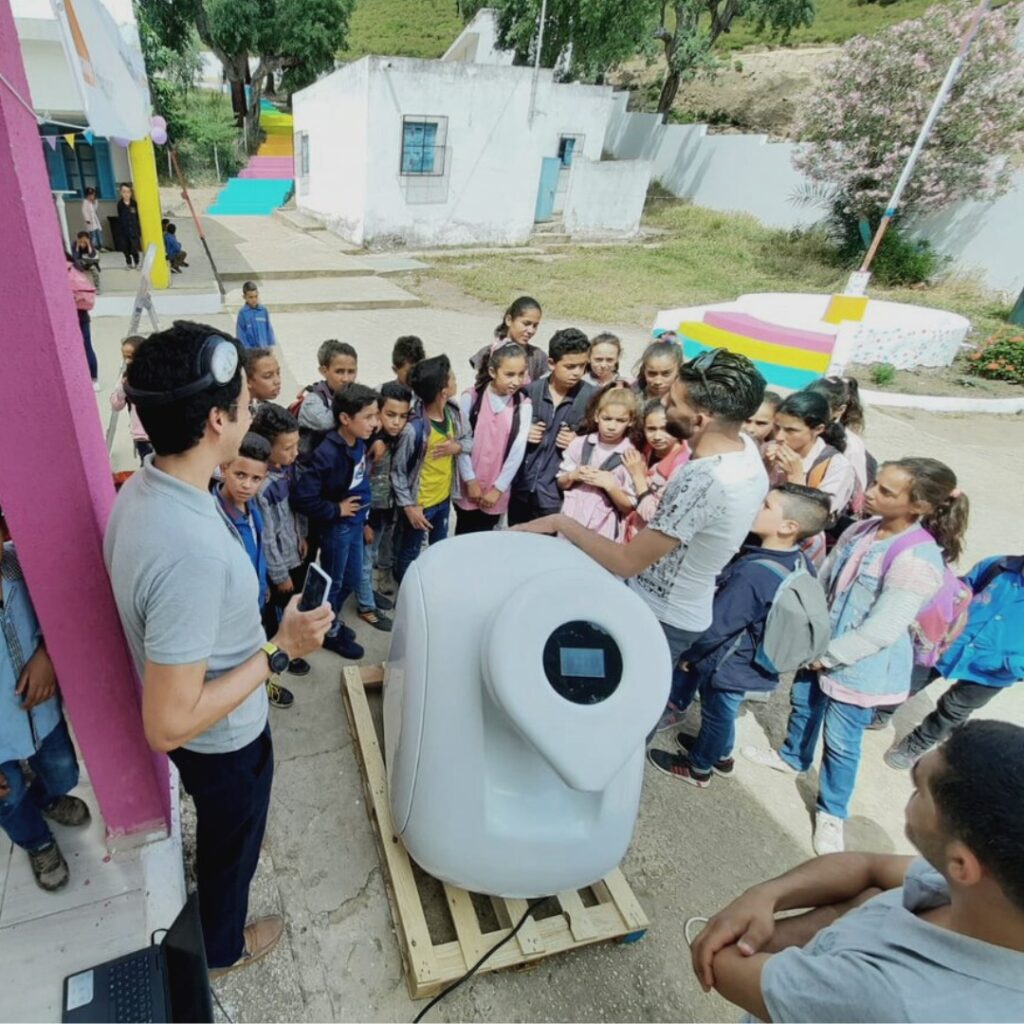
Tunisian start-up “Kumulus Water” has provided assistance to a school deprived of drinking water in Makhtar in the region of Siliana (north-west of Tunisia) through a technical solution “Kumulus 1”, designed to generate water from the ambient air.

It came to support its expertise in water technology, the efforts of the Tunisian NGO “WallahWeCan”, which campaigns for the improvement of living conditions of students in schools and educational environments in Tunisia, especially in disadvantaged areas.

Thanks to atmospheric water generators, each producing 20 to 30 litres of healthy drinking water per day, 570 students of the chosen school will now be able to benefit from a regular supply of drinking water.

Technically, the atmospheric water generator is a device designed to produce water from the ambient air. It sucks in the air and dusts it, then dehumidifies it by lowering its temperature to the dew point to create condensation. The condensed water in the machine then passes through four filters to remove impurities.

The smart machine can fit into a 1m3 cube and can be equipped with a solar pack, making it fully autonomous and independent, the startup says. “It offers mobile control options via a dashboard and an app designed by the six-person team at startup Kumulus Water. It also offers features that ensure water is delivered sustainably and economically,” its creators explain.

According to Kumulus Water, co-founded and led by Iheb Triki, there is 6 times more water in the air than in rivers. This water can be extracted by cooling the air below its dew point and exposing it to moisture absorbers or pressurizing it to make the water drinkable.

Kumulus was also installed at the Bayadha school (Delegation of Ghar Dimaou in the governorate of Jendouba).

According to Regional Commissioner of Education Rim Maaroufi, this is a project developed by a young Tunisian engineer and funded by the Orange Foundation in cooperation with the association “a child, smiles”.

In a statement to TAP, Maaroufi said that Bayadha School, where the Kumulus was installed, suffers from a lack of drinking water due to a lack of connection with the distribution network. Water tanks were installed in advance to provide drinking water to the students and teachers. The machine produces about 20 to 30 litres of drinking water per day.

In Tunisia as in many other countries in the world, access to drinking water is one of the most imminent threats facing humanity. According to the WHO, out of 7 billion people, 2.1 billion do not have satisfactory access to drinking water. The demand for water will increase further with the population growth and the increase in living standards.

In 2021, the co-founder of the Tunisian start-up Iheb Triki was selected by the prestigious Choiseul Institute as one of the 100 Young African Leaders.

Also, the start-up has been selected as the second-best impact investment opportunity in the prestigious competition (MBA Impact Investing Network & Training) “Turner MIINT 2022”.

The young Tunisian company managed to snatch second place among 40 start-ups from the best American business schools, having participated in the global competition Turner MIINT.

TunisianMonitorOnline.com (NejiMed) (edited)

__________

___________

TUNISIA

Morocco Produces Half of All Canned Sardines Worldwide

Morocco exports 90% of its sardines to 100 countries.

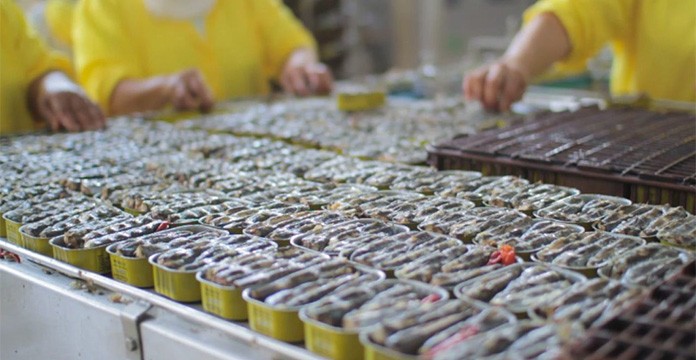
With a 3,500-kilometer-long coastline, Morocco produces half of all canned sardines available in supermarkets worldwide. 

Mehdi Dhaloomal, Executive Manager of Moroccan canned sardine producer MIDAV, recently reported that the North African country annually produces 1.4 million tonnes of seafood, with sardines making up 850,000 of the collected seafood. 

The Moroccan businessman stressed that Morocco has “exclusive” access to the sardina pilchardus walbaum which is a type of sardine that is only available in Bretagne, France, and southern Morocco. 

Morocco notably fishes 60% of the sardina pilchardus walbaum that is primarily directed to exports – 90% of local sardines are exported. 

Earlier this year, the Moroccan Ministry of Fisheries stated that canned sardines represented 53% of total seafood exports in 2021. 

Besides sardines, frozen octopus and squid, as well as fishmeal, represent most of the 778,000 tonnes of Moroccan exported seafood, valued at MAD 24.2 billion ($2.46 billion). 

Yet canned sardines remain a major food export of Morocco and Dhaloomal considers the country to be a “leader in the valorization” of sardines. 

He further noted that the canned food sector in Morocco consists of roughly 50 Moroccan and international companies that are based along the country’s coastline.

Currently, the industrial zone of Sali delivers 30% of Moroccan production of sardines that is primarily exported to 100 countries. Export destinations include European countries such as the United Kingdom market, where 60% of consumed canned sardines come from Morocco. 

Dhaloomal shared the prior statements at the first edition of the Safi Investor Day. The May 25 event gathered Moroccan and foreign investors operating or interested in the Marrakech-Safi region with the objective of celebrating the region and its assets, as well as attracting additional Moroccan and foreign capital. 

source/content: moroccoworldnews.com

___________

Morocco Produces Half of All Canned Sardines Worldwide

____________

MOROCCO