Arabs & Arabian Records Aggregator. Chronicler. Milestones of the 25 Countries of the Arabic Speaking World (official / co-official). AGCC. MENA. Global. Ist's to Top 10's. Records. Read & Enjoy./ www.arabianrecords.org
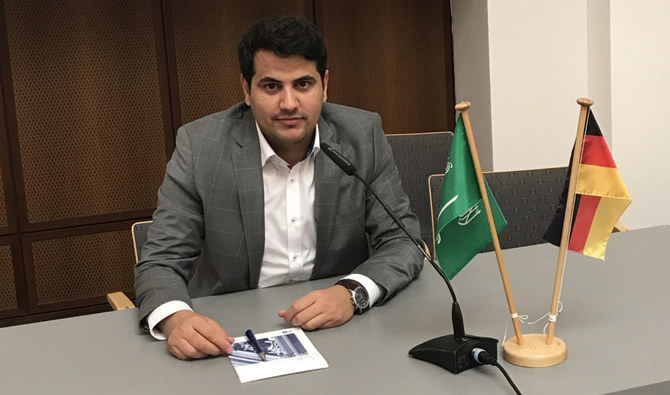
Saudi engineer Rakan Al-Shammari has left an indelible mark on the railway industry in Germany.
His journey began with the pursuit of electrical engineering studies and he later taught at several German universities.
Al-Shammari’s path to success began while working as a project manager at Rail Power System GmbH. His dedication and passion for trains led him to excel in the field. The journey was not without its difficulties, as it required him to learn German, pursue bachelor’s and master’s degrees, and eventually take on teaching responsibilities.
Al-Shammari said: “In 2006, after graduating from high school, I applied for the Custodian of the Two Holy Mosques Foreign Scholarship Program. I spent a year studying the German language, followed by preparatory studies, and then I joined the University of Kassel to major in electrical and communications engineering. During my final year at university, I undertook practical training at the German Railways Company.”
He noted that after completing the practical experience, he pursued further education as a graduate student. “While studying for my master’s, I was offered a position as a lecturer at the university under a contractual arrangement, where I taught electricity to first and second-year students.”
He received a job offer in 2017 and joined a company specializing in railway project management in Germany. “This company managed new construction projects, particularly in infrastructure, as the German Railway Company itself does not execute such projects,” he noted.
Al-Shammari told Arab News that his educational journey began in the desert, where he studied until the third grade of primary school, living in tents and drinking well water. He later attended Al-Yarmouk Primary School in the city of Rafha for grades four to six and completed his secondary education in the city of Al-Uwaiqliyah.
Al-Shammari firmly believes that Saudi Arabia is on the cusp of a transportation revolution and is already reaping the rewards. He emphasized that the Kingdom will emerge as a developed country in the coming years, not solely reliant on oil and energy, but also due to the strength of its people and leadership, and their commitment to continual development and competition.
He expressed pride in having visionary leaders who invest in the talents of their citizens. He also noted Germany’s openness to creative minds and its support for them, attracting skilled individuals from around the world. He believes that effective resource management enhances the economy and strengthens Germany’s global position.
Al-Shammari acknowledged the initial difficulties he faced in studying in Germany, as it was his first experience living outside his familiar surroundings.
His advice to everyone is to embrace their sense of responsibility, seize opportunities, and pursue continuous learning in order to contribute to their country. He also emphasizes the importance of diversifying educational sources and collaborating with experts and scholars to develop a unique persona capable of competing on a global scale.
Finally, Al-Shammari expressed gratitude to the Saudi leadership, his family and friends, and the Saudi Cultural Mission in Germany. He acknowledged the mission’s continuous support, including increased stipends for Saudi students who excelled academically, enabling them to perform to the best of their abilities during their scholarships.
source/content: arabnews.com (headline edited)
___________
Al-Shammari said his educational journey began in the desert, where he studied until the third grade of primary school, living in tents and drinking well water. (Al-Shammari’s Instagram)
Two more UAE residents, Emirati Sheikh Ahmed Bin Faisal Al Qassimi and British painter Sacha Jafri, receive awards in the culture category.
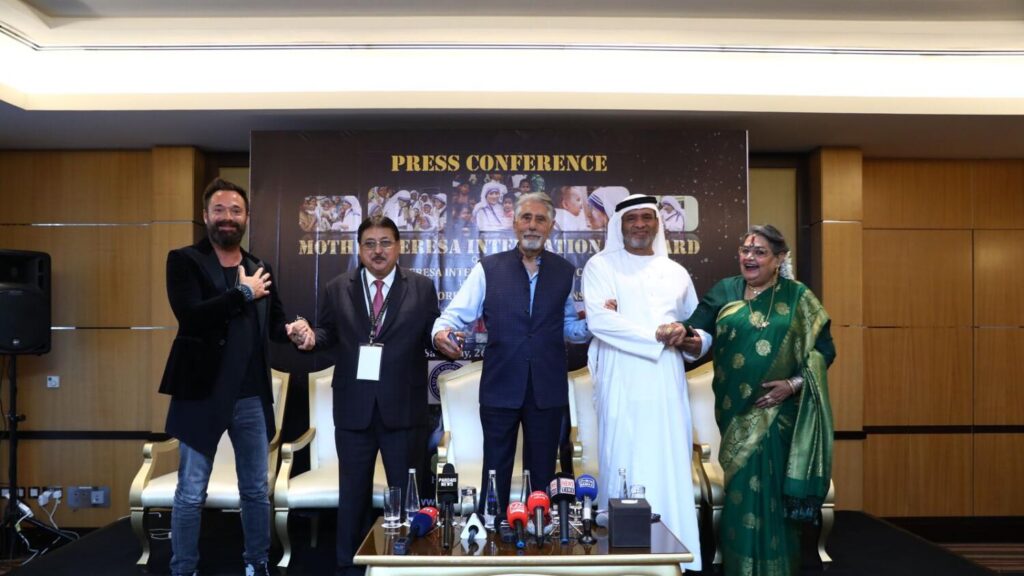
The Mother Teresa International Awards 2023 celebrated the accomplishments of 18 outstanding individuals, with Emirati philanthropist Ahmed Al Falasi at the forefront for his contributions to social work. Al Falasi, recognised as the Arab Hope Maker in 2020, garnered this honour for his humanitarian efforts in establishing advanced kidney dialysis centres and incubators in Kenya’s Mombasa.
Joining the ranks of awardees were two esteemed UAE residents, Emirati Sheikh Ahmed Bin Faisal Al Qassimi and British painter Sacha Jafri. Both were lauded in the culture category. The accolades were presented during a ceremony held at Dubai’s Conrad Hotel on August 26, which was the 113th birth anniversary of Mother Teresa, a global icon known for her selfless devotion.
These awards were organised by the All-India Minority and Weaker Sections Council, a non-political organisation founded by Late Prafulla Chandra Sen, a former chief minister of West Bengal, and Mr. Anthony Arun Biswas, alongside other dignitaries.
Mother Teresa, beatified by Pope John Paul II as Saint Teresa, was born on August 26, 1910. She founded the Missionaries of Charity, a humanitarian organisation that grew to include over 4,500 nuns serving in 133 countries. Her life’s work revolved around assisting the most impoverished individuals, receiving honours such as the Ramon Magsaysay Peace Prize and the Nobel Peace Prize.
Notably, this marked the first instance of the award ceremony being hosted outside of India. After Saint Teresa’s passing in 1997, the council established the Mother Teresa International and Millennium Award Committee. This committee was entrusted with the task of annually recognising exceptional individuals who have excelled in the fields of education, science, culture, sports, social work, medicine, industry, and politics in India.
Prior to this event, the Harmony Organisation, which also presents awards in Mother Teresa’s name, expressed concerns regarding the August 26 event in Dubai. They asserted that it lacked the endorsement or recognition of the Missionaries of Charity, the Catholic religious institute established by Mother Teresa herself in 1950. This institute, now under the Catholic Church’s recognition as Saint Teresa of Calcutta, exclusively supports Harmony Organisation’s awards, they said, emphasising that any other award ceremony could tarnish the legacy of the revered Saint.
However, the organisers of the Mother Teresa International Awards unequivocally refuted these claims. Dr. T.H. Ireland, Principal of St. James’ School in Kolkata and chairman of the awards committee told Khaleej Times: “Nobody can lay sole claim to Mother Teresa. She was a universal icon. Our award ceremony has a 22-year history of recognising luminaries such as Dr Manmohan Singh, the former Prime Minister of India, and Ms. Sheikh Hasina, the Prime Minister of Bangladesh.”
During a press conference earlier, Indian playback singer Usha Uthup shared her profound connection with Mother Teresa, spanning four decades. She recalled visiting Mother Teresa at the Missionaries of Charity in Kolkata during both her trying and triumphant times. Usha Uthup said she had the privilege of being present during her passing and her canonisation.
Dubai businessman and cricket enthusiast Shyam Bhatia fondly remembered his visits to Mother Teresa and her simple yet powerful message: “We don’t want your money; we want your time.”
Sacha Jafri, the Dubai-based world-renowned artist, who intends to place the first official artwork on the moon, expressed his delight at receiving this prestigious award.
The ceremony’s highlights included dance performances by the mother-daughter actor-artiste duo Indrani Dutta and Rajnandini Paul, as well as Bollywood actor Kalpana Iyer and Usha Uthup, creating a memorable blend of song and dance.
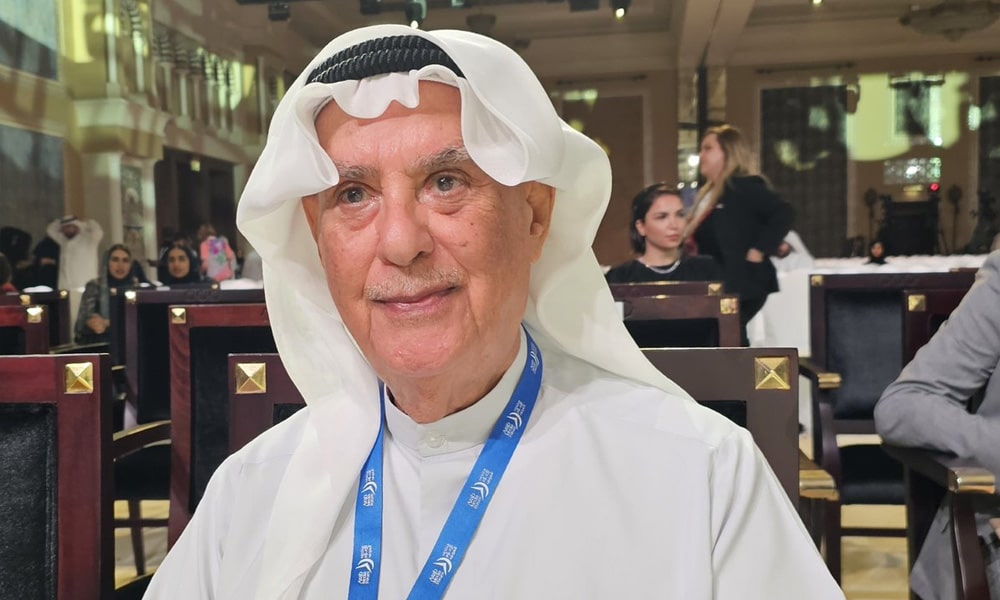
Pan-Arab talks bringing together media bodies from across the region have named Kuwait’s Dr. Mohammad Al-Rumaihi as the personality of the year in recognition of his contributions in the field.
As he received his award, Al-Rumaihi, a professor of political sociology at Kuwait University, dedicated the achievement to his compatriots who have made notable contributions in the field of media and journalism, saying the accolade was a “tremendous honor.” He hailed the gathering as a significant initiative that helps propel the field of media and journalism in the region to greater levels, besides shining light on the importance of this crucial sector.
Al-Rumahi has enjoyed a prolific career in the field of journalism, having served as the chief editor of numerous Kuwaiti publications, while he has also authored a number of books delving into Arab social and political affairs.
Qatar Sports Investments (QSI) has reached a deal to acquire the World Padel Tour (WPT), the oldest global professional padel tour, from Spanish brewing powerhouse Damm’s Setpoint Events.
Under this agreement, the WPT will be combined with the QSI-owned Premier Padel to form a single global professional padel tour. The tour, which will be called Premier Padel, will be governed by the International Padel Federation (FIP). Financial terms of the agreement were not released.
“This is a historic moment for the sport of padel,” Nasser Al-Khelaïfi, the chairman of QSI and Premier Padel, said in a statement. “As the fastest-growing sport globally, QSI is proud to be at the heart of driving the development of padel professionally worldwide, always placing the players at the center of our mission to grow the sport everywhere.”
The new tour will kick off in 2024. Until the end of 2023, the separate WPT and Premier Padel tours will be played as scheduled.
QSI, which also owns Ligue 1’s Paris Saint Germain, launched Premier Padel in 2022. Within its first year, over 500 players worldwide competed in tournaments in five cities. The tour was expanded to eight cities in 2023. According to the organizers, the inaugural 2022 tour has broadcast agreements that cover over 180 countries and attracted 22.7 million views on YouTube.
World Padel Tour (WPT) started in 2013 and has been the prominent padel circuit, featuring over 26 men’s and women’s tournaments across six countries. A total of 510 men and 317 women compete in the circuit, which is broadcast in more than 150 countries.
While WPT has a total prize fund of $121,000, Premier Padel has $568,000.
There have been disputes between the two leagues. When players signed with WPT, their contracted barred them from playing in other leagues.
According to Politico , last year, the world’s top padel players and FIP jointly submitted a competition complaint to the European Commission, accusing Damm’s Setpoint Events—which runs WPT—of breaking EU law by distorting competition. WPT responded by suing players that joined Premier Padel and taking legal action against FIP, the Professional Players Association (PPA) and QSI, arguing that QSI is trying to exclude them from the market. The WPT also had filed a lawsuit in Madrid against the FIP, claiming it was deviating from its role as an impartial, non-profit regulatory body.
The global padel industry is valued at over $2 billion and is forecast to surpass $4 billion by 2026, according to a recent report from Deloitte .
There are currently 25 million people playing Padel in 110 countries, compared to 16 million two years ago.
source/content: sportico.com (headline edited)
____________
Starting in 2024, the World Padel Tour and Premier Padel will combine to operate as a single tour.PHOTO BY DOMENICO CIPPITELLI/NURPHOTO VIA GETTY IMAGES
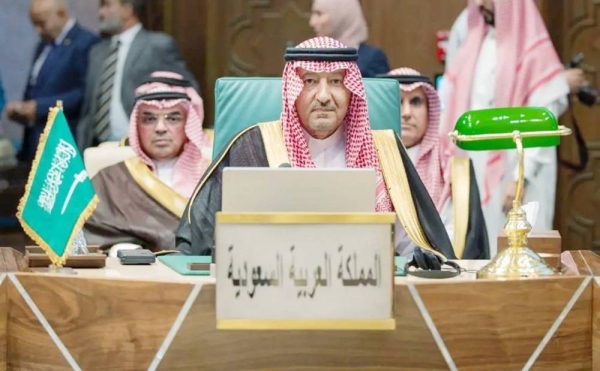
Saudi Arabia’s Deputy Minister of Foreign Affairs Eng. Waleed Al-Khereiji emphasized that the Kingdom has never hesitated to harness all its capabilities to serve humanitarian causes. “The humanitarian aid provided by the Kingdom over the past 70 years has exceeded $95 billion and that benefited 160 countries around the world, making it at the forefront of donor countries for humanitarian and development aid,” he said.
Al-Khereiji made the remarks while attending, on behalf of Foreign Minister Prince Faisal bin Farhan, the meeting of the 160th regular session of the Council of the Arab League at the ministerial level, at the league headquarters in Cairo.
He reiterated the Kingdom’s emphasis on the importance of peace in the Middle East, as it is the strategic choice for the Arab countries, and the importance of encouraging accelerated negotiations to reach a just and comprehensive solution that meets the aspirations of the Palestinian people in accordance with international resolutions and the Arab Peace Initiative. He expressed the Kingdom’s condemnation of the attacks, unilateral actions and repeated provocations by the Israeli occupation forces, which undermine the peace process.
Al-Khereiji expressed the Kingdom’s backing on Syria’s return to the Arab fold, stressing that this will contribute positively to efforts to resolve the crisis there and restore stability to Syria and the region. He reiterated the Kingdom’s support for all efforts made to reach a political solution to the Syrian crisis in a way that preserves Syria’s unity, security, stability and Arab identity. He repeated the Kingdom’s demand for the withdrawal of foreign forces and armed militias from Syria.
Regarding Sudan, Al-Khereiji said the Kingdom voices its deep concern over the cessation of talks that are aimed at ending the conflict and reaching a permanent ceasefire agreement.
Al-Khereiji also led the Saudi delegation, on behalf of Minister of Foreign Affairs Prince Faisal bin Farhan to the third session of the ministerial meeting for the Arab-Japanese political dialogue. The meeting of the foreign ministers from the Arab and Japanese sides was held at the headquarters of the Arab League. The Arab side was headed by Egyptian Foreign Minister Sameh Shoukry, while the Japanese side was headed by its Foreign Minister Yoshimasa Hayashi.
In his speech, Al-Khereiji expressed the Kingdom’s aspiration to advance Arab-Japanese cooperation to better levels in various fields. He stressed the importance of making the Middle East a safe, stable, and prosperous region that gives hope for a better future for all. “There is broad agreement with Japan regarding the importance of establishing peace, encouraging negotiated solutions, and strengthening security, stability, and development,” he said.
Najla Al Midfa, CEO of the Sharjah Entrepreneurship Centre (Sheraa), has received the coveted Arabian Business Arab Woman Award for Entrepreneurship during the Arabian Business Arab Woman Awards 2023, held at Jumeirah Mina A’Salam Hotel in Dubai.
The Arabian Business Arab Woman Awards 2023 recognised and celebrated exceptional women who have made significant contributions to various fields.
This prestigious accolade is a testament to Al Midfa’s relentless dedication to fostering entrepreneurship in the Arab world and her true commitment to empowering founders and innovators.
Najla Al Midfa’s passion for entrepreneurship has helped take Sheraa to new heights, empowering aspiring entrepreneurs not just in the UAE but across the Arab region and the world. Through various initiatives, Sheraa has emerged as a thriving ecosystem that nurtures and supports budding business founders, providing them with the tools and resources needed to transform their dreams into reality.
Commenting on the award, Najla Al Midfa eloquently said, “It is often said that every great dream commences with a dreamer standing atop the shoulders of giants. I humbly dedicate this award to two such giants, visionaries who have paved the way for us on this remarkable journey. H.H. Dr. Sheikh Sultan bin Muhammad Al Qasimi, Supreme Council Member and Ruler of Sharjah, who envisioned the emirate not merely as an Arab city, but as a global beacon for human advancement and progress, and Sheikha Bodour bint Sultan Al Qasimi, Chairperson of Sheraa, whose unyielding commitment to nurturing the next generation of changemakers knows no bounds.”
The Sheraa CEO gave homage to her team saying, “The incredible team at Sheraa embodies the essence of this vision, thanks to their relentless drive that every idea finds its purpose, every challenge morphs into an opportunity, and every enraptured dream inches closer to reality. And lastly, a tribute to the entrepreneurs we have had the honour of working with. You invigorate us every single day with your determination to push the boundaries of what is possible. Your ventures echo the realisation of the vision that guides us at Sheraa, reiterating that with collective effort, the sky is not the limit but the beginning.”
The deal enables world’s largest oil exporting company to enter South American fuels and lubricants retail market.
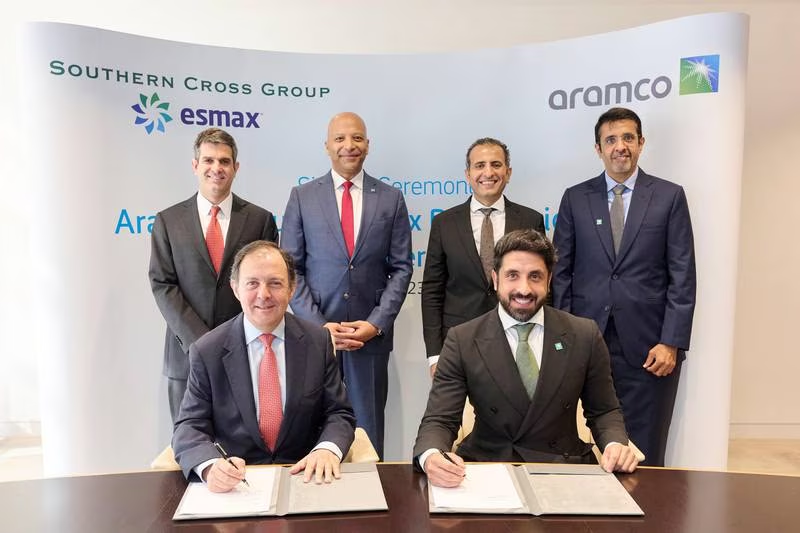
Saudi Aramco , the world’s largest oilexporting company, has agreed to buy a 100 per cent equity stake in Esmax Distribuscion, a downstream fuels and lubricants retailer in Chile, from private equity company Southern Cross Group.
The value of the deal was not disclosed.
“Aramco’s planned acquisition of Esmax would be its first downstream retail investment in South America, recognising the potential and attractiveness of these markets while advancing Aramco’s strategy of strengthening its downstream value chain,” Aramco said in a statement on Friday.
The transaction is subject to certain customary conditions, including regulatory approvals, it added.
Esmax’s businesses include retail fuel stations, airport operations, fuel distribution terminals and a lubricant blending plant.
Aramco said this deal would enable it to “secure outlets for its refined products and help expand its retail business internationally”.
he acquisition would also further unlock new market opportunities for Valvoline branded lubricants, following Aramco’s acquisition of the Valvoline global products business in February 2023, the company added.
This agreement “creates a platform to launch the Aramco brand both in Chile and South America more broadly, unlocking significant potential to capitalise on new markets for our products”, Mohammed Al Qahtani, Aramco downstream president, said.
Aramco is the third most valuable company in the world, with a market value of $2.08 trillion, behind Microsoft ($2.44 trillion) and Apple ($2.86 trillion) as of August 6. It is the second largest company by revenue behind Walmart, which has held the top position since 2014.
Last month, the company said its second-quarter net profit softened due to voluntary production cuts and lower crude prices, although the results were in line with analyst expectations.
Net profit after zakat for the three-month period to the end of June fell 38 per cent to about $30.1 billion, from its record $48.4 billion in the year-earlier period, the national oil company of Saudi Arabia said in a regulatory filing to the Tadawul stock exchange, where its shares are traded.
Net income for the second quarter of this year fell about 6 per cent from the first quarter of 2023.
Net income for the first half of the year fell nearly 30 per cent to $61.96 billion from the same period of 2022, due to lower crude oil prices and weakening refining and chemicals margins.
The company has been expanding its presence in vital markets globally.
This week, Saudi Aramco’s venture capital arm Wa’ed Ventures and BOLD Capital Partners , a US-focused firm, led a $52 million funding raised by US-based Mighty Buildings, a 3D-printing construction technology firm.
In July, Saudi Aramco closed a deal to acquire a 10 per cent stake in Shenzhen-listed Rongsheng Petrochemical for $3.4 billion.
Four months earlier, a Saudi Aramco unit had acquired a 10 per cent stake in Rongsheng Petrochemical, in a deal valued at $3.6 billion that would “significantly” expand its refining operations in China.
At the signing ceremony( front row, from left) Southern Cross group partner Raul Sotomayor and acting president of Aramco Europe Mansour Al Turki. Back row, from left, Southern Cross group partner Jaime Besa, Aramco executive vice president of products and customers Yasser Mufti, Aramco director of retail business solutions Nader Douhan and Aramco director of mergers and acquisitions Mohammed Al Qahtani. Photo: Aramco
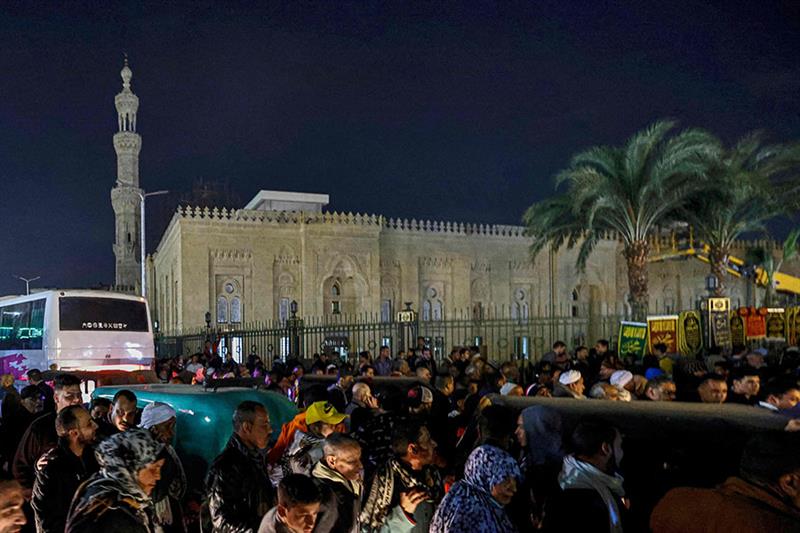
In the heart of Historic Cairo, the mausoleum and mosque of Sayeda Zeinab (6-62 hijri), the granddaughter of the Prophet Muhammad, centres the square and district that holds her name.
Sayeda Zeinab is known among Egyptians as Om Hashim (Hashim’s mother) since she was the one who took care of the wounded and martyred members of her tribe during the battle of Karbala. She is also known as El-Tahra (The Pure) and as ” Om El-Awagez” (mother of the disabled) because she attended to elderly and disabled women. Egyptians also know her by the title El-Mushira (The One to Consult) and Raeisat El-Diwan (The chief of diwan) because she opened her house for the people who sought her guidance and proclaimed her the head of her diwan of spiritual guidance.
Born in the sixth year of Hijra in Madina, this bright and beautiful girl was known for her sound mind and intellect and was often referred to as Aqilat Bani Hashem (The sound mind of the tribe of Bani Hashim).
She got married and had four boys and two girls. She became known for her gatherings on Islamic jurisprudence, where she shared her knowledge. She lived a simple, pious life until she witnessed the harshest moments in Islamic History.
In Aisha Abdel-Rahman’s book titled Al-Saida Zeinab Aqilat Bani Hashim, published in 1985 by Dar El-Ketab El-Araby, she was described as the hero of the famous Karbala battle, which occurred between the party of Al-Hussien Ibn Ali, grandson of the prophet Muhammed and Yazid Ibn Umayya. Sayeda Zeinab was spotted protecting the women, soothing the injured, and protecting the bodies of the dead. She lost her brother Al-Hussien in this battle but managed to spare the life of his son Ali Zein Al-Abdein, a child back then.
After losing this battle, her staying in Al-Madina became a real threat to the Umayyads after they seized the caliphate and killed Al-Hussien and almost all of Prophet Muhammed’s descendants (Ahl al-Bayt). Consequently, Sayeda Zeinab, the representative of the Ahl al-Bayt had to choose their exile. She chose Egypt, arriving in modern-day Cairo in year 61 of Hijra.
When she came to Egypt with her family, almost all Egyptians came out to greet her. She was greatly honoured by the Egyptian people who visited her and consulted her constantly on her premises at Qanater Al-Sibaa (The Lions Barrages ), approximately the current location of El-Sayeda Zeinab’s mosque and mausoleum.
According to Ali Pasha Mubarak’s series Al-Khetat Al-Tawfiqia, ” Sayeda Zeinab Street was named after Sayeda Zeinab, daughter of Imam Ali, bless be upon him, because this is where her mausoleum is situated in a golden copper compartment with an embroidery silk cover underneath a high dome that is situated inside Al-Zainabi mosque near Qanater Al-Sibaa. The mosque was renovated by Prince Ali Pasha Al-Wazir in 955. Then, it was renovated and enlarged during the reign of Prince Abdel-Rahman Katkhuda in 1173. The mosque is always full of visitors. A Hadra (Sufi ritual of praising God’s presence) is held every Sunday night, and a Maqraa ( A night of reading the Quran) is held every Wednesday night. The mosque also witnesses the celebration of her Moulid (her ascension) every year,” reads the book.
Touched by the emotions of Egyptians, Sayeda Zeinab is said to have blessed Egypt, saying: ” O People of Egypt, you stood by us, may God stand by you, you were our refuge, may God be yours, you helped us, may God always help you out of all difficulties. “
She died in year 62 of Hijra, with conflicting stories surrounding her burial. Some say she was buried in Madina. Others say she was buried in Egypt. But the fact remains that she came to Egypt and that her presence is still felt, appreciated and celebrated. People still refer to her for spiritual guidance.
Her annual moulid, one of the largest and most iconic, takes place on the 28th of Ragab in the Hijri year.
Egyptians walk outside Cairo’s Sayeda Zainab mosque during celebrations marking the birthday of Prophet Mohamed s granddaughter Zeinab, late on February 14, 2023. AFP
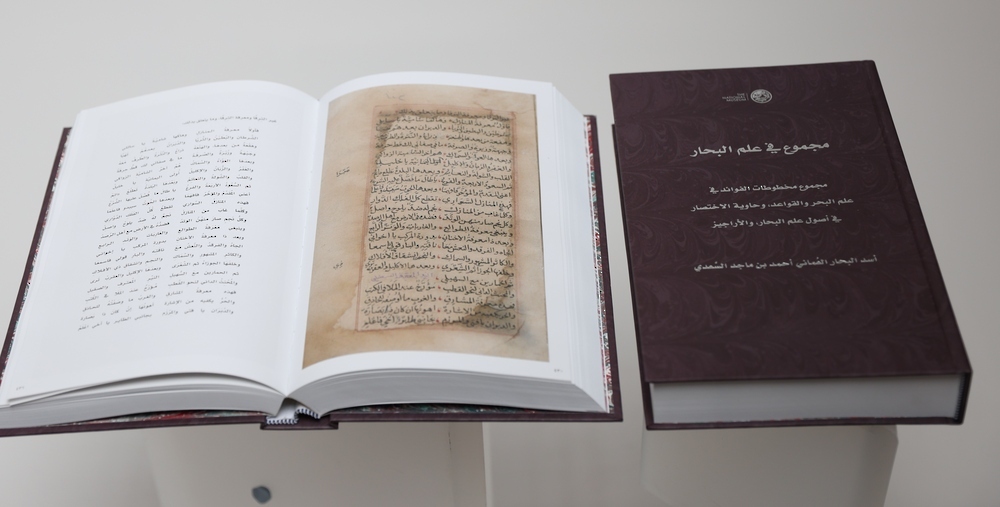
The National Museum has issued a special edition titled ‘Collection in Marine Science.’
The issue documents the greatness of Omani navigator Ahmed bin Majid Al Saadi, reviving his marine prowess and navigational creativity.
The collection documents the origin of the manuscript titled “Kitab al-Fawa’id fi ‘Ilm al-Bahr wa al-Qawa’id” (Collection of Manuscripts of Benefits in the Science of the Sea and Rules, as well as the abbreviation container in the origins of marine science and Arajiz), which has been on loan from Al Assad National Library in the Syrian Arab Republic to the National Museum since 2019.
In the opening speech of the publication, Jamal Hassan al Moosawi, Secretary General of the National Museum, said, “The display of the original manuscript ‘Collection in the Science of the Seas’ by the author Ahmed bin Majid al Saadi at the National Museum is an affirmation of the Omani identity of this unique scientific and historical personality.
This display comes in the context of the existing cooperation between the National Museum and the Ministry of Culture of the Syrian Arab Republic as part of the cultural diplomacy pursued by the National Museum.”
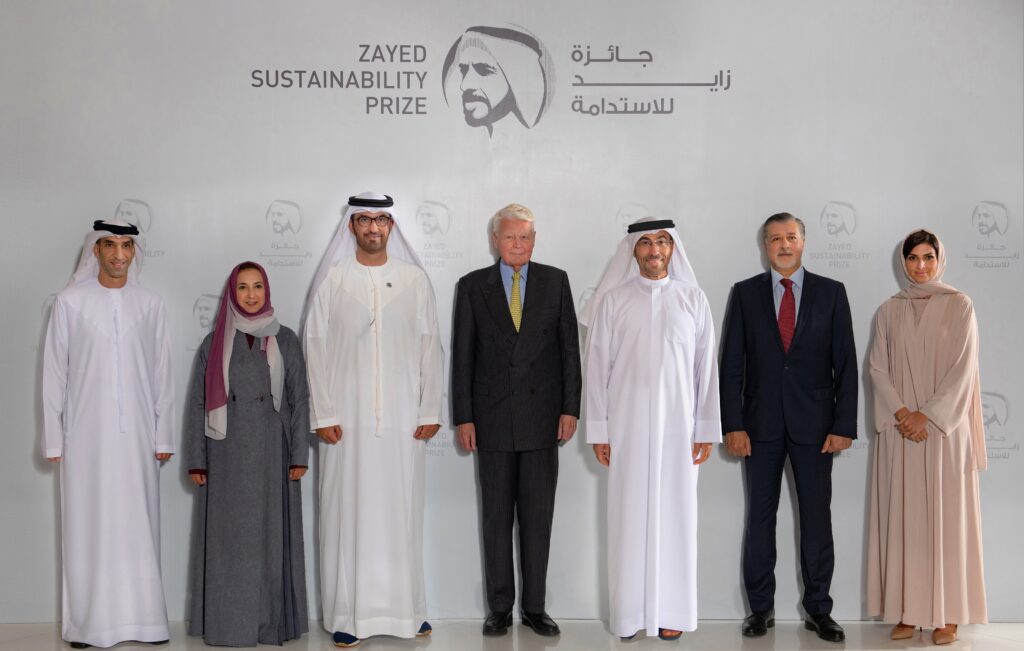
The Zayed Sustainability Prize, the UAE’s pioneering global sustainability and humanitarian award, has announced this year’s finalists following a deliberation by its esteemed Jury.
The winners will be announced at the Zayed Sustainability Prize Awards Ceremony on 1st December during the 28th Conference of the Parties (COP28) of the UN Framework Convention on Climate Change, to be held from 30th November to 12th December.
The Zayed Sustainability Prize’s Jury elected the 33 finalists from 5,213 entries received across six categories: Health, Food, Energy, Water, Climate Action and Global High Schools – a 15 percent increase in submissions compared to last year. The new Climate Action category, introduced to mark the UAE’s Year of Sustainability and hosting of COP28 UAE, received 3,178 nominations.
From Brazil, Indonesia, Rwanda and 27 other countries, the finalists represent small and medium sized businesses, nonprofit organisations and high schools, and reflect the Prize’s growing mandate to reward innovations that transcend borders and tackle pressing global challenges.
Dr. Sultan bin Ahmed Al Jaber, Minister of Industry and Advanced Technology, COP28 President-Designate and Director-General of the Zayed Sustainability Prize, said the finalists exemplify the remarkable ingenuity and unwavering commitment to shaping a more sustainable and resilient future for our planet.
Dr. Al Jaber added, “The Zayed Sustainability Prize carries forward the enduring legacy of UAE’s visionary leader, Sheikh Zayed, whose commitment to sustainability and humanitarianism continues to inspire us. This legacy remains the guiding light of our nation’s aspirations, propelling us forward in our mission to uplift communities around the globe. Over the past 15 years, the Prize has been a powerful force for positive change, transforming the lives of over 378 million people across 151 countries. We have incentivised solutions that are driving climate and economic progress in some of the world’s most vulnerable regions.
“This cycle, we received a record-breaking number of submissions from every continent. The innovations put forth by the finalists reflect a profound dedication to inclusivity and an unyielding resolve to bridge critical gaps. These solutions directly align with the four pillars of the COP28 UAE agenda: fast-tracking a just and equitable energy transition, fixing climate finance, focusing on people, lives and livelihoods and underpinning everything with full inclusivity. The work of these sustainability pioneers will contribute practical solutions for climate progress that protect the planet, improve livelihoods, and save lives.”
Through the Prize’s 106 winners to date, 11 million people have gained access to safe drinking water, 54 million homes have gained access to reliable energy, 3.5 million people have gained access to more nutritious food, and over 728,000 people have gained access to affordable healthcare.
Ólafur Ragnar Grímsson, Chair of the Prize Jury, said, “As global challenges continue to mount, our newest group of Prize finalists reveal the extraordinary efforts being made worldwide to meet the needs of the moment with purpose and innovation – inspiring hope for a brighter future. Whether it’s restoring the ocean wilderness, using technology to ensure better, more sustainable farm yields, or driving change for individuals without access to affordable healthcare, these innovators are transforming our world.”
The Health finalists are: • Alkion BioInnovations is an SME from France that specialises in supplying cost effective and sustainable active ingredients for large-scale pharmaceuticals and vaccines. • ChildLife Foundation is an NPO from Pakistan that employs an innovative Hub & Spoke healthcare model, linking Emergency Rooms as hubs to telemedicine satellite centres. • doctorSHARE is an NPO from Indonesia dedicated to expanding healthcare access in remote and inaccessible regions using barge-mounted floating hospitals.
The Food finalists are: • Gaza Urban & Peri-urban Agricultural Platform is an NPO from Palestine that empowers female agripreneurs in Gaza to achieve food security in their communities. • Regen Organics is an SME from Kenya that specialises in a municipal-scale manufacturing process that produces insect-based protein for livestock feed and organic fertiliser for horticultural production. • Semilla Nueva is an NPO from Guatemala that specialises in the development of biofortified maize seeds.
The Energy finalists are: • Husk Power Systems is an SME from the United States of America that deploys AI-enabled minigrids that provide 24/7 renewable energy to homes, micro enterprises, health clinics, and schools. • Ignite Power is an SME from Rwanda that specialises in delivering solar powered pay-as-you-go solutions to electrify last mile communities. • Koolboks is an SME from France that provides off-grid solar refrigeration solutions with integrated Internet of Things (IoT) monitoring for last mile communities, through a lease-to-own sales model.
The Water finalists are: • ADADK is an SME from Jordan that employs wireless smart sensors that use machine learning and augmented reality for the detection of both visible and hidden water leaks. • Eau et Vie is an NPO from France that offers individual taps to the homes of impoverished urban residents, ensuring access to clean water in slum areas. • TransForm is an NPO from Denmark that employs innovative soil filter technology for the cost-effective treatment of wastewater, sewage, and sludge without relying on energy or chemicals.
The Climate Action finalists are: • CarbonCure is an SME from Canada that specialises in carbon removal technology. They inject CO₂ into fresh concrete, effectively reducing its carbon footprint while maintaining performance standards. • Foundation for Amazon Sustainability is an NPO from Brazil that is dedicated to implementing projects and programmes that advance environmental conservation and empower indigenous communities to protect their rights. • Kelp Blue is an SME from Namibia that contributes to the restoration of natural ocean wilderness and the mitigation of excess CO₂ by establishing large-scale giant kelp forests in deep waters.
The Global High Schools’ finalists presented project-based, student-led sustainability solutions, with finalists divided into 6 regions. The regional finalistsinclude:
The Americas: Colegio De Alto Rendimiento La Libertad (Peru); Liceo Baldomero Lillo Figueroa (Chile); and New Horizons School (Argentina). Europe and Central Asia: Northfleet Technology College (United Kingdom); Presidential School in Tashkent (Uzbekistan); and Split International School (Croatia). Middle East & North Africa: International School (Morocco); JSS International School (United Arab Emirates); and Obour STEM School (Egypt). Sub-Saharan Africa: Gwani Ibrahim Dan Hajja Academy (Nigeria); Lighthouse Primary and Secondary School (Mauritius); and USAP Community School (Zimbabwe). South Asia: India International Public School (India); KORT Education Complex (Pakistan); and Obhizatrik School (Bangladesh). East Asia and the Pacific: Beijing No. 35 High School (China); Swami Vivekananda College (Fiji); and South Hill School, Inc. (The Philippines).
In the Health, Food, Energy, Water and Climate Action categories, each winner receives US$600,000. Each of the six winning Global High Schools receives up to US$100,000.
source/content: wam.ae (headline edited0
_____________
أبوظبي في 12 سبتمبر /وام/ أعلنت جائزة زايد للاستدامة، الجائزة العالمية الرائدة التي أطلقتها دولة الإمارات لتكريم حلول الاستدامة المبتكرة، عن المرشحين النهائيين لدورتها لهذا العام بعد مداولات أعضاء لجنة التحكيم.
وسيتم الإعلان عن الفائزين في حفل توزيع الجوائز الذي تعقده الجائزة يوم الأول من ديسمبر القادم خلال مؤتمر الدول الأطراف في اتفاقية الأمم المتحدة الإطارية بشأن تغير المناخ “COP28” الذي تستضيفه دولة الإمارات في الفترة الممتدة من 30 نوفمبر إلى 12 ديسمبر المقبلين.
واختارت اللجنة 30 مرشحاً ضمن ست فئات تشمل الصحة والغذاء والطاقة والمياه والعمل المناخي والمدارس الثانوية العالمية.
كانت الجائزة قد تلقت هذا العام 5,213 طلب مشاركة، محققةً بذلك زيادة بنسبة 15 في المائة مقارنة بالدورة الماضية.. واستقطبت فئة العمل المناخي وحدها والتي تم استحداثها مؤخراً تزامناً مع عام الاستدامة في دولة الإمارات والاستعدادات لاستضافة مؤتمر(cop28) حوالي( 3,178) مشاركة.
تضم قائمة المرشحين النهائيين مؤسسات صغيرة ومتوسطة ومنظمات غير ربحية ومدارس ثانوية من البرازيل وإندونيسيا ورواندا و27 دولة أخرى، ما يعكس الانتشار العالمي المتنامي للجائزة وسعيها المستمر لتكريم الابتكارات التي تواجه التحديات العالمية الملحة في مختلف بقاع الأرض.
وبهذه المناسبة، قال معالي الدكتور سلطان بن أحمد الجابر، وزير الصناعة والتكنولوجيا المتقدمة، الرئيس المعيّن لمؤتمر الأطراف (COP28)، مدير عام جائزة زايد للاستدامة: “تواصل الجائزة إحداث تأثير إيجابي ملموس والارتقاء بالمجتمعات حول العالم تماشياً مع رؤية القيادة الرشيدة واستلهاماً لإرث الوالد المؤسس الشيخ زايد بن سلطان آل نهيان، طيب الله ثراه، في مجالات الاستدامة والعمل الإنساني.. وعلى مدار السنوات الخمس عشرة الماضية، أسهمت الجائزة في تحسين حياة أكثر من 378 مليون شخص في 151 دولة، وذلك من خلال تكريم ودعم الحلول المبتكرة القادرة على دفع التنمية الاقتصادية ومواجهة أزمة المناخ، لا سيما في المجتمعات الأكثر تأثراً بتداعيات تغير المناخ”.
وأضاف: “تلقت جائزة زايد للاستدامة في هذه الدورة عدداً قياسياً من المشاركات من كل القارات، وتقدم الابتكارات المقترحة من قبل المرشحين النهائيين حلولاً فعالة لمجموعة من التداعيات الملحة الناجمة عن تغير المناخ، ما يعكس الالتزام الراسخ للجائزة بإحداث تغيير واسع النطاق لبناء مستقبل أكثر استدامة ومرونة لكوكبنا.. وتنسجم الحلول المتأهلة مع الركائز الأربع للأجندة المناخية التي تسعى دولة الإمارات لتحقيقها خلال استضافتها لمؤتمر الأطراف (COP28) والهادفة إلى تسريع تحقيق انتقال منظم ومسؤول وعادل في قطاع الطاقة، وتطوير أداء التمويل المناخي، والحفاظ على البشر وتحسين الحياة وسُبل العيش، وضمان احتواء الجميع بشكل تام”.
وأسهمت الجائزة من خلال الفائزين بدوراتها السابقة، والبالغ عددهم 106 فائزين، في تمكين 11 مليون شخص من الوصول إلى مياه الشرب المأمونة، وإيصال إمدادت الطاقة النظيفة إلى 54 مليون منزل، وحصول 3.5 مليون شخص على الأطعمة المغذية، وتوفير الرعاية الصحية ميسورة التكلفة لأكثر من 728 ألف شخص.
من جانبه، قال فخامة أولافور راغنار غريمسون، رئيس لجنة تحكيم الجائزة: “تعكس الحلول المقدمة من المرشحين النهائيين لهذا العام الجهود الاستثنائية التي يتم بذلها في جميع أنحاء العالم لتسخير الابتكار بهدف تلبية الاحتياجات الراهنة الملحة في ظل تنامي التحديات المناخية، ما يبرهن على الدور المستمر للجائزة في تغيير العالم نحو الأفضل من خلال توفير منصة داعمة لرواد الاستدامة.. وتميزت الحلول بالابتكار والتنوع وشملت مجموعة مختلفة من التحديات بما في ذلك استعادة الحياة البرية في المحيطات، واستخدام التكنولوجيا لزيادة وتعزيز استدامة إنتاجية المحاصيل الزراعية، وتحسين الوصول إلى خدمات الرعاية الصحية ميسورة التكلفة في المجتمعات الأشد حاجة لها”.
وشملت قائمة المرشحين النهائيين عن فئة الصحة كلاً :.
– من “ألكيون بيو إنوفيشنز”، وهي من فئة المؤسسات الصغيرة والمتوسطة في فرنسا متخصصة في إنتاج مكونات نشطة مستدامة وفعالة من حيث التكلفة للأدوية واللقاحات المستخدمة على نطاق واسع.
– “تشايلد لايف فاونديشن”، وهي منظمة غير ربحية في باكستان تستخدم نموذج الرعاية الصحية المبتكر (Hub and Spoke) لربط غرف الطوارئ مع بعضها البعض وبالمراكز التي تقدم خدمات التطبيب عن بعد عبر الأقمار الصناعية.
– مؤسسة الأطباء للرعاية “doctorSHARE”، وهي منظمة غير ربحية في إندونيسيا تعمل على توسيع نطاق خدمات الرعاية الصحية لتصل إلى المناطق النائية باستخدام المستشفيات العائمة المحمولة على السفن.
وشملت قائمة المرشحين النهائيين عن فئة الغذاء كلاً من:.
– منتدى غزة للزراعة الحضرية، وهو منظمة غير ربحية في فلسطين تهدف إلى تمكين رائدات الأعمال في القطاع الزراعي في غزة لتعزيز الأمن الغذائي في مجتمعاتهن.
– “ريجين أورجانيكس”، وهي من فئة المؤسسات الصغيرة والمتوسطة في كينيا وتعمل على إنتاج البروتين المشتق من الحشرات لتغذية الماشية، والأسمدة العضوية لإنتاج المحاصيل البستانية.
– “سيميلا نويفا”، وهي منظمة غير ربحية في غواتيمالا متخصصة في إنتاج بذور الذرة المدعّمة.
شملت قائمة المرشحين النهائيين عن فئة الطاقة كلاً من:.
– “هاسك باور سيستم”، وهي من فئة المؤسسات الصغيرة والمتوسطة في الولايات المتحدة الأمريكية، وتعمل على نشر شبكات صغيرة مدعمة بالذكاء الاصطناعي لتوفير الطاقة المتجددة على مدار الساعة للمنازل والمؤسسات الصغيرة والعيادات الصحية والمدارس.
– “إغنايت باور”، وهي من فئة المؤسسات الصغيرة والمتوسطة في رواندا، وتقدم حلول الشراء بنموذج الدفعات الدورية (go-you-as-pay) بالاعتماد على الطاقة الشمسية لإمداد المجتمعات بطاقة الكهرباء.
– “كولبوكس”، وهي من فئة المؤسسات الصغيرة والمتوسطة في فرنسا، وتوفر من خلال نموذج التأجير المنتهي بالتمليك حلول التبريد بالطاقة الشمسية والمدعومة بنظام مراقبة قائم على تقنية إنترنت الأشياء (IoT) في المجتمعات غير المتصلة بشبكة الكهرباء.
وشملت قائمة المرشحين النهائيين عن فئة المياه كلاً من:.
– “عدادك”، وهي من فئة المؤسسات الصغيرة والمتوسطة في الأردن، وتستخدم أجهزة استشعار ذكية لاسلكية مدعومة بتقنيات “تعلّم الآلة” والواقع المعزز للكشف عن تسربات المياه المرئية والمخفية.
– “الماء والحياة” (Eau et Vie) هي منظمة غير ربحية في فرنسا، توفر صنابير مياه لمنازل الأسر الفقيرة في المناطق الحضرية، لتضمن بذلك إمكانية الوصول إلى المياه النظيفة في الأحياء العشوائية الفقيرة.
– “ترانسفورم” هي منظمة غير ربحية في الدنمارك، تستخدم تقنية ترشيح مبتكرة للتربة لمعالجة مياه الصرف الصحي والمجاري والرواسب الصلبة دون الاعتماد على الطاقة أو المواد الكيميائية.
و شملت قائمة المرشحين النهائيين عن فئة العمل المناخي كلاً من:.
– “كاربون كيور”، وهي من فئة المؤسسات الصغيرة والمتوسطة في كندا، والمتخصصة بتقديم حلول إزالة الكربون.. ويتضمن حلّها حقن ثاني أكسيد الكربون في الخرسانة أثناء مرحلة الإنتاج مما يقلل من حجم الانبعاثات بصورة فعالة دون التأثير على معايير الكفاءة والأداء.
– “مؤسسة استدامة الأمازون” هي منظمة غير ربحية في البرازيل، وتنشط في تنفيذ المشاريع والبرامج التي تسهم في الحفاظ على البيئة وتمكين الأفراد من حماية حقوقهم.
– “كيلب بلو”، وهي من فئة المؤسسات الصغيرة والمتوسطة في ناميبيا، والتي تسهم في استعادة الموائل الطبيعية في المحيطات والحد من فائض ثاني أكسيد الكربون في الغلاف الجوي.
أما المرشحون النهائيون عن فئة المدارس الثانوية العالمية فقد قدموا حلولاً مستدامة قائمة على مشاريع يقودها الطلاب وتم تقسيم المتأهلين إلى 6 مناطق جغرافية.. وشملت قائمة المرشحين النهائيين عن هذه الفئة كلاً من:.
– منطقة الأمريكيتان: مدرسة الحرية للأداء العالي “Colegio De Alto Rendimiento De La Libertad” (بيرو)، مدرسة “ليثيو بالدوميرو ليلو فيغيروا” (تشيلي)، “مؤسسة أوزوريس – مدرسة نيو هورايزنز” (الأرجنتين).
– منطقة أوروبا وآسيا الوسطى: “معهد نورث فليت تكنولوجي” (المملكة المتحدة)، المدرسة الرئاسية في طشقند (أوزبكستان)، مدرسة سبليت الدولية (كرواتيا).
– منطقة الشرق الأوسط وشمال أفريقيا: المدرسة الدولية (المغرب)، “جيه إس إس الدولية” (الإمارات)، مدرسة المتفوقين للعلوم والتكنولوجيا بالعبور (مصر).
– منطقة إفريقيا جنوب الصحراء الكبرى: “أكاديمية جواني ابراهيم دان هاجا” (نيجيريا)، مدرسة “لايت هاوس الابتدائية والثانوية” (موريشيوس)، “مدرسة يوساب المجتمعية” (زيمبابوي).
– منطقة جنوب آسيا: مدرسة الهند الدولية العامة (الهند)، مجمع كورت التعليمي (باكستان)، مدرسة أوبهيزاتريك (بنغلاديش).
– منطقة شرق آسيا والمحيط الهادئ: “مدرسة بكين 35 الثانوية” (الصين)، “كلية سوامي فيفيكاناندا” (فيجي)، “ساوث هيل” (الفلبين).
ويحصل كل فائز ضمن فئات الصحة والغذاء والطاقة والمياه والعمل المناخي على 600 ألف دولار، فيما تحصل كل مدرسة من المدارس الثانوية العالمية الست الفائزة على ما يصل إلى 100 ألف دولار.