Arabs & Arabian Records Aggregator. Chronicler. Milestones of the 25 Countries of the Arabic Speaking World (official / co-official). AGCC. MENA. Global. Ist's to Top 10's. Records. Read & Enjoy./ www.arabianrecords.org
“All of my friends who have met him still love him. He has made a huge impact on them just from that one day they saw him.”
Ahmed Ismail Hussein was known as the “King of Oud” because he was the master of the 11- or 13-stringed instrument.
Born in the late 1920s in Somalia, Hussein began playing the oud professionally in the ’40s after falling in love with it in his teens. He was instrumental in making qaraami — singing or speaking while playing the oud or drums — one of the most popular genres of music in Somalia.
In February this year, after a career spanning more than seven decades, Hussein retired. He was considered a founder of modern Somali music. A concert was held in his honor in London. — Hussein moved to the UK in 1974 — with artists whom he handpicked.
Despite his retirement, Hussein, who also went by the name “Hudeydi,” had no intention of slowing down entirely; he had plans to travel to Turkey and Djibouti.
But then he fell ill. Earlier this month, he was taken to Charing Cross Hospital in London. His condition deteriorated, and on April 8 he died from the coronavirus, a week before what would have been his 92nd birthday.
Nadifa Mohamed, a British author, said she spoke to Hussein a few days before his death, when he didn’t even seem to have symptoms. “I think the decline was quite quick from him developing symptoms to him being quite ill in hospital. It was quite shocking,” she told BuzzFeed News.
Despite his age, Hussein was otherwise a fit and healthy person, Mohamed said. “Everyone was like, ‘He was 92 he had a good life’ — but nothing. There was no warning,” she said. “It wasn’t as if he was sick.”
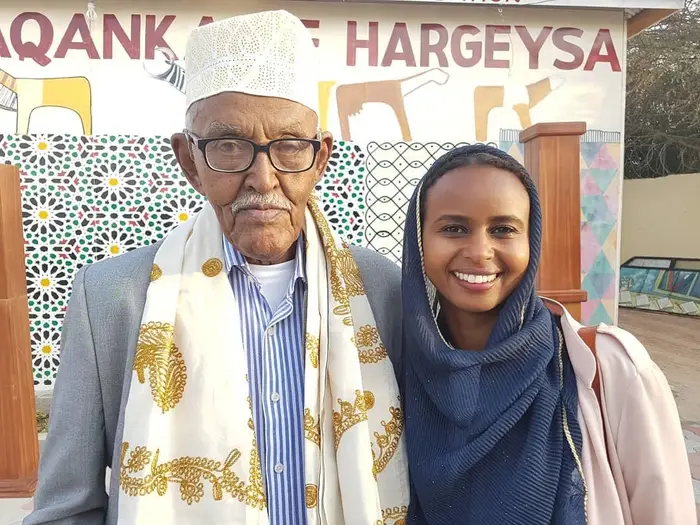
Mohamed said she had been friends with Hussein since 2012, when they met at the annual Hargeisa International Book Fair in Somaliland, a disputed territory that neighbors Somalia. More so than his musical genius, his sense of humor is what really stood out for Mohamed. “He was funny,” she said. “I think that’s the first thing I noticed.” (His nickname was Hudeydi, but he told the BBC in 2003 that he was also known as “‘the King’ because of my hot rhythms. I was always into rock ‘n’ roll and Elvis Presley”)
“Having a friend who is 50 years older than you is unusual, but I think his sense of humor was so young and easy to engage with,” Mohamed said. “And he was very warm. You could turn up to his door. You could bring whoever you wanted. He would feed you. He would make tea or coffee for you, tell you stories. He was very accepting of people, which was very unusual.”
Hussein, she said, had a charm that would make everyone love him from the moment they met him. “It’s the way that I could turn up with a friend to play an instrument or something else, and he’d give me a big hug as he opened the door and he would go to my friend — whoever it may be — and do the same.
Usually when grieving, Somalis tend to visit the home of the deceased’s next of kin for days to offer their condolences and pray. But this is currently impossible during the lockdowns in place across the world.
After Hussein’s death, tributes poured in from Somalis around the world. On the day of his burial, people held absentee funeral prayers .
Inaalilaahi waa Inaa Ileyhi Raajicuun. Deeply saddened by the passing of Ahmed I Hussein ‘Hudeydi’ – one of the greatest Somali musicians of all time; AKA The King of Oud. My deepest condolences to Hudeydi’s family, fans, Somalis across the world,& his fellow Somali artists. pic.twitter.com/WPiRg75Avv
In a statement, the Kayd Somali Arts and Culture organization said Hussein’s “iconic legacy lives on through his music and in the memories of all of those of us who adored him and continue to do so.”
source/content: buzzfeed.com (headline edited)
_______________
Ahmed Ismail Hussein (left) and Nadifa Mohamed (right), a friend. / Courtesy of Nadifa Mohamed
Achievement reflects ‘our growing role in shaping the future of global medicine,’ CEO Dr. Majid Al-Fayyad says
Procedure involved removing a 4.5-centimeter brain tumor with robotic arms from a 68-year-old man who had been experiencing severe headaches
In a historic leap for robotic medicine, the King Faisal Specialist Hospital and Research Centre in Riyadh has performed the world’s first robotic intracranial tumor resection.
This groundbreaking achievement sets a new global standard in neurosurgical precision and recovery.
The procedure involved removing a 4.5-centimeter brain tumor with robotic arms from a 68-year-old man who had been experiencing severe headaches and loss of concentration.
Remarkably, the patient was discharged fully conscious within 24 hours — a recovery time nearly four times faster than that of traditional brain surgeries.
Dr. Homoud Al-Dahash, KFSHRC consultant for skull base tumors and lead surgeon, stated that the robotic system provided exceptional precision and control, which enabled surgeons to navigate critical neurovascular structures with a high level of safety.
“The patient’s same-day discharge, fully conscious and without complications, represents a new benchmark for neurosurgical innovation,” he added.
Guided by a 3D optical system, the one-hour surgery enabled surgeons to operate with a clear, magnified view of the brain.
Advanced image-guided navigation technology ensured precise tumor removal while protecting vital areas of the brain.
KFSHRC CEO Dr. Majid Al-Fayyadh linked the milestone to the hospital’s ongoing transformation journey.
“This achievement reflects KFSHRC’s growing role in shaping the future of global medicine,” he said.
“It aligns perfectly with our vision, where innovation and patient-centered care define the future of healthcare.”
Before the advent of robotic neurosurgery, similar procedures required manual removal under a surgical microscope, where precision depended heavily on human steadiness and visual clarity.
Robotic systems now provide enhanced instrument stability, tremor elimination, and superior visualization — redefining global standards of safety and precision in neurosurgical care.
This landmark procedure adds to KFSHRC’s expanding portfolio of robotic surgical breakthroughs.
The institution previously performed the world’s first robotic heart transplant and robotic liver transplant, earning international acclaim and solidifying its standing among the world’s leading centers for robotic and minimally invasive surgery.
KFSHRC has been ranked first in the Middle East and North Africa and 15th globally among the world’s top 250 academic medical centers for 2025.
It was also recognized as the most valuable healthcare brand in the Middle East by Brand Finance 2024 and listed among Newsweek’s World’s Best Hospitals 2025, Best Smart Hospitals 2025, and Best Specialized Hospitals 2026.
These accolades reaffirm its position as a global leader in innovation-driven patient care.
source/content: arabnews.com (headline edited)
___________
King Faisal Specialist Hospital and Research Centre in Riyadh has performed the world’s first robotic intracranial tumor resection. (SPA
Amid the global race to find effective COVID-19 treatments, an Egyptian research team has achieved a breakthrough that could reshape how middle- and low-income countries combat the virus.
The study, titled EVERST, was published on 20 October in Scientific Reports, a leading international journal under the Nature group.
According to the study, Egyptian scientists reported promising results in treating moderate COVID-19 pneumonia with safe, locally available, and affordable drugs.
The research, led by Professor Dr Mohamed Abdelsalam El-Gohary, brought together a multidisciplinary team of doctors and scientists from Egyptian and international institutions.
Over two years, the team evaluated the safety and effectiveness of four treatment regimens combining repurposed antiviral drugs — Sofosbuvir/Daclatasvir, Sofosbuvir/Ledipasvir, Ivermectin, and Hydroxychloroquine — in 310 Egyptian patients with moderate COVID-19 infections.
“Our goal was to find a practical, homegrown solution that saves lives without overburdening healthcare systems,” Professor El-Gohary told Ahram Online. “Egypt produces these medications locally, which means they are accessible and affordable for millions.”
The findings showed that two specific combinations —Sofosbuvir/Daclatasvir with Ivermectin and Sofosbuvir/Ledipasvir with Hydroxychloroquine —helped patients recover faster, shortened hospital stays, and provided remarkable protection of lung tissues on CT scans.
Patients treated with these regimens returned home significantly earlier than those who received standard care.
“This reduction in hospitalization time has major implications,” El-Gohary explained. “It not only improves patient recovery but also reduces pressure on hospitals and public health budgets, a critical factor during pandemics.”
The new combination regimen also showed improved CT scan results for pneumonia, a crucial step in preventing post-COVID complications, a growing concern worldwide.
Equally important, the study confirmed that the new treatment combinations were safe and well tolerated, with no major side effects compared with existing protocols. The only factor linked to higher mortality was advanced age.
The EVERST study, which underwent extensive international peer review before publication, reinforces Egypt’s growing role in global medical research and innovation. It also highlights the potential of repurposing affordable antiviral drugs to address emerging diseases.
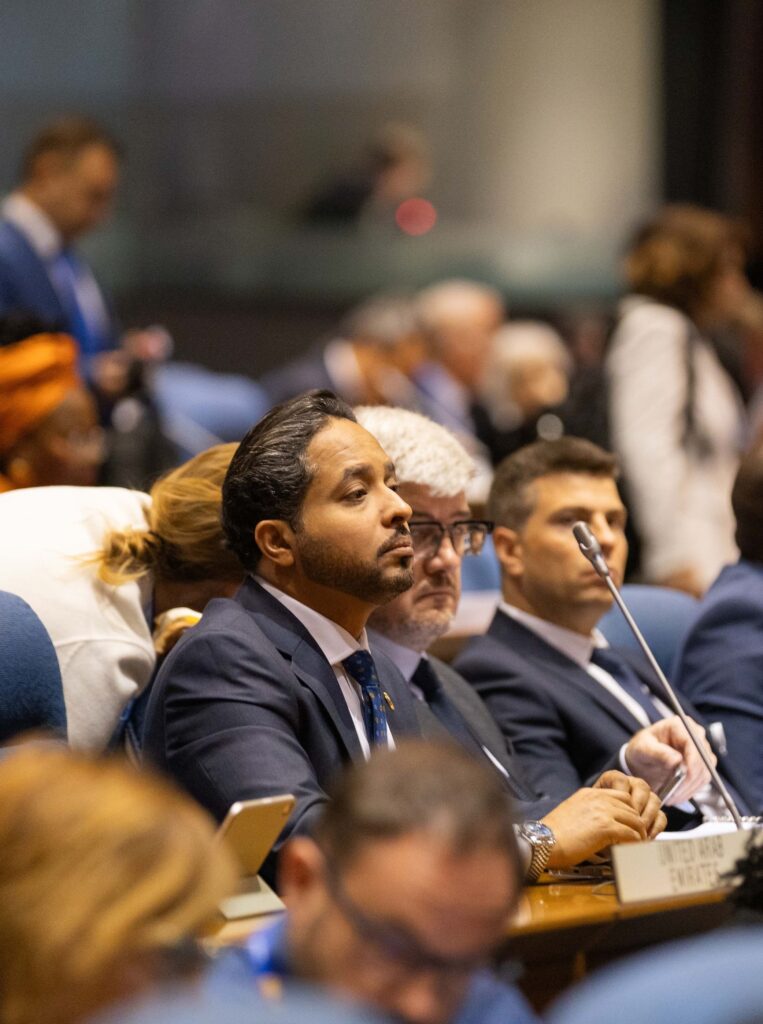
The Council of the International Civil Aviation Organization (ICAO) elected Engineer Saeed Mohammed Al Suwaidi, the UAE’s Permanent Representative to the ICAO, as Vice-President of the Council.
A press release issued today by the General Civil Aviation Authority (GCAA) stated that the election of the UAE’s representative confirms the UAE’s leading position in the international civil aviation sector and reflects the great confidence it enjoys from member states on the ICAO Council, as well as the appreciation for its prominent role in supporting ICAO’s efforts aimed at enhancing the safety, security, and sustainability of the global aviation sector.
His Excellency Saif Mohammed Al Suwaidi, Director General of the GCAA, said that the election of the UAE’s representative to this high-profile position reflects the international appreciation of the country’s contributions to the development of civil aviation policies. It also underscores the UAE’s commitment to enhancing its active participation within the ICAO Council and contributing more strongly to the formulation of decisions affecting the global aviation sector, reflecting its ambitious vision for international cooperation and leadership in this field.
For his part, Engineer Saeed Mohammed Al Suwaidi, the UAE’s representative to ICAO, expressed his pride in this international assignment, stressing that his election represents a significant responsibility and an opportunity to continue strengthening the UAE’s presence within the organization and support international efforts aimed at developing the civil aviation sector according to the highest standards of efficiency and sustainability.
Arabs are known for having had numerous contributions to civilizations—notably in the fields of Mathematics (Arabs invented Algebra), Astronomy (Al-Biruni discussed the earth’s rotation centuries before it was confirmed by Galileo), and Medicine (Al Razi was one of the first to diagnose diseases like smallpox and measles).
But Arab achievements didn’t end in the Golden Age and have continuously evolved to modern fields, so we’re here to round up some of the lesser-known greatest modern achievements by Arabs..
Noor Ouarzazte
Morocco is turning the Sahara Desert into the largest concentrated power complex in the world. The project is currently in progress, due to be complete before the end of 2018.
Arabs in Space
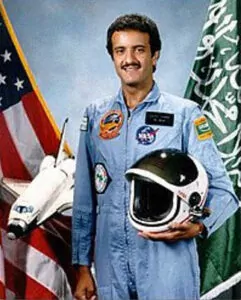
Sultan bin Salman Al Saud became the first Arab in space in 1985 – he was also the first royal astronaut ever. Syrian-born Mohammed Ahmed Faris followed in Al Saud’s footsteps in 1987.
Nobel Peace Prize Winners
Photo credit ODD ANDERSEN/AFP/Getty Images
The Tunisian national dialogue quartet was awarded the Nobel Peace Prize in 2015 for their role in building a democratic state in Tunisia following the Arab Spring.
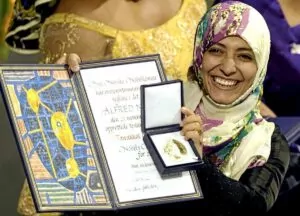
Yemeni journalist and activist Tawakkol Abdel-Salam Karman preceded the Tunisian National Dialogue Quartet in 2011 as Nobel laureate—she became the first ever Yemini and Arab Woman to win the Peace Prize, as well as the second youngest ever.
The ‘Father of Femtochemistry”
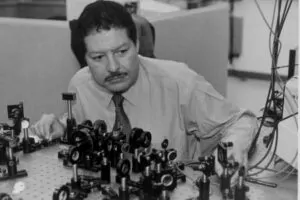
Femtochemistry is probably something too difficult for most of us to understand—but according to Wikipedia it’s “an area of chemistry that studies chemical reactions on extremely short timescales”. Ahmed Hassan Zewail, and Egyptian-American scientist, is known for pioneering a laser technique that allowed for easier analysis of chemical reactions. He even won a Nobel prize for his work in 1999.
Pritzker Architecture Prize Winners
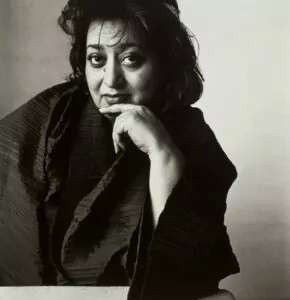
The late Iraqi-British architect Zaha Hadid was an internationally-acclaimed architect, renowned for her sci-fi creations. Having built some of the world’s most innovative spaces. In 2004, she became the first ever woman to win the prestigious Pritzker Architecture Prize—the most prestigious award in architecture.
Inside the first show dedicated to NYC’s Public Library’s Middle Eastern collections .
Outside The New York Public Library’s Stephen A. Schwarzman Building, the unmistakable scent of a halal food cart mingles with the sounds of various Arabic dialects, while two marble lions stand guard over Fifth Avenue. Inside, entire worlds are waiting to be discovered — including the often-overlooked stories of New York’s Middle Eastern and North African communities.
“Niyū Yūrk: Middle Eastern and North African Lives in the City,” the first exhibition dedicated to the Library’s Middle Eastern collections, opened Oct. 4. It will remain on view in the Ispahani-Bartos Gallery until March 8.
Curated by Hiba Abid, the exhibition contains around 60 objects — photos, books, periodicals and audio — dating from the 1850s to 2024. It centers specifically on the library’s own holdings, rather than attempting to tell a comprehensive history of MENA life in New York, Abid tells Arab News.
Drawing from over a century of rare materials the exhibition uses tangible objects to express the intangible: memory, identity and immigrant culture.
“It’s not a love letter. It’s a realistic letter,” Abid says, adding that these communities have long navigated complex questions of belonging, language, and preservation.
“The communities, from the very beginning, were wondering, ‘Where should our kids go to school? If they go to the public New York schools, they would probably lose their language, but we want them to still know Arabic and be aware of our traditions and values,’” she said.
The exhibition is divided into four chronological sections, designed to help guide visitors of all ages, from young children to seasoned scholars.
The first section, “Roads to New York,” focuses on the earliest waves of immigration. One of the first featured figures is Hatchik Oscanyan — later known as Christopher Oscanyan — an Armenian man born in what is now Türkiye. He came to New York in the mid-19th century and sought to educate Americans about the complexity of the Ottoman Empire. He wrote plays and newspaper articles, as well as “The Sultan and His People,” a book that offers insight into the region’s diverse ethnic and religious makeup.
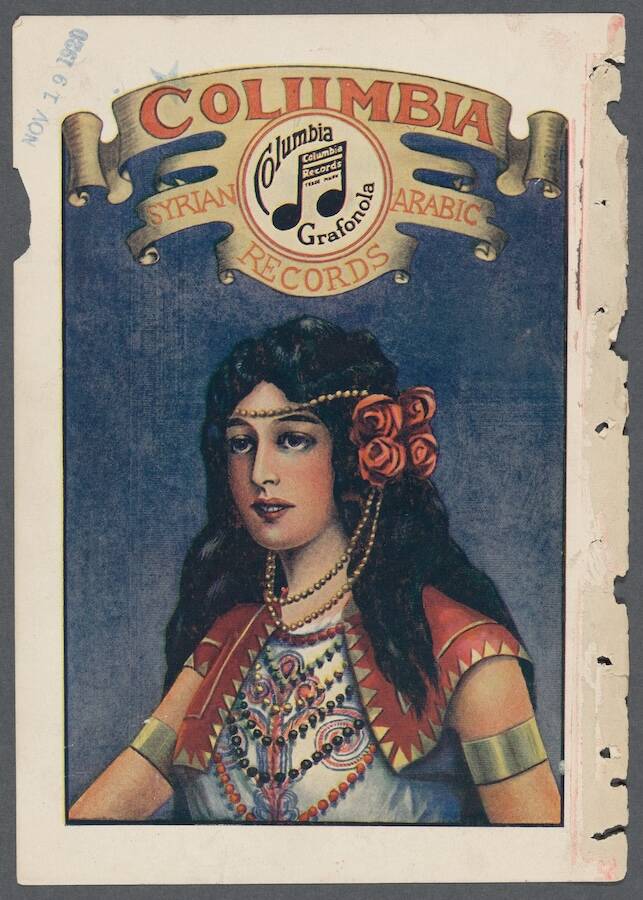
The second section, “A Life in the City,” explores how immigrant communities began to form and thrive in New York, including in what was once known as Little Syria on Manhattan’s Lower West Side — an area that still exists today. They were entrepreneurs who opened restaurants, shops, and began publishing Arabic newspapers.
One of the most groundbreaking was Al-Hoda, founded by Naoum Antoun Mokarzel and his brother Salloum. “In the basement of Al-Hoda Press, they adapted the linotype machine from Latin characters to Arabic characters, which is very hard (because Arabic is) a cursive language,” Abid says. “By this technological innovation, he actually allowed other presses to form and to publish newspapers, periodicals, and books,” which then circulated throughout North and Latin America — and back to the Middle East.
In other words, New York was instrumental in literally building the Arabic press and exporting news to the Middle East.
Abid emphasizes how vital the library’s historical collections are to telling these stories.
“The library has been collecting these materials since the late 19th century,” she says, adding that many of them have been digitized, enabling audiences to interact with them in a new way.
The third section, “Impressions,” flips the gaze, revealing how Middle Eastern immigrants perceived New York and the US.
“Many immigrant groups embraced American values… but many (Arabs) actually didn’t like New York and didn’t like American values and left after a few years here or after a few months.” The exhibit highlights these ambivalences and the tensions of assimilation.
The final section, “In Our Own Skin,” is the most contemporary and, for Abid, the most personal. It includes raw, vulnerable stories that reflect racial identity, Islamophobia, and resistance. Among the most powerful pieces is the short documentary “In My Own Skin,” directed by Jennifer Jajeh and Nikki Byrd, which features interviews with five Arab women in New York, and was filmed just one month after the events of Sept. 11, 2001.
“The interviews are absolutely amazing. Every time I talk about it, I have goosebumps,” Abid says. “The way they talk about it — it is still very relevant today, as if nothing changed much, except that we’re probably more powerful because we are aware of this and we know how to organize and to fight back. We have the vocabulary now, and the community.”
That spirit of organization is embodied by Malikah, a grassroots collective founded by Rana Abdelhamid in 2010 as a self-defense class for Muslim women on Steinway Street in Queens. The movement has since expanded into a larger project of empowerment, healing, and solidarity — and is featured in the exhibit’s final section. The powerful sound of the athan, or call to prayer, has been important to this cultural shift.
While images of the Statue of Liberty — based on an Egyptian woman — didn’t make the cut, but Abid stresses its significance on each guided tour. On this occasion, though, she wanted to focus the visitors on lesser-known gems.
Having lived in New York for the past four years as a Tunisian immigrant who spent much of her life in France, Abid says she finds New York to be more diverse than anywhere else she has ever lived.
“I live on Atlantic Avenue in the Syrian corner. The things I witnessed here and in Middle Eastern parts of New York, like Astoria, I could never see anywhere else — even Paris,” she says. “When you go to the exhibition, you actually think, ‘Damn! We actually did a lot. And we’re here, you know—we’re here.
“It shows how New York was central to all of these struggles and how New York — thanks to its MENA community — was actually connected and aware. It puts New York on a global map, you know? I think New York is incredible terrain for this. It’s the space for it. That’s what this show is about, ultimately.”
source/content: arabnews.com (headline edited)
______________
A poster from 1920 promoting Columbia Syrian Arabic Records — Columbia was one of the major American record labels to recognize the commercial potential of ethnic music markets in the US. (Courtesy of The New York Public Library)
Annual event at King Faisal Center spotlights heritage, intellectual legacy
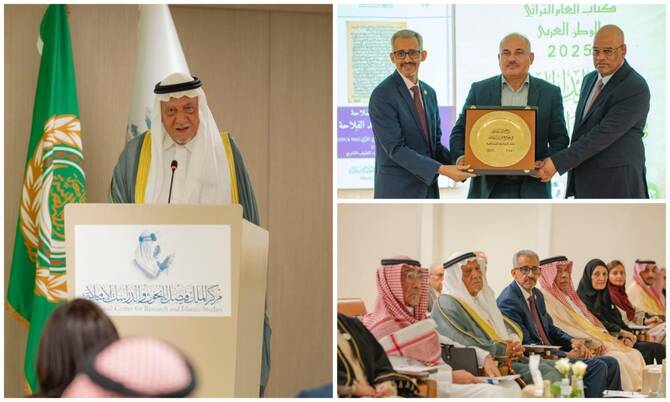
The official celebration of the 13th Arab Manuscript Day was inaugurated on Sunday by Prince Turki Al-Faisal, chairman of the board of directors at the King Faisal Center for Research and Islamic Studies.
Held under the theme “The Arab Manuscript: Life of a Nation and Pioneer of Civilization,” the event was organized in collaboration with the Institute of Arabic Manuscripts at the center’s headquarters in Riyadh.
Prince Turki said: “This day calls upon the memory of thought and allows the soul to listen to the echoes of centuries past.”
He added that Arab Manuscript Day went beyond celebrating paper and ink and honored the consciousness and intellectual legacy that shaped Arab and Islamic civilizations.
He recalled that the late King Faisal bin Abdulaziz received a delegation from the Institute of Arabic Manuscripts in Riyadh more than 50 years ago, near the site of the current center.
The meeting, he said, was a moment of “intellectual enlightenment,” during which King Faisal described heritage as a vital part of identity, comparing it to “a rich fountain of culture that never stops flowing.”
Abdulrahman Al-Khunaifer, adviser at the center, said that the day symbolized the convergence of time and place, at which “Damascus, Cairo, Baghdad, and Cordoba meet Riyadh and Diriyah” to celebrate the enduring legacy of the handwritten book.
He added that the center had produced thousands of titles and research projects that had kept the Arab manuscript “alive and beating” throughout history, and that the hosting of this year’s celebration represented the culmination of those efforts.
Three awards were presented during the ceremony: Yahya Mahmoud bin Junaid, a Saudi professor, was named the Heritage Research Personality of the Year in the Arab World.
In his acceptance speech he described heritage as a living tool for understanding modern society and the evolution of intellect, calling for the creation of a comprehensive digital index of heritage books to support researchers.
The award for Heritage Institution of the Year in the Arab World went to the National Laboratory for the Conservation and Restoration of Parchment and Manuscripts in Kairouan, Tunisia. Its director, Manal Rimah, said the recognition was a tribute to Tunisia’s cultural institutions.
The Heritage Book of the Year went to “The Collection of the Gems of Navigation in the Compendiums of the Benefits of Agriculture,” edited by Ihsan Thannoon Al-Thamiri, a professor from Iraq.
He described the work as an encyclopedic documentation of Arab agricultural knowledge, the result of a long period of dedication.
Since its founding in 1983, the center has become one of the leading global institutions in manuscript care. Its collection includes around 30,000 manuscript titles and 150,000 digitized manuscripts, reproduced in collaboration with major libraries and museums worldwide.
The center has also cleaned and restored about 330,000 books, manuscripts, and documents, reinforcing its position as a key scientific and cultural platform for future generations.
“What King Faisal began five decades ago with the Institute of Arabic Manuscripts is now being continued by his sons and grandsons with modern awareness and cultural dedication,” Prince Turki said as he reflected on the Kingdom’s vision of knowledge and culture as pillars of progress.
source/content: arabnews.com (headline edited)
______________
Left: Prince Turki Al-Faisal gives his opening remarks on the occasion of the 13th Arab Manuscript Day at the King Faisal Center for Research and Islamic Studies; Since its founding in 1983, the center has become one of the world’s leading references in the field of manuscript care. It holds around 30,000 manuscript titles and 150,000 digitized manuscripts. (Supplied)
The World Bank has opened a new regional hub in Riyadh to serve the Middle East, North Africa, Afghanistan, and Pakistan, as the Washington-based lender continues to boost its presence in the region.
According to a press statement, the new Riyadh hub will be co-located with the World Bank Group’s Gulf Cooperation Council regional office, bringing its leadership closer to country teams, clients, and regional partners.
The opening of the new regional hub signals the deepening ties between the World Bank and Saudi Arabia, as in December, the lender signed a strategic agreement to launch a new global knowledge hub in Riyadh to facilitate regional and global knowledge exchange, joint research, and capacity-building initiatives aimed at advancing global development impact.
Commenting on the opening of the new regional hub, Ousmane Dione, vice president of the World Bank for the MENAAP region, said: “Riyadh is not only a gateway to the region’s transformation, but also a powerful platform for global knowledge exchange and policy innovation.”
He added: “It is especially meaningful to mark this relocation on Saudi National Day, a moment that celebrates the Kingdom’s transformation and its growing role as a global convener of development knowledge.”
In the press statement, the lender added that the opening of the new regional hub aligns with the 50th anniversary of technical cooperation between the World Bank and Saudi Arabia.
In recent months, the institution has awarded a $650 million disaster management loan for Turkiye, a $146 million grant to Syria to help restore reliable, affordable electricity, and $930 million in financing to help improve Iraq’s railway performance, boost domestic trade, and diversify the country’s economy away from oil.
The regional hub development aligns with Saudi Arabia’s government-backed regional headquarters program, launched in 2021, which offers incentives such as a 30-year corporate income tax exemption and withholding tax relief, alongside regulatory support for multinationals operating in the Kingdom.
A Saudi Press Agency report in March said that over 600 international companies, including Northern Trust, IHG Hotels & Resorts, and Deloitte, have already established their regional bases in Saudi Arabia.
source/content: arabnews.com (headline edited)
_____________
The new Riyadh hub will be co-located with the World Bank Group’s Gulf Cooperation Council regional office, bringing its leadership closer to country teams, clients, and regional partners. Shutterstock
The Safety Wings drone can detect individuals in distress in water, swiftly navigate to their location, and drop inflatable life buoys.
Three Moroccan students from the Faculty of Sciences and Technologies (FST) in Settat have won a gold medal at the Innovation Week (IWA 2025) for their groundbreaking project, Safety Wings.
A drone that saves lives at sea
The winning project introduces a drone designed to revolutionize aquatic rescue operations.
The Safety Wings drone can detect individuals in distress in water, rapidly fly to their position, and deploy inflatable life buoys.
In contrast to existing buoys that sell for around $300 and are typically disposable, the Moroccan designers developed a reusable model that costs under $20. The only recurring expense is replacing compressed air cartridges.
Through the combination of reusability and affordability, the project provides an essential loophole in global rescue missions. The project is an affordable and scalable solution for impoverished communities with fewer resources but frequent aquatic emergency cases.
From Morocco to the world stage
Salah Bouhlal, Moad Es-Sraoui, Mohamed Kerroum, and Aziz Hraiba (supervisor) developed Safety Wings during their days as FST Settat students.
Their success at IWA 2025 places Morocco on the international innovation map and also shows how youthful scientists can convert pressing humanitarian needs into practical technological solutions.
OFEED, the organizer of the Innovation Week, describes the event as both a premier platform for showcasing and fostering cost-effective innovation and a “global community that believes ideas can become impact when courage meets collaboration.”
Innovation with human impact
Safety Wings is one component of a greater movement toward harnessing new technology for the public good. With their provision of life-saving gear, the Moroccan students seek to leave a positive impact on global standards of safety in aquatic environments, from seaside public beaches to remote fishing villages.
In addition to the Safety Wings team, other Moroccan innovators also figured among the winners of IWA 2025. Their projects spanned diverse fields. This collective achievement reinforced Morocco’s reputation as a hub of creativity and problem-solving on the international stage.
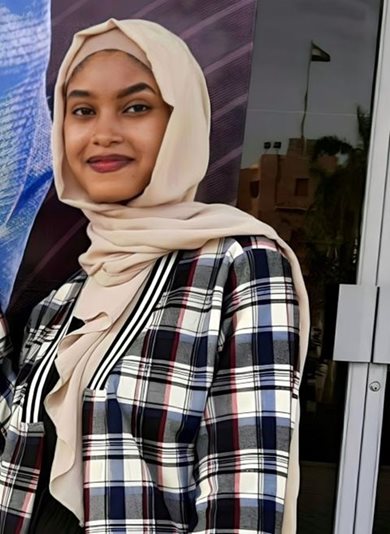
Sara Albagir Abdalla Mohammed is many things—a student, a scientist, an ASM Young Ambassador—but, above all, she is unstoppable. Amid ongoing socio-political upheaval and conflict in her home of Sudan, she is determined to advance her own microbiology journey and ensure others can do the same.
“The challenges I’ve faced have ultimately shaped me into a more resilient and adaptable microbiologist,” Albagir Abdalla Mohammed said. “These experiences have strengthened my commitment to making science accessible to those in resource-limited settings and finding innovative ways to promote scientific development, even in the face of adversity.”
Her penchant for tackling scientific challenges predates her academic activities. As a child, Albagir Aballa Mohammed wanted to find treatments for “untreatable” diseases, though it was during her high school biology classes—where she learned about the intricate complexities of the human body—that her interest in health sciences blossomed. She took that interest and ran with it, going on to pursue a degree in medical laboratory sciences at the University of Khartoum.
Albagir Abdalla Mohammed began her college career by diving head-first into disciplines ranging from hematology to clinical chemistry, though medical microbiology and immunology really drew her in. “I became particularly interested in how such tiny beings [i.e., microbes] could have massive impacts on global health systems. This contrast between the micro and the macro fueled my desire to understand how microbiology could contribute to solving some of the world’s most pressing problems,” she shared. Her experience training in laboratories at Ibn Sina Specialized Hospital—one of Sudan’s largest hospitals for liver diseases, including those caused by microbes like hepatitis B virus—solidified her decision to specialize in medical microbiology.
But, as certain as Albagir Abdalla Mohammed was about her chosen educational path, external circumstances have made the road difficult to navigate. The Sudanese December Revolution shut down the education system in Sudan for almost 2 years; the COVID-19 pandemic tacked on another year. Then, in April 2023, as Albagir Abdalla Mohammed neared the end of earning her degree, conflict broke out in her home of Khartoum, Sudan’s capital. The conflict has displaced over 10 million people, with Albagir Abdalla Mohammed—who was forced to relocate to a rural area—among them.
“Over the past year and a half, I’ve faced ongoing disruption, displacement and uncertainty,” she shared. “This was an especially difficult time, as I was so close to completing my education and reaching my long-awaited goal of graduation. My academic journey, originally planned to take 4 years, [has] stretched into over 6 due to these repeated interruptions.”
Yet, for each obstacle thrown in her path, Albagir Abdalla Mohammed has found ways to continue her scientific development. “I refused to let my educational journey come to a complete halt. I have continued learning, even under challenging conditions with poor internet connectivity in the rural area I’m in,” she said, noting that she has completed various online programs and specializations in public health, epidemiology and data analytics.
What’s striking about Albagir Abdalla Mohammed is that she is not just concerned about her own scientific advancement. She is also invested in the future of countless scientists facing similar circumstances. When universities in war-affected regions of Sudan closed, she watched as her peers lost hope and disengaged from their academic paths. For Albagir Abdalla Mohammed, this was a call to action. “I was determined to keep microbiology alive in Sudan, even amid these challenges.”
Fueled by this determination, she founded MicroGen, an online initiative aimed at empowering early-career microbiologists in Sudan through career guidance, professional development and capacity-building opportunities. Now with a community of 5,000 students and professionals from over 50 Sudanese universities and institutions, MicroGen has hosted informational sessions about various microbiology career paths, highlighting connections between the diverse scientists, disciplines and roles spanning the microbial sciences.
Such interconnectivity has been foundational to Albagir Abdalla Mohammed’s efforts. She considers a strong network of peers and collaborators instrumental for navigating obstacles and creating new opportunities, and credits the ASM Young Ambassador program, with its vast global community of scientists, with helping her build that network. As Young Ambassador to Sudan (an appointment she considers one of the most pivotal moments of her career), Albagir Abdalla Mohammed has focused on leveraging her platform to “increase the engagement of Sudanese microbiologists within ASM and promote its mission of advancing the microbial sciences.”
To say she has been successful in this mission is an understatement. A free online Bioinformatics Workshop she organized in the summer of 2024 attracted a whopping 1,144 participants—over 700 from Sudan and the rest from 32 other countries—and resulted in 865 new ASM members. Albagir Abdalla Mohammed designed the workshop to meet the needs of Sudanese microbiologists who are unable to conduct lab-based research. “By focusing on in silico research, participants were empowered to use computational tools to simulate biological processes, analyze large datasets and conduct meaningful research without the need for fully equipped laboratories,” she said.
Feedback from the event, where participants learned everything from how to analyze microbial genomes, to the ins and outs of bioinformatic data interpretation, was overwhelmingly positive. One participant from Sudan wrote that the workshop was “comprehensive and nicely delivered, even with the war running in the background,” adding that they no longer “feel really stuck, nor [that] the world is steps ahead of me.”
For her part, Albagir Abdalla Mohammed learned that “with the right approach, it is possible to sustain research momentum even in the most difficult circumstances, and that the scientific spirit of curiosity and perseverance can thrive in adversity.”
In many ways, she embodies this spirit of curiosity and perseverance. This is evident not just from her work with MicroGen and the ASM Young Ambassador program, but also from other endeavors. Case in point: Albagir Abdalla Mohammed was behind the effort that led to a collaboration between the non-profit organizations HealthGoes Global and Partners for World Health . The partnership resulted in the shipment of over $340,000 worth of essential medical supplies to aid Sudan’s overwrought health care system. She was also recently appointed a Champion for the Microbiological Society in the U.K. and is currently organizing Sudan’s first national symposium on antimicrobial resistance (AMR), aimed at fostering collaboration among Sudanese microbiologists and health care professionals to address the AMR crisis.
The throughline here? Albagir Abdalla Mohammed is a force, a passionate science advocate. She may be early in her career, but that hasn’t stopped her from taking on leadership roles to enact change. She encourages other future and early-career scientists to adopt a similar outlook.
“Never underestimate your abilities and know that leadership isn’t confined to titles or seniority; it’s about how you contribute, collaborate and support others, regardless of your career stage,” she said. “Often, early-career scientists feel they need to wait for a certain level of experience or recognition before stepping into leadership roles, but that’s not the case. Leadership comes from taking initiative, sharing your ideas and offering guidance—even as a student or young professional.”
Still, while showing initiative as a young scientist is crucial for advancement, Albagir Abdalla Mohammed acknowledged barriers that can slow forward motion. She pointed specifically to the limited number of mentorship and training opportunities for undergraduates like her, as many are geared toward graduate students and advanced professionals. Investments in these advanced scientists is imperative, she noted, but such focus means young scientists at formative stages of their development can get left behind. This is felt strongly in countries like Sudan, where political instability and conflict can extend an undergraduate degree to 6-8 years.
“These delays hinder access to mentorship and resources, and the lack of available opportunities further reinforces these existing barriers, leaving talented students behind and limiting their ability to participate in the global scientific community,” Albagir Abdalla Mohammed explained. “Addressing this gap is essential to fostering a truly inclusive STEM field. Empowering undergraduates, particularly those from underrepresented regions, will not only cultivate diverse talent, but also enrich the global scientific dialogue with fresh perspectives and ideas,” all of which are paramount for propelling science forward to solve big problems.
To that end, Albagir Abdalla Mohammed, who is Sudanese, Muslim, identifies as African and speaks Arabic as her native language, considers diversity in all its forms the cornerstone of innovation. She advised scientists at every career stage to view their background as an asset, not a limitation, highlighting that all the pieces that make her who she is have inspired her work. “My faith emphasizes the values of compassion, community and social responsibility, motivating me to uplift marginalized voices and create inclusive spaces where everyone has the opportunity to contribute and thrive,” she shared.
It doesn’t take much to see that Albagir Abdalla Mohammed is a bright light—and the future of microbiology is brighter because of her. Wherever her path takes her next, one thing is certain: she won’t give up. And she encourages other young scientists not to give up either. “The journey in science will likely present challenges, including systemic barriers, limited resources or unexpected disruptions. In those moments, persistence and resilience are key. Let the obstacles you face shape you into a stronger, more adaptable version of yourself.”